Article

Comparative Analysis of the Structure, Properties and Internal Stresses of MAG Welded Joints Made of S960QL Steel Subjected to Heat Treatment and Pneumatic Needle Peening


by
Jacek Górka
1,*,
Mateusz Przybyła
2 and
Bernard Wyględacz
1,*
1
Department of Welding Engineering, Silesian University of Technology, Konarskiego Str. 18a, 44-100 Gliwice, Poland
2
FAMET S.A., Szkolna Str. 15, 47-225 Kędzierzyn Koźle, Poland
*
Authors to whom correspondence should be addressed.
Materials 2025, 18(23), 5363; https://doi.org/10.3390/ma18235363
Submission received: 29 October 2025 / Revised: 20 November 2025 / Accepted: 23 November 2025 / Published: 28 November 2025
(This article belongs to the Special Issue Fusion Bonding/Welding of Metal and Non-Metallic Materials)

Abstract

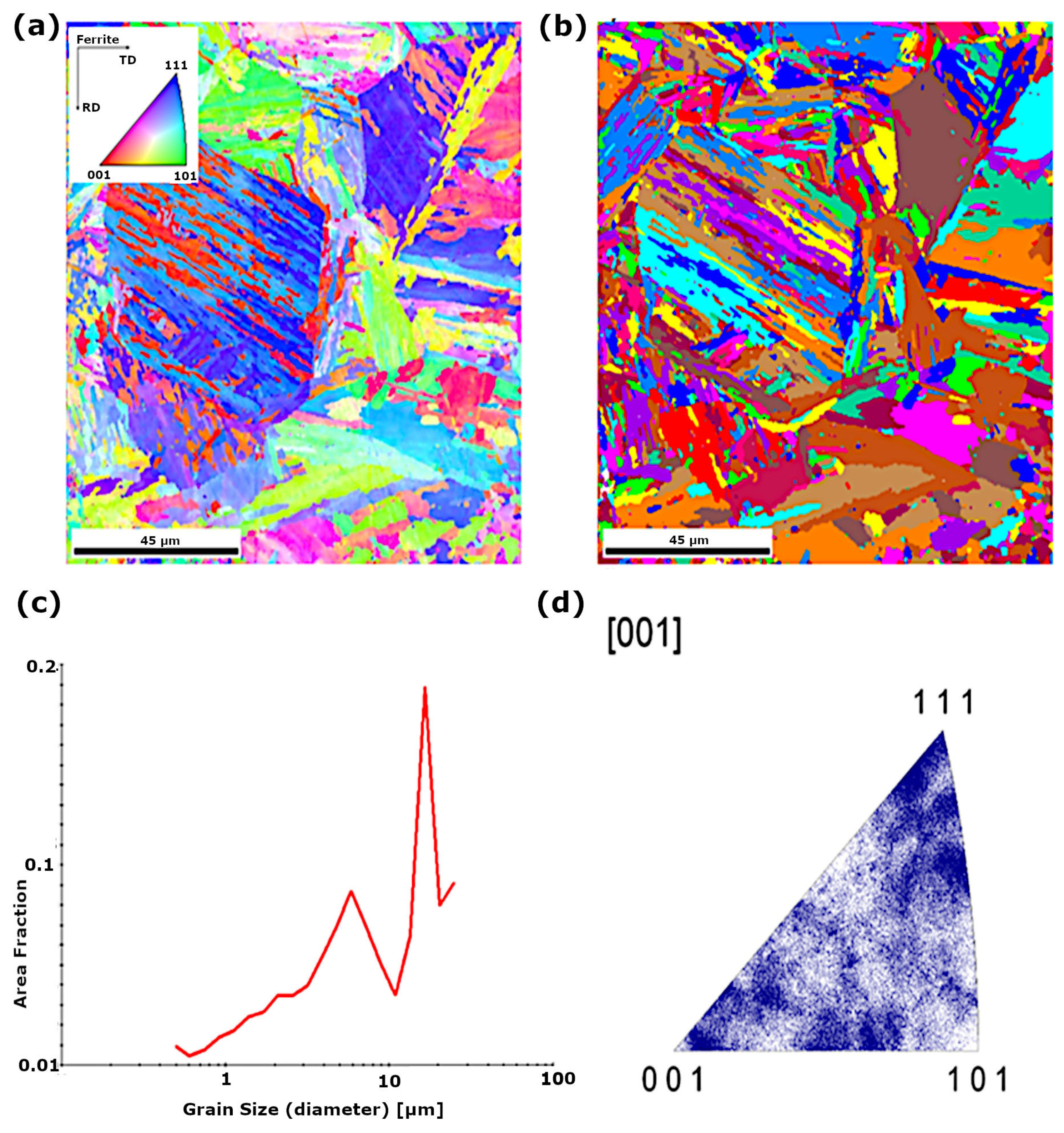
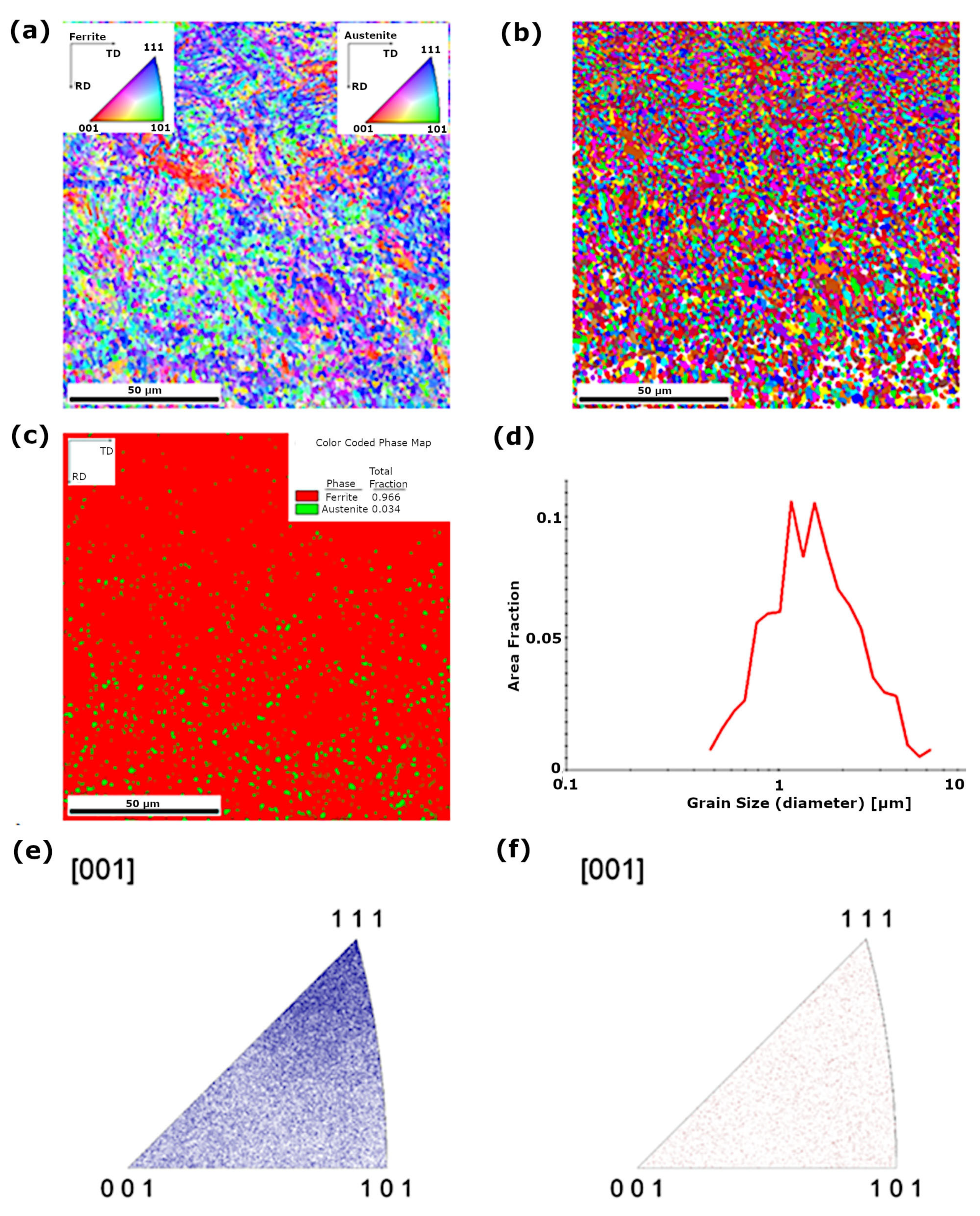
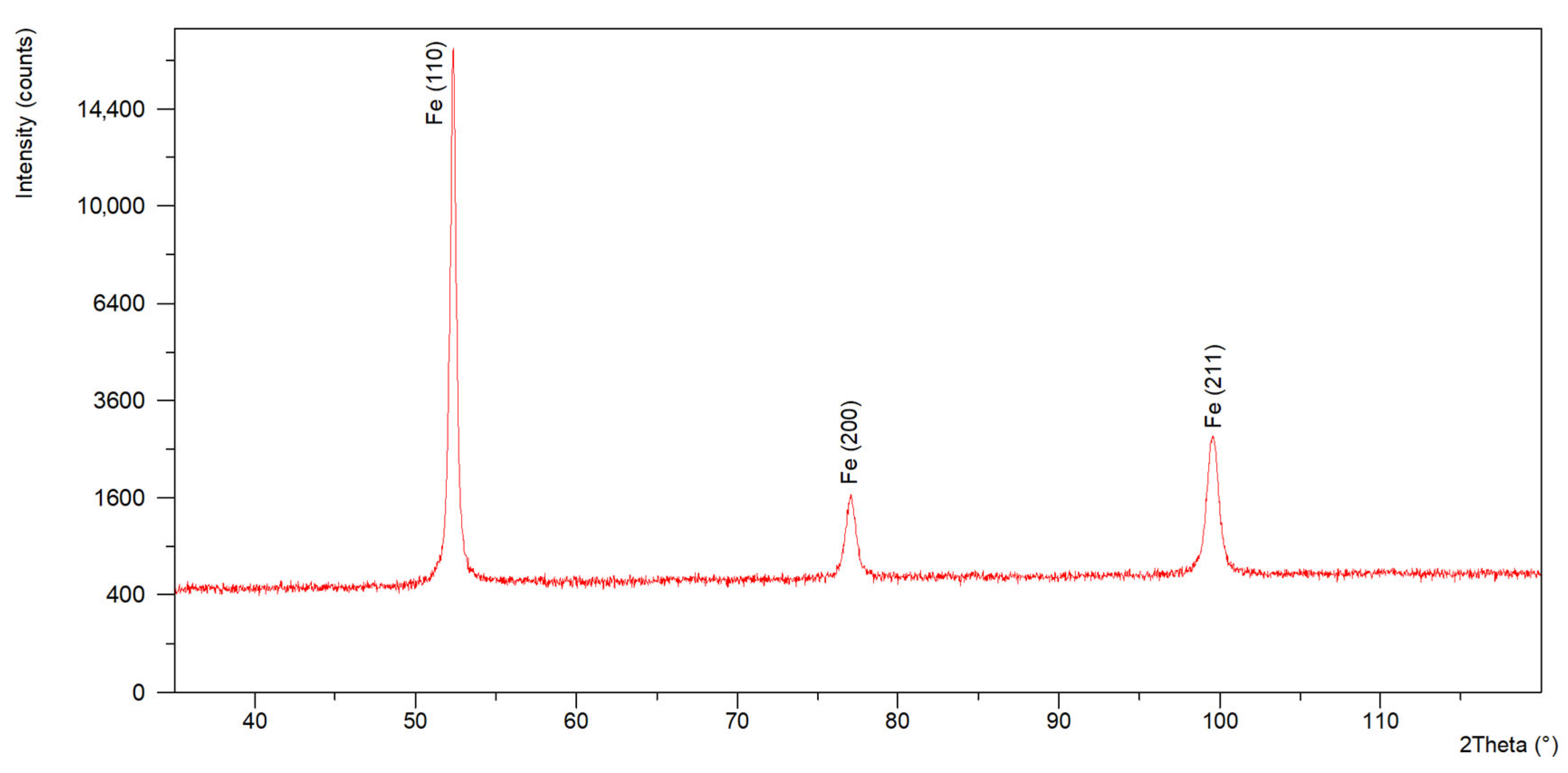
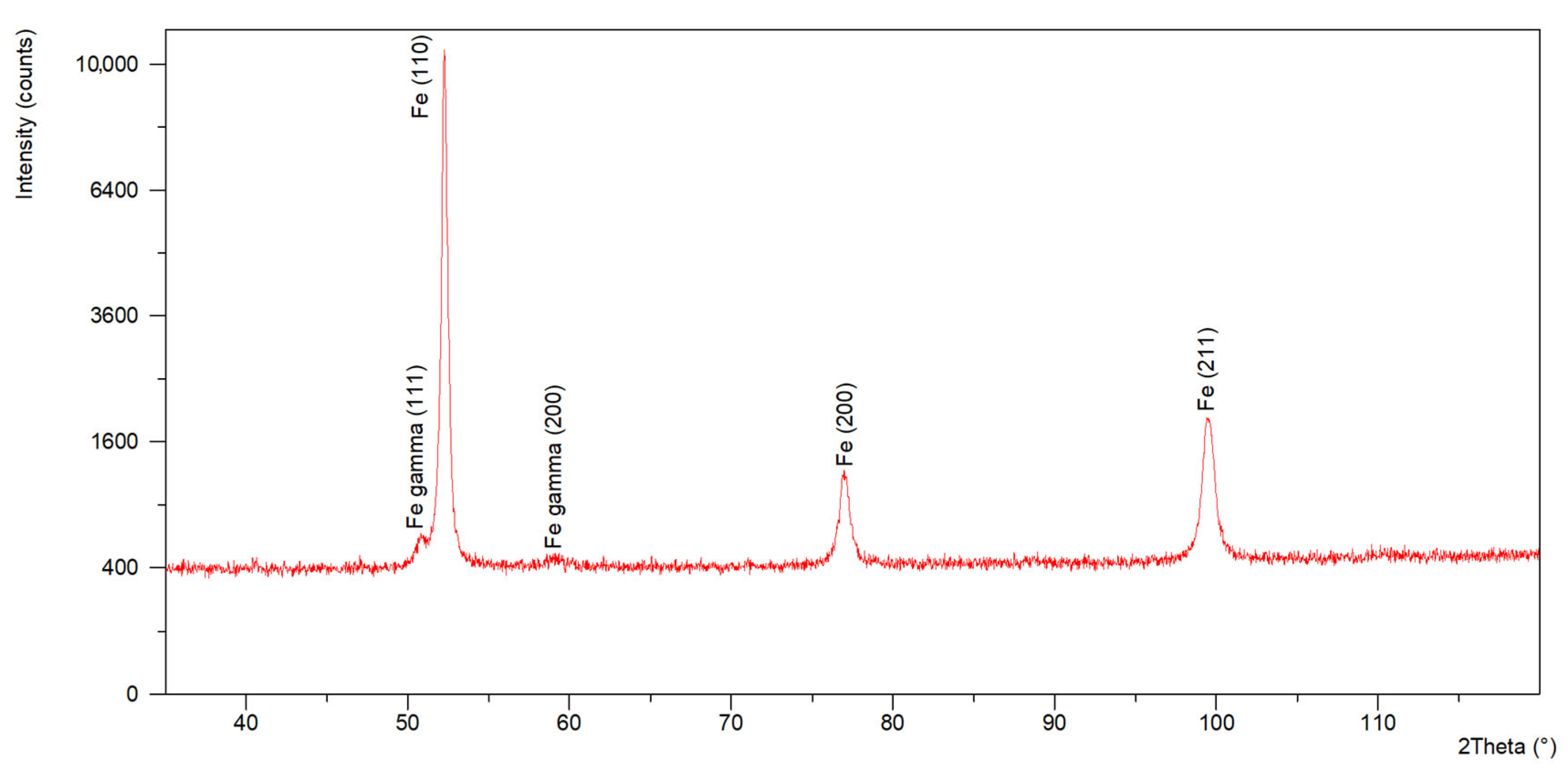
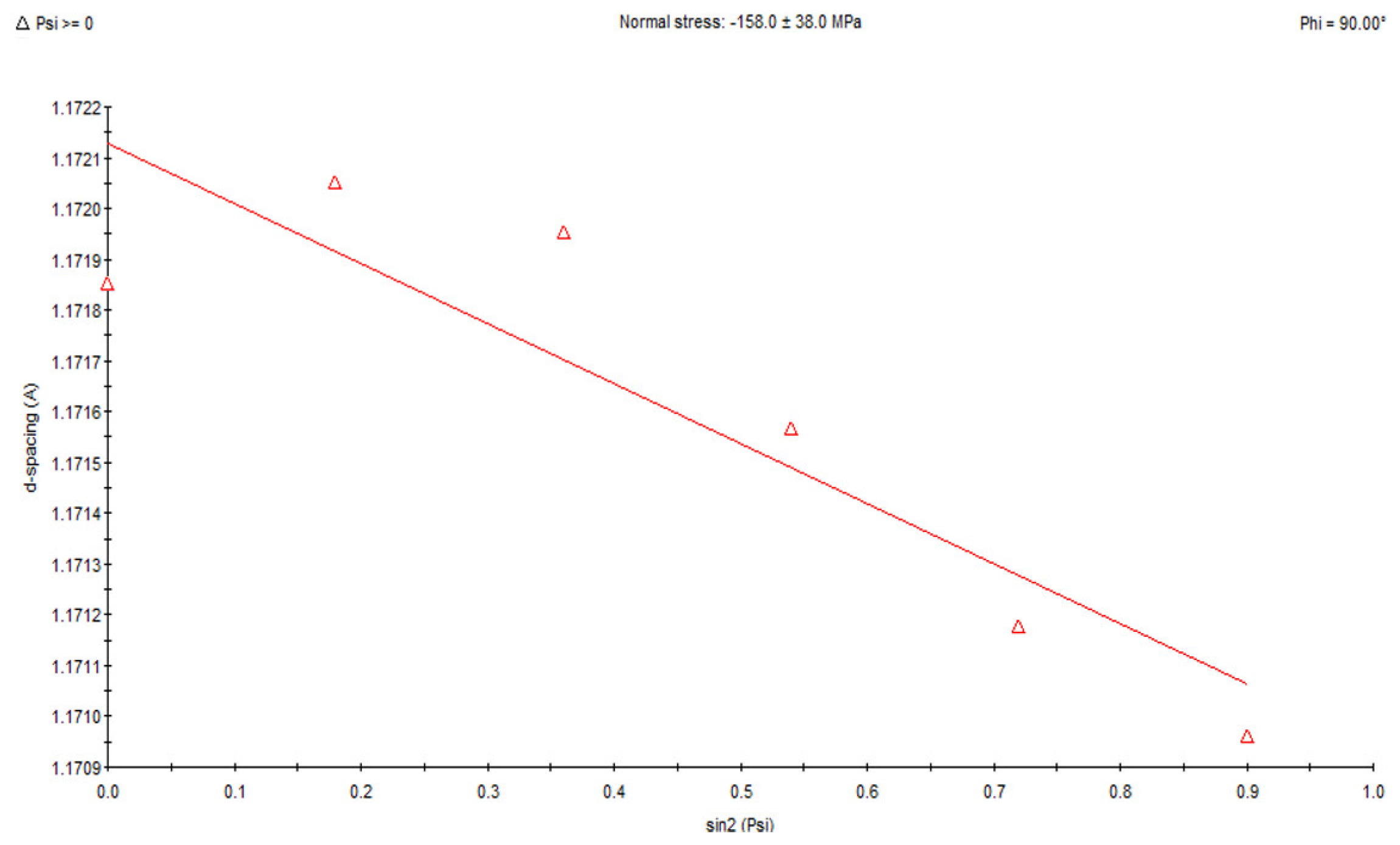
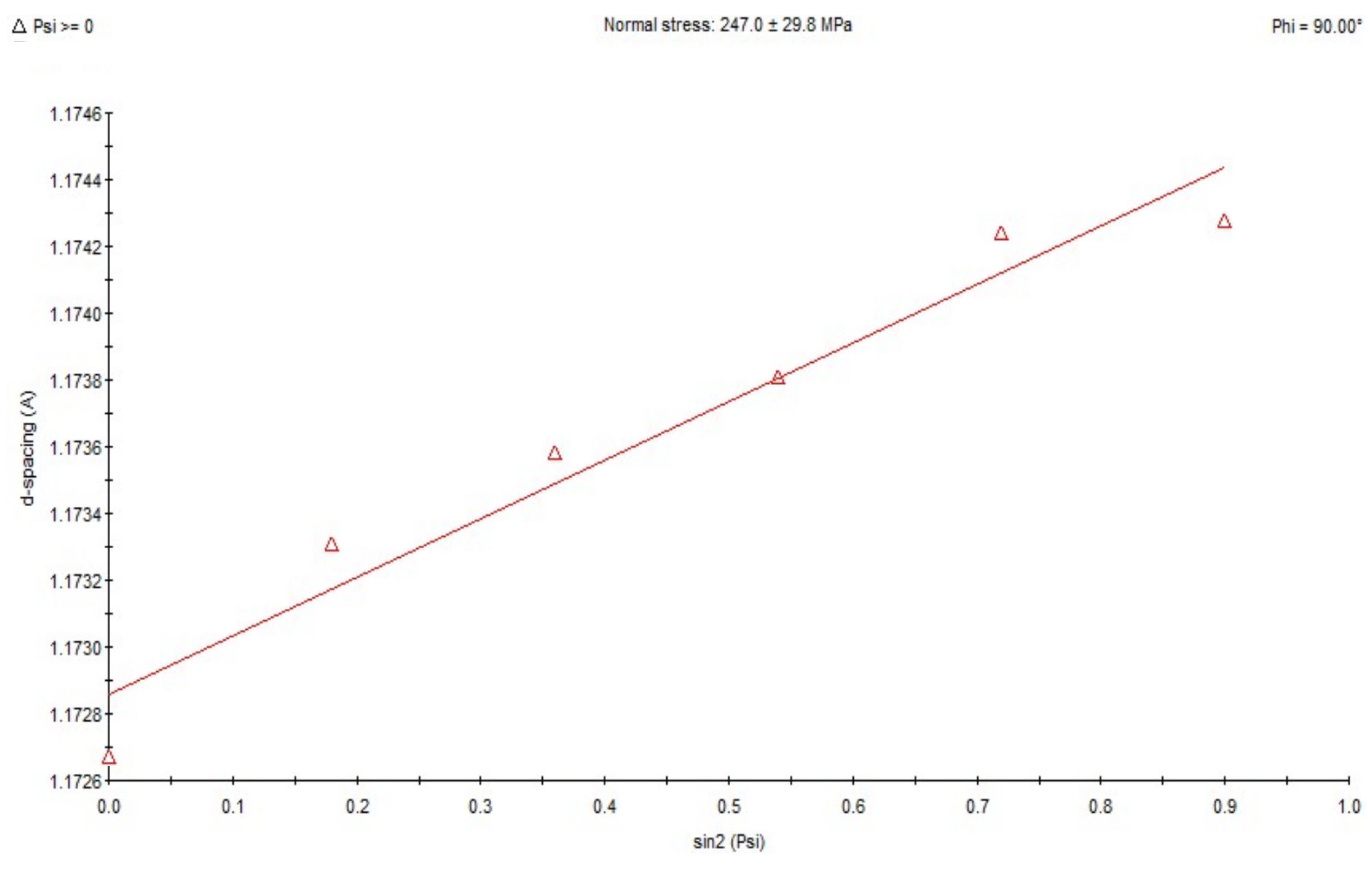
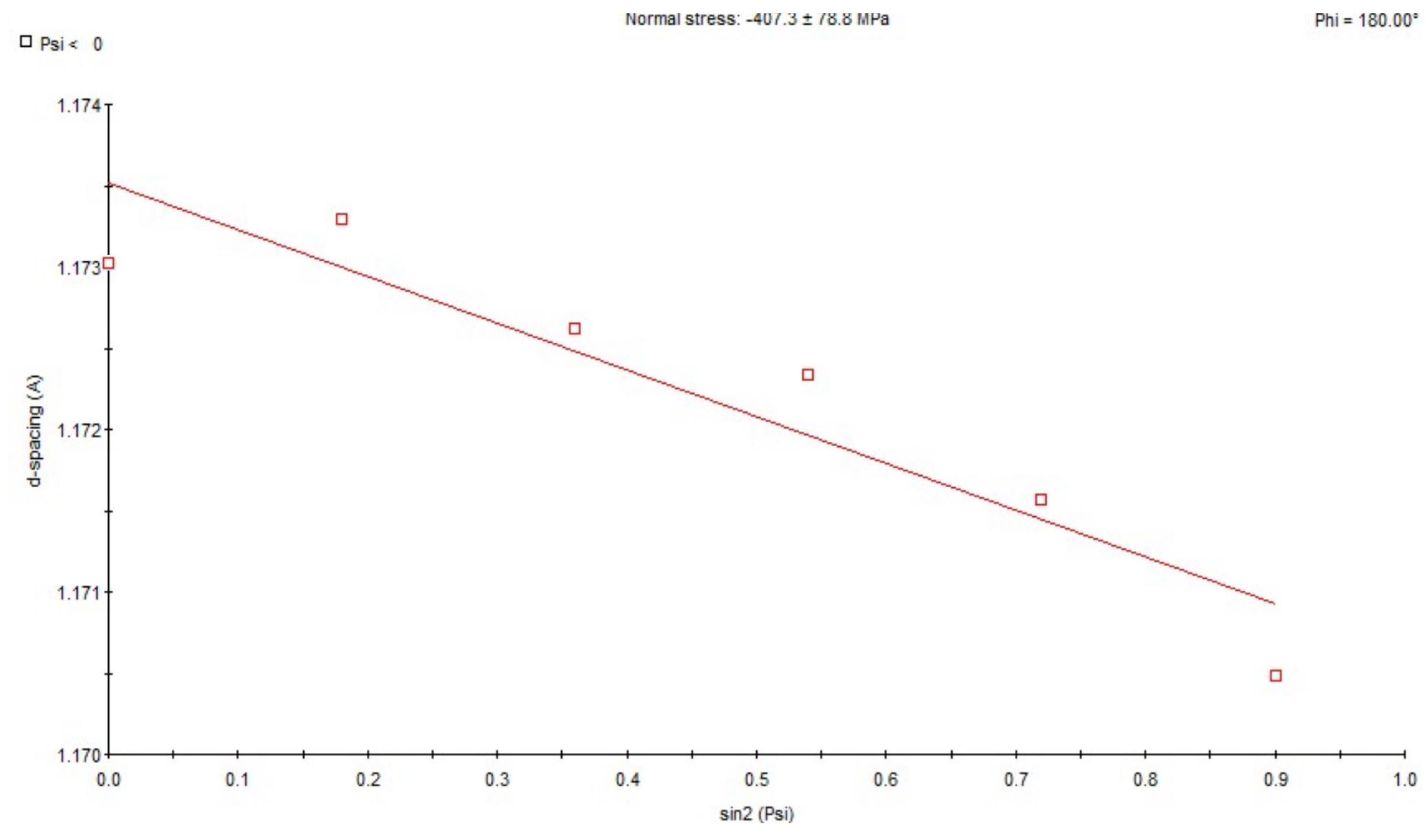
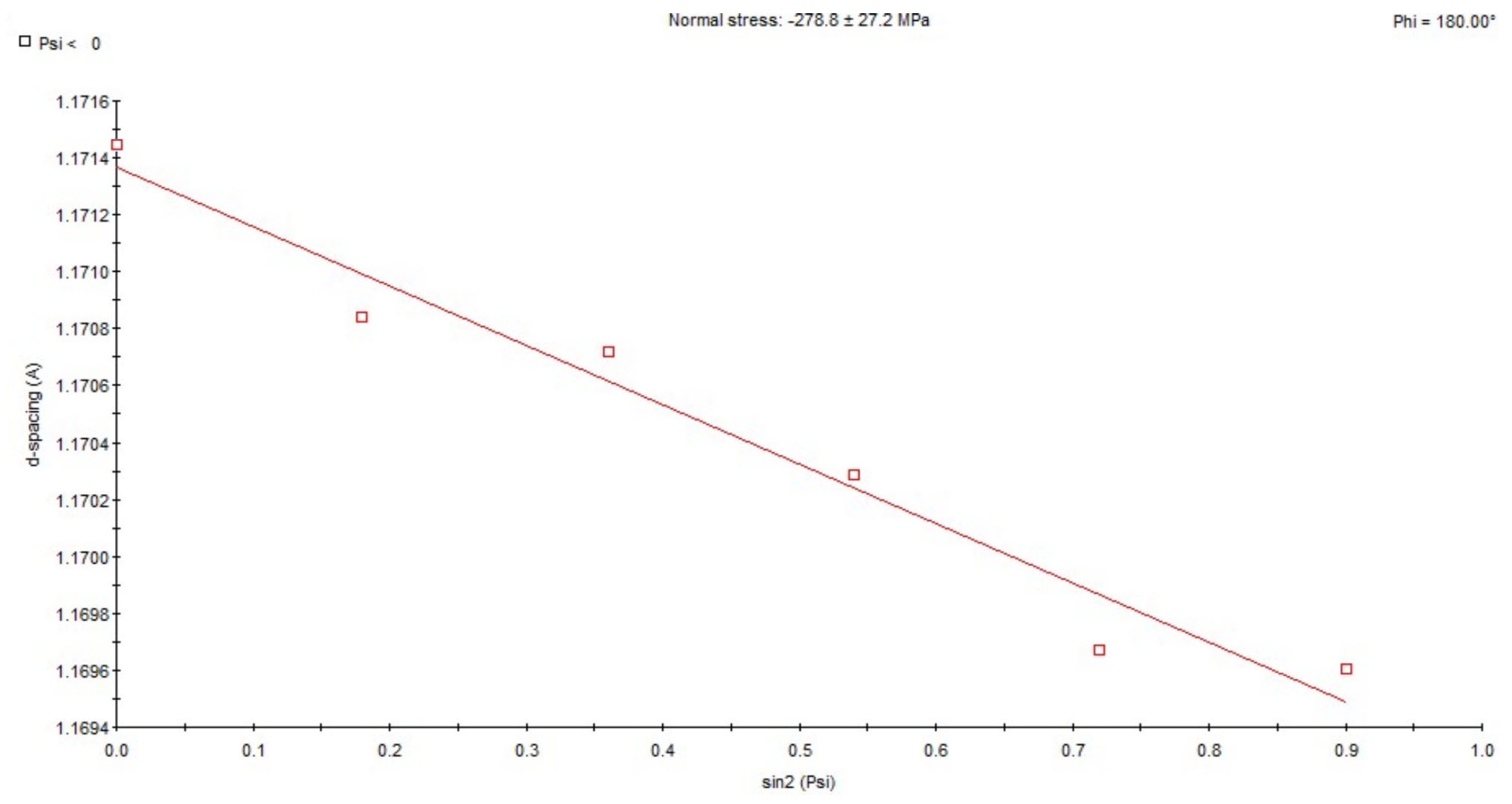
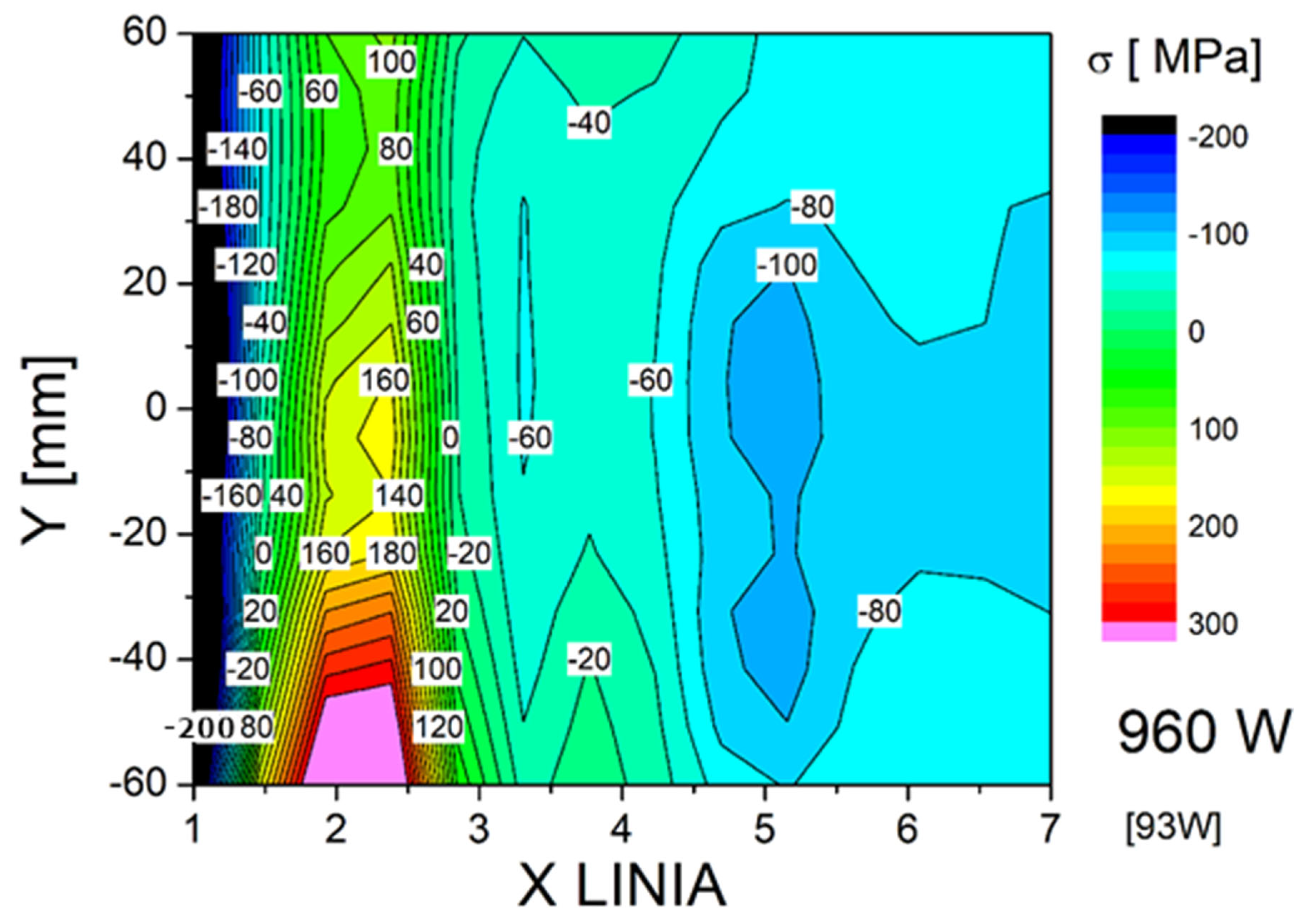
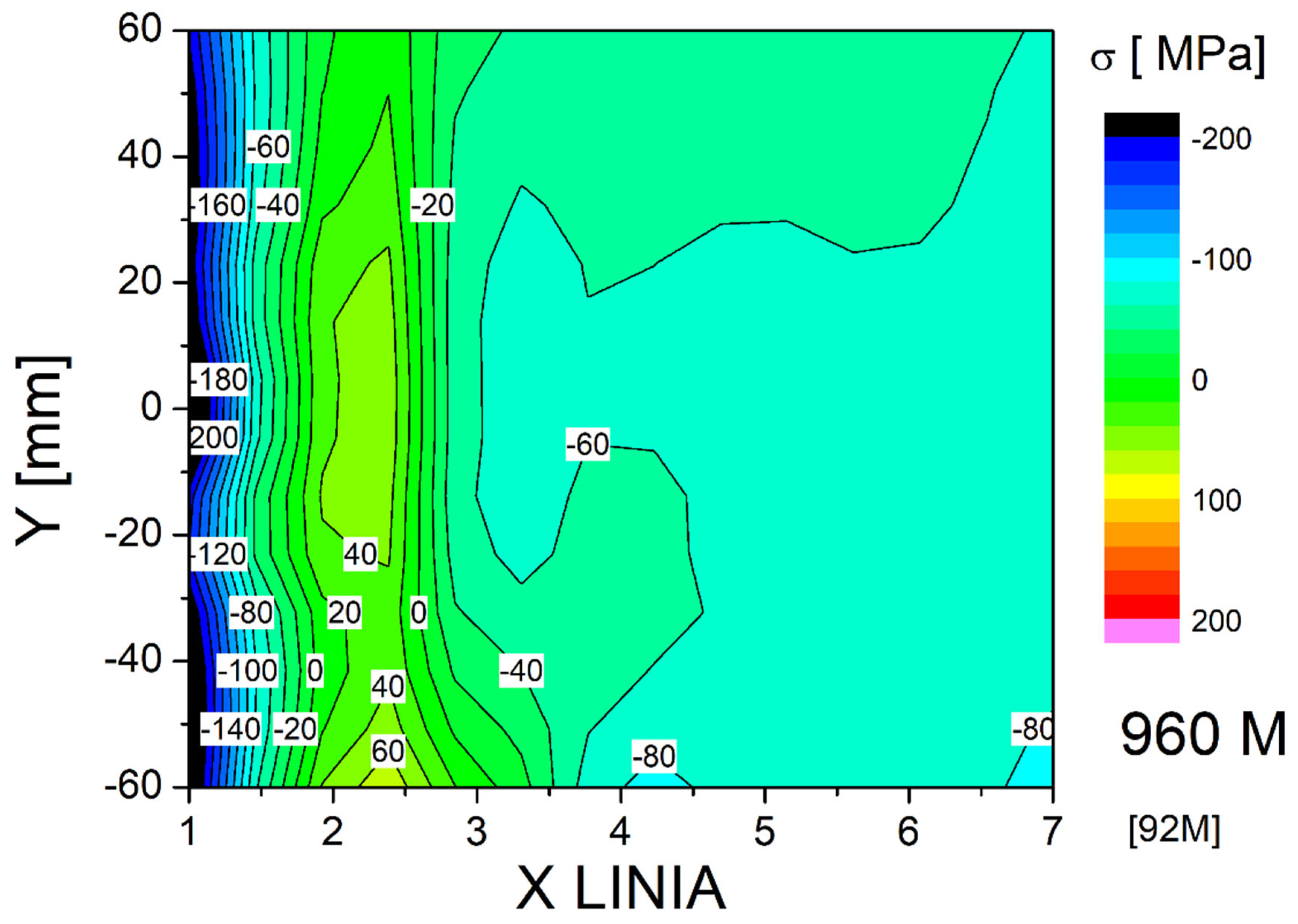
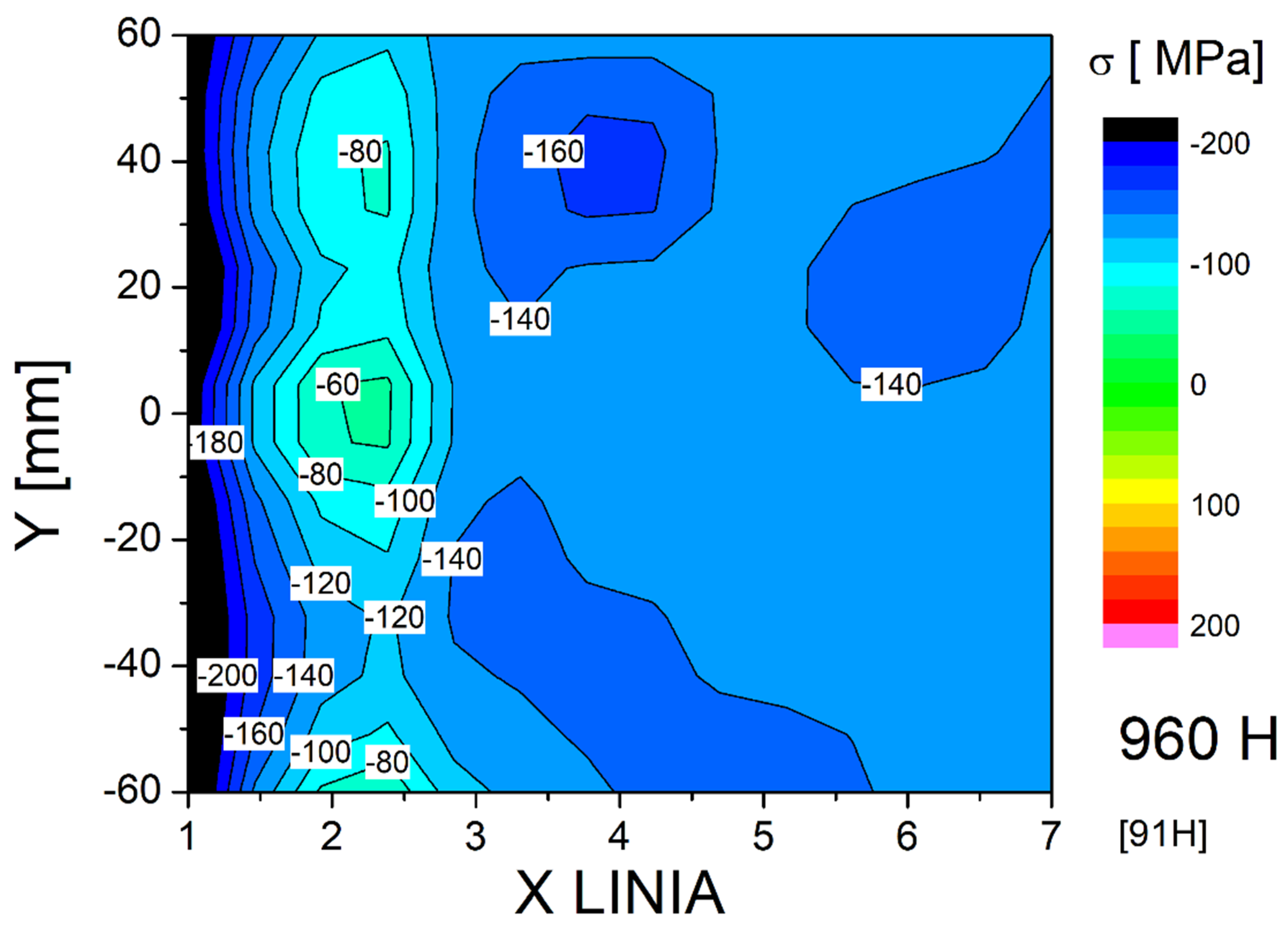
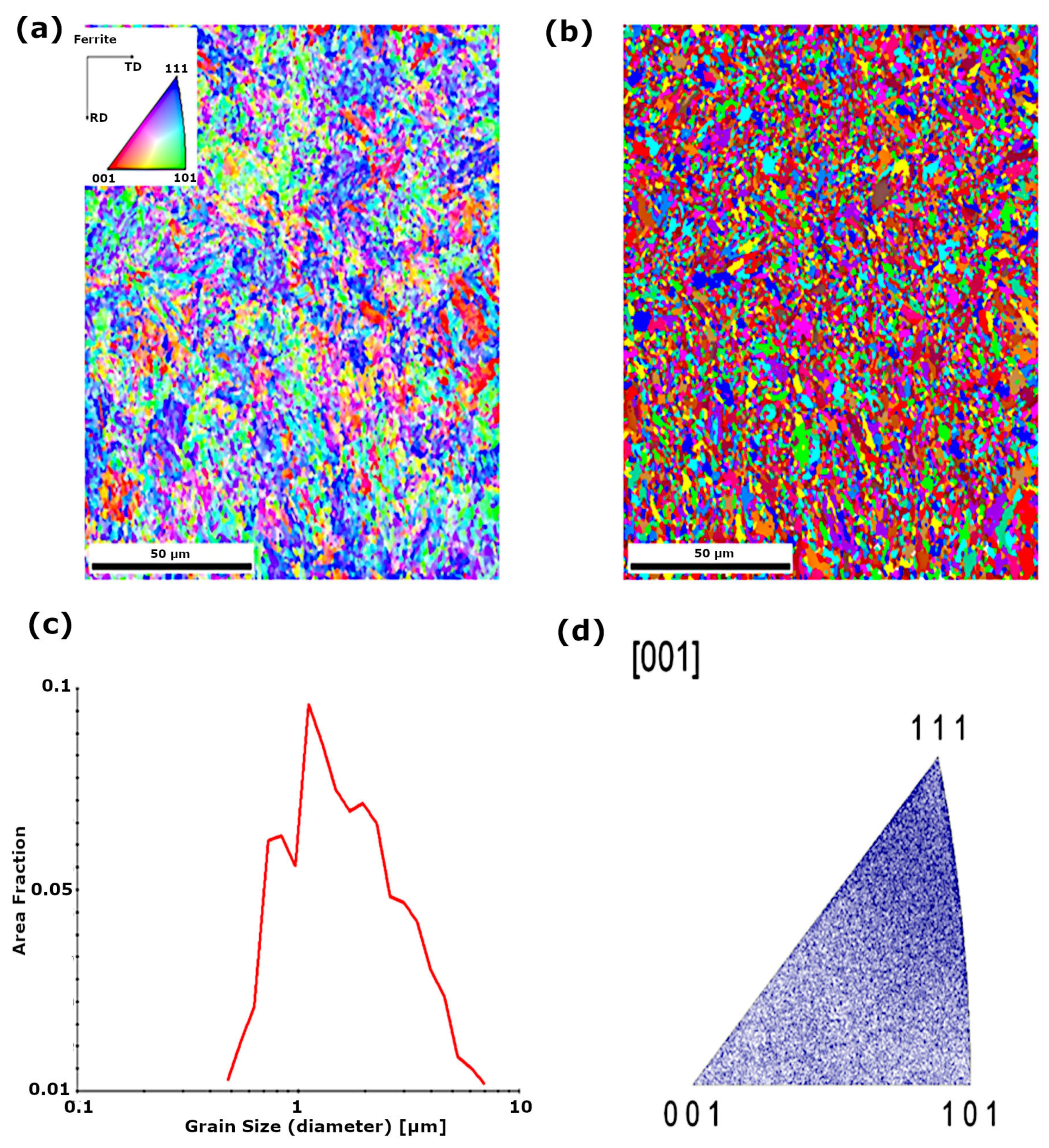
The aim of the research was to analyse the impact of peening each of the beads on the properties of a butt joint made of S960QL steel welded with ceramic backing on a robotic workstation using the 135 (MAG) method, and to determine the impact of pneumatic needle peening on the stress level. This analysis was based on a comparison of three butt joints: in the as-welded state, with each weld bead peened and post-weld heat treatment—stress relief annealing—performed. High-frequency peening (90 Hz) of each weld was performed to reduce stresses in the welded joint by introducing tensile stresses into it. A Weld Line 10 pneumatic hammer from PITEC GmBH was used for this purpose. The test joints obtained were tested in accordance with the requirements of EN ISO 15614-1. In order to determine the state of residual stresses, stress measurements were carried out using the Barkhausen effect based on the testing procedure of the technology supplier, NNT. This meter measures the intensity of the Barkhausen effect using a standard probe (with a single core). In order to verify the stress measurement using the Barkhausen method, stress measurements were performed using the XRD sin 2ψ technique based on the X’Pert Stress Plus program, which contains a database of material constants necessary for calculations. Structural studies, including phase analysis and crystallographic grain orientation, were performed using the backscattered electron diffraction method with a high-resolution scanning electron microscope and an EBSD (Electron Backscatter Diffraction) detector, as well as EDAX OIM analysis software. In addition, X-ray diffraction testing was performed on a Panalytical X’Pert PRO device using filtered cobalt anode tube radiation (λ = 1.79021 A). Qualitative X-ray phase analysis of the tested materials was performed in a Bragg–Brentano system using an Xcelerator strip detector. The tests showed that the high-frequency peening of each bead did not cause negative results in the required tests during qualification of the S960QL plate-welding technology compared to the test plates in the as-welded and post-stress-relief heat treatment states. Interpass peening of the weld face and HAZ resulted in a reduction in residual stresses after welding at a distance of 15 mm from the joint axis compared to the stress measurement result for the sample in the as-welded condition. This allows for a positive assessment of peening in terms of reducing the crack initiator in the form of the concentration of tensile stresses in the area of the fusion line and HAZ.
Keywords: S960QL steel; MAG welding; welding technology qualification; peening; internal stresses S960QL steel; MAG welding; welding technology qualification; peening; internal stresses