Article

Study of AC Conductivity and Relaxation Times Depending on Moisture Content in Nanocomposites of Insulation Pressboard–Innovative Bio-Oil–Water Nanodroplets


1
Lublin University of Technology, 38d, Nadbystrzycka Street, 20-618 Lublin, Poland
2
Department of Electrical Devices and High Voltage Technology, Lublin University of Technology, 38a, Nadbystrzycka Street, 20-618 Lublin, Poland
3
Department of High Voltage and Power Engineering, West Pomeranian University of Technology, 37, Sikorskiego Street, 70-313 Szczecin, Poland
4
Nynas AB Raffinaderivagen, 21, Nynashamn Stoc, 149 82 Nynasham, Sweden
5
Energo-Complex, Sp. z o.o., 9, Lotników Street, 41-949 Piekary Śląskie, Poland
*
Author to whom correspondence should be addressed.
Materials 2024, 17(23), 5767; https://doi.org/10.3390/ma17235767
Submission received: 19 October 2024 / Revised: 13 November 2024 / Accepted: 22 November 2024 / Published: 25 November 2024

Abstract

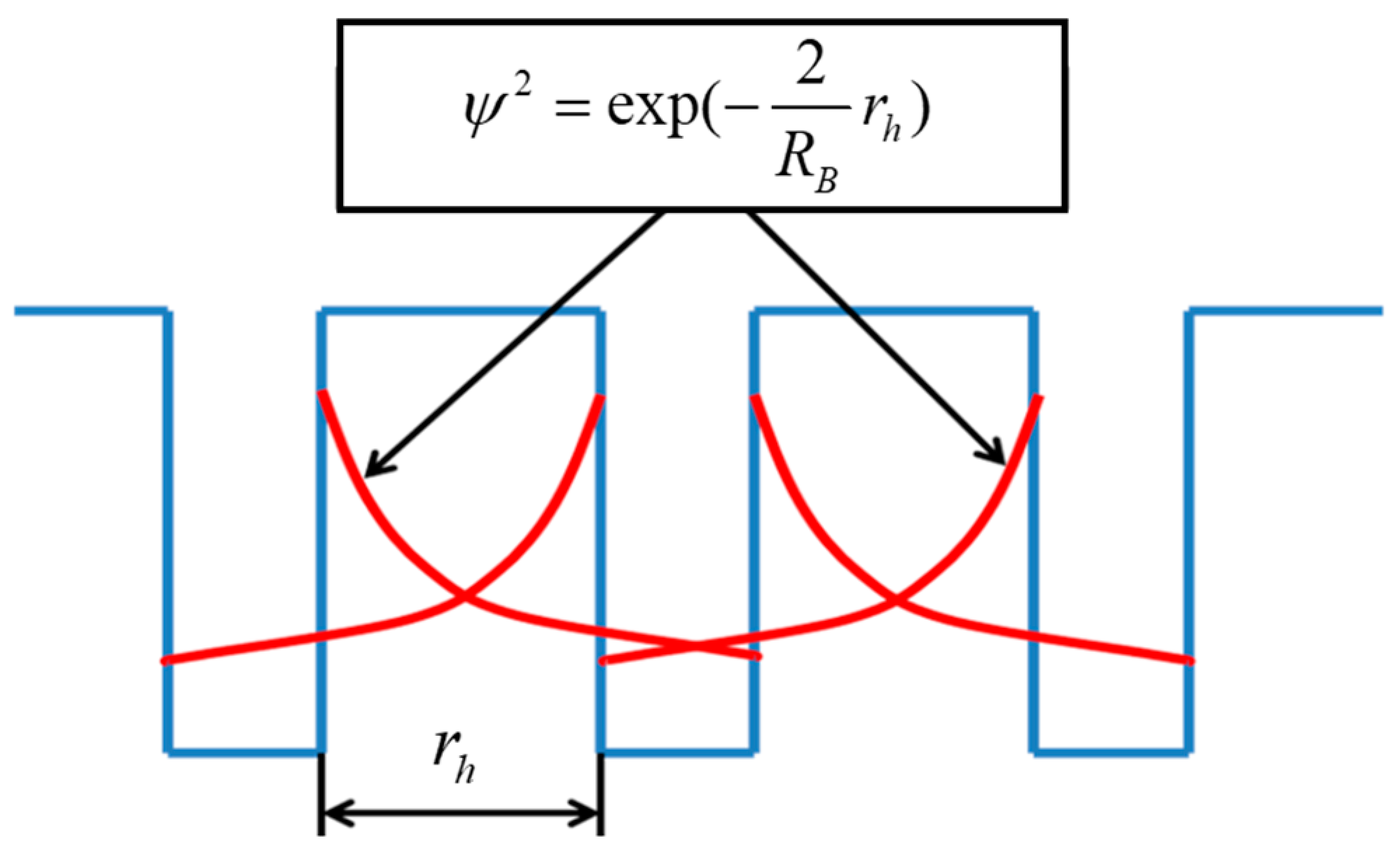
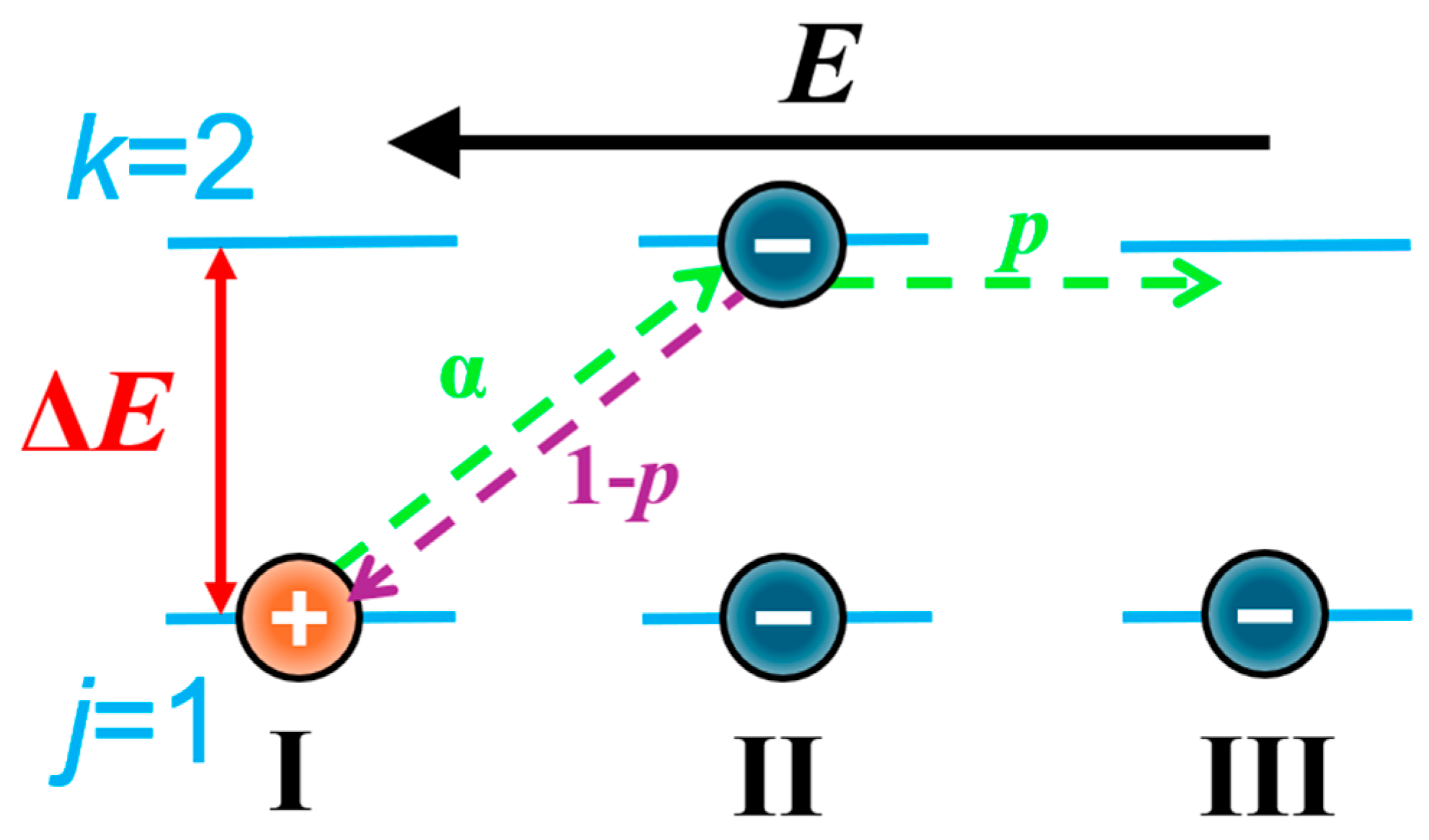
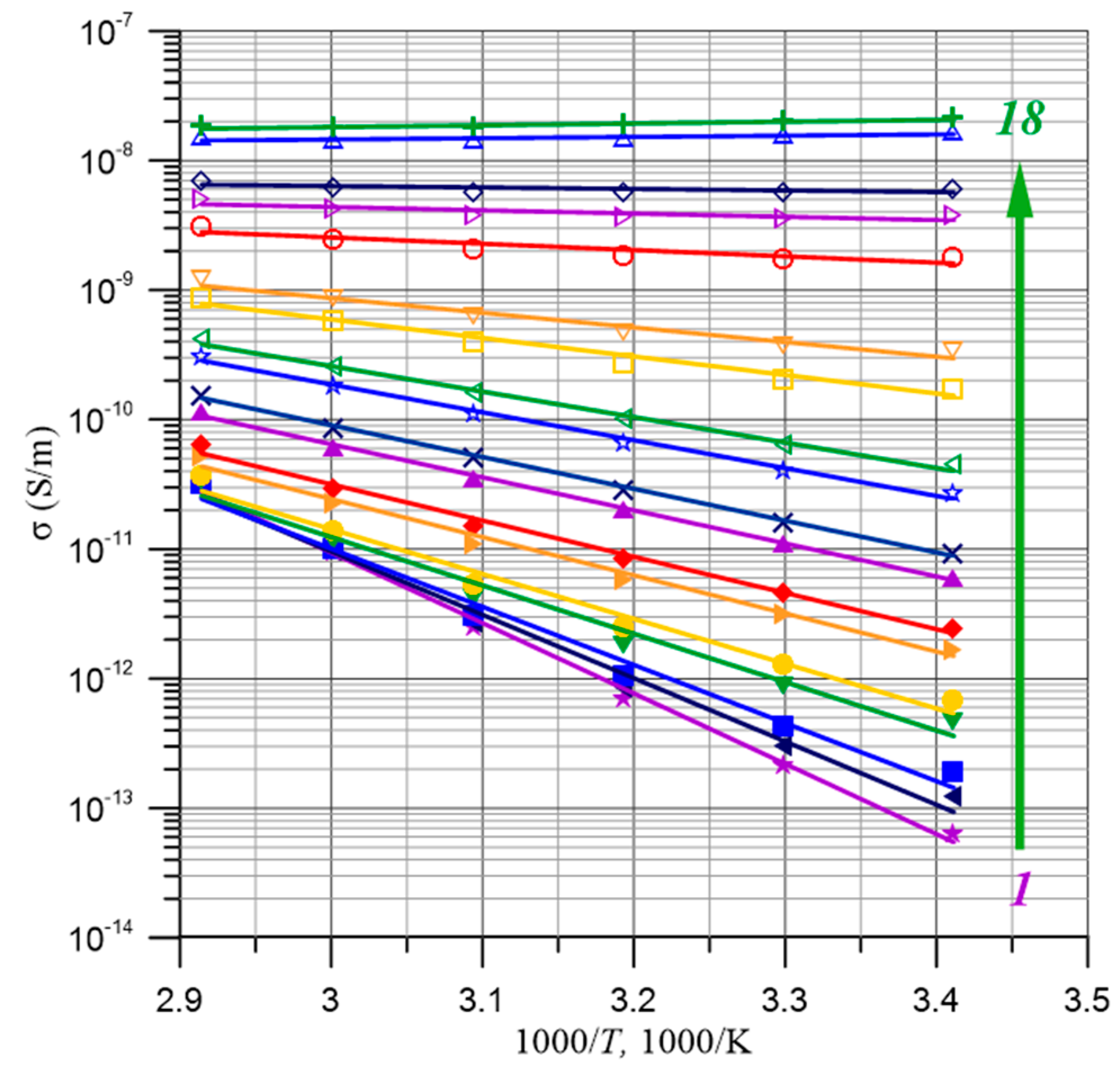
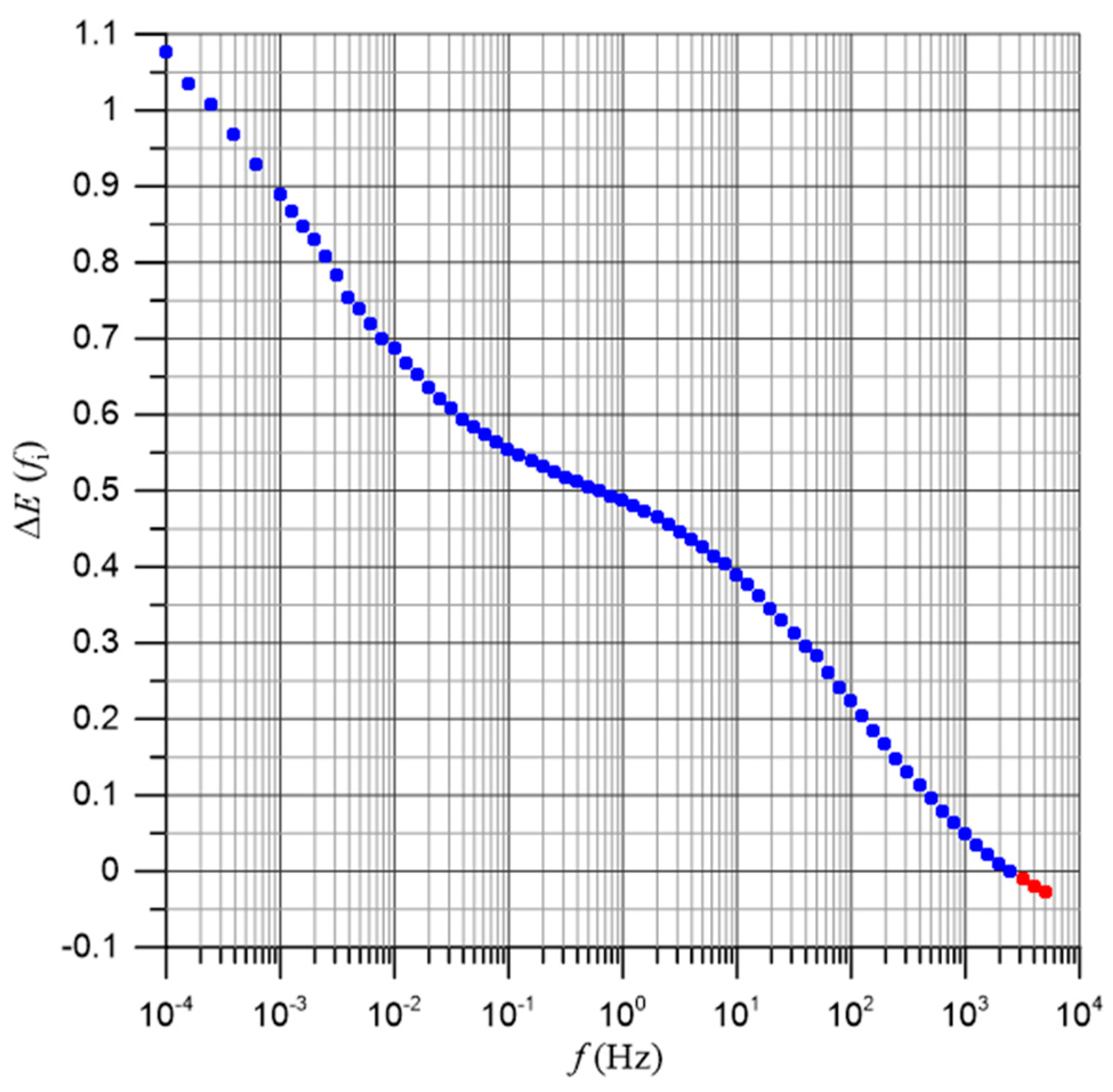
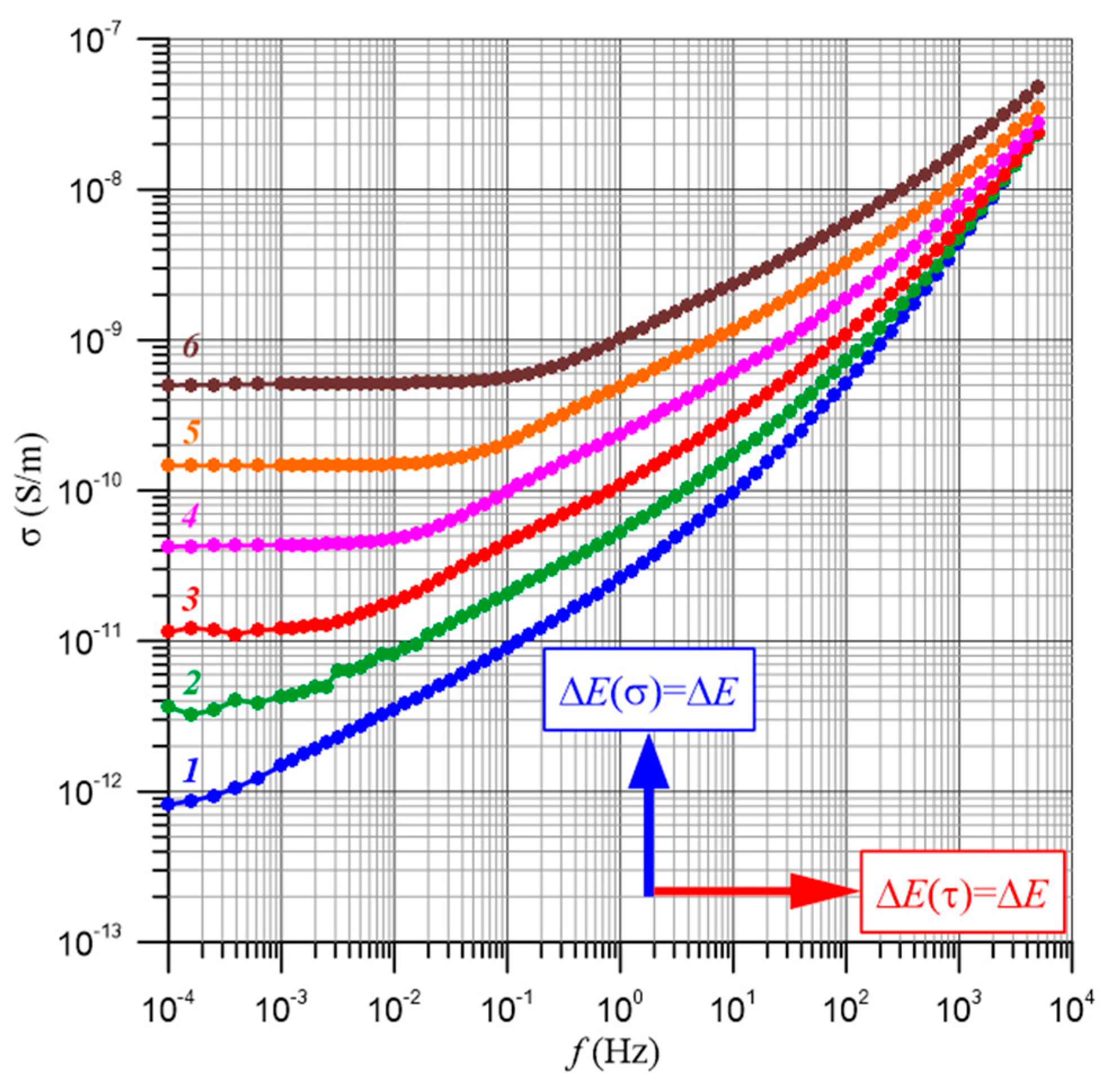
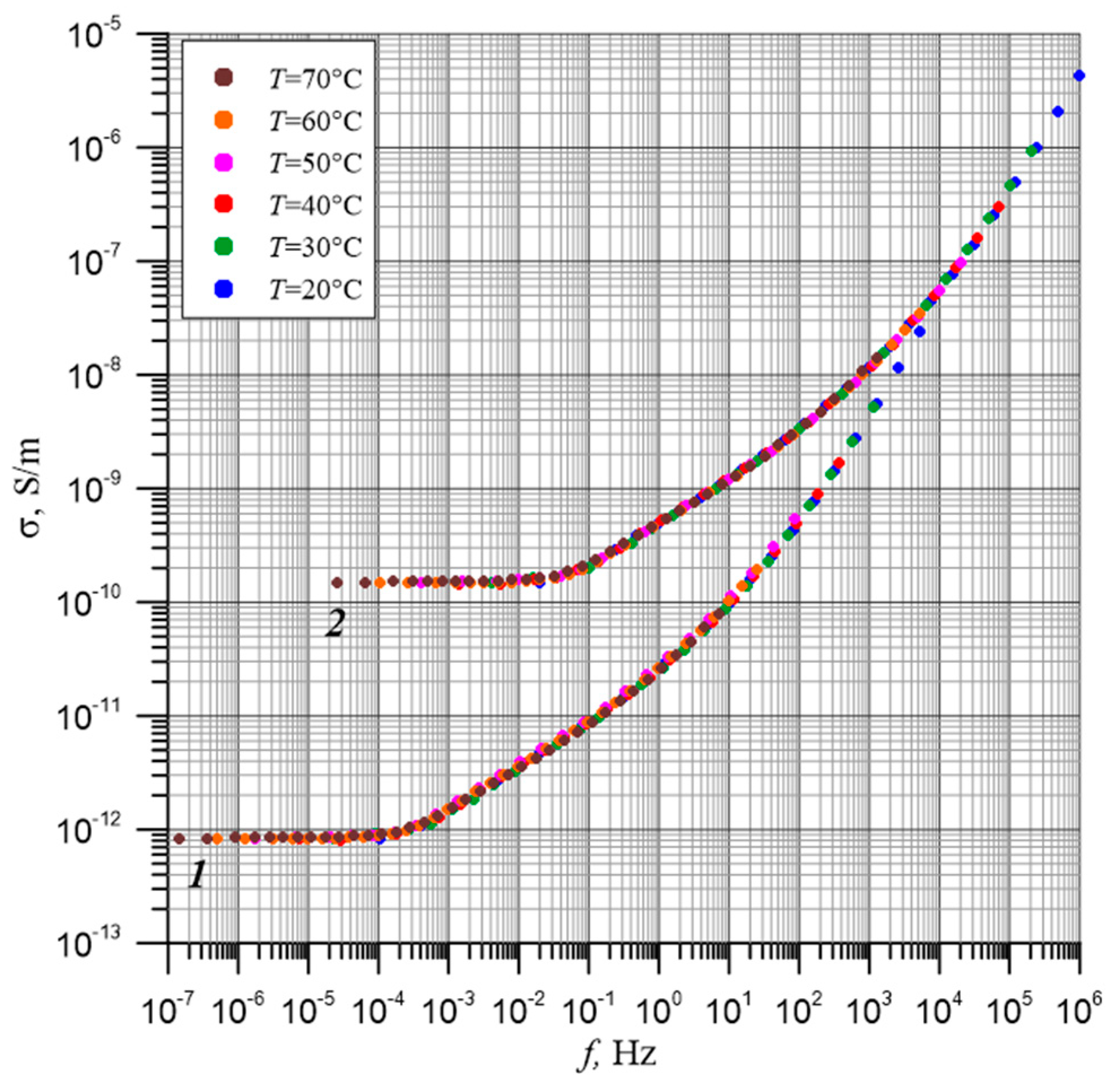
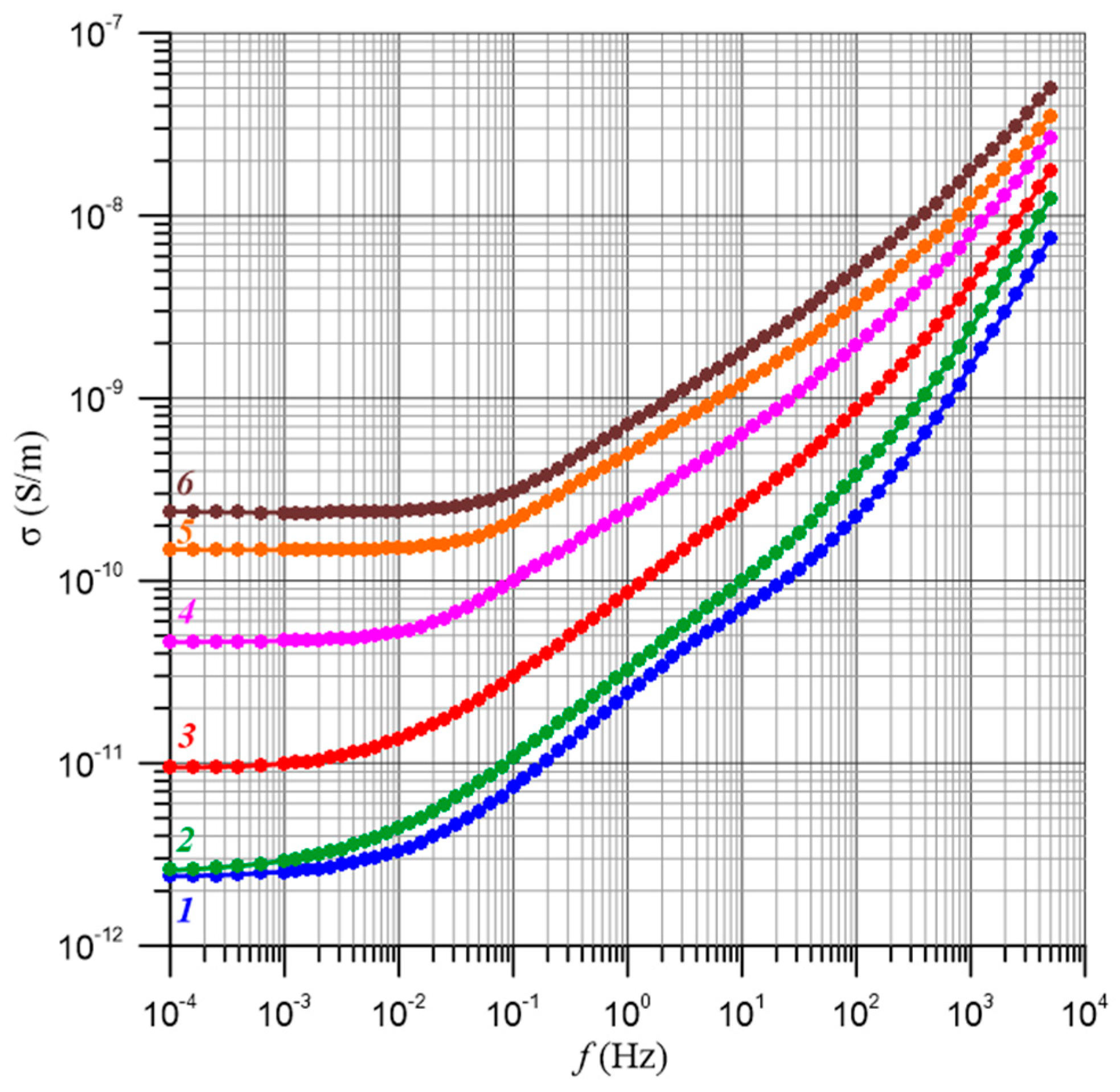
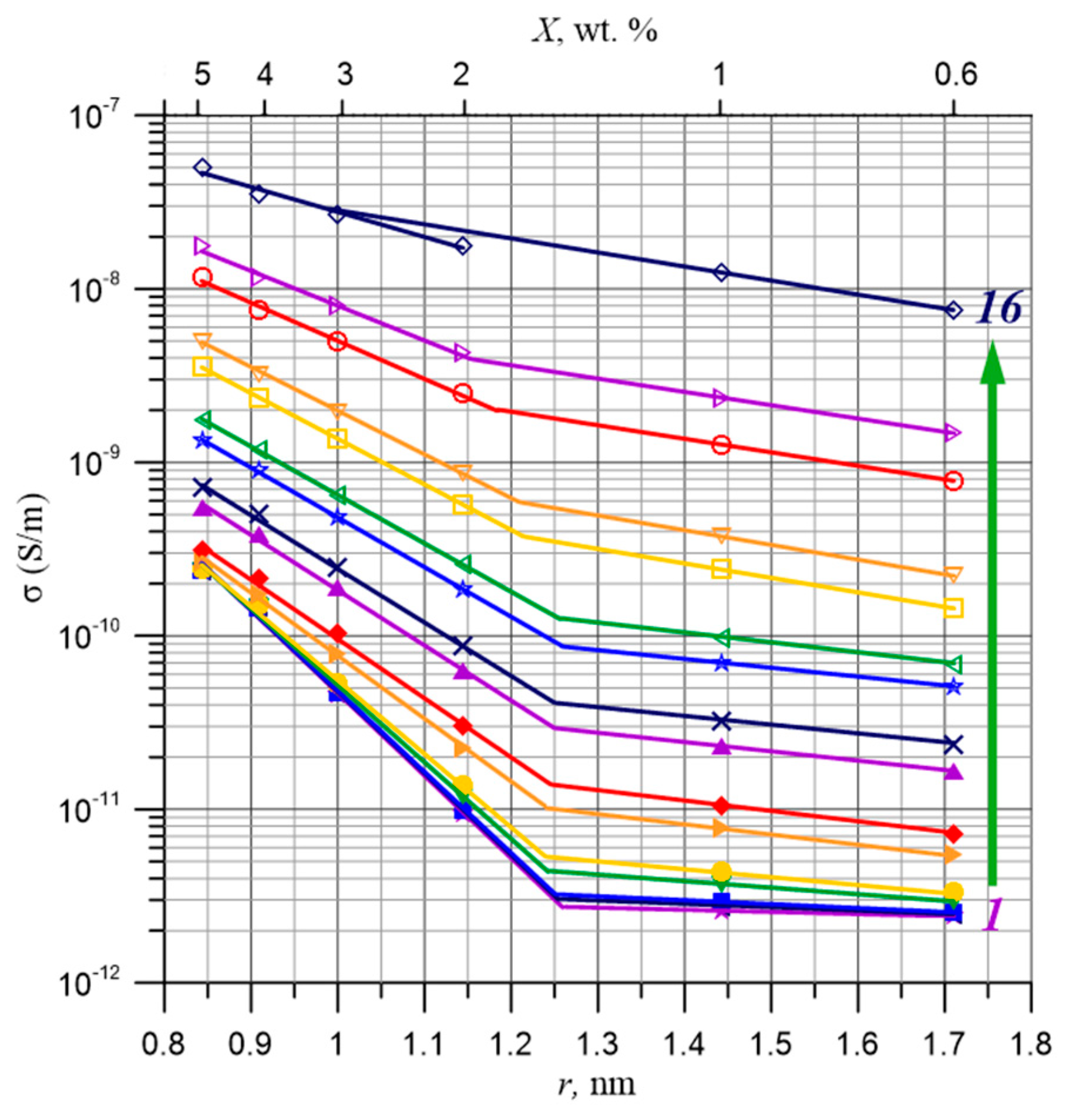
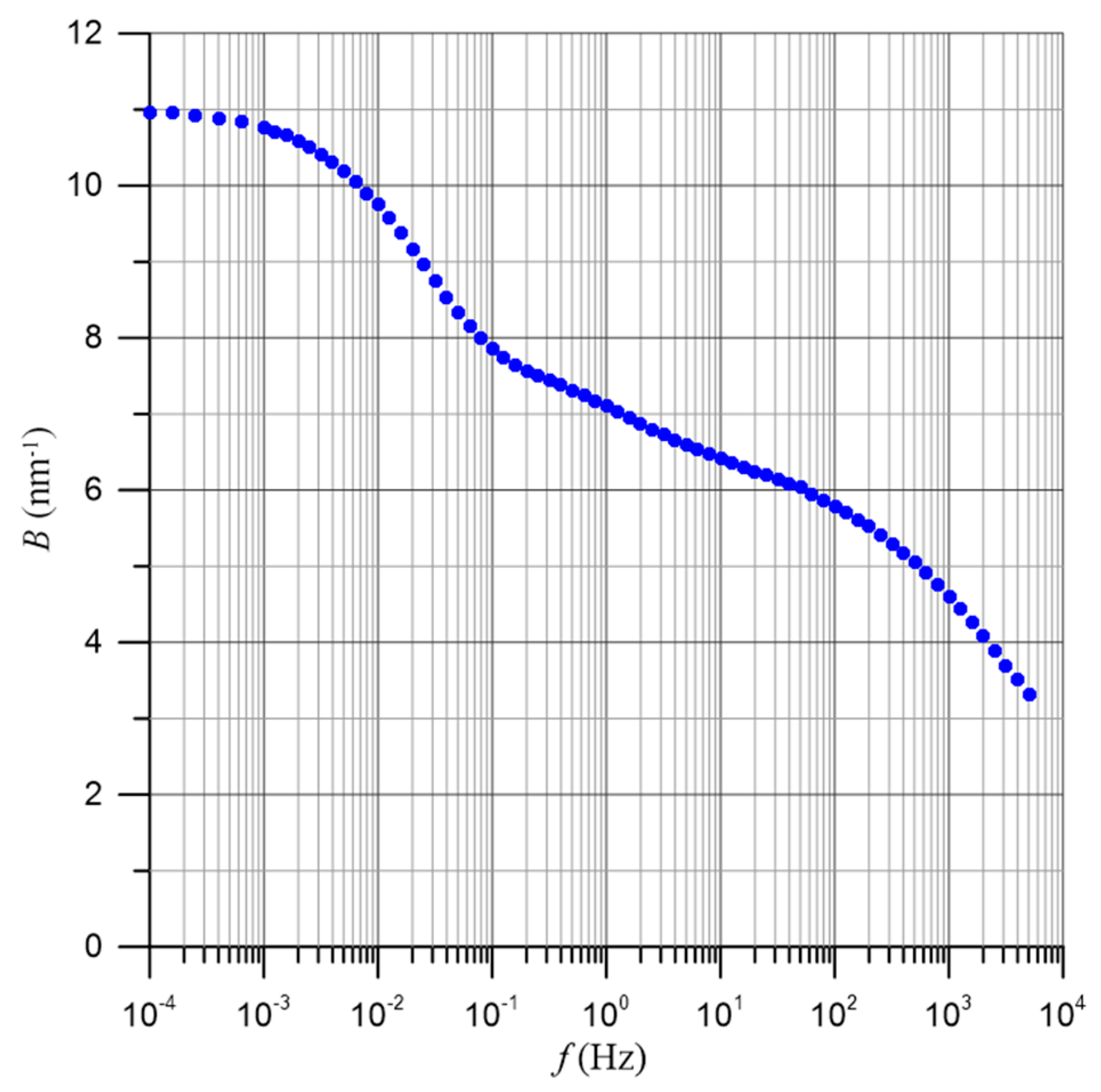
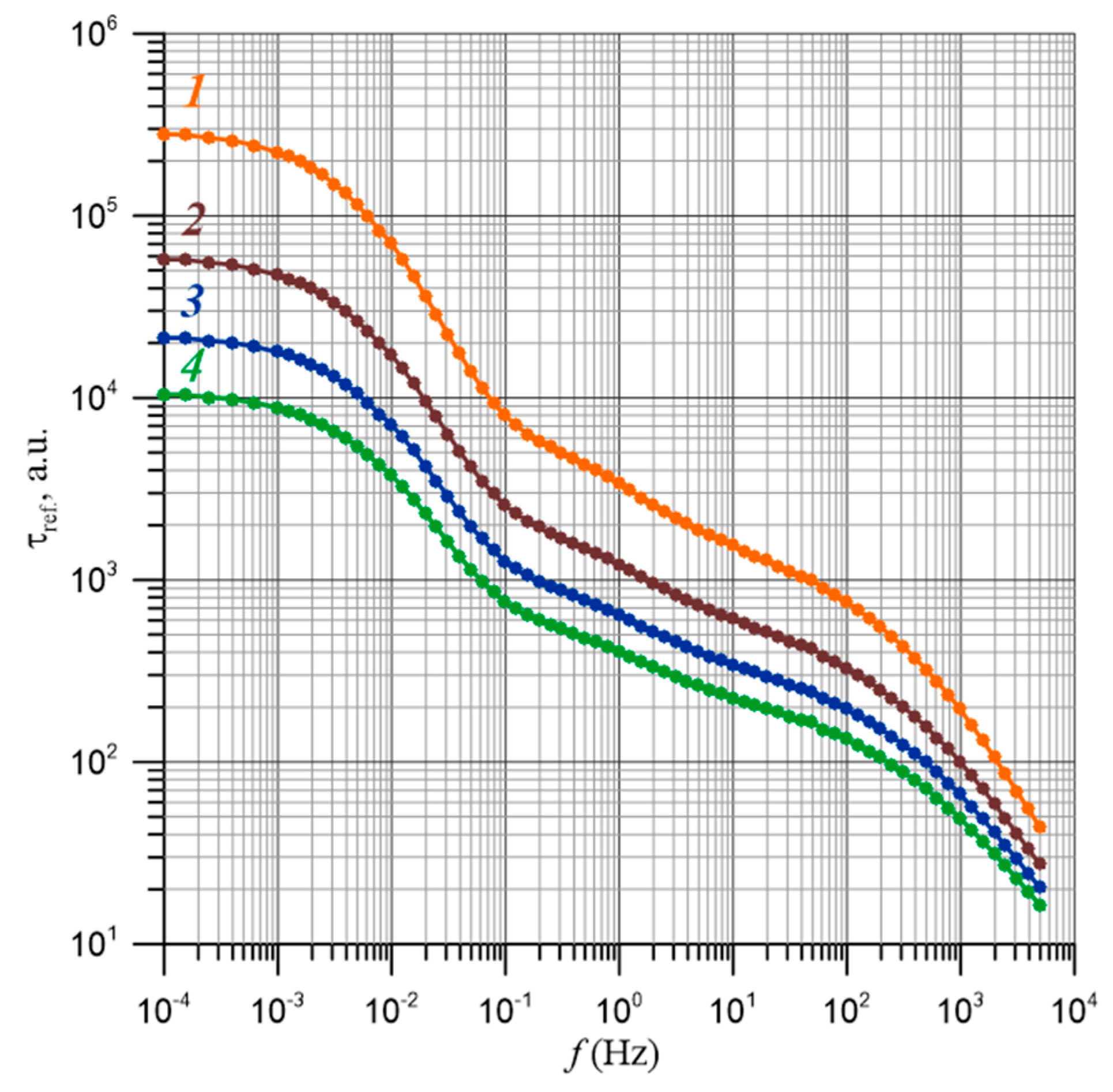
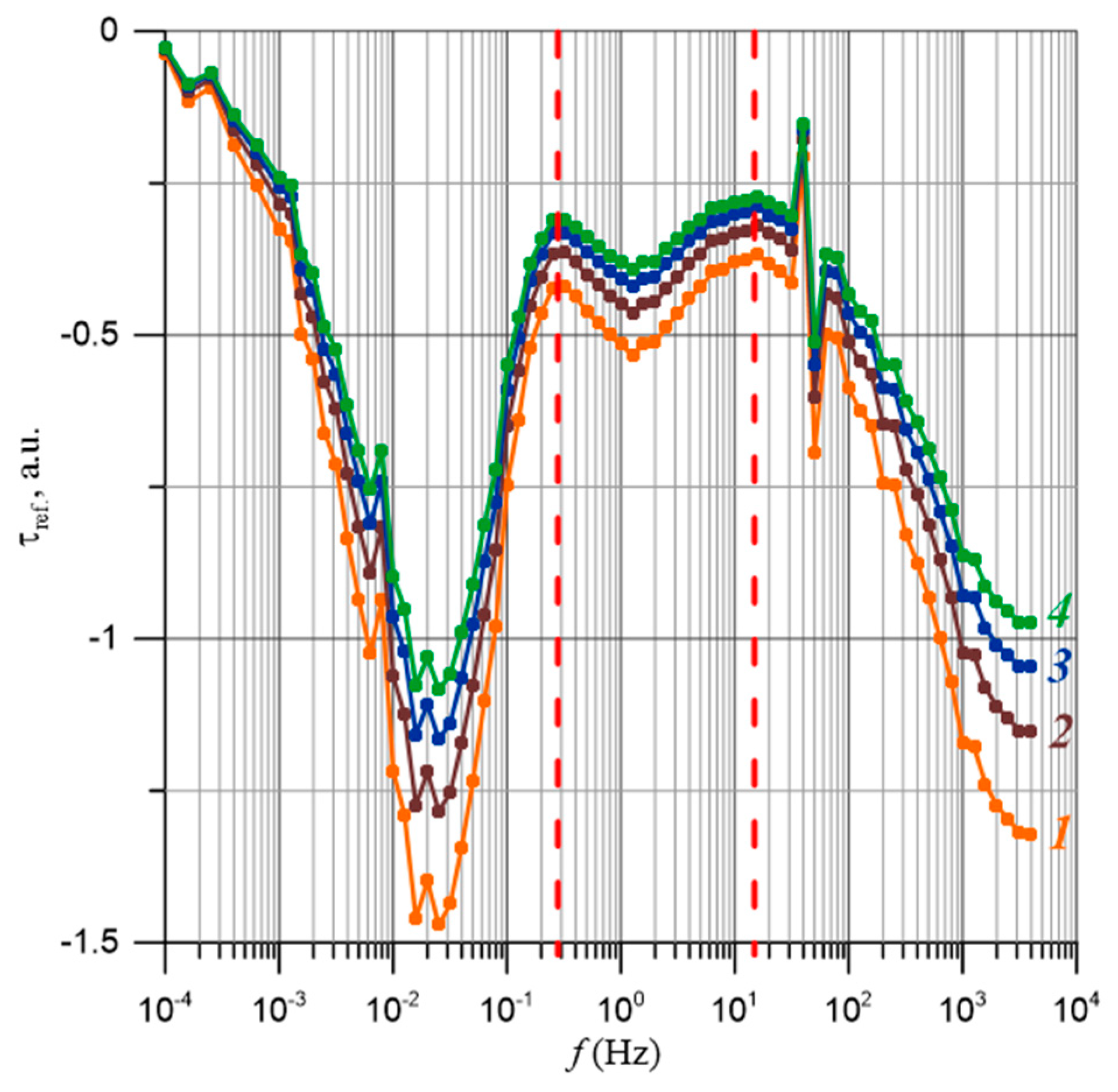
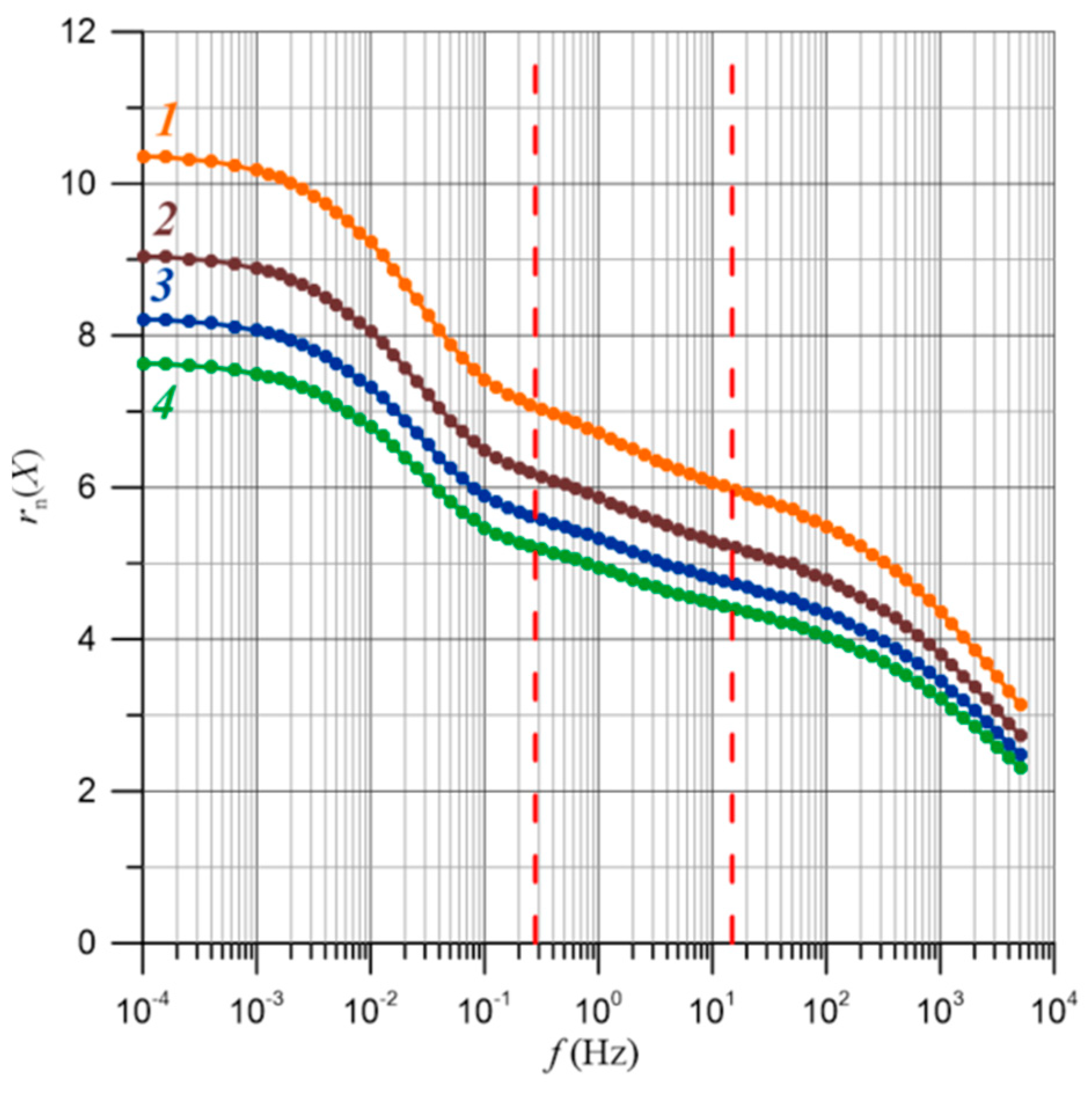
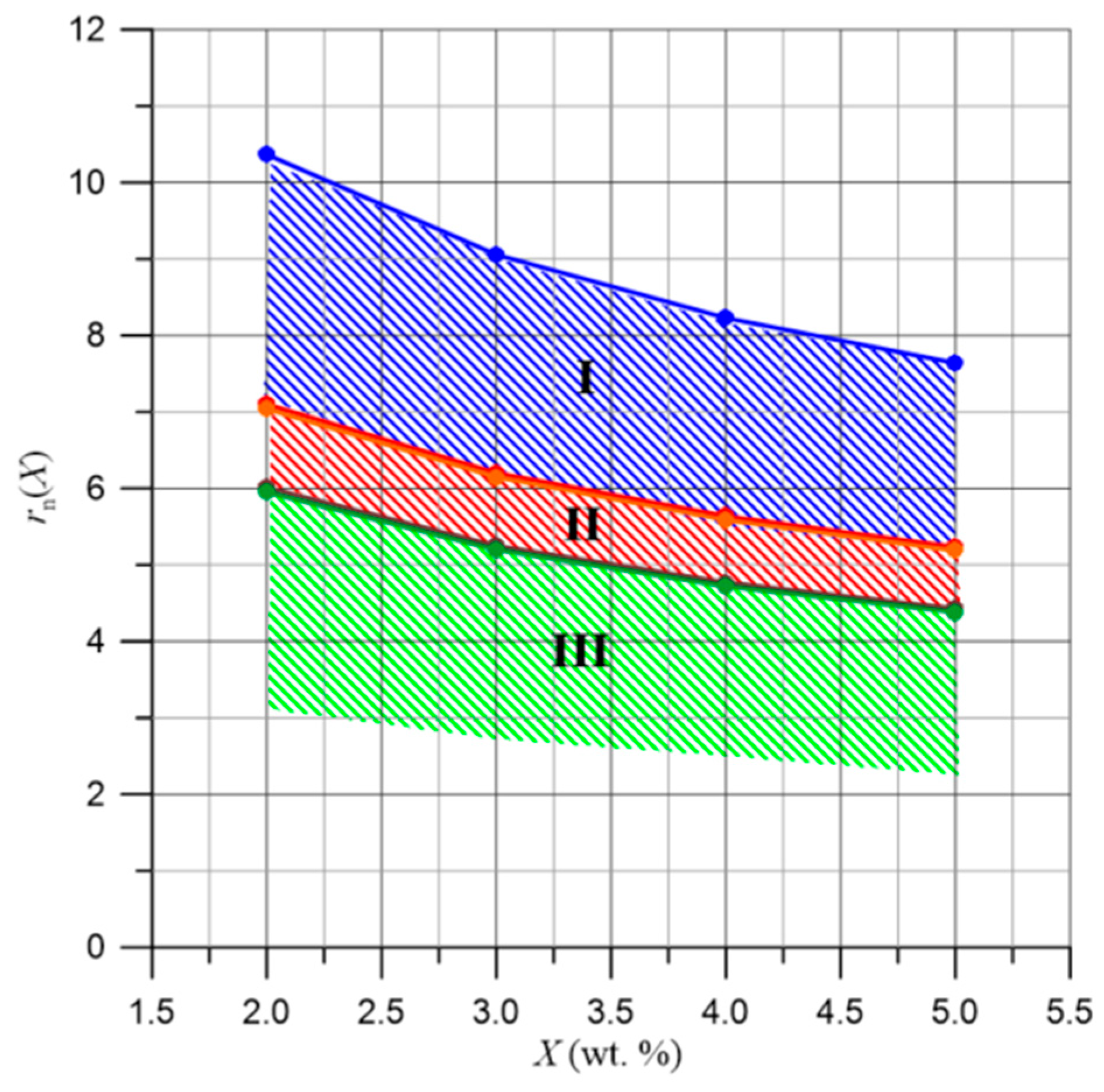
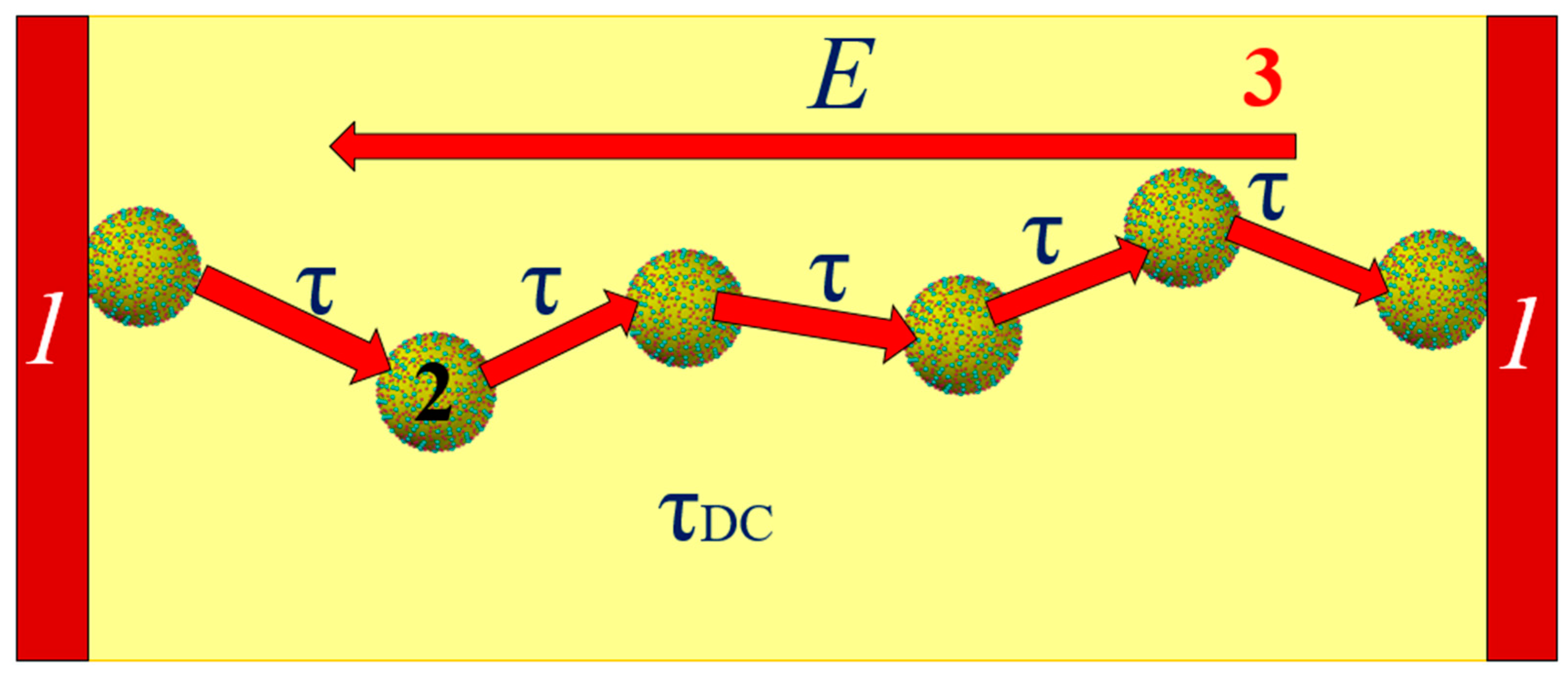
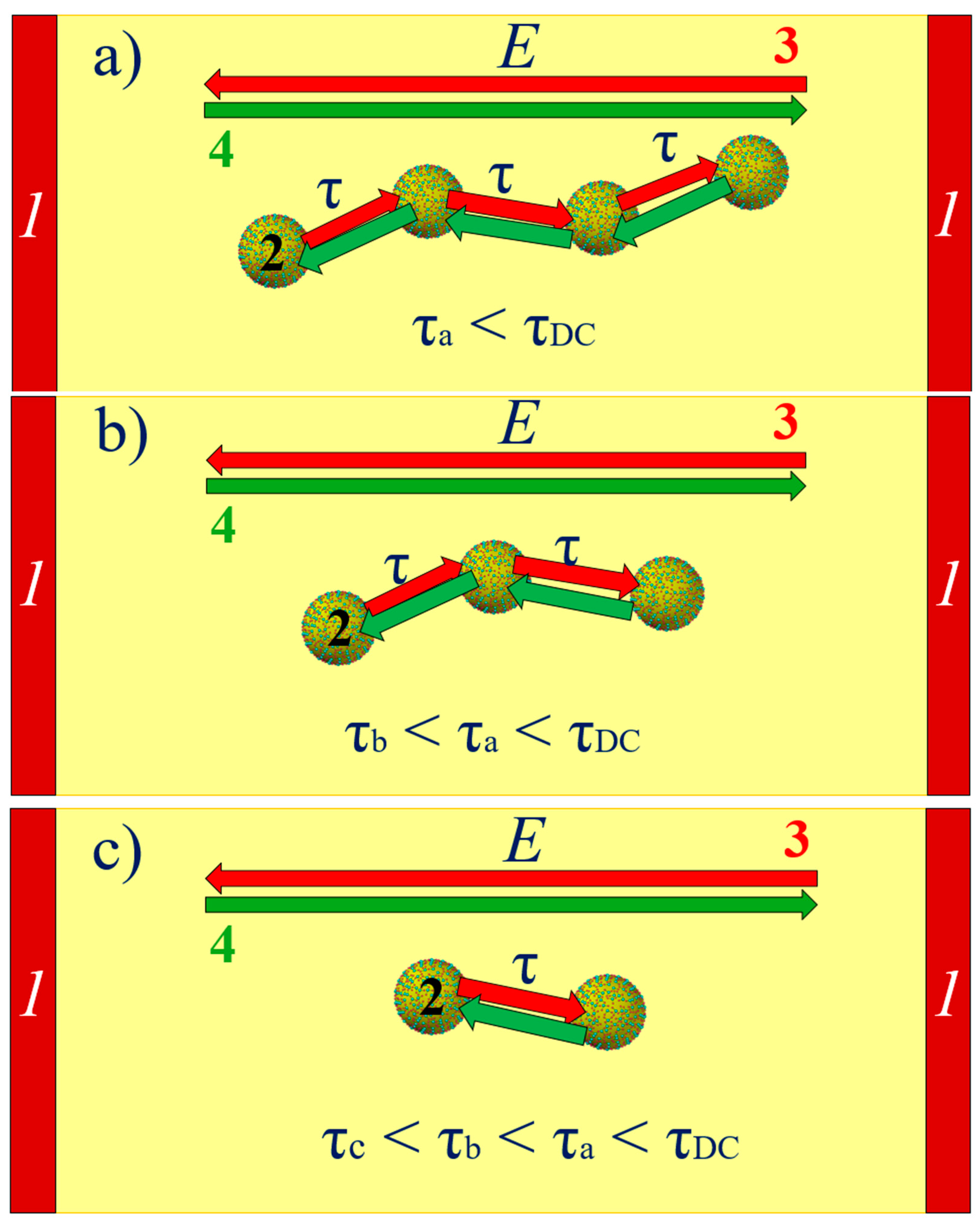
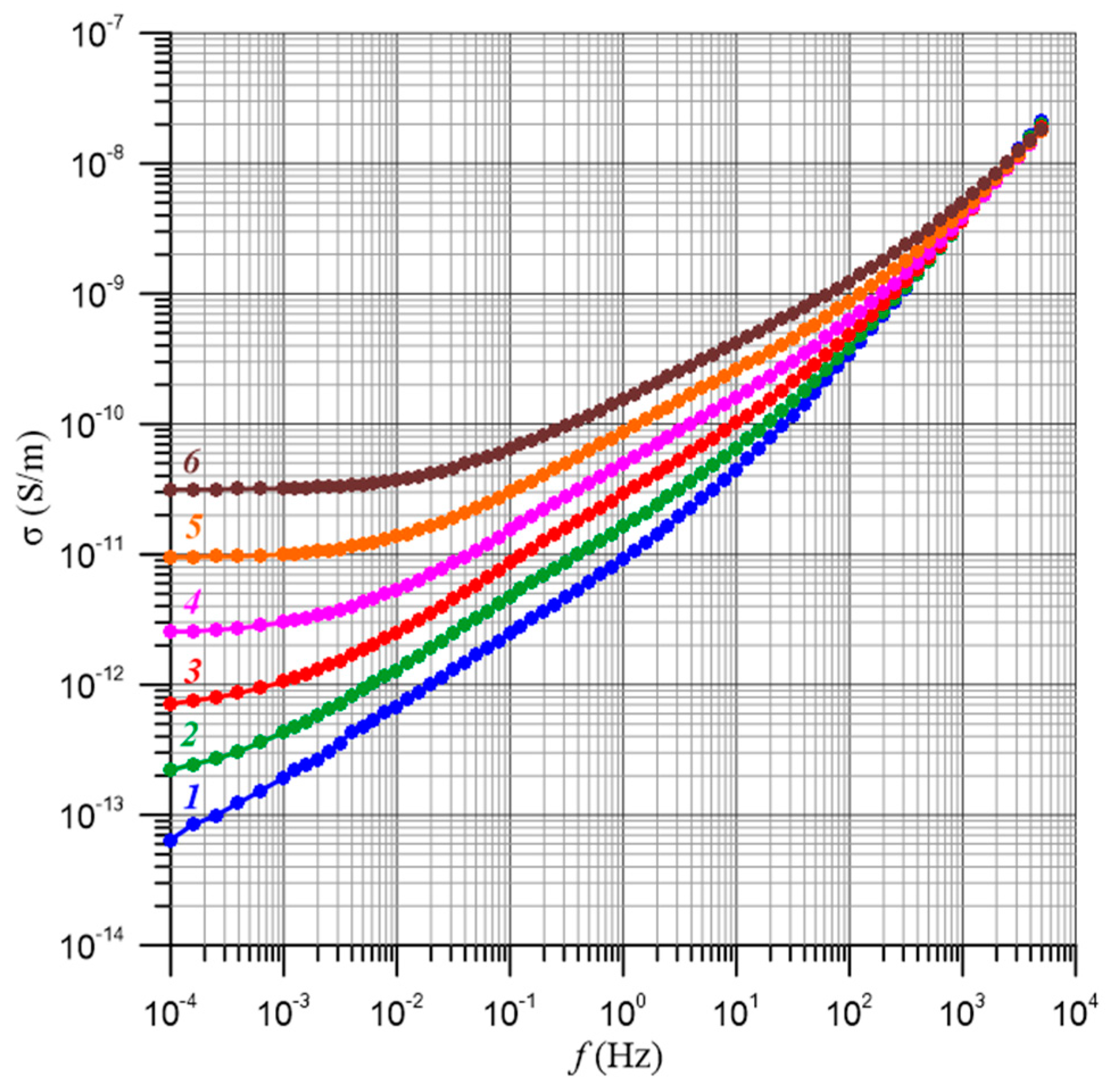
The aim of this study was to determine the frequency–temperature dependence of the AC conductivity and relaxation times in humid electrical pressboard used in the insulation of power transformers, impregnated with the innovative NYTRO® BIO 300X bio-oil produced from plant raw materials. Tests were carried out for a composite of cellulose–bio-oil–water nanodroplets with a moisture content of 0.6% by weight to 5% by weight in the frequency range from 10−4 Hz to 5·103 Hz. The measurement temperatures ranged from 20 °C to 70 °C. The current conductivity in percolation channels in cellulose–bio insulating oil–water nanodroplets nanocomposites was analyzed. In such nanocomposites, DC conduction takes place via electron tunneling between the potential wells formed by the water nanodroplets. It was found that the value of the percolation channel resistance is lowest in the case of a regular arrangement of the nanodroplets. As disorder increases, characterized by an increase in the standard deviation value, the percolation channel resistance increases. It was found that the experimental values of the activation energy of the conductivity and the relaxation time of the composite of cellulose–bio-oil–water nanodroplets are the same within the limits of uncertainty and do not depend on the moisture content. The value of the generalized activation energy is ΔE ≈ (1.026 ± 0.0160) eV and is constant over the frequency and temperature ranges investigated. This study shows that in the lowest frequency region, the conductivity value does not depend on frequency. As the frequency increases further, the relaxation time decreases; so, the effect of moisture on the conductivity value decreases. The dependence of the DC conductivity on the moisture content was determined. For low moisture contents, the DC conductivity is practically constant. With a further increase in water content, there is a sharp increase in DC conductivity. Such curves are characteristic of the dependence of the DC conductivity of composites and nanocomposites on the content of the conducting phase. A percolation threshold value of xc ≈ (1.4 ± 0.3)% by weight was determined from the intersection of flat and steeply sloping sections. The frequency dependence of the values of the relative relaxation times was determined for composites with moisture contents from 0.6% by weight to 5% by weight for a measurement temperature of 60 °C. The highest relative values of the relaxation time τref occur for direct current and for the lowest frequencies close to 10−4 Hz. As the frequency increases further, the relaxation time decreases. The derivatives d(logτref)/d(logf) were calculated, from the analysis of which it was determined that there are three stages of relaxation time decrease in the nanocomposites studied. The first occurs in the frequency region from 10−4 Hz to about 3·10−1 Hz, and the second from about 3·10−1 Hz to about 1.5·101 Hz. The beginning of the third stage is at a frequency of about 1.5·101 Hz. The end of this stage is above the upper range of the Frequency Domain Spectroscopy (FDS) meter, which is 5·103 Hz. It has been established that the nanodroplets are in the cellulose and not in the bio-oil. The occurrence of three stages on the frequency dependence of the relaxation time can be explained when the fibrous structure of the cellulose is taken into account. Nanodroplets, found in micelles, microfibrils and in the fibers of which cellulose is composed, can have varying distances between nanodroplets, determined by the dimensions of these cellulose components.
Keywords: power transformer; electrical properties; bio-oil; moisture; cellulose; insulating oil power transformer; electrical properties; bio-oil; moisture; cellulose; insulating oil