Article

Investigation of Electrochemical Assisted Deposition of Sol-Gel Silica Films for Long-Lasting Superhydrophobicity

Centre for Advanced Laser Manufacturing (CALM), School of Mechanical Engineering, Shandong University of Technology, Zibo 255000, China
*
Authors to whom correspondence should be addressed.
Materials 2023, 16(4), 1417; https://doi.org/10.3390/ma16041417
Submission received: 2 December 2022 / Revised: 17 January 2023 / Accepted: 30 January 2023 / Published: 8 February 2023

Abstract

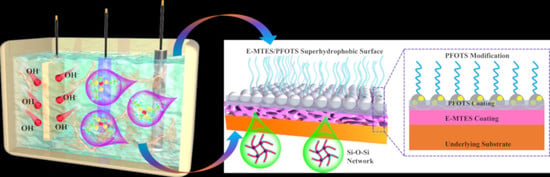
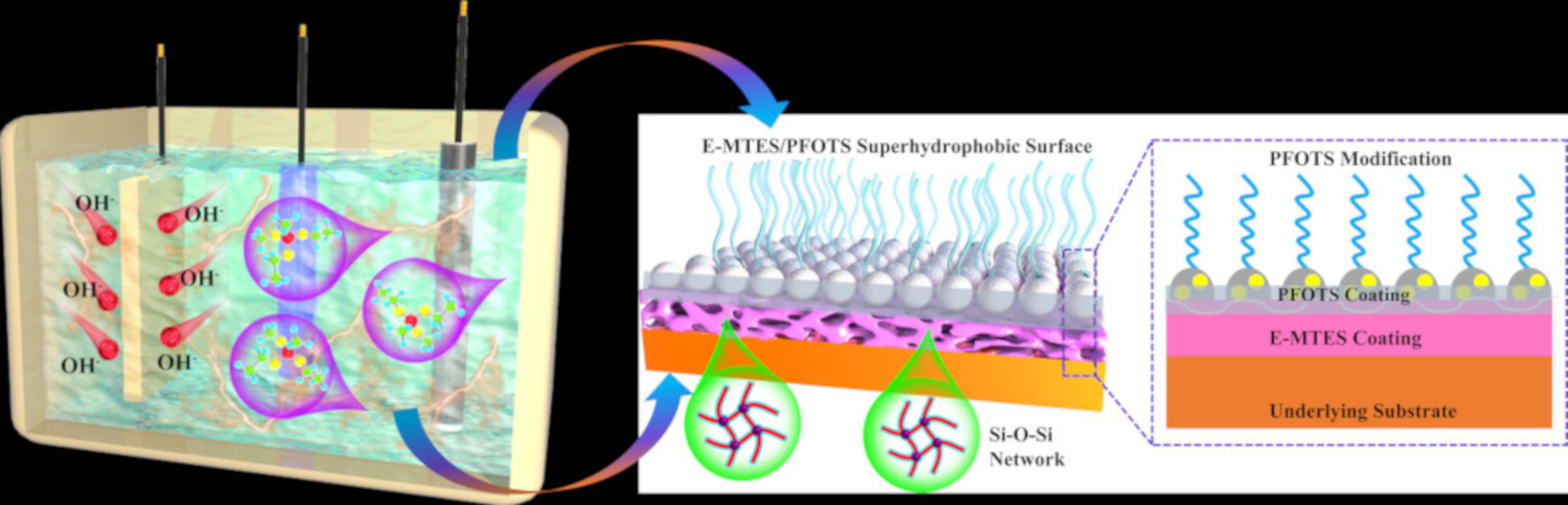
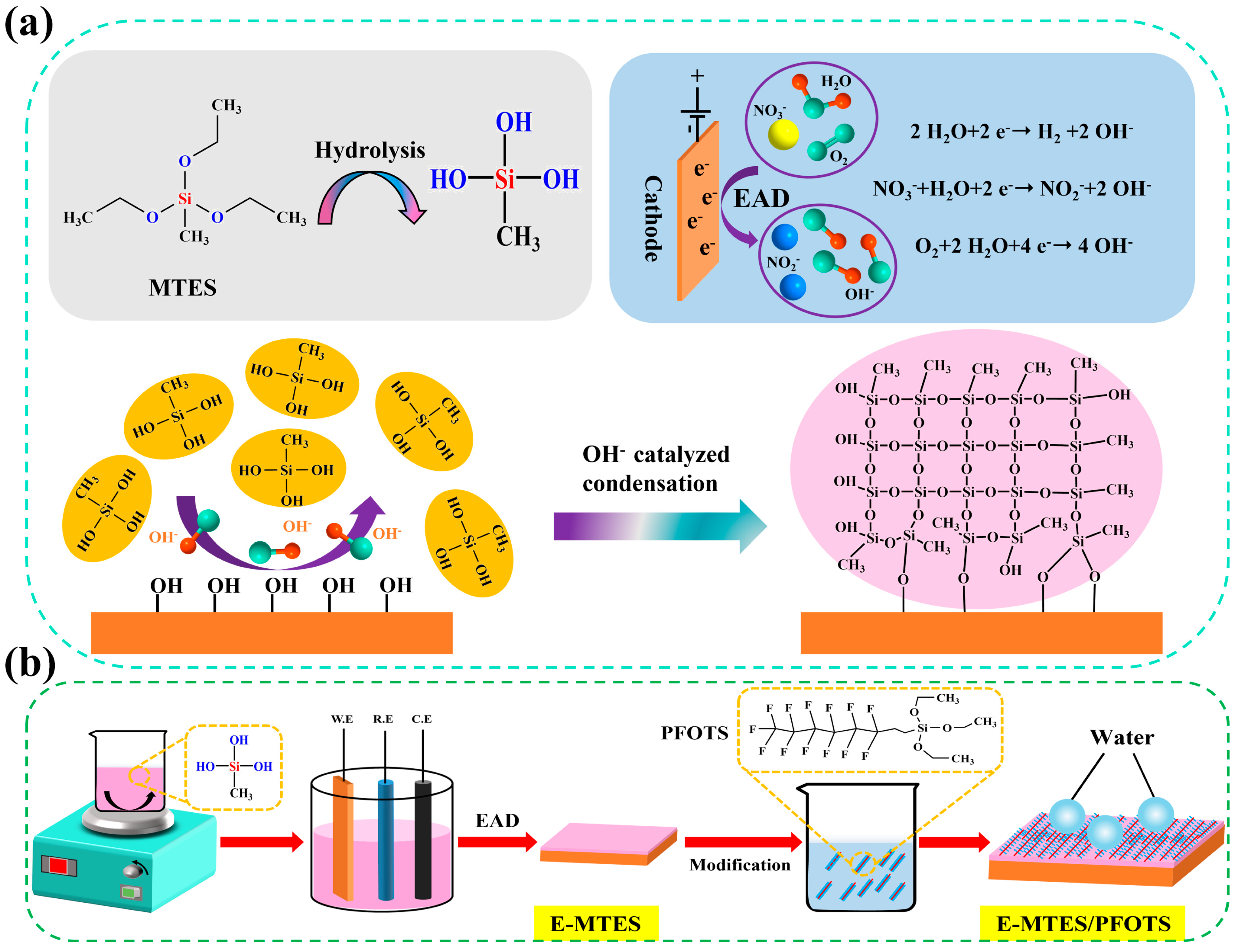
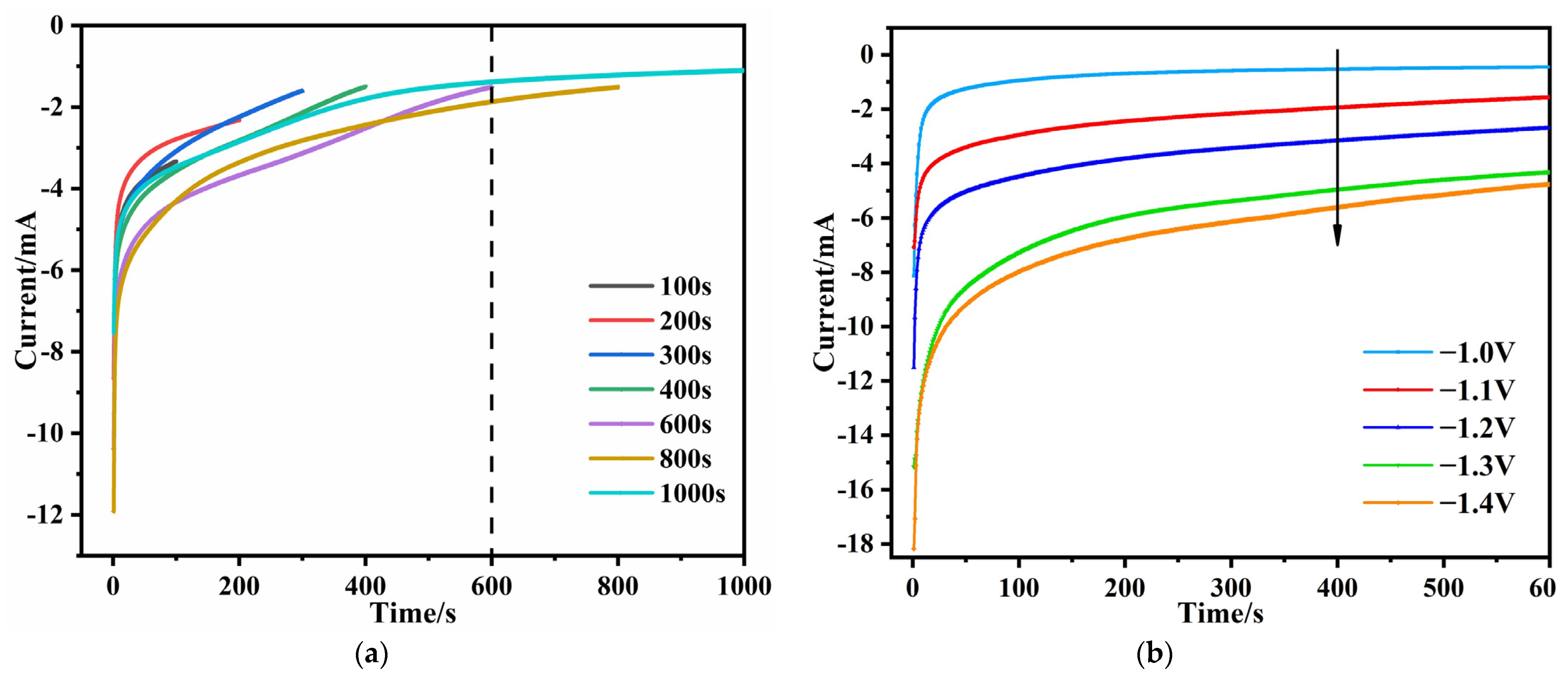
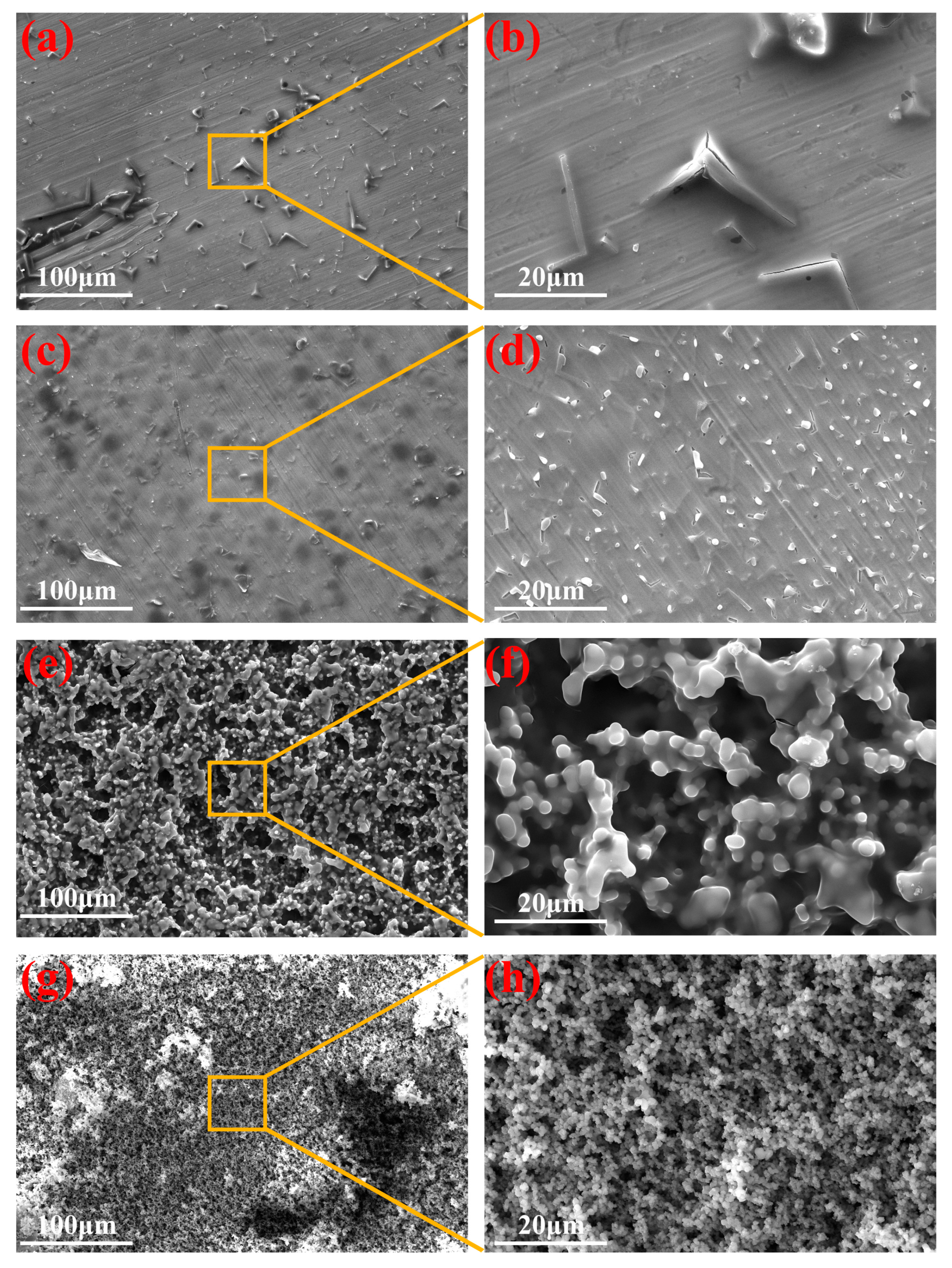
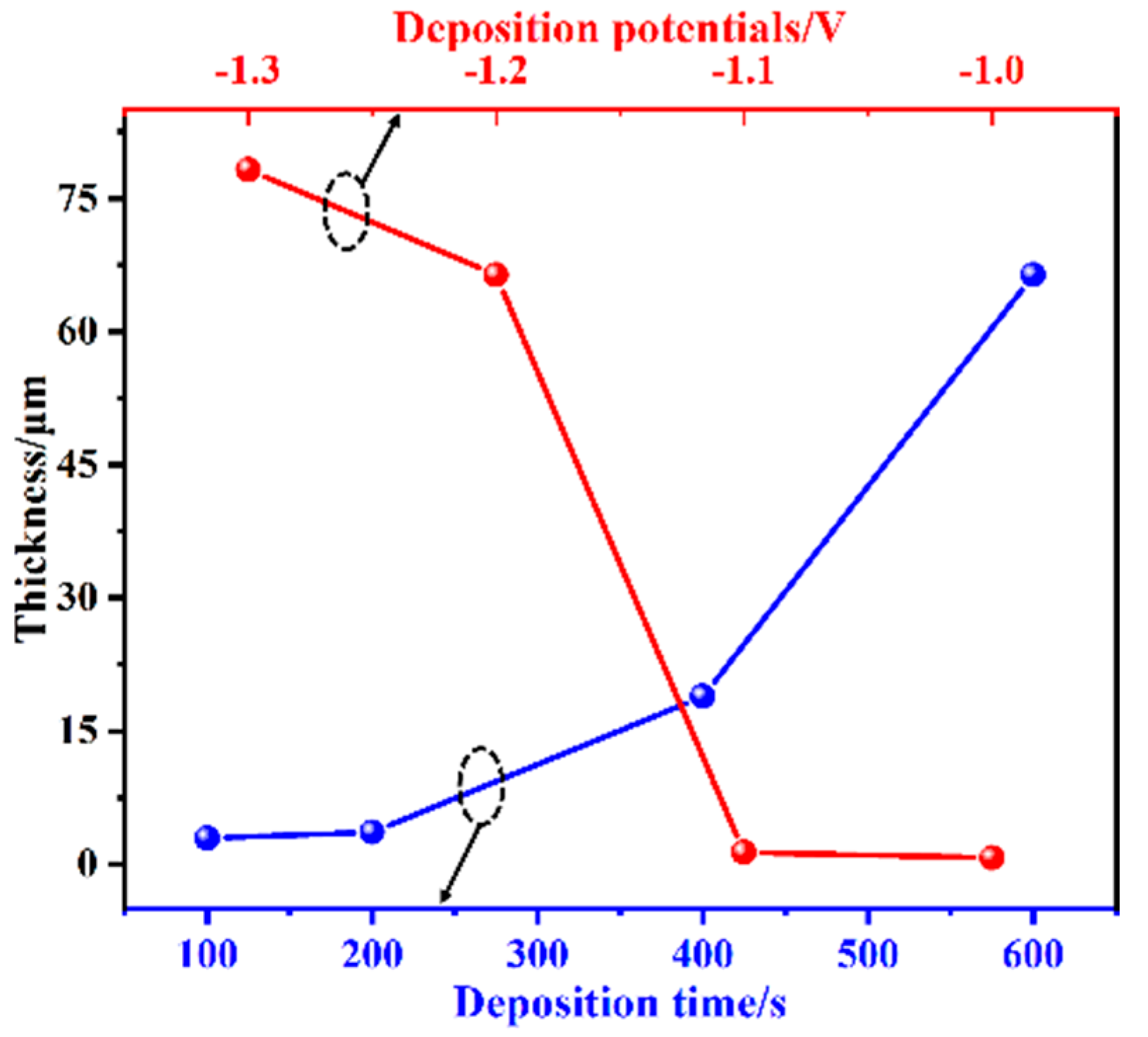
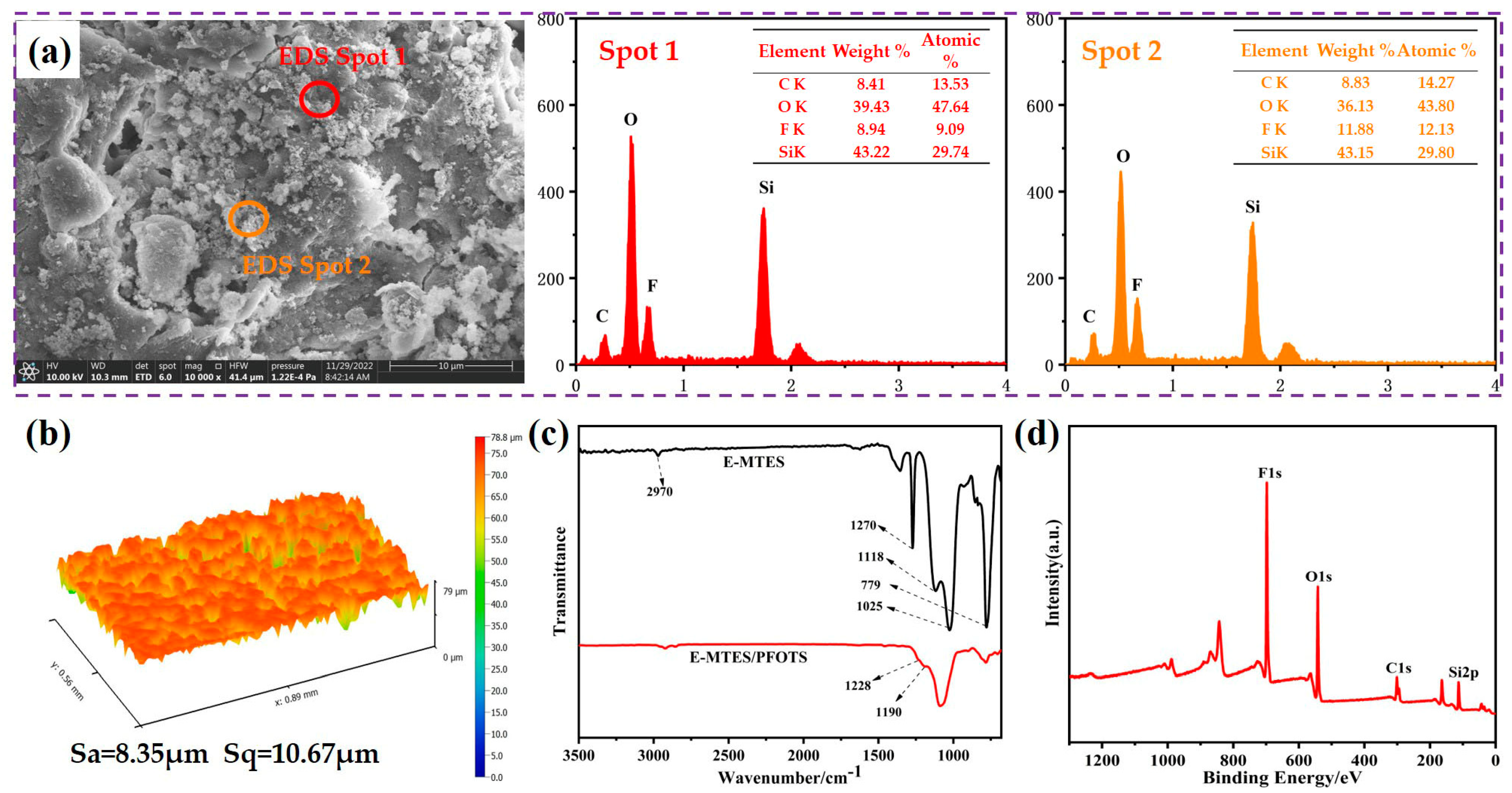
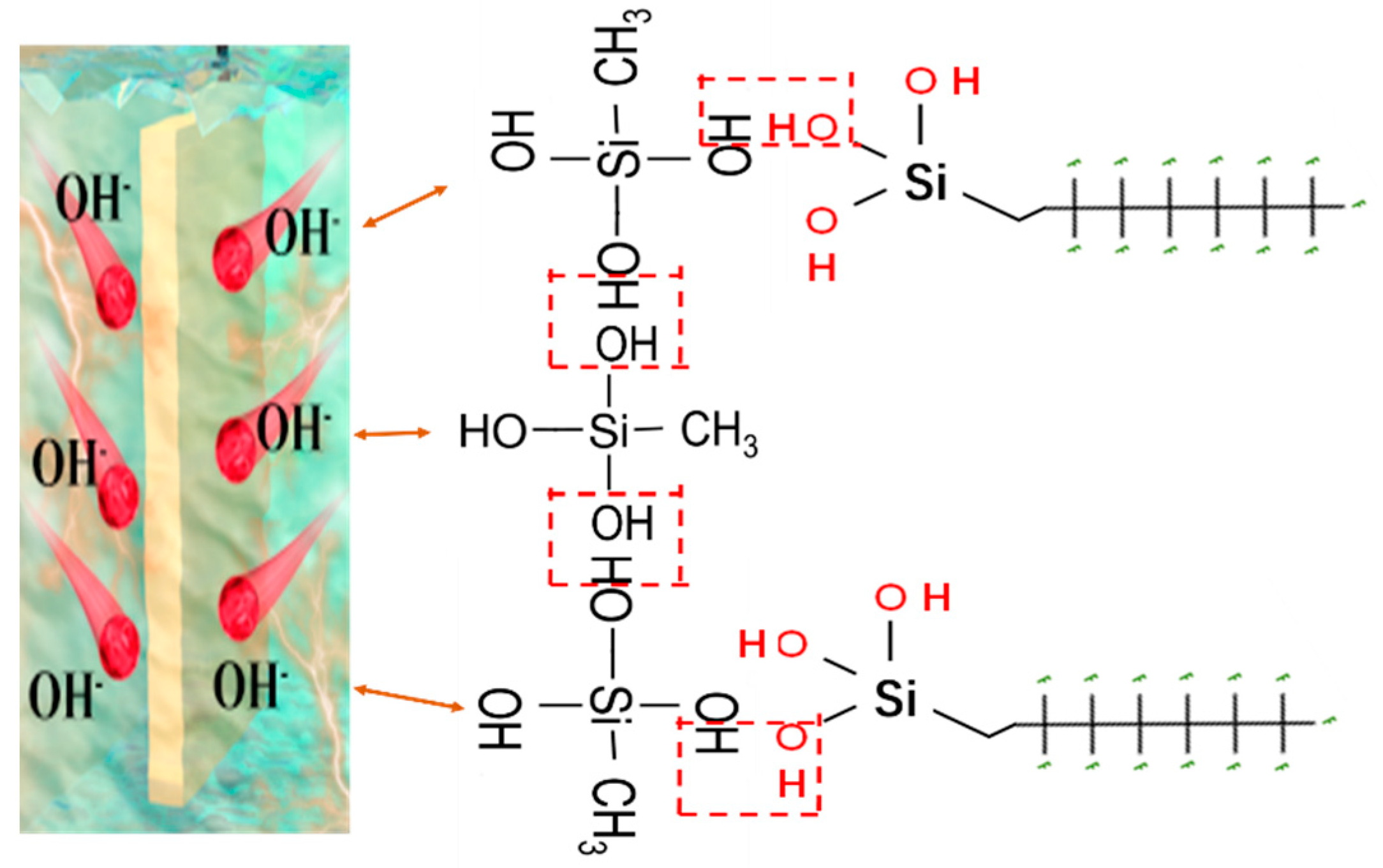
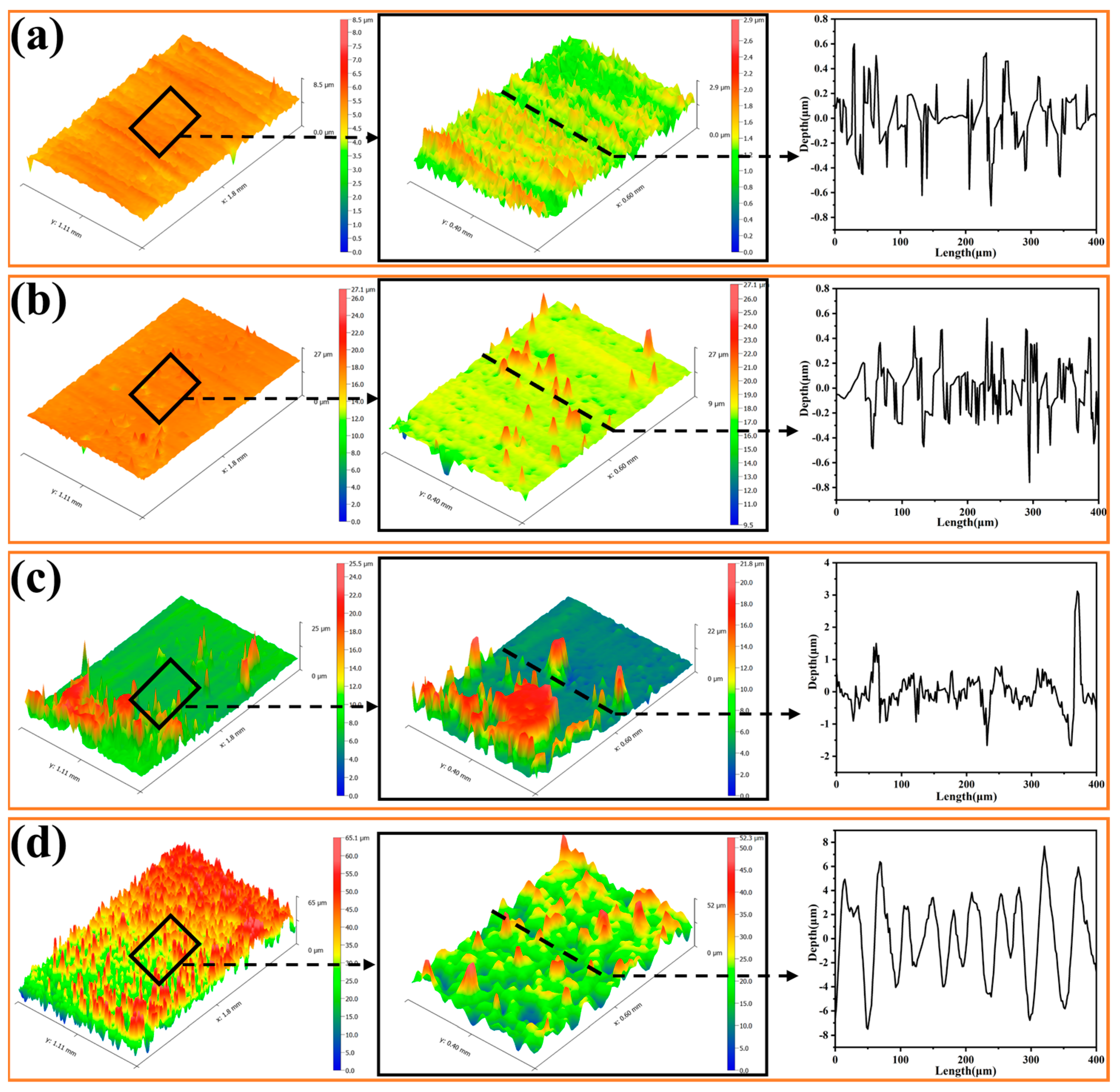
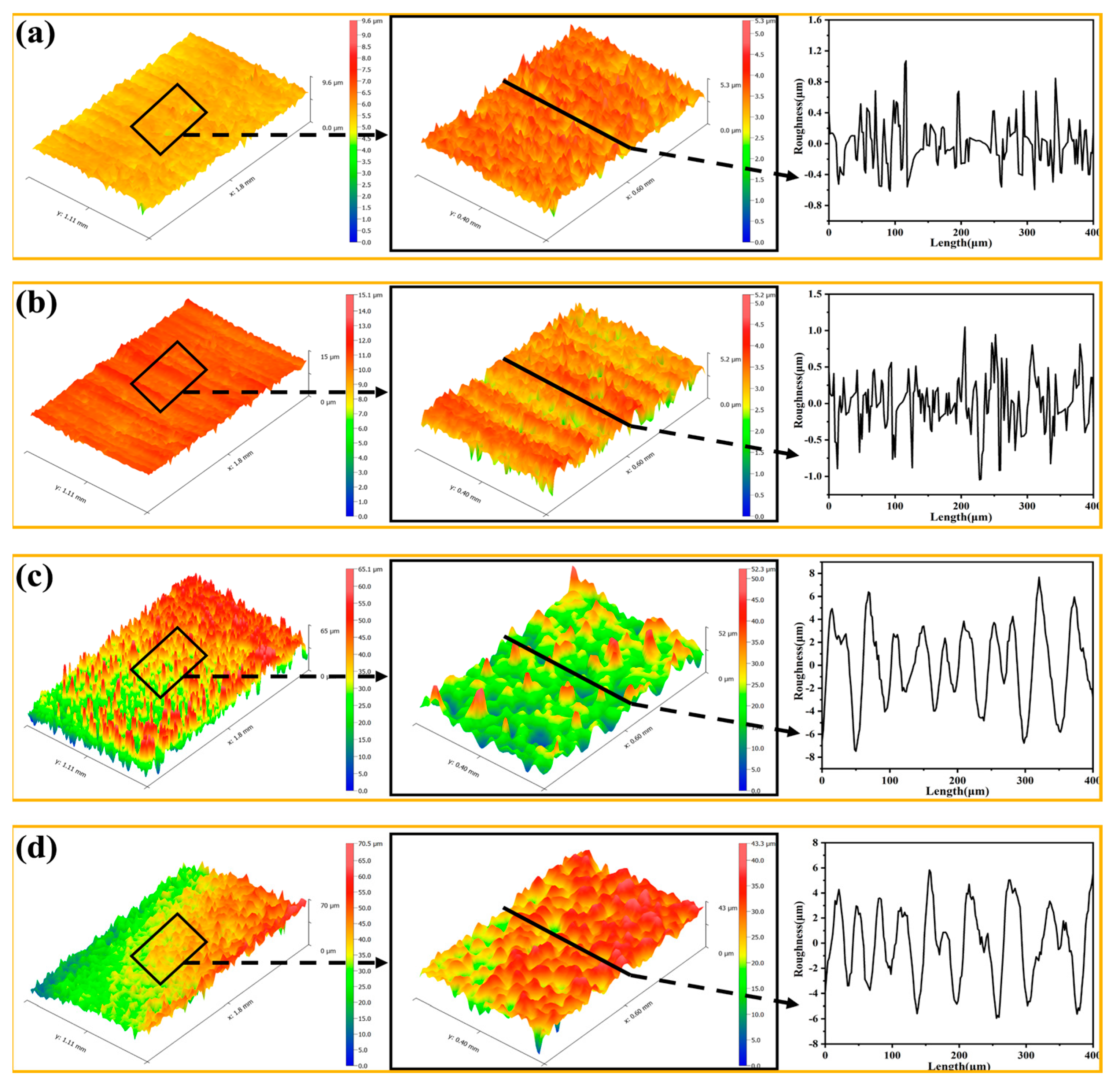
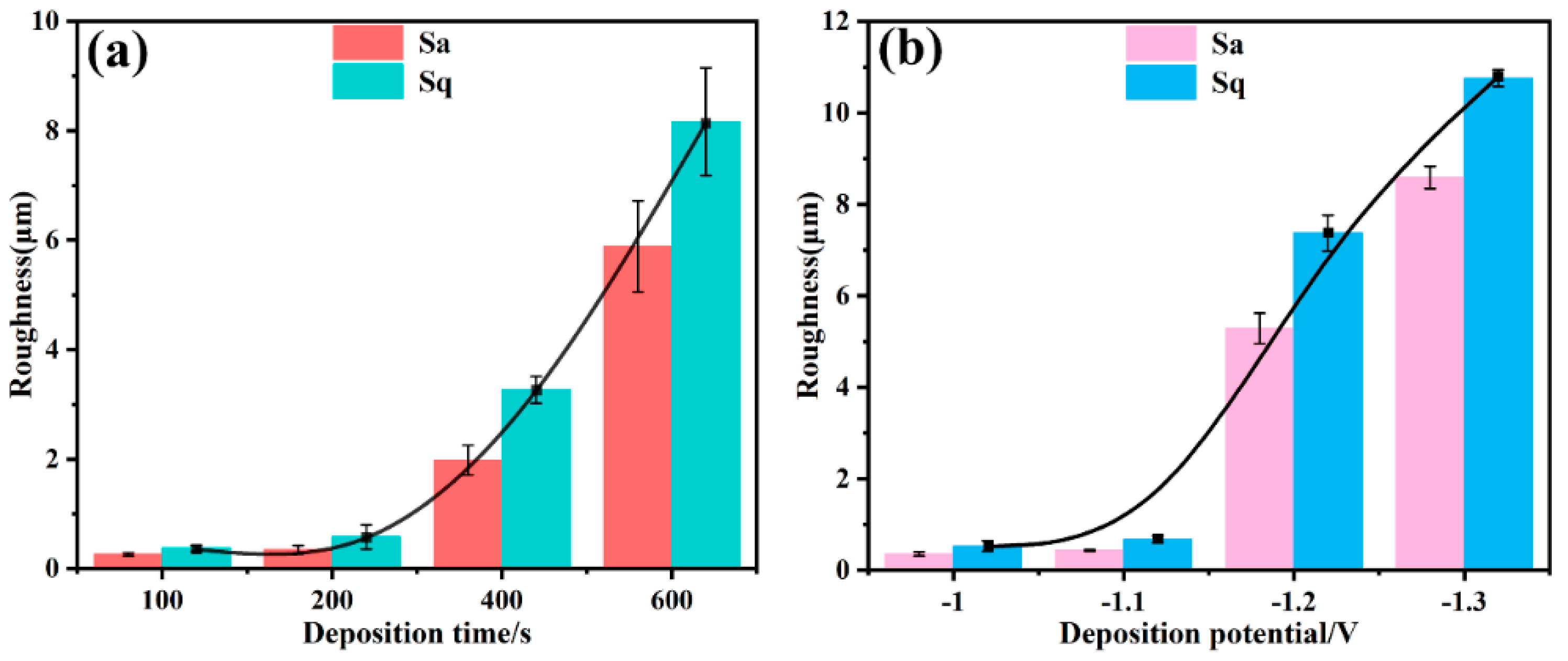
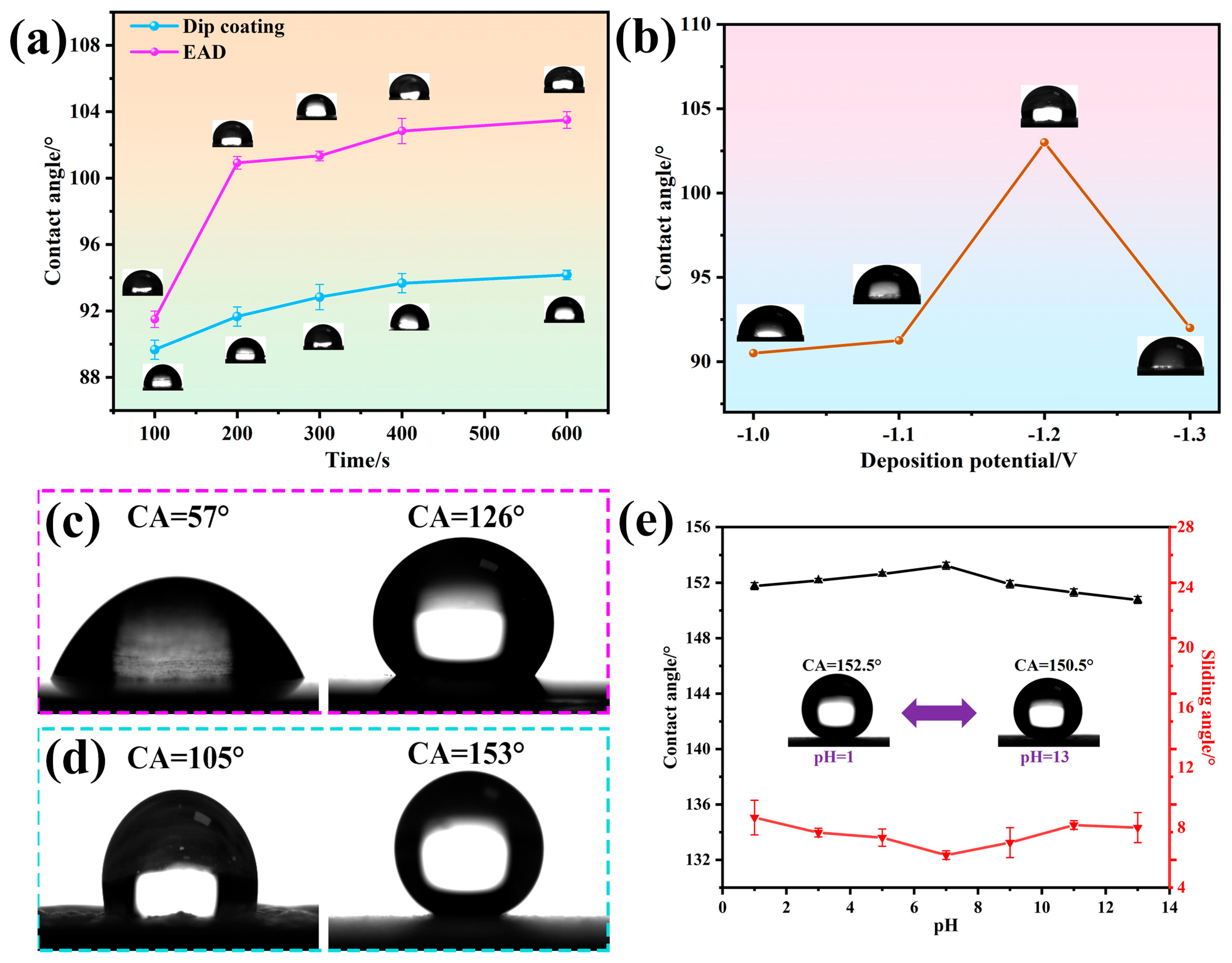
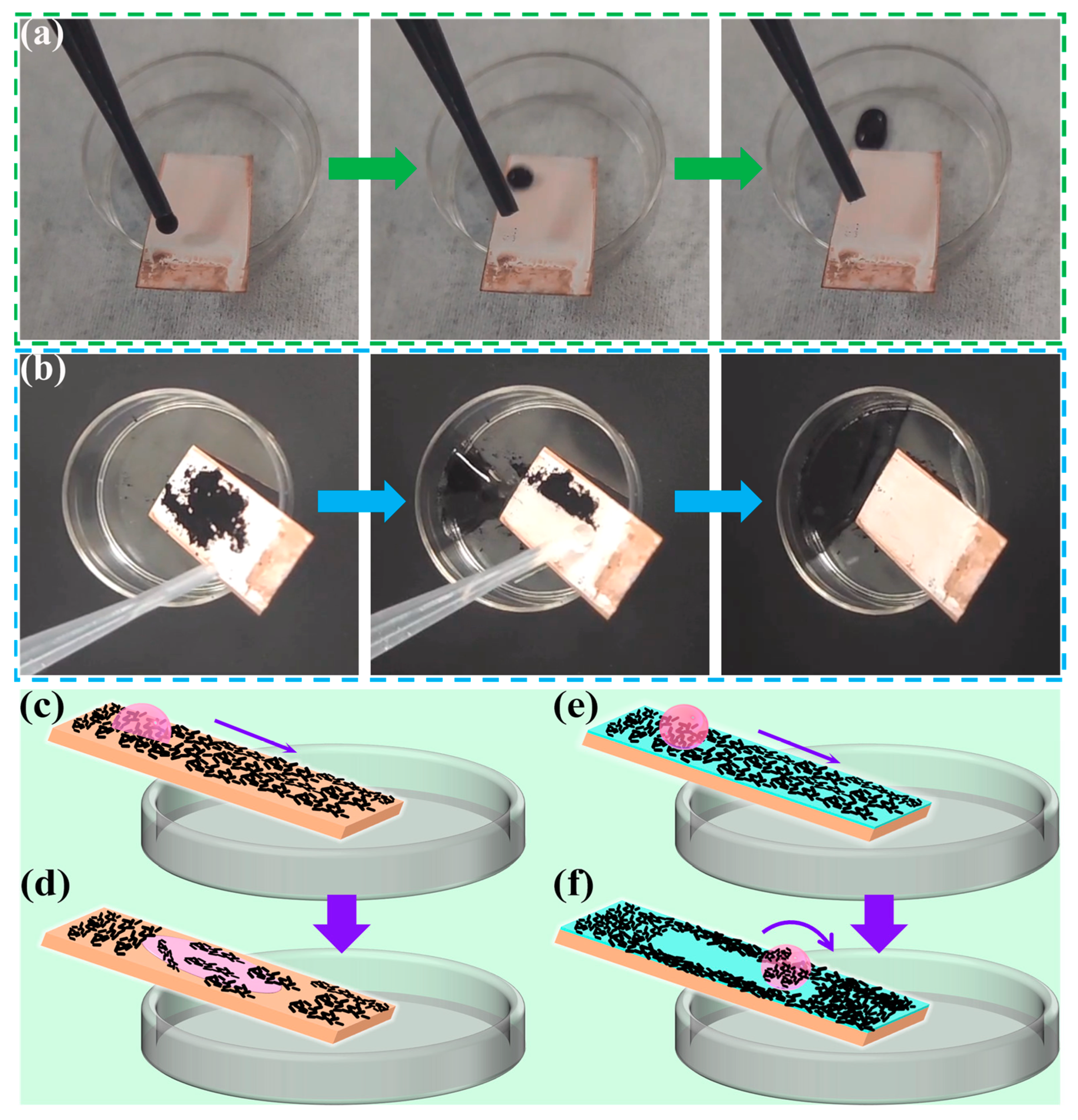
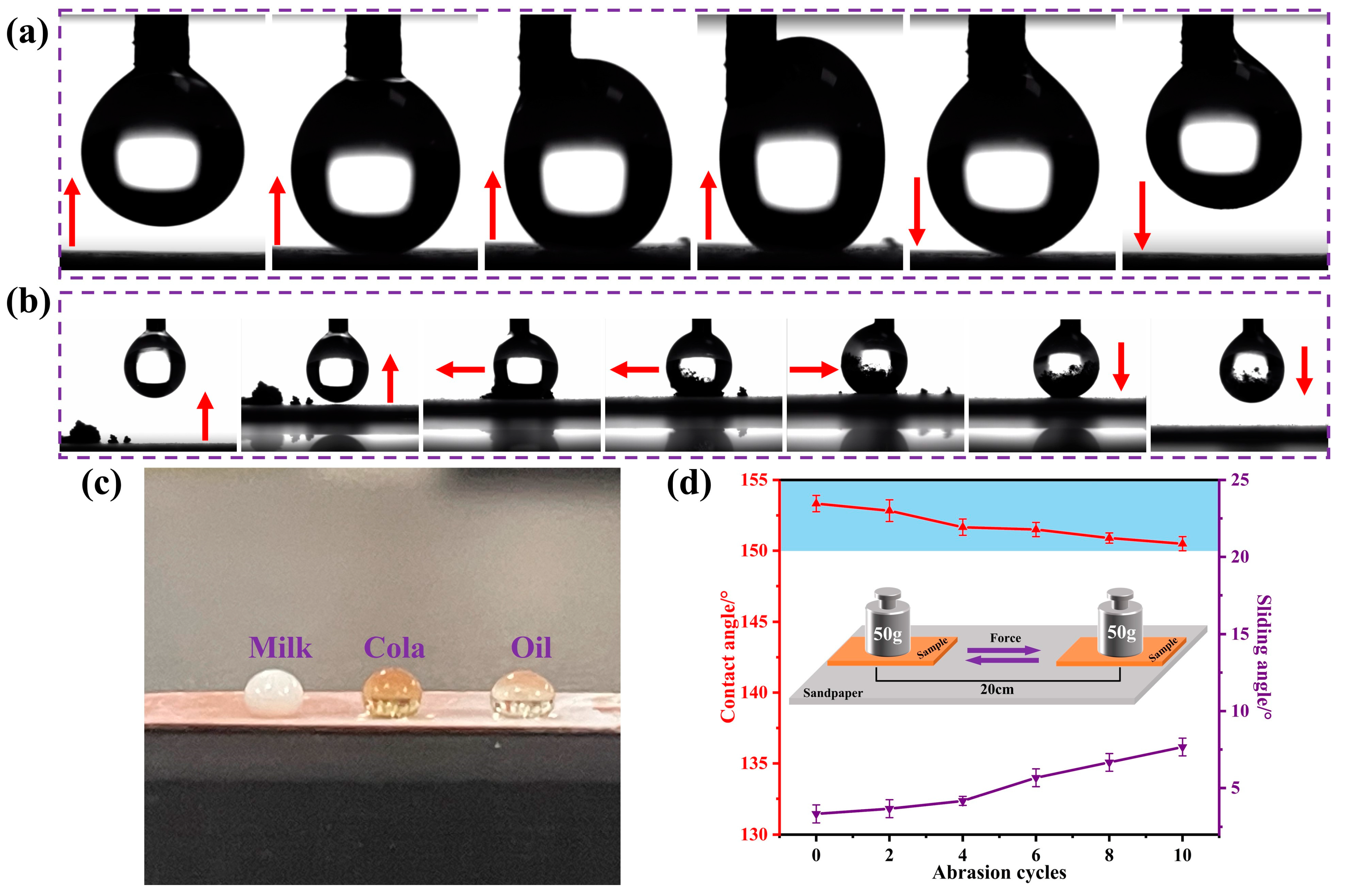
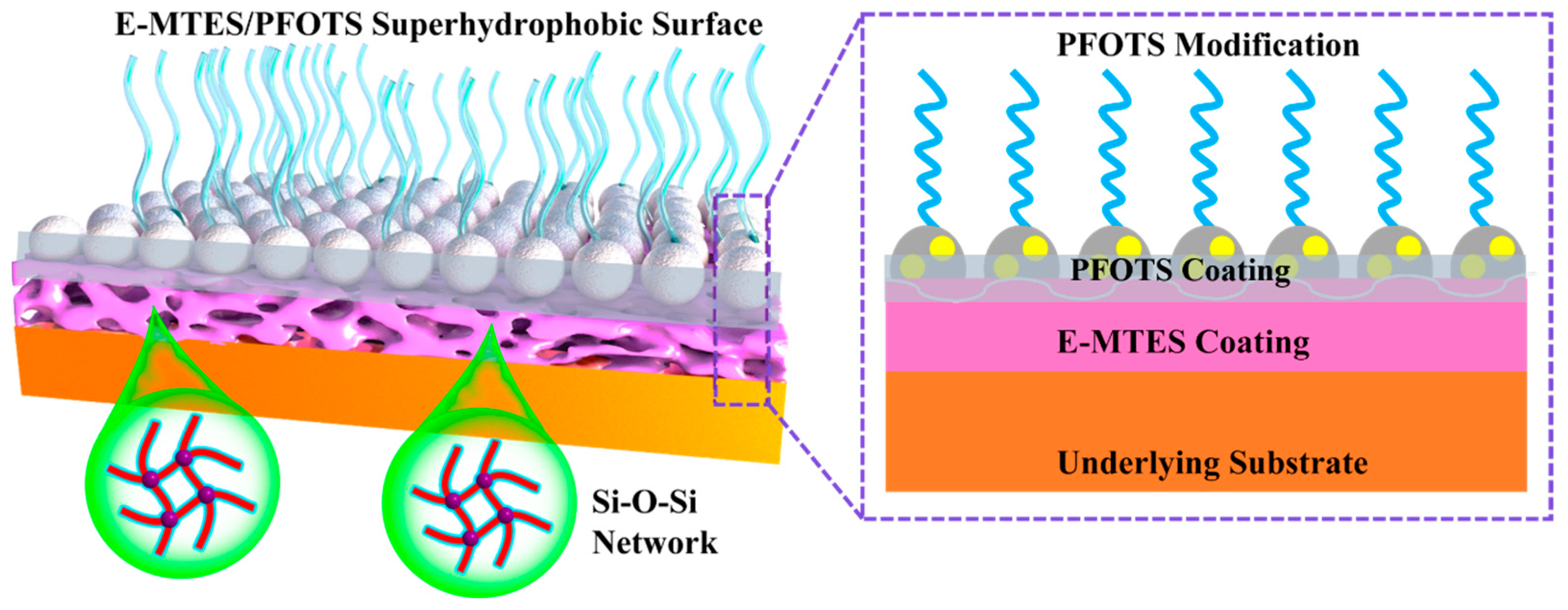
Current methods for the protection of metal surfaces utilize harsh chemical processes, such as organic paint or electro-plating, which are not environment-friendly and require extensive waste treatments. In this study, a two-step approach consisting of electrochemical assisted deposition (EAD) of an aqueous silane solution and a dip coating of a low surface energy silane for obtaining a superhydrophobic self-cleaning surface for the enhanced protection of copper substrate is presented. A porous and hierarchical micro-nanostructured silica basecoat (sol-gel) was first formed by EAD of a methyltriethoxysilane (MTES) precursor solution on a copper substrate. Then, a superhydrophobic top-coat (E-MTES/PFOTS) was prepared with 1H,1H,2H,2H-Perfluorooctyltriethoxysilane (PFOTS) for low surface energy. The superhydrophobic coating exhibited anti-stain properties against milk, cola, and oil, with contact angles of 151°, 151.5°, and 129°, respectively. The EAD deposition potential and duration were effective in controlling the microscopic morphology, surface roughness, and coating thickness. The E-MTES/PFOTS coatings exhibited chemical stability against acids, bases, and abrasion resistance by sandpaper. The proposed 2-layer coating system exhibited strong chemical bonding at the two interfaces and provided a brush-like surface morphology with long-lasting superhydrophobicity. The developed method would provide an environment-friendly and expedient process for uniform protective coatings on complex surfaces.
Keywords: sol-gel; electrochemical assisted deposition; superhydrophobicity; self-cleaning; contact angle sol-gel; electrochemical assisted deposition; superhydrophobicity; self-cleaning; contact angle
Graphical Abstract