Article

Behaviour of Soil–Steel Composite Bridges under Strong Seismic Excitation with Various Boundary Conditions


Faculty of Civil Engineering and Architecture, Opole University of Technology, 45-758 Opole, Poland
*
Author to whom correspondence should be addressed.
Materials 2023, 16(2), 650; https://doi.org/10.3390/ma16020650
Submission received: 27 November 2022 / Revised: 28 December 2022 / Accepted: 6 January 2023 / Published: 9 January 2023

Abstract

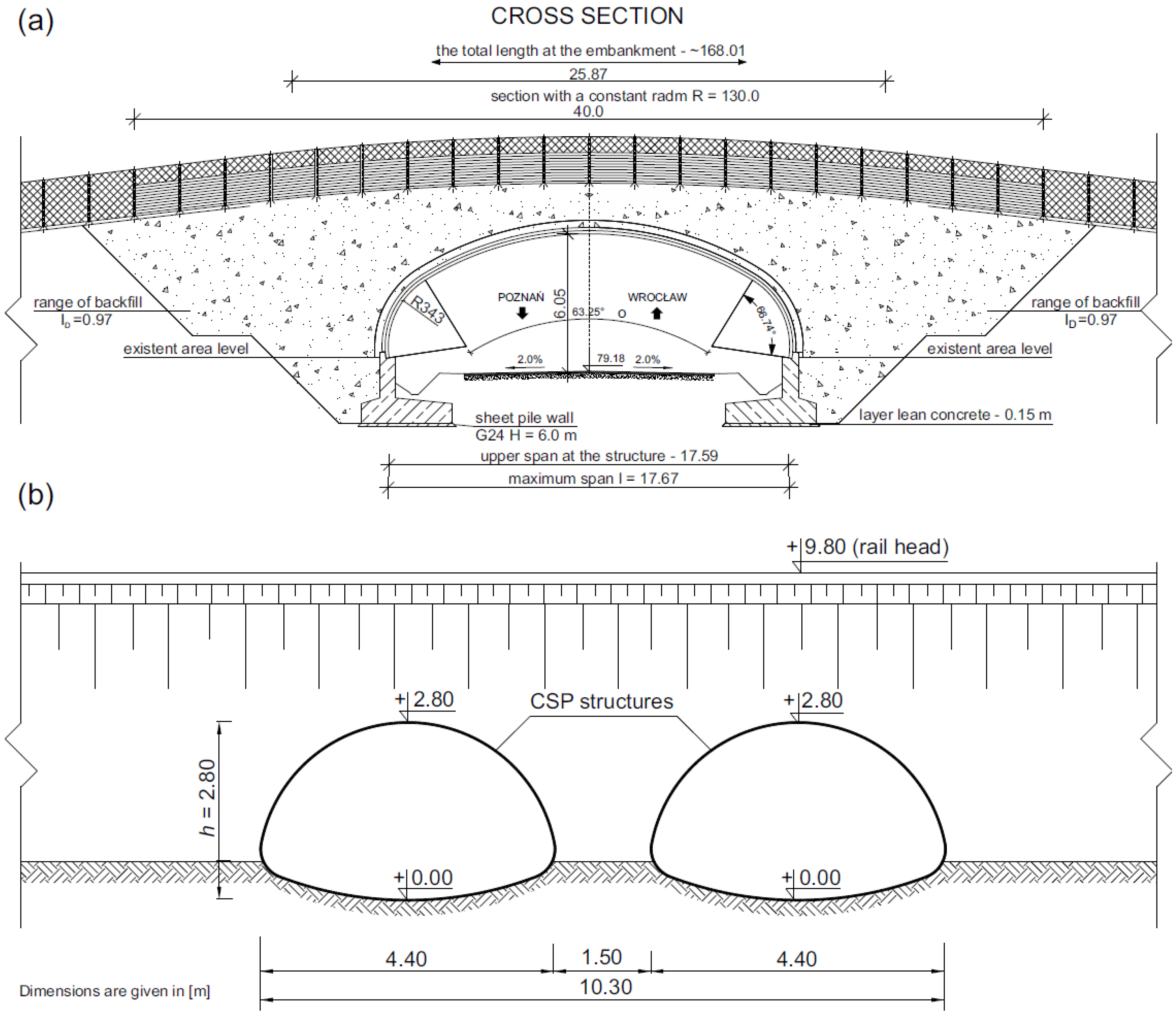
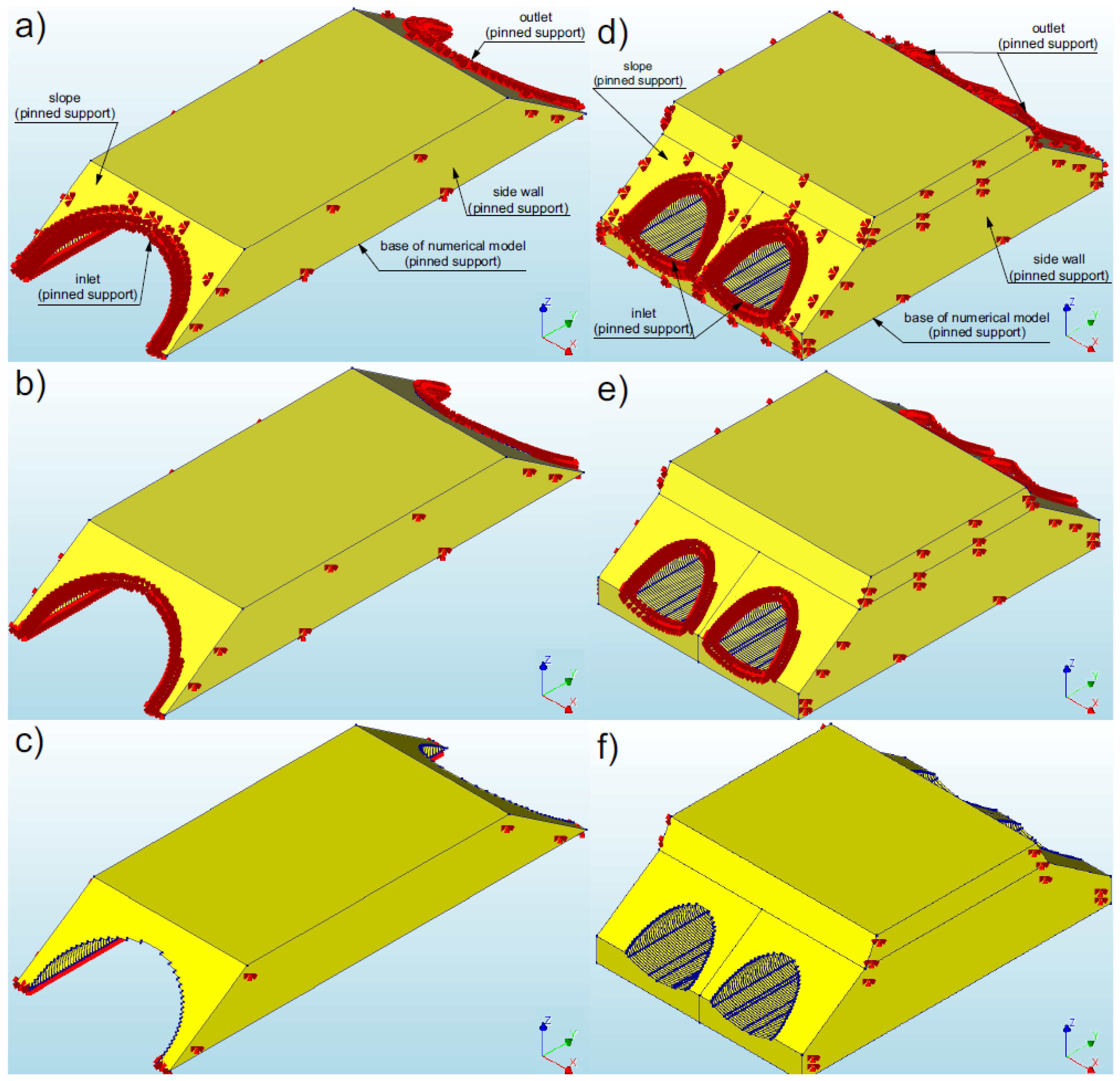
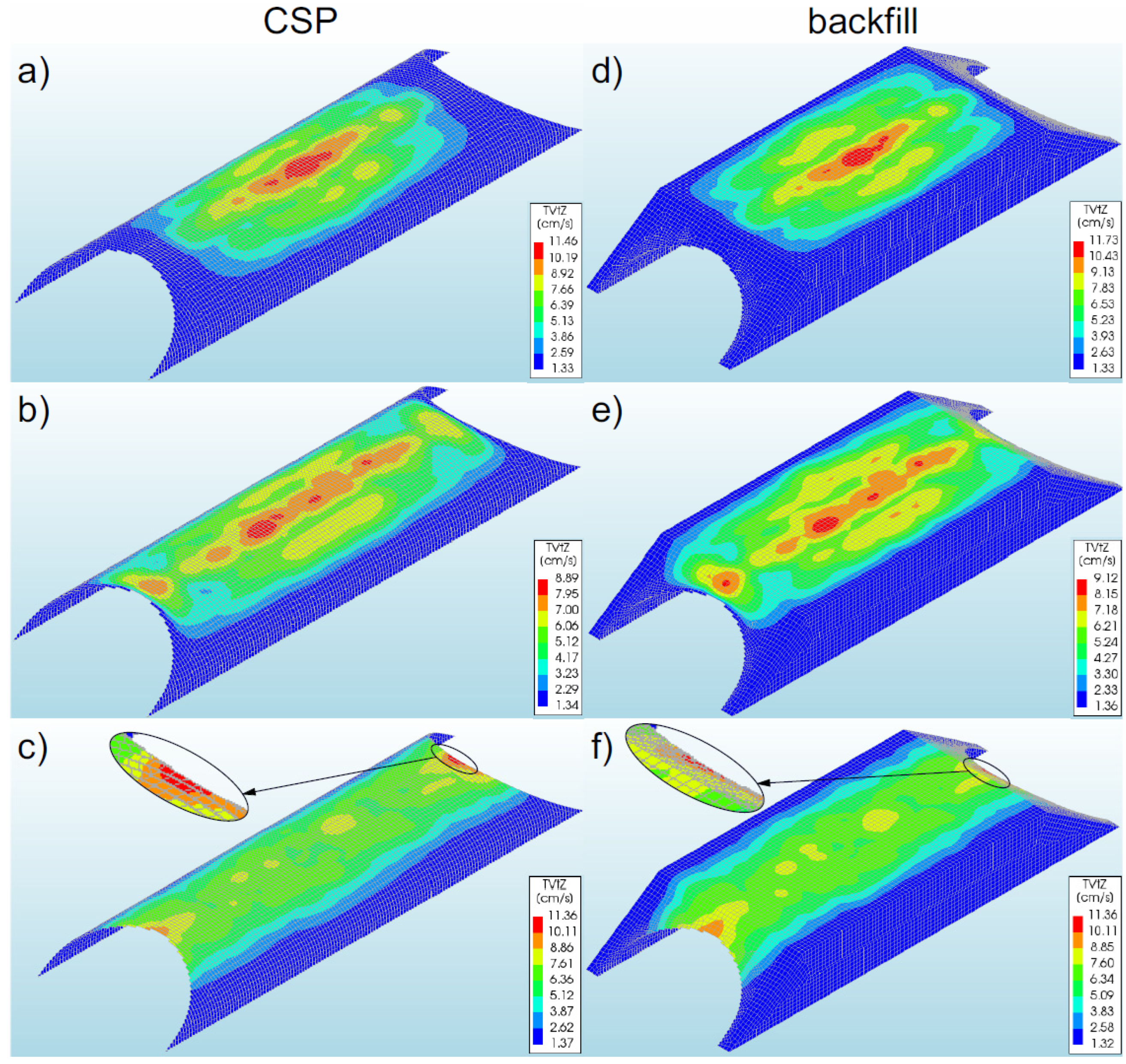
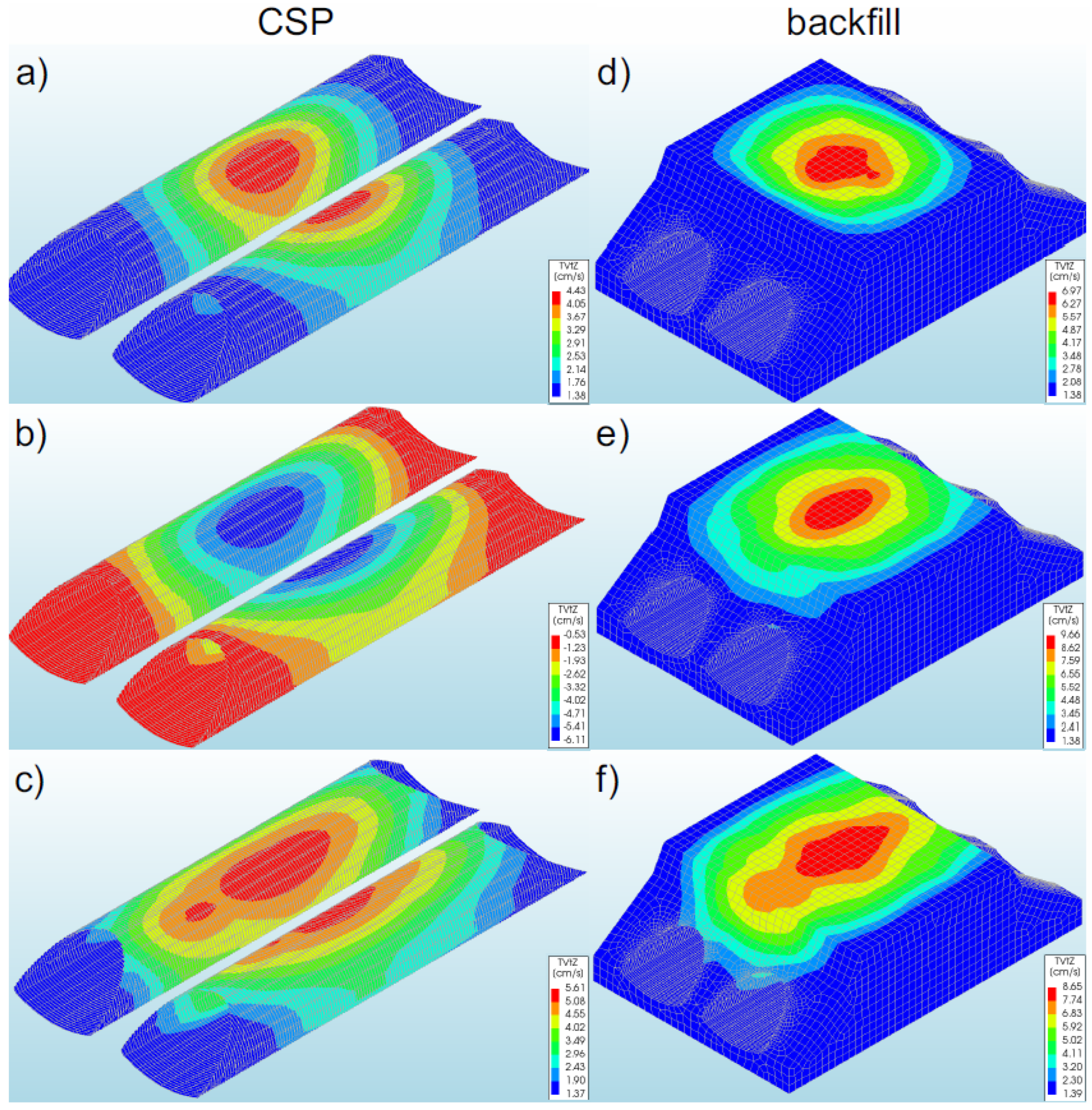
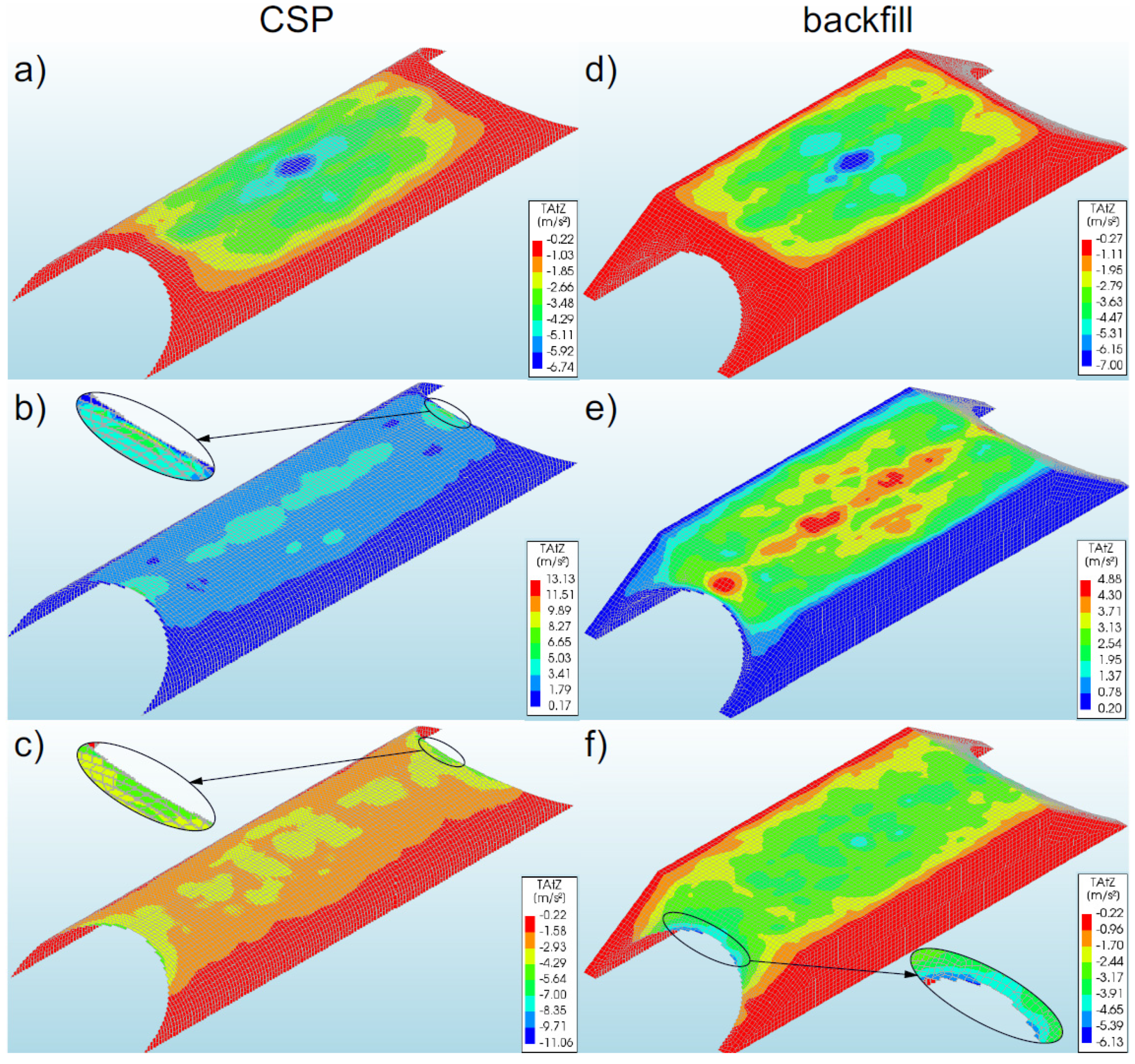
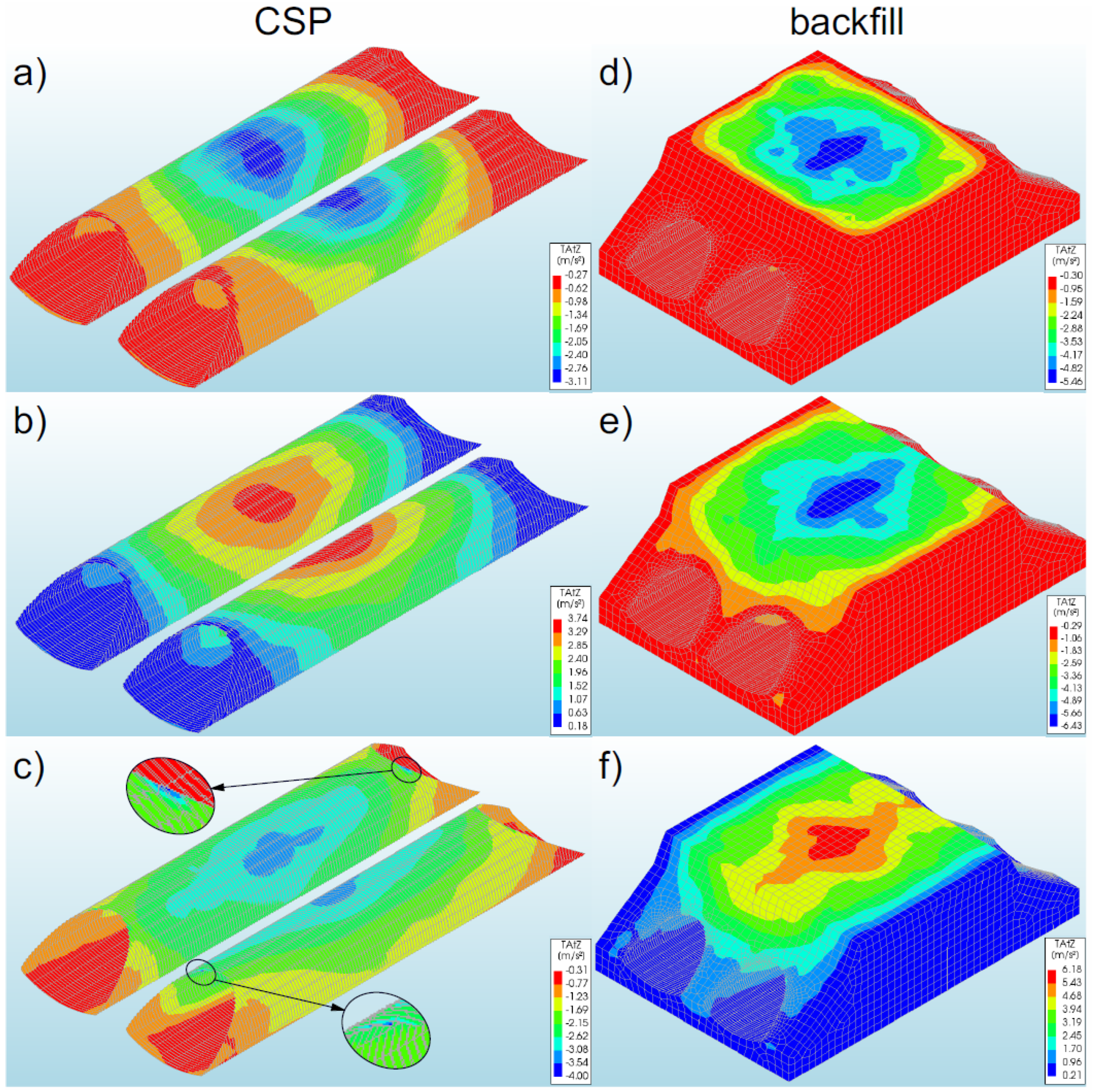
Soil–steel composite bridges typically range from 3 to 32 m, and they can be applied as an effective alternative for reinforced concrete bridges with short spans. They are able to meet the same design and safety requirements as traditional bridges more rapidly and at a lower cost. The behaviour of such bridges under seismic events is not yet recognized, because seismic excitations are completely different from the static and dynamic loads that have been analysed so far. This paper presents the results of the numerical study of two various types of soil–steel composite bridges under strong seismic excitation. The first soil–steel composite bridge has a span of 17.67 m and a height of 6.05 m, and the second consists of two shells with a span of 4.4 m each and a height of 2.8 m. Numerical analysis was performed for three models for each bridge, taking into account different boundary conditions. The applied boundary conditions are intended to represent the commonly used reinforcements of this type of bridges (reinforced concrete collar, reinforced concrete front wall). The obtained results were compared with the model in which such reinforcements were not used. Calculations were conducted using the DIANA program based on a finite element method. The non-linear models with seismic excitation of El Centro from 1940 and Time History analysis were applied. The conclusions from the study can be useful in making a decision regarding the design of the soil–steel composite bridges located in seismic zones. In addition, it was found that the effect of the applied strengthening is significant in the behaviour of soil–steel composite bridges.
Keywords: soil–steel bridge; seismic analysis; nonlinear numerical analysis; boundary conditions soil–steel bridge; seismic analysis; nonlinear numerical analysis; boundary conditions