Article

PBF-EB of Fe-Cr-V Alloy for Wear Applications
1
Fraunhofer Institute for Manufacturing Technology and Advanced Materials IFAM, 01277 Dresden, Germany
2
Institute for Materials Applications in Mechanical Engineering, RWTH Aachen University, 52062 Aachen, Germany
3
Herau Anlagentechnik GmbH, 44289 Dortmund, Germany
*
Author to whom correspondence should be addressed.
Materials 2022, 15(5), 1679; https://doi.org/10.3390/ma15051679
Submission received: 31 December 2021 / Revised: 7 February 2022 / Accepted: 12 February 2022 / Published: 23 February 2022

Abstract

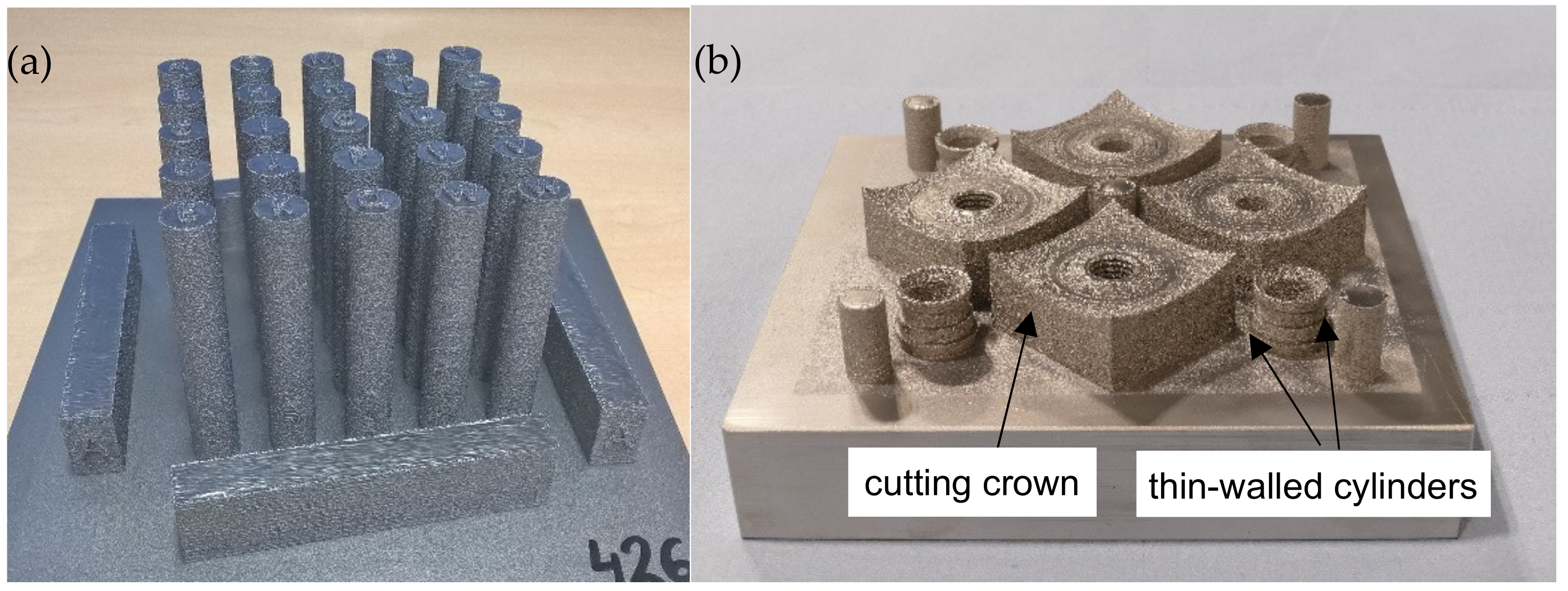
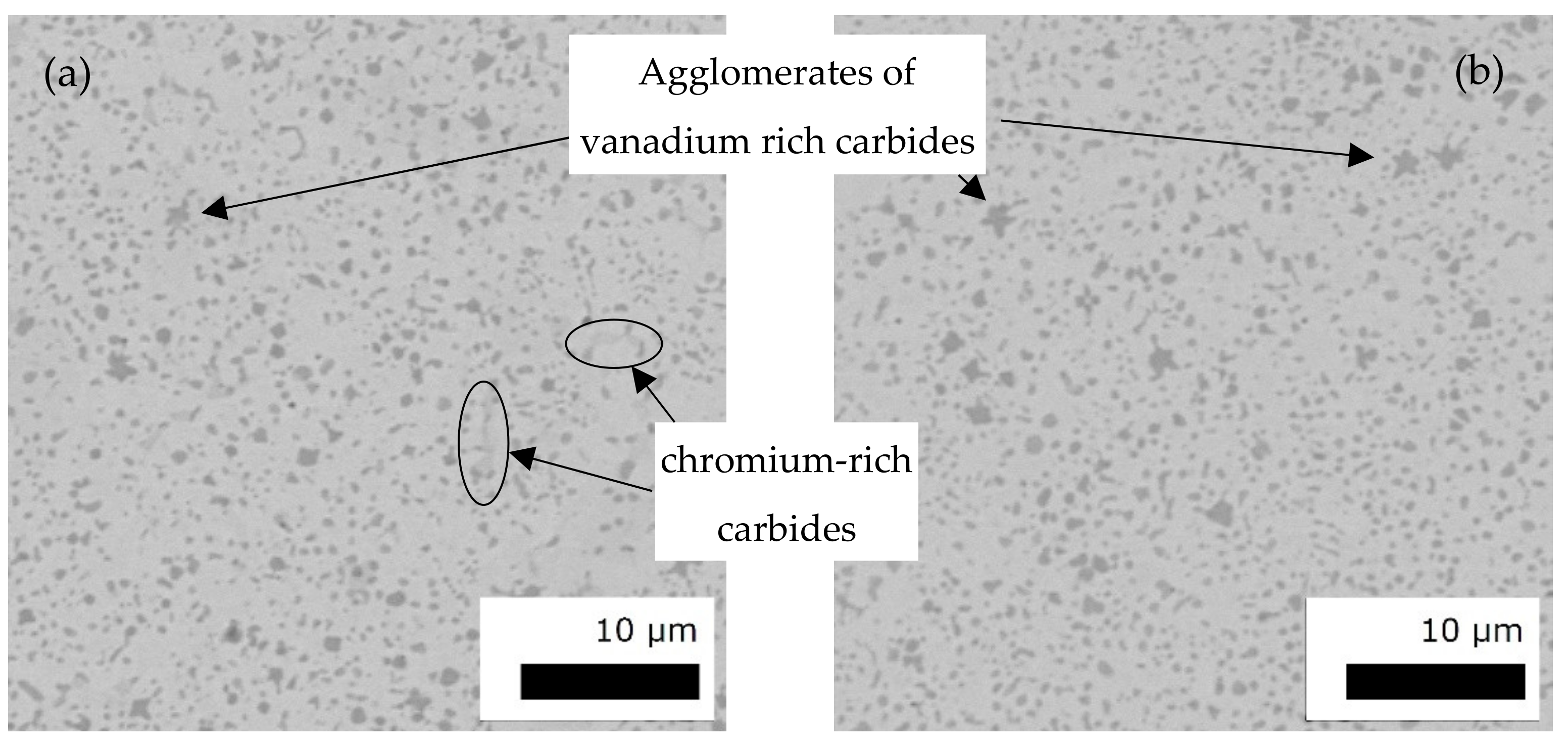
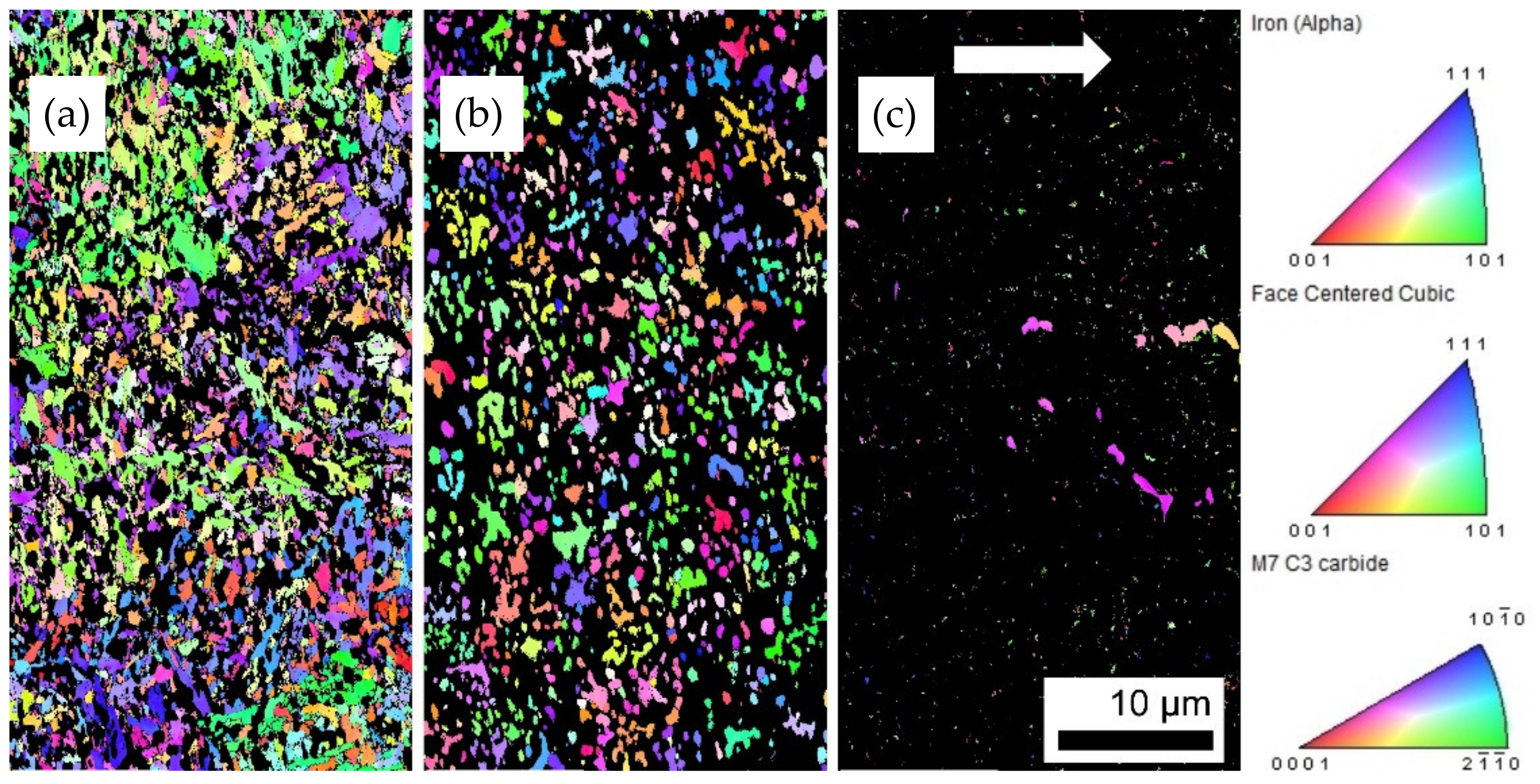
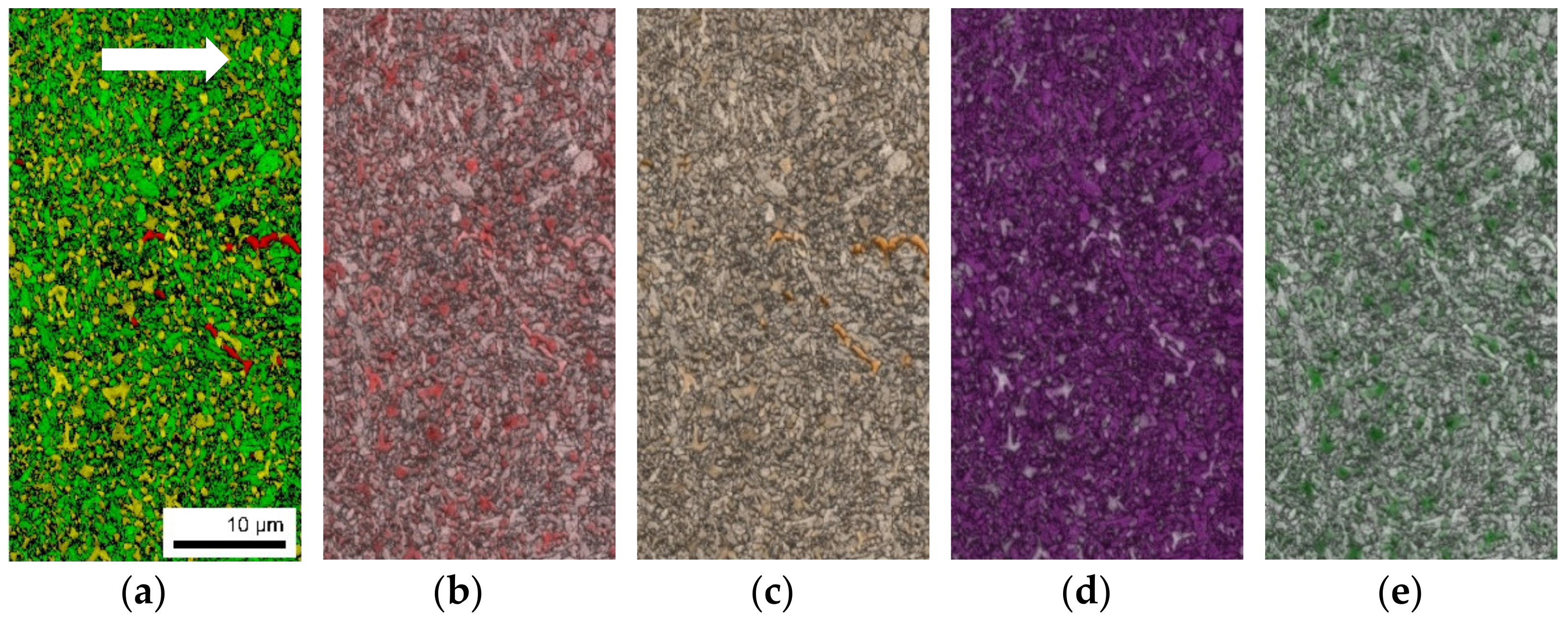
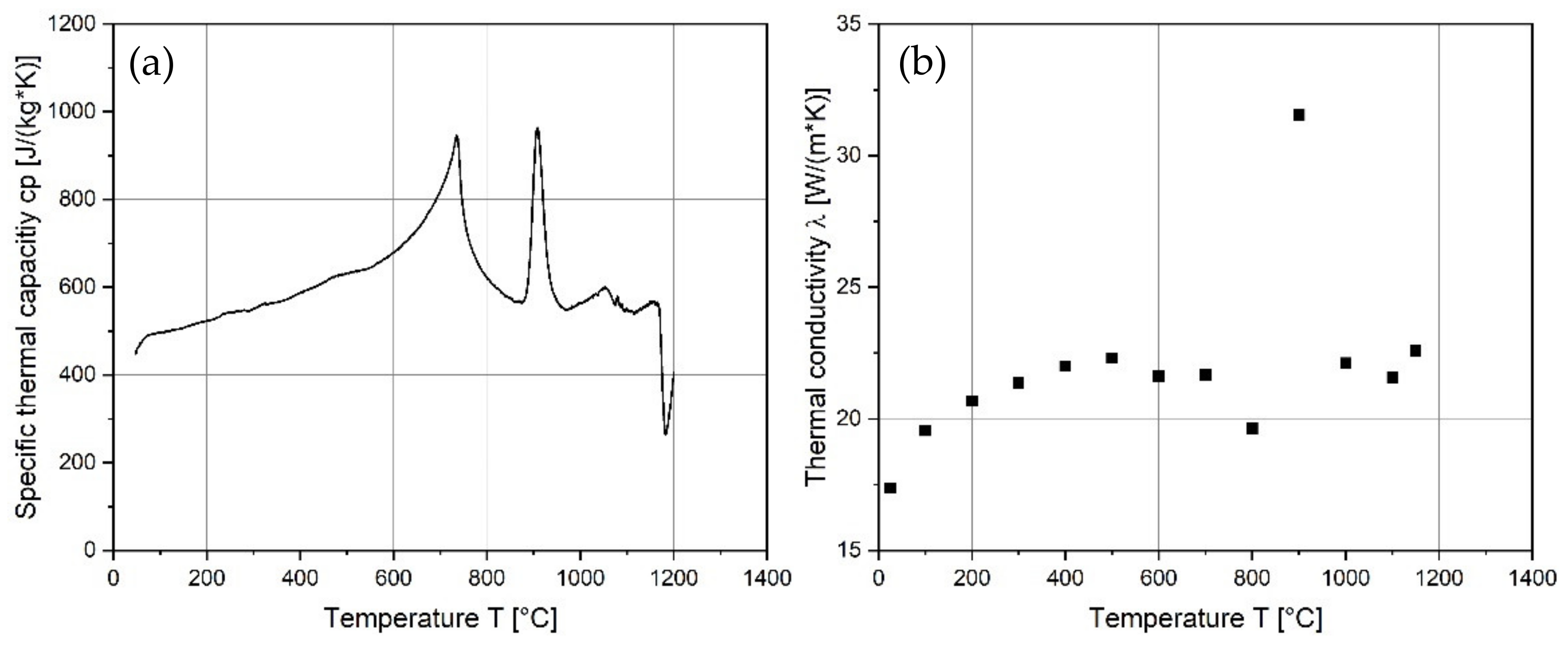
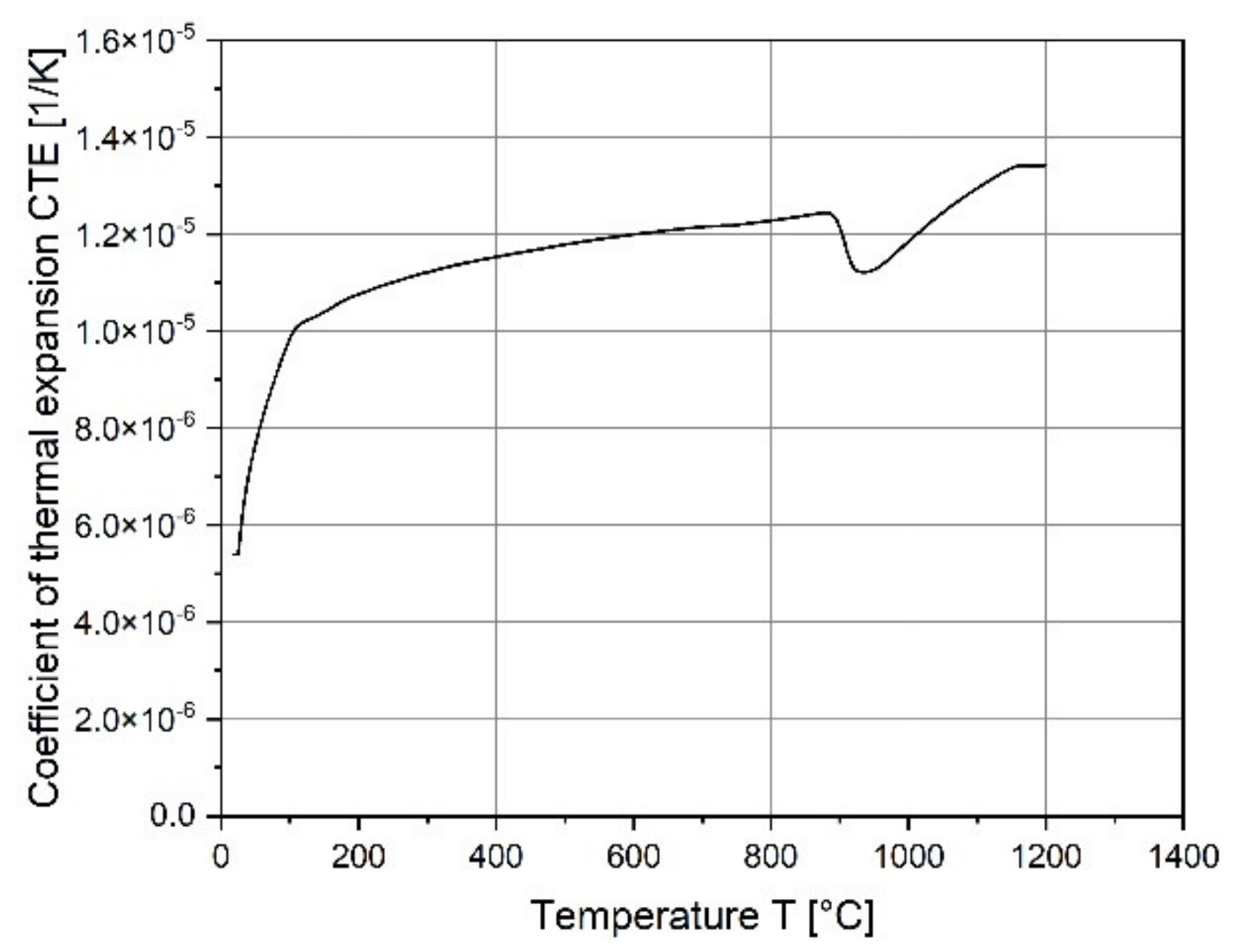
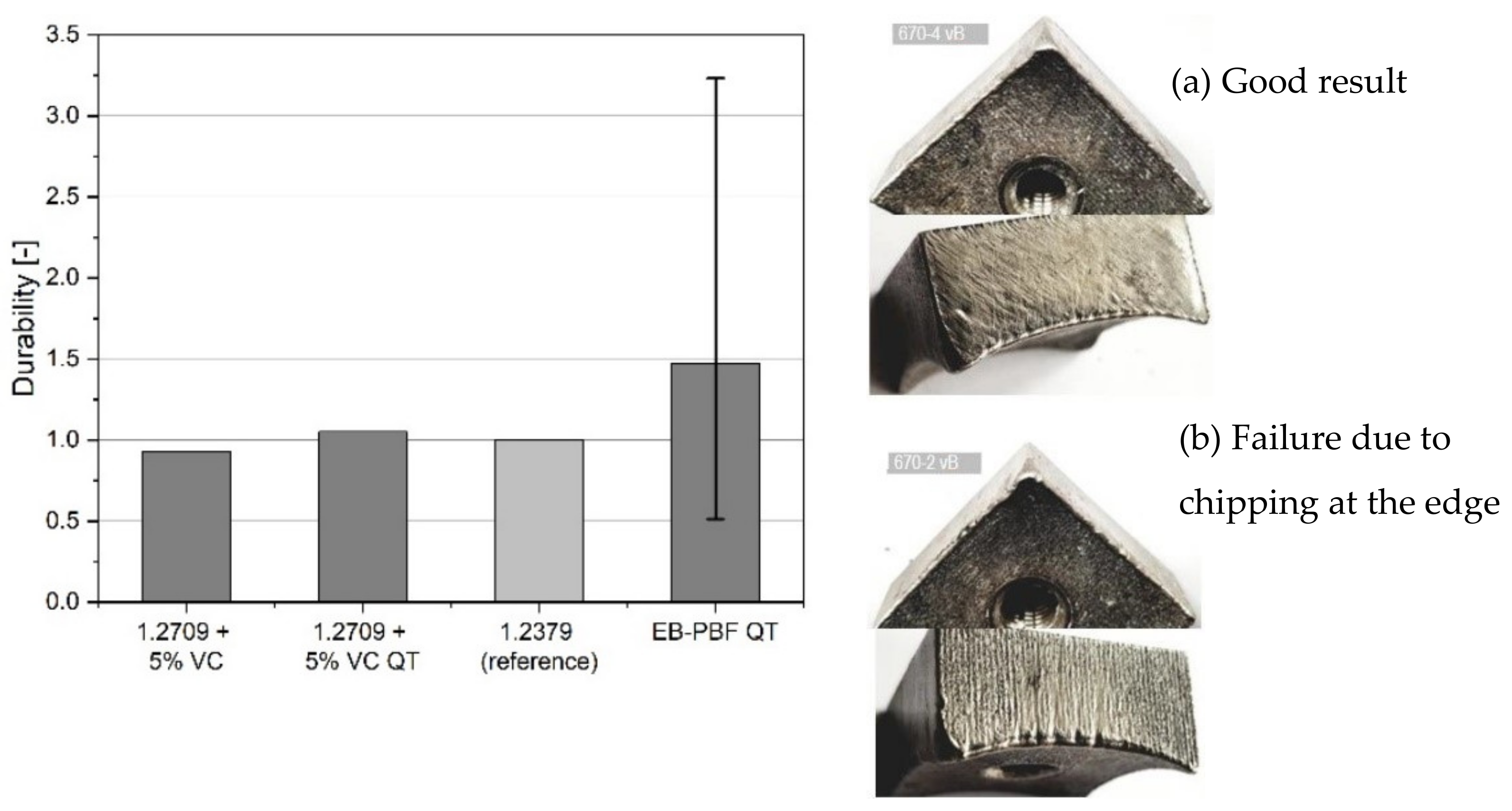
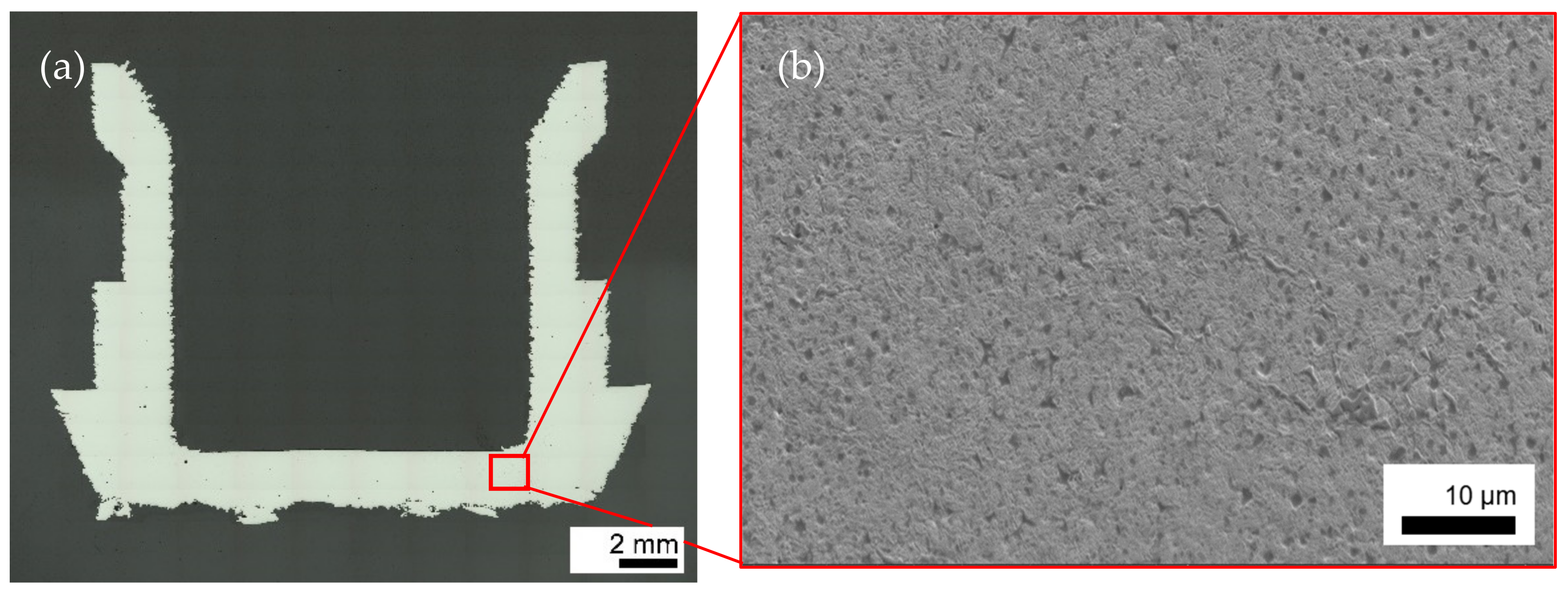
Due to the small variety of materials, the areas of application of additive manufacturing in the toolmaking industry are currently still limited. In order to overcome these material restrictions, AM material development for high carbon-containing iron-based materials, which are characterized by high strength, hardness, and wear resistance, must be intensified. However, these materials are often susceptible to crack formation or lack of fusion defects during processing. Therefore, these materials are preferentially suited for electron beam powder bed fusion (PBF-EB). In this paper, an Fe-Cr-V alloy with 10% vanadium is presented. Investigations were carried out on the PBF-EB system Arcam A2X. Specimens and demonstrators are characterized by a three-phase microstructure with an Fe-rich matrix and VC and M7C3 reinforcements. The resulting microstructures were characterized by scanning electron microscopy (SEM) and electron backscatter diffraction (EBSD). Furthermore, mechanical and physical properties were measured. A final field test was conducted to evaluate durability in use.
Keywords: PBF-EB; electron beam melting; additive manufacturing; tool steel; microstructure; carbides; mechanical properties; wear; recycling industry PBF-EB; electron beam melting; additive manufacturing; tool steel; microstructure; carbides; mechanical properties; wear; recycling industry