Article

Study of a Waste Kaolin as Raw Material for Mullite Ceramics and Mullite Refractories by Reaction Sintering

by
Pedro José Sánchez-Soto
1,
Dolores Eliche-Quesada
2,3,
Sergio Martínez-Martínez
1,2,
Luis Pérez-Villarejo
2,3 and
Eduardo Garzón
4,*
1
Institute of Materials Science of Sevilla (ICMS), Joint Center of the Spanish National Research Council (CSIC)-University of Sevilla, 41092 Sevilla, Spain
2
Department of Chemical, Environmental and Materials Engineering, University of Jaén, Campus Las Lagunillas s/n, 23071 Jaén, Spain
3
Center for Advanced Studies in Earth Sciences, Energy and Environment (CEACTEMA), University of Jaén, Campus Las Lagunillas s/n, 23071 Jaén, Spain
4
Department of Engineering, University of Almería, La Cañada de San Urbano s/n, 04120 Almería, Spain
*
Author to whom correspondence should be addressed.
Materials 2022, 15(2), 583; https://doi.org/10.3390/ma15020583
Submission received: 16 December 2021 / Revised: 7 January 2022 / Accepted: 9 January 2022 / Published: 13 January 2022
(This article belongs to the Special Issue Feature Papers in Construction and Building Materials)

Abstract

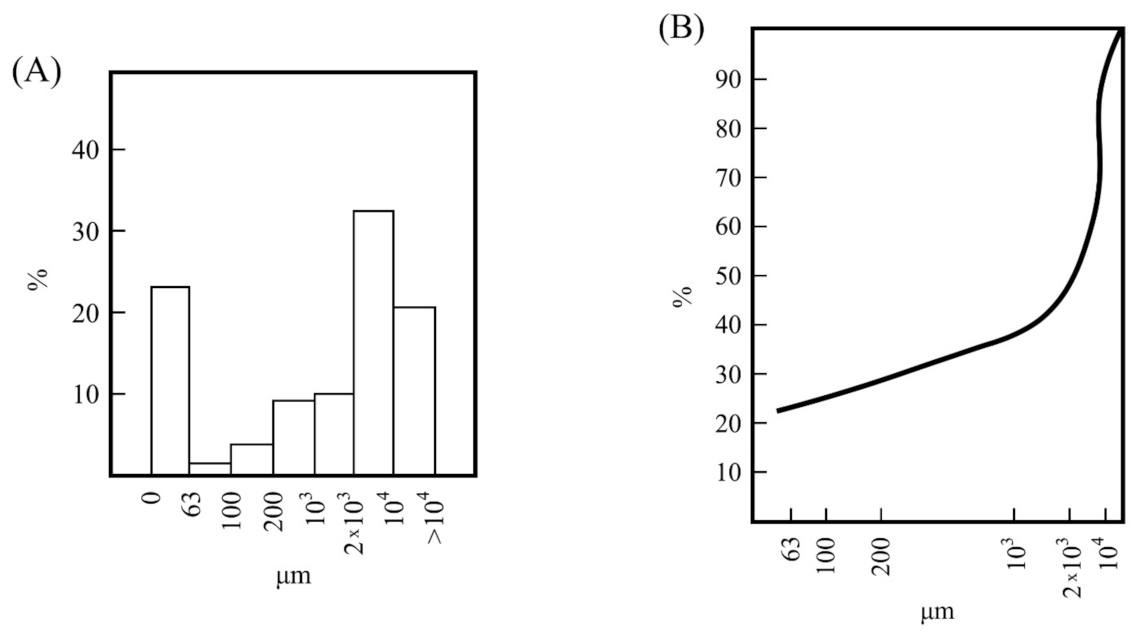
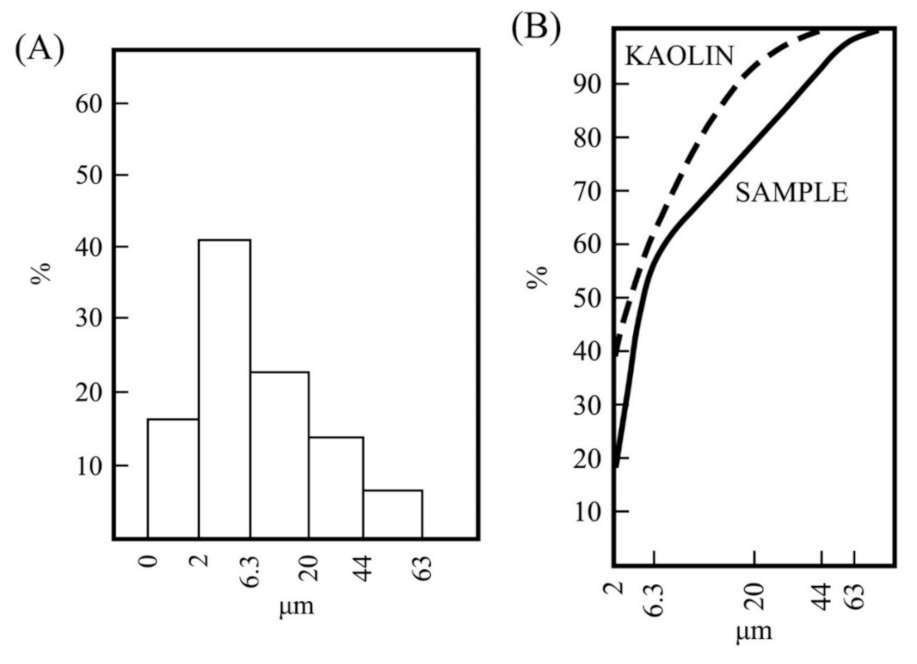
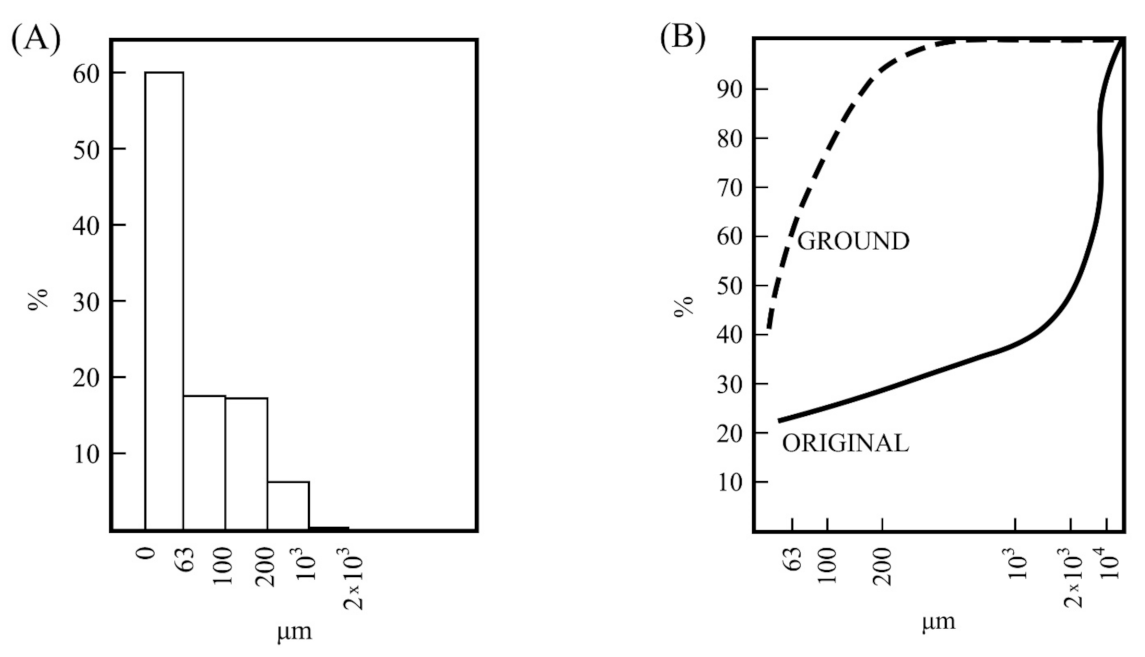
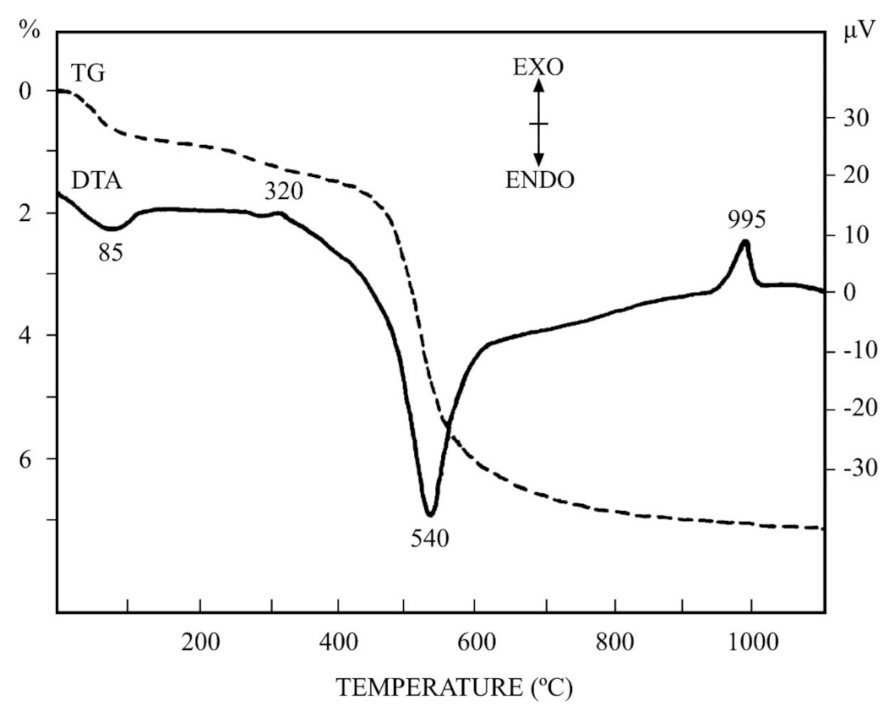
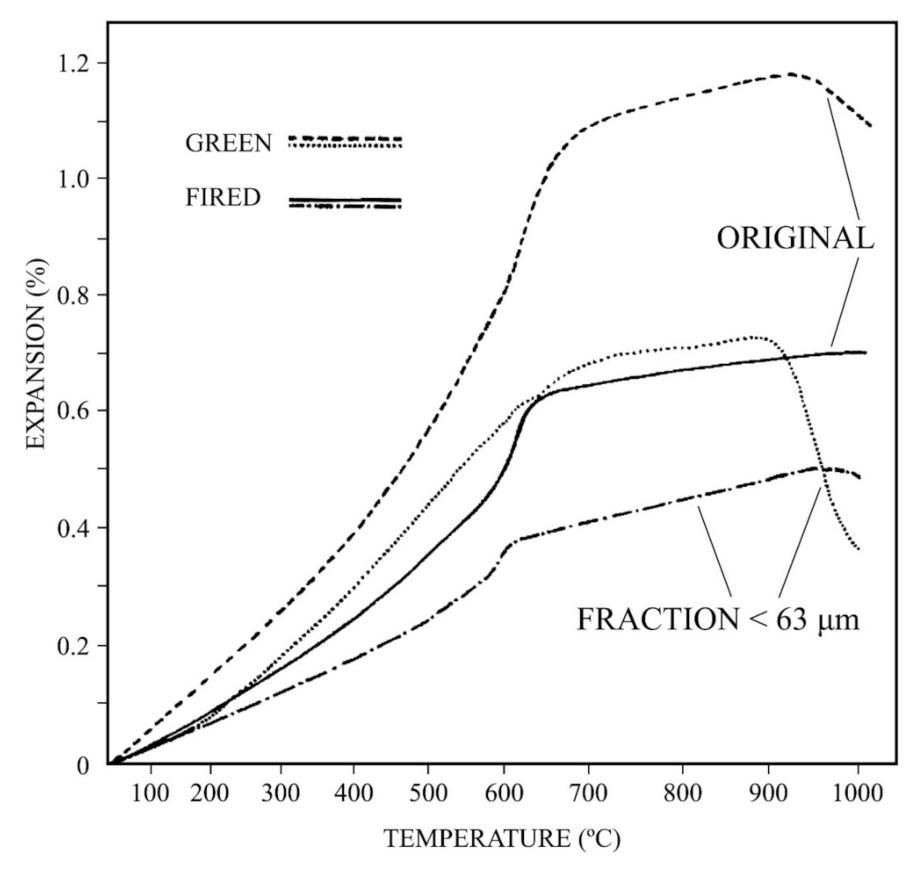
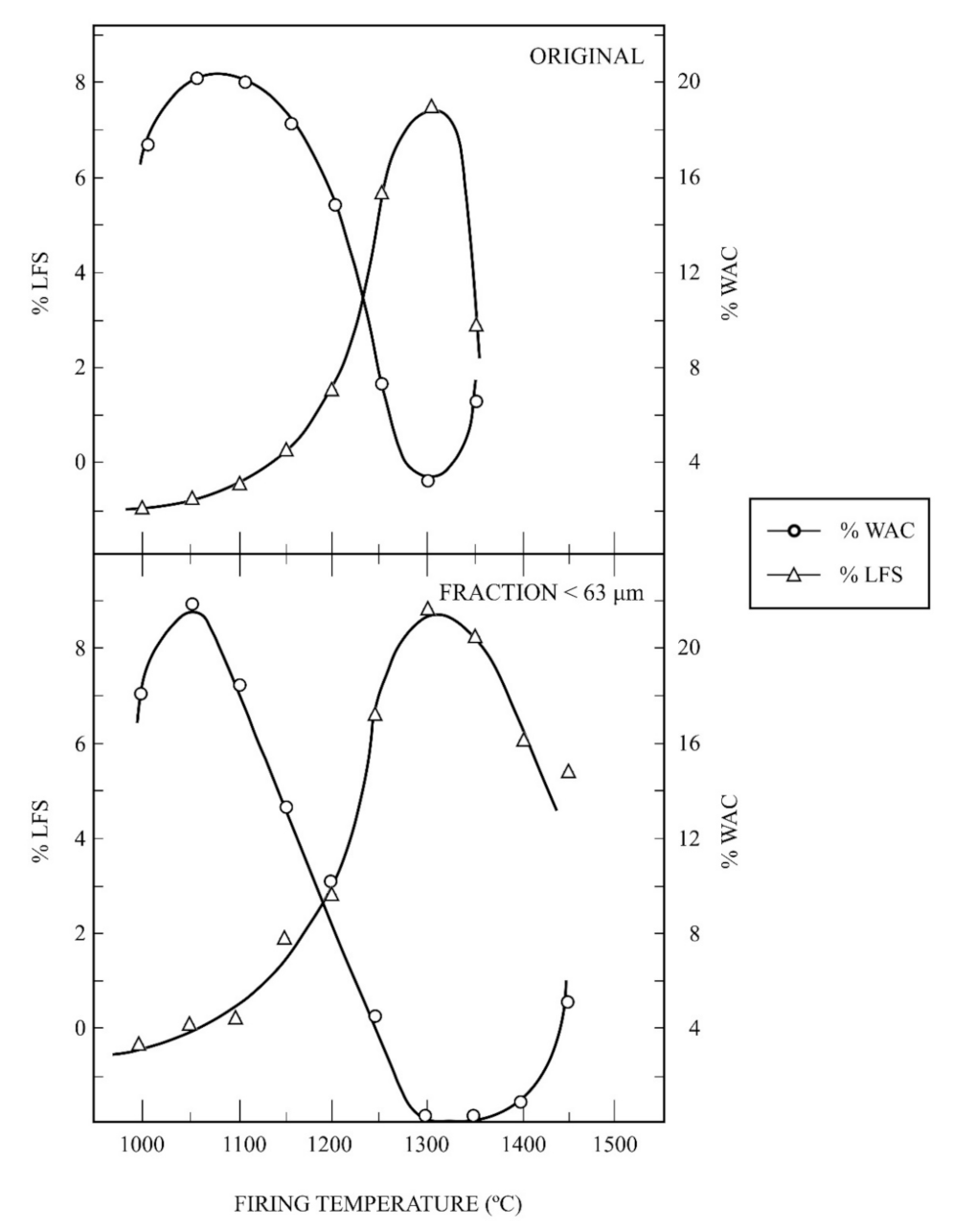
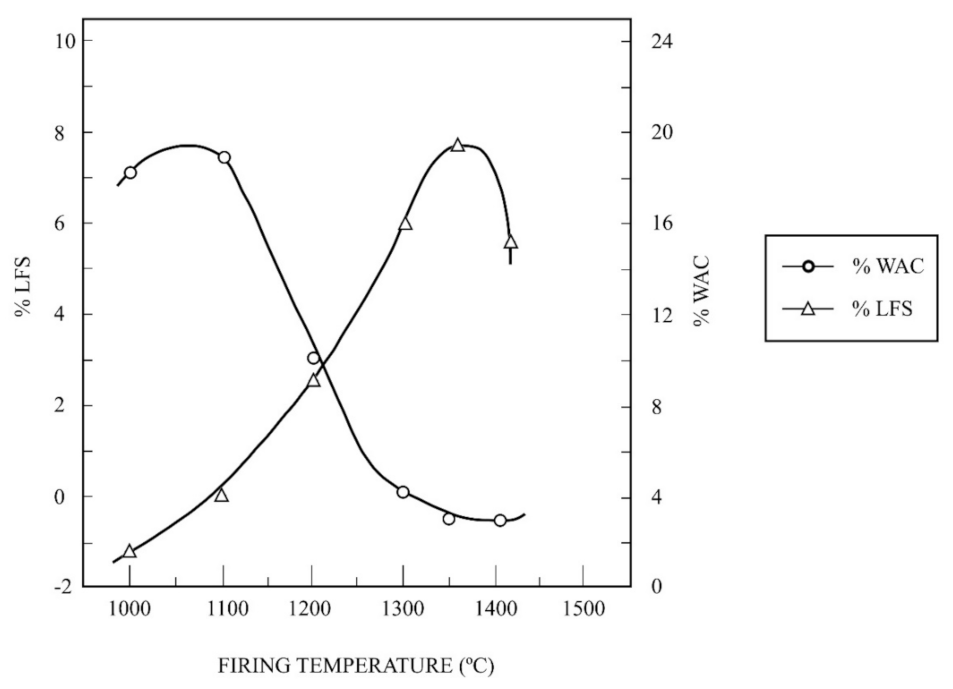
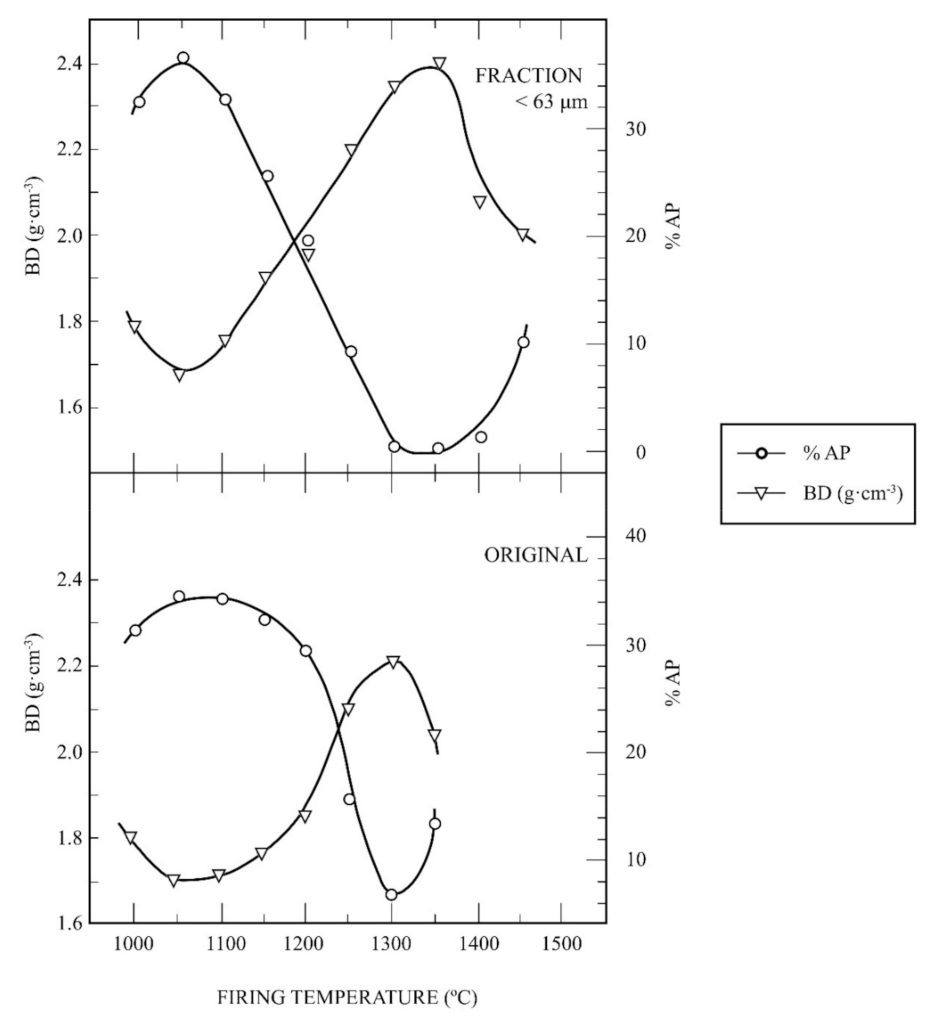
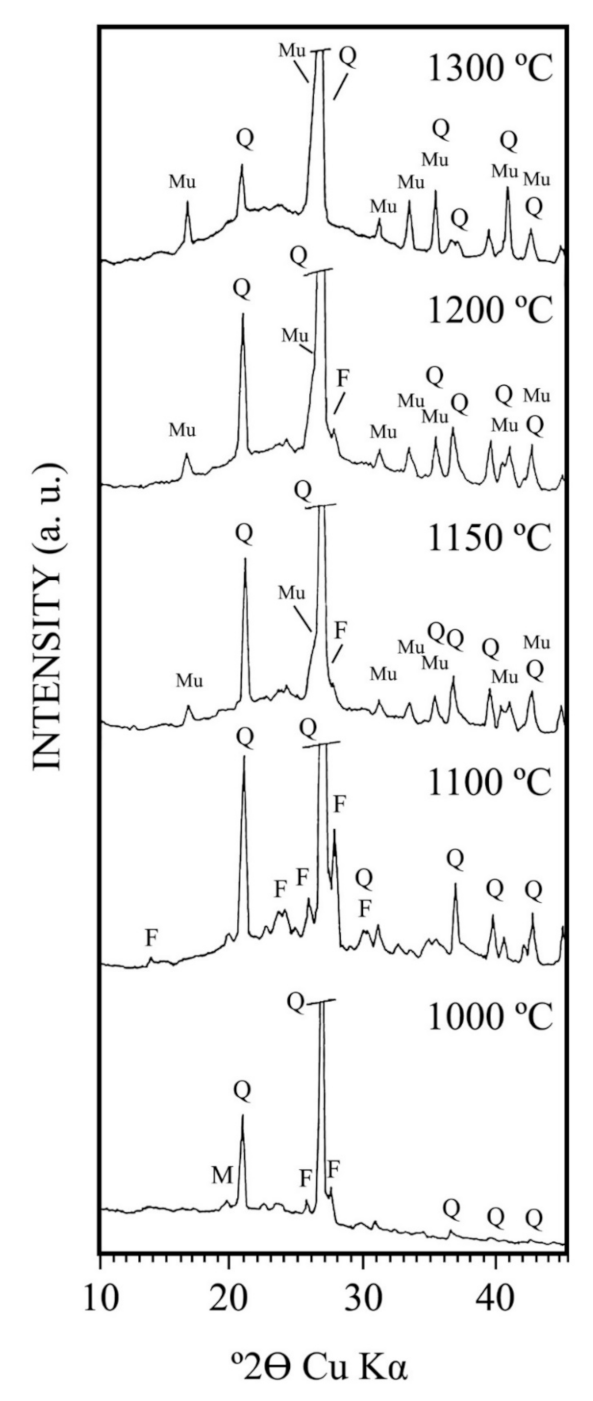
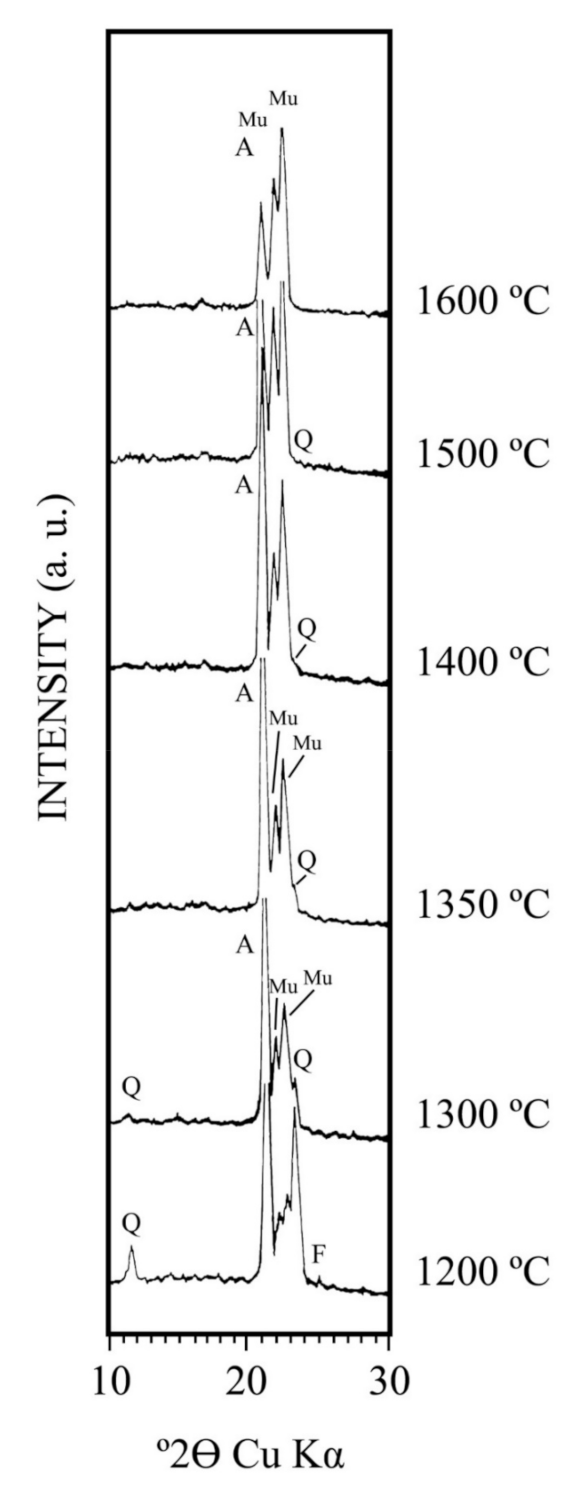
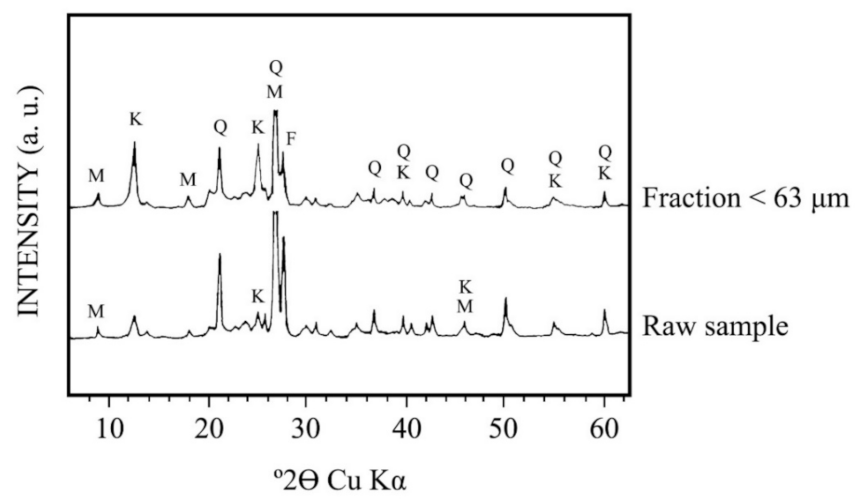
A deposit of raw kaolin, located in West Andalusia (Spain), was studied in this work using a representative sample. The methods of characterization were X-ray diffraction (XRD), X-ray fluorescence (XRF), particle size analysis by sieving and sedimentation, and thermal analysis. The ceramic properties were determined. A sample of commercial kaolin from Burela (Lugo, Spain), with applications in the ceramic industry, was used in some determinations for comparison purposes. The kaolin deposit has been produced by alteration of feldspar-rich rocks. This raw kaolin was applied as an additive in local manufactures of ceramics and refractories. However, there is not previous studies concerning its characteristics and firing properties. Thus, the meaning of this investigation was to conduct a scientific study on this subject and to evaluate the possibilities of application. The raw kaolin was washed for the beneficiation of the rock using water to increase the kaolinite content of the resultant material. The results indicated that the kaolinite content of the raw material was 20 wt % as determined by XRD, showing ~23 wt % of particles lower than 63 µm. The kaolinite content of the fraction lower than 63 µm was 50 wt %. Thus, an improvement of the kaolinite content of this raw kaolin was produced by wet separation. However, the kaolin was considered as a waste kaolin, with microcline, muscovite and quartz identified by XRD. Thermal analyses by Thermo-Dilatometry (TD), Differential Thermal Analysis (DTA) and Thermo-Gravimetry (TG) allowed observe kaolinite thermal decomposition, quartz phase transition and sintering effects. Pressed samples of this raw kaolin, the fraction lower than 63 µm obtained by water washing and the raw kaolin ground using a hammer mill were fired at several temperatures in the range 1000–1500 °C for 2 h. The ceramic properties of all these samples were determined and compared. The results showed the progressive linear firing shrinkage by sintering in these samples, with a maximum value of ~9% in the fraction lower than 63 µm. In general, water absorption capacity of the fired samples showed a decrease from ~18–20% at 1050 °C up to almost zero after firing at 1300 °C, followed by an increase of the experimental values. The open porosity was almost zero after firing at 1350 °C for 2 h and the bulk density reached a maximum value of 2.40 g/cm3 as observed in the ground raw kaolin sample. The XRD examination of fired samples indicated that they are composed by mullite, from kaolinite thermal decomposition, and quartz, present in the raw sample, as main crystalline phases besides a vitreous phase. Fully-densified or vitrified materials were obtained by firing at 1300–1350 °C for 2 h. In a second step of this research, it was examined the promising application of the previous study to increase the amount of mullite by incorporation of alumina (α-alumina) to this kaolin sample. Firing of mixtures, prepared using this kaolin and α-alumina under wet processing conditions, produced the increase of mullite in relative proportion by reaction sintering at temperatures higher than 1500 °C for 2 h. Consequently, a mullite refractory can be prepared using this kaolin. This processing of high-alumina refractories is favoured by a previous size separation, which increases the kaolinite content, or better a grinding treatment of the raw kaolin.
Keywords: kaolin; raw materials; kaolinite; washing; mullite; ceramics; refractories; reaction sintering; α-alumina kaolin; raw materials; kaolinite; washing; mullite; ceramics; refractories; reaction sintering; α-alumina