Article

Mesoscale Modeling Study on Mechanical Deterioration of Alkali–Aggregate Reaction-Affected Concrete
1
State Key Laboratory of Hydroscience and Engineering, Tsinghua University, Beijing 100084, China
2
Yalong River Hydropower Development Co., Ltd., Chengdu 610056, China
*
Author to whom correspondence should be addressed.
Materials 2022, 15(11), 3861; https://doi.org/10.3390/ma15113861
Submission received: 28 April 2022 / Revised: 20 May 2022 / Accepted: 26 May 2022 / Published: 28 May 2022
(This article belongs to the Section Construction and Building Materials)

Abstract

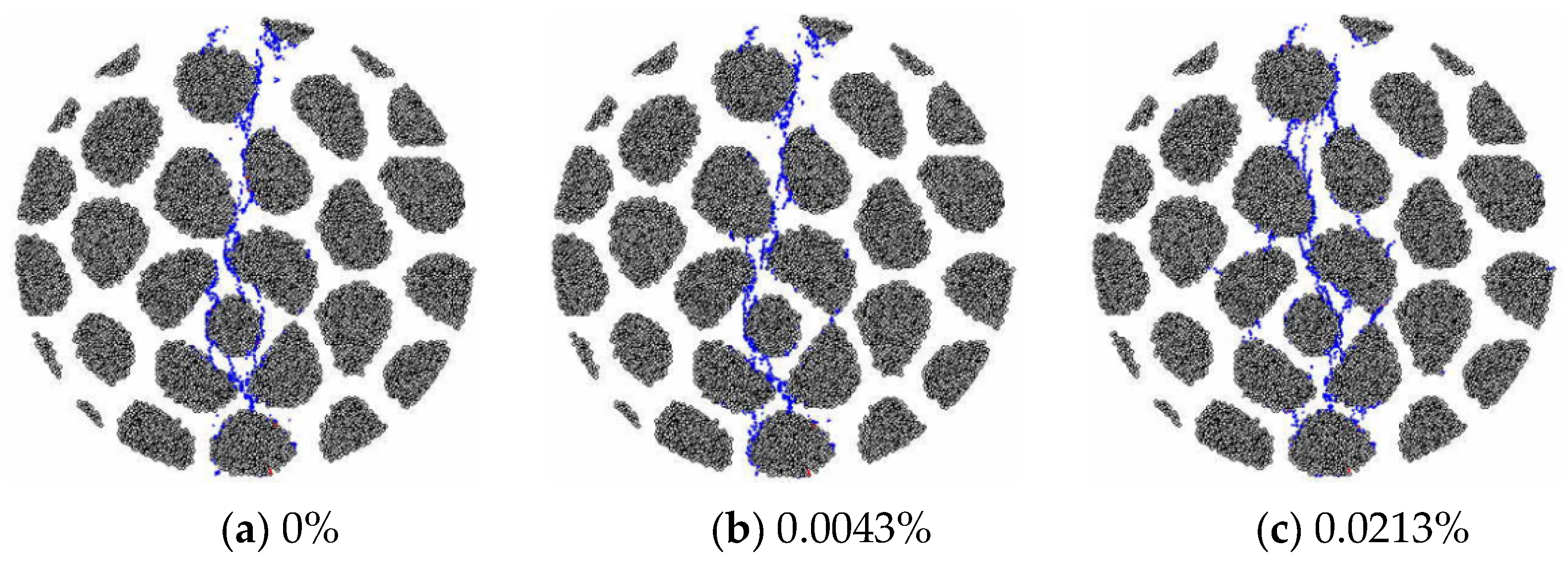
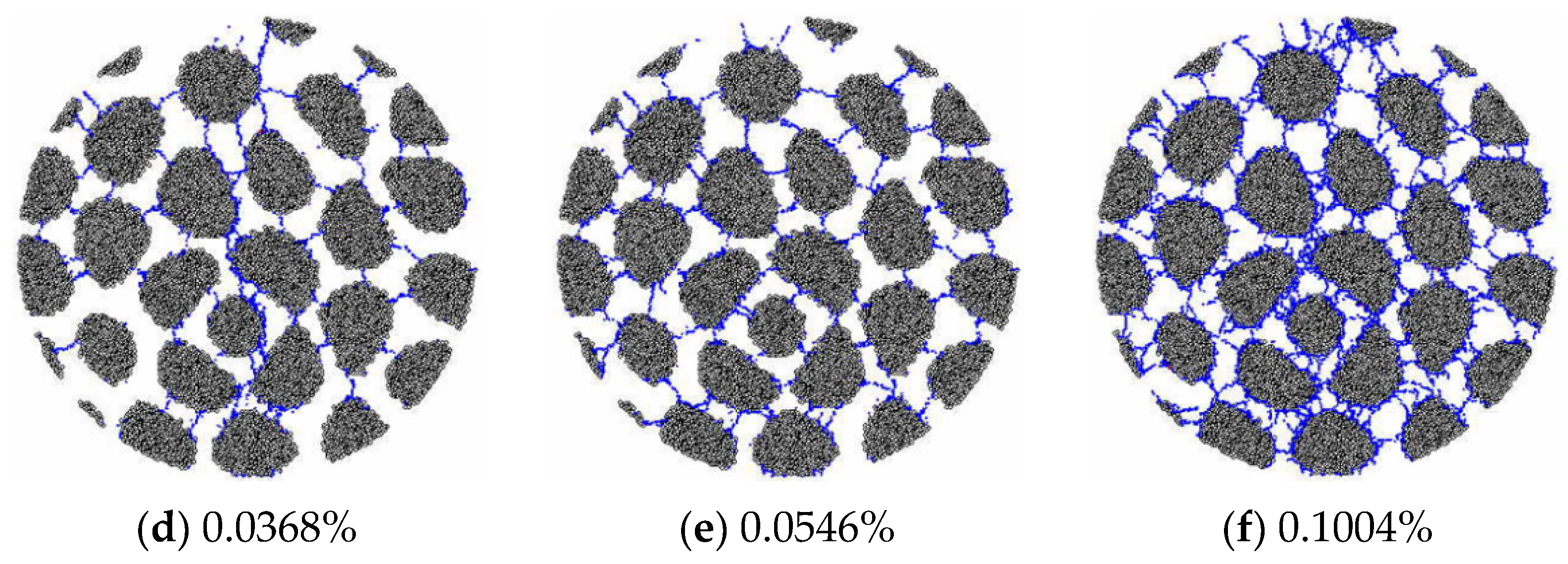
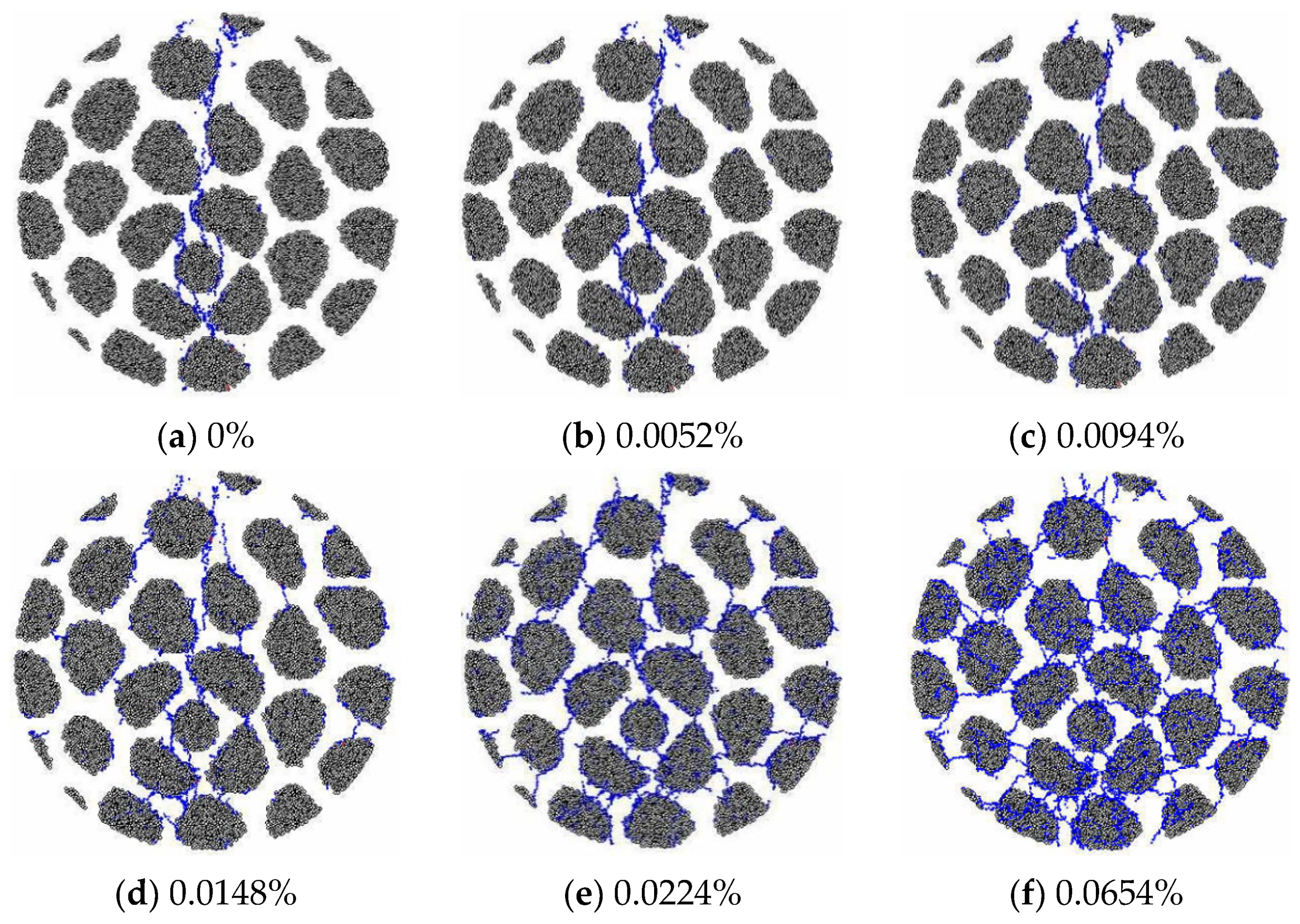
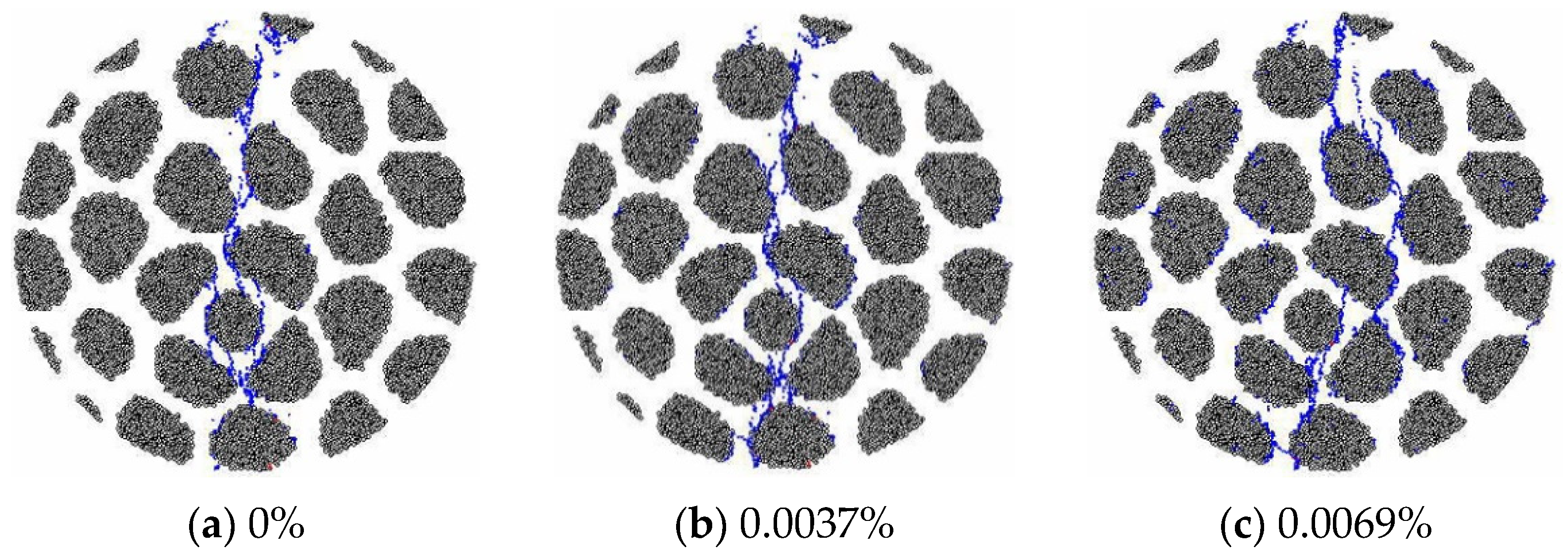
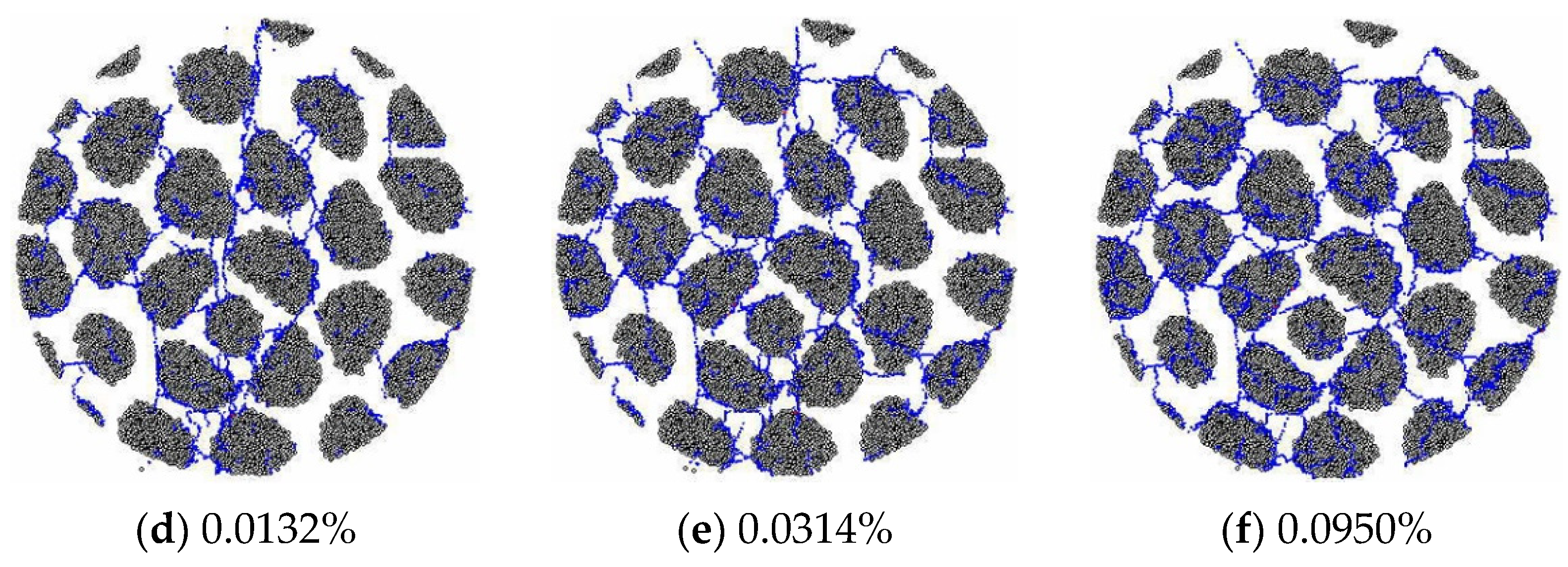
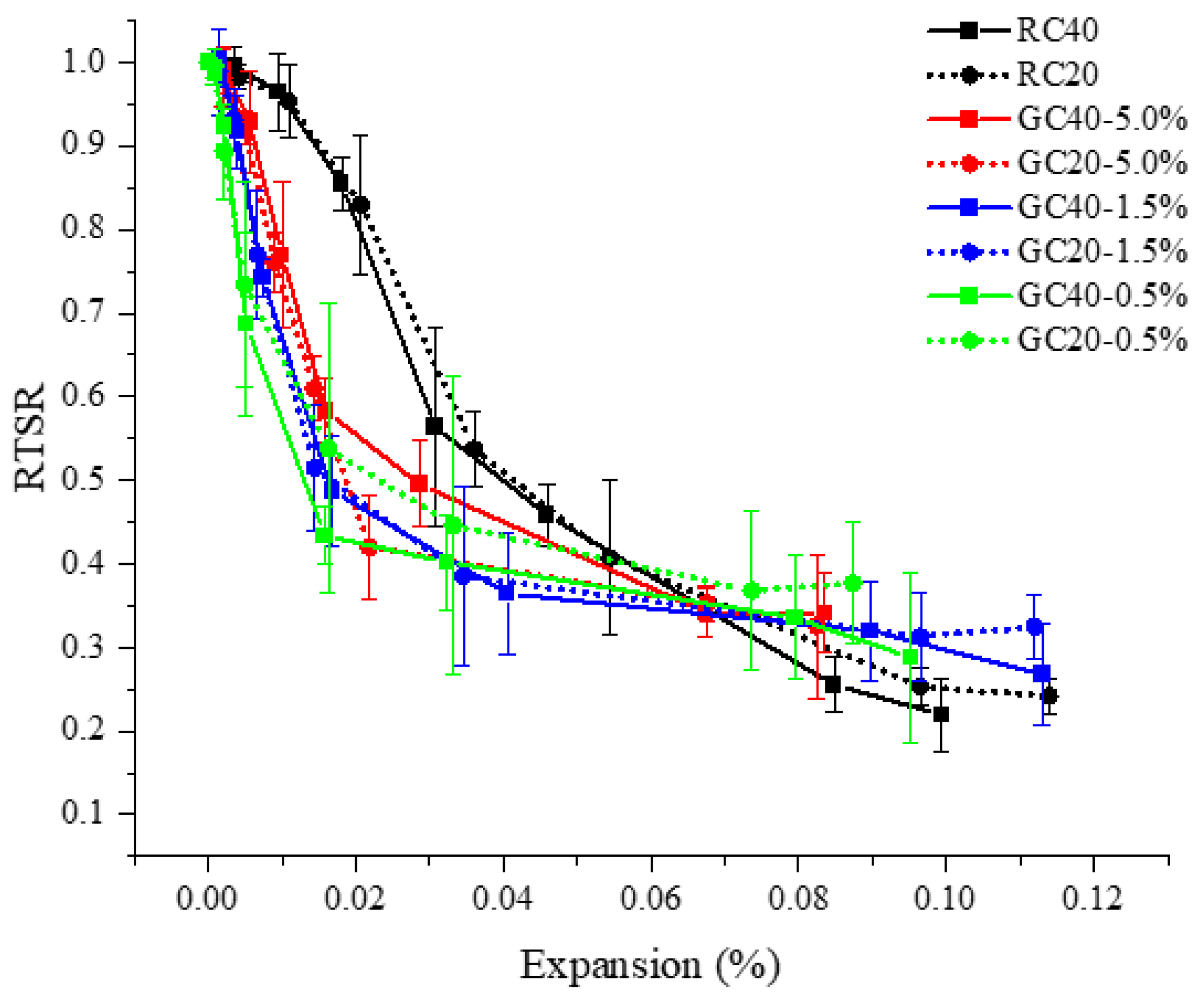
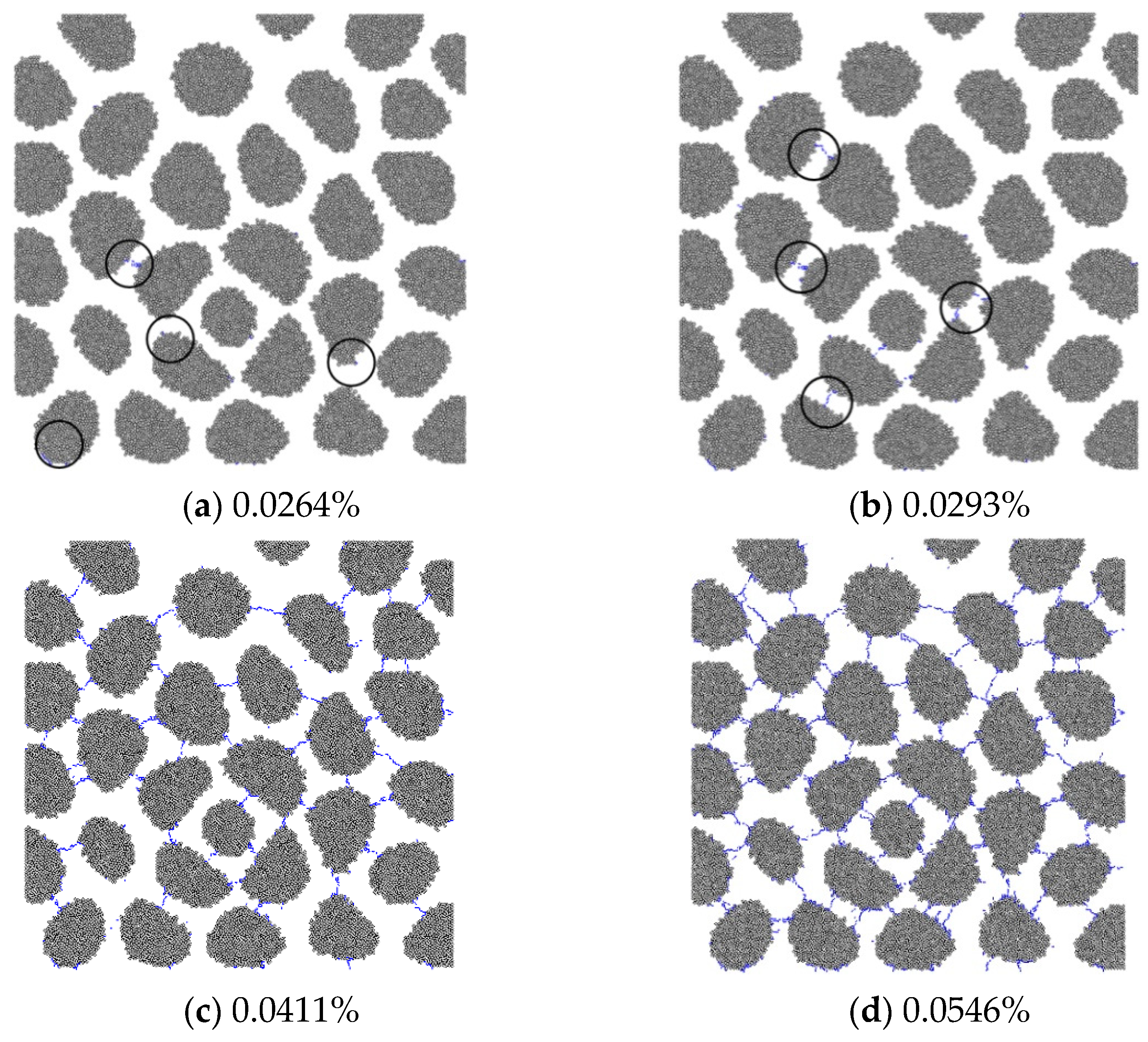
The alkali–aggregate reaction (AAR) is a harmful chemical reaction that reduces the mechanical properties and weakens the durability of concrete. Different types of activated aggregates may result in various AAR modes, which affect the mechanical deterioration of concrete. In this paper, the aggregate expansion model and the gel pocket model are considered to represent the two well-recognized AAR modes. The mesoscale particle model of concrete was presented to model the AAR expansion process and the splitting tensile behavior of AAR-affected concrete. The numerical results show that different AAR modes have a great influence on the development of AAR in terms of expansion and microcracks and the deterioration of concrete specimens. The AAR mode of the gel pocket model causes slight expansion, but generates microcracks in the concrete at the early stage of AAR. This means there is difficulty in achieving early warning and timely maintenance of AAR-affected concrete structures based on the monitoring expansion. Compared with the aggregate expansion model, more severe cracking can be observed, and a greater loss of tensile strength is achieved at the same AAR expansion in the gel pocket model. AAR modes determine the subsequent reaction process and deterioration, and thus, it is necessary to develop effective detection methods and standards for large concrete projects according to different reactive aggregates.
Keywords: alkali–aggregate reaction; mesoscale model; deterioration; expansion pattern alkali–aggregate reaction; mesoscale model; deterioration; expansion pattern