Article

Characterization of Spatter and Sublimation in Alloy 718 during Electron Beam Melting
Department of Industrial and Materials Science, Chalmers University of Technology, SE-412 96 Gothenburg, Sweden
*
Author to whom correspondence should be addressed.
Materials 2021, 14(20), 5953; https://doi.org/10.3390/ma14205953
Submission received: 6 September 2021 / Revised: 5 October 2021 / Accepted: 7 October 2021 / Published: 10 October 2021

Abstract

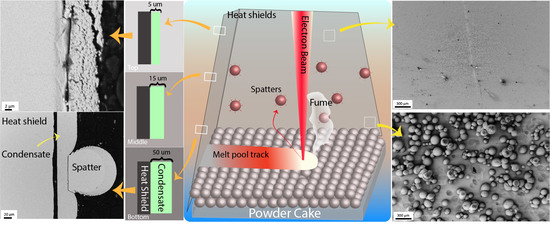
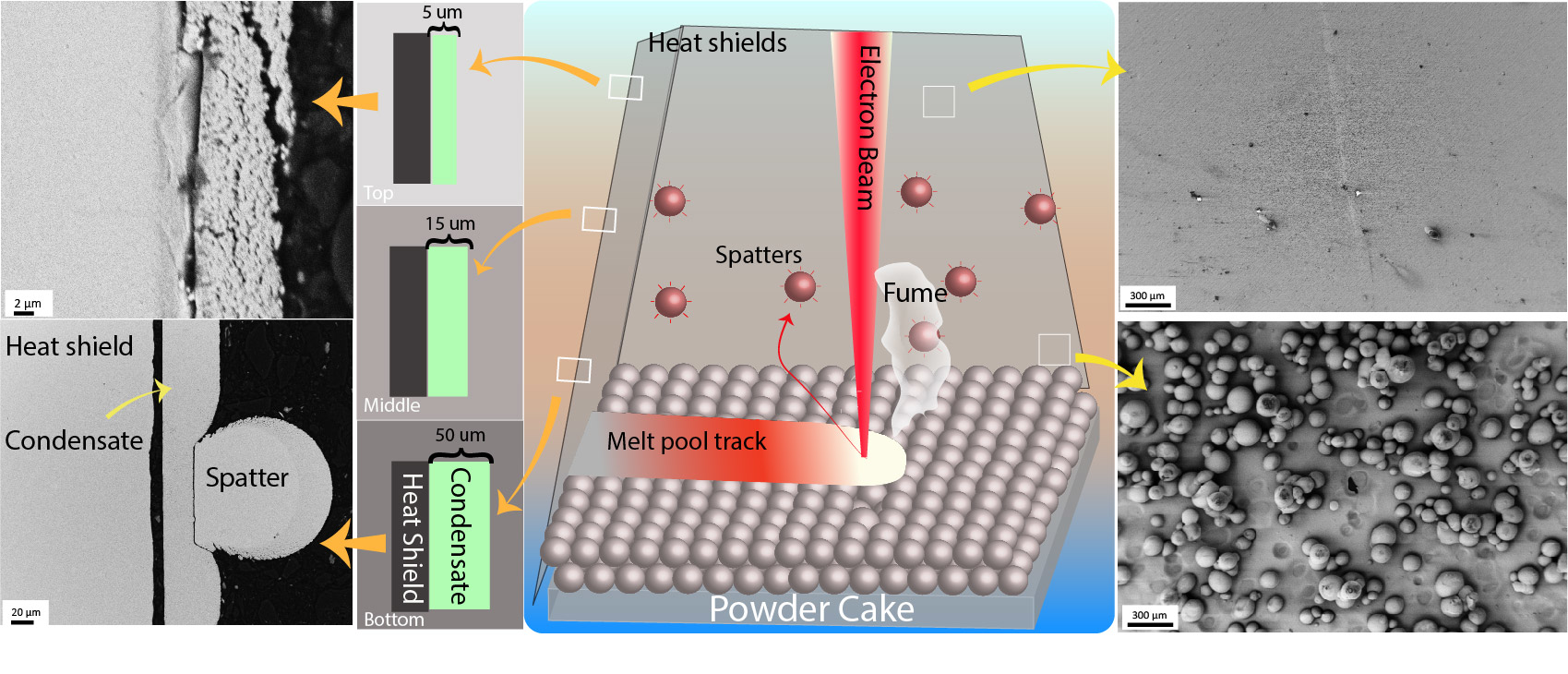
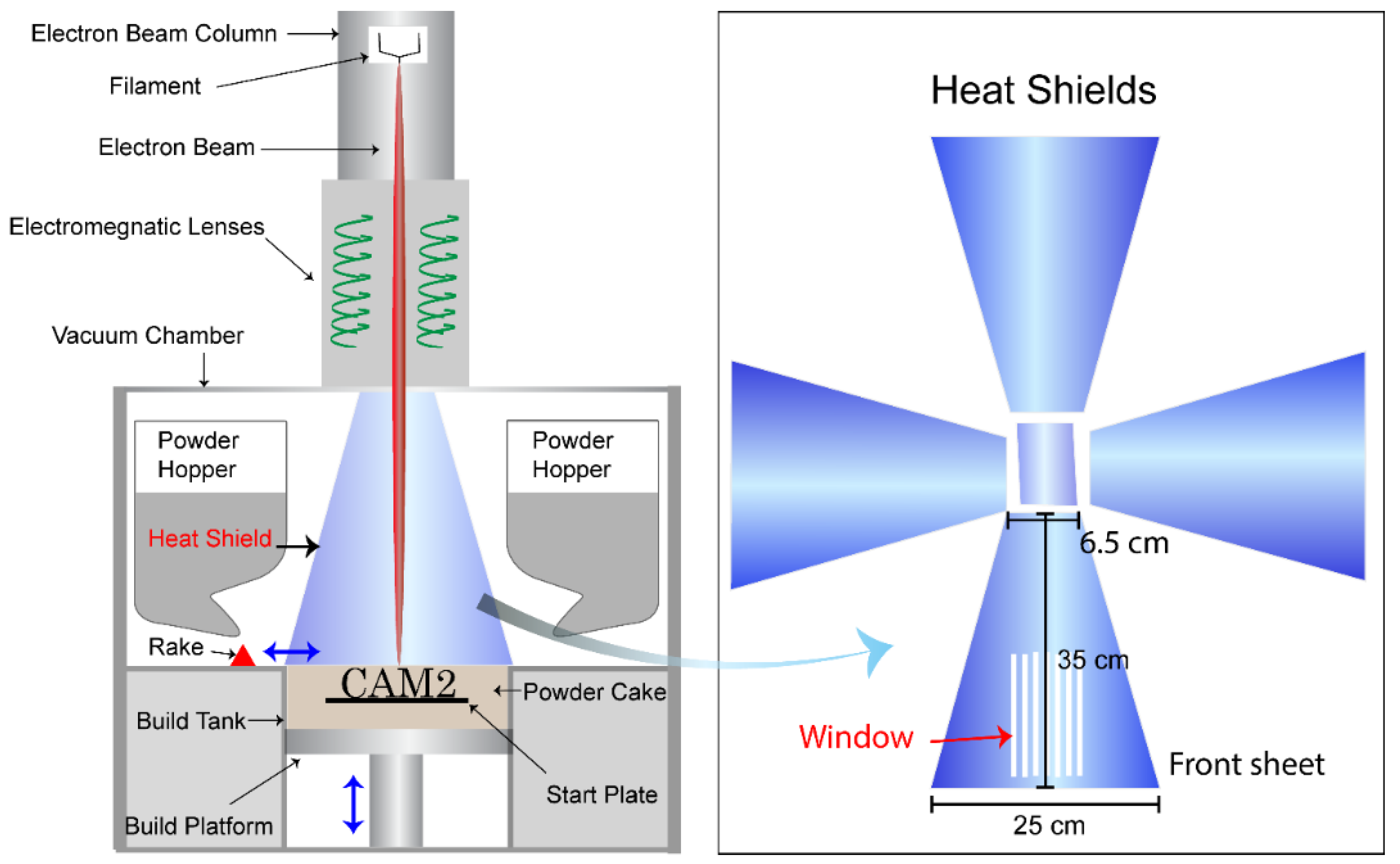
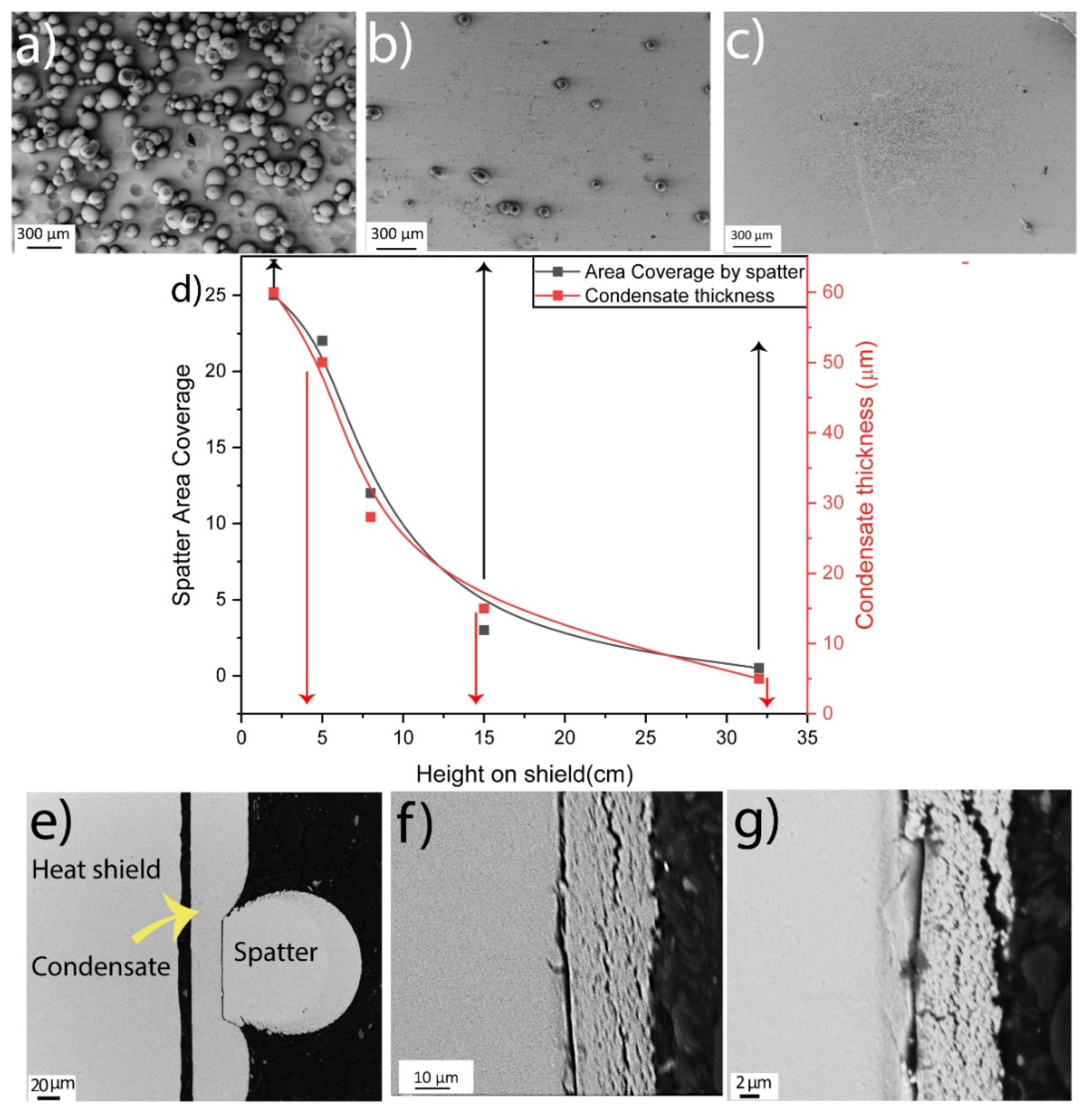
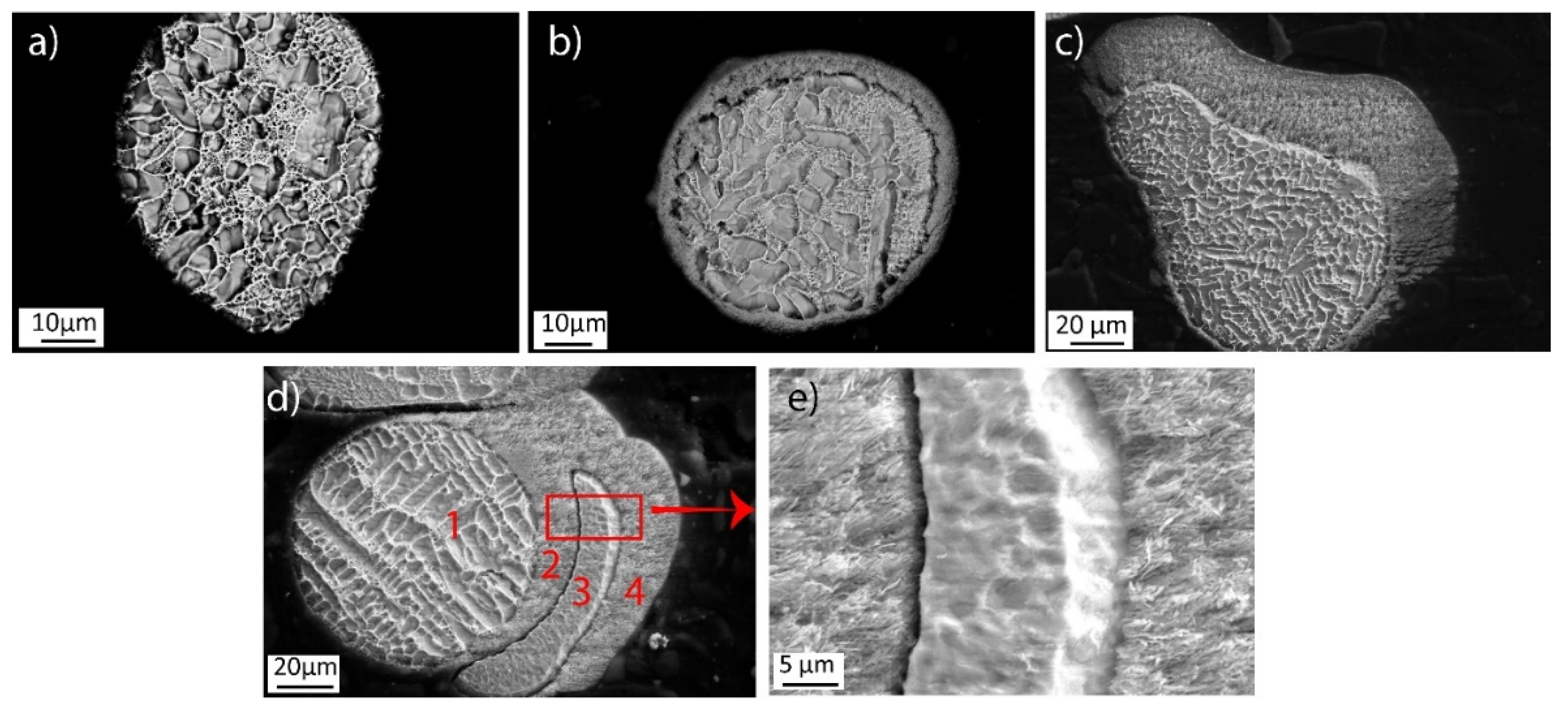
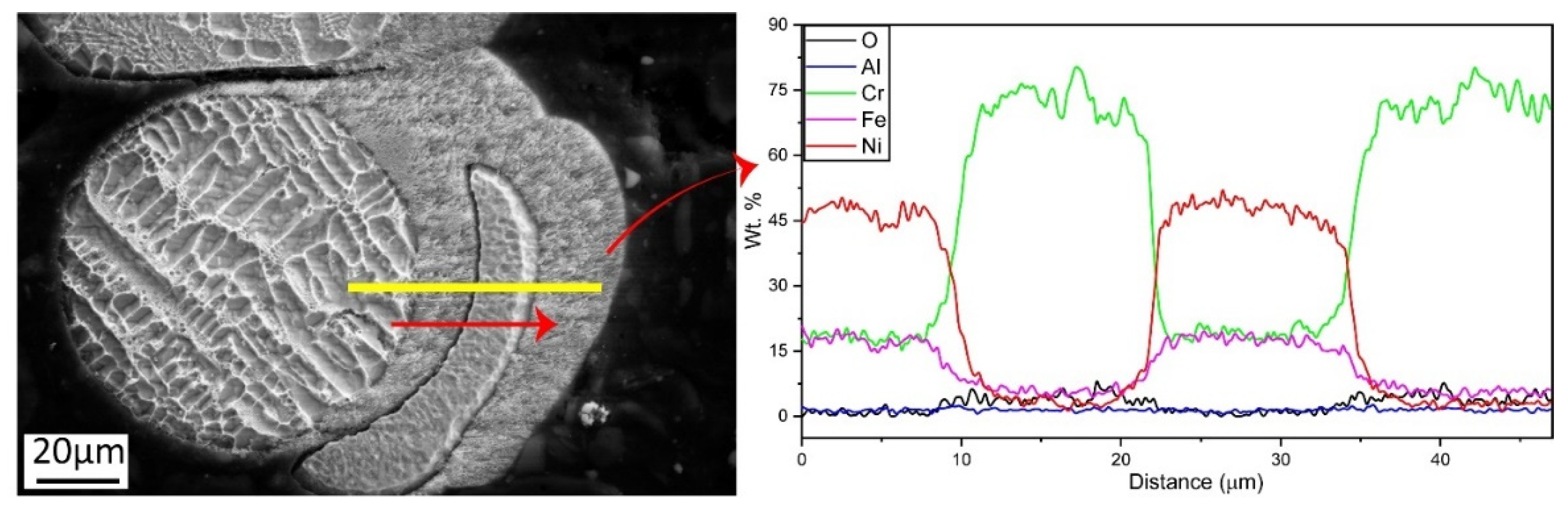
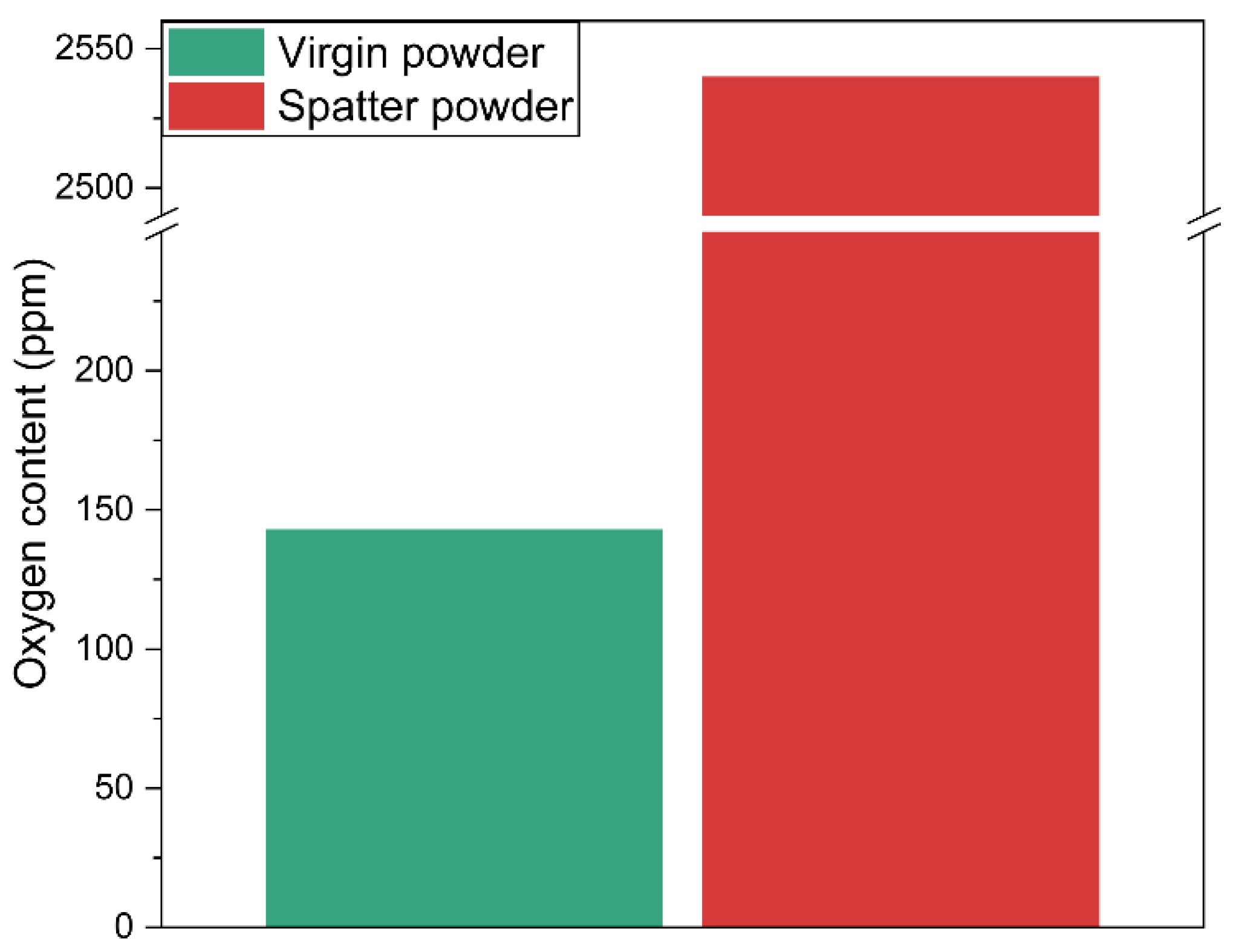
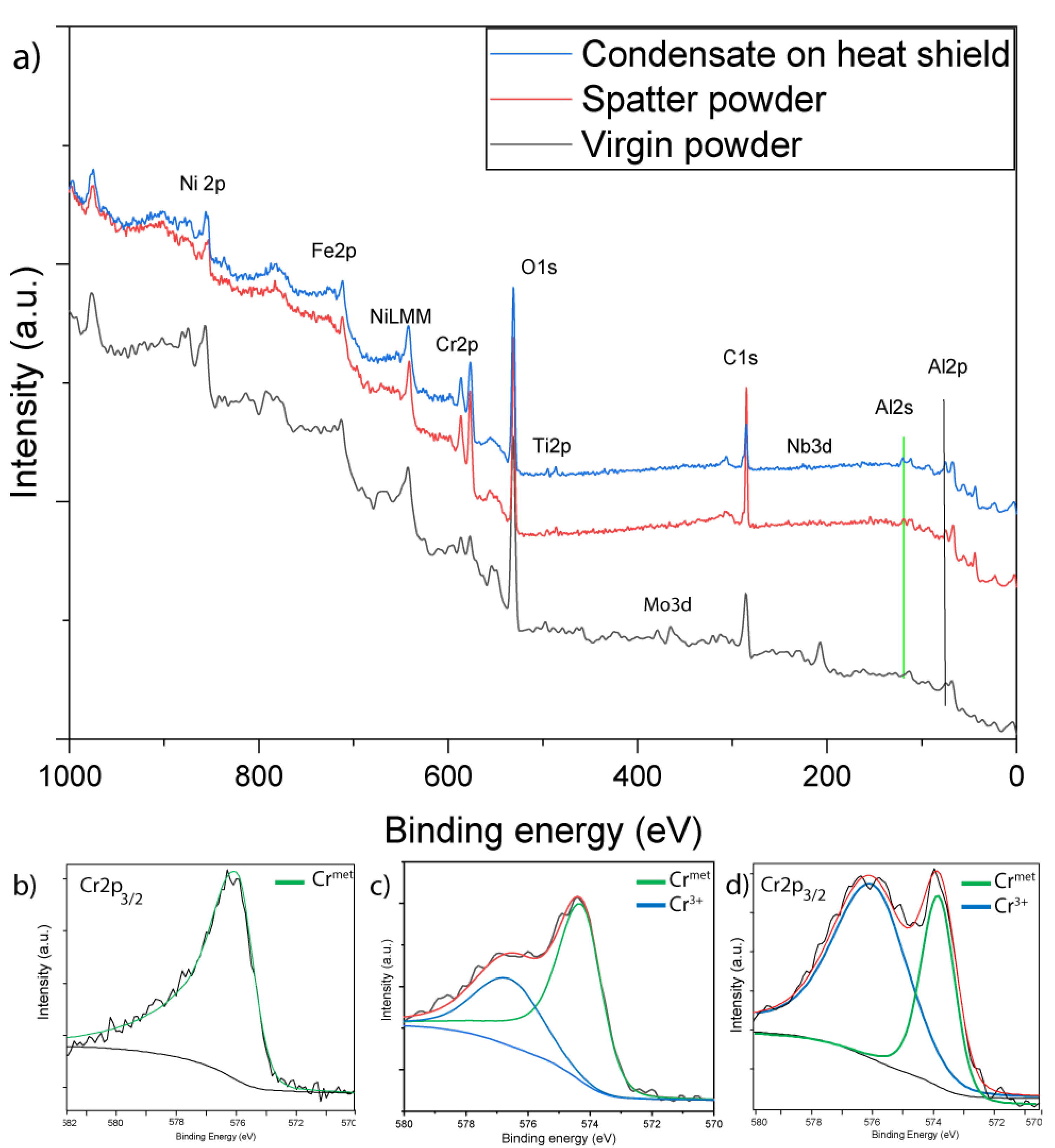
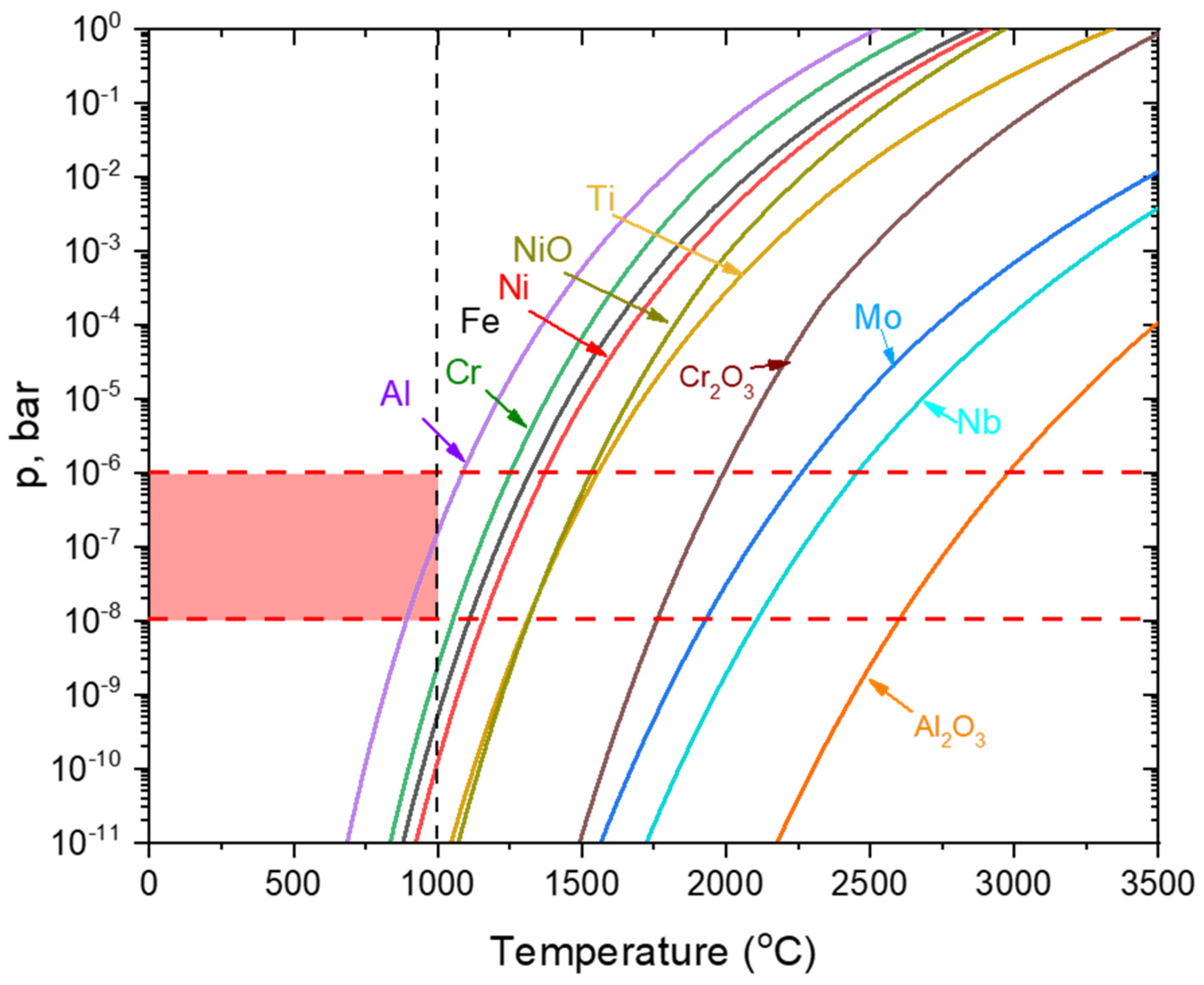
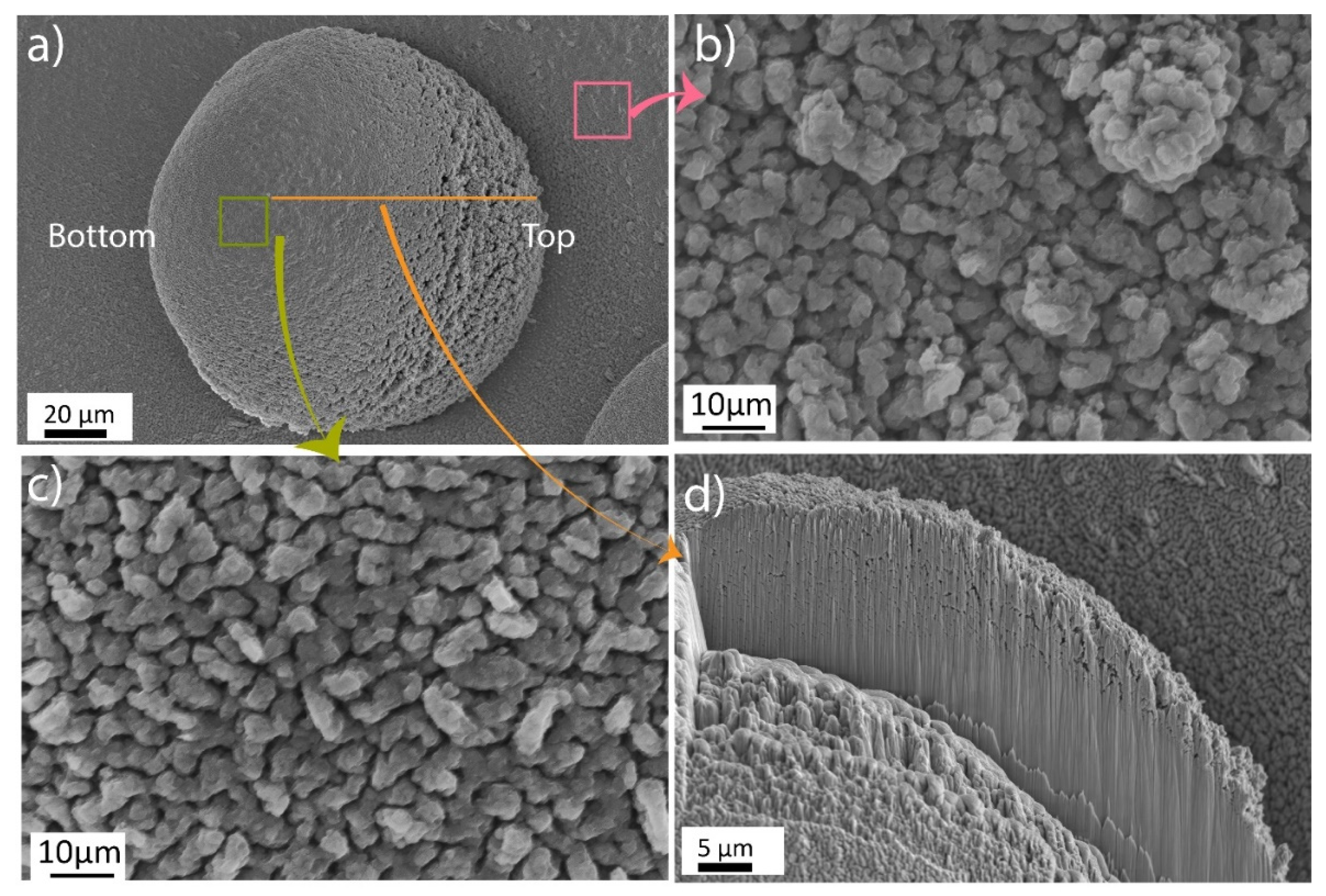
Due to elevated temperatures and high vacuum levels in electron beam melting (EBM), spatter formation and accumulation in the feedstock powder, and sublimation of alloying elements from the base feedstock powder can affect the feedstock powder’s reusability and change the alloy composition of fabricated parts. This study focused on the experimental and thermodynamic analysis of spatter particles generated in EBM, and analyzed sublimating alloying elements from Alloy 718 during EBM. Heat shields obtained after processing Alloy 718 in an Arcam A2X plus machine were analyzed to evaluate the spatters and metal condensate. Comprehensive morphological, microstructural, and chemical analyses were performed using scanning electron microscopy (SEM), focused ion beam (FIB), and energy dispersive spectroscopy (EDS). The morphological analysis showed that the area coverage of heat shields by spatter increased from top (<1%) to bottom (>25%), indicating that the spatter particles had projectile trajectories. Similarly, the metal condensate had a higher thickness of ~50 μm toward the bottom of the heat shield, indicating more significant condensation of metal vapors at the bottom. Microstructural analysis of spatters highlighted that the surfaces of spatter particles sampled from the heat shields were also covered with condensate, and the thickness of the deposited condensate depended on the time of landing of spatter particles on the heat shield during the build. The chemical analysis showed that the spatter particles had 17-fold higher oxygen content than virgin powder used in the build. Analysis of the metalized layer indicated that it was formed by oxidized metal condensate and was significantly enriched with Cr due to its higher vapor pressure under EBM conditions.
Keywords: electron beam melting; spatter formation; sublimation; metalization; oxidation; metal powder; powder reuse electron beam melting; spatter formation; sublimation; metalization; oxidation; metal powder; powder reuse
Graphical Abstract