Article

Base Materials’ Influence on Fracture Resistance of Molars with MOD Cavities
by
Gabriela Ciavoi
1,†,
Ruxandra Mărgărit
2,†,
Liana Todor
1,*,
Dana Bodnar
2,
Magdalena Natalia Dina
3,
Daniela Ioana Tărlungeanu
4,*,
Denisa Cojocaru
5,
Cătălina Farcaşiu
6,† and
Oana Cella Andrei
4
1
Department of Dental Medicine, Faculty of Medicine and Pharmacy, University of Oradea, 10 1st December Square, 410068 Oradea, Romania
2
Department of Restorative Odontotherapy, Faculty of Dentistry, Carol Davila University of Medicine and Pharmacy, 37 Dionisie Lupu Str., 020021 Bucharest, Romania
3
Department of Dental Techniques, Faculty of Midwifery and Nursing, Carol Davila University of Medicine and Pharmacy, 37 Dionisie Lupu Str., 020021 Bucharest, Romania
4
Department of Removable Prosthodontics, Faculty of Dentistry, Carol Davila University of Medicine and Pharmacy, 37 Dionisie Lupu Str., 020021 Bucharest, Romania
5
Independent Researcher, 020021 Bucharest, Romania
6
Faculty of Dentistry, Department of Pedodontics, Carol Davila University of Medicine and Pharmacy, 37 Dionisie Lupu Str., 020021 Bucharest, Romania
*
Authors to whom correspondence should be addressed.
These authors contributed equally to this work.
Materials 2021, 14(18), 5242; https://doi.org/10.3390/ma14185242
Submission received: 14 July 2021 / Revised: 3 September 2021 / Accepted: 9 September 2021 / Published: 12 September 2021
(This article belongs to the Special Issue Advanced Materials for Oral Application)

Abstract

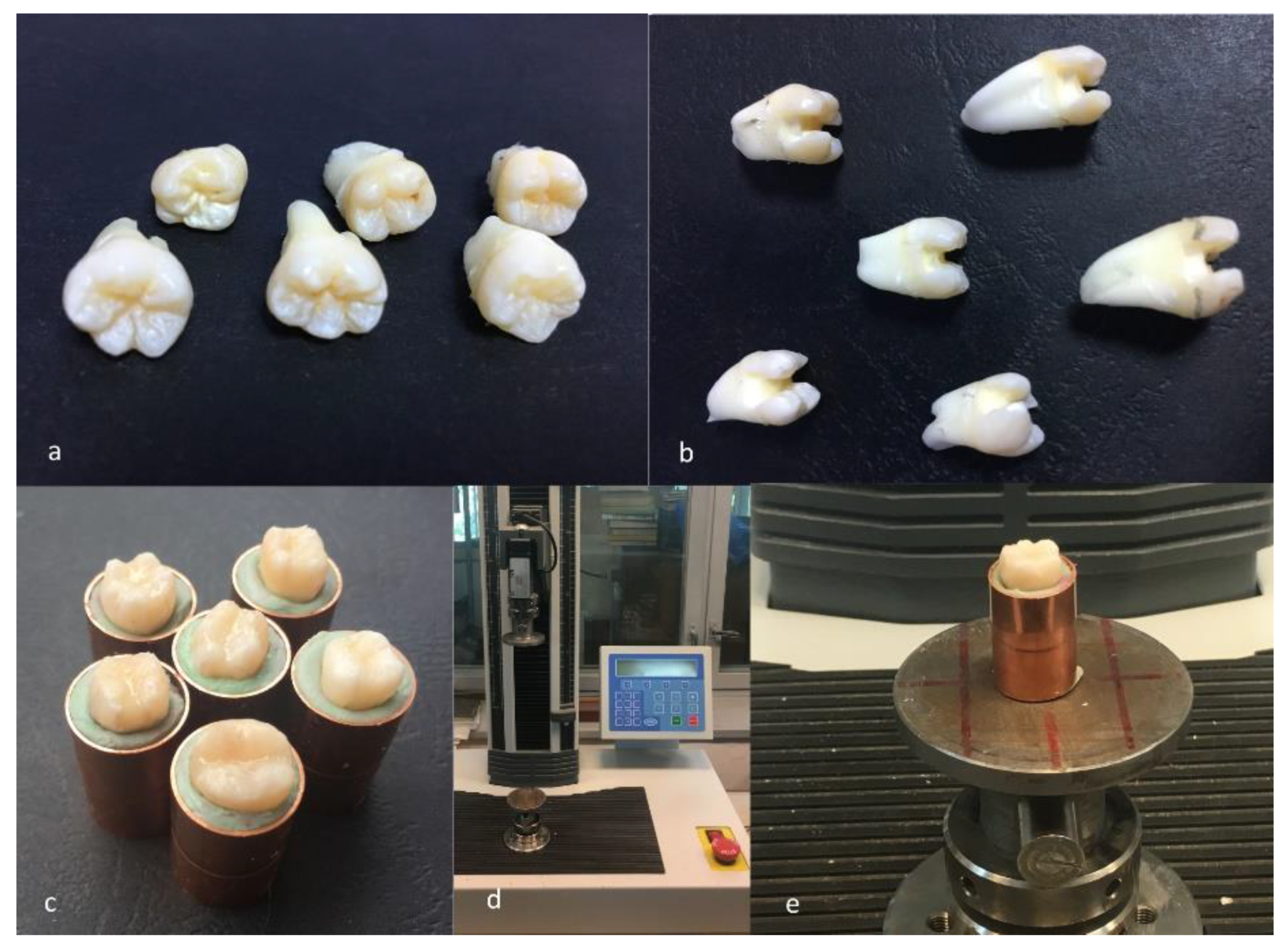
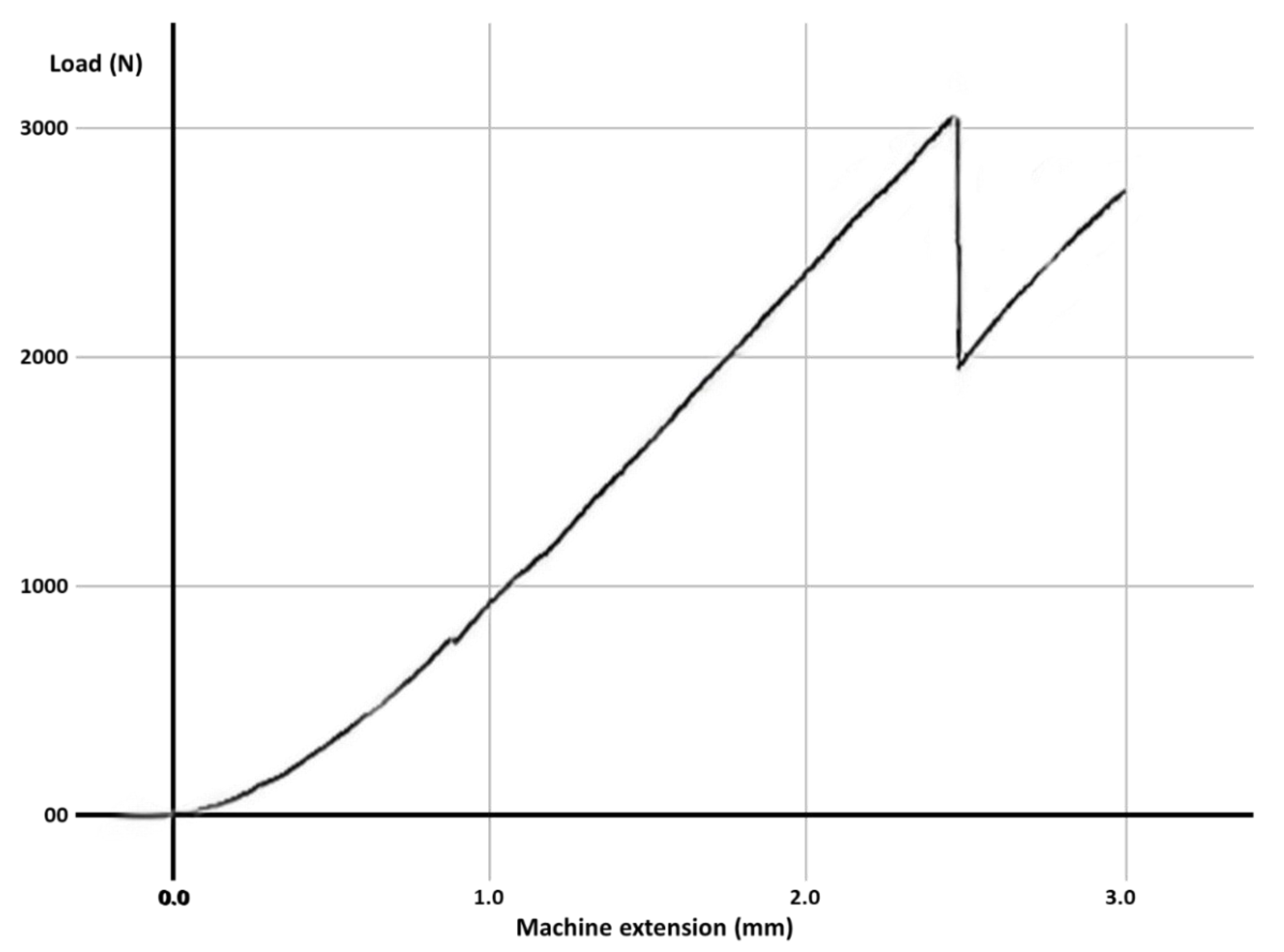
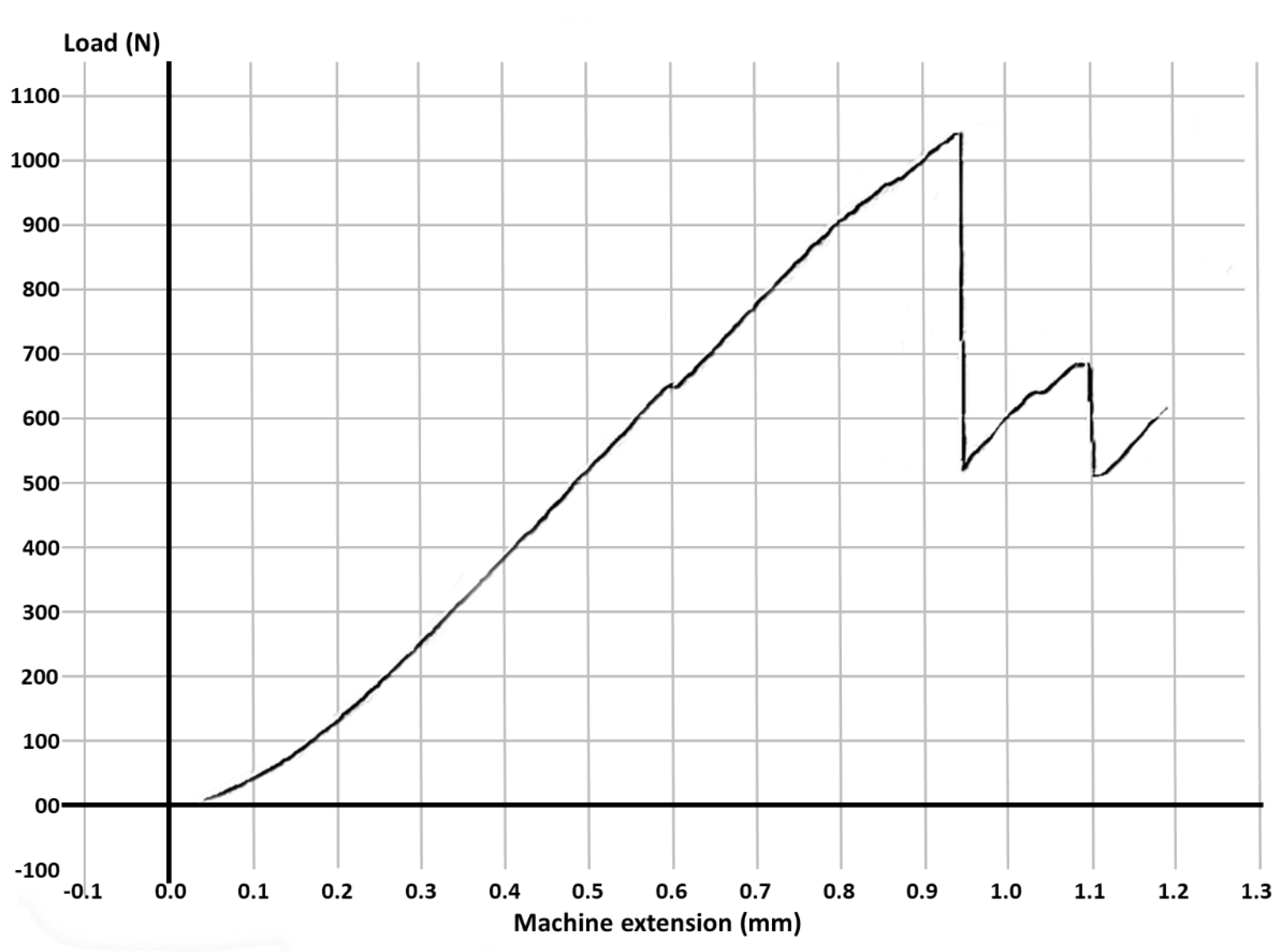
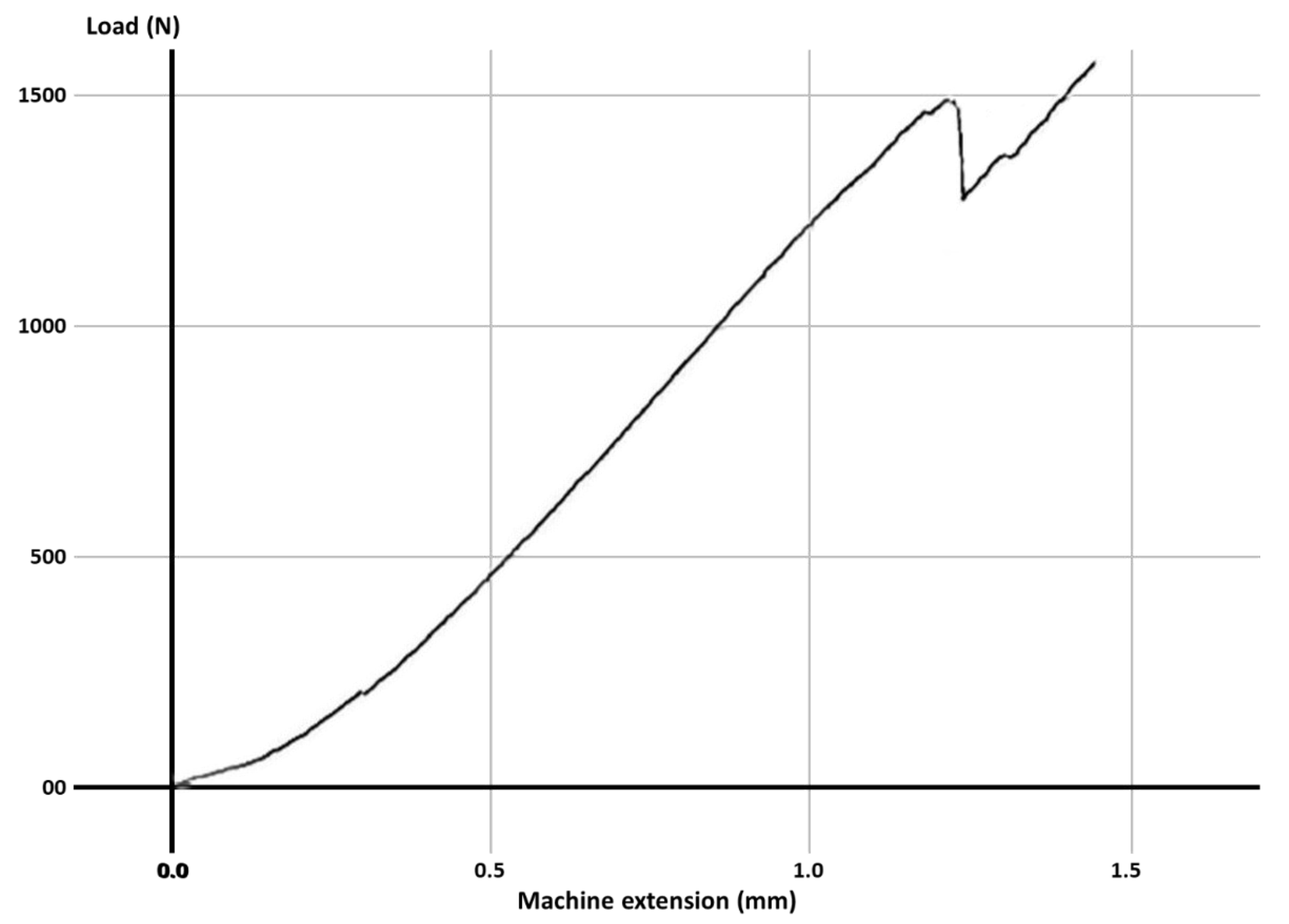
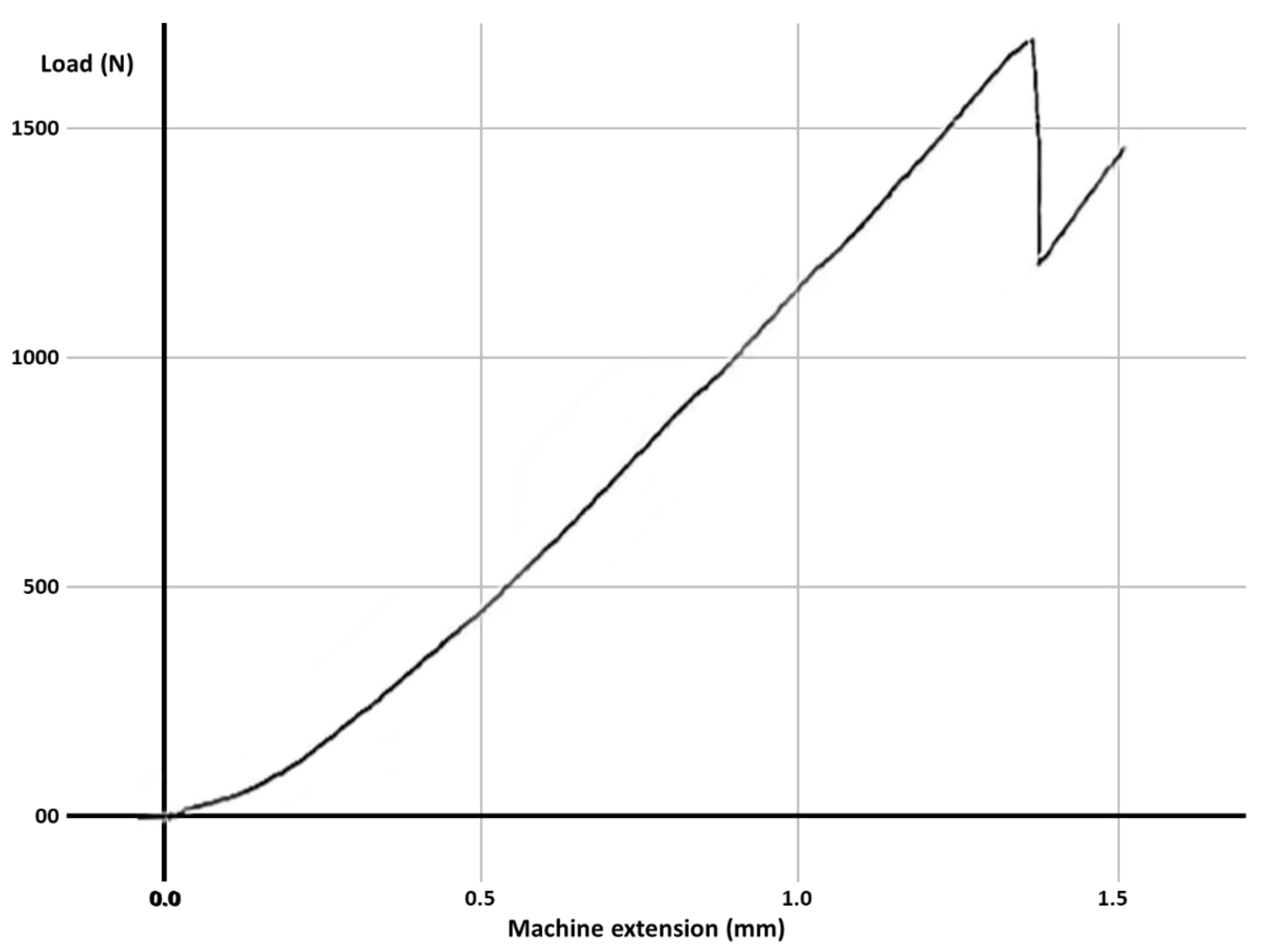
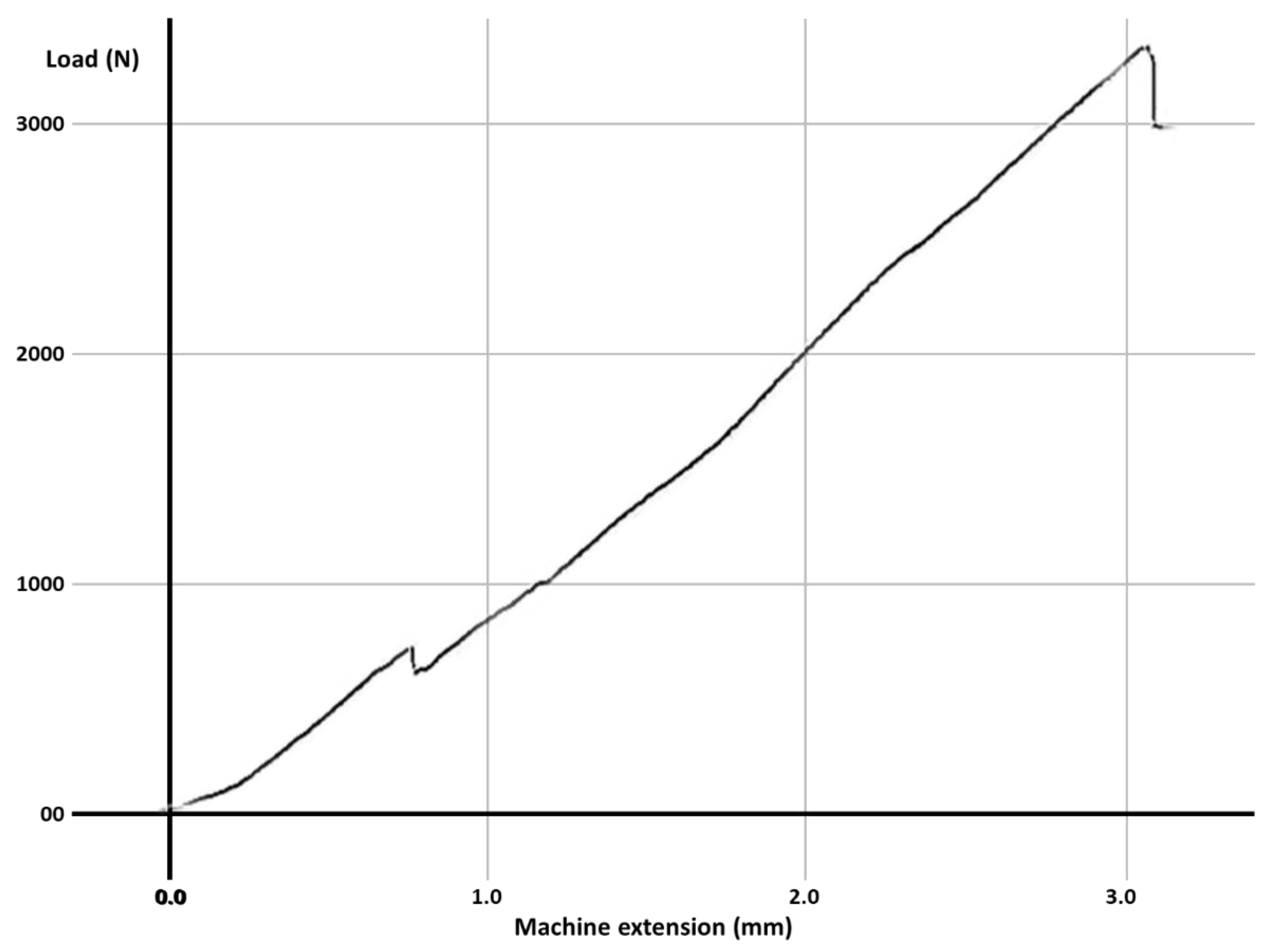
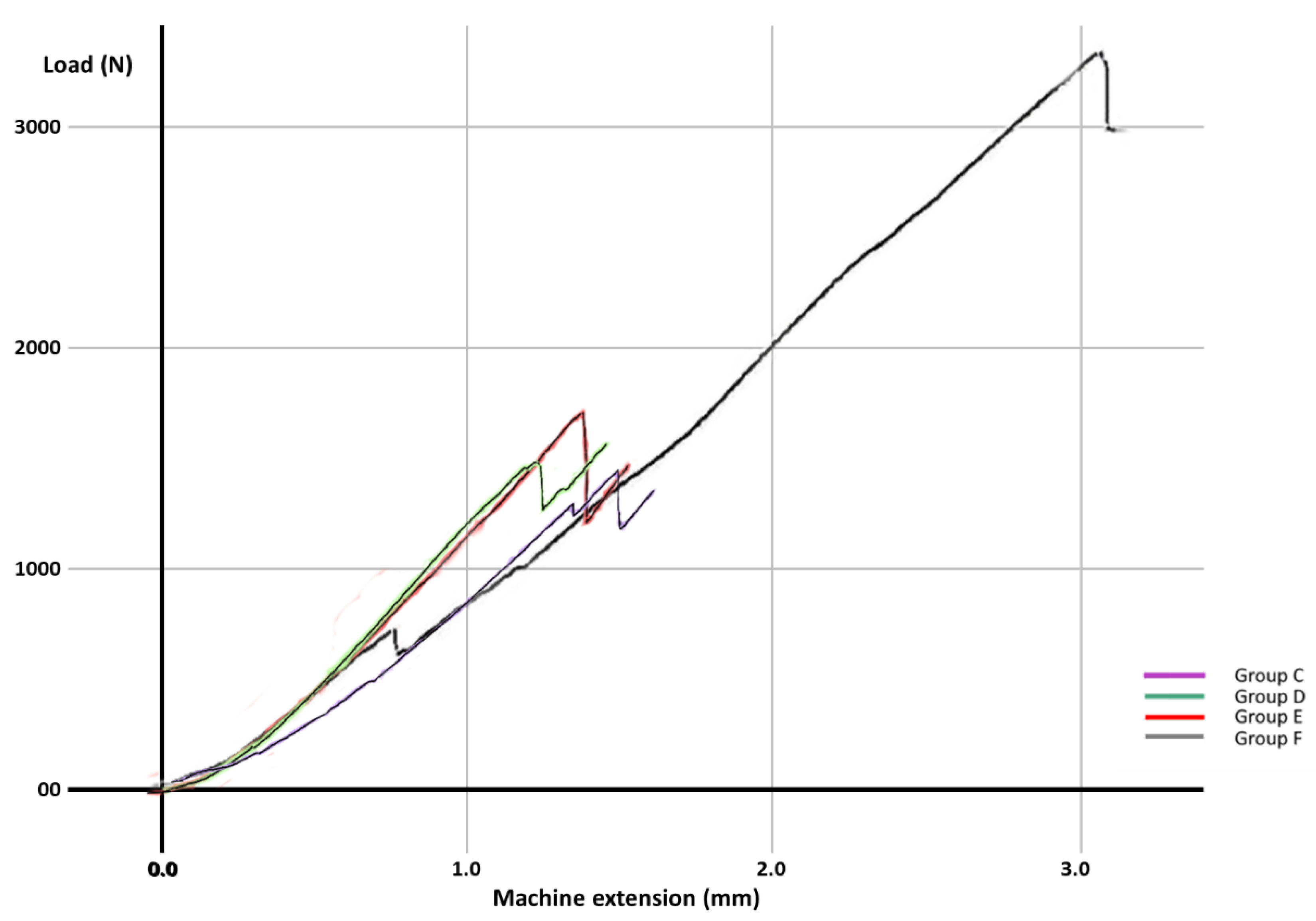
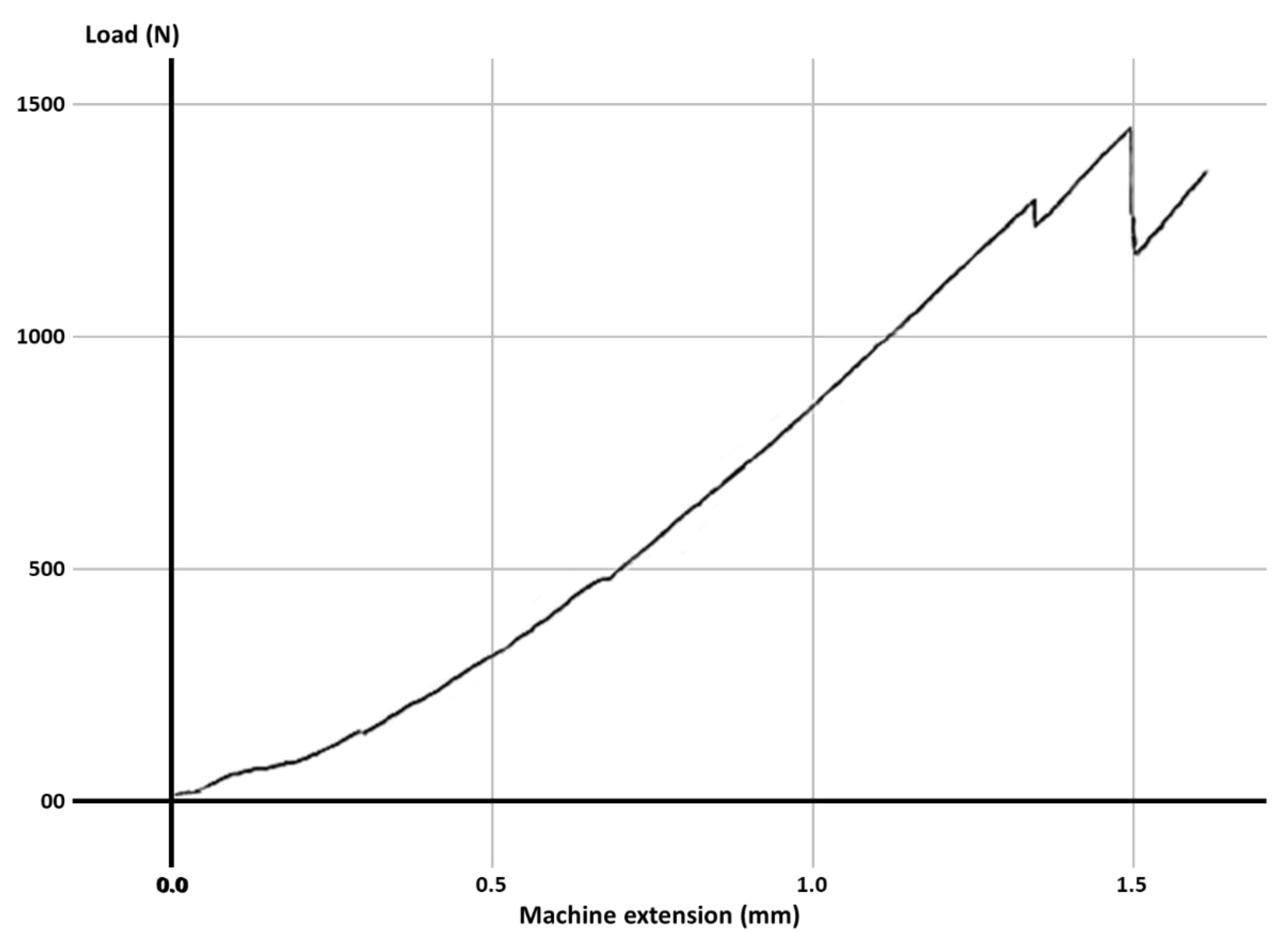
The aim of this study was to compare fracture resistance of teeth presenting medium-sized mesial-occlusal-distal (MOD) cavities using different base materials. Thirty-six extracted molars were immersed for 48 h in saline solution (0.1% thymol at 4 °C) and divided into six groups. In group A, the molars were untouched, and in group B, cavities were prepared, but not filled. In group C, we used zinc polycarboxylate cement, in group D—conventional glass ionomer cement, in group E—resin modified glass ionomer cement, and in group F—flow composite. Fracture resistance was tested using a universal loading machine (Lloyd Instruments) with a maximum force of 5 kN and a crosshead speed of 1.0 mm/min; we used NEXYGEN Data Analysis Software and ANOVA Method (p < 0.05). The smallest load that determined the sample failure was 2780 N for Group A, 865 N for Group B, 1210 N for Group C, 1340 N for Group D, 1630 N for Group E and 1742 N for Group F. The highest loads were 3050 N (A), 1040 N (B), 1430 N (C), 1500 N (D), 1790 N (E), and 3320 N (F), the mean values being 2902 ± 114 N (A), 972 ± 65 N (B), 1339 ± 84 N (C), 1415 ± 67 N (D), 1712 ± 62 N (E), and 2334 ± 662 N (F). A p = 0.000195 shows a statistically significant difference between groups C, D, E and F. For medium sized mesial-occlusal-distal (MOD) cavities, the best base material regarding fracture resistance was flow composite, followed by glass ionomer modified with resin, conventional glass ionomer cement and zinc polycarboxylate cement. It can be concluded that light-cured base materials are a better option for the analyzed use case, one of the possible reasons being their compatibility with the final restoration material, also light-cured.
Keywords: mesial-occlusal-distal (MOD) cavities; fracture resistance; base materials mesial-occlusal-distal (MOD) cavities; fracture resistance; base materials