Article

Machine Learning-Based Evaluation of Shear Capacity of Recycled Aggregate Concrete Beams


1
School of Environment and Civil Engineering, Dongguan University of Technology, Dongguan 523808, China
2
School of Aerospace Engineering, Xi’an Jiaotong University, Xi’an 710049, China
3
State Key Laboratory of Subtropical Building Science, South China University of Technology, Guangzhou 510640, China
4
College of Civil Engineering, Nanjing Tech University, Nanjing 211816, China
5
State Key Laboratory of Green Building in Western China, Xi’an University of Architecture and Technology, Xi’an 710055, China
6
Hunan Engineering Technology Research Center for High Speed Railway Operation Safety Assurance, Hunan Vocational College of Railway Technology, Zhuzhou 412001, China
7
College of Architecture and Electrical Engineering, Hezhou University, Hezhou 542899, China
*
Authors to whom correspondence should be addressed.
Materials 2020, 13(20), 4552; https://doi.org/10.3390/ma13204552
Submission received: 4 August 2020 / Revised: 29 September 2020 / Accepted: 9 October 2020 / Published: 13 October 2020

Abstract

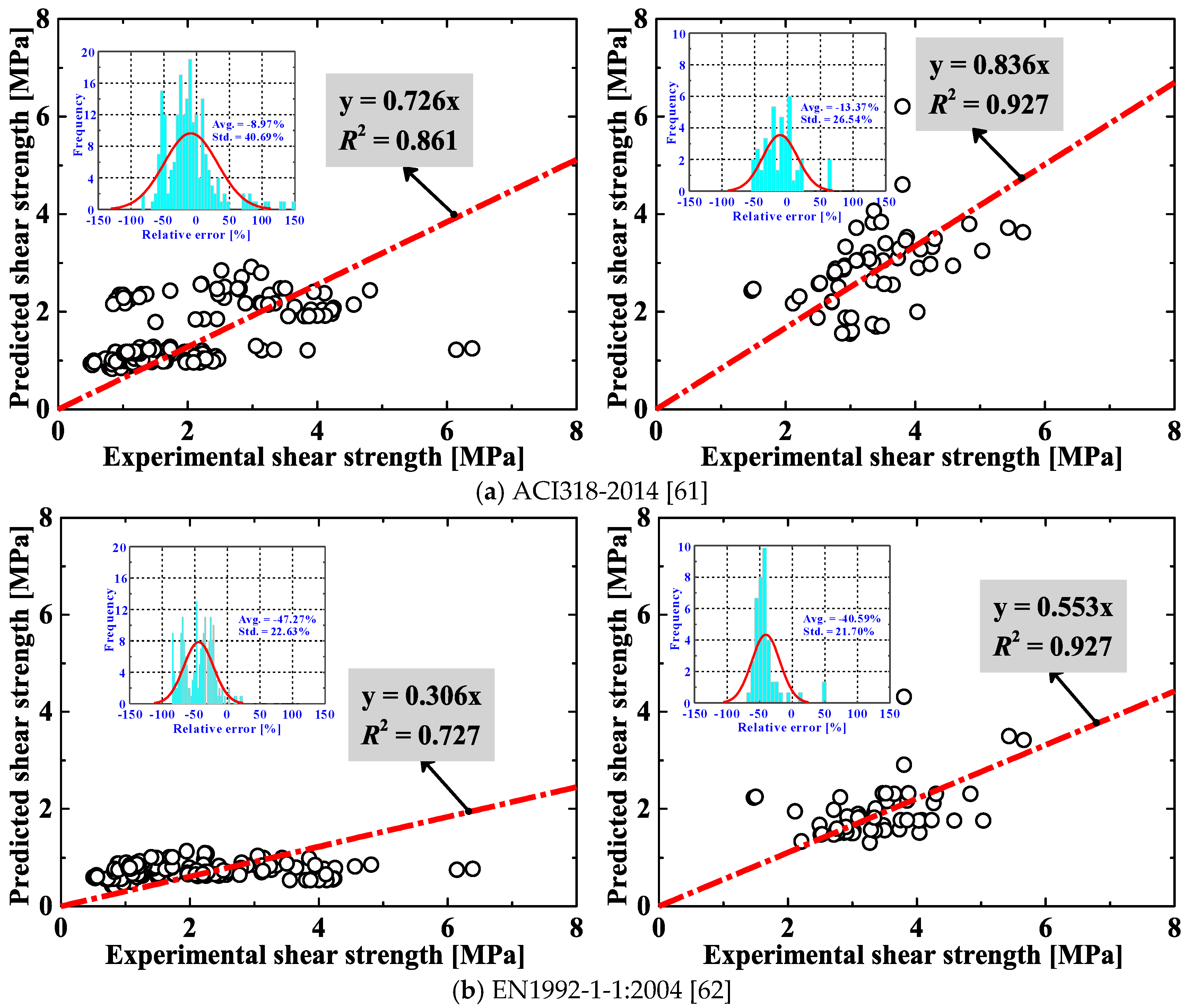
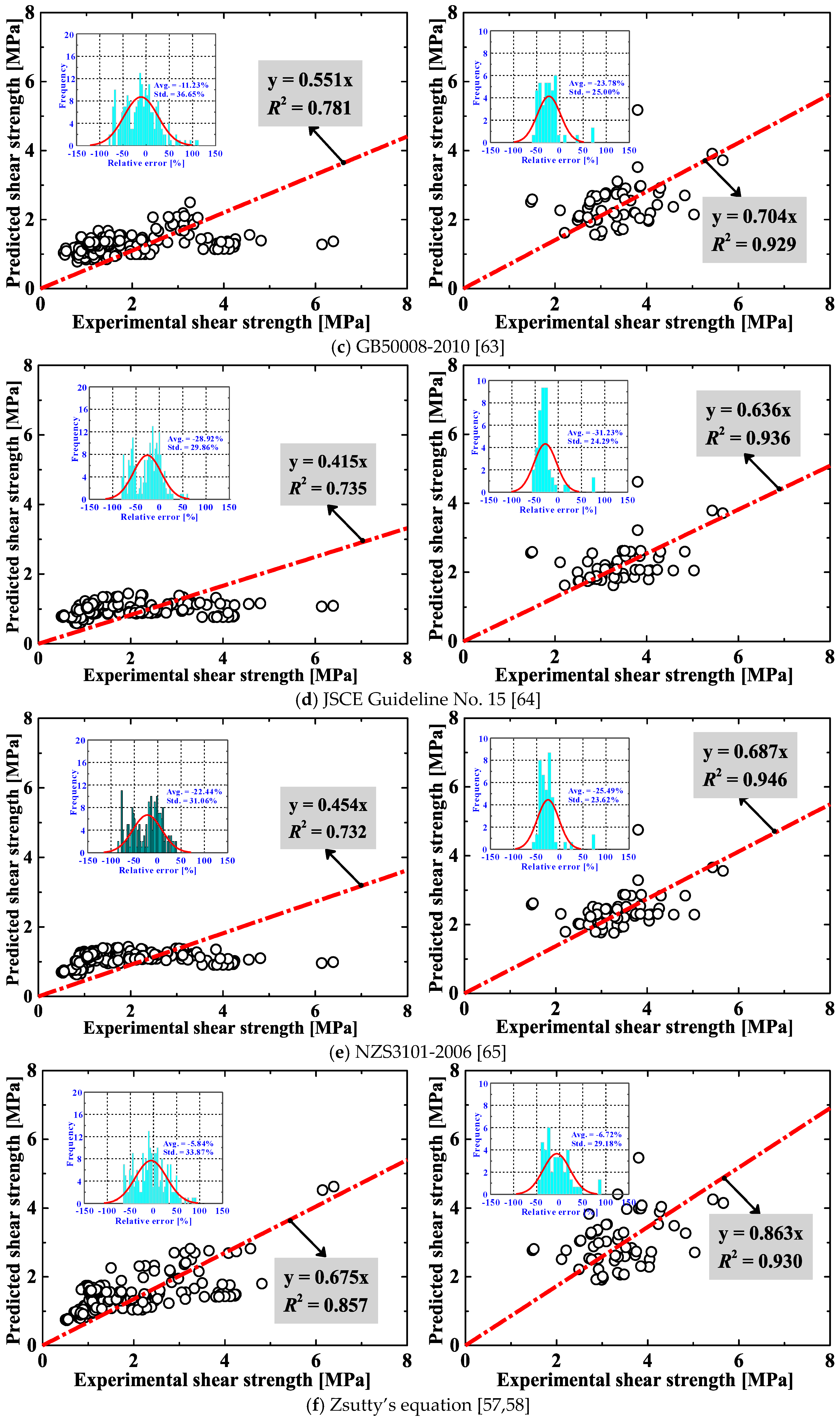
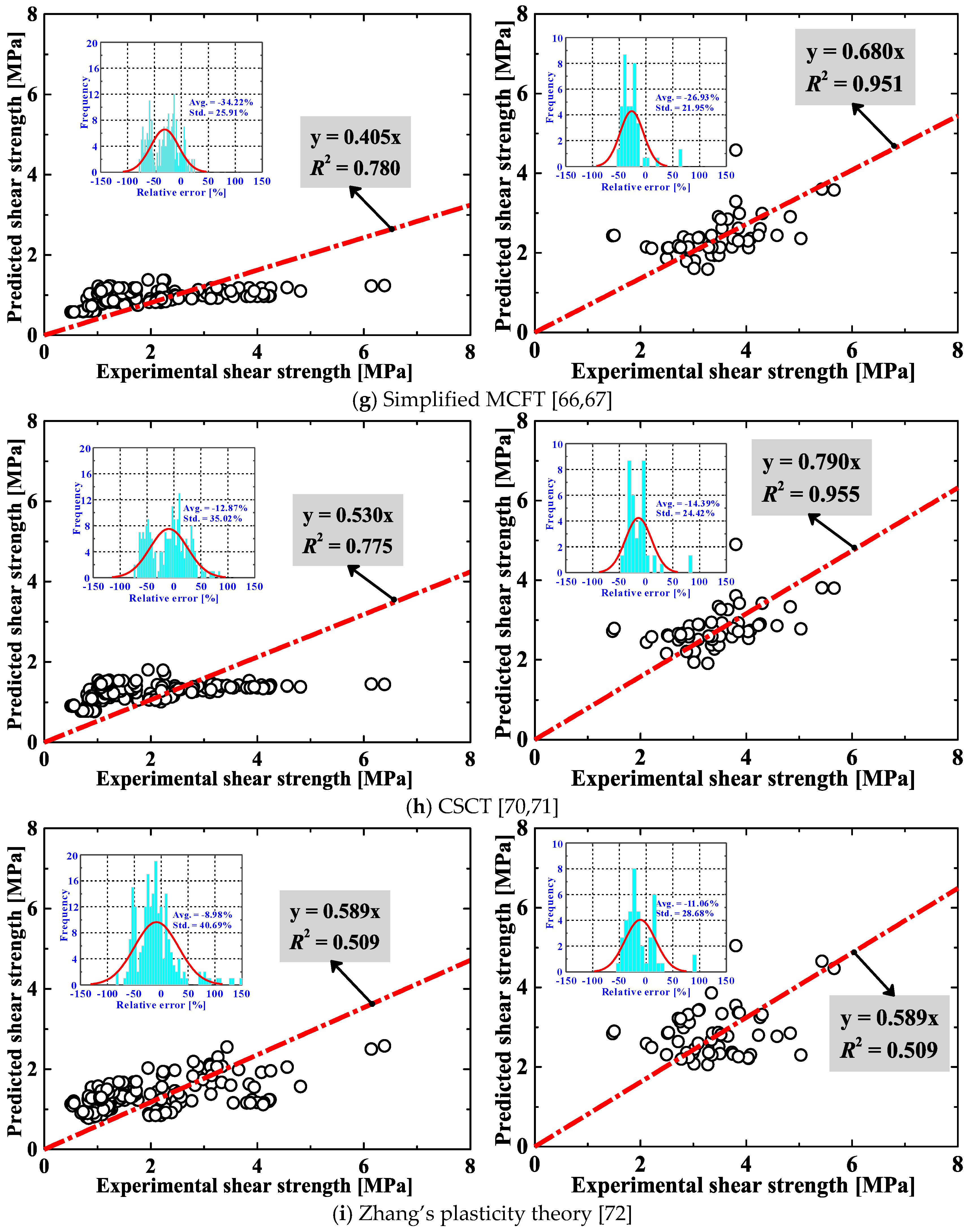
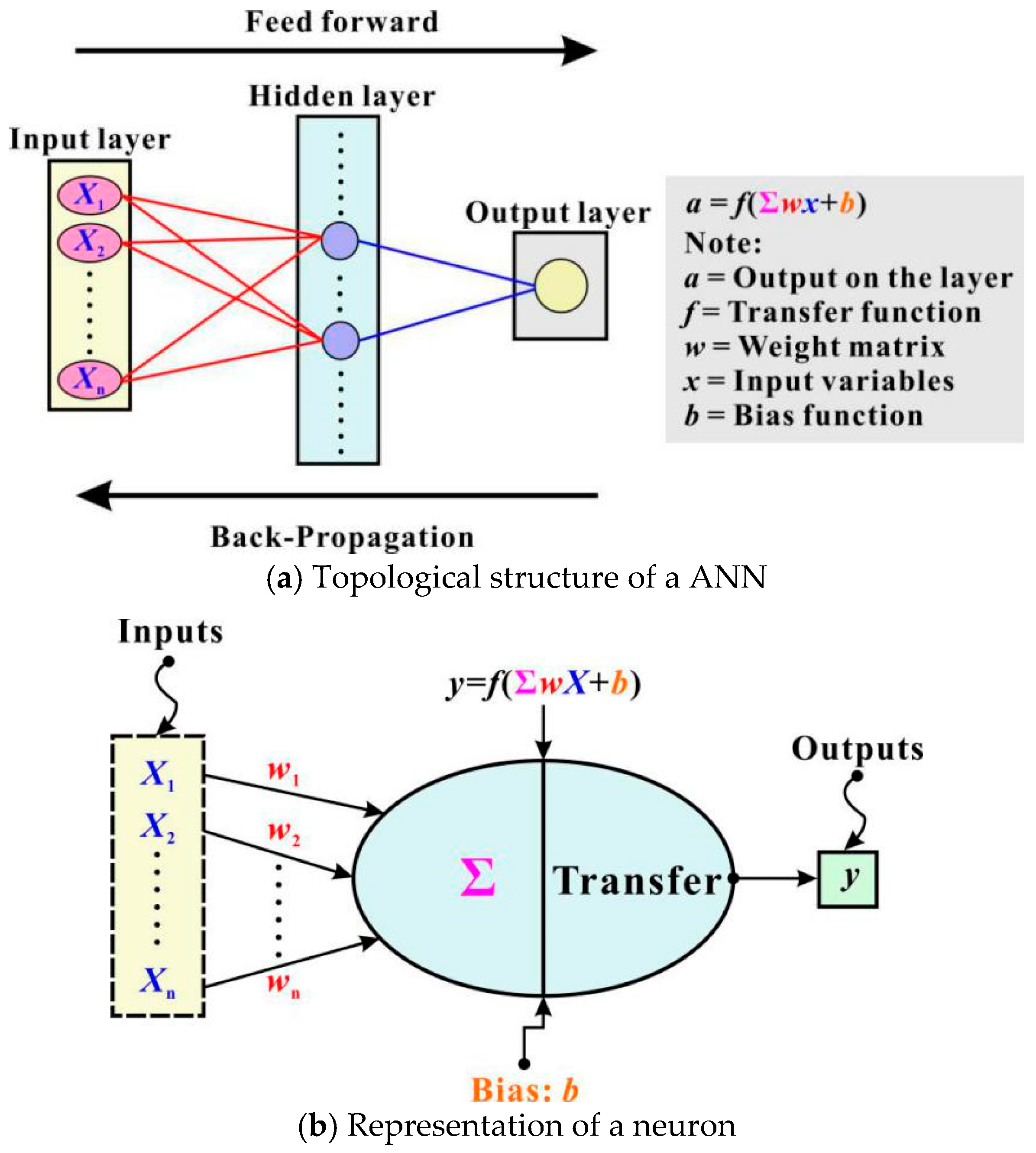
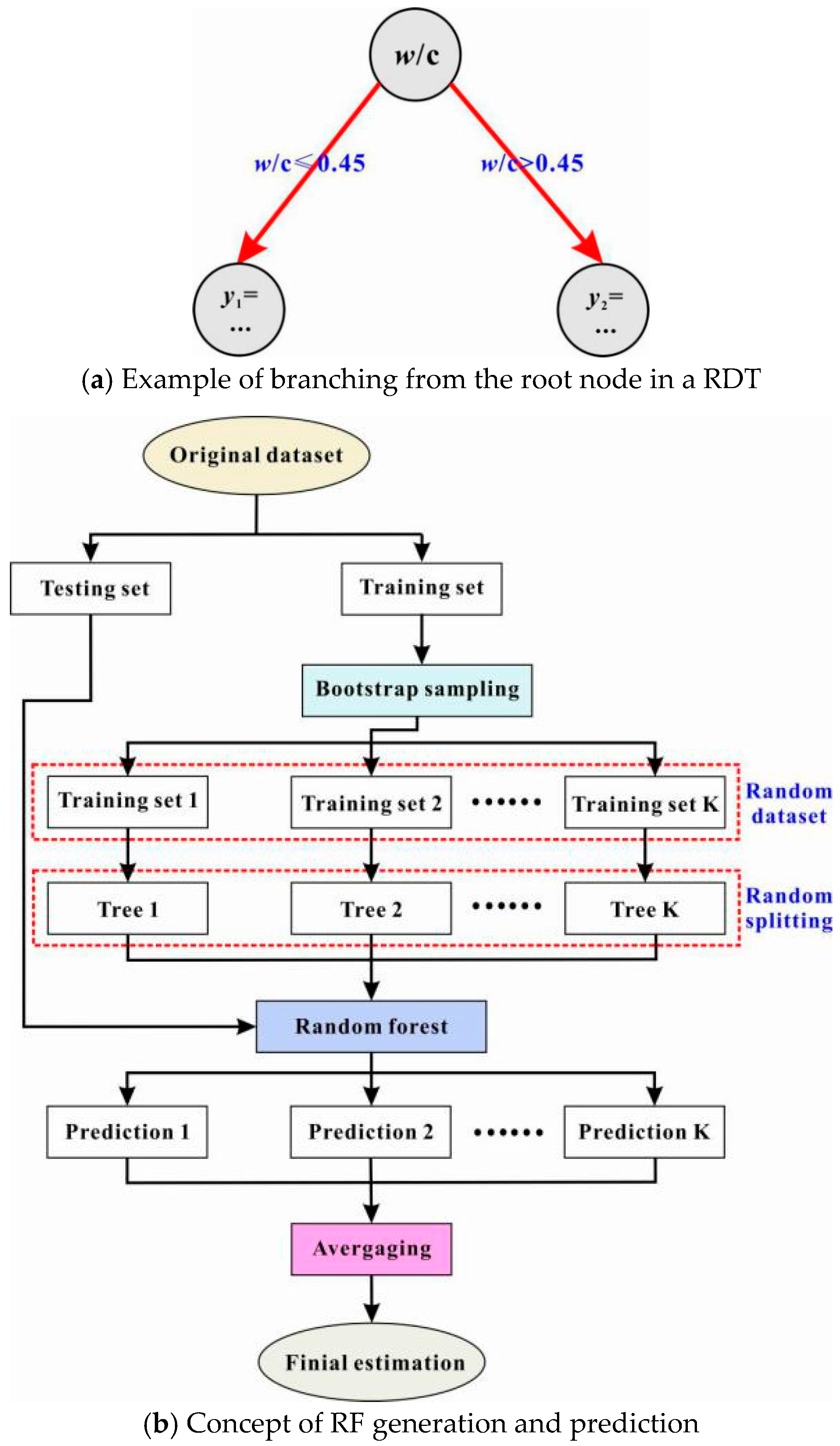
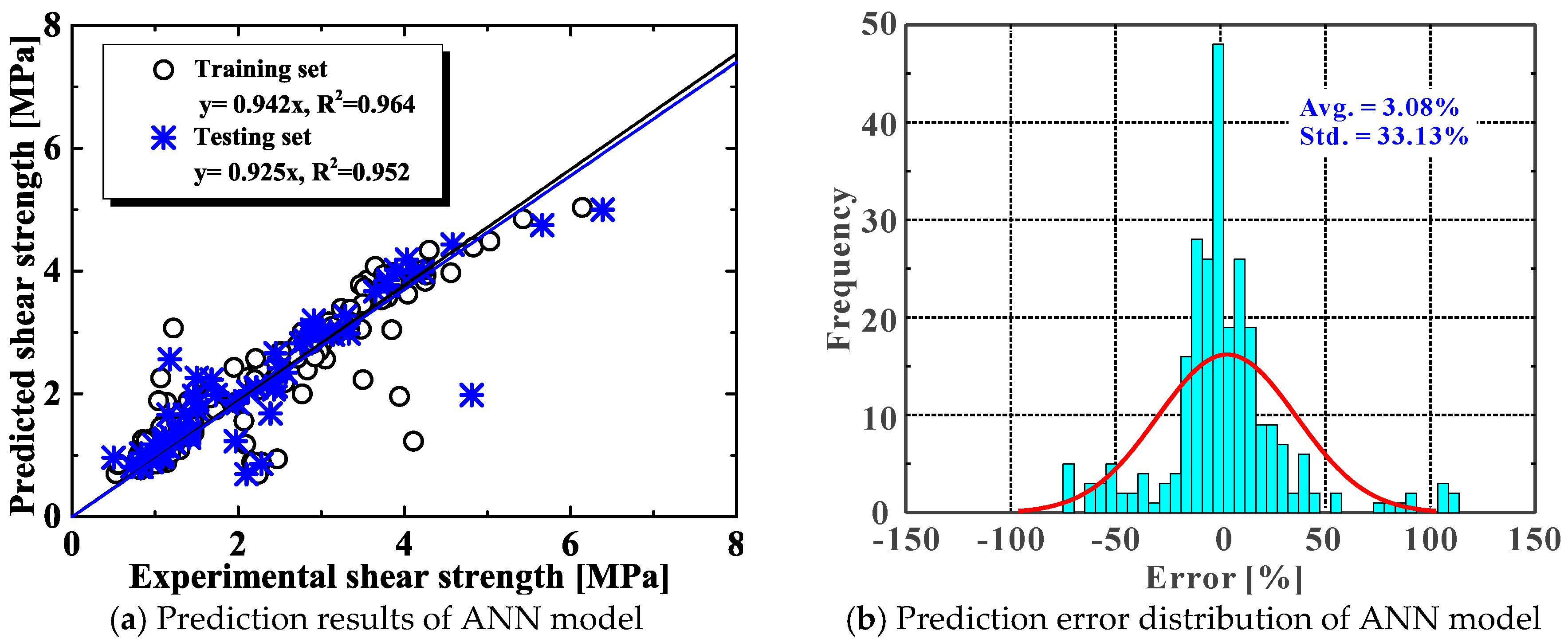
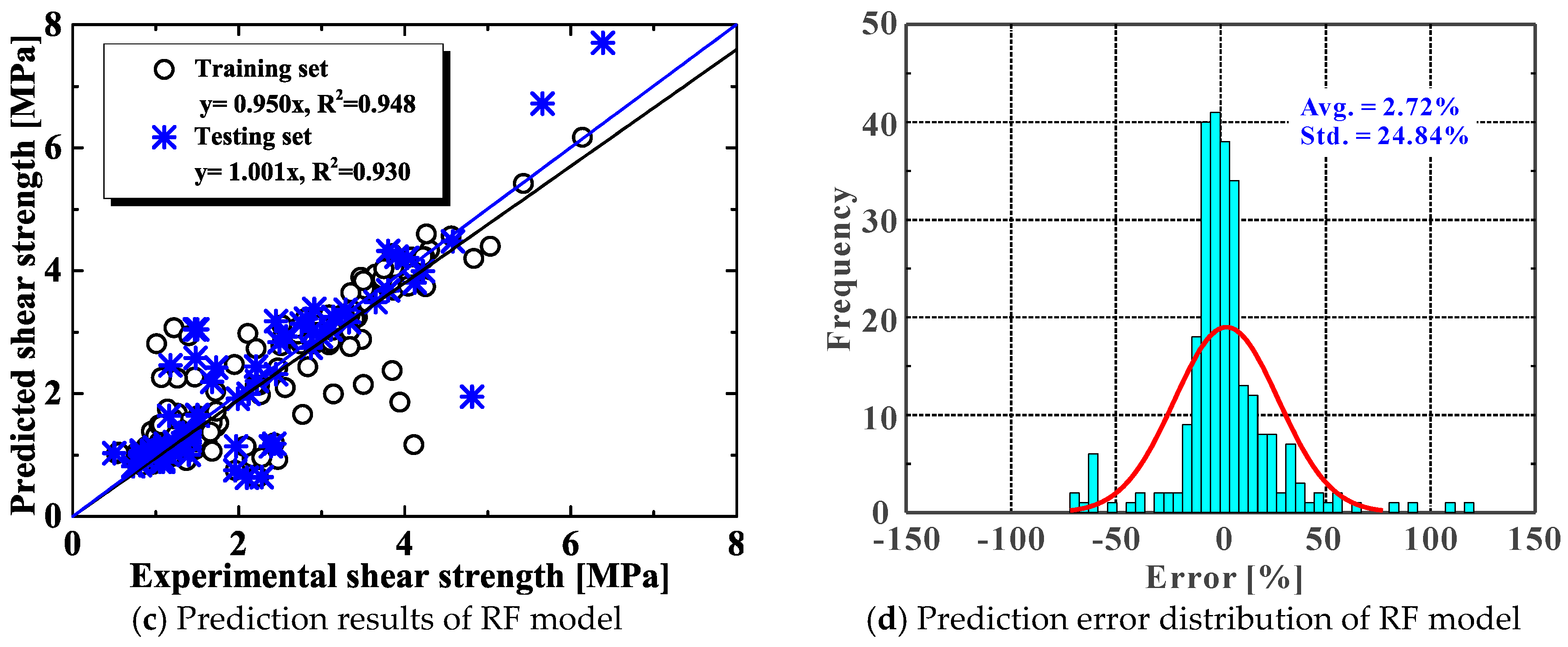
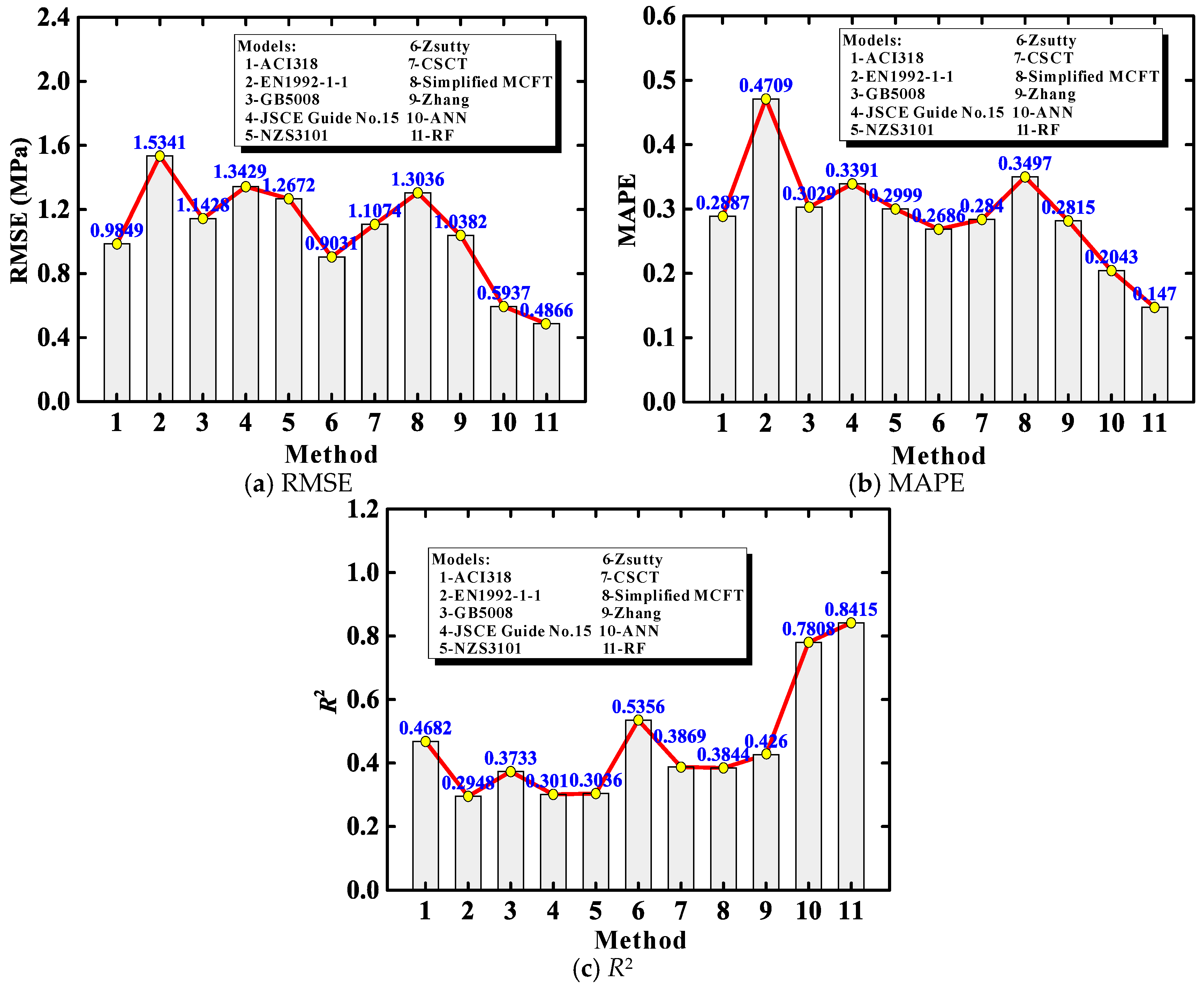
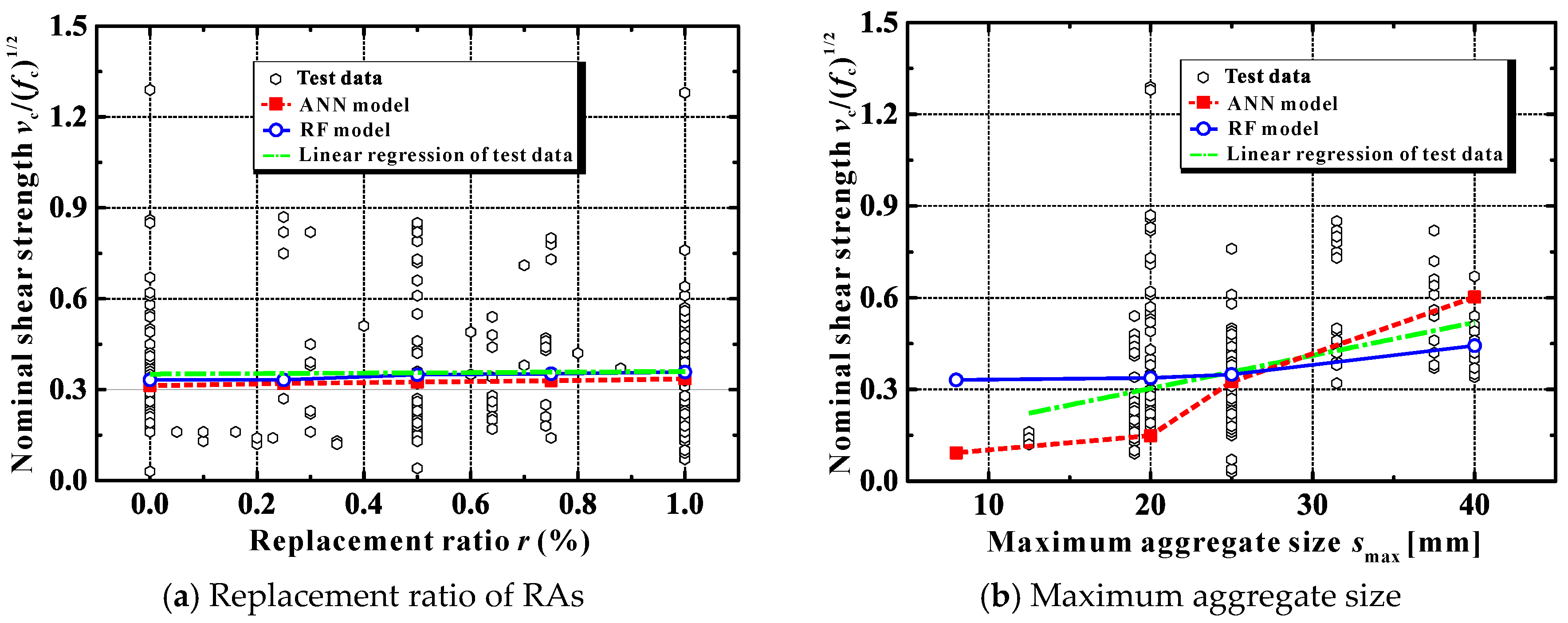
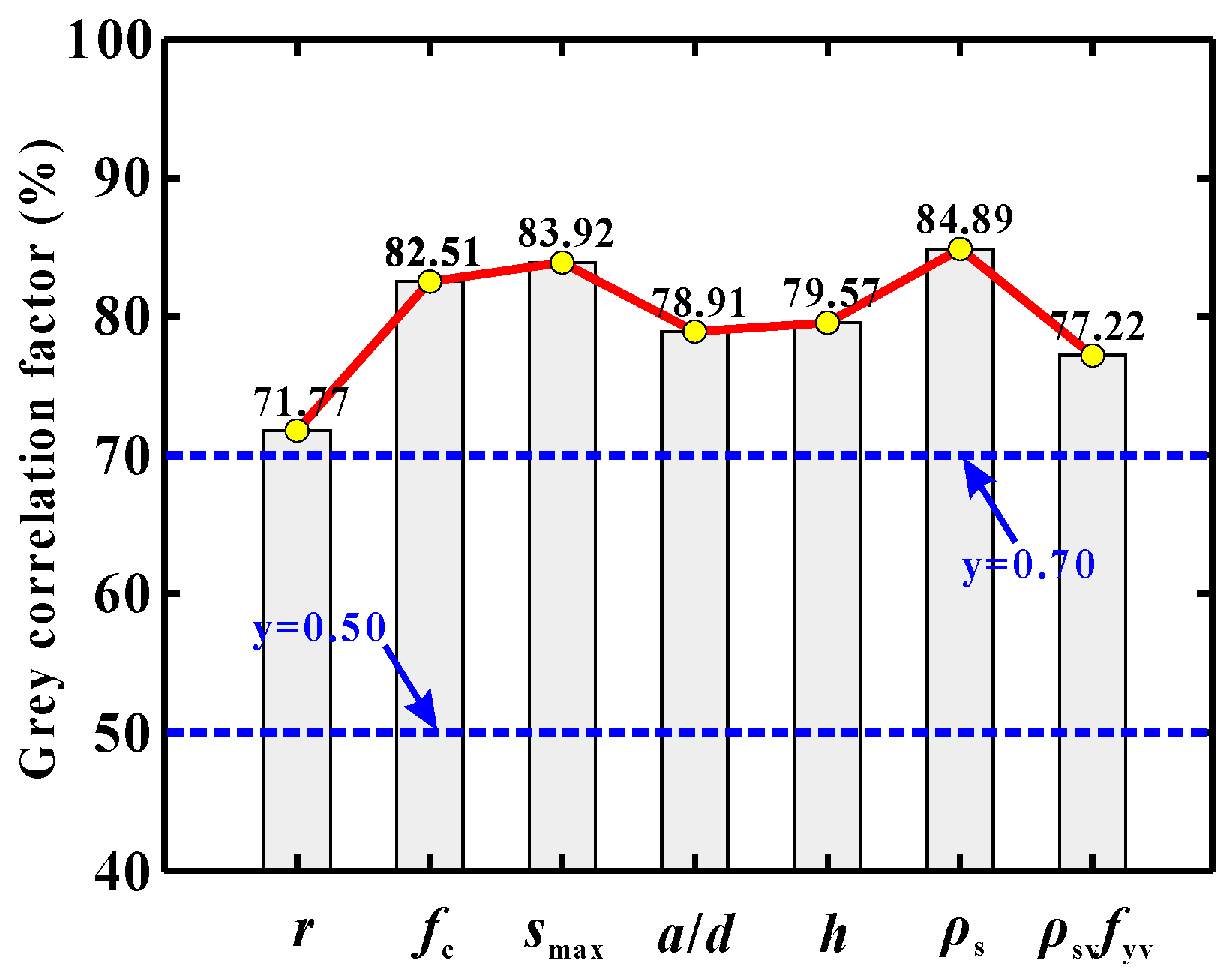
Recycled aggregate concrete (RAC) is a promising solution to address the challenges raised by concrete production. However, the current lack of pertinent design rules has led to a hesitance to accept structural members made with RAC. It would entail even more difficulties when facing application scenarios where brittle failure is possible (e.g., beam in shear). In this paper, existing major shear design formulae established primarily for conventional concrete beams were assessed for RAC beams. Results showed that when applied to the shear test database compiled for RAC beams, those formulae provided only inaccurate estimations with surprisingly large scatter. To cope with this bias, machine learning (ML) techniques deemed as potential alternative predictors were resorted to. First, a Grey Relational Analysis (GRA) was carried out to rank the importance of the parameters that would affect the shear capacity of RAC beams. Then, two contemporary ML approaches, namely, the artificial neural network (ANN) and the random forest (RF), were leveraged to simulate the beams’ shear strength. It was found that both models produced even better predictions than the evaluated formulae. With this superiority, a parametric study was undertaken to observe the trends of how the parameters played roles in influencing the shear resistance of RAC beams. The findings indicated that, though less influential than the structural parameters such as shear span ratio, the effect of the replacement ratio of recycled aggregate (RA) was still significant. Nevertheless, the value of vc/(fc)1/2 (i.e., the shear contribution from RAC normalized with respect to the square root of its strength) predicted by the ML-based approaches appeared to be insignificantly affected by the replacement level. Given the existing inevitable large experimental scatter, more shear tests are certainly needed and, for safe application of RAC, using partial factors calibrated to consider the uncertainty is feasible when designing the shear strength of RAC beams. Some suggestions for future works are also given at the end of this paper.
Keywords: recycled aggregate concrete; beam; shear capacity; Grey relational analysis; machine learning recycled aggregate concrete; beam; shear capacity; Grey relational analysis; machine learning