Next Article in Journal
Effect of Alumina Nano-Particles on Physical and Mechanical Properties of Medium Density Fiberboard
Next Article in Special Issue
Influence of Particle Morphology of Ground Fly Ash on the Fluidity and Strength of Cement Paste
Previous Article in Journal
Effect of Annealing on the Microstructure and SERS Performance of Mo-48.2% Ag Films
Previous Article in Special Issue
Influence of the Treatment Temperature on the Microstructure and Hydration Behavior of Thermoactivated Recycled Cement
Article

Portland Cements with High Content of Calcined Clay: Mechanical Strength Behaviour and Sulfate Durability

1
Cement Industry Consultant, Carrera 2A oeste No. 7-92, Cali 760045, Colombia
2
R&D, Cementos ARGOS, Carrera 49#7 Sur 50, Medellin 050017, Colombia
3
SACACH S.L., c/Santa Susana 32.4°.2, 28033 Madrid, Spain
*
Author to whom correspondence should be addressed.
Materials 2020, 13(18), 4206; https://doi.org/10.3390/ma13184206
Received: 10 August 2020 / Revised: 13 September 2020 / Accepted: 17 September 2020 / Published: 22 September 2020
(This article belongs to the Special Issue Low Carbon Cements)
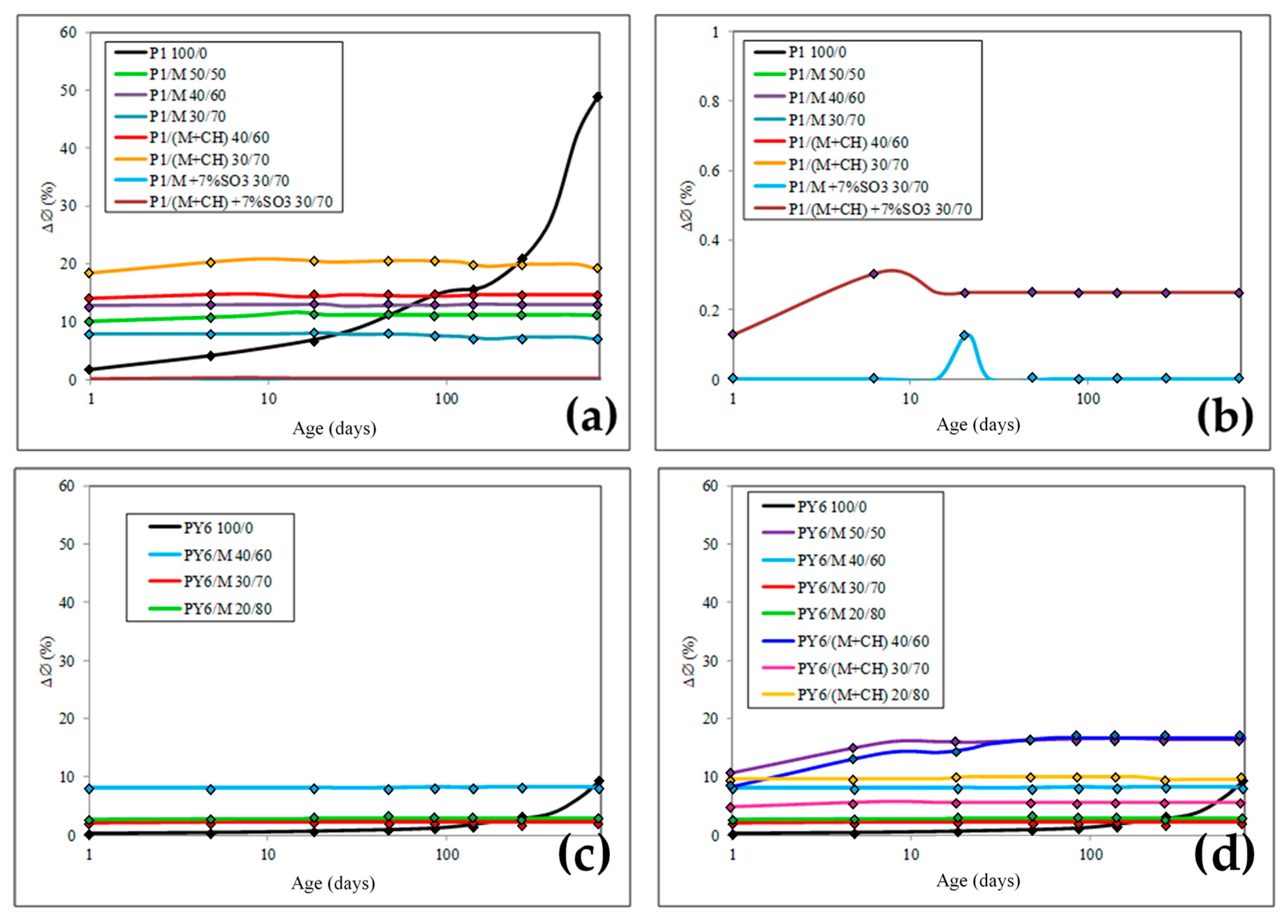
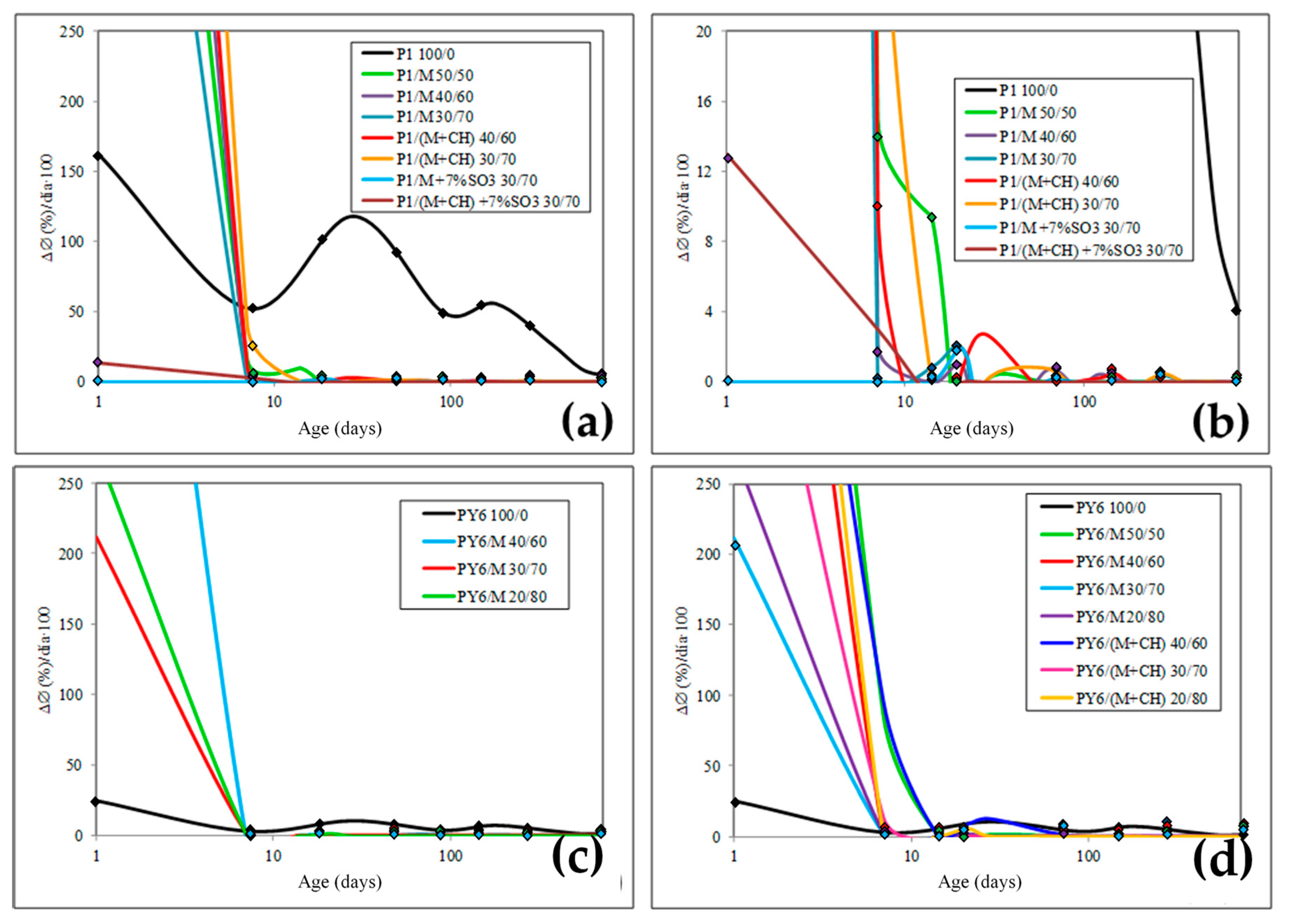
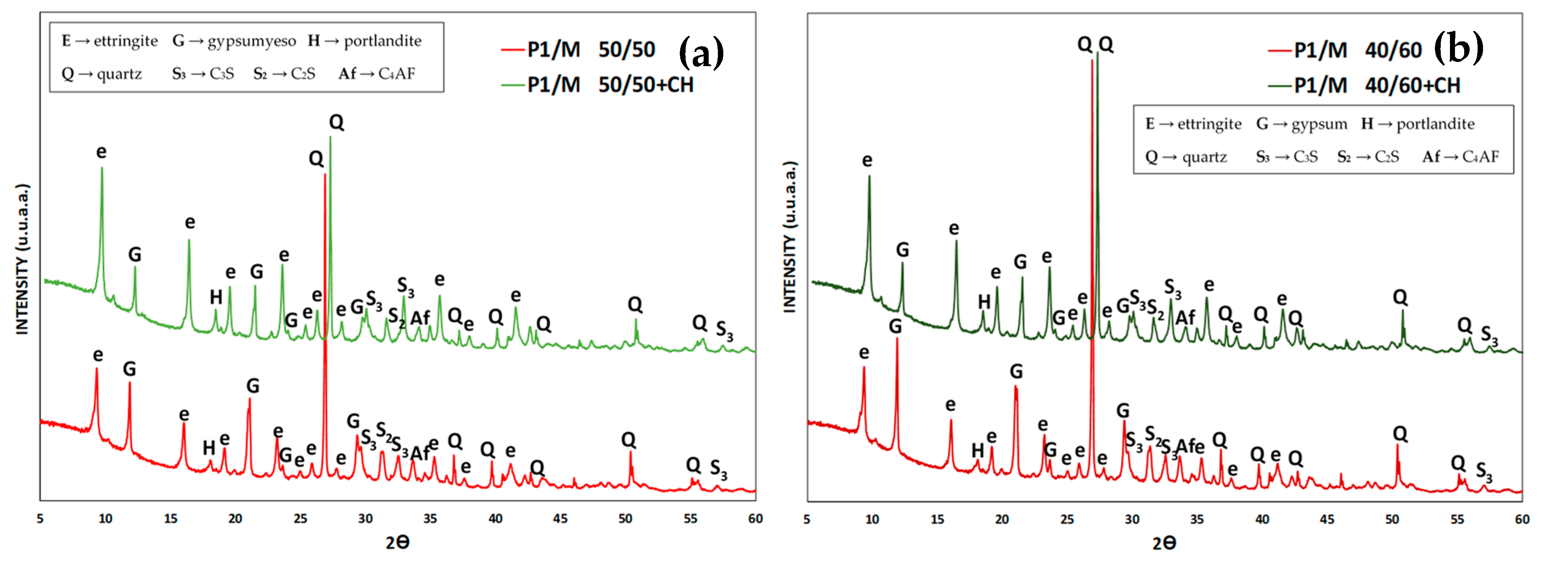
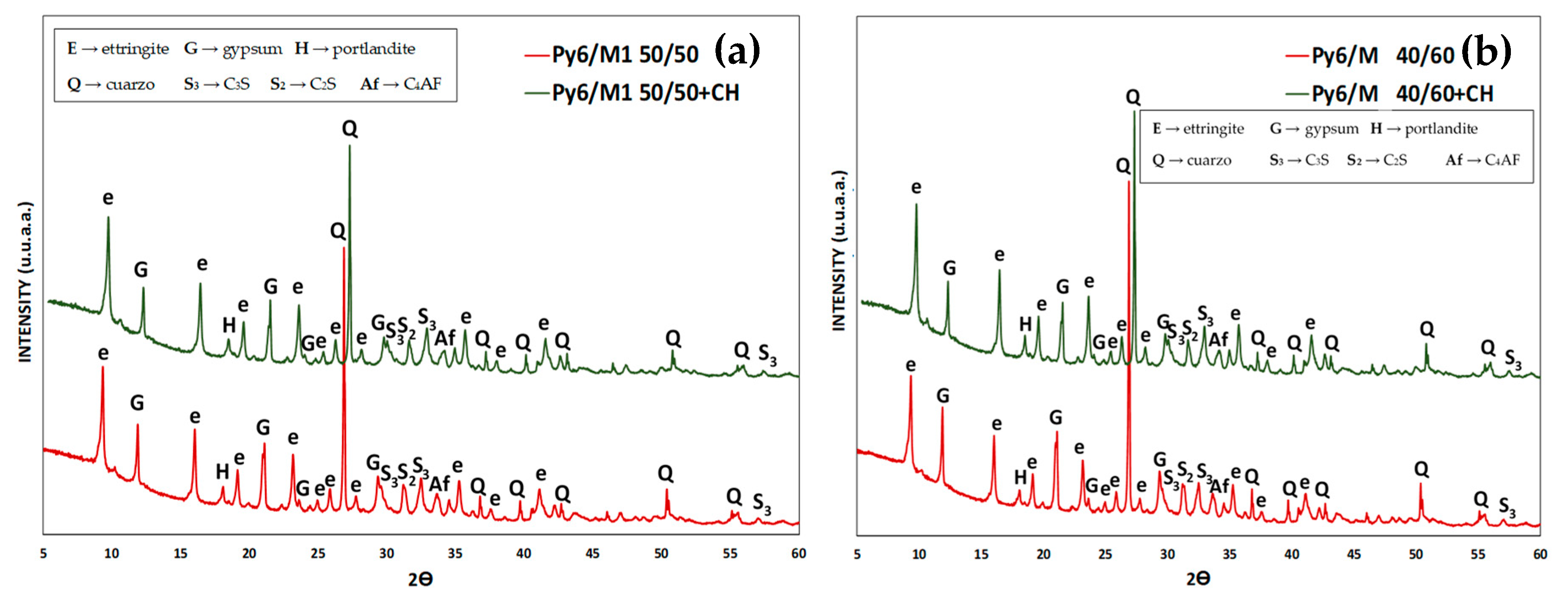
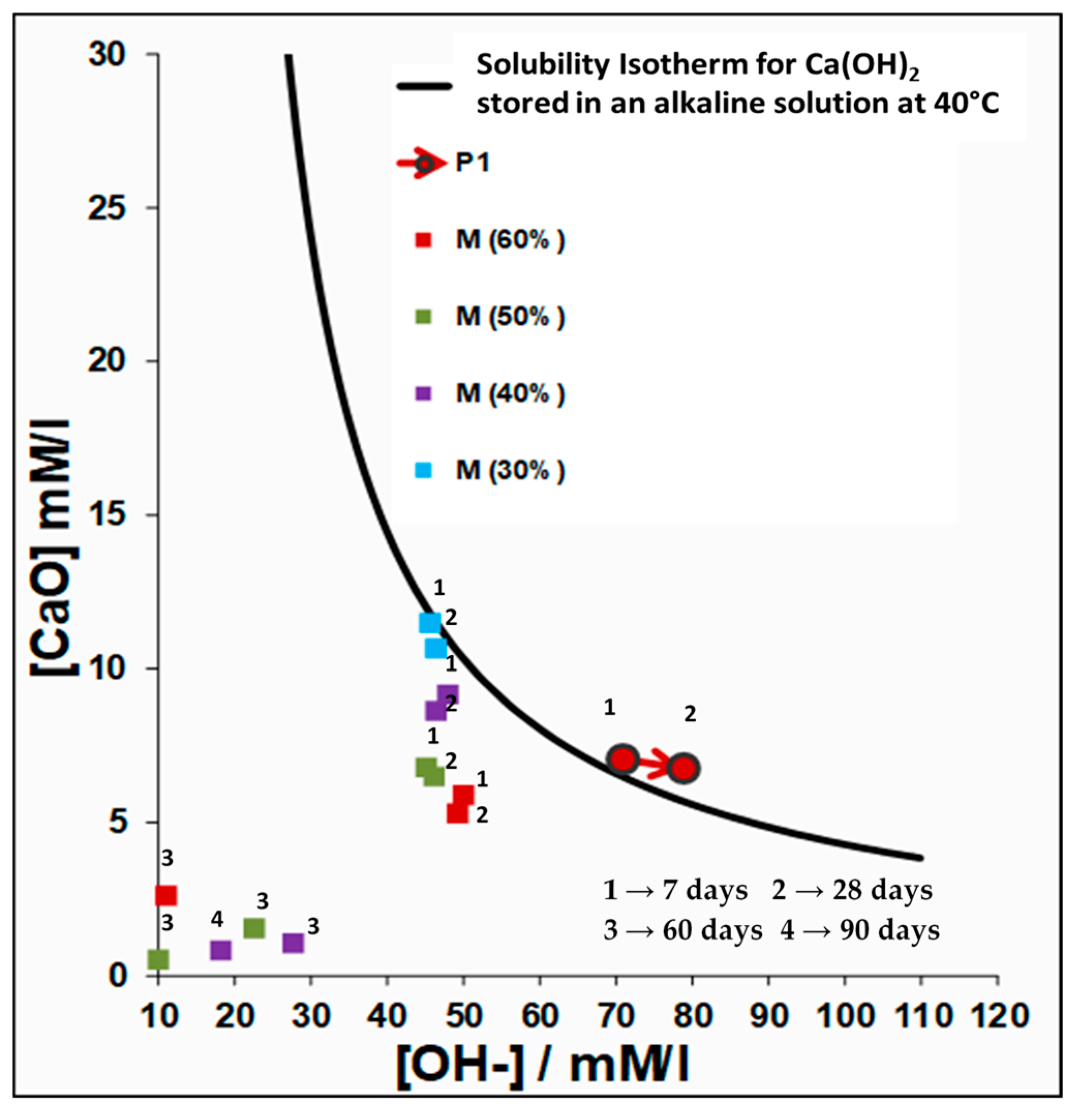
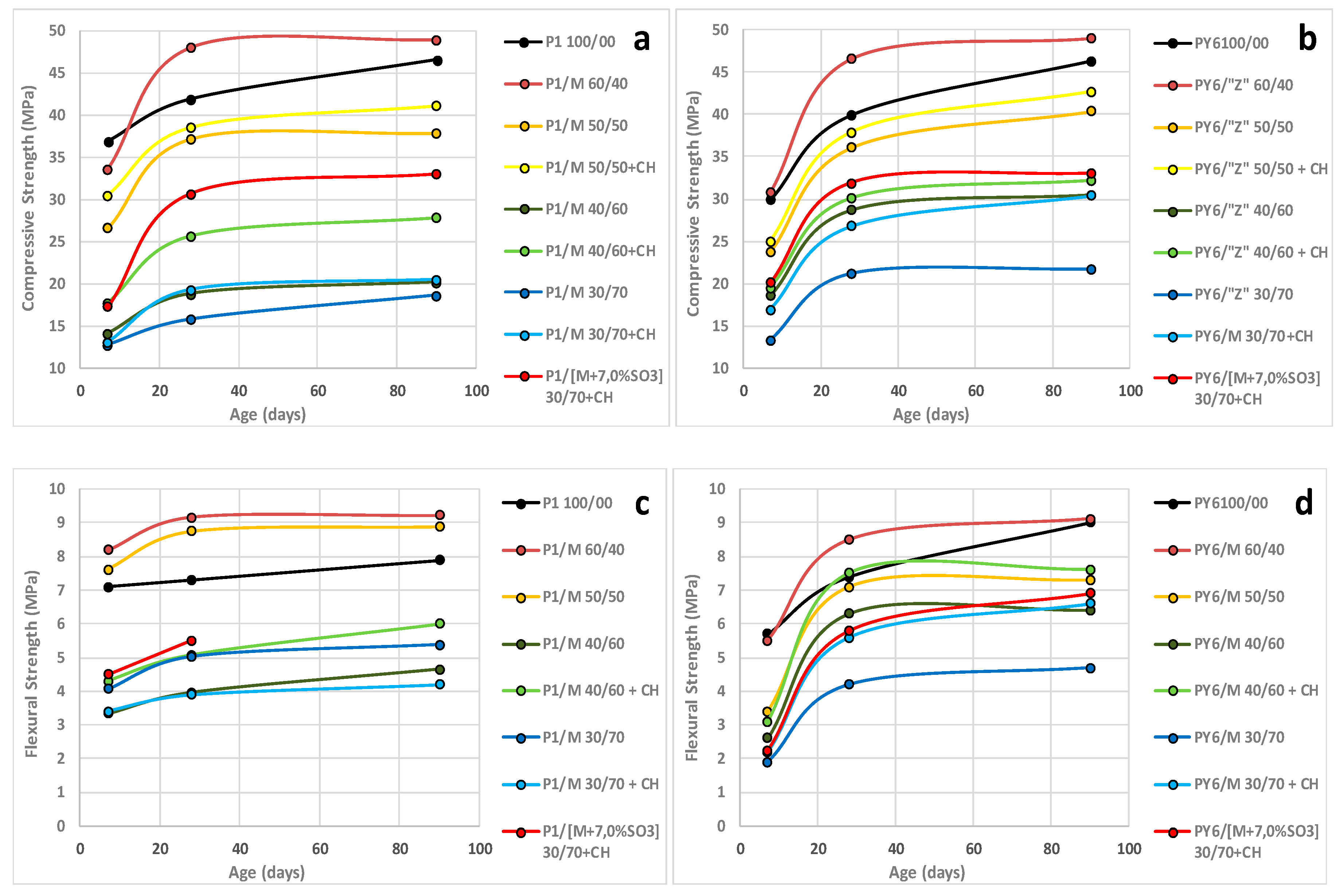
Calcined clay has become the supplementary cementitious materials with the greatest potential to reduce the clinker/cement. In this research, the mechanical strengths and sulphate resistance of blended cements with a high content of calcined clay as a pozzolanic addition were evaluated to demonstrate that these cements could be designed as CEM (cement) type IV/A-SR and IV/B-SR cements by the current European standard UNE-EN 197-1: 2011. The blended cements were prepared by two Portland cements (P1 and PY6) with different mineralogical compositions and a calcined clay. The level of replacement was greater than 40% by weight. The results obtained confirm the decrease in the mechanical strengths and the increase in the sulfate resistance of the two Portland cements when they are replaced by calcined clay at a level of replacement greater than 40%. These results are a consequence of the chemical effect from the pozzolanic activity of the calcined clay. Therefore, there is an important decrease in portlandite levels of paste liquid phase that causes the increase in sulfate resistance and the decrease of the mechanical strengths. View Full-Text
Keywords: calcined clays; pozzolanic addition; low carbon cement; sulfate attack calcined clays; pozzolanic addition; low carbon cement; sulfate attack
Show Figures

Figure 1

MDPI and ACS Style

Aramburo, C.H.; Pedrajas, C.; Talero, R. Portland Cements with High Content of Calcined Clay: Mechanical Strength Behaviour and Sulfate Durability. Materials 2020, 13, 4206. https://doi.org/10.3390/ma13184206

AMA Style

Aramburo CH, Pedrajas C, Talero R. Portland Cements with High Content of Calcined Clay: Mechanical Strength Behaviour and Sulfate Durability. Materials. 2020; 13(18):4206. https://doi.org/10.3390/ma13184206
Chicago/Turabian Style

Aramburo, Carlos H., César Pedrajas, and Rafael Talero. 2020. "Portland Cements with High Content of Calcined Clay: Mechanical Strength Behaviour and Sulfate Durability" Materials 13, no. 18: 4206. https://doi.org/10.3390/ma13184206
Find Other Styles
Note that from the first issue of 2016, MDPI journals use article numbers instead of page numbers. See further details here.

Article Access Map by Country/Region

1
Back to TopTop