Article

Surface Treatment of Carbon Fibers by Oxy-Fluorination


1
Institute of Textile Machinery and High-Performance Material Technology, Technische Universität Dresden, Hohe Straße 6, 01069 Dresden, Germany
2
Leibniz-Institut für Polymerforschung Dresden e. V. (IPF), Hohe Straße 6, 01069 Dresden, Germany
*
Author to whom correspondence should be addressed.
Materials 2019, 12(4), 565; https://doi.org/10.3390/ma12040565
Submission received: 16 January 2019 / Revised: 1 February 2019 / Accepted: 12 February 2019 / Published: 14 February 2019
(This article belongs to the Section Carbon Materials)

Abstract

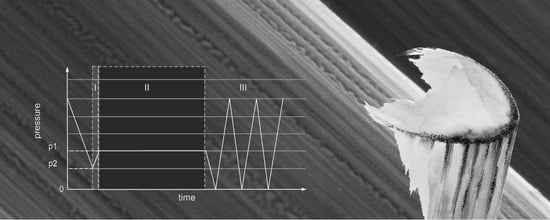
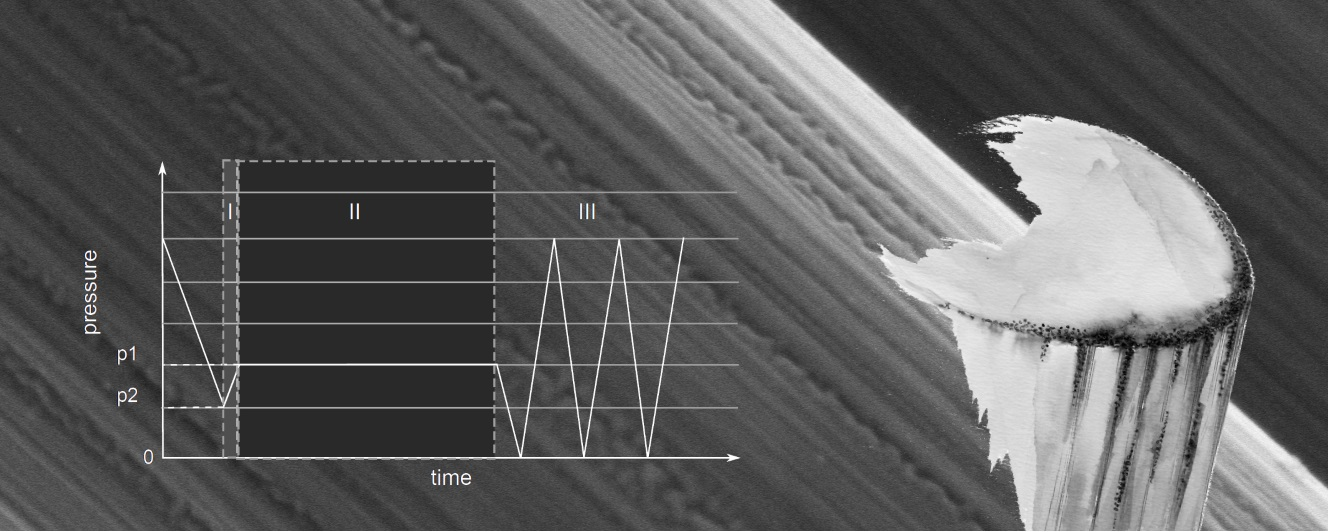
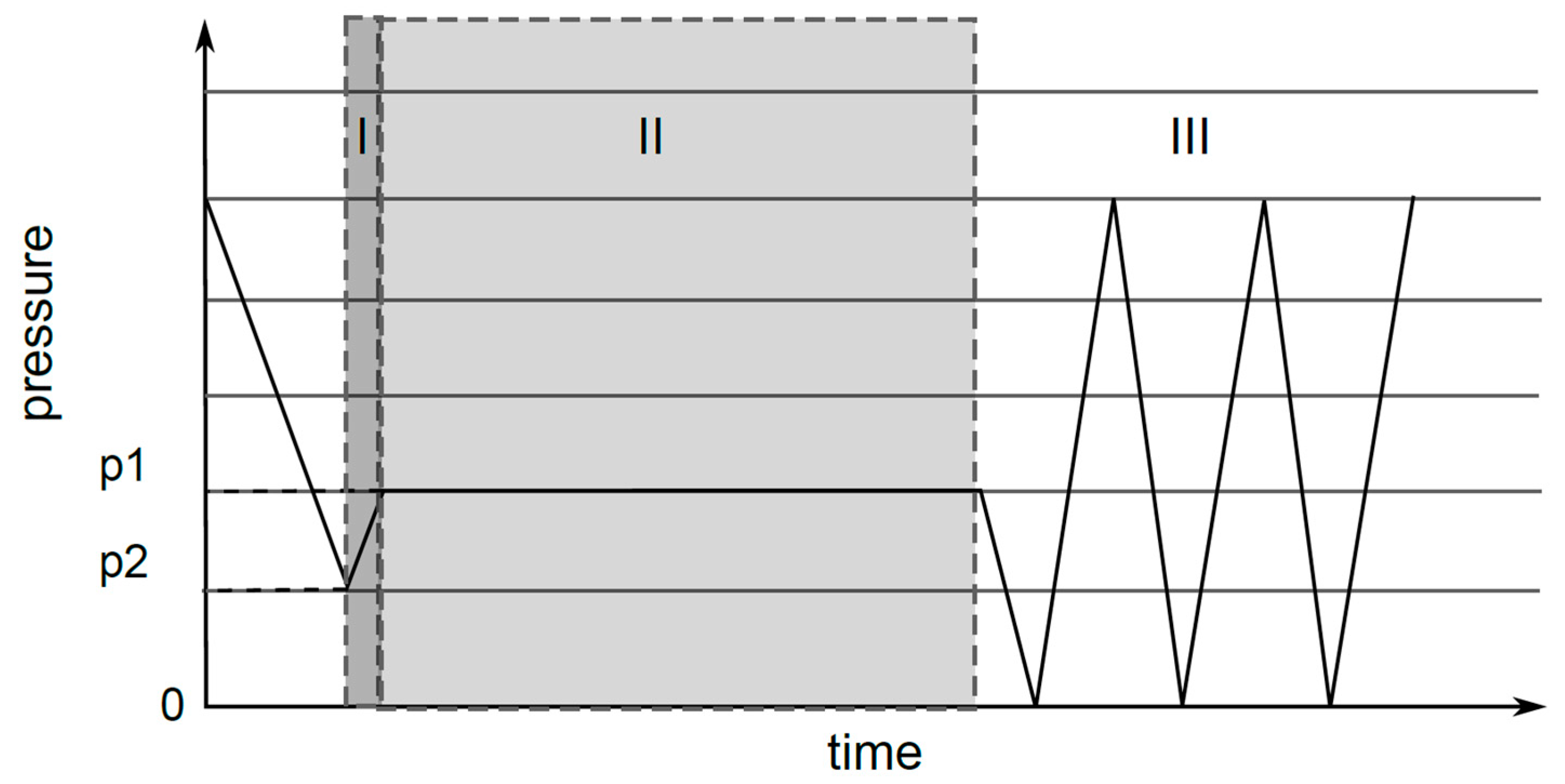
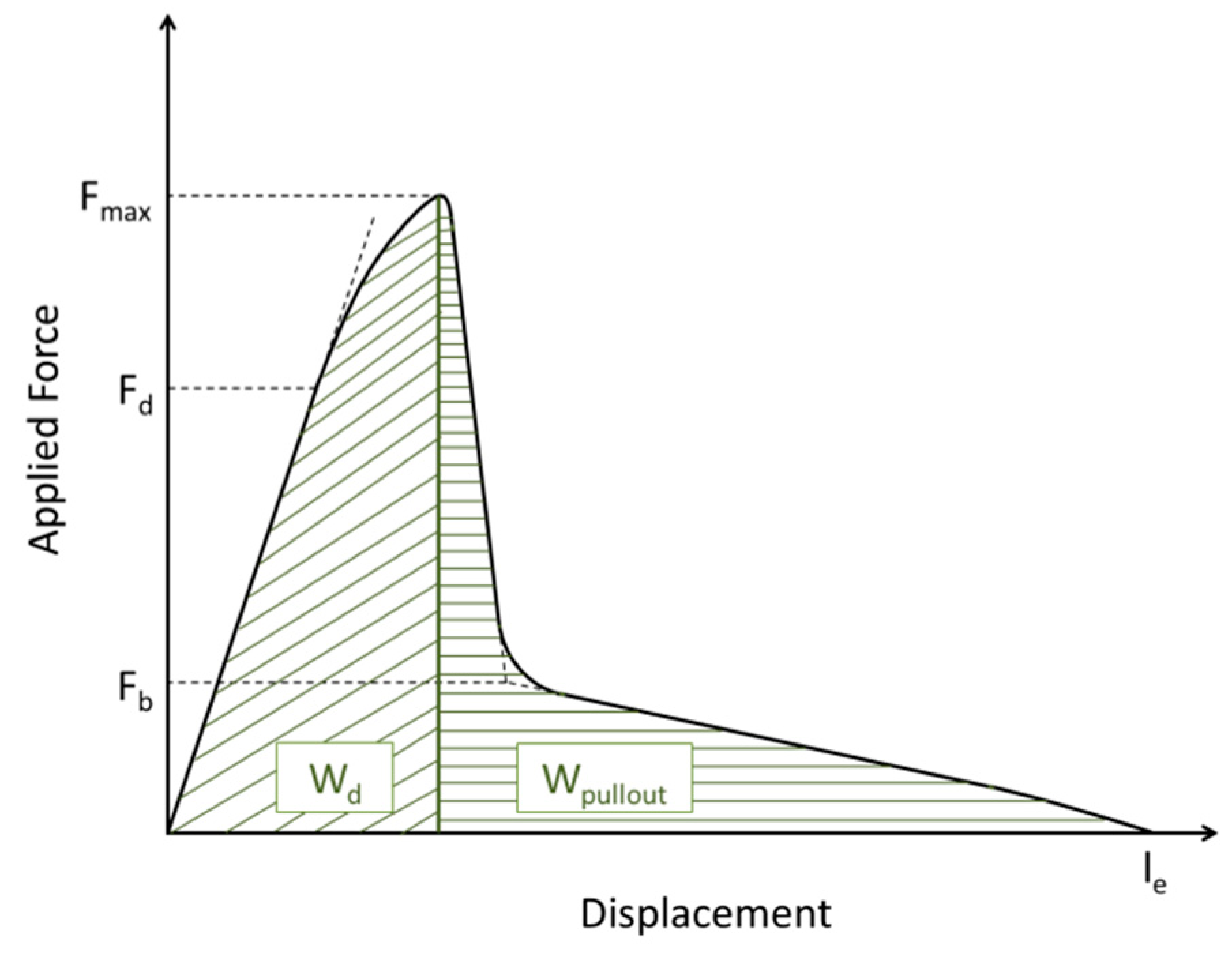
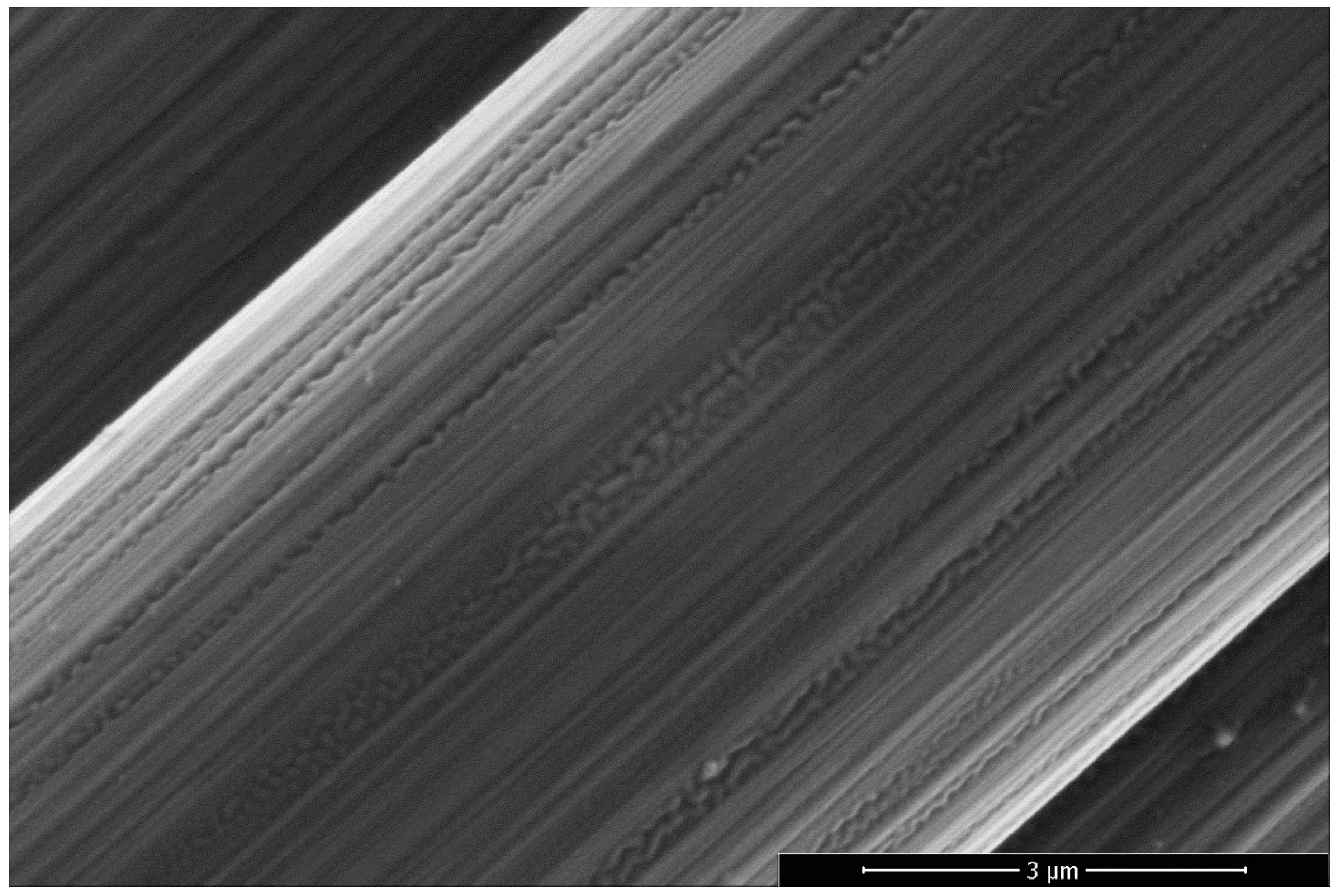
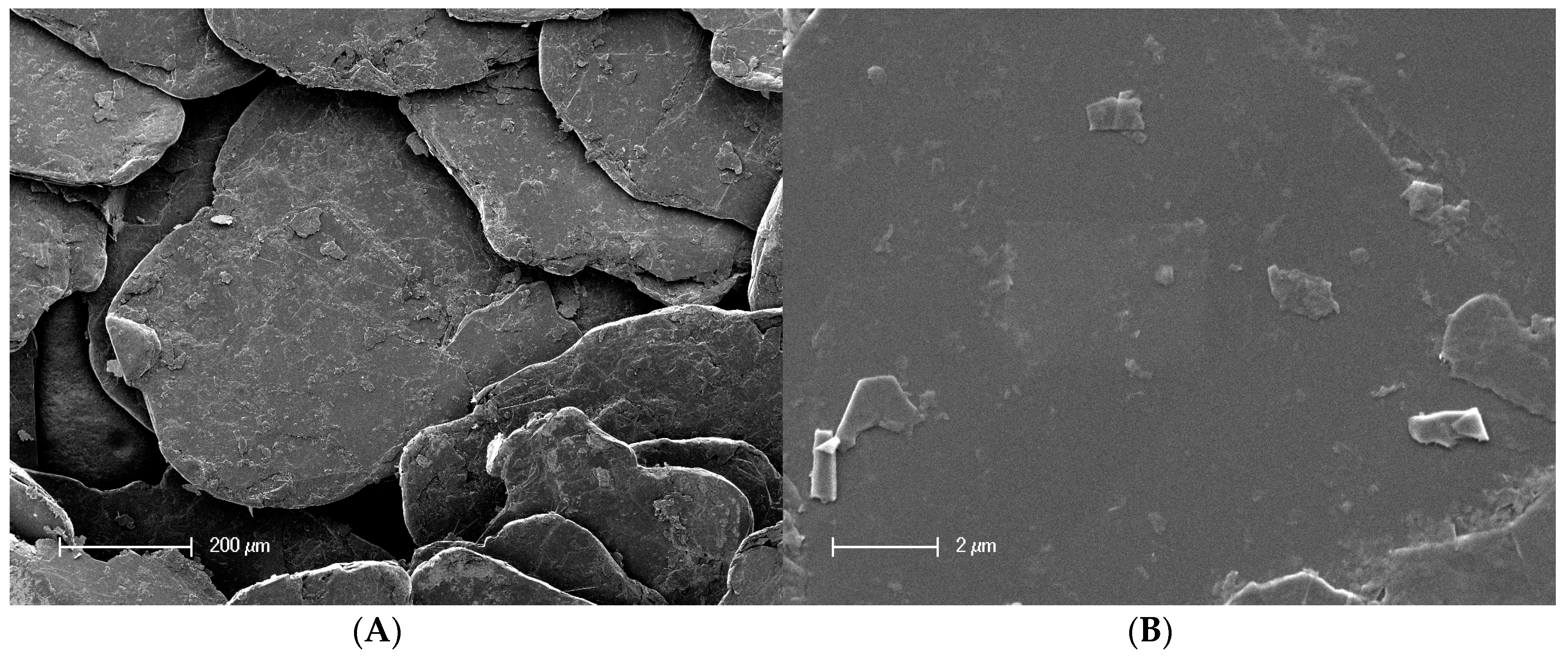
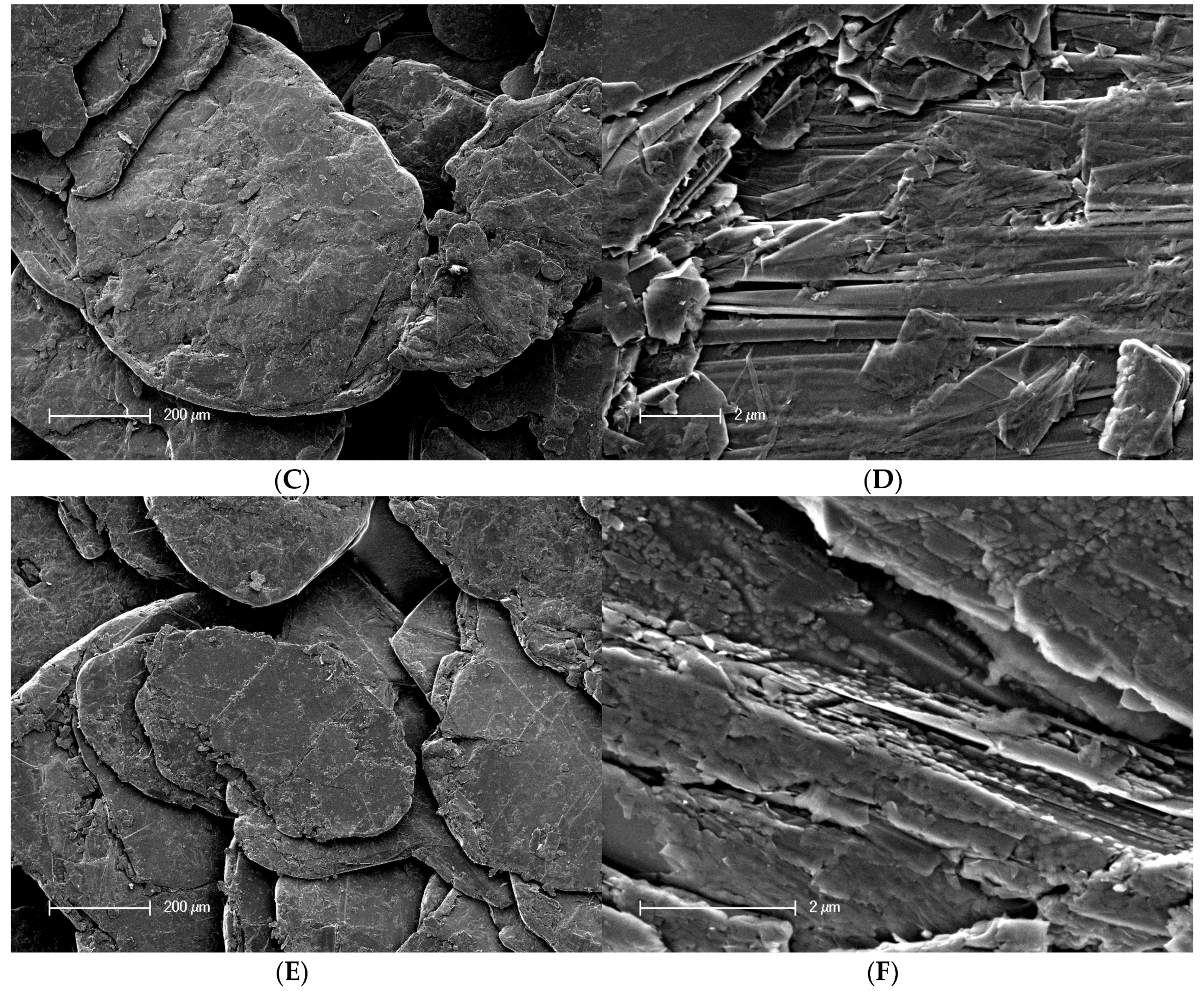
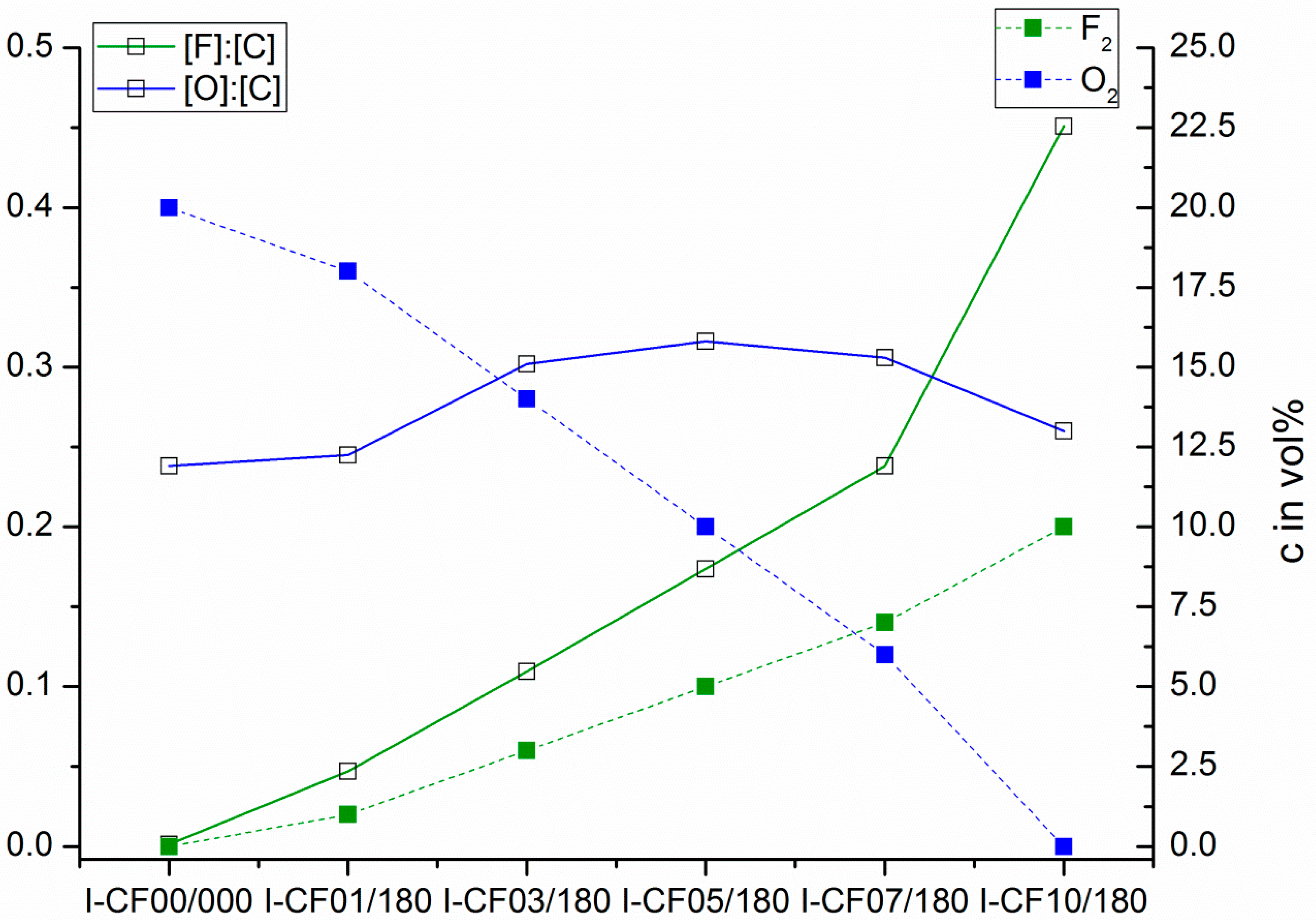
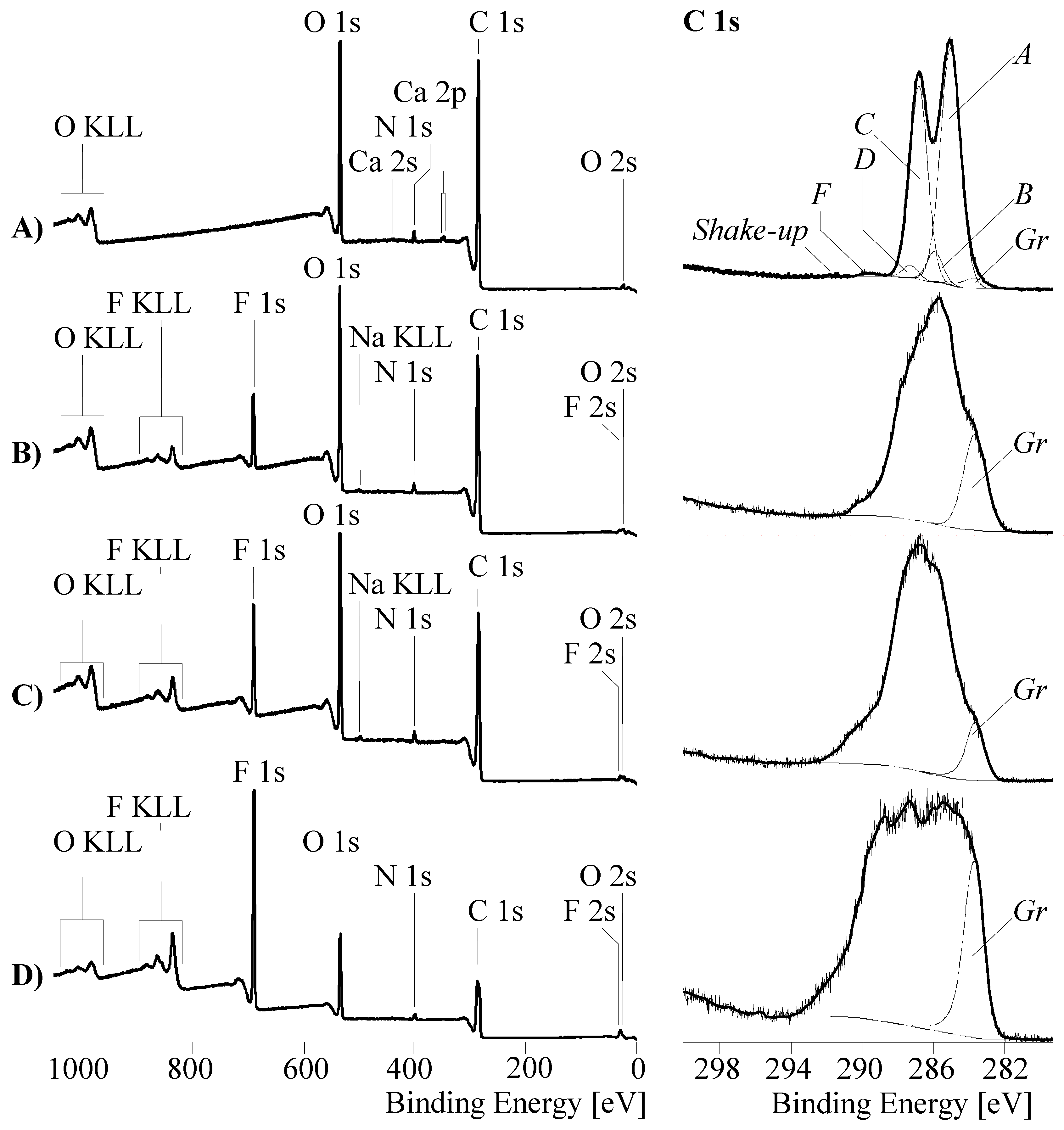
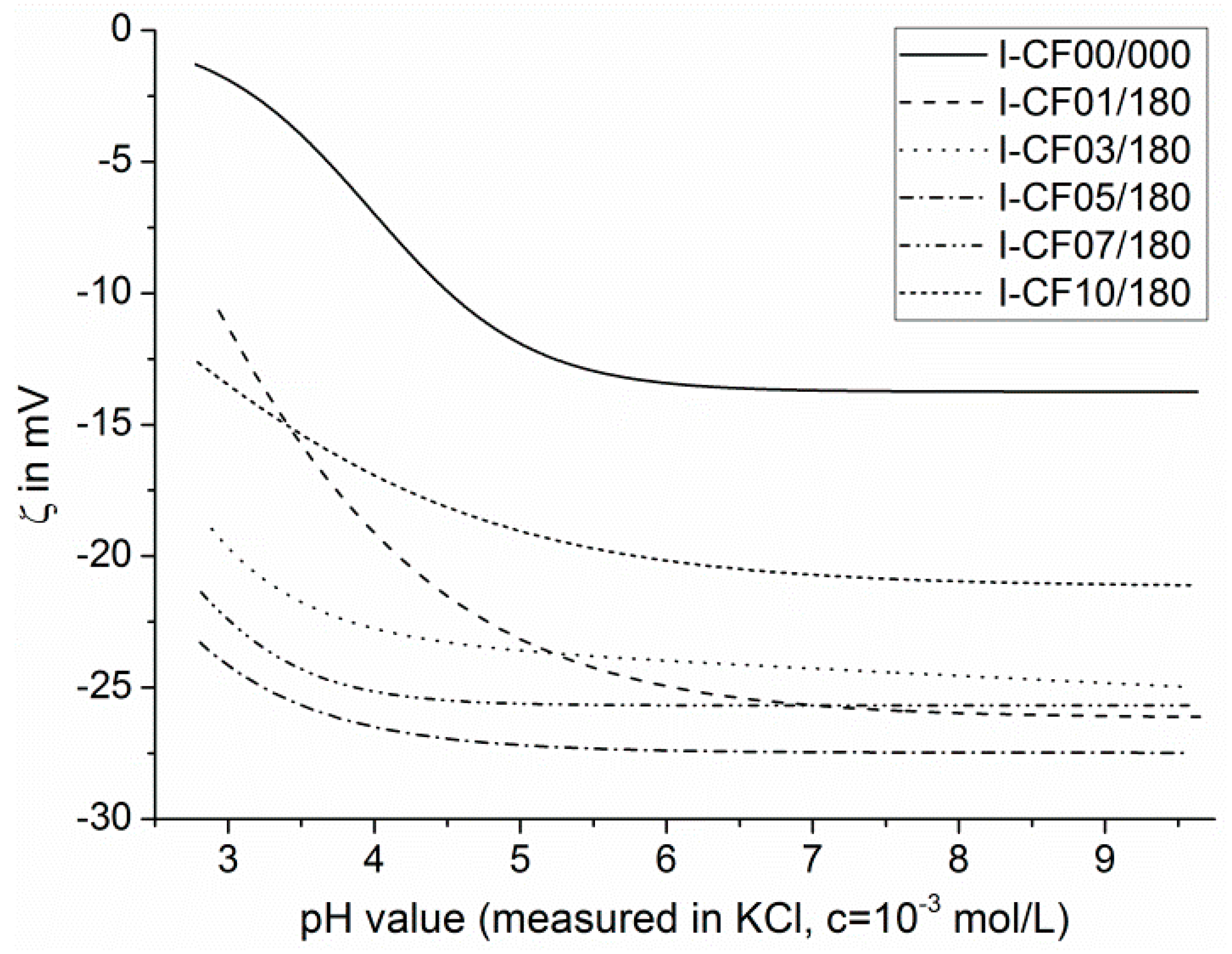
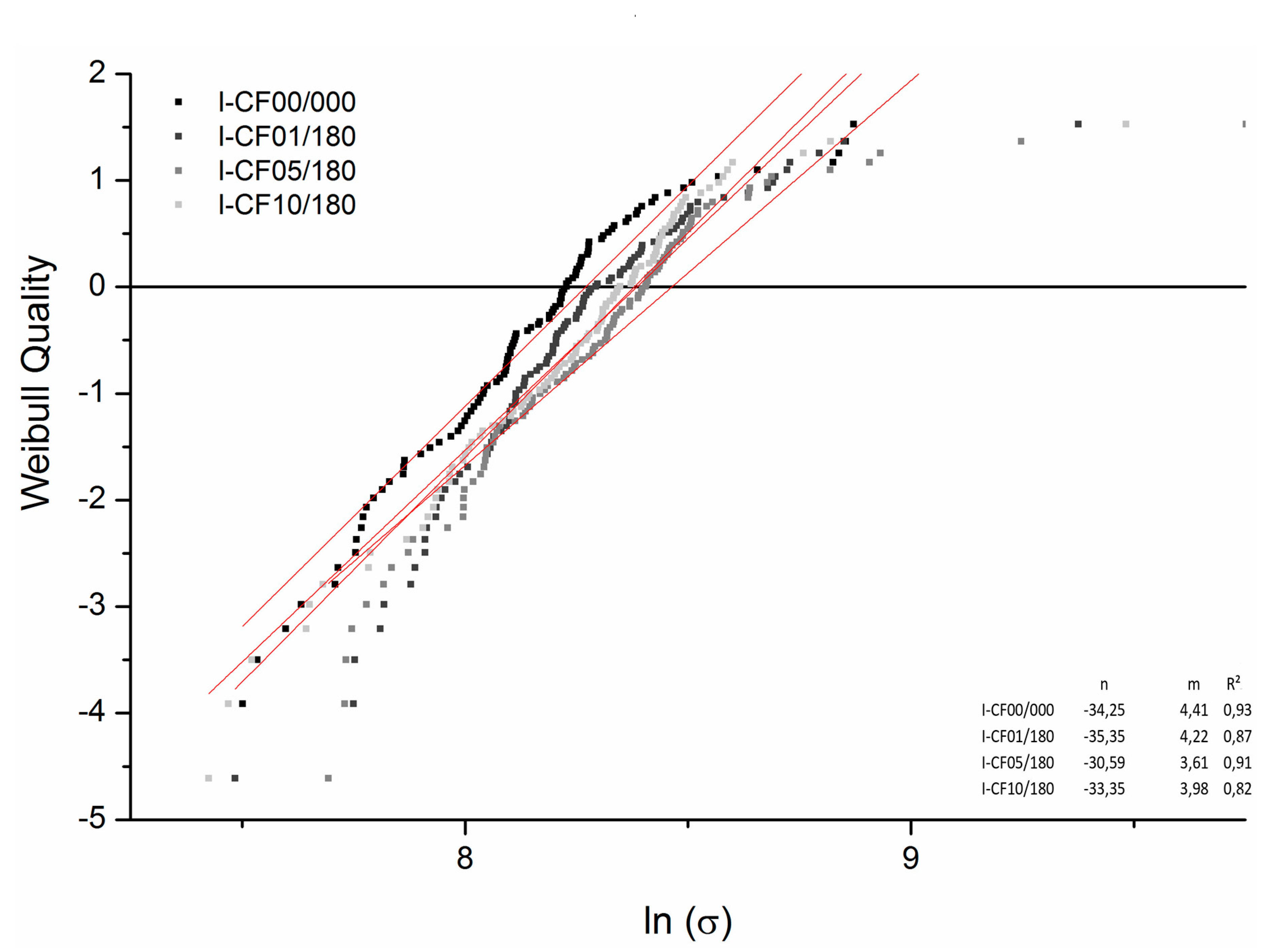
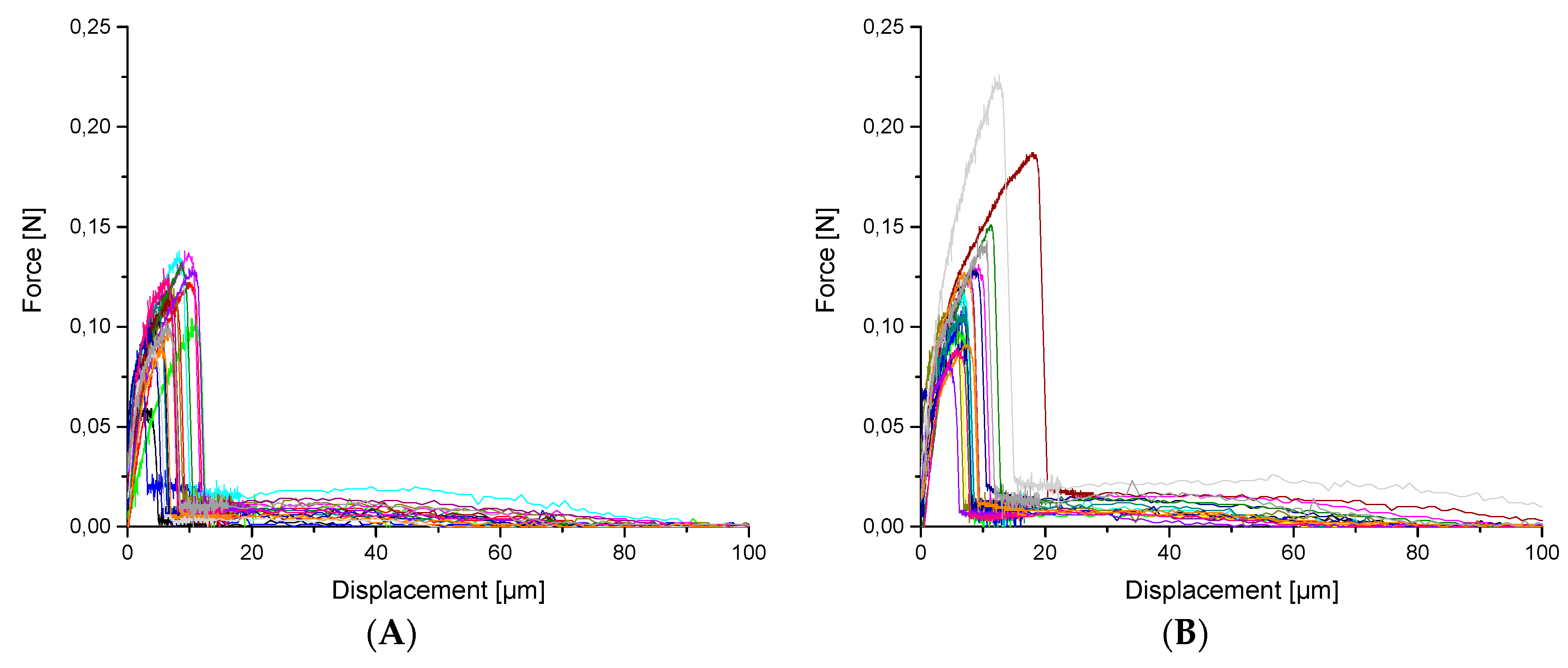
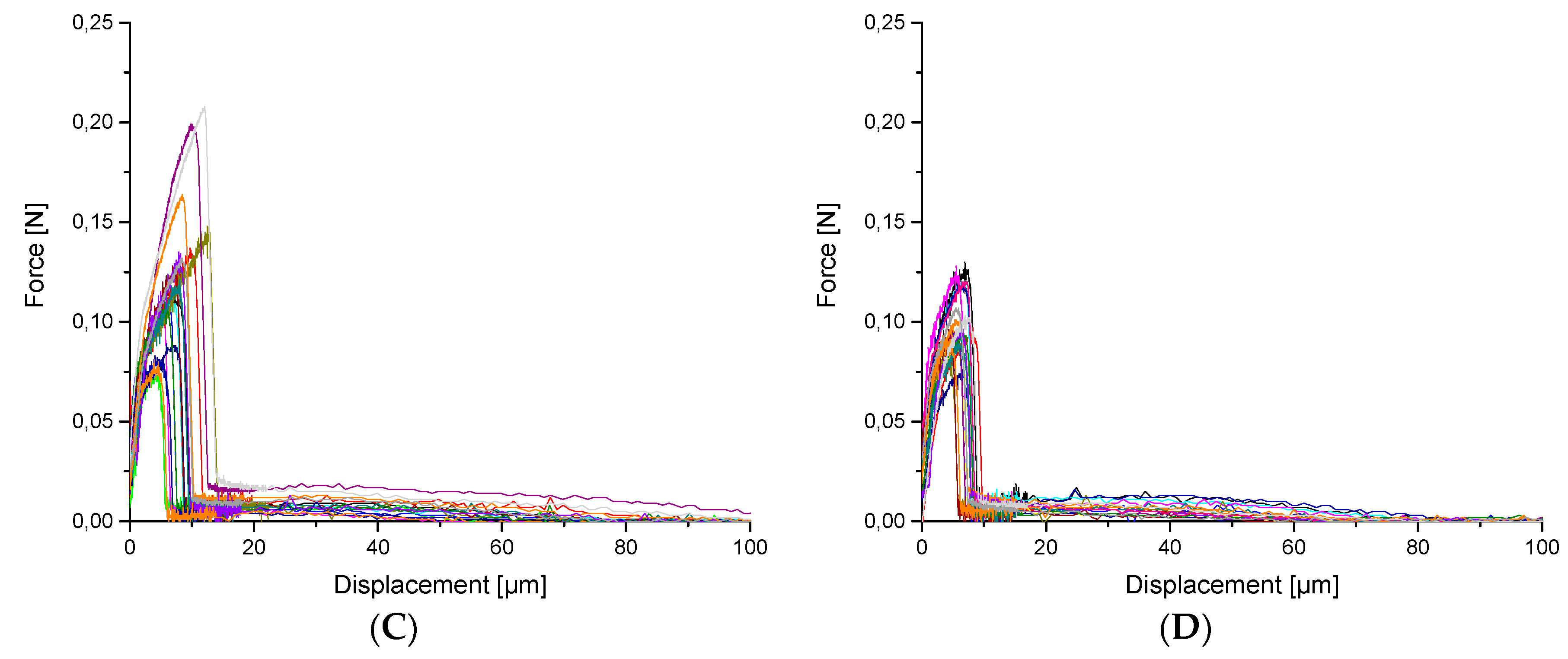
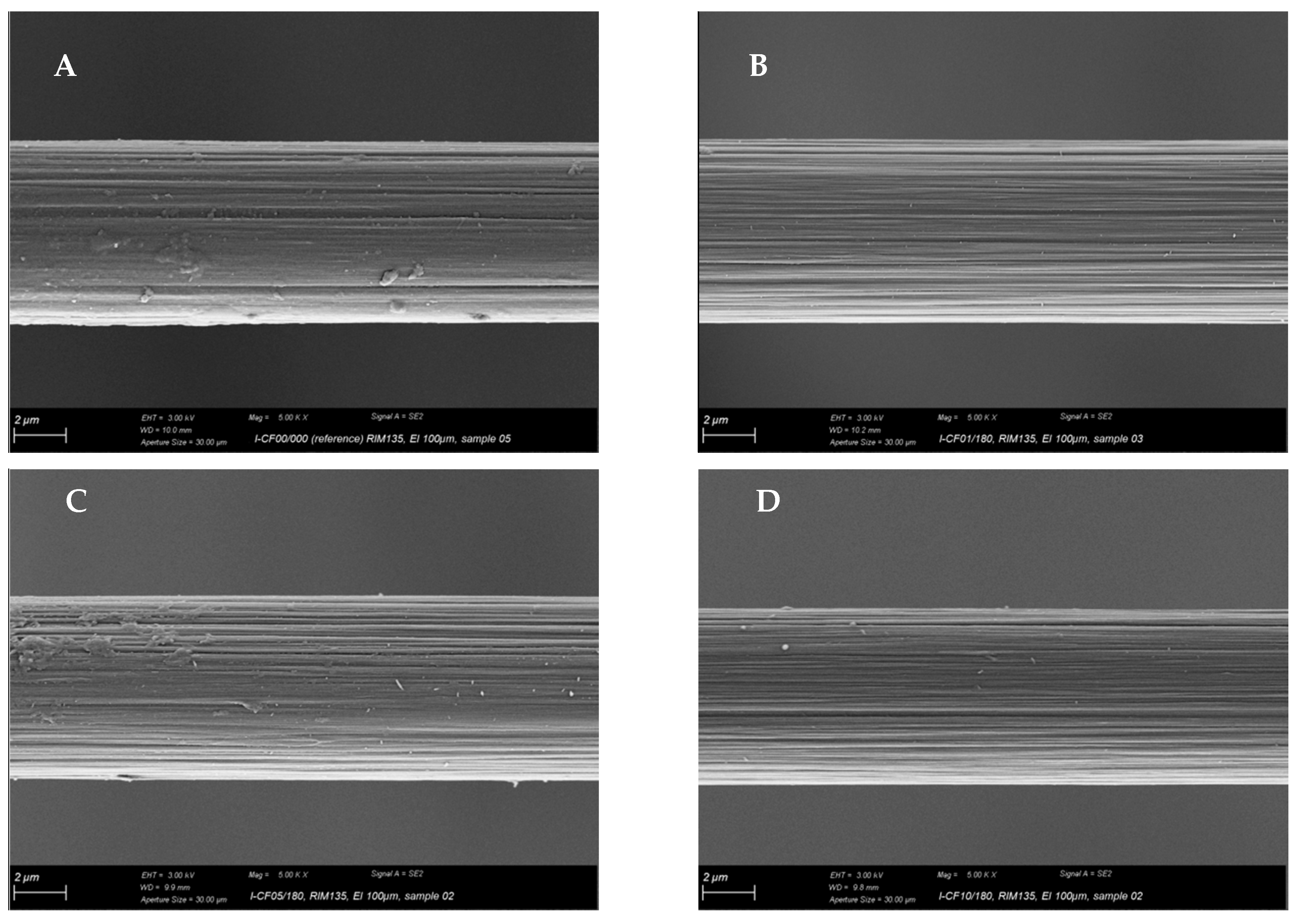
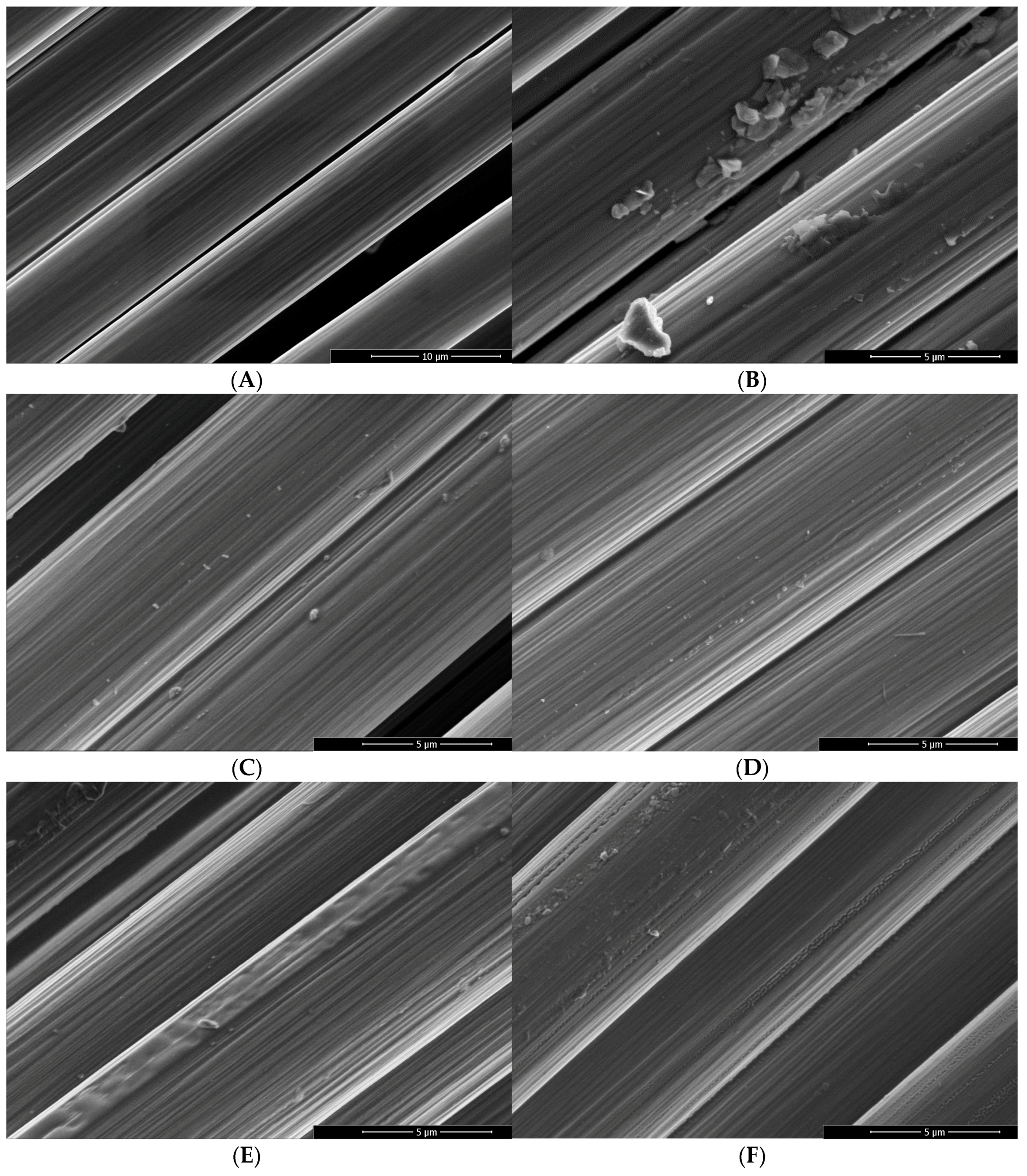
In this paper, the oxy-fluorination process and the influence of different concentrations of fluorine and oxygen in the gas phase on the physicochemical properties of polyacrylonitrile(PAN)-based carbon fibers are described. The properties of the treated carbon structures are determined by zeta potential and tensiometry measurements. In addition, changes in surface composition and morphology are investigated by X-ray photoelectron spectroscopy (XPS) and scanning electron microscopy (SEM). Adhesion properties are characterized by the single fiber pull-out (SFPO) test. Furthermore, changes in intrinsic properties are described by means of tensile and density measurements. After a primary desizing effect by oxy-fluorination, an increased number of oxygen-containing surface functional groups could be detected, which led to more debonding work in SFPOs with an epoxy-based matrix. It was also shown that the polar surface energy grows with rising fluorine concentration in the reaction gas mixture. In addition, a minor increase of ~10% in the maximum strength of PAN-based carbon fibers is detected by single fiber tensile measurements after oxy-fluorination with a fluorine content of 5% in the reaction mixture.
Keywords: fiber; surface modification; composite materials; microstructures fiber; surface modification; composite materials; microstructures
Graphical Abstract