Self-Healing Property of Ultra-Thin Wearing Courses by Induction Heating




Abstract
1. Introduction
2. Materials
3. Research Program
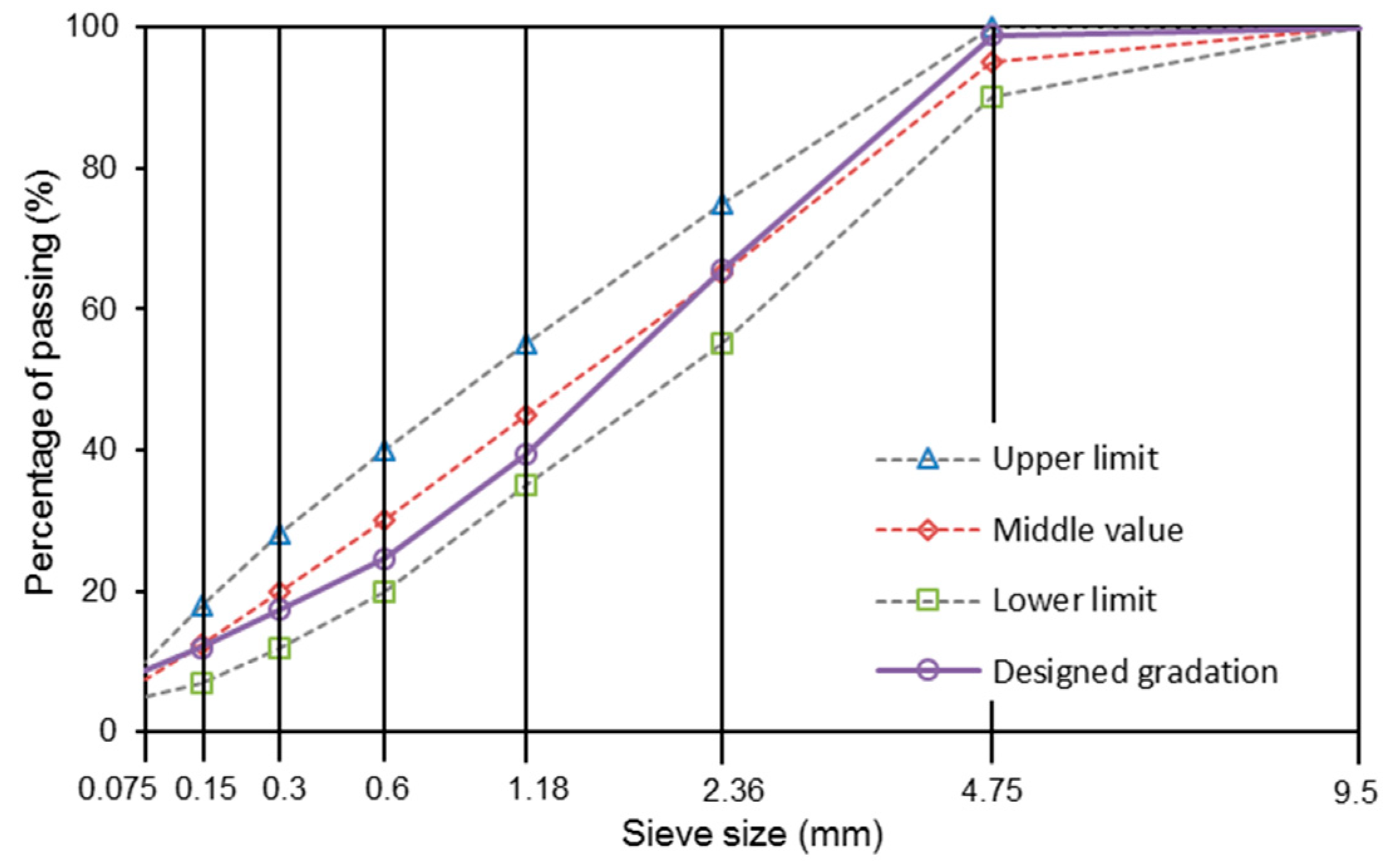
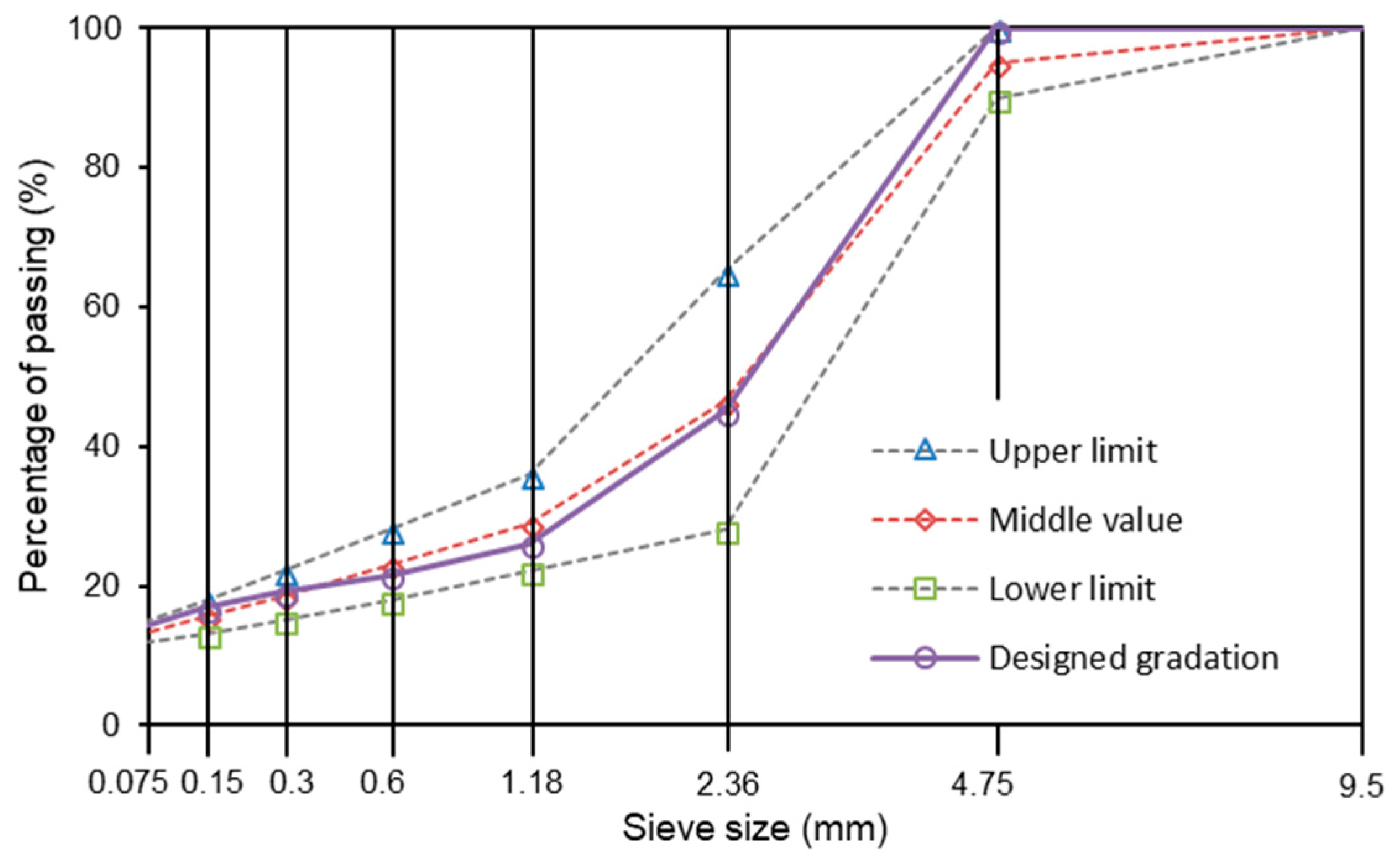
3.1. Mixture Design
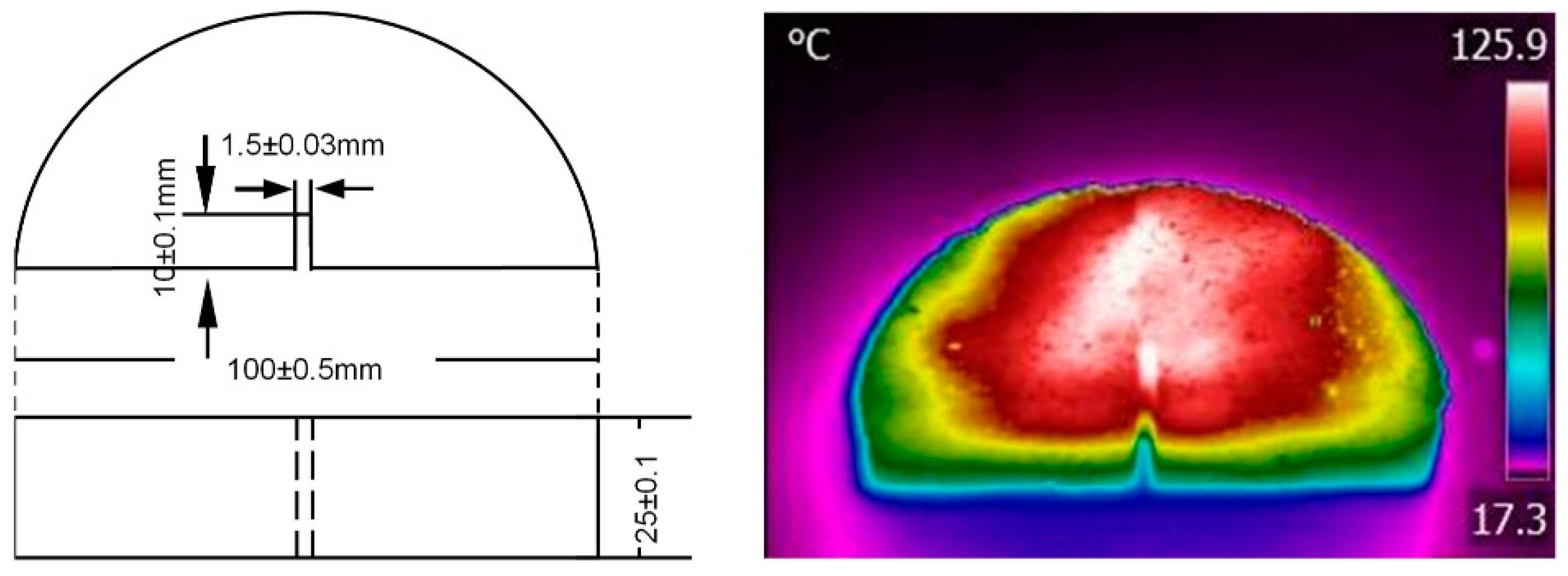
3.2. Testing and Characterization
4. Result and Discussion
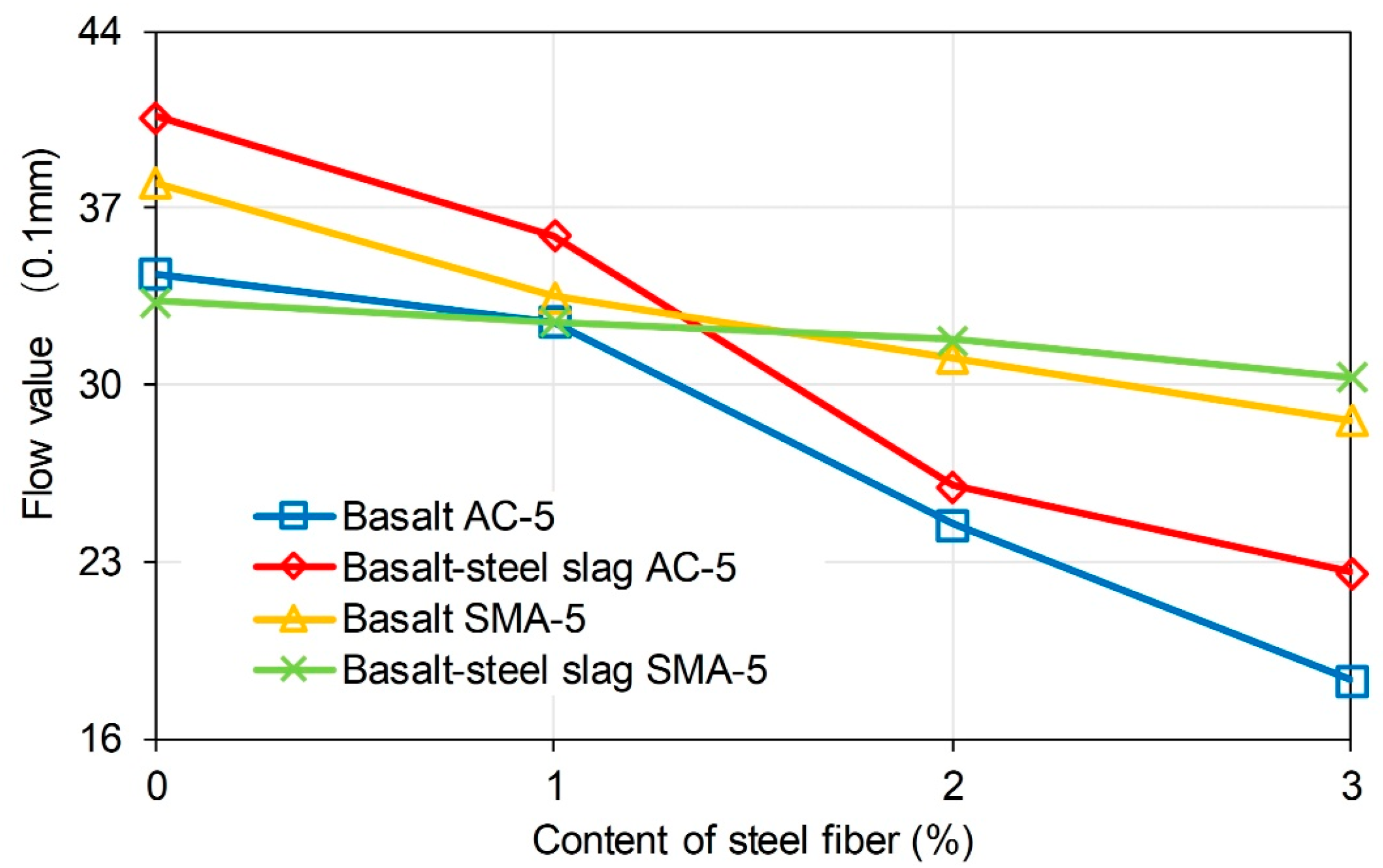
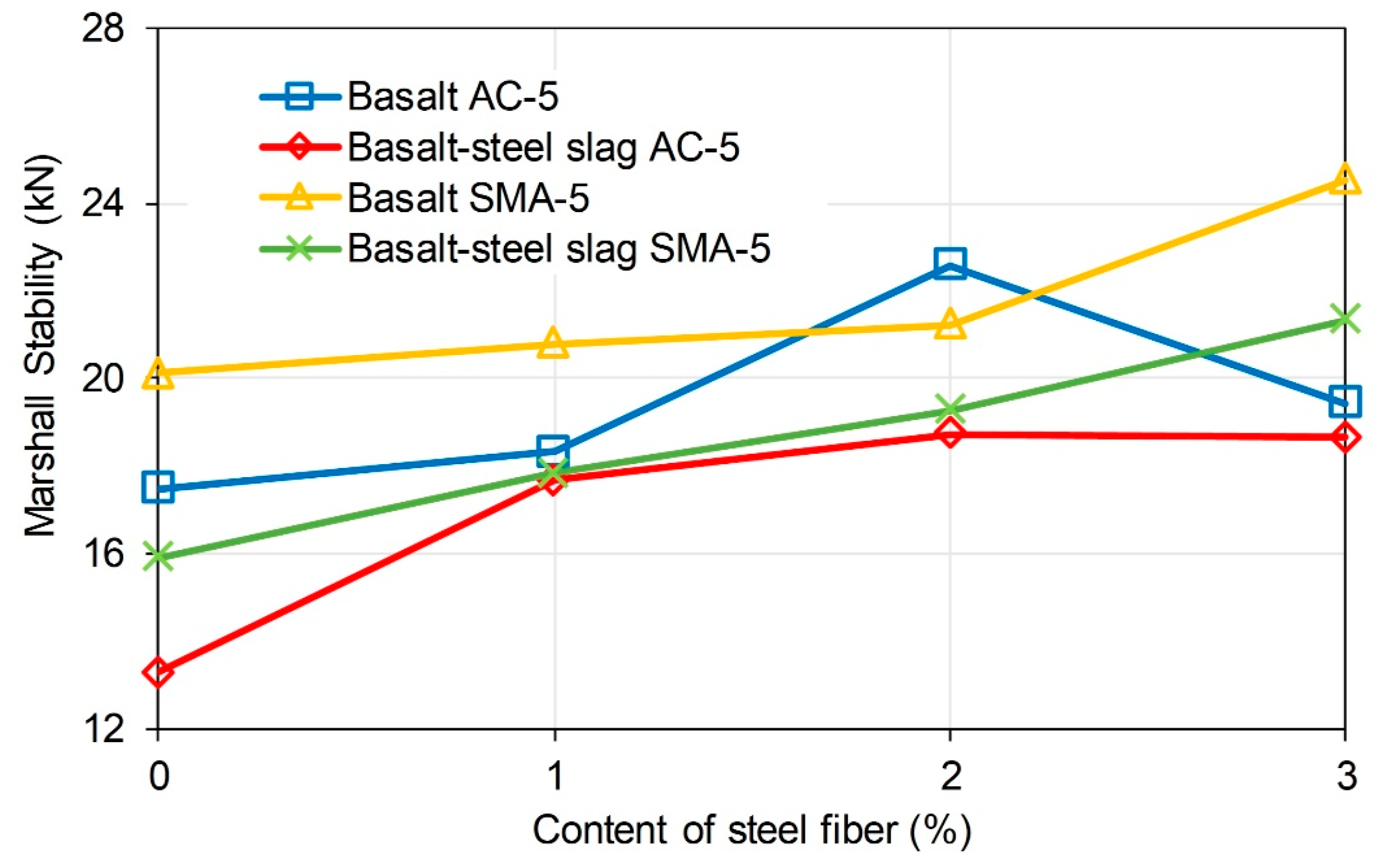
4.1. Marshall Stability and Flow Value
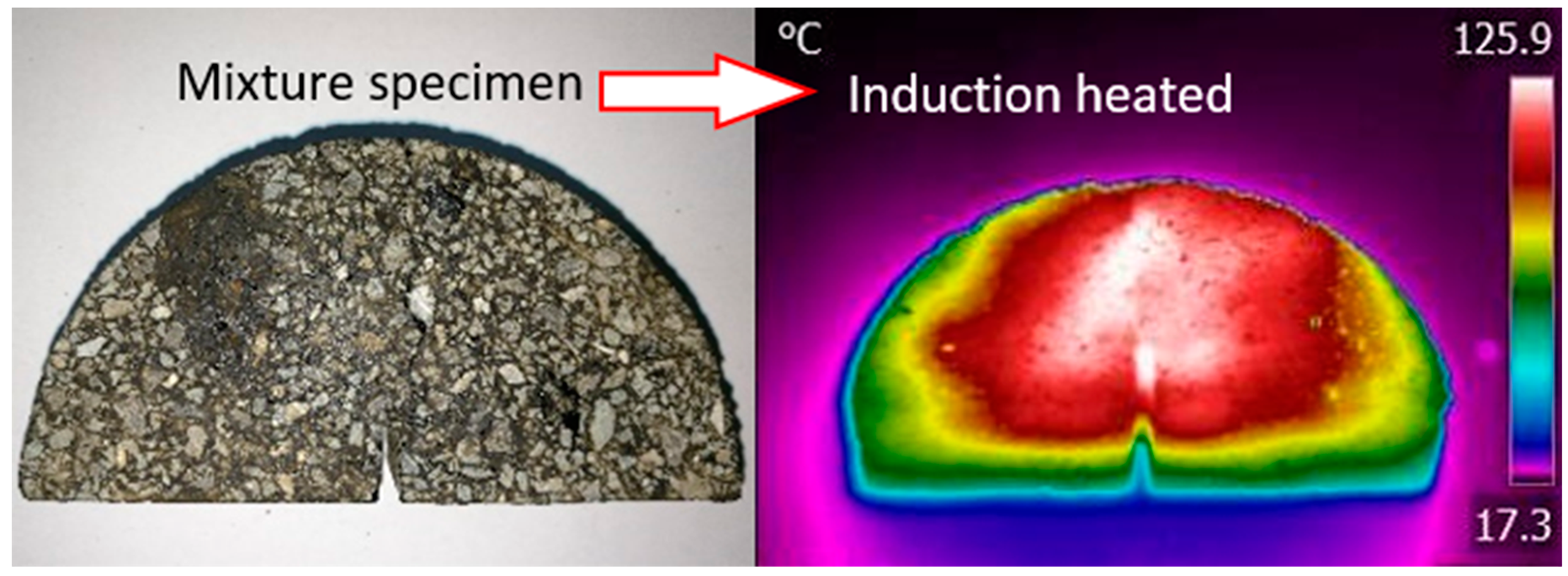
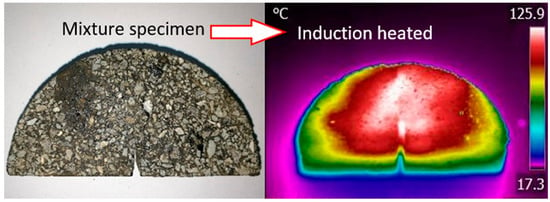
4.2. Induction Heating Property
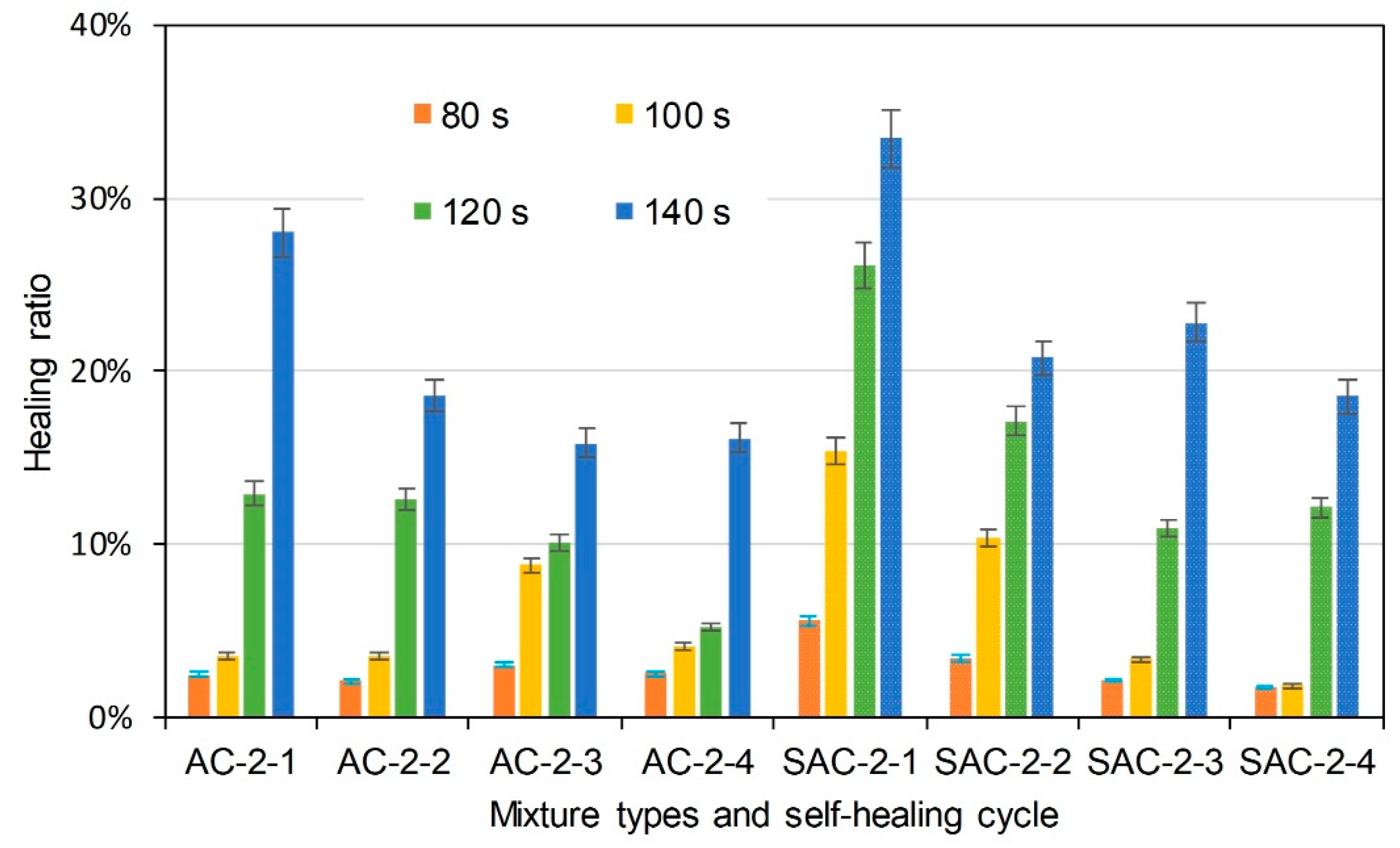
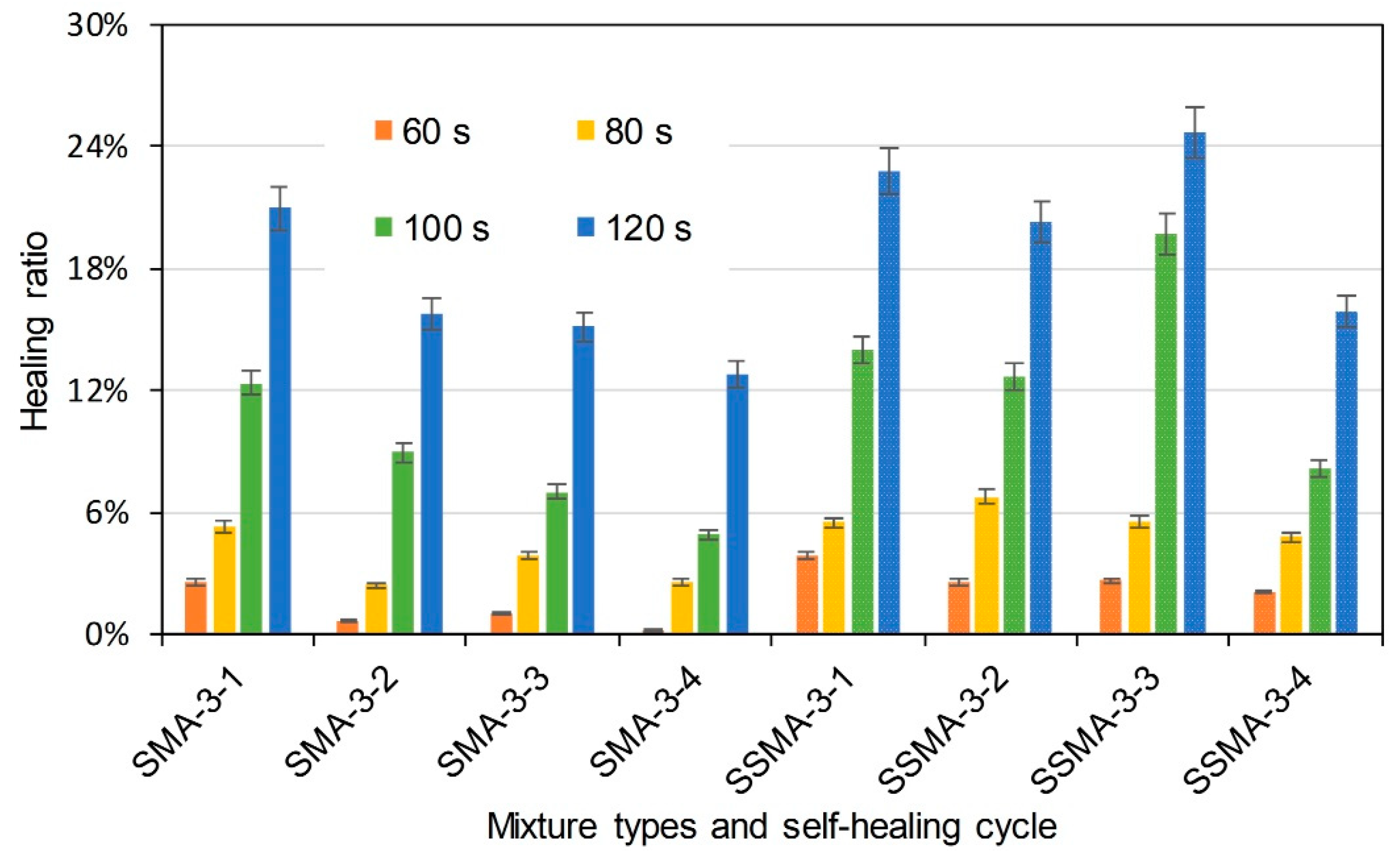
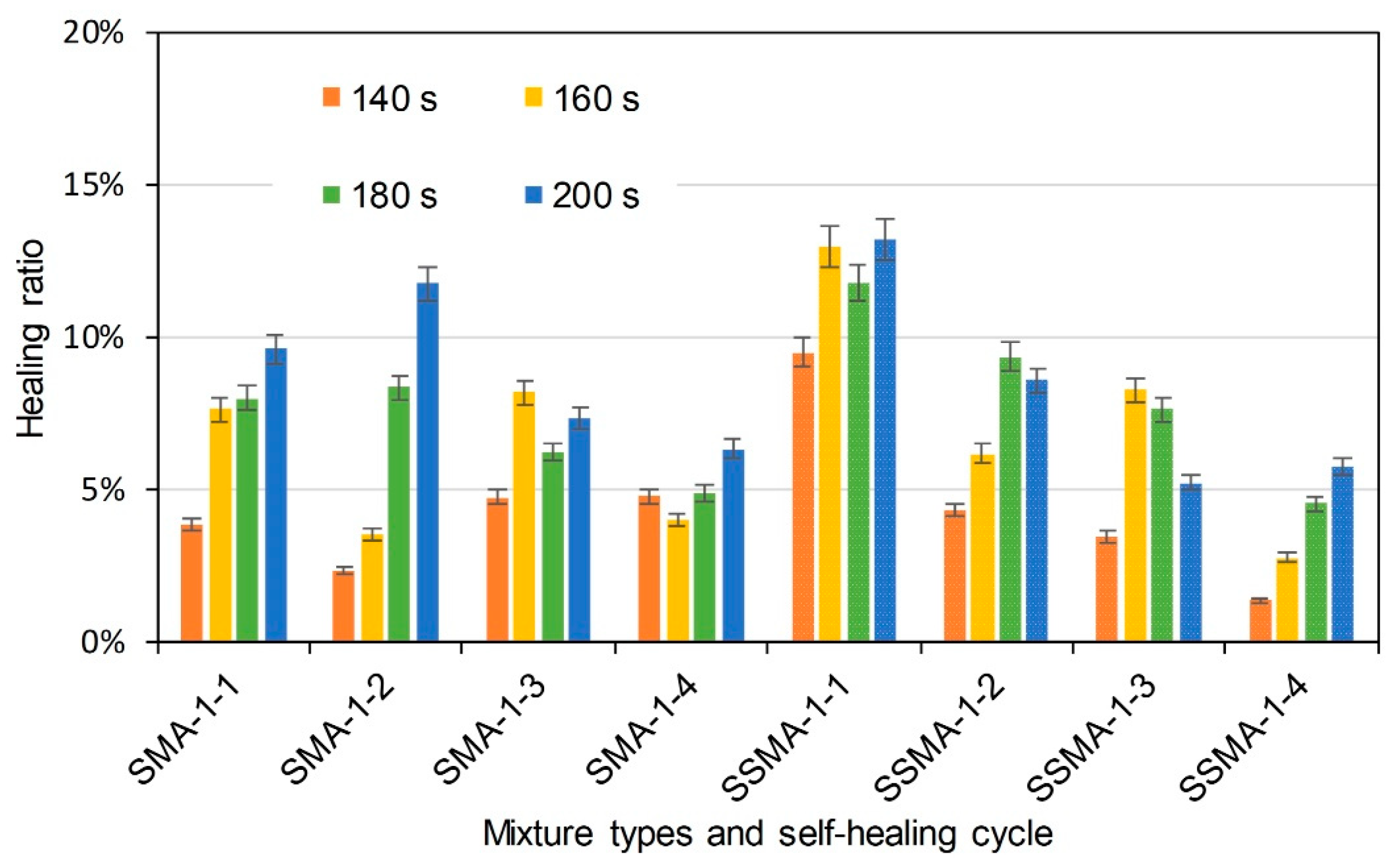
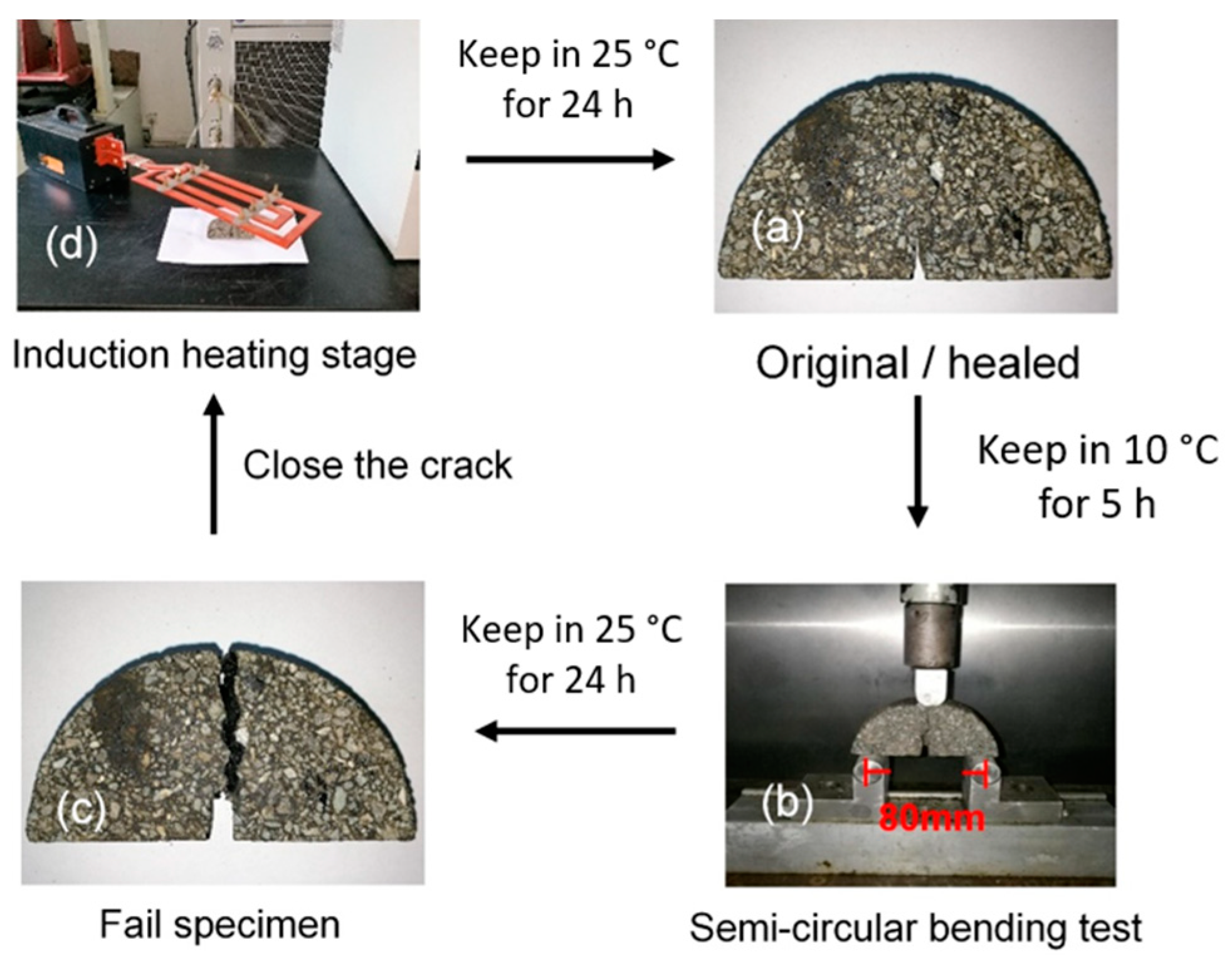
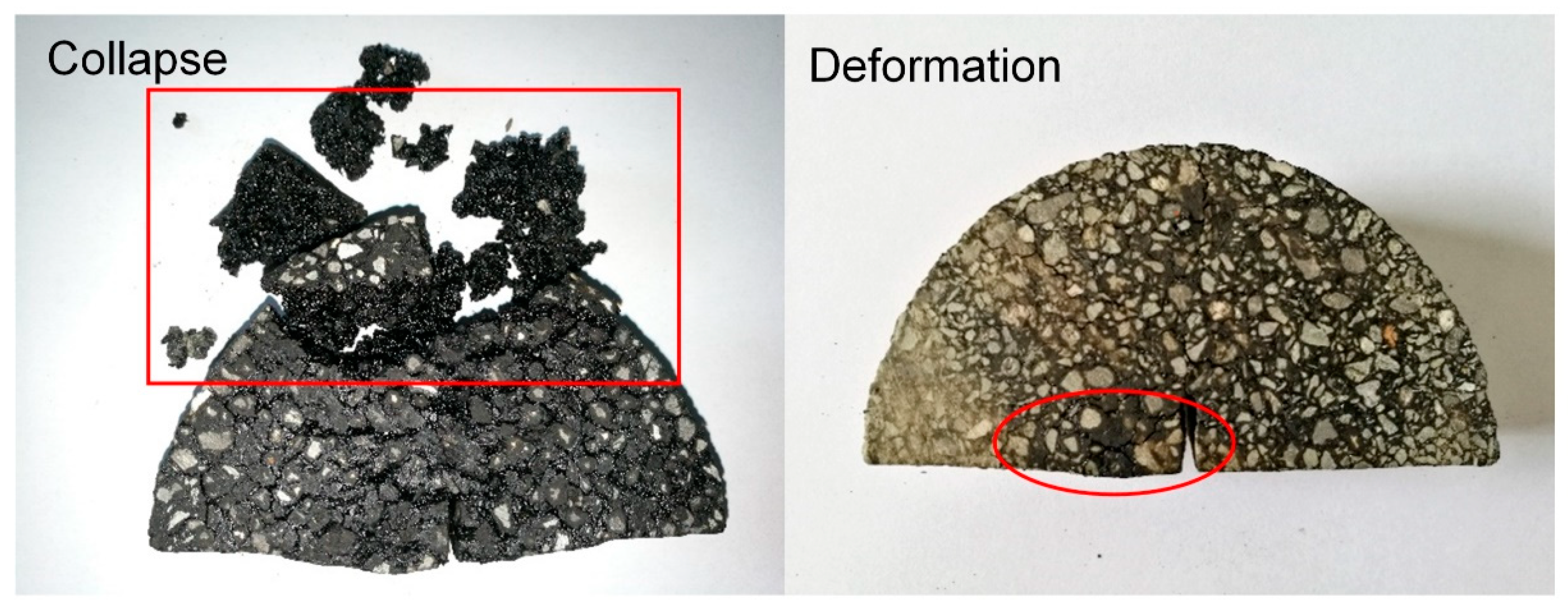
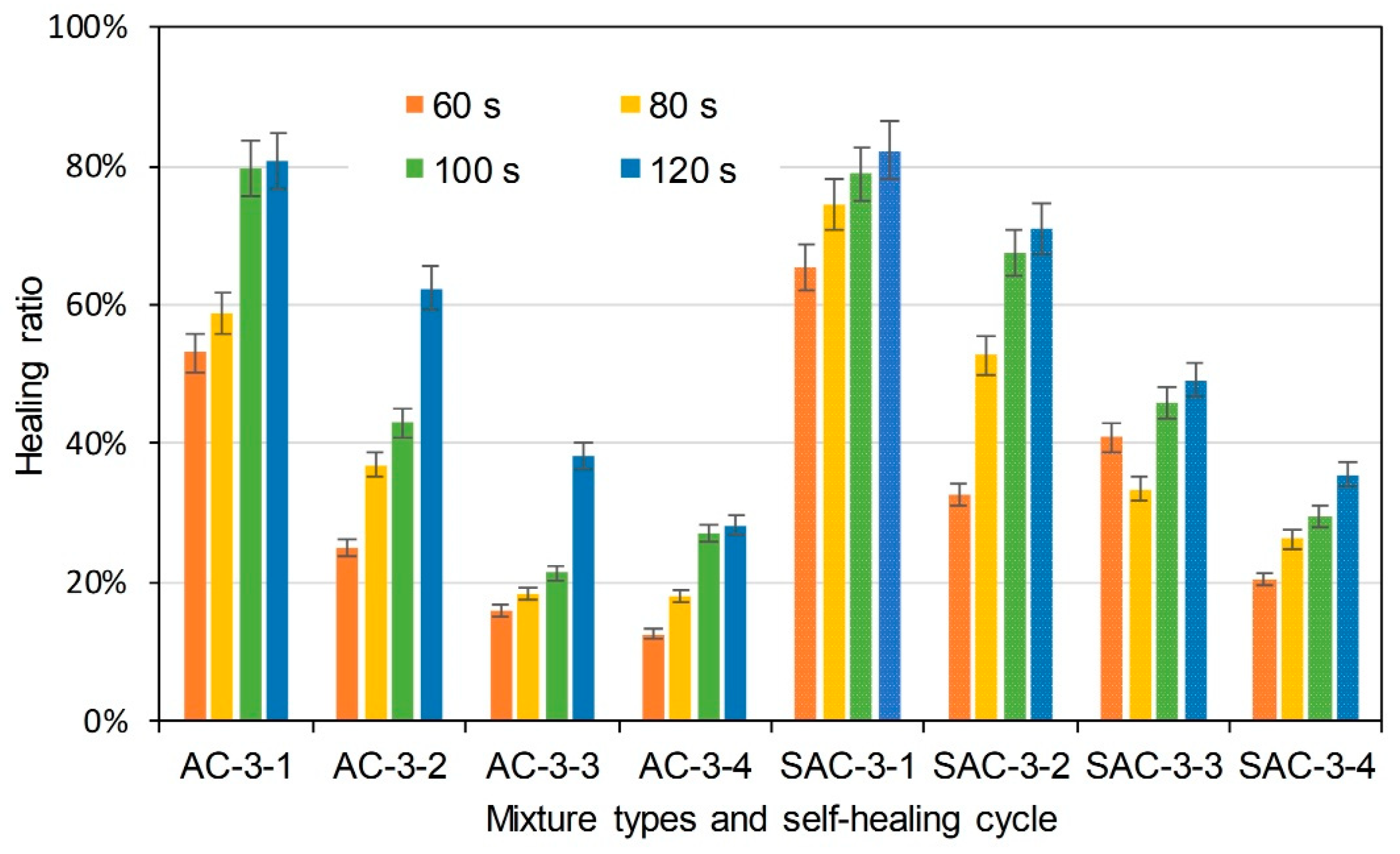
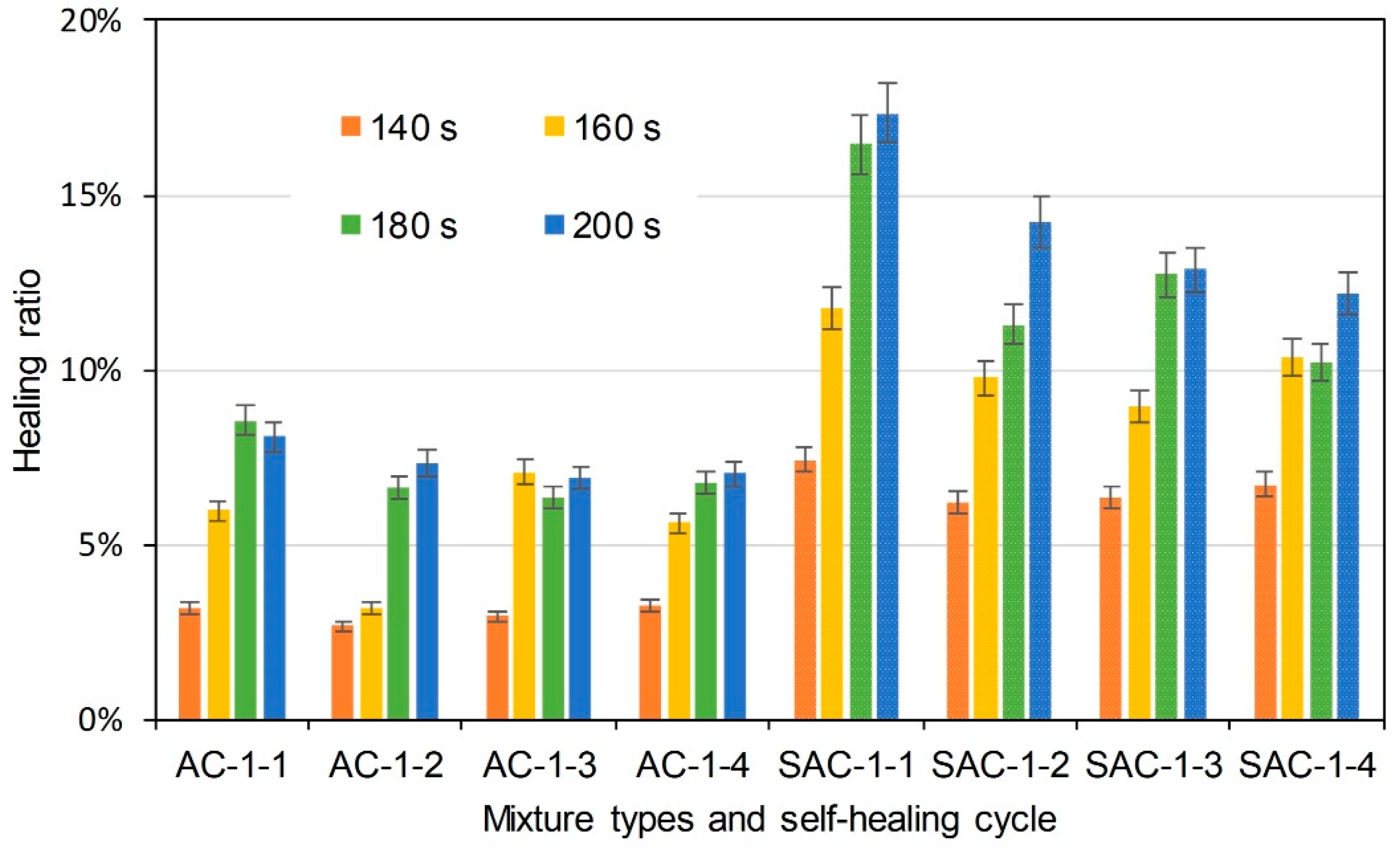
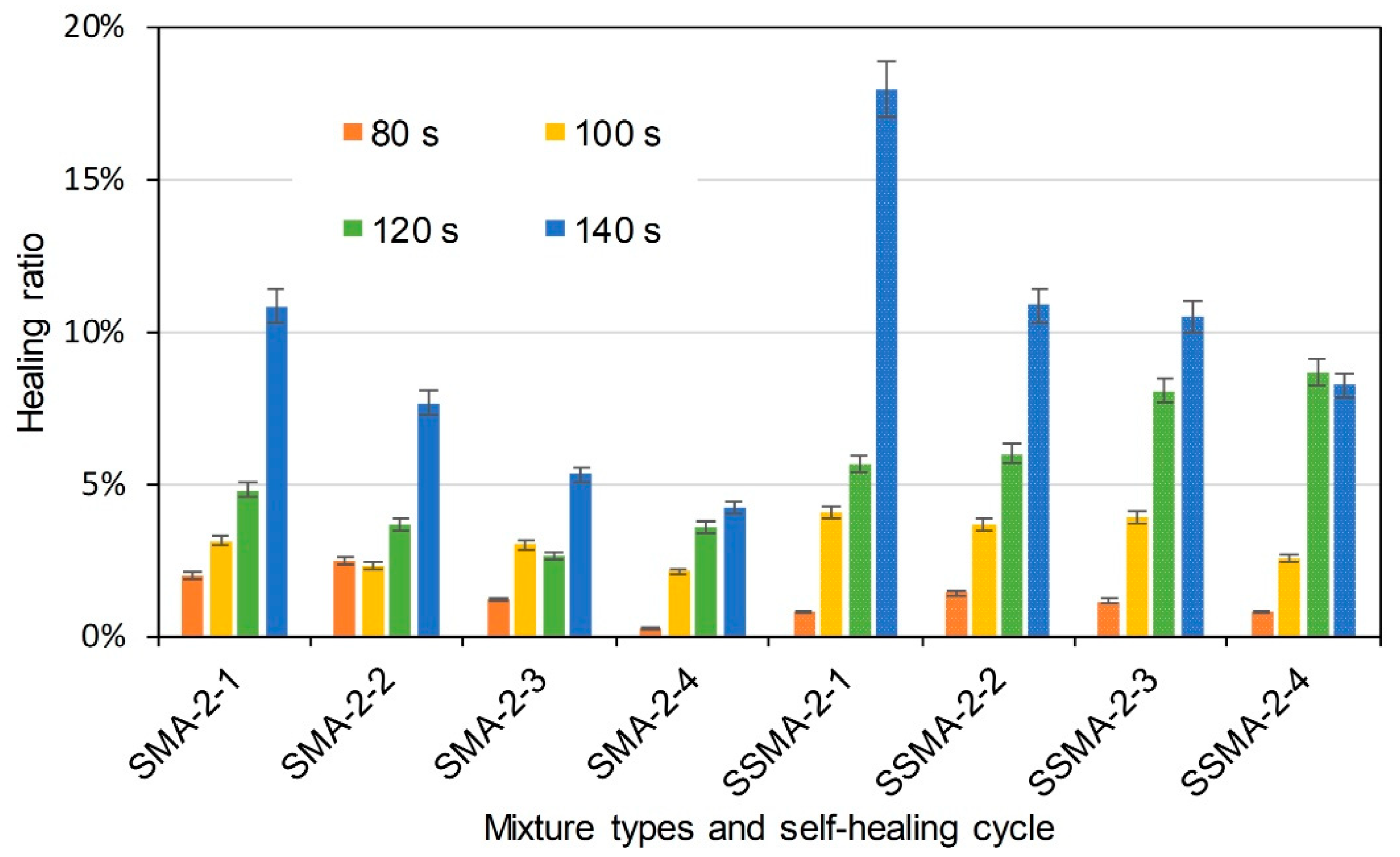
4.3. Self-Healing Property
- = fracture toughness (MPa × m0.5);
- = the normalized stress intensity factor that is a constant in this study (Dimensionless);
- = the critical load (N);
- = radius of specimens (m);
- = the specimen thickness (m); and,
- = the notch length (m).
5. Conclusions
Author Contributions
Funding
Acknowledgments
Conflicts of Interest
References
- Hunt, L.; Boyle, G. Steel Slag in Hot Mix Asphalt Concrete. Available online: https://rosap.ntl.bts.gov/view/dot/33871 (accessed on 6 August 2018).
- Peshkin, D.G.; Hoerner, T.E.; Zimmerman, K.A. Optimal Timing of Pavement Preventive Maintenance Treatment Applications; Transportation Research Board: Washington, DC, USA, 2004. [Google Scholar]
- Geng, L.; Ma, T.; Zhang, J.; Huang, X.; Hu, P. Research on Performance of a Dense Graded Ultra-Thin Wearing Course Mixture. Appl. Sci. 2017, 7, 800. [Google Scholar] [CrossRef] [Scilit]
- Beyene, M.A.; Meininger, R.C.; Gibson, N.H.; Munoz, J.F.; Youtcheff, J. Forensic investigation of the cause(s) of slippery ultra-thin bonded wearing course of an asphalt pavement: Influence of aggregate mineralogical compositions. Int. J. Pavement Eng. 2016, 17, 887–900. [Google Scholar] [CrossRef] [Scilit]
- Luo, Y.L. Brief Introduction to Application of Maintenance Technology on Ultra-thin Wearing Course for Asphalt Pavement of Expressway. Guangdong Highw. Commun. 2011, 1, 005. [Google Scholar]
- Nan, X.F.; Tian, Z.F. Experimental research on ultra thin friction course interlayer bonding strength. Int. J. Pavement Res. Technol. 2009, 2, 176–180. [Google Scholar]
- Guan, Y.S.; An, F.W.; Han, C.; Zhang, Z.X. Design and Evaluation of Ultra Thin Friction Courses Asphalt Mixture Modified by Polyolefin. Adv. Mater. Res. 2013, 723, 41–49. [Google Scholar] [CrossRef] [Scilit]
- Hefer, A.; Horak, E.; Heathcote, H.; Hess, R.; Jeewan, A. Review of experiences with Ultra-Thin Friction Course Performance on airport runways. Rehabilitation 2008, 204, 758. [Google Scholar]
- Cui, P.; Wu, S.; Xiao, Y.; Wan, M.; Cui, P. Inhibiting effect of Layered Double Hydroxides on the emissions of volatile organic compounds from bituminous materials. J. Clean. Prod. 2015, 108, 987–991. [Google Scholar] [CrossRef] [Scilit]
- Xiao, Y.; Wang, F.; Cui, P.; Lei, L.; Lin, J.; Yi, M. Evaluation of Fine Aggregate Morphology by Image Method and Its Effect on Skid-Resistance of Micro-Surfacing. Materials 2018, 11, 920. [Google Scholar] [CrossRef] [Scilit] [PubMed]
- Chen, Z.; Wu, S.; Xiao, Y.; Zeng, W.; Yi, M.; Wan, J. Effect of hydration and silicone resin on Basic Oxygen Furnace slag and its asphalt mixture. J. Clean. Prod. 2016, 112, 392–400. [Google Scholar] [CrossRef] [Scilit]
- Wu, S.; Xue, Y.; Ye, Q.; Chen, Y. Utilization of steel slag as aggregates for stone mastic asphalt (SMA) mixtures. Build. Environ. 2007, 42, 2580–2585. [Google Scholar] [CrossRef] [Scilit]
- Ahmedzade, P.; Sengoz, B. Evaluation of steel slag coarse aggregate in hot mix asphalt concrete. J. Hazard. Mater. 2009, 165, 300. [Google Scholar] [CrossRef] [Scilit] [PubMed]
- Sun, Y.; Wu, S.; Liu, Q.; Hu, J.; Yuan, Y.; Ye, Q. Snow and Ice Melting Properties of Self-healing Asphalt Mixtures with Induction Heating and Microwave Heating. Appl. Therm. Eng. 2017, 129, 871–883. [Google Scholar] [CrossRef] [Scilit]
- Pan, P.; Wu, S.; Xiao, Y.; Liu, G. A review on hydronic asphalt pavement for energy harvesting and snow melting. Renew. Sustain. Energy Rev. 2015, 48, 624–634. [Google Scholar] [CrossRef] [Scilit]
- Gómez-Meijide, B.; Ajam, H.; Lastra-González, P.; Garcia, A. Effect of air voids content on asphalt self-healing via induction and infrared heating. Constr. Build. Mater. 2016, 126, 957–966. [Google Scholar] [CrossRef] [Scilit]
- Menozzi, A.; Garcia, A.; Partl, M.N.; Tebaldi, G.; Schuetz, P. Induction healing of fatigue damage in asphalt test samples. Constr. Build. Mater. 2015, 74, 162–168. [Google Scholar] [CrossRef] [Scilit]
- Liu, Q.; Wu, S.; Schlangen, E. Induction heating of asphalt mastic for crack control. Constr. Build. Mater. 2013, 41, 345–351. [Google Scholar] [CrossRef] [Scilit]
- Lim, I.L.; Johnston, I.W.; Choi, S.K. Stress intensity factors for semi-circular specimens under three-point bending. Eng. Fract. Mech. 1993, 44, 363–382. [Google Scholar] [CrossRef] [Scilit]
- Li, X.; Marasteanu, M. Evaluation of the low temperature fracture resistance of asphalt mixtures using the semi circular bend test. J. Assoc. Asphalt Paving Technol. 2004, 73, 401–426. [Google Scholar]





| Properties | Apparent Specific Gravity | Bulk Specific Gravity | Water Absorption (%) | Crushing Value (%) | Content of f-CaO (%) |
|---|---|---|---|---|---|
| Basalt | 2.84 | 2.75 | 1.12 | 12.6 | - |
| Steel slag | 3.2 | 2.86 | 2.77 | 14.3 | 1.17 |
| Limestone filler | 2.67 | 2.67 | - | - | - |
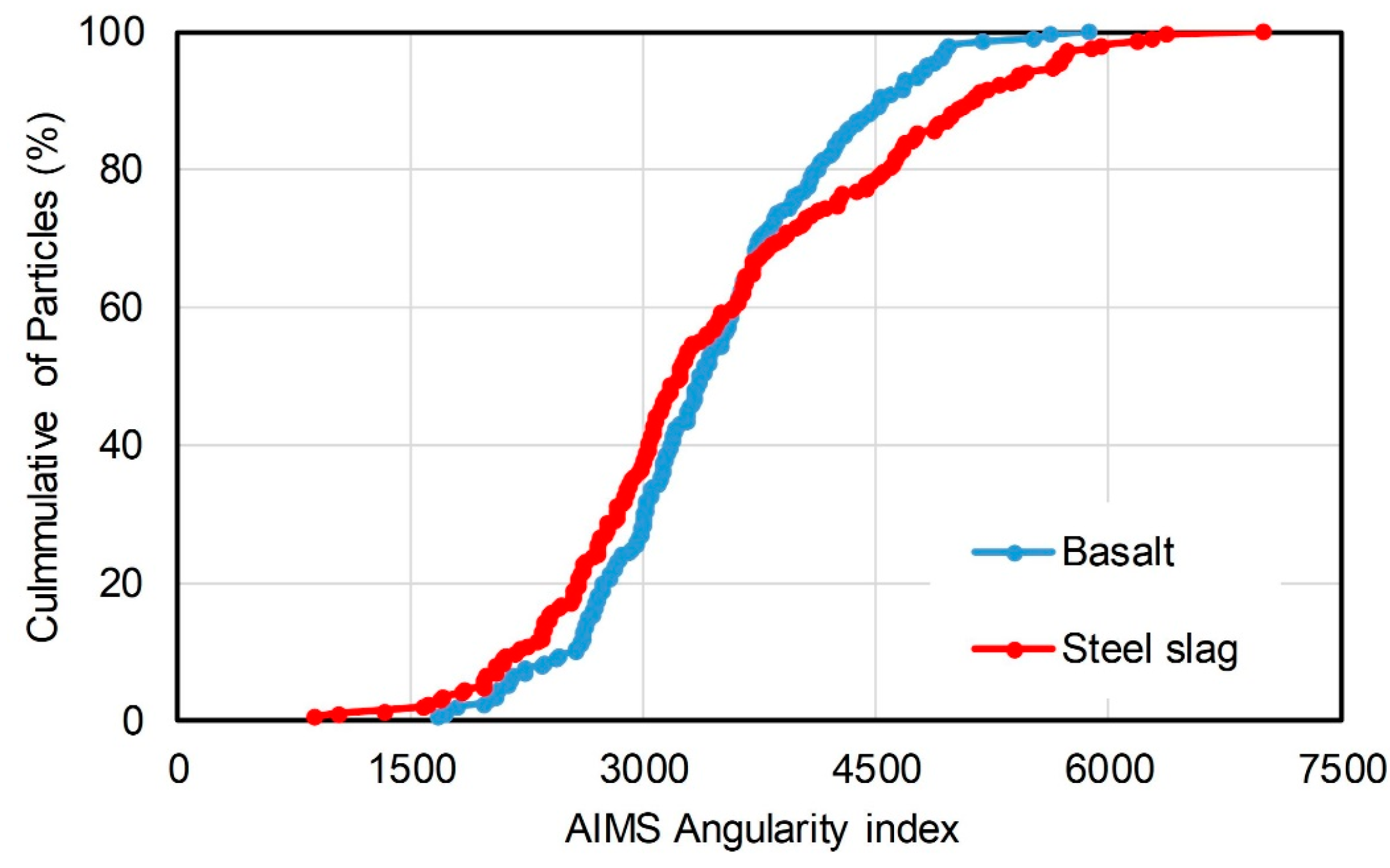
| Angularity Range | Basalt | Steel Slag | ||
|---|---|---|---|---|
| Particle Number | Proportion | Particle Number | Proportion | |
| Low (≤2100) | 9 | 4.50% | 18 | 8.87% |
| Moderate (2100–3975) | 143 | 71.50% | 126 | 62.07% |
| High (3975–5400) | 45 | 22.50% | 44 | 21.67% |
| Extreme (5400–10,000) | 3 | 1.50% | 15 | 7.39% |
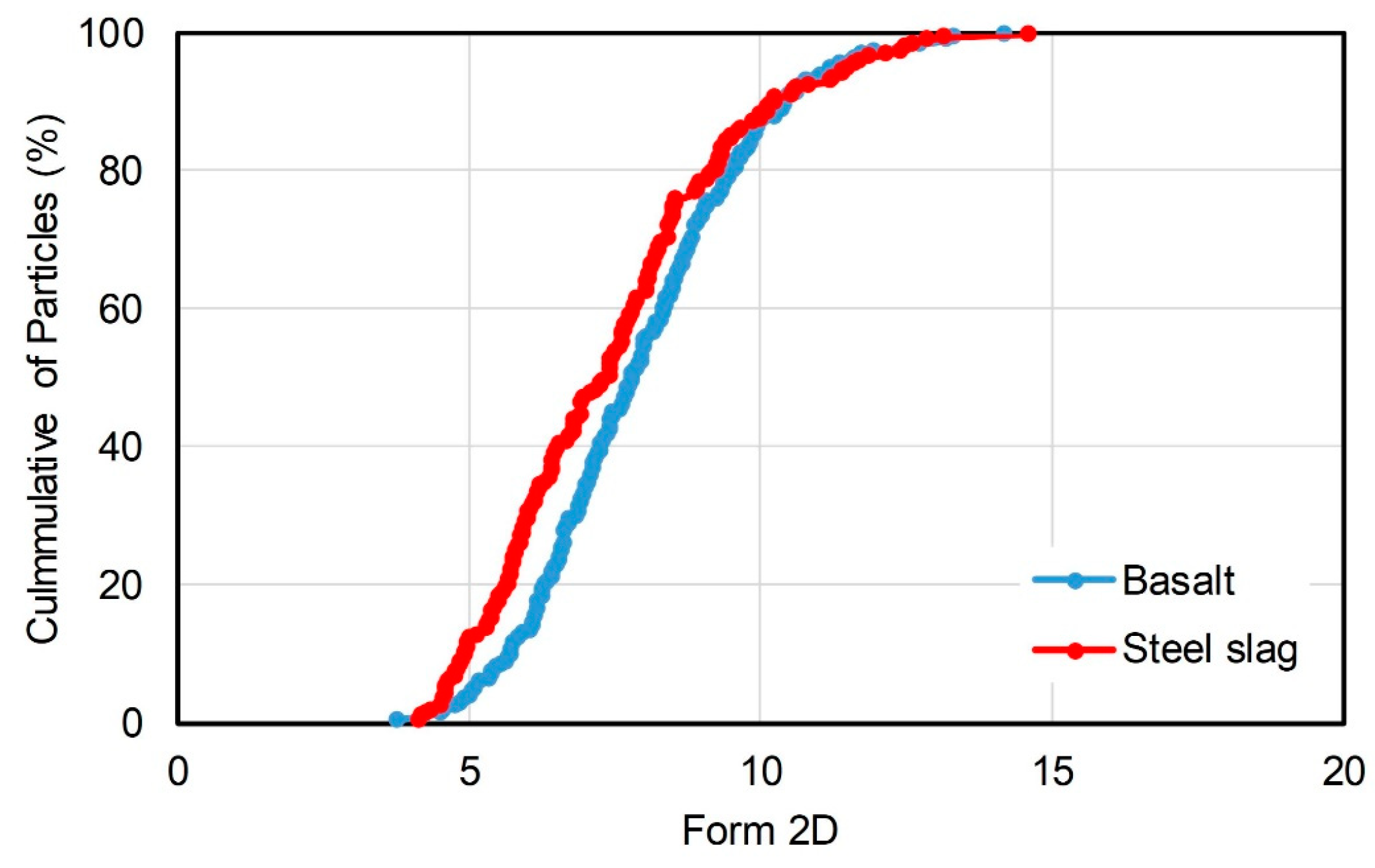
| Form2D Range | Basalt | Steel Slag | ||
|---|---|---|---|---|
| Particle Number | Proportion | Particle Number | Proportion | |
| Low (≤6.5) | 46 | 23.0% | 81 | 39.9% |
| Moderate (6.5–8) | 64 | 32.0% | 44 | 21.7% |
| High (8–10.75) | 75 | 37.5% | 62 | 30.5% |
| Extreme (10.75–20) | 15 | 7.5% | 16 | 7.9% |
| Description of Mixture | Content of Steel Fiber | ||||
|---|---|---|---|---|---|
| 0% | 1% | 2% | 3% | ||
| Average temperature rising rate (°C/s) | Basalt AC-5 | 0 | 0.31 | 0.61 | 0.99 |
| Basalt SMA-5 | 0 | 0.34 | 0.59 | 1.02 | |
| Basalt-steel slag AC-5 | 0 | 0.37 | 0.70 | 1.11 | |
| Basalt-steel slag SMA-5 | 0 | 0.36 | 0.74 | 1.25 | |
© 2018 by the authors. Licensee MDPI, Basel, Switzerland. This article is an open access article distributed under the terms and conditions of the Creative Commons Attribution (CC BY) license (http://creativecommons.org/licenses/by/4.0/).
Share and Cite
Wan, J.; Xiao, Y.; Song, W.; Chen, C.; Pan, P.; Zhang, D. Self-Healing Property of Ultra-Thin Wearing Courses by Induction Heating. Materials 2018, 11, 1392. https://doi.org/10.3390/ma11081392
Wan J, Xiao Y, Song W, Chen C, Pan P, Zhang D. Self-Healing Property of Ultra-Thin Wearing Courses by Induction Heating. Materials. 2018; 11(8):1392. https://doi.org/10.3390/ma11081392
Chicago/Turabian StyleWan, Jiuming, Yue Xiao, Wei Song, Cheng Chen, Pan Pan, and Dong Zhang. 2018. "Self-Healing Property of Ultra-Thin Wearing Courses by Induction Heating" Materials 11, no. 8: 1392. https://doi.org/10.3390/ma11081392
APA StyleWan, J., Xiao, Y., Song, W., Chen, C., Pan, P., & Zhang, D. (2018). Self-Healing Property of Ultra-Thin Wearing Courses by Induction Heating. Materials, 11(8), 1392. https://doi.org/10.3390/ma11081392