Review

Characterization of Luminescent Materials with 151Eu Mössbauer Spectroscopy


by
Franziska Steudel
1,
Jacqueline A. Johnson
2,
Charles E. Johnson
2 and
Stefan Schweizer
1,3,*
1
Fraunhofer Application Center for Inorganic Phosphors, Branch Lab of Fraunhofer Institute for Microstructure of Materials and Systems IMWS, Lübecker Ring 2, 59494 Soest, Germany
2
University of Tennessee Space Institute, Tullahoma, TN 37388, USA
3
Faculty of Electrical Engineering, South Westphalia University of Applied Sciences, Lübecker Ring 2, 59494 Soest, Germany
*
Author to whom correspondence should be addressed.
Materials 2018, 11(5), 828; https://doi.org/10.3390/ma11050828
Submission received: 15 February 2018 / Revised: 2 May 2018 / Accepted: 9 May 2018 / Published: 17 May 2018

Abstract

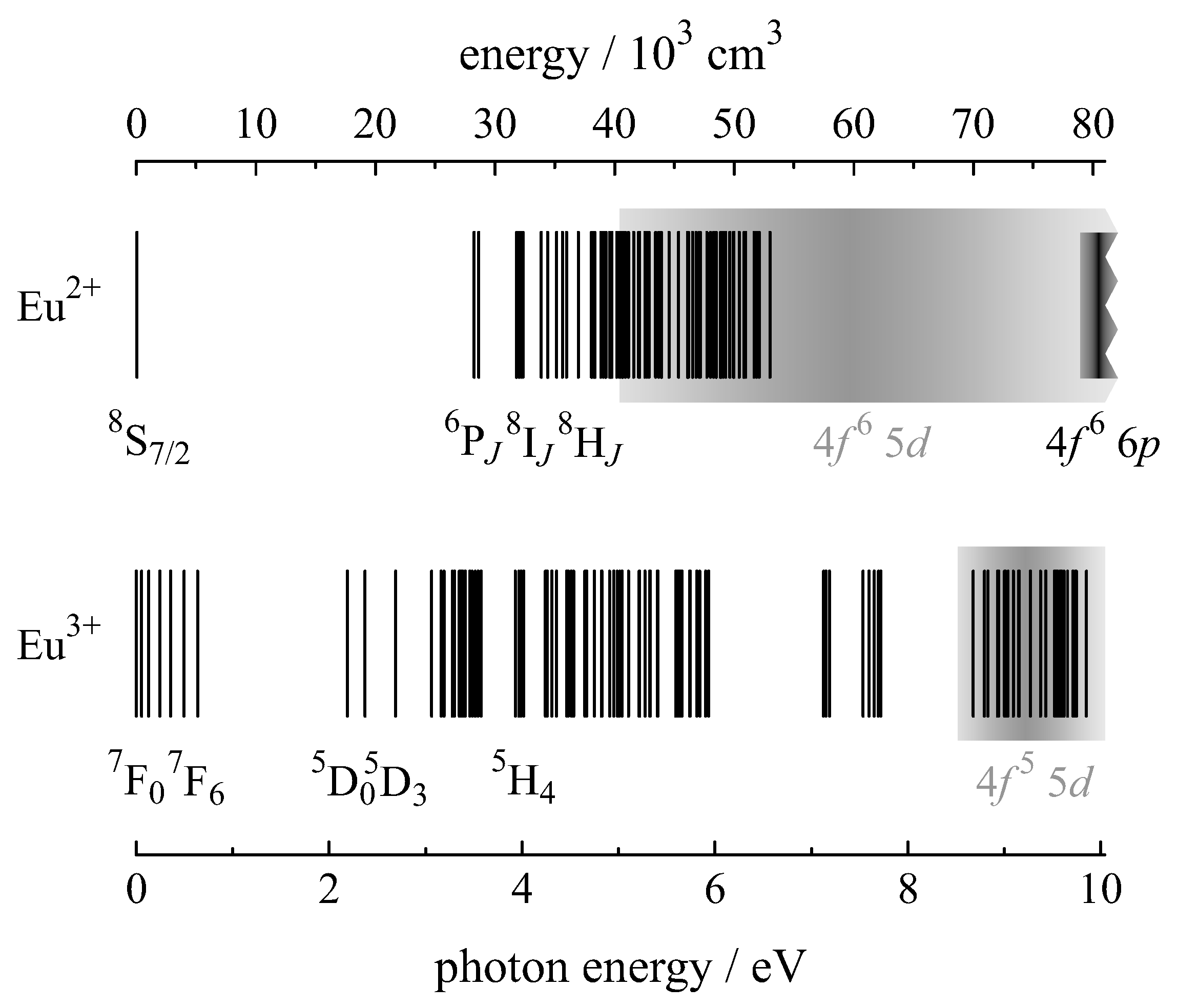
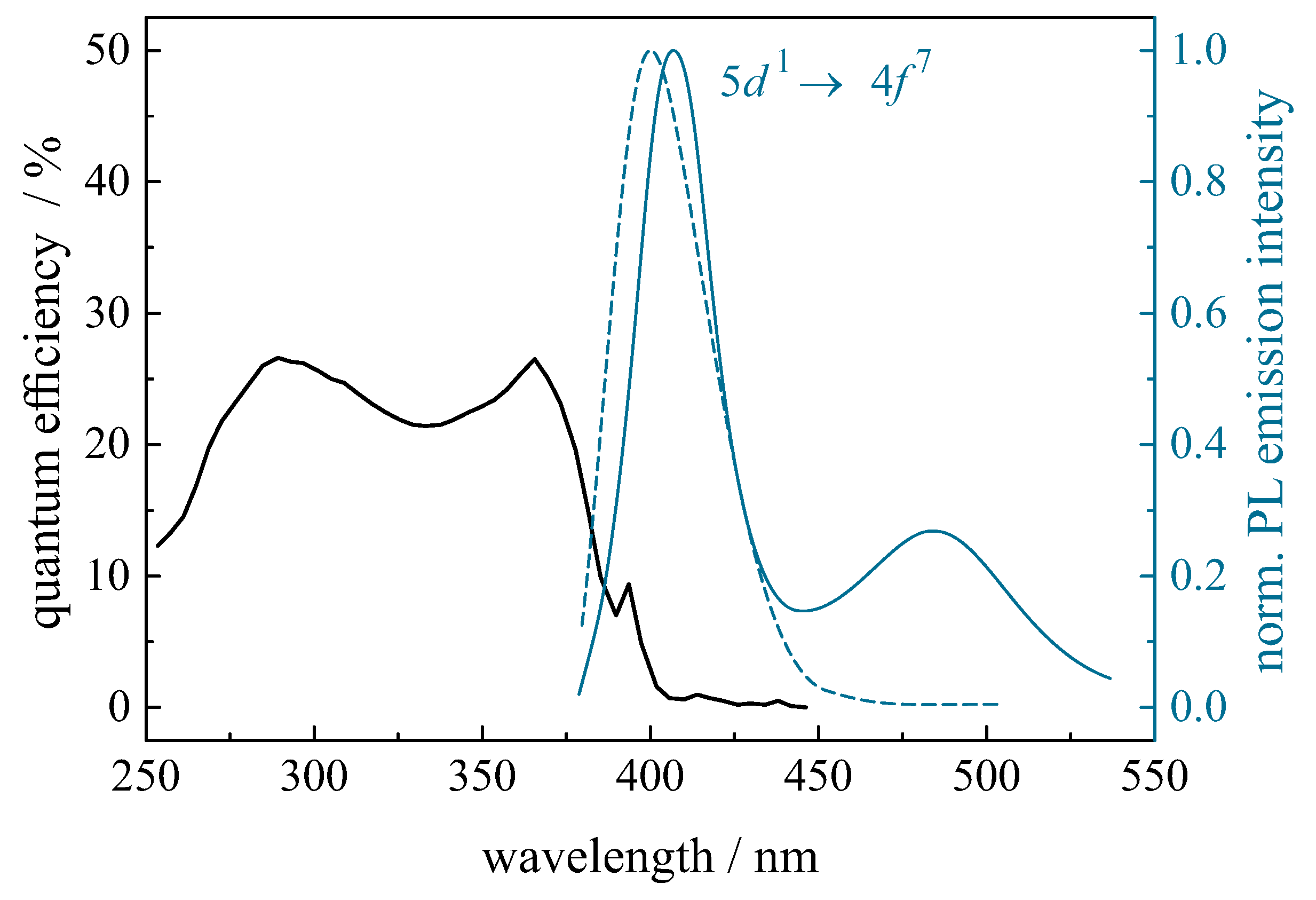
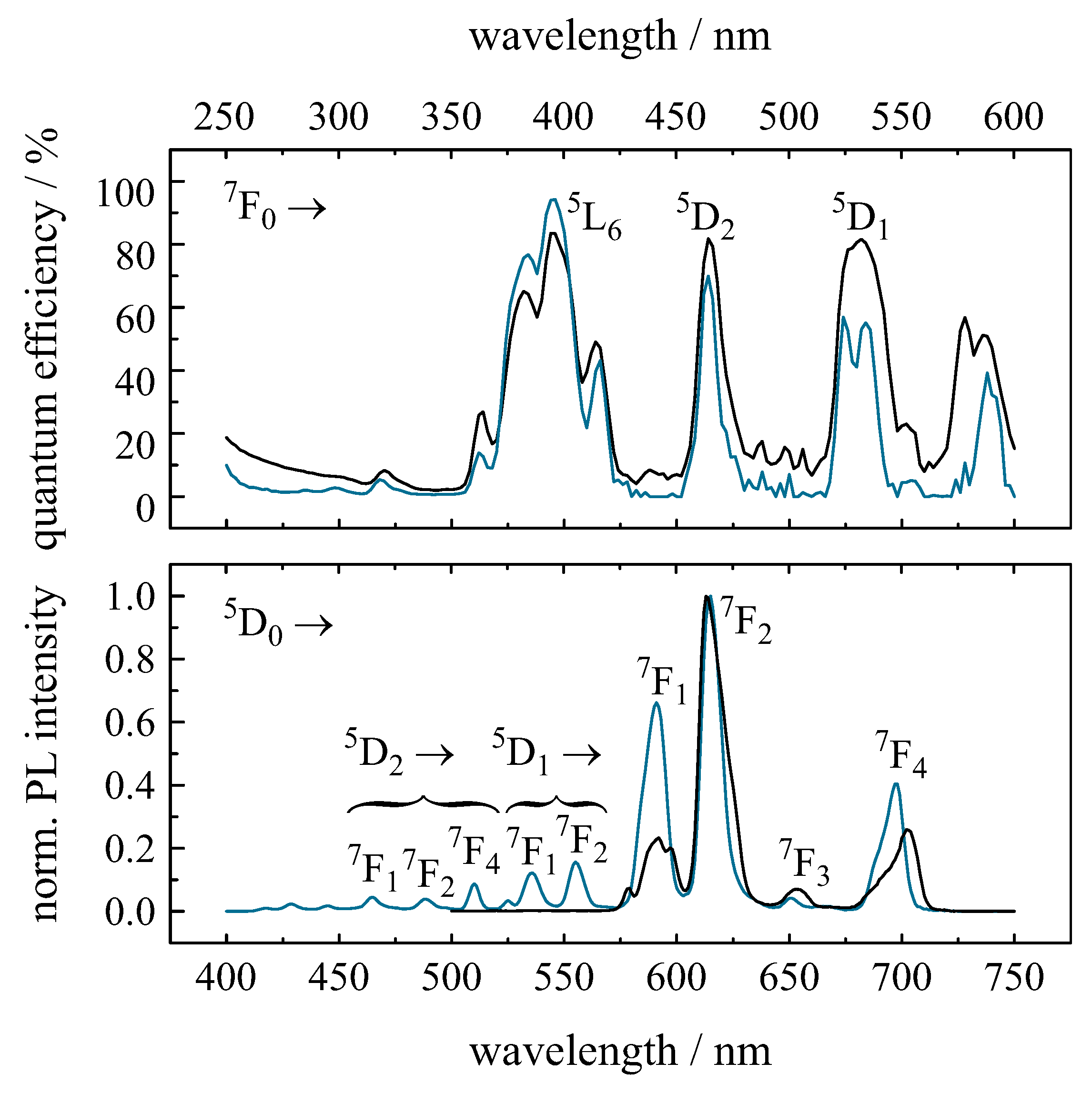
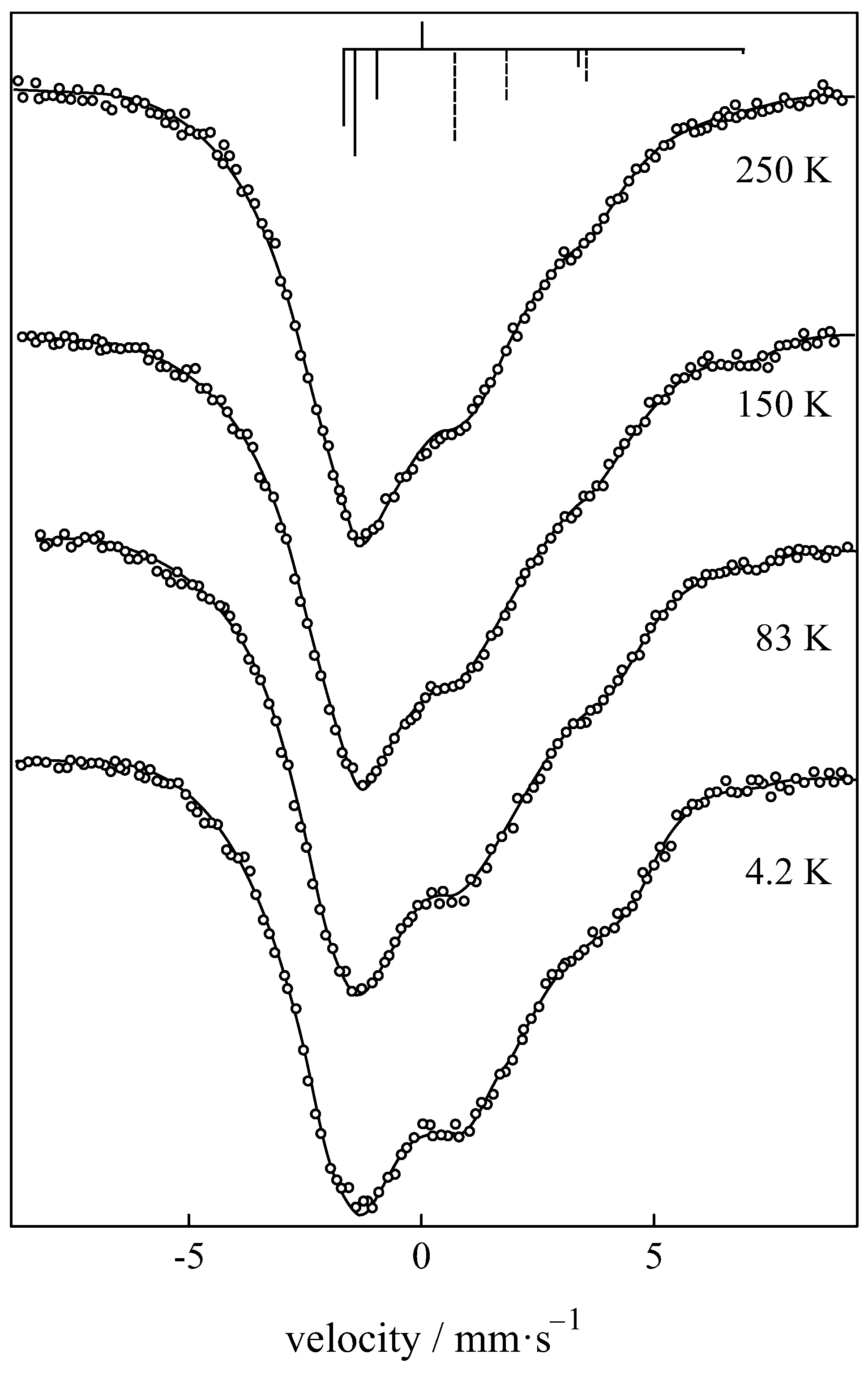
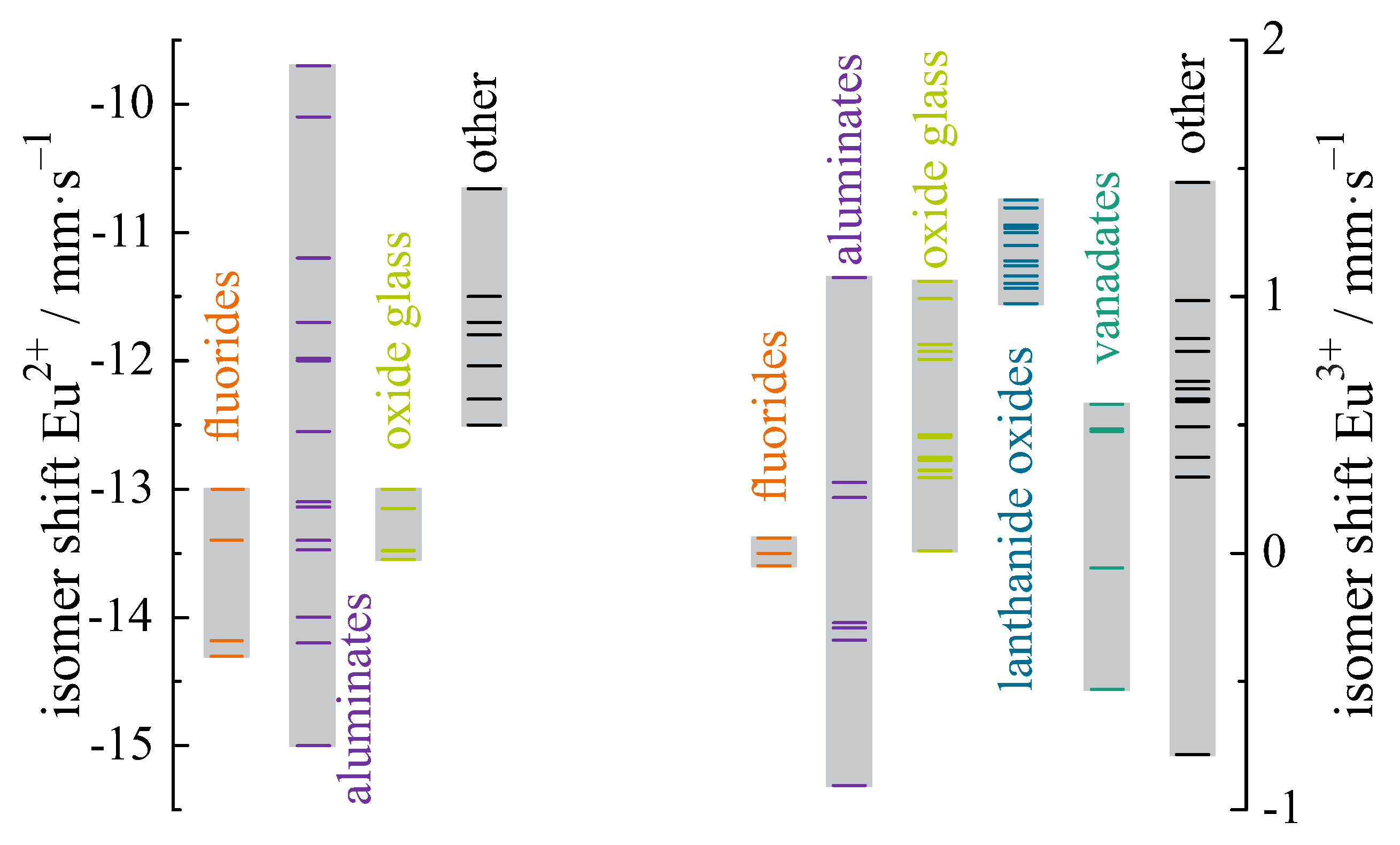
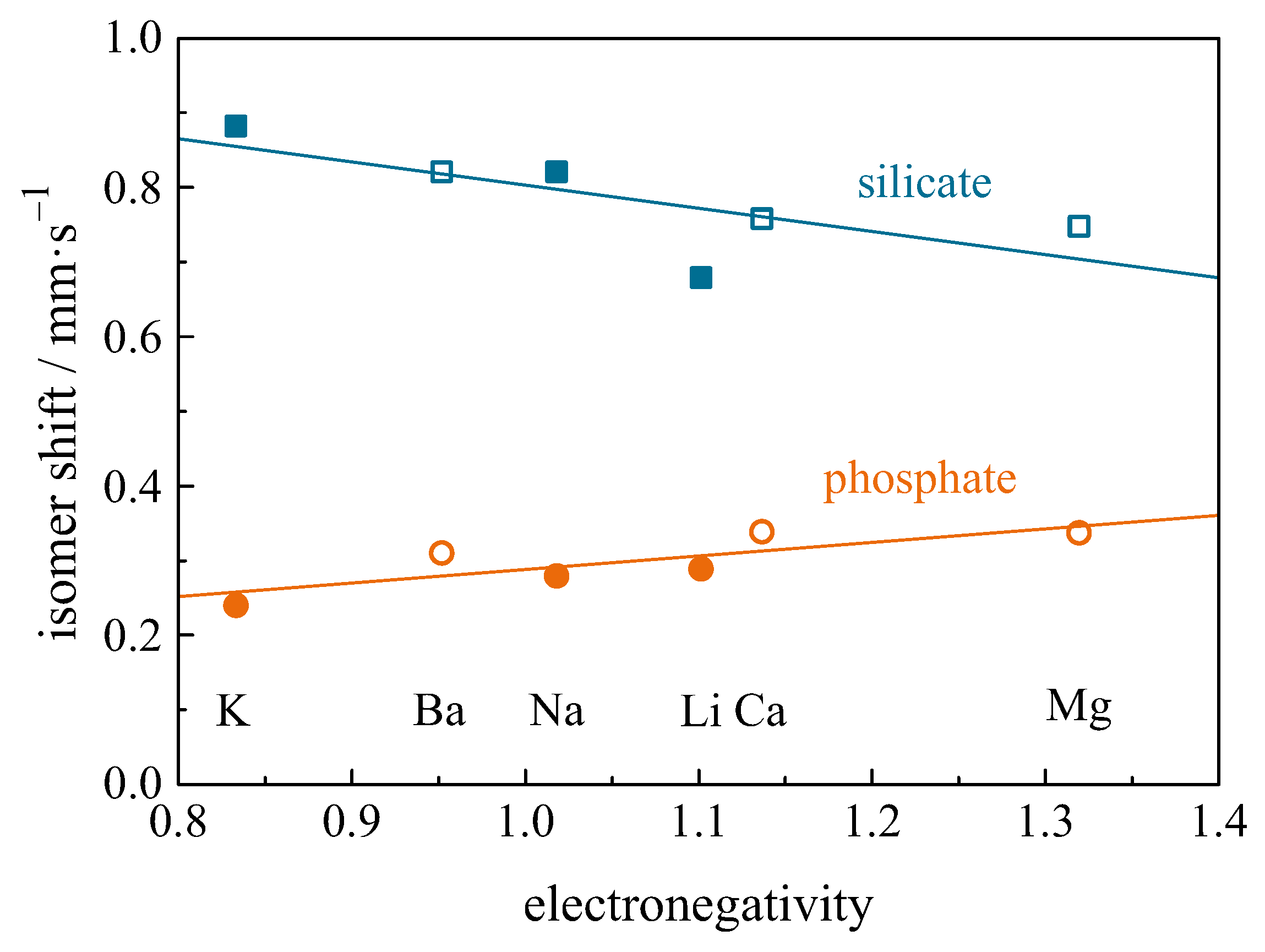
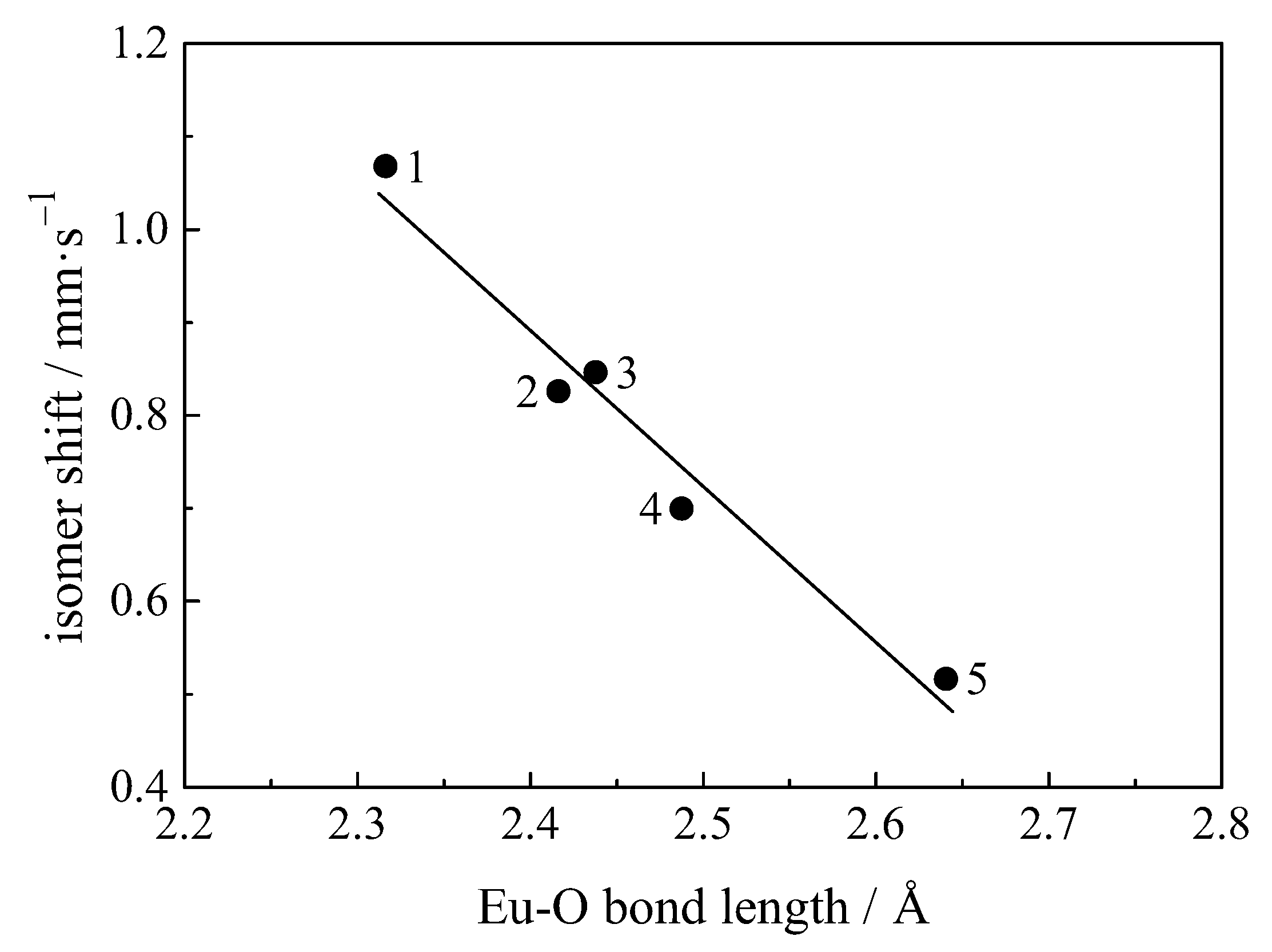
The application of Mössbauer spectroscopy to luminescent materials is described. Many solids doped with europium are luminescent, i.e., when irradiated with light they emit light of a longer wavelength. These materials therefore have practical applications in tuning the light output of devices like light emitting diodes. The optical properties are very different for the two possible valence states Eu 2 + and Eu 3 + , the former producing ultraviolet/visible light that shifts from violet to red depending on the host and the latter red light, so it is important to have a knowledge of their behavior in a sample environment. Photoluminescence spectra cannot give a quantitative analysis of Eu 2 + and Eu 3 + ions. Mössbauer spectroscopy, however, is more powerful and gives a separate spectrum for each oxidation state enabling the relative amount present to be estimated. The oxidation state can be identified from its isomer shift which is between 12 and 15 mm/s for Eu 2 + compared to around 0 mm/s for Eu 3 + . Furthermore, within each oxidation state, there are changes depending on the ligands attached to the europium: the shift is more positive for increased covalency of the bonding ligand X, or Eu concentration, and decreases for increasing Eu–X bond length.
Keywords: Mössbauer; Eu2+/Eu3+; luminescence Mössbauer; Eu2+/Eu3+; luminescence