Review

The Evolution of Reliability Analysis for Power Protection and Control Systems

1
School of Electrical Engineering, Southeast University, Nanjing 210096, China
2
Manufacturing Center, Nanjing NR Electric Co., Ltd., #18 Xinfeng Road, Nanjing 211111, China
*
Author to whom correspondence should be addressed.
Energies 2026, 19(9), 2182; https://doi.org/10.3390/en19092182
Submission received: 2 March 2026 / Revised: 17 April 2026 / Accepted: 26 April 2026 / Published: 30 April 2026
(This article belongs to the Special Issue Innovation in High-Voltage Technology and Power Management)

Abstract

With the advancement of new-type power systems and smart grids, the structure of power protection and control systems has become increasingly complex, and their reliability exhibits dynamic evolution, multi-factor coupling, and full life cycle characteristics. Against this background, this paper presents a review of the evolution of reliability analysis methods for power protection and control systems. Early research has focused on parametric modeling based on statistical data and structural logic combination analysis, establishing a static reliability analysis framework grounded in the relationship between component failure probability and system structure. Subsequently, to characterize temporal process features such as state transitions, fault dependencies, and maintenance recovery, dynamic modeling methods such as state-space models and dynamic fault trees were developed and applied. In recent years, with the continuous accumulation of full life cycle operational data, multi-source information fusion and data-driven technologies have gradually been introduced into reliability research, promoting the expansion of the analysis framework from stage-based evaluation to full-process evolutionary modeling. On this basis, the modeling concepts, applicable scenarios, and inherent limitations of different methods are summarized and compared. Furthermore, the development trend of an integrated reliability analysis system that deeply combines mechanism models with data-driven methods is discussed, aiming to provide a theoretical foundation for the improvement of reliability analysis systems.

1. Introduction

In the operation of traditional power systems, reliability analysis serves as a crucial technical means to ensure system security and stable operation [1,2]. By quantitatively analyzing equipment failure probabilities and operational states, it provides a basis for engineering decisions such as equipment selection [3], operation and maintenance [4], and fault prevention [5], balancing economic efficiency with system performance under safety constraints. Early research primarily focused on protective relaying devices and associated secondary systems [6,7]. As a vital component of power grid security defense systems, protective relaying devices must quickly and accurately detect and isolate faults to prevent their escalation and ensure power supply continuity [8,9]. Their operational reliability is typically assessed using statistical metrics such as correct operation rate, failure rate, and mean time between failures [10], combined with historical operational and fault data, to statistically characterize and evaluate device failure behavior under actual working conditions [11]. During the early stages of power system development, when grid scales were relatively limited and structures were simpler [12,13], the coupling between devices was less complex, and system operational state fluctuations were minor. Consequently, reliability analysis focusing on individual protective relaying devices achieved a certain degree of effectiveness.
With the continuous advancement of new-type power systems and smart grids, the structural form and operational modes of power protection and control systems have gradually evolved [14,15]. The widespread integration of high-penetration distributed renewable energy sources and power electronic equipment has transformed the power grid into a complex, multi-source interconnected structure. Protection and control systems have correspondingly developed into multi-layer collaborative architectures encompassing primary equipment, secondary devices, communication networks, and control logic [16], with tight coupling between layers via information and control links. Furthermore, power protection and control systems exhibit multi-timescale characteristics during operation [17], including millisecond-scale fault detection [18], protection actions [19], and communication transmission delays [20]; minute-scale wide-area coordinated control [21,22]; and long-term equipment aging [23] and maintenance adjustments [24]. Under these complex conditions of strong structural coupling and coexisting multi-timescales, system failures are often triggered by a combination of multiple factors, rather than being limited to random failures of individual components. Therefore, traditional reliability analysis methods based on the assumption of independent failures are no longer adequate for such complex operational environments.
Based on the changes in power system structure and operational characteristics, the research focus of reliability analysis has gradually shifted from component-level statistical assessment [25] towards a comprehensive analysis of the overall system operation process, placing greater emphasis on structural relationships and state evolution trends [26,27]. With the continuous accumulation of full life-cycle data, environmental parameters, fault records, and system configuration information generated during design, manufacturing, commissioning, operation, and maintenance phases can now be integrated and utilized [28,29]. In this context, system-level modeling methods, state evolution analysis techniques, and data-driven approaches are increasingly being applied in reliability research to characterize the impacts of multi-layer structural coupling, multi-timescale variations, and operational environment fluctuations on system reliability [30]. The fusion of structural information and operational data enables a more systematic analysis of reliability patterns under complex operating conditions and provides new support for risk identification and decision optimization [31,32].
Overall, the reliability analysis of power protection and control systems is transitioning from equipment-centric static analysis towards system-level, dynamic, and data-fusion analysis. The increasing complexity of system structures and diversity of operational characteristics have rendered reliability issues more comprehensive and dynamic. Therefore, a systematic review of the development paths and analytical frameworks of relevant methods is beneficial for clarifying the applicability and technical features of methods at different stages, and for providing a theoretical foundation for the improvement of reliability analysis systems.

2. Static Reliability Analysis of Traditional Power Protection and Control Systems

In traditional power protection and control systems, equipment structures are relatively simple and system operating states change gradually, allowing failure behaviors to be approximately treated as mutually independent random events. Against this background, early reliability analysis primarily adopted static analysis methods, which evaluate system reliability through statistical modeling and structural logic combinations based on equipment failure probabilities or statistical indices, without considering the temporal evolution of system states. Such methods characterize system failure outcomes in a statistical sense, without involving dynamic transitions or evolution mechanisms among system states. Consequently, they offer advantages such as modeling simplicity and low computational complexity, yet suffer from certain limitations in capturing the dynamic behaviors of complex systems.

2.1. Statistical Data-Based Parametric and Indicator-Based Methods

Statistical parametric approaches rely on historical operation and fault data to derive empirical estimates of equipment failure behavior. These methods typically assume a constant failure rate over the analysis period, implying that the failure process follows a homogeneous Poisson process. Their main advantages lie in computational simplicity and engineering tractability, providing a basic foundation for equipment selection and maintenance planning.
In the parameter estimation stage, researchers perform sample screening and categorical statistical analysis on long-term operational records of equipment related to power protection and control systems to obtain the frequency of failures per unit time. On this basis, parameter estimation methods such as Least Squares Estimation [33], Maximum Likelihood Estimation [34], and the Mean Rank Method [35] are further employed to fit distribution parameters to the statistical frequencies. This process transforms empirical frequencies into key engineering parameters, including the Availability (A), Mean Time Between Failures (MTBF), Mean Time To Failure (MTTF), and Mean Time To Repair (MTTR) [36], as shown in Table 1, enabling a quantitative description of the operational reliability of protection devices. Within the framework of traditional static reliability analysis, the failure rate is treated as a constant. This treatment is justified by early engineering practice, where attention was primarily focused on the steady operating stage, during which the failure occurrence intensity per unit time remained relatively stable. Based on this, the failure process was often approximated as a constant-intensity stochastic process, leading to the assumption of a constant failure rate within the analysis interval [37]. Likewise, the availability metric is typically reduced to its steady-state value A = MTBF / ( MTBF + MTTR ) . Such constant or steady-state representations are widely employed due to their computational tractability and low data requirements, even though they may fail to capture time-dependent failure behaviors.
Under this modeling framework, a series of derived indicators characterize system performance from different perspectives. For repairable systems, MTBF reflects operational reliability through the average interval between successive failures and is commonly established under the assumption of independent failure events; in contrast, MTTF is employed for non-repairable components to describe expected lifetime, with its interpretation inherently dependent on the adopted lifetime distribution model. In parallel, MTTR captures maintainability by quantifying the average repair duration, generally relying on simplified statistical descriptions of the repair process, whereas availability integrates both failure and restoration behaviors and is typically expressed in a steady-state form to represent long-term system performance.
However, in practical applications, these empirical indicators can only provide relatively coarse evaluations of system reliability based on previously collected data and cannot comprehensively characterize the reliability of protective relaying systems, thus exhibiting inherent limitations. Moreover, parameters derived solely from statistical frequencies primarily reflect empirical characteristics within the sampled observation interval. Their validity is constrained by sample size and observation duration, making it difficult to directly support reliability analysis of power protection systems over continuous time scales or to achieve accurate predictive assessment of relay system reliability.
In addition to parameter-based statistical modeling, indicator-based reliability evaluation methods have also been widely adopted in practical power system applications, particularly in distribution networks. These methods utilize standardized indices derived from historical operational data to quantify service continuity from the customer perspective, among which the System Average Interruption Frequency Index (SAIFI), System Average Interruption Duration Index (SAIDI), and Customer Average Interruption Duration Index (CAIDI) are the most representative.
In practical applications, these indices serve different but complementary roles. SAIFI is primarily used to reflect the frequency of service interruptions experienced by customers [46], while SAIDI captures the overall impact of interruptions in terms of accumulated outage duration [47]. Based on these two aspects, CAIDI further characterizes the effectiveness of service restoration by indicating the average recovery time per interruption [48]. Together, these indices provide a concise evaluation of system reliability from the perspectives of interruption occurrence, impact severity, and restoration capability. Due to their clear interpretability and ease of implementation, indicator-based methods are widely employed by utilities and regulatory agencies for performance assessment and benchmarking. With the increasing integration of distributed energy resources and the development of smart grids, these indices are continuously evolving to incorporate additional dimensions such as resilience, power quality, and customer-oriented reliability metrics.However, indicator-based methods are inherently retrospective and rely on aggregated historical data, which limits their ability to capture internal system mechanisms and support predictive analysis. Therefore, they are typically used in conjunction with model-based and data-driven approaches to achieve a more comprehensive reliability assessment.

2.2. Failure Probability-Based Reliability Modeling

In contrast to the constant-rate assumption of statistical parametric methods, probabilistic distribution models explicitly treat time-to-failure as a random variable governed by a time-to-failure distribution. To overcome the limitations of empirical evaluation based solely on statistical indices, such models were further introduced [49,50]. By modeling the time to failure as a random variable with an associated probability distribution, the failure rate was embedded into a time-dependent functional form, extending reliability evaluation from discrete sample statistics to continuous-time domain representation and laying the foundation for characterizing the overall temporal evolution of equipment failures.
Early studies primarily focused on the failure behavior of equipment operating in a steady-state phase. During this period, the failure intensity per unit time typically exhibits a relatively stable trend. Owing to its simple parametric form, low data requirements, and strong robustness to censored samples, the exponential distribution has been widely adopted in the reliability analysis of protection devices during their initial application and mid-life steady operation stages. However, its applicability strictly depends on the assumption of “non-aging,” and is therefore mainly limited to operating conditions where performance degradation is not yet significant, such as early power systems employing simple electromechanical relays.
With increasing service time and the cumulative effects of environmental stress, load levels, and aging mechanisms, equipment failure behaviors typically exhibit pronounced stage-dependent characteristics. Engineering statistics indicate that the failure rate does not remain constant throughout the life cycle but may follow increasing, decreasing, or “bathtub-shaped” trends [51]. To characterize the different evolutionary trends of failure intensity over time, researchers introduce shape parameters and scale parameters to construct failure probability models with higher expressive flexibility. Among them, the Weibull distribution, capable of representing increasing, decreasing, and approximately constant failure rate modes through parameter adjustment [52], has become one of the most widely adopted models in power system protection engineering [53,54]. Melchor-Hernández et al. [55] proposed a preventive maintenance optimization model for power equipment based on the Weibull distribution, analytically estimating its shape and scale parameters and constructing a cost function with maintenance interval and frequency as decision variables to achieve joint optimization of maintenance strategies. Liu et al. [56] applied the Weibull distribution to online assessment of equipment failure probability, combining multi-feature probability density fitting with association rule mining and weighted fusion techniques to identify failure modes and quantitatively estimate fault probabilities. Although the Weibull distribution offers considerable flexibility, it still possesses certain inherent limitations. The standard Weibull model typically assumes a monotonic failure rate, making it difficult to directly characterize non-monotonic failure behaviors such as bathtub-shaped patterns. This often necessitates the use of mixture models or extended formulations [57], which to some extent increases model complexity and parameter identifiability difficulty. Furthermore, the shape parameter, which determines the evolutionary characteristics of the failure rate, is highly sensitive to sample size and data quality. Under conditions of small samples or heavy censoring, even advanced parameter estimation methods may yield estimation results that suffer from instability or systematic bias, thereby adversely affecting the reliability and predictive performance of the model.
In addition to the Weibull distribution, the lognormal distribution has also been widely employed to characterize time-evolving failure behaviors under complex degradation mechanisms [58]. By introducing a probabilistic structure associated with multiplicative damage accumulation, it is particularly suitable for representing gradual failure processes, such as thermal aging and insulation degradation in protection and control components. Compared with the exponential model, it provides enhanced capability in capturing time-dependent reliability characteristics associated with progressive deterioration. However, the applicability of the lognormal model is closely linked to the availability and quality of lifetime data, as its parameter estimation typically relies on sufficient sample support. Under small-sample or heavily censored conditions, the estimation process may exhibit increased variability, which can affect the stability of reliability assessment.
To further address the limitations of single-distribution models, mixture distribution models have been introduced to represent heterogeneous failure behaviors arising from multiple underlying mechanisms [59]. By combining multiple component distributions, mixture models are capable of capturing multi-modal failure characteristics and the coexistence of early-life failures and wear-out processes. This enhanced modeling capability, however, is achieved at the cost of increased structural complexity. The estimation of mixture models typically requires large datasets to ensure parameter identifiability, and the results may become sensitive to limited or incomplete data, potentially leading to overfitting or ambiguity in interpretation. Therefore, their application should be carefully considered in scenarios where sufficient data support is available.

2.3. System Reliability Combinatorial Modeling Based on Structural Logic

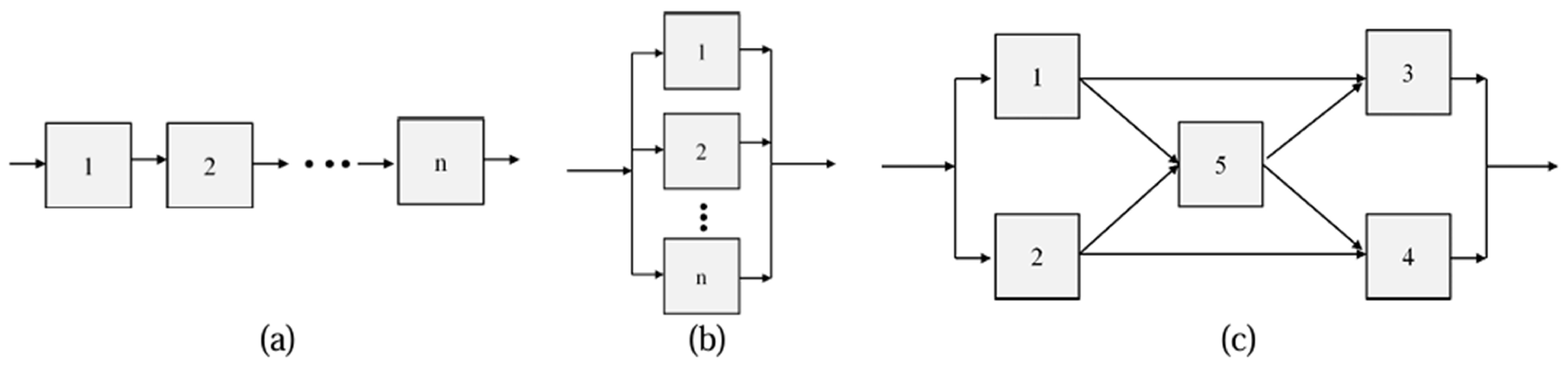
When the research scope extends from individual equipment to protection and control systems composed of multiple functional modules operating in coordination, system reliability is no longer determined by the simple aggregation of component failure probabilities. Instead, as shown in Figure 1, it becomes closely associated with the internal structural configuration and functional realization pathways of the system [60].
In this context, the focus of reliability analysis has gradually shifted from “component failure characteristics” to “structural combinational relationships”. Functional units are interconnected through logical relationships to form hierarchical structures for functional realization, and system failure is determined by the combination of basic events within a specific logical framework [61]. Therefore, reliance solely on unit-level probability distribution functions is insufficient to capture inter-module coordination and structural redundancy characteristics.
To overcome the limitations of purely component-level probabilistic descriptions, structural combinational analysis treats the system as an integrated whole composed of multiple functional modules connected by specific logical relationships. By mathematically combining module reliability with structural logic, system-level reliability indices can be derived. In early system reliability modeling, the Reliability Block Diagram (RBD) method emerged as a mature and widely applied approach [62,63]. As illustrated in Figure 2, RBD constructs series, parallel, or hybrid topological models based on interdependencies among functional units. Mathematically, the system reliability R sys ( t ) for the configurations illustrated in Figure 2 can be determined as follows:
For a series configuration comprising n independent modules (Figure 2a), the system functions only if all modules function. The system reliability is the product of individual module reliabilities R i ( t ) :
R sys ( t ) = i = 1 n R i ( t )
For a parallel configuration with m independent redundant modules (Figure 2b), the system fails only if all modules fail. The system reliability is given by:
R sys ( t ) = 1 j = 1 m 1 R j ( t )
For a series-parallel hybrid configuration (Figure 2c), the system reliability can be evaluated by hierarchically applying Equations (1) and (2) based on the decomposition of the logical structure. For the specific hybrid topology shown, the overall reliability is expressed as:
R sys ( t ) = k = 1 s 1 l = 1 p k 1 R k l ( t )
where s denotes the number of series blocks and p k denotes the number of parallel branches within the k-th block.
Starting from functional realization conditions, it identifies minimal success paths that support the target function, establishes logical mappings between system success events and module states, and ultimately enables quantitative calculation of system reliability functions and related indices, thereby formalizing structural characteristics in probabilistic terms. In nuclear safety assessment, Vasconcelos et al. [64] applied RBD to analyze the reliability of emergency diesel generator systems, comparing different redundancy configurations and showing that standby redundancy increased the mean time between failures by approximately 33% compared with active redundancy. In the field of protective relaying reliability evaluation, Wen et al. [65] developed a hybrid model combining RBD and neural networks, achieving quantitative reliability assessment through structural logic modeling and operational data correction of internal functional modules, with a misclassification rate of 0.43% based on 600 samples. These studies demonstrate that RBD not only supports structural-level reliability computation but also serves as a foundational framework for integration with other analytical methods.
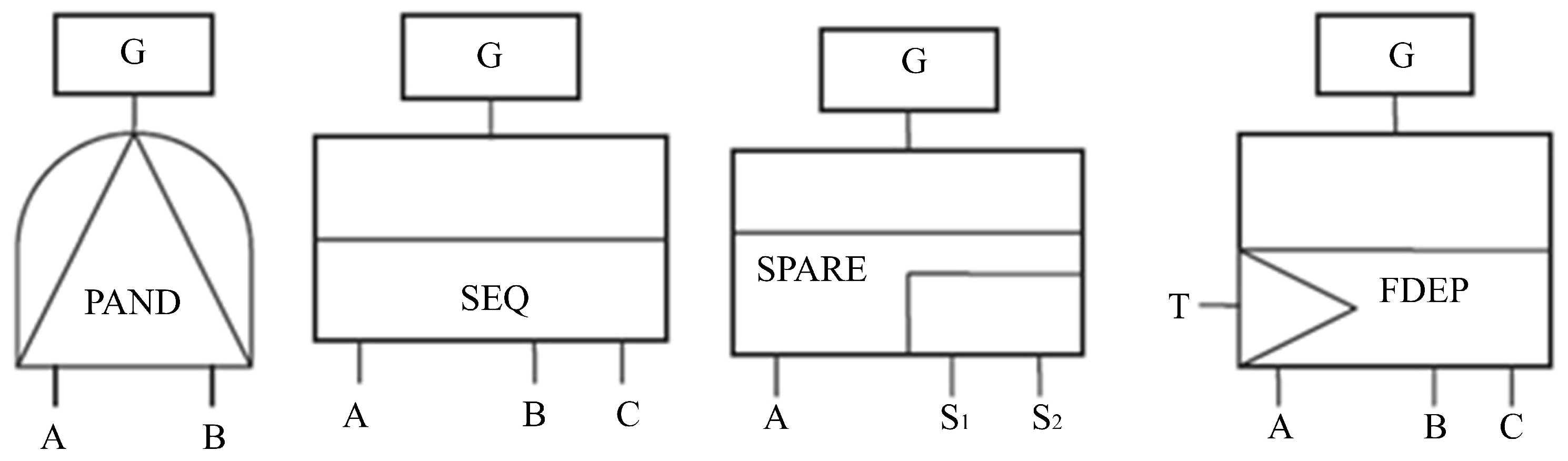
Although RBD provides a computationally efficient framework for modeling series-parallel structures under the assumption of independent component failures, its applicability to modern digital protection and control systems is inherently limited. In these systems, failures often arise from common-cause factors (e.g., shared software, communication network faults) and complex functional interactions among protection modules—dependencies that cannot be captured by static Boolean models like RBD. In contrast, Dynamic Fault Tree (DFT) extends traditional FTA by introducing dynamic gates such as Priority AND (PAND), SPARE, Sequence Enforcing (SEQ) and Functional Dependency (FDEP), which explicitly model failure order, spares, and functional dependencies [66]. As surveyed by Ruijters and Stoelinga [67], DFT therefore offers superior capability for analyzing digital protection systems where failure propagation depends on system state, time, or event sequences. Nevertheless, DFT analysis can suffer from state-space explosion [68]. For systems with predominantly independent, static failure behaviors (e.g., electromechanical relays in simple radial networks), RBD remains a practical choice. Consequently, the selection between RBD and DFT should be guided by the presence of dynamic dependencies, functional coupling, and sequence-dependent failure logic in the target protection system. The limitations of static Boolean models, including RBD and conventional FTA, naturally motivate the adoption of dynamic reliability analysis methods, such as DFT.
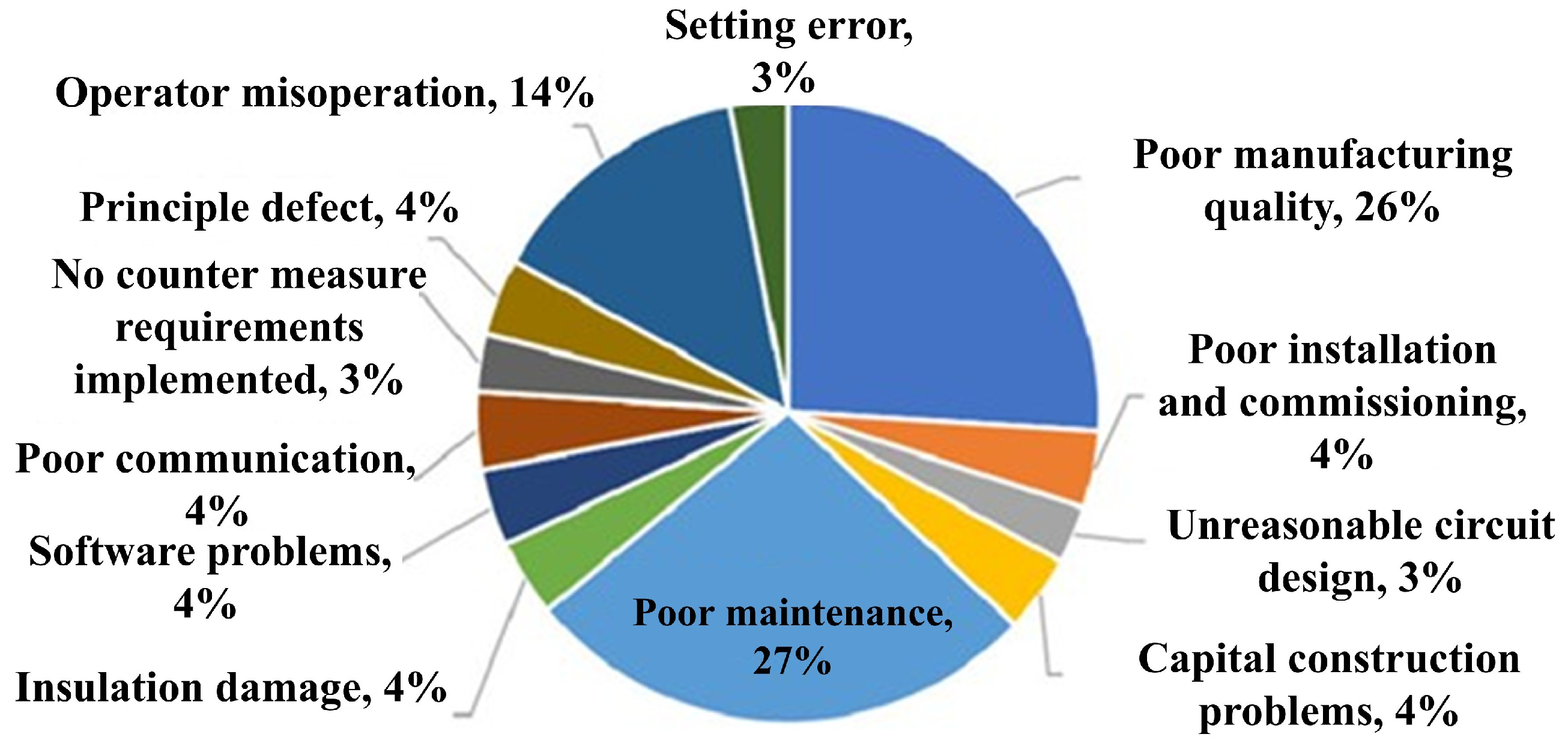
Beyond the structural representation framework centered on functional realization paths, structural combinational analysis also follows another logical expansion approach, namely hierarchical decomposition based on system failure events. Under this perspective, system reliability is no longer characterized through combinations of success paths; instead, the undesired top event is taken as the logical starting point, and the causal structure leading to its occurrence is traced layer by layer. The combinations of basic events responsible for the top event are systematically decomposed, transforming failure mechanisms into formalized logical structures [69]. Based on this analytical philosophy, the Fault Tree Analysis (FTA) method was gradually developed and has been widely applied in the field of power system protection [70]. Jin et al. [71] applied FTA to substation electromagnetic exposure assessment by constructing a fault tree model based on component-level exposure data, analyzing system-level exposure conditions, and ultimately evaluating the overall exposure failure probability of the substation. Chen et al. [72], based on ten years of field data (as shown in Figure 3), established two fault tree models with incorrect operation as the top event, identifying improper operation and maintenance (26.9%) and manufacturing quality issues (20.0%) as the primary contributing factors, thereby validating the effectiveness of FTA in revealing the relationship between protection system defects and incorrect operations.
In the engineering practice of FTA, the occurrence probabilities and failure mode classifications of basic events constitute the prerequisite for constructing a credible model. A foundational static method that supplies such bottom-level inputs is Failure Mode and Effects Analysis (FMEA). Employing a bottom-up inductive logic, this approach systematically identifies potential component-level failure modes and evaluates their risk priority, thereby generating a comprehensive inventory of basic events and their estimated occurrence frequencies [73]. In the context of digital substations, the methodology has been further extended to analyze software common-cause failures and vulnerabilities in process-bus communication networks, significantly enhancing the completeness and fidelity of input data for FTA models [74]. From the perspective of methodological interconnection, this analysis essentially functions as the data-generating front-end of the FTA workflow. Without the refined failure mode taxonomy it provides, the causal-chain decomposition of FTA would lack the necessary empirical foundation.
On the other hand, although FTA is capable of characterizing the logical combinations under which a protection system fails, its analytical boundary ends at the system failure state itself and cannot further address the grid-level operational consequences that follow. Event Tree Analysis (ETA) serves as a logical extension of FTA, undertaking the function of mapping system failure events onto the consequence space of power grid operation [75]. Taking the system failure state of an FTA model or an external initiating disturbance as its starting point, ETA constructs event-sequence branches according to predefined protection logic and quantitatively derives the probabilities of distinct end-states ranging from successful fault clearance to over-tripping events [76]. Within the static reliability analysis framework, ETA and FTA together constitute a complete logical loop of cause tracing and consequence projection: FTA addresses why the system fails, while ETA addresses what happens after the failure occurs.
Compared with unit-level parametric modeling, structural logic approaches extend reliability analysis from local statistical description to overall functional representation, significantly enhancing system-level analytical capability. However, these methods generally assume mutually independent module failure events and do not fully account for coupling effects induced by shared resources, communication links, or external environmental disturbances. As system scale and complexity increase, reliability evaluation based solely on predefined static configurations becomes insufficient for engineering design and operational optimization. In fact, the evolution of reliability analysis for power protection and control systems has progressed from equipment-level statistical modeling and lifetime distribution characterization toward structural logic–based combinatorial analysis. Although traditional approaches have formed a relatively complete analytical framework under assumptions of independent failures and static parameters, their ability to capture multi-time-scale operational characteristics, structural coupling relationships, and state evolution processes remains limited. With increasing system complexity, reliability issues have gradually shifted from static probabilistic evaluation toward dynamic process modeling. Consequently, the introduction of dynamic modeling methods capable of describing repairable behaviors, temporal dependencies, and functional coupling has become an important direction in reliability research.

3. Dynamic Reliability Modeling and Analysis of Power Protection and Control Systems

Static reliability analysis primarily describes system failure outcomes from a statistical perspective, without modeling the temporal evolution of system states, and thus struggles to capture the dynamic behaviors of complex power protection and control systems. To overcome this limitation, dynamic reliability analysis explicitly accounts for the time-varying nature of system states and establishes state transition relationships to model and evaluate the evolution of systems across different operational states. In contrast, dynamic methods can characterize features such as equipment degradation, maintenance recovery, and time-dependent failure sequences, thereby providing a more realistic representation of system operation rules.

3.1. State-Space Modeling Methods for Repairable Systems

The dynamic reliability analysis method based on state space models the evolution of a system over time by partitioning its operational states into several discrete states and establishing transition relationships among them. The system states typically include normal, degraded, faulty, and under maintenance, among others, and the transition processes between different states are described by state transition rates, thereby enabling a dynamic assessment of system reliability [77]. From a modeling perspective, state space methods can be classified according to two dimensions: temporal characteristics and state representation capability.
In terms of temporal characteristics, state space modeling primarily includes homogeneous continuous-time Markov chains (CTMC) [78] and non-homogeneous continuous-time Markov chains (NH-CTMC) [79]. The homogeneous Markov model assumes that state transition rates are constant, i.e., they do not vary over time. Based on this assumption, the model exhibits memorylessness, allowing analytical solutions for system states by solving a system of linear differential equations, thereby offering advantages in computational efficiency. Moreover, this model typically estimates constant failure rates or transition rates from historical statistical data, requiring relatively low data demands and making it suitable for systems with limited data or stable operating conditions [80,81]. Zhao et al. [82] employed homogeneous Markov processes to model the reliability of balanced systems with standby pools. By constructing the state space and transition rate matrix, they analytically solved the system reliability, avoiding the substantial iterative computations required by Monte Carlo simulations and significantly improving computational efficiency without compromising accuracy. However, the assumption of constant transition rates neglects the time-varying characteristics induced by equipment aging, environmental fluctuations, and differences in operational phases during system evolution. Consequently, it is difficult to capture the non-stationary dynamic behaviors inherent in practical engineering systems, which may lead to deviations between reliability assessment results and actual operational states, thereby limiting its applicability under complex operating conditions.
In terms of state representation capability, state space models can be categorized into two-state models and multi-state models, depending on the level of detail in characterizing system states. Traditional two-state models typically simplify the system into only two states, namely “normal” and “failed”. Owing to their simple structure and high efficiency in modeling and solution, such models have been widely applied in early reliability analyses of power systems [83]. However, this type of model is essentially an idealized approximation that fails to describe the gradual degradation process of system performance, nor can it capture the complex operational states commonly encountered in power protection and control systems, such as partial failures, hidden failures, and functional anomalies. Therefore, two-state models are more suitable for systems with simple structures, single operating modes, or limited data availability, and can be used for preliminary reliability assessments or rapid engineering analyses.
To address the limitations of two-state models, multi-state system models introduce multiple performance states (e.g., degraded operation, partial failure, and distinct failure modes), enabling a more refined description of the evolution of system operating states [84]. Zarei et al. [85] simplified the conventional Markov model for the hidden failure problem of protection relays by removing the power system state layer, thereby introducing multiple degradation levels to characterize the health status of relays without significantly increasing the state space, and subsequently optimized preventive maintenance costs. Zhao et al. [86] subdivided the operating states of cold protection devices into multiple performance levels and established a multi-state reliability model. The traditional two-state model can only distinguish between normal and failed states and fails to capture the differentiated contributions of protection devices under different redundancy configurations. By employing a Markov process embedding method, that study analyzed the impact of different redundancy strategies on system reliability, demonstrating that the two-state model overestimates the actual system reliability. Although multi-state system models offer superior representational capability compared to two-state models, this comes at the cost of significantly increased model complexity. As the number of states increases, the state space grows exponentially, which not only substantially raises the computational burden but also imposes higher demands on solution algorithms. Moreover, such models are sensitive to the rationality of state partitioning and data completeness, and the transition parameters often rely on extensive operational data or empirical assumptions, thereby introducing additional uncertainties. Therefore, a trade-off between modeling accuracy and computational complexity must be considered in practical applications.

3.2. Dynamic Fault Tree and Dependency Modeling

Traditional Fault Tree Analysis (FTA) describes the causal relationships among system failure events through logical gate structures and offers advantages such as strong intuitiveness and modeling simplicity in engineering reliability analysis [87]. However, FTA is essentially a static logical reasoning framework and is inherently limited in capturing the temporal dependencies and functional coupling characteristics commonly observed in complex systems. For example, cold standby switching of redundant units, the sequence of component failures, and the influence of maintenance actions on system state evolution cannot be accurately represented using static “AND” and “OR” gates alone [67]. With the deep integration of power protection and control systems with information and communication networks, system failures increasingly exhibit dynamic propagation behaviors and dependency relationships, rendering static fault tree models insufficient for dynamic reliability assessment [88].
To address these limitations, researchers have developed Dynamic Fault Tree (DFT) models, which extend traditional fault tree structures by incorporating dynamic logic gates that capture temporal order and dependency relationships, such as the Priority And PAND gate, Spare (SPARE) gate, SEQ gate, and FDEP gate [66]. Fahmy et al. [89] introduced a DFT-based modeling approach for the containment spray system of a nuclear power plant, as illustrated in Figure 4, and employed Monte Carlo simulation to evaluate reliability indices and component importance measures, thereby demonstrating the effectiveness of the method in representing dynamic failure behaviors.
Unlike static fault trees, DFT captures typical dependencies in modern digital protection systems by introducing dynamic logic gates. For instance, based on the DFT framework, Chiacchio et al. demonstrated that the PAND gate can precisely express the temporal order between a trip command and breaker operation in breaker failure protection [90]. For the hot-standby redundancy of primary and backup CPU modules in digital protection devices, Dai and Wang employed the Hot Spare Gate (HSG) within DFT to describe the state monitoring and switching logic of the standby module [91]. Thus, through its system of dynamic gates, DFT systematically characterizes complex relationships in system operation, including event timing, state dependence, dynamic redundancy, and functional coupling. This modeling approach captures the evolution of system states over time and handles dynamic mechanisms such as dormant failures, conditional switching, and sequential constraints, thereby providing a complete framework for describing state evolution and condition-triggered behaviors actually present in protection and control systems. DFT exhibits a strong capability in capturing the characteristic dependencies of modern digital protection systems—especially those associated with system states and event sequences—thus enabling a more realistic and rigorous modeling framework for the reliability analysis of systems involving temporal logic and dynamic interactions.
Beyond these modeling advantages, DFT can further capture the impact of component failure sequences and represent coupling failure mechanisms caused by shared resources, triggering events, and functional dependencies. At the solution level, Dynamic Fault Trees are typically combined with state-space methods. By transforming a DFT into a CTMC or a stochastic Petri net model, the time-dependent evolution of system state probabilities can be quantitatively evaluated [68]. This transformation enables unified probabilistic analysis of dynamic failure and repair behaviors, facilitating the computation of reliability, availability, and component importance measures. However, as system scale and the number of dynamic logic gates increase, the resulting models often suffer from rapid state-space explosion. Consequently, recent research has increasingly focused on modular modeling techniques, state-space reduction strategies, and approximate solution methods for DFTs, aiming to enhance their engineering applicability in large-scale complex systems [92,93,94].

3.3. Success-Flow-Oriented System Reliability Modeling Methods

Unlike fault tree analysis methods that center on failure events, success-flow-oriented system reliability modeling methods (GO-FLOW) start from the perspective of functional realization and emphasize the logical relationships of “success transmission” among functional units [95]. These methods focus on whether a system, under a given mission or operating scenario, can accomplish its intended objective through one or multiple functional paths, thereby transforming the reliability problem into the calculation of mission success probability. By abstracting the system as a success-path network composed of functional modules and their interconnections, success-flow models can intuitively reflect the influence of structural design and functional organization on overall reliability, offering strong interpretability in the functional reliability assessment of complex engineering systems [96,97].
In terms of specific modeling forms, success-flow-oriented approaches commonly employ Success Trees [98], Functional Flow Diagrams (FFD), or extended RBD [99] to describe the functional execution process of a system. In recent years, the GO-FLOW method has emerged as a representative framework widely applied to reliability and availability analysis of complex systems. For instance, Yang et al. [100] proposed a risk monitoring framework for the safety injection system of a nuclear power plant that integrates retrospective investigation, time-point monitoring, and proactive management, as illustrated in Figure 5. The GO-FLOW method was adopted for reliability analysis and combined with a risk matrix and a Goal Tree–Success Tree scheme to achieve configuration risk management under Loss-Of-Coolant Accident (LOCA) conditions.
Li et al. [101] addressed the limitation of the GO-FLOW method in analyzing load-sharing systems with common-cause failures by integrating the α -factor model and Markov processes and constructing new operators for modeling. Validation in a distributed electric propulsion system showed that an increase in the load factor leads to a reduction in system reliability, thereby extending the applicability of the GO-FLOW method. Compared with traditional fault tree models, GO-FLOW can more naturally describe mechanisms such as redundant paths, functional substitution, and mission switching, making it particularly suitable for applications such as protection functions in power systems, communication network services, and task reliability assessment of control systems.
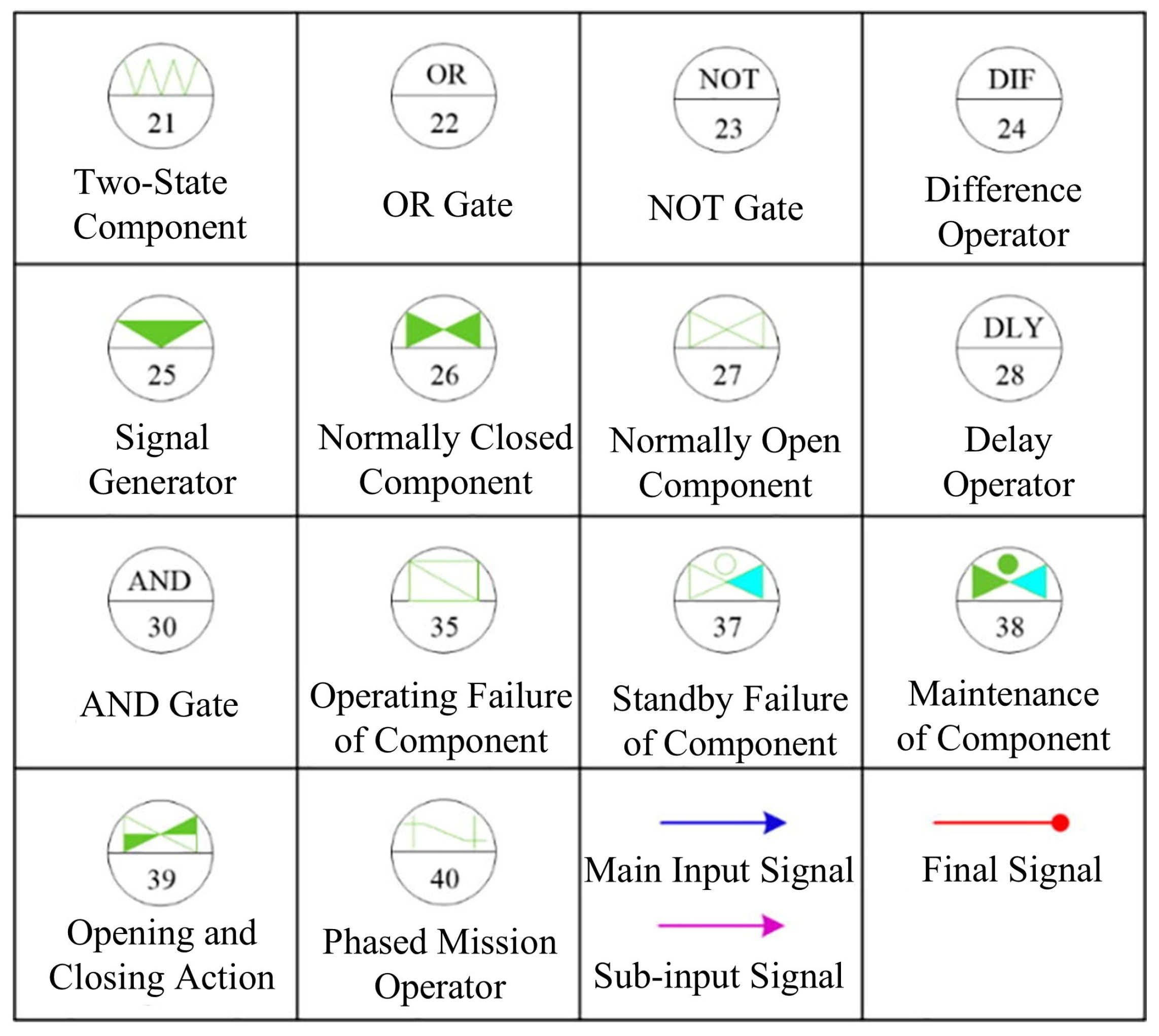
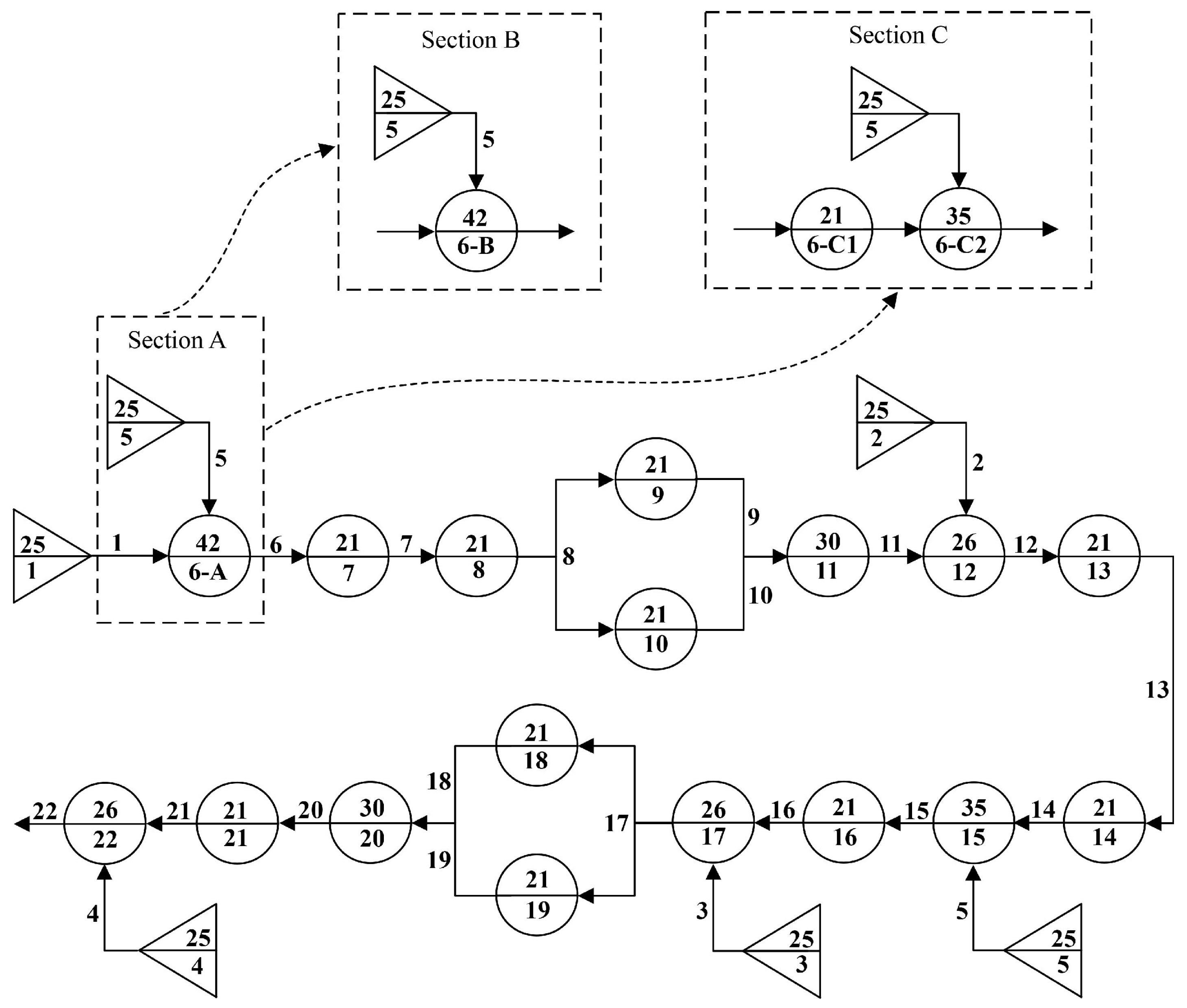
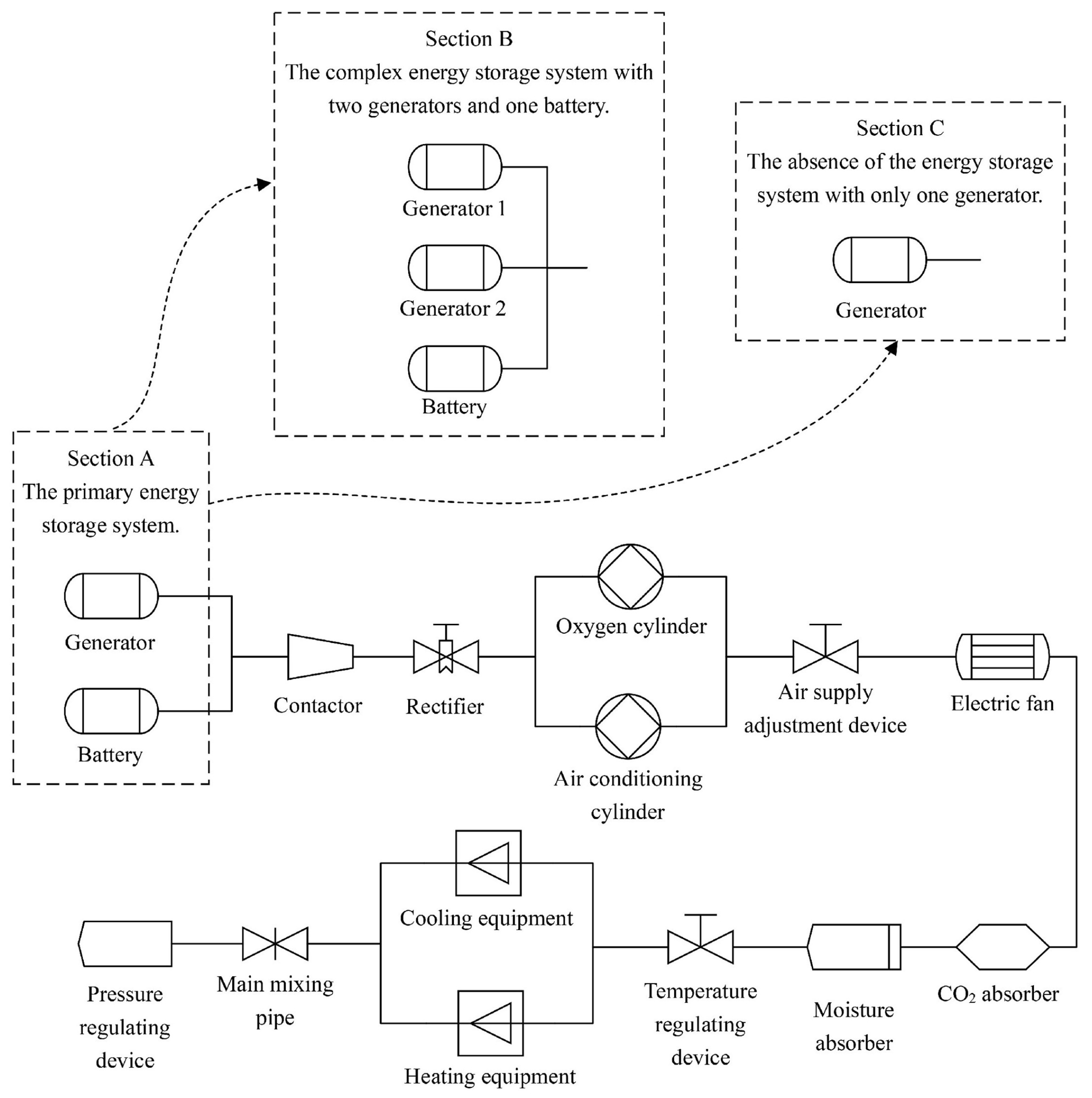
In dynamic reliability analysis, success-flow-oriented models are often combined with state-space methods or simulation techniques to characterize the evolution of functional completion probabilities across different operational phases. Ren et al. [102] proposed an uncertainty-oriented reliability assessment approach for the auxiliary power supply system of a nuclear power plant by integrating GO-FLOW with a Dynamic Bayesian Network (DBN). By mapping multi-phase, multi-state, and repairable GO-FLOW operators into a unified DBN framework, and incorporating sensitivity analysis and Monte Carlo simulation, uncertainty was quantitatively evaluated. This approach decomposes the system operation process into a series of functional operators and models the success behavior through probability flow propagation among them, enabling quantitative evaluation of multi-path mission success probabilities. However, when system functional structures become highly complex with numerous paths, success-flow models also encounter challenges related to model scalability and computational burden. To address these issues, recent studies have introduced modular modeling strategies, path importance analysis, and model simplification techniques to enhance engineering applicability in large-scale complex systems. As illustrated in Figure 6 and Figure 7, Li et al. [103] proposed a new method integrating GERT networks to overcome limitations of the GO-FLOW method in complex system modeling, extending it to a generalized framework incorporating degradation and cooperative relationships. Case studies demonstrated that the proposed approach effectively improves the accuracy of reliability analysis for complex systems.
Overall, dynamic system reliability modeling approaches—by incorporating state-space formulations, dynamic fault trees, and success-flow-oriented modeling concepts—enable dynamic characterization of system failure and repair processes, fault dependencies, and functional completion paths, thereby promoting a transition from static structural models to dynamic behavioral descriptions in reliability analysis. However, these methods generally rely on predefined parameters and mechanistic assumptions, and most focus on a single operational phase, making it difficult to fully capture system evolution over the entire life cycle. With the continuous accumulation of operational data and monitoring information, purely model-driven analytical frameworks are increasingly insufficient to meet the reliability assessment demands of complex systems, highlighting the need for further methodological advancement.

4. Data-Driven and Full Life-Cycle Reliability Analysis

In the reliability analysis of modern power system protection and control systems, early efforts primarily relied on statistical methods based on historical fault data, emphasizing post-event evaluation and empirical summarization. As system complexity increased, system reliability modeling approaches based on physical failure models were developed, enabling, to some extent, the characterization of equipment failure patterns during the operational phase. However, these methods are typically confined to single-stage analysis and struggle to cover the entire process from design and manufacturing to decommissioning. Data-driven and full lifecycle reliability analysis, by integrating multi-stage information, reveals the intrinsic correlations between early-life characteristics and later-stage failures, providing more comprehensive theoretical support for system reliability assessment.

4.1. Multi-Source Heterogeneous Data Fusion Technology

With the continuous development of power systems, protection and control systems generate data that exhibit pronounced multi-source and heterogeneous characteristics, encompassing structural parameters, operational measurements, condition monitoring information, maintenance records, and fault text logs. Due to differences in temporal scales, spatial distribution, and data formats, a single data source is insufficient to fully reflect the system’s operational state. Therefore, data fusion techniques are required to construct a unified data representation, enabling comprehensive utilization of multi-source information and supporting reliability assessment models in providing a holistic depiction of system conditions.
In the domain of multi-source information fusion modeling, contemporary research endeavors achieve comprehensive information utilization through the unified processing and collaborative analysis of heterogeneous data acquired from diverse sources [104,105]. Data originating from monitoring systems, operational logs, and maintenance management platforms undergo rigorous preprocessing, including cleaning and standardization, to ensure consistency in temporal resolution and dimensional units, thereby establishing a robust foundation for subsequent analytical procedures. Liu et al. [106] proposed an overarching architecture for an intelligent protection and control system based on information fusion principles, by integrating multi-source heterogeneous data from four critical relay information systems: the grid Operation Control System (OCS), the protection and fault information management system, the fault recording system, and the traveling wave ranging system. This integration facilitates collaborative information sharing and enables deep semantic fusion across disparate data sources. Furthermore, as illustrated in Table 2, building upon the foundation of data fusion, researchers employ statistical analysis methodologies or machine learning algorithms to extract representative salient features. These features are subsequently formulated into representations that effectively capture the intrinsic correlations among multi-source information, consequently enhancing the capability of analytical models to characterize system operational states with greater fidelity and comprehensiveness.
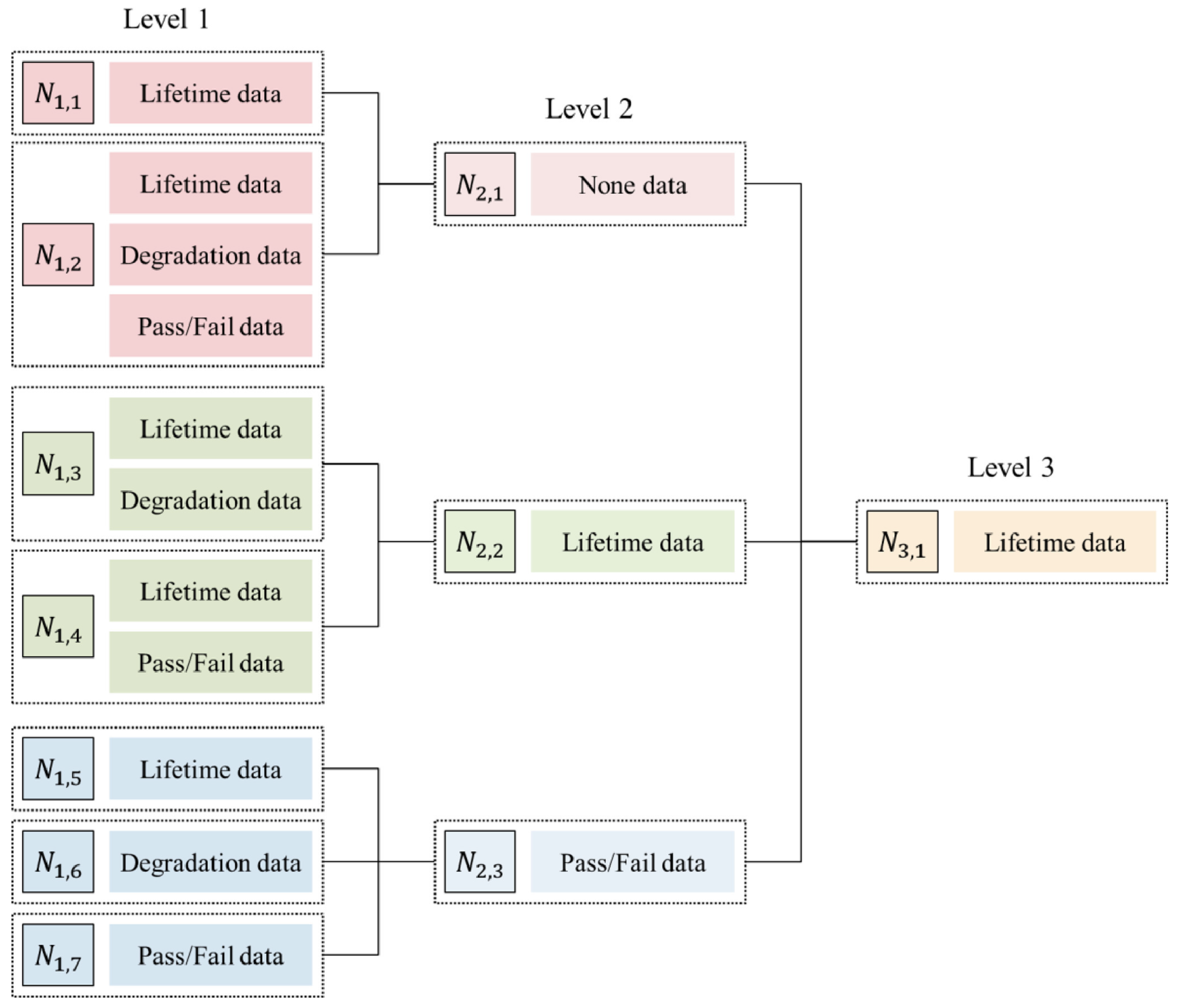
However, this process often relies on a parameterized modeling framework, which requires prior assumptions about data distributions or mathematical expressions of degradation paths, limiting adaptability when dealing with complex degradation patterns or small-sample scenarios [116]. To overcome this limitation, Wang et al. [117] proposed, at the multi-source data fusion level, a Bayesian fusion approach based on cross-level data transfer, multi-prior combination, and kernel-function-equivalent parameterization, with the specific structure shown in Figure 8, enabling the direct application of nonparametric modeling results in system reliability analysis. Guo et al. [118] addressed the small-sample problem by introducing a Bayesian information fusion-based reliability analysis method that constructs three types of fusion models to capture intrinsic correlations between failure-time data and degradation data, thereby achieving coordinated utilization of heterogeneous data.
With the widespread adoption of online monitoring technologies and information systems, the volume of multi-source data has continued to expand, and data fusion methods have gradually evolved from rule-based approaches toward intelligent frameworks. Deep learning- and graph-based fusion techniques have begun to be employed to characterize internal system correlations, providing a more robust data foundation for subsequent data-driven reliability prediction. Nevertheless, challenges remain regarding data quality consistency, missing-value handling, and uncertainty quantification, making the maintenance of data reliability and model interpretability during the fusion process an ongoing and critical research focus.

4.2. Data-Driven Reliability Prediction and Risk Assessment

Supported by a multi-source data framework, reliability analysis has gradually shifted from quantitative derivation based on mechanistic models toward data-driven approaches centered on prediction and risk assessment. Data-driven reliability analysis uncovers statistical patterns in historical operational and fault data to establish mappings between system states and failure probabilities, thereby enabling the prediction of future reliability levels. Compared with traditional models that rely on explicit assumptions of failure mechanisms, data-driven methods can provide effective risk assessment results under complex environments and incomplete mechanistic knowledge.
Common data-driven approaches play a critical role in fault prediction and health-state assessment of complex systems [119,120]. In reliability prediction applications, these methods leverage adaptive learning of multi-dimensional monitoring features to effectively capture the nonlinear relationships between equipment conditions and failure risks, as illustrated in Figure 9, enabling dynamic characterization of system health [121].
Liu et al. [122] proposed a long-term load reliability assessment method for power systems that employs a CNN-GRU hybrid neural network to mitigate the influence of anomalous data. Chen et al. [123] introduced a method for predicting online rotor-angle stability in power system operations under significant wind power contributions, enabling quantitative assessment of rotor-angle stability margins that reflect wind power dynamics. Additionally, the incorporation of probabilistic forecasting and uncertainty analysis allows reliability assessment results to provide not only point estimates of future failure probabilities but also corresponding confidence intervals, thereby enhancing quantitative support for operational decision-making.
Although data-driven methods demonstrate advantages in prediction accuracy, challenges remain in model interpretability and generalization. In particular, within the field of engineering reliability, integrating data-driven models with physics-based mechanisms to achieve “explainable prediction” has become a research focus. By constructing hybrid models that fuse mechanistic knowledge with data-driven learning, it is possible to maintain high predictive performance while improving the engineering credibility of the model, providing more robust theoretical support for operational risk assessment and maintenance decision-making in protection and control systems.

4.3. Full Life-Cycle Reliability Framework for Protection and Control Systems

With the development of modern power systems and smart grids, the reliability of protection and control systems has increasingly moved beyond operational-phase fault statistics to encompass a full life-cycle reliability research framework covering design, manufacturing, commissioning, operation, and maintenance. Full life-cycle reliability analysis emphasizes systematic identification and modeling of risk factors across different system stages, characterizing the temporal evolution of equipment performance through a unified data and modeling framework, thereby enabling comprehensive assessment of long-term reliability levels [124,125]. This framework overcomes the limitations of traditional analyses focused solely on the operational stage, shifting reliability research from “ex post evaluation” to “end-to-end management”.
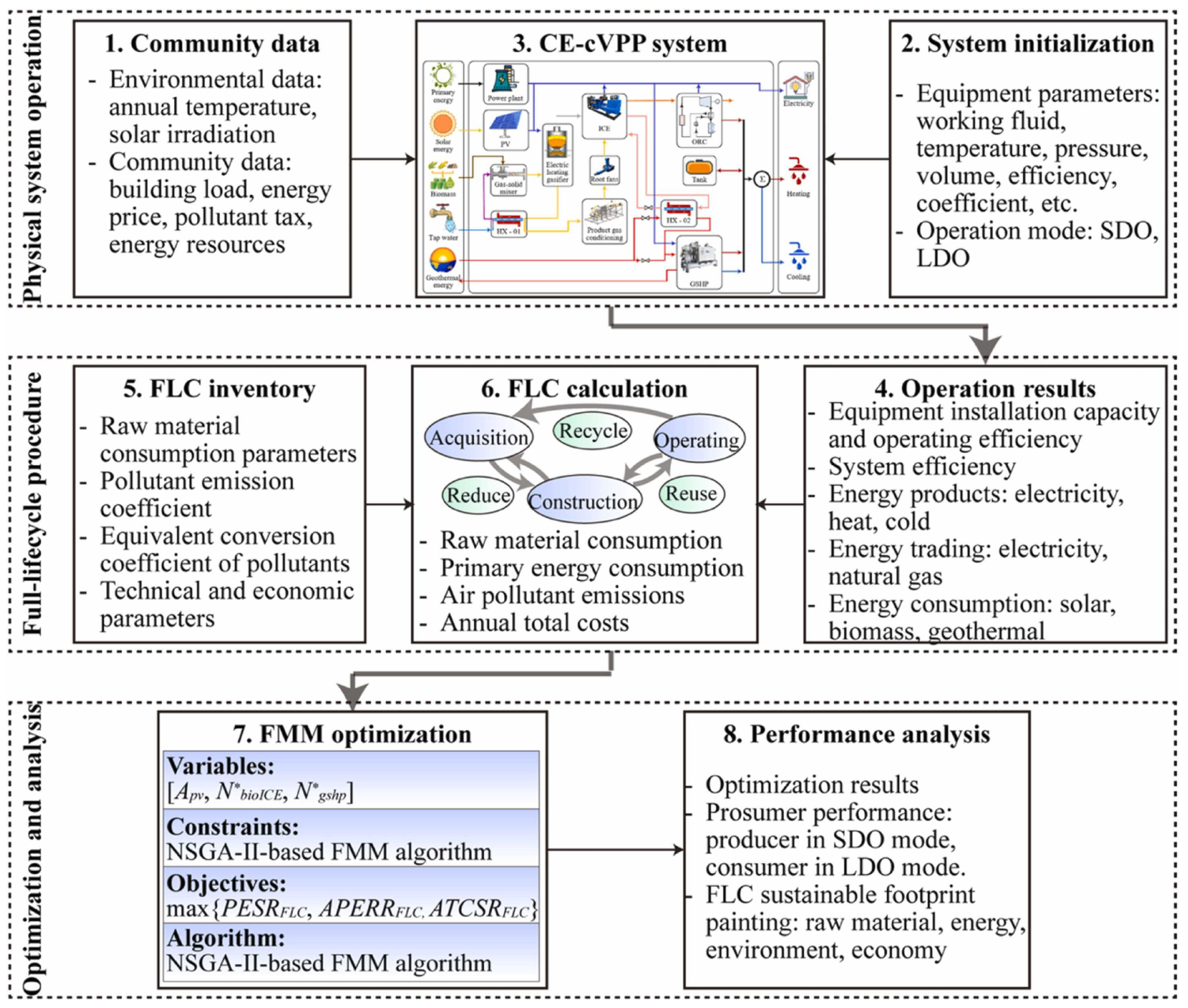
At the core of the full life-cycle reliability framework is the integration of multi-source data and dynamic modeling to reveal the evolution of equipment performance degradation and failure risk. The framework incorporates design parameters, factory tests, online monitoring, and maintenance records into a unified analytical system, constructing state-evolution models that describe equipment condition over time. Zhao et al. [126] divided the transformer life-cycle cost into initial, operation, maintenance, failure, and decommissioning stages, modeled costs based on failure-rate distributions, and analyzed the impact of key factors using a 110 kV transformer as a case study, providing guidance for economically optimized equipment procurement. Li et al. [127] applied a combination of t-SNE dimensionality reduction, DBSCAN anomaly detection, random forest imputation, Elman neural network simulation, and Fisher ordered segmentation to analyze the full life cycle of voltage transformers, determining an optimal retirement age range of 31–41 years. As illustrated in Figure 10, Xie et al. [128] integrated circular economy principles with the virtual power plant concept, proposing the CE-cVPP dynamic model, which, combined with system-wide operational strategies and multi-stage, multi-objective full life-cycle optimization, provides a reference framework for zero-carbon community energy systems.
The aforementioned studies indicate that correlating manufacturing-stage quality information with operational-stage environmental stress data can help reveal intrinsic links between early defects and later failures, thereby providing a theoretical basis for preventive maintenance and life prediction. However, due to substantial differences in data sources, formats, and sampling frequencies across life-cycle stages, full life-cycle reliability analysis faces challenges such as complex data organization and limited model unification. Effectively integrating cross-stage information while maintaining physical interpretability has therefore become a critical focus of current research.
Overall, full life-cycle and data-driven reliability analysis provide a new paradigm for protection and control system reliability research, shifting the focus from “local assessment” to “end-to-end evolutionary characterization”. The full life-cycle reliability framework enables continuous depiction of system reliability by integrating information from design, manufacturing, operation, and maintenance stages; multi-source heterogeneous data fusion techniques establish the data foundation for unified utilization of structural parameters, monitoring data, and maintenance records; and data-driven reliability prediction and risk assessment methods further enhance dynamic identification of system risk states and forward-looking evaluation capabilities. These three approaches are mutually supportive, collectively advancing reliability analysis from traditional mechanistic-model-dominated methods toward a comprehensive framework that integrates data and intelligent algorithms.
Despite the clear advantages of these approaches in complex system reliability modeling and risk assessment, challenges remain in data quality control, model interpretability, and cross-life-cycle information coordination. Achieving a deep integration of mechanistic models and data-driven methods while ensuring engineering credibility, and constructing a unified and robust reliability analysis framework, remains a key direction for future research. Addressing these issues also provides an important foundation for guiding the development trends and future research directions of protection and control system reliability analysis.

5. Summary and Outlook

This paper has reviewed the evolution of reliability analysis methods for power protection and control systems, from static component-level models (e.g., exponential/Weibull distributions, RBD, FTA) to dynamic approaches (state-space, DFT, GO-FLOW) and, more recently, data-driven and full life-cycle frameworks. Despite these advances, existing methods still inadequately address several distinctive features of modern digital protection systems: hidden failures that remain latent until specific grid conditions arise, communication and cyber-physical dependencies that introduce new failure modes (e.g., delay, packet loss, cyber-attacks), software-related effects (e.g., version updates, logic bugs, real-time scheduling), and real-time operational constraints such as strict fault clearing time windows (e.g., <100 ms for transmission lines). To move forward, three concepts must be concretized: a unified full life-cycle modeling framework that consistently integrates design, manufacturing, operation, and decommissioning data; cross-stage data coordination that resolves inconsistencies in time scales, formats, and semantics across life-cycle phases; and engineering credibility, i.e., the trustworthiness of models for real-world decisions, which requires transparency, validation against field data, and actionable outputs.
Recent developments have seen growing efforts in multi-source data fusion and hybrid modeling that combine mechanistic principles with data-driven learning. However, major challenges remain. Future research should prioritize modeling hidden failures in protection schemes using online state estimation, extending reliability analysis to explicitly include cyber nodes and attack scenarios in cyber-physical systems, developing software reliability growth models for intelligent electronic devices that move beyond constant failure rates, designing lightweight methods for real-time reliability assessment that respect millisecond-level operational constraints, establishing a unified data coordination platform with standardized ontologies for protection system life-cycle data, creating engineering-credible hybrid models that preserve interpretability while leveraging data, and providing open benchmarking frameworks with realistic substation configurations and failure logs. Addressing these directions will transform protection reliability analysis into a proactive, cyber-physically aware, and life-cycle-integrated discipline, ultimately enhancing grid security and resilience.

Author Contributions

X.W. conducted the literature search and analysis, wrote the manuscript, and designed the tables; J.Z. reviewed the manuscript and provided continuous feedback. All authors have read and agreed to the published version of the manuscript.

Funding

This research received no external funding.

Data Availability Statement

No new data were created or analyzed in this study. Data sharing is not applicable to this article.

Conflicts of Interest

Author Xiang Wang was employed by the company Nanjing NR Electric Co., Ltd. The remaining author declares that the research was conducted in the absence of any commercial or financial relationships that could be construed as a potential conflict of interest.

References

  1. Zhang, B.; Wang, M.; Su, W. Reliability Analysis of Power Systems Integrated with High-Penetration of Power Converters. IEEE Trans. Power Syst. 2021, 36, 1998–2009. [Google Scholar] [CrossRef]
  2. Jimada-Ojuolape, B.; Teh, J. Impact of the Integration of Information and Communication Technology on Power System Reliability: A Review. IEEE Access 2020, 8, 24600–24615. [Google Scholar] [CrossRef]
  3. Méndez-González, L.C.; Rodríguez-Picón, L.A.; Valles-Rosales, D.J.; Romero-López, R.; Quezada-Carreón, A.E. Reliability analysis for electronic devices using beta-Weibull distribution. Qual. Reliab. Eng. Int. 2017, 33, 2521–2530. [Google Scholar] [CrossRef]
  4. Duer, S.; Woźniak, M.; Paś, J.; Zajkowski, K.; Bernatowicz, D.; Ostrowski, A.; Budniak, Z. Reliability testing of wind farm devices based on the mean time between failures (MTBF). Energies 2023, 16, 1659. [Google Scholar] [CrossRef]
  5. Liu, F.; Dui, H.; Li, Z. Reliability analysis for electrical power systems based on importance measures. Proc. Inst. Mech. Eng. Part O J. Risk Reliab. 2022, 236, 317–328. [Google Scholar] [CrossRef]
  6. Shang, X.; Ng, H.K.T.; Ling, M.H. On reliability analysis of one-shot devices with manufacturing defects. Qual. Eng. 2023, 35, 79–94. [Google Scholar] [CrossRef]
  7. Balakrishnan, N.; Ling, M.H. Gamma lifetimes and one-shot device testing analysis. Reliab. Eng. Syst. Saf. 2014, 126, 54–64. [Google Scholar] [CrossRef]
  8. Guo, W.; Hou, X. Research on the analysis method of power system relay protection action characteristics based on fault recording data. J. Radiat. Res. Appl. Sci. 2024, 17, 101005. [Google Scholar] [CrossRef]
  9. Sun, J. Analysis of Relay Protection in Power System Based on High Voltage. J. Phys. Conf. Ser. 2020, 1549, 052002. [Google Scholar] [CrossRef]
  10. Hisham, Z.; Hashim, H.; Shukri, Z.; Ishak, Z. Evaluation of protective relaying reliability in renewable energy environment. Indones. J. Electr. Eng. Comput. Sci. 2017, 8, 407. [Google Scholar] [CrossRef]
  11. Nepal, N.; Karki, R. Quantifying Power System Operational Reliability. Appl. Sci. 2019, 9, 2777. [Google Scholar] [CrossRef]
  12. Sadeghian, O.; Shotorbani, A.M.; Mohammadi-Ivatloo, B. Maintenance scheduling optimization in renewable and conventional power systems: A review. Renew. Sustain. Energy Rev. 2026, 229, 116613. [Google Scholar] [CrossRef]
  13. Shaukat, N.; Islam, M.R.; Rahman, M.M.; Khan, B.; Ullah, B.; Ali, S.M.; Fekih, A. Decentralized, Democratized, and Decarbonized Future Electric Power Distribution Grids: A Survey on the Paradigm Shift from the Conventional Power System to Micro Grid Structures. IEEE Access 2023, 11, 60957–60987. [Google Scholar] [CrossRef]
  14. Liu, T.; Li, F.; Zhang, D.; Shan, L.; Zhu, H.; Du, P.; Jiang, M.; Goh, H.H.; Kurniawan, T.A.; Huang, C.; et al. Intelligent load forecasting technologies for diverse scenarios in the new power systems. Renew. Sustain. Energy Rev. 2026, 226, 116366. [Google Scholar] [CrossRef]
  15. Yang, B.; Duan, J.; Liu, Z.; Jiang, L. Exploring Sustainable Development of New Power Systems under Dual Carbon Goals: Control, Optimization, and Forecasting. Energies 2024, 17, 3909. [Google Scholar] [CrossRef]
  16. Oyewole, P.A.; Jayaweera, D. Power system security with cyber-physical power system operation. IEEE Access 2020, 8, 179970–179982. [Google Scholar] [CrossRef]
  17. Liu, Y.; Singh, A.K.; Zhao, J.; Meliopoulos, A.S.; Pal, B.; bin Mohd Ariff, M.A.; Van Cutsem, T.; Glavic, M.; Huang, Z.; Kamwa, I.; et al. Dynamic state estimation for power system control and protection. IEEE Trans. Power Syst. 2021, 36, 5909–5921. [Google Scholar] [CrossRef]
  18. Wang, Q.; Ma, J.; Shang, L.; Chen, S. Analysis of the Effects of Grid-Connected Charging/Discharging Stations on Relay Protection. Energies 2022, 15, 9065. [Google Scholar] [CrossRef]
  19. Alasali, F.; El-Naily, N.; Saidi, A.S.; Itradat, A.; Holderbaum, W.; Mohamed, F.A. Highly sensitive multifunction protection coordination scheme for improved reliability of power systems with distributed generation (PVs). IET Renew. Power Gener. 2023, 17, 3025–3048. [Google Scholar] [CrossRef]
  20. Castello, P.; Gallus, G.; Pegoraro, P.A.; Sulis, S. Measurement platform for latency characterization of wide area monitoring, protection and control systems. IEEE Trans. Instrum. Meas. 2023, 73, 5500812. [Google Scholar] [CrossRef]
  21. Yan, Q.; Chen, X.; Xing, L.; Guo, X.; Zhu, C. Multi-Timescale Voltage Regulation for Distribution Network with High Photovoltaic Penetration via Coordinated Control of Multiple Devices. Energies 2024, 17, 3830. [Google Scholar] [CrossRef]
  22. Su, S.; Tan, D.; Li, X.; Li, X.; Chen, Z.; Lian, R.; Lenz Soronga, B.K. Multi-time scale coordinated optimization of new energy high permeability power system considering flexibility requirements. J. Electr. Eng. Technol. 2023, 18, 815–828. [Google Scholar] [CrossRef]
  23. Agwa, A.; Hassan, H. Onsite power system risk assessment for nuclear power plants considering components ageing. Prog. Nucl. Energy 2019, 110, 384–392. [Google Scholar] [CrossRef]
  24. Leite da Silva, A.M.; Araújo, L.F.; de C Costa, J.G. Reliability evaluation of generating systems considering aging processes. Electr. Power Syst. Res. 2022, 202, 107589. [Google Scholar] [CrossRef]
  25. Ali, S.; Ali, S.; Shah, I.; Siddiqui, G.F.; Saba, T.; Rehman, A. Reliability analysis for electronic devices using generalized exponential distribution. IEEE Access 2020, 8, 108629–108644. [Google Scholar] [CrossRef]
  26. Zhang, Y.; Li, H. A reliability analysis method of HVDC relay protection based on MDD-GO methodology. Int. J. Electr. Power Energy Syst. 2024, 157, 109814. [Google Scholar] [CrossRef]
  27. Toftaker, H.; Foros, J.; Sperstad, I.B. Accounting for component condition and preventive retirement in power system reliability analyses. IET Gener. Transm. Distrib. 2023, 17, 1972–1984. [Google Scholar] [CrossRef]
  28. Shi, J.; Zhu, B.; Wang, J. Condition Based Maintenance Method for Power Relay Protection Equipment Based on Full Life Cycle. Electr. Power Compon. Syst. 2023, 1–10. [Google Scholar] [CrossRef]
  29. Wang, K.; Li, Y.; Wang, X.; Zhao, Z.; Yang, N.; Yu, S.; Wang, Y.; Huang, Z.; Yu, T. Full Life cycle management of power system Integrated with renewable energy: Concepts, Developments and Perspectives. Front. Energy Res. 2021, 9, 680355. [Google Scholar] [CrossRef]
  30. Liu, Z.; Qu, J.; Hou, K.; Zhou, Y.; Jia, H.; Zhao, R.; Ma, S.; Wei, X. Efficient OPF calculations for power system reliability assessment based on state similarity. Appl. Energy 2026, 404, 127063. [Google Scholar] [CrossRef]
  31. Cho, S.; Tovar-Facio, J.; Grossmann, I.E. Impact of Reliability Formulations on the Optimal Planning and Operation of Power Systems. IEEE Trans. Power Syst. 2026, 41, 927–941. [Google Scholar] [CrossRef]
  32. Yarramsetty, C.; Moger, T.; Jena, D.; Rao, V.S. Advances in Composite Power System Reliability Assessment: Trends and Machine Learning Role. IEEE Access 2025, 13, 80871–80888. [Google Scholar] [CrossRef]
  33. Laowanitwattana, J.; Uatrongjit, S. Probabilistic power flow analysis based on partial least square and arbitrary polynomial chaos expansion. IEEE Trans. Power Syst. 2021, 37, 1461–1470. [Google Scholar] [CrossRef]
  34. Du, L.; Shen, Y.; Xu, Z.; Chen, L.; Chen, D. Characteristics and fire-inducing risk analyses of arc faults in low-voltage electrical systems. Electr. Power Syst. Res. 2025, 238, 111199. [Google Scholar] [CrossRef]
  35. Zhang, Y.; Han, F.; Yang, F.; Wang, X.; Zhou, Y. Reliability analysis of small-sample failure data for random truncation high-voltage relay. Appl. Sci. 2024, 14, 4950. [Google Scholar] [CrossRef]
  36. Murphy, S.; Apt, J.; Moura, J.; Sowell, F. Resource adequacy risks to the bulk power system in North America. Appl. Energy 2018, 212, 1360–1376. [Google Scholar] [CrossRef]
  37. Safari, M.A.M.; Masseran, N.; Majid, M.H.A. Robust and Efficient Reliability Estimation for Exponential Distribution. Comput. Mater. Contin. 2021, 69, 2807–2824. [Google Scholar] [CrossRef]
  38. Ghiasi, M.; Ghadimi, N.; Ahmadinia, E. An analytical methodology for reliability assessment and failure analysis in distributed power system. SN Appl. Sci. 2019, 1, 44. [Google Scholar] [CrossRef]
  39. Oprea, S.V.; Bâra, A.; Preoţescu, D.; Elefterescu, L. Photovoltaic Power Plants (PV-PP) Reliability Indicators for Improving Operation and Maintenance Activities. A Case Study of PV-PP Agigea Located in Romania. IEEE Access 2019, 7, 39142–39157. [Google Scholar] [CrossRef]
  40. Jiang, R. A novel MTTF estimator and associated parameter estimation method on heavily censoring data. Qual. Reliab. Eng. Int. 2021, 37, 1706–1717. [Google Scholar] [CrossRef]
  41. Gao, S.; Wang, J. Reliability and availability analysis of a retrial system with mixed standbys and an unreliable repair facility. Reliab. Eng. Syst. Saf. 2021, 205, 107240. [Google Scholar] [CrossRef]
  42. Jiménez, J.; Carrión, D.; Jaramillo, M. Enhancing Reliability Indices in Power Distribution Grids Through the Optimal Placement of Redundant Lines Using a Teaching–Learning-Based Optimization Approach. Energies 2025, 18, 6612. [Google Scholar] [CrossRef]
  43. Muhammad Ridzuan, M.I.; Djokic, S.Z. Energy Regulator Supply Restoration Time. Energies 2019, 12, 1051. [Google Scholar] [CrossRef]
  44. Maihulla, A.S.; Yusuf, I. Reliability, availability, maintainability, and dependability analysis of photovoltaic systems. Life Cycle Reliab. Saf. Eng. 2022, 11, 19–26. [Google Scholar] [CrossRef]
  45. Benato, R.; Chiarelli, A.; Sessa, S.D. Reliability assessment of a multi-state HVDC system by combining Markov and matrix-based methods. Energies 2021, 14, 3097. [Google Scholar] [CrossRef]
  46. Paida, C.; Inga, E. State of Art, Reliability in Electrical Distribution Systems Based on Markov Stochastic Model. IEEE Lat. Am. Trans. 2016, 14, 799–804. [Google Scholar] [CrossRef]
  47. Singh, B.; Pal, C.; Mukherjee, V.; Tiwari, P.; Yadav, M.K. Distributed generation planning from power system performances viewpoints: A taxonomical survey. Renew. Sustain. Energy Rev. 2017, 75, 1472–1492. [Google Scholar] [CrossRef]
  48. Berhe, H.G.; Tuka, M.B.; Kebedew, G.M. Assessing post-conflict electric power supply reliability in low voltage distribution networks of Aksum Ethiopia. Sci. Rep. 2026, 16, 4924. [Google Scholar] [CrossRef] [PubMed]
  49. Edimu, M.; Gaunt, C.; Herman, R. Using probability distribution functions in reliability analyses. Electr. Power Syst. Res. 2011, 81, 915–921. [Google Scholar] [CrossRef]
  50. Wang, F.; Li, H. Distribution modeling for reliability analysis: Impact of multiple dependences and probability model selection. Appl. Math. Model. 2018, 59, 483–499. [Google Scholar] [CrossRef]
  51. Nadjafi, M.; Farsi, M.A. Reliability analysis of system with timing functional dependency using fuzzy-bathtub failure rates. Int. J. Syst. Assur. Eng. Manag. 2021, 12, 919–930. [Google Scholar] [CrossRef]
  52. Melchor-Hernández, C.L.; Rivas-Dávalos, F.; Maximov, S.; Coria, V.; Moreno-Goytia, E.L. An analytical method to estimate the Weibull parameters for assessing the mean life of power equipment. Int. J. Electr. Power Energy Syst. 2015, 64, 1081–1087. [Google Scholar] [CrossRef]
  53. Méndez-González, L.C.; Rodríguez-Picón, L.A.; Valles-Rosales, D.J.; Alvarado Iniesta, A.; Carreón, A.E.Q. Reliability analysis using exponentiated Weibull distribution and inverse power law. Qual. Reliab. Eng. Int. 2019, 35, 1219–1230. [Google Scholar] [CrossRef]
  54. Dechgummarn, Y.; Fuangfoo, P.; Kampeerawat, W. Predictive reliability analysis of power distribution systems considering the effects of seasonal factors on outage data using weibull analysis combined with polynomial regression. IEEE Access 2023, 11, 138261–138278. [Google Scholar] [CrossRef]
  55. Melchor-Hernández, C.L.; Rivas-Dávalos, F.; Maximov, S.; Coria, V.; Guardado, J. A model for optimizing maintenance policy for power equipment. Int. J. Electr. Power Energy Syst. 2015, 68, 304–312. [Google Scholar] [CrossRef]
  56. Liu, H.; Wang, Y.; Yang, Y.; Liao, R.; Geng, Y.; Zhou, L. A failure probability calculation method for power equipment based on multi-characteristic parameters. Energies 2017, 10, 704. [Google Scholar] [CrossRef]
  57. Maximov, S.; Coria, V.; Rivas-Davalos, F.; Escarela-Perez, R.; Olivares-Galvan, J. New analytical method for estimating mean life of electric power equipment based on complete and right-censored failure data. Electr. Power Syst. Res. 2018, 154, 311–318. [Google Scholar] [CrossRef]
  58. Balakrishnan, N.; Jaenada, M.; Pardo, L. Non-destructive one-shot device test under step-stress experiment with lognormal lifetime distribution. J. Comput. Appl. Math. 2024, 437, 115483. [Google Scholar] [CrossRef]
  59. Li, W.; Zhao, C. Hybrid fault characteristics decomposition based probabilistic distributed fault diagnosis for large-scale industrial processes. Control Eng. Pract. 2019, 84, 377–388. [Google Scholar] [CrossRef]
  60. Peyghami, S.; Palensky, P.; Blaabjerg, F. An Overview on the Reliability of Modern Power Electronic Based Power Systems. IEEE Open. J. Power Electron. 2020, 1, 34–50. [Google Scholar] [CrossRef]
  61. Babatunde, O.; Munda, J.; Hamam, Y. Power system flexibility: A review. Energy Rep. 2020, 6, 101–106. [Google Scholar] [CrossRef]
  62. Chafai, M.; Refoufi, L.; Bentarzi, H. Large power transformer reliability modeling. Int. J. Syst. Assur. Eng. Manag. 2016, 7, 9–17. [Google Scholar] [CrossRef]
  63. Gori, G.; Papini, M.; Fantechi, A. Efficient Reliability Block Diagram Evaluation Through Improved Algorithms and Parallel Computing. Appl. Sci. 2025, 15, 11397. [Google Scholar] [CrossRef]
  64. de Vasconcelos, V.; Soares, W.A.; da Costa, A.C.L.; Raso, A.L. Use of reliability block diagram and fault tree techniques in reliability analysis of emergency diesel generators of nuclear power plants. Int. J. Math. Eng. Manag. Sci. 2019, 4, 814. [Google Scholar] [CrossRef]
  65. Wen, T.; Liu, W.; Jiao, S.; Zhu, J. Quantitative evaluation method of operation reliability of substation relay protection device based on improved neural network algorithm. J. Phys. Conf. Ser. 2024, 2704, 012002. [Google Scholar] [CrossRef]
  66. Li, W.; Liu, G. Dynamic reliability analysis approach based on fault tree and new process capability index. Qual. Reliab. Eng. Int. 2022, 38, 800–816. [Google Scholar] [CrossRef]
  67. Ruijters, E.; Stoelinga, M. Fault tree analysis: A survey of the state-of-the-art in modeling, analysis and tools. Comput. Sci. Rev. 2015, 15, 29–62. [Google Scholar] [CrossRef]
  68. Ruijters, E.; Reijsbergen, D.; de Boer, P.T.; Stoelinga, M. Rare event simulation for dynamic fault trees. Reliab. Eng. Syst. Saf. 2019, 186, 220–231. [Google Scholar] [CrossRef]
  69. Mišák, S.; Hamacek, Š.; Bartłomiejczyk, M. Verification of a novel method of detecting faults in medium-voltage systems with covered conductors. Metrol. Meas. Syst. 2017, 24, 277–288. [Google Scholar] [CrossRef]
  70. Tarao, H.; Miyamoto, H.; Korpinen, L.; Hayashi, N.; Isaka, K. Simple estimation of induced electric fields in nervous system tissues for human exposure to non-uniform electric fields at power frequency. Phys. Med. Biol. 2016, 61, 4438. [Google Scholar] [CrossRef] [PubMed]
  71. Jin, L.; Peng, C.; Jiang, T. System-Level Electric Field Exposure Assessment by the Fault Tree Analysis. IEEE Trans. Electromagn. Compat. 2017, 59, 1095–1102. [Google Scholar] [CrossRef]
  72. Chen, Q.; Zhang, L.; Guo, P.; Zhang, H.; Tian, M.; Li, Y.; Xue, A. Modeling and Analysis of Incorrect Actions of Relay Protection Systems Based on Fault Trees. IEEE Access 2020, 8, 114571–114579. [Google Scholar] [CrossRef]
  73. Peeters, J.; Basten, R.; Tinga, T. Improving failure analysis efficiency by combining FTA and FMEA in a recursive manner. Reliab. Eng. Syst. Saf. 2018, 172, 36–44. [Google Scholar] [CrossRef]
  74. Kumar, S.; Bhatkulkar, T.; Kane, P. FMEA and FTA of coal handling system of power plant. Mater. Today Proc. 2023, 90, 197–200. [Google Scholar] [CrossRef]
  75. Stein, D.; Achari, G.; Langford, C.H.; Dore, M.H.I.; Haider, H.; Zhang, K.; Sadiq, R. Performance management of small water treatment plant operations: A decision support system. Water Environ. J. 2017, 31, 330–344. [Google Scholar] [CrossRef]
  76. Fuzzy probability based event tree analysis for calculating core damage frequency in nuclear power plant probabilistic safety assessment. Prog. Nucl. Energy 2020, 125, 103376. [CrossRef]
  77. Gaurav, K.; Kumar, V.; Singh, B.K. Dependability Analysis of a System Using State-Space Modeling Techniques: A Systematic Review. IEEE Trans. Reliab. 2023, 72, 1340–1354. [Google Scholar] [CrossRef]
  78. Ma, J.; Kang, W.; Zhao, D.; Zhang, J.; Thorp, J.S. Adaptive Control Strategy for Time-Varying Power System Based on Continuous Markov Model. Electr. Power Compon. Syst. 2019, 47, 551–560. [Google Scholar] [CrossRef]
  79. Pan, X.; Chen, H.; Shen, A.; Zhao, D.; Su, X. A reliability assessment method for complex systems based on non-homogeneous Markov processes. Sensors 2024, 24, 3446. [Google Scholar] [CrossRef]
  80. Hou, K.; Jia, H.; Xu, X.; Liu, Z.; Jiang, Y. A Continuous Time Markov Chain Based Sequential Analytical Approach for Composite Power System Reliability Assessment. IEEE Trans. Power Syst. 2016, 31, 738–748. [Google Scholar] [CrossRef]
  81. Oszczypała, M.; Konwerski, J.; Ziółkowski, J.; Małachowski, J. Reliability analysis and redundancy optimization of k-out-of-n systems with random variable k using continuous time Markov chain and Monte Carlo simulation. Reliab. Eng. Syst. Saf. 2024, 242, 109780. [Google Scholar] [CrossRef]
  82. Zhao, X.; Wang, C.; Wang, S.; Han, H. Standby component replacement strategy for a balanced system with a standby pool. Reliab. Eng. Syst. Saf. 2025, 254, 110627. [Google Scholar] [CrossRef]
  83. Li, Y.; Green, T.C.; Gu, Y. Descriptor State Space Modeling of Power Systems. IEEE Trans. Power Syst. 2024, 39, 5495–5508. [Google Scholar] [CrossRef]
  84. Larsen, E.M.; Ding, Y.; Li, Y.F.; Zio, E. Definitions of generalized multi-performance weighted multi-state K-out-of-n system and its reliability evaluations. Reliab. Eng. Syst. Saf. 2020, 199, 105876. [Google Scholar] [CrossRef]
  85. Zarei, S.; Toulabi, M.; Zarei, M.; Kazemi, M. Reliability Analysis and Maintenance Optimization of Protective Relays Using an Improved Markov Model. IEEE Trans. Power Deliv. 2024, 39, 2997–3000. [Google Scholar] [CrossRef]
  86. Zhao, X.; Li, Z.; Wang, X.; Guo, B. Reliability analysis of a system including multi-state demand-based subsystems supported by protective devices considering two types of triggering errors. Comput. Ind. Eng. 2024, 198, 110673. [Google Scholar] [CrossRef]
  87. Shu, X.; Guo, Y.; Yang, W.; Wei, K.; Zhu, Y.; Zou, H. A detailed reliability study of the motor system in pure electric vans by the approach of fault tree analysis. IEEE Access 2019, 8, 5295–5307. [Google Scholar] [CrossRef]
  88. Kabir, S.; Walker, M.; Papadopoulos, Y.; Rüde, E.; Securius, P. Fuzzy temporal fault tree analysis of dynamic systems. Int. J. Approx. Reason. 2016, 77, 20–37. [Google Scholar] [CrossRef]
  89. Fahmy, R.A.; Selim, H.K. Application of dynamic fault tree technique in safety assessment for the containment spray system of nuclear power plant. Electr. Eng. 2023, 105, 3411–3421. [Google Scholar] [CrossRef]
  90. Chiacchio, F.; Aizpurua, J.I.; D’Urso, D.; Compagno, L. Coherence region of the Priority-AND gate: Analytical and numerical examples. Qual. Reliab. Eng. Int. 2018, 34, 107–115. [Google Scholar] [CrossRef]
  91. Dai, Z.; Wang, Z. Protection dynamic reliability analysis system based on 3RF technique. IEEE Trans. Power Syst. 2011, 26, 1137–1144. [Google Scholar] [CrossRef]
  92. Kabir, S.; Aslansefat, K.; Sorokos, I.; Papadopoulos, Y.; Konur, S. A Hybrid Modular Approach for Dynamic Fault Tree Analysis. IEEE Access 2020, 8, 97175–97188. [Google Scholar] [CrossRef]
  93. Jiang, G.J.; Li, Z.Y.; Qiao, G.; Chen, H.X.; Li, H.B.; Sun, H.H. Reliability analysis of dynamic fault tree based on binary decision diagrams for explosive vehicle. Math. Probl. Eng. 2021, 2021, 5559475. [Google Scholar] [CrossRef]
  94. Aslansefat, K.; Latif-Shabgahi, G.R. A Hierarchical Approach for Dynamic Fault Trees Solution Through Semi-Markov Process. IEEE Trans. Reliab. 2020, 69, 986–1003. [Google Scholar] [CrossRef]
  95. Matsuoka, T.; Kobayashi, M. GO-FLOW: A new reliability analysis methodology. Nucl. Sci. Eng. 1988, 98, 64–78. [Google Scholar] [CrossRef]
  96. Aldemir, T.; Miller, D.W.; Stovsky, M.; Kirschenbaum, J.; Bucci, P.; Mangan, L.A.; Fentiman, A.; Arndt, S.A. Methodologies for the probabilistic risk assessment of digital reactor protection and control systems. Nucl. Technol. 2007, 159, 167–191. [Google Scholar] [CrossRef]
  97. Zheng, L.; Dai, X.; Yang, J.; Yang, M.; Lu, H. A flexible optimization algorithm for GO-FLOW methodology to deal with shared signals. Ann. Nucl. Energy 2021, 156, 108200. [Google Scholar] [CrossRef]
  98. Ferrario, E.; Zio, E. Goal Tree Success Tree–Dynamic Master Logic Diagram and Monte Carlo simulation for the safety and resilience assessment of a multistate system of systems. Eng. Struct. 2014, 59, 411–433. [Google Scholar] [CrossRef]
  99. Zhou, X.; Xu, A.; Yan, B.; Sun, Y.; Chen, W.; Yang, J. Research on the integrated failure analysis method of safety and security of fieldbus transmitters. Meas. Control 2024, 57, 1038–1050. [Google Scholar] [CrossRef]
  100. Yang, J.; Wang, M.; Guo, D.; Zhang, B.; Yang, M. Use of a success-oriented GO-FLOW method for system configuration risk management at NPPs. Ann. Nucl. Energy 2020, 143, 107452. [Google Scholar] [CrossRef]
  101. Li, J.; Wang, H.; Tang, Y.; Li, Z.; Jiang, X. Reliability analysis of load-sharing system with the common-cause failure based on GO-FLOW method. Reliab. Eng. Syst. Saf. 2025, 254, 110590. [Google Scholar] [CrossRef]
  102. Ren, Y.; Fan, D.; Ma, X.; Wang, Z.; Feng, Q.; Yang, D. A GO-FLOW and dynamic Bayesian network combination approach for reliability evaluation with uncertainty: A case study on a nuclear power plant. IEEE Access 2017, 6, 7177–7189. [Google Scholar] [CrossRef]
  103. Li, J.; Liu, X.; Lu, Y.; Wang, H. Reliability analysis on energy storage system combining GO-FLOW methodology with GERT network. Reliab. Eng. Syst. Saf. 2024, 243, 109860. [Google Scholar] [CrossRef]
  104. Javan, D.; Rajabi Mashhadi, H. Wide-area security assessment based on informative variables of power system. Int. J. Electr. Power Energy Syst. 2021, 129, 106760. [Google Scholar] [CrossRef]
  105. Xu, Y.; Yao, W.; Zheng, X.; Chen, X. An iterative information integration method for multi-level system reliability analysis based on Bayesian Melding Method. Reliab. Eng. Syst. Saf. 2020, 204, 107201. [Google Scholar] [CrossRef]
  106. Liu, Y.; Zhu, W.; Li, L.; Guo, J. Analysis and Design of Intelligent Management and Control System for Relay Protection Based on Information Fusion Technology. J. Phys. Conf. Ser. 2020, 1624, 062013. [Google Scholar] [CrossRef]
  107. Román-Messina, A.; Castillo-Tapia, A.; Román-García, D.A.; Hernández-Ortega, M.A.; Morales-Rergis, C.A.; Castro-Arvizu, C.M. Distributed Monitoring of Power System Oscillations Using Multiblock Principal Component Analysis and Higher-order Singular Value Decomposition. J. Mod. Power Syst. Clean Energy 2022, 10, 818–828. [Google Scholar] [CrossRef]
  108. Mestav, K.R.; Wang, X.; Tong, L. A deep learning approach to anomaly sequence detection for high-resolution monitoring of power systems. IEEE Trans. Power Syst. 2022, 38, 4–13. [Google Scholar] [CrossRef]
  109. Chen, C.; Yang, Y.; Ye, X.; Zhai, G. Soft Fault Diagnosis Using URV-LDA Transformed Feature Dictionary. IEEE Access 2021, 9, 16019–16029. [Google Scholar] [CrossRef]
  110. El Mrabet, Z.; Sugunaraj, N.; Ranganathan, P.; Abhyankar, S. Random forest regressor-based approach for detecting fault location and duration in power systems. Sensors 2022, 22, 458. [Google Scholar] [CrossRef]
  111. Zhang, J.; Jia, H.; Zhang, N. Alternate Support Vector Machine Decision Trees for Power Systems Rule Extractions. IEEE Trans. Power Syst. 2023, 38, 980–983. [Google Scholar] [CrossRef]
  112. Cai, L.; Thornhill, N.F.; Kuenzel, S.; Pal, B.C. Wide-Area Monitoring of Power Systems Using Principal Component Analysis and k-Nearest Neighbor Analysis. IEEE Trans. Power Syst. 2018, 33, 4913–4923. [Google Scholar] [CrossRef]
  113. Jin, W.; Zhou, B.; Althubiti, S.A.; Alsenani, T.R.; Ghoneim, M.E. Transient stability assessment of power systems using support vector regressor and convolution neural network. Sustain. Comput. Inform. Syst. 2023, 37, 100826. [Google Scholar] [CrossRef]
  114. Abbass, M.J.; Lis, R.; Rebizant, W. A predictive model using long short-time memory (lstm) technique for power system voltage stability. Appl. Sci. 2024, 14, 7279. [Google Scholar] [CrossRef]
  115. Liu, Z.; Ding, Z.; Huang, X.; Zhang, P. An online power system transient stability assessment method based on graph neural network and central moment discrepancy. Front. Energy Res. 2023, 11, 1082534. [Google Scholar] [CrossRef]
  116. Zhang, F.; Liu, J.; Lu, X.; Li, T.; Li, Y.; Sheng, Y.; Wang, H.; Liu, Y. Graph Feature Fusion-Driven Fault Diagnosis of Complex Process Industrial System Based on Multivariate Heterogeneous Data. Shock Vib. 2024, 2024, 9197578. [Google Scholar] [CrossRef]
  117. Wang, C.; Chen, Y.; Zheng, J.; Zhou, Y. System reliability analysis based on non-parametric modeling and melding of multi-source data. Reliab. Eng. Syst. Saf. 2025, 262, 111143. [Google Scholar] [CrossRef]
  118. Guo, J.; Li, Y.F.; Peng, W.; Huang, H.Z. Bayesian information fusion method for reliability analysis with failure-time data and degradation data. Qual. Reliab. Eng. Int. 2022, 38, 1944–1956. [Google Scholar] [CrossRef]
  119. Zhang, Y.; Chen, Z.; Dong, X.; Dui, H.; Chang, M.; Bai, J. Multi-source-data-driven microgrids reliability analysis via power supply chain using deep learning. Reliab. Eng. Syst. Saf. 2025, 264, 111376. [Google Scholar] [CrossRef]
  120. Venzke, A.; Molzahn, D.K.; Chatzivasileiadis, S. Efficient creation of datasets for data-driven power system applications. Electr. Power Syst. Res. 2021, 190, 106614. [Google Scholar] [CrossRef]
  121. Ji, X.; Yin, Z.; Zhang, Y.; Wang, M.; Zhang, X.; Zhang, C.; Wang, D. Real-time robust forecasting-aided state estimation of power system based on data-driven models. Int. J. Electr. Power Energy Syst. 2021, 125, 106412. [Google Scholar] [CrossRef]
  122. Liu, G.; Zhang, C.; Cao, D.; Wang, Y.; Zhang, X.; Jing, Y.; Zhu, H. Medium-and long-term load reliability forecasting method of power system based on CNN-GRU hybrid neural network. Results Eng. 2025, 28, 108263. [Google Scholar] [CrossRef]
  123. Chen, Y.; Mazhari, S.M.; Chung, C.; Faried, S.O.; Pal, B.C. Rotor angle stability prediction of power systems with high wind power penetration using a stability index vector. IEEE Trans. Power Syst. 2020, 35, 4632–4643. [Google Scholar] [CrossRef]
  124. Yu, S.; Guo, P.; Wu, X. Adaptive First-Crossing Approach for Life-Cycle Reliability Analysis. J. Mech. Des. 2023, 145, 091707. [Google Scholar] [CrossRef]
  125. Tang, Z.; Lin, G.; Chao, W.; Zhai, B.; Liang, Y.; Xu, J. Smart substation secondary equipment plug and play technology application. In Proceedings of the Journal of Physics: Conference Series; IOP Publishing: Bristol, UK, 2021; Volume 1748, p. 052009. [Google Scholar]
  126. Zhao, X.; Gui, F.; Chen, H.; Fan, L.; Pan, P. Life Cycle Cost Estimation and Analysis of Transformers Based on Failure Rate. Appl. Sci. 2024, 14, 1210. [Google Scholar] [CrossRef]
  127. Li, B.; Wang, P.; Sun, P.; Meng, R.; Zeng, J.; Liu, G. A model for determining the optimal decommissioning interval of energy equipment based on the whole life cycle cost. Sustainability 2023, 15, 5569. [Google Scholar] [CrossRef]
  128. Xie, H.; Sun, H.; Liu, H.; He, T.; Goh, H.H.; Zhang, D.; Dai, W.; Kurniawan, T.A.; Wong, S.Y.; Sim, Y.W. Prosumer full lifecycle sustainable footprint painting for circular economy and community-based virtual power plant: A multi-objective optimization research. Process Saf. Environ. Prot. 2025, 202, 107728. [Google Scholar] [CrossRef]
Figure 1. Reliability evaluation framework in conventional power systems. HL x: Hierarchical Level x [60].
Energies 19 02182 g001
Figure 2. Reliability block diagrams for series (a) parallel (b) and bridge (c) systems [64].
Energies 19 02182 g002
Figure 3. Statistical result of the cause of incorrect actions [72].
Energies 19 02182 g003
Figure 4. Dynamic fault tree gates [89].
Energies 19 02182 g004
Figure 5. GO-FLOW operators and signals [100].
Energies 19 02182 g005
Figure 6. The GO-FLOW model of the power supply system [103].
Energies 19 02182 g006
Figure 7. The power supply system diagram [103].
Energies 19 02182 g007
Figure 8. The GO-FLOW model of the power supply system [117].
Energies 19 02182 g008
Figure 9. Flow chart of robust GP-FSE method [121].
Energies 19 02182 g009
Figure 10. Computational procedure flow chart [128].
Energies 19 02182 g010
Table 1. Key Reliability Metrics for Power Protection and Control Systems.
MetricDefinitionApplicable ScenariosLimitationsRef.
Mean Time Between Failures (MTBF) T 1 N Long-term average reliability assessment of repairable equipmentSensitive to outliers under small-sample conditions[38,39]
Mean Time To Failure (MTTF) T 2 N Expected lifetime evaluation of non-repairable equipmentUnable to characterize infant mortality or wear-out failures; sensitive to extreme values[40,41]
Mean Time To Repair (MTTR) T 3 N Maintainability evaluation; maintenance resource planningAssumes independent and identically distributed repair times; reflects only average restoration level[42,43]
Availability (A) MTBF MTBF + MTTR Comprehensive performance evaluation of repairable equipmentRepresents long-term average performance only; neglects variations in operating conditions[44,45]
T 1 denotes total scheduled operating time; T 2 denotes total effective operating time; T 3 denotes total maintenance time; N denotes the number of failures; A denotes availability.
Table 2. Summary of Feature Extraction Methods in Multi-Source Data Fusion.
CategoryMethodCore CharacteristicsAdvantagesLimitationsRef.
Statistical AnalysisPrincipal Component Analysis (PCA)Linear orthogonal transformation; maximizes data varianceClear structure; strong interpretabilityCaptures only linear correlations[107]
Independent Component Analysis (ICA)Blind source separation based on statistical independenceEffectively separates non-correlated dataRelies on non-Gaussian distribution assumption[108]
Linear Discriminant Analysis (LDA)Supervised linear projection methodSuitable for classification-oriented modelingSensitive to outliers[109]
Machine LearningRandom Forest (RF)Tree-based feature importance evaluationApplicable to mixed data types; good robustnessShallow feature representation hierarchy[110]
Support Vector Machine (SVM)Kernel-based margin maximization methodStable performance under small-sample conditionsSensitive to kernel function selection[111]
K-Nearest Neighbors (KNN)Statistical test-based univariate screening methodSimple implementation; high computational efficiencyIgnores feature interactions[112]
Deep LearningConvolutional Neural Network (CNN)Local receptive fields with weight sharing mechanismHierarchical automatic feature learningRelies on large-scale training data[113]
Long Short-Term Memory (LSTM)Gated recurrent structure capturing long/short-term dependenciesSuitable for dynamic temporal modelingHigh training complexity[114]
Graph Neural Network (GNN)Topological feature modeling based on graph structuresIntegrates node attributes with structural informationRequires complete graph structure data[115]
Disclaimer/Publisher’s Note: The statements, opinions and data contained in all publications are solely those of the individual author(s) and contributor(s) and not of MDPI and/or the editor(s). MDPI and/or the editor(s) disclaim responsibility for any injury to people or property resulting from any ideas, methods, instructions or products referred to in the content.