Article

Simulation Analysis of the Effects of Barrier Defects on the Electro–Thermal Fields of the XLPE Cable Buffer Layer

Key Laboratory of Modern Power System Simulation and Control & Renewable Energy Technology, Ministry of Education, Northeast Electric Power University, Jilin 132012, China
*
Author to whom correspondence should be addressed.
Energies 2026, 19(6), 1433; https://doi.org/10.3390/en19061433
Submission received: 5 January 2026 / Revised: 5 March 2026 / Accepted: 7 March 2026 / Published: 12 March 2026

Abstract

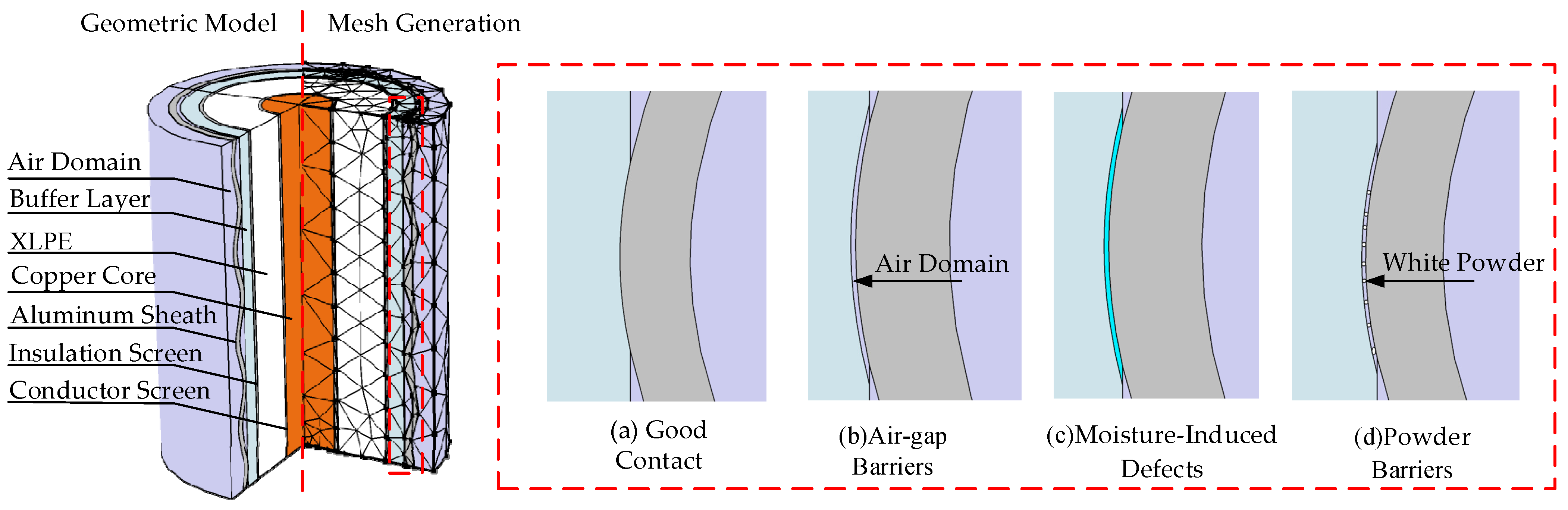
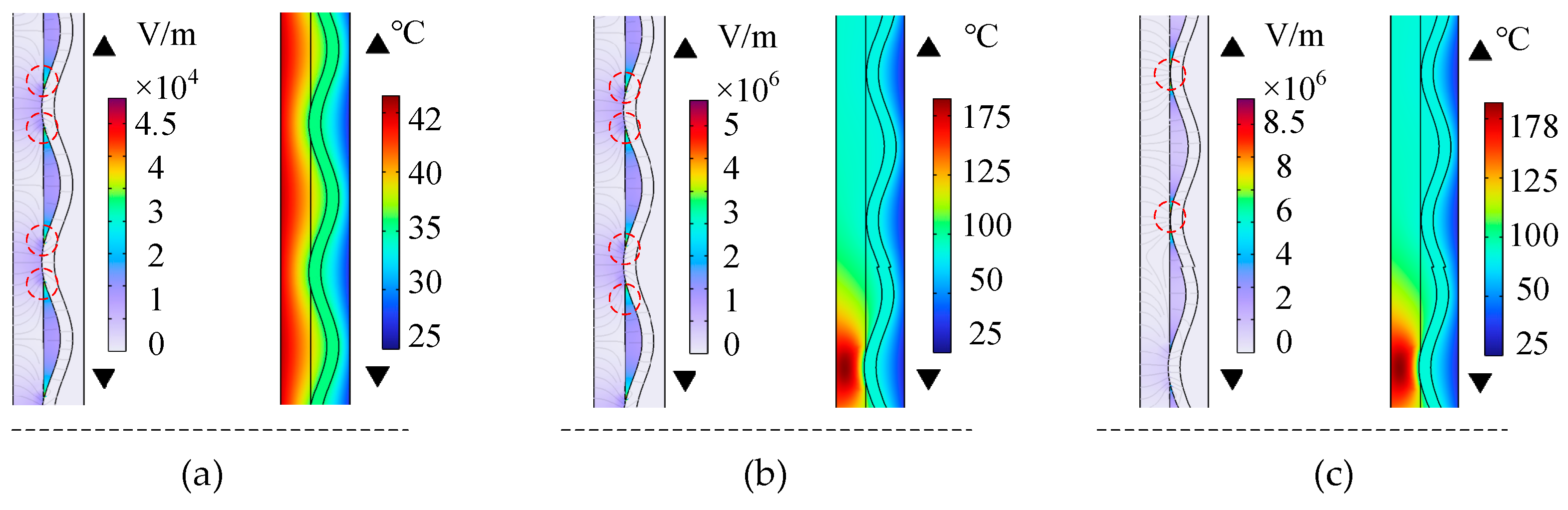
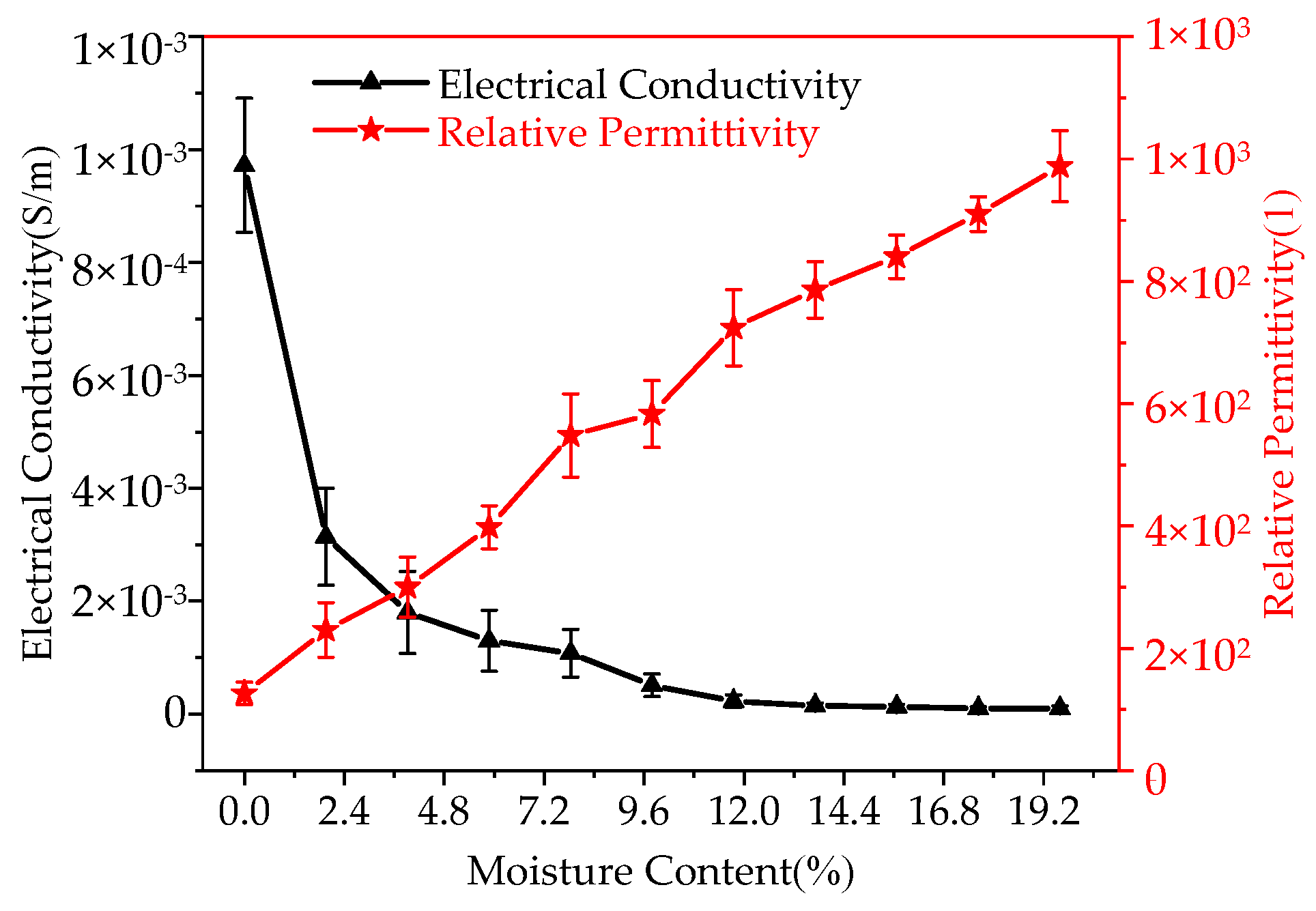
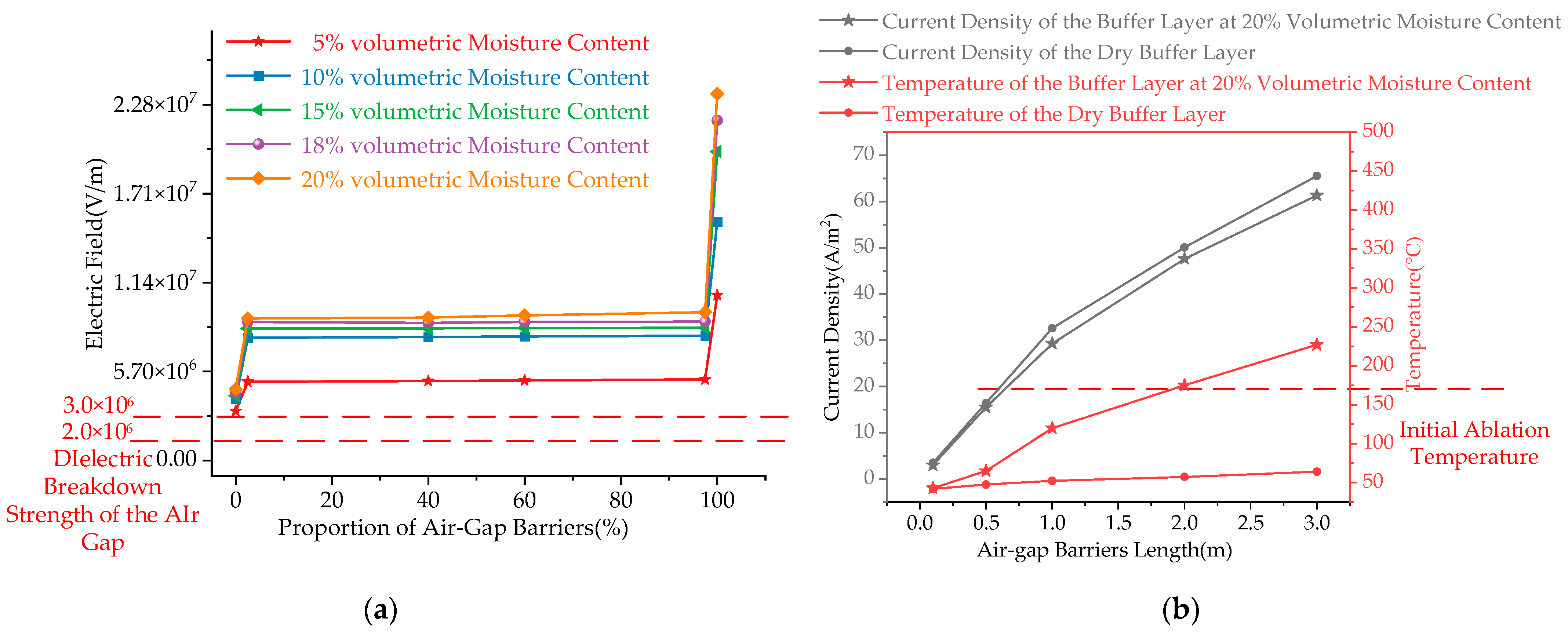
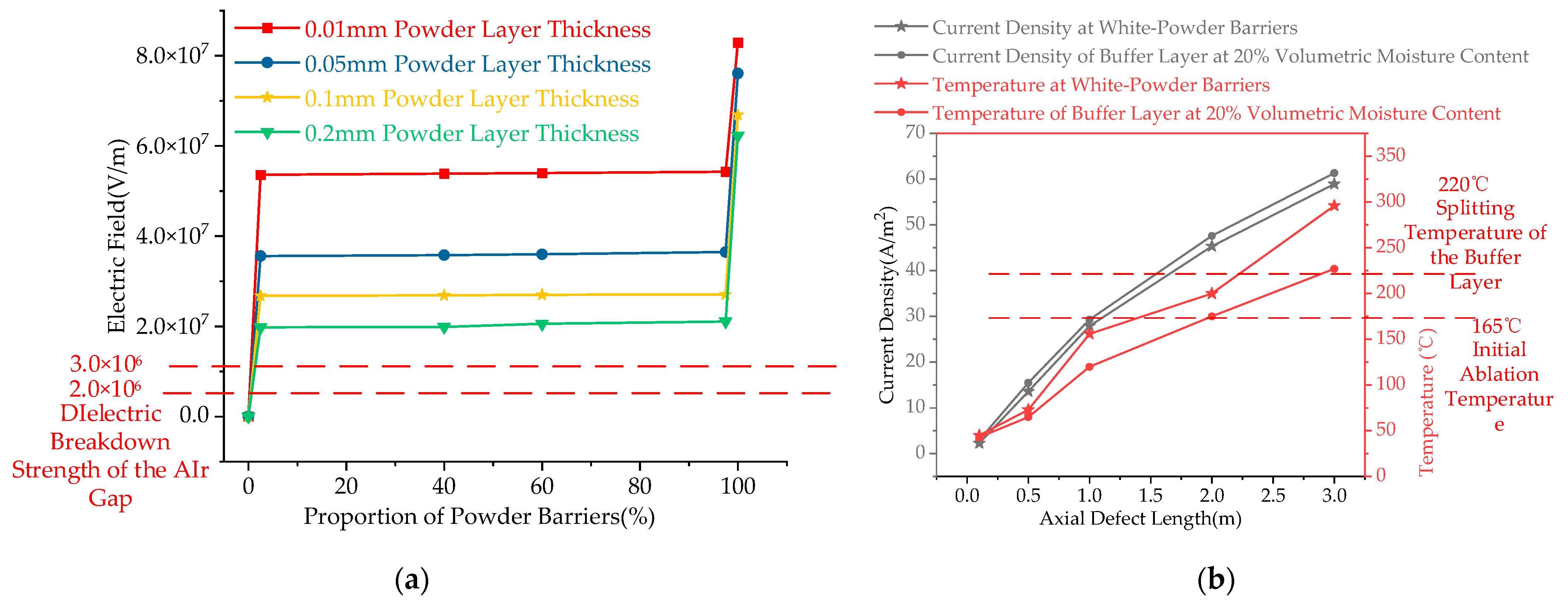
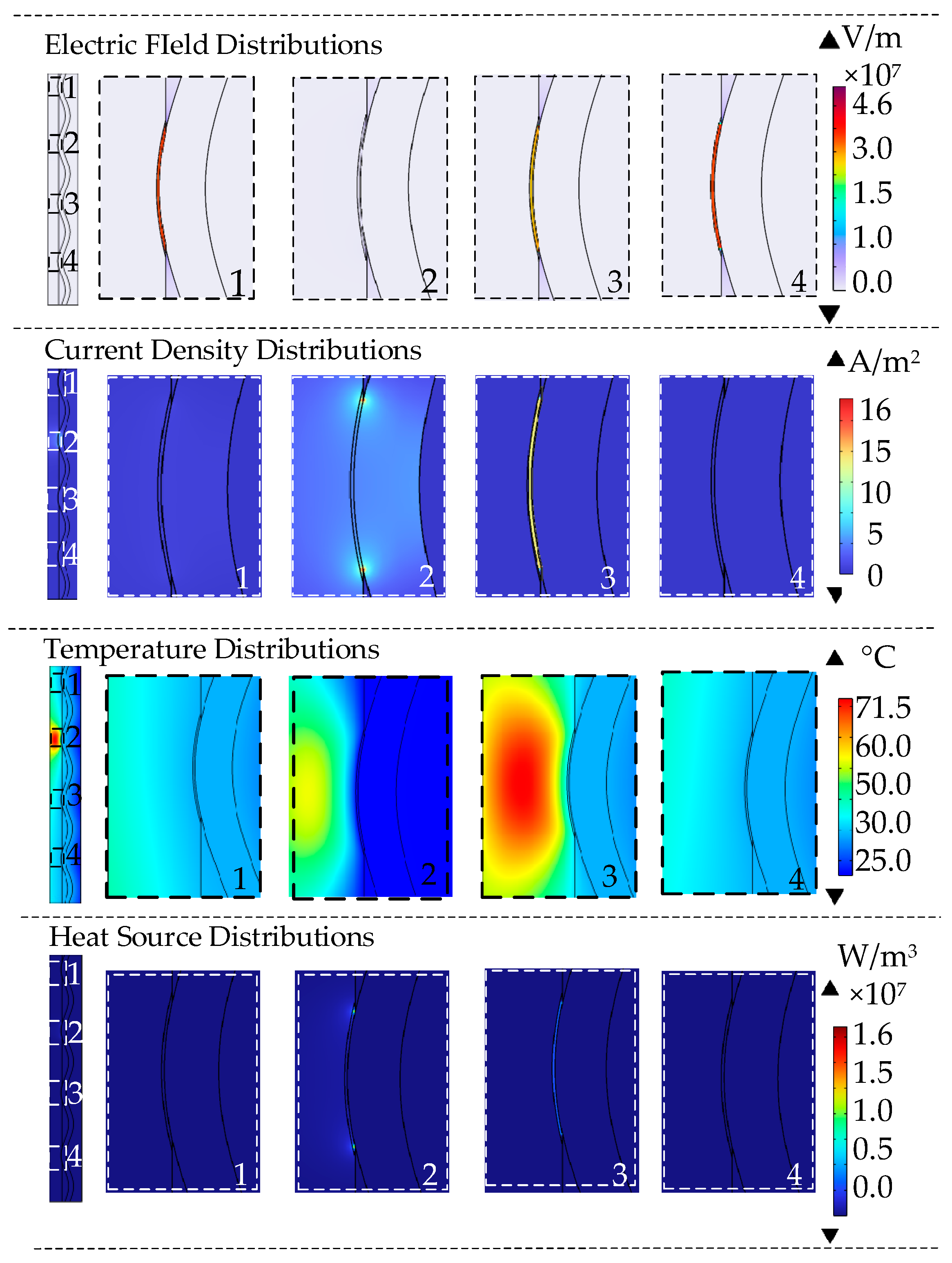
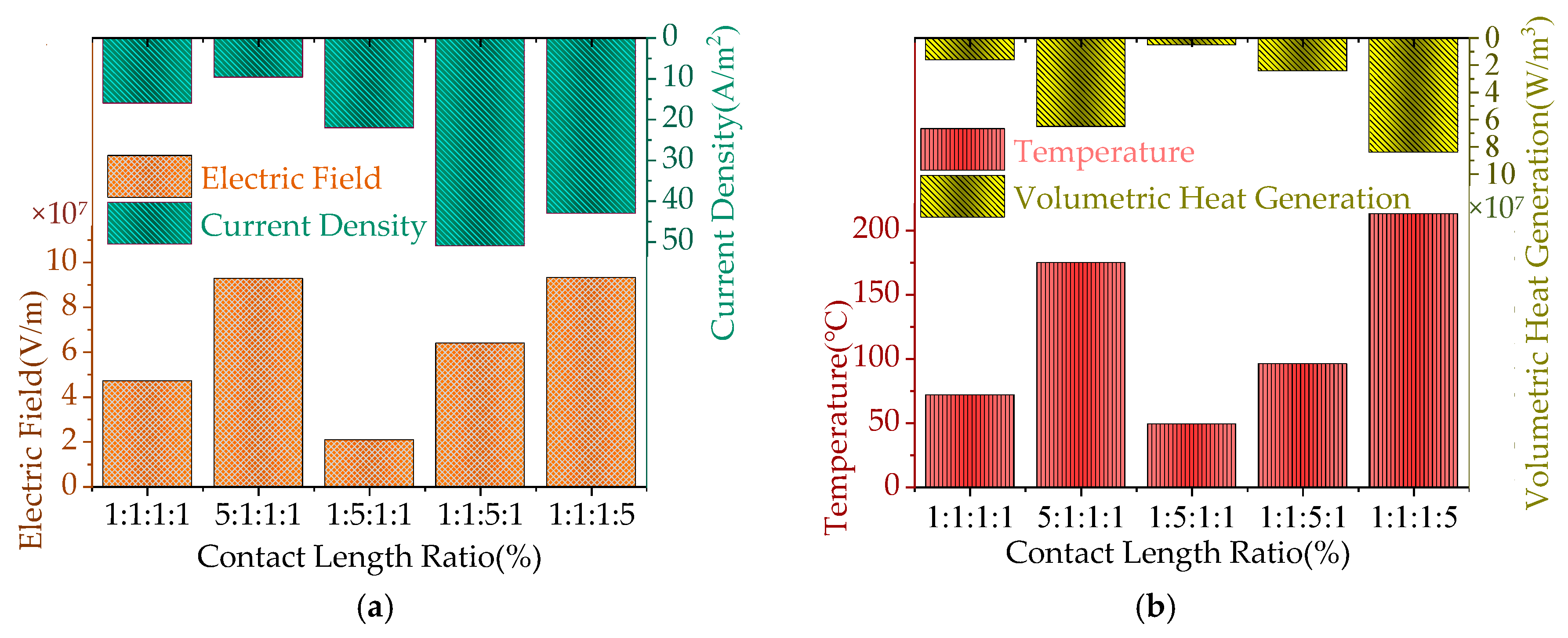
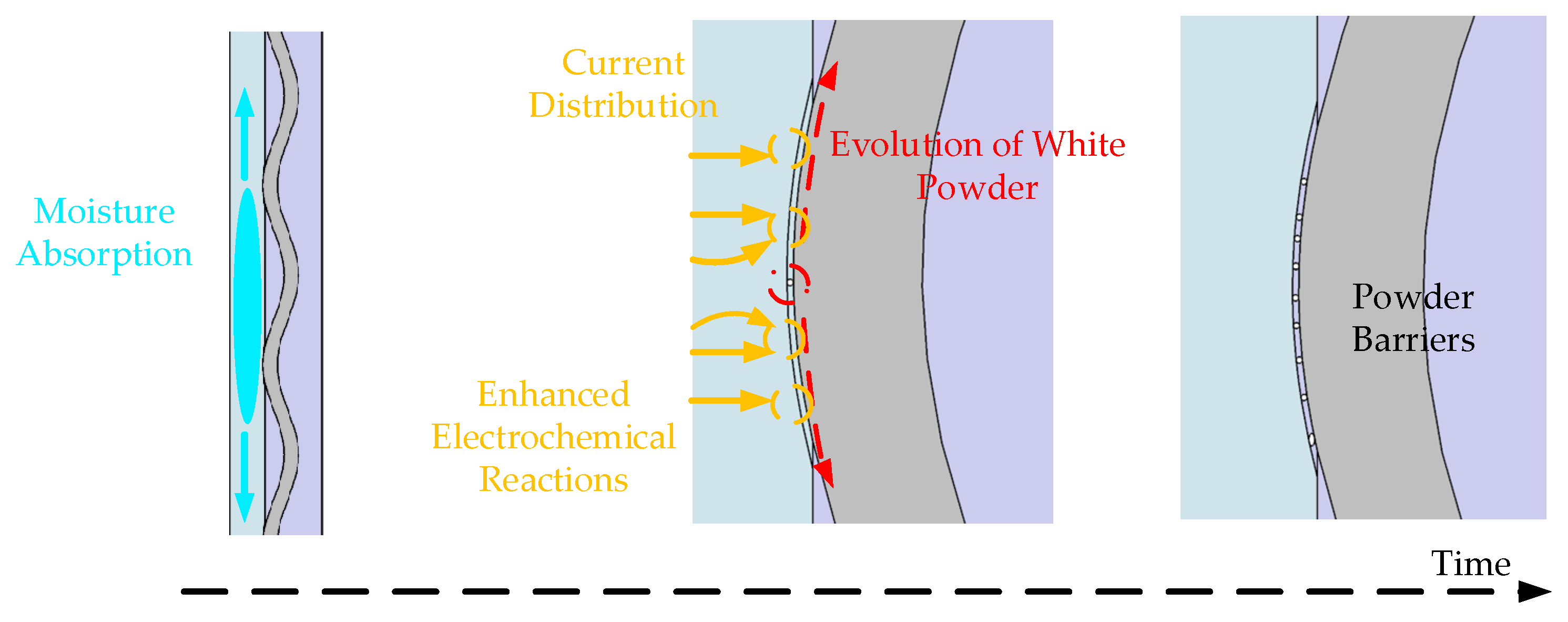
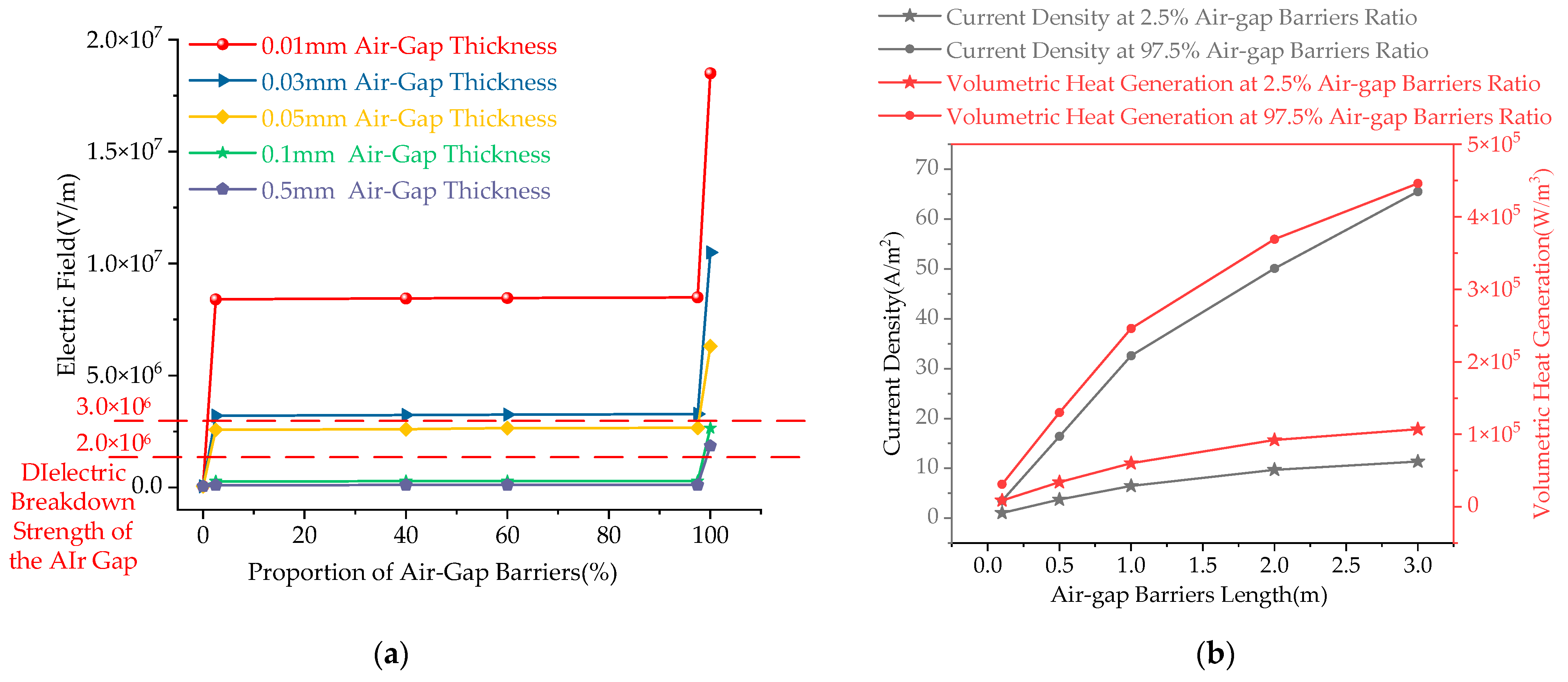
With the increasing number of failures in high-voltage cross-linked polyethylene cables caused by buffer layer ablation, it is of great significance to investigate the electro–thermal coupling characteristics and ablation driving mechanisms under different defect conditions. Based on a multiphysics coupling model, an electro–thermal coupled simulation of the cable buffer layer and corrugated aluminum sheath was carried out, considering three typical defect types: air-gap barrier, moisture ingress, and white-powder barrier. The distributions of air-gap electric field, interfacial current density, temperature, and heat source were systematically analyzed. From the perspective of ablation mechanisms, the maximum air-gap electric field and its spatial location, as well as the maximum temperature of the buffer layer and its corresponding region, were investigated under different defect conditions. Meanwhile, the probabilities of electrical ablation and thermal ablation, together with their corresponding threshold parameters, were quantitatively evaluated. The results show that when an air-gap barrier exists between the buffer layer and the aluminum sheath, air breakdown may occur when the air-gap thickness is approximately 0.01–0.05 mm. When the buffer layer is moisture-contaminated and the defect length exceeds approximately 2 m, the buffer layer temperature may exceed 165 °C. When white-powder precipitates in the buffer layer, partial discharge may be initiated at the early stage. With the increase in powder barrier proportion, the buffer layer temperature may exceed approximately 220 °C. It should be noted that these critical characteristics are obtained under the simulation conditions of this study. The specific values depend on material parameters and operating conditions and can provide theoretical support for cable operation condition assessment.
Keywords: barrier defect; buffer layer; electric field; current density barrier defect; buffer layer; electric field; current density