1. Introduction
Voltage instability and reactive power problems, combined with other types of failures, pose a significant risk to the reliability of electrical systems and can cause major blackouts, as has been observed in several countries over recent decades. Even with major investments and advances in network planning and operation, recent episodes demonstrate that vulnerability persists. To minimize these risks, voltage stability control strategies are applied, mainly through reactive power compensation, but an additional obstacle arises from the lack of real-time monitoring and control resources. The architecture of traditional systems, designed for centralized generation and relatively stable load profiles, does not meet the demands of existing grids, where high levels of renewables impose rapid and unpredictable variations. Consequently, the maintenance of voltage stability thus depends on adaptive control strategies and real-time data analysis, supported by synchronous measurements, large-scale monitoring systems, and forecasting algorithms capable of anticipating disturbances and dispatching corrective measures [
1,
2].
Voltage stability has become a major concern in the operation of power systems, which depends on the availability and distribution of reactive power. As such, it becomes very important to ensure the presence of sufficient quantity of reactive power sources on the grid for safe and reliable operation of the electric power system. Due to increasing loads on the existing transmission system, the problem of voltage stability becomes a major concern in the operation of the power system. The system operator must ensure that any contingency or sudden load variation does not create voltage instability that could lead to system collapse. Since voltage stability depends on the availability and distribution of reactive power, it is very important to ensure the presence of a sufficient quantity of reactive power source on the grid for safe and reliable operation of the power system [
3].
Volt/Var control (VVC) has been widely used by power utilities to maintain voltage levels within acceptable limits for consumers, as well as to optimize power factor, reduce electrical losses, and provide reactive support to the transmission system [
4]. Volt/VAR optimization presents significant challenges due to its complexity and has been widely studied over the decades through various mathematical formulations and solution techniques. This optimization problem is characterized by its nonlinear, non-convex nature and the simultaneous presence of continuous and discrete variables, making its resolution computationally challenging [
5].
The justification for carrying out this study is related to the growing importance of understanding the factors that affect maintaining voltage within safe operational limits, which is essential for the operation of equipment connected to the grid. Moreover, modern power grids face significant challenges, such as voltage fluctuations induced by the intermittent nature of renewable generation and the variability of energy consumption. In modern commercial settings, the quality of electrical power can directly affect the economics of many industrial consumers. For example, a momentary operation of a utility circuit breaker can cause a production line to shut down for 4 h, resulting in losses of up to US
$ 10,000 for a medium-sized industry [
6]. These violations can be mitigated by means of VVC, which acts to maintain the voltage profile within permitted limits and reduce transmission losses. This is possible by managing the production, absorption and flow of reactive power at different points on the system [
7].
Although several review articles have addressed voltage stability and reactive power control in the last two decades, most of them have traditionally focused on two main methodological approaches. The first approach focuses on classical optimization methods, while the second, which has been rapidly expanding, concentrates on Machine Learning (ML)-based Voltage and Reactive Power Optimization (VVO) frameworks, including ensemble learning and Deep Reinforcement Learning (DRL). Few review studies unify these perspectives, providing a systematic evaluation of case studies that allows for an understanding of the evolution of methodologies and their suitability to the demands of modern digitized networks.
Although relevant research exists, its scope remains fragmented and insufficient for the current needs of modern energy systems. To begin with, Review [
3] focuses on deterministic and metaheuristic techniques but does not examine contemporary data-driven or machine learning-based approaches for reactive power estimation. Review [
4] provides a comprehensive overview of machine learning, deep learning, and reinforcement learning methods for Volt/VAR optimization, but does not delve into techniques with classical reactive power estimation models based on numerical or optimization formulations. Similarly, review [
5] compares classical and heuristic methods applied to the Volt/VAR problem and analyzes hierarchical and decomposition-based distributed optimization algorithms, but does not address neural network or deep learning models. As a result, existing studies do not offer an integrated, side-by-side comparison of classical numerical methods, optimization-based techniques, and modern machine learning approaches to estimate the reactive power required for voltage restoration—particularly under the operating conditions of smart grids with high penetration of distributed energy resources (DERs).
In addition to addressing these methodological gaps, this review further distinguishes itself by incorporating insights derived from real-world case studies, an aspect often overlooked in previous research. This case study-oriented perspective provides practical evidence of how classical, optimization-based, and machine learning approaches perform under realistic operating conditions, including variable load patterns, distributed generation penetration, and voltage-violation scenarios. By combining methodological comparison with validated case analyses, this review delivers a more grounded and operationally relevant synthesis for modern power systems. Therefore, a new review becomes necessary to consolidate the state-of-the-art methods for estimating the reactive power required to restore voltage, emphasizing the evolution of analytical, optimization-based and learning-based approaches in the current context of smart and adaptive power grids.
This article aims to critically review the existing literature that uses methodologies to estimate the quantity of reactive power required to restore electrical voltage. The review herein seeks to survey, compare, and discuss the main mathematical methods and calculations used in recent years, by analyzing their approaches, applications, and limitations, in order to offer a consolidated basis that contributes as a reference for future work in the area. The main contribution of this study lies in the discussion of the applicability of the techniques found, in a way that provides an understanding of what can be best used in the present reality of energy production.
The remainder of this paper is structured as follows.
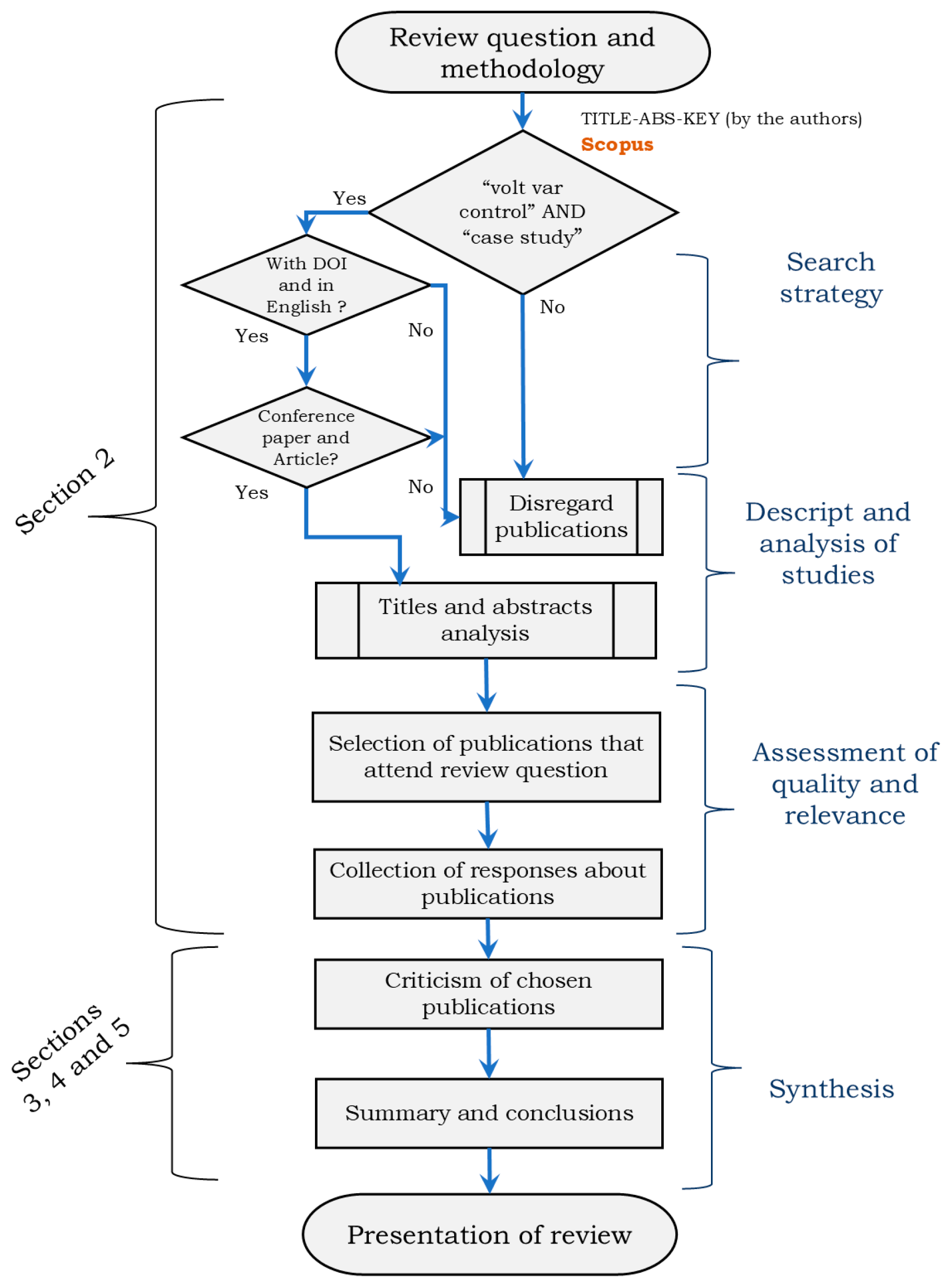
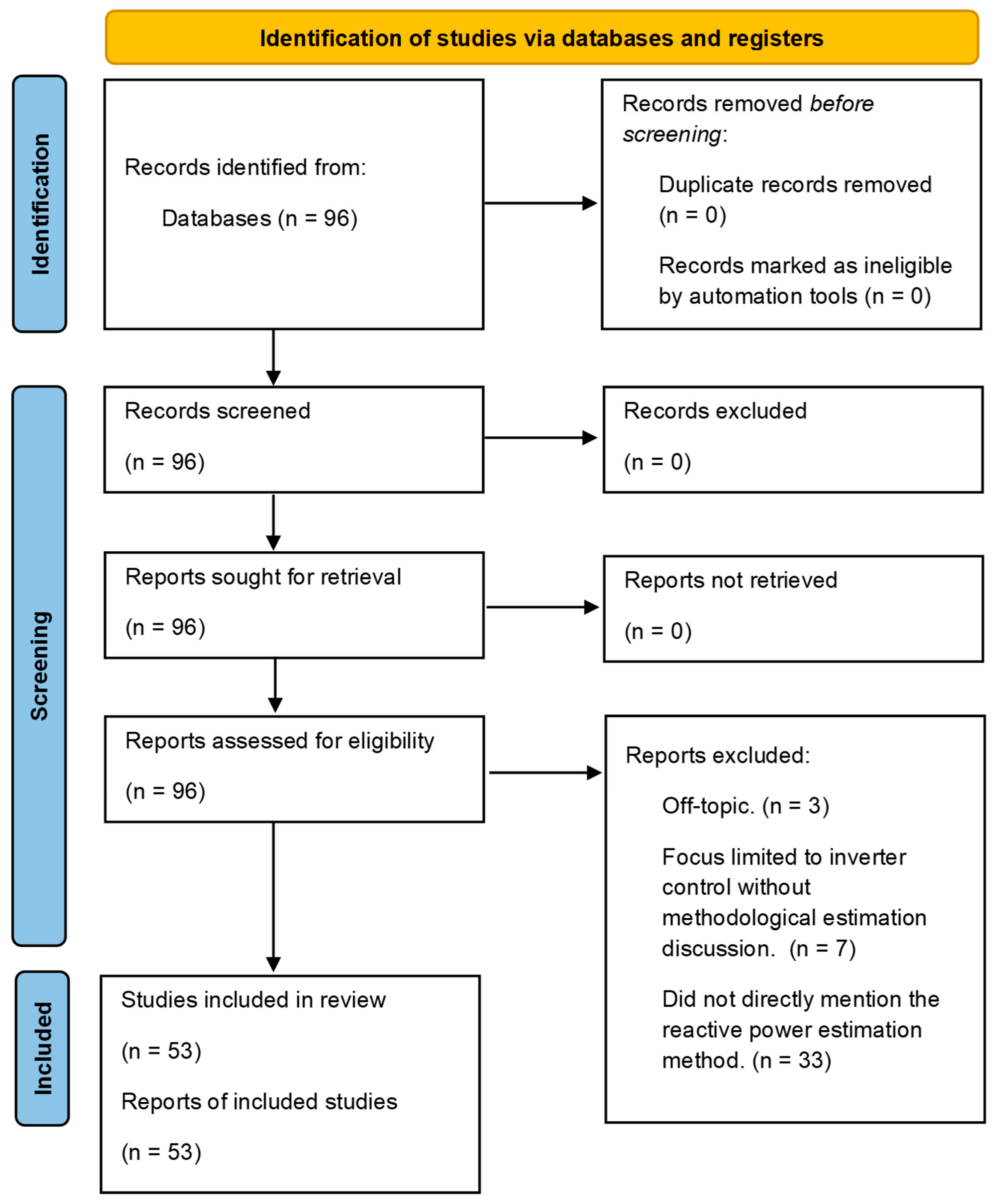
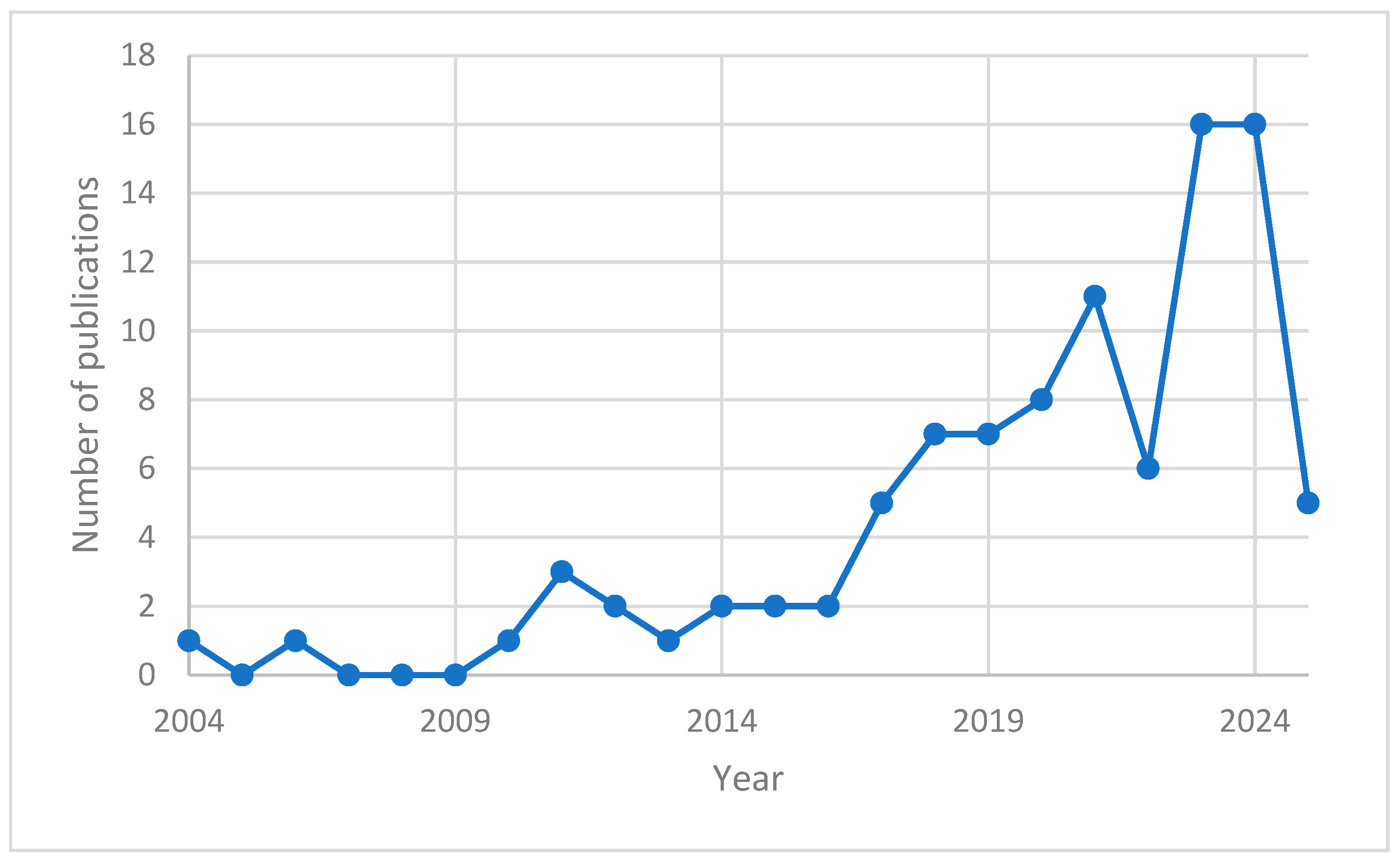
Section 2 presents the systematic review methodology employed, including the search strategy and selection criteria.
Section 3 classifies and describes the reactive power estimation methodologies into three main categories: Numerical, Optimization-Based, and Machine Learning-Based approaches.
Section 4 provides a critical comparative analysis, discussing the applicability, data requirements, and topological sensitivity of each category in the context of modern power systems. Finally,
Section 5 summarizes the main conclusions.
3. Methodologies for Reactive Quantity Estimation
Volt/Var Optimization (VVO) has gained prominence as an approach capable of efficiently coordinating voltage and reactive power control devices, such as voltage regulators, capacitor banks and on-load switching transformers. Over the last few decades, several solutions have been developed, reflecting a progressive technological evolution that accompanies the advancement of computational tools and measurement and communication systems. One of the most relevant innovations in this process was the introduction of AMI, which, through smart meters, allows for the near-real-time collection of detailed data on consumption, voltage, and energy quality, contributing to more efficient and accurate management of the distribution system.
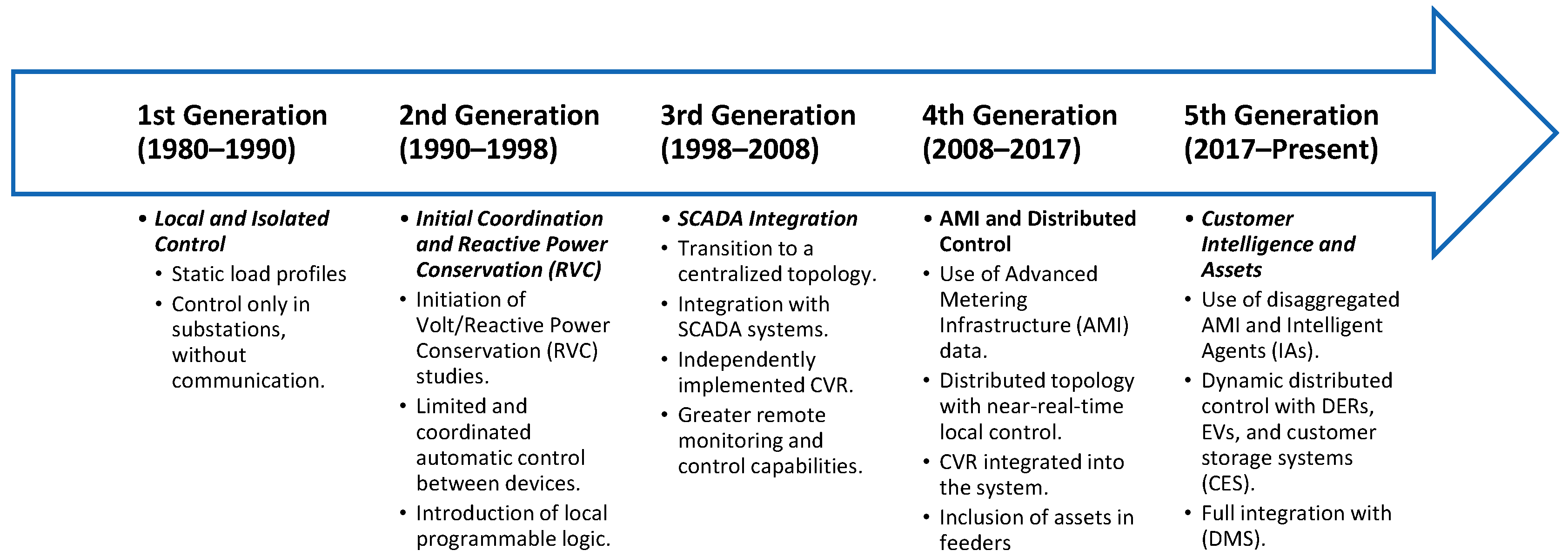
In [
8], the evolution of VVO solutions is presented, categorized into different generations, as illustrated in
Figure 4. The first generation of these solutions (1980–1990) was based on a local topology, with control performed exclusively in substations and load tap changers (LTC) operating independently, using static load profiles and without communication between devices. The second generation (1990–1998) introduced the first studies focused on Conservation Voltage Reduction (CVR), in addition to greater coordination between equipment, such as OLTCs, voltage regulators and capacitor banks, with automatic switching based on programmable logic. The third generation (1998–2008) marked the transition to a centralized architecture, with integration into the SCADA system and implementation of the CVR independently, with greater supervision and remote control of the devices. The fourth generation (2008 to the present, considering the year of publication of the article in 2017) was characterized by the adoption of data from AMI, allowing almost real-time control. In this generation, the CVR is integrated into the automation system, providing more dynamic, precise switching performance adapted to variations in load and distributed generation.
That highlighted by the authors as “Near Future” was treated in this work as fifth generation (2017 to the present). This new stage should be marked by even more dynamic solutions, with the use of disaggregated AMI data and a distributed topology based on Intelligent Agents (IAs). Control assets are no longer restricted to utility equipment and now also include consumer-side resources, such as Distributed Energy Resources (DER), Electric Vehicles (EV) and Customer Energy Storage Systems (CES). Furthermore, VVO is now fully integrated with Distribution Management Systems (DMS), promoting more comprehensive, intelligent and responsive control in the face of the growing complexity of modern power grids.
(A) Advanced Metering Infrastructure (AMI)
AMI is the complete solution that integrates hardware (meters) and software (management systems) to collect, store, and analyze consumption and generation data. Its objective is to optimize energy distribution, improve service reliability, enable more accurate billing, and give consumers (and the grid) the ability to intelligently manage consumption.
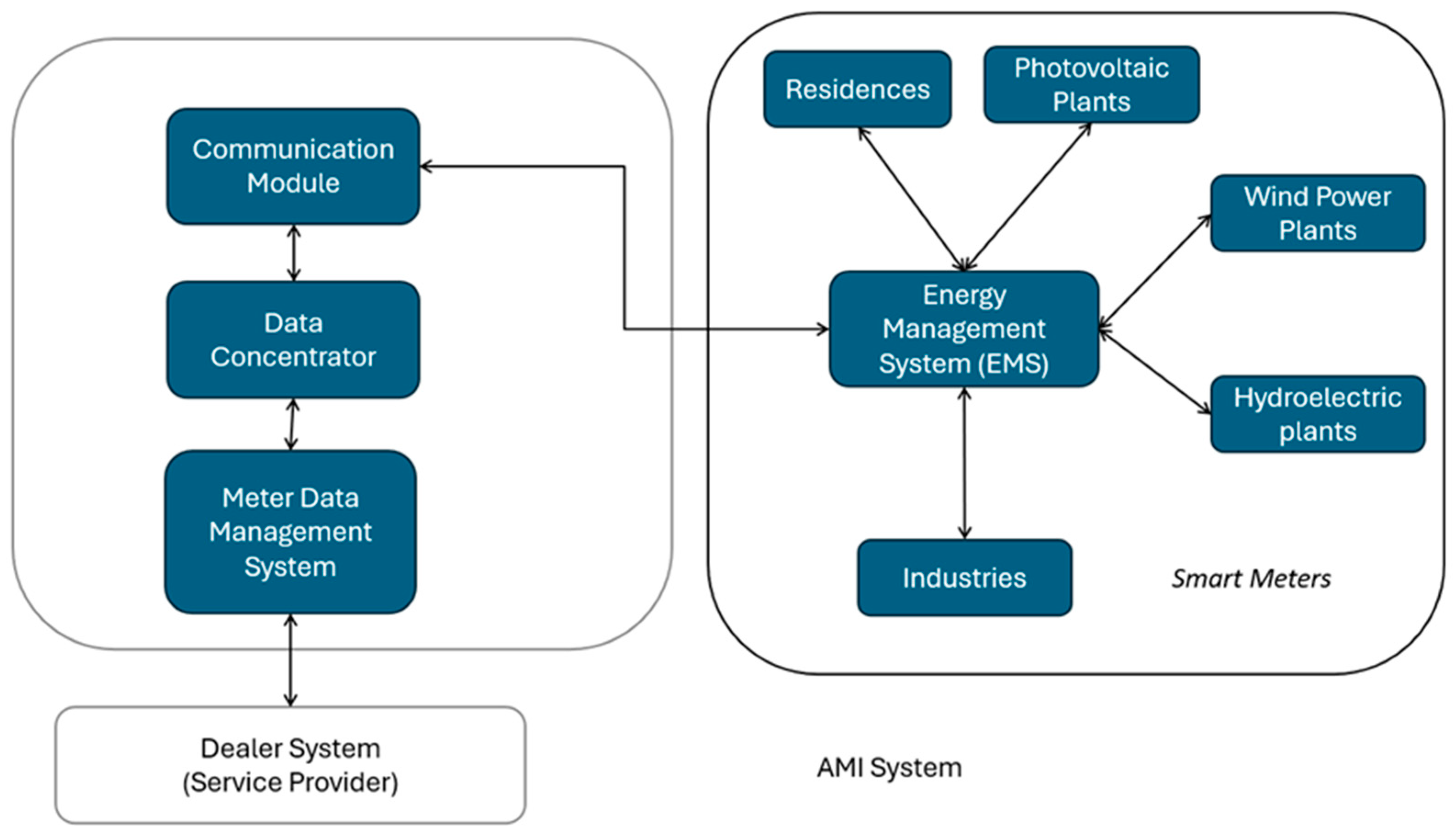
Figure 5 illustrates the architecture of an AMI (Advanced Metering Infrastructure) system, which represents an intelligent and bidirectional energy metering network. The right side shows the data flow from Smart Meters in various energy sources and consumers: Residences, Industries, Photovoltaic Plants, Wind Farms, and Hydroelectric Plants. All these elements are connected to an Energy Management System (EMS). The EMS, in turn, communicates with the core of the AMI system, which consists of a Data Concentrator and a Communication Module. The Data Concentrator feeds the Meter Data Management System (MDMS), responsible for processing and storing the large amounts of collected data, which are finally made available to the Distributor System (Service Provider). This structure is fundamental to enabling real-time monitoring, network optimization, asset management, and the integration of renewable energy sources.
At the consumer level, electricity consumption data is reported to both the consumer and the electricity company through smart meters. These meters have the ability to transmit and collect data from different equipment. The measured data is received by the data concentrator and then sent to the measured data management system.
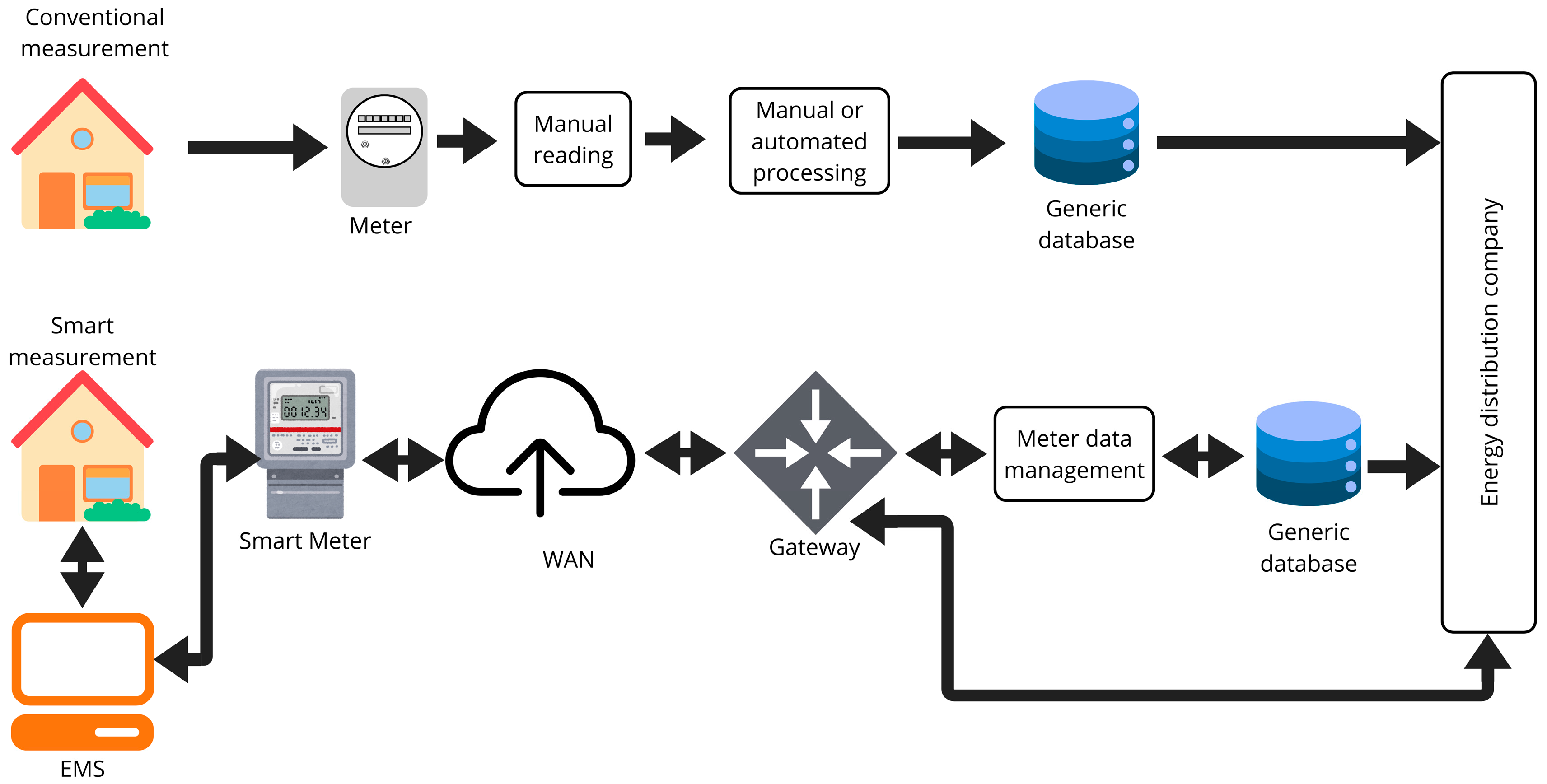
The diagram in
Figure 6 contrasts two methods of measuring electrical energy. The conventional method is linear and manual: an electromechanical meter is periodically read by a technician (manual reading), the data is processed and stored in a generic database and then used by the utility for billing. This process is slow, expensive in operational terms, and does not provide real-time data.
In contrast, Smart Metering is digital, bidirectional, and automated. The Smart Meter sends real-time consumption data through a wide area network (WAN) to a Gateway. This data passes through a Meter Data Management (MDM) system, which validates and cleans the information before storing it. This system serves not only the energy utility for billing and network management, but also allows the consumer to monitor their usage through an EMS (Energy Management System), making the entire network more efficient and responsive [
9].
The implementation of AMI represents a strategic opportunity to improve VVO performance by reducing uncertainties associated with distribution system modeling and control. With AMI, ubiquitous communication and the presence of smart meters throughout the network provide a comprehensive view of the system, where each meter acts as a smart sensor, providing detailed load profiles and on-demand readings. This granularity allows for accurate modeling of nodal load, dynamic adjustment of voltage tolerances, and validation of system operating parameters. Furthermore, AMI enables the improvement of equivalent models of secondary circuits and typical load forms of transformers, with better categorization of consumers and more accurate scale factors. Therefore, an increase in the scope of VVO switching is noted, which allows for greater conservation voltage reduction (CVR) and expansion of energy benefits. The ability to monitor voltages close to customer terminals, rather than just at substation busbars, provides more efficient use of voltage tolerances at customer installations. The integration of AMI with demand response at strategic points, such as distribution transformers, contributes to the effective reduction in peak load, both active and reactive, further optimizing system operation [
10].
The effective application of Volt/Var control in distribution systems depends directly on the accurate estimation of the quantity of reactive power required at different points across the network. This estimate is essential to ensure voltage stability, minimize losses and operate within technical and regulatory limits. To this end, several estimation methods have been proposed in the literature, each with specific characteristics, advantages and limitations [
11].
The following three main categories of methods for estimating reactive power are presented in the following order: numerical methods, which discuss their accuracy and limitations related to computational load; optimization-based methods, which address the ability to find near-optimal solutions, also highlighting the dependence on accurate network models; and machine learning techniques, which explore adaptability and the ability to learn from data, while considering the need for high-quality data and the challenges related to model interpretability.
3.1. Numerical Methods
Many of the solutions obtained by numerical methods are iterative, that is, they start from an initial estimate and the process repeats until a satisfactory result is achieved within an error criterion. With the advancement of fast and efficient digital computers, the use of numerical methods has grown significantly in recent decades, where they have become indispensable in solving complex problems in various areas of engineering and applied sciences [
12,
13,
14]. Load flow methods, such as Gauss–Seidel, Newton–Raphson, and Fast Decoupling, are techniques widely employed for determining steady-state system conditions, including bus voltage magnitudes and phase angles, as well as active and reactive power flows [
15,
16].
Techniques Using the Jacobian and Voltage Sensitivity Reactive Matrix
Solving the load flow requires iterative methods, as the system buses possess different data (voltage, power P and Q or both), which makes a direct algebraic solution unfeasible. The Gauss–Seidel method successively updates the voltages of each bus: at each iteration, a new set of voltages is calculated until the variations fall below a predefined error. Convergence, however, can be slow; therefore, acceleration factors are used that multiply the correction of each component (real and imaginary) to approach the desired value more quickly, requiring fewer iterations, even though an inadequate choice of these factors can reduce speed or prevent convergence. Although each iteration of NR is more complex due to the calculation and inversion of the Jacobian, the total number of iterations is almost independent of the size of the system, which means that, for moderate or large networks, Newton–Raphson is generally faster and more accurate than Gauss–Seidel [
17].
According to [
18], the objective of load flow techniques is to estimate the states of the systems (voltage magnitudes and bus angles), which minimize the functions ∆P and ∆Q to a pre-established convergence tolerance (1).
The Newton–Raphson method solves (1) iteratively by linearizing the system at each iteration. The linearized system is given by (2) and (3).
Assuming that the Jacobian matrices are well-conditioned, one can write (5):
where
and —Voltage angle sensitivity of the buses for active and reactive power, respectively.
and —Voltage magnitude sensitivity of buses for active and reactive power, respectively.
The sensitivity matrix S is compressed into submatrices , , and S = J−1.
To quantify the amount of reactive power required to restore the voltage profile within its permitted limits for each bus, the following methodology was developed.
Let the bus that supplies reactive power be called i and that which requires voltage regulation be bus j. The steps for the desired purpose are given by (6) and (7).
If the measured voltage (
) is higher than 1.05 pu, the reference (
) will be 1.05 pu,
, which will be negative (loads need to be connected),
can be calculated as follows from (8) and (9) (assuming that
):
Unlike the Newton–Raphson method, which requires the recalculation and inversion of the Jacobian matrix at each iteration, the fast decoupled method proposes a simplification by assuming that certain conditions of the electrical system allow for parts of this matrix to be treated as constants. This approach substantially reduces runtime and computational complexity, as it avoids costly repeated operations, keeping the coefficient matrices fixed across iterations. Although Newton–Raphson offers high accuracy and robust convergence even in large systems, its application can become computationally expensive, especially when multiple iterations are required or in systems with unstable settings. The fast decoupled method, when considering typical characteristics of lightly loaded systems and with voltages close to 1 pu, manages to maintain efficient performance with less memory consumption and greater speed, albeit at the cost of a slight loss of precision in more complex scenarios. Therefore, the choice between methods depends on the compromise between accuracy, speed, and the operational conditions of the network [
19].
The article in [
20] employs a method based on the Volt/Var curve, according to IEEE Std 1547-2018 [
21], to estimate the reactive power absorbed or injected by distributed generation units (DER), such as solar plants. The voltage measured at the connection point is used as input for a characteristic function that determines the reactive power value, with specific formulas for the capacitive and inductive sections of the curve. Initially, this Q value is obtained through an iterative error loop that feeds back into the load flow simulation using the Newton–Raphson method until voltage convergence. To optimize simulation performance, the Volt/Var curve is also incorporated directly into the load-flow Jacobian matrix, which significantly speeds up the process, especially during discrete variations such as tap-changing transformer (LTC) operations. This approach allows for an accurate assessment of the impacts of solar intermittency on the voltage stability of the power grid.
In [
22], a method based on the QV matrix derived from the Jacobian matrix of the load flow is used, combined with the concept of relative gain to estimate the reactive power and evaluate the Volt/VAR interactions between the buses of an electrical system. By treating the system as a multiple-input, multiple-output (MIMO) structure, the method identifies stability-critical buses through a loading margin index calculated with an equivalent single-port model. From this point, the relative cross gain between these critical buses and the others is calculated, revealing the degree of volt/var coupling between them. This allows strategic estimates to be made of the amount of reactive power that must be injected into the most sensitive points to maintain voltage stability in large systems.
The authors in [
23] describe a Volt/Var control method for three-phase voltage regulation that utilizes the positive-sequence sensitivity impedance matrix with power factor constraints (after Kron reduction). To calculate the amount of reactive power used, the study considers the steady-state response of the distribution network and models the power output of photovoltaic systems using OpenDSS. The calculation of reactive power involves determining the positive sequence sensitivity impedance matrix and applying an iterative control based on the difference between the target positive sequence voltage and the measured voltage. The article presents pseudocodes that build this matrix, allowing for voltage regulation by adjusting the reactive power of photovoltaic inverters.
In the research work [
24], Model Free Control (MFC) is used to coordinate the reactive power of synchronous generators on a microgrid, with the aim of improving the dynamic stability of the voltage. Unlike conventional methods that require an accurate mathematical model of the system, MFC uses an ultra-local model estimated in real time from measurements. This strategy allows dynamic adjustment of reactive power without relying on linearizations or complex Jacobian matrix calculations, thus making its implementation more efficient in real time. The study simulates critical events, such as three-phase failures and microgrid islanding, while demonstrating that the MFC effectively coordinates the reactive power reserves in generators, and as such quickly restores voltage profiles within safe operating limits, in addition to improving grid resilience.
The article in [
25] presents a network partitioning and hierarchical voltage regulation strategy based on the Holomorphic Embedding Method (HEM), aiming to improve the efficiency and accuracy of Volt/Var control in distribution networks. The proposed approach uses the voltage sensitivity derived from the HEM to calculate the influence of reactive power injection on the nodal voltage, allowing for a more reliable partitioning of the power grid. The hierarchical regulation strategy divides the system into two layers: the upper layer globally optimizes discrete regulation devices, such as OLTCs and capacitor banks, while the lower layer dynamically adjusts fast-response equipment, such as PV inverters and hybrid transformers, based on calculated sensitivity. The results demonstrate that the HEM-based method outperforms conventional approaches by reducing the computational burden and improving the convergence of power flow calculations, providing, through such, an efficient solution for voltage stability on distribution networks with high penetration of renewable generation.
3.2. Methods Based on Mathematical Optimization
Recent advances in algorithms have made it possible to use online optimal power flow (OPF) programs in energy management systems. These programs help operators correct overloads and voltage deviations, minimize costs and losses, and make decisions in contingency situations [
26].
Several classical optimization techniques that can be applied to OPF are grouped into six major categories according to [
27]:
Nonlinear programming (NLP).
Quadratic programming (QP).
Newton-based methods.
Linear programming (LP).
Mixed integer programming (MIP).
Interior point methods.
The methodologies discussed below were extracted from the articles reviewed in this research, which often present variations and improvements of classical optimization techniques, with adaptations made to the specific requirements of modern energy systems. Such variations include, for example, the use of modified versions of Newton’s method, such as the projected Newton, capable of dealing with box constraints, or regularized nonlinear programming, which improves numerical stability. A number of these works combine interior point methods with heuristic approaches, which seek to accelerate convergence in larger networks. There are also proposals that adopt hybrid formulations, integrating Successive Linear Programming (SLP) with sensitivity-based models or with linearized power flows, such as the LinDistFlow model. The literature also shows the application of classical methods in distributed architectures, which allow for the decomposition of the OPF into local subproblems, and solved in a coordinated manner by techniques such as ADMM. Therefore, there is a growing trend to refine, combine, or adapt traditional methods with the aim of overcoming limitations related to scalability, robustness in the face of uncertainty, and response time, especially in scenarios with high penetration of renewable sources and distributed energy resources.
In the context of the reactive dispatch optimization problem, articles [
28,
29] propose a model based on Successive Linear Programming (SLP), with the objective of minimizing real power losses in the electrical system. This technique presents computational advantages over nonlinear methods, as it eliminates the need to calculate the Hessian matrix at each iteration, reducing computational costs. In [
28], with regard to the reactive dispatch optimization problem, the objective function is chosen as the minimization of real power losses, where there are two main approaches for this purpose: the branch loss calculation method and the node loss calculation method.
In [
29], the method structure involves two levels of iteration: in the outer loop, the problem is linearized through the Taylor series; in the inner loop, each resulting linear subproblem is solved iteratively through algorithms such as the primal-dual predictor-corrector interior point method (PCPDIP), ensuring stable convergence and reduced computational time.
Several works adopt formulations based on mixed integer linear programming (MILP or SMILP) for Volt/Var control on distribution networks, given their computational efficiency and ability to deal with complex operational constraints. The following articles exemplify different approaches to this type of modeling.
Initially, [
30] proposes a Volt/Var Optimization (VVO) approach for distribution networks with loop topology, which employs three OPFs: minimization of the emergency level, switching operations and active power losses. In case of operational violations, OPFs are executed sequentially, prioritizing emergency correction, followed by commutation reduction and, finally, loss minimization. The solution method adopted is Sequential Mixed Integer Linear Programming (SMILP), which ensures efficiency in calculating control references for Volt/Var devices. The integration of these objectives aims to restore voltage, extend equipment working life and improve the energy efficiency of the electric network. In the same line of research, Ref. [
31] validates the accuracy and effectiveness of the SMIP model through simulations in OpenDSS, using smart photovoltaic inverters with enabled Volt/VAr control.
In [
32], using the same approach, a mixed integer linear programming (MILP) model is presented, aimed at the chronological operation of distribution systems containing distributed energy resources (DERs). The proposed approach describes the operation of automatic capacitor banks (CBs) and voltage regulators (VRs), while considering the system response in different typical scenarios. To select these scenarios, the study uses the K-means clustering algorithm, ensuring simultaneity and chronological combination of loads and DERs. The model also incorporates a current hysteresis controller for the CBs and a voltage drop compensator for the VRs, thus allowing for dynamic adjustments in network operation. The method was validated by comparing the results obtained with the linearized model and those generated by a nonlinear power flow, and demonstrating, through such, the effectiveness of the approach in reducing energy losses and maintaining voltage stability. In [
33], the approach seeks to improve voltage regulation along the feeder by dynamically adjusting the parameters of the Q(V) curve as operating conditions vary. The model structure incorporates a linearized three-phase power flow, thus ensuring an accurate representation of the interaction between inverters and legacy voltage control devices, such as voltage regulators and capacitor banks.
Following this line of research, Ref. [
34] proposes the LinDistS model, a modified version of Linear Distflow that incorporates the effects of line shunts, especially relevant in networks with underground cables, to improve the accuracy of voltage calculation and Volt/Var control. To calculate the amount of reactive power used, the method formulates a mixed-integer linear programming (MILP) problem that optimally dispatches shunt capacitors and photovoltaic inverters, considering the capacitive loading effects of the lines. This approach allows for linear structure maintenance of the original model, while reducing calculation time and avoiding stress violations, with superior performance in accuracy and computational efficiency, when compared to traditional models. While centralized models do present good results, there is a growing trend towards the use of distributed strategies, especially in modern networks with high DER penetration. These decentralized methods seek greater scalability, resilience, and privacy.
In this context, Ref. [
35] proposes an optimal distributed Volt/Var control method for power electronics-dominated AC/DC hybrid grids, utilizing photovoltaic inverters, soft open points (SOPs), and voltage source converters (VSCs) to provide reactive power in a coordinated manner. The amount of reactive power used is determined based on the operational capabilities of these devices, respecting their physical and operational limits. The optimization model is transformed into a convex version through relaxation techniques, permitting its efficient resolution with an accelerated ADMM algorithm. This distributed approach allows each grid subregion to locally optimize its reactive power injection, exchanging only boundary information with neighboring regions, which improves scalability, data privacy, and voltage quality across the grid.
Continuing this approach, Ref. [
36] presents a two-step distributed voltage control algorithm, based on semidefinite programming (SDP), for active distribution networks. The approach divides the network into operational zones, classified according to the type of consumer (residential, commercial and industrial), allowing for a more precise adjustment of Volt/Var control settings. The first stage of the algorithm determines the optimal reactive power settings within each zone, while the second stage minimizes the operations of the voltage regulators, thus extending their useful life and reducing operating costs. The chordal relaxation-based SDP formulation ensures fast convergence without the need for penalty parameters; thus, the method becomes more efficient and less dependent on manual adjustments. Case studies demonstrate that the proposed strategy improves voltage stability and significantly reduces energy losses on the power grid.
In situations where there is great variability in operational conditions, techniques with real-time feedback stand out for their dynamic adaptation capacity. The following studies are those that explore this type of approach.
Along these lines, Ref. [
37] proposes an online voltage control strategy for unbalanced distribution networks based on the projected Newton method (PNM). To calculate the amount of reactive power used, it formulates the Volt/VAr control problem as an optimization program, through coordination of the reactive power output of distributed energy resources. To improve convergence speed, the PNM algorithm uses a positive definite symmetric matrix based on the Hessian of the objective function, which speeds up the process compared to conventional gradient-based methods. VVC is implemented online with feedback, using instantaneous voltage measurements: each bus agent sends its data to a central agent, which returns the ideal VAr commands. The simulation results demonstrate that the proposed method presents fast convergence and strong capacity to monitor system variations in real time, in addition to eliminating voltage violations in unbalanced distribution networks. The performance of online PNM-based control was superior to traditional methods, such as GP and DSGP, and outperformed offline strategies, since real-time feedback allows for the asymptotic correction of modeling errors through the closed-loop mechanism.
In this context of advanced strategies for voltage control on distribution networks, Ref. [
38] presents two methodologies for controlling reactive power in voltage restoration on networks with distributed photovoltaic generation through smart inverters: the greedy method and the method based on increased power flow (APF). The greedy method acts locally, adjusting the power factor angle based on periodic voltage measurements and simulations. And since this algorithm only considers the local voltage as input, it is more suitable for networks with short feeders due to its limitation in considering the interdependence between nodes. The APF method incorporates the power factor angles as variables in the power flow equations, solved iteratively with the Newton–Raphson method. Despite its complexity and dependence on an efficient communication system, APF has proven effective in maintaining voltage within desired limits, as demonstrated in case studies. This method requires a communication system to collect measurements and send command signals to the inverters. Information of load, weather and system is sent to the control center, where control references are calculated and command signals are sent to all devices. Communication latency can affect optimal system operation and was not considered in the cited article.
Several approaches stand out for treating the problem as multi-objective, seeking to balance different goals such as reducing losses and increasing the working life of equipment. In the following, solutions are presented that use Pareto analysis or predictive control techniques for this purpose.
Through this approach, Ref. [
39] proposes a Pareto frontal analysis method to select the optimal weighting factor in a multi-objective optimization model of Volt/Var control (VVC) with photovoltaic inverters. This method balances two conflicting objectives: minimizing energy losses on the grid and reducing the apparent power of the inverter, which directly impacts its working life. Pareto analysis allows for the identification of solutions that offer the best compromise between energy performance and equipment reliability, guiding the choice of an operating point that preserves the durability of the DC-link capacitor without sacrificing system efficiency. The case study validates that this approach improves VVC management in the long term.
The article in [
40] expands previous works that were limited to distribution networks with predictive controllers based on mixed integer nonlinear programming (MINLP) and multi-objective predictive control (MPC). This paper demonstrates, through simulations, that the combination of the Optimal Power Flow (OPF) strategy and voltage predictive and reactive control (VVC) is effective in maintaining adequate voltage profiles at high and medium voltage levels, while limiting the export of reactive power to extra-high voltage grids. Model-based predictive control (MPC) stands out for its ability to handle complex systems, including multivariable, nonlinear, and time-delay features. In this regard, MPC anticipates system behavior and adjusts its actions in real time, and as such increases efficiency.
In highly uncertain environments, robust control techniques are employed to ensure system performance when faced with load and generation variability.
In this sense, Ref. [
41] proposes the use of robust mixed H
2/H∞ control to deal with operational uncertainties on distribution systems with high penetration of distributed energy resources (DERs), such as load variability and intermittency of photovoltaic generation. The strategy seeks to minimize H
2 performance under normal conditions, optimizing system efficiency, while limiting the worst possible performance through the H∞ norm, and thus ensuring robustness. The design of the controller also considers structural constraints imposed by the communication network, requiring convexification techniques to enable its synthesis. Case studies demonstrate that this approach significantly improves the voltage profile and system stability, even when faced with uncertainty.
The results presented throughout the analyzed studies show that optimization-based approaches applied to reactive power and voltage control are highly effective in dealing with the operational challenges of modern networks. Whether through improved classical methods, hybrid models or distributed strategies, significant improvements were noted in voltage stability, energy loss reduction, extended equipment working life and greater responsiveness to variations in system conditions. Techniques such as Mixed Integer Linear Programming (MILP), interior point methods, predictive control algorithms and robust controllers have demonstrated excellent performance in different scenarios, including on networks with high penetration of distributed generation. Furthermore, real-time feedback models and multi-objective methods have contributed to more accurate, adaptive, and energy-efficient control, reinforcing the potential of these approaches as essential tools for the safe and optimized operation of smart grids.
To overcome the limitations of classical optimization, the scientific community has progressively migrated to global optimization techniques or computational intelligence based on evolutionary, social or natural principles. Among these, the Genetic Algorithm (GA) and Particle Swarm Optimization (PSO) stand out. These methods, free from derivative restrictions, have shown to be promising alternatives for exploring complex search spaces and finding better quality solutions for OPF. These advances, driven by increased computational power, demonstrate that methods inspired by natural processes not only circumvent the shortcomings of classical methods, but also offer a viable way to deal with the nonlinear, nonconvex nuances and discontinuities typical of modern electrical systems [
42,
43,
44].
Among these approaches, Particle Swarm Optimization (PSO) has been widely used in several variants. The works encountered in [
45,
46,
47,
48,
49] describe PSO as a population-based stochastic technique, inspired on the collective behavior of animals such as birds and fish, where each particle represents a potential solution in the search space. The algorithm involves the random generation of initial positions and velocities, evaluating particle fitness, and iteratively updating these variables based on individual and collective performance. In the context of the methodology proposed by [
31], each particle requires power flow calculations to be performed for different load levels, which can be computationally intensive. To mitigate this cost, particles are pre-classified into qualified and unqualified based on compliance with operational constraints, and only qualified particles are considered in the calculations, thus optimizing the performance of the algorithm. Qualified particles are those that do not violate the restrictions involving the switching operation of ULTC, substation capacitors, power capacitors, and DG outputs. Otherwise, they are defined as unqualified particles and will be discarded.
An alternative resulting from the adaptation of the PSO was presented by [
50], which uses a method based on steady-state power flow with Volt/Var (VVC) control, implemented in MATLAB. In this method, the Particle Swarm Optimization (PSO) algorithm is combined with the Newton–Raphson method to calculate the amount of reactive power used by distributed energy sources (DERs).
Following another line of development, the study by [
51] employs an optimization algorithm based on the Lévy flight firefly algorithm (MLFA), which aims at minimizing active power losses and reducing the operational costs of the distribution network. The nature-inspired Firefly Algorithm (FA) is based on three main rules: (1) all fireflies have the same “sexuality,” meaning any one can be attracted to another; (2) attractiveness is related to brightness, so that less bright fireflies move toward brighter ones, with both attractiveness and brightness decreasing with distance; and (3) brightness is related to the objective function. Through the combination of these rules with features of Lévy flights, the MLFA (Modified Lévy Flight Firefly Algorithm) is defined, in which the movement of fireflies is guided both by attractiveness and by random jumps with a heavy step (Lévy) distribution. The feasibility of MLFA was tested in a Turkish radial distribution system, and its results surpassed those obtained with PSO and traditional FA, both in terms of performance, stability, and success rate.
Continuing within the field of meta-heuristics, the work of [
52] presents the use of the Genetic Algorithm (GA) as a solution for Volt/Var control, addressing multiple objectives such as minimizing energy losses, improving the voltage profile and stability, in addition to reducing switching operations of devices such as OLTCs and capacitors. To deal with the complexity of the problem over the course of the 24 h of the day, the daily load is divided into intervals, allowing control actions to occur only once per period, which thus optimizes computational performance. GA is applied to determine the optimal configurations of these devices based on an objective function composed of weighted criteria, while maintaining voltage levels within limits, thus ensuring network security and reducing losses. Tests performed on the IEEE 33 bus system proved that the approach significantly improves the efficiency and stability of the electrical system.
Continuing with strategies based on unconventional optimization, Ref. [
53] proposes the use of the Equilibrium Optimizer (EO) algorithm. This algorithm, like other meta-heuristic methods, searches for ideal solutions by simulating particles that seek the equilibrium state of the system. To perform such, the algorithm selects the four best solutions from the population as candidates for equilibrium and adds a fifth, which is the average of these four. These five particles guide the exploration and intensification phases, allowing the EO to balance the search for new solutions with the refinement of existing ones, even without knowing exactly the level of concentration that represents the ideal balance. This mechanism promotes a balance between exploration and intensification, suitable for problems such as reactive power control in networks with DERs.
Moving towards more sophisticated approaches, Ref. [
54] proposes a stochastic multi-objective approach (SMVVC) for the daily control of voltage and reactive power on distribution networks, integrating renewable sources such as wind turbines, fuel cells, photovoltaic systems and hydroelectric plants. Through use of scenario-based modeling to address load, wind, and solar irradiance uncertainties, the study employs a Modified Teaching-Learning Algorithm (MTLA). This solves the problem formulated as a mixed-integer nonlinear programming (MINLP) through advanced mutation and crossover techniques, and as such avoids local minima and improves solution finding. The method also includes an interactive fuzzy optimization approach that allows the operator to adjust the results based on their preferences. The results show that the use of this structure reduces energy losses, emissions and voltage deviations, in addition to making the system more efficient in the presence of uncertainties. The effectiveness of the model is demonstrated through tests on two distribution feeders.
Finally, MTLA itself is highlighted as an evolution of conventional TLA, developed to overcome limitations such as premature convergence and limited exploration of the search space, especially in problems with multiple decision variables such as SMVVC. The main modifications involve a redesign of the learning phase and the introduction of a new mutation operator. In the learning phase, MTLA uses a combination of directed differences between multiple randomly selected learners, allowing for a more efficient and broad exploration of the solution space. The new mutation operator, inspired by Differential Evolution (DE) strategies, generates a third candidate solution based on weighted differential vectors, which significantly increases population diversity and the ability to escape local optima. During each iteration, three potential solutions are evaluated from the teacher, student, and mutation phases, and the best one is selected to constitute the next generation. In addition to maintaining the characteristic of not depending on adjustable parameters, MTLA presents better performance in terms of convergence and robustness, where it is especially suitable for optimization problems under uncertainty, such as the optimal control of voltage and reactive power in distribution networks [
54].
The results obtained using metaheuristic optimization methods demonstrate their high effectiveness in solving complex and nonlinear problems associated with the control of reactive power and voltage on modern distribution networks. Techniques such as PSO, GA, FA, EO, and MTLA have stood out for their ability to broadly explore the solution space and avoid local minima, while offering robust responses even in the face of operational uncertainties, load variability, and penetration of renewable sources. Approaches such as adapted PSO with particle filtering, the Firefly algorithm with Lévy flights, and MTLA demonstrate significant improvements in voltage stability, loss reduction, and decreased device switching operations. The versatility and adaptability of these techniques, combined with multi-objective strategies and stochastic modeling, allow for more efficient management of distributed energy resources (DERs), through their adaptation to different network profiles and time horizons. Therefore, meta-heuristic methods are consolidated as powerful tools for the operational optimization of smart electrical systems, and as such provide greater flexibility, energy efficiency and reliability in real-time operation.
3.3. Machine Learning Techniques
The first decades of OPF research predominately were of deterministic approaches based on classical mathematical programming. Although efficient in small-scale scenarios, these depend on convexity and smoothness assumptions, and as such, these strategies show weaknesses when faced with large-scale systems. On modern grids, marked by high renewable penetration and highly nonlinear characteristics, such techniques tend to converge prematurely or demand prohibitive computational resources [
42,
55].
Faced with these challenges, machine learning methods emerge as a promising alternative for Volt/Var control. Traditional optimization of reactive power on distribution networks is generally conducted through time horizon optimization models, which seek to minimize energy losses and voltage deviations by determining, at each interval, the optimal output levels of reactive power compensation from devices. To this end, several approaches have been used, including mathematical optimization methods, computational intelligence, stochastic techniques and predictive models. However, these strategies face considerable limitations: they are computationally intensive, prone to getting stuck in local optima, and highly dependent on the accuracy of predictive data. This last point is especially critical in scenarios with high penetration of photovoltaic generation and faced with such stochastic variability influenced by factors such as climate, topography and weather, it is difficult to model accurately. In this context, deep reinforcement learning (DRL) emerges as a promising alternative. This data-driven approach enables real-time optimization based on partial observations of the system, without the need for explicit future predictions [
56].
Among the approaches based on supervised learning, the study by [
57] combines classical models with machine learning. Initially, an optimal power flow (OPF) problem formulated as MILP is solved to estimate the net active and reactive power injections at each network node. From the OPF resolution, the net injections of active and reactive power at each node in the network are obtained. This data is fed to supervised learning models like KNN, Random Forest, and neural networks, which learn to map these injections to optimal controls and resulting voltages. Therefore, the amount of reactive power is inferred based on the optimal OPF decisions and refined by machine learning models, allowing, through such, efficient and fast control in real time.
Purely DRL-based approaches are represented by the paper in [
58] that proposes a combination of deep reinforcement learning (Deep RL) with graph neural networks (GNNs). Unlike conventional approaches that represent electrical systems as vectors, this study explores the structure of graphs with tree topology, thus producing a more faithful representation of the power grid. The results indicate that graph-based policies are more robust against communication failures and measurement errors, in addition to offering a scalable alternative for systems of different sizes.
Another method is the Evolutionary Strategy (ES) that improves the exploration capacity of deep reinforcement learning (DRL) algorithms, which enables the finding of more efficient solutions for Volt/Var control on unbalanced distribution networks. In article [
59], ES is used to mitigate the dependence on fine-tuning hyperparameters, as well as selecting custom algorithms, thus making the learning process more robust and less sensitive to variations in the electrical environment. The approach combines ES with an off-policy actor–critic model, where ES generates multiple actor individuals and updates these based on a multivariate Gaussian distribution, ensuring diversity in the search for optimal policies. The results demonstrate that ES significantly improves the DRL exploitation capability, enabling faster and more efficient convergence to voltage control solutions on complex power grids.
In exploring further the potential of DRL-based algorithms, the work of [
60] presents a Volt/Var coordinated control model for photovoltaic inverters, through use of an improved Soft Actor–Critic (SAC) algorithm to optimize the reactive power control curve. The proposed approach seeks to minimize energy losses and mitigate rapid voltage fluctuations on active distribution networks. The model divides control into two hierarchies: the central one, which optimizes the base reactive power of the inverters and adjusts the intercept of the voltage drop curve, and the local one, which uses the optimized drop function to eliminate voltage violations in real time. By formulating the problem as a Markov Decision Process (MDP) allows the SAC algorithm to learn efficient control strategies, which ensures a fast response to voltage variations and better coordination between network devices. Case studies performed on IEEE 33- and 123-node systems demonstrate that the approach reduces energy losses by up to 12.3% and improves voltage stability on the network.
Complementing this line of DRL improvement, the article in [
61] presents a Bayesian optimization approach within the deep reinforcement learning framework to improve the performance and robustness of Volt/VAR control on power distribution systems. The technique combines an actor–critic model with Bayesian optimization to accelerate training convergence and improve the decision-making performed by the control agent. The problem formulation uses a Markov decision process (MDP), where the state space represents voltage and reactive power, and the reward function penalizes voltage deviations and active power losses. Bayesian optimization employs a Gaussian process to estimate the objective function and tune hyperparameters efficiently, while ensuring a balance between exploration and exploitation during learning. The results demonstrate that the approach improves voltage stability and reduces energy losses on the network, with performance gains of 21.11% on the IEEE-13 system and 81.81% on the IEEE-123 system.
Finally, the article in [
62] presents a hybrid approach that combines stochastic optimization with neural networks for control on two time scales using Electric Springs (ESs) for active distribution networks. To calculate the amount of reactive power used, the method employs a two-stage stochastic programming model, where legacy devices (such as OLTCs and capacitor banks) act on a slower (hourly) timescale, while ESs provide fast reactive support on a short timescale (every 15 min), which respond to stochastic fluctuations in load and PV generation. The reactive power of the ESs is modeled based on nonlinear equations that relate to the bus voltage, the active power of the non-critical load (NCL) and the reactive power injected by the ES. To enable problem solving, these equations are replicated by a multilayer perceptron (MLP) neural network, trained with data obtained from a hardware-in-the-loop (HIL) platform. The MLP is then linearized, warranting the transformation of the original problem, a non-convex, nonlinear optimization model, into a mixed-integer programming problem with second-order constraints (MISOCP), which can be solved efficiently.
The results obtained with machine learning-based approaches, especially those involving deep reinforcement learning (DRL) and supervised learning, reveal a significant advance in Volt/Var control on modern distribution networks. These techniques overcome the limitations of classical deterministic approaches, offering faster, more adaptive and robust solutions in the face of uncertainties and the highly dynamic nature of systems with a high penetration of distributed generation. Models such as DRL with graphical neural networks (GNNs), evolutionary strategies, Bayesian optimization, and hierarchical algorithms, such as Soft Actor–Critic have demonstrated excellent performance in reducing energy losses, stabilizing voltage, and improving coordination between control devices. Furthermore, hybrid solutions that combine stochastic optimization techniques with neural networks, as in the case of Electric Springs, have proven effective in operating across multiple timescales. By operating these data-driven approaches together, reinforced by advanced modeling, confirm that incorporating artificial intelligence into reactive control is a promising and scalable path to addressing the operational challenges of future smart grids.
4. Comparative Discussion
In this section, the main methodologies for estimating the amount of reactive power required to restore electrical voltage will be compared, discussed and categorized into three distinct groups: Numerical Methods, Optimization-Based Methods, and Machine Learning Techniques. The analysis will focus on the applicability of these approaches, the uncertainties each introduces, their weaknesses in relation to the existing infrastructure (AMI, PMU, etc.), and the availability of the data necessary for their implementation.
To this end, the articles and the methods they used were organized in a table to facilitate quantification and comparison between the methodologies.
Table 1 presents the estimation method adopted for each selected article, along with the corresponding category (Numerical, Optimization, or Machine Learning). Some articles are duplicated, as these use or cite more than one method.
The diversity of methods available for estimating the amount of reactive power required to restore voltage highlights the complexity and multidimensionality of the problem.
Table 1 illustrates a comprehensive overview of the main approaches, which range from classical mathematical programming techniques to algorithms inspired by artificial intelligence and natural processes.
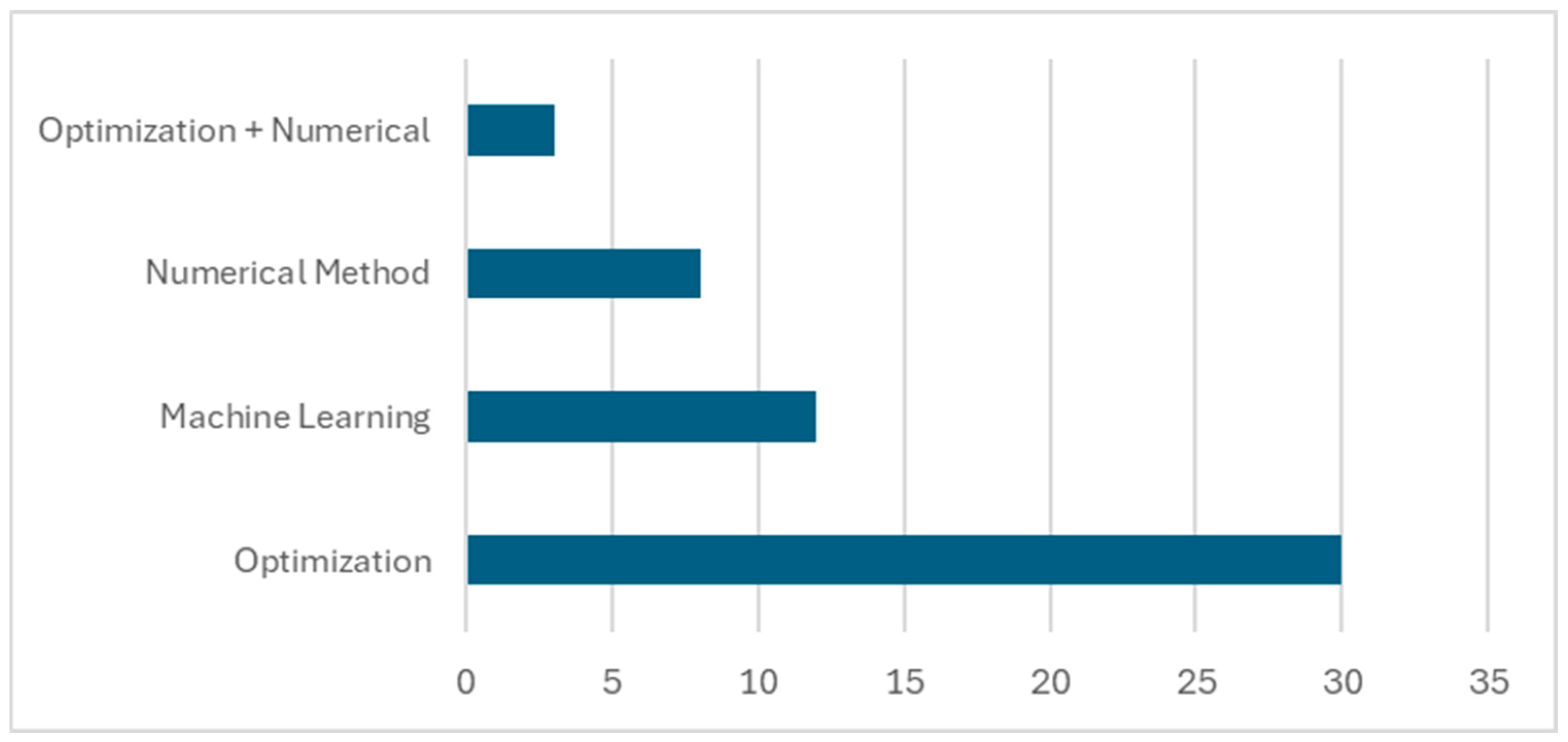
The data compiled in
Figure 7 shows a strong presence of optimization techniques, ranging from traditional mathematical methods to more recent approaches based on metaheuristics. In parallel, the advancement of machine learning techniques is observed, especially deep reinforcement learning models. Numerical methods, in turn, continue to play an essential role in the modeling and analysis of electrical systems, sometimes combined with optimization strategies to improve the accuracy and convergence of solutions.
The data suggests a trend of convergence between optimization methods, machine learning, and numerical techniques. Hybrid approaches, such as the use of Model Predictive Control (MPC) combined with optimization algorithms, demonstrate a movement towards the integration of physical modeling and computational intelligence. Furthermore, the increasing presence of Deep Reinforcement Learning reflects the scientific community’s interest in independent and data-driven strategies capable of responding in real time to variations in the electrical system. This trend indicates a transition from purely deterministic methods to more dynamic, adaptive, and predictive models.
Despite the methodological diversity observed, it was not possible to identify a clear temporal trend in the adoption of different methods over the years. The analyzed publications show that both classic and more recent approaches continue to be used, varying according to the context of the problem, the complexity of the system studied, and the objectives of each research.
Regarding these methods, one of the main disadvantages of the Newton power flow method is the need to recalculate the terms of the Jacobian matrix at each iteration, which requires high computational power [
77]. The calculation requires complete and up-to-date data on the electrical and topological parameters of the system, such as line admittances, loads, generation and bus voltages [
78]. To achieve this, the presence of reliable measurement and monitoring systems, such as those offered by advanced measurement infrastructures (AMI), becomes essential. The absence or inaccuracy of this data compromises the accuracy of the model. The need for detailed data can represent a practical limitation in constantly expanding systems, since any modification in the network topology requires reevaluation and updating of the Jacobian matrix, thus increasing the computational and operational complexity of the process.
Furthermore, the singularity of the Jacobian at points close to collapse and the computational complexity for large systems indicate that, despite their theoretical robustness, these methods may not be practical for real-time monitoring or in scenarios of high nonlinearity and uncertainty. This suggests the need for alternative or complementary methods that overcome these limitations, such as those based on artificial intelligence or optimization, particularly for real-time applications [
79].
In order to overcome the limitations of the Newton–Raphson method in power flow calculation, Holomorphic Embedding Method (HEM) is proposed by some studies. Through use of the analytical properties of holomorphic functions in the complex domain, HEM restructures the power flow problem as a Maclaurin series, solved recursively without the need for an initial value. This method presents good convergence and numerical stability.
The results of [
25] demonstrate that the HEM-based method outperforms conventional approaches by reducing the computational burden and improving the convergence of power flow calculations, which provides an efficient solution for voltage stability in distribution networks with high penetration of renewable generation. The original HELM is computationally less efficient than the Newton–Raphson method and the data requirements include load flow equations (node voltages, currents, power injections, line admittances) [
80].
To improve convergence speed, the PNM algorithm uses a positive definite symmetric matrix based on the Hessian of the objective function, which speeds up the process compared to conventional gradient-based methods. This presents superior results over traditional methods, as demonstrated in the study of [
37]. However, PNM inherently relies on Jacobian/Hessian information. Therefore, if applied to power systems, PNM would face the same recomputation challenges and potential inaccuracy with dynamic network topologies.
The Alternating Directions of Multipliers Method (ADMM) combines the benefits of dual decomposition and augmented Lagrange methods, dividing large problems into smaller local subproblems. This feature makes it especially useful in large-scale problems and distributed environments. Although not always the most efficient for specific problems, the simple ADMM often demonstrates performance capabilities comparable to specialized methods [
81].
There are those ADMM-based distributed OPF methods that are specifically designed for radial networks, which has the effect of limiting their applicability in meshed or dynamic topologies. Although ADMM allows for computational distribution of the problem, its application still depends heavily on network parameters, such as the admittance matrix, which are sensitive to topology. Therefore, any structural change in the network requires updates to these matrices, which can compromise the efficiency and adaptability of the methods in scenarios with frequent reconfiguration, as occurs on smart grids or in environments with active distribution management. This continuous requirement for structural synchronization poses a significant challenge for implementing ADMM in truly dynamic networks [
82,
83,
84].
Optimization techniques such as Successive Linear Programming (SLP) and Mixed Integer Programming (MIP) offer a number of advantages over traditional derivative-based methods. These approaches can better handle non-differentiable objective functions or discontinuities, where derivative-based methods have difficulties or do not even manage to converge. Another relevant point is their ability to naturally integrate with mixed decision structures (continuous and discrete), which significantly expands the scope of their application.
Successive Linear Programming (SLP) is a practical approach to solving large-scale nonlinear optimization problems by iteratively solving linearized subproblems. This method can be adjusted to ensure its tractability and has demonstrated capacity in solving large test cases (ranging from 500 to 30,000 buses). Studies show that, in specific tests performed with the Alternating Current Optimal Power Flow (ACOPF) using cases from the Grid Optimization Competition’s Challenge I, an SLP-based algorithm was able to solve more than 80% of the test networks faster than the Interior Point Linear Search Filter Method (implemented in the IPOPT solver), a second-order approach. While this speed improvement can reach 80% in specific cases, this efficiency is particularly notable for significantly reducing the number of iterations, as it dispenses with the calculation of the Hessian matrix at each iteration, thus reducing the computational cost [
28,
85].
The applicability of SLP lies in its effectiveness when dealing with large-scale nonlinear problems by breaking them down into more manageable linear steps. Its tractability for large networks makes it suitable for optimizing complex power systems. Data requirements for SLP include detailed network parameters such as line impedances and generator/load data. The ACOPF problem is intrinsically linked to the network structure, and the SLP linearization steps would require updating the network parameters (such as the impedance matrix components) if the topology is altered. Although SLP offers computational efficiency for fixed-size networks, its reliance on a linearized model, which is inherently derived from specific network parameters, makes it vulnerable to frequent changes in topology. The need to linearize again or readjust the algorithm for each significant change in the network could nullify its real-time applicability in highly dynamic networks.
Mixed Integer Programming (MIP) is applied to voltage control due to its ability to handle continuous and discrete variables; however, its main disadvantage is the high calculation time required, especially in large-scale problems. As an alternative, Genetic Algorithms have proven effective due to their independence in relation to the linearity, continuity and differentiability of the objective function, in addition to their ability to treat discrete variables. However, Genetic Algorithms can also present high processing time, especially in problems that contain a large number of variables, due to the need to evaluate multiple solutions in each generation, along with the difficulty of convergence in high-dimensional search spaces. Furthermore, as these are stochastic algorithms, they can produce different results for different run times, even under the same initial conditions, which can affect the reproducibility and consistency of the solutions obtained. Nevertheless, they have been widely applied to problems involving reactive power source allocation, voltage security improvement, and optimal power flow (OPF) resolution, as reported in several studies [
86].
The efficiency of the SMIP model is evidenced by the small discrepancies between its estimates and the results obtained in OpenDSS, even with the application of Volt/VAr control in the photovoltaic smart inverters. The differences in reactive power remain extremely low, with mean squared values of 0.548% and 0.089% in the overvoltage and undervoltage scenarios, respectively, while the active power shows perfect agreement between the two approaches. Similarly, the variations in voltage magnitude remain below 1% and under 0.1% for almost all nodes, indicating high fidelity of the representation. These results demonstrate that, although the linearization of the power flow introduces small divergences, the SMIP model maintains a high level of precision and reliability compared to the reference solutions [
31].
Optimization-based methods seek out the best configuration of control variables to achieve specific objectives, such as minimizing losses or improving the voltage profile. The reactive power optimization (RPP) problem is highly complex, characterized by nonlinearities, multiple variables and the presence of continuous and discrete variables. To overcome these limitations, global optimization techniques have been applied with success, especially metaheuristics such as genetic algorithms (GA) and particle swarm optimization (PSO). These bioinspired methods offer greater flexibility, robustness, and the ability to handle the growing complexity of power systems, standing out in the search for more effective and globally optimal solutions in increasingly challenging scenarios [
43].
The PSO algorithm, known for its simplicity, computational efficiency, and ability to handle continuous and discrete variables, demonstrates an average dependence on topology [
87]. Although PSO is a meta-heuristic algorithm (not explicitly model-based like Jacobian methods), the problem formulation (VVC objective function, constraints) it solves is dependent on the network topology and parameters (e.g., calculation of power losses, voltage/power flow limits). Changes in topology would require a reevaluation of these constraints and potentially the objective function. This means that although the optimization algorithm itself is not directly topology-dependent, the problem it solves still requires up-to-date network information, which can limit its real-time adaptability in highly dynamic topologies [
88].
The results in [
63] indicated that PSO techniques perform better compared to Gray Wolf Optimization (GWO) in most aspects. However, the proposed method fails to ensure maximum energy savings through a deeper reduction in the supply voltage. Therefore, this method requires that it be integrated with renewable energy resources, the energy storage system and grid reconfiguration to generate maximum benefits from CVR implementation.
In the comparative study [
89] conducted on the IEEE 30-bus test system, Particle Swarm Optimization (PSO) demonstrated superior performance compared to the Genetic Algorithm (GA) and Deep Q-Learning (DQL) in voltage control. Quantitative results showed that PSO achieved 3% more cumulative rewards than GA and 5% more than DQL, in addition to requiring 8% fewer actions to stabilize the system. GA presented intermediate performance, with 6% faster initial convergence than DQL, but with more variable and less consistent results than PSO. DQL, meanwhile, although showing stable learning progression, required approximately 12% more episodes to reach similar performance levels.
Furthermore, the quasi-dynamic validation confirmed that PSO stabilized voltages 15% faster than conventional strategies based on automatic voltage regulators, reinforcing its applicability in real-time operation scenarios. The article also highlights that PSO has advantages such as faster convergence, implementation simplicity, and reduced need for parameter tuning, although it is susceptible to premature convergence in multimodal problems. GA, in turn, showed robustness in the global exploration of the solution space but suffers from slow convergence and high sensitivity to parameter tuning. DQL stood out for its ability to handle dynamic and nonlinear environments but faces challenges such as low sample efficiency, training instability, and difficulty in interpretability in critical applications.
The study [
90] demonstrates the effectiveness of the sensitivity matrix (SM) approach combined with the two-stage optimization algorithm (FRS + PSO) for mitigating voltage violations in low-voltage networks. In 100 Monte Carlo simulations, standalone PSO failed to solve 34% of the scenarios, confirming its inability to address specific violation cases even with parameter tuning. When combined with FRS, all simulations successfully found feasible solutions, while requiring a smaller population size and reducing computational time. The SM accurately reproduced load-flow results, with mean voltage deviations of only 6.5 × 10
−3 p.u (Q-injection), 1.02 × 10
−2 p.u (Q-absorption), and 0 p.u in active power curtailment cases, achieving a 55% reduction in voltage profile generation time. Therefore, the proposed method enables near-real-time control and increases the hosting capacity of LV networks for distributed photovoltaic generation without additional device installation.
Table 2 below summarizes the performance of the different methods evaluated for mitigating voltage violations, highlighting their key characteristics in terms of computation time, accuracy, and convergence capability. The comparison underscores the impracticality of traditional load flow for real-time control, the strong balance between speed and accuracy offered by the Sensitivity Matrix (SM), the consistent shortcomings of standalone PSO, and the substantial improvements achieved with the two-stage optimization (FRS + PSO). Additionally, it includes the APC case, in which the SM exactly replicates load-flow results, reinforcing its reliability [
90]
Both numerical and optimization-based methods such as Successive Linear Programming (SLP), Mixed Integer Nonlinear Programming (MINLP), Mixed Integer Linear Programming (MILP), H2/H∞ Control, Model Predictive Control (MPC), Greedy Method (GM), Augmented Power Flow Method (APF), Projected Newton Method (PNM), Pareto Front Analysis, Holomorphic Embedding Method (HEM), Semidefinite Programming (SDP) and the LinDistFlow model (LinDistS), demonstrate high dependence on the topology of the power grid. These methods depend on detailed information, such as line parameters (impedances and admittances), load and generation data, network topology, operational limits and boundary conditions. The accuracy of the estimation is directly related to the quality and completeness of this data. In networks where there is little instrumentation, sparse measurements or dynamic topologies, this dependence can represent a practical limitation, since the lack of or outdated data compromises the reliability of the results obtained. Therefore, the network measurement and communication structure (such as AMI or PMUs) becomes a critical factor in the viability and performance of these methodologies.
In the case of SLP, although its application in large networks with fixed topologies is attractive, its foundation in linearized models derived directly from specific network parameters makes it vulnerable to frequent topology changes, requiring relinearization and readjustment of the model, which compromises its applicability in real time. In similar fashion, both MINLP and MILP, despite their ability to accurately represent continuous and discrete variables, require accurate mathematical models of the system. Changes in topology directly impact the equations and constraints involved, requiring a complete reformulation of the problem and a new resolution, which increases computational complexity and reduces the adaptability of these methods in dynamic network contexts.
The H
2/H∞ control, although robust to parameter variations within a previously established model, is structured based on Kron’s reduced grounded Laplacian matrix, which makes it sensitive to topological changes that require system remodeling and controller redesign [
91].
The Greedy Method (GM), although distributed, relies heavily on the local topological structure for impedance inference and convergence optimization, making it unsuitable for networks with variable topology. The APF, in turn, is based on linear approximations of the power flow in alternating current (AC) and, therefore, maintains structural dependence on the grid. The PNM, as with a Newtonian method, relies on first and second order derivatives based on the Jacobian matrix, which is directly affected by the network topology. The Pareto Frontal Analysis, when applying the OPF in multi-objective formulations, also inherits this dependence, requiring reformulation with each topological modification.
The HEM, despite not requiring an initial value and offering theoretical guarantees of convergence, is highly dependent on accurate models of the power grid, which makes it sensitive to structural changes. The SDP, used as a convex relaxation of OPF, also operates on detailed mathematical models of the network, making it equally vulnerable to topological changes. Finally, the LinDistS model, based on the linearization of the power flow, is explicitly dependent on the radial structure and the accuracy of the network parameters.
Methods based on meta-heuristics such as Particle Swarm Optimization (PSO), Modified Teaching-Learning Algorithm (MTLA), Teaching-Learning-Based Optimization (TLBO) and Genetic Algorithms (GA) present less direct sensitivity to the network topology, as these do not require derivatives or explicit analytical models. Nevertheless, evaluating the objective function and candidate solutions in these algorithms often involves power flow simulations, which continue to depend on the network topology. Therefore, although these methods are more flexible regarding the problem structure, dynamic changes in the network still impact the accuracy and applicability of the results obtained.
Its main advantage of machine learning (ML) lies in the ability to learn complex patterns directly from data, thus reducing dependence on precise analytical models and fixed network parameters. Methods such as Deep Reinforcement Learning (DRL) and Soft Actor–Critic (SAC) are considered “model-free”, meaning that after training, these can provide real-time control actions without the need to solve complex optimization problems at every moment or comprehensive knowledge of the system model. This makes these models particularly suitable for environments with frequent expansion or reconfiguration of the power grid. Decision-making becomes purely data-driven without the need for accurate real-time system models, which permits the use of measurements from systems such as SCADA, PMUs, and WAMS to enable control responses on time scales of less than a second. This feature is especially valuable in contexts with high penetration of intermittent renewable sources and rapid disturbances [
56,
92].
The ability to handle uncertainty is another strength of these system models. Deep RL, for example, can be trained to handle the variability of demand response services and energy storage systems by modeling price and availability uncertainty. The SAC method, through entropy regularization, balances exploration and exploitation, making it more robust to varying network conditions [
92].
Consequently, machine learning methods have been widely used to improve the quality of solutions in control and optimization problems. Among such, Deep Reinforcement Learning (DRL) methods stand out as particularly suitable for control problems, as these are capable of learning optimal policies through continuous interaction with the environment. In contrast, conventional Deep Learning (DL) methods generally require large volumes of labeled data, which are difficult to obtain in optimization problems, especially those with multiple control variables and complex dynamics. Hence, DRL offers a promising alternative by dispensing with explicit labels and through its adaptation to environments with high uncertainty and variability [
60].
In the three case studies analyzed by [
93], the Deep Neural Network achieved 100% accuracy within the tested datasets in identifying the optimal location for reactive compensation. This result was obtained when comparing the DNN’s outputs with those of a brute force algorithm used as a benchmark, under controlled simulation conditions. When compared to other methodologies, such as classical optimization techniques or even the brute force algorithm itself, the main advantage lies in the significant reduction in processing time required to obtain near-optimal solutions for both the location and sizing of the reactive compensation. This computational efficiency remained consistent even in scenarios characterized by random variations in load demand, highlights the potential applicability of this approach for near-real-time applications.
This study [
94] proposes an innovative approach based on Artificial Neural Networks (ANN) with a graphical interface to rapidly estimate curves of active and reactive power losses under normal and contingency conditions. Among the main positive aspects, the model’s high accuracy stands out—it correctly estimated 99% of the active and reactive power losses within the specified range, with residuals on the order of 10
−3 and an overall accuracy rate of 99% between the desired and obtained outputs in the study scenario.
Despite these promising results, the methodology presents limitations. The accuracy strongly depends on the quality and coverage of the training data, which may compromise performance in poorly represented scenarios. Proper ANN configuration still requires specialized knowledge, and the study was validated only on the IEEE 14-bus system, potentially posing additional challenges in larger real-world systems. Furthermore, there is a risk of overfitting, increased computational demand for large systems, and the “black-box” nature of neural networks reduces interpretability compared to traditional analytical methods.
In the case proposed by [
95], Ensemble Learning employs multiple models to achieve better performance than could be obtained from any one of the constituent models alone. Although the performance is slightly lower than that of GA with respect to the mean objective function and its variance, the Ensemble model vastly outperforms other data-driven algorithms such as CNN, CBR, MLP, and LightGBM in both accuracy and optimization stability. Furthermore, it presents a significant advantage in terms of online calculation time, which is much shorter than that of traditional heuristic methods, as well as being practically insensitive to the increase in the size of distribution networks, making it suitable for real-time applications on large-scale power systems.
Conventional deep reinforcement learning algorithms have proven effective in their ability to quickly and accurately solve decision-making problems under uncertainty. This makes them suitable for optimizing reactive power on power grids, especially after the integration of renewable sources that introduce variability in generation and demand. Given the difficulties in building accurate models due to the uncertainties inherent in system operation, such as load variations and random generation, the use of reinforcement learning based on the Markov Decision Process (MDP) emerges as a promising alternative to deal with these complexities, while improving reactive power optimization [
96].
The study in [
96] compares Genetic Algorithm and Deep Q-Network (DQN) with a hybrid methodology for reactive power optimization on power grids, through the combination of deep reinforcement learning (DRL) with graph convolutional neural networks (GCN). This fusion results in the GCD3QN algorithm, which combines the capabilities of D3QN, an improved version of Deep Q-Network that corrects overestimations and improves stability, with the power of GCN to interpret the topological interconnections of the power grid. While DRL drives decision-making in dynamic and uncertain environments, GCN allows the model to understand the network structure as a graph, an essential component when representing complex electrical systems. The GCD3QN algorithm stands out through its capacity to generate action plans that significantly reduce active losses and network voltage deviations. This means GCD3QN can outperform traditional methods such as the Genetic Algorithm (GA) and deep reinforcement learning approaches such as DQN, by ensuring greater voltage stability and economic efficiency. Furthermore, compared to D3QN, GCD3QN presents more effective optimized decisions for reactive power, while still maintaining high computational efficiency. Compared to GA, the voltage deviation obtained by the GCD3QN algorithm is reduced by 41.35%. Compared to DQN, the voltage deviation obtained by the GCD3QN algorithm is reduced by 22.26%.
The results obtained by [
97], combining the primal–dual interior point method (PDIPM) with genetic algorithms (GA) in 69- and 119-bus systems, showed that the proposed technique significantly reduces the search space through sensitivity-based heuristics, enabling the GA to find optimal solutions far more efficiently. Compared with a conventional GA, the hybrid method proved to be approximately 30 to 35 times faster while maintaining solution accuracy and reliability, in addition to ensuring adequate voltage profiles and lower active power losses. It was also verified that the approach performs well in systems with distributed generation, yielding further loss reductions while preserving its superior computational performance.
The application of artificial intelligence to power grids faces four major challenges: data availability and reliability, the maturity of technological platforms, the development of intelligent systems, and information security. The lack of data governance, inaccurate sensors, and limited communication infrastructure hinder the effective use of AI, which relies on quality data and real-time processing. Moreover, it is essential that experts in AI and IT processes work together, as data alone is not enough to create useful operational models. Finally, digitalization expands the cyberattack surface, and through such creates robust security mechanisms essential for ensuring the integrity of information, along with the reliability of AI-based systems [
98].
Table 3 provides a simplified summary of the methods in their categories, their advantages, disadvantages and need for measurement data.
Most comparative studies lack unified evaluation criteria, such as consistent testing systems, performance metrics, and convergence parameters, which hinders the objective assessment of the effectiveness of different reactive power estimation methods. This fragmentation in methodological evaluation leads to inconsistent conclusions, as the performance of a given approach generally depends on the simulation environment, network topology, and selected parameters. Furthermore, several studies use case-specific data or non-standardized test systems, preventing a meaningful comparison between optimization-based, analytical, and machine learning approaches.
Although metrics such as runtime, number of iterations, and convergence behavior could in principle be standardized, in practice, they become non-comparable across studies because each work uses different simulation platforms (e.g., OpenDSS, MATPOWER, MATLAB), network topologies, solver implementations, and computational hardware. These factors directly affect the reported performance and make any isolated metric context-dependent. Therefore, the limitation is not the metric itself, but the absence of a common benchmarking environment that would allow results to be evaluated under equivalent experimental conditions. Without such a framework, enforcing standardized metrics would not lead to fair or reproducible quantitative comparisons.
Given these limitations, the analysis of existing methodologies clearly indicates the need for new research directions focused on developing hybrid solutions capable of overcoming current challenges in terms of infrastructure and security. However, the application of artificial intelligence techniques in power systems still faces significant obstacles related to data availability and reliability, the technological maturity of platforms, and information security. These factors directly impact the stability and reliability of digitized networks, especially when measurement and communication systems, such as Advanced Metering Infrastructure (AMI), become essential components of the control and decision-making process.
In this context, future directions should prioritize the development of standardized, open-source hybrid frameworks that combine the predictive capability of machine learning with the physical interpretability and robustness of numerical and optimization models. This includes creating algorithms capable of continuously validating the performance of Volt/Var Optimization (VVO) based on dynamic operational data, incorporating cybersecurity mechanisms to protect systems against attacks, and accelerating the implementation of frameworks that ensure physically consistent and secure decisions.
5. Conclusions
Effective reactive power management and voltage restoration remain fundamental pillars for the reliability and efficiency of modern electrical systems, especially given the increasing integration of renewable energy sources and the topological complexity of networks. This review study analyzed the main methodologies for estimating the amount of reactive power required on an electrical system. These were categorized into numerical methods, optimization-based methods, and machine learning techniques, while also highlighting the central role of advanced metering infrastructure (AMI) in this context.
Numerical methods, although offering analytical rigor and accurate results in well-modeled networks, face limitations in dynamic scenarios due to the high computational load and dependence on accurate topological models, which makes their application in real time a challenge. When considering optimization-based methods, such as mathematical formulations and metaheuristics, these perform well on more stable networks, with the ability to explicitly consider operational constraints. However, its effectiveness is linked to data quality and the need for frequent reconfiguration in the face of network changes, which restricts its applicability in highly dynamic contexts.
In contrast, machine learning techniques stand out for their ability to learn patterns directly from data and to adapt to operational uncertainties and topological variations, thus reducing dependence on deterministic models. However, its effectiveness depends on the availability of large volumes of high-quality data, as well as overcoming challenges related to interpretability and ensuring security in automated decisions.
Combined methodologies, primarily AI, have proven particularly effective when integrating approaches that explore both the dynamics of data and the physical structure of power grids. By combining techniques capable of learning and adapting to uncertain environments with models that interpret network topology, these solutions can not only react quickly to operational variations but also ensure that decisions respect the limitations of the system. This synergy provides the conditions for reduced losses, stabilized voltages, and optimized operation with high computational efficiency, overcoming limitations of isolated approaches. When supported by an advanced and reliable measurement infrastructure, these methodologies offer a promising path to real-time control of increasingly complex and dynamic power systems.
In this scenario, the convergence of these approaches, enabled by a robust advanced metering infrastructure (AMI), which includes SCADA systems and PMUs, becomes essential for the success of any reactive power control strategy. The granularity, timeliness, and reliability of the data provided by these systems are essential for feeding algorithms, calibrating models, and enabling more accurate and adaptive decisions in real time.
The main contribution of this study lies in the critical and unified comparative synthesis of reactive power estimation methodologies. In contrast to previous reviews, our work explicitly evaluates the trade-offs between analytical rigor (Numerical Methods), constraint handling capability (Optimization), and adaptability to dynamic scenarios (Machine Learning). We highlight that the VVO technological evolution (Fifth Generation) necessitates the convergence of methods, supported by the AMI, pointing to the hybrid model as the most robust and scalable path for future.
Despite its contributions, this study has some limitations. The review was restricted to articles indexed in the Scopus database and written in English, which may have excluded relevant studies available in other repositories or languages. Additionally, the comparative analysis was performed qualitatively; quantitative benchmarking of accuracy, computational efficiency, and real-time performance across methods was beyond the scope of this work.
Future work could focus on developing a public, standardized, and open-source simulation benchmark to enable fair and reproducible comparisons of reactive power estimation methods. This benchmark could be built on platforms such as OpenDSS or Pandapower and include a common set of representative test feeders, high-resolution load and PV/EV profiles, predefined voltage-violation scenarios, and unified performance metrics—such as voltage accuracy, computational time, control effort, robustness to uncertainty, and adaptability to topology changes. Establishing such a benchmark would reduce the current fragmentation observed in the literature and provide a consistent reference framework for accelerating the development and validation of next-generation hybrid Volt/VAR control techniques in modern distribution systems.



 ,
,