


Abstract
Offshore wind energy is emerging as a vital component of the global transition to renewable energy, leveraging consistent wind conditions and higher power density compared to onshore systems. Integrating variable offshore wind power with hydrogen production via electrolysis provides a strategic pathway to convert surplus electricity into a storable and transportable energy carrier, thereby mitigating grid congestion, curtailment, and variability challenges. This review systematically examines the integration of offshore wind farms and hydrogen production technologies. Key components of the review include a comparative analysis of electrolyzer technologies, their suitability for offshore deployment, and the implications for energy storage and transport. The analysis employs a multi-step framework: (1) extensive search of the literature in scientific databases, (2) qualitative and quantitative assessment of system performance, and (3) synthesis of findings to identify trends and research gaps, enabling a thorough examination of technical challenges in the marine environment, and economic and policy barriers. The review highlights recent advancements, technical challenges, and economic considerations related to deployment of offshore wind-to-hydrogen systems. This review provides a comprehensive understanding of the current state of offshore hydrogen production, identifies research gaps, and outlines policy recommendations to accelerate its deployment. Offshore wind-powered hydrogen emerges as a cornerstone of a resilient, low-carbon energy future. The systematic approach ensures actionable insights and robust conclusions, facilitating the alignment of technological advancements with global decarbonization goals.
1. Introduction
1.1. Background and Significance
The urgency of addressing climate change and transitioning to sustainable energy has spurred intense exploration of renewable power sources and clean energy carriers [1]. Offshore wind has emerged as a leading clean power source due to consistently strong marine winds yielding higher capacity factors than onshore turbines (often >40% in mature markets) [2]. This high availability makes offshore wind especially well-suited to continuous processes like hydrogen production. In parallel, green hydrogen, hydrogen produced via water electrolysis using renewable electricity, has gained prominence as a versatile energy carrier for energy storage and for decarbonizing hard-to-abate sectors such as transportation, heavy industry, and power generation [3,4]. By coupling abundant offshore wind resources with electrolysis, variable wind power can be converted into storable fuel (hydrogen) [5], effectively turning intermittent wind into a dispatchable energy source [6]. The escalating demand for clean energy and the pressing need to decarbonize diverse sectors have spurred significant interest in green hydrogen production [7]. Indeed, global hydrogen use is around 150 Mtons per year, yet only around 1% is produced via renewables [8].
1.2. Global Context of Offshore Wind-to-Hydrogen
Offshore wind power deployment is growing rapidly worldwide, laying the groundwork for large-scale hydrogen production at sea. The global share of installed offshore wind power capacity is dominated by China, accounting for 49% in 2022. Other significant contributors include the United Kingdom (25%), Germany (14%), and the Netherlands (5%) [9]. Global analyses highlight that heavy industries (steel, cement, chemicals) and long-distance transport (aviation, maritime, heavy trucking) account for a large share of emissions and lack easy zero-carbon alternatives [10]. The IEA similarly notes that low-emissions hydrogen can decarbonize these sectors and provide seasonal energy storage [11]. Since batteries are impractical for very long-range or high-temperature applications, green H2 (or its carriers) offers a viable path. By linking offshore wind-to-hydrogen production, a supply of carbon-free fuel for such industries can be created, while also leveraging renewable baseload power.
Major policy initiatives in leading markets reflect this momentum. For instance, the EU has set an ambitious Offshore Renewable Energy Strategy (2020) that calls for 300 GW of offshore wind by 2050 (111 GW by 2030) [12]. Concurrently, EU climate plans aim for 10 Mt/yr of domestic renewable hydrogen production by 2030 (rising to 33 Mt by 2040) to decarbonize industry and transportation. Achieving these goals requires vast new clean power, for which offshore wind is viewed as a key ally since it can supply large additional clean power without land-use constraints. As of 2021, Europe had 25 GW of offshore wind installed [13], with many multi-GW projects under development. First-of-a-kind offshore wind–hydrogen pilots are also emerging. For instance, the HOPE project in the North Sea, with a 10 MW offshore PEM electrolyzer capacity, off Belgium, which by 2026 aims to produce 4 tons of green H2 per day, sending it ashore via pipeline [14]. The Sealhyfe prototype has already demonstrated a 1 MW floating wind turbine with integrated hydrogen production (since 2022) [15]. Other North Sea initiatives, like Germany’s AquaVentus [16] and the proposed North Sea Wind Power Hub, similarly envision large-scale offshore H2 “energy islands”. In sum, the EU combines high-level targets (300 GW offshore wind by 2050; 10 Mt H2 by 2030) with pilot projects to catalyze offshore wind–hydrogen (OW2H) deployment.
Several individual countries have announced ambitious programs linking offshore wind and hydrogen. Germany is among the most active countries linking offshore wind with hydrogen, targeting 5 GW electrolyzer by 2030, doubling by 2035 [17] and has several flagship pilots, including Siemens Energy/Gamesa’s H2Mare initiative, a fully integrated Offshore Wind–Hydrogen System (OWHS) by 2026 [18]. The AquaVentus consortium plans up to 10 GW of offshore electrolyzers by 2035. Its sub-project, AquaPrimus, will integrate a 15 MW electrolyzer into the base of a 15 MW turbine at Heligoland (with hydrogen piped ashore) as a commercial-scale pilot [16]. The Netherlands plans for 3–4 GW of electrolyzer capacity by 2030 [19]. Shell’s Holland Hydrogen I (HH1) project will build a 200 MW electrolyzer near Rotterdam, fully powered by a new offshore wind farm, to produce 60,000 kg H2 per day, which would make it Europe’s largest green hydrogen facility [20]. Meanwhile, RWE and Neptune Energy’s proposed H2opZee project (Dutch North Sea) with 300–500 MW of offshore wind-powered electrolyzers on platforms, with all power dedicated to hydrogen production [21]. The UK’s North Sea resources and hydrogen goals have driven pioneering trials. The ERM Dolphyn consortium deployed the world’s first floating wind-to-hydrogen demonstrator off Scotland, a 2 MW floating wind turbine with onboard electrolyzer and desalination, which first produced hydrogen in mid-2024 [22], supported by UK government funding (Net Zero Innovation Portfolio) [23]. The UK’s offshore wind capacity (15 GW in 2024, targeting 50 GW by 2030 [23]) and the national Hydrogen Strategy (targeting 5 GW electrolyzers by 2030) create strong drivers for OW2H, even as these projects remain at pilot scale.
The U.S. targets 30 GW of offshore wind by 2030 [24]. Notably, the Atlantic Shores offshore wind farm (New Jersey, 1.5 GW) plans to include a 10 MW green hydrogen pilot electrolyzer to demonstrate pairing offshore wind with H2 production [25], indicating U.S. plans to integrate offshore hydrogen pilots alongside new wind farms. Figure 1 provides an illustrative overview of the global distribution of planned and operational offshore wind-to-hydrogen projects.
Figure 1.
Indicative map of planned and operational offshore wind-to-hydrogen projects. Blue-shaded regions indicate countries included in the survey, while grey regions represent countries not considered.
In 2025, China commissioned the world’s first self-contained offshore hydrogen platform off Shandong province [26]. This large platform integrates wind (and solar) power with three electrolyzers, including a direct seawater electrolyzer to produce green hydrogen and convert it on-site into ammonia and methanol. Japan has aggressive offshore wind targets (10 GW by 2030, 45 GW by 2040) [27] and aims to expand hydrogen use (targeting 10 Mt H2 by 2030 in its Basic Hydrogen Strategy), given a vast offshore wind potential of 9000 TWh/yr [28] and strong national carbon-neutral goals. South Korea is also rapidly scaling offshore wind (targeting 14 GW by 2030 [29]) and has a hydrogen roadmap (6.2 Mt H2 by 2030). Australia has very strong hydrogen ambitions (seeking to become a major H2 exporter) and is opening its waters to wind farms. In 2024, Australia approved its first offshore wind zones (12 GW capacity) [30]. The 2030 Hydrogen Strategy targets up to 15 Mt/yr H2 (mostly for export) [31]. However, current projects focus on onshore renewables [32]. Offshore wind farms could play a big role given Australia’s excellent wind resources and export plans.
Several other countries have ambitious targets, such as Norway, with its enormous offshore wind potential of 30 GW [33] and its R&D agreements with the UK to explore offshore H2 [34]. Similarly, Denmark and Belgium are pioneering “Power-to-X” projects combining offshore wind with hydrogen. The Bornholm Energy Island in the Baltic will connect 2–3 GW of offshore wind to 1.3 GW of onshore electrolysis for green fuel production by 2030 [35]. In 2024, Denmark approved one of Europe’s first GW-scale green hydrogen hubs (Esbjerg project) to use 2 GW of offshore wind to produce up to 100,000 tons of H2 per year by 2025 [36]. In the Middle East, Saudi Arabia is planning massive green hydrogen facilities (the NEOM project) [37], though these rely on onshore solar/wind, as offshore wind in the region is nascent.
Despite many national targets and announcements, fully commercial OW2H systems are largely at pilot or planning stages. The IEA notes that only a small fraction of announced hydrogen projects have reached a final investment decision due to cost and regulatory uncertainties [38]. Cumulatively, the projects reviewed represent on the order of 102–103 MW of electrolyzer capacity linked to offshore wind in the near-term pipeline, primarily within the R&D and pilot phases through the late 2020s. Looking ahead, several initiatives indicate multi-gigawatt ambitions emerging in the early 2030s, Figure 2, consistent with a transition toward commercial-scale deployment [39]. This trajectory reflects a staged development pathway in which innovation and pilot projects scale up, supported by enabling policy frameworks. However, progress along this timeline will depend on continued cost reductions and mitigation of technical, economic and environmental impacts, particularly during the demonstration phase.
Figure 2.
Indicative development timeline for offshore wind-to-hydrogen projects from R&D to commercial deployment.
1.3. Offshore Wind Energy and Hydrogen in Decarbonization
Offshore wind-to-hydrogen (OW2H) integration sits at the intersection of two major decarbonization strategies: renewable power expansion and clean fuels production. Coupling abundant offshore wind power with electrolyzers allows intermittent wind generation to be stored as hydrogen fuel. This P2G approach means surplus wind electricity (during high-wind periods) can be diverted to produce hydrogen, which can then be used later (via fuel cells or combustion) to generate power or provide heat/fuel, effectively smoothing energy supply over daily to seasonal timescales [40]. In addition to balancing the grid, hydrogen serves as a crucial decarbonization vector for the hard-to-abate sectors that are difficult to electrify [41]. Heavy industries (steel, cement, chemicals) and long-distance transport (shipping, aviation, heavy trucking) collectively contribute a large share of global emissions and have limited alternatives to fossil fuels [10]. Green hydrogen or its derivatives (like ammonia) can decarbonize these sectors by replacing coal, natural gas, or oil-based fuels in high-heat or long-range applications. In essence, offshore wind provides a new pathway to extend decarbonization beyond the power sector by producing a clean fuel that can be used across the energy system.
However, these benefits are counterbalanced by significant challenges introduced by the marine environment and the nascent state of offshore hydrogen infrastructure. Salt spray, waves, and high humidity accelerate corrosion and equipment wear offshore. Electrolyzers and power electronics must handle rapid fluctuations as wind power varies, and platforms at sea face complex engineering and maintenance issues. Producing hydrogen offshore also necessitates desalination (or direct seawater electrolysis), and safely handling hydrogen on isolated platforms, introducing new technical hurdles.
1.4. Motivation and Scope of the Review
Several comprehensive reviews of offshore wind-to-hydrogen systems have appeared in recent years. For example, Niblett et al. (2024) [5] provide an overview of next-generation offshore electrolysis technologies, and Ramakrishnan et al. (2024) [42] offer a critical assessment of offshore green hydrogen production costs and technical barriers. Rodriguez et al. (2023) [40] focus on the engineering challenges of offshore structures for hydrogen production and storage. Mudhafar et al. (2025) [43] provide a detailed review of offshore wind–hydrogen production systems, focusing on challenges, techno-economic analyses, and environmental implications. Jiang et al. (2026) [44] focus on three technical routes (offshore distributed, offshore centralized, onshore) and identify challenges like limited electrolyzer adaptability, high life-cycle costs, and storage bottlenecks.
Some earlier studies have examined specific feasibility aspects, for example, Luo et al. (2022) [45] modeled offshore wind–hydrogen production in South China, and Ishaq et al. [46] review hydrogen production methods, both conventional and renewable (blue and green) routes, and discuss key technological developments and utilization pathways in the hydrogen sector. These works, however, typically focus on isolated technologies or case studies and do not provide a unified, system-level synthesis. In contrast, the present review adopts a broader and more systematic approach by integrating technological, economic, environmental, and policy dimensions within a single analytical framework. It distinguishes itself by offering an up-to-date comparative evaluation of electrolysis technologies specifically for offshore applications, including explicit suitability rankings for different platform concepts, alongside a dedicated examination of operational control and system integration strategies that have been only marginally addressed in earlier reviews. In addition, the review incorporates evidence from real pilot projects and regulatory contexts, enabling the identification of emerging trends, actionable insights, and priority research gaps, and culminating in a forward-looking roadmap to guide OW2H research and deployment over the coming decade.
By synthesizing findings across these dimensions, the review aims to highlight prevailing challenges and outline potential pathways to accelerate the adoption of offshore wind-powered hydrogen. In line with the above scope, the review addresses the following key research questions:
- What are the recent advancements in the integration of offshore wind energy with hydrogen production technologies?
- What are the major technical and economic challenges limiting the development of OW2H Systems?
- What opportunities, strategies, and innovations could facilitate the large-scale deployment of offshore wind-to-hydrogen solutions as part of global decarbonization efforts?
2. Methodology
Systematic Review Protocol
This review followed a transparent, predefined strategy for the literature search in line with PRISMA guidelines [47]. The details of PRISMA checklist is provided in Supplementary Materials. Searches were conducted in Web of Science, Scopus, ScienceDirect, IEEE Xplore, and Google Scholar using the Boolean string “(offshore wind OR floating wind) AND (hydrogen OR electrolysis OR electrolyzer) AND (system OR integration OR transport)”. Filters were applied to restrict results to peer-reviewed journals, conference papers, and authoritative reports in English for the period 2015–2025, capturing the period of significant growth in offshore wind-to-hydrogen systems. Broad yet focused query strings were used (such as “offshore wind” AND (hydrogen OR electrolysis OR electrolyzer) AND (system OR integration)) in order to retrieve a wide range of relevant peer-reviewed articles, conference papers, and major technical reports. The multi-database strategy ensured coverage of both foundational studies and recent developments. Following the approach of Wiegner et al. [48], keyword filters and subject area refinements were applied to eliminate off-topic results, ensuring the remaining literature was squarely focused on renewable OW2H systems. All retrieved references were exported, and duplicates were removed. The number of studies at each stage (identification, screening, eligibility, inclusion) was recorded following a PRISMA flow approach, Figure 3, to ensure transparency in study selection.
Figure 3.
PRISMA 2020 flow diagram illustrating the identification, screening, eligibility assessment, and inclusion of studies in the systematic review [47].
Clear inclusion and exclusion criteria were applied to filter the literature. Inclusion criteria included the following: (i) studies addressing integration of offshore wind energy with hydrogen production or storage; (ii) case studies, techno-economic analyses, or reviews of OW2H systems; (iii) English-language peer-reviewed articles, conference papers, or authoritative government/industry reports (e.g., IEA, DOE). Exclusion criteria: (i) studies focusing solely on onshore wind–hydrogen systems or fossil-based hydrogen production; (ii) papers where “hydrogen” or “offshore” appear only peripherally; (iii) non-peer-reviewed blogs, magazines, or consultancy articles; and (iv) studies focusing purely on onshore wind-to-hydrogen systems or other unrelated energy topics, as well as those dealing with fossil-based hydrogen production in offshore settings (e.g., steam methane reforming on oil/gas platforms) were excluded.
Following the PRISMA 2020 guidelines [47], the literature selection process was documented in detail to ensure transparency and reproducibility, as summarized in Figure 3. The initial database search yielded 320 records across Web of Science, Scopus, ScienceDirect, IEEE Xplore, and Google Scholar. After the removal of 30 duplicate records, a total of 290 unique studies remained for screening. The titles and abstracts of these 290 studies were screened against the defined inclusion and exclusion criteria. During this stage, 246 records were excluded, primarily because they were not directly related to offshore wind-to-hydrogen integration, focused exclusively on onshore systems, or mentioned hydrogen or offshore wind only tangentially. As a result, 44 studies were deemed potentially relevant and were sought for full-text retrieval. All 44 full-text articles were successfully retrieved and assessed for eligibility. During the full-text review, 23 studies were excluded for the following reasons: 10 studies did not specifically address offshore wind–hydrogen systems, 7 studies lacked sufficient technical or quantitative detail to support comparative analysis, and 6 studies were policy-focused without substantive system-level or techno-economic evaluation. Ultimately, 21 studies met all inclusion criteria and were included in the final qualitative synthesis and comparative analysis. These studies form the core evidence base of this systematic review, covering offshore wind-powered hydrogen production technologies, system integration configurations, techno-economic performance, and deployment challenges. This rigorous screening, Table 1, ensured that only the most pertinent and high-quality studies were retained for analysis. The final literature pool, consisting of several dozen sources, provides a robust foundation for qualitative and quantitative assessment of the State of the Art in OW2H.
Table 1.
Summary of the literature identification, screening, and inclusion by source database following the PRISMA methodology for offshore wind-to-hydrogen studies.
3. Offshore Wind-to-Hydrogen System Architecture Overview
An offshore wind-to-hydrogen (OW2H) system mainly couples a wind farm, electrolysis, and hydrogen handling equipment on an offshore platform. Electricity from offshore turbines (fixed or floating) is routed through transformers and power converters to stabilize the variable output. A seawater purification unit is used to produce high-purity water for the electrolyzer. The purified water feeds the electrolyzers on the platform, which split water into hydrogen and oxygen [49]. Auxiliary systems such as battery energy storage smooth wind-power fluctuations and enable continuous operation of critical equipment, while heat exchangers recover waste heat from electrolysis for desalination or heating. The generated hydrogen is either compressed and stored for delivery to shore via subsea pipelines or liquefied and loaded onto specialized tankers. The choice between compressed-gas pipelines and liquefied-hydrogen shipping depends on distance, scale, and integration with existing infrastructure. This integrated approach allows offshore wind resources to be converted directly into green hydrogen, reducing onshore transmission requirements and enabling deployment far from existing grids.
Offshore Wind Turbine Technologies and Foundation Concepts
Offshore wind technology has bifurcated into fixed-bottom turbines (attached to the seabed by monopile, jacket, or other fixed foundations) and floating turbines (mounted on buoyant platforms anchored in deep water). Fixed-bottom turbines have been deployed for decades in water depths up to 50 m, using monopile foundations in shallow seas and jacket or tripod structures for intermediate depths [43], Figure 4.
Figure 4.
Illustration of bottom-fixed offshore wind turbine substructure designs depending on bathymetry level: (a) monopile foundation in shallow water, (b) monopile foundation in intermediate depth, (c) tripod foundation, (d) jacket foundation, and (e) lattice jacket foundation for deeper waters.
Floating wind turbines, by contrast, are an emerging solution enabling wind farm deployment in deep waters (>60 m) where fixed foundations are impractical [43]. Floating platforms (spar buoys, semi-submersibles, tension-leg platforms, (Figure 5) support the turbine and are moored to the seabed with cables. In recent years, prototypes and small arrays of floating turbines have demonstrated capacity factors on par with fixed turbines, often exceeding 50%, thanks to excellent wind resources far offshore. These successes show that floating wind can unlock vast new areas for wind power development by overcoming depth limitations.
Figure 5.
Floating offshore wind turbine type substructure.
As countries like Japan, France, and Norway invest in floating wind, this technology is poised to greatly expand the exploitable offshore wind resource area beyond the limits of continental shelves. Table 2 compares the common offshore wind turbine foundation types, including monopile, gravity base, jacket, tripod, suction caisson, and floating platforms, highlighting their typical characteristics. Each foundation type offers advantages for certain site conditions and depth ranges, while posing specific engineering and cost challenges.
Table 2.
Comparison of offshore wind turbine foundation types and their attributes (material, typical weight, cost range, installation depth, TRL, and other considerations). Sources: [3,4,24,28,40,49].
Turbine rated capacities have grown dramatically; current State-of-the-Art offshore turbines are in the 12–15 MW class, with prototypes of 15–20 MW under development [49]. These larger machines have longer blades (often >100 m) and taller towers, sweeping more area to capture more energy. The scale-up improves the economics by delivering higher output per turbine (reducing the number of units needed for a given farm size) and accessing stronger, steadier winds at greater heights [3,4]. Alongside upsizing, there have been significant design improvements: lightweight composite blades to reduce stress, advanced control systems that adjust blade pitch in real time to mitigate fatigue, and enhanced drivetrains (including direct-drive generators) to boost efficiency and reliability. Another key advance is power transmission: as offshore wind farms are built farther from shore, high-voltage DC (HVDC) transmission is being adopted, and offshore energy hubs are created to efficiently deliver power to shore [24]. These grid innovations facilitate very large offshore projects and lay the groundwork for directly integrating offshore hydrogen production (for instance, an “energy island” where wind power is routed either to electrolyzers or to HVDC export). Overall, the trend in offshore wind is toward greater scale and efficiency, with some projects now achieving capacity factors above 50% and improved durability for harsh marine conditions (longer maintenance intervals, anti-corrosion designs) [40]. These advancements benefit OW2H systems by providing more powerful and reliable electricity generation, which improves electrolyzer utilization and lowers the unit cost of hydrogen. Table 3 illustrates several large-scale offshore turbine models and their key characteristics, showcasing the State of the Art in turbine technology.
Table 3.
Representative large-scale offshore wind turbine models (capacity, dimensions, typical deployment, and key considerations) compiled from sources [3,4,24,28,40,49].
4. Offshore Hydrogen Production Technologies (Electrolysis)
Water electrolysis is the primary technology for hydrogen production in OW2H systems. Several electrolyzer types are available or in development, each with different operating principles and suited to different conditions:
4.1. Alkaline Electrolyzers (AEL)
The most mature and historically common type. They use a liquid alkaline electrolyte (KOH or NaOH solution) and operate at 60–80 °C. AELs have a relatively simple design and low capital cost (no precious metals required), making them attractive for large-scale installations. However, they have lower current density and slower response to load changes compared to newer types [50]. In offshore use, the presence of liquid electrolytes raises concerns about leakage and maintenance on a moving platform.
4.2. Proton Exchange Membrane Electrolyzers (PEMEL)
These use a solid polymer proton-exchange membrane as the electrolyte and typically operate at 50–80 °C [51]. PEM electrolyzers can handle high current densities and ramp output quickly, which is advantageous for variable wind power. They produce high-purity hydrogen and have a compact, modular design. The main downsides are higher cost (due to platinum-group metal catalysts) and sensitivity to water purity (requiring deionized water). Their fast response and solid-state design make PEMEL a promising choice for offshore applications where space is limited and power fluctuates.
4.3. Anion Exchange Membrane Electrolyzers (AEMEL)
A newer, developing technology that, like PEM, uses a solid membrane but conducts hydroxide ions (OH−) rather than protons. AEM electrolyzers operate around 40–60 °C and aim to combine some advantages of both alkaline and PEM, potentially lower materials cost (no noble metals) while still having a solid electrolyte [52]. AEMELs are still at the pilot stage, with ongoing research into long-term stability. If durability issues are resolved, they could offer a cost-effective alternative for offshore systems by eliminating liquid electrolyte handling while maintaining good dynamic response.
4.4. Solid Oxide Electrolyzers (SOEC)
High-temperature electrolyzers that operate at 600–850 °C using a ceramic solid oxide electrolyte. SOECs can achieve very high electrical efficiencies (75–85%) by leveraging heat input. They are best suited for continuous operation and potentially integrating with waste heat sources [53]. However, their high-temperature requirement and fragile ceramic cells make offshore deployment challenging (managing an 800 °C system on an unmanned platform is complex). Currently, SOECs have lower technology readiness for marine use and would require significant innovation to be viable offshore.
Table 4 provides a comparison of the major electrolyzer types (alkaline, PEM, AEM, SOEC) across key characteristics relevant to offshore use.
Table 4.
Comparison of major electrolyzer types for offshore hydrogen production (AEL, PEMEL, AEMEL, SOEC).
Each electrolyzer type must be evaluated for how well it can integrate with the characteristics of offshore wind power. PEM electrolyzers, with their compact and solid-state design, are currently favored for offshore pilots (the Dolphyn project [64] uses PEM) because they tolerate motion, have fast load response, and are easier to package in modular containers (possibly even within turbine towers). The main needs for PEM offshore are a reliable supply of very pure water (implying robust desalination and water purification units on-site) and managing the replacement of catalyst materials in a remote environment. AEM electrolyzers, if durability improves, could become competitive due to lower cost (no noble metals) and solid electrolyte; in the future they may offer a middle ground, but at present AEM is still at the pilot stage. Alkaline electrolyzers (AEL), while proven and low-cost onshore, are less ideal offshore; on fixed platforms they are technically viable but pose challenges. With marine deployment, the liquid electrolyte can slosh or leak on a moving platform and maintaining large alkaline systems at sea would require careful design of enclosures and seals. AEL could be utilized on large, fixed installations if spill containment and maintenance are well-managed, but generally PEM is favored even on fixed platforms for its quicker load-following and easier enclosure. On floating systems, ranking is clear: PEMEL is the most suitable, followed by AEMEL (once proven), whereas AEL is not recommended due to sloshing electrolyte and dynamic instability. SOEC, as noted, is not yet practical offshore due to the difficulty of managing high-temperature equipment on unmanned platforms, unless future concepts integrate SOECs onshore or on larger platforms where waste heat is available and space is ample. SOEC remains the lowest-ranked for near-term offshore use in any scenario; its fragile ceramics and heat requirements keep its TRL low and unsuitable for unmanned platforms, and require significant breakthroughs to be viable offshore. Figure 6 provides a qualitative, literature-based comparison of electrolyzer technologies relevant to OW2H systems. Table 5 compares different electrolyzer technologies and their suitability for offshore deployment.
Figure 6.
Qualitative radar-chart comparison of major electrolyzer technologies (AEL, PEM, AEM, SOEC) across key criteria relevant to offshore wind-to-hydrogen systems.
Table 5.
Suitability of electrolyzer technologies for offshore wind-to-hydrogen systems under different deployment scenarios.
5. Offshore Electrolyzer Deployment Challenges
Producing green hydrogen offshore introduces significant design and maintenance challenges compared to onshore electrolysis. Harsh marine conditions mean that electrolyzers and associated equipment must be engineered for durability and reliability far beyond typical onshore requirements [73,74]. Experience from offshore wind shows that operations and maintenance (O&M) can account for a large share of lifecycle costs (often 15–30%) [75], and maintaining hydrogen systems at sea is expected to be even more demanding. Simulation studies indicate that adding offshore hydrogen production can substantially reduce overall system availability [75,76]. This underscores that keeping electrolyzers running in marine environments will be complex and costly.
5.1. Corrosion and Material Degradation
Marine environments are notorious for saltwater corrosion and humidity, which can deteriorate metals, electrical contacts, and coatings on offshore equipment. Salt spray and chloride ions accelerate corrosion of electrolyzer components, piping, and balance-of-plant systems. All structural materials and enclosures must therefore be marine-grade and corrosion-resistant. Special coatings, cathodic protection (sacrificial anodes), and the use of stainless steel or corrosion-proof alloys are required to protect against seawater damage [76,77]. These protective measures add cost and complexity but are essential as corrosion issues are known to significantly drive up O&M costs in offshore energy projects [78]. Offshore electrolyzers will similarly require frequent inspections and preventative maintenance to manage corrosion and fouling (e.g., salt or marine growth on water intake systems) [79].
Another concern is hydrogen embrittlement and material compatibility. Hydrogen can permeate and weaken certain metals, so any offshore pipeline or storage vessel for hydrogen must be designed with appropriate materials and coatings [76,80]. Ensuring long-term material integrity in the face of both saltwater and hydrogen exposure is an active area of research and adds to maintenance requirements (for instance, more regular checks for cracks or leaks). Some analyses predict that electrolyzer stacks at sea might have reduced service life compared to onshore, due to less controlled operating conditions and impurities (even with desalination) in the water supply [81]. These factors translate to increased OPEX (operational expenditure) over project life.
5.2. Wind, Waves, and Structural Loads
Offshore electrolyzer installations withstand extreme weather and ocean conditions. Platforms and equipment are exposed to high winds, powerful waves, and even storms or hurricanes, depending on the region, imposing strict structural design requirements. High winds generate large lateral forces on platforms and can stress equipment housings; thus, housings need to be robust and sealed against water ingress (designs similar to offshore oil and gas enclosures) [82].
Wave loads are a major consideration, especially for floating systems. A floating wind–hydrogen platform will experience constant motion (heave, pitch, roll) due to waves. These motions can impact electrolyzer performance and reliability. Dynamic loading and vibration could potentially shorten equipment life or cause more frequent faults if not mitigated [40]. Design adaptations such as shock-absorbing mounts, gimbaled platforms, or motion-damping systems are required to protect sensitive components. In the case study of the ERM Dolphyn project [80,83] for a floating wind–hydrogen platform, only minor modifications were needed for a standard PEM electrolyzer to operate on a semisubmersible, chiefly adding protection against environmental exposure and tweaking ancillary equipment like fluid level gauges. This is a promising sign, suggesting that with proper design, electrolyzers can be prepared for offshore use. Nonetheless, any offshore hydrogen structure (whether a fixed platform or floating) must be designed for structural integrity under worst-case wind and wave conditions, which raises capital cost. Equipment should be mounted above the splash zone on platforms to avoid direct wave impacts, and if floating, the platform must be moored and sized to minimize excessive motion [84]. All of these engineering choices (larger platforms, heavier-duty structures) again increase costs and complexity compared to an onshore installation.
Even with robust design, maintenance at sea is far more challenging than on land. Offshore sites are remote, often tens of kilometers from shore, and accessible only by specialized vessels or helicopters. This means any inspection or repair requires careful planning around weather windows and often expensive marine operations. Crew transfer is generally unsafe if waves exceed 1.5 m in height [85]. As a result, offshore wind farms typically have at most 120–150 suitable days per year for maintenance access in regions like the North Sea. Hydrogen platforms would face the same limitation, causing longer downtime if an electrolyzer or compressor needs unplanned repair during bad weather. This constraint forces operators to adopt preventative maintenance and robust remote monitoring. Any maintenance activity at sea also carries higher safety risks as it involves rough seas, strong winds, and the challenge of working on tall structures or confined platform spaces. These factors often necessitate halting work until conditions improve, further adding to downtime. All of this contributes to a higher cost of hydrogen produced offshore [86]. One approach to lower O&M cost is to design unmanned or minimally attended platforms where the electrolyzer system would operate remotely with automation, and only infrequent visits are made for major maintenance [87]. Conversely, if a platform is manned (with a regular crew on board), it must be larger and meet offshore accommodation standards, which significantly increases cost and complexity.
Early pilot projects, like Lhyfe’s Sealhyfe, have shown valuable insights: over 14 months of offshore operation, it achieved around 70% uptime with fewer than ten maintenance visits, demonstrating that with careful planning and remote monitoring, marine electrolyzers can be maintained with limited intervention [86,88]. As projects scale up to tens or hundreds of megawatts, maintaining many electrolyzer units at sea will require streamlined O&M strategies. Clustering maintenance tasks during favorable weather, using autonomous inspection drones/ROVs for routine checks, and employing service operation vessels (SOVs) with motion-compensated gangways to increase the safe access days are all being considered to mitigate maintenance challenges.
6. System Integration Configurations
A primary decision in system integration is whether to send the wind power to shore via cables, onshore electrolysis, and produce hydrogen on land, or to produce hydrogen directly offshore at the wind farm, known as offshore electrolysis. In some cases, a hybrid approach is employed in which a wind farm could both send power to the grid and produce hydrogen (either offshore or onshore), depending on conditions. Hybrids offer operational flexibility (e.g., maximize electricity sales when prices are high, produce hydrogen when they are low), at the expense of a higher CAPEX for dual infrastructure. To systematically compare integration choices, five representative OW2H system configurations have been defined in the literature [85,86,87,88,89,90]. These configurations vary by electrolyzer placement (onshore vs. offshore), hydrogen production distribution (centralized vs. decentralized), and grid connection presence, and collectively encompass the main configurations under consideration.
6.1. Centralized Onshore Electrolysis
Wind turbines send electricity to shore via an undersea cable (HVAC or HVDC, depending on distance). On land, the power is fed to a single large electrolyzer plant at the grid connection point, where hydrogen is produced [73]. All turbines effectively act as a conventional wind farm feeding the grid, with the electricity then used for H2 production onshore. The benefit of the onshore electrolysis configuration, Figure 7, is that it leverages easier access for maintenance, existing industrial infrastructure, and avoids many technical challenges of the marine environment [89]. However, it requires high-capacity submarine power cables and onshore facilities, and may face grid bottlenecks if trying to land huge volumes of intermittent power [66,90]. Also, it necessitates robust and efficient subsea cables, which can be costly and subject to transmission losses [91]. Essentially, onshore production shifts the problem to transmitting electricity to shore, which is feasible but can become a limiting factor for far-offshore sites or very large projects.
Figure 7.
Illustration of centralized onshore hydrogen production system configuration.
6.2. Centralized Offshore Electrolysis
Offshore electrolysis, by contrast, generates hydrogen on a platform within the wind farm, exporting energy via hydrogen pipelines or ship transport [92]. This can be advantageous for very distant or very large wind farms: hydrogen pipelines can often carry more energy over long distances [66,93]. Also, eliminating the need for long subsea transmission cables to bring electricity onshore can significantly reduce capital expenditure (CAPEX) and operational expenditure (OPEX) associated with electricity transmission [94]. Offshore production also allows the wind farm to operate independently of the onshore grid (avoiding curtailment when the grid is saturated). However, maintaining electrolyzers and equipment at sea is more complex and costly, as discussed above. Also, offshore systems currently lack the economies of scale and operational experience of onshore plants. The optimal strategy depends on project scale, distance to shore, and infrastructure costs. For near-shore moderate projects, onshore electrolysis might be simpler, whereas for far-offshore GW-scale projects, offshore H2 production could reduce the number of export cables and bypass onshore grid limitations (especially if hydrogen has a ready market). Figure 8 depicts a simplified centralized offshore hydrogen production system configuration.
Figure 8.
Illustration of offshore hydrogen production system configuration.
6.3. Decentralized Offshore Electrolysis
In the decentralized approach, each (or a group of a few) wind turbine has its own electrolyzer unit, typically installed on the turbine platform or an attached auxiliary structure [43,89]. Hydrogen is generated at or near each turbine and then collected via a network of small-diameter inter-array pipelines that connect the turbines. These H2 gathering lines feed into a common line (manifold) that transports the combined hydrogen flow to shore via a main pipeline, Figure 9.
Figure 9.
Illustration of decentralized offshore hydrogen production system configuration.
The decentralized scheme eliminates the need for a massive centralized H2 platform, which can be an advantage in deep waters (avoiding one very large floating structure). Instead, each turbine’s foundation or floater is adapted to support the added electrolyzer and equipment. The electrolyzer units at individual turbines are smaller (dividing total capacity by N turbines), which could lead to some economy-of-scale loss [54,95]; however, modular electrolyzers may scale fairly linearly, and the parallel operation provides redundancy (one unit offline only knocks out one turbine’s H2 output). Losses in this scenario include minimal electrical transmission loss (only short cable runs, if any, from the turbine generator to its electrolyzer) and some manifold piping losses, but those are small due to stepwise collection.
6.4. Hybrid Offshore (Centralized)
In this configuration, a wind farm has both an offshore H2 electrolyzer platform and a grid export cable [53,85]; Figure 10. The key is that the electrolyzer is powered exclusively by the wind farm (no import of grid power for H2), but not all wind power must go to hydrogen; any excess beyond the electrolyzer’s capacity is sent to the onshore grid. In practice, the wind farm’s AC inter-array network feeds a central offshore H2 platform; simultaneously, the farm is connected via HVDC/HVAC export to shore. The electrolyzer might be sized to consume, say, 80–90% of the farm’s peak output, so during high winds any surplus goes via cable to the grid (preventing the need to oversize the electrolyzer for rare peaks), and during low winds the electrolyzer may run below capacity while some power still flows to the grid.
Figure 10.
Illustration of hybrid offshore hydrogen production system.
This configuration provides two revenue streams (hydrogen and electricity) and operational flexibility; the operator can curtail hydrogen production to sell power when electricity prices are high, and vice versa. This improves asset utilization and revenue; can enhance grid support (electrolyzer can ramp down to free up power for the grid when needed). This layout essentially combines the complexities of configuration 2 (offshore H2 platform) with those of a traditional wind farm grid connection. Higher CAPEX is needed because both pipeline and cables are needed. And requires sophisticated energy management to decide in real time how to split power between H2 and electricity export.
6.5. Onshore Hybrid (Grid and Hydrogen)
This scenario is similar to configuration 1 (onshore electrolysis) but with the change that not all power has to go to hydrogen, the wind farm can also feed the grid directly. Practically, this means the wind farm is grid-connected via HVDC/HVAC and delivers power to an onshore substation; at that point, some of the power is routed to an onshore electrolyzer (central plant), and the rest can be sold as electricity, Figure 11.
Figure 11.
Illustration of hybrid onshore hydrogen production system.
Onshore Hybrid avoids offshore H2 equipment entirely as the electrolyzer is on land, but like configuration 4, it involves dual use of the energy [53,85]. One could also convert the hydrogen to ammonia onshore if targeting export markets; indeed, configuration 5 could be coupled with an onshore ammonia plant at the landing point, allowing the hybrid project to export ammonia via port when international demand justifies it (though ammonia conversion adds costs, it might piggyback on existing port facilities). For the core analysis, configuration 5 is treated as having the same physical components as configuration 1 plus the option to sell power. Losses include cable transmission loss and any converter loss, as well as electrolyzer efficiency loss for the portion used for H2. Because the electrolyzer is onshore, no dedicated offshore platform is needed, and maintenance is easier; this tends to reduce the OPEX compared to offshore electrolysis.
7. Hydrogen Storage and Transport
The intermittency of wind power necessitates energy storage solutions to ensure a stable hydrogen production rate to maximize system utilization. In OW2H systems, storage can take the form of hydrogen storage or electrical storage (batteries), or a combination. Storing hydrogen produced from offshore wind can buffer short-term fluctuations in power supply and allow continuous delivery to end-users or conversion processes. Options include pressurized gaseous storage, subsea storage, salt caverns, or conversion to stable carriers like ammonia or liquid organic hydrogen carriers (LOHCs) that can be stored in tanks [96,97]. Battery storage can be combined with hydrogen production to create a hybrid energy storage system, using batteries for fast response and hydrogen for bulk energy storage, which can greatly enhance the overall reliability and efficiency of an OW2H system [98]. The integration of energy storage systems is crucial for enhancing the viability and efficiency of offshore wind-to-hydrogen production. By converting renewable energy into green hydrogen, it enables long-duration storage and reduces dependence on fossil fuels [42]. This supports decarbonization across sectors like transport and industry while improving energy security.
Different storage methods vary widely in energy density, conversion efficiency, weight/volume requirements, safety, and maturity, especially when deployed on offshore platforms. Table 6 compares these options in terms of technology readiness, energy efficiency penalties, suitability for offshore use, relative costs, and safety/environmental factors.
Table 6.
Comparison of Hydrogen Storage and Transport options for Offshore Wind-to-Hydrogen Systems (including key parameters and suitability considerations).
The choice of hydrogen storage form offshore directly influences how the energy is moved to end-use. Compressed hydrogen gas is typically best for shorter distances, as it can be fed into subsea pipelines for direct transport to shore. However, pipelines become less economical over very long distances (e.g., >300–500 km or for international export) [93]. In those cases, chemical carriers shine. Converting hydrogen to ammonia enables the use of existing ammonia shipping infrastructures as ammonia tankers can carry the fuel to global markets, and at the destination, the ammonia can either be used directly (e.g., co-fired in power plants or as fertilizer feedstock) or cracked back into H2. The high density of ammonia means fewer shipments (and thus lower transport cost per energy unit) compared to liquid hydrogen. In addition, hydrogen-enriched liquids can be pumped to a tanker and transported under ambient conditions without specialized cryogenic or pressurized vessels. Liquefied hydrogen could be used for shipping as well. Specialized LH2 vessels are being developed, but the technology is still emerging, and boil-off loss and insulation requirements make long voyages challenging. Each storage method also links with downstream distribution modes onshore. For example, if hydrogen is landed via pipeline as compressed gas, it might be injected into local pipeline networks or stored in salt caverns onshore. If landed as ammonia, it might go directly to industrial users (e.g., fertilizer plants, ships equipped to burn ammonia) or to hubs where it is converted back to H2 for distribution via truck or pipeline. In practice, hybrid strategies may be employed: for instance, an offshore wind complex could use compressed H2 pipeline transport for regional distribution, while also converting a portion to ammonia for export markets.
The optimal hydrogen storage or carrier for an offshore project depends on key project parameters: the scale of H2 production, the distance to shore (or to end-user), and the intended end-use of the hydrogen. Table 7 provides a simplified decision matrix. Generally, for short distances and moderate scales, compressed gaseous transport via pipeline is preferred, whereas long distances or need for export may favor chemical carriers like ammonia. End-use is crucial: if the hydrogen will be used directly (e.g., in a local industrial cluster or injected into a pipeline network), delivering it as hydrogen (gas or liquid) makes sense; but if it is destined for overseas export or use as fertilizer feedstock, converting to ammonia might be more practical.
Table 7.
Simplified decision matrix for hydrogen storage and carrier selection in offshore wind-to-hydrogen (OW2H) project scenarios.
8. Results and Discussion
The reviewed studies collectively assess feasibility, cost drivers, scalability, and deployment pathways across different offshore configurations. Table 8 presents a structured synthesis of peer-reviewed studies from 2015 to 2025, focusing exclusively on offshore green hydrogen production. The selected studies encompass diverse geographical regions, technological approaches, and methodological frameworks. Key contributions include techno-economic assessments, system design proposals, environmental evaluations, and policy analyses related to the integration of offshore renewable energy (primarily wind) with water electrolysis. Each study is summarized by its specific contributions, methodology, technology type, scale of analysis, and regional focus. Together, these entries reflect the current state of knowledge and highlight critical research trends, innovations, and challenges in scaling offshore hydrogen systems.
Table 8.
Key Studies on Offshore Green Hydrogen Production (2015–2025).
The reported LCOH values (ranging from USD 1.5/kg up to >USD 10/kg in different scenarios) vary widely primarily because of differing assumptions in each study. For instance, DeSantis et al. 2021 [114] note that pipeline transport distance and electricity price strongly affect delivered hydrogen cost. Studies assuming very low renewable electricity prices (e.g., USD 30–USD 40/MWh in optimistic future cases) [115] naturally project much lower LCOH than those assuming current prices, i.e., USD 70–USD 80/MWh. Similarly, capacity factor differences (e.g., 50% vs. 30%) can swing LCOH by nearly a factor of two, since higher utilization spreads capital costs over more hydrogen output. Indeed, multiple analyses confirm that LCOH is highly sensitive to electricity price and utilization rate, as well as electrolyzer CAPEX. For instance, Morgan et al. (2017) [103] found a EUR 4–13/kg range depending on design/capex assumptions, highlighting CAPEX sensitivity.
It is also noted that the results of sensitivity analyses in the literature, for example, Albalawi et al. (2025) [109] show that reaching USD 1.5/kg H2 requires extremely low wind electricity cost (AUD 43/MWh) and aggressive electrolyzer cost reductions. Babarit et al. (2018) [104] found that alkaline electrolyzers yielded slightly lower LCOH than PEM in their scenario, underlining how technology choice and efficiency play a role when other assumptions are fixed. Overall, it can be synthesized that electricity price, capacity factor, and capital cost are the three “factors” that most strongly govern LCOH. To improve interpretability, a harmonized comparison Table 9 is provided to show how differing studies converge (LCOH 5–8 /kg) when aligned to common inputs: commercial AEL/PEM, mid-range electricity cost (USD 60/MWh), 50% capacity factor, and discount rate of 6–8%. Policymakers and developers should interpret raw LCOH values with these assumptions in mind, e.g., a project at USD 5/kg might simply be benefiting from a lower assumed power price, rather than fundamental design superiority. By normalizing these factors, the credibility of cross-study comparisons improves, giving confidence that offshore wind-to-hydrogen can reach USD 2–USD 4/kg in the long term if both power costs and electrolyzer costs decline as projected.
Table 9.
Comparison of reported levelized cost of hydrogen (LCOH) ranges across offshore wind-to-hydrogen studies and their convergence under harmonized assumptions.
As projects demonstrate basic feasibility, the integration of offshore wind and hydrogen faces several significant challenges that must be overcome for large-scale commercialization. These challenges span technical, economic, environmental, and infrastructural domains:
8.1. Technical Challenges (System Reliability and Marine Harshness)
Offshore OW2H systems must operate in a harsh marine environment. Constant salt spray, high humidity, and strong waves/winds accelerate corrosion and equipment degradation [97]. This affects all components, including wind turbines, electrolyzers, pipelines, and electrical systems, necessitating “marine-grade” engineering (special coatings, cathodic protection, durable materials) to prevent frequent failures. In addition, Electrolyzers on floating or fixed platforms must withstand motion, vibrations, and the harsh marine environment [40]. These stresses can accelerate wear of electrolyzer stacks and balance-of-plant components. Unlike a steady onshore power supply, offshore electrolyzers must handle highly variable power input as wind fluctuates. Also, converting offshore wind-to-hydrogen involves multiple energy conversion steps where inefficiencies compound. Wind turbines generate electricity, which must be transmitted (with some losses) and converted to DC for electrolysis. Electrolyzers typically operate at 60–70% efficiency (meaning 30–40% of energy is lost as heat) [79]. If wind power is intermittent, electrolyzers may often run at partial load or be idled, which lowers overall utilization efficiency. Running electrolyzers off their optimal steady-state point further increases the energy per kg H2 produced. Additional losses occur if hydrogen is then compressed, transported, or converted to other carriers (ammonia, etc.). Zhao et al. [116] notes that the end-to-end efficiency (wind to hydrogen energy) can be below 30% once all losses are included. While some losses are unavoidable, improving overall efficiency is a challenge as it requires minimizing conversion steps (e.g., using direct coupling of turbines to electrolyzers at appropriate voltages), capturing waste heat (from electrolyzers) if possible, and using high-efficiency components.
Furthermore, due to wind’s variability, hydrogen production from wind power is intermittent, which challenges users who need a steady supply. Without mitigation, either costly hydrogen storage or flexible demand is required. Solutions include on-site storage, oversizing systems, or hybrid energy setups. Offshore storage options like seabed caverns are still experimental and expensive. Therefore, managing production fluctuations through buffering, demand management, or grid support is essential for viable wind-to-hydrogen systems. For example, Li et al. (2025) [117] demonstrate that coupling a Weather Research and Forecasting (WRF) numerical simulation with a deep learning correction model can significantly improve short-term wind power forecasting accuracy. Accurate wind prediction is crucial for OW2H systems, as it allows proactive adjustment of electrolyzer operation to buffer the inherent wind power fluctuations. By using such hybrid simulation and AI approaches, operators can better anticipate and mitigate the effects of wind intermittency, reducing forced electrolyzer downtime and optimizing hydrogen production scheduling. Likewise, machine learning can be applied for predictive maintenance; models trained on equipment performance data can predict component degradation or failures before they happen, enabling timely maintenance in the challenging offshore environment.
8.2. Economic and Financial Challenges
All reviews agree that offshore green hydrogen is currently expensive. OW2H projects require very high upfront capital expenditures. They combine the costs of offshore wind farms (already capital-intensive) with those of electrolyzer systems and hydrogen infrastructure (compression, pipelines, or ships, storage). Building an offshore electrolyzer platform adds significant expense—a bespoke platform, possibly floating, with equipment that must be marinized and possibly explosion-proof, etc. Currently, the Levelized Cost of Hydrogen (LCOH) from offshore wind is estimated to be substantially higher than hydrogen from fossil fuels or even from onshore renewables, primarily due to these capital costs and the nascent state of the technology. Without subsidies or carbon pricing, most projects are not financially viable yet. At present, LCOH estimates often range from USD 5 to USD 10/kg for early projects, which is a multiple of current fossil-derived hydrogen costs. This cost gap means that robust financial support (grants, tax credits, contracts-for-difference) is often required to make the first projects viable. Also, accurately evaluating the cost–benefit of offshore wind-to-hydrogen (OW2H) systems is difficult due to uncertain future variables such as electrolyzer costs, offshore wind prices, and carbon markets. Techno-economic models rely on assumptions that vary widely, e.g., if electrolyzer costs fall significantly by 2030, OW2H becomes more viable; if not, it may remain uneconomical. Furthermore, like many renewables, OW2H is expected to benefit from economies of scale and learning-by-doing. However, reaching those scale benefits requires initial investments in manufacturing and supply chains that are not yet in place. There is thus a near-term challenge of high specific costs until a critical mass is reached. This is where government can play a role in helping jump-start scale via coordinated projects or “hubs.” Additional uncertainties include the future price of green hydrogen and potential revenues from byproducts or grid services. Investors also perceive risk in unproven offshore H2 technology, which raises the cost of capital. Thus, costs will drop with large-scale deployment and learning, but large deployment will not happen until costs drop or someone underwrites the initial losses. Overcoming the financing challenge will likely require a combination of government incentives, public–private partnerships, and risk-sharing mechanisms to fund early projects.
Also, the reported TRLs carry direct implications for project bankability, financing conditions, and deployment timelines. In general, technologies at TRL 8–9, meaning they are proven in an operational environment, are considered bankable by commercial financiers because they offer a documented performance history and predictable risk profile. Conventional monopile or jacket foundations (TRL 9) and PEM electrolyzers with decades of onshore deployment (TRL 8–9) exemplify such maturity, enabling projects to access project finance at a lower weighted average cost of capital. In contrast, components at TRL ≤6–7, corresponding to prototype or demonstration stages, are met with investor caution. Floating offshore wind-to-hydrogen projects illustrate this challenge: floating wind platforms (e.g., semi-submersibles at TRL 7) and especially novel electrolyzer concepts such as direct seawater AEM electrolysis (TRL 5) carry elevated technical and operational uncertainty. This increased risk translates into higher financing costs, partial risk exclusion by lenders, or the need for government guarantees and public funding. Consequently, early OW2H projects often depend on public support to bridge the transition from TRL 6 to TRL 8, as banks and insurers typically require successful demonstrations before assuming full exposure.
In practical terms, lower TRL levels introduce cost and schedule contingencies that further constrain investment. Developers must account for potential redesigns, performance shortfalls, or delays, which can deter private capital. A technology at TRL 5 today is also unlikely to be deployed at scale within the next five years without intermediate pilot projects. For example, solid oxide electrolyzers, currently around TRL 5 for offshore applications, are not expected to contribute to 2030 deployment targets; instead, PEM electrolyzers (TRL 8–9) will dominate initial commercial projects. Similarly, floating hydrogen platforms are unlikely to be fully bankable until pilot plants advance them from TRL 7 to TRL 8, potentially between 2025 and 2027. Lenders commonly require formal technology qualification or certification (e.g., DNV-type processes), effectively demanding TRL 8 before approving project finance. As a result, technologies at TRL 8–9 in the mid-2020s, such as fixed offshore wind and PEM electrolysis, are expected to dominate near-term deployments, while advanced concepts like AEM electrolyzers or subsea hydrogen storage (TRL 4–5) will remain in the demonstration phase until after 2030. This does not diminish their long-term importance; rather, it highlights that achieving short-term deployment targets requires deploying mature technologies now while systematically de-risking emerging ones. Ultimately, TRL functions as a proxy for investment risk, and the bankability gap between TRL 9 and TRL 6 technologies is a key determinant of OW2H rollout. Recognizing this linkage in roadmaps is essential, as realizing large-scale offshore hydrogen by 2035–2040 will depend on today’s early-stage concepts advancing to full maturity within the coming decade.
8.3. Life-Cycle Environmental Footprint
Beyond operational emissions (which are essentially zero for green hydrogen production, it is critical to consider the embodied (life-cycle) emissions of offshore wind-to-hydrogen systems. Manufacturing and installing offshore wind turbines, platforms, electrolyzers, desalination units, and pipelines entails significant energy and material use, which translates into upfront CO2 emissions. For example, fabrication of large steel components (monopiles, jackets, pipeline segments) and concrete gravity bases has a considerable carbon footprint. One life-cycle assessment (LCA) study of a 77 MW offshore wind farm with on-site hydrogen found that the green hydrogen’s life-cycle GHG emissions can be below 1 kg CO2 per kg H2 [118]. This is dramatically lower than conventional “grey” hydrogen from fossil fuels, with typical life-cycle emissions of approximately 9–12 kg CO2e per kg H2 for natural-gas-based SMR, and 18–30 kg CO2e per kg H2 for coal gasification hydrogen [119]. Balaji and You (2024) [110] similarly project life-cycle emissions under 4 kg CO2e/kg H2 delivered at shore for U.S. offshore projects, well below typical thresholds for low-carbon hydrogen. However, these benefits only materialize after an initial carbon payback period; the CO2 emitted to build the turbines, platforms, and electrolyzers must be offset by the clean hydrogen produced. For offshore wind farms, this carbon payback is on the order of months to a few years of operation, and adding hydrogen production extends it slightly (due to added equipment), but still within a few years.
From a life-cycle perspective, the dominant environmental advantage of OW2H is the avoidance of operational emissions, but ensuring truly minimal total GHG impact requires attention to the upstream factors. Thus, employing LCA in project planning along with design for recyclability and end-of-life management of components is required. For instance, turbine blades and electrolyzer stacks should have recycling pathways to prevent waste and recover materials. Overall, taking a holistic LCA approach aligns with the decarbonization goals by confirming that offshore wind-to-hydrogen systems deliver a net positive climate benefit. Continuous improvement in materials and manufacturing (and using renewable energy in those processes) will drive this down further, ensuring that offshore hydrogen truly supports deep decarbonization.
8.4. Regulatory and Permitting Hurdles
While many countries now have ambitious OW2H targets (as summarized above), translating these into projects faces non-trivial regulatory hurdles. A critical barrier is offshore permitting. Most jurisdictions have established processes for permitting offshore wind farms, but adding hydrogen production (electrolyzers, pipelines, etc.) introduces new complexity. Developers often must navigate multiple permitting frameworks, one for the wind farm and separate ones for an industrial chemical plant or gas infrastructure, because an integrated OW2H project does not fit neatly into existing categories. This fragmented permitting can significantly delay projects. For instance, an offshore wind farm might get its consent in a considerable amount of time, but obtaining approval for an electrolyzer platform and hydrogen pipeline could add years of additional regulatory review, pushing timelines out further than a wind-only project. Streamlined, unified permitting for OW2H is not yet common, though some countries are moving in that direction (e.g., Germany’s draft regulations now explicitly include offshore hydrogen facilities) [120]. Until such frameworks are in place, OW2H developers face uncertainty and extended lead times, impacting investment decisions.
Another emerging issue is hydrogen certification and grid codes. Guarantee-of-origin schemes for hydrogen (to certify it as “green”) are being developed in the EU and elsewhere, but questions remain on how to certify hydrogen produced offshore: how to verify the renewable input and track it, especially if the system is hybrid-fed by grid power at times. Clarity in certification is needed so that offshore H2 can count toward national green hydrogen targets and earn premium pricing.
Cross-border infrastructure is another frontier: Europe’s vision of transnational hydrogen pipelines in the North Sea, for example, raises questions of jurisdiction and regulatory alignment. Maritime law (UNCLOS) and bilateral agreements will govern any international offshore hydrogen pipelines. Today, no dedicated offshore H2 pipeline exists; the first movers must navigate untested legal waters, which could delay projects that plan to send hydrogen to a different country. Regulatory uncertainty around who authorizes and oversees an offshore H2 pipeline (and how safety is regulated across EEZ boundaries) may extend project development times until treaties or EU directives clarify this. Similarly, standards for hydrogen pipelines (materials, allowable blends) are still being finalized; without them, investors perceive higher risk in building long pipelines for hydrogen.
Deployment timelines will thus depend not just on technology readiness but heavily on regulatory agility. An OW2H project might be technically feasible by, say, 2028, but if permitting and codes are unresolved, it could slip to 2030+ before operation. As a result, some national strategies (like in the UK and Netherlands) are now explicitly addressing these barriers, e.g., creating one-stop permitting processes for offshore energy hubs, clarifying that offshore hydrogen production is an allowable use of offshore leases, and funding studies on hydrogen pipeline regulation. Reducing regulatory uncertainty (through clear rules and streamlined processes) could accelerate deployment by a few years, which is crucial for meeting 2030 targets. Conversely, if these barriers remain, even well-funded projects may face protracted timelines. In summary, offshore permitting, hydrogen certification, grid integration rules, and cross-border regulations are key non-technical factors that will directly affect how quickly OW2H moves from pilots to large-scale reality. Policy-makers need to harmonize and update these frameworks in parallel with technology development.
8.5. Energy Management and Control Strategies
Efficient operation of an OW2H system requires advanced energy management to handle the variability of wind and optimize hydrogen production. One key challenge is to smooth power fluctuations to avoid frequent electrolyzer shutdown or load cycling, which can reduce efficiency and stack life. Research demonstrates that by using a supercapacitor to absorb short-term wind gusts and an adaptive control scheme for the electrolyzers, the switching (on/off) frequency of electrolyzer units can be reduced by over 90%, while hydrogen output increases by 44% compared to naive control [121].
Control architectures range from simple feedback loops to complex model-predictive control. For instance, Monroy-Morales et al. (2024) [122] evaluate different control structures for combined offshore electricity and H2 production, showing that proper coordination between grid export and hydrogen maximizes overall value. In practical terms, an offshore wind farm with hydrogen could be operated in two modes: if power output exceeds grid demand or is during low price periods, more power is diverted to electrolyzers; during high price periods or grid needs, hydrogen production is throttled down. Implementing this requires real-time optimization. Forecasting integration is critical: AI-driven algorithms can forecast near-term wind output and electricity prices and pre-emptively adjust electrolyzer loads. By forecasting wind ramps, the system can, for example, preemptively lower electrolyzer consumption ahead of a predicted lull (preventing an abrupt shutdown), or conversely ramp up hydrogen production when a surplus is expected. This kind of predictive control smooths operations and can align hydrogen output with periods of low grid value, improving economics.
Overall, integrating robust control architectures is crucial for OW2H viability. Without smart energy management, an offshore hydrogen system might experience inefficient operation (e.g., electrolyzers idling during wind dips or wearing out due to constant on-off). With advanced control, as studies show, the system can maintain high utilization and even provide grid support. This review emphasizes that future research and pilot projects should devote attention to control strategies on par with hardware innovations. Developing standard control algorithms for hybrid wind–hydrogen plants and demonstrating them (perhaps as part of national hydrogen hub programs) will pave the way for optimized, digitalized OW2H farms. In the next section (Section 9), we noted how AI and big data are poised to enhance operations. Indeed, the convergence of digital optimization with offshore hardware is a key enabler for scaling up OW2H.
8.6. Infrastructure and Supply Chain Constraints
Developing OW2H at scale requires building substantial new infrastructure to handle hydrogen. If hydrogen is produced offshore, subsea pipelines might be needed to transport it to shore. Laying new hydrogen pipelines or repurposing natural gas pipelines raises technical issues: hydrogen can embrittle steel over time, so materials and operating conditions must be carefully chosen; compressors and valves need to be hydrogen-compatible. Long undersea pipeline projects also face high capital costs and maintenance challenges (similar to gas pipelines, but with fewer existing examples for hydrogen, so with higher risks). Alternatively, shipping hydrogen by ship (either as liquid H2 or converted to ammonia or methanol) requires infrastructure like floating or fixed ammonia storage, specialized tanker ships, and port facilities for loading/unloading. These do not exist yet at scale and would need parallel development. On the storage side, buffering production could involve pressurized storage tanks on platforms or at onshore terminals, or potentially underground salt caverns if geology permits; the latter has been proposed (e.g., storing H2 in seabed salt caverns near wind farm sites), but there is no real-world demonstration yet. Each infrastructure element (platforms, pipelines, storage, and ships) entails huge investment and coordination. Many coastal regions currently lack any hydrogen pipeline network, so OW2H projects must start from scratch. If, instead, electricity is brought to shore and hydrogen is produced on land, then the existing grid must be upgraded to handle large power inflows, or new HVDC export links must be built, which is another form of infrastructure challenge. In short, the entire supply chain from production to end-use needs development. The timing mismatch is tricky as it is not useful to produce massive hydrogen offshore if pipelines or markets are not ready to take it, and conversely, nobody will build pipelines if there is no hydrogen supply yet. Overcoming this requires integrated planning (e.g., governments planning “hydrogen valleys” where production, transport, and use are developed in concert). It also requires standardizing hydrogen infrastructure (valves, compressors, purity standards) to ensure interoperability.
In sum, while offshore wind-to-hydrogen systems are technically feasible and hold immense promise, a range of formidable challenges must be addressed. The next section will interpret these findings in the broader context of energy transition goals, analyze how the identified challenges can be mitigated, and highlight the compelling opportunities that drive the continued interest in OW2H despite the hurdles.
9. Opportunities and Future Perspectives
Despite the challenges detailed above, offshore wind-to-hydrogen integration offers powerful opportunities that make it a potentially transformative element of the future energy landscape. This review identified multiple areas where OW2H can provide significant benefits and open new pathways:
9.1. Market and Economic Opportunities
Offshore wind represents an immense, untapped renewable resource in many regions. By harnessing this vast resource for hydrogen production, countries can generate large quantities of green hydrogen, far beyond what limited onshore renewables could supply. Many industrialized regions with high energy demand (e.g., Northern Europe, East Asia, U.S. coasts) also have excellent offshore wind potential nearby, offering the chance to produce clean hydrogen locally at scale for use in steel mills, chemical plants, refineries, and transport hubs that are often located in coastal areas. Unlike onshore renewables, offshore wind farms can be sited far from population centers, minimizing land-use conflicts and easing public acceptance for deploying very large capacities. This abundant resource opportunity means OW2H could become a cornerstone for meeting national and regional hydrogen demands in a sustainable way.
OW2H systems not only produce renewable energy but also enhance grid stability by converting surplus wind power into hydrogen. This allows excess energy to be stored instead of curtailed, and used later during low wind or high demand periods, improving wind utilization and mitigating intermittency. Electrolyzers can also act as flexible grid assets, quickly adjusting power intake to support frequency and voltage regulation. This integration boosts energy system resilience and enables greater renewable penetration.
At the same time, OW2H opens access to large and growing markets for green hydrogen in industries like ammonia production, refining, steelmaking, and heavy transport. These sectors consume vast amounts of hydrogen, and replacing fossil-based sources with green hydrogen offers significant decarbonization potential. OW2H also provides flexibility, allowing producers to target the most profitable markets, including global exports through hydrogen derivatives like ammonia or methanol. Even electrolysis byproducts, like oxygen, can add value. Together, these revenue streams support economic growth, job creation, and a transition for offshore oil and gas workers into clean energy sectors.
Producing hydrogen from domestic offshore wind enhances energy security by reducing dependence on imported fossil fuels. Countries with strong offshore wind resources can create a stable, local supply of clean fuel for key sectors, shielding themselves from volatile global energy markets. For example, the UK or Germany could use North Sea wind to produce hydrogen and reduce natural gas imports for industry. Some countries, like Australia, see green hydrogen as a future export product, aiming to supply markets such as the EU, which plans to import up to 10 million tons of renewable hydrogen by 2030.
9.2. Technological and Innovation Opportunities
The technical challenges facing OW2H also highlight clear opportunities for innovation that can enhance its viability. Electrolyzer technologies are rapidly improving, with ongoing research focused on cheaper catalysts, higher current densities, and longer lifespans, developments that could significantly reduce hydrogen costs. Offshore-specific electrolyzer designs, such as compact, modular systems resistant to motion and salinity, are a promising area for R&D. Advances in materials, including anti-corrosion coatings, durable alloys, and membranes that tolerate impure water, could improve long-term performance in harsh marine environments.
Wind technology is also evolving, with next-generation turbines (15–20 MW+) and mass-producible floating foundations expected to cut offshore wind costs, thereby lowering the cost of hydrogen production. Innovative system designs are emerging as well, for example, integrating electrolyzers within turbine bases to minimize cable losses, or creating multi-functional “energy islands” that combine wind, solar, storage, and electrolysis infrastructure. These integrated approaches could streamline operations and improve efficiency, offering promising pathways to scale OW2H more affordably and reliably.
OW2H opens the door to innovative system designs that enhance performance and efficiency. Hybrid offshore setups combining wind, solar, and wave energy can deliver a more stable power supply to electrolyzers, as shown in pilot projects. Thermal integration, such as using waste heat from compressors or fuel cells to warm solid oxide electrolyzers, can further boost efficiency. Adding onboard energy storage like batteries or ultracapacitors helps smooth short-term power fluctuations and optimize electrolyzer use. Another promising area is direct seawater electrolysis, which eliminates the need for desalination by using special catalysts to handle seawater impurities, potentially simplifying and reducing the cost of offshore hydrogen production.
Digital technologies offer powerful tools to enhance OW2H efficiency and reduce costs. AI, big data, and automation can optimize operations without major capital investment. For instance, digital twins can model OW2H systems in real time, helping to maximize hydrogen output and extend equipment life. AI can forecast wind patterns and adjust electrolyzer loads to stabilize production or align with low electricity prices. Autonomous systems for turbine inspection and underwater cable checks can lower offshore maintenance costs and improve safety. These smart solutions unlock greater value from existing infrastructure and streamline operations across the OW2H value chain.
In summary, the technological trajectory for OW2H is very encouraging. Innovations in renewables, electrolysis, digital control, and system integration are continuously emerging, many of which directly tackle the current barriers. The confluence of these advancements provides a strong basis to believe that today’s challenges can be progressively mitigated. In the next section, it is discussed how these opportunities, combined with supportive policy and collaborative strategies, can be leveraged to drive offshore wind-to-hydrogen forward, and what implications this has for stakeholders.
9.3. Policy and Regulatory Landscape
The policy and regulatory environment for OW2H is rapidly evolving as governments and international organizations recognize its importance for climate goals. At the global level, bodies like IRENA and IEA highlight green hydrogen’s role, while frameworks such as the Paris Agreement and forums like IPHE encourage knowledge sharing and funding for clean hydrogen initiatives, though without binding rules.
Regionally, the EU leads with clear targets and funding, linking offshore wind with hydrogen in its hydrogen strategy and national programs. Countries like Germany, the Netherlands, and the UK are actively supporting OW2H through roadmaps, funding schemes, and emerging support models like Contracts for Difference. Outside Europe, nations such as Australia, Japan, and South Korea are beginning to align offshore wind policies with hydrogen ambitions, with Australia permitting its first offshore wind zones and Japan funding offshore hydrogen pilots.
Permitting remains a bottleneck, as many countries lack streamlined processes for OW2H, forcing developers to navigate fragmented systems. Some nations, like Germany and the UK, are now adapting laws and regulations to cover offshore hydrogen infrastructure. Standards and certification for offshore hydrogen are also progressing, with bodies like DNV and ISO developing guidelines and certification schemes expanding to cover electrolytic hydrogen, supporting market growth and traceability.
Financial incentives and funding programs, such as the EU Innovation Fund, Germany’s H2Global, and the US Hydrogen Shot, are de-risking OW2H investment and accelerating pilot projects. Additionally, maritime law, especially UNCLOS, governs offshore activities and will influence future international hydrogen pipelines and cross-border projects.
In summary, policy support for OW2H is strengthening, with growing targets, funding, and regulatory clarity, but continued work is needed to fully harmonize and enable large-scale, integrated offshore wind-to-hydrogen projects.
9.4. Strategic Implications for Stakeholders
Technological advances are promising, but achieving commercial scale will depend on supportive and sustained policy frameworks. Policymakers play a pivotal role by setting clear long-term targets, providing financial incentives, and streamlining permitting processes, ideally through coordinated, single-agency approvals. It is vital to maintain consistent policy signals and avoid frequent reversals or limited-duration pilots, as the industry needs confidence that support for OW2H will last over decades. Harmonizing standards and certification at both national and international levels will also help reduce risk and enable market growth.
For the industry, cross-sector partnerships are essential. Wind developers, electrolyzer manufacturers, and offshore engineering firms should work together from the outset, leveraging each other’s strengths to develop robust, bankable projects. Anticipating future demand by scaling up manufacturing and supply chains ahead of time will enable faster cost reductions and wider market adoption. Standardizing designs and components across projects can also reduce costs and accelerate deployment. A phased project approach, starting with pilots, then moving to demonstration and commercial scale, helps manage technical and financial risk, allowing stakeholders to build expertise and supply chain relationships for long-term success.
Ultimately, OW2H should not be viewed in isolation but as an integral part of the broader energy transition, linking offshore renewables, hydrogen infrastructure, and industrial decarbonization strategies. National energy planners, industry, and end-users must coordinate to align wind farm locations, hydrogen production, and demand centers, preventing mismatches and optimizing value. The shift toward this kind of integrated, systems-based planning is already visible in leading countries and should become standard practice.
10. Conclusions
Offshore wind-to-hydrogen (OW2H) systems embody a promising intersection of renewable energy generation and clean fuel production. This review highlighted that offshore wind offers clear advantages for green hydrogen, thanks to its high-capacity factors and vast resource potential, enabling more consistent and large-scale power supply to electrolyzers compared to many land-based sources. Recent advances in turbine technology, particularly the emergence of larger, more cost-efficient, and floating turbines, along with technical progress in alkaline and PEM electrolyzers, have moved the field forward. Pilot projects in Europe and Asia have shown that the key components of OW2HS, from powering electrolyzers with offshore wind to handling hydrogen production offshore, are technically feasible. The rapid increase in global interest, supported by government strategies and corporate investment, further indicates strong momentum toward scaling up OW2H.
However, realizing the full potential of OW2H still depends on addressing several notable challenges. The marine environment introduces engineering demands such as corrosion resistance, reliable desalination, and integration of variable wind with electrolyzer operation. Economically, offshore hydrogen is still costly compared to fossil-based alternatives, and the supporting infrastructure, such as pipelines, storage, and conversion facilities, is only beginning to develop. The lack of commercial-scale projects means there is limited real-world data on performance and cost at scale, and while policy and regulatory frameworks, though improving, are often not yet fully adapted for offshore hydrogen, which causes uncertainties around permitting, standards, and market access. Environmental and social impacts, such as effects on marine ecosystems and coexistence with other ocean uses, must also be managed. Nonetheless, these barriers are countered by strong innovation, potential economies of scale, targeted policy support, and growing collaboration across sectors, all of which can significantly reduce or overcome these hurdles.
The opportunities offered by OW2H are substantial. Successfully integrating offshore wind and hydrogen could be transformative for global decarbonization, enabling emission reductions in hard-to-electrify sectors like steelmaking and shipping, while boosting energy security and grid flexibility by turning surplus wind into storable, versatile fuel. For wind-rich regions, OW2H could also open lucrative export markets for green hydrogen and ammonia, and as the sector expands, it will drive job creation and new industrial activity across manufacturing, engineering, and operations. Importantly, OW2H also presents an elegant solution to renewable intermittency by allowing wind farms to maximize output through hydrogen production.
In summary, OW2H is technically feasible and offers significant environmental, economic, and energy system benefits. Achieving its large-scale deployment will require continued innovation, infrastructure buildout, and supportive policy frameworks, but the trajectory marked by rapid technological progress, increasing demonstration projects, and strengthening policy backing suggests that these challenges are surmountable. Offshore wind-powered hydrogen is emerging as a vital, achievable pillar of a low-carbon energy system, capable of bridging the gap between abundant renewables and sectors that are otherwise difficult to decarbonize.
Limitations and Future Recommendations
Despite the comprehensive scope of this review, several limitations must be acknowledged. First, most analyzed studies are simulation-based or small-scale pilots, which introduces uncertainty; real commercial-scale performance may differ. Second, the data synthesis relies on published information that may not capture confidential or proprietary technology developments; thus, some parameter ranges could evolve rapidly. Third, the review focuses on broad system configurations and does not perform original techno-economic optimization; detailed modeling is needed to quantify costs and performance under specific site conditions. Finally, emerging technologies (e.g., direct seawater electrolysis, AEM, and proton-conducting SOECs) are still at low TRL and may change the landscape as they mature.
Several priority research directions emerge that will be critical for enabling the large-scale deployment of offshore wind-to-hydrogen (OW2H) systems over the next decade.
- Offshore-Optimized Electrolyzer Technologies
Future research should focus on improving the long-term durability of electrolyzers under offshore conditions, including corrosion, humidity, motion, and highly dynamic power input. While PEM electrolyzers are currently the most suitable option, advances in AEM and seawater electrolysis could significantly reduce costs if stability and lifetime issues are resolved through offshore pilot demonstrations.
- 2.
- Materials and Corrosion Resistance
The development of corrosion-resistant materials, coatings, and hydrogen-compatible alloys is essential to reduce maintenance needs and extend component lifetimes for offshore platforms, pipelines, and storage systems. Progress in this area will directly improve reliability and economic viability.
- 3.
- Energy Management and Digital Control
Advanced control strategies integrating wind forecasting, hydrogen demand, and electricity market signals should be further developed and validated. Digital twins, AI-based forecasting, and power-smoothing approaches can improve electrolyzer utilization, reduce degradation, and enhance overall system efficiency.
- 4.
- Cost Reduction, Standardization, and Bankability
Achieving competitive hydrogen costs will require component standardization, modular offshore designs, and large-scale demonstrations. Linking technology readiness levels to financing, insurance, and risk allocation frameworks is critical to accelerate the transition from pilot projects to commercial deployment.
Addressing these priorities through coordinated research, demonstration, and policy support will be essential for transforming offshore wind-powered hydrogen into a mature and competitive pillar of the global decarbonized energy system.
Supplementary Materials
The following supporting information can be downloaded at: https://www.mdpi.com/article/10.3390/en19030696/s1.
Author Contributions
Conceptualization, F.H.J., D.G. and I.; methodology, F.H.J. and D.G.; software, F.H.J., D.G., and I.; validation, D.G., and I.; formal analysis, F.H.J. and I.; investigation, F.H.J., D.G., and I.; resources, D.G. and D.A.G.; data curation, D.G. and D.A.G.; writing—original draft preparation, F.H.J., D.G., and I.; writing—review and editing, D.G. and D.A.G.; visualization, D.G. and D.A.G.; supervision, D.A.G.; project administration, D.A.G.; funding acquisition, D.A.G. All authors have read and agreed to the published version of the manuscript.
Funding
This research is supported by the Ministry of University and Research (MUR) as part of the European Union program NextGenerationEU, PNRR—M4C2—PE0000021 “NEST—Network 4 Energy Sustainable Transition” in Spoke 2 Energy Harvesting and Off-shore renewables.
Data Availability Statement
No new data were created or analyzed in this study. Data sharing is not applicable to this article.
Conflicts of Interest
The authors declare no conflict of interest.
References
- Almeida, J.O.; Shadman, M.; dos Santos Ramos, J.; Bastos, I.T.C.; Silva, C.; Chujutalli, J.A.H.; Amiri, M.M.; Bergman-Fonte, C.; Ferreira, G.R.L.; da Silva Carreira, E.; et al. Techno-economic analysis of hydrogen production from offshore wind: The case of Brazil. Energy Convers. Manag. 2024, 322, 119109. [Google Scholar] [CrossRef] [Scilit]
- Tumse, S.; Bilgili, M.; Yildirim, A.; Sahin, B. Comparative Analysis of Global Onshore and Offshore Wind Energy Characteristics and Potentials. Sustainability 2024, 16, 6614. [Google Scholar] [CrossRef] [Scilit]
- Zhou, Y.; Li, R.; Lv, Z.; Liu, J.; Zhou, H.; Xu, C. Green hydrogen: A promising way to the carbon-free society. Chin. J. Chem. Eng. 2022, 43, 2–13. [Google Scholar] [CrossRef] [Scilit]
- Gao, Q.; Hayward, J.A.; Sergiienko, N.; Khan, S.S.; Hemer, M.; Ertugrul, N.; Ding, B. Detailed mapping of technical capacities and economics potential of offshore wind energy: A case study in South-eastern Australia. Renew. Sustain. Energy Rev. 2024, 189, 113872. [Google Scholar] [CrossRef] [Scilit]
- Niblett, D.; Delpisheh, M.; Ramakrishnan, S.; Mamlouk, M. Review of next generation hydrogen production from offshore wind using water electrolysis. J. Power Sources 2024, 592, 233904. [Google Scholar] [CrossRef] [Scilit]
- Bai, R.; Cai, G.; Chen, X.; Nie, S.; Zhou, Z.; Gao, L.; Wang, P. Enriching wind power utility through offshore wind-hydrogen-chemicals nexus: Feasible routes and their economic performance. J. Clean. Prod. 2024, 476, 143732. [Google Scholar] [CrossRef] [Scilit]
- Hanto, J.; Herpich, P.; Löffler, K.; Hainsch, K.; Moskalenko, N.; Schmidt, S. Assessing the implications of hydrogen blending on the European energy system towards 2050. Adv. Appl. Energy 2024, 13, 100161. [Google Scholar] [CrossRef] [Scilit]
- IEA. Hydrogen Production—Global Hydrogen Review 2024—Analysis. Available online: https://www.iea.org/reports/global-hydrogen-review-2024/hydrogen-production (accessed on 26 November 2025).
- Wind Offshore Power|How to Boost Energy Climate Ambitions? Available online: https://www.enerdata.net/publications/executive-briefing/wind-offshore.html (accessed on 13 May 2025).
- IRENA. Decarbonising Hard-to-Abate Sectors with Renewables Perspectives for The G7. Available online: https://www.irena.org/-/media/Files/IRENA/Agency/Publication/2024/Apr/IRENA_G7_Decarbonising_hard_to_abate_sectors_2024.pdf (accessed on 25 November 2025).
- IEA. The Future of Hydrogen—Analysis. Available online: https://www.iea.org/reports/the-future-of-hydrogen (accessed on 15 July 2024).
- Offshore Renewable Strategy|European Hydrogen Observatory. Available online: https://observatory.clean-hydrogen.europa.eu/eu-policy/offshore-renewable-strategy (accessed on 14 May 2025).
- Goyal, K. Offshore Wind to Green Hydrogen in Europe: Key Takeaways for US—REGlobal—Mega Trends & Analysis. REGlobal. Available online: https://reglobal.org/lessons-for-the-us-from-european-offshore-wind-to-green-hydrogen-growth/ (accessed on 14 May 2025).
- Lhyfe. Offshore Hydrogen Production on a New Scale: HOPE Project. Available online: https://www.lhyfe.com/press/offshore-hydrogen-production-on-a-new-scale-hope-project-and-its-consortium-selected-for-a-e20-million-european-commission-grant/ (accessed on 12 May 2025).
- Lhyfe. Sealhyfe Produces Its First Kilos of Green Hydrogen in the Atlantic. Available online: https://www.lhyfe.com/press/lhyfe-announces-that-sealhyfe-the-worlds-first-offshore-hydrogen-production-pilot-produces-its-first-kilos-of-green-hydrogen-in-the-atlantic-ocean/ (accessed on 18 May 2025).
- RWE. AquaVentus—Hydrogen production in the North Sea|RWE. Available online: https://www.rwe.com/en/research-and-development/hydrogen-projects/aquaventus/ (accessed on 14 May 2025).
- IEA. Germany—Countries & Regions. Available online: https://www.iea.org/countries/germany (accessed on 14 May 2025).
- Siemens Gamesa and Siemens Energy to Unlock a New Era of Offshore Green Hydrogen Production. Available online: https://www.siemens-energy.com/us/en/home/press-releases/siemens-gamesa-and-siemens-energy-unlock-new-era-offshore-green-hydrogen-production.html (accessed on 14 May 2025).
- Netherlands|Green Hydrogen Organisation. Available online: http://gh2.org/countries/netherlands (accessed on 14 May 2025).
- Services Contracts Win for Shell’s Holland Hydrogen 1 (HH1) Project—Worley. Available online: https://www.worley.com/en/insights/our-news/low-carbon-energy/2024/service-contracts-win-for-shell-holland-hydrogen1-project (accessed on 14 May 2025).
- RWE. H2opZee—Demonstration Project for Green Hydrogen in the Netherlands. Available online: https://www.rwe.com/en/research-and-development/hydrogen-projects/h2opzee/ (accessed on 14 May 2025).
- Collins, P. Hydrogen Europe. Hydrogen Europe. Available online: https://hydrogeneurope.eu/uk-offshore-trial-produces-h2-from-desalinated-seawater/ (accessed on 14 May 2025).
- Essential Reforms to Pave the Way for Clean Power by 2030. GOV.UK. Available online: https://www.gov.uk/government/news/essential-reforms-to-pave-the-way-for-clean-power-by-2030 (accessed on 14 May 2025).
- Musial, W.; Spitsen, P.; Duffy, P.; Beiter, P.; Shields, M.; Mulas Hernando, D.; Hammond, R.; Marquis, M.; King, J.; Sathish, S. Offshore Wind Market Report: 2023 Edition; GWEC: Brussels, Belgium, 2023. [Google Scholar]
- Redactoramexico. Atlantic Shores Offshore Wind to Develop 1510 MW in Offshore Wind Energy, Launch of an Innovative Green Hydrogen Pilot. Hydrogen Central. Available online: https://hydrogen-central.com/atlantic-shores-offshore-wind-1510mw-offshore-wind-energy-innovative-green-hydrogen-pilot/ (accessed on 14 May 2025).
- China Commissions World’s First Offshore Green Hydrogen, Ammonia and Methanol Platform—Energy News. Available online: https://energynews.biz/china-commissions-worlds-first-offshore-green-hydrogen-ammonia-and-methanol-platform/ (accessed on 14 May 2025).
- FoundOcean—Offshore Wind in Japan. Available online: https://www.foundocean.com/news-resources/news/14053733/offshore-wind-in-japan/ (accessed on 14 May 2025).
- Offshore Wind Outlook 2019. International Energy Agency. Available online: https://iea.blob.core.windows.net/assets/495ab264-4ddf-4b68-b9c0-514295ff40a7/Offshore_Wind_Outlook_2019.pdf (accessed on 1 October 2025).
- Focus On: South Korea. Available online: https://www.nortonrosefulbright.com/en/knowledge/publications/faee407b/global-offshore-wind-south-korea (accessed on 14 May 2025).
- Memija, A. Australia Approves Twelve Offshore Wind Projects, Set to Generate 25 GW Capacity. Offshore Wind. Available online: https://www.offshorewind.biz/2024/07/17/australia-approves-twelve-offshore-wind-projects-set-to-generate-25-gw-capacity/ (accessed on 14 May 2025).
- National Hydrogen Strategy 2024. Department of Climate Change, Energy, the Environment and Water. Available online: https://www.dcceew.gov.au/sites/default/files/documents/national-hydrogen-strategy-2024.pdf (accessed on 5 August 2025).
- Gillespie, M. Australian Renewable Energy Hub. HyResource. Available online: https://research.csiro.au/hyresource/australian-renewable-energy-hub/ (accessed on 14 May 2025).
- Norway Stepping Up Assessment of Future Offshore Wind Areas|Offshore. Available online: https://www.offshore-mag.com/renewable-energy/news/55233947/norway-stepping-up-assessment-of-future-offshore-wind-areas (accessed on 14 May 2025).
- Energidepartementet. Norway and the United Kingdom to Strengthen Cooperation on Clean Industry and Energy. Government.no. Available online: https://www.regjeringen.no/en/aktuelt/norway-and-the-united-kingdom-to-strengthen-cooperation-on-clean-industry-and-energy/id3099259/ (accessed on 14 May 2025).
- Ørsted—Green Fuels for Denmark (GFDK) (DK10)|IPCEI Hydrogen. Available online: https://ipcei.observatory.clean-hydrogen.europa.eu/hy2tech/tf3-development-technologies-storage-transportation-and-distribution/orsted-green-fuels (accessed on 14 May 2025).
- Plug Power Inc. |Plug Lands 1 GW Electrolyzer Order with H2 Energy Europe. Available online: https://www.ir.plugpower.com/press-releases/news-details/2022/Plug-Lands-1-GW-Electrolyzer-Order-with-H2-Energy-Europe/default.aspx (accessed on 14 May 2025).
- NEOM Green Hydrogen Project|Worlds Largest Green H2 Facility. Latest Global Construction Industry Projects (2024)—Blackridge Research & Consulting. Available online: https://www.blackridgeresearch.com/project-profiles/neom-green-hydrogen-h2-ammonia-nh3-project-saudi-arabia-ksa (accessed on 14 May 2025).
- IEA. Hydrogen. Available online: https://www.iea.org/energy-system/low-emission-fuels/hydrogen (accessed on 12 May 2025).
- IEA. Global Hydrogen Review 2023—Analysis. Available online: https://www.iea.org/reports/global-hydrogen-review-2023 (accessed on 14 January 2026).
- Rodriguez, C.; Yeter, B.; Li, S.; Brennan, F.; Collu, M. A critical review of challenges and opportunities for effective design and operation of offshore structures supporting green hydrogen production, storage, and transport. Wind. Energy Sci. Discuss. 2023, 9, 1–34. [Google Scholar] [CrossRef] [Scilit]
- Groppi, D.; Pastore, L.M.; Nastasi, B.; Prina, M.G.; Garcia, D.A.; De Santoli, L. Energy modelling challenges for the full decarbonisation of hard-to-abate sectors. Renew. Sustain. Energy Rev. 2025, 209, 115103. [Google Scholar] [CrossRef] [Scilit]
- Ramakrishnan, S.; Delpisheh, M.; Convery, C.; Niblett, D.; Vinothkannan, M.; Mamlouk, M. Offshore green hydrogen production from wind energy: Critical review and perspective. Renew. Sustain. Energy Rev. 2024, 195, 114320. [Google Scholar] [CrossRef] [Scilit]
- Mudhafar, M.A.H.; Zayed, M.E.; Rehman, S. Offshore wind-to-green hydrogen: A comprehensive review on current challenges, techno-economic analyses, environmental implications, and potential risks. Process Saf. Environ. Prot. 2025, 201, 107631. [Google Scholar] [CrossRef] [Scilit]
- Jiang, H.; Xiong, L.; Chen, W.; Geng, D.; Xu, B. Offshore Wind-to-Hydrogen Production: Technical Pathways, Challenges, and Prospects. Appl. Sci. 2026, 16, 211. [Google Scholar] [CrossRef] [Scilit]
- Luo, Z.; Wang, X.; Wen, H.; Pei, A. Hydrogen production from offshore wind power in South China. Int. J. Hydrogen Energy 2022, 47, 24558–24568. [Google Scholar] [CrossRef] [Scilit]
- Ishaq, H.; Dincer, I.; Crawford, C. A review on hydrogen production and utilization: Challenges and opportunities. Int. J. Hydrogen Energy 2022, 47, 26238–26264. [Google Scholar] [CrossRef] [Scilit]
- Page, M.J.; McKenzie, J.E.; Bossuyt, P.M.; Boutron, I.; Hoffmann, T.C.; Mulrow, C.D.; Shamseer, L.; Tetzlaff, J.M.; Akl, E.A.; Brennan, S.E.; et al. The PRISMA 2020 statement: An updated guideline for reporting systematic reviews. BMJ 2021, 372, n71. [Google Scholar] [CrossRef] [Scilit]
- Wiegner, J.F.; Andreasson, L.M.; Kusters, J.E.H.; Nienhuis, R.M. Interdisciplinary perspectives on offshore energy system integration in the North Sea: A systematic literature review. Renew. Sustain. Energy Rev. 2024, 189, 113970. [Google Scholar] [CrossRef] [Scilit]
- System Design and Integration for the Offshore Production of Green Hydrogen (H2) Using Offshore Wind Farms (OWFs). Department for Business, Energy & Industrial Strategy. Available online: https://assets.publishing.service.gov.uk/media/64678ea243fe01000cac65de/HYS2104_BPP_Technical_Services_Final_Feasibility_Report__Public_.pdf (accessed on 15 November 2025).
- NEsfandiari, N.; Aliofkhazraei, M.; Colli, A.N.; Walsh, F.C.; Cherevko, S.; Kibler, L.A.; Elnagar, M.M.; Lund, P.D.; Zhang, D.; Omanovic, S.; et al. Metal-based cathodes for hydrogen production by alkaline water electrolysis: Review of materials, degradation mechanism, and durability tests. Prog. Mater. Sci. 2024, 144, 101254. [Google Scholar] [CrossRef] [Scilit]
- Kumar, S.S.; Himabindu, V. Hydrogen production by PEM water electrolysis—A review. Mater. Sci. Energy Technol. 2019, 2, 442–454. [Google Scholar] [CrossRef] [Scilit]
- Du, N.; Roy, C.; Peach, R.; Turnbull, M.; Thiele, S.; Bock, C. Anion-Exchange Membrane Water Electrolyzers. Chem. Rev. 2022, 122, 11830–11895. [Google Scholar] [CrossRef] [Scilit]
- Laguna-Bercero, M.A.; Wang, Y.; Zhou, X.-D.; Zhu, L. Fundamentals of Solid Oxide Electrolysis Cells (SOEC). In High Temperature Electrolysis; Laguna-Bercero, M.A., Ed.; Springer International Publishing: Cham, Switzerland, 2023; pp. 5–34. [Google Scholar] [CrossRef] [Scilit]
- Hauch, A.; Küngas, R.; Blennow, P.; Hansen, A.B.; Hansen, J.B.; Mathiesen, B.V.; Mogensen, M.B. Recent advances in solid oxide cell technology for electrolysis. Science 2020, 370, eaba6118. [Google Scholar] [CrossRef] [Scilit]
- Sebbahi, S.; Assila, A.; Belghiti, A.A.; Laasri, S.; Kaya, S.; Hlil, E.K.; Rachidi, S.; Hajjaji, A. A comprehensive review of recent advances in alkaline water electrolysis for hydrogen production. Int. J. Hydrogen Energy 2024, 82, 583–599. [Google Scholar] [CrossRef] [Scilit]
- Zeng, K.; Zhang, D. Recent progress in alkaline water electrolysis for hydrogen production and applications. Prog. Energy Combust. Sci. 2010, 36, 307–326. [Google Scholar] [CrossRef] [Scilit]
- Varcoe, J.R.; Atanassov, P.; Dekel, D.R.; Herring, A.M.; Hickner, M.A.; Kohl, P.A.; Kucernak, A.R.; Mustain, W.E.; Nijmeijer, K.; Scott, K.; et al. Anion-exchange membranes in electrochemical energy systems. Energy Env. Sci. 2014, 7, 3135–3191. [Google Scholar] [CrossRef] [Scilit]
- Carmo, M.; Fritz, D.L.; Mergel, J.; Stolten, D. A comprehensive review on PEM water electrolysis. Int. J. Hydrogen Energy 2013, 38, 4901–4934. [Google Scholar] [CrossRef] [Scilit]
- Şahin, M.E. An Overview of Different Water Electrolyzer Types for Hydrogen Production. Energies 2024, 17, 4944. [Google Scholar] [CrossRef] [Scilit]
- Schmidt, O.; Gambhir, A.; Staffell, I.; Hawkes, A.; Nelson, J.; Few, S. Future cost and performance of water electrolysis: An expert elicitation study. Int. J. Hydrogen Energy 2017, 42, 30470–30492. [Google Scholar] [CrossRef] [Scilit]
- Yoon, K.J.; Lee, S.; Park, S.-Y.; Minh, N.Q. Advances in high-temperature solid oxide electrolysis technology for clean hydrogen and chemical production: Materials, cells, stacks, systems and economics. Prog. Mater. Sci. 2025, 154, 101520. [Google Scholar] [CrossRef] [Scilit]
- Buttler, A.; Spliethoff, H. Current status of water electrolysis for energy storage, grid balancing and sector coupling via power-to-gas and power-to-liquids: A review. Renew. Sustain. Energy Rev. 2018, 82, 2440–2454. [Google Scholar] [CrossRef] [Scilit]
- Li, D.; Motz, A.R.; Bae, C.; Fujimoto, C.; Yang, G.; Zhang, F.Y.; Ayers, K.E.; Kim, Y.S. Durability of anion exchange membrane water electrolyzers. Energy Environ. Sci. 2021, 14, 3393–3419. [Google Scholar] [CrossRef] [Scilit]
- Dolphyn Hydrogen. Available online: https://www.dolphynhydrogen.com/ (accessed on 14 December 2024).
- Green Hydrogen Cost Reduction. Available online: https://www.irena.org/publications/2020/Dec/Green-hydrogen-cost-reduction (accessed on 13 January 2026).
- Ibrahim, O.S.; Singlitico, A.; Proskovics, R.; McDonagh, S.; Desmond, C.; Murphy, J.D. Dedicated large-scale floating offshore wind to hydrogen: Assessing design variables in proposed typologies. Renew. Sustain. Energy Rev. 2022, 160, 112310. [Google Scholar] [CrossRef] [Scilit]
- Feng, Z.; Gupta, G.; Mamlouk, M. A review of anion exchange membranes prepared via Friedel-Crafts reaction for fuel cell and water electrolysis. Int. J. Hydrogen Energy 2023, 48, 25830–25858. [Google Scholar] [CrossRef] [Scilit]
- Liu, Z.; Hu, J.; Wu, A.; Lu, Z.; Guan, W. Stability and energy consumption of solid oxide electrolysis cells under wide fluctuating and stable conditions. J. Power Sources 2024, 616, 235113. [Google Scholar] [CrossRef] [Scilit]
- Brunik, K.; Thomas, J.J.; Clark, C.E.; Duffy, P.; Kotarbinski, M.; Kee, J.; Grant, E.; Starke, G.M.; Riccobono, N.; Koleva, M.N.; et al. Potential for large-scale deployment of offshore wind-to-hydrogen systems in the United States. J. Phys. Conf. Ser. 2024, 2767, 062017. [Google Scholar] [CrossRef] [Scilit]
- Bühler, L.; Möst, D. Projecting technological advancement of electrolyzers and the impact on the competitiveness of hydrogen. Int. J. Hydrogen Energy 2025, 98, 1174–1184. [Google Scholar] [CrossRef] [Scilit]
- Report Overview: Comparative Analysis of Electrolytic Hydrogen Technologies with Low Carbon (CCS-Abated) Hydrogen Pathways. IEA Greenhouse Gas R&D Programme. Available online: https://publications.ieaghg.org/technicalreports/2024-08%20Analysis%20of%20electrolytic%20hydrogen.pdf (accessed on 14 May 2025).
- Travaglini, R.; Frowijn, L.S.F.; Bianchini, A.; Lukszo, Z.; Bruninx, K. Offshore or onshore hydrogen production? A critical analysis on costs and operational considerations for the Dutch North Sea. Appl. Energy 2025, 397, 126290. [Google Scholar] [CrossRef] [Scilit]
- Collins. Can Green Hydrogen Production Be Co-Located with Offshore Wind Farms to Minimize Transmission Losses. Available online: https://scovuesta.com/green-hydrogen-production-co-located-offshore-farms/ (accessed on 9 December 2025).
- Why Offshore Wind Maintenance Is Risky—And How Smarter Tech Can Help. DWTEK—Subsea Solution Provider. Available online: https://www.dwtekmarine.com/news-post/offshore-rov (accessed on 9 December 2025).
- Lüth, A.; Seifert, P.E.; Egging-Bratseth, R.; Weibezahn, J. How to connect energy islands: Trade-offs between hydrogen and electricity infrastructure. Appl. Energy 2023, 341, 121045. [Google Scholar] [CrossRef] [Scilit]
- Riviera. Research Highlights Potentially Huge Cost Savings from New Approaches to Corrosion. Available online: https://www.rivieramm.com/opinion/opinion/research-highlights-potentially-huge-cost-savings-from-new-approaches-to-corrosion-24894 (accessed on 9 December 2025).
- European Commission: Joint Research Centre. Pipelines for Hydrogen Transport—A Review of Integrity and Safety Challenges; Publications Office of the European Union: Luxembourg, 2025. [Google Scholar] [CrossRef]
- Travaglini, R.; Superchi, F.; Lanni, F.; Manzini, G.; Serri, L.; Bianchini, A. Towards the development of offshore wind farms in the Mediterranean Sea: A techno-economic analysis including green hydrogen production during curtailments. IET Renew. Power Gener. 2024, 18, 3112–3126. [Google Scholar] [CrossRef] [Scilit]
- How Offshore Wind Farms are Powering the Hydrogen Revolution: Electrolyzers at Sea—My Framer Site. Available online: https://www.h2gp.org/blog-pages/blog/how-offshore-wind-farms-are-powering-the-hydrogen-revolution-electrolyzers-at-sea (accessed on 11 December 2025).
- ERM. ERM and Dolphyn Hydrogen Launch UK’s First Offshore Hydrogen Production Trials in South Wales. Available online: https://www.erm.com/about/news/erm-and-dolphyn-hydrogen-launch-uks-first-offshore-hydrogen-production-trials-in-south-wales/ (accessed on 14 May 2025).
- Castillo, C.A.R.; Collu, M.; Brennan, F. Design considerations and preliminary hydrodynamic analysis of an offshore decentralised floating wind-hydrogen system. Int. J. Hydrogen Energy 2024, 89, 496–506. [Google Scholar] [CrossRef] [Scilit]
- Ren, Z.; Verma, A.S.; Li, Y.; Teuwen, J.J.E.; Jiang, Z. Offshore wind turbine operations and maintenance: A state-of-the-art review. Renew. Sustain. Energy Rev. 2021, 144, 110886. [Google Scholar] [CrossRef] [Scilit]
- Vieira, H.; Castro, R. A Forward-Looking Assessment of Robotized Operation and Maintenance Practices for Offshore Wind Farms. Energies 2025, 18, 1508. [Google Scholar] [CrossRef] [Scilit]
- Lhyfe. Lhyfe Reviews the Results of the Sealhyfe Project: Objectives Met and Progression to an Unprecedented Level of Operational Excellence. Available online: https://www.lhyfe.com/press/lhyfe-reviews-the-results-of-the-sealhyfe-project-the-worlds-first-offshore-hydrogen-production-pilot-objectives-met-and-progression-to-an-unprecedented-level-of-operational-excellence/ (accessed on 13 December 2025).
- Yan, Y.; Zhang, H.; Liao, Q.; Liang, Y.; Yan, J. Roadmap to hybrid offshore system with hydrogen and power co-generation. Energy Convers. Manag. 2021, 247, 114690. [Google Scholar] [CrossRef] [Scilit]
- Ligęza, K.; Łaciak, M.; Ligęza, B. Centralized Offshore Hydrogen Production from Wind Farms in the Baltic Sea Area—A Study Case for Poland. Energies 2023, 16, 6301. [Google Scholar] [CrossRef] [Scilit]
- Dinh, Q.V.; Pereira, P.H.T.; Dinh, V.N.; Nagle, A.J.; Leahy, P.G. Levelised cost of transmission comparison for green hydrogen and ammonia in new-build offshore energy infrastructure: Pipelines, tankers, and HVDC. Int. J. Hydrogen Energy 2024, 62, 684–698. [Google Scholar] [CrossRef] [Scilit]
- Joyo, F.H.; Falasco, A.; Groppi, D.; Sferra, A.S.; Garcia, D.A. Hydrogen and Ammonia Production and Transportation from Offshore Wind Farms: A Techno-Economic Analysis. Energies 2025, 18, 2292. [Google Scholar] [CrossRef] [Scilit]
- Singlitico, A.; Østergaard, J.; Chatzivasileiadis, S. Onshore, offshore or in-turbine electrolysis? Techno-economic overview of alternative integration designs for green hydrogen production into Offshore Wind Power Hubs. Renew. Sustain. Energy Transit. 2021, 1, 100005. [Google Scholar] [CrossRef] [Scilit]
- Kim, A.; Kim, H.; Choe, C.; Lim, H. Feasibility of offshore wind turbines for linkage with onshore green hydrogen demands: A comparative economic analysis. Energy Convers. Manag. 2023, 277, 116662. [Google Scholar] [CrossRef] [Scilit]
- Acaroğlu, H.; Márquez, F.P.G. High voltage direct current systems through submarine cables for offshore wind farms: A life-cycle cost analysis with voltage source converters for bulk power transmission. Energy 2022, 249, 123713. [Google Scholar] [CrossRef] [Scilit]
- Rogeau, A.; Vieubled, J.; De Coatpont, M.; Nobrega, P.A.; Erbs, G.; Girard, R. Techno-economic evaluation and resource assessment of hydrogen production through offshore wind farms: A European perspective. Renew. Sustain. Energy Rev. 2023, 187, 113699. [Google Scholar] [CrossRef] [Scilit]
- Jiang, H.; Xiong, L.; Chen, W.; Geng, D.; Xu, B. Economic comparison of offshore wind-to-hydrogen production routes based on a unit energy transmission assessment model. Front. Energy Res. 2025, 13, 1709439. [Google Scholar] [CrossRef] [Scilit]
- Liu, X.; Huang, Y.; Shi, X.; Bai, W.; Huang, S.; Li, P.; Xu, M.; Li, Y. Offshore Wind Power—Seawater Electrolysis—Salt Cavern Hydrogen Storage Coupling System: Potential and Challenges. Energies 2025, 18, 169. [Google Scholar] [CrossRef] [Scilit]
- Ishaq, H.; Crawford, C. Addressing Freshwater Scarcity and Hydrogen Production: Offshore Wind and Reverse Osmosis Synergies. Adv. Sustain. Syst. 2024, 8, 2400390. [Google Scholar] [CrossRef] [Scilit]
- Solid-State Hydrogen Storage. GRZ Technologies. Available online: https://grz-technologies.com/wiki/solid-state-hydrogen-storage/ (accessed on 13 December 2025).
- Kawasaki Technical Review No. 176 February 2016. Available online: https://global.kawasaki.com/en/corp/rd/magazine/176/pdf/n176en10.pdf (accessed on 5 May 2025).
- bba. Hydrogen Carriers: Ammonia vs. LOHC Explained. Available online: https://www.bbaconsultants.com/en-us/publications/hydrogen-carrier-analysis-ammonia-lohc (accessed on 13 December 2025).
- Spatolisano, E.; Restelli, F.; Pellegrini, L.A.; Cattaneo, S.; de Angelis, A.R.; Lainati, A.; Roccaro, E. Liquefied hydrogen, ammonia and liquid organic hydrogen carriers for harbour-to-harbour hydrogen transport: A sensitivity study. Int. J. Hydrogen Energy 2024, 80, 1424–1431. [Google Scholar] [CrossRef] [Scilit]
- Spezakis, Z.; Xydis, G. Transporting offshore wind power in the Western Gulf of Mexico: Retrofitting existing assets for power transmission via green hydrogen—A review. Environ. Sci. Pollut. Res. 2023, 30, 99088–99099. [Google Scholar] [CrossRef] [Scilit] [PubMed]
- Marchi, C.S.; Somerday, B. Technical Reference for Hydrogen Compatibility of Materials; Sandia National Laboratories (SNL): Albuquerque, NM, USA; Livermore, CA, USA, 2012; p. 1055634. [Google Scholar] [CrossRef] [Scilit]
- Loisel, R.; Baranger, L.; Chemouri, N.; Spinu, S.; Pardo, S. Economic evaluation of hybrid off-shore wind power and hydrogen storage system. Int. J. Hydrogen Energy 2015, 40, 6727–6739. [Google Scholar] [CrossRef] [Scilit]
- Morgan, E.R.; Manwell, J.F.; McGowan, J.G. Sustainable Ammonia Production from U.S. Offshore Wind Farms: A Techno-Economic Review. ACS Sustain. Chem. Eng. 2017, 5, 9554–9567. [Google Scholar] [CrossRef] [Scilit]
- Babarit, A.; Gilloteaux, J.-C.; Clodic, G.; Duchet, M.; Simoneau, A.; Platzer, M.F. Techno-economic feasibility of fleets of far offshore hydrogen-producing wind energy converters. Int. J. Hydrogen Energy 2018, 43, 7266–7289. [Google Scholar] [CrossRef] [Scilit]
- d’Amore-Domenech, R.; Leo, T.J. Sustainable Hydrogen Production from Offshore Marine Renewable Farms: Techno-Energetic Insight on Seawater Electrolysis Technologies. ACS Sustain. Chem. Eng. 2019, 7, 8006–8022. [Google Scholar] [CrossRef] [Scilit]
- Dinh, V.N.; Leahy, P.; McKeogh, E.; Murphy, J.; Cummins, V. Development of a viability assessment model for hydrogen production from dedicated offshore wind farms. Int. J. Hydrogen Energy 2021, 46, 24620–24631. [Google Scholar] [CrossRef] [Scilit]
- Song, S.; Lin, H.; Sherman, P.; Yang, X.; Nielsen, C.P.; Chen, X.; McElroy, M.B. Production of hydrogen from offshore wind in China and cost-competitive supply to Japan. Nat. Commun. 2021, 12, 6953. [Google Scholar] [CrossRef] [Scilit]
- Cheng, C.; Hughes, L. The role for offshore wind power in renewable hydrogen production in Australia. J. Clean. Prod. 2023, 391, 136223. [Google Scholar] [CrossRef] [Scilit]
- Albalawi, A.A.; Hasan, S.; Elshurafa, A.M. The economics of off-shore wind-based hydrogen production in Saudi Arabia. Int. J. Hydrogen Energy 2025, 170, 151225. [Google Scholar] [CrossRef] [Scilit]
- Balaji, R.K.; You, F. Sailing towards sustainability: Offshore wind’s green hydrogen potential for decarbonization in coastal USA. Energy Environ. Sci. 2024, 17, 6138–6156. [Google Scholar] [CrossRef] [Scilit]
- Lanni, F.; Serri, L.; Manzini, G.; Travaglini, R.; Superchi, F.; Bianchini, A. Techno-Economic Analysis of Sustainable Hydrogen Production from Offshore Wind Farms: Two Italian Study Cases. Processes 2025, 13, 1219. [Google Scholar] [CrossRef] [Scilit]
- Lei, J.; Zhang, H.; Pan, J.; Zhuo, Y.; Chen, A.; Chen, W.; Yang, Z.; Feng, K.; Li, L.; Wang, B.; et al. Techno-Economic Assessment of a Full-Chain Hydrogen Production by Offshore Wind Power. Energies 2024, 17, 2447. [Google Scholar] [CrossRef] [Scilit]
- Armijo, J.; Philibert, C. Flexible production of green hydrogen and ammonia from variable solar and wind energy: Case study of Chile and Argentina. Int. J. Hydrogen Energy 2020, 45, 1541–1558. [Google Scholar] [CrossRef] [Scilit]
- DeSantis, D.; James, B.D.; Houchins, C.; Saur, G.; Lyubovsky, M. Cost of long-distance energy transmission by different carriers. iScience 2021, 24, 103495. [Google Scholar] [CrossRef] [Scilit]
- Awad, M.; Said, A.; Saad, M.H.; Farouk, A.; Mahmoud, M.M.; Alshammari, M.S.; Alghaythi, M.L.; Aleem, S.H.A.; Abdelaziz, A.Y.; Omar, A.I. A review of water electrolysis for green hydrogen generation considering PV/wind/hybrid/hydropower/geothermal/tidal and wave/biogas energy systems, economic analysis, and its application. Alex. Eng. J. 2024, 87, 213–239. [Google Scholar] [CrossRef] [Scilit]
- Zhao, F.; Wang, Z.; Dong, B.; Li, M.; Ji, Y.; Han, F. Comprehensive life cycle cost analysis of ammonia-based hydrogen transportation scenarios for offshore wind energy utilization. J. Clean. Prod. 2023, 429, 139616. [Google Scholar] [CrossRef] [Scilit]
- Li, T.; Ai, L.; Yang, Q.; Zhang, X.; Li, H.; Lu, D.; Shen, H. Short-term wind power prediction based on multiscale numerical simulation coupled with deep learning. Renew. Energy 2025, 246, 122951. [Google Scholar] [CrossRef] [Scilit]
- Meng, W.C.; Yang, Z.M.; Lin, X.; Yu, J.Y.; Rao, Z.; Li, J.Z.; Cao, Y.W.; Jin, H.Y.; Tang, H.Y. Life Cycle Environmental Impact Assessment of Offshore Wind Power Combined with Hydrogen Energy Storage System. Energies 2025, 18, 6279. [Google Scholar] [CrossRef] [Scilit]
- Patel, G.H.; Havukainen, J.; Horttanainen, M.; Soukka, R.; Tuomaala, M. Climate change performance of hydrogen production based on life cycle assessment. Green Chem. 2024, 26, 992–1006. [Google Scholar] [CrossRef] [Scilit]
- The Hydrogen Acceleration Act (WasserstoffBG)—New Horizons for Germany as an H2 Location. Available online: https://www.dentons.com/en/insights/articles/2025/december/15/the-hydrogen-acceleration-act-wasserstoffbg (accessed on 13 January 2026).
- Fang, R.; Liang, Y. Control strategy of electrolyzer in a wind-hydrogen system considering the constraints of switching times. Int. J. Hydrogen Energy 2019, 44, 25104–25111. [Google Scholar] [CrossRef] [Scilit]
- Monroy-Morales, J.L.; Peña-Alzola, R.; Campos-Gaona, D.; Anaya-Lara, O. Control Structures for Combined H2/Electricity from Offshore Wind Turbines. Energies 2024, 17, 5353. [Google Scholar] [CrossRef] [Scilit]
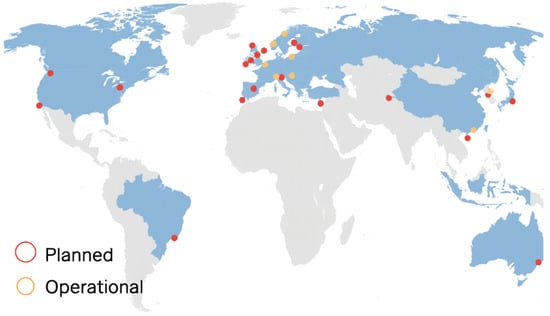
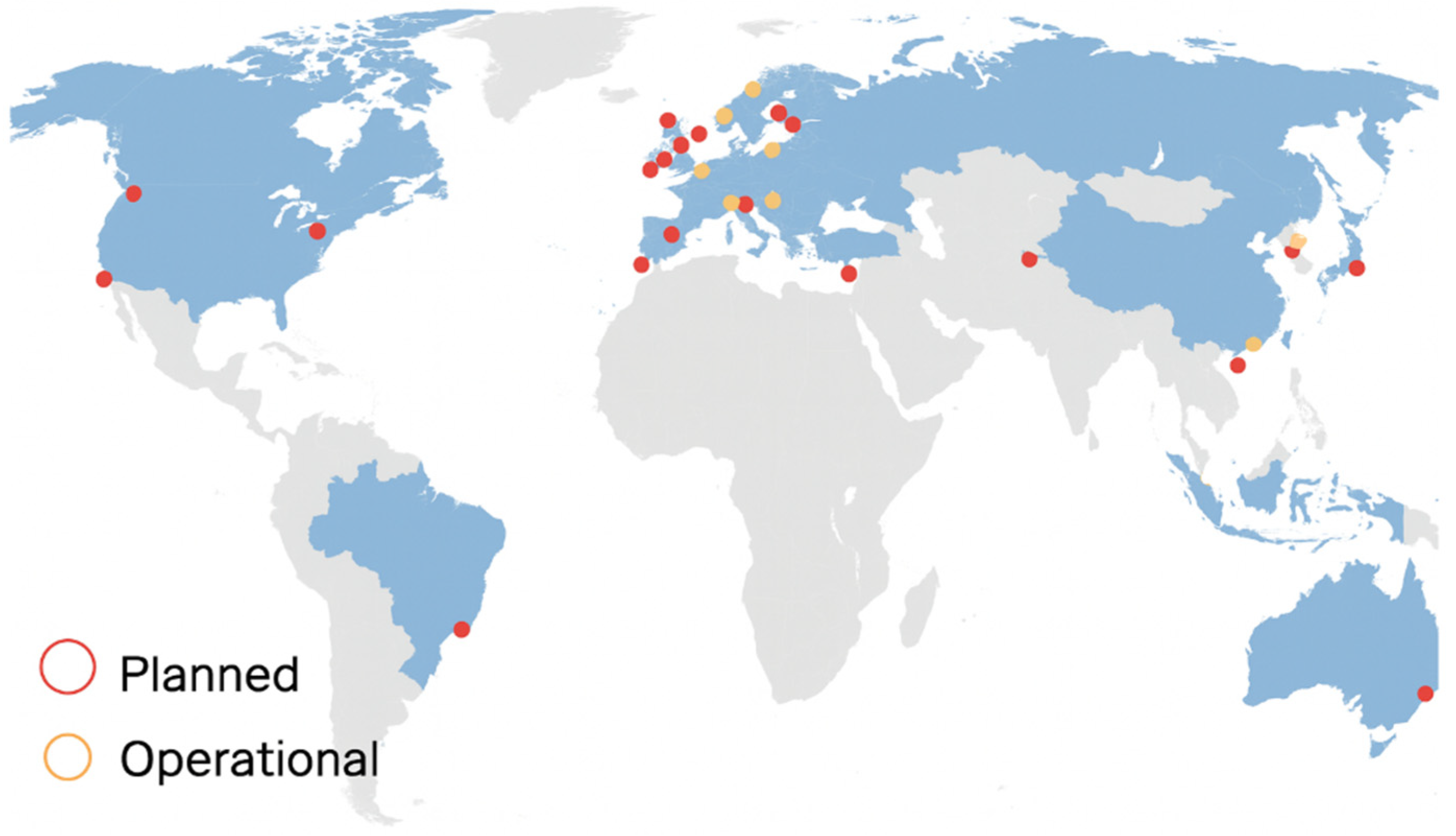
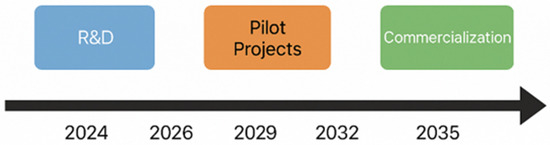
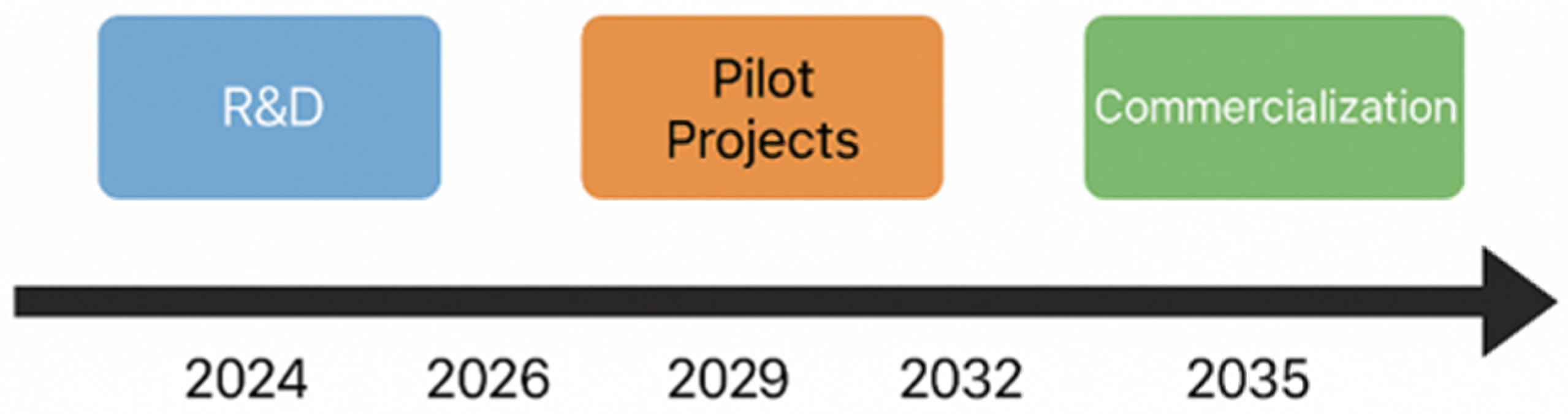
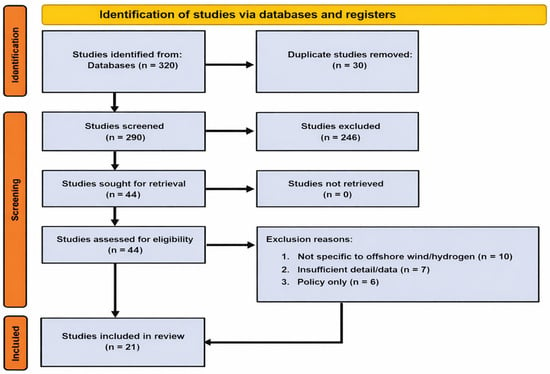
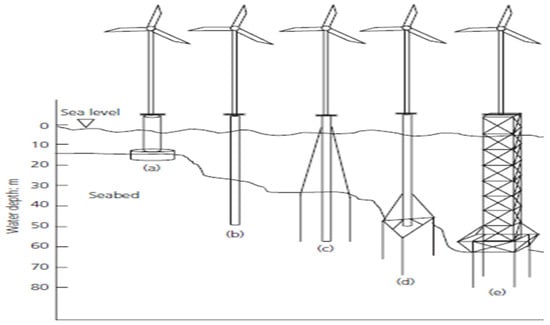
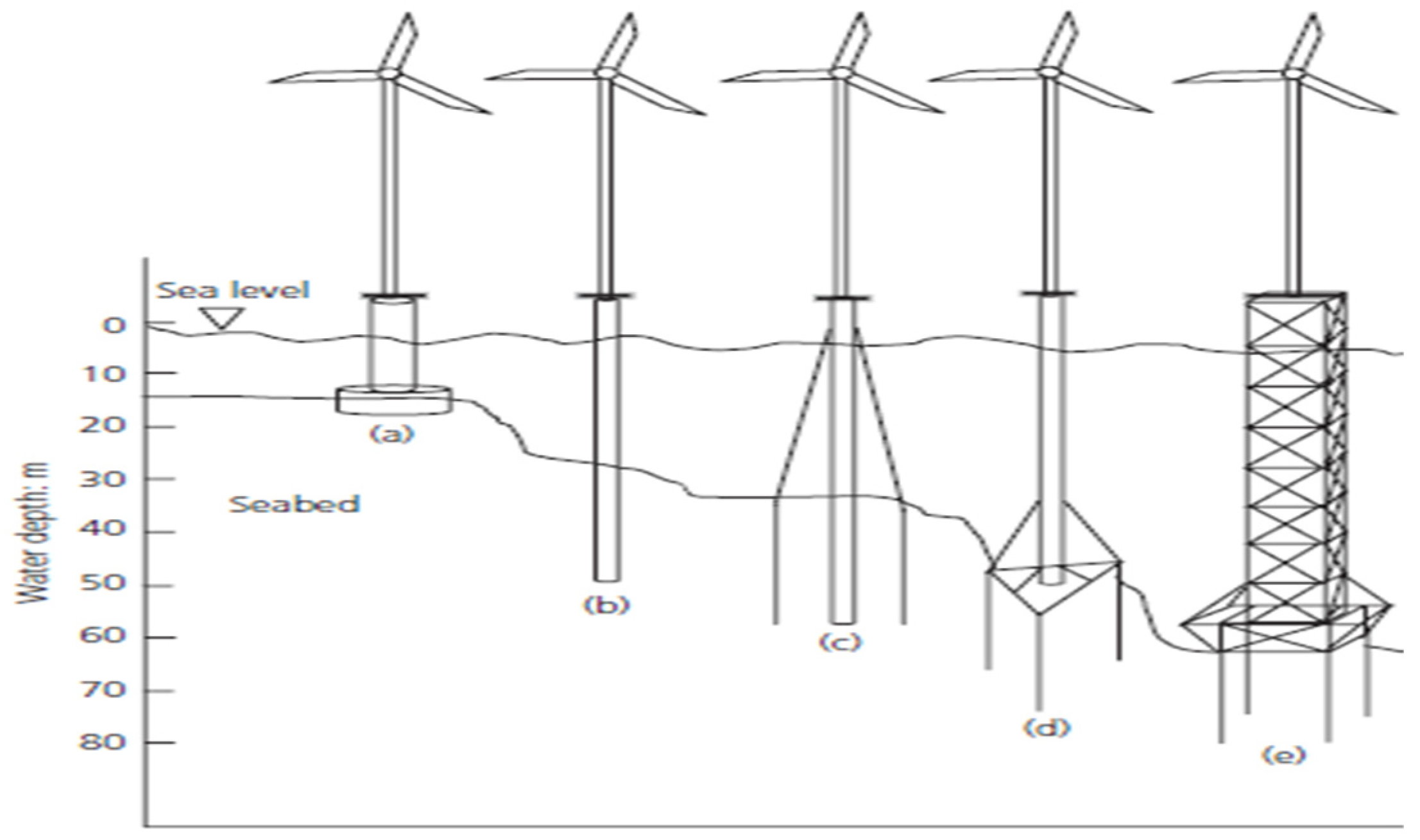
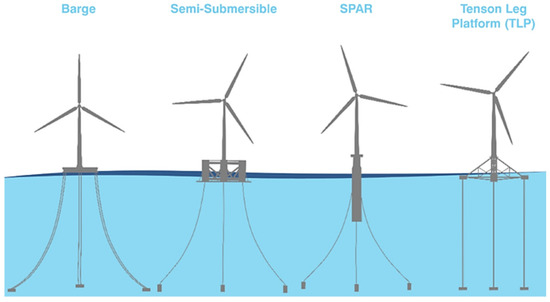
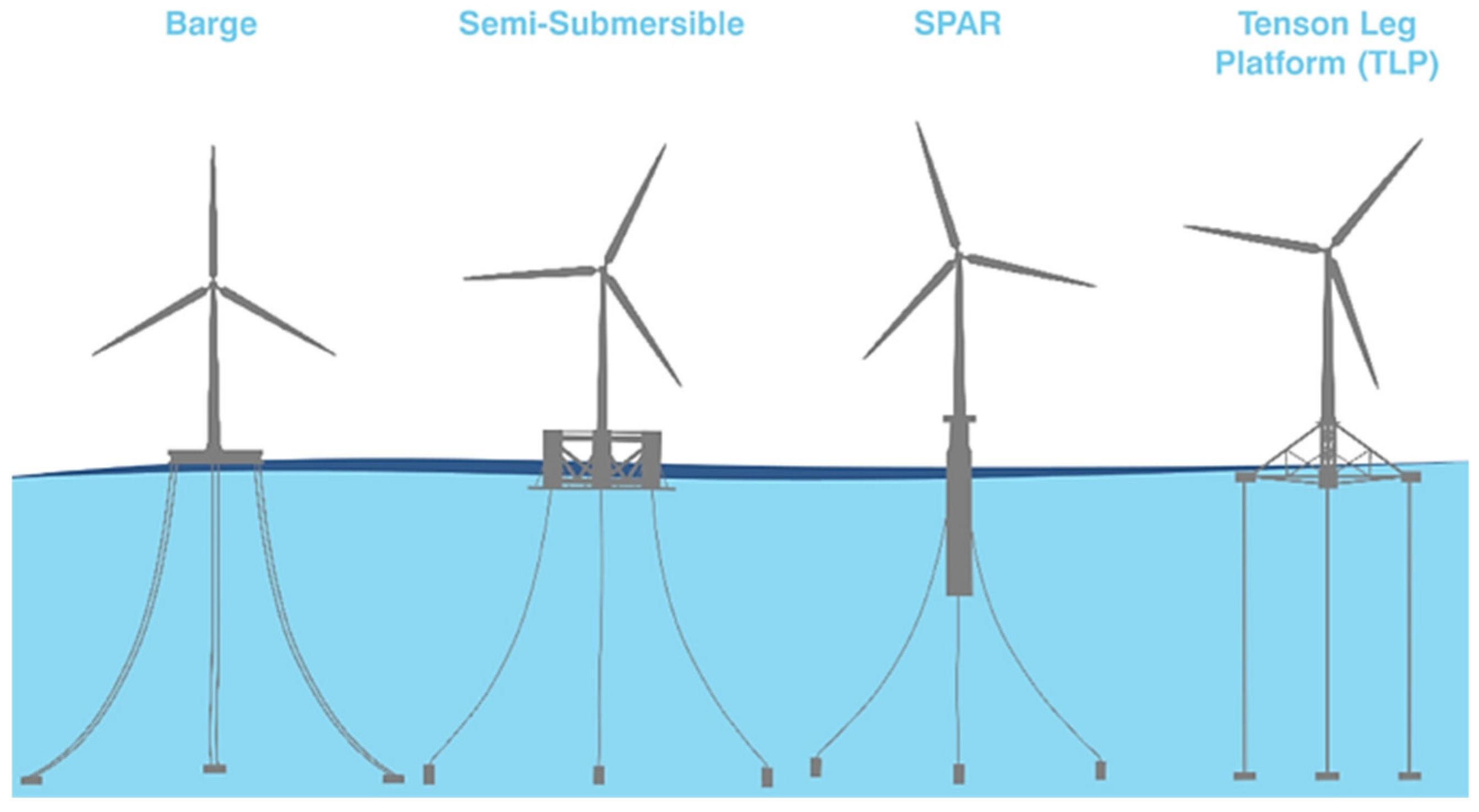
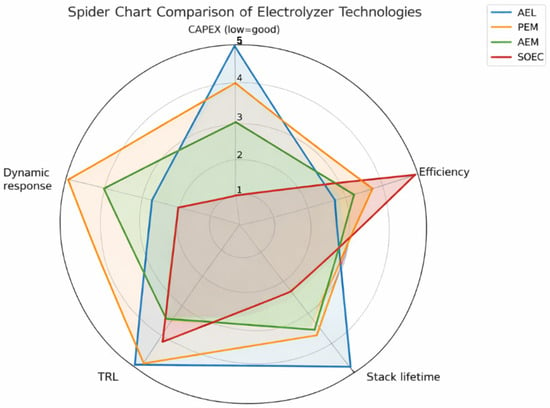
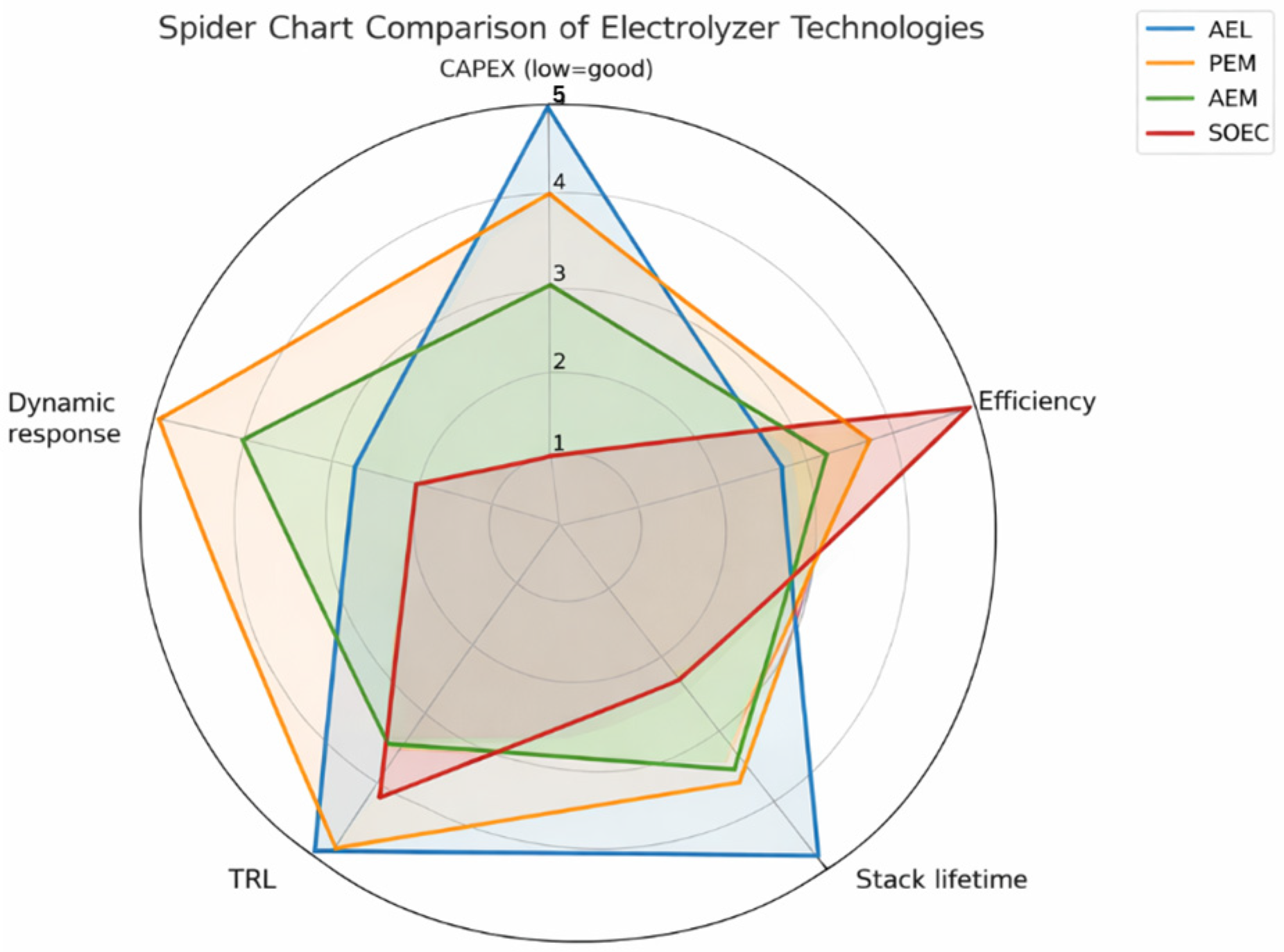
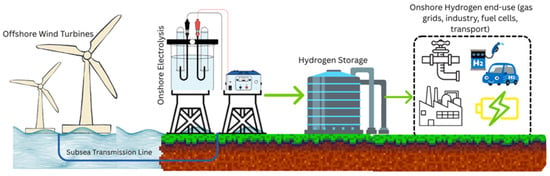
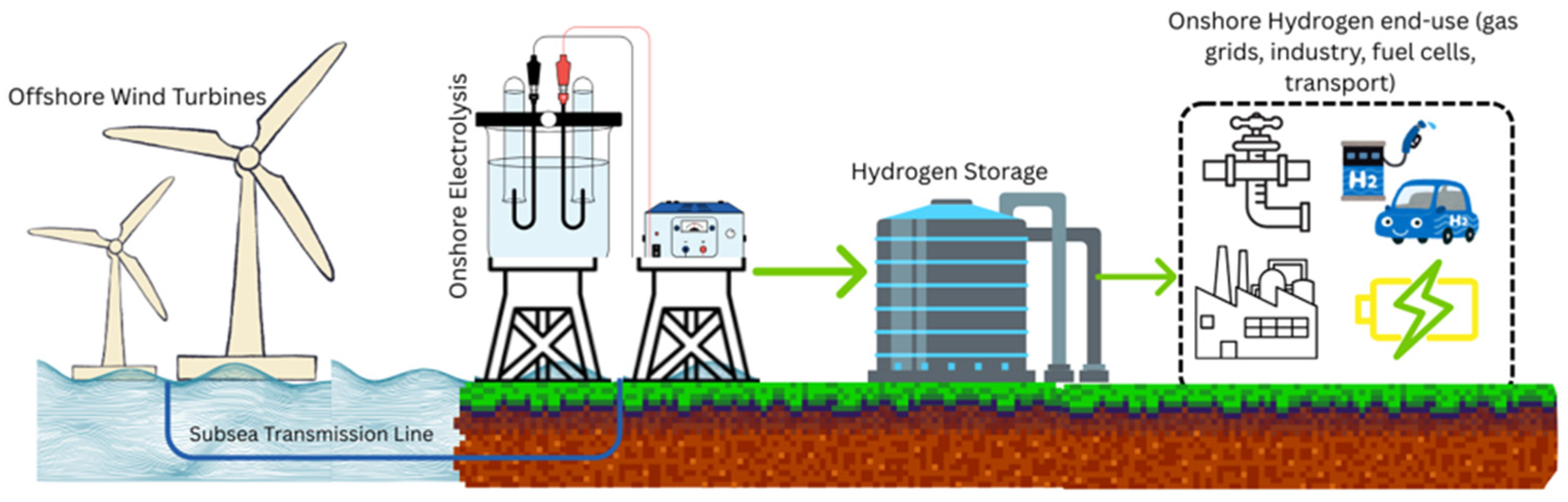
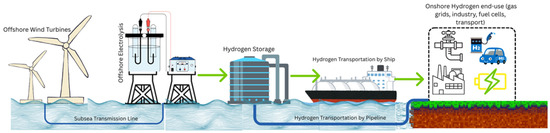
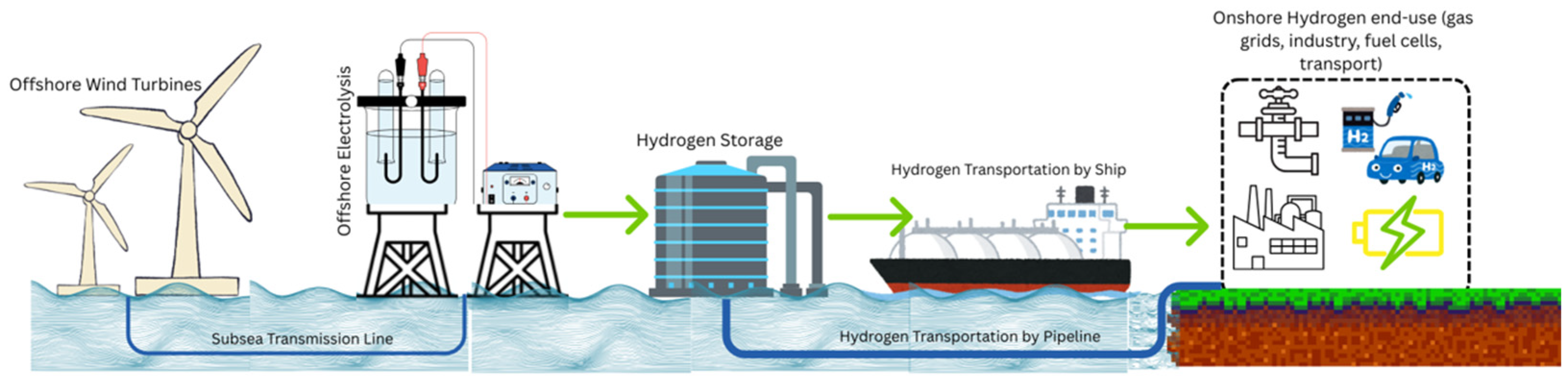
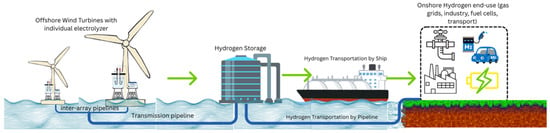
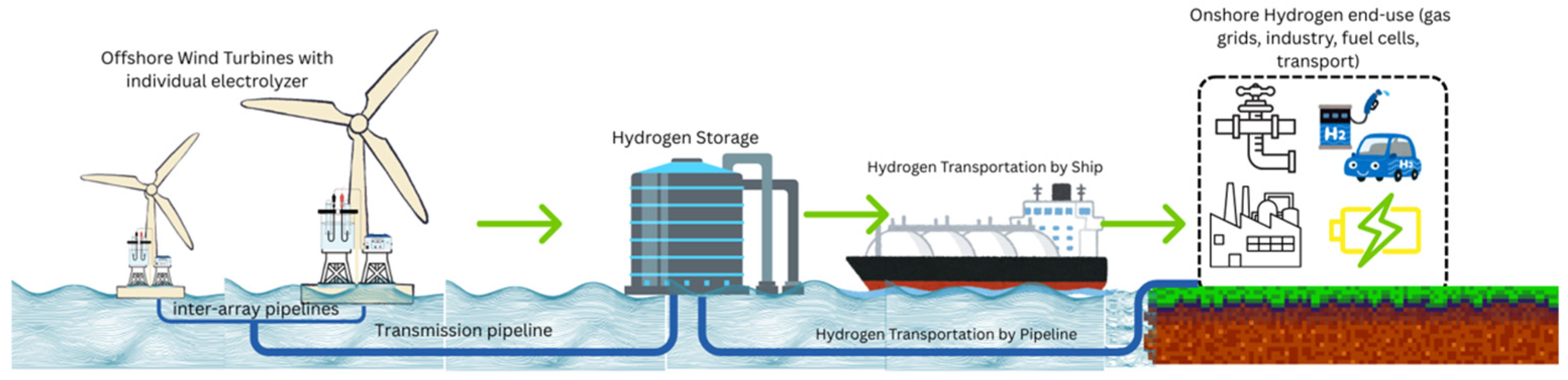
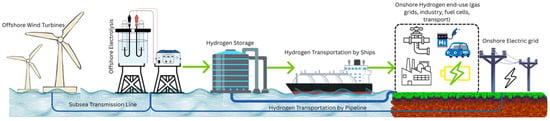
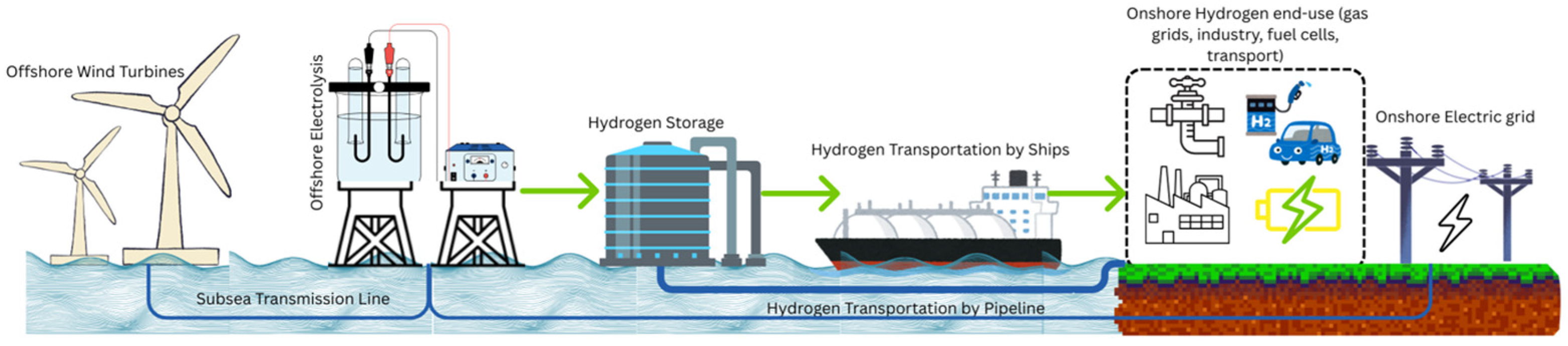
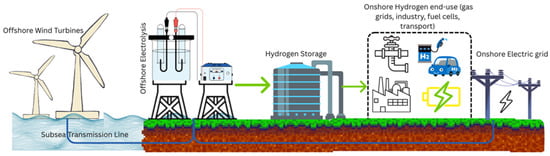

Disclaimer/Publisher’s Note: The statements, opinions and data contained in all publications are solely those of the individual author(s) and contributor(s) and not of MDPI and/or the editor(s). MDPI and/or the editor(s) disclaim responsibility for any injury to people or property resulting from any ideas, methods, instructions or products referred to in the content. |
© 2026 by the authors. Licensee MDPI, Basel, Switzerland. This article is an open access article distributed under the terms and conditions of the Creative Commons Attribution (CC BY) license.