Article

An Analysis of the Impact of Structural Materials on Energy Burdens and Energy Efficiency in the Life Cycle of a Passenger Car


by
Małgorzata Mrozik
1 and
Agnieszka Merkisz-Guranowska
2,*
1
Faculty of Mechanical Engineering and Mechatronics, West Pomeranian University of Technology in Szczecin, 70-310 Szczecin, Poland
2
Institute of Transport, Poznan University of Technology, 61-138 Poznan, Poland
*
Author to whom correspondence should be addressed.
Energies 2026, 19(2), 402; https://doi.org/10.3390/en19020402
Submission received: 9 December 2025 / Revised: 6 January 2026 / Accepted: 12 January 2026 / Published: 14 January 2026
(This article belongs to the Special Issue State-of-the-Art Energy Saving in the Transport Industries)

Abstract

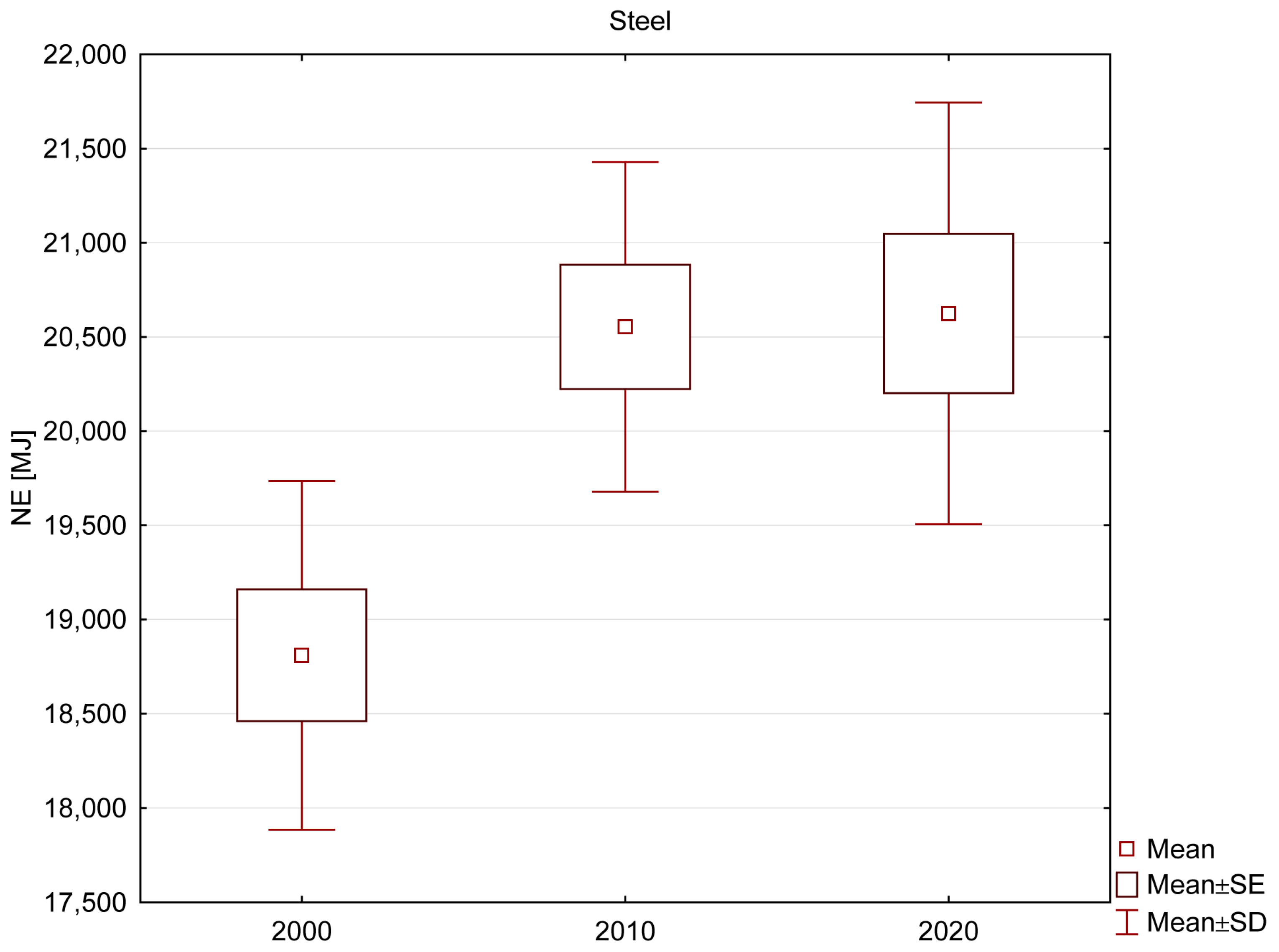
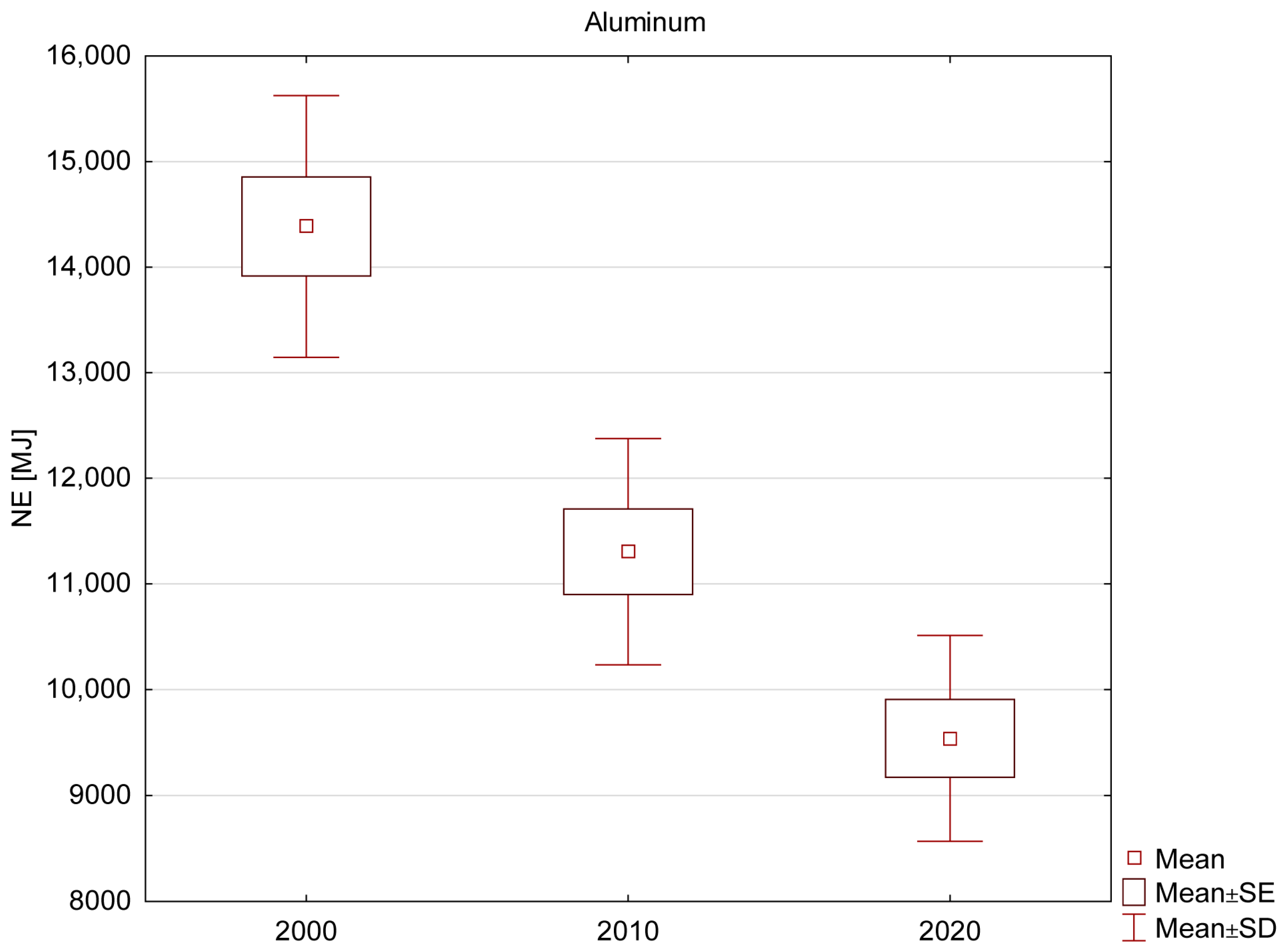
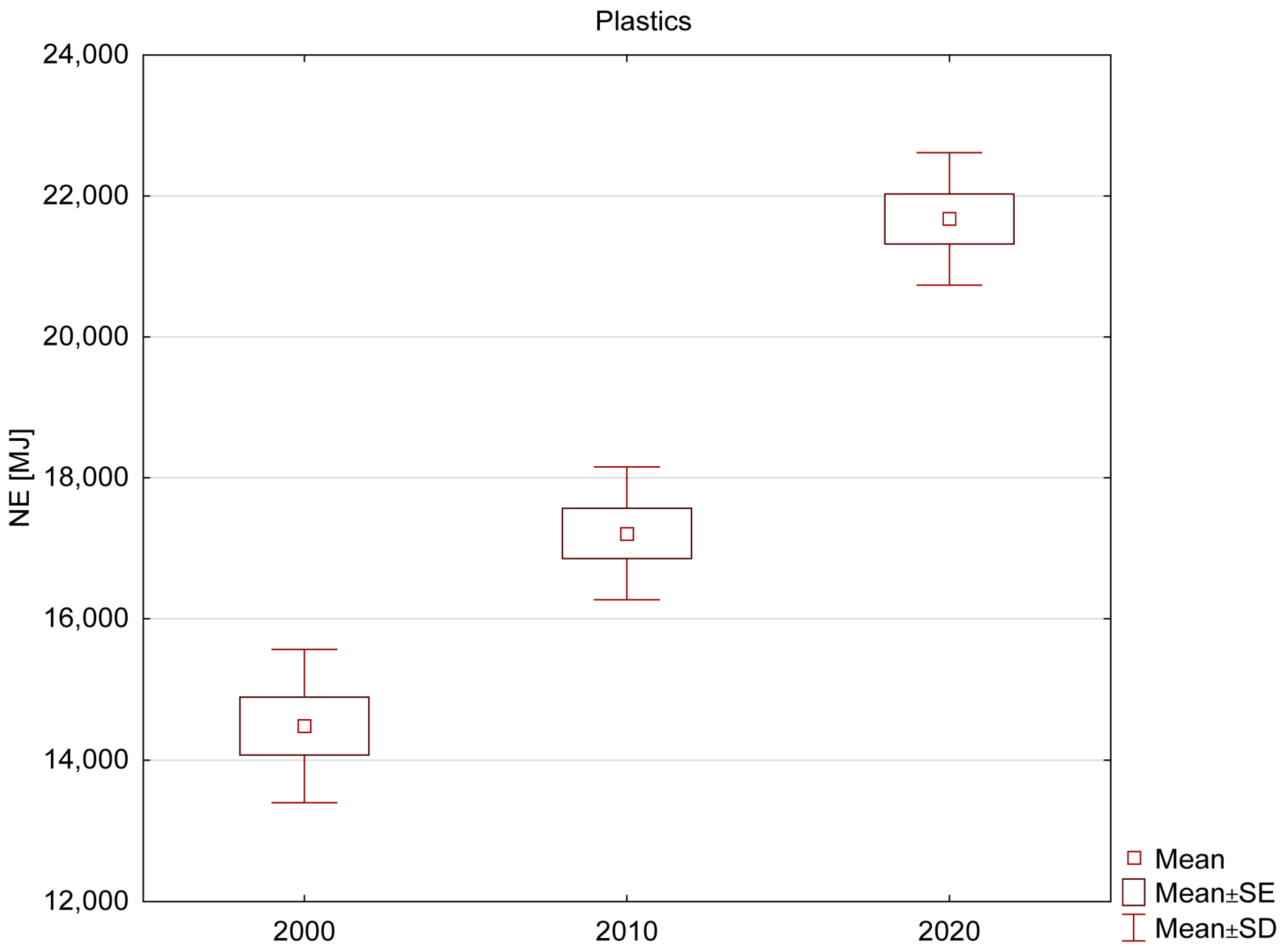
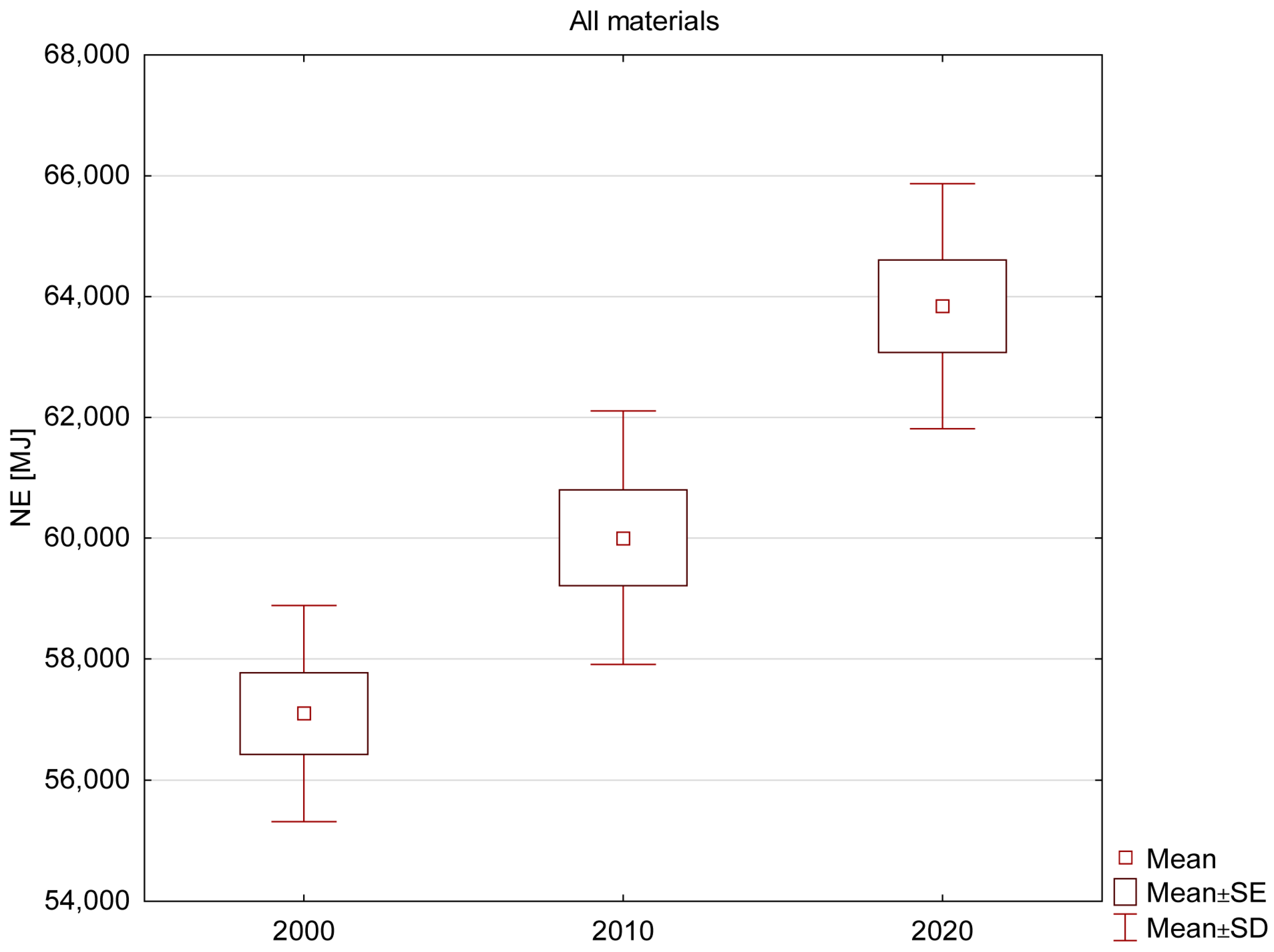
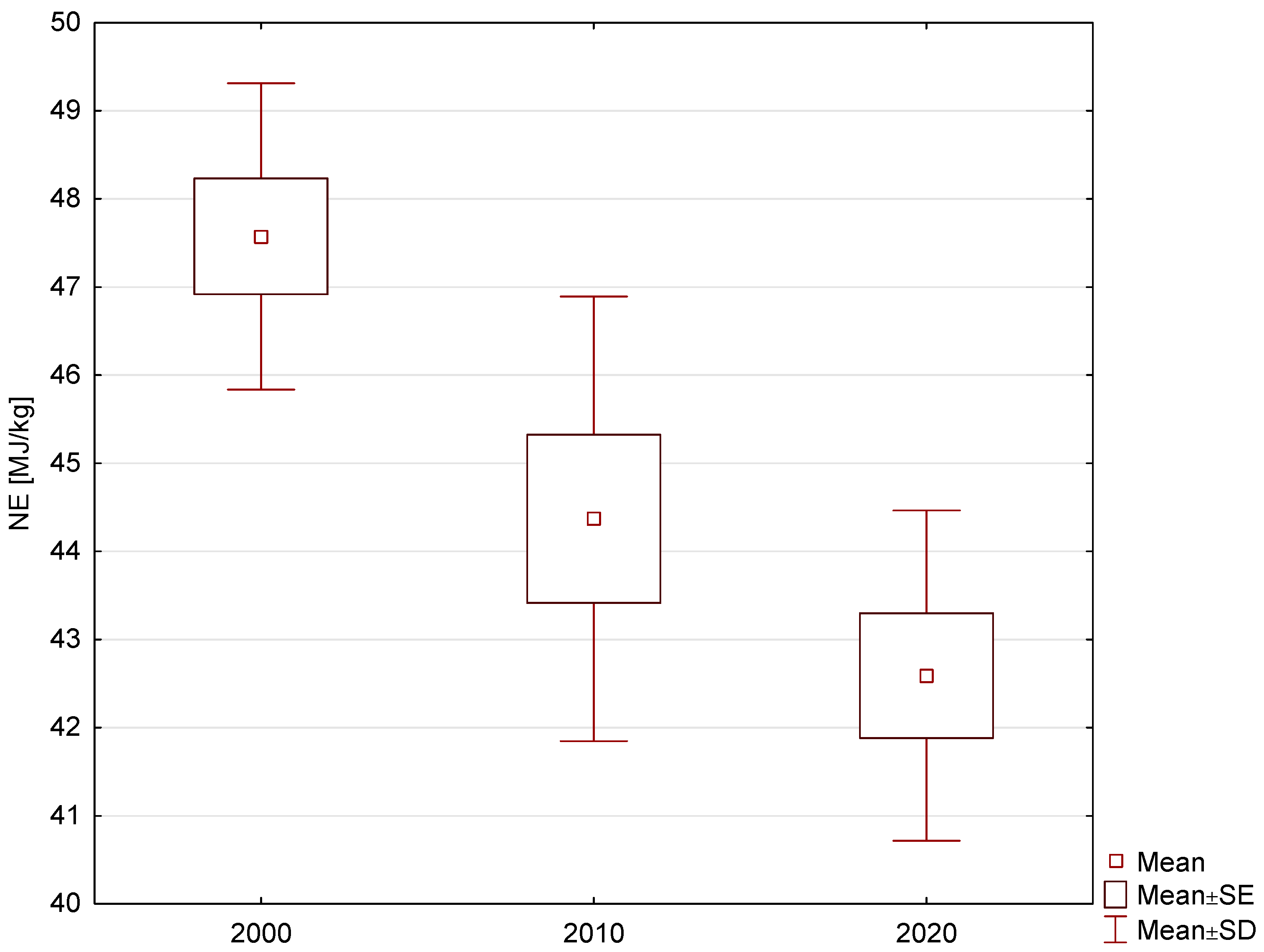
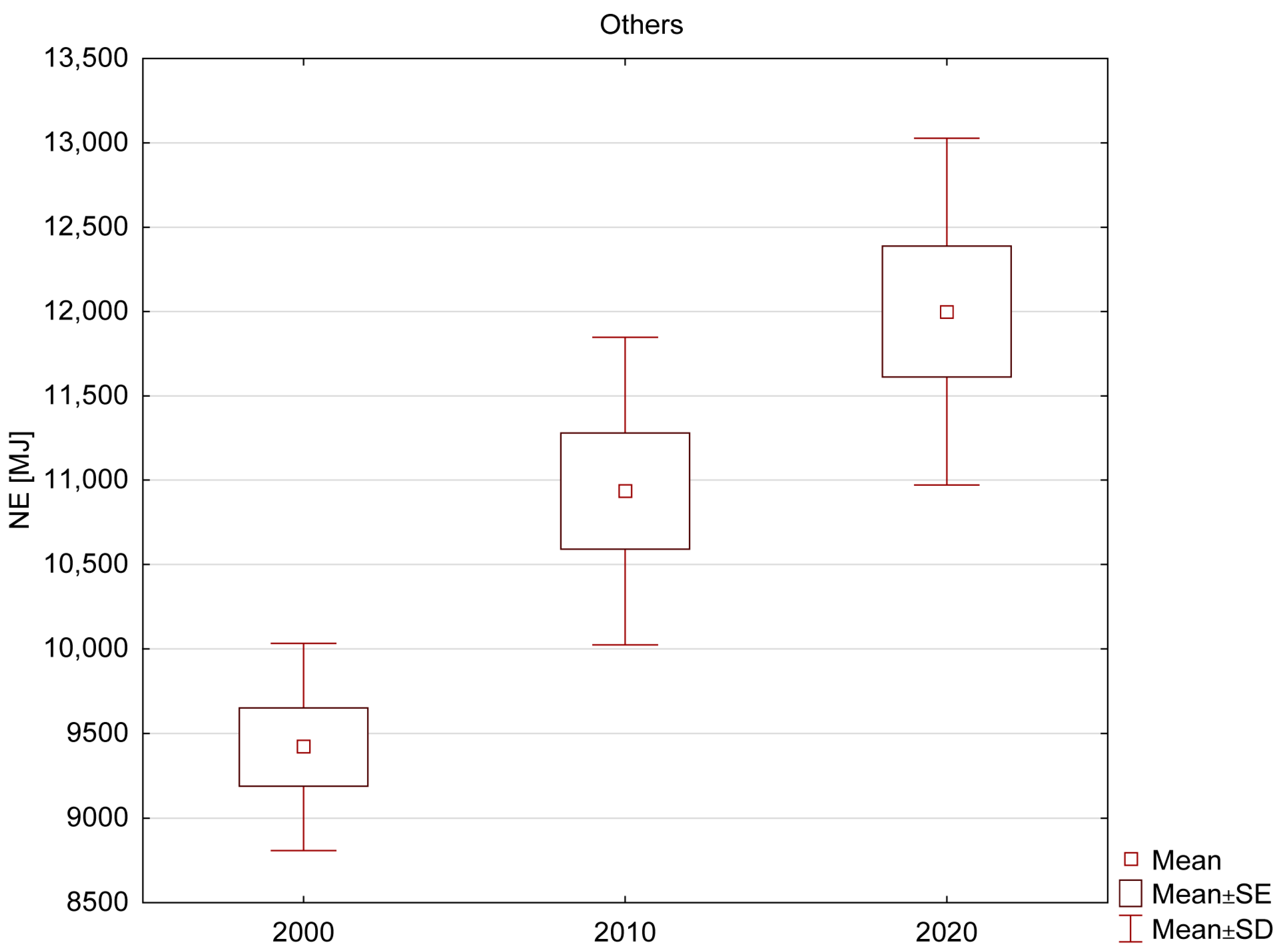
This paper presents an energy-focused analysis of structural materials used in passenger cars, with a particular emphasis on the impact of construction materials on total energy consumption throughout the vehicle’s life cycle. Three production periods (2000, 2010, and 2020) were analysed for B- and C-segment vehicles using inventory data from Life Cycle Assessment databases, the scientific literature, and certified dismantling stations. The embodied energy of key material groups—steel, aluminium, plastics, and other materials—was calculated based on representative mass shares and material-specific energy intensity indicators. The computational model was supplemented with statistical analyses (Kolmogorov–Smirnov test, Levene’s test, ANOVA, and Tukey’s post hoc tests) to verify whether observed temporal trends were statistically significant. The results indicate that total material-related energy inputs increased from approximately 57 GJ to 64 GJ per vehicle, while the specific energy intensity per kilogram decreased from 47.6 MJ/kg to 42.6 MJ/kg. Aluminium exhibited a pronounced reduction in unit energy intensity due to the rising share of secondary materials, whereas plastics and other materials showed substantial increases. Steel remained the largest contributor in absolute terms because of its dominant mass share. This study highlights the growing importance of the production phase in the environmental balance of modern vehicles, particularly in the context of the rising share of lightweight materials and recycling-based components. The results emphasise the importance of energy-efficient material use and underscore the significance of material selection and recycling strategies in reducing energy demand within the automotive sector.
Keywords: embodied energy; energy efficiency; energy recovery; automotive materials; lightweight design; sustainable transport; environmental impact embodied energy; energy efficiency; energy recovery; automotive materials; lightweight design; sustainable transport; environmental impact