1. Introduction
Contemporary industry faces increasing pressure to reconcile economic growth with environmental protection. Intensive resource exploitation, rising greenhouse gas emissions, and growing waste streams make sustainable development a central paradigm in modern economic strategies. Energy-intensive and high-emission sectors, particularly the cement industry, play a key role in these challenges. Cement production accounts for approximately 7–8% of global CO
2 emissions, with the critical clinker production stage requiring temperatures around 1400 °C in rotary kilns, traditionally fueled by fossil fuels [
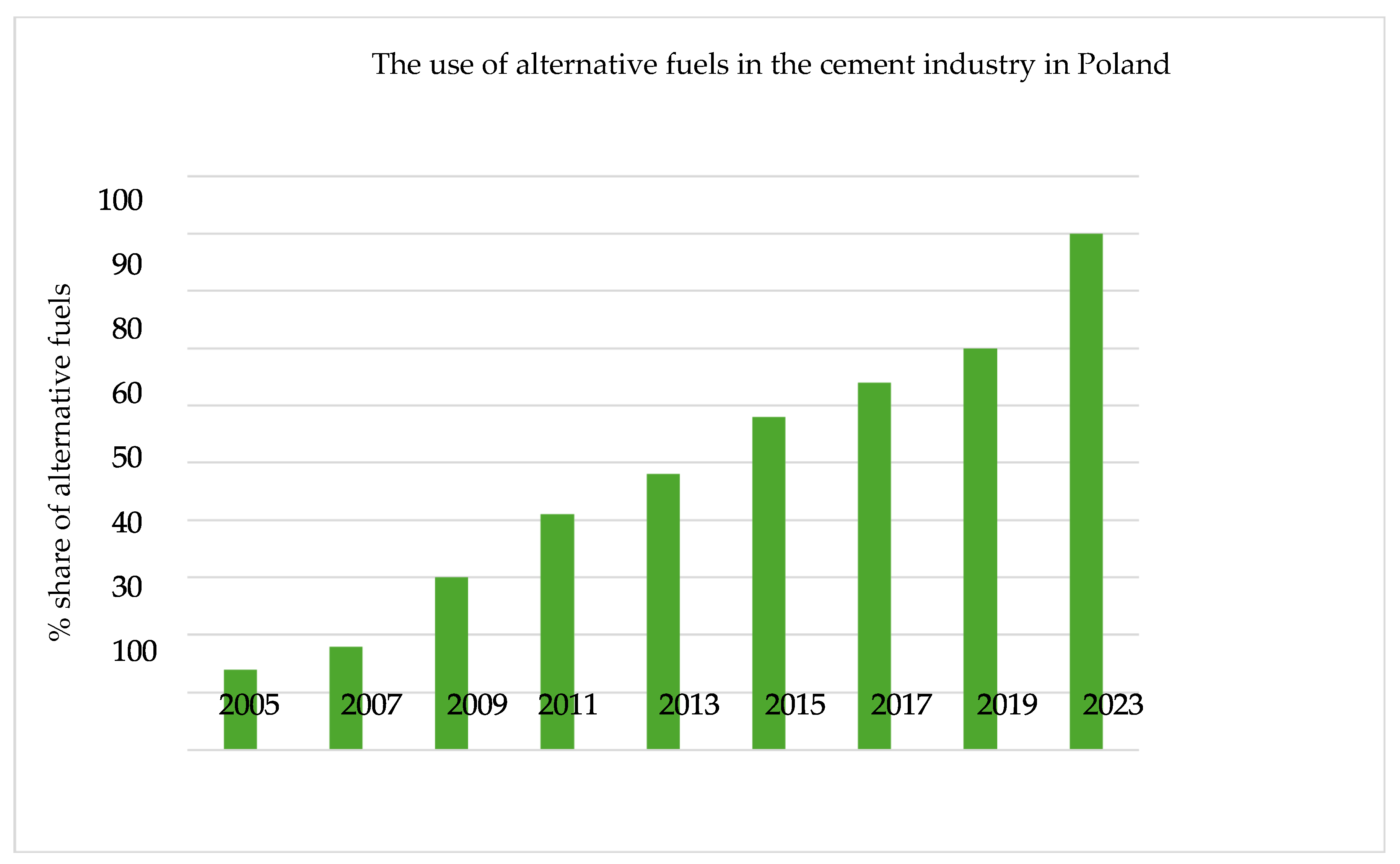
1]. In response to international climate policy objectives and sustainable development goals, the use of alternative fuels derived from municipal and industrial waste has increased rapidly in recent years. In the European cement industry, alternative fuels now account for over 50% of energy input, while in Poland their share reaches up to 90%, reflecting substantial progress in emission reduction and energy diversification [
2]. Beyond energy concerns, the cement industry must also address emissions of particulate matter, nitrogen oxides, and sulfur dioxide while improving waste management practices.
Advanced technologies—including dust removal systems, continuous emissions monitoring, and process optimization—allow significant mitigation of local environmental impacts. Furthermore, many cement plants operate within a circular economy framework, using waste not only as an energy source but also as secondary raw materials, such as fly ash, metallurgical slag, or dedusting system residues, which can replace natural resources and reduce the exploitation of non-renewable materials [
3].
Current decarbonization strategies in the cement industry include the increased use of alternative fuels, waste-derived raw materials, Waste Heat Recovery systems, carbon capture technologies, and broader circular economy approaches. These measures are intended to reduce greenhouse gas emissions, improve energy efficiency, and minimize the environmental burden associated with cement production. In particular, high Thermal Substitution Rates (TSRs) and industrial waste co-processing have become important elements of EU industrial decarbonization strategies.
At the same time, the cement industry faces increasing regulatory pressure associated with EU climate neutrality targets, rising carbon allowance prices, and the need to reduce dependence on fossil fuels and virgin raw materials.
Despite the growing body of literature on cement sector decarbonization, existing studies typically focus on isolated technological solutions such as alternative fuels, carbon capture systems, or Waste Heat Recovery technologies separately. Limited research integrates direct operational plant-level observations, environmental performance indicators, and techno-economic feasibility assessment within a broader circular economy framework under EU ETS conditions. Furthermore, relatively few studies combine industrial operational evidence with scenario-based economic analyses for cement plants operating with high Thermal Substitution Rates. This study seeks to address this gap by integrating operational, environmental, and economic perspectives within a unified analytical framework.
To address the identified research gap, the study applies a mixed-methods techno-economic framework combining operational plant observations, environmental indicators, and scenario-based economic analyses.
Despite the growing literature on cement sector decarbonization, relatively limited research integrates operational plant observations, alternative fuel utilization, waste management systems, and techno-economic transition pathways within a unified industrial assessment framework focused on cement plants operating under EU ETS conditions.
The aim of this study is to evaluate the role of waste management, alternative fuels, and selected low-carbon technologies in supporting the environmental and economic transition of cement plants operating under EU regulatory conditions, with particular emphasis on evidence derived from operational observations, comparative sectoral data, and scenario-based assessments related to Polish cement plants operating under EU ETS conditions.
The novelty of this study lies in its integrated techno-economic assessment of waste management as a strategic tool for advancing sustainable and circular practices in a high-emission industrial sector. The analysis integrates economic and environmental evaluations of alternative fuels, biogas, Waste Heat Recovery (WHR) technologies, and hazardous waste incineration projects, considering both efficiency metrics and investment profitability indicators (NPV, TSR, and AFR). The study combines plant-level operational evidence with scenario-based economic modeling and sectoral secondary data to provide a multi-dimensional assessment of low-carbon transition strategies in the cement industry.
Additionally, the study evaluates the applicability and economic feasibility of Carbon Capture and Storage (CCS) and Carbon Capture and Utilization (CCU) technologies under EU industrial and carbon pricing conditions, supported by a SWOT analysis of innovative solution implementation. The study is expected to contribute to the understanding of how integrated waste management strategies and low-carbon technologies may support environmental performance, energy efficiency, and economic viability in cement plants operating under advanced regulatory conditions.
Although the study discusses international decarbonization trends in the cement industry, the empirical component is primarily based on case studies from Polish cement plants operating under European Union regulatory and market conditions. Therefore, the results should be interpreted as representative for highly industrialized EU cement systems characterized by advanced waste management infrastructure, high alternative fuel substitution rates, and EU ETS exposure, rather than as universally generalizable outcomes for all international cement markets. Accordingly, the study should not be interpreted as a universal representation of global cement sector transition pathways.
3. Materials and Methods
The study applied a mixed-methods techno-economic case-study framework combining operational plant observations, comparative sectoral analysis, documentary review, and scenario-based assessment under EU ETS conditions.
The empirical component focused on selected Polish cement plants characterized by high alternative fuel substitution rates (TSR > 70%) and the implementation of low-carbon technologies, including CCS, WHR, biogas integration, and hazardous waste co-processing. Therefore, the study should be interpreted as a comparative industrial case-study assessment rather than a statistically representative cross-country analysis.
The analytical framework included four integrated dimensions:
Environmental assessment of CO2 reduction potential and fuel substitution effects;
Operational assessment of clinker production stability, kiln efficiency, and TSR levels;
Economic assessment including energy savings, EU ETS impacts, and NPV analysis;
Strategic assessment based on SWOT analysis of low-carbon technology implementation.
The study combined annual operational indicators (2020–2025), short-term kiln operational observations (July 2025), investment scenario models, and secondary industrial datasets. The analyzed indicators included fuel consumption, thermal energy demand, clinker production, CO2 emissions, electricity use, and selected economic performance parameters.
The empirical structure consisted of three analytical levels. First, direct operational observations (
Figure 3,
Figure 4 and
Figure 5) were obtained from a Polish cement plant operating under high TSR conditions. Second, comparative sectoral indicators and technology benchmarks were derived from multiple Polish cement plants and secondary industry datasets. Third, CCS, WHR, biogas, and hazardous waste-to-energy assessments were based on scenario modeling and techno-economic feasibility assumptions supported by corporate reports and technical literature.
The hazardous waste-to-energy configuration was evaluated exclusively as a conceptual techno-economic scenario and was not based on direct operational monitoring of a fully implemented industrial conceptual configuration.
The collected data were analyzed using comparative techno-economic assessment procedures, descriptive operational analysis, environmental impact estimation, and scenario-based evaluation of selected low-carbon technologies (
Table 3). Quantitative indicators were standardized using common energy, emission, and cost metrics to improve comparability across the analyzed technology blocks.
The methodological workflow followed an input–process–output structure. Inputs included operational observations, ESG reports, EU ETS market data, technical documentation, and industry literature. The analytical process involved TSR and AFR calculations, operational performance analysis, environmental impact estimation, and economic scenario evaluation. The outputs consisted of environmental, operational, and economic assessments of low-carbon transition pathways in cement production systems.
The analyzed documentary sources included ESG reports published by Holcim Polska, Geocycle, Cembureau statistical reports, EU ETS market reports, and technical feasibility studies concerning CCS and WHR implementation in cement plants.
The documentary sources additionally included publicly accessible annual sustainability reports, industrial decarbonization roadmaps, Cembureau statistical databases, EU ETS analytical reports, and technical feasibility studies concerning CCS, WHR, and alternative fuel implementation in European cement plants. Wherever possible, cross-verification between multiple documentary and operational sources was performed to improve analytical consistency and data reliability.
3.1. Research Design and Analytical Framework
The following subsections first characterize the industrial and technological context of the analyzed cement production systems and subsequently describe the analytical procedures applied in the study.
The study was conducted based on the following methodological assumptions.
Selected cement plants in Poland were analyzed, taking into account both plants using alternative fuels with a high percentage (AFR ≥ 70%) and plants implementing biogas technologies, WHR (Waste Heat Recovery) and conceptual configuration for burning hazardous waste. Data was obtained from ESG reports, corporate reports and industry literature. The secondary datasets used in the study were derived from publicly available ESG reports, annual sustainability reports, national cement industry statistics, technical feasibility studies, EU ETS market reports, and industrial energy assessments published between 2020 and 2025. The analyzed corporate materials included aggregated operational indicators related to fuel substitution, thermal energy demand, electricity consumption, and CO2 emissions. Due to industrial confidentiality agreements, plant-level operational datasets were anonymized and standardized before comparative analysis. Although selected operational datasets could not be fully disclosed due to industrial confidentiality restrictions, all analyzed indicators were cross-verified using publicly available ESG reports, industrial benchmarks, technical feasibility studies, and EU ETS datasets in order to improve the analytical reliability and reproducibility of the comparative assessment framework. All economic and operational indicators used in the study were recalculated using unified energy, emission, and cost metrics to improve comparability and analytical consistency.
The documentary analysis included approximately 15 industrial and institutional documents, including ESG reports, annual corporate sustainability reports, environmental compliance reports, EU ETS market reports, industry association publications, and technical feasibility studies related to cement decarbonization technologies. Operational data were collected from aggregated daily industrial observations recorded during cement kiln operation in July 2025, while documentary data were obtained through comparative analysis of publicly available ESG reports, annual sustainability reports, technical publications, and EU regulatory datasets related to cement sector decarbonization. To improve analytical consistency, operational, environmental, and economic indicators from multiple data sources were cross-compared and standardized using common energy, emission, and cost metrics. This approach enabled the integration of plant-level operational evidence with broader sectoral and regulatory analyses.
Table 4 and
Table 5 present the scope and characteristics of the analyzed case studies.
To improve methodological transparency, the analytical structure of the study may be summarized as follows:
Direct operational observations from a single Polish cement plant were used primarily for TSR, clinker production, and production efficiency analyses presented in
Figure 5,
Figure 6 and
Figure 7;
Comparative sectoral indicators concerning AFR, alternative fuel utilization, and selected energy indicators were derived from aggregated datasets obtained from multiple Polish cement plants and ESG reports;
CCS, WHR, biogas, and hazardous waste assessments were based mainly on scenario-based techno-economic modeling, feasibility assumptions, and secondary industrial datasets;
EU ETS market analyses and economic sensitivity assessments were derived from publicly available carbon market reports and industrial energy datasets covering the period 2020–2025.
- 2.
Characteristics of the analyzed fuels and raw materials
The technical properties of alternative fuels (e.g., PASr, RDF, and biomass) and secondary raw materials used in clinker production were examined. The analysis included calorific values, impurity content (chlorine, sulfur, and heavy metals), bulk density, and grain size, which enabled the assessment of combustion efficiency and the impact on the technological process.
- 3.
Indicators of ecological and economic efficiency
The analytical workflow consisted of the
- -
Collection of operational and environmental indicators from plant reports and industrial databases;
- -
Standardization of energy and emission units;
- -
Calculation of AFR and TSR indicators using thermal energy substitution balances;
- -
Estimation of avoided CO2 emissions and EU ETS cost impacts;
- -
Investment profitability assessment using discounted cash-flow and NPV methodology;
- -
Comparative interpretation of operational and environmental performance across analyzed technology blocks.
The Thermal Substitution Rate (
TSR) was calculated as follows:
where
QAF—Thermal energy from alternative fuels;
Qtotal—Total kiln thermal demand.
The Alternative Fuel Rate (
AFR) was calculated as follows:
where
mAF—Mass of alternative fuels;
mtotal fuel—Total fuel mass input.
The research used the following, among others:
- -
AFR (Alternative Fuel Rate)—the share of alternative fuels in the energy mix;
- -
TSR (Thermal Substitution Rate)—the share of energy from alternative fuels in the total heat demand of the furnace;
- -
Specific CO2 emissions (kg CO2/t clinker/cement);
- -
Consumption of electricity and heat per unit of product;
- -
Economic indicators, including NPV, unit costs of energy and savings from fuel substitution.
- 4.
Analysis of technological processes
The impact of the use of alternative fuels, biogas and hazardous waste on the stability of the clinker burning process, kiln efficiency and operational parameters was examined. The data was used to assess fuel quality, monitor emissions and energy efficiency of installations.
- 5.
Scenario analysis and economic tools
In the case of investment projects (CCS, biogas plants, and waste incineration), an NPV analysis was carried out in the base and pessimistic variants, taking into account price forecasts for CO2 emission allowances, operating costs and potential revenues from waste management.
- 6.
SWOT analysis
A SWOT analysis was performed for each technology and investment project, identifying strengths, weaknesses, opportunities and threats. This allowed us to assess the economic, technological and social aspects related to the implementation of individual solutions. To improve comparative interpretation and decision-support relevance, the identified SWOT factors were additionally categorized according to their relative strategic importance for industrial implementation feasibility under EU ETS conditions (
Table 6).
The relative importance categories presented in
Table 6 were assigned using comparative expert-based qualitative prioritization considering expected influence on operational feasibility, regulatory exposure, economic sensitivity, and long-term decarbonization potential under EU ETS conditions. The assessment should therefore be interpreted as a semi-quantitative strategic prioritization framework rather than a fully numerical multi-criteria decision model.
The SWOT framework was applied as a qualitative strategic assessment tool supporting comparative interpretation of implementation barriers, investment risks, and operational opportunities associated with selected low-carbon technologies. To improve analytical consistency, the identified SWOT factors were comparatively prioritized according to their expected influence on economic feasibility, operational stability, regulatory compliance, and long-term decarbonization potential within EU ETS conditions.
Among the identified factors, the most critical determinants of CCS feasibility were EUA price trajectories, subsidy availability, and long-term operating costs, whereas technological maturity and regulatory alignment were assessed as the principal strategic strengths of the analyzed solution.
The analysis identified electricity prices, capital expenditure, and kiln operational stability as the dominant factors affecting WHR investment feasibility.
Waste availability, gate-fee stability, and energy market prices were identified as the most influential economic variables affecting the analyzed biogas scenario.
- 7.
Data sources
The data used in the study came from company reports (including Holcim Polska, Geocycle), industry publications, standards (PN-EN 15359:2012) and the scientific literature on alternative fuels, waste management and CCS technology. The research methodology allowed for an integrated techno-economic assessment of the potential for sustainable waste and fuel management in the cement industry, combining technological, ecological and economic analysis, which enables the identification of the most effective strategies for the energy transformation of the sector.
Direct operational plant data were primarily used for TSR, clinker production, and fuel substitution analyses presented in
Figure 3,
Figure 4 and
Figure 5 and
Table 4 and
Table 5, while secondary sources, including ESG reports, EU ETS market data, industry publications, and technical feasibility studies, were used mainly for CCS, WHR, biogas, and broader economic assessments. Due to industrial confidentiality restrictions, the operational analysis relied on aggregated process indicators rather than fully disaggregated plant-level datasets. Consequently, the study should be interpreted as an exploratory industrial case-study assessment rather than a statistically representative sector-wide analysis.
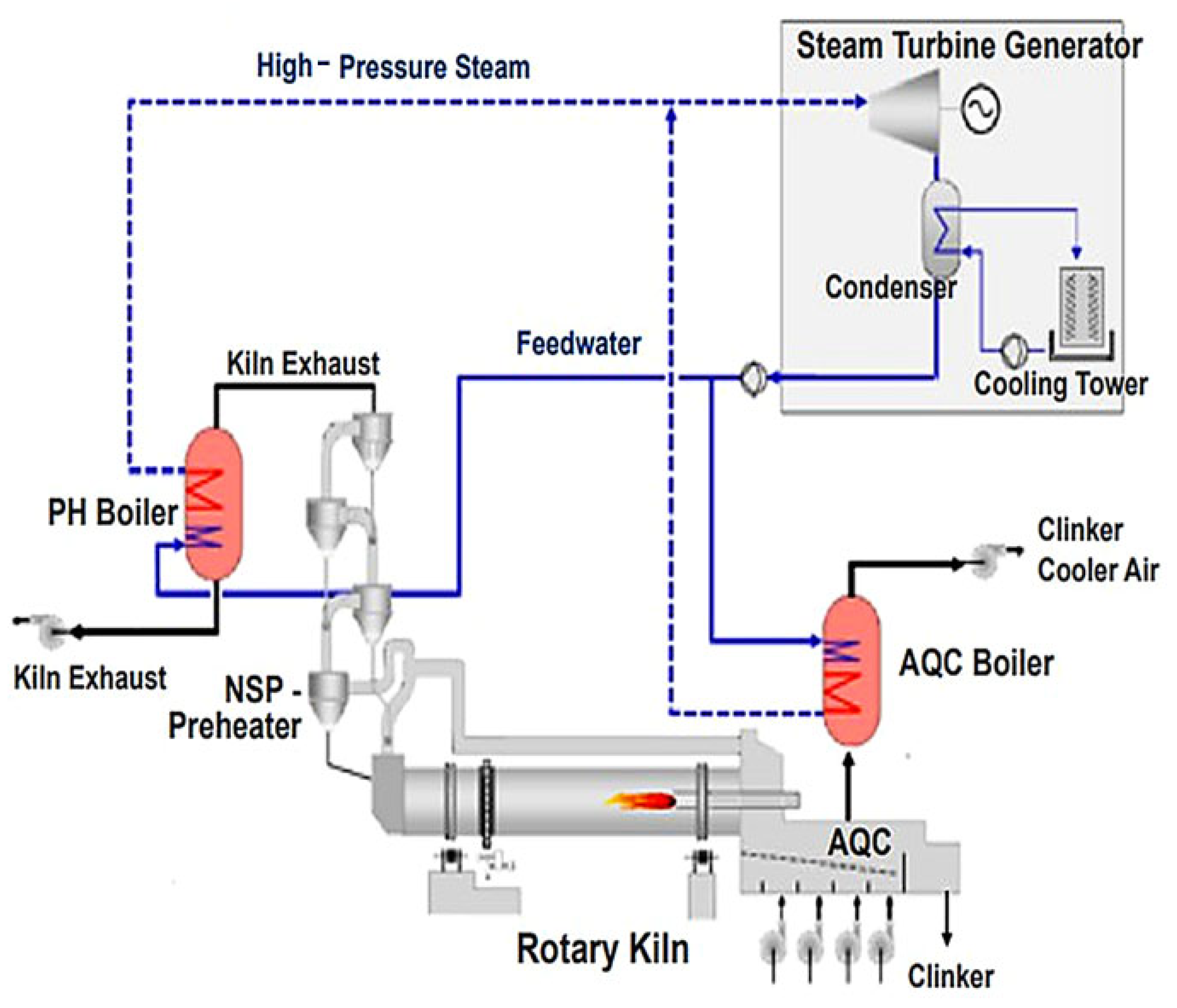
Figure 4 presents the general technological configuration of the WHR system analyzed within the techno-economic assessment framework.
The collected operational, environmental, and economic data supported the evaluation of how alternative fuels, waste management strategies, and selected low-carbon technologies may influence emission reduction potential, process efficiency, and economic feasibility in cement production systems operating under EU regulatory conditions.
3.2. Characteristics of Analyzed Alternative Fuel Used in the Case-Study Assessment
The study evaluated the technical and environmental characteristics of PASr alternative fuel used in cement kiln co-processing systems. The analysis included calorific value, moisture content, chlorine and sulfur concentrations, heavy metal content, particle size distribution, and bulk density. The evaluated parameters were compared with clinker combustion requirements and alternative fuel quality standards to assess operational suitability, environmental performance, and compatibility with high-TSR cement production systems. The percentage composition presented in
Table 7 represents estimated dry-mass shares of dominant waste fractions used during fuel preparation rather than direct laboratory proximate analysis of the final operational PASr mixture. Moisture content, ash content, calorific value, and heavy metal concentrations were determined for the homogenized blended fuel after preprocessing, stabilization, and industrial mixing operations. Key parameters—including calorific value, chlorine and sulfur content, heavy metal concentrations, particle size distribution, and bulk density—were analyzed to evaluate suitability for cement kiln co-firing. Tests were performed in accordance with national and international standards for alternative fuels. The results were compared with clinker combustion requirements to assess energy efficiency, potential emissions of gaseous and particulate pollutants, and operational compatibility with other alternative fuels. This detailed characterization informs the optimization of alternative fuel use in cement production, supporting circular economy principles, emission reduction, and compliance with international environmental standards.
Fuel characterization parameters were determined using standard industrial laboratory procedures for alternative fuels, including moisture determination by thermal drying, ash content analysis after combustion, calorific value determination using bomb calorimetry, and heavy metal analysis using spectrometric methods consistent with PN-EN 15359 and related industrial fuel characterization standards.
The presented PASr composition should be interpreted as a representative industrial fuel specification derived from operational blending practice rather than a fixed compositional formula applicable to all production batches.
3.3. Benefits and Challenges of Using Alternative Fuels
This subsection evaluates the environmental and operational relevance of PASr alternative fuel used in cement kiln co-processing systems. The research examined the fuel’s raw material composition, physicochemical characteristics, calorific value, and potential pollutant emissions. PASr is a carefully engineered mixture of waste fractions, including municipal sorting residues, municipal and industrial RDF, plastic and industrial films, non-recyclable plastics, impregnated wood chips and sawdust, whole tires, ashes, iron and aluminum-bearing additives, and slags. Each component serves a specific function: plastics and rubber increase calorific value, paper and textiles promote uniform combustion, and wood stabilizes moisture content.
Key parameters analyzed included calorific value, chlorine and sulfur content, heavy metal concentrations, particle size distribution, and bulk density. All analyses were conducted according to national and international standards for alternative fuels and benchmarked against clinker combustion requirements. The assessment also considered CO2 emissions, potential gaseous and particulate pollutants, and overall energy efficiency. Economic and operational benefits, such as reduced fossil fuel consumption and lower operating costs, were also evaluated. This comprehensive methodology supports the optimization of alternative fuel use in cement plants within a circular economy framework, contributing to industrial decarbonization and sustainable production objectives.
The study combines direct operational observations, secondary industrial datasets, and scenario-based techno-economic modeling. Consequently, the analytical sections differ in empirical depth and methodological character. Operational TSR analyses were based primarily on direct plant observations, whereas CCS, WHR, and waste-to-energy assessments partly relied on modeled assumptions and feasibility projections.
The empirical structure of the study was heterogeneous. Direct operational analyses concerning the TSR, clinker production, and production efficiency (
Figure 5,
Figure 6 and
Figure 7) were based on aggregated observations obtained from a single Polish cement plant operating under high alternative fuel substitution conditions during July 2025. In contrast, selected comparative technological assessments and sectoral indicators were derived from multiple Polish cement plants, ESG reports, industry publications, and secondary datasets. Furthermore, CCS, WHR, biogas, and hazardous waste analyses primarily relied on scenario-based techno-economic modeling and feasibility assumptions rather than direct operational measurements from multiple industrial facilities.
4. Results
4.1. The Impact of Alternative Fuels on the Environment and Production Efficiency
Section 4 first presents empirical and scenario-based results, while an interpretative discussion is provided in the final paragraphs of each subsection.
The following section presents the empirical observations, scenario analyses, and techno-economic results obtained within the study framework. Literature references are included primarily to contextualize and interpret the reported findings.
The subsection presents operational observations obtained from the analyzed cement plant and subsequently discusses their implications in the context of the existing industrial literature.
The use of alternative fuels in the cement industry is a key strategy for reducing the sector’s environmental footprint. Cement production contributes approximately 7–8% of global CO
2 emissions, with a significant portion arising from the combustion of fossil fuels in rotary kilns. Replacing conventional fuels with alternative energy sources—such as refuse-derived fuel (RDF), biomass, or sewage sludge—can reduce CO
2 emissions by 20–30% compared to coal-only operations [
32]. In 2023, the average share of alternative fuels in major Polish cement plants reached around 90%, positioning the country among European leaders. According to Holcim Polska S.A., this share can lower the CO
2 emission per ton of cement by approximately 400 kg.
The use of alternative fuels also reduces emissions of sulfur oxides, nitrogen oxides, and heavy metals. High kiln temperatures ensure the near-complete decomposition of organic compounds, resulting in lower emissions of harmful substances compared to conventional waste incineration [
33,
34]. Diverting waste from landfills further alleviates pressure on waste management infrastructure and reduces the risk of uncontrolled pollutant release. Modern dust removal and emission monitoring systems in Polish plants achieve efficiencies above 99.9%, ensuring compliance with EU regulations and transparent reporting [
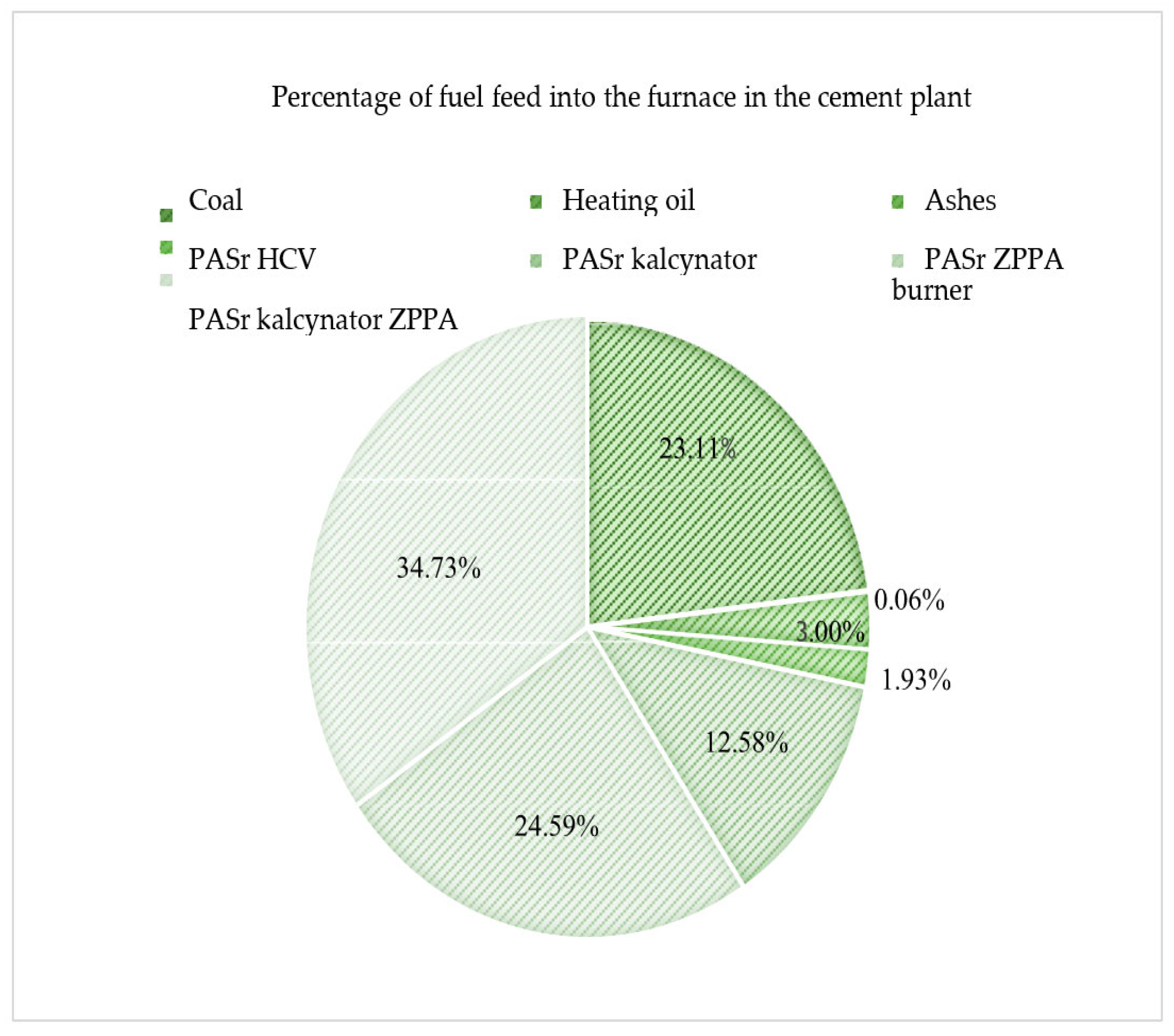
35]. Analysis of fuel contributions to clinker production indicates that coal accounted for approximately 23% of the total fuel mix, while alternative fuels represented over 70%, dominating the kiln fuel structure (
Figure 5). These results demonstrate that strategic technology management and optimized selection of alternative fuels not only reduce emissions but also enhance the overall energy efficiency of cement production.
Figure 5 presents the aggregated structure of fuels fed into the rotary kiln during the analyzed operational period. The percentages were calculated using daily thermal energy contribution balances for individual fuel streams recorded during kiln operation.
Figure 6 and
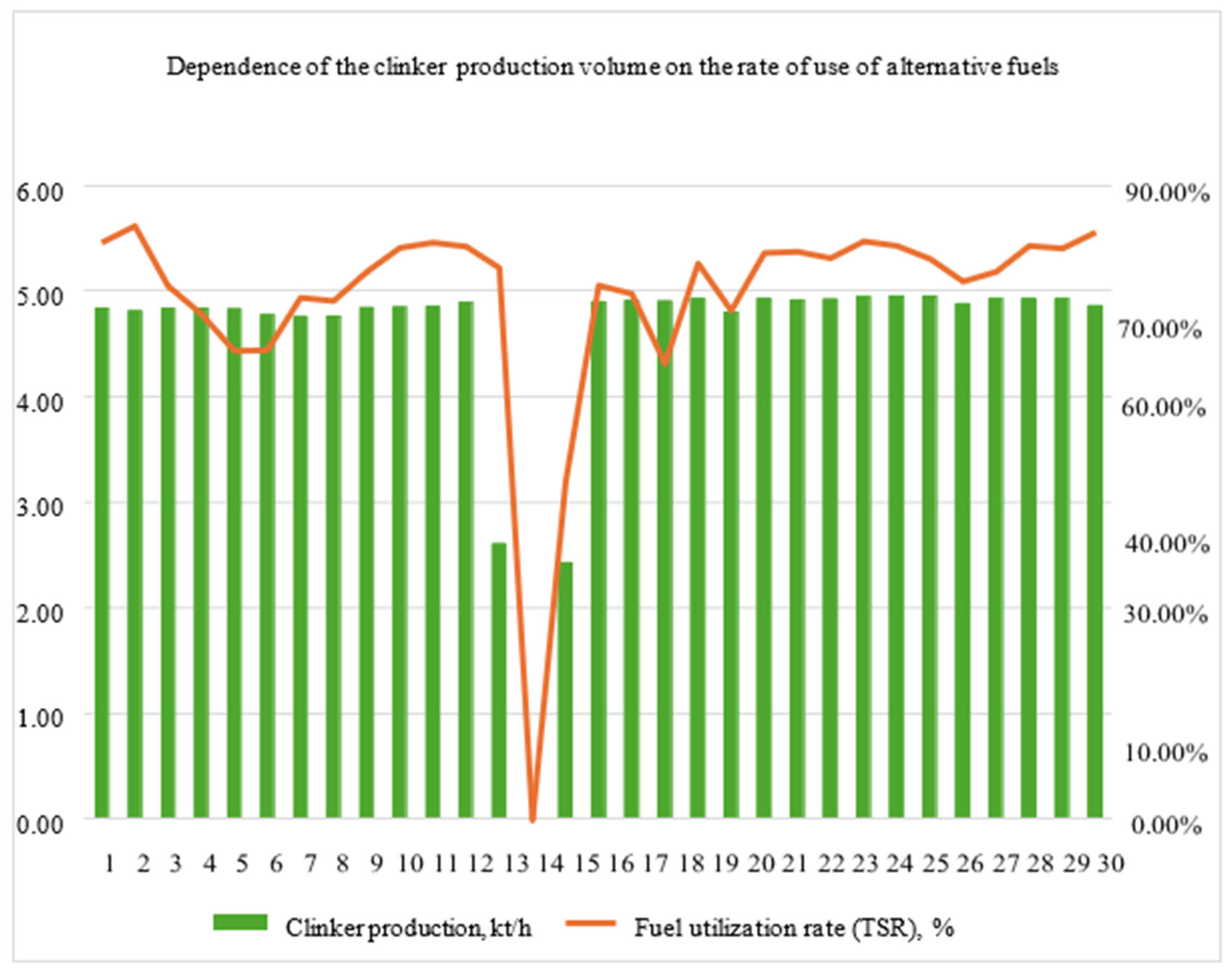
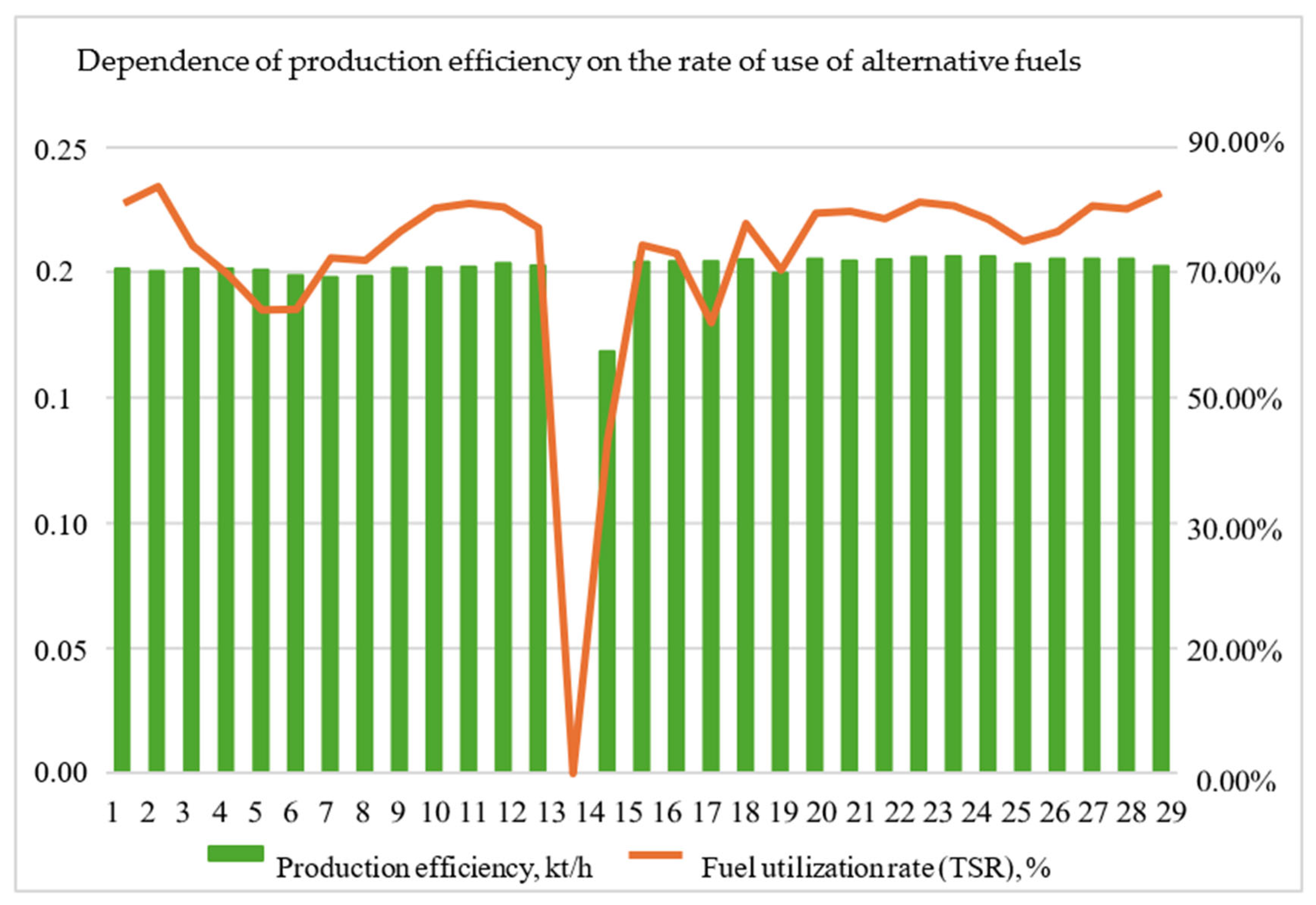
Figure 7 present daily operational data obtained from a single Polish cement plant operating with high alternative fuel substitution rates during July 2025. The figures are intended to illustrate operational process stability under elevated TSR conditions rather than provide statistically representative sector-wide performance averages.
Figure 6 and
Figure 7 illustrate the relationship between the share of alternative fuels and clinker production (in kilotons) as well as process efficiency (in kilotons per hour). The data analysis allowed assessment of the impact of a high proportion of alternative fuels on process stability and operational performance in cement plants. The analyzed short-term operational observations did not indicate a clearly observable negative relationship between elevated TSR levels and clinker production efficiency under the specific operating conditions analyzed during the study period. Observed trends suggest that a substantial use of alternative fuels is compatible with maintaining process stability and high energy efficiency in cement manufacturing.
The analysis of data presented in
Figure 6 indicates that clinker production remained stable even when the share of alternative fuels exceeded 80%. The only exception occurred on day 14, when a sudden drop in the TSR and clinker output was observed. This event was caused by a temporary kiln shutdown rather than the use of alternative fuels. The shutdown-related operational disturbance was therefore treated as a temporary process anomaly and excluded from simplified correlation interpretation in order to avoid distortion of operational trend assessment. Following the resumption of operations, production parameters returned to typical values, indicating that a high share of alternative fuels does not significantly affect process stability.
To quantitatively verify the operational impact of alternative fuels, a simplified correlation analysis was conducted between the Thermal Substitution Rate (TSR) and clinker production efficiency based on daily operational data presented in
Figure 6 and
Figure 7. Excluding the kiln shutdown event on day 14, the Pearson correlation coefficient between the TSR and clinker production efficiency was estimated at r = 0.82, indicating no visible operational deterioration during the analyzed observation period during periods characterized by elevated TSR levels. No formal regression modeling or hypothesis-testing procedure was conducted due to the limited observational horizon and the exploratory character of the operational dataset. The coefficient was calculated using daily operational observations excluding the shutdown-related outlier recorded on day 14. Due to the short observational horizon and limited sample size, the calculated correlation coefficient should be interpreted as an indicative operational relationship rather than statistically definitive evidence of causal dependence between the TSR and clinker production performance. The coefficient of variation for clinker production remained below 4.5% during periods with a TSR above 80%, suggesting that stable process performance was maintained during the analyzed high-TSR operating periods.
It should be noted that the presented operational analysis was based on short-term industrial observations and did not fully isolate all process-related confounding variables. Factors such as raw meal composition variability, kiln maintenance conditions, temporary operational disturbances, fuel moisture fluctuations, and changing process stabilization parameters may also influence clinker production efficiency independently of TSR levels.
Additionally, no statistically significant production decline was observed at elevated TSR levels, supporting the conclusion that alternative fuel substitution can be implemented without compromising kiln productivity under controlled operational conditions.
The analyzed short-term operational observations did not indicate a clearly observable negative relationship between elevated TSR levels and process stability under the specific operating conditions analyzed during the study period. The TSR trend line runs parallel to the bars representing production output, indicating overall process stability. Despite minor daily fluctuations, production efficiency remains consistent regardless of the proportion of alternative fuels. The analyzed observations suggest that high alternative fuel substitution may be compatible with maintaining stable clinker production performance under controlled operational conditions.
Consequently, the operational findings presented in
Figure 6 and
Figure 7 should be interpreted as exploratory short-term industrial observations rather than definitive statistical evidence of causal operational relationships.
Future studies should incorporate longer operational time horizons, multiple production lines, and multivariate statistical analyses to better isolate the independent operational effects of alternative fuel substitution.
4.2. The Impact of Alternative Fuels on Production Costs
The use of alternative fuels and secondary raw materials in the cement industry represents a key component of circular economy strategies while also optimizing production costs. Cement plants have long sought solutions to reduce expenditures on conventional fossil fuels, such as coal, and alternative fuels derived from processed municipal and industrial waste are increasingly cost-effective. Transitioning to technologies that enable the high substitution of waste-derived fuels requires significant capital investment, including facilities for fuel reception, storage, and preparation; kiln modifications; and dosing systems. Total investment in such installations may range from several to tens of millions of euros, depending on plant scale and process specifics.
Data presented in
Table 8 illustrate the cost savings associated with substituting coal with alternative fuels. The cost of one ton of alternative fuel, including dosing, is approximately 19 EUR/t, representing an additional financial benefit for cement plants, partly due to accepting waste for disposal. By comparison, the price of one ton of coal is 86.5 EUR, corresponding to an energy cost of 3.25 EUR/GJ (based on a calorific value of 26 GJ/t). The average calorific value of alternative fuels was 18.8 GJ/t, giving a unit energy cost of 0.93 EUR/GJ. Analysis of the plant’s energy demand over the study period showed a total heat consumption of 4,965,387 GJ, of which 3,904,780 GJ originated from fuels. Coal contributed 1,060,607 GJ, and with a Thermal Substitution Rate (TSR) of 78.64%, the majority of energy demand was met by alternative fuels. Consequently, estimated cost savings from coal substitution with alternative fuels amounted to approximately 9.1 million EUR in direct fuel substitution savings. The findings indicate that the use of alternative fuels in the cement industry not only reduces production costs but also decreases CO
2 emissions and supports the implementation of circular economy strategies. These factors make alternative fuels a solution that is both economically and environmentally advantageous.
The economic effect of coal substitution was additionally verified using avoided CO
2 emission costs under EU ETS conditions. Assuming an emission factor of 95.76 kg CO
2/GJ for coal combustion and average EUA prices of 84.28 EUR/t CO
2 in 2025, the substitution of 3,904,780 GJ of fossil-based thermal energy with alternative fuels corresponds to avoided emissions of approximately
This translates into avoided EU ETS costs of approximately
The analyzed case-study observations suggest that the economic benefits of alternative fuels extend beyond direct fuel savings and are increasingly associated with avoided carbon compliance costs under the EU ETS mechanism.
The economic indicators presented in
Table 8 were calculated using operational thermal energy balances, fuel calorific values, unit fuel purchase costs, and annual kiln energy demand recorded for the analyzed cement plant.
The unit energy cost (EUR/GJ) for each fuel type was calculated by dividing the average fuel purchase price (EUR/t) by its average calorific value (GJ/t). The Thermal Substitution Rate (TSR) was estimated using operational kiln energy balances according to Equation (1).
Estimated savings resulting from coal substitution were calculated by comparing the equivalent thermal energy costs of coal and alternative fuels under identical annual kiln heat demand conditions. Additionally, avoided CO2 emission costs were estimated using EU ETS emission factors and average EUA market prices for 2025.
The benefits of using alternative fuels in cement production extend beyond direct fuel cost savings to broader waste management and environmental gains. Utilizing waste as fuel reduces landfill disposal, alleviates pressure on local waste infrastructure, and contributes to sustainable development objectives, while optimizing operational costs. The European Union Emissions Trading System (EU ETS) is a significant factor influencing the economic viability of alternative fuels. Cement plants, as energy-intensive facilities, incur costs when emissions exceed allocated allowances. With current CO
2 prices exceeding 90 EUR/t, coal combustion can generate emission costs of over 216 EUR/t of fuel [
36]. Substituting coal with biomass-based alternative fuels such as wood chips, plant residues, or sewage sludge reduces CO
2 emissions, as the carbon released was previously captured in the biomass life-cycle. This not only lowers direct fuel expenses but also reduces costs associated with purchasing CO
2 allowances under EU ETS.
Rising coal and emission allowance prices make investments in infrastructure for handling, storage, and dosing of alternative fuels economically and environmentally attractive [
37]. The planned EU ETS 2 extension in 2027, covering additional sectors, may further increase carbon price pressures, enhancing the economic advantage of alternative fuels. In conclusion, alternative fuels support sustainable development, reduce operational costs, and mitigate emissions-related expenses, making the energy transition in the cement industry both economically justified and strategically necessary.
Environmental and economic performance indicators are essential tools for assessing sustainability and guiding investment and operational decisions in the cement industry. Comprehensive analysis integrates environmental metrics, such as CO2 emissions, Alternative Fuel Rate (AFR) and carbon footprint, with economic factors including production costs, capital expenditures, and cost efficiency. The AFR, representing the share of alternative fuels in the total energy mix, is a key ecological indicator: a higher AFR reduces reliance on fossil fuels, lowers the carbon footprint, and decreases costs associated with CO2 allowances under the EU ETS. In Polish cement plants, the AFR currently reaches approximately 90%, reflecting advanced technology and consistent decarbonization efforts. The impact of biomass-based fuels on CO2 costs (TSR bio) illustrates the economic relevance of fuel substitution. For example, a 1% reduction in TSR bio increased CO2 costs by 0.08 EUR/t clinker in 2020 and by 0.263 EUR/t clinker in 2025, translating to an increase from ~139,550 EUR to nearly 465,117 EUR for an average monthly production of 141,000 t clinker. This demonstrates that maximizing low-emission fuel use becomes increasingly economically advantageous as CO2 allowance prices rise. Energy efficiency is assessed via unit-specific indicators. Holcim Poland S.A. reported a decrease in CO2 emissions per ton of cement from 416.28 kg/t in 2022 to 400.02 kg/t in 2025, driven by higher shares of alternative fuels, improved energy efficiency, and low-emission production lines. Thermal energy consumption totaled 8,797,155 GJ, and electricity use amounted to 446.15 GWh, partly from renewable sources. Water use efficiency also improved, with an 11% reduction in consumption and a 2% increase in recycled water utilization in 2025. These results reflect growing resource efficiency and the implementation of circular economy principles in cement production.
The economic sensitivity of AFR growth was also evaluated. Assuming an average alternative fuel energy cost of 0.93 EUR/GJ and conventional coal energy cost of 3.25 EUR/GJ, each additional 1% increase in the TSR for the analyzed plant corresponds to approximately
of annual direct fuel cost savings. This indicates that even incremental increases in alternative fuel substitution may generate substantial economic benefits under current European energy market conditions.
The presented economic calculations should be interpreted as indicative techno-economic estimates based on operational industrial data and prevailing European fuel and carbon market conditions during the analyzed period.
Table 9 presents a study of the impact of losing 1% TSR bio on the cost of CO
2.
4.3. CO2 Capture and Storage Technologies (Carbon Capture and Storage—CCS)
This subsection presents a scenario-based techno-economic feasibility assessment of CCS implementation in cement production systems operating under EU ETS conditions. The presented results do not represent direct operational observations from an existing industrial CCS installation but rather model-based economic projections derived from industry reports, EU ETS forecasts, and technical feasibility assumptions.
The NPV calculations were developed using discounted cash-flow methodology under two alternative carbon price trajectories (base and pessimistic scenarios). The discount rate of 3% was adopted as a simplified real social discount rate consistent with long-term low-carbon infrastructure assessments and public-sector decarbonization investment evaluations reported in European energy transition studies. The applied rate reflects the strategic and policy-supported character of industrial CCS deployment under EU climate neutrality objectives rather than conventional commercial project financing conditions. The analysis was intended to evaluate the sensitivity of CCS investment profitability to future EUA prices, operational expenditures, and subsidy mechanisms rather than provide empirically validated operational performance results.
Carbon Capture and Storage (CCS) enables up to 90% CO2 emission reduction in cement production by capturing, transporting, and storing CO2 in geological formations. Capture technologies include post-combustion, pre-combustion, and oxy-fuel combustion, allowing adaptation to both existing and new installations. Despite high capital costs, CCS is a critical tool for sector decarbonization and achieving EU climate policy targets.
A case study of a CCS installation assumed a four-year investment period and ten-year operational life, with total investment costs of 380 million EUR, including 228 million EUR in subsidies, leaving a net cost of 152 million EUR for the investor. The analyzed CCS infrastructure represents a modular industrial installation with a nominal long-term capture capacity of up to 1 million tons of CO2 annually. However, the economic scenario model was developed using a partial operational phase corresponding to an effective capture volume of approximately 232,558 tCO2/year during the analyzed implementation stage, with initial operating costs of 115 EUR/t CO2. Economic feasibility was evaluated using NPV under two scenarios. Annual project cash flows included four principal components:
Avoided EU ETS compliance costs resulting from captured CO2 volumes;
Operational costs of CO2 capture, transport, and maintenance;
Net investment expenditures after subsidy allocation;
Discounted annual net operating balance.
Positive cash flows were generated primarily through avoided EUA purchase costs under increasing carbon price scenarios, whereas negative flows were associated with investment expenditures and operational CCS costs.
In the baseline scenario, assuming rising CO
2 allowance prices (105–180 EUR/t), positive cash flows appeared in the third year, yielding a positive discounted NPV of approximately 3.87 million EUR under baseline assumptions, indicating economic viability. In a pessimistic scenario with lower CO
2 prices (89–160 EUR/t), cash flows were frequently negative, resulting in an NPV of approximately −30.9 million EUR, highlighting project non-viability. These results demonstrate that CCS investment profitability is highly sensitive to external factors, particularly CO
2 allowance prices and operating costs, emphasizing the importance of scenario-based financial risk assessment for decarbonization projects. The relatively moderate positive NPV indicates that CCS profitability remains highly sensitive to carbon allowance prices, operational expenditures, and public subsidy mechanisms.
Table 10 and
Table 11 present the assumptions for the NPV analysis and the costs constituting the unit operating cost.
Table 12 and
Table 13 present the results of the NPV analysis, both the base and pessimistic variants.
The Net Present Value (
NPV) was calculated as follows:
where
—Annual cash flow;
—Discount rate;
—Time period.
A sensitivity assessment indicates that the break-even CO2 allowance price for the analyzed CCS project is approximately 145–150 EUR/t CO2 under the assumed operational cost structure. Below this threshold, the project generates negative discounted cash flows, while higher EUA prices substantially improve investment viability. This demonstrates the strong dependence of CCS profitability on future carbon market developments and policy stability.
The CCS project presents several strengths, including a significant CO2 emission reduction of approximately 1 million tons per year, substantial investment subsidies covering over 80% of costs, a potential positive NPV under favorable market conditions, and compliance with EU climate policies and national regulations. Key weaknesses involve high capital and operating costs, dependency of profitability on CO2 allowance prices, rising operational expenses over time, and technological risks related to long-term monitoring of CO2 storage sites. Opportunities arise from potential increases in CO2 allowance prices, technological advancements that could reduce costs, and growing regulatory pressures for industrial decarbonization. Threats include policy changes in environmental regulation and emissions trading, public opposition to underground CO2 storage, and geological risks affecting storage safety. Overall, CCS can be an effective tool for energy transition if supported by a stable regulatory environment, adequate financial incentives, and continued technological development to minimize operational costs and mitigate technological risks. Among the identified SWOT factors, EUA price trajectories, subsidy availability, and long-term operational costs were assessed as the dominant determinants of CCS investment feasibility under EU ETS conditions.
The presented CCS assessment is subject to several uncertainties related to future EU ETS market developments, long-term operating costs, regulatory stability, and technological performance assumptions.
The presented CCS calculations should be interpreted as a simplified scenario-based techno-economic assessment intended to illustrate investment sensitivity to EU ETS conditions and carbon pricing trajectories rather than a fully validated engineering–financial model for direct industrial implementation.
4.4. Biogas Plant as an Ecological Solution in the Cement Industry
The analyzed biogas scenarios were benchmarked against a reference “no-investment” operational configuration representing conventional cement kiln operation without integrated biogas utilization.
The cement industry is increasingly adopting pro-environmental initiatives, with biogas production playing a key role in reducing CO
2 emissions and improving energy efficiency. Two operational scenarios were analyzed in terms of the Thermal Substitution Rate (TSR). The first scenario prioritizes biogas for electricity production (22.3 GWh/year), achieving a TSR of 90% and reducing CO
2 emissions by approximately 30,000 t/year. The second scenario emphasizes alternative fuel use, achieving a TSR of 92.3% and CO
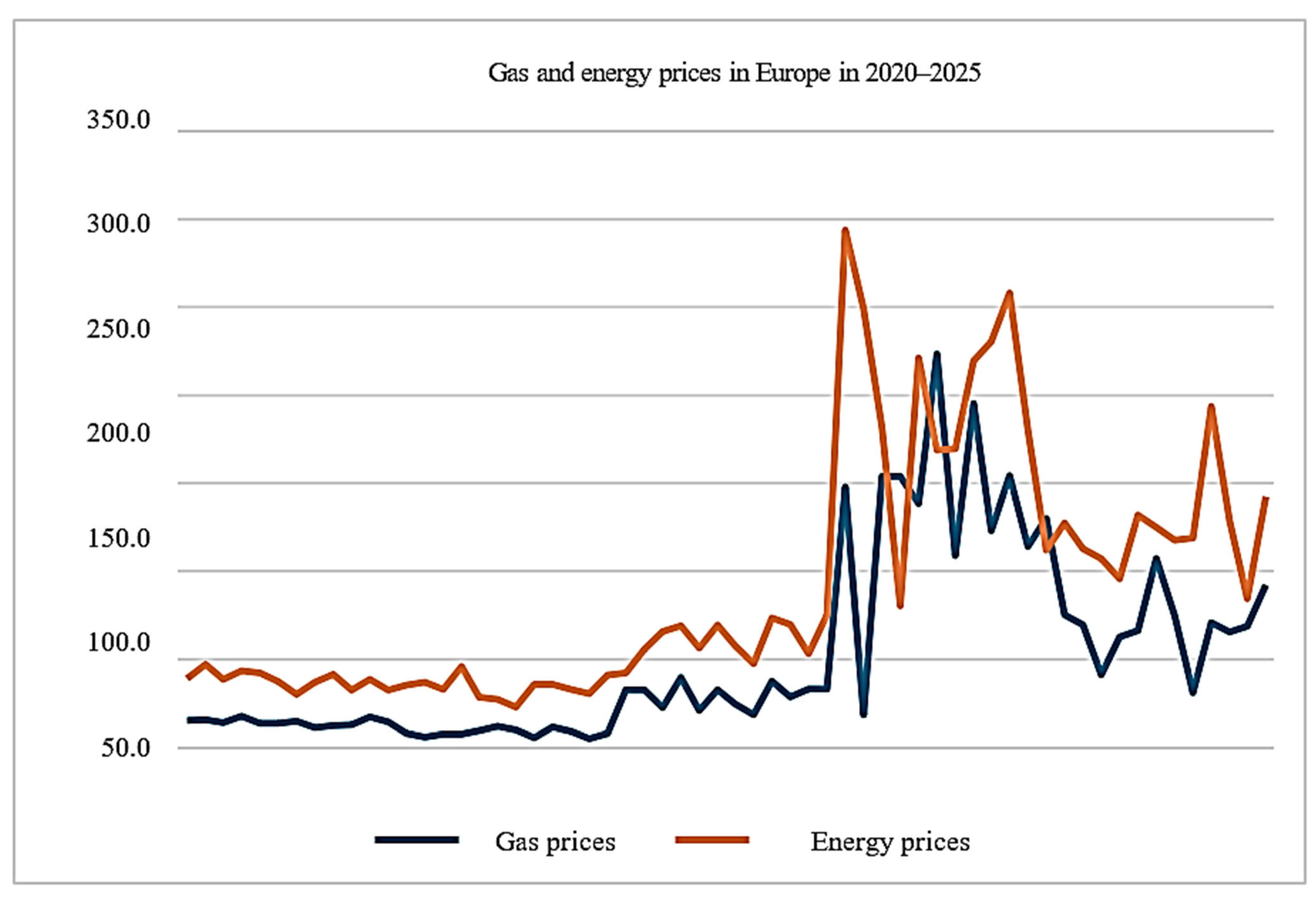
2 reductions of up to 41,000 t/year. Rising energy prices in Europe further enhance the economic viability of the investment, demonstrating that biogas integration offers both environmental and financial benefits, while supporting circular economy and sustainable cement production goals (
Figure 8).
The biogas modeled scenario demonstrates substantial economic and environmental benefits for cement production. Gate-fee revenues are estimated at approximately 10 million EUR per year, while annual operating profit (before taxes and depreciation) reaches around 15 million EUR. Additional income can be generated through the production of organic fertilizers, estimated at 30,000 t/year. Without the scenario-based assessment, opportunities for CO
2 reduction and participation in the growing organic waste management sector would be missed. A comparison of two operational scenarios highlights key parameters such as clinker production, operating costs, CO
2 emissions, and the advantages of integrating the biogas modeled scenario with the cement plant. The “max power” scenario, focused on maximizing electricity generation from biogas, significantly lowers energy costs and CO
2 emissions, although less than the “max TSR” scenario, which prioritizes the share of alternative fuels in the energy mix and achieves higher overall CO
2 reduction. These findings illustrate that strategic deployment of biogas systems can simultaneously enhance energy efficiency, reduce emissions, and generate new revenue streams, supporting sustainable cement production within a circular economy framework (
Table 14).
Negative unit energy cost values reflect gate-fee revenues associated with accepting biodegradable and waste-derived materials for co-processing. Under the adopted operational assumptions, these revenues exceeded direct fuel preparation and handling costs, resulting in net negative effective fuel costs.
A SWOT analysis of the biogas scenario-based assessment highlights several strengths, including the plant’s expertise in processing waste-derived fuels, well-established industry networks, and competencies in logistics, supplier management, and raw material sourcing. Additional advantages include CO2 emission reduction through biogas and bioRDF utilization, as well as valorization of post-fermentation residues. Key weaknesses relate to the complexity of the investment, permitting procedures, and the introduction of novel technologies in the cement sector, which present technical and organizational challenges. Opportunities emerge from the abundant and long-term availability of biodegradable waste, potential collaboration with industrial bio-waste streams, the development of public green energy funds, rising energy costs, favorable regulatory changes, and partial substitution of RDF fuels. Threats include potential legislative restrictions, local community opposition, competition from other EU or corporate projects, and macroeconomic risks such as EU-wide crises or shifts in national financing systems. Overall, the analysis indicates that the biogas scenario-based assessment holds substantial potential to support energy transition and circular economy objectives in cement production, provided that technological, regulatory, and stakeholder management risks are effectively mitigated. The SWOT assessment identified waste availability, gate-fee stability, and energy market prices as the most influential variables affecting the economic viability of the analyzed biogas integration scenario.
4.5. Proposal for Emission Reduction and Energy Recovery in Cement Kilns
Waste Heat Recovery (WHR) enables the efficient capture of residual heat from exhaust gases and thermal streams generated during clinker production, converting it into electricity or heat for internal plant use. WHR systems typically employ steam-driven turbines, with emerging technologies allowing the recovery of lower-temperature heat. Globally, WHR can supply 20–30% of a cement plant’s electricity demand, reducing production costs and enhancing energy independence [
38,
39]. The largest deployments are in China, with over 700 installations driven by regulatory mandates for new production lines, whereas financial barriers and unstable political environments limit adoption in countries such as India, Turkey, and Brazil. In Poland, analysis of ten cement plants indicated a total recoverable heat potential of 27.5 MW, equivalent to approximately 177 GWh/year [
40,
41]. The WHR potential assessment was based on comparative analysis of publicly available technical and operational parameters reported for ten Polish cement plants, including clinker production capacity, estimated exhaust gas temperatures, clinker cooler heat streams, and annual kiln operating hours. Recoverable electricity generation potential was estimated assuming an average WHR electrical conversion efficiency of 18–22%, an annual operating time of approximately 8000 h/year, and typical waste heat availability from clinker cooler and pre-heater exhaust systems reported in the industrial technical literature and cement sector feasibility studies. Major heat sources include clinker coolers and rotary kiln exhaust gases, potentially covering 12–13% of electricity demand. Economically, WHR is viable: a 10 MW system can achieve a payback period of about four years at energy prices of 75 EUR/MWh, with installation costs ranging from 1100 to 3000 EUR/kW depending on region and supplier [
42,
43]. The estimated payback period was calculated using simplified discounted cash-flow assumptions based on average European industrial electricity prices for 2024–2025, estimated annual electricity generation, investment costs ranging from 1100 to 3000 EUR/kW, and standard operational expenditure values reported in WHR feasibility studies for cement plants. The estimated WHR electricity generation potential and investment profitability indicators were derived from comparative industrial benchmarking and publicly available cement sector feasibility studies rather than from direct operational measurements conducted at all analyzed facilities. The calculation assumed stable kiln operation and internal electricity consumption within the analyzed facilities. The benefits include reduced energy costs, improved operational profitability, and enhanced competitiveness. Typical WHR systems involve heating water with hot air from coolers and exhaust gases, producing steam to drive turbines, generating electricity, and returning condensed steam to the process to minimize energy losses.
An international assessment of Waste Heat Recovery (WHR) technology in the cement industry highlights its potential to enhance energy efficiency, reduce CO2 emissions, and support circular economy initiatives worldwide. WHR offers significant energy cost reductions, potentially lowering overall operating expenses by up to 25%, while increasing energy independence by reducing reliance on external electricity supplies. As a mature and commercially available technology, WHR contributes to decarbonization and improves the environmental profile of cement production across diverse regions. However, adoption faces challenges, including high initial capital investment, extended scenario-based assessment preparation and implementation timelines, and performance sensitivity to high raw material moisture or unstable kiln operation, which can limit operational flexibility. Global opportunities include rising energy prices, public funding for sustainable development and decarbonization, increasingly stringent environmental regulations, and growing interest in circular economy practices in cement production. Key threats include regulatory uncertainty, lack of harmonized international technical standards, suboptimal system design or integration, financing challenges, and competition from alternative energy efficiency technologies. The analysis identified electricity prices, capital expenditure levels, and kiln operational stability as the principal factors determining the economic feasibility of WHR implementation in cement plants.
The WHR assessment should be interpreted as a comparative techno-economic estimation based on secondary industrial datasets and literature benchmarks rather than direct thermodynamic measurements from all analyzed cement plants.
4.6. Energy Production from Hazardous Waste in the Cement Industry
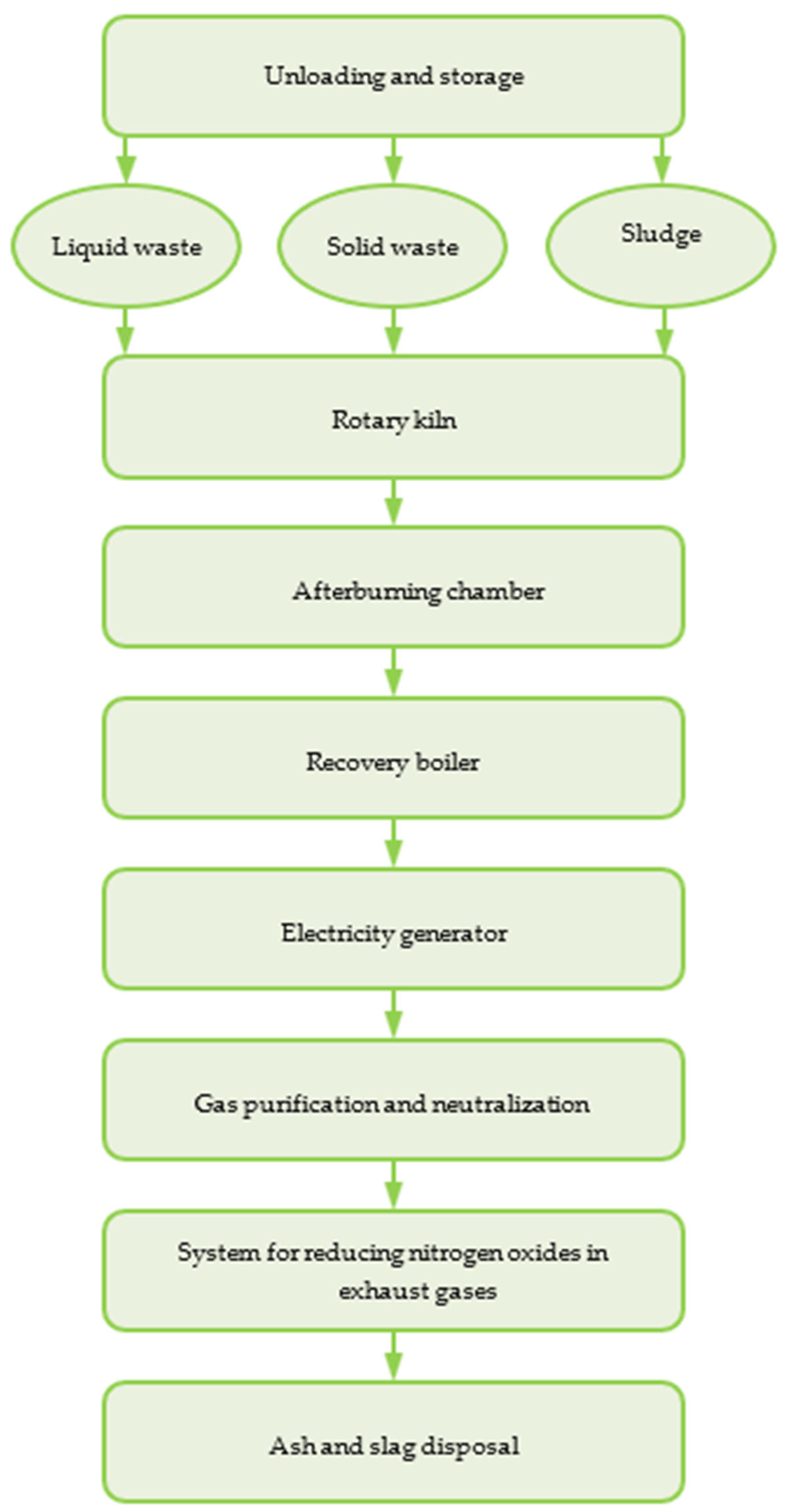
In response to rising energy costs and circular economy objectives, the cement industry is increasingly adopting solutions that enable energy recovery from high-calorific, difficult-to-treat waste fractions. A conceptual techno-economic configuration involving cogeneration and hazardous waste co-processing was analyzed as a scenario-based industrial transition pathway for cement plants operating under circular economy and EU decarbonization conditions. The analyzed conceptual configuration assumed a processing capacity of approximately 58,000 tonnes of waste annually, including liquid fractions, sludges, and shredded solids. The technological system integrates waste reception and pre-treatment, combustion in a rotary kiln, an afterburning chamber, flue gas cleaning, nitrogen oxide reduction, ORC energy recovery, and management of process by-products. The modeled scenario assumed an estimated electrical generation capacity of approximately 6 MWe under the adopted techno-economic assumptions. By utilizing AFR and co-processing hazardous waste, the system reduces fossil fuel consumption, lowers energy costs, and enables partial recovery of secondary raw materials, thereby supporting circular economy principles and increasing the share of alternative fuels in the energy mix. The scenario-based techno-economic assessment suggests the potential economic and operational feasibility of the analyzed conceptual configuration under assumed market and regulatory conditions [
44,
45]. The cost and cost-effectiveness analysis of the scenario assessment for generating energy from hazardous waste is presented in
Table 15.
The SWOT analysis of a hazardous waste-to-energy project at a Polish cement plant highlights its technological, economic, and environmental potential within the EU cement sector. Key strengths include the plant’s extensive experience in processing waste-derived alternative fuels, in-depth knowledge of the waste management market, robust supply chain management, and high technological expertise in rotary kiln operations and thermal treatment processes, including pyrolysis. Primary weaknesses relate to the complexity of the investment, driven by technical challenges and lengthy permitting procedures, including environmental approvals. Opportunities arise from public funding and financial support for green energy and energy transition projects, the availability of new high-energy waste streams, potential collaboration with local authorities, mitigation of rising electricity costs, and favorable regulatory developments promoting efficient waste management. Threats include potential regulatory changes, conflicts with local communities during construction and operation, and risks of adverse environmental impacts. Overall, the analysis indicates that energy generation from hazardous waste can significantly support the international energy transition and circular economy in cement production, provided that technological, regulatory, and social risks are effectively managed. Gate-fee revenues, regulatory approval procedures, and long-term waste supply stability were identified as the most critical determinants of economic and operational feasibility for the analyzed hazardous waste-to-energy scenario.
The hazardous waste-to-energy analysis was conducted as a conceptual feasibility assessment based on engineering assumptions, literature benchmarks, and industrial reference parameters rather than direct operational measurements from an existing industrial installation. Therefore, the presented results should be interpreted as indicative scenario estimates intended to illustrate the potential economic and environmental implications of hazardous waste integration within cement production systems.
5. Conclusions
The presented findings should be interpreted within the empirical and geographical scope of the analyzed Polish cement plants operating under European Union regulatory conditions, particularly within the EU ETS framework. The study does not aim to provide statistically representative conclusions for all international cement production systems but rather to develop comparative industrial insights relevant primarily for highly industrialized cement sectors characterized by advanced waste management infrastructure and high alternative fuel substitution rates.
The conclusions are limited to cement systems operating under regulatory and technological conditions comparable to those analyzed in this study. Operational findings related to TSR performance and clinker production stability were based on direct plant observations, while CCS, WHR, biogas, and hazardous waste assessments were primarily derived from scenario-based economic and technological analyses conducted under EU ETS conditions.
The following conclusions should be interpreted primarily in the context of cement plants operating under EU regulatory, technological, and carbon-pricing conditions comparable to the analyzed Polish case studies:
The use of alternative fuels in cement plants significantly reduces CO2 and other pollutant emissions, supporting sustainable development goals and the energy transition of the industrial sector.
Alternative fuels derived from municipal, industrial, and biomass waste substitute fossil fuels in clinker production, delivering economic benefits and reducing dependence on non-renewable energy.
Direct operational observations presented in
Figure 6 and
Figure 7 indicate that high Thermal Substitution Rates (TSR above 80%) were not associated with visible deterioration in clinker production efficiency during the analyzed operational period.
Scenario-based techno-economic analyses presented in
Section 4.3,
Section 4.4,
Section 4.5 and
Section 4.6 indicate that Carbon Capture and Storage (CCS), biogas integration, Waste Heat Recovery (WHR), and hazardous waste-to-energy systems may support industrial decarbonization under favorable EU ETS and energy market conditions.
Economic instruments, such as the EU Emissions Trading System (EU ETS), incentivize emission reduction and the adoption of climate-neutral fuels.
The use of industrial, construction, and chemical waste as secondary raw materials supports circular economy strategies and reduces primary resource consumption.
The implementation of Best Available Techniques (BAT) enhances environmental management, emission control, and operational transparency.
The analyzed biogas and hazardous waste recovery scenarios demonstrated potential economic and environmental benefits, including reduced CO2 emissions, improved fuel diversification, and lower energy-related operating costs.
Cement plants increasingly contribute to national waste management by enabling material and energy recovery without generating secondary waste.
Continuous technological modernization can improve energy efficiency and reduce the environmental footprint in cement plants operating under advanced technological and regulatory conditions.
Integrating environmental policy objectives with economic feasibility is essential for the cement sector’s long-term transition to a low-emission, sustainable operational model.
The analyzed Polish and EU cement sector case studies indicate that substantial emission reductions may be achievable under advanced regulatory and technological conditions.
This study has several limitations that should be considered when interpreting the results. The empirical operational analysis primarily relied on detailed observations from a single Polish cement plant, while selected comparative indicators and technology assessments were supplemented using broader sectoral and secondary industry data. Empirical evaluation relies primarily on secondary and operational data, with limited access to detailed plant-level information due to confidentiality constraints. The environmental assessment focuses mainly on CO2 emissions, while other life-cycle impacts and long-term operational uncertainties—particularly for emerging technologies such as CCS, CCU, and waste-to-energy systems—were not comprehensively addressed.
While the empirical evidence is primarily derived from Polish cement plants, the analytical framework and identified techno-economic relationships may provide transferable insights for other cement sectors operating under comparable environmental and carbon-pricing systems.
An additional limitation of the study concerns the geographical concentration of empirical evidence. Most operational and economic data originate from Polish cement plants functioning within the EU regulatory and carbon pricing system. Consequently, the economic viability of alternative fuels, CCS technologies, and waste-to-energy systems may differ substantially in regions characterized by lower carbon prices, different waste management infrastructures, or limited regulatory pressure toward decarbonization.
Several limitations should be acknowledged. The operational analysis was based primarily on short-term industrial observations obtained from a limited number of Polish cement plants operating under high TSR conditions. Consequently, the presented results may not fully capture long-term operational variability or the diversity of technological configurations present in global cement markets. In addition, several techno-economic assessments relied partly on scenario-based assumptions and secondary industrial datasets rather than fully validated long-term operational measurements.
During the analyzed observation period (excluding the shutdown event), daily clinker production variability remained relatively low, with a standard deviation below 0.18 kt/day and no systematic production deterioration observed during periods with a TSR above 80%. The variability indicators were estimated using daily clinker production observations excluding the shutdown-related outlier recorded on day 14.
In the analyzed short-term operational observations from Polish cement plants, elevated TSR levels were not associated with visible deterioration in clinker production efficiency under stable kiln operating conditions.
The analyzed technology blocks differ in methodological maturity, data availability, and analytical depth. Operational TSR analyses were based on direct plant observations, whereas CCS, WHR, and hazardous waste projects partly relied on scenario assumptions and secondary feasibility data. Therefore, direct quantitative comparability between all analyzed cases should be interpreted with caution.
The study combines several analytical levels characterized by different empirical scopes. Direct operational observations concerning the TSR and clinker production efficiency were derived from a single Polish cement plant, whereas selected sectoral comparisons and technology assessments relied on multiple industrial reports, ESG datasets, and secondary industry sources. CCS, WHR, biogas, and hazardous waste analyses were primarily scenario-based and supported by techno-economic feasibility assumptions. Consequently, the findings should be interpreted as exploratory industrial case-study evidence rather than statistically representative results for the global cement industry.
The findings should not be interpreted as universally representative for the global cement industry because the empirical operational evidence was primarily derived from Polish cement plants operating under EU ETS and advanced waste management conditions.
Therefore, the transferability of the presented findings is strongest for cement plants operating under EU ETS regulations, advanced waste management systems, and high alternative fuel substitution conditions comparable to the analyzed Polish case studies.
Future research should broaden the scope to include diverse cement plants across multiple regions and regulatory frameworks, enabling cross-country comparative assessments. Comprehensive life-cycle assessments of alternative fuels and secondary raw materials are needed to capture their full environmental impacts. Additionally, detailed techno-economic studies of decarbonization technologies—including CCS, CCU, WHR, and hazardous waste-to-energy systems—should account for evolving international energy markets, carbon pricing mechanisms, and social acceptance factors to support informed policy and investment decisions in sustainable cement production.