Article

Hybrid Optimisation of PV/Wind/BS Standalone System for Sustainable Energy Transition: Case Study of Nigeria


by
Kehinde Zacheaus Babalola
1,
Rolains Golchimard Elenga
1,2,
Ali Mushtaque
1,
Paolo Vincenzo Genovese
1,3,4,* and
Moses Akintayo Aborisade
5,*
1
School of Architecture, Tianjin University, Tianjin 300072, China
2
School of Civil Engineering, Shandong Jianzhu University, Jinan 250101, China
3
College of Civil Engineering and Architecture, Zhejiang University, Hangzhou 310058, China
4
International Centre of History, Critics of Architecture and Restoration of Historical Heritage, Hangzhou 310058, China
5
School of Civil Engineering, Guangzhou University, Guangzhou 510006, China
*
Authors to whom correspondence should be addressed.
Energies 2026, 19(1), 89; https://doi.org/10.3390/en19010089
Submission received: 23 November 2025 / Revised: 10 December 2025 / Accepted: 15 December 2025 / Published: 24 December 2025
(This article belongs to the Collection Renewable Energy and Energy Storage Systems)

Abstract

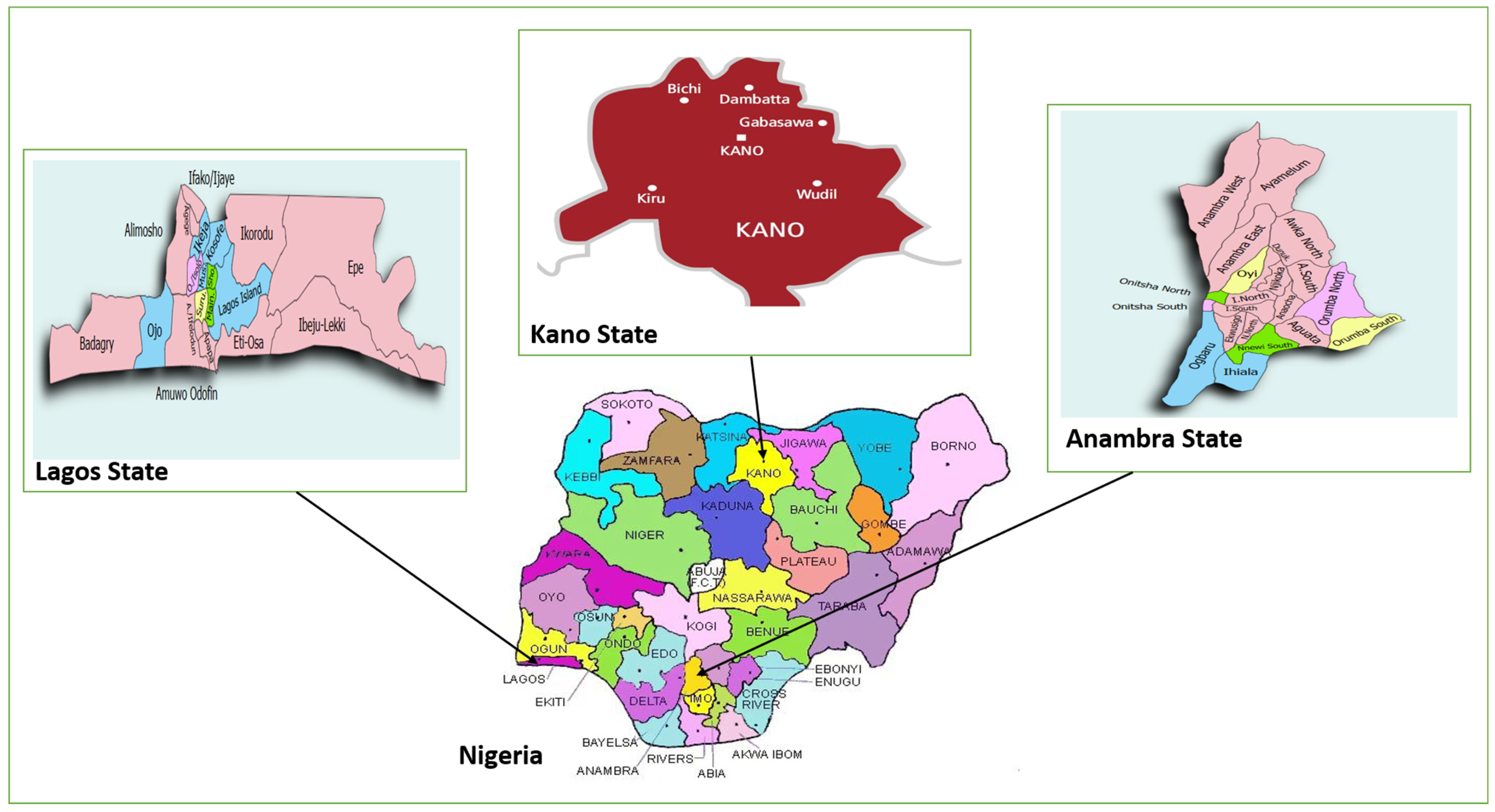
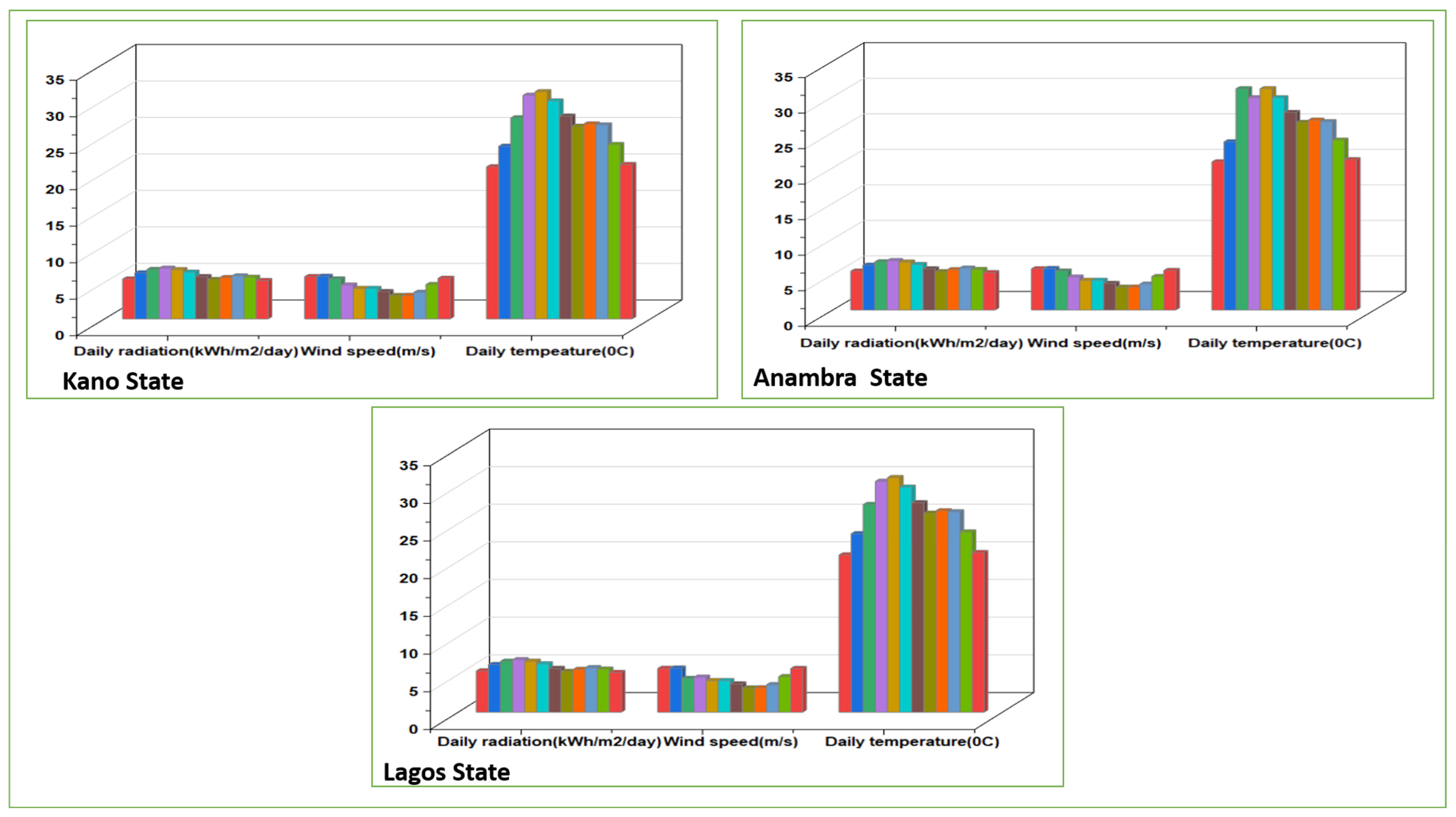
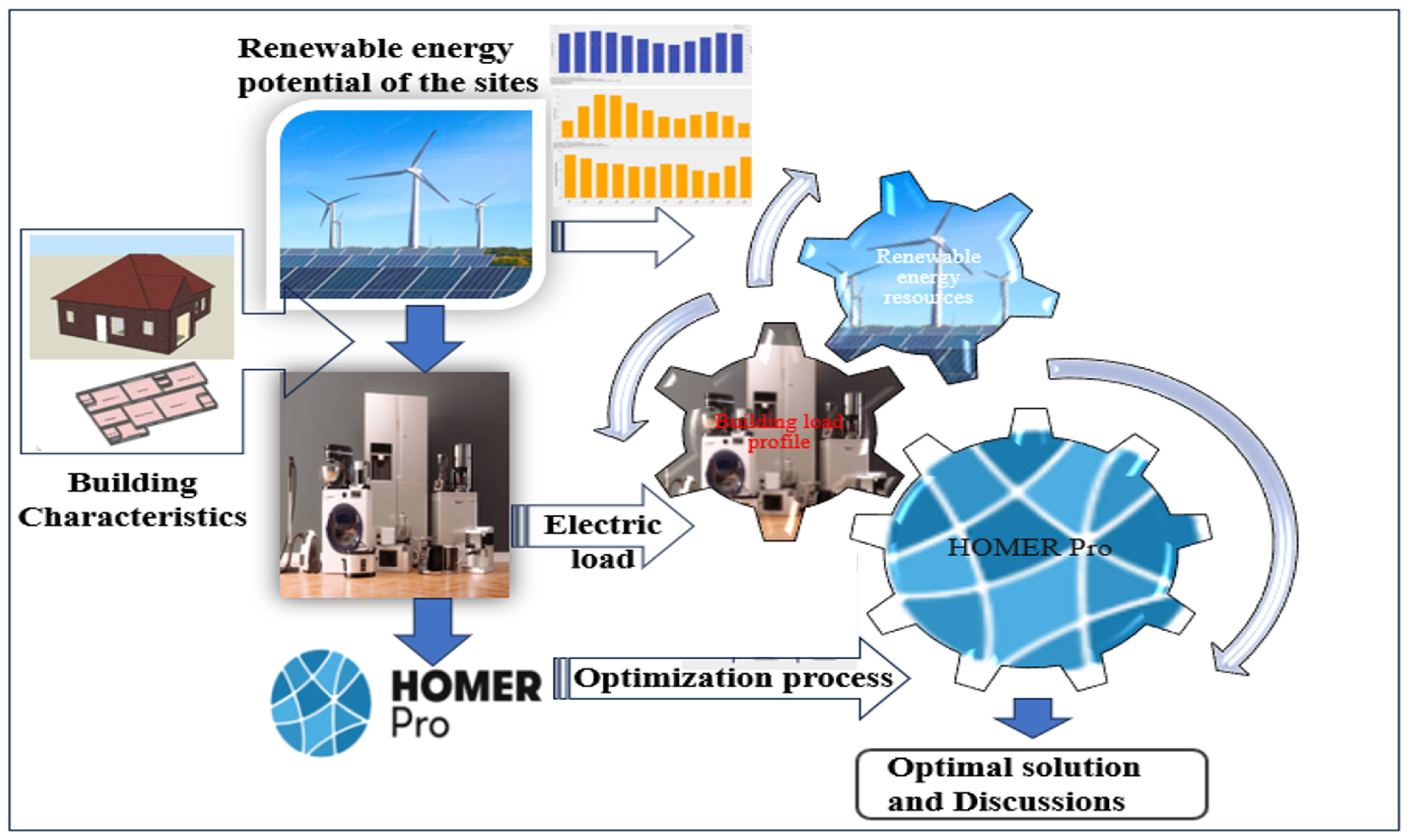
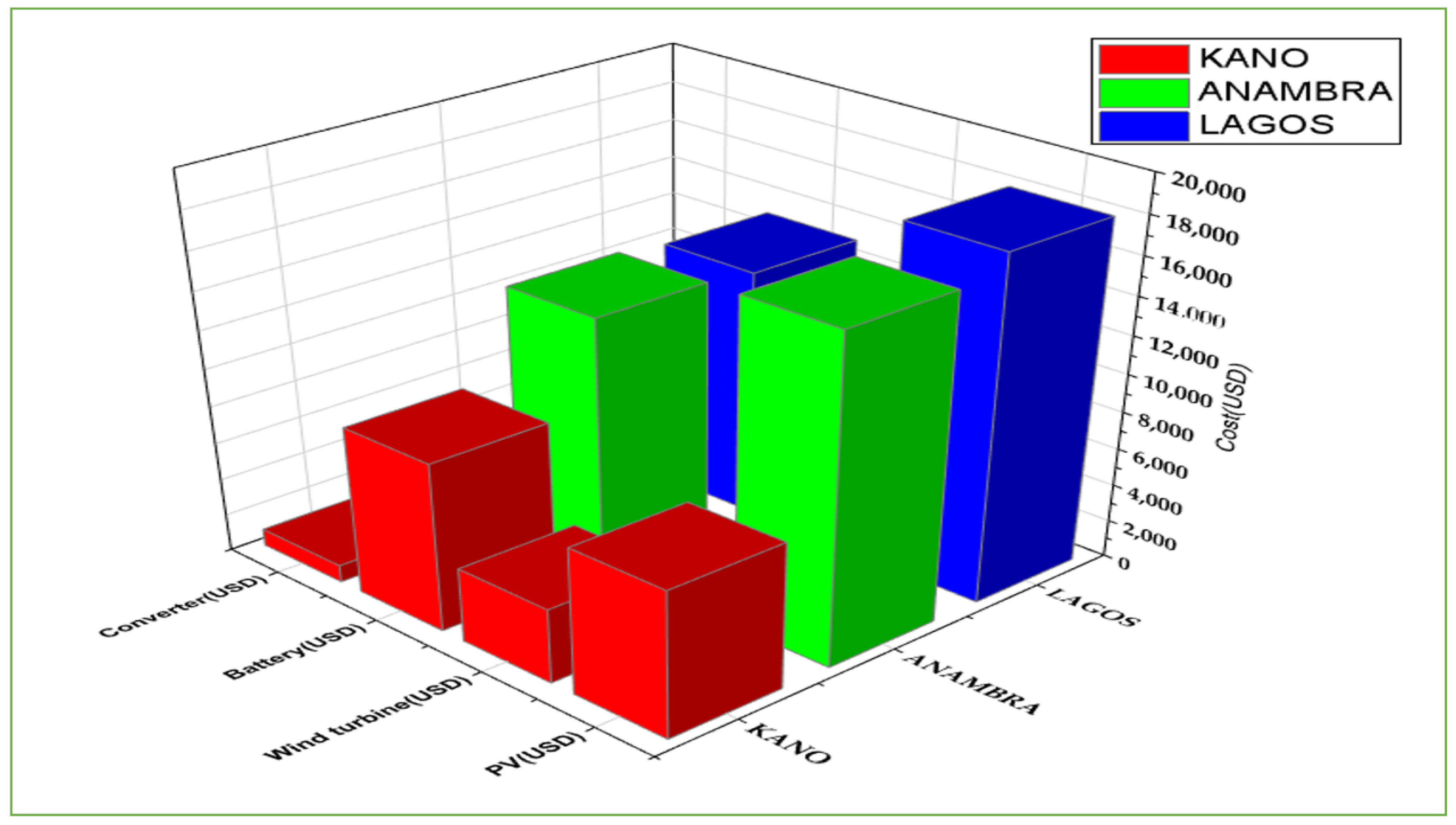
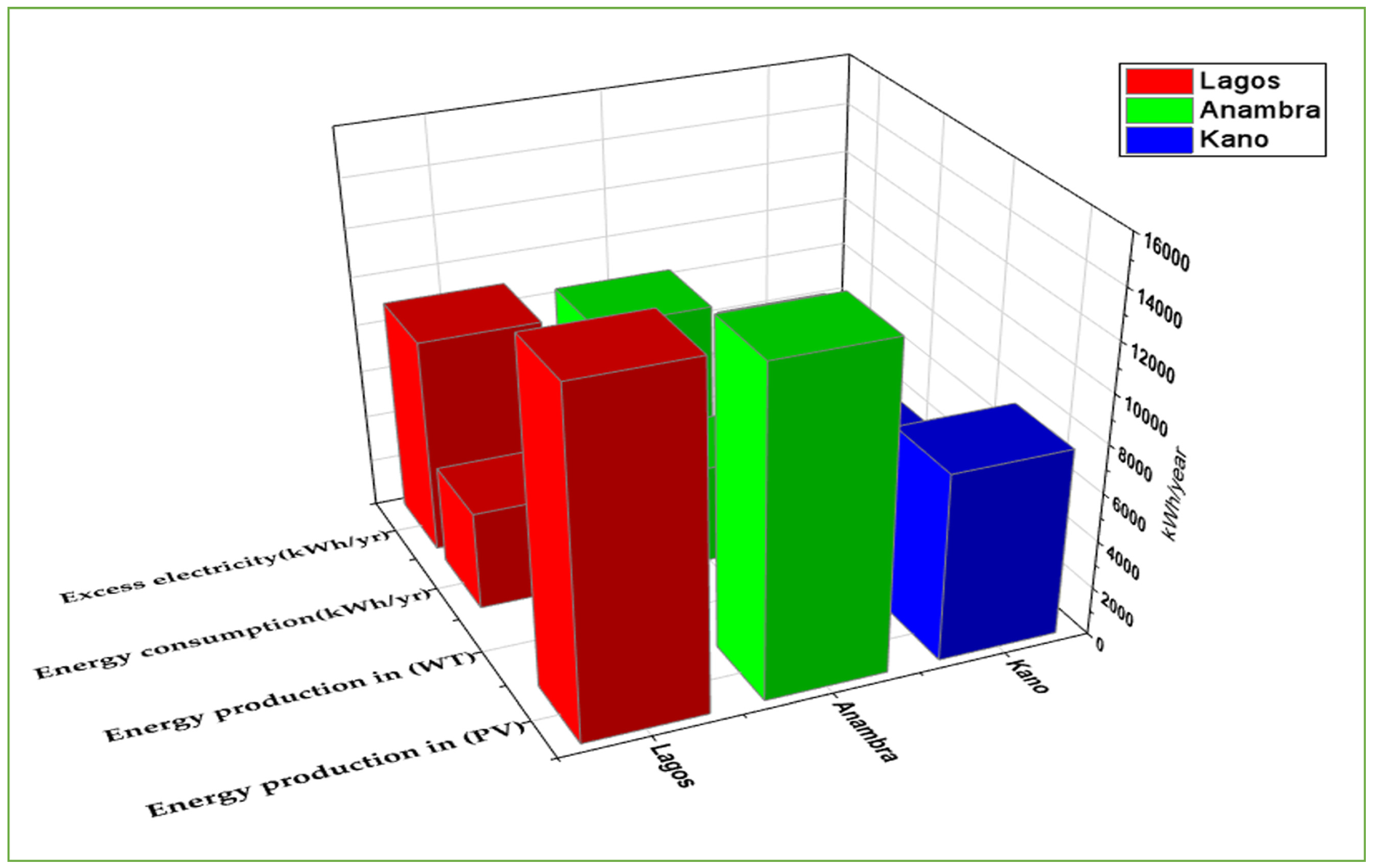
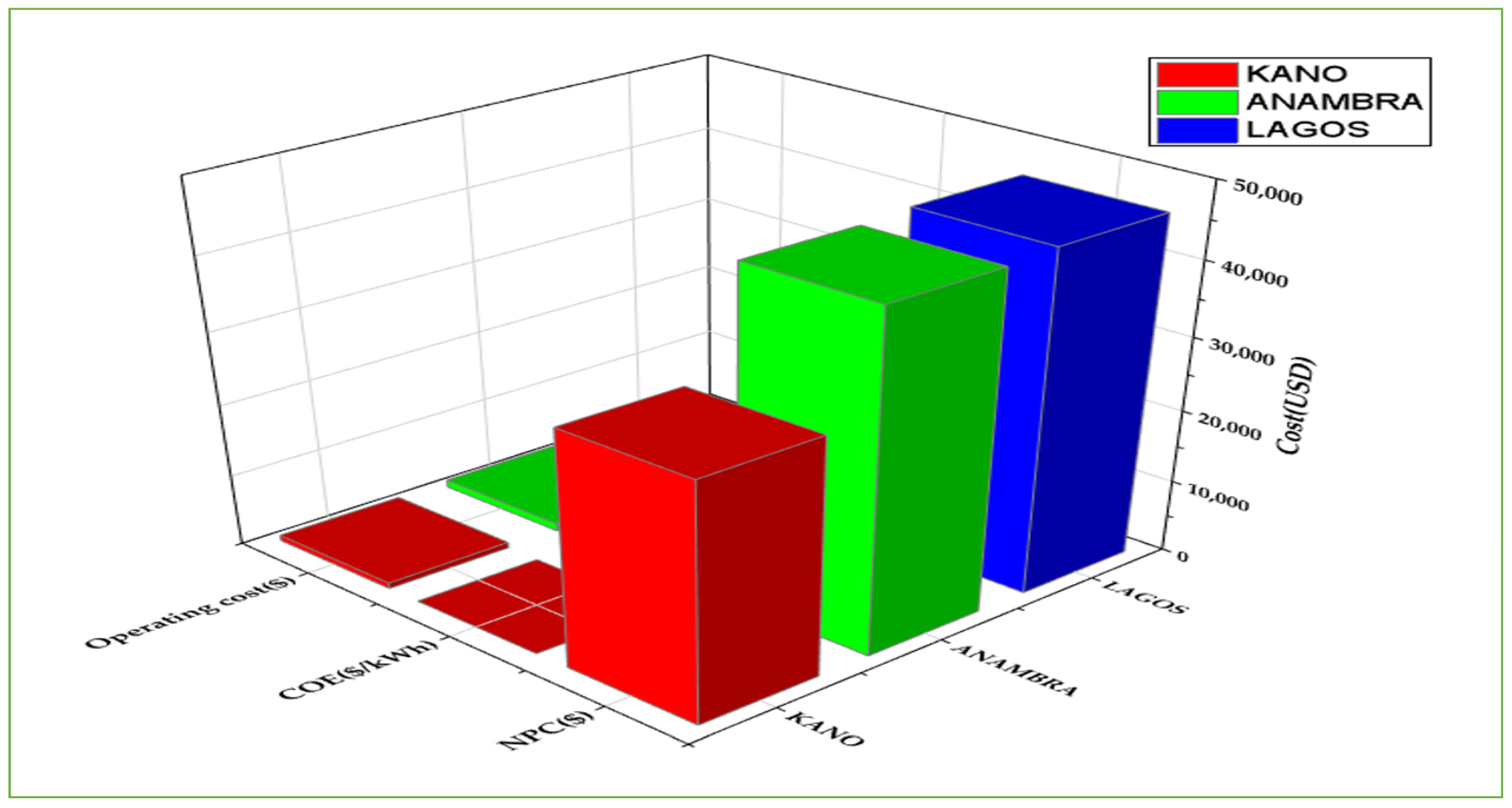
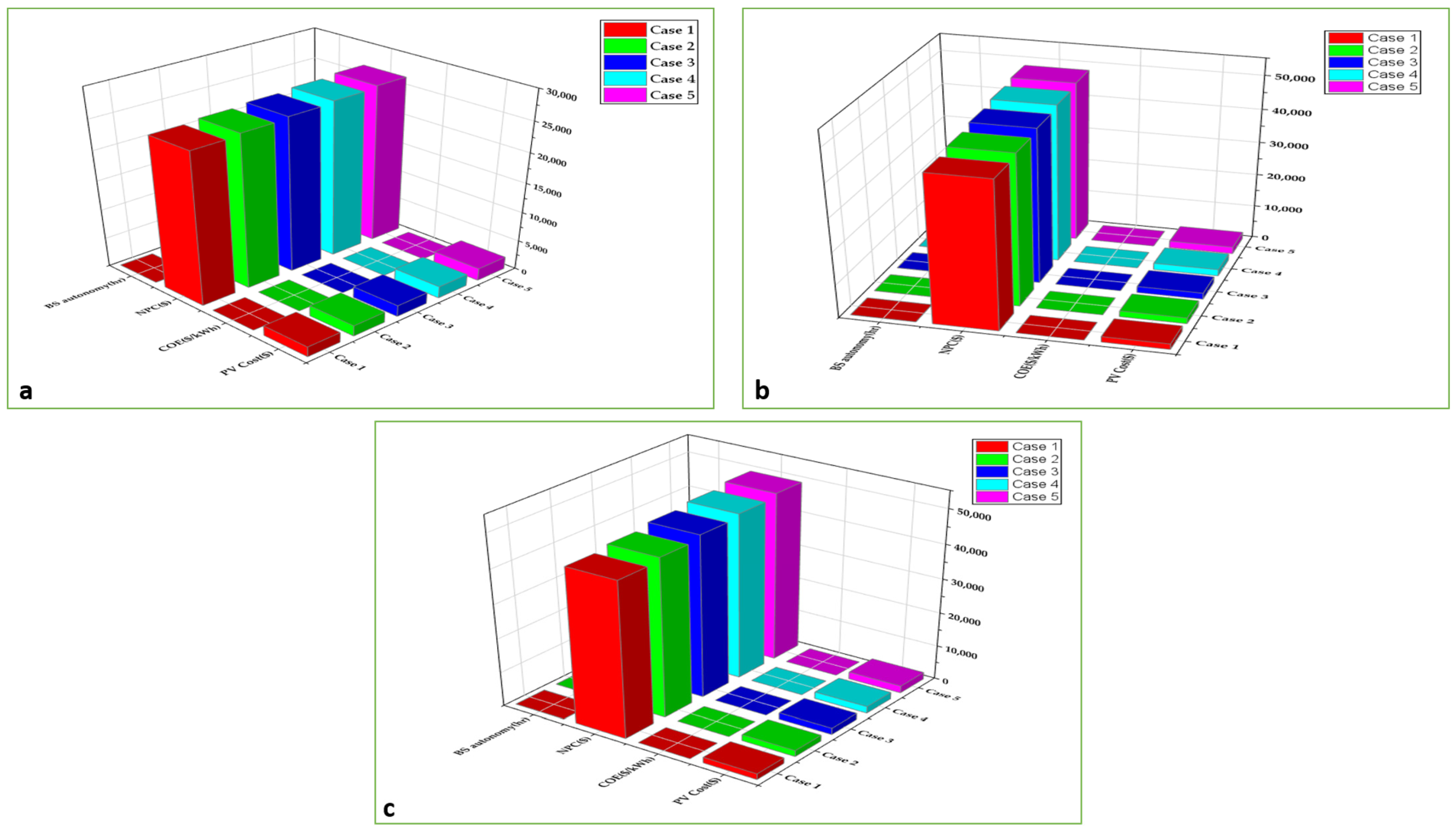
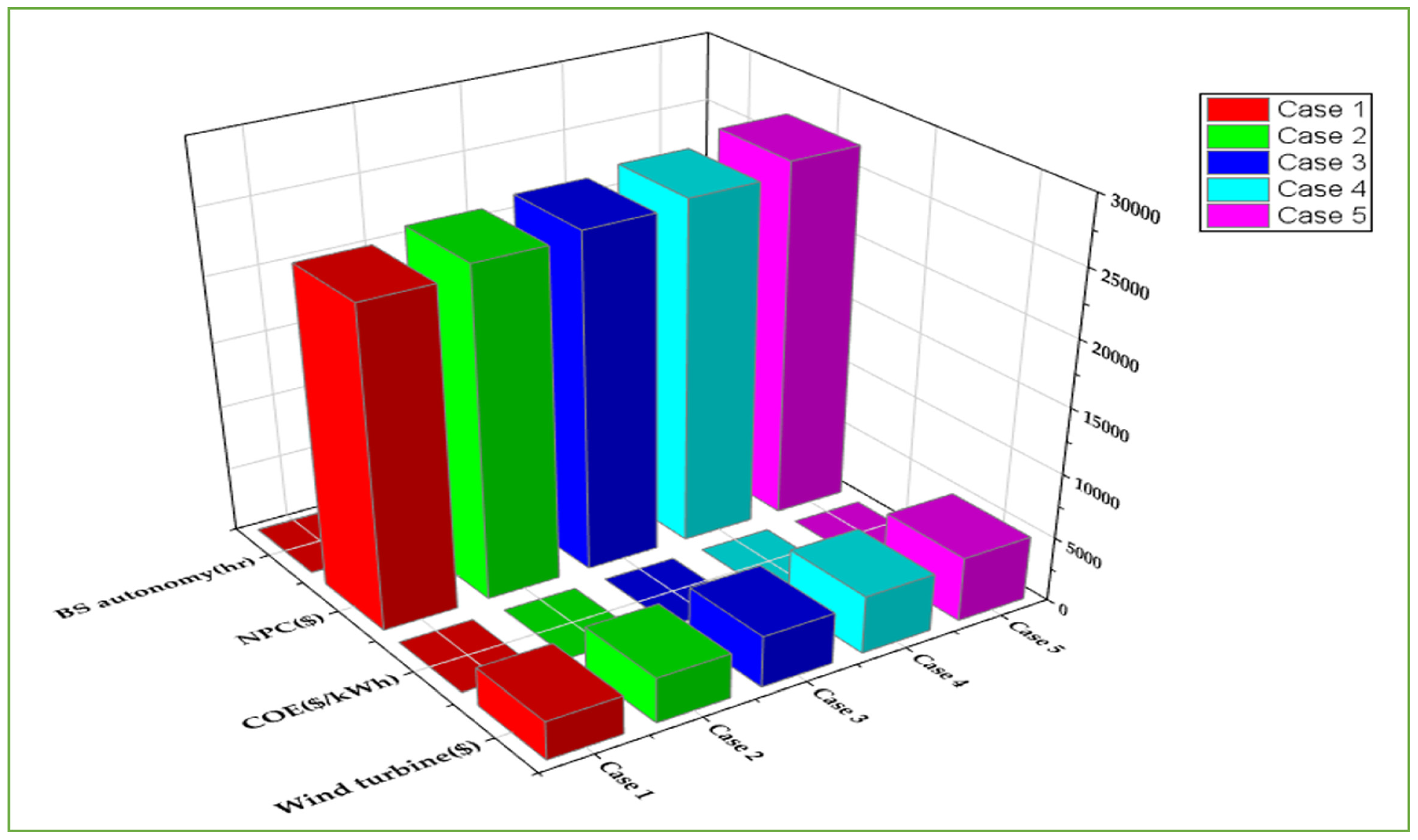
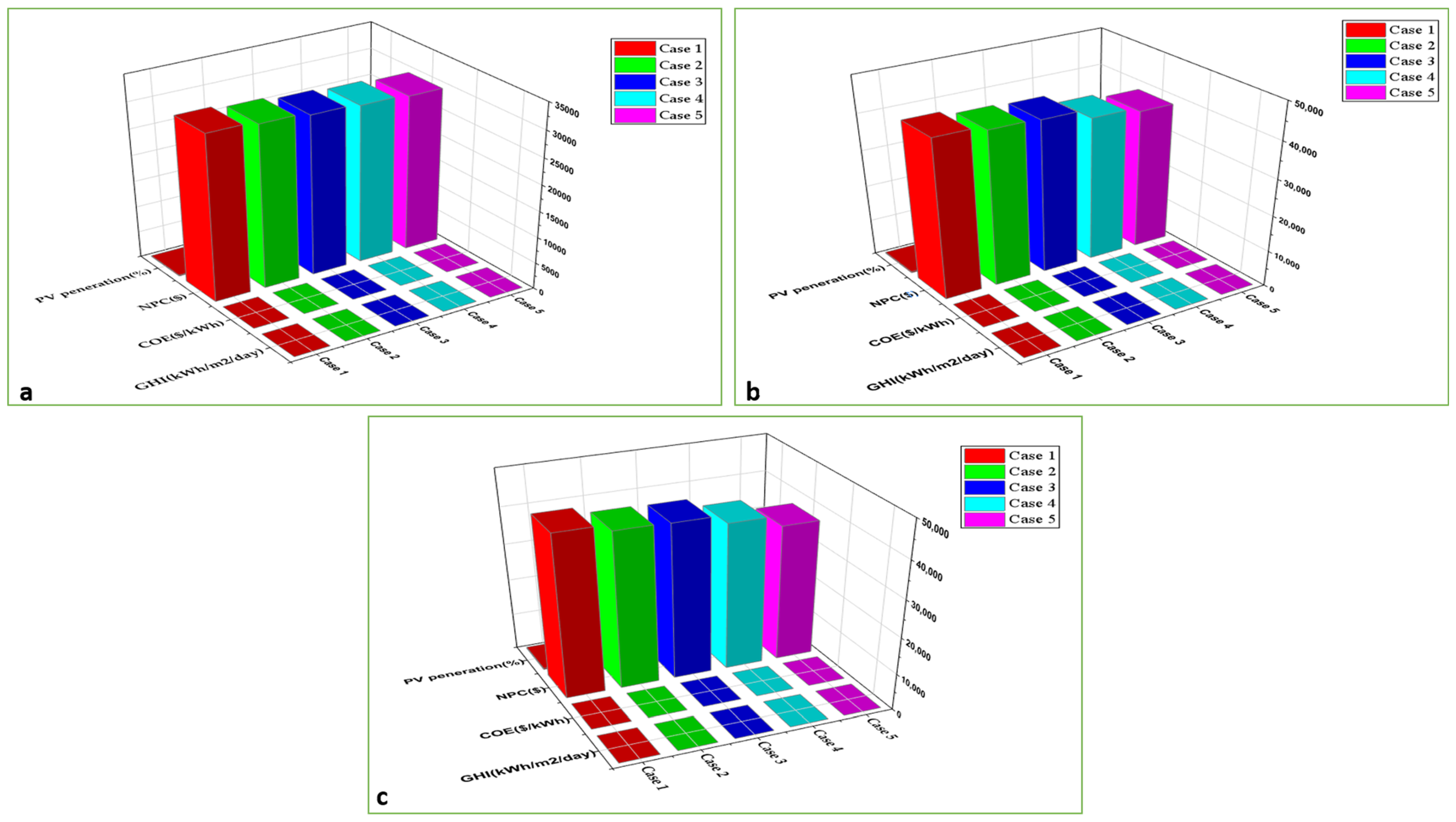
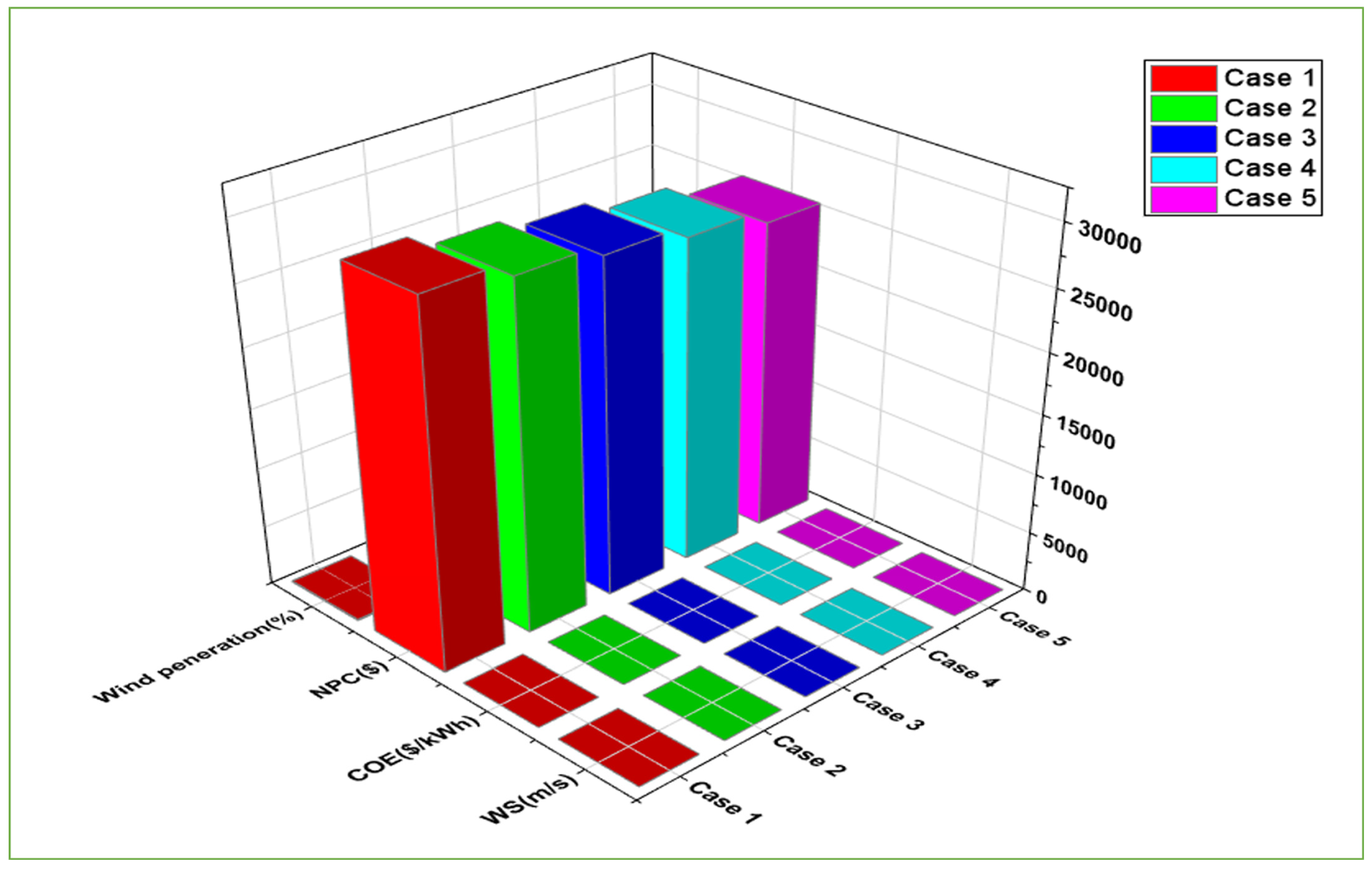
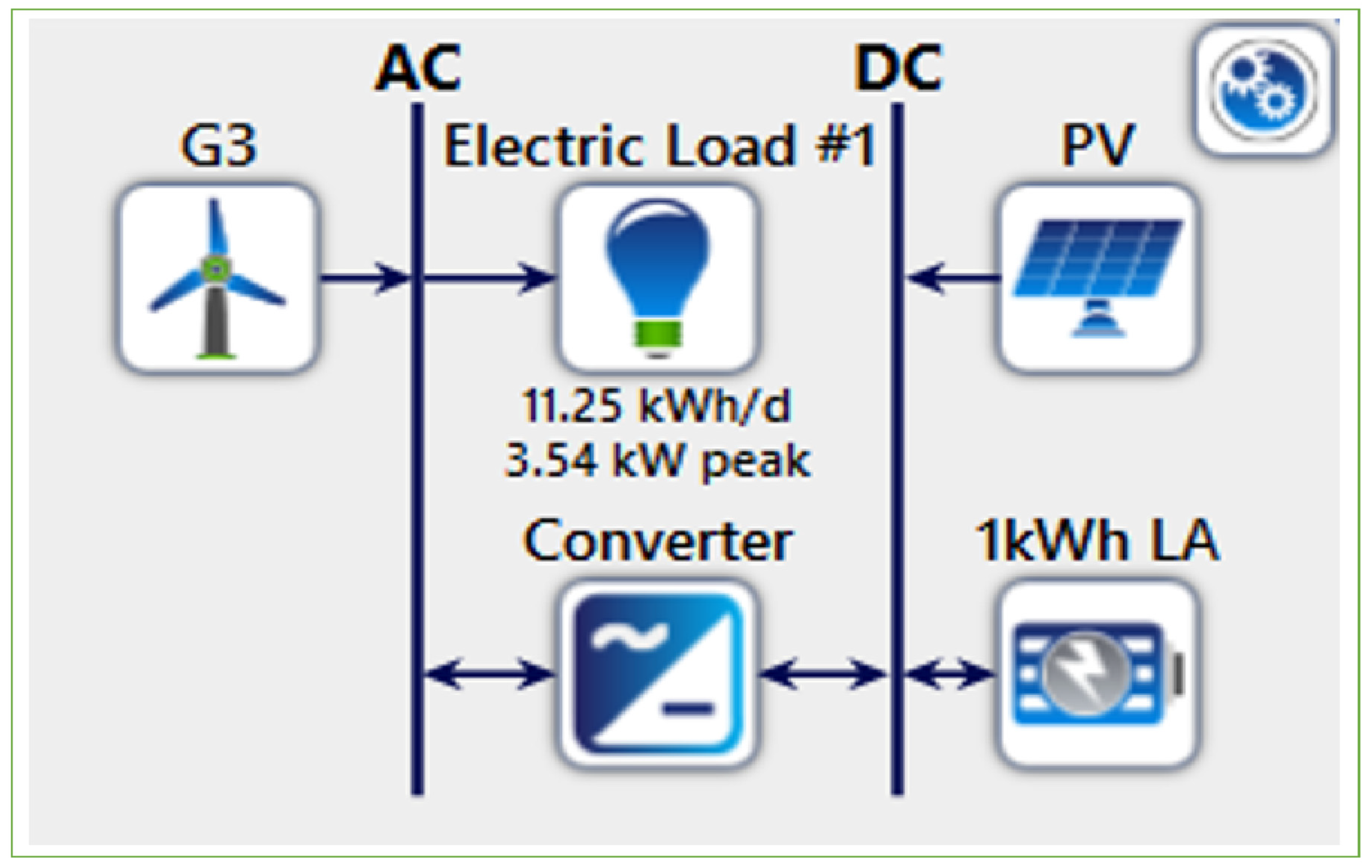
Energy deficits have been a major challenge in Sub-Saharan Africa (SSA), particularly in Nigeria. Consequently, the integration of renewable energy (RE) is a crucial strategy for achieving energy transition goals and addressing climate change issues. Therefore, this article investigates the technical, energy, economic, and environmental impact of PV/Wind/BS/Converter, a standalone hybrid energy mix for electrifying a single-family residential building prototype in multi-regional parts of Nigeria. This study aims to examine the renewable energy potential of three locations using HOMER Pro. The results indicate that Kano exhibits the lowest economic performance indices, with a net present cost (NPC) of USD 32,212.52 and a cost of energy (COE) of USD 0.6072/kWh, followed by Anambra (NPC: USD 45,671.68; COE: USD 0.8609/kWh) and Lagos (NPC: USD 47,184.62; COE: USD 0.8706/kWh). Technically, this study shows that the higher the renewable potential of a site, the lower the energy cost and vice versa. The sensitivity cases of key energy parameters—including solar PV cost, wind turbine cost, wind speed, solar radiation, and inflation rate—were considered to compare multiple scenarios and assess renewable energy potential variability under certain decision-making conditions. Economically, the Kano system shows the feasible capital cost of the energy produced, replacement cost, and operation and maintenance cost (O&M) for wind turbines, compared to the nil cost for Anambra and Lagos. Environmentally, the energy systems revealed 100% renewable fractions (RFs) with zero emissions at the three sites under study, which can enhance Nigeria’s energy transition plan and help in achieving the Sustainable Development Goals. Integrating RE supports the successful implementation of the recommended energy policy strategies for Nigeria.
Keywords: renewable energy resources; standalone system; sustainable; energy transition; Nigeria renewable energy resources; standalone system; sustainable; energy transition; Nigeria