Article

Effect of Stratified Charge Combustion Chamber Design on Natural Gas Engine Performance

by
Mehmet Cakir
Department of Marine Engineering Operations, Yildiz Technical University, Istanbul 34349, Türkiye
Energies 2025, 18(9), 2187; https://doi.org/10.3390/en18092187
Submission received: 8 April 2025 / Revised: 16 April 2025 / Accepted: 24 April 2025 / Published: 25 April 2025

Abstract

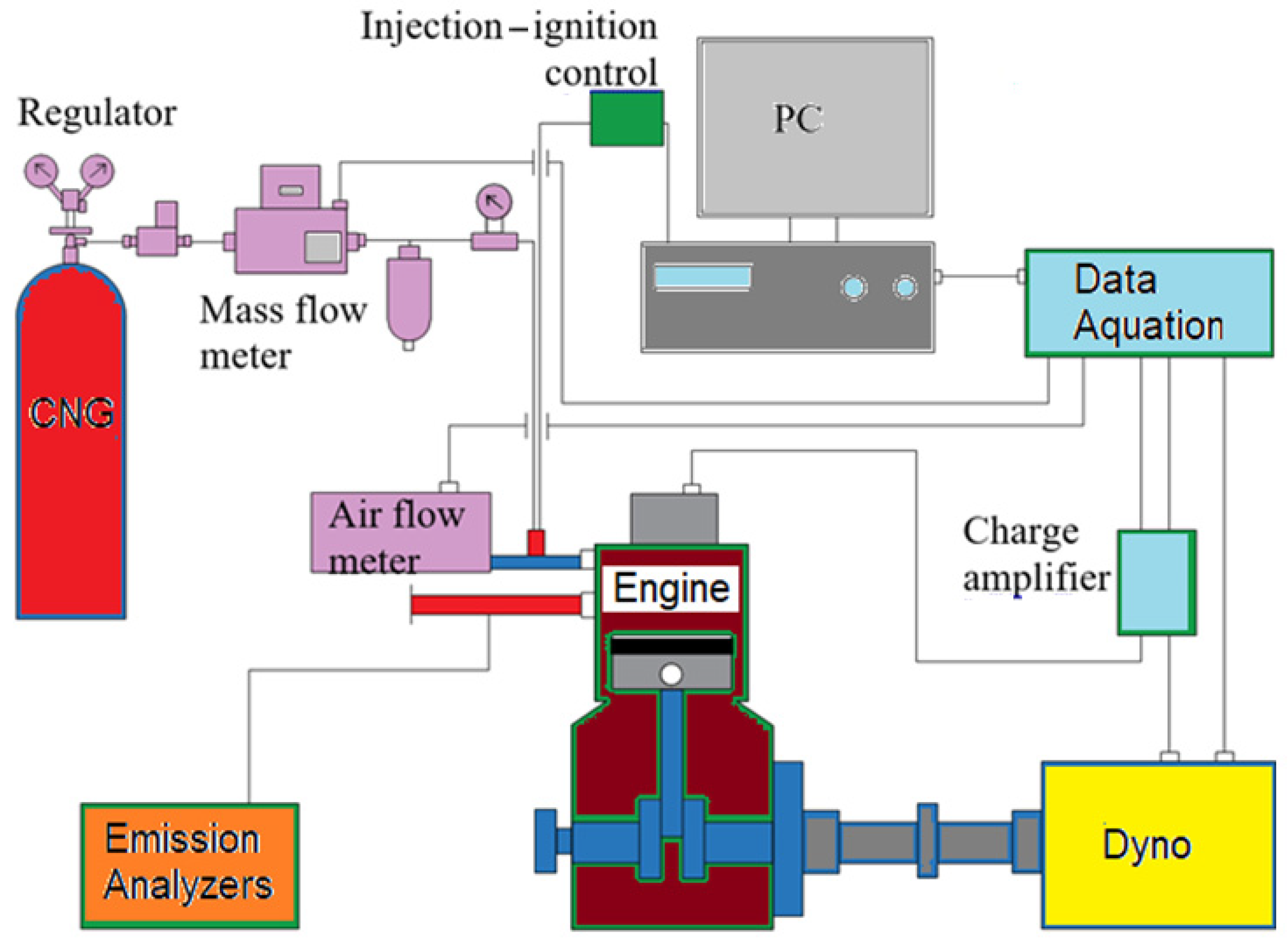
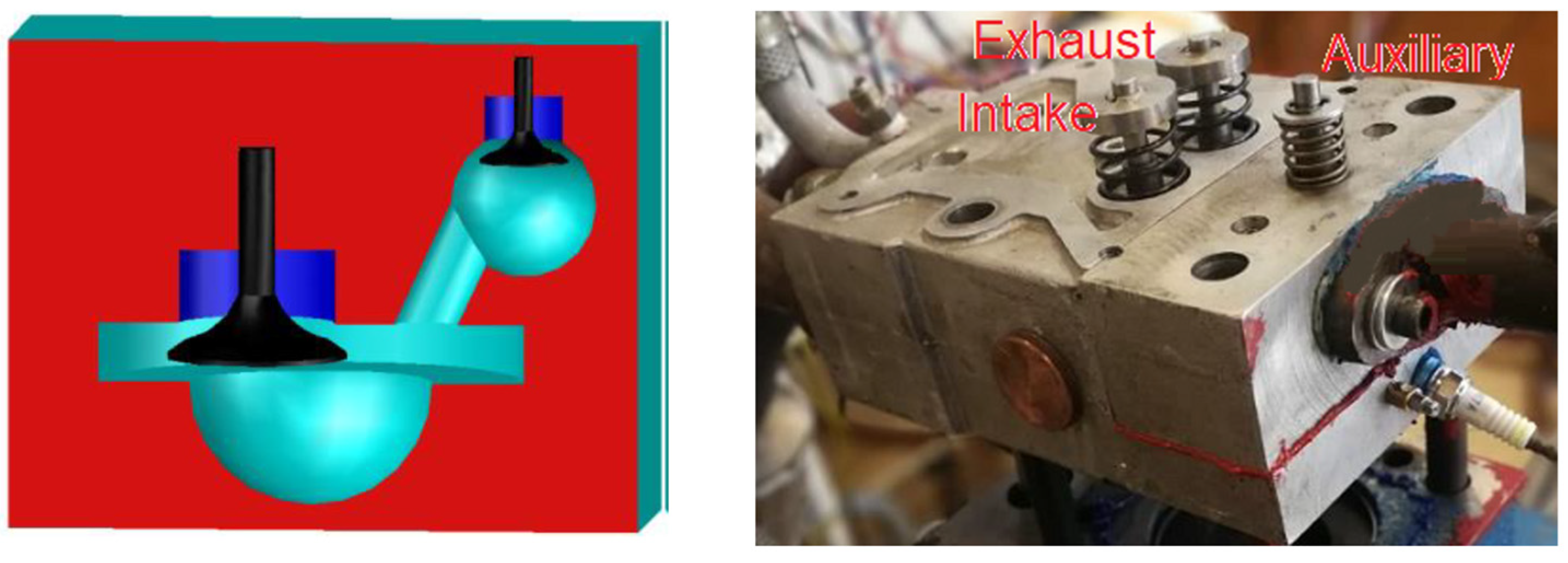
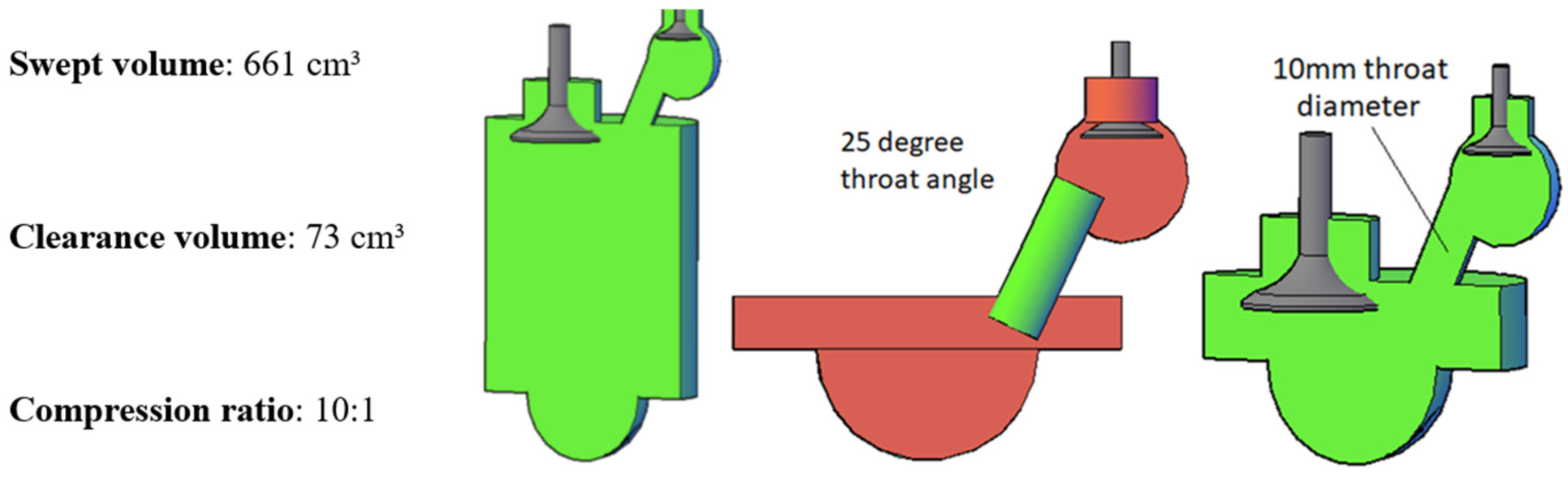
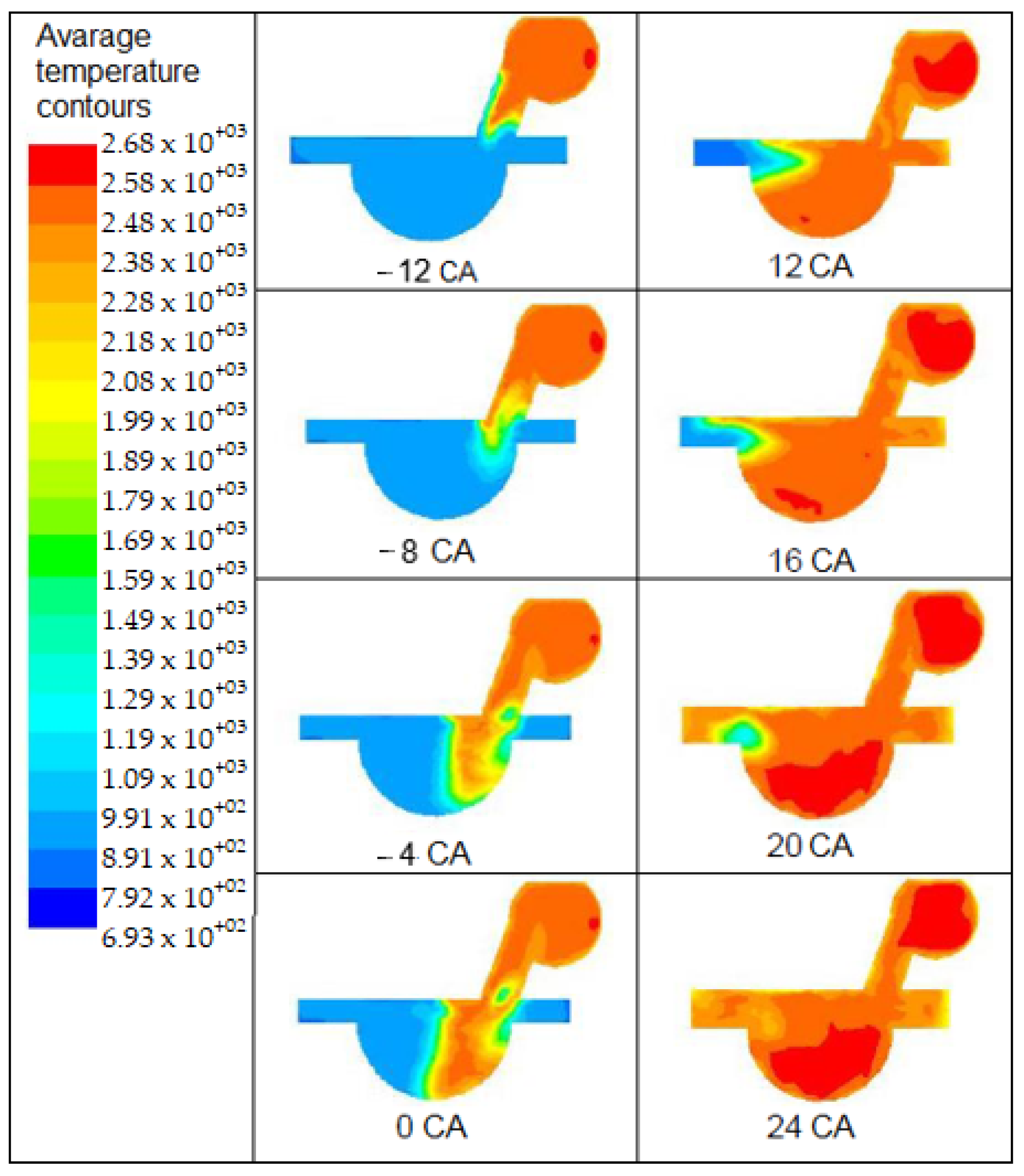
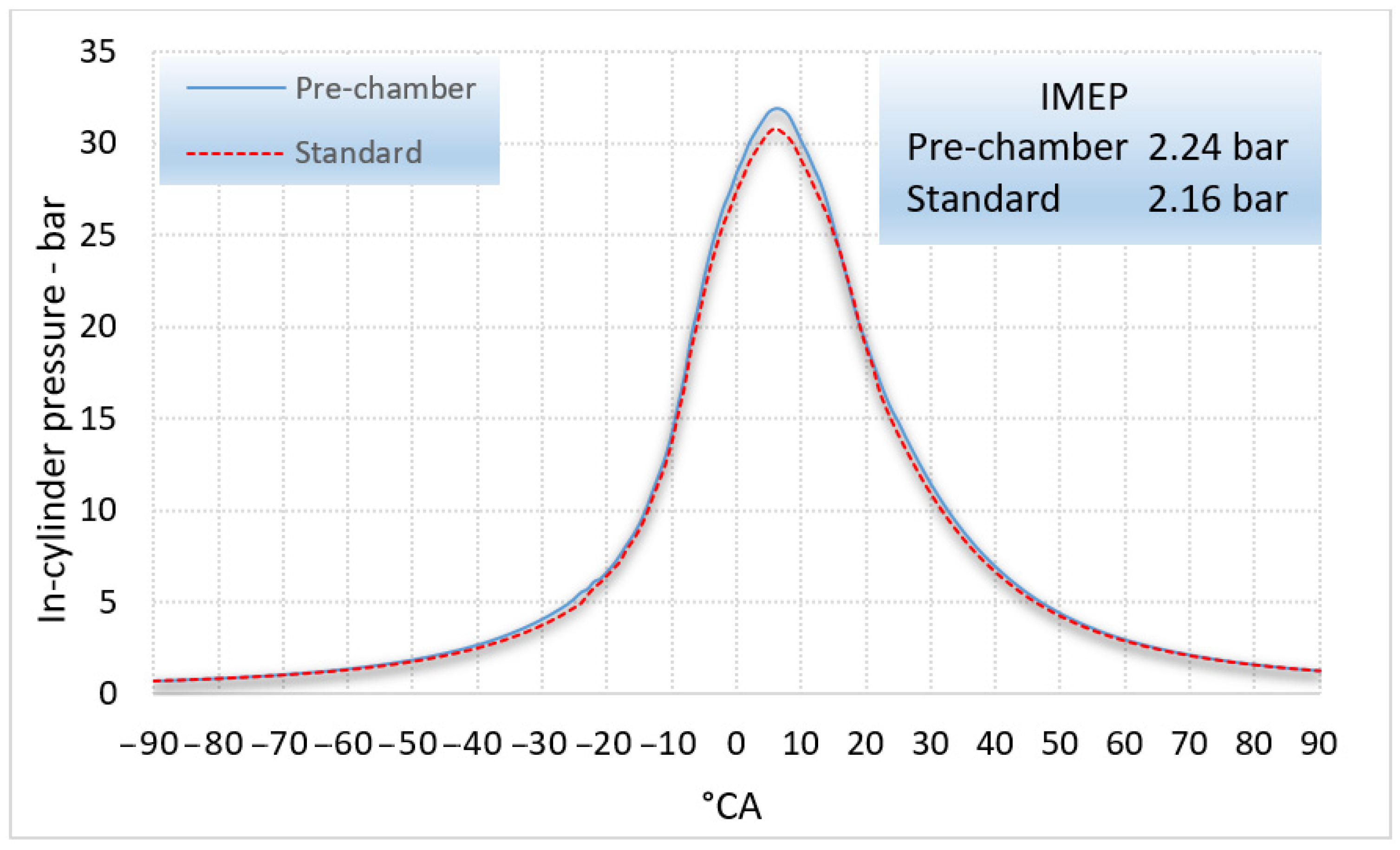
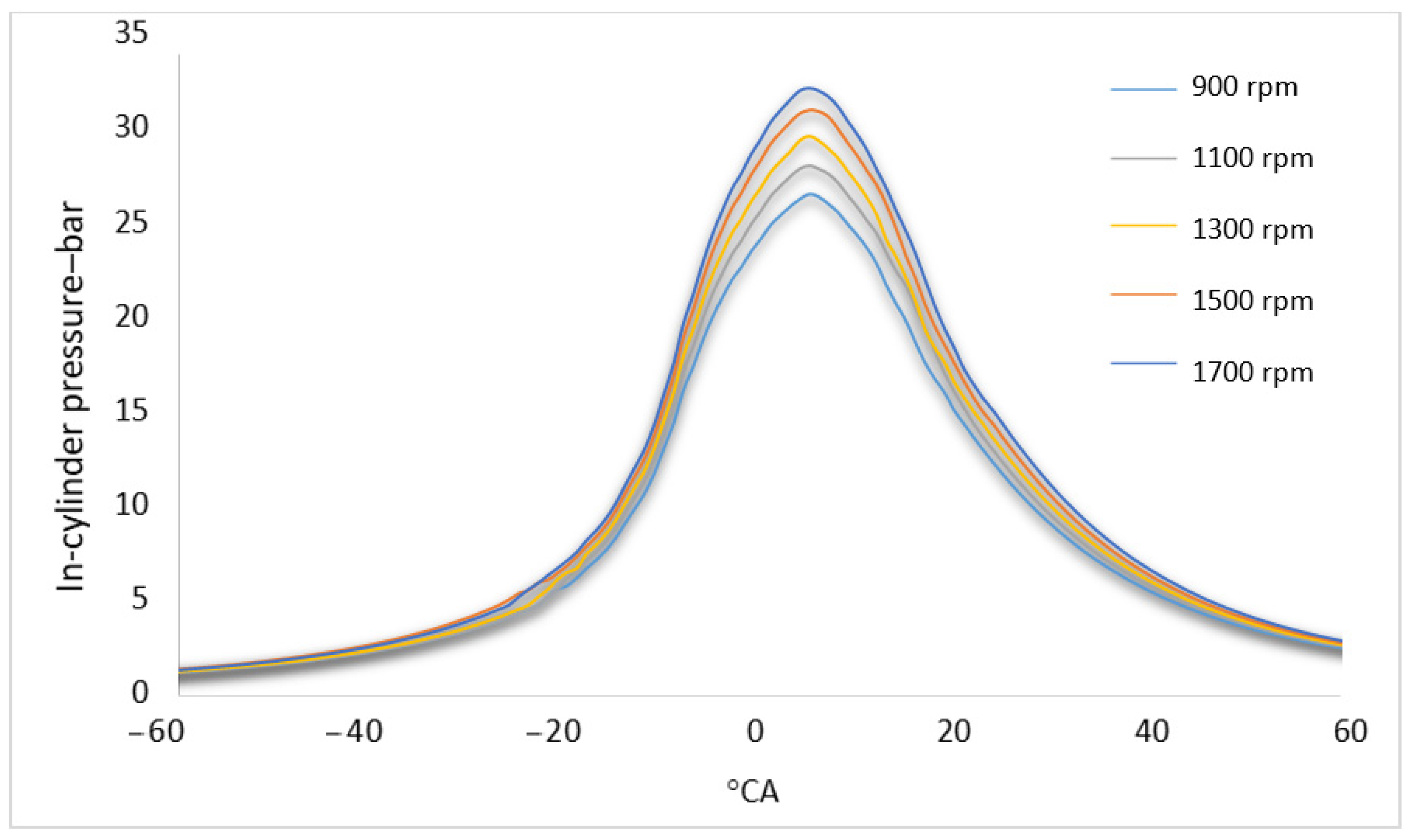
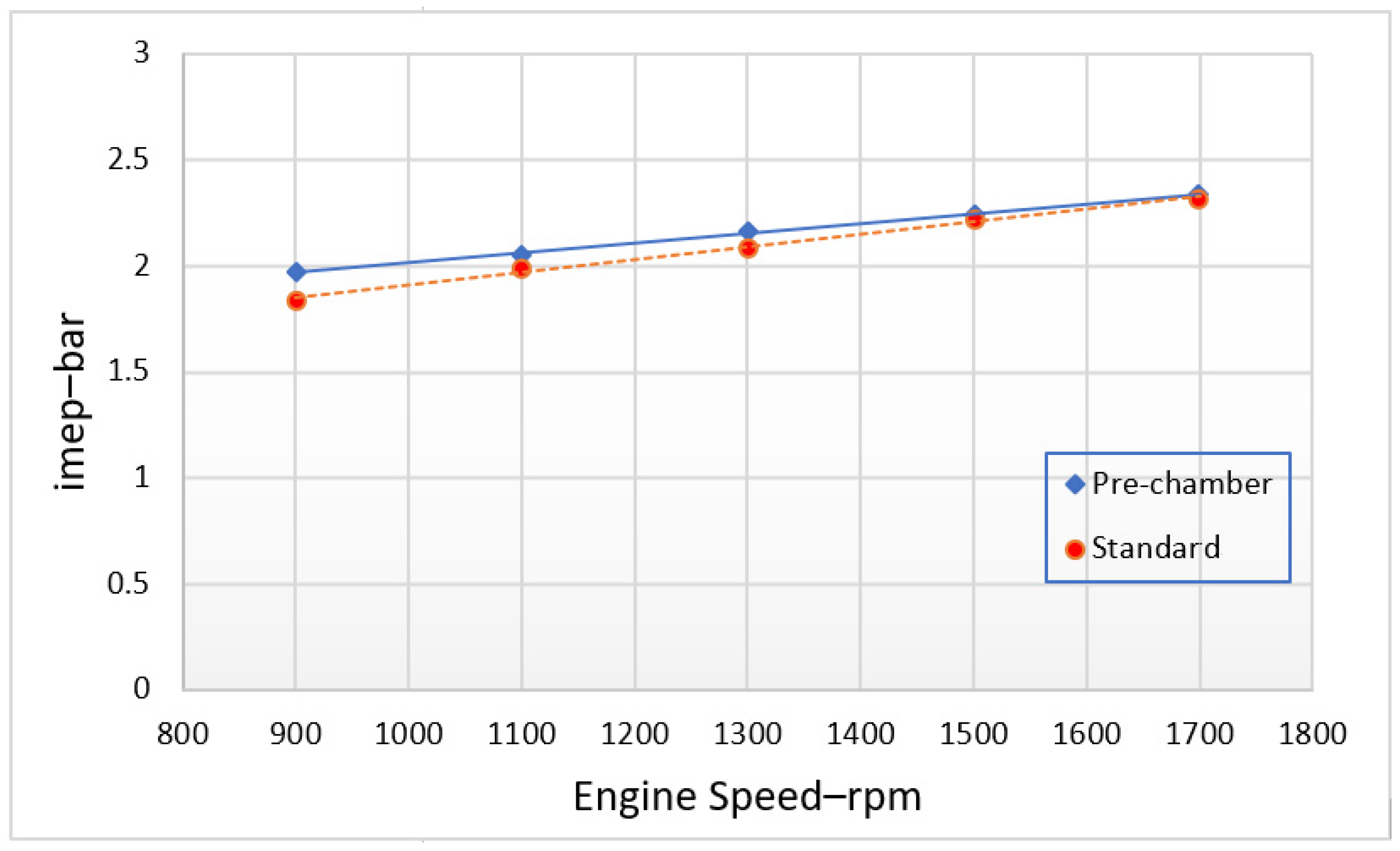
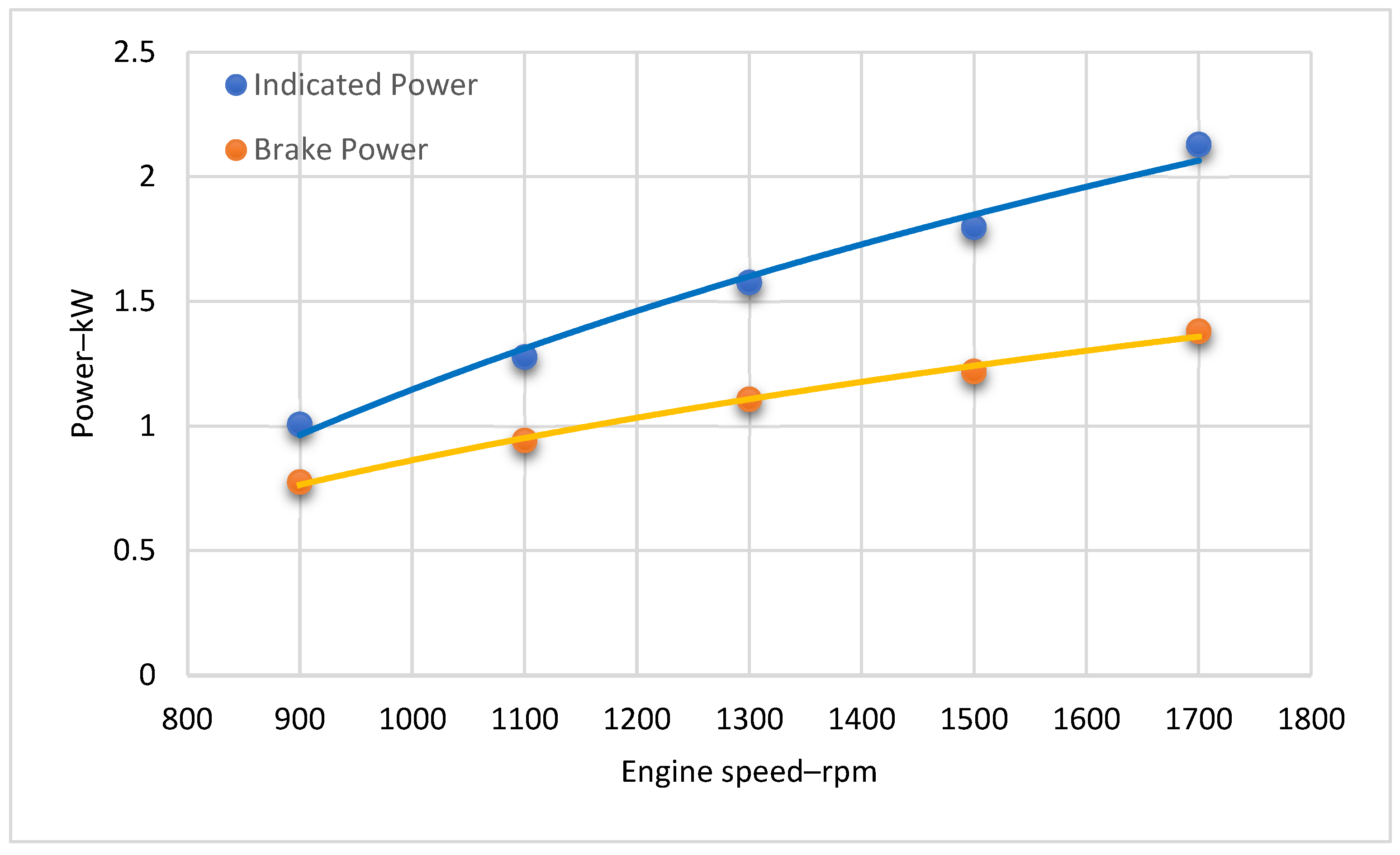
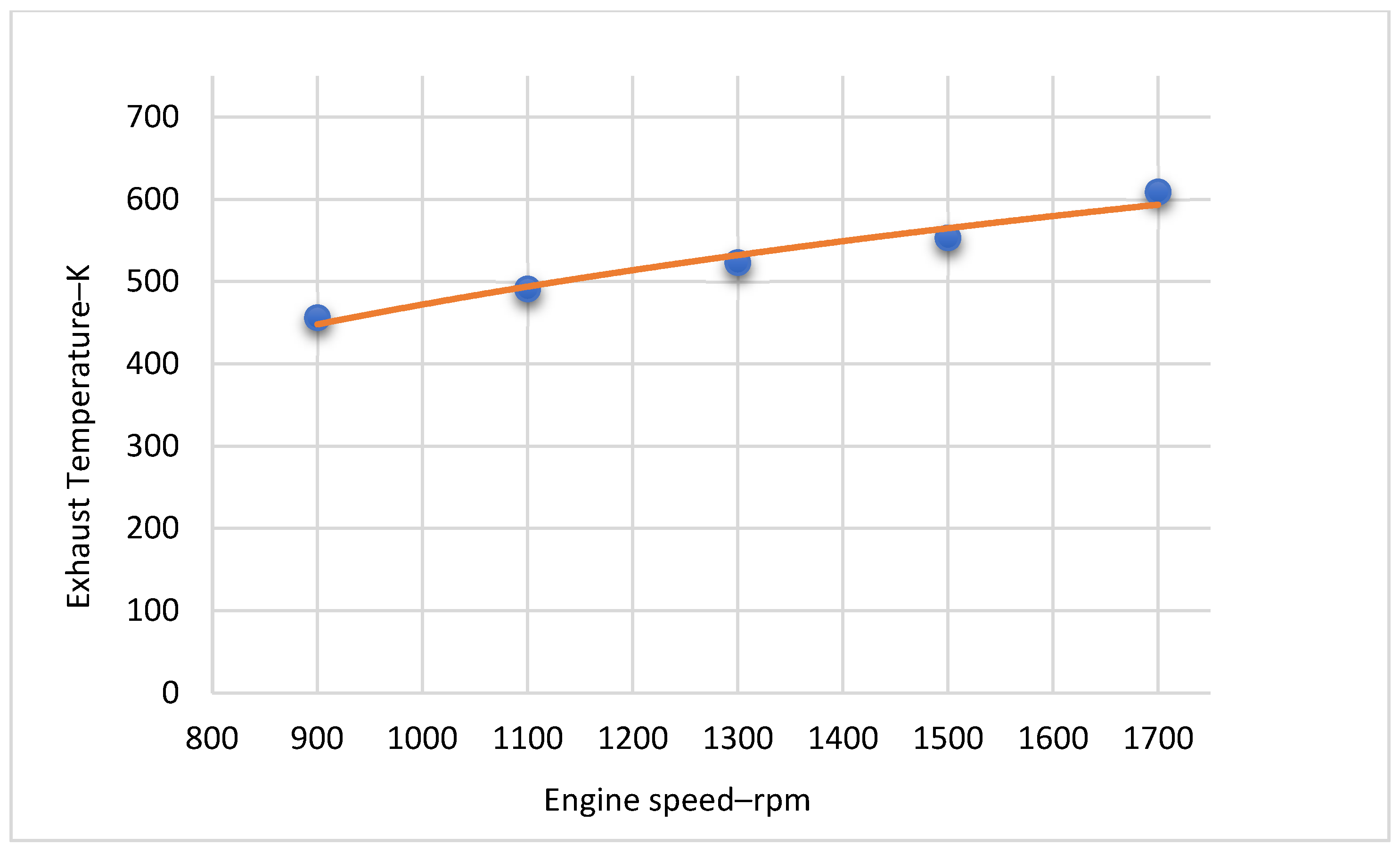
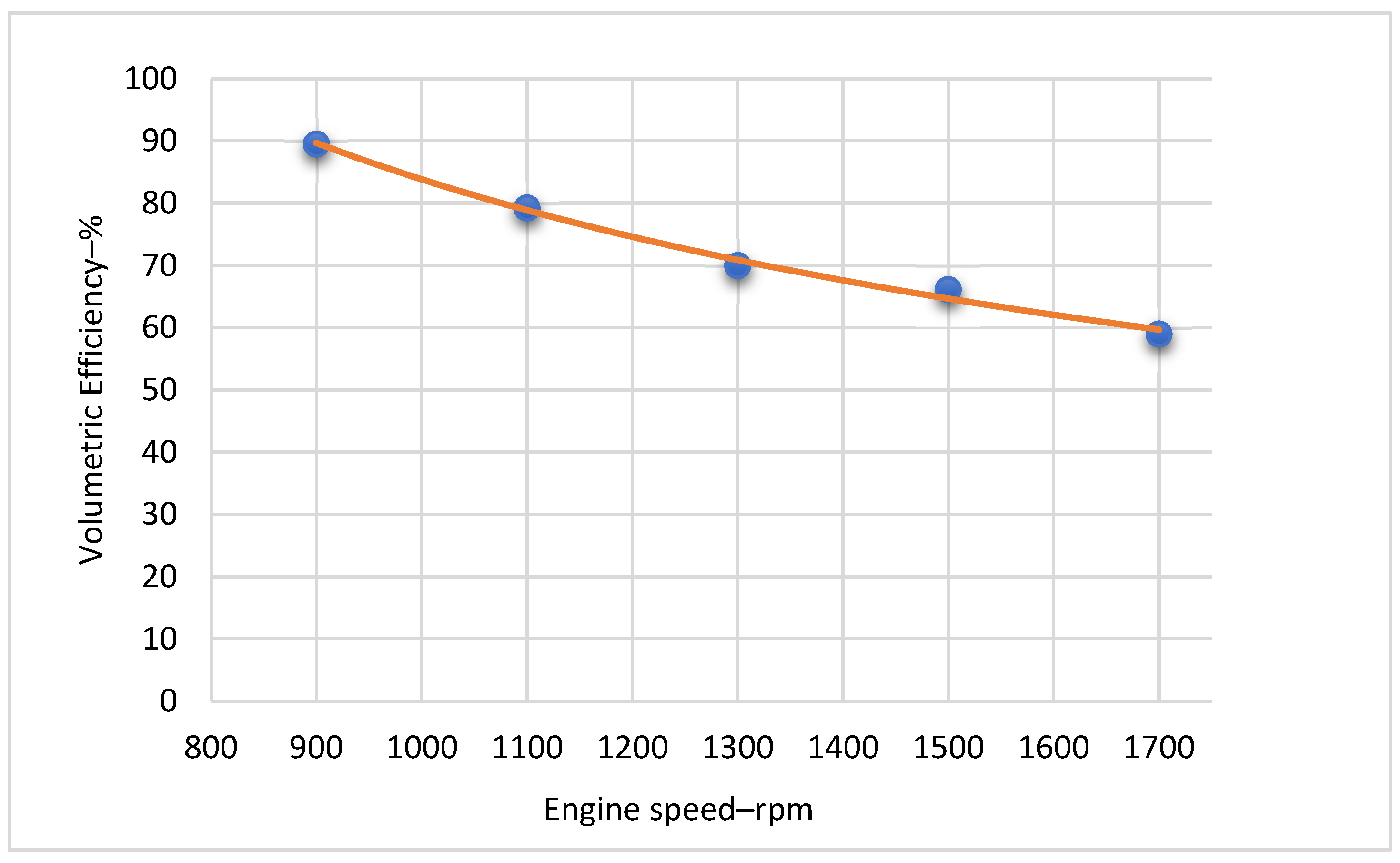
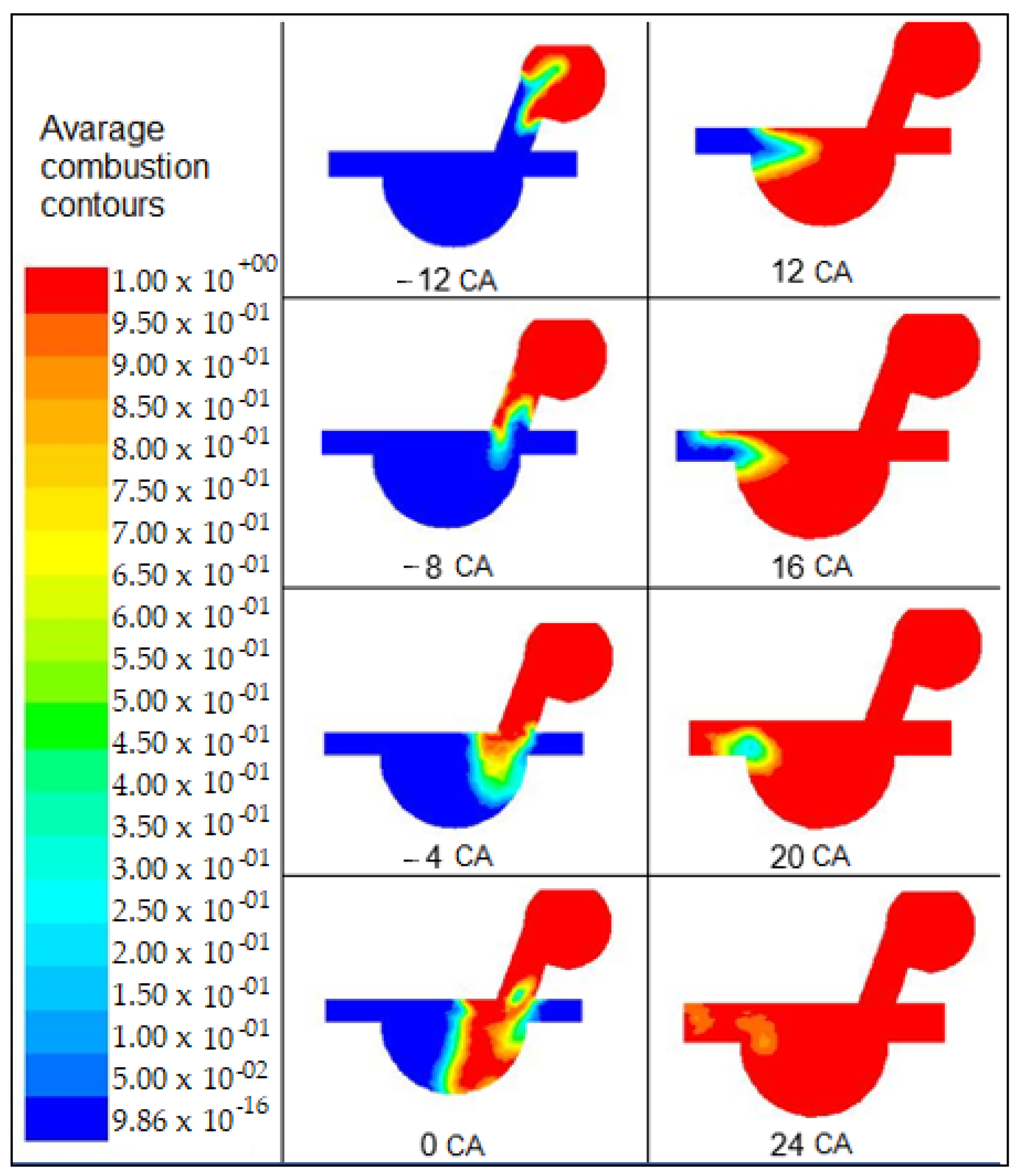
This study investigates the performance and combustion behavior of a spark ignition engine retrofitted to operate on compressed natural gas (CNG), with a focus on a newly developed stratified charge pre-chamber design. The engine was modified to include an auxiliary intake valve that enables partial enrichment of the pre-chamber mixture without the need for a dedicated fuel injector. This hybrid approach combines the mechanical simplicity of passive systems with the enhanced combustion control of active pre-chambers. Both experimental tests and computational fluid dynamics (CFD) analyses were carried out under partial load conditions (8 Nm) and engine speeds ranging from 900 to 1700 rpm. The results demonstrate improvements in indicated mean effective pressure (IMEP), combustion stability, and flame propagation speed—particularly at lower engine speeds where stratified combustion effects are more pronounced. However, increasing engine speed resulted in reduced volumetric efficiency and elevated exhaust temperatures, indicating potential for further optimization via turbocharging or advanced scavenging techniques. Overall, the findings validate the effectiveness of the proposed design in enhancing thermal efficiency and ignition stability in CNG-fueled engines, especially under urban driving conditions.
Keywords: pre-chamber design; natural gas combustion; engine performance analysis pre-chamber design; natural gas combustion; engine performance analysis