Review

Full-Life-Cycle Management of High-Voltage Bushings Based on Digital Twin: Typical Scenarios, Core Technologies, and Research Prospects

1
State Grid Hebei Electric Power Co., Ltd. Xiong’an New Area Power Supply Company, Xiong’an 071001, China
2
School of Artificial Intelligence, China University of Geosciences Beijing, Beijing 100083, China
*
Author to whom correspondence should be addressed.
Energies 2025, 18(23), 6343; https://doi.org/10.3390/en18236343 (registering DOI)
Submission received: 4 November 2025 / Revised: 22 November 2025 / Accepted: 28 November 2025 / Published: 3 December 2025

Abstract

High-voltage (HV) bushings are critical hub components in power systems, whose operational reliability is paramount to the safety and stability of transmission and distribution infrastructure. Conventional management paradigms are hampered by challenges such as information silos, reactive maintenance, and imprecise condition assessment, rendering them in-adequate for the evolving demands of modern power systems. Digital twin technology, by creating a high-fidelity, re-al-time interplay between physical entities and their virtual counterparts, provides a revolutionary pathway toward the intelligent full-life-cycle management (FLCM) of HV bushings. This paper presents a review of the current state of research in this domain. It begins by reviewing research on the construction a five-dimensional digital twin framework that encompasses the entire lifecycle: design, manufacturing, operation and maintenance (O&M), and decommissioning. Subsequently, it delves into the application paradigms of digital twins across typical scenarios, including external insulation design, intelligent condition assessment, insulation defect identification, fault diagnosis, and predictive maintenance. The paper then examines the core technological underpinnings, such as multi-physics coupled modeling, multi-source heterogeneous data fusion, and data-driven model updating and condition assessment. Finally, it identifies current challenges related to data, models, standards, and costs, and offers a forward-looking perspective on future research directions, including group digital twins, deep integration with artificial intelligence, edge-side deployment, and standardization initiatives. This work aims to provide a theoretical reference and technical guidance for advancing the intelligent O&M of HV bushings and bolstering grid security.

1. Introduction

In response to the profound shifts in the global energy sector and the pursuit of “carbon peaking and carbon neutrality” objectives of China [1,2], the establishment of a new power system centered around renewable energy is rapidly gaining momentum. Amidst this transformation, high-voltage direct current (HVDC) transmission stands out as a pivotal technology for grid interconnection due to its unparalleled capabilities in transmitting large capacities over extended distances [3,4]. HV bushings are indispensable and critical components in modern power systems, serving as the primary insulation and feed-through devices for conductors at earthed barriers such as transformer tanks, circuit breaker walls, and substation enclosures. The operational reliability of HV bushings is directly linked to the stability and security of the entire electrical grid [5]. A catastrophic bushing failure can result in explosive equipment damage, widespread power outages, and significant safety hazards to personnel. Consequently, the implementation of effective condition-based maintenance (CBM) and FLCM strategies for HV bushings is of paramount importance. Despite their critical role, the FLCM of HV bushings is fraught with multifaceted challenges, stemming from their complex structure, harsh operating environment, and the insidious nature of their degradation mechanisms.
Modern HV bushings, particularly resin-impregnated paper (RIP) [6] or resin-impregnated synthetic (RIS) [7] types, exhibit intricate multi-layer structures. These structures comprise concentric layers of conductive foils and insulating materials, creating a complex capacitive grading system. This internal complexity makes it extremely difficult to directly visualize or model internal defects, such as partial discharge (PD) inception, moisture ingress, or delamination. The thermo-mechanical stresses arising from load currents and ambient temperature variations further exacerbate material aging, leading to a non-linear and coupled degradation process that is challenging to predict.
The degradation of HV bushing insulation is typically a slow, progressive process. Early-stage faults, such as the development of micro-cavities or slight moisture contamination, often produce only subtle changes in macroscopic diagnostic parameters. By the time these changes become apparent through conventional monitoring, the insulation may have already suffered irreversible damage. This “silent” progression from a healthy state to failure creates a significant blind spot in maintenance planning, increasing the risk of unexpected outages.
Moreover, HV bushings are continuously exposed to a combination of electrical, thermal, mechanical, and environmental stressors. These include fluctuating voltage levels, variable load currents, extreme weather conditions (temperature, humidity, pollution), and mechanical vibrations. The synergistic effect of these stressors accelerates aging and complicates the task of isolating the root cause of an observed anomaly, making a definitive diagnosis challenging.
To address these challenges, a variety of online and offline monitoring techniques have been developed. However, each method possesses inherent limitations that hinder the realization of true FLCM. The conventional strategies of regular inspections, periodic preventive testing, and post-disaster analysis represent a passive, responsive management model [8]. This approach is fraught with deficiencies: it creates information silos, as data from design, manufacturing, and operations remain disconnected, precluding a comprehensive lifecycle perspective; it lacks effective condition assessment tools, leading to either over-maintenance or under-maintenance; and it offers no predictive insights into potential failures, hindering a shift from reactive to proactive risk management. These shortcomings fall short of the intelligent, streamlined management demands of the emerging power system.
Traditional periodic maintenance, involving offline tests like dielectric loss factor (tan δ) measurement, capacitance measurement, and PD detection at power frequency, has been the industry standard for decades. These tests provide only a snapshot of the bushing’s condition at a specific time, missing dynamic changes and transient faults that occur between testing intervals. Furthermore, offline testing requires scheduled outages, which is economically undesirable and operationally disruptive. The results can be significantly influenced by temperature and humidity, requiring complex correction and introducing potential for misinterpretation.
Online monitoring systems have been widely deployed to overcome the limitations of offline testing by continuously tracking key parameters. However, different monitoring systems often operate in silos, providing fragmented data streams. It is difficult to synthesize this multi-source data to form a holistic understanding of the bushing’s health. For instance, a slight increase in tan δ might be insignificant on its own but critical when correlated with a rising temperature trend and intermittent PD pulses. Most online systems are based on pre-set thresholds. They are proficient at detecting that a problem exists but are often incapable of pinpointing the fault’s location, type, and root cause. For example, PD localization within a bushing remains a significant technical challenge. These systems are primarily reactive or, at best, diagnostic. They lack the capability to accurately predict the remaining useful life (RUL) of the bushing, which is the cornerstone of proactive CBM and asset management planning.
Recent advancements in digital twin technology present a transformative solution to these challenges. By creating a virtual model that mirrors and interacts with its physical counterpart in real-time, digital twins enable comprehensive monitoring, diagnostic forecasting, and decision optimization for complex equipment throughout their life cycles [9,10,11]. The integration of digital twin technology into the management of high-voltage bushings promises to bridge information gaps, facilitate a holistic analysis from micro-level material aging to macro-level system performance, and steer the operational model towards a more intelligent, predictive approach. While digital twins have been explored in power equipment like transformers and circuit breakers [12], a systematic framework encompassing the entire life cycle of high-voltage bushings, along with an in-depth examination of its application scenarios and core technologies, still requires greater emphasis and research attention.
The foundational research in this area focuses on establishing the architectural framework for a bushing digital twin. A prominent trend is the move beyond a simple three-dimensional (3D) geometric model towards a multi-dimensional framework. For instance, researchers have proposed a five-dimensional (5D) digital twin model [13]. A core component of a high-fidelity DT is the physics-based model. Research in this area concentrates on developing accurate multi-physics models that can simulate the complex internal behavior of bushings. These models simulate the temperature distribution within the bushing under varying load and ambient conditions, which is crucial for understanding thermal aging.
While physics models provide a fundamental understanding, data-driven approaches are essential for handling complex, non-linear relationships and making accurate predictions from real-world monitoring data. Machine learning and deep learning algorithms are being trained on historical data to automatically classify different fault types. Researchers are exploring various algorithms, including Recurrent Neural Networks (RNNs) and Long Short-Term Memory (LSTM) networks, to model the long-term degradation trajectory of bushings and predict their RUL. These models often integrate multi-source data to improve prediction accuracy. A key research direction is the fusion of physics-based and data-driven models to create a hybrid digital twin. For example, physics-based simulation data can be used to augment training datasets, while data-driven models can be used to calibrate and update the parameters of physics models, creating a self-evolving and more accurate twin.
Current literature demonstrates the application of bushing digital twins in several key scenarios, as illustrated in Table 1. These scenarios primarily include: condition assessment, fault diagnosis and localization, and life prediction and maintenance decision-making. Specifically, condition assessment provides a comprehensive health index by fusing multi-dimensional data, offering a more nuanced view than single-parameter thresholds. Fault diagnosis integrates PD data with electromagnetic simulation models to pinpoint the 3D location of internal discharges, representing a significant advancement over traditional PD detection. Life prediction simulates future degradation scenarios under different operating conditions to predict the RUL and optimize maintenance schedules.
This paper provides a comprehensive review and future outlook on the life cycle management of high-voltage bushings using digital twins. The key contributions include: emphasizing a five-dimensional management framework that integrates design, manufacturing, operation, and retirement stages, offering a strategic design for bushing management; a detailed exploration of digital twin applications in design optimization, intelligent condition assessment, fault diagnosis, and predictive maintenance; an organized overview of the underlying technologies, such as multi-physics modeling, data fusion, and intelligent algorithms; and a summary of current research challenges and a prospective view on future developments. The findings aim to provide theoretical and technical guidance for enhancing the intelligent operation and maintenance of high-voltage bushings, thereby ensuring the security and stability of the power grid.

2. The High-Voltage Bushing Digital Twin Lifecycle Management Framework

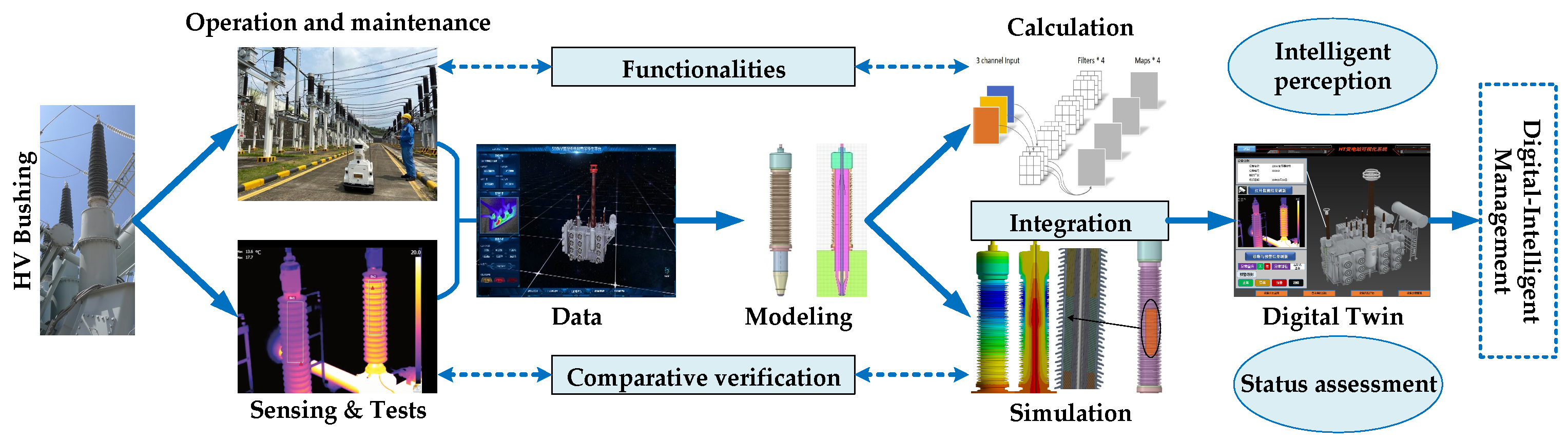
The five-dimensional digital twin model serves as the core theoretical framework for constructing a digital twin system, with a consensus reached among multiple studies. These dimensions include the physical entity, virtual model, digital twin data, functionalities (service systems), and connection (interaction). In Reference [40], the researchers identified that data perception and fusion, mechanism-data-knowledge hybrid-driven modeling, virtual reality synchronization, and dynamic optimization and collaborative control for multi-level parameters are the key technologies for constructing digital twin models. Furthermore, Tao et al. were the first to explicitly define the aforementioned five-dimensional model of digital twins [41,42] and to elaborate on its technical roadmap for industrial applications [43]. These concepts have garnered support from other scholars [44], not only in terms of their definition, characteristics, applications, and design, but also in their foundational principles. For high-voltage bushings, the logical connections between these dimensions are illustrated in Figure 1.
In the lifecycle management of the high-voltage bushing digital twin, the physical entity is clearly defined as the high-voltage bushing and its components, including specialized sensing systems for the bushing. The virtual model offers a detailed digital representation of the high-voltage bushing, capable of simulating the structure, performance, state, and even the evolution patterns of the physical entity. Digital twin data serve as the foundation for driving the model and are core to supporting intelligent decision-making, encompassing design and manufacturing data, operational state data, multi-physics simulation data, and fault experimental data. Functionalities refer to the various applications provided by the digital twin system, such as condition monitoring, fault diagnosis, lifespan prediction, and optimization decision-making for the bushing, representing the ultimate value of the digital twin. The connection is the information exchange link between the physical entity and the virtual model, ensuring real-time, two-way, and reliable data transmission, typically utilizing IoT (Internet of Things) communication technologies.
This five-dimensional model provides a structured theoretical support for the lifecycle management of the high-voltage bushing digital twin, enabling intelligent closed-loop lifecycle management of the bushing from design to retirement. During the design phase, the virtual model can conduct multi-physics simulation optimization, record design parameters as part of the digital twin data, and support scheme comparison and selection through functionality applications, ultimately achieving design-manufacturing collaboration. In the manufacturing phase of the bushing product, manufacturing process data can be feedback to the virtual model in real-time, used for quality traceability and future process optimization in later stages. In the online operation and maintenance phase of the bushing, operational data of the physical entity are synchronized to the virtual model in real-time through the connection, while functionalities provide condition assessment, fault diagnosis, and predictive maintenance. Finally, in the retirement phase of the high-voltage bushing, lifespan evaluation and retirement decisions are supported based on the accumulated digital twin data, and functionality applications assist in the green recycling and reuse of equipment. Thus, the five-dimensional model tightly connects each link from the “birth” to the “death” of the high-voltage bushing, realizing a data-driven closed-loop lifecycle management.
This management technology route integrates data from multiple sources and formats, ensuring the real-time flow of data between the physical and digital realms, breaking information barriers, which is challenging for traditional management models. In terms of model construction, the digital twin will also surpass traditional single static models, fully leveraging the role of multi-physics (electric field, thermal field, force field, etc.) coupling, realizing state mapping from the macro to the micro level. Based on digital twin data and the virtual model, the high-voltage bushing can transition from “passive maintenance” to “active operation and maintenance,” supporting diverse intelligent services and significantly enhancing the operational reliability of the high-voltage bushing. This is an optimal theoretical framework for constructing a new paradigm of asset management for high-voltage power equipment in the context of building a new power system.

3. Typical Application Scenarios of Digital Twins in High-Voltage Bushing Management

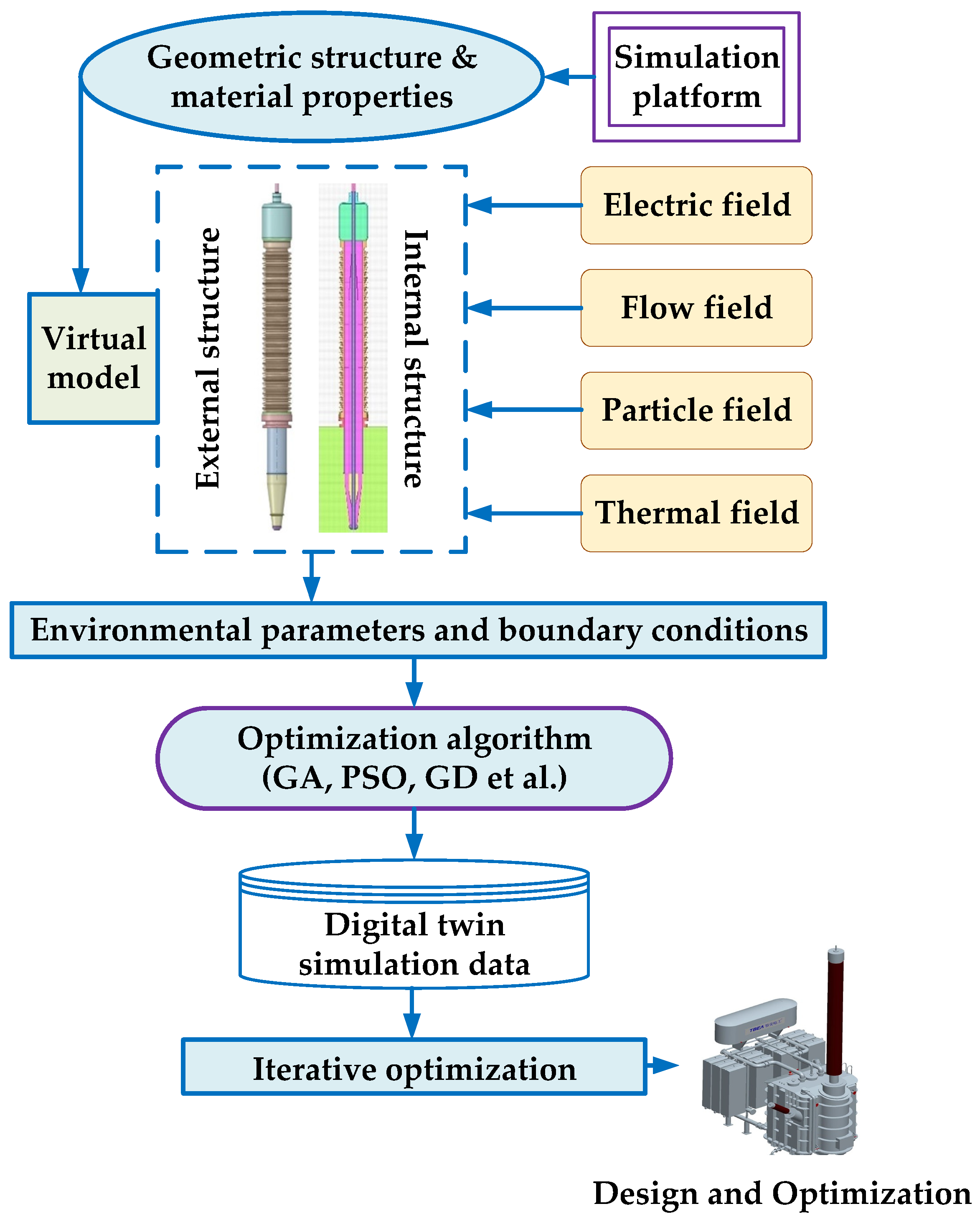
Based on the aforementioned five-dimensional theoretical framework for the lifecycle management of high-voltage bushing digital twins, the main application scenarios that can be realized include: design and optimization of external insulation using digital twin simulation, data-driven intelligent condition assessment, identification of insulation defects through multi-physics field integration, fault diagnosis and root cause analysis through the combination of virtual and physical methods, and predictive maintenance based on trend prediction. To support the digital and intelligent operation and maintenance (O&M) of power equipment, Figure 2 demonstrates the typical logical architecture of applications for a HV bushing digital twin.

3.1. Design and Optimization of External Insulation Using Digital Twin Simulation

The insulation of a high-voltage bushing consists of two parts: external insulation and internal insulation. External insulation primarily achieves electrical isolation between the connection end of the internal conductor core and the external busbar, and the grounding shell or wall of transformers and other equipment. Its design and optimization are similar to those of insulator sheds. Internal insulation, on the other hand, achieves electrical isolation between the internal conductor core and the external insulation shed, facing similar issues as the winding insulation of transformers or motors.
The performance of the external insulation of high-voltage bushings, especially its pollution flashover and rain flashover characteristics in complex environments, is a core factor determining its operational reliability [47,48,49]. Traditional external insulation design mainly relies on empirical formulas, standard tests, and simplified electric field models, which are difficult to accurately simulate the complex interactions between variable environmental conditions and insulation structures during actual operation. This design approach often leads to excessive design margins, resulting in material waste and increased costs, or insufficient design margins. Digital twin technology provides a revolutionary virtual testing and optimization framework for external insulation design by constructing high-fidelity multi-physics field coupling models.
The design optimization process (shown in Figure 3) for external insulation using digital twins begins with the construction of a virtual model that includes the geometric structure of the bushing, material properties, and surrounding environmental parameters. The core of this model is the multi-physics field coupling simulation of electric field, flow field, and particle field. By setting different environmental parameters (such as equivalent salt density, non-soluble deposit density, rainfall rate, wind speed, etc.) and structural parameters (such as shed shape, shed diameter, shed protrusion, rod diameter, etc.) in the virtual environment, designers can conduct thousands of virtual tests without the need to manufacture expensive physical prototypes. The twin model outputs key performance indicators, such as maximum electric field strength and flashover probability. Combined with optimization algorithms (such as genetic algorithms—GA, particle swarm optimization—PSO), the system can automatically find the most material-efficient and structurally optimized design solutions that meet specific electrical performance requirements. This not only significantly shortens the research and development cycle and reduces costs but more importantly, it achieves a shift from “meeting standards” to “performance optimization,” providing high-reliability equipment assurance for extra-high voltage projects in extreme environments.
Research has detailed numerical simulation methods for the pollution accumulation and flashover process of insulators based on multi-physics (electric field, flow field, thermal field), which can provide a technical foundation for constructing digital twin models for high-voltage bushing external insulation. The application of these technologies is exemplified in the packaging of high-voltage, high-power modules, where insulation performance is a primary concern [50]. Here, multiphysics coupling simulations—encompassing electrical, thermal, and mechanical stresses—enable the analysis of how structural parameters affect physical field distributions, which in turn provides critical parameters for insulation design. In another study, researchers leveraged multiphysics simulations to design the external insulation for a 1100 kV GIS SF6 gas-insulated composite bushing [14]. Similarly, this approach facilitates the integration of real-time inversion calculations and simulations of transient temperature and electric fields into the digital twins of HVDC bushings [15] and high-voltage switchgear [26]. The significance of this technology is further underscored by its vital role in the defect analysis of transformer main insulation [27].
Based on these foundations, high-fidelity multi-physics field coupling digital twin models of high-voltage bushings can be constructed using simulation software such as COMSOL Multiphysics [28,29]. The electrical properties of external insulation materials and dielectrics are input into the model, considering the impact of complex environmental factors on breakdown field strength. Then, the external insulation parameters of the high-voltage bushing are set as parametric variables of the model, and the optimization objective is defined as: under given pollution and humidity conditions, the maximum surface electric field strength is below the critical corona inception value. Subsequently, the built-in optimization algorithm module can be used to automatically iterate the simulation calculations, ultimately obtaining the optimized structural solution for the external insulation of the high-voltage bushing. Other research has collected a large number of manually polluted external insulation test results as a dataset, using neural network models to predict pollution flashover voltage, thereby analyzing the impact of external insulation structural parameters on flashover and achieving the optimization of the structure [30].
Furthermore, modeling costs can be reduced through the application of dimensionality reduction algorithms. The computational time for conventional multiphysics simulation methods typically ranges from several hours to even days. In contrast, some studies have employed dimensionality reduction techniques to propose a data-driven, real-time simulation model for the temperature distribution of UVDC transformer bushings [16], which can shorten the model’s computation time to the second-level.

3.2. Data-Driven Intelligent Condition Evaluation

The condition evaluation of high-voltage bushings is the core basis for operational and maintenance decisions. Traditional methods mainly rely on periodic offline inspections (such as dissolved gas analysis—DGA, dielectric loss measurement—tan δ) and online monitoring of single or a few parameters (such as top oil temperature) [17,31,51]. This approach has two major limitations: first, the data dimension is single, making it difficult to fully reflect the complex health status of the bushing under the coupling of electrical, thermal, and mechanical stresses; second, the assessment thresholds are mostly fixed values, which cannot adapt to dynamic conditions such as load changes and environmental fluctuations, easily leading to misjudgment or missed judgment. Digital twins, by integrating multi-source heterogeneous data, build data-driven dynamic assessment models, achieving a leap from “point monitoring” to “holistic profiling.”
Under the digital twin framework, a comprehensive intelligent condition evaluation system first collects multi-dimensional data from the physical entity, including: dissolved gas analysis (DGA) data, partial discharge (PD) data, dielectric loss factor (tan δ), capacitance value, temperatures at the top, middle, and bottom of the bushing, as well as operating condition data such as ambient temperature, humidity, and load current. The twin data platform cleans, aligns, and spatiotemporally correlates these data. Subsequently, the behavioral model in the virtual model uses machine learning or deep learning algorithms (such as Long Short-Term Memory networks—LSTM [32], Convolutional Neural Networks—CNN [52], or ensemble learning models like Random Forest [18]) to learn the deep feature mapping relationships of the bushing’s evolution from normal to faulty conditions from massive historical data.
The core advantage of this assessment model lies in its dynamic and comprehensive characteristics. It does not view any parameter in isolation but treats all parameters and their associated operating condition information as a whole input, outputting a comprehensive health index that dynamically reflects the health level of the bushing. For example, when the load current increases, the model automatically adjusts the tolerance threshold for temperature rise; when the ambient humidity increases, the model recalibrates the interpretation of partial discharge signals. By running this assessment model in real-time within the twin model, operation and maintenance personnel can intuitively see the real-time score, trend, and key influencing factors of the bushing’s health status, thus achieving a shift from “regular check-ups” to “real-time monitoring,” providing precise and quantitative decision-making basis for condition-based maintenance.

3.3. Identification of Insulation Defects Through Multi-Physics Field Fusion

Internal insulation defects in high-voltage bushings (such as partial discharge [53], insulation aging, poor conductor connections, etc.) are the primary sources of sudden failures. The signals generated by these defects in the early stages (such as partial discharge pulses, abnormal temperature rises) are very weak and easily affected by on-site electromagnetic interference, making it difficult for traditional single monitoring methods to effectively identify and accurately locate them. Digital twins, by deeply integrating monitoring data with high-fidelity multi-physics simulation models, provide an “X-ray vision” for defect identification, achieving a leap from “signal detection” to “defect localization.”
The core of the insulation defect identification paradigm based on digital twins lies in establishing a virtual model that can accurately describe the internal physical laws of the bushing. This model should at least include an electric field model and a thermal field model [19,20,33]. When the online monitoring system captures questionable signals (such as a unique partial discharge pulse or an abnormal temperature rise point), the signal is input into the twin model. The system then initiates an inverse problem solving or pattern recognition process.

3.4. Virtual-Physical Integrated Fault Diagnosis and Root Cause Analysis

When a high-voltage bushing fails or a protective action is triggered, rapidly and accurately diagnosing the type of fault and analyzing its root cause is crucial for preventing the escalation of accidents, formulating repair strategies, and avoiding the recurrence of similar incidents. Traditional fault diagnosis relies on post-failure tests, human experience, and the interpretation of limited recorded data, a process that is time-consuming and may have subjective biases. Digital twins, by constructing an interactive and traceable virtual replay platform, achieve a “digital replay” of the fault process, providing a powerful tool for precise root cause analysis [15,34].
The virtual-physical integrated fault diagnosis process begins at the time of fault occurrence [54,55]. The protective devices and monitoring systems on the physical entity record critical data sequences before and after the fault, such as voltage and current waveforms, sudden changes in DGA data, and pressure relief valve actuation signals. These data are immediately uploaded to the twin data platform and serve as inputs and boundary conditions for the virtual model. Operation and maintenance personnel can replay and reproduce the fault process on the virtual model. For example, by inputting the fault current waveform into the twin’s electro-thermal-mechanical coupling model, the dynamic evolution of the internal electric field, temperature distribution, and mechanical stress of the bushing can be observed. If the simulation results from the model show that an extreme electric field concentration or thermal stress buildup has occurred at a certain location, exceeding the material’s tolerance limit, then that location is highly likely to be the starting point of the fault. By comparing the simulation results under different fault hypotheses (such as insulation breakdown, seal failure, lead short circuit, etc.) with the actual monitoring data, possibilities can be sequentially eliminated, ultimately identifying the most likely fault mode. This “hypothesis-simulation-verification” cyclic analysis makes root cause analysis no longer a “black box” guess, but a logical reasoning based on physical laws, greatly enhancing the depth and credibility of the analysis.

3.5. Predictive Maintenance Based on Trend Prediction

The core of predictive maintenance lies in accurately predicting the future health status and remaining service life of equipment, thereby allowing maintenance to be performed at the optimal time and cost before a failure occurs. Traditional maintenance based on fixed schedules or threshold-based condition monitoring still carries the risk of insufficient or excessive maintenance. Digital twins, by integrating historical data, real-time data, and physical models, make true predictive maintenance possible.
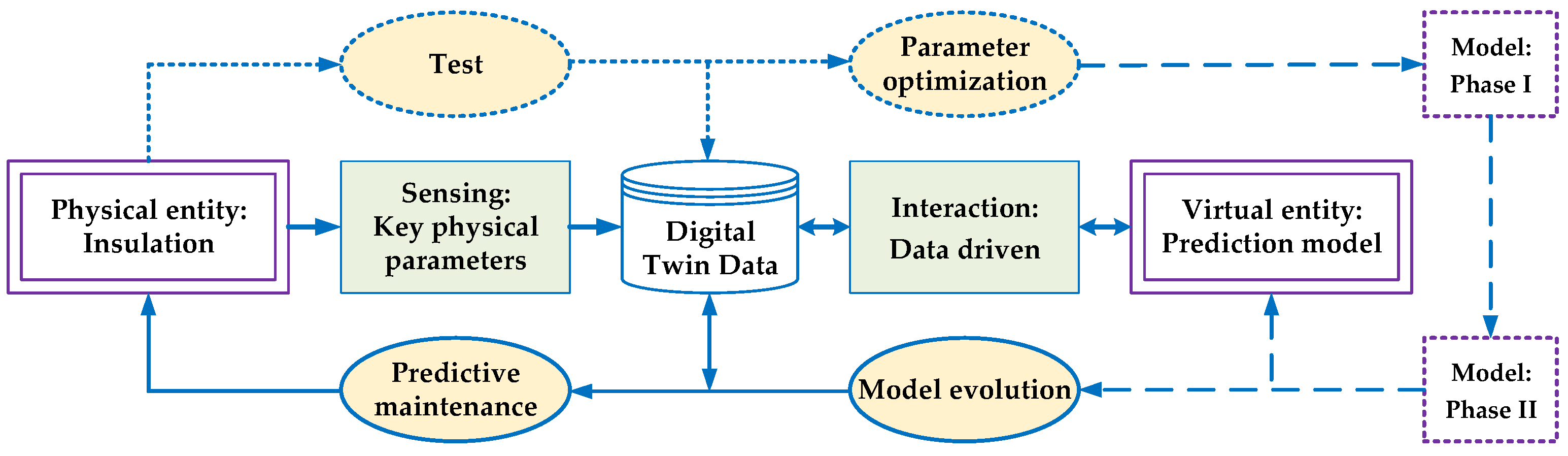
Due to the similarity between the internal insulation of high-voltage bushings and that of transformers, the extensive application of digital twin technology in power equipment operation and maintenance, particularly in transformers and motors, provides many experiences that can be applied to the digital management of bushings. A research team has developed a two-stage life prediction model for generator stator main insulation walls based on digital twins [35]. The study shows that most existing models for predicting the remaining service life of generator main insulation focus on the statistical life distribution of a large number of products. The limitation of these models is that they cannot incorporate individual degradation information of a single product. The model proposed in this study consists of three parts: a common representation model, an individual representation model, and a dynamic evolution model. Its digital twin framework integrates Wiener process models, Kalman filtering algorithms, and support vector machine models, realizing the dynamic evolution of the digital twin system, as shown in Figure 4.
Predictive maintenance driven by digital twins is a closed-loop optimization process. First, based on the aforementioned intelligent condition assessment model, the system has already obtained the current health index and degradation rate of the equipment. Second, the behavioral prediction model in the twin model (usually a time series prediction model, such as LSTM [56], GRU [57], or Transformer [58]) uses historical time series data combined with future load plans, environmental forecasts, and other information to predict the evolution trajectory for a future period. At the same time, a physics-based degradation model (such as a thermal aging model based on the Arrhenius equation [59], an electrical aging model based on electric field stress [60]) can calculate the accumulated damage under specific operating conditions, providing a physical explanation and constraint for data-driven predictions. When the predicted value is expected to cross a predefined maintenance threshold at some future point, the system will automatically trigger a maintenance decision optimization module. Finally, after the maintenance activities are completed, all data (such as replaced components, repair measures) are fed back into the twin data, realizing model updates and closed-loop iteration. This approach transforms maintenance decisions from “passive response” to “active planning,” achieving the best balance between safety and economy.

4. Core Technology System Supporting High-Voltage Bushing Digital Twins

The realization of high-voltage bushing digital twins is not a breakthrough in a single technology, but a complex technology system formed by the deep integration of multidisciplinary and multidomain technologies. This system serves as a bridge connecting physical entities and virtual services, and its advancement directly determines the fidelity, real-time performance, and intelligence level of the digital twin system. The four core technologies involved in high-voltage bushing digital twins are explained as follows: multi-physics field coupling modeling, multi-source and heterogeneous data integration, data-driven model calibration and condition evaluation, and high-performance computing and visualization technologies.

4.1. Multi-Physics Field Coupling Modeling Technology

Multi-physics field coupling modeling is the foundation for constructing high-fidelity virtual models. High-voltage bushings are subjected to complex interactions of electric fields, thermal fields, force fields, and fluid fields (such as oil flow, airflow) during operation. These physical fields interact with and constrain each other, collectively determining the operating state and lifespan of the bushing. For example, dielectric loss and partial discharge generate heat, leading to temperature increases (electro-thermal coupling); temperature changes cause thermal expansion and contraction of materials, generating mechanical stress (thermal-mechanical coupling); and mechanical deformation alters the electric field distribution, exacerbating partial discharge (mechanical-electric coupling) [21,61]. Therefore, simulations of any single physical field cannot truly reflect the internal state of the bushing.
The core of constructing a multi-physics field coupling model lies in solving a system of partial differential equations, with commonly used numerical methods including the finite element method, finite volume method, and boundary element method. In engineering practice, commercial simulation software platforms such as COMSOL Multiphysics and ANSYS are often used [36,45], which provide mature physical field interfaces and coupling solvers. The key to model construction is:
  • The precision of the geometric model, which needs to accurately restore the structure of each layer of insulation, capacitor screens, flanges, etc. of the bushing;
  • The definition of material properties, which requires inputting nonlinear parameters such as dielectric constant, conductivity, thermal conductivity, and elastic modulus that vary with temperature and electric field;
  • The setting of boundary conditions, which needs to accurately apply loads such as voltage, current, and convective heat transfer coefficients.
A high-fidelity coupled model can reproduce the dynamic response of the physical entity under various operating conditions in the digital space, serving as a “virtual testing ground” for subsequent condition evaluation, fault diagnosis, and predictive maintenance.

4.2. Multi-Source Heterogeneous Data Fusion Technology

The vitality of digital twins lies in data. The data generated by high-voltage bushings during operation exhibit typical multi-source heterogeneous characteristics: diverse sources (from various sensors such as DGA, PD, tan δ, temperature, vibration [22,37,62]); diverse types (including numerical data, waveform data, image data, text-based test reports); and diverse temporal and spatial scales (data sampling frequencies range from milliseconds to months). Integrating these isolated, fragmented data into a unified, high-quality information flow is a prerequisite for realizing the value of digital twins.
Multi-source heterogeneous data fusion technology aims to address challenges in data spatiotemporal alignment, noise filtering, feature correlation, and knowledge extraction [23,24]. Its technical system can be divided into three layers:
  • Data layer fusion, primarily focusing on data cleaning, interpolation, normalization, and spatiotemporal alignment to ensure that data from different sources are comparable on a unified spatiotemporal basis;
  • Feature layer fusion, extracting key features from preprocessed data (such as the phase distribution PRPD of PD, the gas ratio features of DGA), and then using feature selection or dimensionality reduction algorithms (such as Principal Component Analysis—PCA) to construct feature vectors that comprehensively reflect the equipment status;
  • Decision layer fusion, using multiple sub-models based on different data sources (such as a fault diagnosis model based on DGA, a defect identification model based on PD) to make preliminary judgments, and then reaching a final comprehensive conclusion through decision fusion algorithms (such as D-S evidence theory, Bayesian networks, weighted voting).
Through multi-level fusion, the digital twin system can overcome the limitations of a single data source, forming a comprehensive understanding of the equipment status that is greater than the sum of its parts.

4.3. Data-Driven Model Calibration and Condition Evaluation Technology

A “static,” unchanging virtual model will gradually lose its accuracy as the physical entity ages and wears out, losing its “twin” significance. Therefore, a continuous calibration mechanism must be established to use real-time data from the physical entity to continuously correct the parameters and structure of the virtual model, ensuring that it remains highly consistent with the physical entity. This is data-driven model calibration technology, which is the core feature that distinguishes digital twins from traditional simulations.
Model calibration is typically an optimization problem: defining an objective function (such as the error between simulation output and measured data), and then automatically adjusting the key parameters in the model (such as material conductivity, thermal conductivity, contact resistance) through optimization algorithms (such as Particle Swarm Optimization—PSO [63], Genetic Algorithm—GA [38], Gradient Descent—GD [25]) to minimize the objective function. The calibration process can be offline (using historical data for batch calibration) or online (using real-time data for dynamic updates). The high-fidelity model after calibration, with its simulation output (such as temperature field, electric field distribution), can be considered as “soft measurement” data that cannot be directly measured, greatly enriching the information dimension of condition evaluation. Combined with machine learning algorithms, these “soft measurement” data and direct monitoring data together form the input of the intelligent condition evaluation model, enabling more precise and in-depth evaluation of the health status and evolution trends of the bushing.

4.4. High-Performance Computing and Visualization Technology

The digital twin of high-voltage bushings, especially its multi-physics field coupling model, involves massive computations and large-scale data processing, posing extremely high demands on computational capabilities. At the same time, the complex data generated by the twin system (such as three-dimensional electric field distributions, temperature contour plots, particle trajectories) also require intuitive and efficient presentation methods for operation and maintenance personnel to understand and interact with. High-performance computing and visualization technology are the “engine” and “window” that solve these two problems.
High-performance computing (HPC) aims to significantly enhance computational speed and processing capabilities through parallel computing, distributed computing, and other means [46]. In digital twins, the application of HPC is reflected in:
  • Cloud/edge collaborative computing: Complex, computationally intensive multi-physics simulations can be completed on cloud-based high-performance computing clusters, while real-time, lightweight model correction and condition assessment are performed on edge servers close to the equipment, balancing computational depth and response speed.
  • Model lightweighting: Using techniques such as reduced-order models and surrogate models, complex finite element models are simplified into mathematical models with minimal computational requirements, enabling them to run in real-time on standard servers or even embedded devices.
Visualization technology is responsible for converting abstract data into intuitive graphs and images [39]. Its applications include:
  • Three-dimensional state visualization: On a three-dimensional model, the internal electric field, temperature, and stress distribution of the bushing are dynamically displayed in the form of contour plots, isocurves, and vector arrows, achieving a “see-through” effect.
  • Augmented Reality (AR)/Virtual Reality (VR) interaction: Operation and maintenance personnel can use AR glasses to overlay virtual temperature field and electric field information onto the real bushing equipment, enabling immersive inspections and fault troubleshooting.
  • Data dashboards: Key indicators such as health index, Remaining Useful Life (RUL) prediction, and alarm information are presented in the form of charts and dashboards, providing decision support for managers.

5. Brief Illustrative Case Study

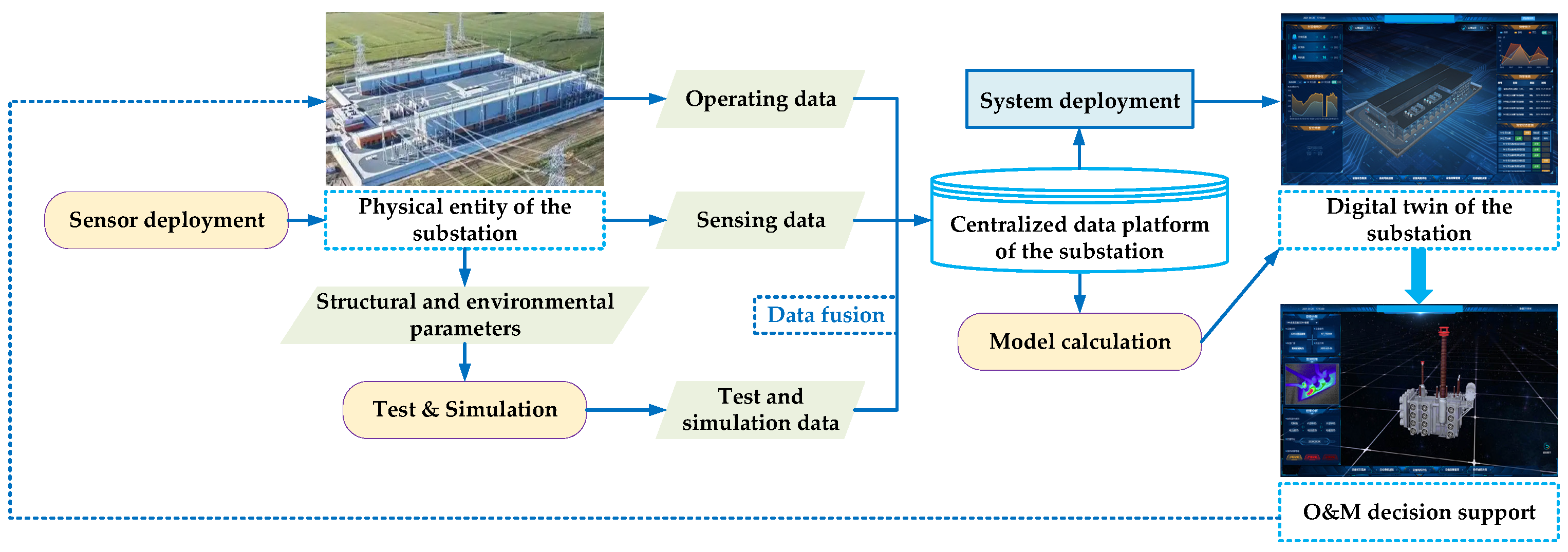
This paper recently conducted a digital twin application for a 500 kV substation located in Beijing. A digital twin of the substation was constructed, and an effective mapping between the physical entity and its digital counterpart was established through the fusion of sensor networks, operational data, experimental and simulation data, IoT communications, and intelligent algorithmic models. This has enabled the digital and intelligent O&M of the substation based on the digital twin system. The primary implementation pathway and partial visualization outcomes of this project are presented in Figure 5.

6. Challenges and Research Outlook

Today, the world is in a period of rapid information development, with emerging technologies such as advanced sensing, 5G, big data, cloud computing, artificial intelligence, and the Internet of Things (IoT) profoundly impacting the development of various industries. As a representative of cutting-edge information technology, digital twins have gained attention for the digital and intelligent operation and maintenance of power equipment since around 2020 [64,65,66]. In the research on high-voltage equipment based on digital twins, the main functions that digital twin technology needs to perform and the key technologies involved have generally reached a consensus. The successful implementation of digital twin technology for the FLCM of HV bushings holds immense promise. However, transitioning from conceptual frameworks and academic prototypes to widespread industrial deployment faces significant hurdles.

6.1. Current Research Challenges

Beyond the technical complexities of model fusion and data integration discussed earlier, several practical challenges impede the large-scale adoption of digital twin for HV bushings.
  • Data Silos and Heterogeneity: Data forms the foundation of digital twin technology. Data from different sensors (tan δ, PD, temperature, DGA) and systems (e.g., asset management) often exist in proprietary formats and isolated databases. The lack of interoperability makes it difficult to create a unified, coherent data feed for the digital twin. Moreover, as a key component of electrical connections, HV bushings, considering their production costs and issues related to equipment quality and volume, lack high-quality, long-term labeled datasets. This is because power generation and operation departments prioritize safety, leading to a contradiction between data sharing and privacy protection.
  • Model credibility and validation: Establishing trust in the digital twin’s outputs is paramount. Physics-based models require precise parameters that are often unknown or difficult to measure in-situ. Data-driven models, particularly deep learning, can act as “black boxes,” making it hard to interpret their predictions. Rigorous validation against long-term operational data and failure cases is often lacking. In addition, for the simulation model, there are still some technical details to overcome in multi-physics and coupled modeling, as well as real-time simulation analysis. Unified modeling across multiple scales and mechanisms remains a challenge, which affects the interpretability and credibility of the models.
  • Computational and infrastructure costs: Running high-fidelity, multi-physics simulations in near real-time requires substantial computational resources. This poses a challenge for edge deployment in substations with limited IT infrastructure and necessitates a careful balance between model accuracy and computational efficiency.
  • Lack of standardized frameworks: The absence of industry-wide standards for digital twin architecture, data semantics, and communication protocols leads to vendor-specific, non-interoperable solutions, increasing integration costs and locking utilities into single-vendor ecosystems. An effective mapping relationship needs to be established between the physical entity and the digital twin. Currently, there is a lack of unified data interfaces, model formats, and functional standards, making it difficult for systems to interconnect, especially between digital twins of different equipment. Effective communication between digital twins still needs to be achieved based on the electrical interconnection of physical entities.
  • The return on investment (ROI) is unclear: In terms of operational costs and engineering applications, digital twin technology requires the deployment of systematic high-precision sensors. Considering the economic efficiency of equipment lifecycle management, the current development, deployment, and maintenance costs of twin systems are relatively high, and the return on investment (ROI) is not yet clear.

6.2. Future Research Directions

In response to the aforementioned challenges, future research on the full lifecycle management of high-voltage bushings can be conducted from the following aspects.

6.2.1. Standardization and Interoperability

The future of bushing DTs hinges on the adoption of open standards to ensure seamless data exchange and model portability. Standardized data models and interfaces are of great significance for digital twin technology to better serve the O&M of high-voltage equipment.
  • IEC 60137 & IEC 61439 [67,68]: These standards define the specifications and tests for HV bushings. Future extensions or companion standards could formally define a standardized “digital twin information model” for bushings, specifying a minimum set of parameters, data points (e.g., tan δ, PD, temperature profiles), and performance metrics to be exchanged.
  • IEC 61850 & CIM [69,70]: For communication within the substation and enterprise levels, strict adherence to IEC 61850 (for real-time data exchange) and the Common Information Model (CIM) (for asset management) is crucial. Research should focus on defining new Logical Nodes within the IEC 61,850 framework to standardize how bushing digital twin data is represented and accessed.
  • OPC UA [71]: As a platform-independent, service-oriented communication standard, OPC UA is ideal for bridging the gap between the substation floor and enterprise IT systems. Its companion specifications can model the asset hierarchy and production processes, providing a robust backbone for DT data contextualization.
To fully leverage the functions of the digital twin system, the development of relevant standards should be promoted, and an open digital twin platform and ecosystem should be constructed to lower the threshold for the application of digital twin lifecycle management systems.

6.2.2. System Deployment in Response to Actual Situations

The design of a reliable distributed system must comprehensively address the practical constraints of its operational environment from the outset. Within the context of edge computing, these systems constitute high-value cyber-physical assets, making the security of the end-to-end data pipeline—from sensors to the cloud—a critical imperative. To this end, future research must prioritize several key areas. These include the implementation of a defense-in-depth strategy through network segmentation, firewalls, and intrusion detection systems; the utilization of technologies like digital signatures and blockchain to ensure data integrity and authenticity while providing an immutable ledger for critical events; and the adoption of a “Zero Trust” architecture, which operates on the principle of never trusting and always verifying, regardless of a device’s or user’s network location.
Regarding the advancement of sensor calibration, traceability, and condition monitoring within digital twin systems, the next generation of “smart sensors” must possess inherent self-diagnostic and condition monitoring functionalities. Such sensors are required to autonomously report their operational status and potential deviations to the data acquisition system. This enables the data acquisition system to either mitigate the impact of unreliable data in real-time or generate corresponding alerts. Moreover, to reconcile the competing requirements of real-time responsiveness and high-fidelity simulation, a hybrid edge-cloud computing architecture emerges as the most viable solution, offering significant optimization of bandwidth utilization and computational expenditure.

6.2.3. Economic Viability and ROI Modeling

To incentivize utility companies to invest in digital technologies, a clear and compelling business case is paramount. Future research must move beyond qualitative descriptions of technical benefits and focus on developing quantitative ROI models. These models should be characterized by low cost, low risk, and high efficiency. This can be achieved by extending asset lifespans to defer capital expenditures, quantifying the probability and associated costs of catastrophic failures, and ultimately improving maintenance schedules to reduce required manpower and downtime. Concurrently, future research should concentrate on value-based data acquisition strategies to determine the “minimum sufficient dataset” required for achieving a specific predictive accuracy, thereby enabling a phased, low-cost deployment of digital technologies.

6.2.4. System Deployment and Technology Integration

A key future direction involves the evolution from digital twins of individual devices to group digital twins. By constructing a group digital twin for high-voltage bushings within a substation or even a regional power grid, the interdependencies and synergistic O&M of the equipment can be systematically analyzed.
Beyond this architectural evolution, deeper integration with AI is imperative. Future research should explore the application of large language models (LLMs) and reinforcement learning (RL) to enable intelligent interaction, autonomous decision-making, and optimal control within the bushing digital twin management system.
From a systems engineering perspective, the deployment of these twins should adopt a collaborative “cloud-edge-end” architecture. This necessitates research into deploying lightweight models at the edge to ensure rapid response and real-time control, while the cloud platform handles complex computations and global optimization tasks.
Furthermore, the dynamism and openness of the new power system and its associated electricity market must be considered. Consequently, digital twin systems should be leveraged to support the broader power energy system across all sectors—generation, transmission, distribution, and sales. In this context, exploration can be directed towards equipment asset value assessment, green O&M certification, and carbon footprint tracking based on twin data, ultimately contributing to the global carbon emissions equilibrium.

7. Conclusions

High-voltage bushings, as a critical hub ensuring the safe and stable operation of power transmission and transformation systems, require an intelligent transformation of their management model to build a new power system. This paper reviews the research on the full lifecycle management of high-voltage bushings based on digital twins, aiming to provide theoretical references and technical guidance for overcoming the bottlenecks of traditional management models and enhancing equipment operation and maintenance levels.
This paper first constructs a five-dimensional digital twin management framework that integrates design, manufacturing, operation, and retirement stages, providing a top-level design for the digital and transparent management of high-voltage bushings. On this basis, it deeply analyzes the application paradigms of digital twins in typical scenarios such as external insulation design optimization, intelligent condition assessment, insulation defect identification, fault diagnosis, and predictive maintenance, revealing their revolutionary transformation from passive response to active prevention and from empirical decision-making to data-driven. Furthermore, this paper reviews the core technology systems supporting these applications, such as multi-physics field coupling modeling, multi-source heterogeneous data fusion, and data-driven model correction, clarifying the technical paths for achieving high-fidelity virtual-physical mapping and intelligent decision-making.
However, the in-depth application of digital twin technology in the field of high-voltage bushings still faces multiple challenges, including data quality, model credibility, lack of standard systems, and high engineering costs. Looking forward, we believe that building a group of digital twins for substation equipment, deepening the integration with artificial intelligence, exploring the cloud-edge-end collaborative deployment architecture, and accelerating the construction of industry standards and ecosystems will be key directions for promoting this technology from theory to large-scale application.
In summary, digital twin technology is not only an effective means to improve the intelligent operation and maintenance level of high-voltage bushings but also a core engine to drive the digitalization of power equipment asset management across all elements and the entire lifecycle, having profound strategic significance for achieving the goals of “carbon peak and carbon neutrality”.

Author Contributions

Conceptualization, W.C. and C.Z.; methodology, T.W., J.Z. and Z.W.; validation, W.C., T.W. and J.Z.; formal analysis, W.C.; investigation, Z.W.; resources, W.C. and C.Z.; data curation, T.W. and J.Z.; writing—original draft preparation, Z.W.; writing—review and editing, C.Z.; project administration, W.C., T.W. and J.Z.; funding acquisition, C.Z. All authors have read and agreed to the published version of the manuscript.

Funding

This research was funded by Science and Technology Project of State Grid Hebei Electric Power Co., Ltd., grant number SGHEXA00YJJS2400654.

Data Availability Statement

No new data were created or analyzed in this study.

Acknowledgments

The authors gratefully acknowledge the contributions of Zinan Shi and Aichun Sun of Syi Tsing Energy Tech. and Yang Zhan of North China Electric Power University for their help on the previous research of this paper.

Conflicts of Interest

Authors Weiwei Chi, Tao Wang and Jichao Zhang were employed by the company State Grid Hebei Electric Power Co., Ltd. The remaining authors declare that the research was conducted in the absence of any commercial or financial relationships that could be construed as a potential conflict of interest.

Abbreviations

The following abbreviations are used in this manuscript:
HVHigh voltage
FLCMFull life cycle management
O&MOperation and maintenance
HVDCHigh voltage direct current
CBMCondition-based maintenance
RIPResin-impregnated paper
RISResin-impregnated synthetic
PDPartial discharge
RULRemaining useful life
RNNsRecurrent neural networks
LSTMLong short-term emory network
IoTInternet of things
GAGenetic algorithm
PSOParticle swarm optimization
DGADissolved gas analysis
CNNConvolutional neural network
GRUGated recurrent unit
PCAPrincipal component analysis
GDGradient descent
HPCHigh performance computing
ARAugmented Reality
VRVirtual reality
ROIReturn on investment
ITInformation technology
CIMCommon information model
LLMsLarge language models
RLReinforcement learning

References

  1. Wei, Y.M.; Chen, K.Y.; Kang, J.N.; Chen, W.M.; Zhang, X.Y.; Wang, X.Y. Policy and Management of Carbon Peaking and Carbon Neutrality: A Literature Review. Engineering 2022, 14, 52–63. [Google Scholar] [CrossRef]
  2. Du, X.W. Thoughts on strategies and paths to achieve carbon peaking and carbon neutrality in China. Front. Energy 2023, 17, 324–331. [Google Scholar] [CrossRef]
  3. Sun, J.Y.; Su, C.G.; Song, J.C.; Yao, C.C.; Ren, Z.M.; Sui, Q. Capacity planning for large-scale wind-photovoltaic-pumped hydro storage energy bases based on ultra-high voltage direct current power transmission. Energy 2025, 320, 135224. [Google Scholar] [CrossRef]
  4. Glende, E.; Wolter, M. Extra-long distance ultra-high voltage direct current. In Proceedings of the 2022 IEEE Sustainable Power and Energy Conference, Perth, Australia, 4–7 December 2022; pp. 1–5. [Google Scholar] [CrossRef]
  5. Christin, A.J.; Salam, M.A.; Rahman, Q.M.; Islam, M.A.; Wen, F.S.; Ang, S.P.; Hasan, S.; Voon, W. Investigation of failure of high voltage bushing at power transformer. J. Electrost. 2018, 96, 49–56. [Google Scholar] [CrossRef]
  6. Li, X.; Tang, H.; Yang, F.; Cheng, H.; Zhang, S. Internal Discharge Characteristics of HVDC Wall Bushing Model with Resin Impregnated Paper Capacitor Core under Long-term DC Voltage of Different Polarity. In Proceedings of the 2022 IEEE International Conference on High Voltage Engineering and Applications, Chongqing, China, 25–29 September 2022; pp. 1–4. [Google Scholar] [CrossRef]
  7. Fink, S.; Müller, R.; Zwecker, V. Cryogenic high voltage testing of a 25 kV RIS bushing. In Proceedings of the 2022 IEEE International Conference on High Voltage Engineering and Applications, Chongqing, China, 25–29 September 2022; pp. 1–4. [Google Scholar] [CrossRef]
  8. Go, M.Y.L.; Chan, K.K.M.; Wong, S.C.H.; Chan, J.T.J. Life management of high voltage bushings. In Proceedings of the 10th International Conference on Advances in Power System Control, Operation & Management, Hong Kong, China, 8–12 November 2015; pp. 1–5. [Google Scholar] [CrossRef]
  9. Grieves, M. Digital Twin: Manufacturing Excellence Through Virtual Factory Replication. 2015. Available online: https://www.researchgate.net/publication/275211047_Digital_Twin_Manufacturing_Excellence_through_Virtual_Factory_Replication (accessed on 15 March 2015).
  10. Tao, F.; Zhang, M.; Nee, A.Y.C. Digital Twin Driven Smart Manufacturing; Elsevier: Amsterdam, The Netherlands, 2019; pp. 1–257. [Google Scholar]
  11. Tao, F.; Zhang, H.; Liu, A.; Nee, A.Y.C. Digital Twin in Industry: State-of-the-Art. IEEE Trans. Ind. Inform. 2019, 15, 2405–2415. [Google Scholar] [CrossRef]
  12. Wang, T.X.; Liu, Z.Y.; Wang, Z.Z.; Liu, J.; Matharage, S.Y.; Wang, Z.D. Transformer Digital Twin Development Framework and Functionality Demonstration. In Proceedings of the 2024 IEEE International Conference on High Voltage Engineering and Applications, Berlin, Germany, 18–22 August 2024. [Google Scholar] [CrossRef]
  13. Tao, F.; Zhang, M. Digital Twin Shop-Floor: A New Shop-Floor Paradigm Towards Smart Manufacturing. IEEE Access 2017, 5, 20418–20427. [Google Scholar] [CrossRef]
  14. Zhang, S.L.; Zhang, S.Y.; Su, X.L. Multi-Physics Field Simulation of 1100kV GIS SF6 Gas Insulated Composite Bushing. In Proceedings of the 2019 IEEE Conference on Electrical Insulation and Dielectric Phenomena, Richland, WA, USA, 20–23 October 2019; pp. 247–250. [Google Scholar] [CrossRef]
  15. He, Y.; Zhang, S.; Wang, P.; Dai, L. Digital Twin Model of Converter Transformer Output Device Based on Real-time Inversion Calculation of Transient Temperature and E-field of HVDC Bushing. In Proceedings of the 2024 International Conference on Artificial Intelligence, Deep Learning and Neural Networks, Guangzhou, China, 20–22 September 2024; pp. 57–64. [Google Scholar] [CrossRef]
  16. Wu, Z.; La, Y.; Wang, Z.; Zhang, W.; Cheng, J.; Huang, K. A Real-Time Simulation Model for the Digital Twin of the DC Transformer Bushing. In Proceedings of the 2024 Boao New Power System International Forum—Power System and New Energy Technology Innovation Forum, Qionghai, China, 8–10 December 2024; pp. 483–487. [Google Scholar] [CrossRef]
  17. Zhang, L.; Sun, L.; Wu, J.F.; Han, Y.H.; Wang, S.; Yang, C.K.; Shen, W.; Guo, C. Development of multi-parameter online monitoring equipment for EHV transformer bushing. IET Sci. Meas. Technol. 2020, 14, 89–103. [Google Scholar] [CrossRef]
  18. Subocz, J.; Mrozik, A.; Bohatyrewicz, P.; Zenker, M. Condition Assessment of HV Bushings with Solid Insulation based on the SVM and the FDS Methods. Energies 2020, 13, 853. [Google Scholar] [CrossRef]
  19. Zhang, S.L.; Deng, B.J.; He, Y.S.; Dai, L.J. Research on Structural Specification and Virtual Construction Method of Physical -Field for Digital Twin Model of C5F10O Insulated Bushing. In Proceedings of the 2024 14th International Conference on Power and Energy Systems, Chengdu, China, 13–16 December 2024; pp. 160–166. [Google Scholar] [CrossRef]
  20. Zhang, S.L.; Wang, P.B.; Li, X.C.; Xiao, Q. Dielectric Spectrum and Insulation State Analysis of Ultra-High Voltage Converter Transformer Bushing Based on Small Sample Digital Twin Model. In Proceedings of the 2025 8th International Conference on Electronics Technology, Chengdu, China, 17–20 May 2025; pp. 320–326. [Google Scholar] [CrossRef]
  21. Zhang, S.L.; Xiao, Q.; Wu, J.G.; Ye, F. Electrical and Insulation Characteristics of Digital Twin Model of Valve Side Bushing for Ultra-high Voltage Converter Transformer Based on Field circuit Coupling and Transient Lightning Impulse Simulation. In Proceedings of the 2025 International Conference on Smart Grid and Sustainable Energy, Zhangye, China, 25–27 July 2025; pp. 35–41. [Google Scholar] [CrossRef]
  22. Sun, Y.; Shi, Y.; Hu, Q.; Xie, C.; Su, T. DTformer: An Efficient Digital Twin Model for Loss Measurement in UHVDC Transmission Systems. IEEE Trans. Power Syst. 2024, 39, 3548–3559. [Google Scholar] [CrossRef]
  23. Zhang, J.; Liu, X.; Wu, J.; Wu, X. Research on Key Technology of Digital Twin of Transformer Equipment for Technology Compliance Assessment. In Proceedings of the 2025 10th Asia Conference on Power and Electrical Engineering, Beijing, China, 15–19 April 2025; pp. 6–10. [Google Scholar] [CrossRef]
  24. Moutis, P.; Alizadeh-Mousavi, O. Digital Twin of Distribution Power Transformer for Real-Time Monitoring of Medium Voltage from Low Voltage Measurements. IEEE Trans. Power Deliv. 2021, 36, 1952–1963. [Google Scholar] [CrossRef]
  25. He, Y.S.; Li, Y.F.; Li, X.C.; Yuan, Y.N.; Yang, F.; Lu, Z.X. A Reduced-Order Algorithm for a Digital Twin Model of Ultra-High-Voltage Valve-Side Bushing Considering Spatio-Temporal Non-Uniformity. Energies 2025, 18, 1481. [Google Scholar] [CrossRef]
  26. Ding, F.; Ma, Y.; Li, X.; Huang, J.; Kang, J. Research on digital twin diagnosis model for the thermal-electric field of high-voltage switchgears. Sci. Rep. 2025, 15, 34303. [Google Scholar] [CrossRef] [PubMed]
  27. Liu, Y.; Nie, K.; Li, C.; Li, Z.; Gao, W.; Meng, F.; Li, Q. Electric Field Simulation Analysis of Typical Defects of Metal Particles in Main Insulation of Converter Transformer Based on Multi-physics Coupling. In Proceedings of the 5th International Symposium on Plasma and Energy Conversion, Singapore, 27–29 October 2023; Springer Proceedings in Physics. Volume 398, pp. 449–459. [Google Scholar] [CrossRef]
  28. Mohammadnabi, S.; Rahmani, K. Influence of humidity and contamination on the leakage current of 230-kV composite insulator. Electr. Power Syst. Res. 2021, 194, 107083. [Google Scholar] [CrossRef]
  29. Li, X.L.; Wan, M.D.; Zhang, G.K.; Lin, X. Surface Charge Characteristics of DC-GIL Insulator Under Multiphysics Fields: 3-D Modeling. IEEE Trans. Dielectr. Electr. Insul. 2022, 29, 1608–1616. [Google Scholar] [CrossRef]
  30. Zhou, Z.; Li, H.; Wen, S.; Zhang, C. Prediction Model for the DC Flashover Voltage of a Composite Insulator Based on a BP Neural Network. Energies 2023, 16, 984. [Google Scholar] [CrossRef]
  31. Zhang, L.; Sun, L.; Wang, W.S.; Han, Y.H.; Pu, L.; Wu, J.F.; Wu, H. Intelligent monitoring of EHV transformer bushing based on multi-parameter composite sensing technology. IET Sci. Meas. Technol. 2023, 17, 373–384. [Google Scholar] [CrossRef]
  32. Mitiche, I.; McGrail, T.; Boreham, P.; Nesbitt, A.; Morison, G. Data-Driven Anomaly Detection in High-Voltage Transformer Bushings with LSTM Auto-Encoder. Sensors 2021, 21, 7426. [Google Scholar] [CrossRef]
  33. Zhang, S.; Xiao, Q.; Wu, J.; Ye, F. Implementation and Dynamic Online Application of Digital Twin Industrial Simulation Platform for Valve Side Bushing of Converter Transformer Based on Multi Physics Coupling Technology. In Proceedings of the 2025 International Conference on Smart Grid and Sustainable Energy, Zhangye, China, 25–27 July 2025; pp. 47–53. [Google Scholar] [CrossRef]
  34. Zhang, S.; Xiao, Q.; Wu, J.; Yang, F. Research on Real Time Configuration and Evaluation Service of Ultra high Voltage Valve Side Bushing Driven by Multi Source Sensor Data and Material Parameters. In Proceedings of the 2025 International Conference on Smart Grid and Sustainable Energy, Zhangye, China, 25–27 July 2025; pp. 7–13. [Google Scholar] [CrossRef]
  35. Zhang, Q.; Wu, J.; Wang, J.; Huang, X.; Fang, Y.; Niu, F.; Zhang, J. A Two-Phase Lifetime Prediction Model of Generator Stator Main Wall Insulation Driven by Digital Twin. IEEE Trans. Instrum. Meas. 2024, 73, 3531512. [Google Scholar] [CrossRef]
  36. Bai, F.; Tang, Z.; Yin, R.J.; Quan, H.B.; Chen, L.; Dai, D.; Tao, W.Q. A novel ‘3D+digital twin+3D’ upscaling strategy for predicting the detailed multi-physics distributions in a commercial-size proton exchange membrane fuel cell stack. Appl. Energy 2024, 374, 124012. [Google Scholar] [CrossRef]
  37. Sun, L.M.; Sun, H.B.; Zhang, W.; Li, X.Y. Hybrid monitoring methodology: A model-data integrated digital twin framework for structural health monitoring and full-field virtual sensing. Adv. Eng. Inform. 2024, 60, 102386. [Google Scholar] [CrossRef]
  38. Huang, X.J.; Lang, X.; Guo, T.; Yu, L. Improving pyraformer algorithm for forecasting of 500 KV transformer bushing data with three enhanced modules. Electr. Power Syst. Res. 2025, 241, 111360. [Google Scholar] [CrossRef]
  39. Li, Z.; Liu, K.; Lin, M.; Xin, D.L.; Tang, H.; Wu, G.N. A zero-sample state evaluation model for valve-side bushing of UHV converter transformer oriented to digital twin under attribute analysis. IET Gener. Transm. Distrib. 2023, 17, 1123–1134. [Google Scholar] [CrossRef]
  40. Zhang, L.; Liu, J.H.; Zhuang, C.B. Digital Twin Modeling Enabled Machine Tool Intelligence: A Review. Chin. J. Mech. Eng. 2024, 37, 47. [Google Scholar] [CrossRef]
  41. Tao, F.; Liu, A.; Hu, T.L.; Nee, A.Y.C. Digital Twin Driven Smart Design; Elsevier: Amsterdam, The Netherlands, 2020. [Google Scholar] [CrossRef]
  42. Tao, F.; Zhang, M.; Cheng, J. Digital twin workshop: A new paradigm for future workshop. Comput. Integr. Manuf. Syst. 2017, 23, 1–9. [Google Scholar] [CrossRef]
  43. Tao, F.; Cheng, J.; Qi, Q.; Zhang, M.; Zhang, H.; Sui, F. Digital twin-driven product design, manufacturing and service with big data. Int. J. Adv. Manuf. Technol. 2018, 94, 3563–3576. [Google Scholar] [CrossRef]
  44. Barricelli, B.R.; Casiraghi, E.; Fogli, D. A Survey on Digital Twin: Definitions, Characteristics, Applications, and Design Implications. IEEE Access 2019, 7, 167653–167671. [Google Scholar] [CrossRef]
  45. Lehner, D.; Pfeiffer, J.; Tinsel, E.F.; Strljic, M.M.; Sint, S.; Vierhauser, M. Digital Twin Platforms: Requirements, Capabilities, and Future Prospects. IEEE Softw. 2022, 39, 53–61. [Google Scholar] [CrossRef]
  46. Maiterth, M.; Brewer, W.; Vet, D.D.; Greenwood, S.; Kumar, V.; Hines, J. Visualizing an Exascale Data Center Digital Twin: Considerations, Challenges and Opportunities. In Proceedings of the 2024 IEEE Visualization and Visual Analytics, St. Pete Beach, FL, USA, 13–18 October 2024; pp. 21–25. [Google Scholar] [CrossRef]
  47. Shunmugalakshmi, G.; Maheswari, R.V.; Vigneshwaran, B. A Comprehensive Study and Prediction of Flashover Voltage of 11kV Bushing with Various Pollutions using Support Vector Machine. In Proceedings of the IEEE International Conference on Innovations in Power and Advanced Computing Technologies, Vellore, India, 22–23 March 2019. [Google Scholar] [CrossRef]
  48. Qi, B.; Yang, Z.; Yang, X.; Gao, C.; Lu, L.; Zhang, Y. Effect of Different DC Prestressed Time on Flashover Characteristics of Epoxy Resin Under Polarity Reversal Voltage. IEEE Trans. Dielectr. Electr. Insul. 2022, 29, 1582–1589. [Google Scholar] [CrossRef]
  49. Zhang, Z.; Zhang, Y.; Xiao, W.; Sun, Y.; Jiang, X. Research on Insulation Configuration of 220 kV Bushing in High-Altitude Polluted Areas. Energies 2024, 17, 1645. [Google Scholar] [CrossRef]
  50. Li, W.; Wang, Y.; Ding, Y.; Yin, Y. Optimization Design of Packaging Insulation for Half-Bridge SiC MOSFET Power Module Based on Multi-Physics Simulation. Energies 2022, 15, 4884. [Google Scholar] [CrossRef]
  51. Wu, Z.; Xin, L.; Cheng, J.; Wu, B.; Qiang, Z.; Wang, Q.; Zhao, L.; Du, Z. Research on the Data-Driven Fast Calculation Method of the Temperature Field Distribution of Valve-Side RIP Bushing Used in UHV DC Converter Transformer. High Volt. 2025, 10, 1210–1220. [Google Scholar] [CrossRef]
  52. Bueno-Barrachina, J.M.; Ye-Lin, Y.; Nieto-del-Amor, F.; Fuster-Roig, V. Inception 1D-convolutional neural network for accurate prediction of electrical insulator leakage current from environmental data during its normal operation using long-term recording. Eng. Appl. Artif. Intell. 2023, 119, 105799. [Google Scholar] [CrossRef]
  53. Han, T.; Hao, C.; Gao, Y.; Du, B.; Cavallini, A. Partial Discharge Detection with Bushing Sensors for Switchgear: Separation, Location, and Recognition. IEEE Electr. Insul. Mag. 2025, 41, 5–14. [Google Scholar] [CrossRef]
  54. Tian, T.; Zhou, X.; Dai, L.C.; Bai, J.; Yang, W.D.; Luo, Y.; Pan, L.L.; Yu, J.Y.; Li, J.B.; Chang, X.H.; et al. Research on fatigue fracture failure of high-voltage bushing conductive rods under complex conditions. AIP Adv. 2025, 15, 095127. [Google Scholar] [CrossRef]
  55. Jiang, J.; Bie, Y.; Li, J.; Yang, X.; Ma, G.; Lu, C.; Zhang, C. Fault diagnosis of the bushing infrared images based on mask R-CNN and improved PCNN joint algorithm. High Volt. 2021, 6, 116–124. [Google Scholar] [CrossRef]
  56. Wen, X.Y.; Li, W.B. Time Series Prediction Based on LSTM-Attention-LSTM Model. IEEE Access 2023, 11, 48322–48331. [Google Scholar] [CrossRef]
  57. Qiu, B.; Zhang, J.; Yang, Y.; Qin, G.; Zhou, Z.; Ying, C. Research on Oil Well Production Prediction Based on GRU-KAN Model Optimized by PSO. Energies 2024, 17, 5502. [Google Scholar] [CrossRef]
  58. Feng, J.; Feng, Z.; Jiang, G.; Zhang, G.; Jin, W.; Zhu, H. A Prediction Method for the Average Winding Temperature of a Transformer Based on the Fully Connected Neural Network. Appl. Sci. 2024, 14, 6841. [Google Scholar] [CrossRef]
  59. Yin, S.; Bai, Y.; Kong, F.; Wang, Z.; Fang, C. An Interval Prediction of Chloroprene Rubber Crack Propagation Characteristics Based on Thermal Accelerated Aging. Polymers 2023, 15, 2445. [Google Scholar] [CrossRef]
  60. Halloum, M.R.; Reddy, B.S.; Reddy, G.N. Failure analysis of field-aged polymeric outdoor insulators and performance enhancement for electric stress using nonlinear field grading composites. Electr. Eng. 2024, 106, 1147–1161. [Google Scholar] [CrossRef]
  61. Chu, Z.L.; Wang, Q.Y.; Tian, H.D.; Liu, S.Y.; Gao, Z.J.; Tian, S.B.; Liu, P.; Peng, Z.R. Fast computation of electro-thermal coupling field of ± 400 kV converter transformer valve side bushing based on proper orthogonal decomposition method. Int. J. Electr. Power Energy Syst. 2025, 167, 110617. [Google Scholar] [CrossRef]
  62. Zhu, J.X.; Yang, Y.X.; Xi, M.X.; Ji, S.L.; Jia, L.Y.; Hu, T. The next-generation digital twin: From advanced sensing towards artificial intelligence-assisted physical-virtual system. J. Ind. Inf. Integr. 2025, 48, 100942. [Google Scholar] [CrossRef]
  63. Li, P.; Peng, X.; Yin, K.; Xue, Y.; Wang, R.; Ma, Z. 3D Localization Method of Partial Discharge in Air-Insulated Substation Based on Improved Particle Swarm Optimization Algorithm. Symmetry 2022, 14, 1241. [Google Scholar] [CrossRef]
  64. Beheshti Asl, M.; Fofana, I.; Meghnefi, F. Review of Various Sensor Technologies in Monitoring the Condition of Power Transformers. Energies 2024, 17, 3533. [Google Scholar] [CrossRef]
  65. Liu, L.; Guo, Y.; Yin, W.; Lei, G.; Zhu, J. Design and Optimization Technologies of Permanent Magnet Machines and Drive Systems Based on Digital Twin Model. Energies 2022, 15, 6186. [Google Scholar] [CrossRef]
  66. Ibrahim, M.; Rassõlkin, A.; Vaimann, T.; Kallaste, A.; Zakis, J.; Hyunh, V.K.; Pomarnacki, R. Digital Twin as a Virtual Sensor for Wind Turbine Applications. Energies 2023, 16, 6246. [Google Scholar] [CrossRef]
  67. IEC 60137; Bushings for Alternating Voltages Above 1000 V. International Electrotechnical Commission: Geneva, Switzerland, 2018.
  68. IEC 61439-1; Low-Voltage Switchgear and Control Gear Assemblies—Part 1: General Rules. International Electrotechnical Commission: Geneva, Switzerland, 2021.
  69. IEC 61850; Communication Networks and Systems for Power Utility Automation. International Electrotechnical Commission: Geneva, Switzerland, 2013.
  70. IEC 61970; Energy Management System Application Program Interface (EMS-API)—Part 301: Common Information Model (CIM) base. International Electrotechnical Commission: Geneva, Switzerland, 2020.
  71. OPC Foundation. OPC Unified Architecture Specification, Part 1: Overview and Concepts, Release 1.05; OPC Foundation: Scottsdale, AZ, USA, 2023. [Google Scholar]
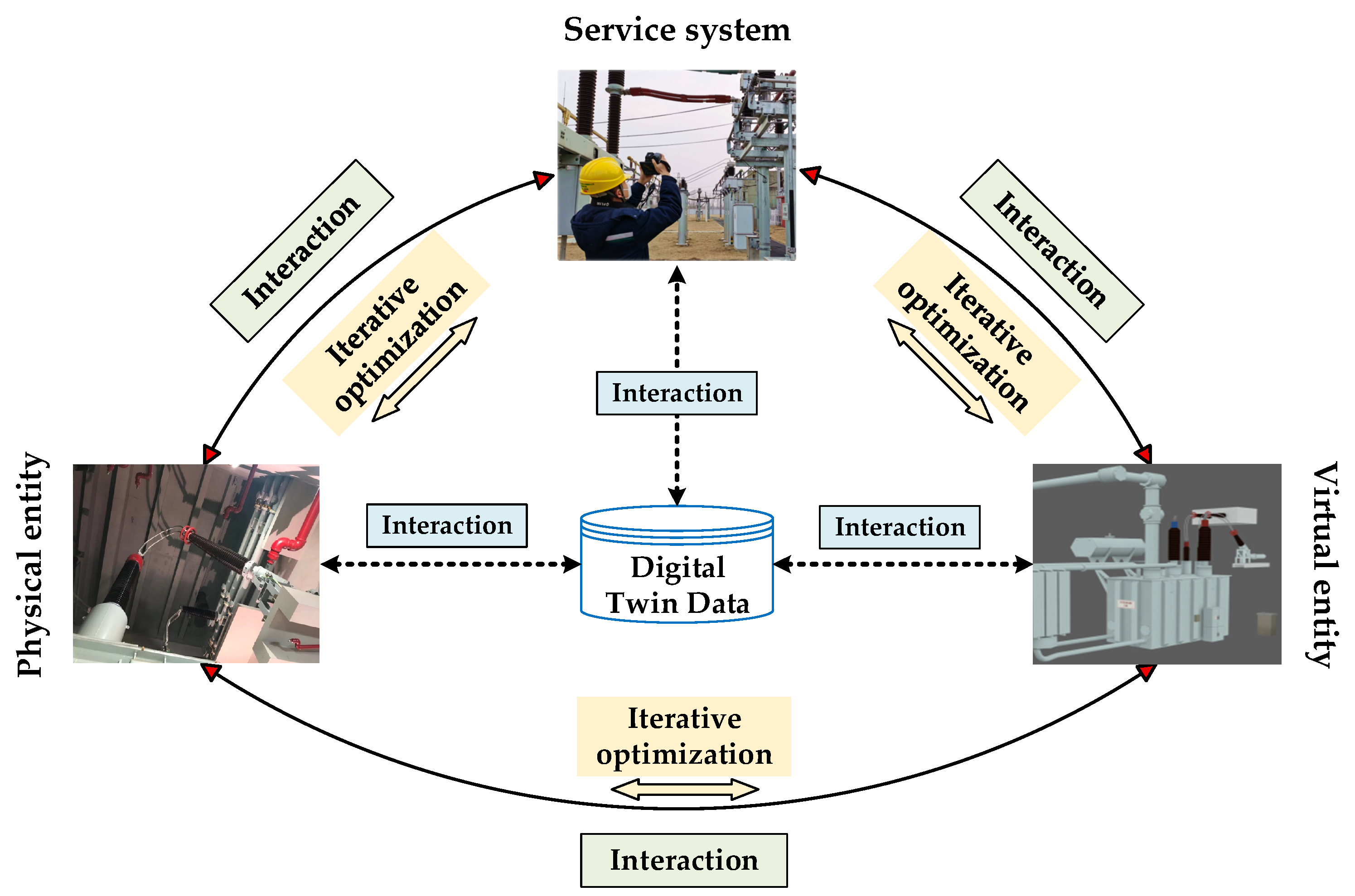
Figure 1. The five-dimensional model serves as the HV bushing digital twin.
Energies 18 06343 g001
Figure 2. Typical application logic of a HV bushing digital twin.
Energies 18 06343 g002
Figure 3. Design and optimization process of external insulation using digital twin simulation.
Energies 18 06343 g003
Figure 4. Structure of the digital-twin-driven RUL prediction model. (Indication: This figure is produced by the authors based on the technical logic of Reference [35]).
Energies 18 06343 g004
Figure 5. A digital twin application for a 500 kV substation.
Energies 18 06343 g005
Table 1. The application of bushing digital twins in several key scenarios.
Application ScenariosCore Technology/FrameworkRecommended MethodTypical Related Literature
Condition assessmentPhysical model + Data-driven modelMulti-sensor integration, multi-physics field coupling, condition evaluation[14,15,16,17,18,19,20,21,22,23,24,25]
Fault diagnosis and localizationPhysical model + Data-driven modelMulti-physics field coupling, data fusion, high-performance computing[15,16,17,26,27,28,29,30,31,32,33,34,35,36,37,38,39]
Life prediction and maintenance decision-makingFive-dimensional modelData fusion, high-performance computing, visualization[9,10,11,12,13,40,41,42,43,44,45,46]
Disclaimer/Publisher’s Note: The statements, opinions and data contained in all publications are solely those of the individual author(s) and contributor(s) and not of MDPI and/or the editor(s). MDPI and/or the editor(s) disclaim responsibility for any injury to people or property resulting from any ideas, methods, instructions or products referred to in the content.