Article

Experimental Transient Process Analysis of Micro-Turbojet Aviation Engines: Comparing the Effects of Diesel and Kerosene Fuels at Different Ambient Temperatures


1
Romania National Research and Development and Institute for Gas Turbines COMOTI, 220D Iuliu Maniu, 061126 Bucharest, Romania
2
Faculty of Aerospace Engineering, National University of Science and Technology Politehnica Bucharest, 1-7 Polizu Street, 1, 011061 Bucharest, Romania
Energies 2024, 17(6), 1366; https://doi.org/10.3390/en17061366
Submission received: 7 February 2024 / Revised: 5 March 2024 / Accepted: 8 March 2024 / Published: 12 March 2024
(This article belongs to the Section I: Energy Fundamentals and Conversion)

Abstract

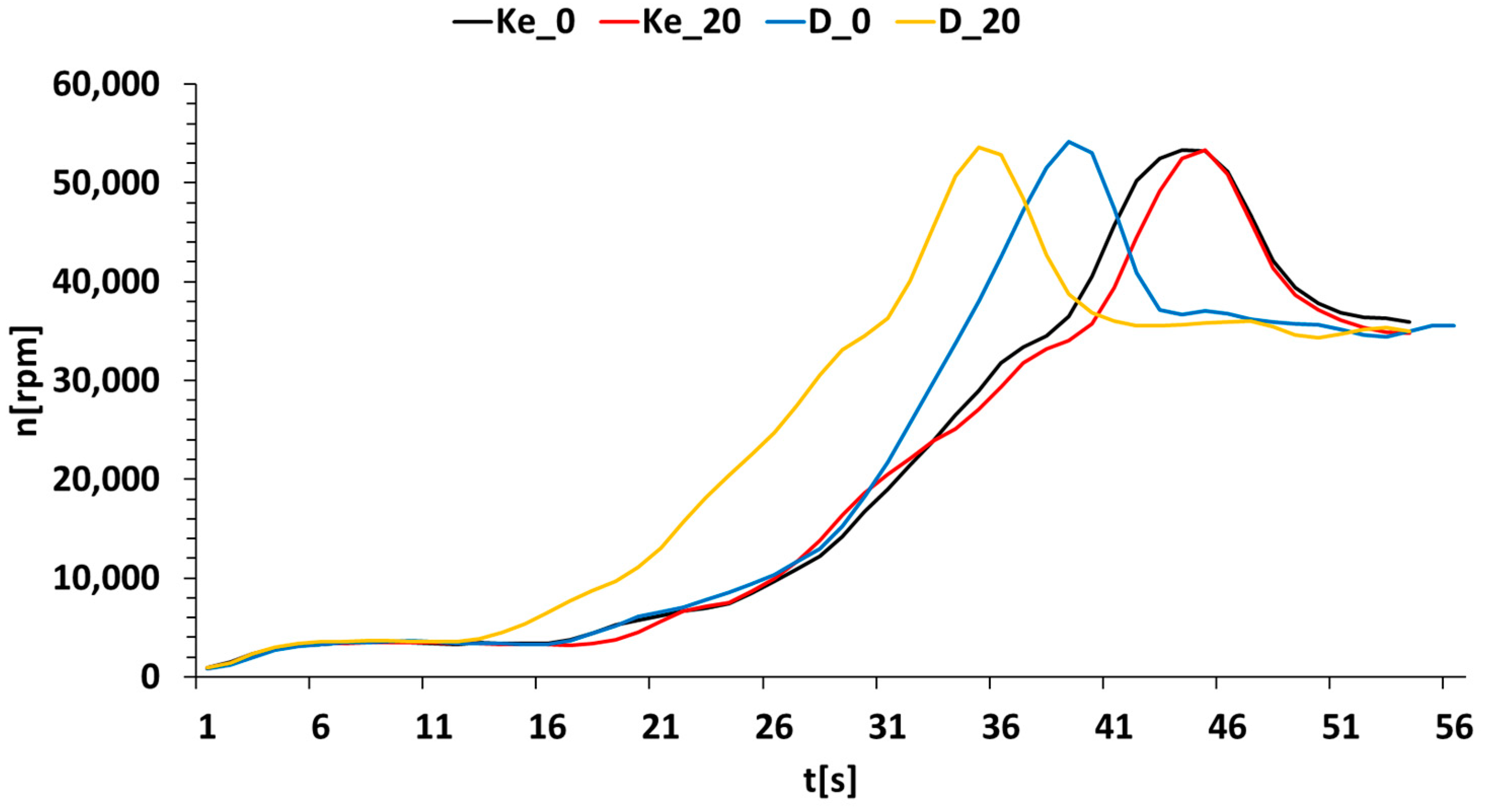
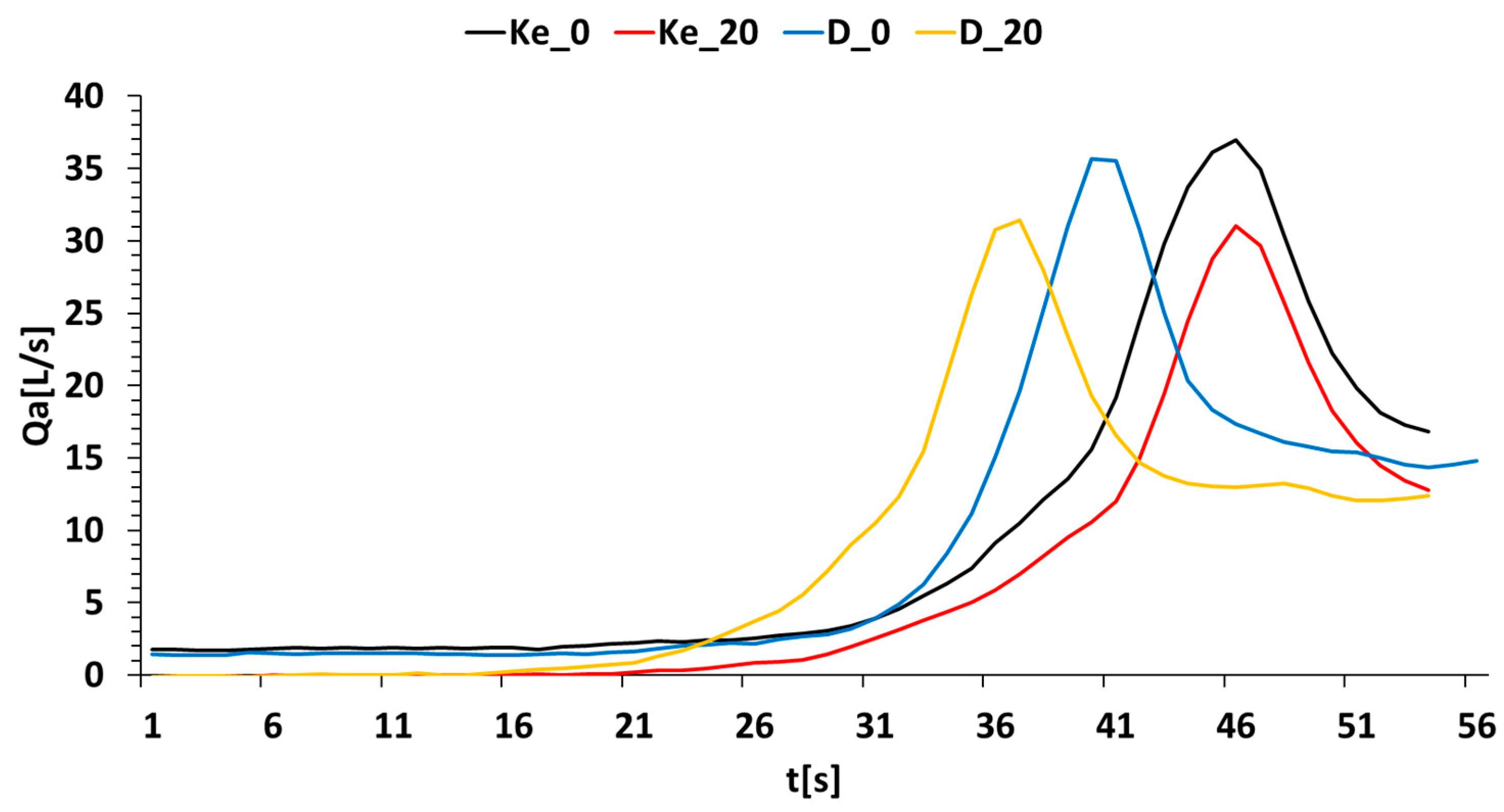
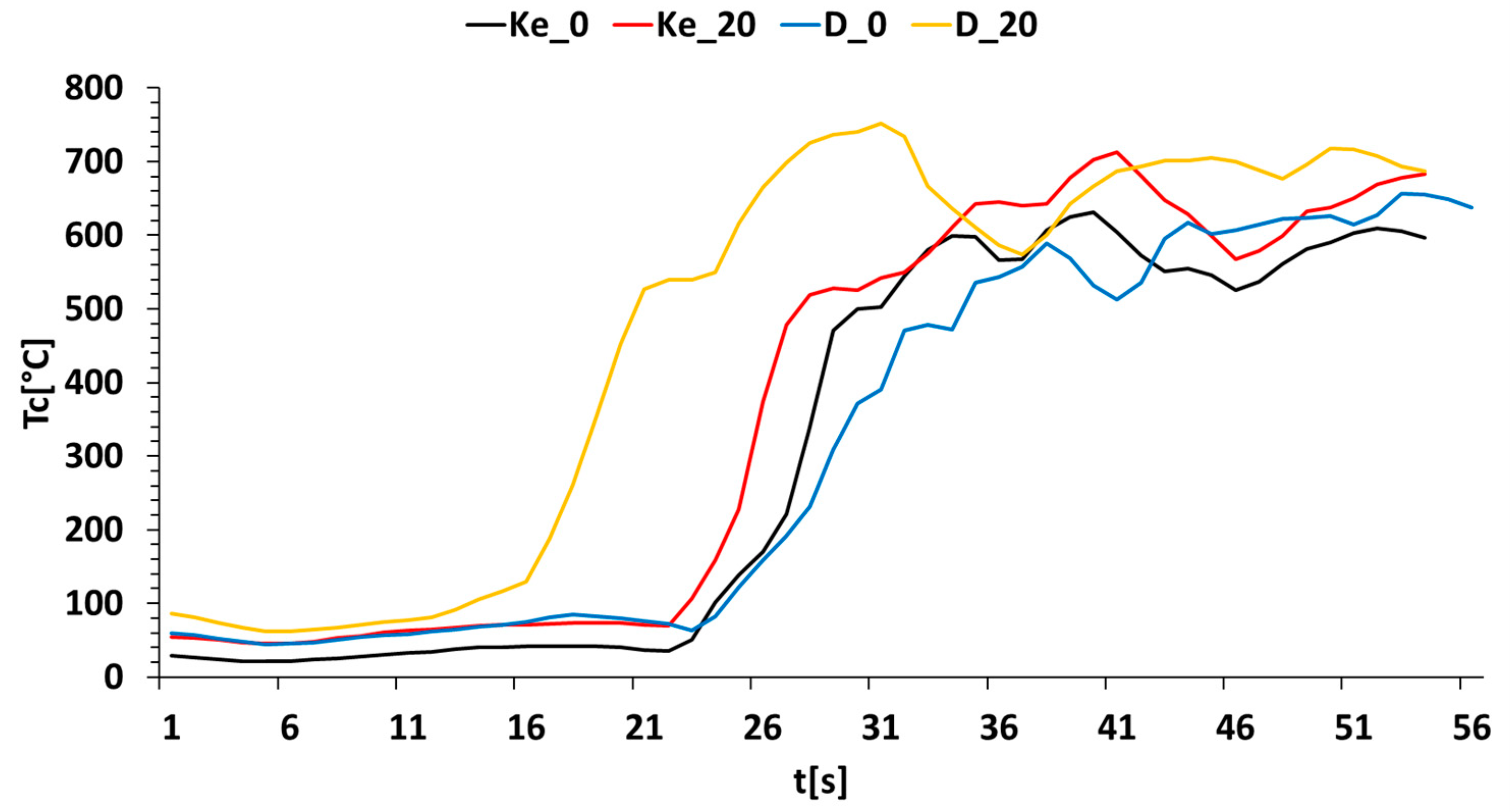
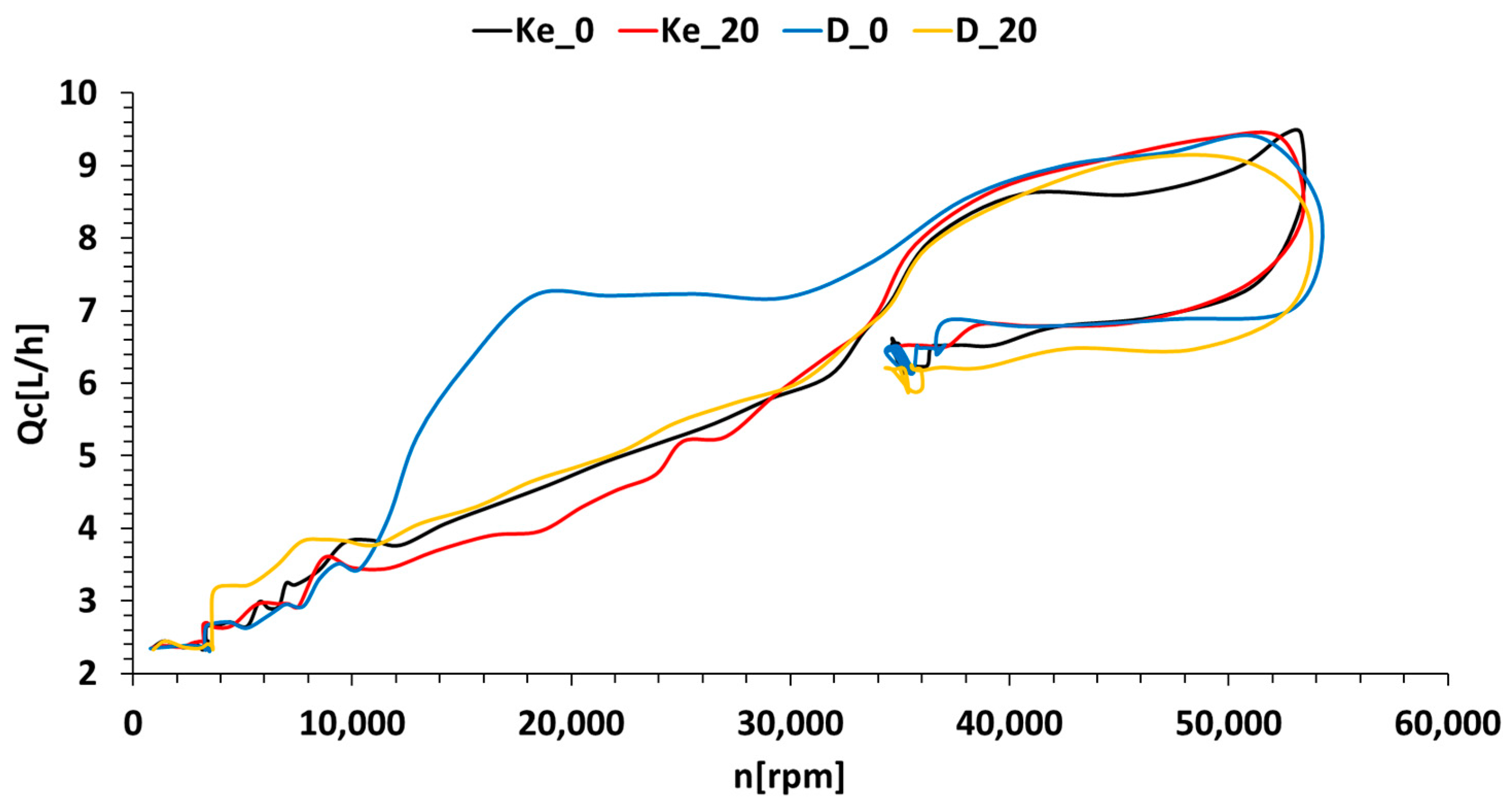
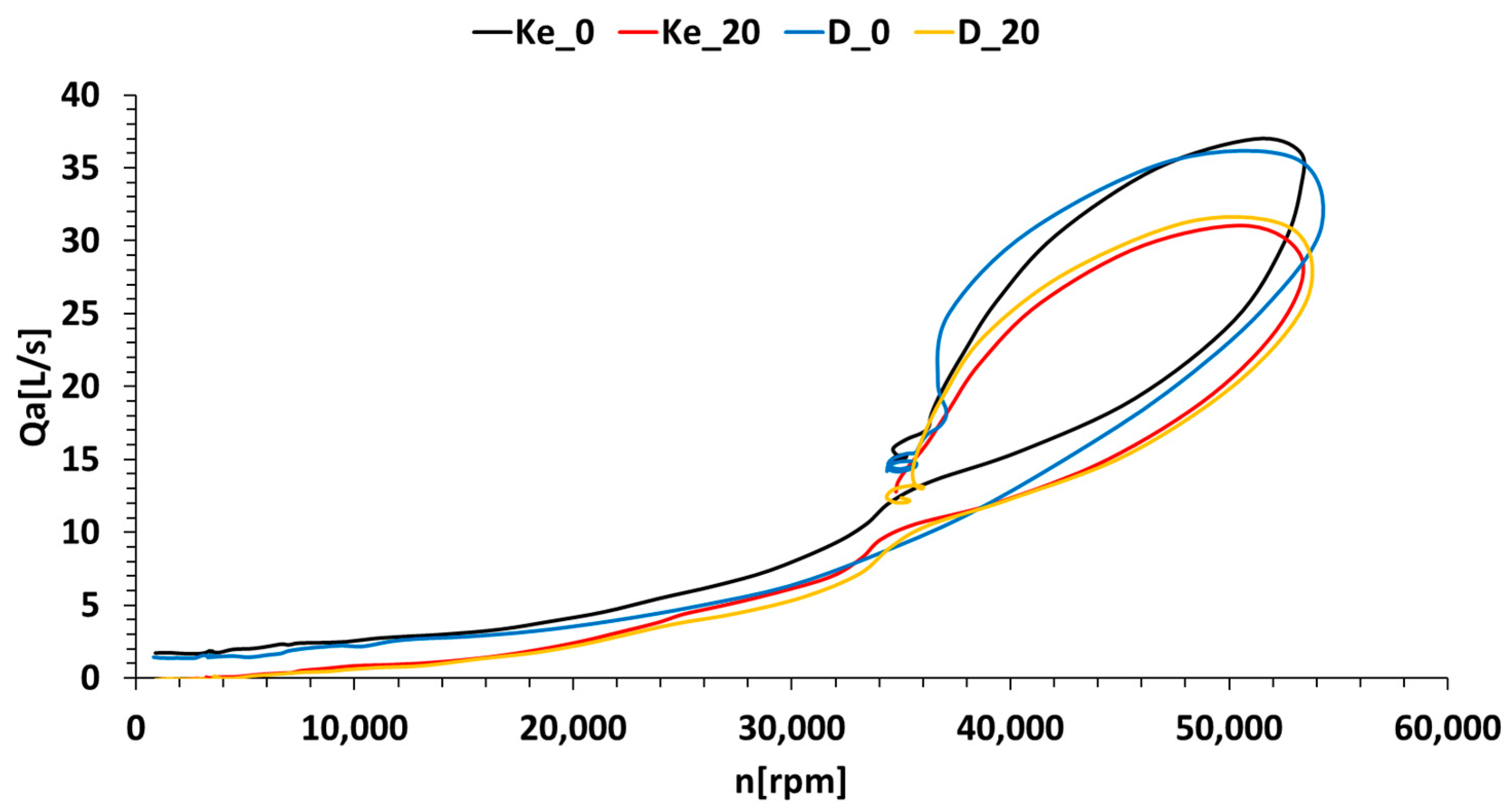
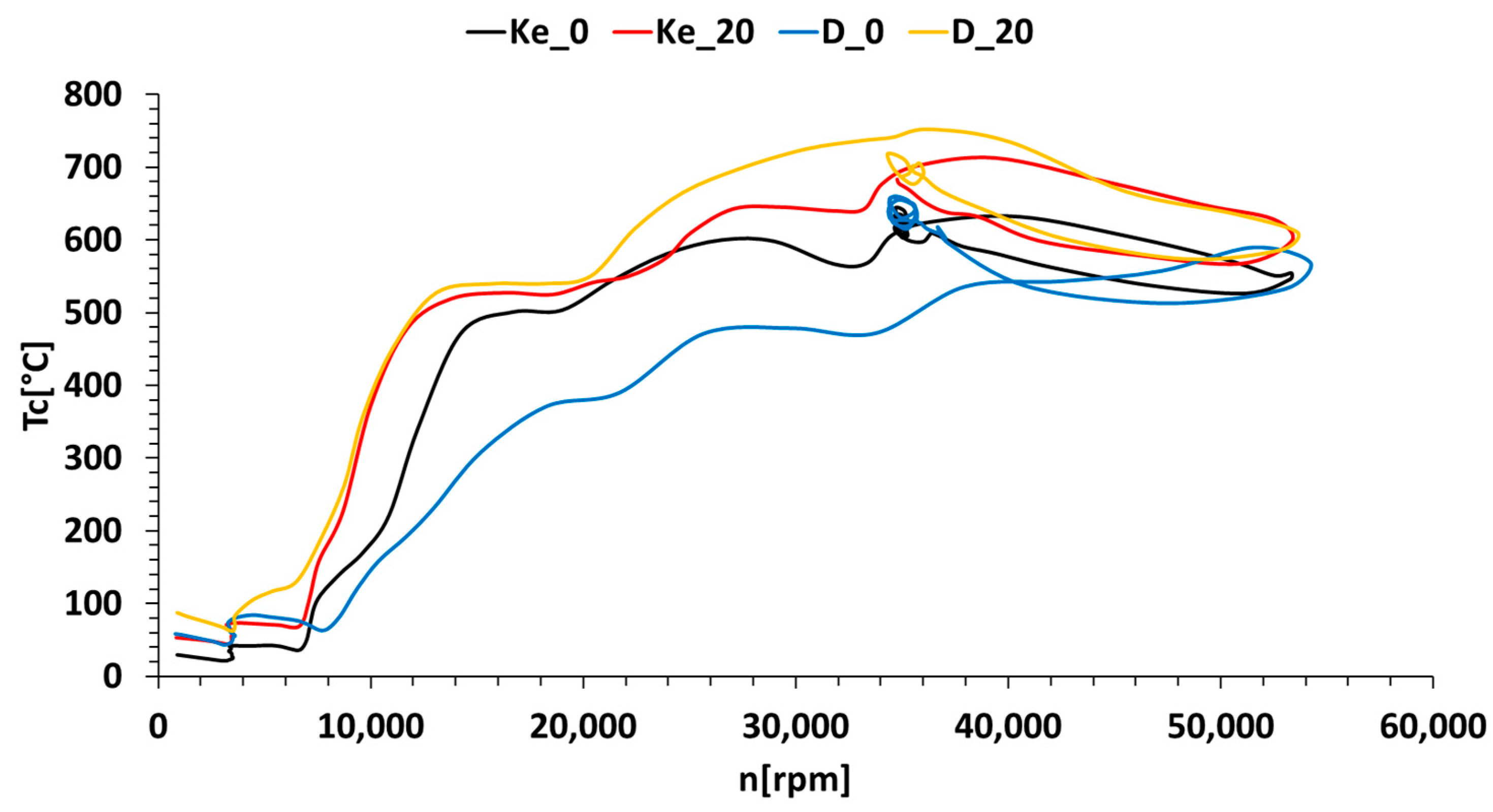
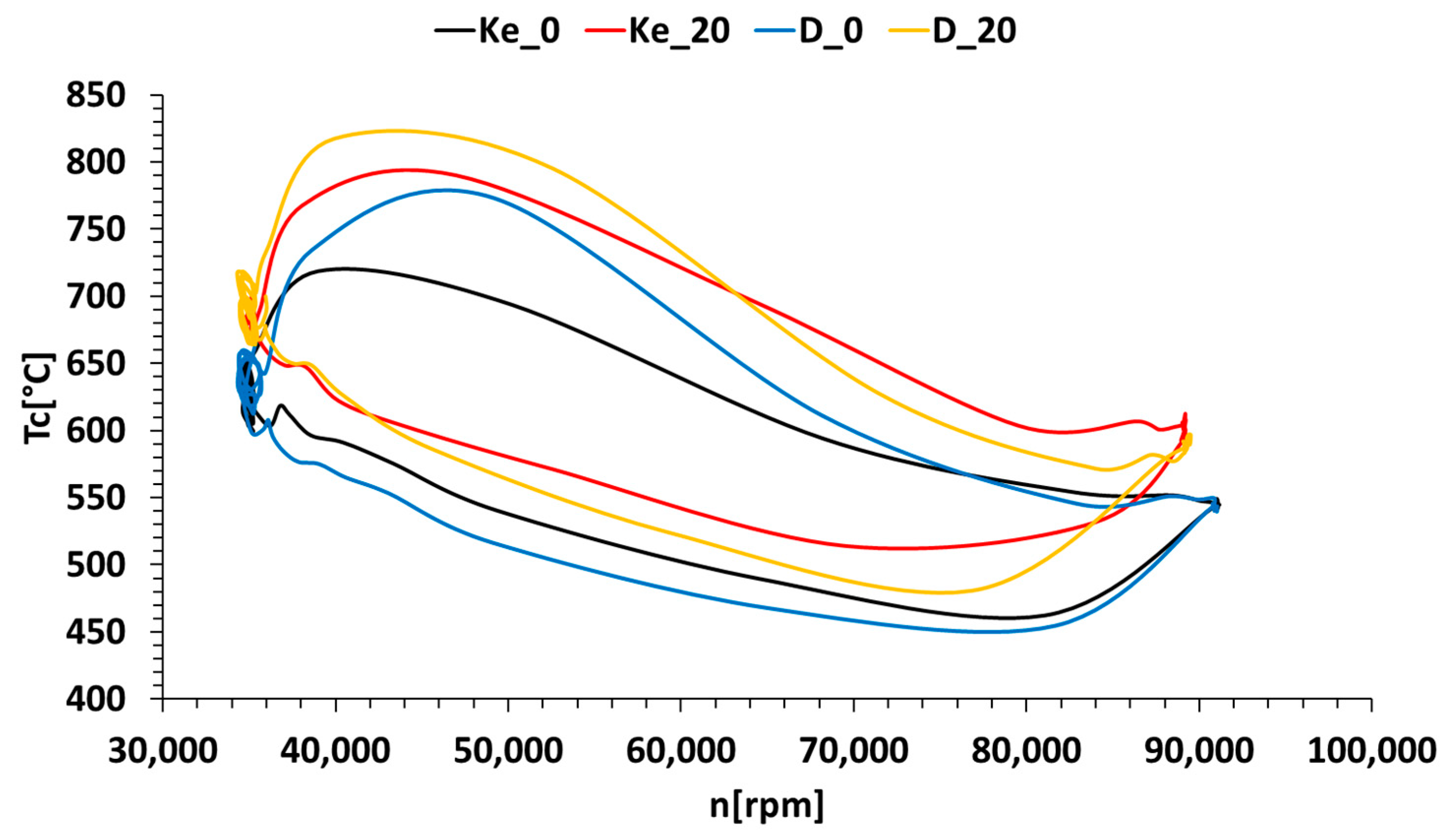
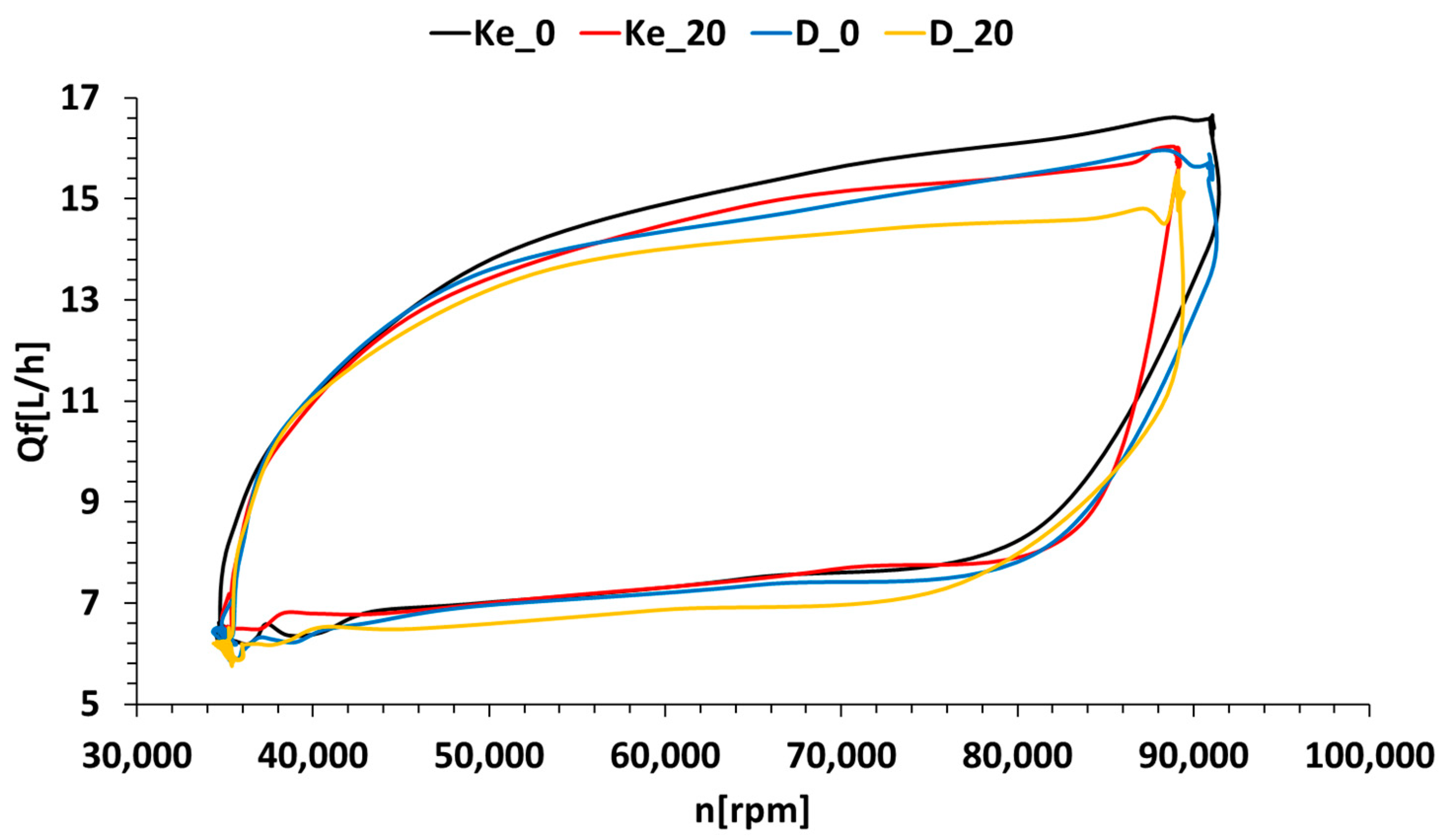
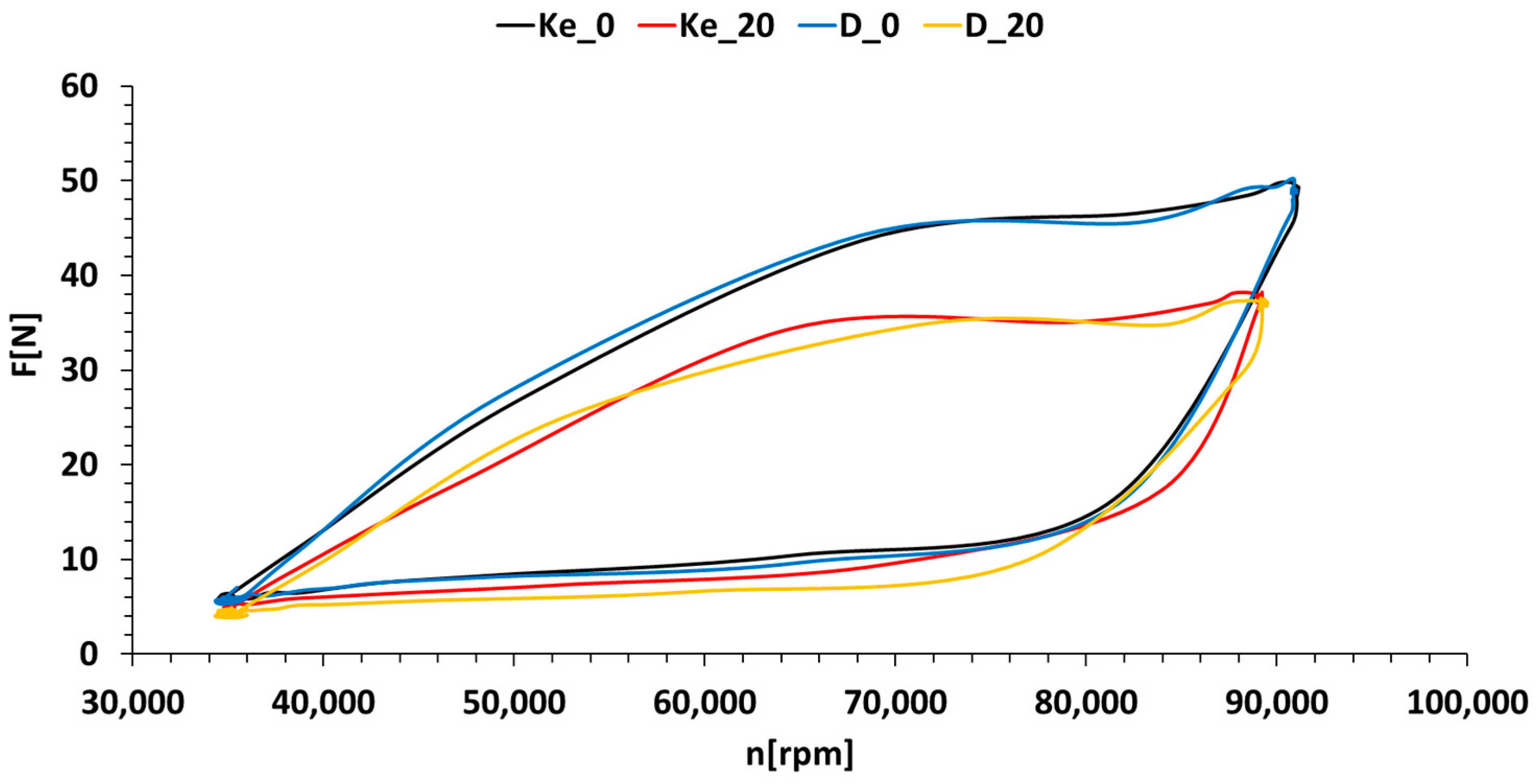
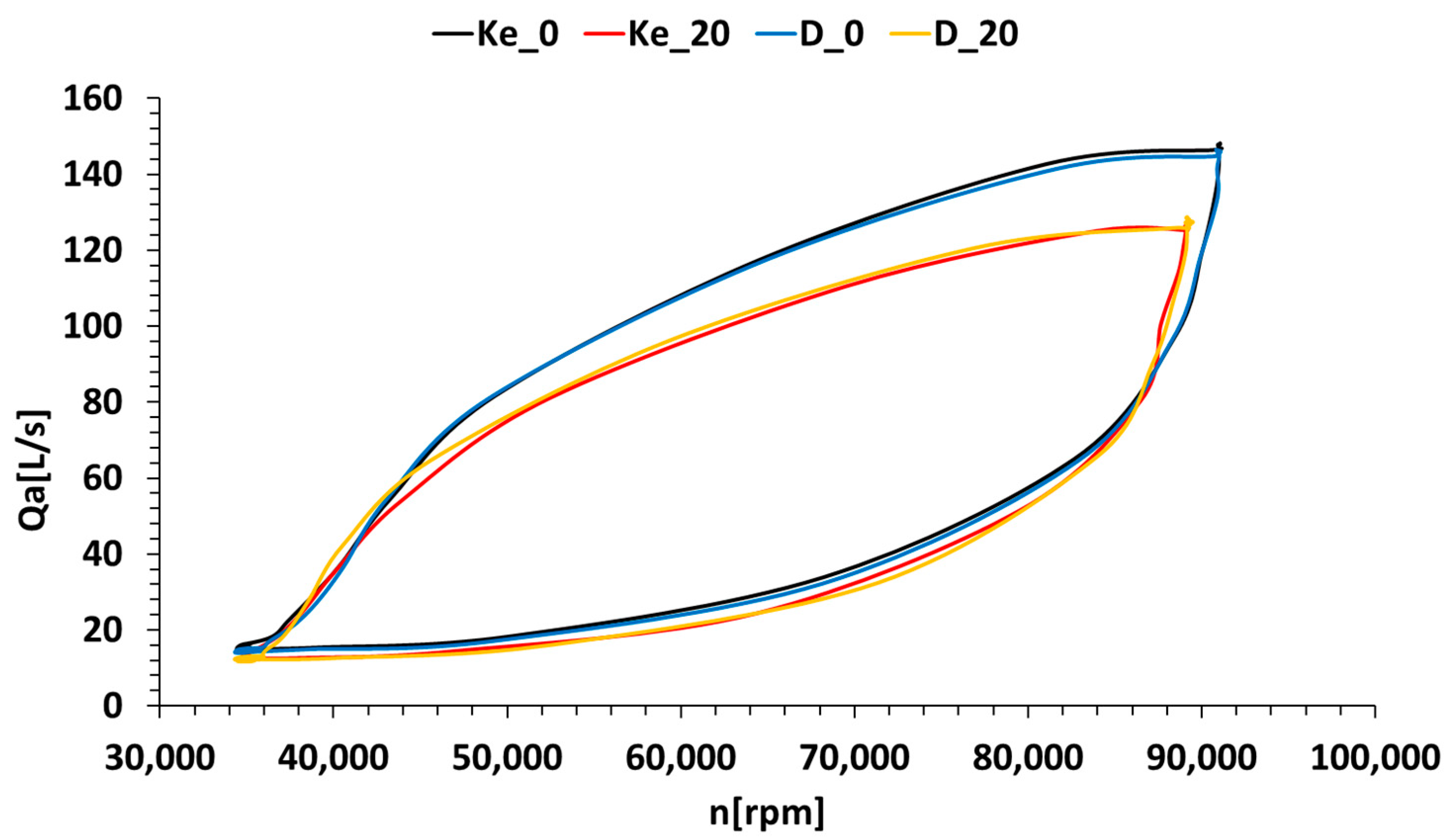
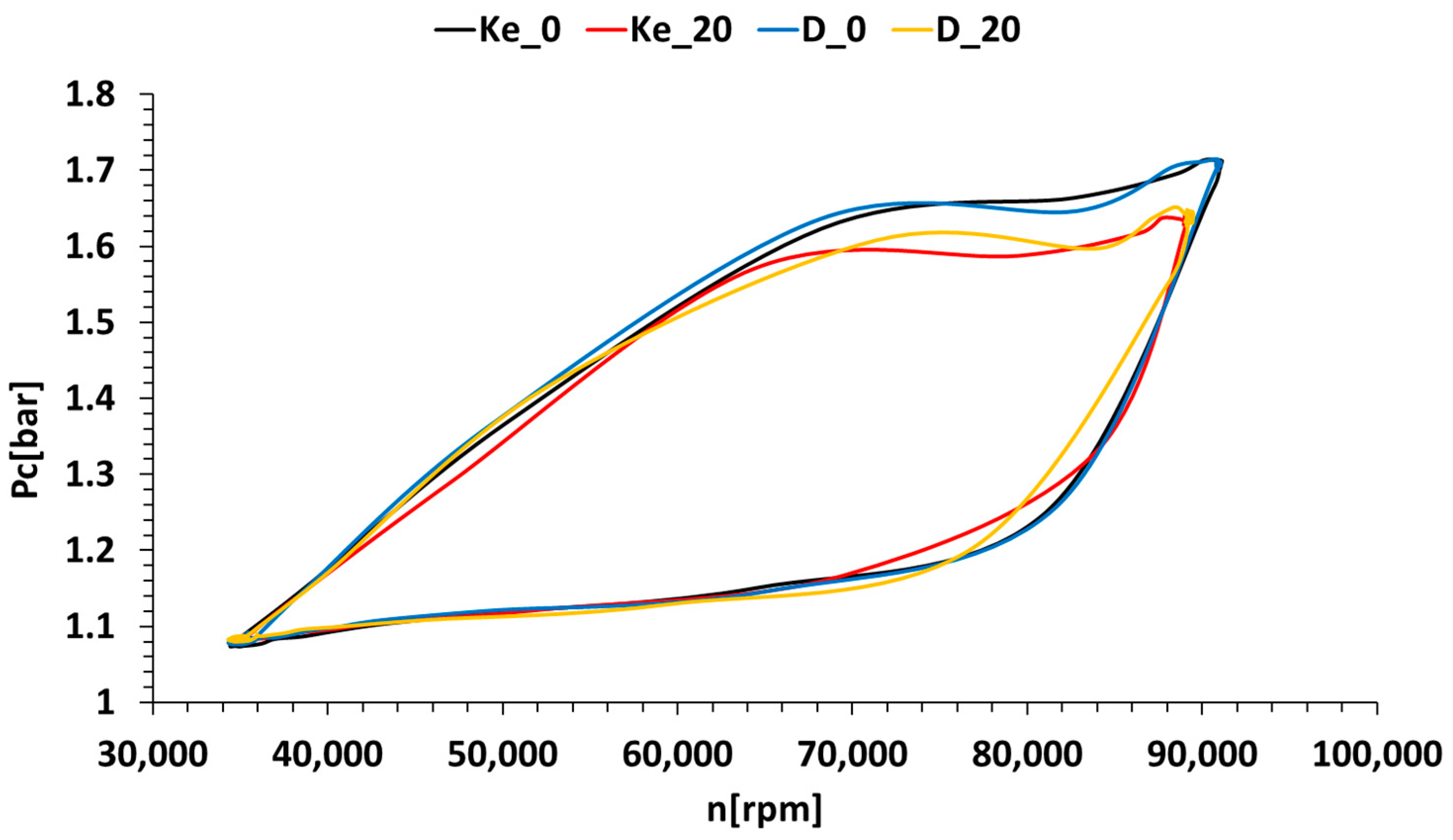
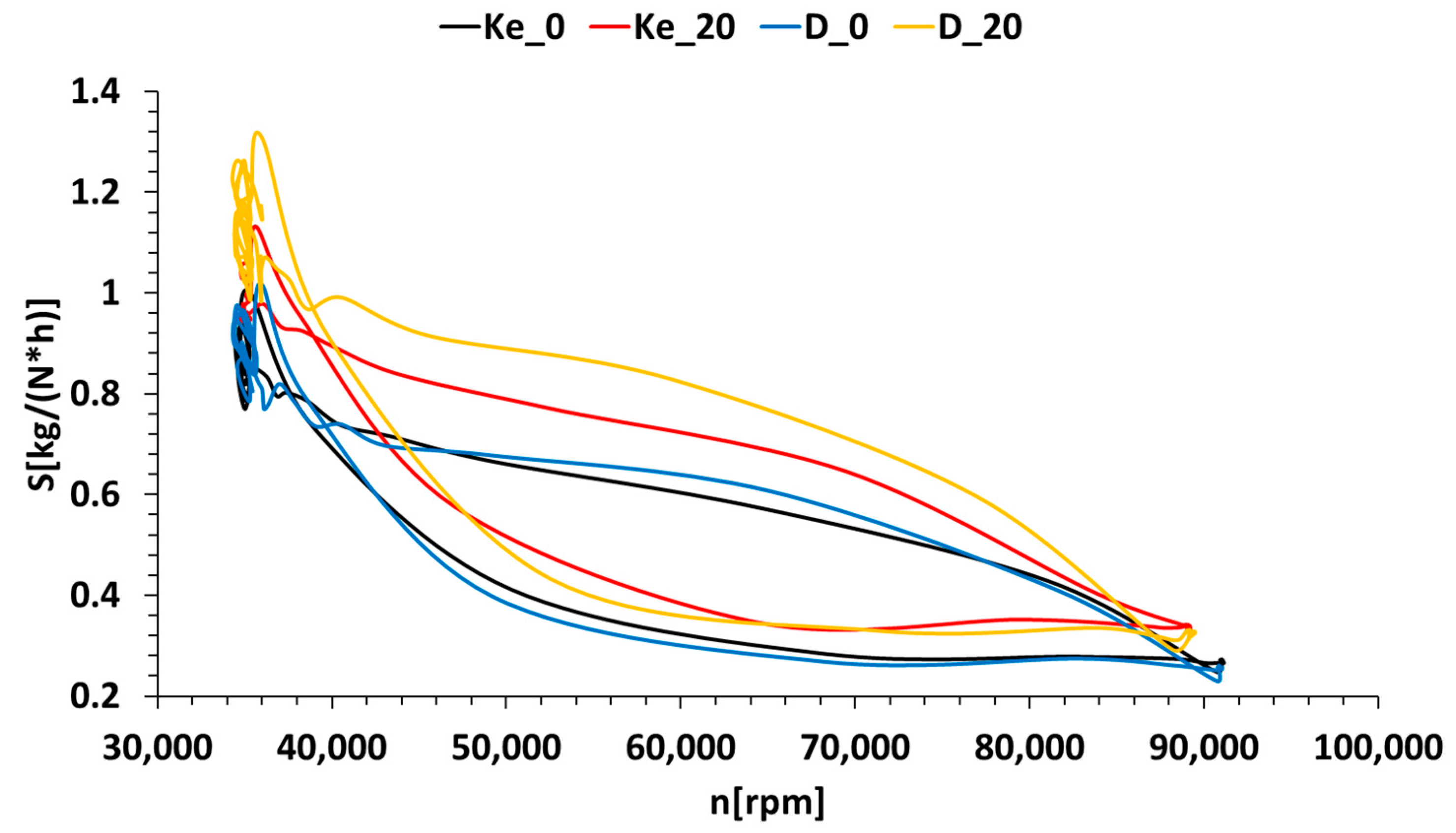
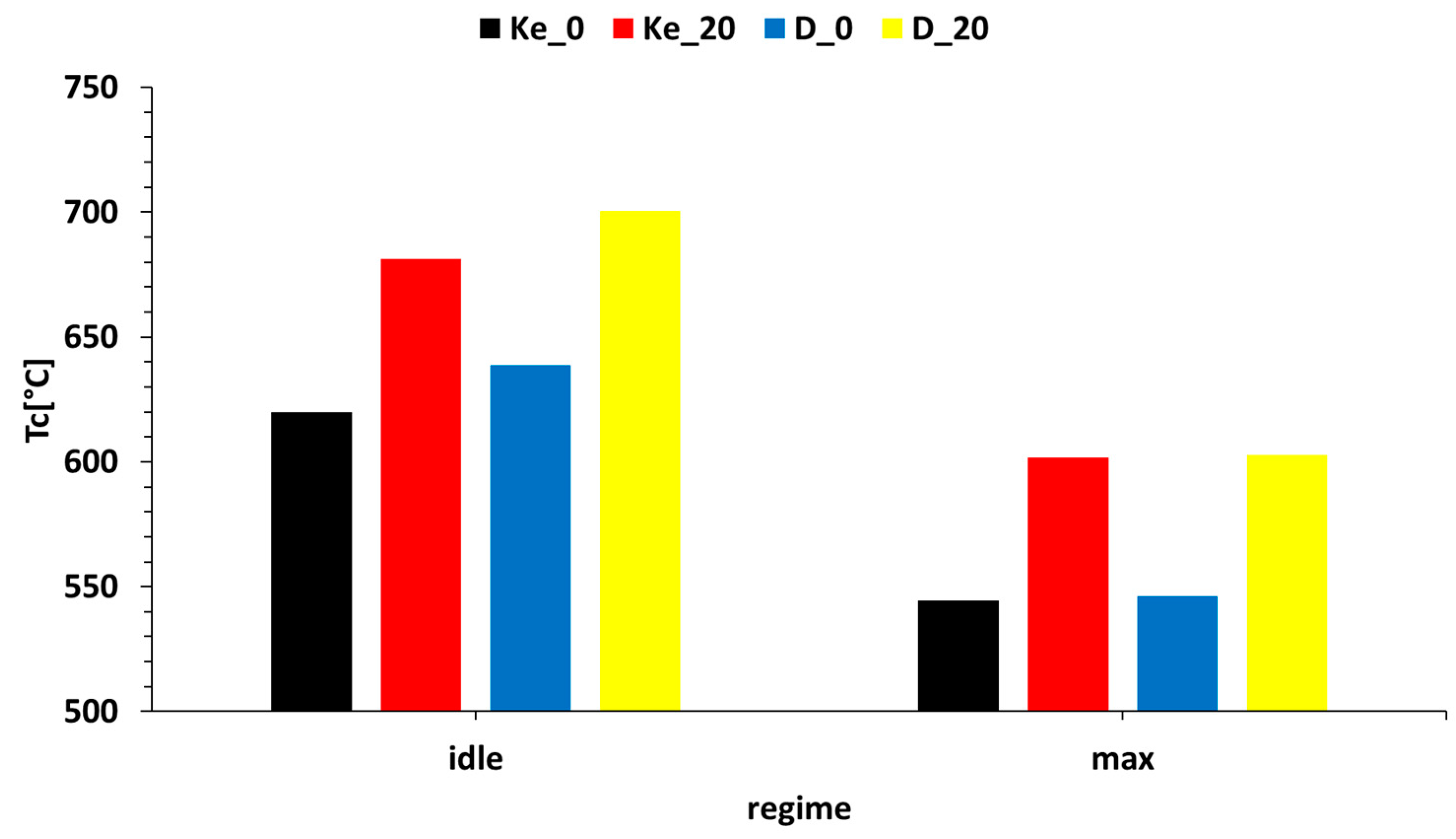
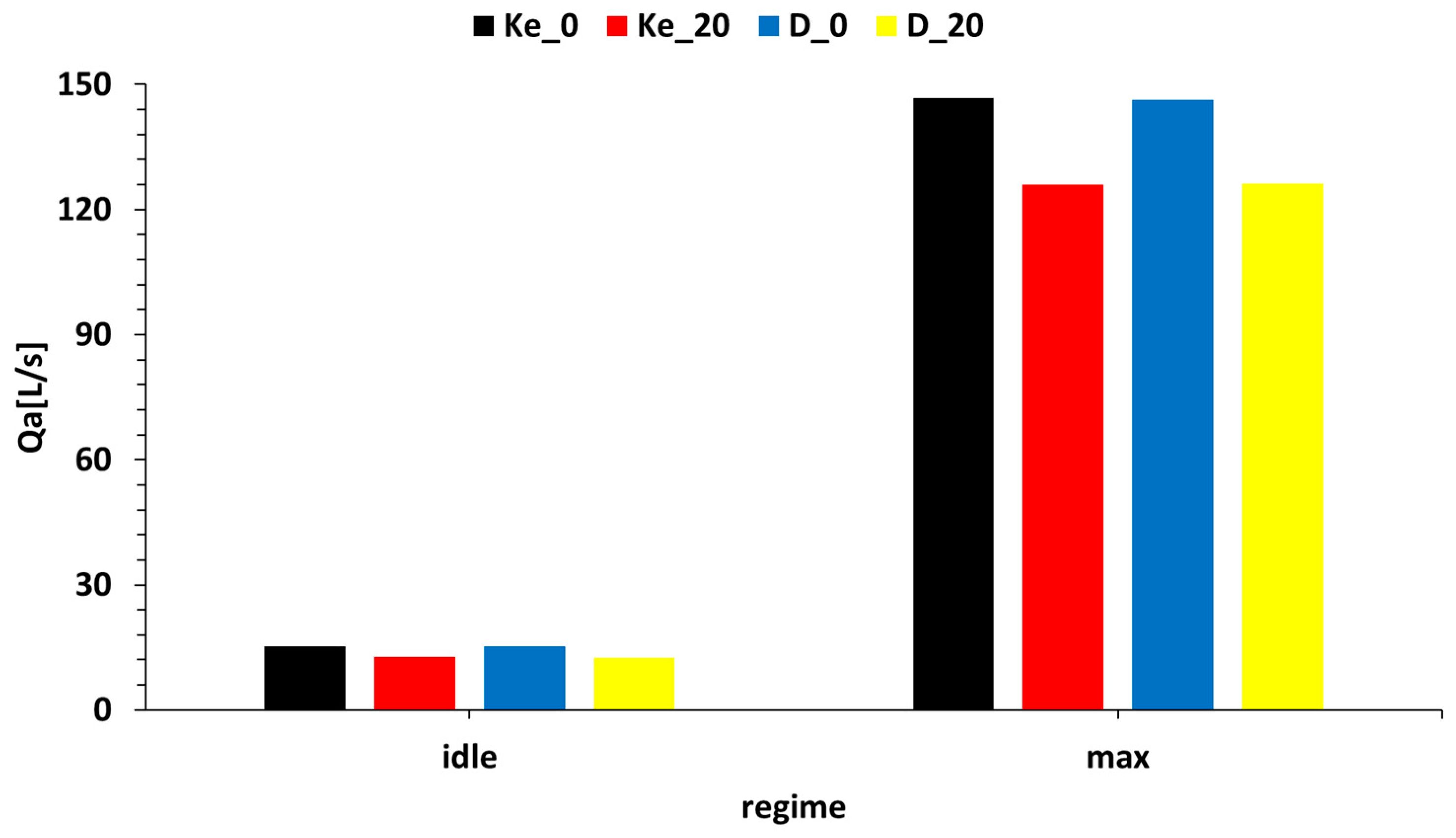
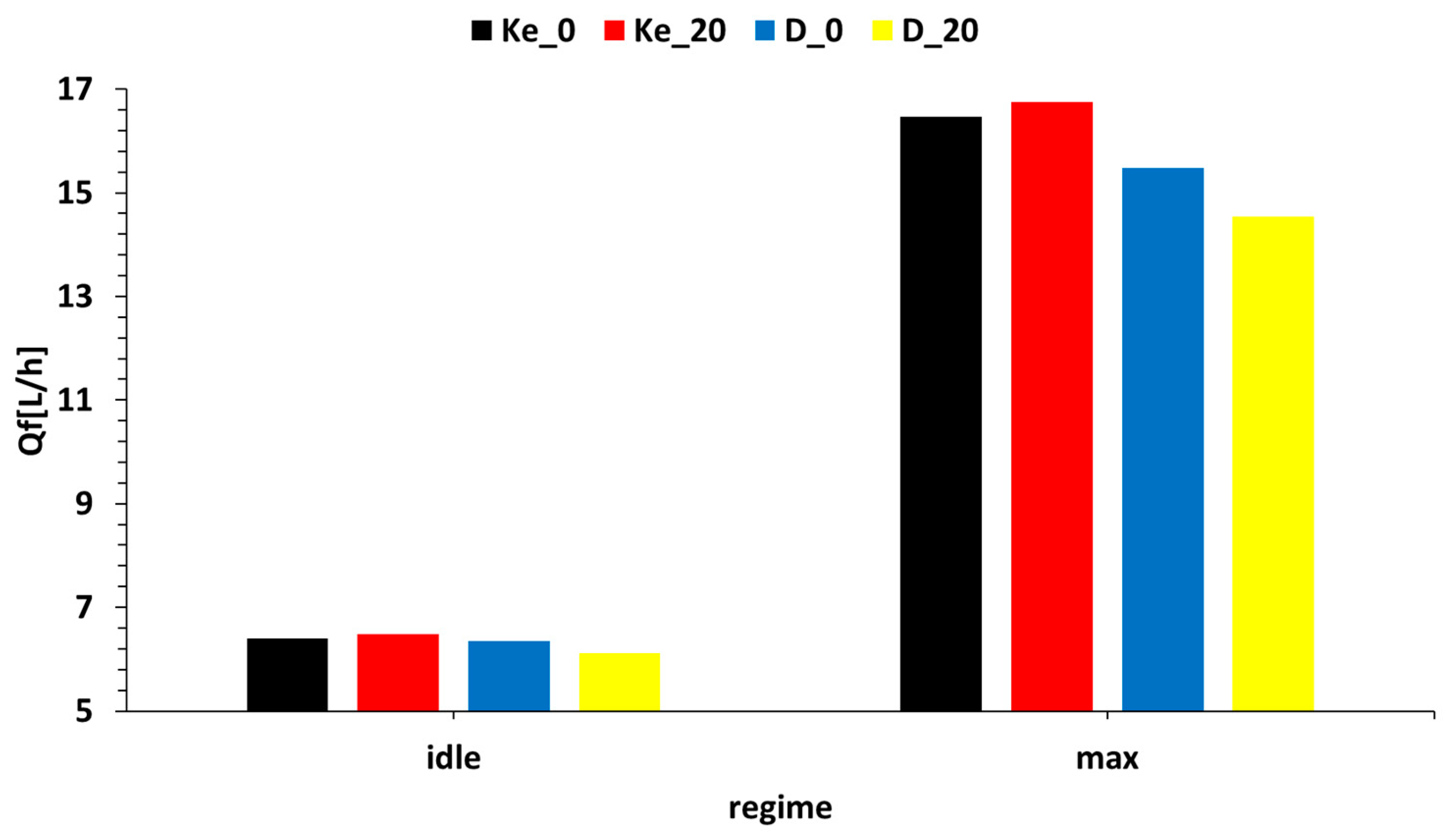
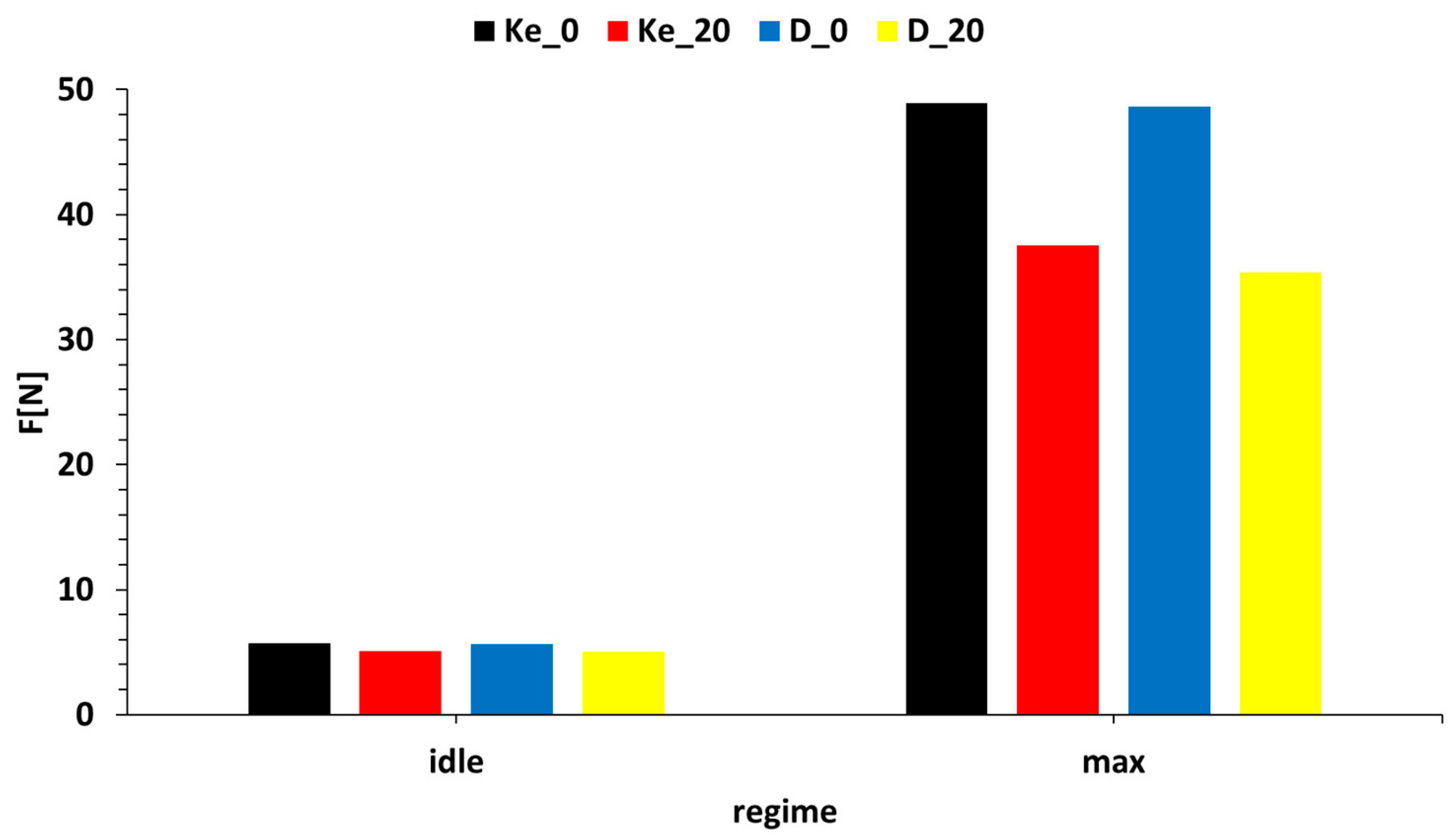
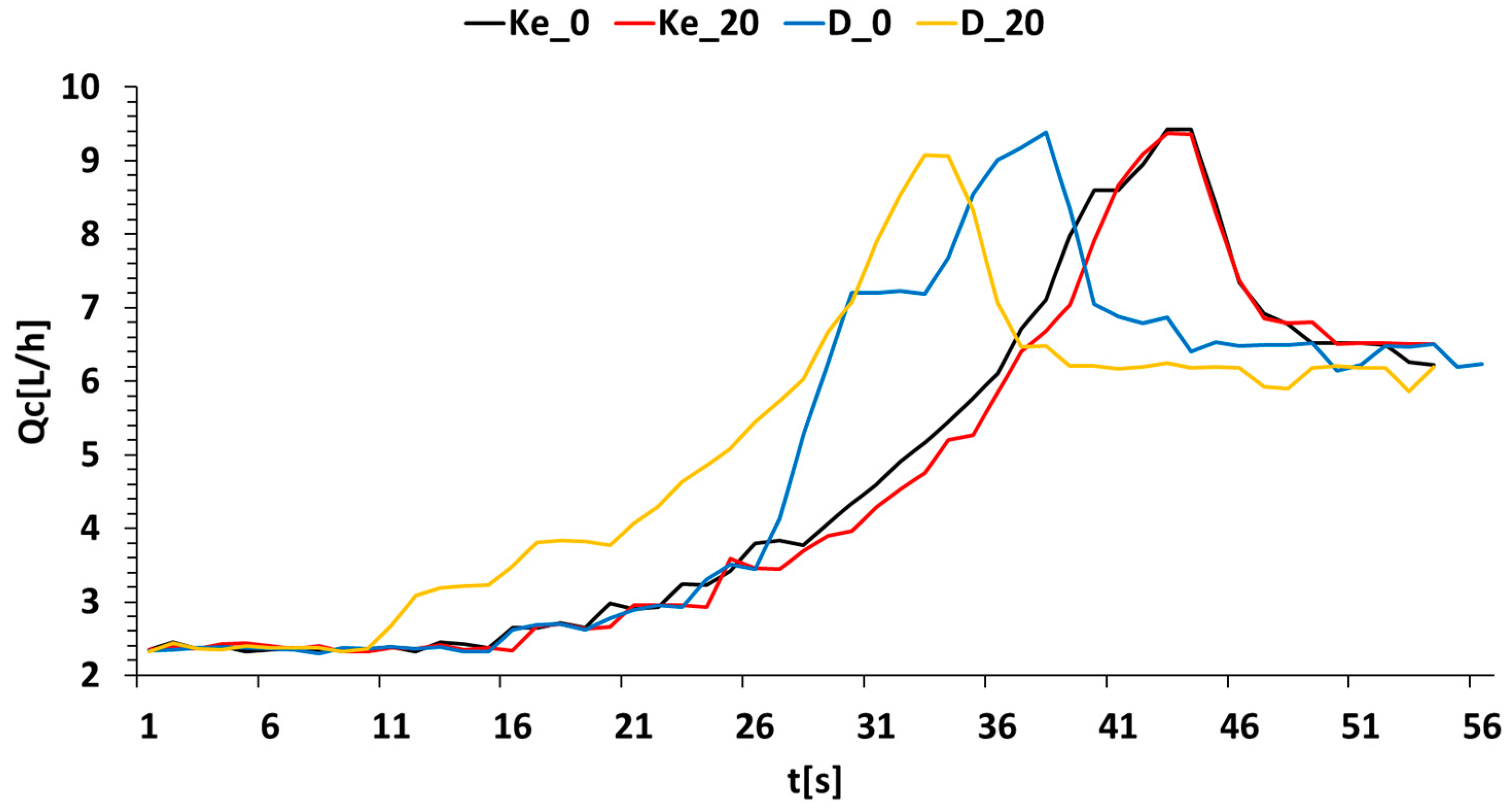
In this paper, we investigate the impact of diesel and kerosene on the transient processes occurring in a micro-turbojet aviation engine. The experiments were conducted under two distinct ambient temperature conditions, 0 and 20 °C. Specifically, we analyzed the starting phase of the micro-engine while operating with kerosene and diesel at both ambient temperature settings. Comparative graphs were generated, and the starting time was meticulously examined. Subsequently, we constructed performance maps for the engine using both fuels and across the two ambient temperature scenarios. We then executed a transient process, comprising sudden acceleration and deceleration, under the aforementioned ambient temperature conditions and with both fuels. The fluctuations in temperature within the combustion chamber, thrust force, and fuel consumption are presented for both rapid acceleration and deceleration events. Furthermore, we conducted comparisons between the thrust force, fuel flow rate, combustion chamber temperature, and specific fuel consumption for the two fuels tested and under the two ambient temperature conditions, both during idle and at higher engine regimes. In the idle regime at 0 °C, the kerosene flow is about 0.78% higher than diesel, with the kerosene thrust approximately 1.92% greater. At 20 °C, the kerosene consumption rises by roughly 5.56% compared to diesel, while the thrust increases by about 1.38%. It was observed that at the maximum operating regime, at 0 °C, the kerosene flow exceeds diesel by around 6%, with the kerosene thrust slightly higher, by about 0.63%. At 20 °C, the kerosene consumption rises by roughly 13.19% compared to diesel, while the thrust increases by about 5.91%. In higher regimes, the kerosene consumption surpasses diesel, but the thrust increase is not significant. Thus, diesel’s use as a fuel for the microturbo engine is justified due to its lower consumption at both 0 °C and 20 °C.
Keywords: kerosene; diesel; transient; microturbo engine; ambient conditions kerosene; diesel; transient; microturbo engine; ambient conditions