Article

Near-Infrared Spectroscopy Modeling of Combustion Characteristics in Chip and Ground Biomass from Fast-Growing Trees and Agricultural Residue


by
Bijendra Shrestha
1,
Jetsada Posom
2,
Pimpen Pornchaloempong
3,
Panmanas Sirisomboon
1,*,
Bim Prasad Shrestha
4,5,* and
Hidayah Ariffin
6,7
1
Department of Agricultural Engineering, School of Engineering, King Mongkut’s Institute of Technology Ladkrabang, Bangkok 10520, Thailand
2
Department of Agricultural Engineering, Faculty of Engineering, Khon Kaen University, Khon Kaen 40002, Thailand
3
Department of Food Engineering, School of Engineering, King Mongkut’s Institute of Technology Ladkrabang, Bangkok 10520, Thailand
4
Department of Mechanical Engineering, School of Engineering, Kathmandu University, Dhulikhel P.O. Box 6250, Nepal
5
Department of Bioengineering, University of Washington, William H. Foege Building 3720, 15th Ave. NE, Seattle, WA 98195-5061, USA
6
Department of Bioprocess Technology, Faculty of Biotechnology and Biomolecular Sciences, Universiti Putra Malaysia, Serdang 43400, Selangor, Malaysia
7
Laboratory of Biopolymer and Derivatives, Institute of Tropical Forestry and Forest Products (INTROP), Universiti Putra Malaysia, Serdang 43400, Selangor, Malaysia
*
Authors to whom correspondence should be addressed.
Energies 2024, 17(6), 1338; https://doi.org/10.3390/en17061338
Submission received: 6 February 2024 / Revised: 1 March 2024 / Accepted: 6 March 2024 / Published: 11 March 2024

Abstract

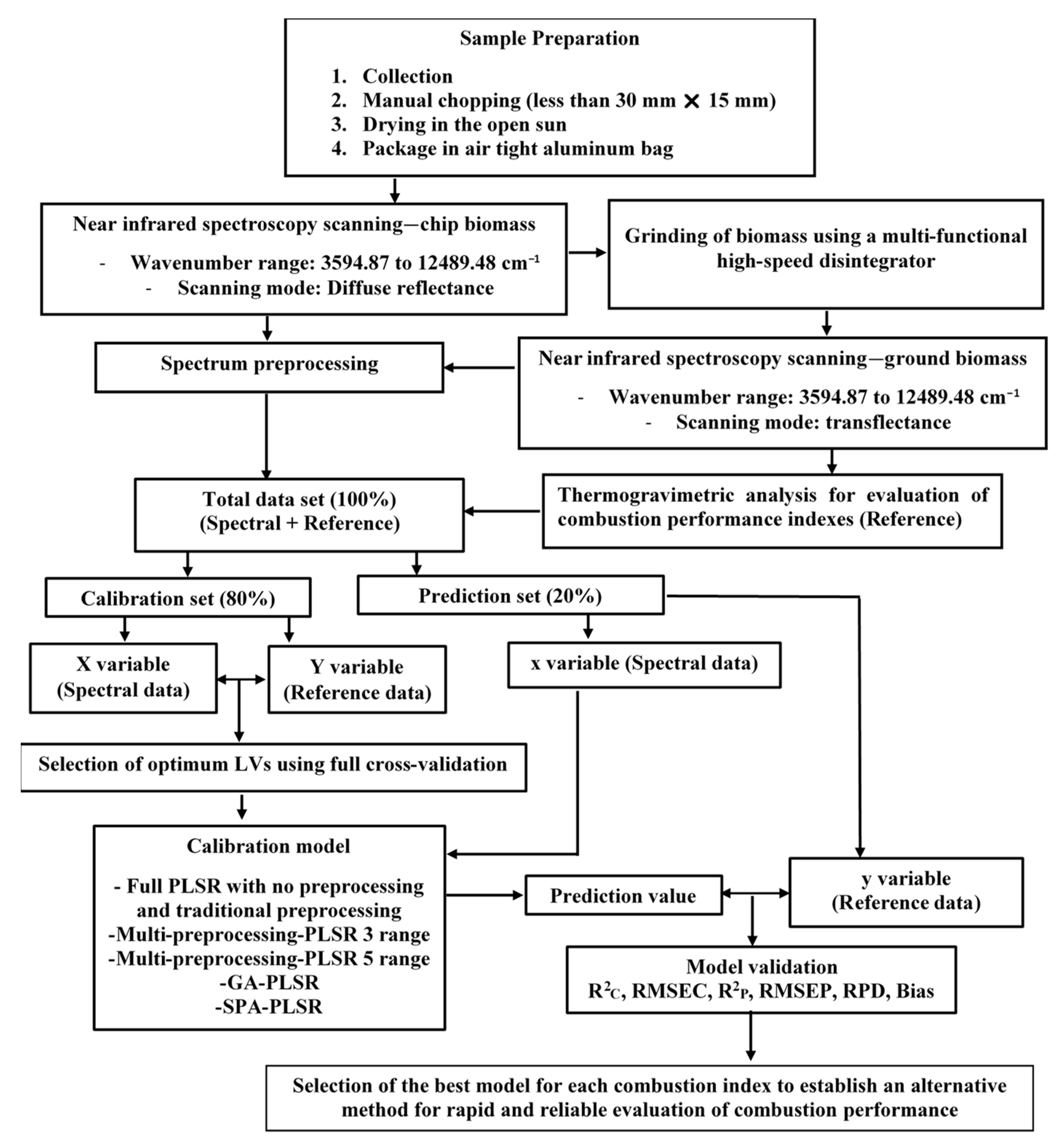
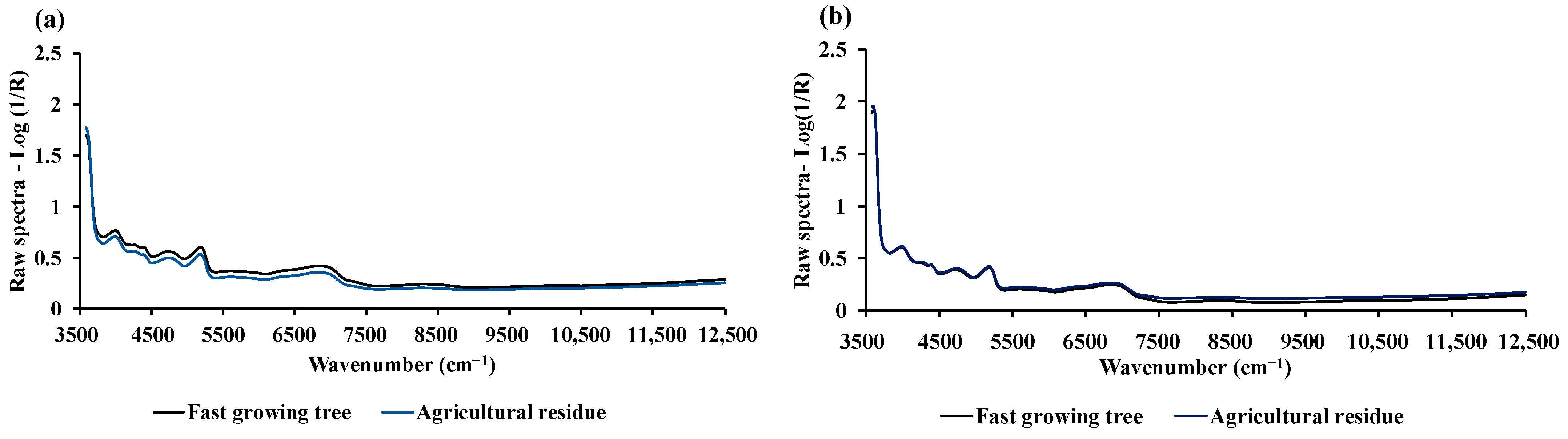
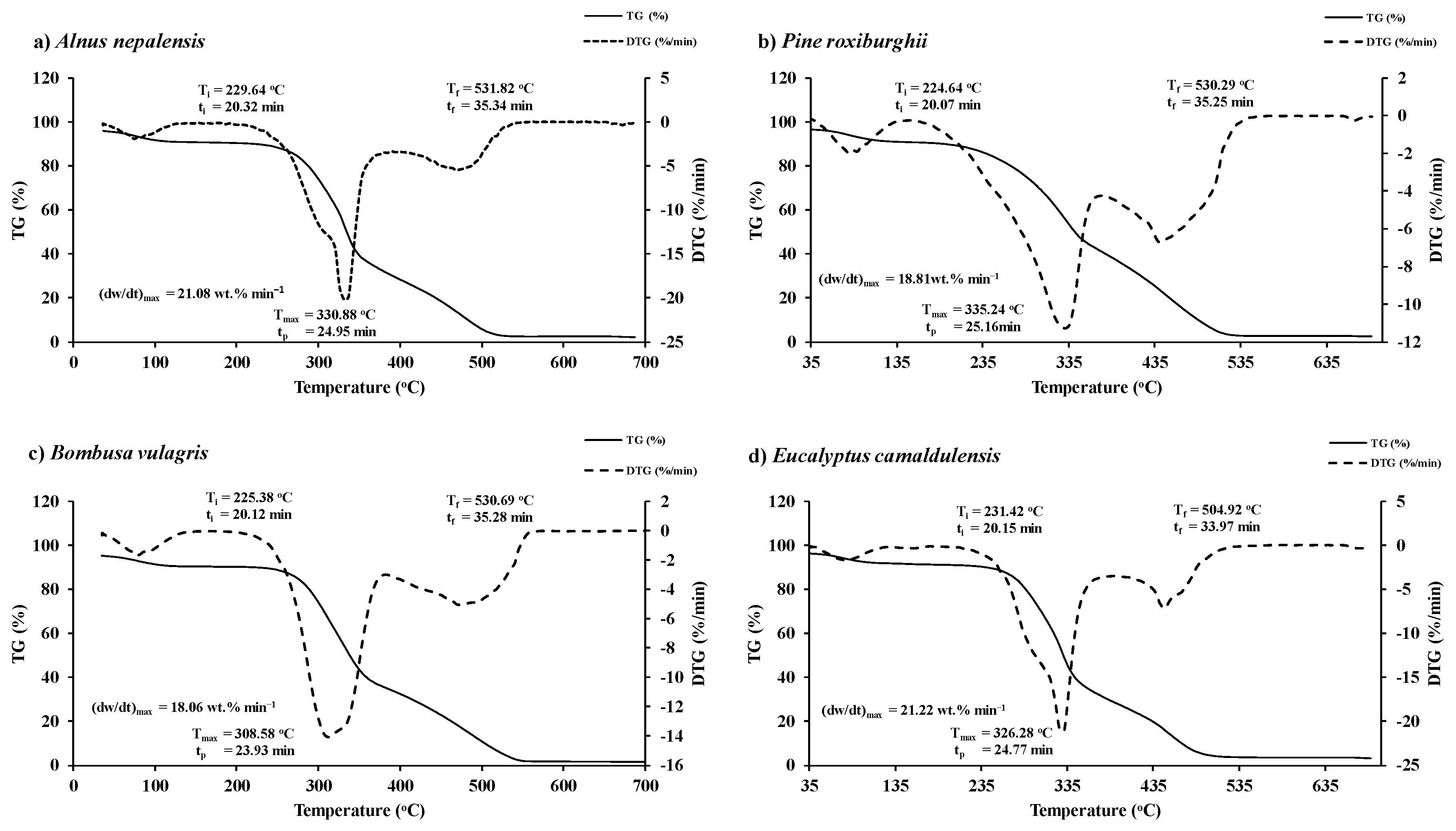
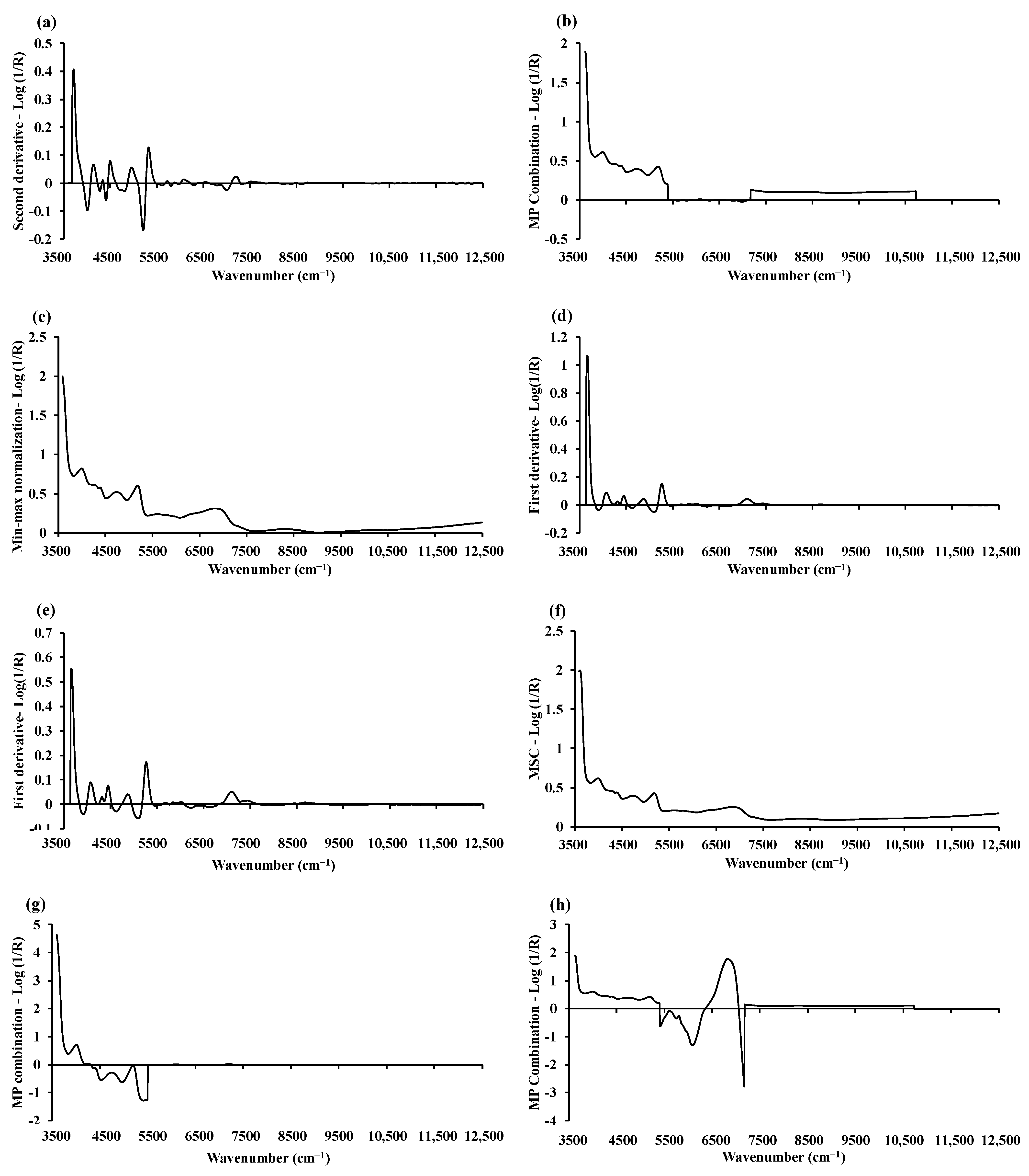
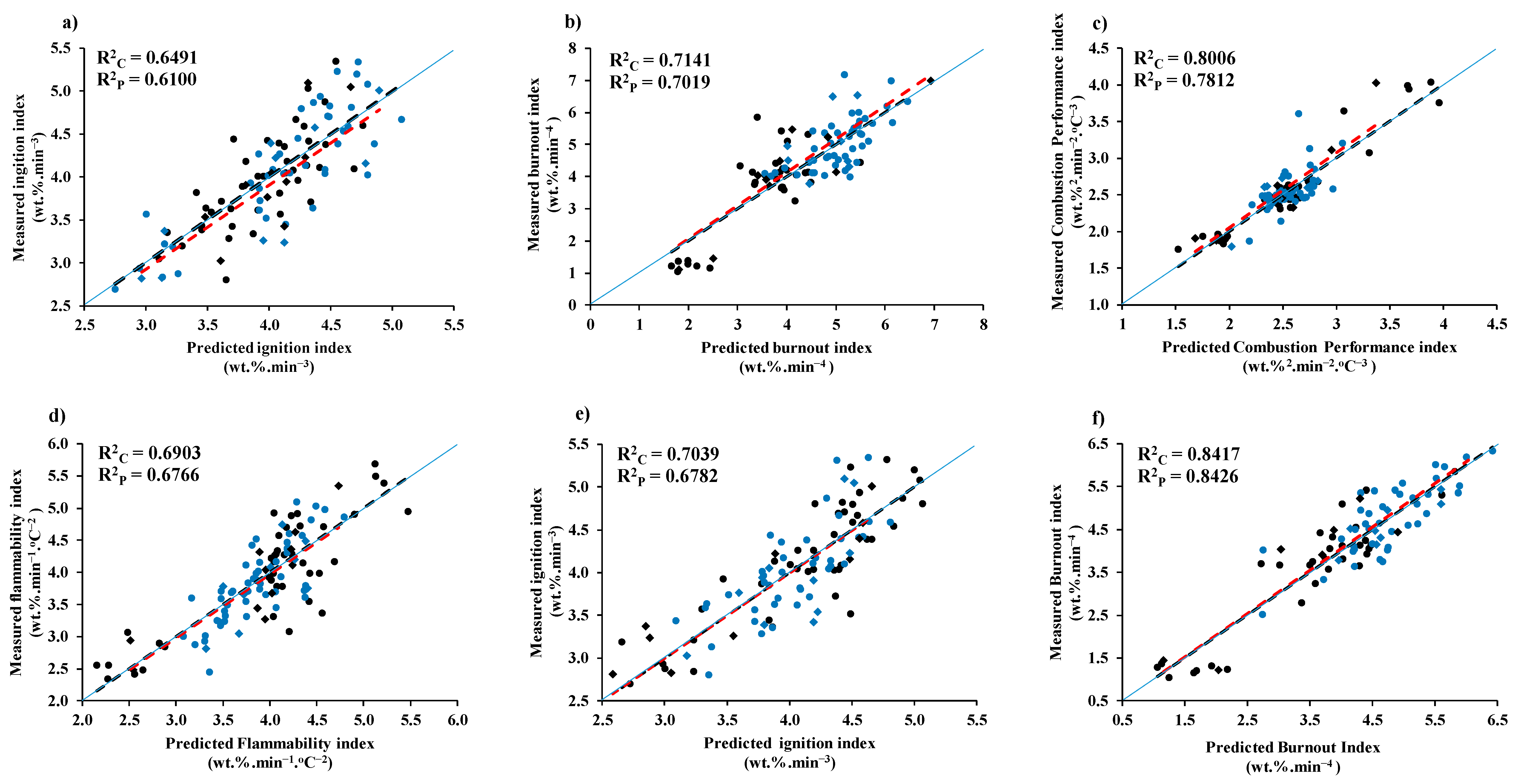
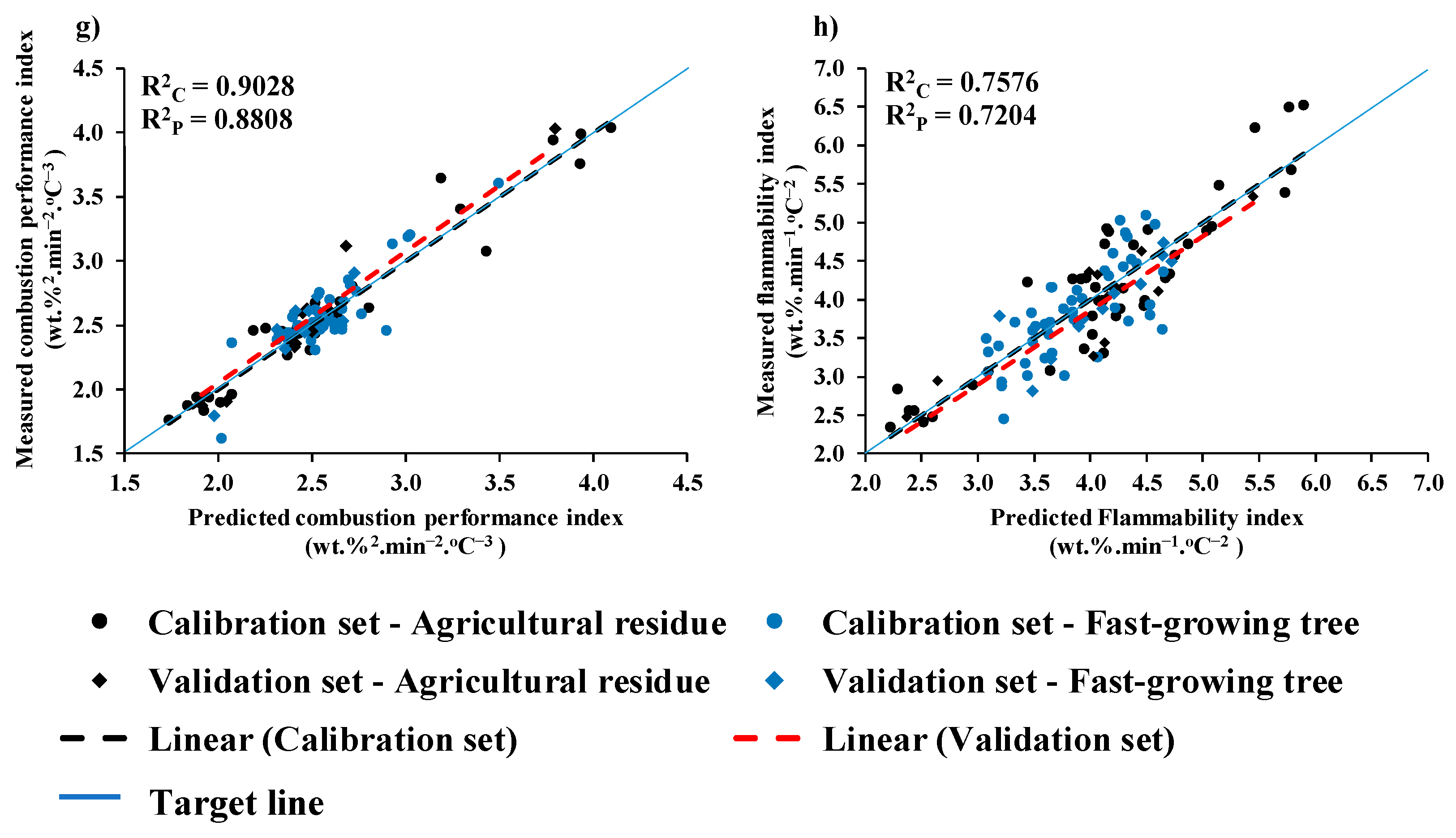
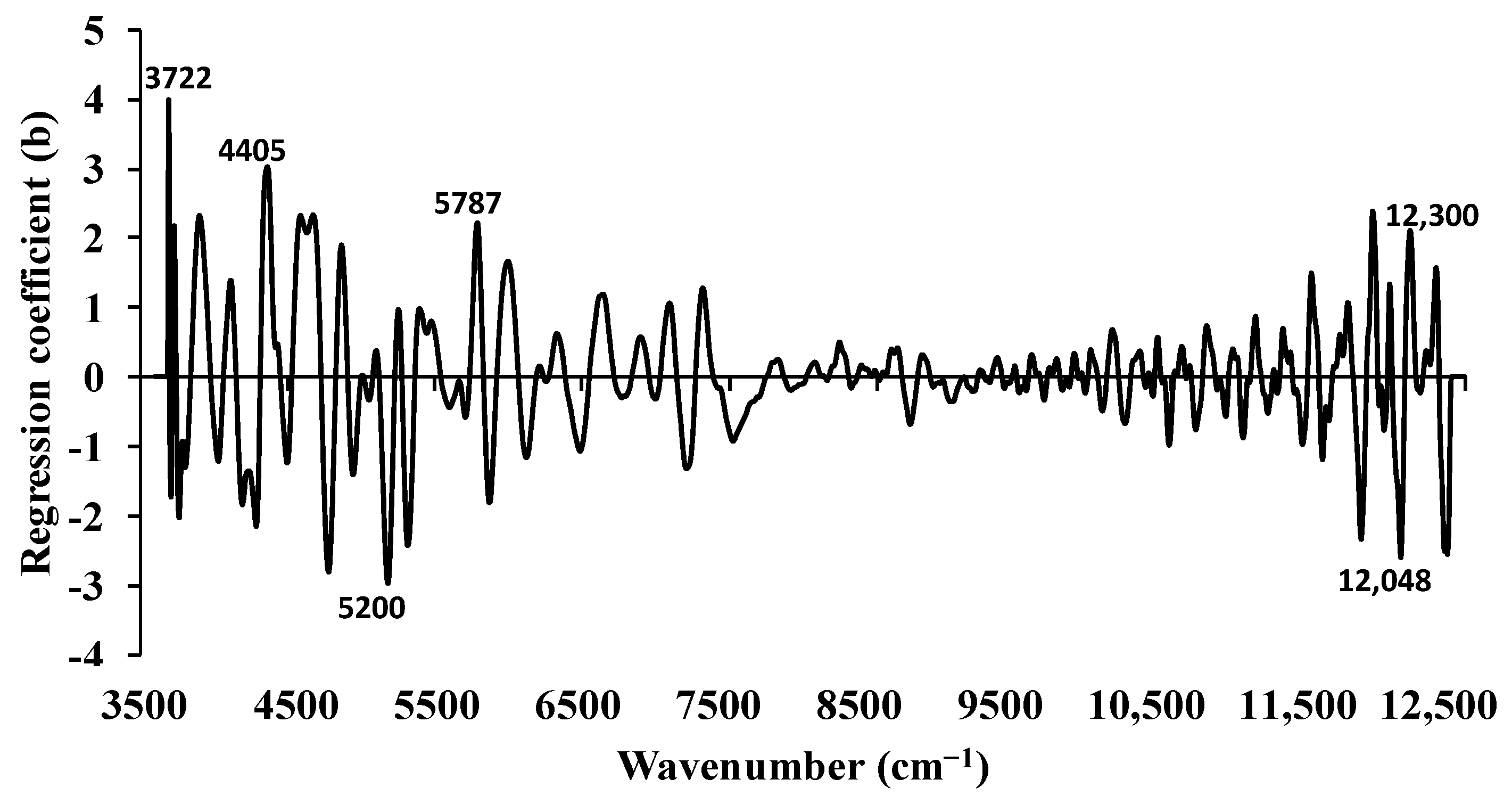
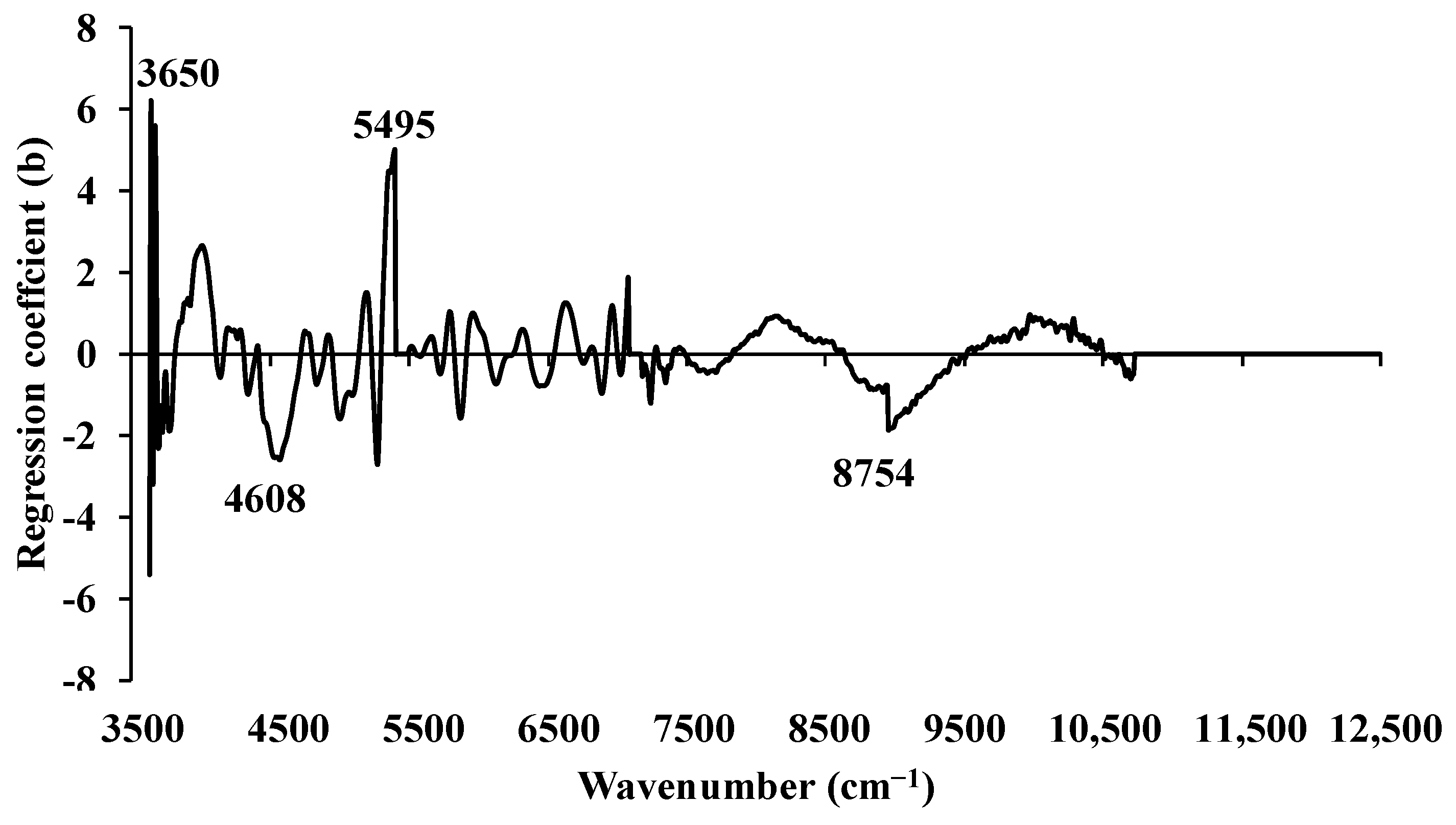
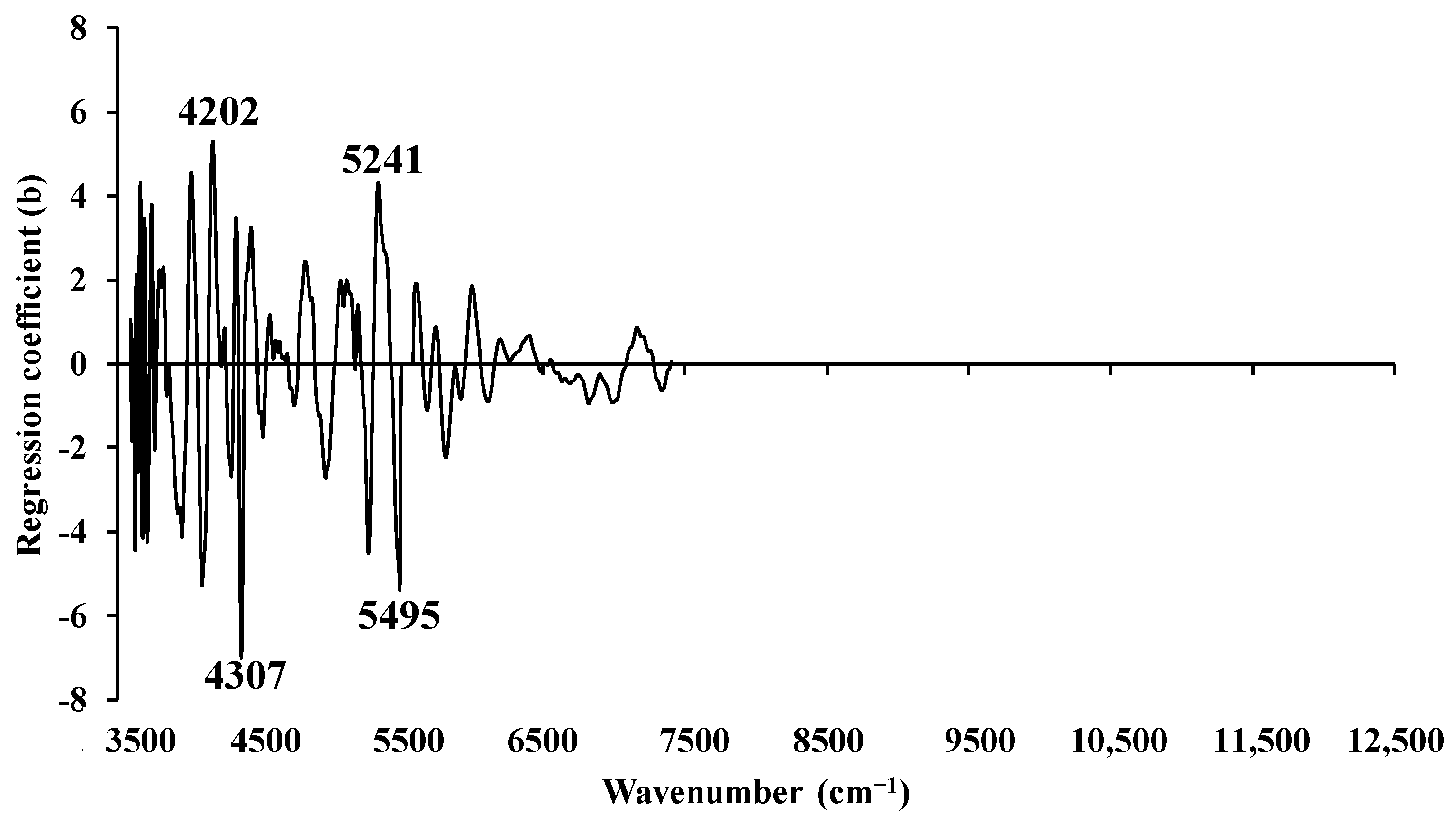
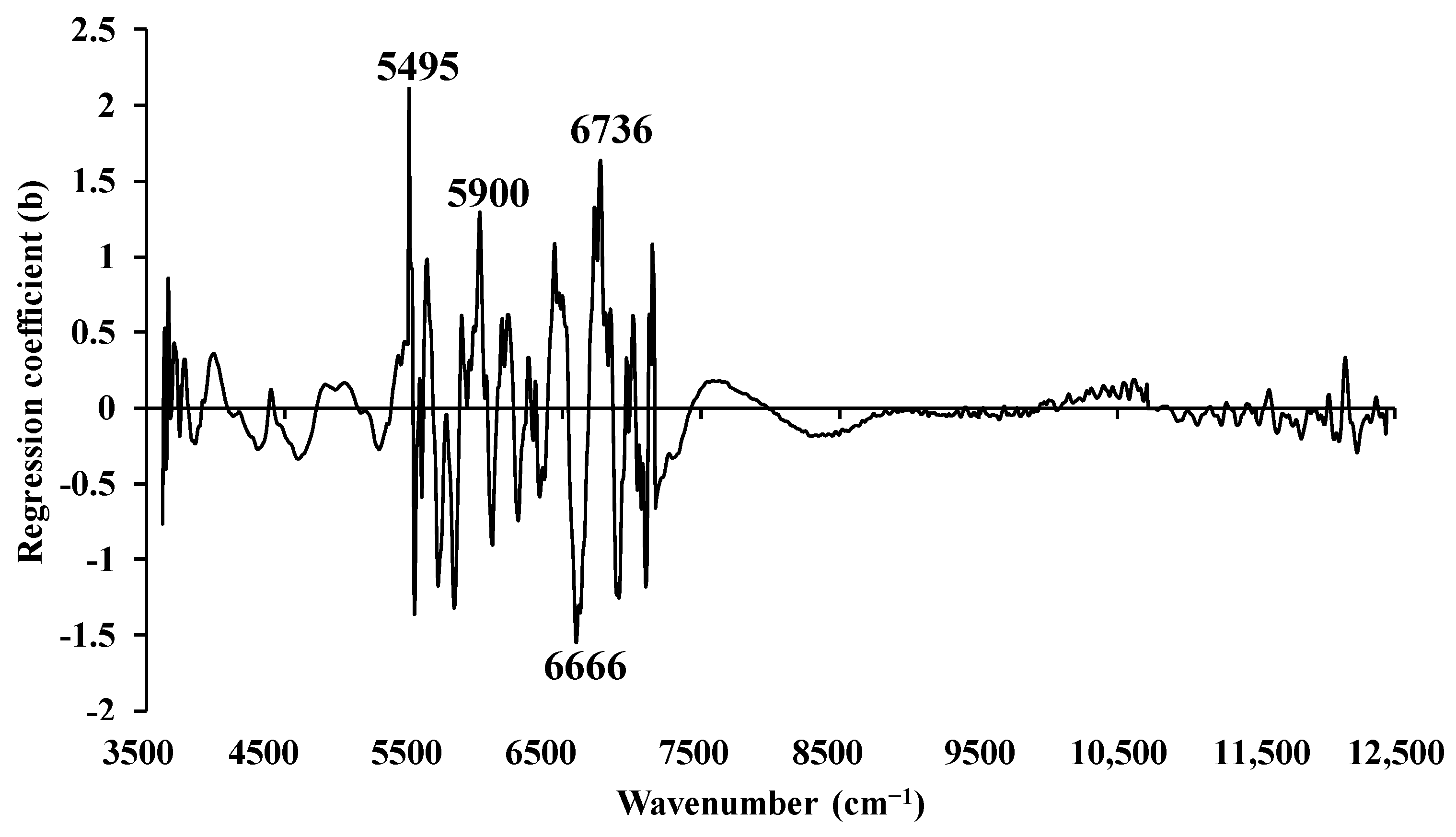
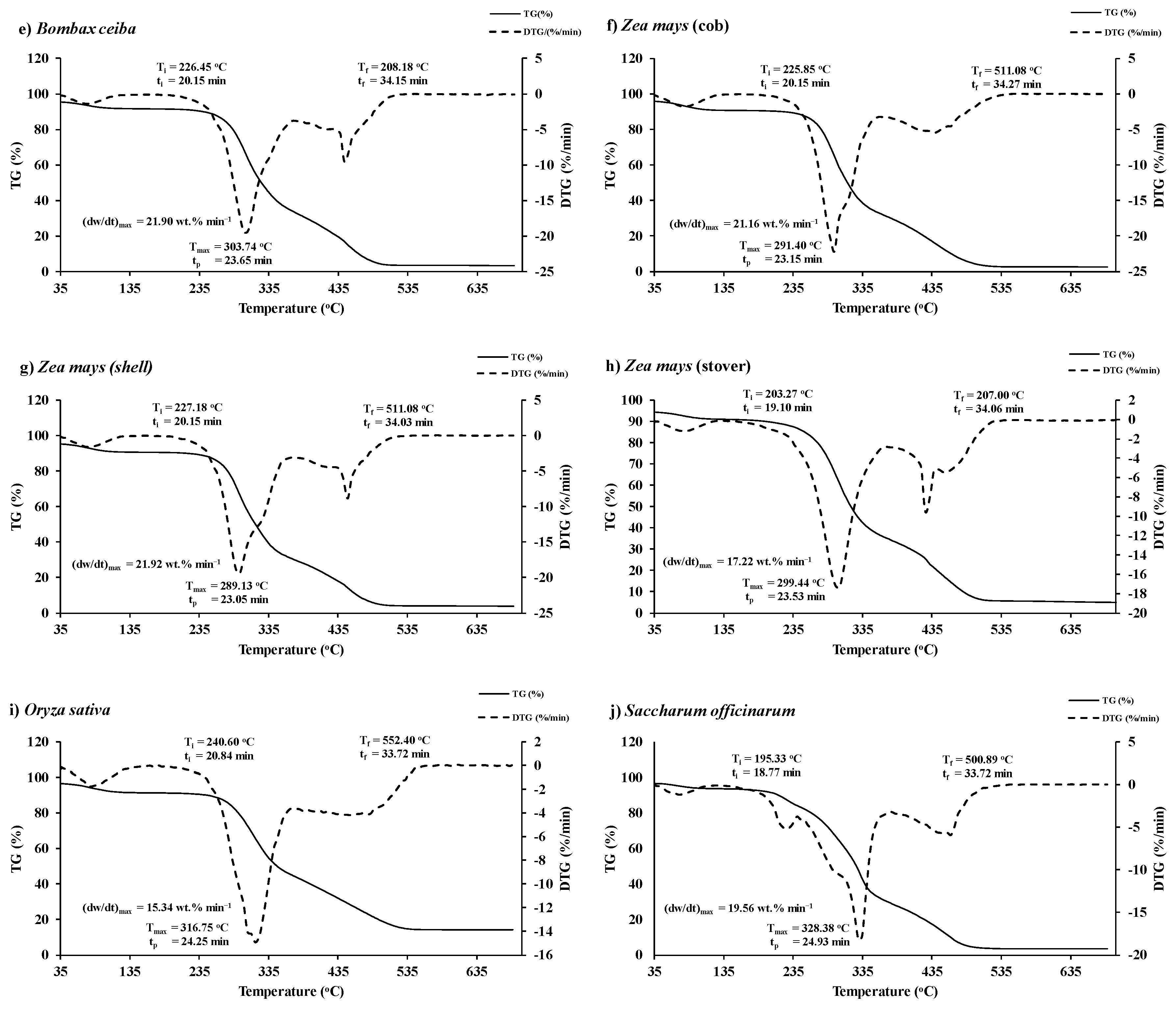
This study focuses on the investigation and comparison of combustion characteristic parameters and combustion performance indices between fast-growing trees and agricultural residues as biomass sources. The investigation is conducted through direct combustion in an air environment using a thermogravimetric analyzer (TGA). Additionally, partial least squares regression (PLSR)-based models were developed to assess combustion performance indices via near-infrared spectroscopy (NIRS), serving as a non-destructive alternative method. The results obtained through the TGA reveal that, specifically, fast-growing trees display higher average ignition temperature (227 °C) and burnout temperature (521 °C) in comparison to agricultural residues, which exhibit the values of 218 °C and 515 °C, respectively. Therefore, fast-growing trees are comparatively difficult to ignite, but sustain combustion over extended periods, yielding higher temperatures. However, despite fast-growing trees having a high ignition index (Di) and burnout index (Df), the comprehensive combustion performance (Si) and flammability index (Ci) of agricultural residue are higher, indicating the latter possess enhanced thermal and combustion reactivity, coupled with improved combustion stability. Five distinct PLSR-based models were developed using 115 biomass samples for both chip and ground forms, spanning the wavenumber range of 3595–12,489 cm−1. The optimal model was selected by evaluating the coefficients of determination in the prediction set (R2P), root mean square error of prediction (RMSEP), and RPD values. The results suggest that the proposed model for Df, obtained through GA-PLSR using the first derivative (D1), and Si, achieved through full-PLSR with MSC, both in ground biomass, is usable for most applications, including research. The model yielded, respectively, an R2P, RMSEP, and RPD, which are 0.8426, 0.4968 wt.% min⁻4, and 2.5; and 0.8808, 0.1566 wt.%2 min⁻2 °C⁻3, and 3.1. The remaining models (Di in chip and ground, Df, and Si in chip, and Ci in chip and ground biomass) are primarily applicable only for rough screening purposes. However, including more representative samples and exploring a more suitable machine learning algorithm are essential for updating the model to achieve a better nondestructive assessment of biomass combustion behavior.
Keywords: biomass; combustion; thermogravimetric analyzer; near-infrared spectroscopy; partial least squares regression biomass; combustion; thermogravimetric analyzer; near-infrared spectroscopy; partial least squares regression