Review

Bionic Strategies for Pump Anti-Cavitation: A Comprehensive Review

1
College of Metrology Measurement and Instrument, China Jiliang University, Hangzhou 310018, China
2
Institute of Process Equipment, Zhejiang University, Hangzhou 310027, China
3
Key Laboratory of River Basin Digital Twinning of Ministry of Water Resources, China Institute of Water Resources and Hydropower Research, Beijing 100038, China
4
China Energy Technology and Economics Research Institute, China Energy Investment Corporation Ltd., Beijing 102211, China
*
Authors to whom correspondence should be addressed.
Energies 2024, 17(20), 5149; https://doi.org/10.3390/en17205149
Submission received: 17 September 2024 / Revised: 9 October 2024 / Accepted: 11 October 2024 / Published: 16 October 2024
(This article belongs to the Section K: State-of-the-Art Energy Related Technologies)

Abstract

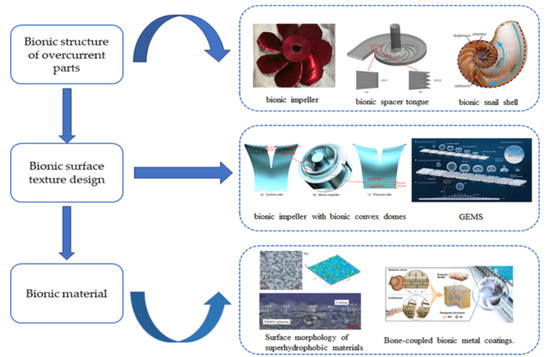
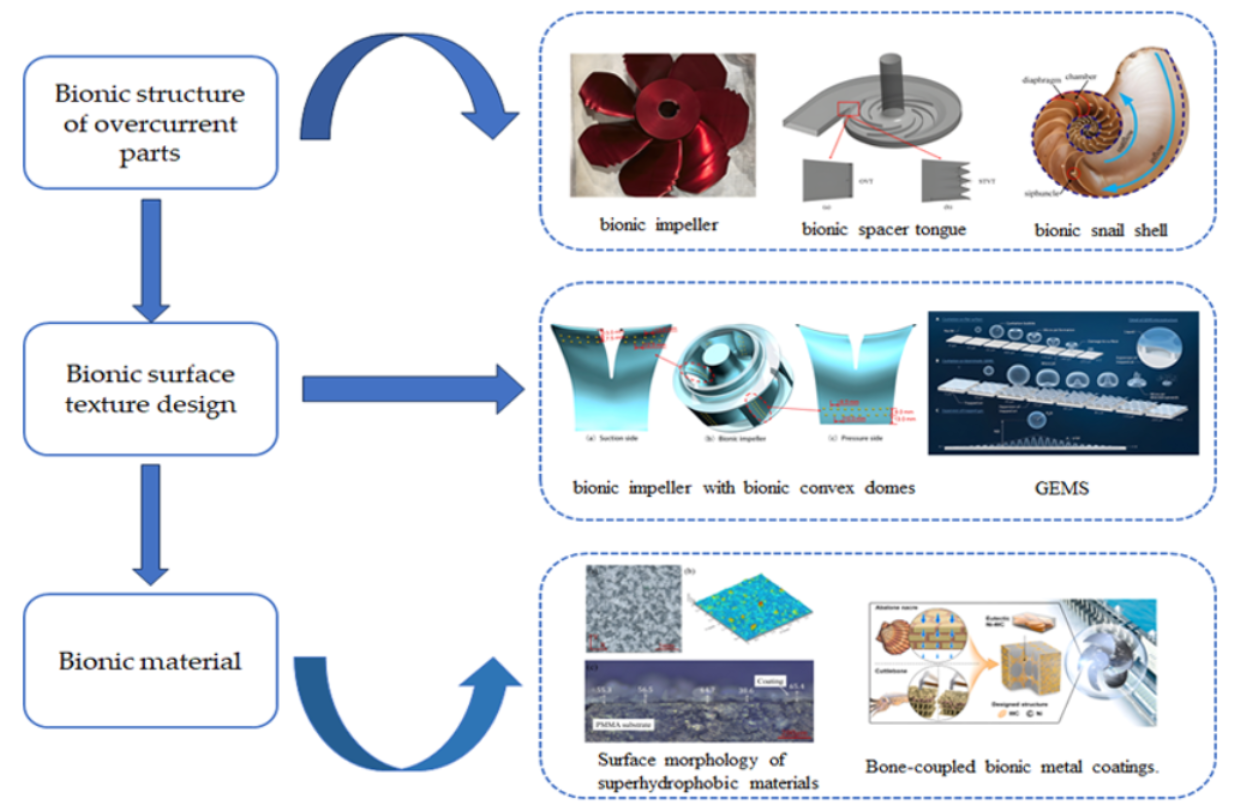
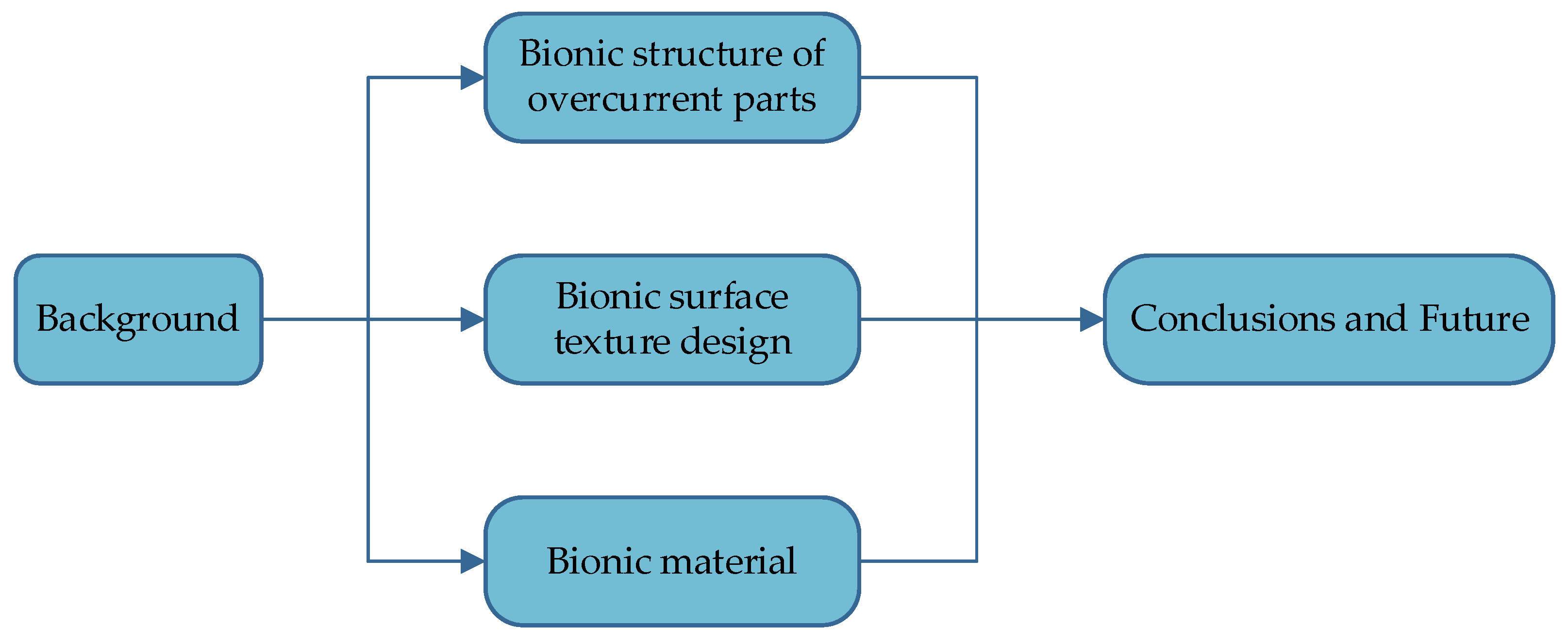
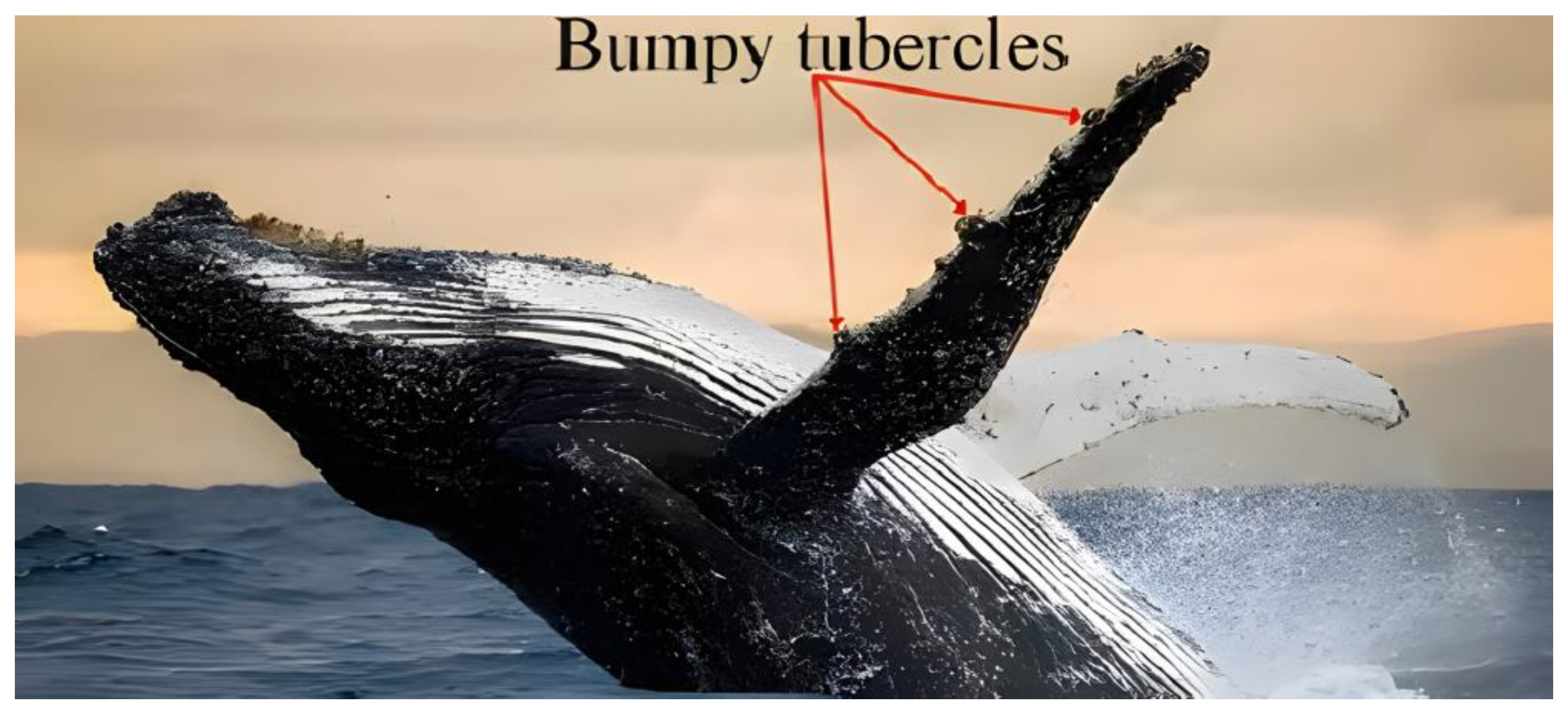
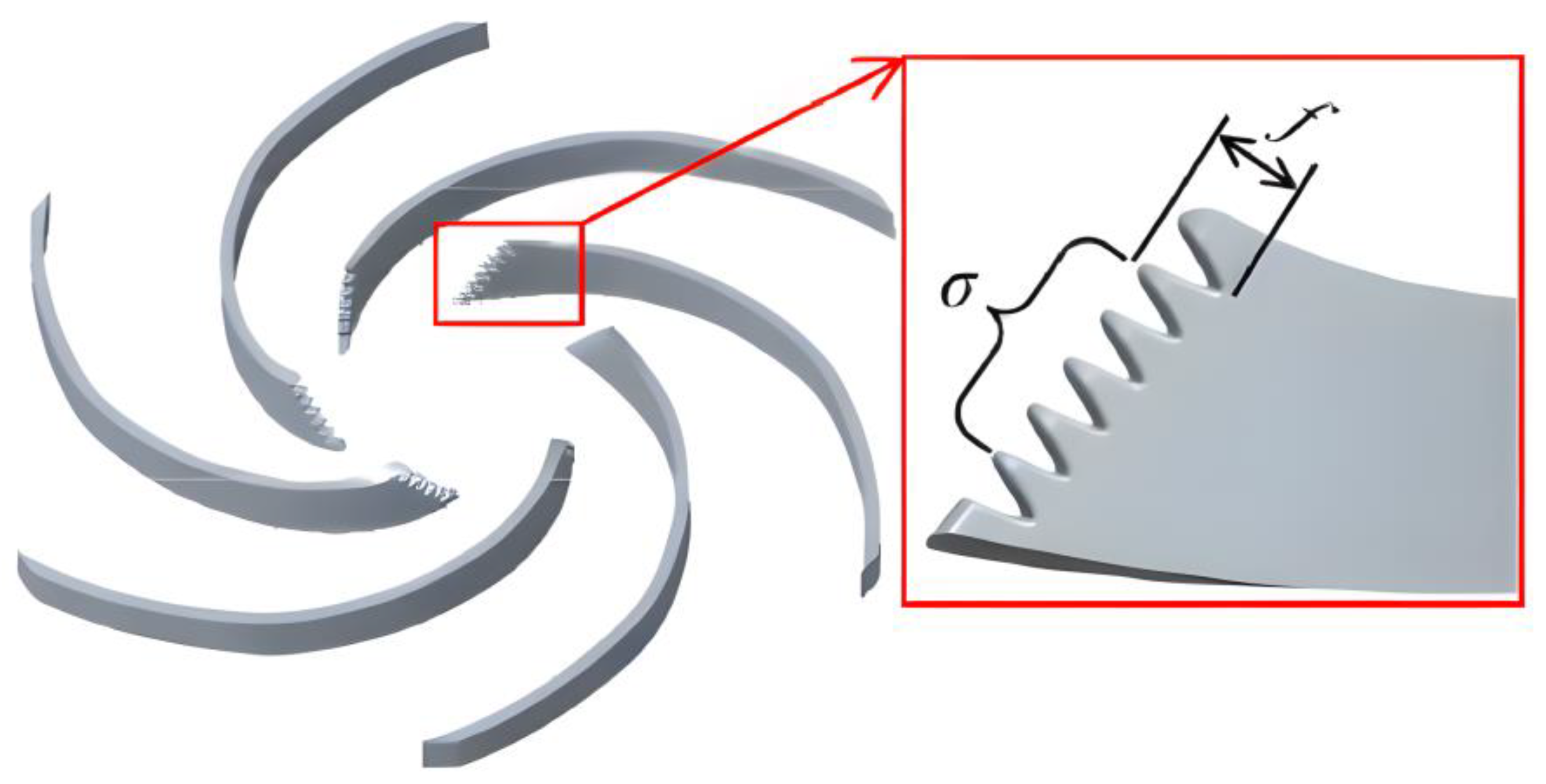
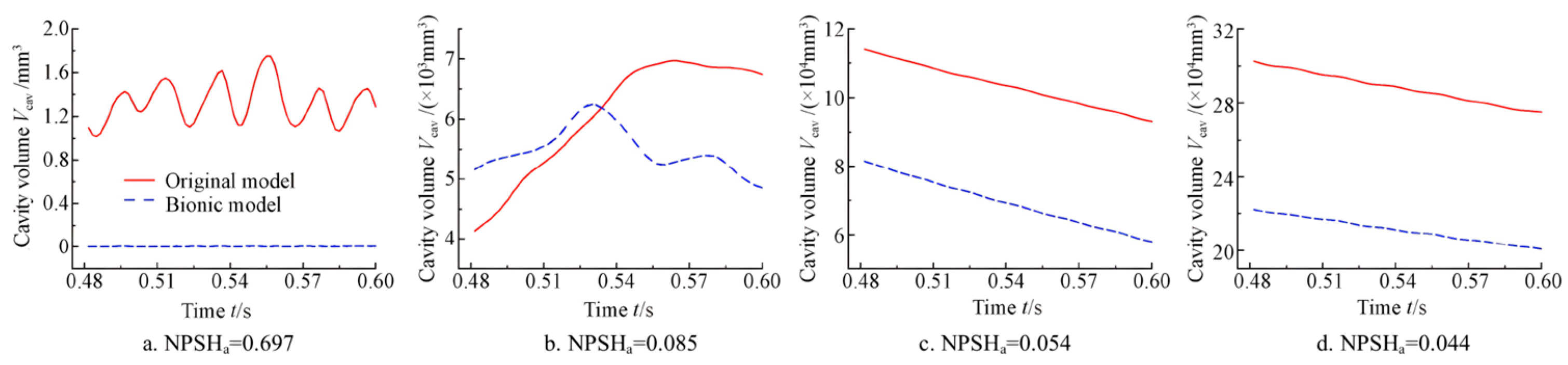
The cavitation phenomenon presents a significant challenge in pump operation since the losses incurred by cavitation adversely impact pump performance. The many constraints of conventional anti-cavitation techniques have compelled researchers to explore biological processes for innovative alternatives. Consequently, the use of bionanotechnology for anti-cavitation pumping has emerged as a prominent study domain. Despite the extensive publication of publications on biomimetic technology, research concerning the use of anti-cavitation in pumps remains scarce. This review comprehensively summarizes, for the first time, the advancements and applications of bionic structures, bionic surface texture design, and bionic materials in pump anti-cavitation, addressing critical aspects such as blade leading-edge bionic structures, bionic worm shells, microscopic bionic textures, and innovative bionic coatings. Bionic technology may significantly reduce cavitation erosion and improve pump performance by emulating natural biological structures. This research elucidates the creative contributions of biomimetic designs and their anti-cavitation effects, hence boosting the anti-cavitation performance of pumps. This work integrates practical requirements and anticipates future applications of bionic technology in pump anti-cavitation, offering a significant research direction and reference for scholars in this domain.
Keywords: pump; bionic structure; bionic surface textures; bionic material; anti-cavitation pump; bionic structure; bionic surface textures; bionic material; anti-cavitation
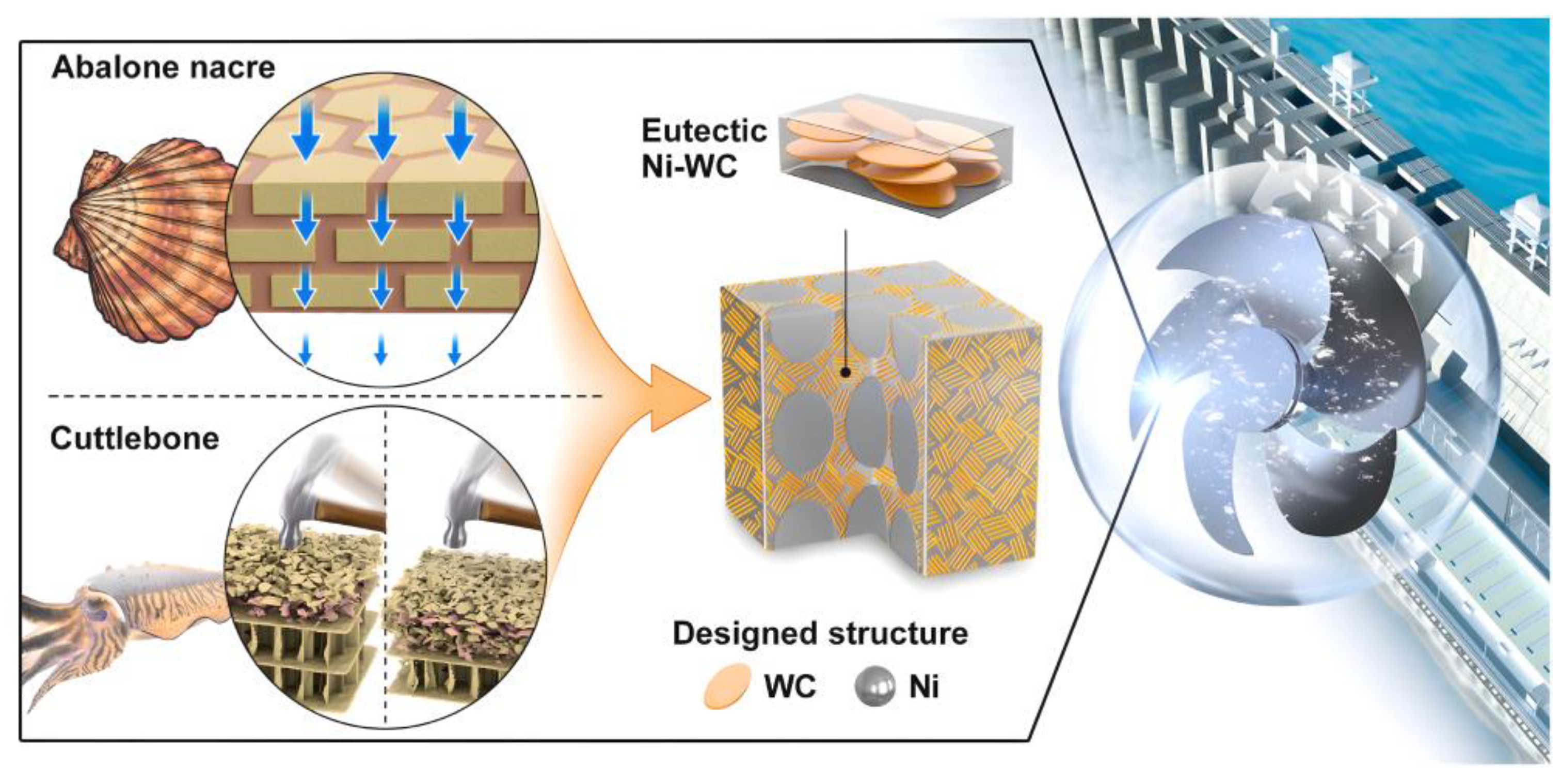
Graphical Abstract