Article

Steady- and Transient-State CFD Simulations of a Modified Barra–Costantini Solar System in Comparison with a Traditional Trombe–Michel Wall


Department of Industrial Engineering, University of Rome “Tor Vergata”, Via del Politecnico n.1, 00133 Rome, Italy
*
Author to whom correspondence should be addressed.
Energies 2024, 17(2), 295; https://doi.org/10.3390/en17020295
Submission received: 1 October 2023 / Revised: 26 December 2023 / Accepted: 28 December 2023 / Published: 7 January 2024
(This article belongs to the Special Issue New Challenges in Heat Transfer Enhancement)

Abstract

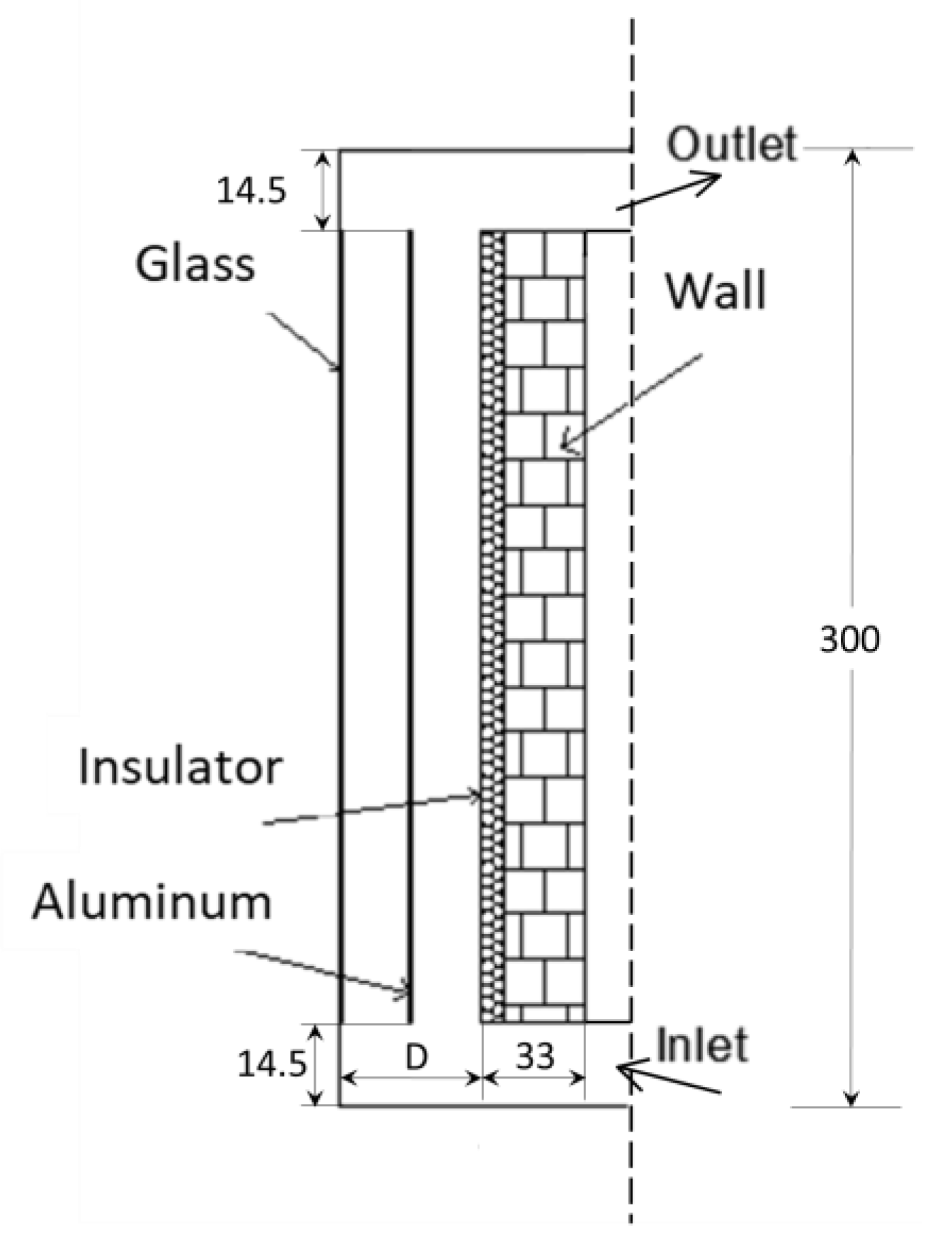
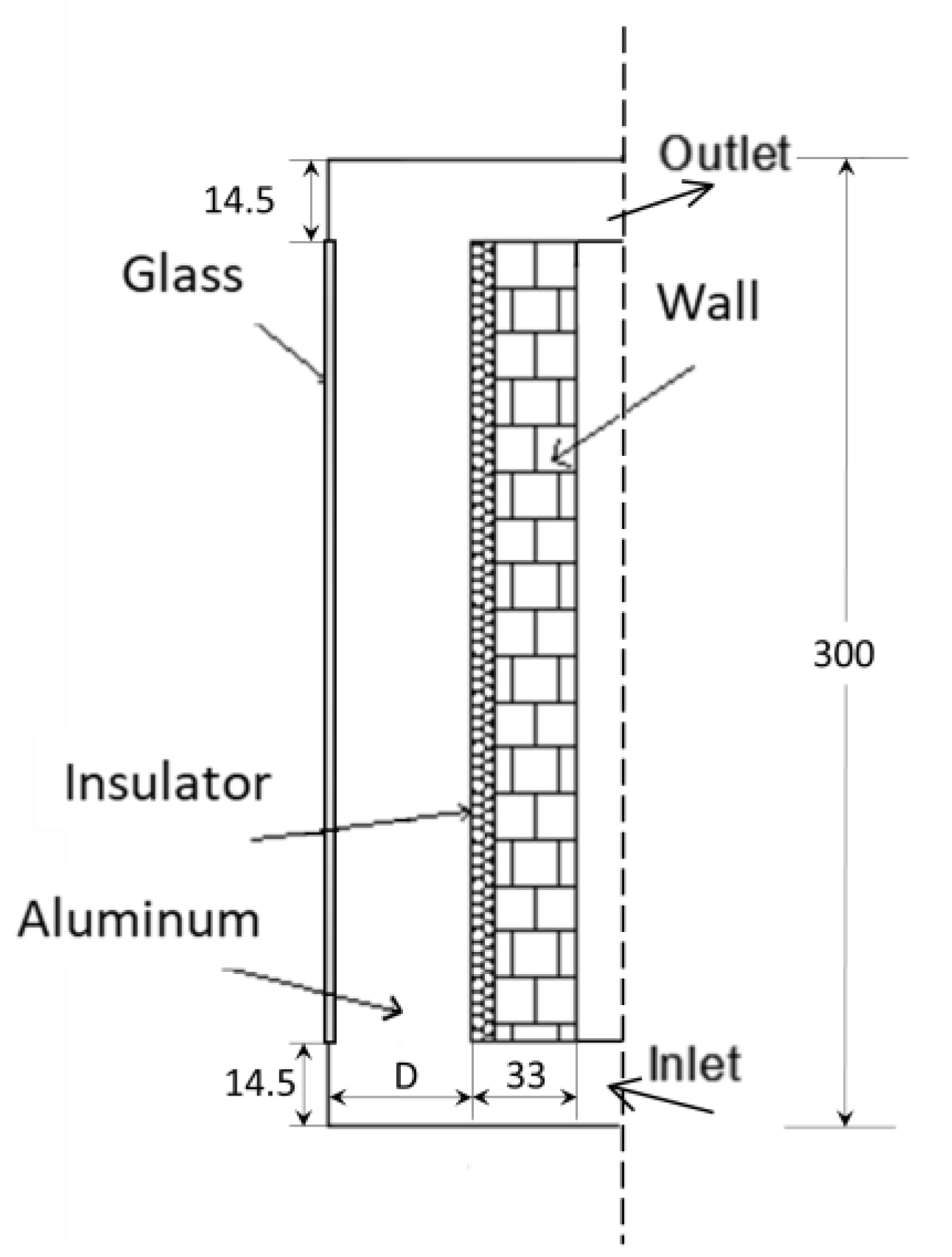
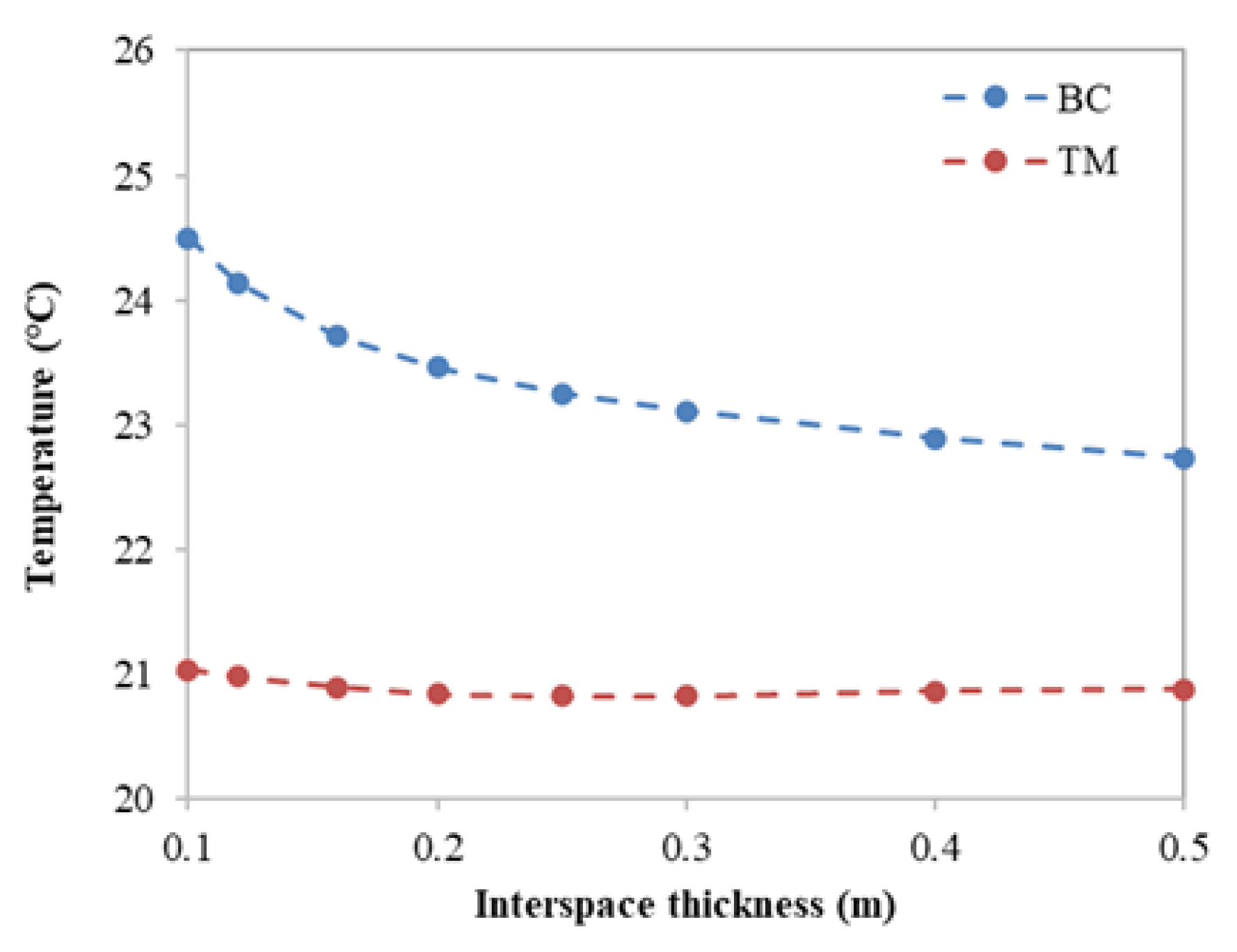
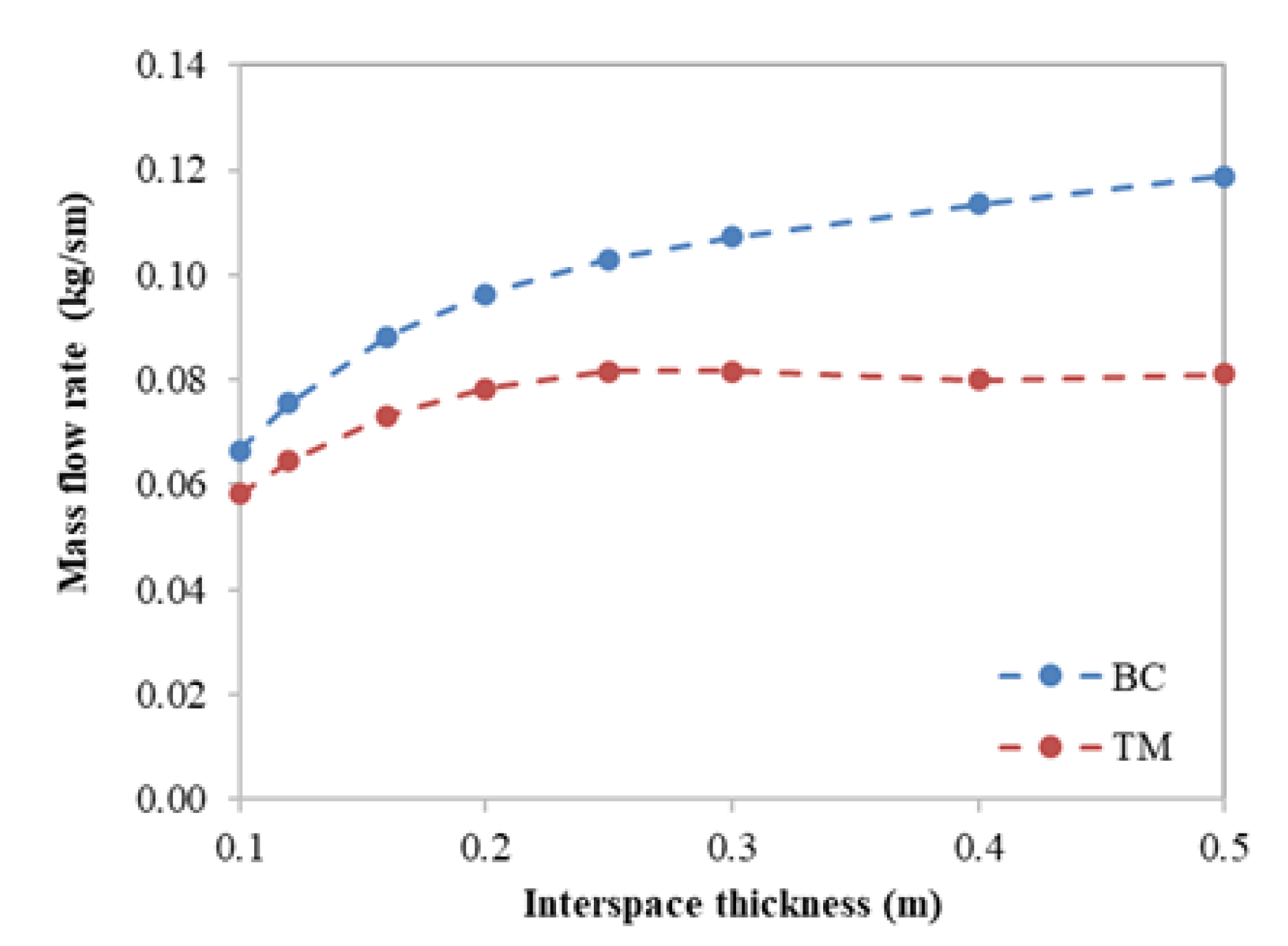
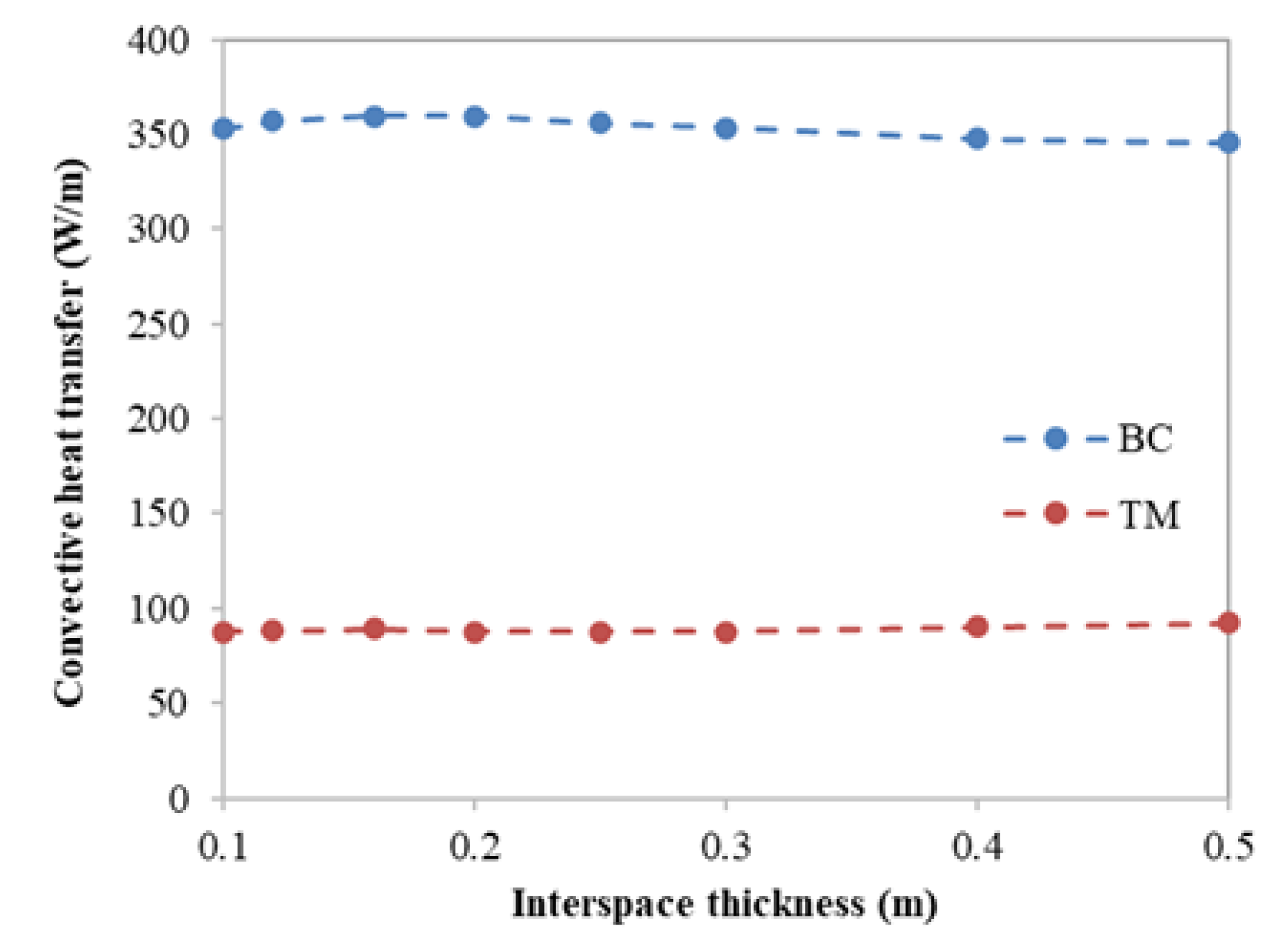
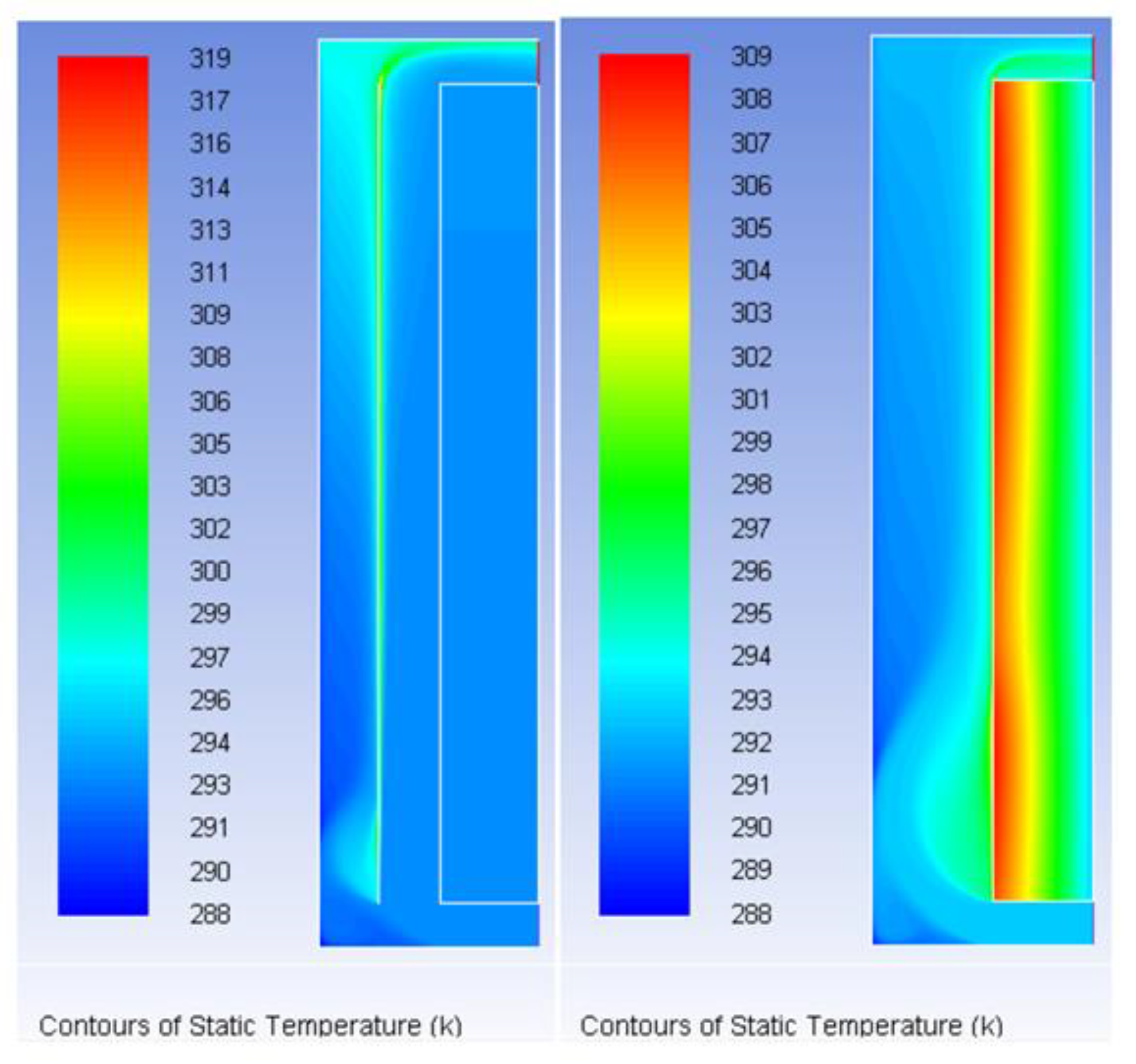
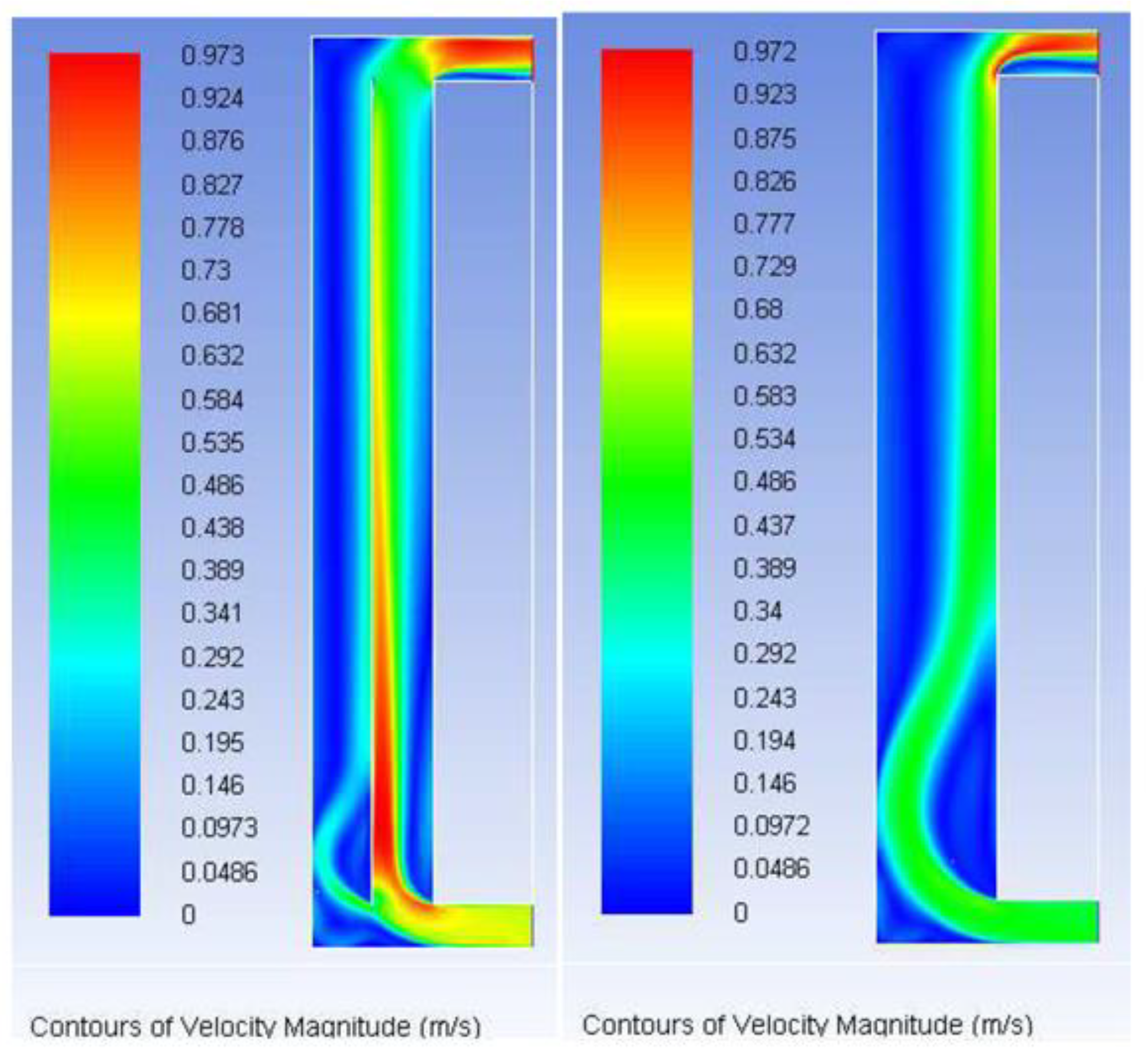
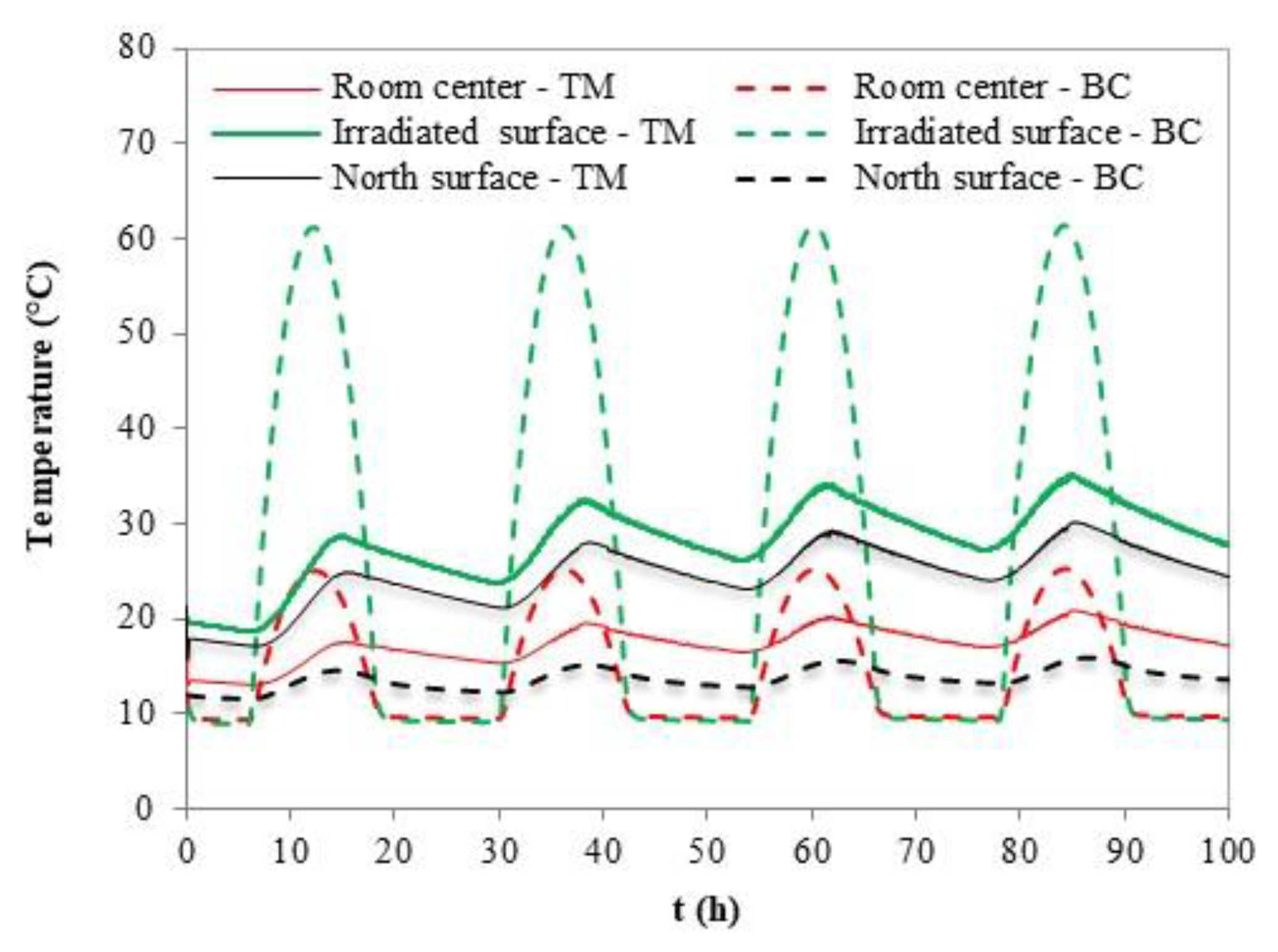
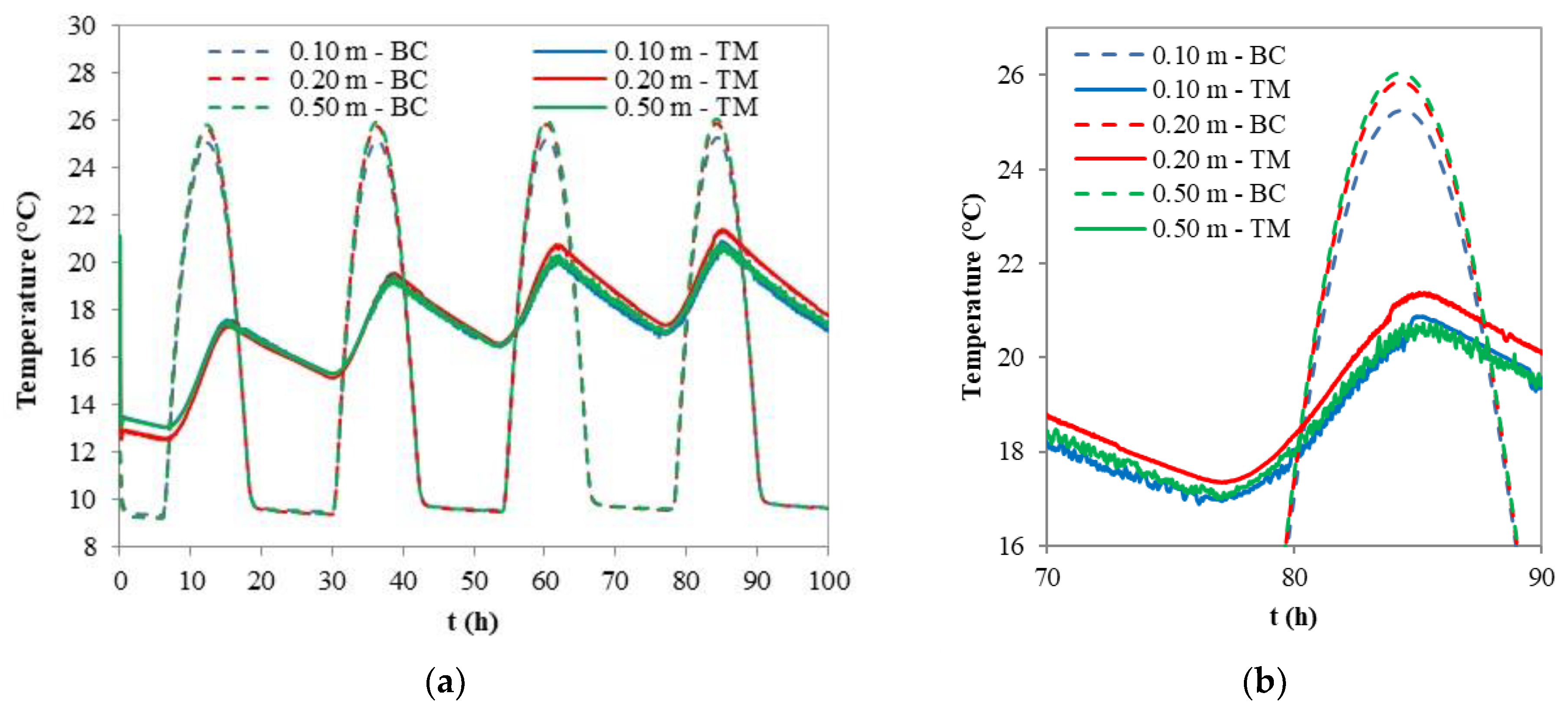
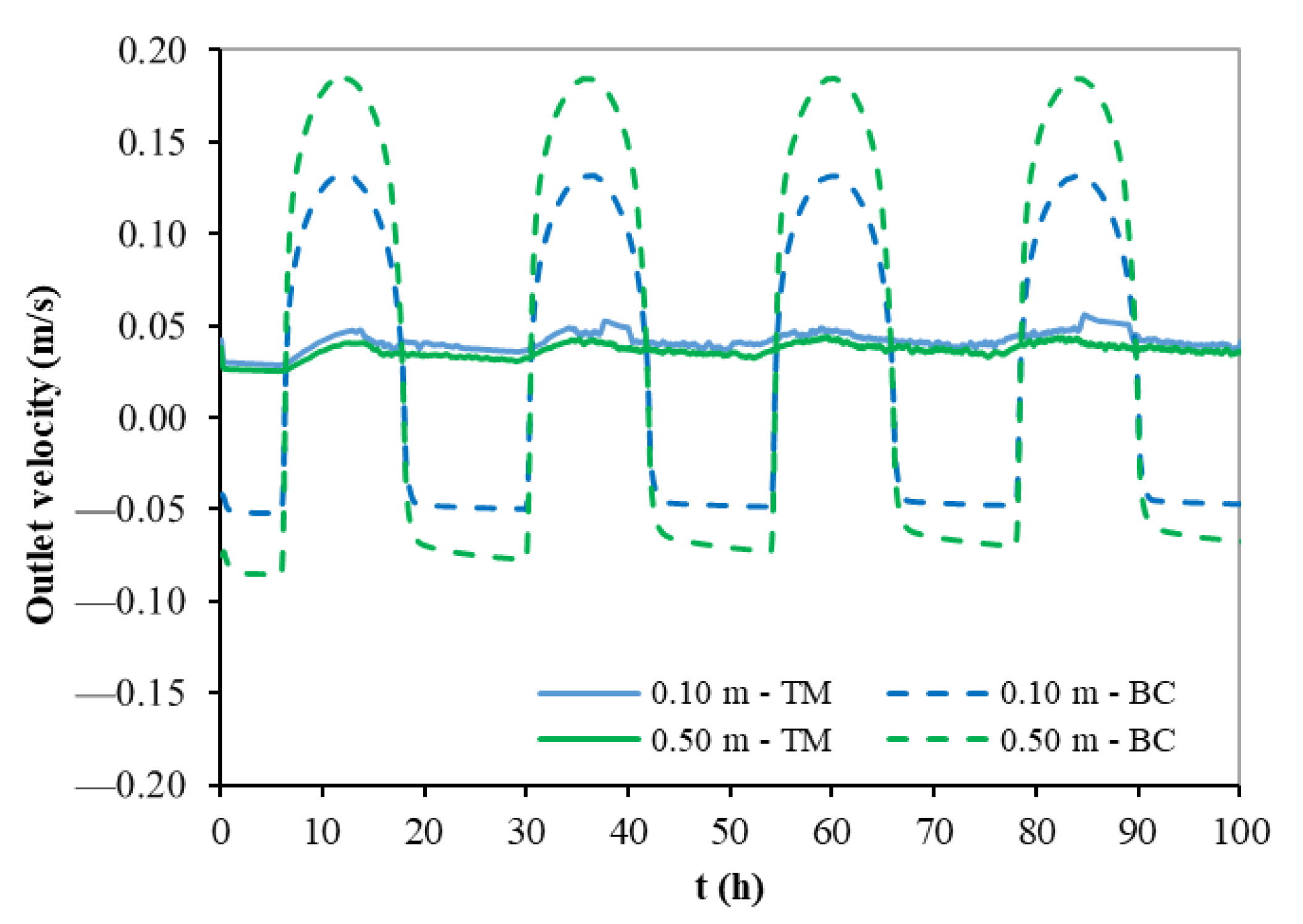
Passive solar systems are one of most important strategies to reduce the heating loads of buildings. The Trombe–Michel (TM) wall and its variants are some of the better-known structures in the field of solar systems. An alternative to the TM wall is the Barra–Costantini (BC) system. In the present paper, CFD numerical simulations, both in steady and transient states, of modified BC and TM walls were carried out in the winter season. Different interspace thicknesses were simulated in order to evaluate their effects on the temperature field and air velocity, and the numerical results were compared among them. It was found that the BC system offers greater hot air flow compared with the TM wall; the mass flow rate increased up to 43% in the BC system and up 28% in the TM system when the interlayer thickness was increased by 500%. The transient simulations (100 h simulated) demonstrated that the dynamic response of the BC wall was shorter than that of the TM wall, even when the TM wall was simulated with initial thermal conditions that were more advantageous than those for the BC wall. The BC system reached a periodic stabilized regime within 24 h, whereas the TM system failed to stabilize in 100 h. The results show that for both TM and BC structures, the interlayer thickness scarcely influenced the temperature of the environment reached (the temperature peak increased up to 3–4% as the interlayer thickness was increased by 500%), while larger air speed changes were observed in the BC system in the transient state compared with the TM system. Thus, in the TM system, the outlet air velocity was practically constant as the interlayer thickness was increased; in contrast, the outlet velocity peak increased up to 50% in the BC system. Moreover, the BC wall presented a quicker response to satisfy the ambient thermal loads.
Keywords: energy efficiency; Barra–Costantini wall; Trombe–Michel wall; passive solar system energy efficiency; Barra–Costantini wall; Trombe–Michel wall; passive solar system