Article

ADPA Optimization for Real-Time Energy Management Using Deep Learning

1
Energy Development Research Institute, China Southern Power Grid, Guangzhou 510530, China
2
Central Southern China Electric Power Design Institute Co., Ltd. of China Power Engineering Consulting Group, Wuhan 430071, China
*
Author to whom correspondence should be addressed.
Energies 2024, 17(19), 4821; https://doi.org/10.3390/en17194821
Submission received: 5 September 2024 / Revised: 23 September 2024 / Accepted: 24 September 2024 / Published: 26 September 2024
(This article belongs to the Section F5: Artificial Intelligence and Smart Energy)

Abstract

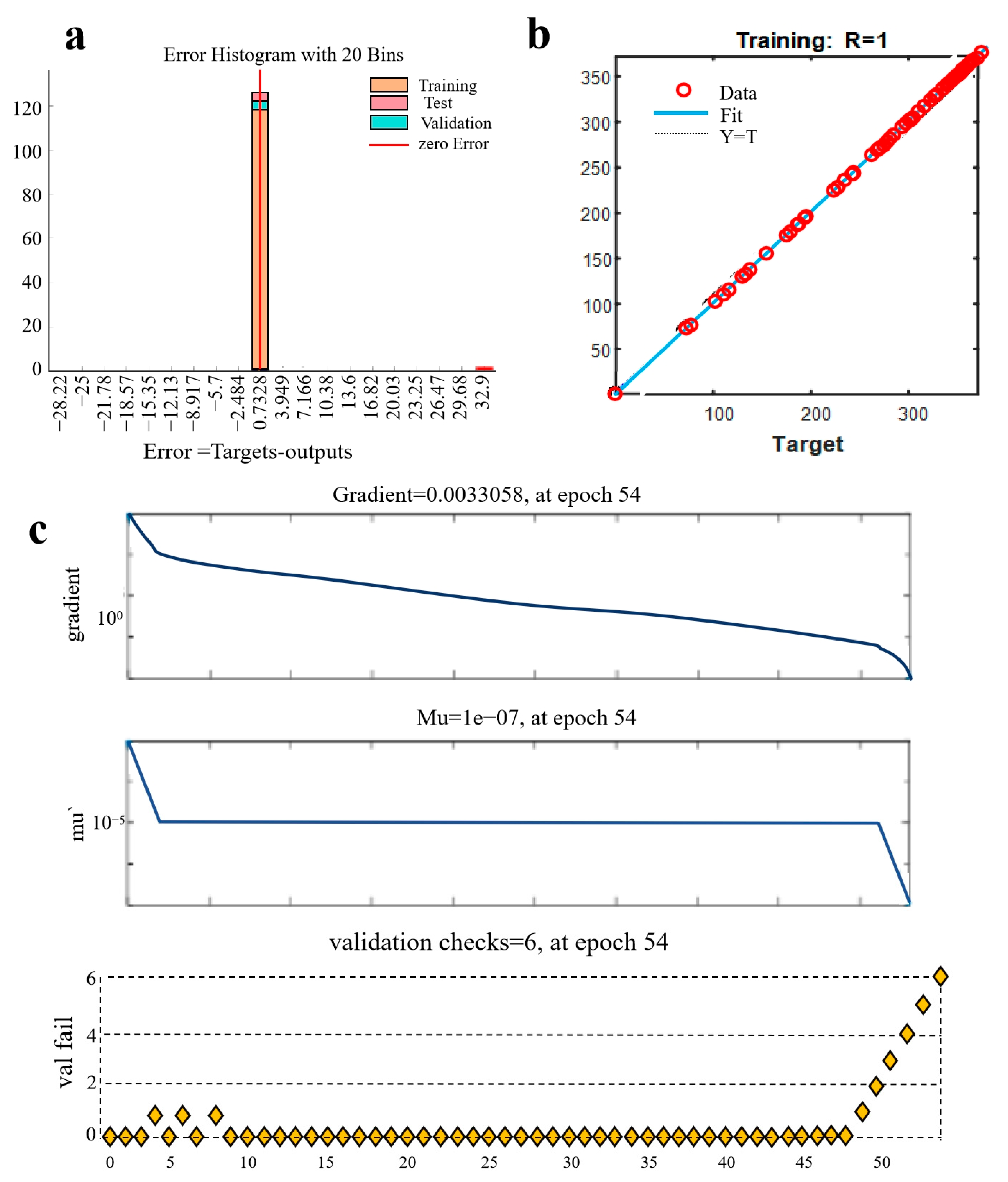
The current generation of renewable energy remains insufficient to meet the demands of users within the network, leading to the necessity of curtailing flexible loads and underscoring the urgent need for optimized microgrid energy management. In this study, the deep learning-based Adaptive Dynamic Programming Algorithm (ADPA) was introduced to integrate real-time pricing into the optimization of demand-side energy management for microgrids. This approach not only achieved a dynamic balance between supply and demand, along with peak shaving and valley filling, but it also enhanced the rationality of energy management strategies, thereby ensuring stable microgrid operation. Simulations of the Real-Time Electricity Price (REP) management model under demand-side response conditions validated the effectiveness and feasibility of this approach in microgrid energy management. Based on the deep neural network model, optimization of the objective function was achieved with merely 54 epochs, suggesting a highly efficient computational process. Furthermore, the integration of microgrid energy management with the REP conformed to the distributed multi-source power supply microgrid energy management and scheduling and improved the efficiency of clean energy utilization significantly, supporting the implementation of national policies aimed at the development of a sustainable power grid.
Keywords: microgrid; real-time pricing; deep learning; adaptive dynamic programming microgrid; real-time pricing; deep learning; adaptive dynamic programming