Article

Storage Regulation Mechanism and Control Strategy of a Hydraulic Wave Power Generation System

by
Jianjun Peng
1,2,*,
Chenchen Huang
1,
Meng Xue
1,
Run Feng
1,
Erhao Zhou
1,
Zhidan Zhong
1,2 and
Xiangchen Ku
1,2,*
1
School of Mechanical and Electrical Engineering, Henan University of Science and Technology, Luoyang 471003, China
2
Collaborative Innovation Center of Henan Province for High-End Bearing, Luoyang 471003, China
*
Authors to whom correspondence should be addressed.
Energies 2024, 17(16), 4151; https://doi.org/10.3390/en17164151
Submission received: 17 July 2024 / Revised: 9 August 2024 / Accepted: 15 August 2024 / Published: 21 August 2024

Abstract

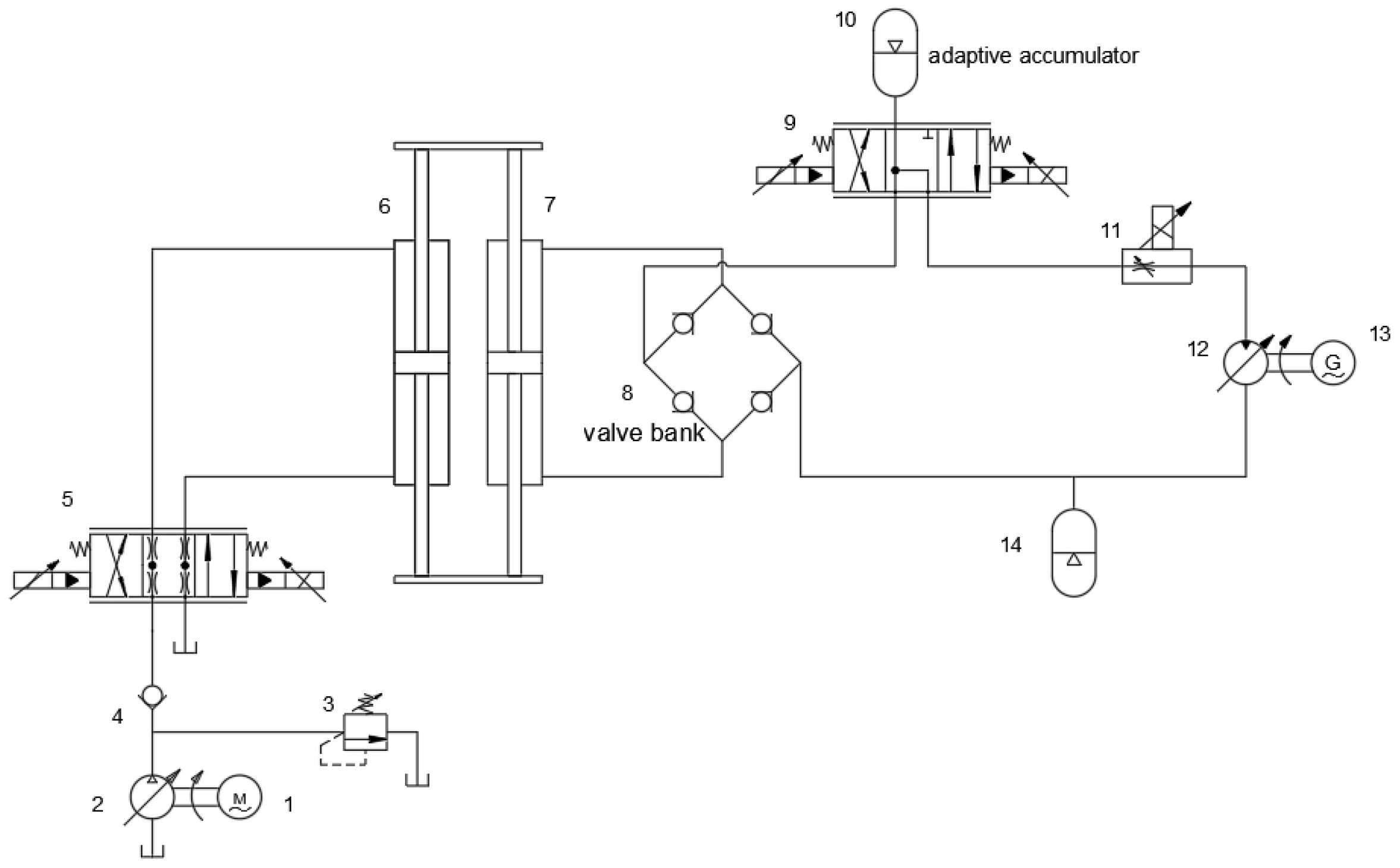
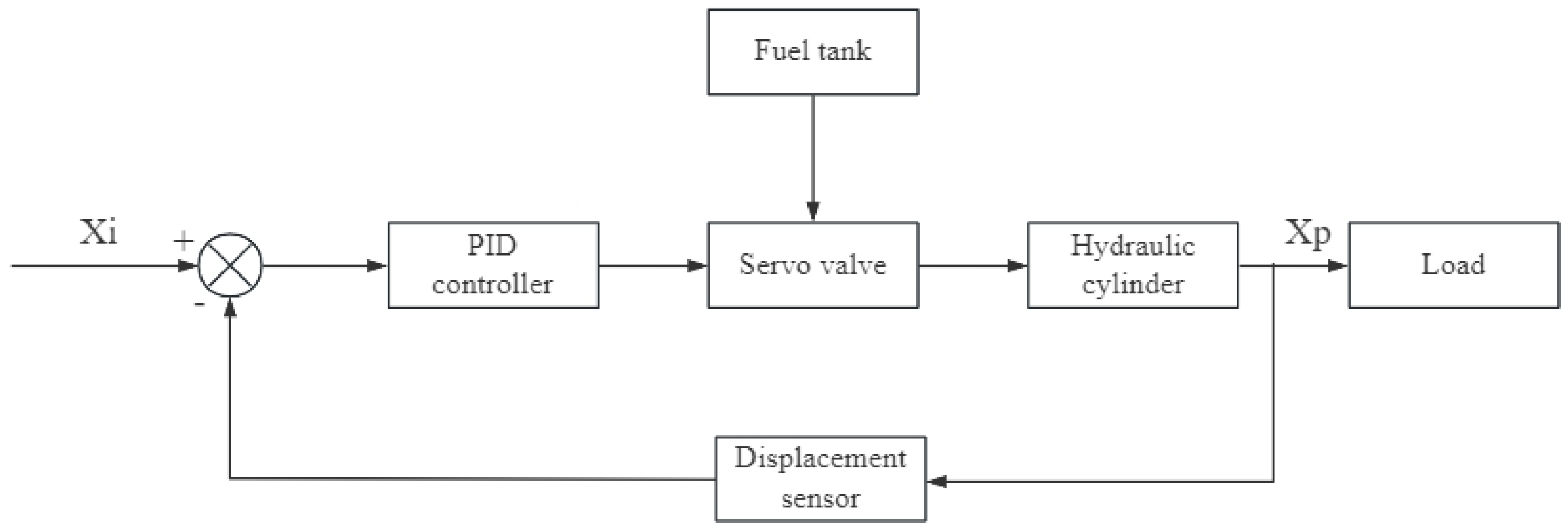
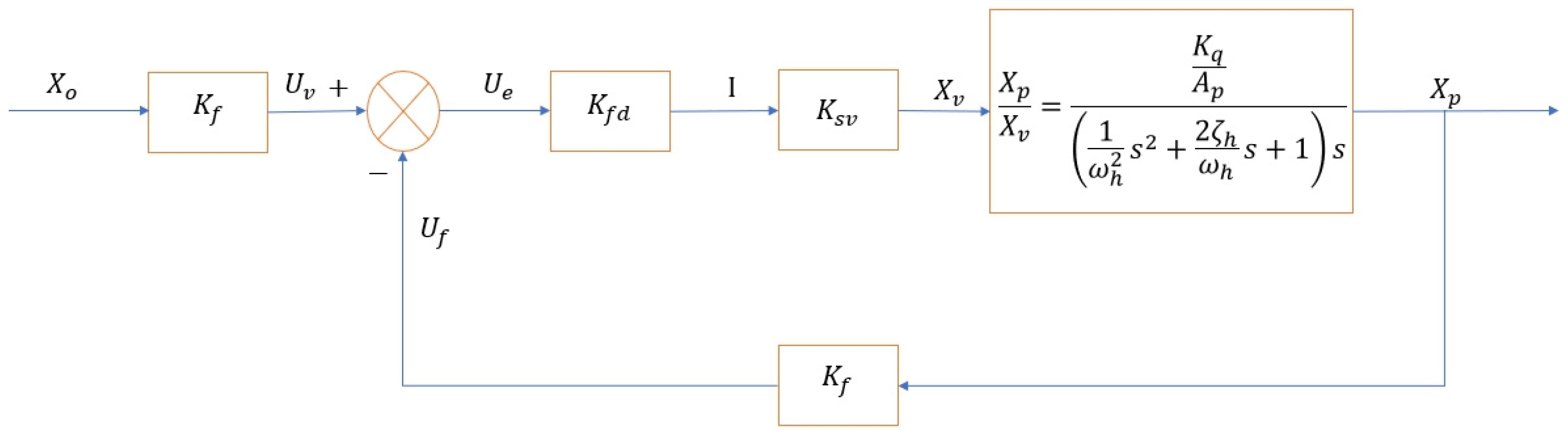
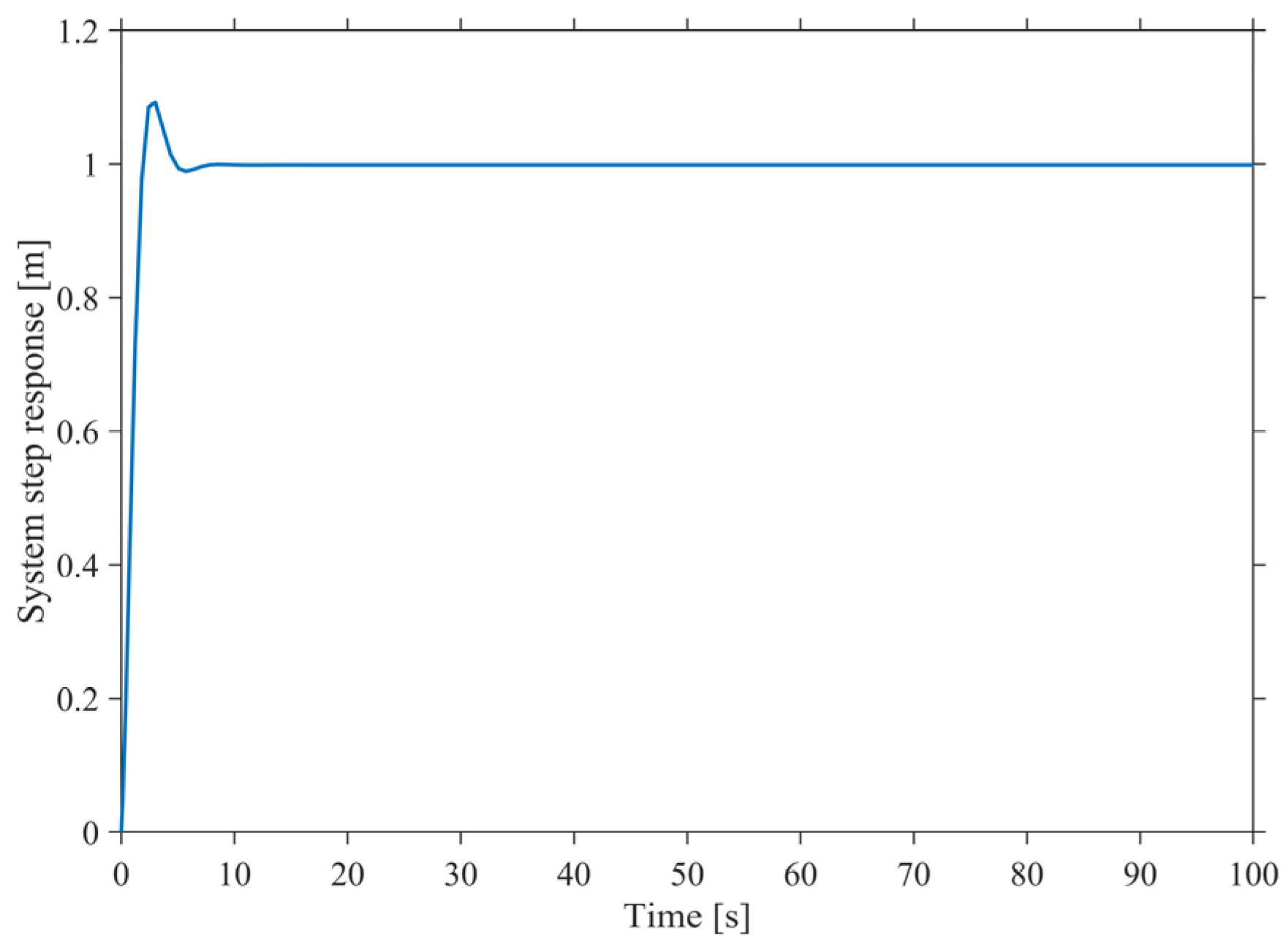
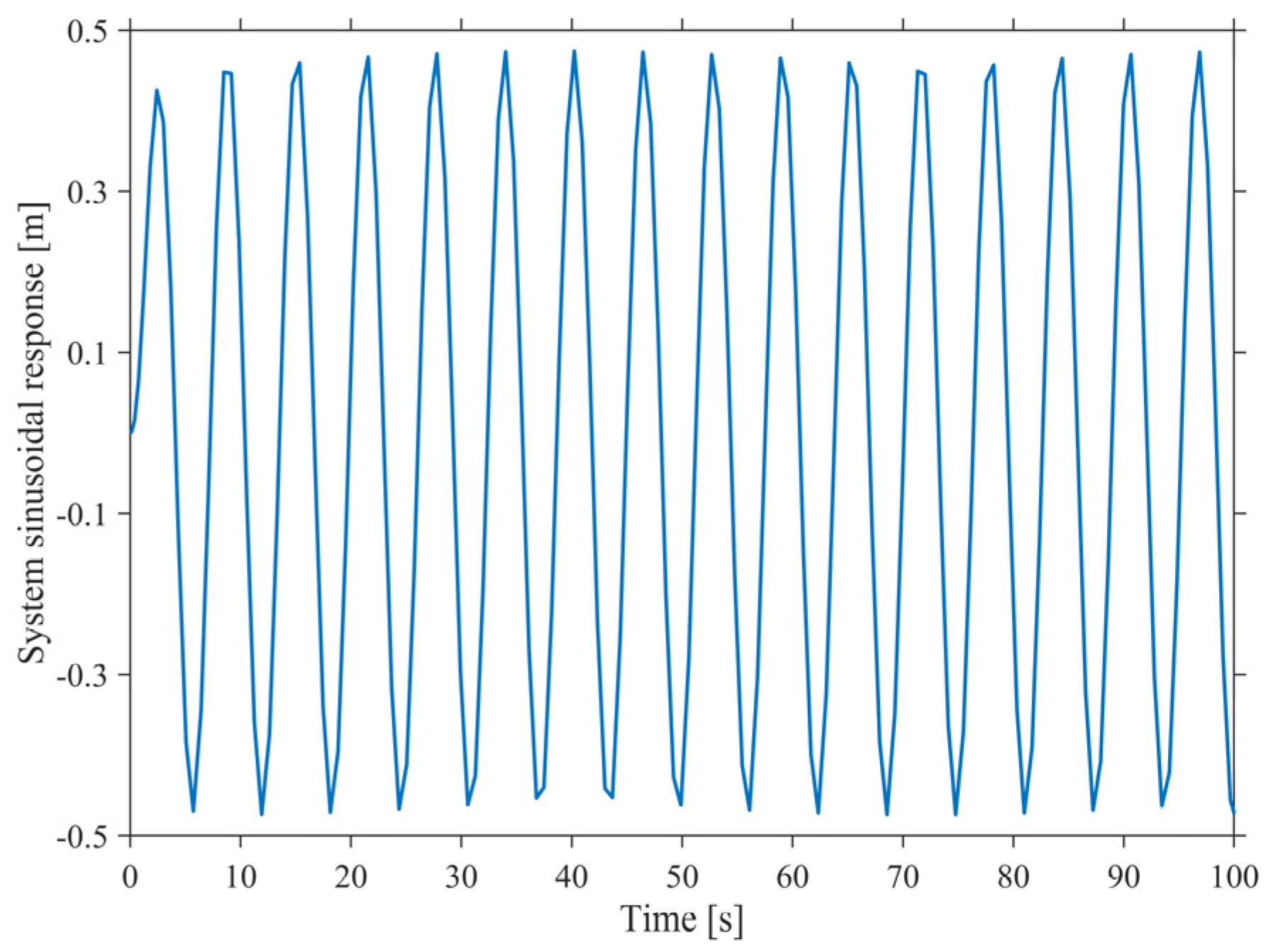
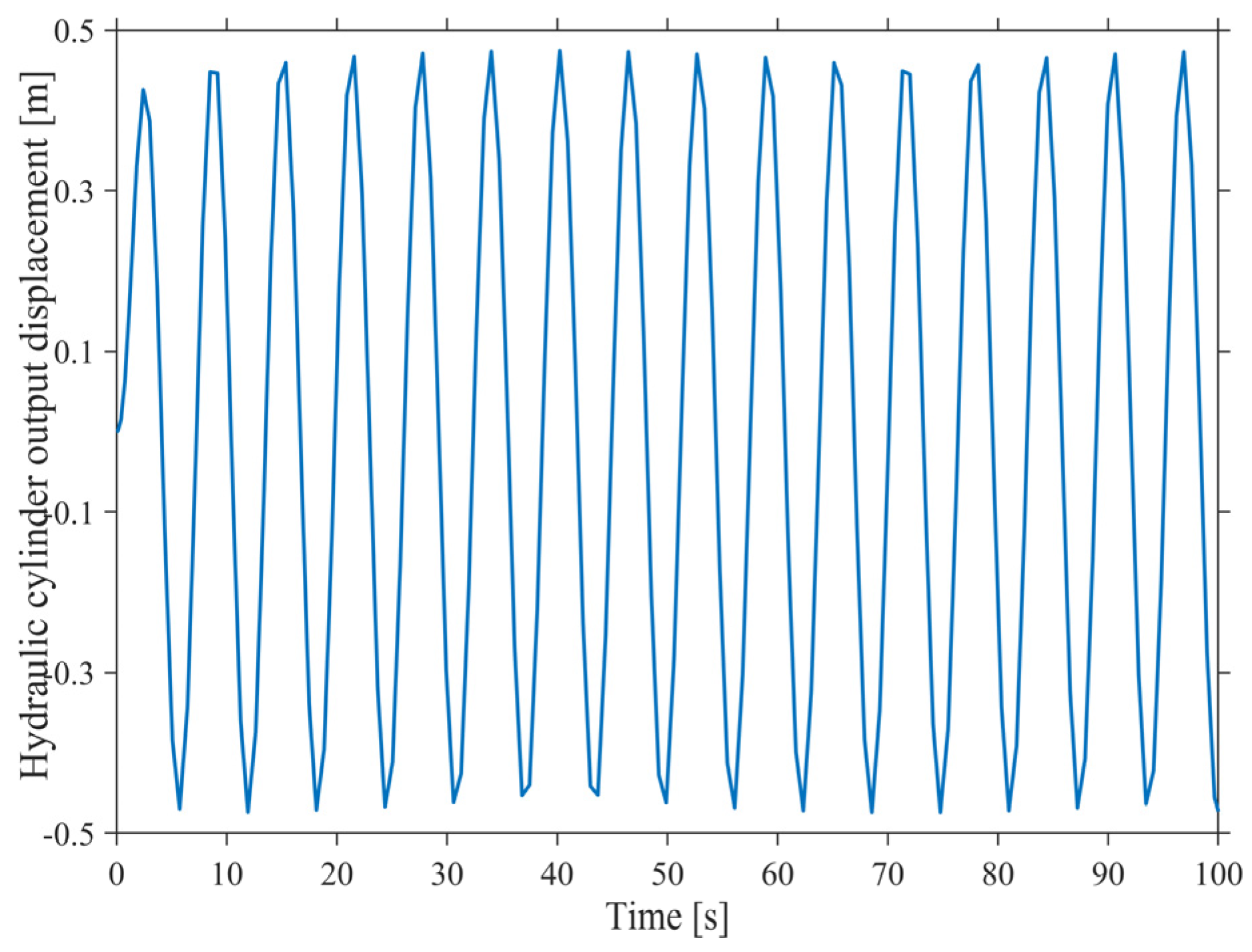
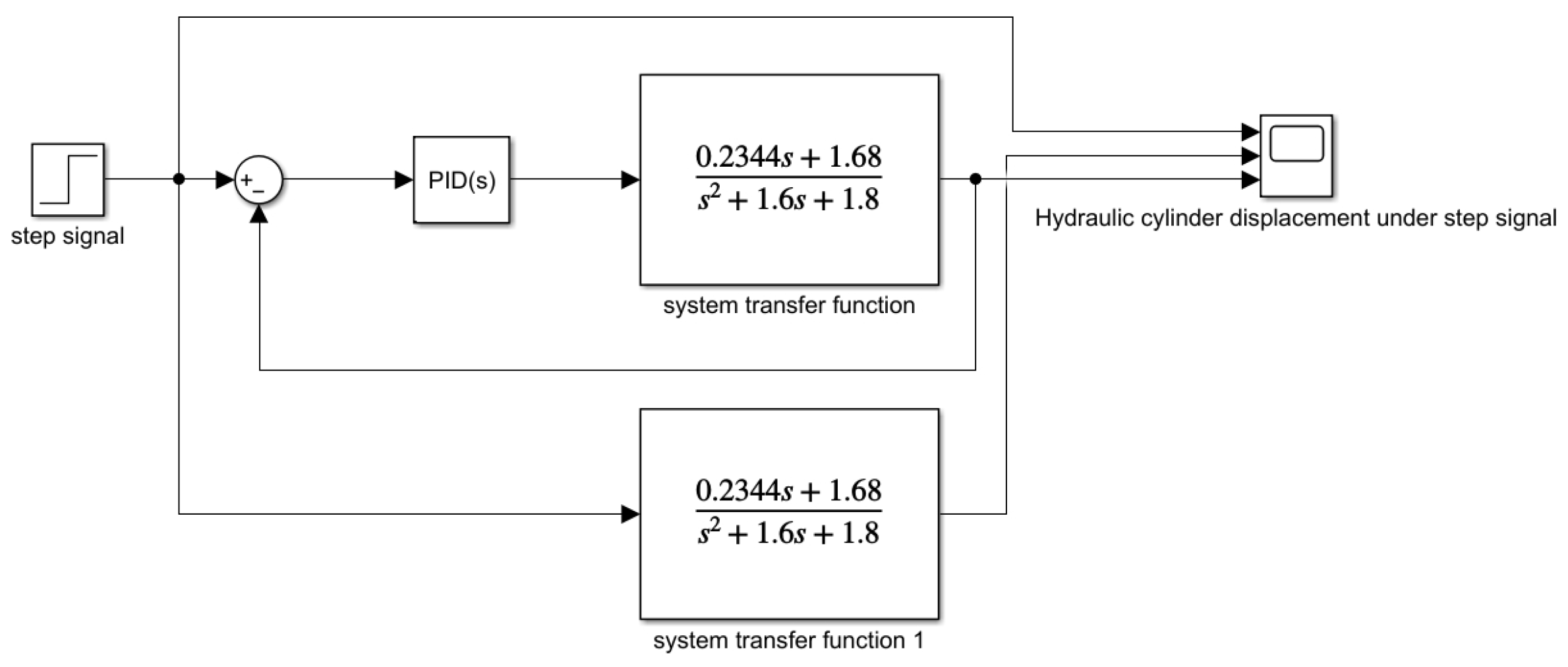
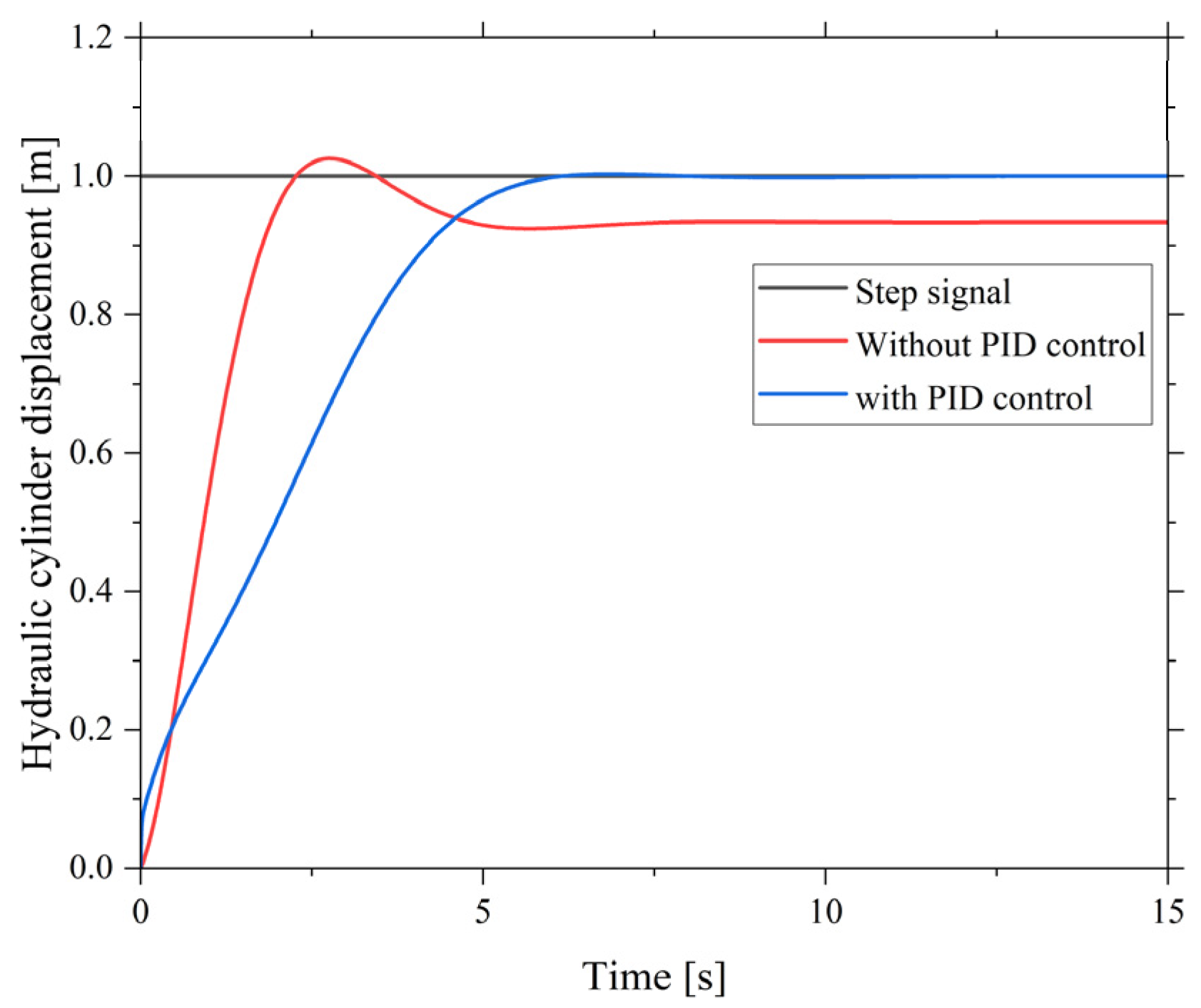
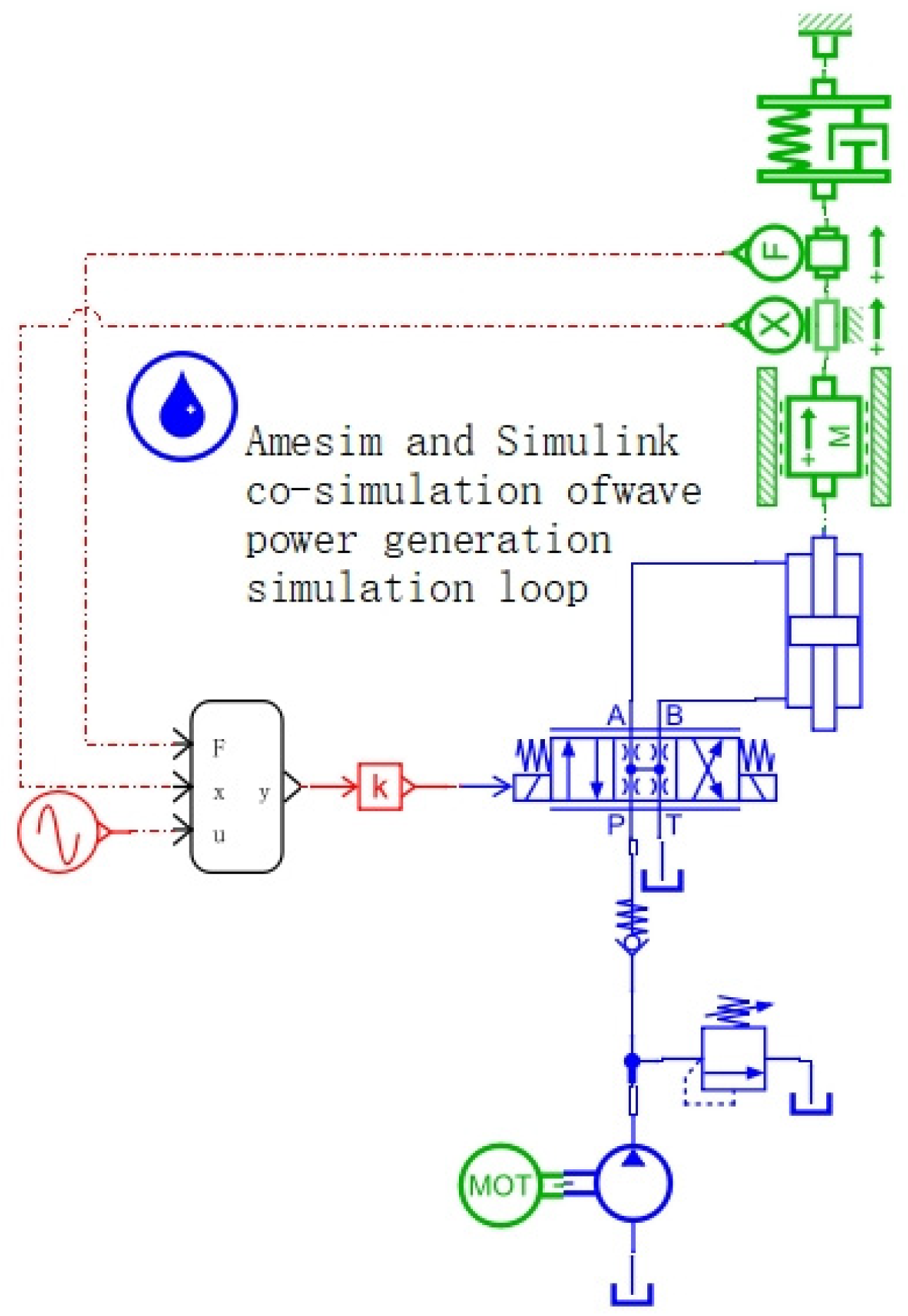
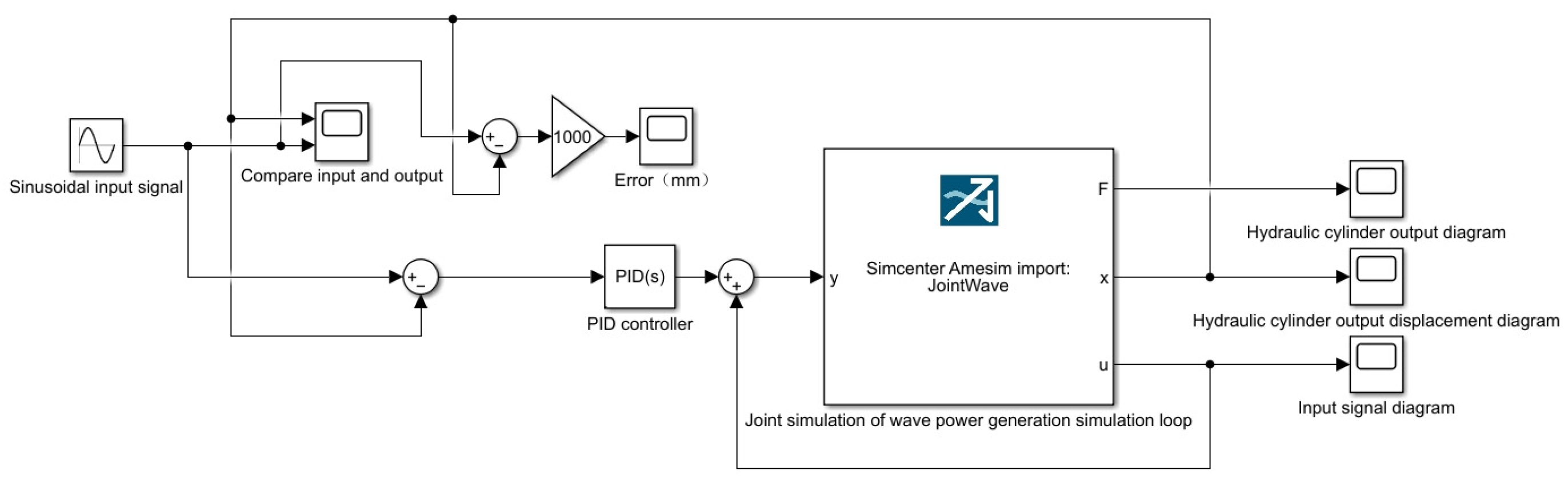
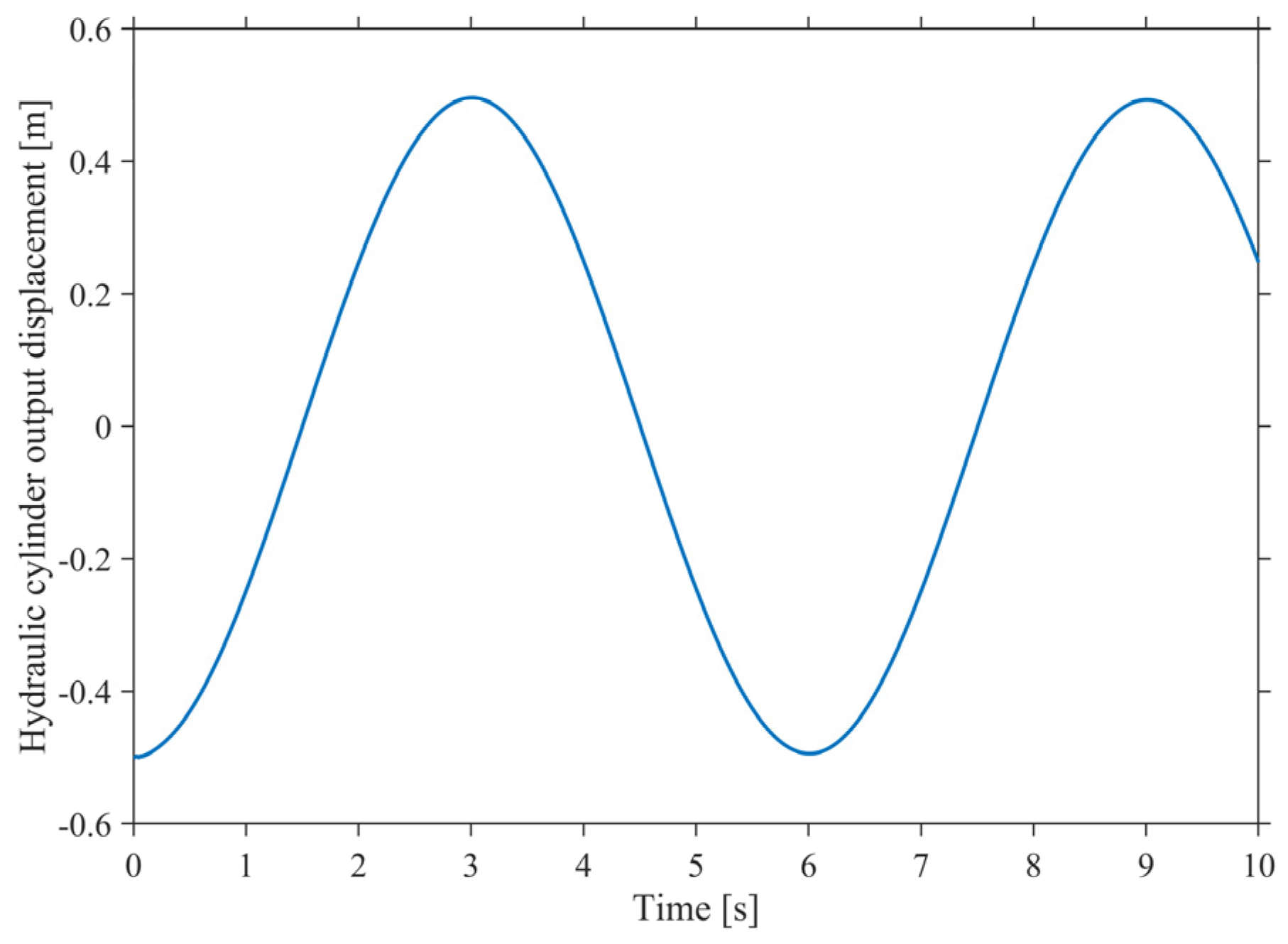
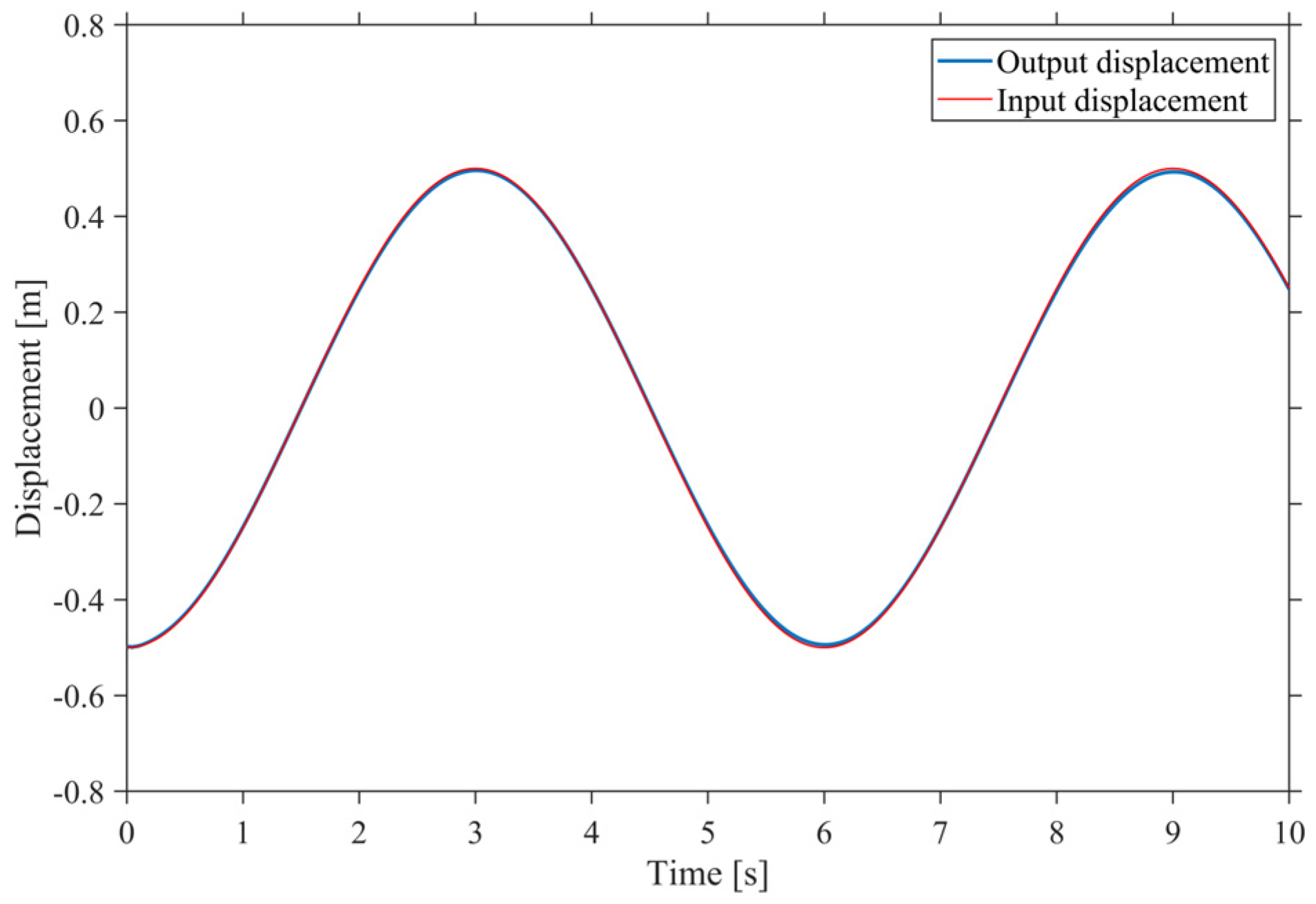
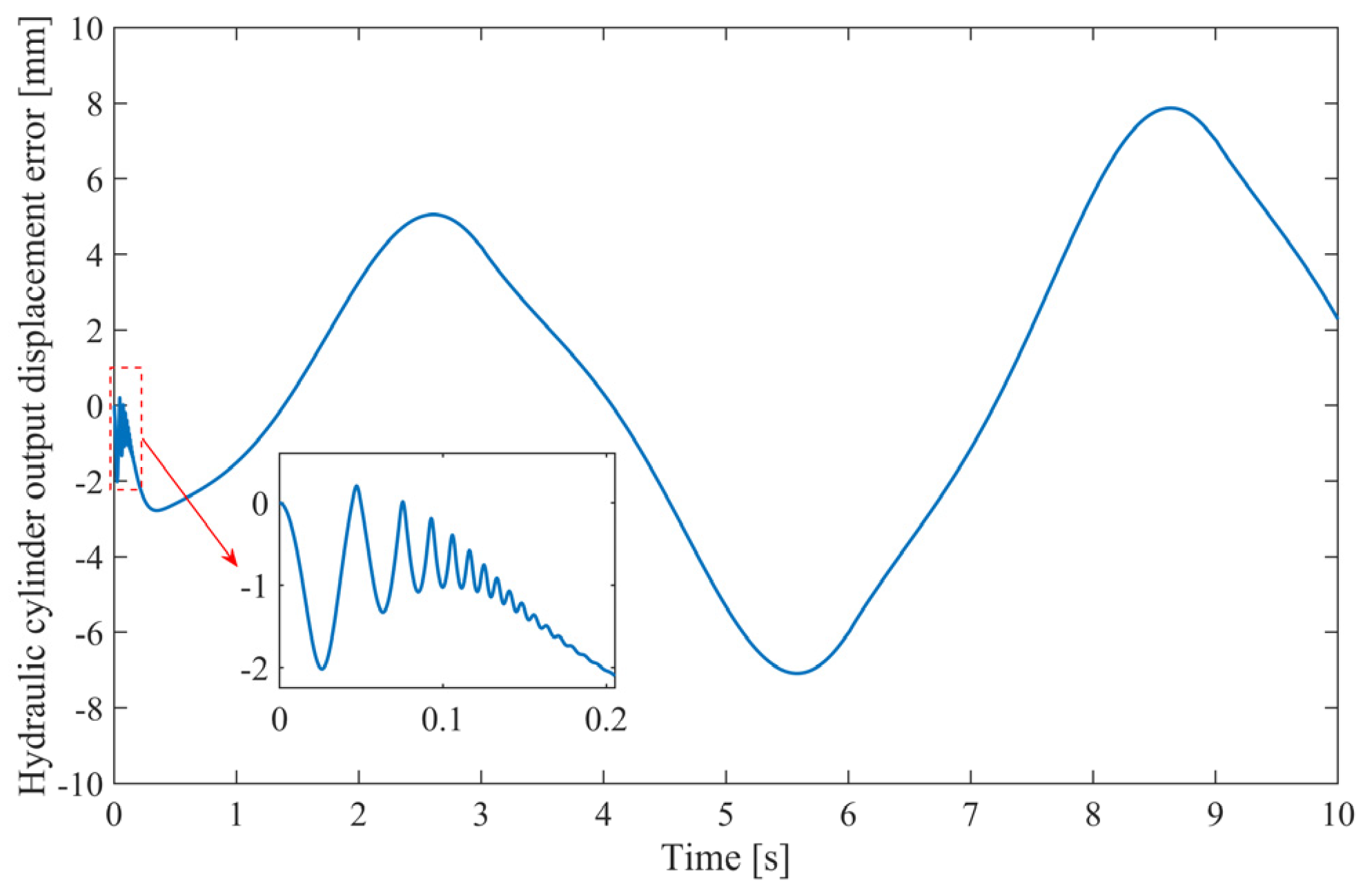
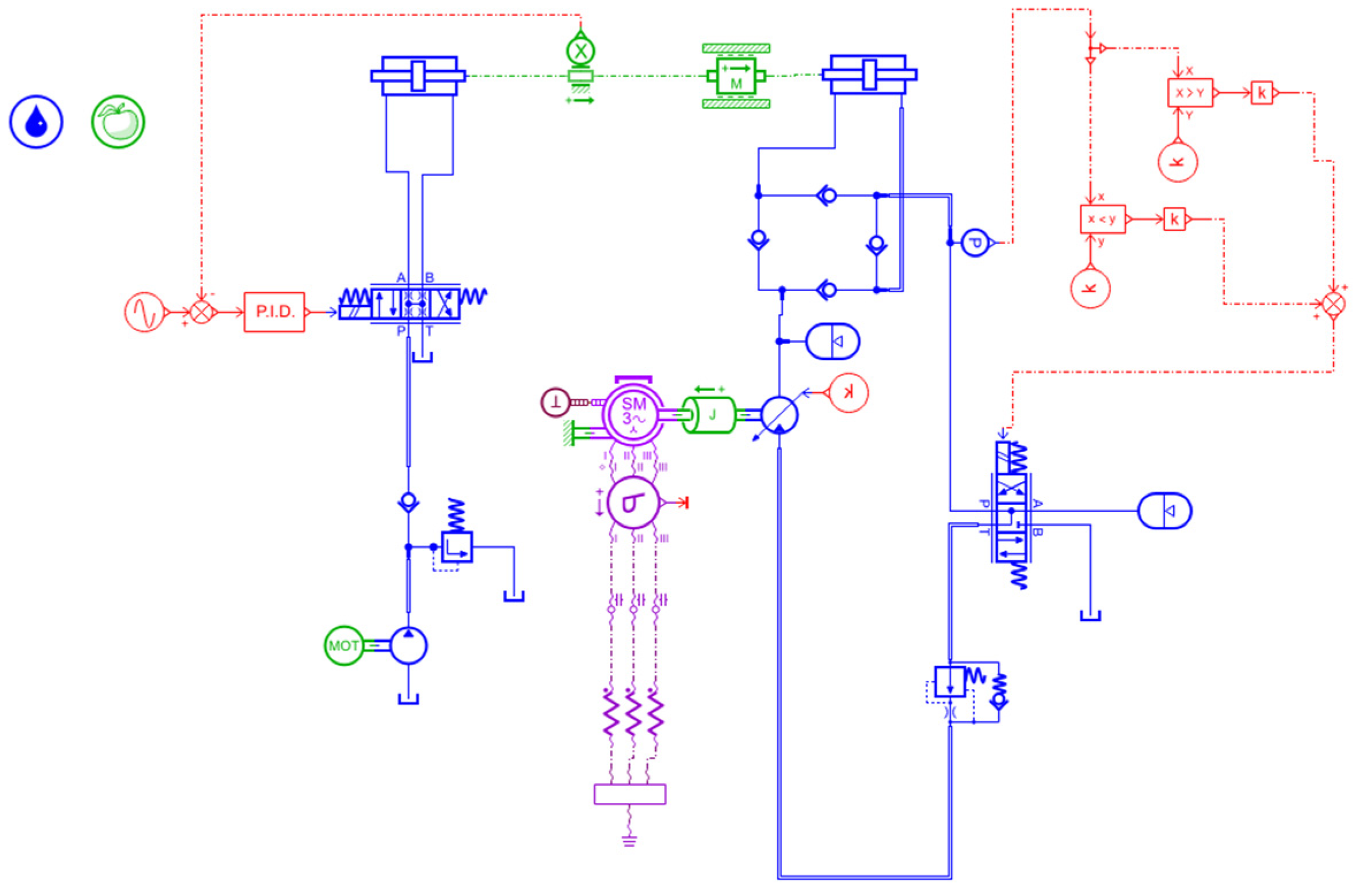
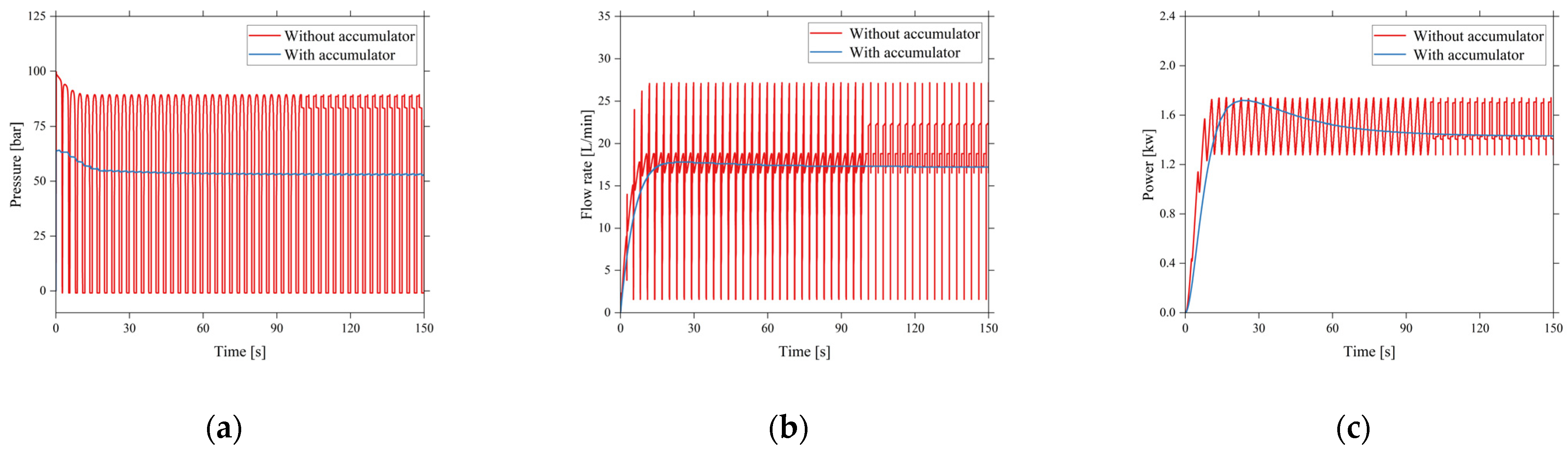
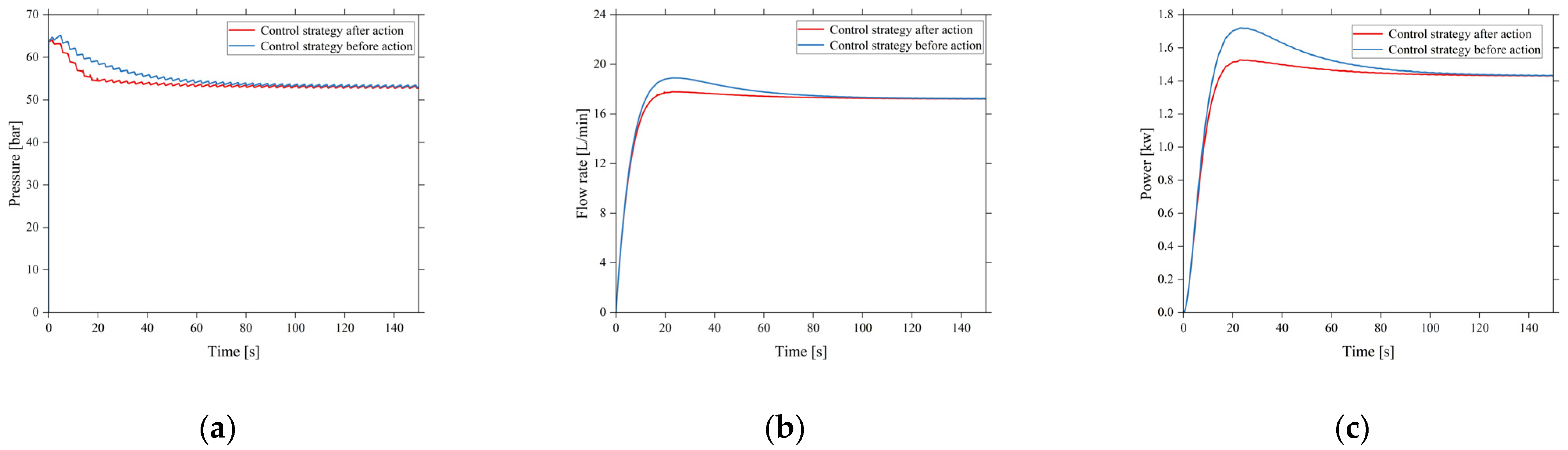
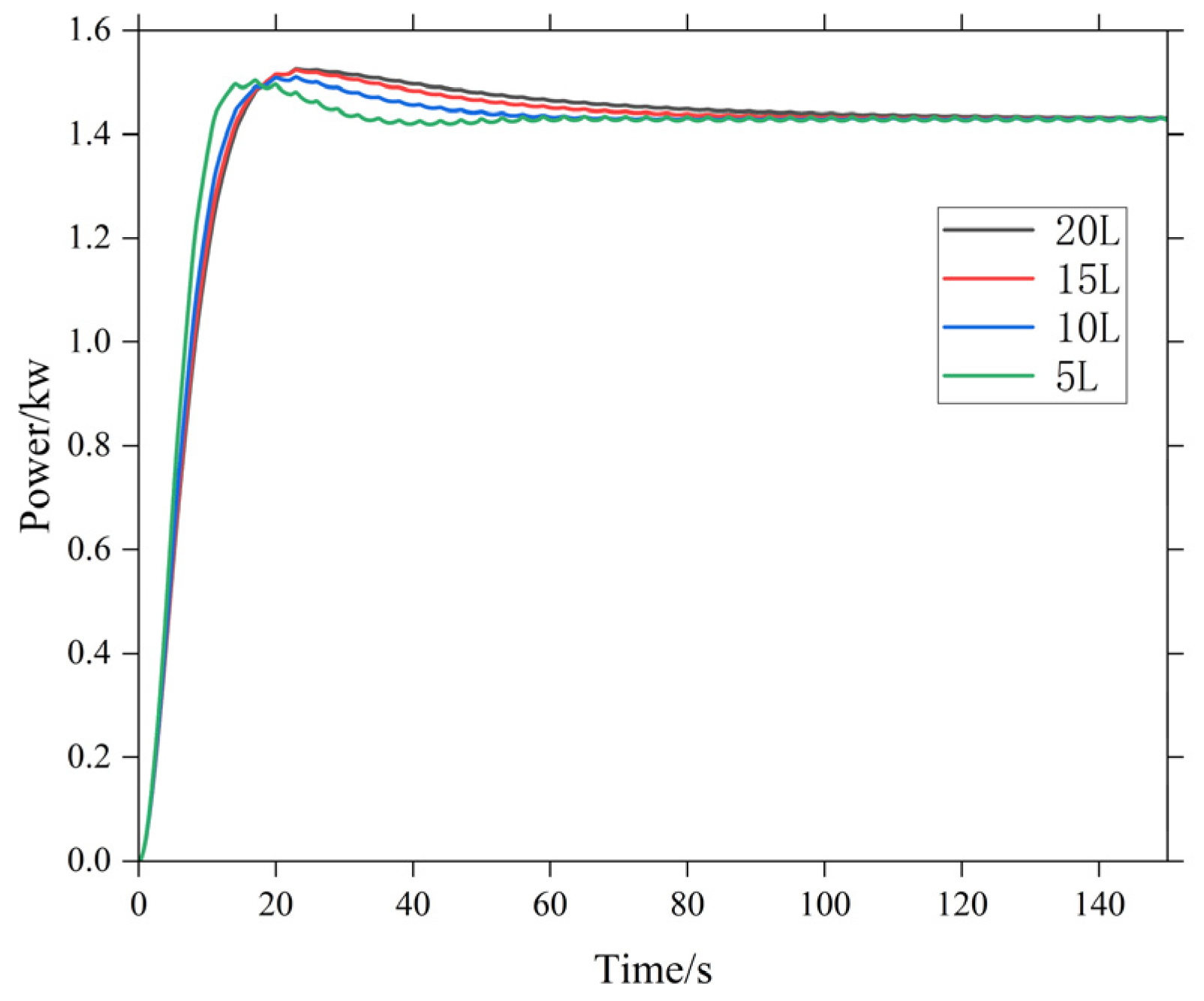
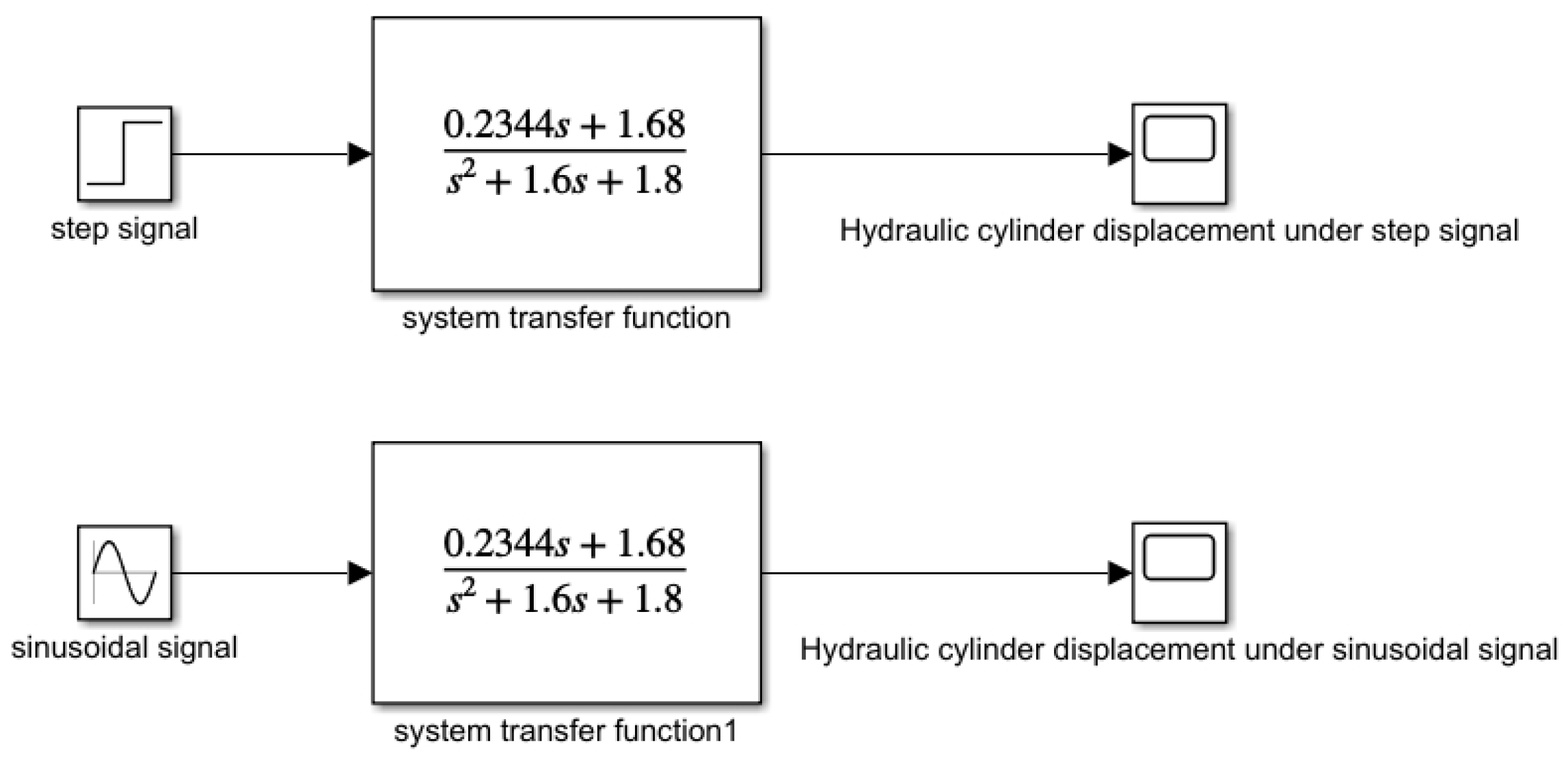
Based on a mechanism study, the regulation and control mechanism of the hydraulic energy storage system is elaborated in detail, and the regulation and control strategy is formulated for the hydraulic power generation system under the condition of a stable random wave, and the working mode of the wave power generation system is deeply studied. According to the characteristics of a hydraulic system, a control strategy of a three-position four-way electromagnetic directional valve suitable for adaptive energy storage system is proposed. In order to verify the feasibility of the control strategy, a mathematical model of the hydraulic cylinder displacement control system is designed based on the Matlab/Simulink platform, and a PID control strategy is introduced to build a wave simulation loop. Amesim and Simulink co-simulation is used to verify the performance of the wave simulation circuit and the hydraulic power generation system. The simulation results show that the maximum error rate is only 0.8% after PID control is added to the wave power generation simulation loop, the displacement of the hydraulic cylinder can reach the expected value, and the random wave motion can be simulated effectively. In the hydraulic system of wave energy generation, the proposed adaptive control strategy can accelerate the system stability process, reduce the power overshoot significantly, and convert wave energy into electric energy more effectively.
Keywords: wave energy; Amesim simulation; wave simulation loop; hydraulic energy storage system wave energy; Amesim simulation; wave simulation loop; hydraulic energy storage system