Article

Investigation and Analysis of the Power Quality in an Academic Institution’s Electrical Distribution System


by
Khaled M. Alawasa
* and
Abdullah H. Al-Badi
Department of Electrical and Computer Engineering, Sultan Qaboos University, P.O. Box 33, Muscat 123, Oman
*
Author to whom correspondence should be addressed.
Energies 2024, 17(16), 3998; https://doi.org/10.3390/en17163998
Submission received: 22 March 2024 / Revised: 18 July 2024 / Accepted: 7 August 2024 / Published: 13 August 2024
(This article belongs to the Special Issue Advances in Electrical Power System Quality)

Abstract

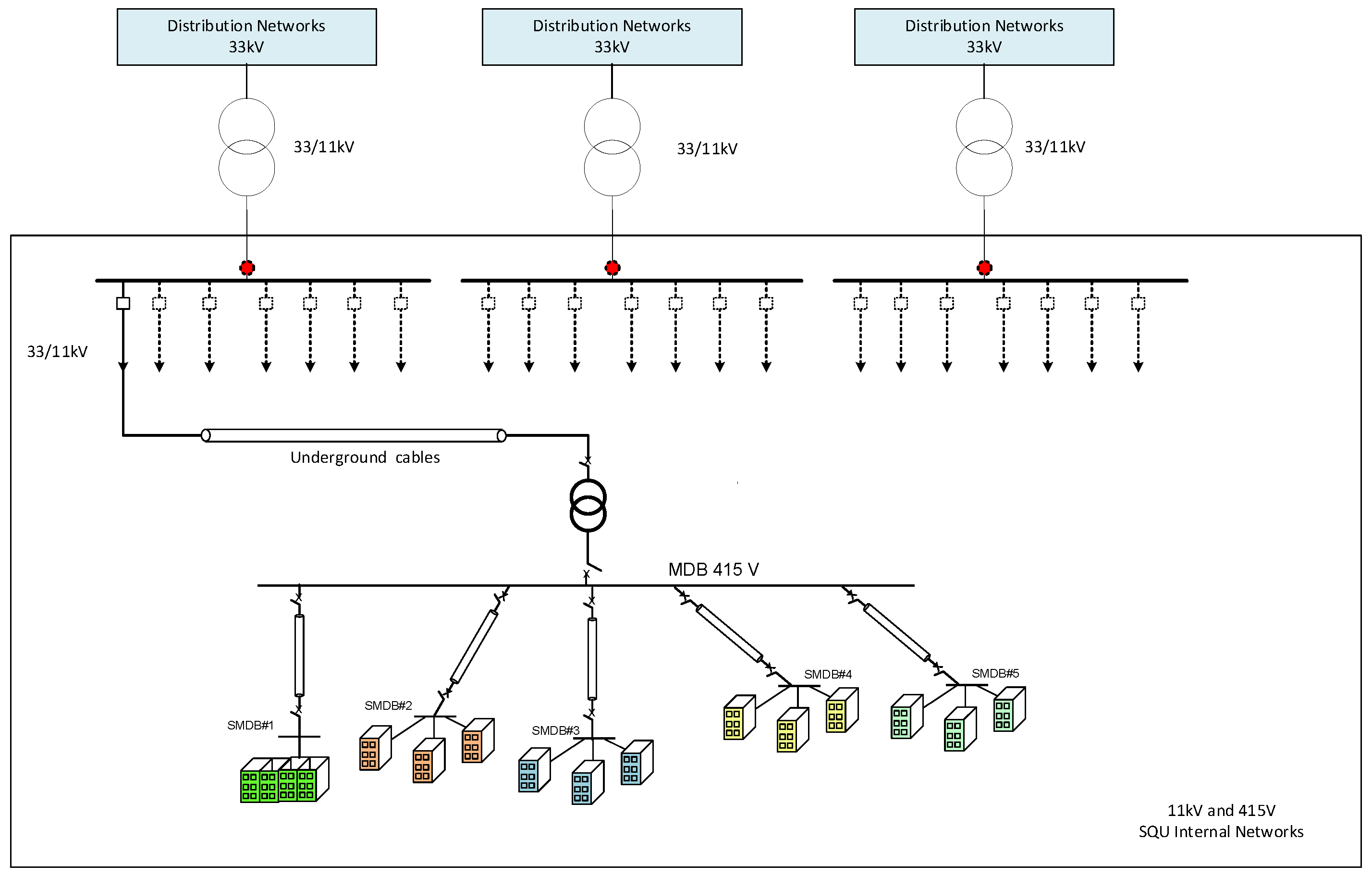
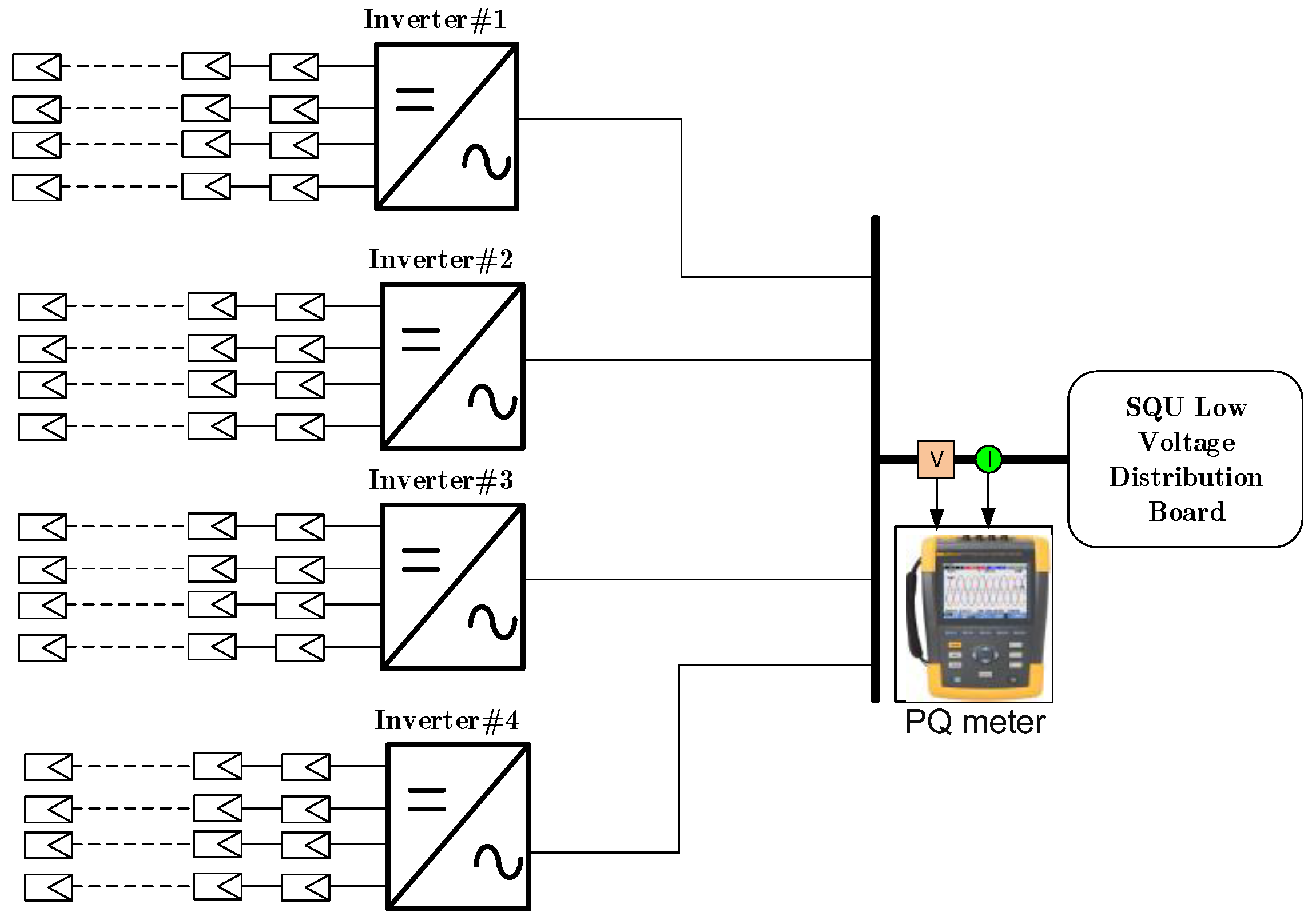
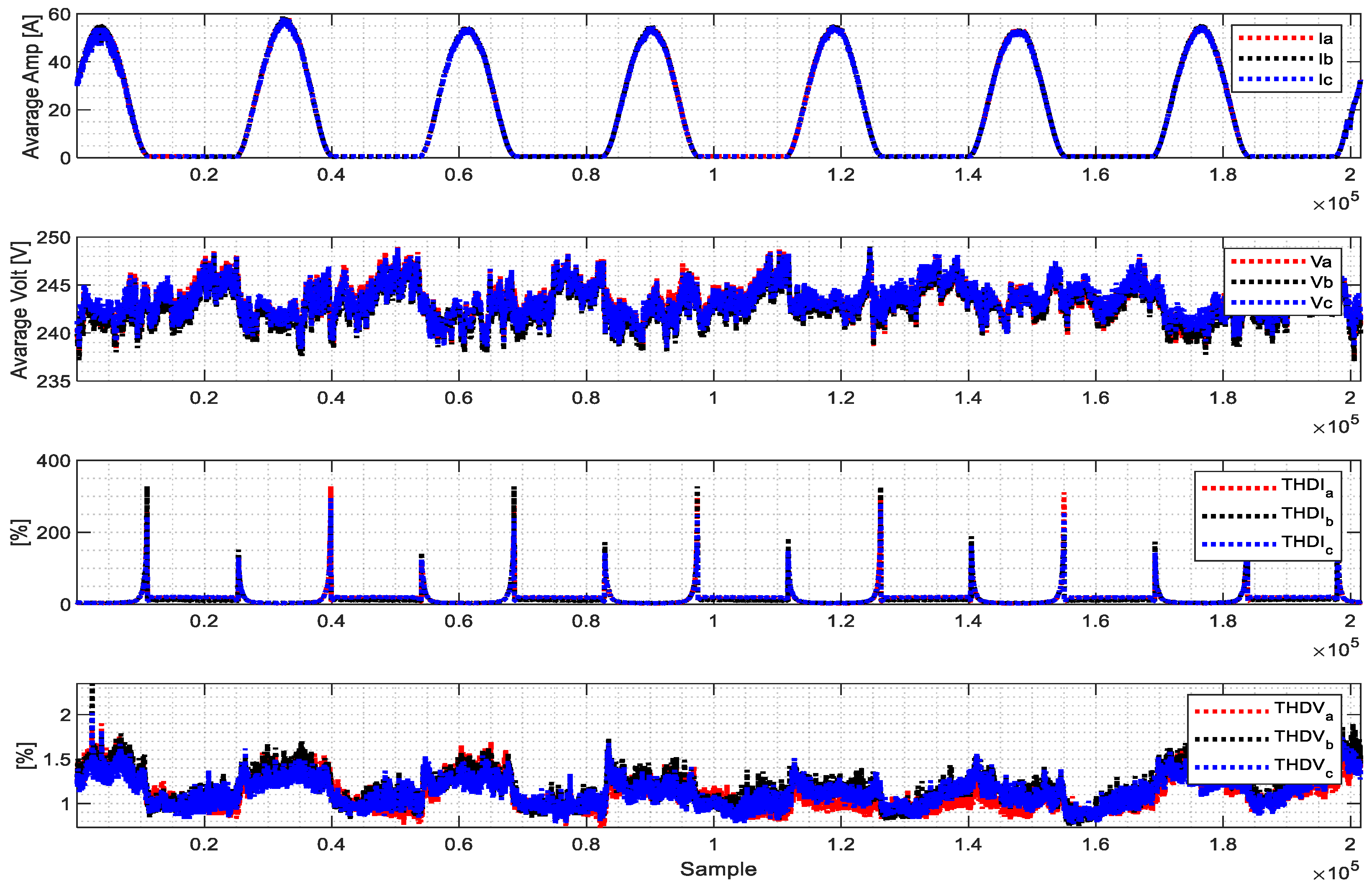
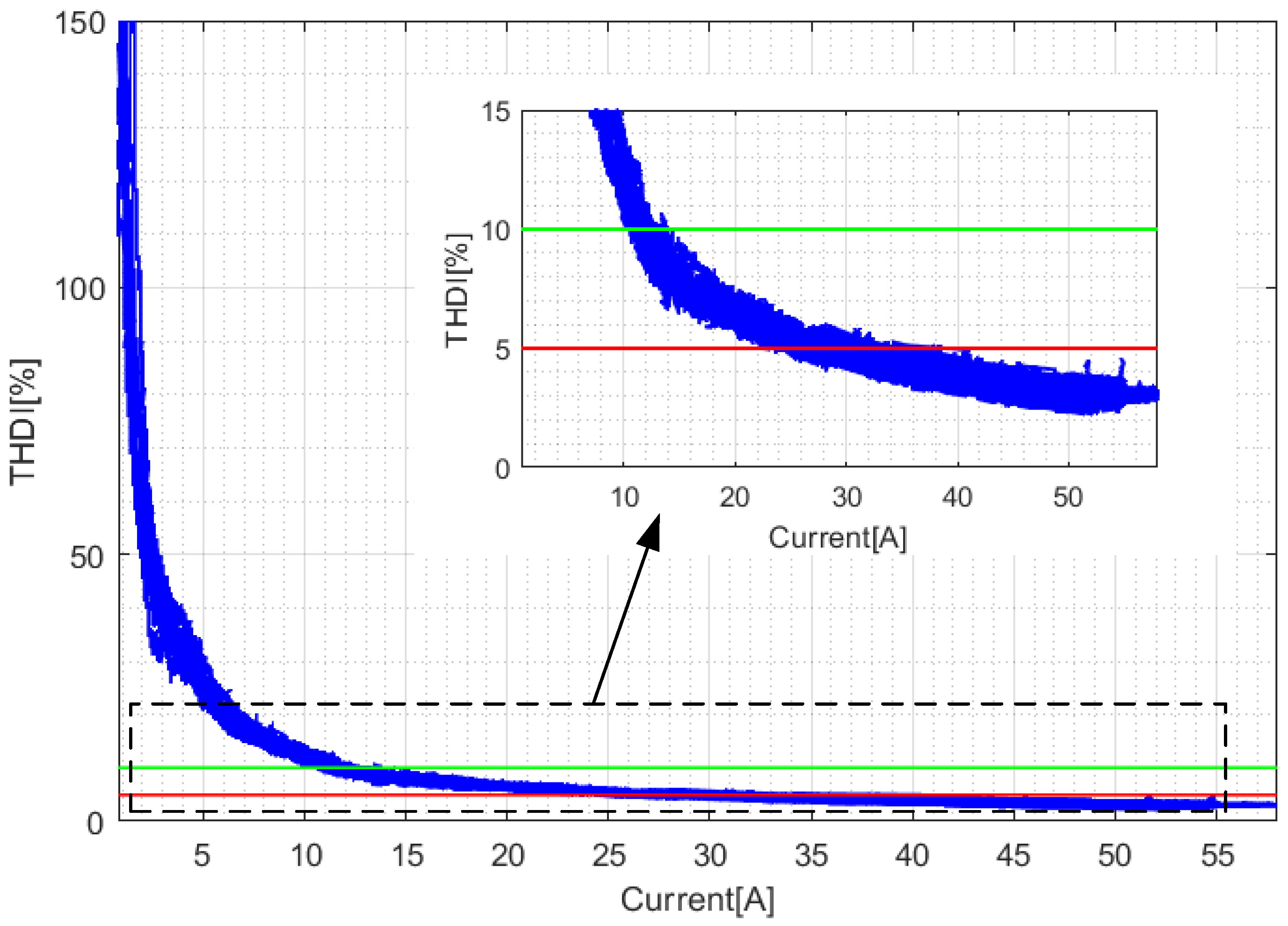
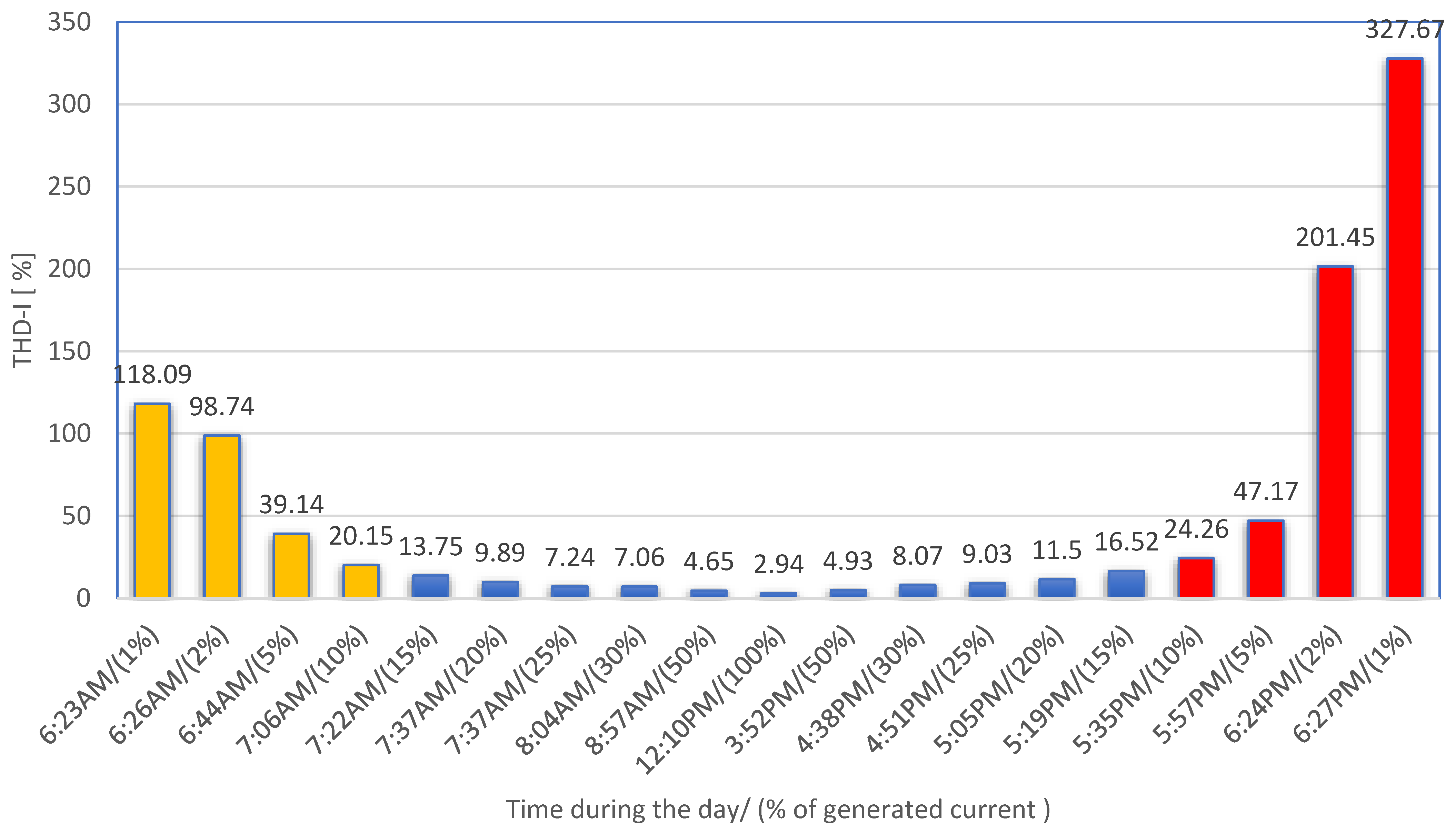
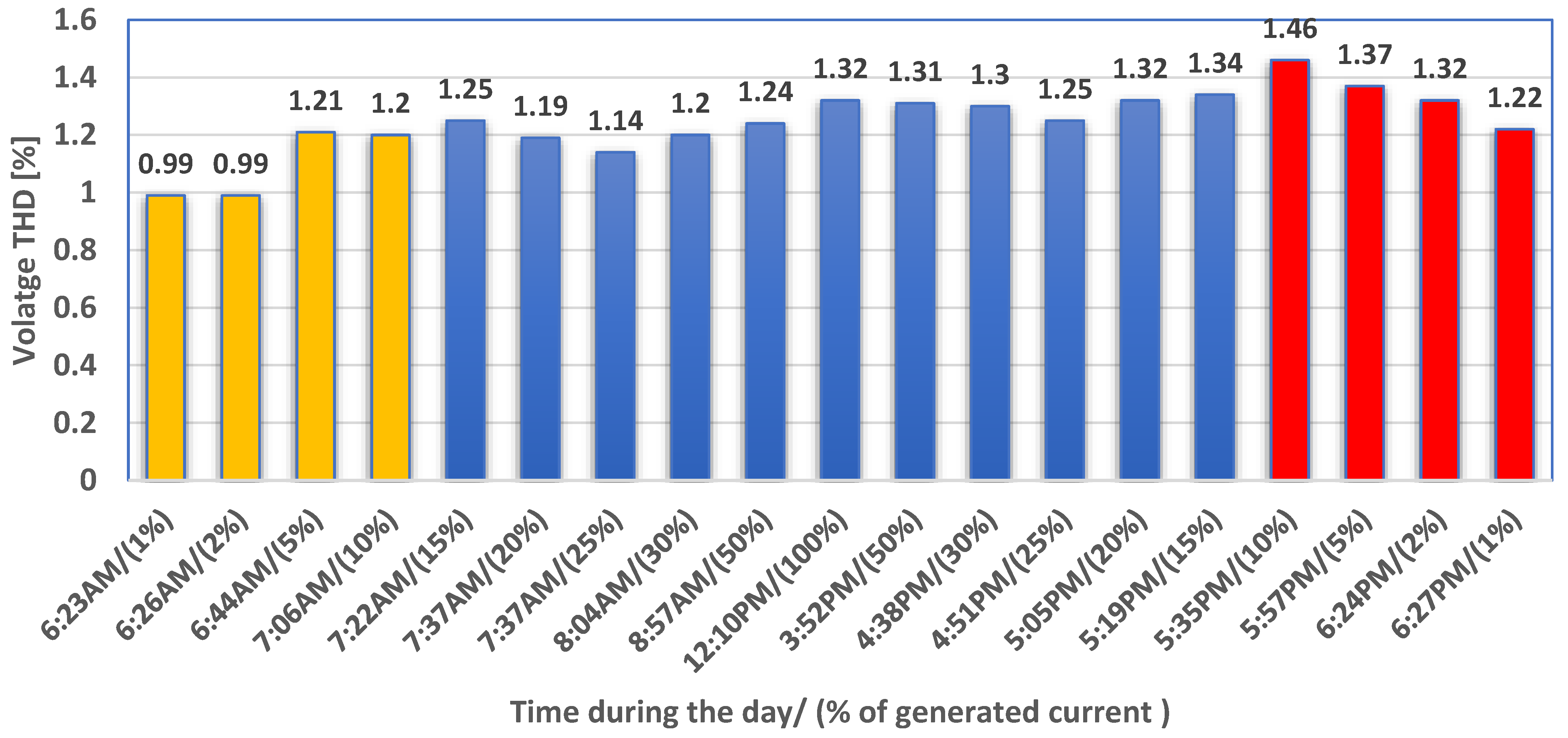
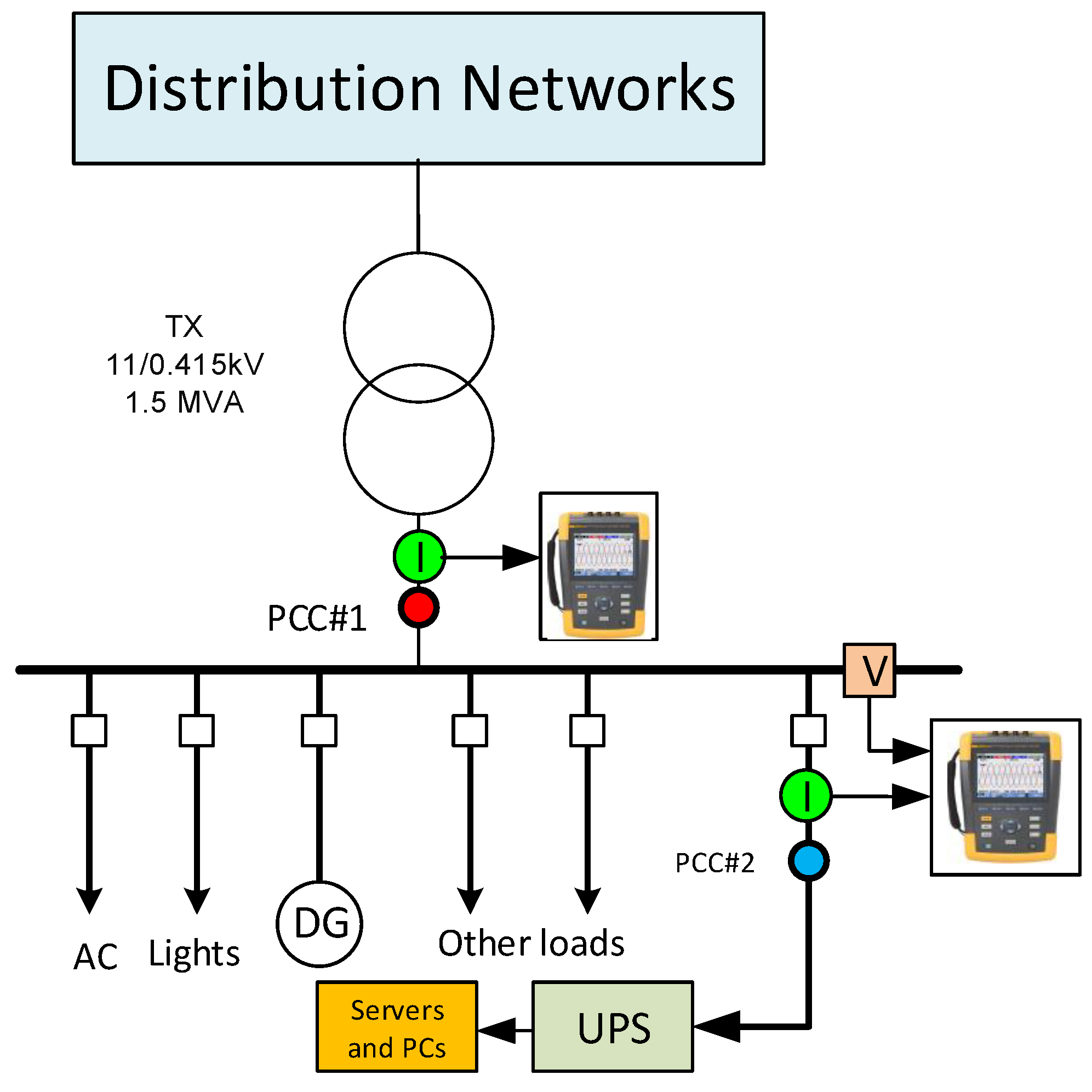
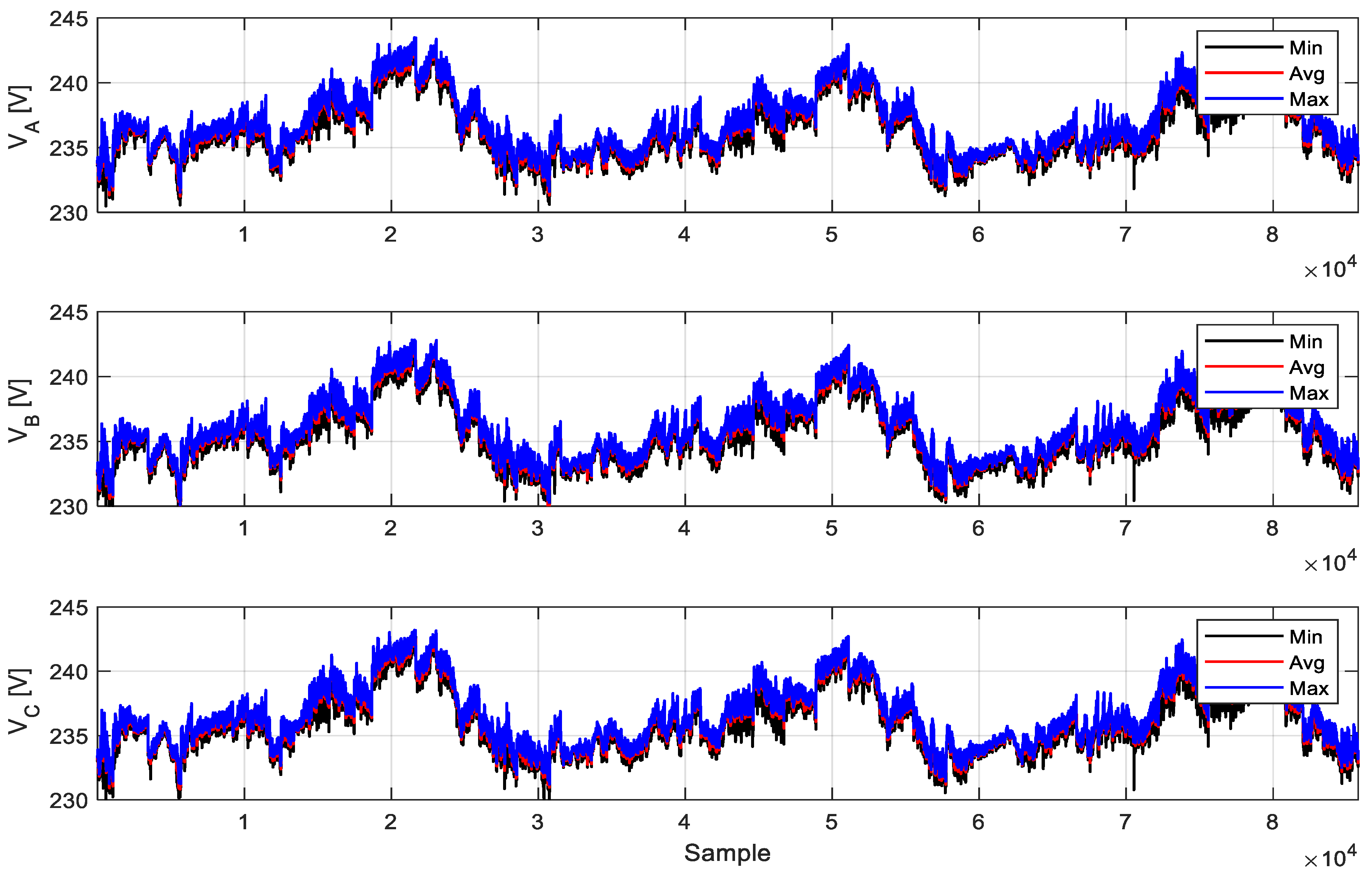
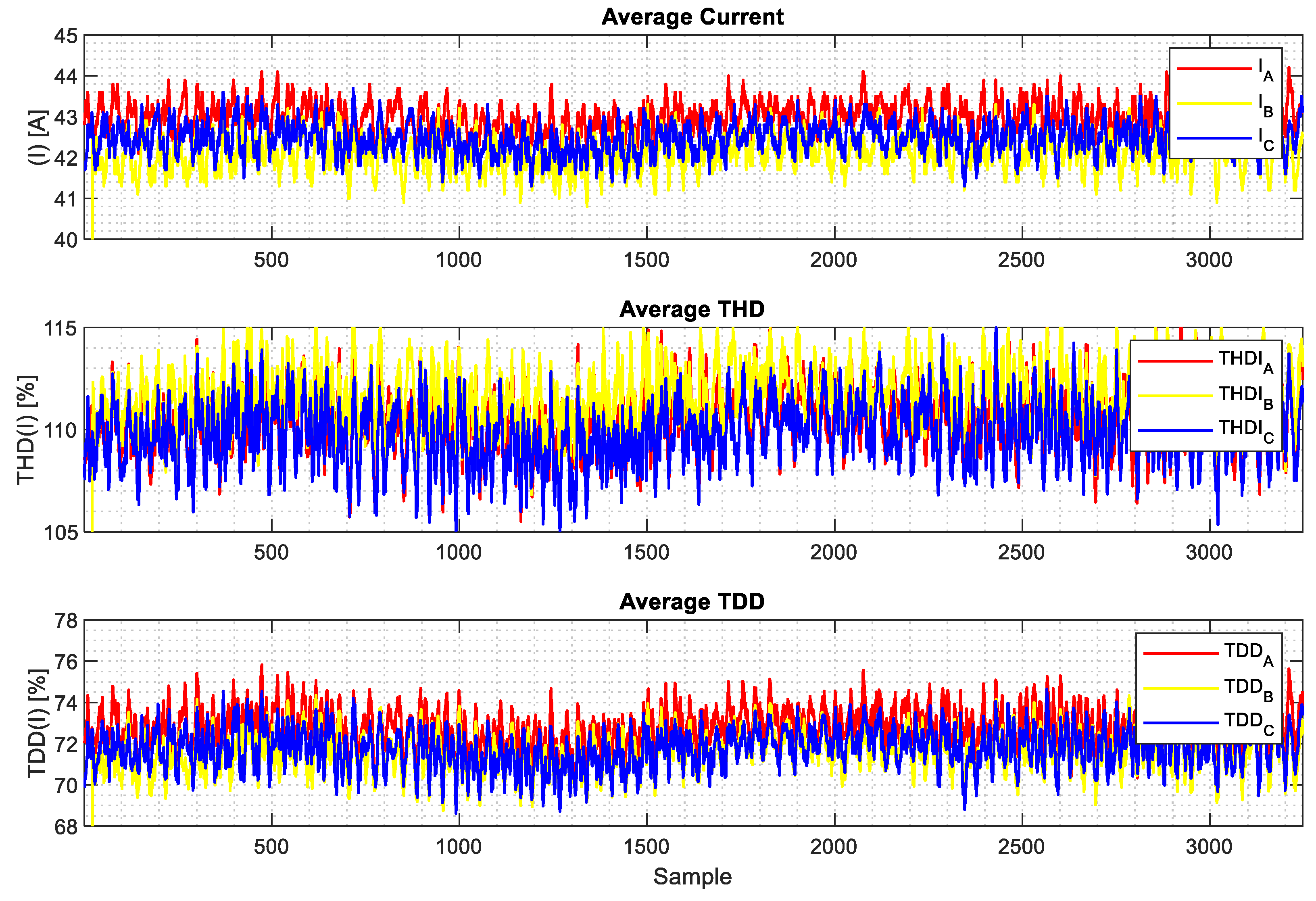
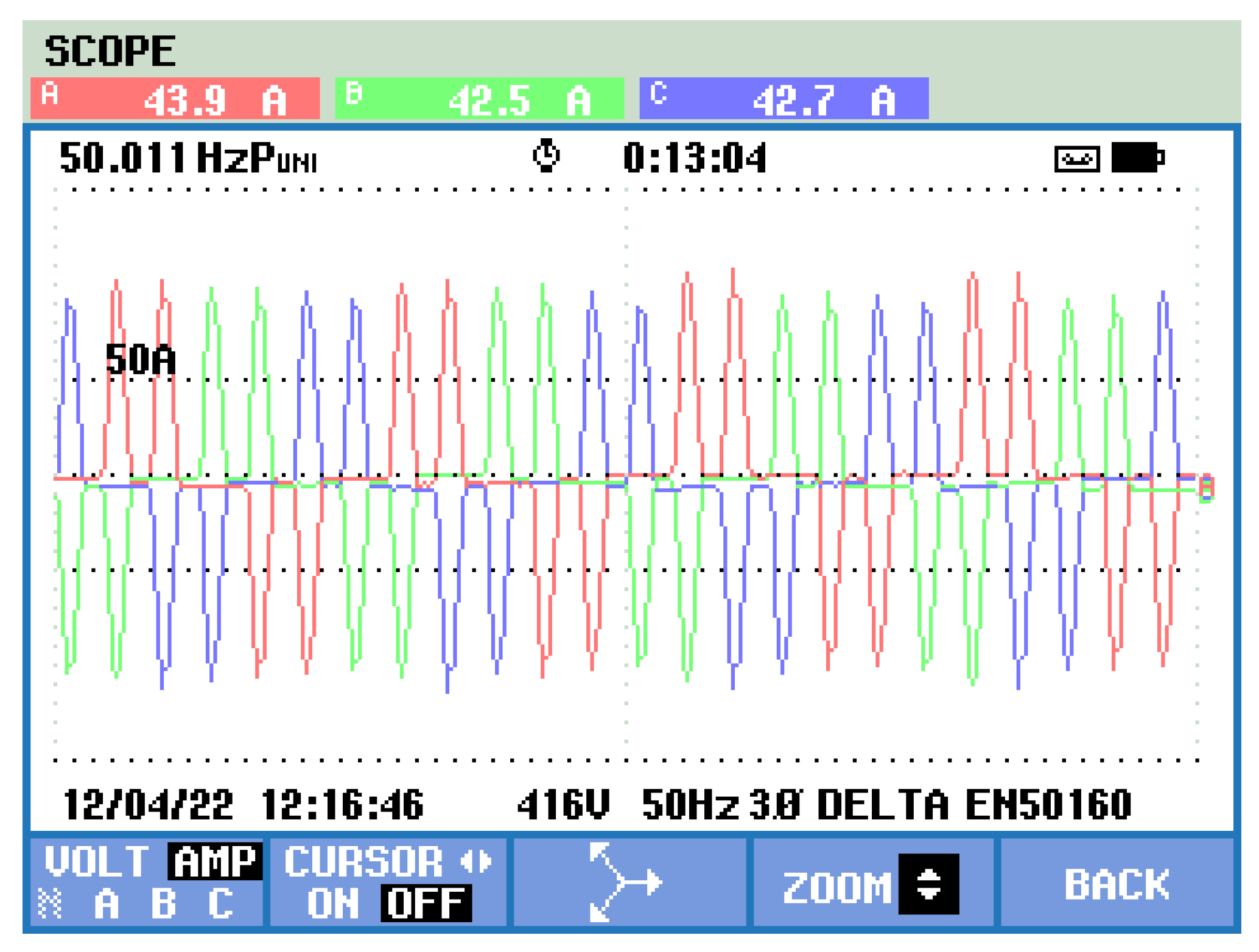
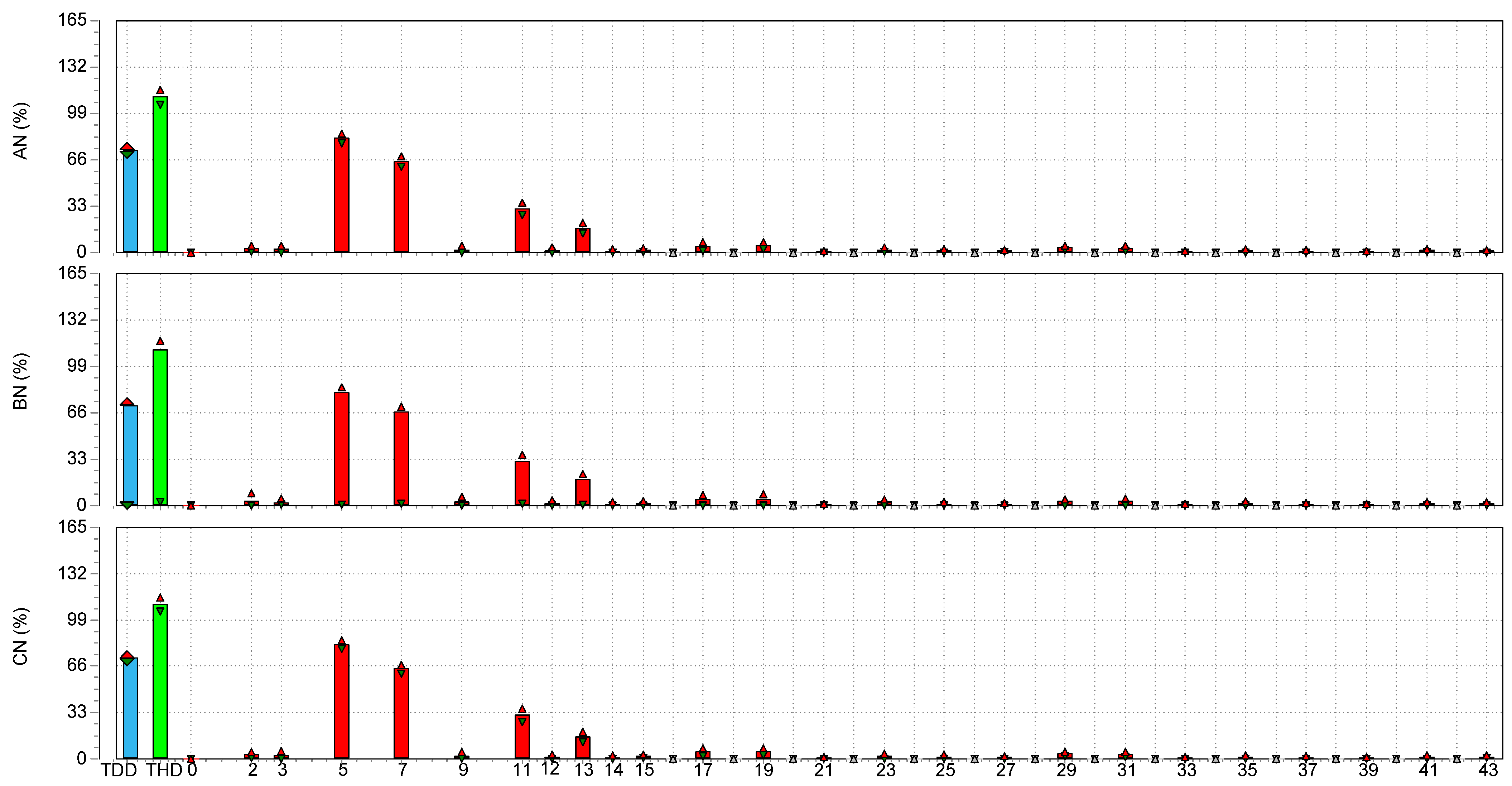
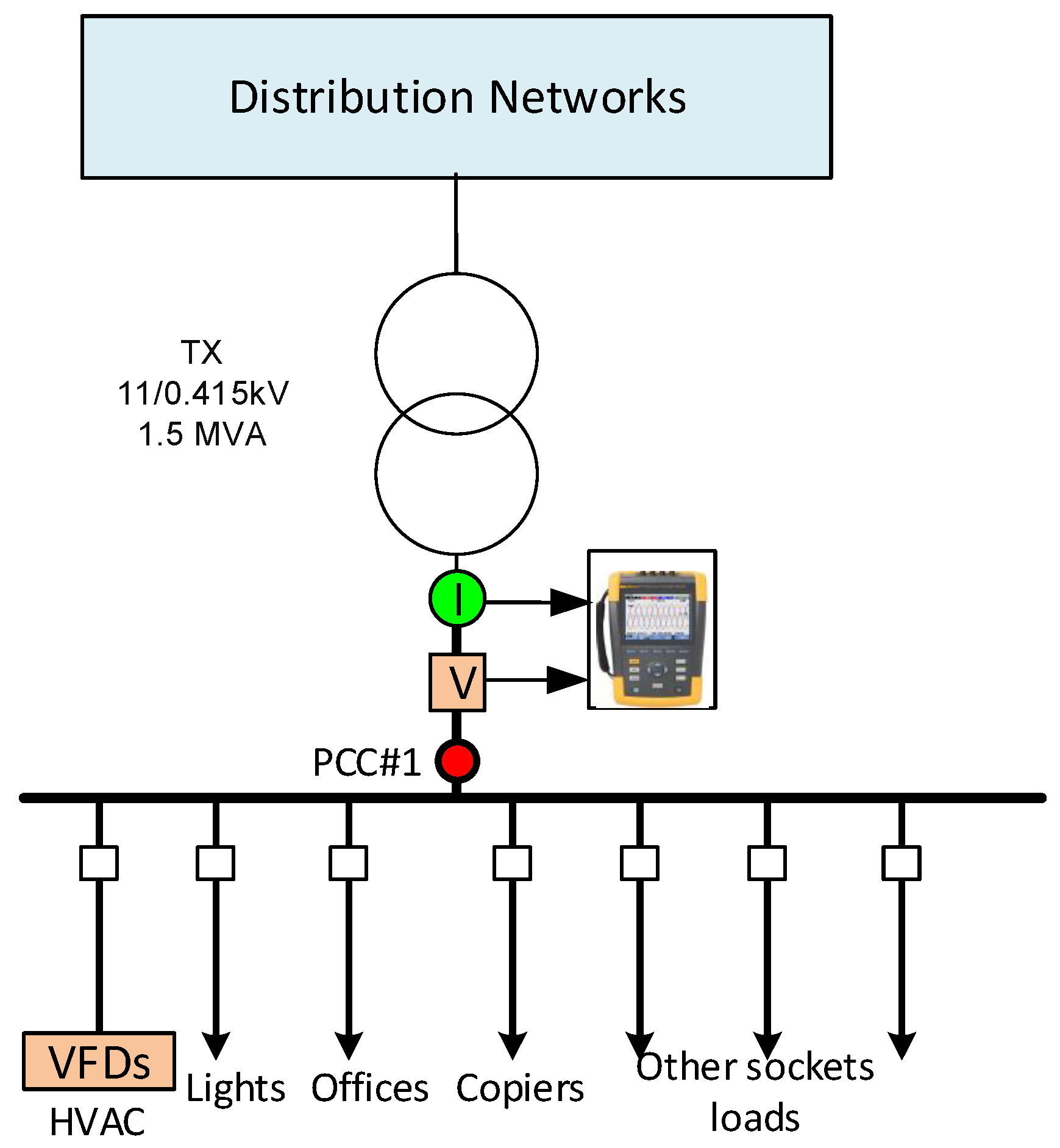
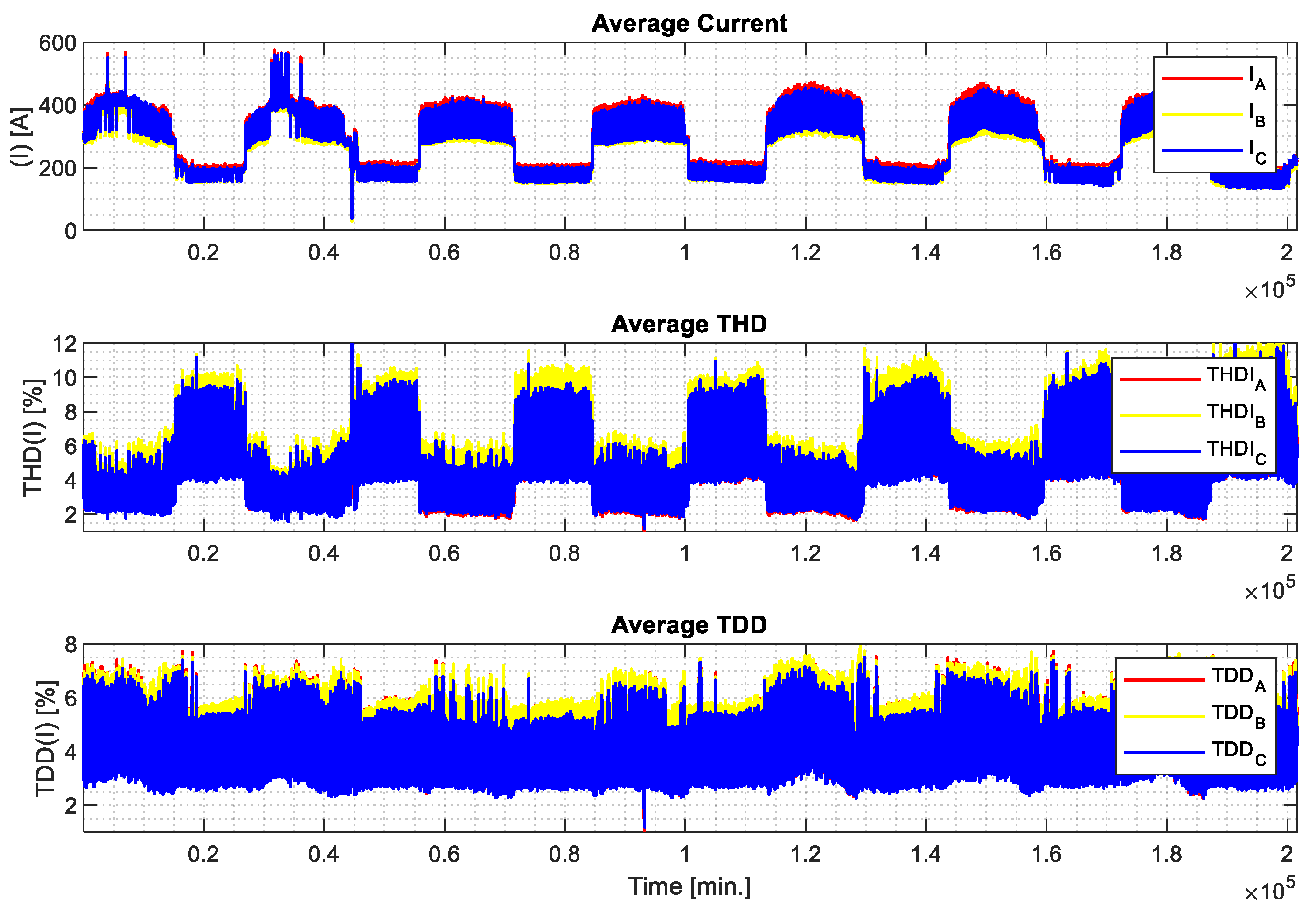
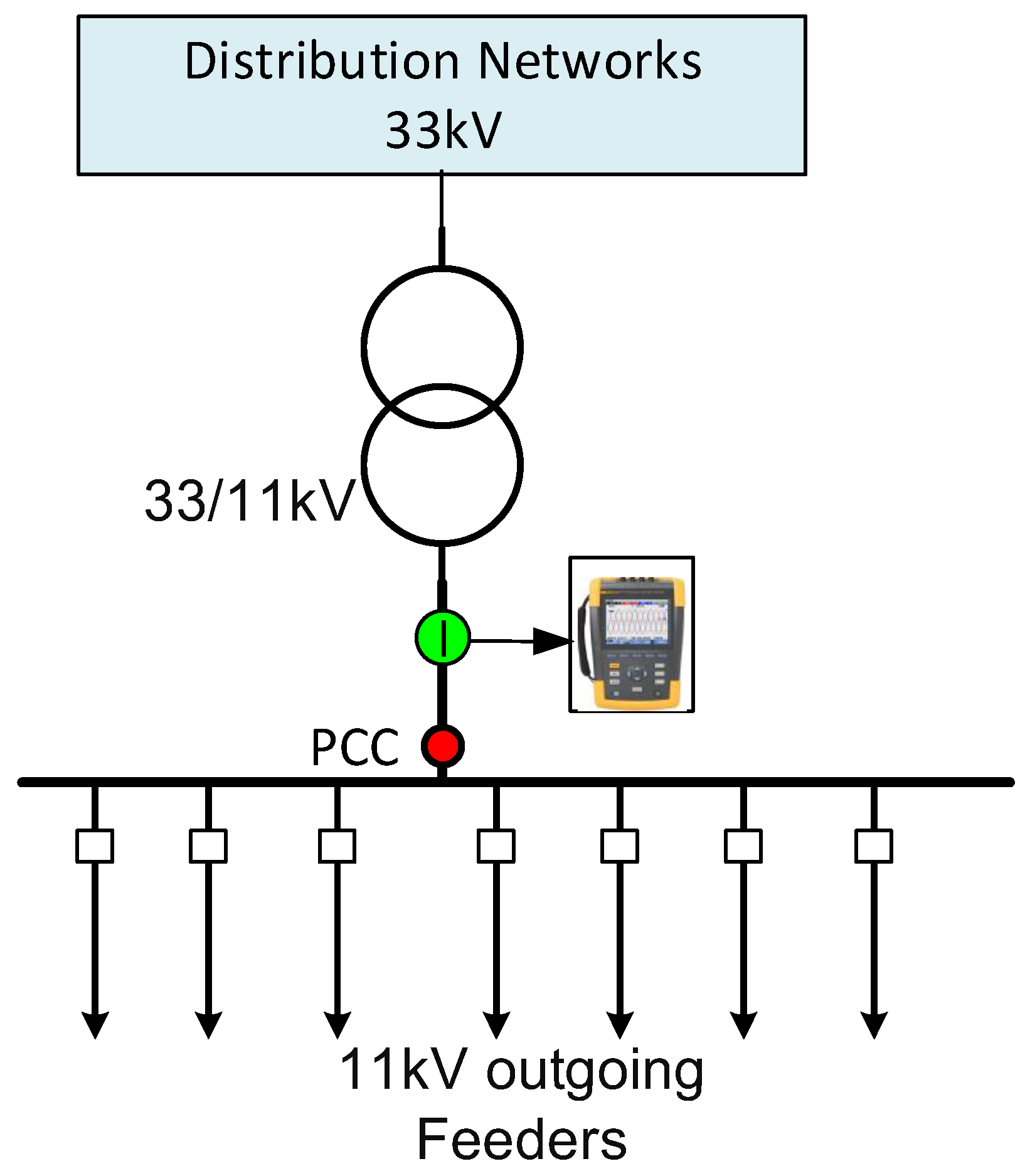
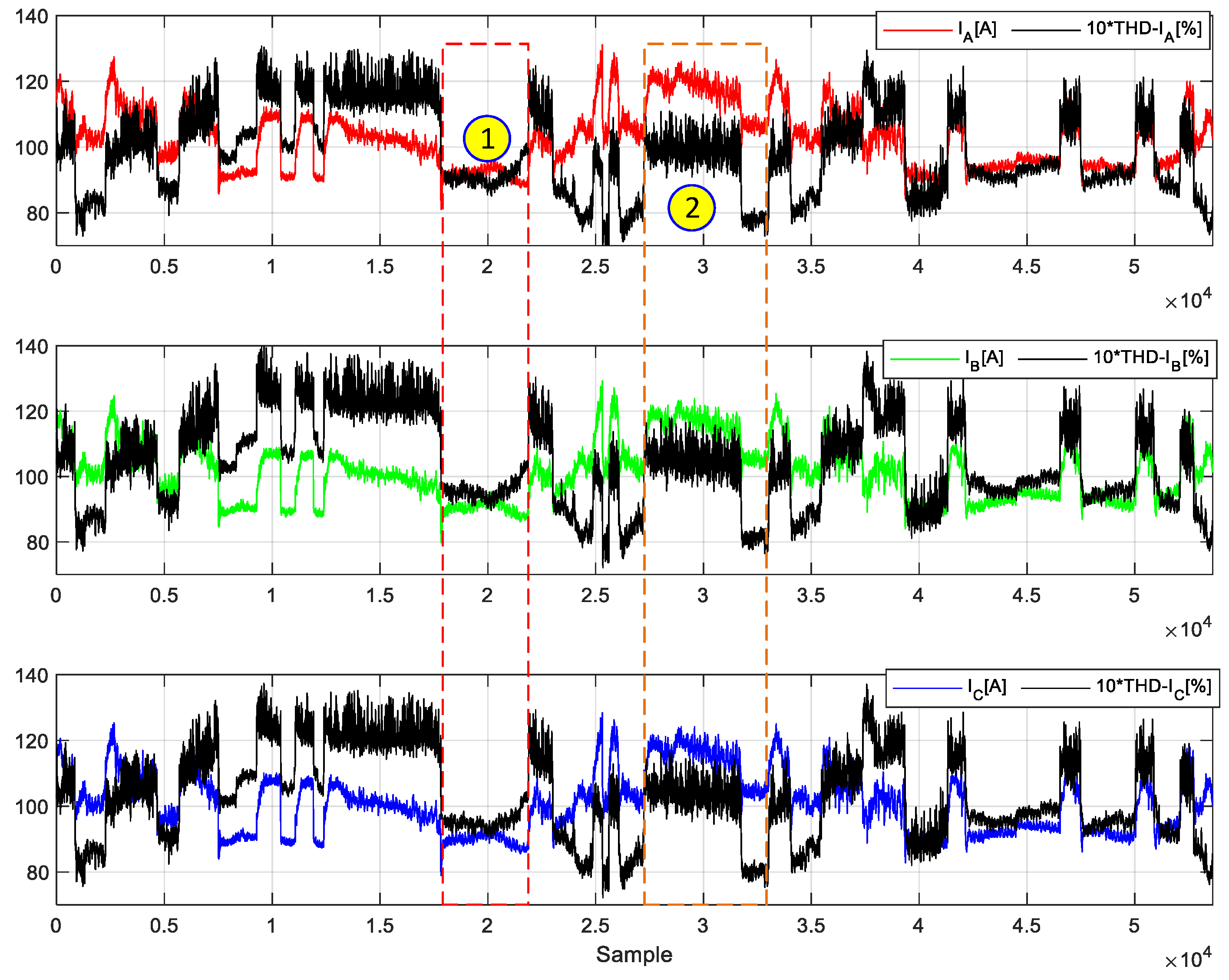
The presence of non-linear, time-variant loads in power networks introduces harmonics and other power quality issues in voltage and current waveforms. With the growing prevalence of power electronics, managing harmonic distortion has become a significant challenge in modern power distribution systems. This study aims to assess and analyze power quality at various locations within an academic institution (Sultan Qaboos University). The study encompasses the outputs of PV converters, uninterruptible power supplies (UPS), chillers with variable-speed motors, 11 kV/415 V transformers at both the College of Engineering and the Center of Information Systems, as well as two main substations supplying power to the university (33 kV/11 kV). Data collected—such as harmonic content in current and voltage waveforms and Total Harmonic Distortion (THD)—were meticulously analyzed to identify the factors affecting waveform quality. Measurements were conducted using advanced power quality instruments (Fluke 435-II), and the data were analyzed using MATLAB software. The study reveals that most results adhered to both the Oman grid code and international standards. The findings and methodology presented in this paper provide a critical benchmark for guiding standards compliance as Sultan Qaboos University, and other academic institution, undertakes the modernization of aging equipment and the expansion of new high-tech facilities.
Keywords: academic institution; harmonics distortion; non-linear loads; power electronics; power quality academic institution; harmonics distortion; non-linear loads; power electronics; power quality