Article

An Experimental Performance Assessment of a Passively Controlled Wind Turbine Blade Concept: Part B—Material Oriented with Glass-Fiber-Reinforced Polymer


by
Nikolaos Papadakis
* and
Constantinos Condaxakis
Power Plant Synthesis Laboratory, Department of Mechanical Engineering, Hellenic Mediterranean University, 71410 Heraklion, Greece
*
Author to whom correspondence should be addressed.
Energies 2024, 17(13), 3286; https://doi.org/10.3390/en17133286
Submission received: 29 April 2024 / Revised: 26 June 2024 / Accepted: 27 June 2024 / Published: 4 July 2024
(This article belongs to the Special Issue Optimal Control of Wind and Wave Energy Converters)

Abstract

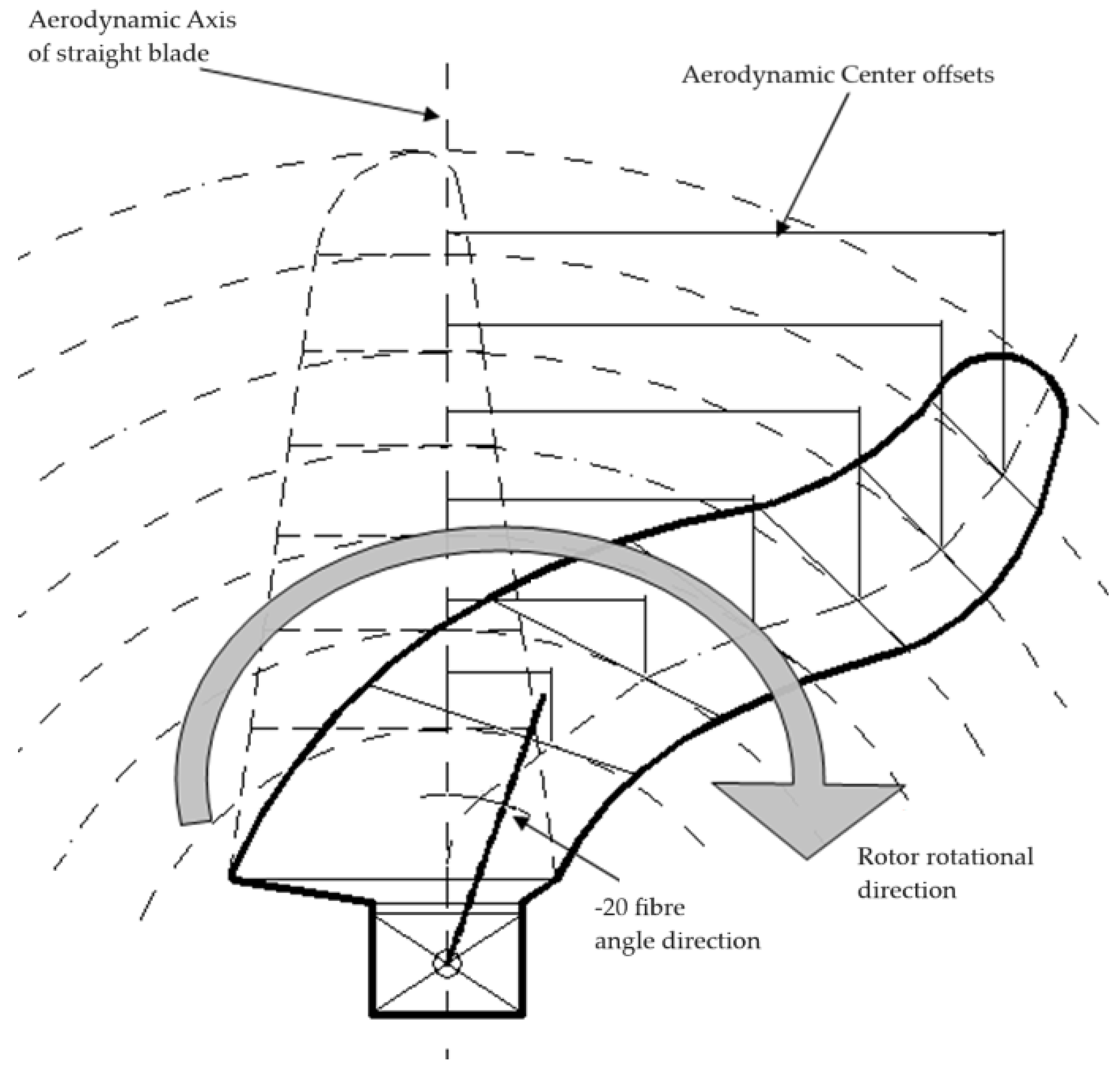
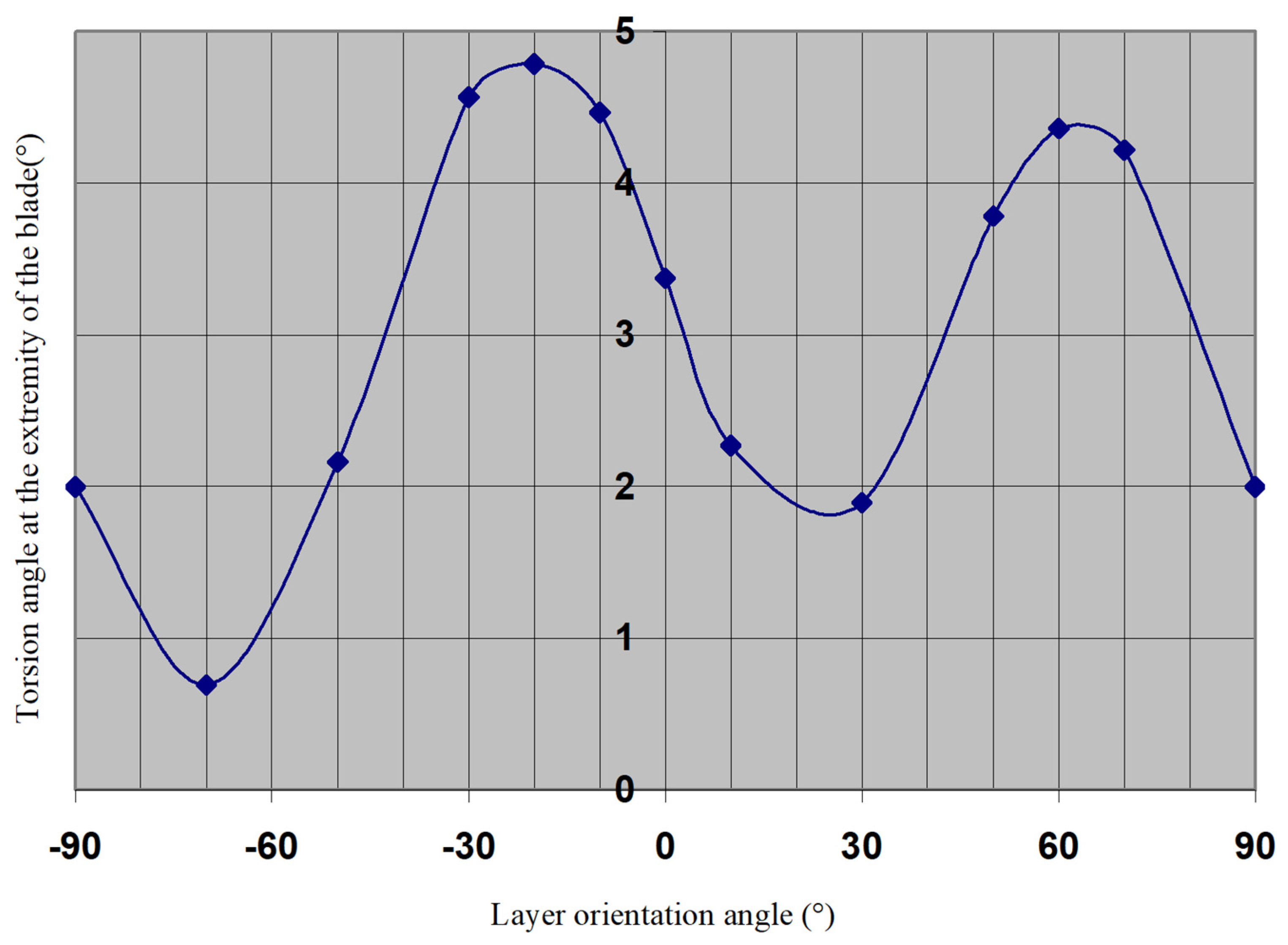
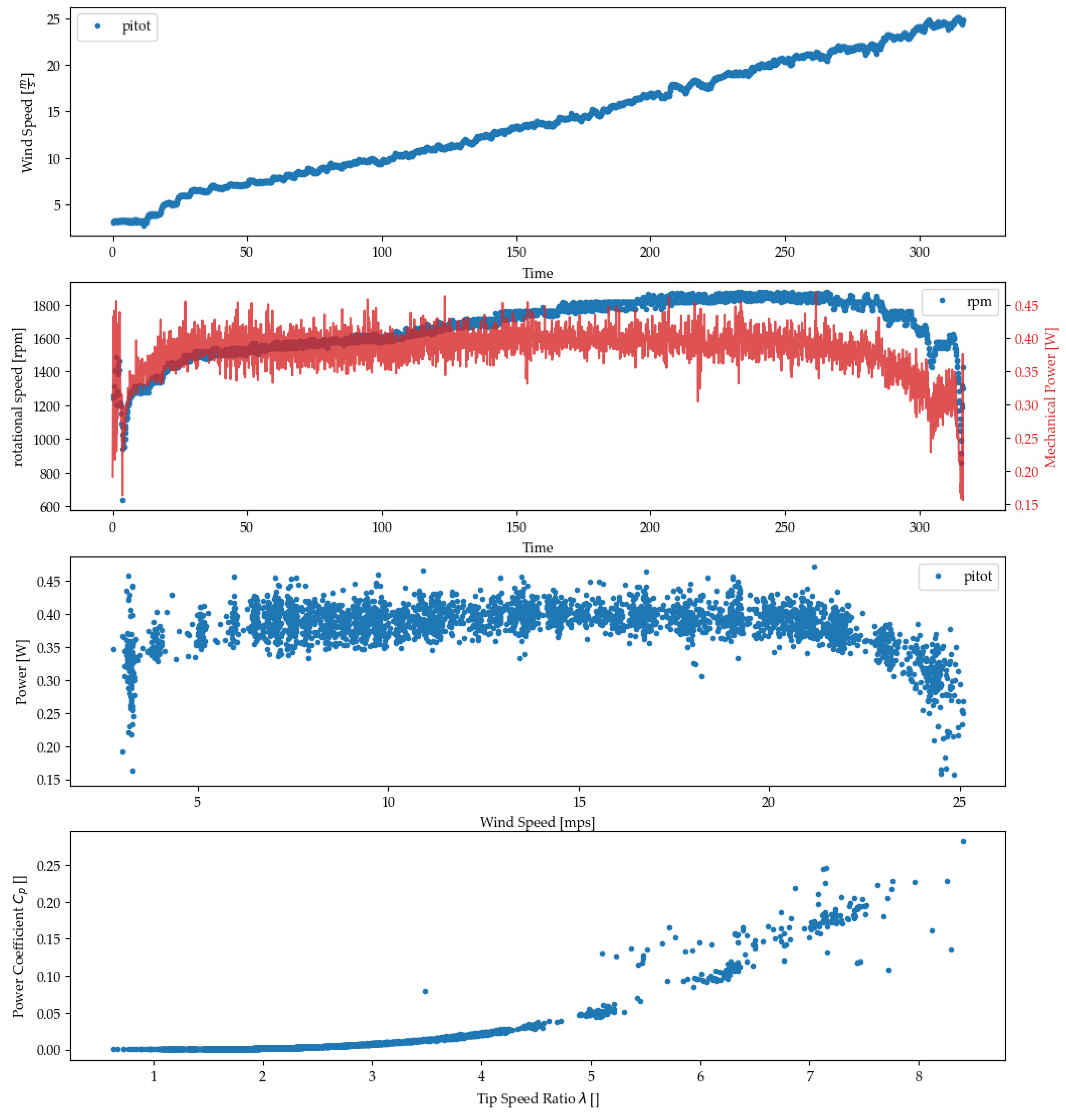
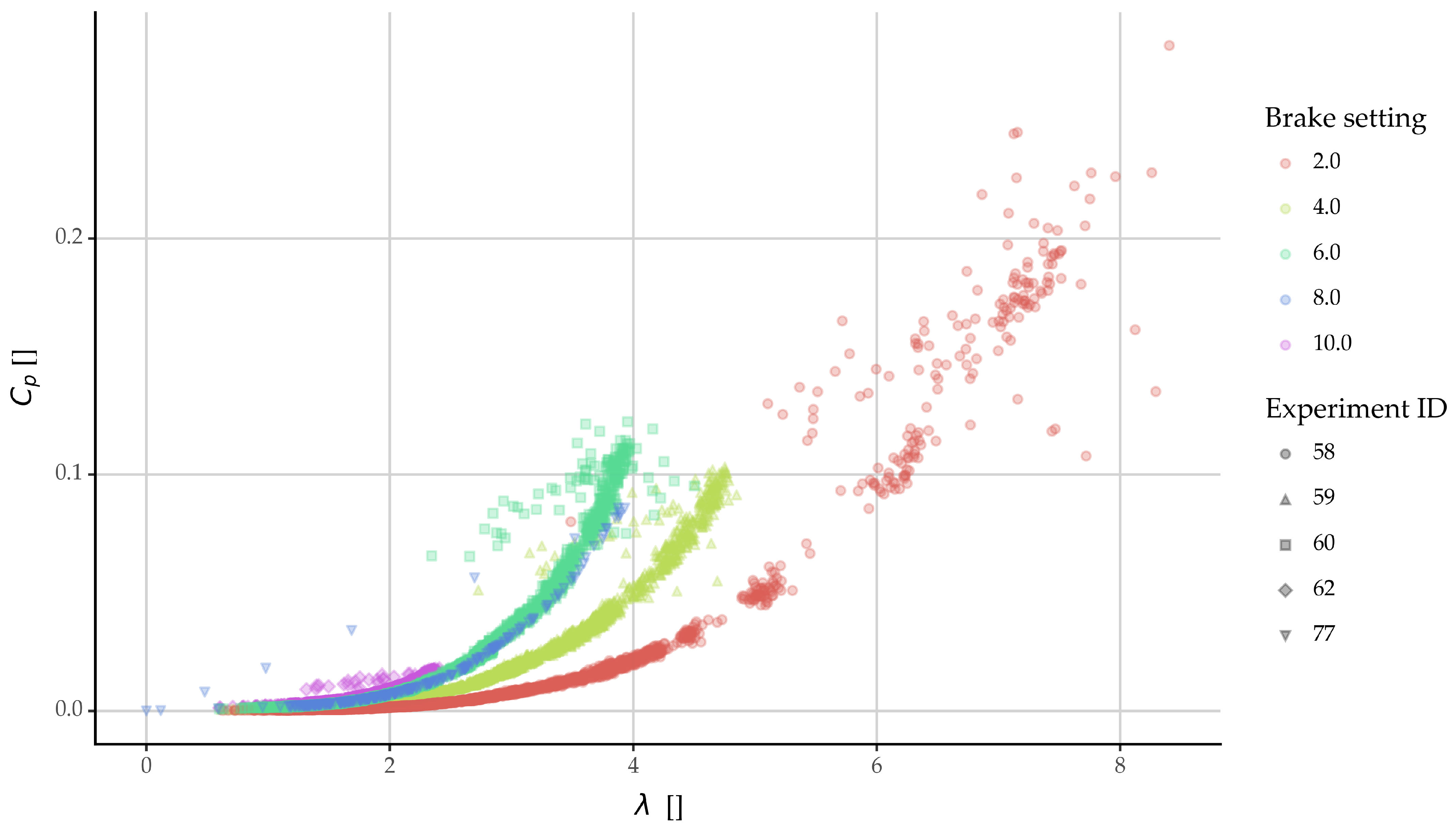
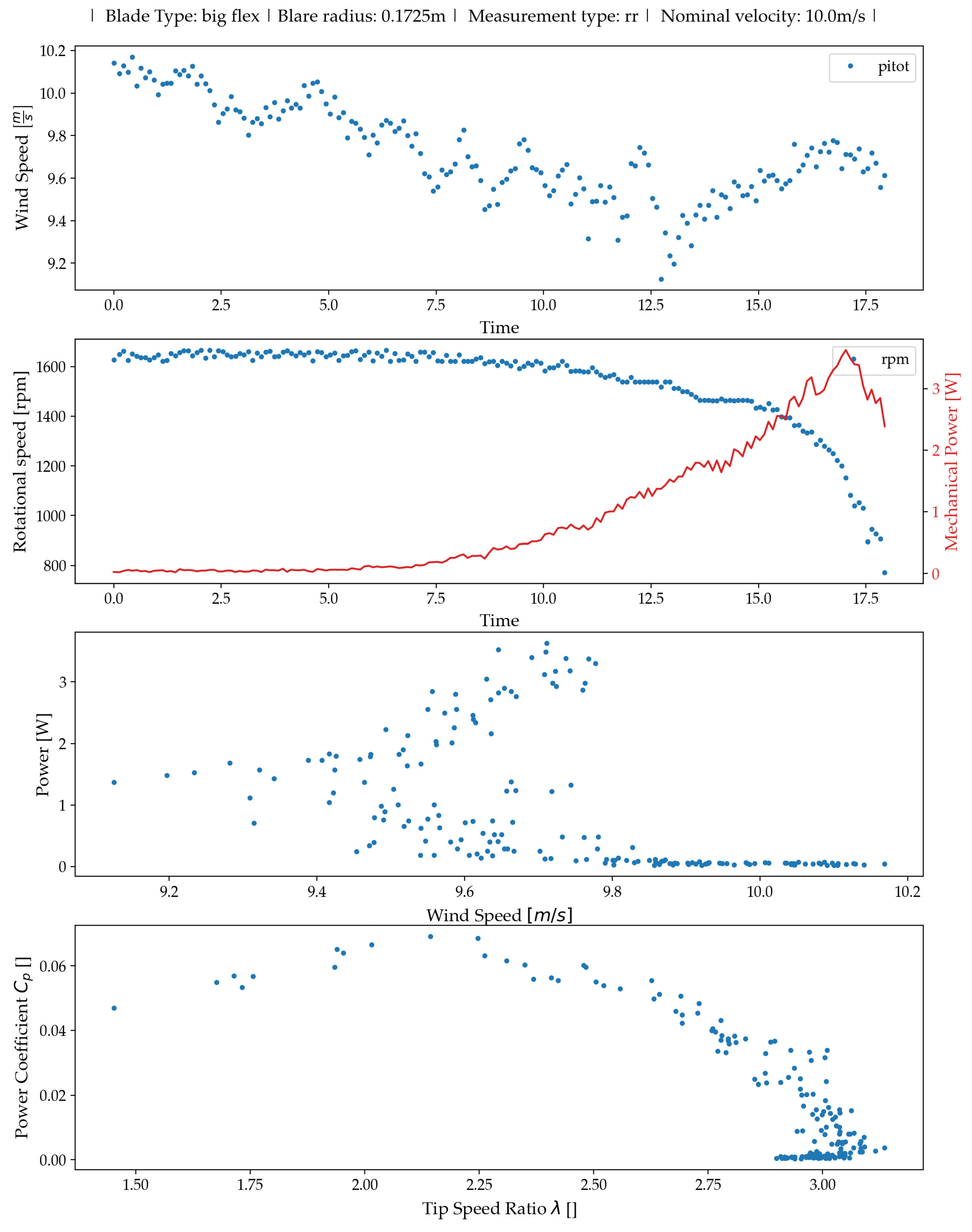
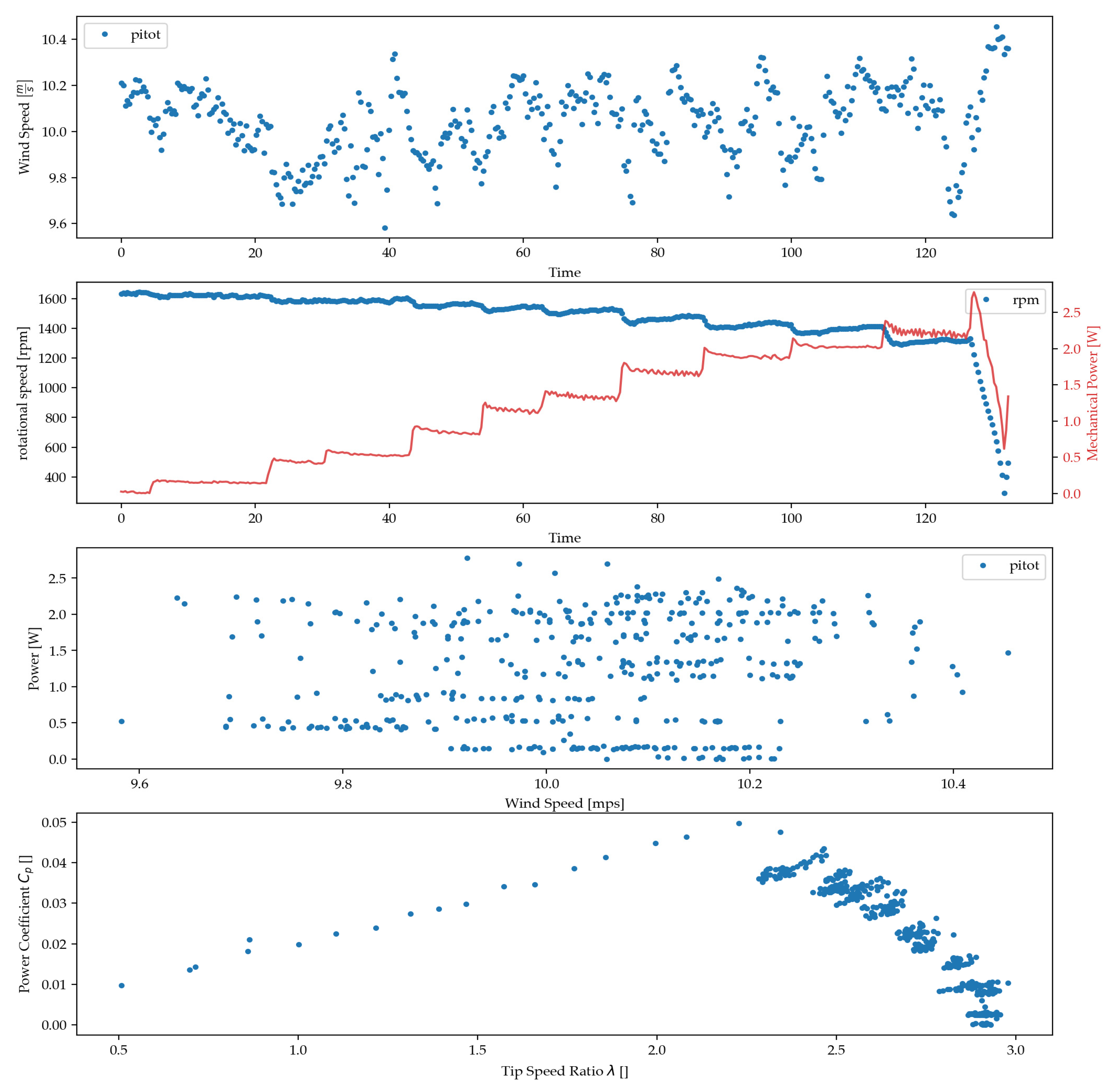
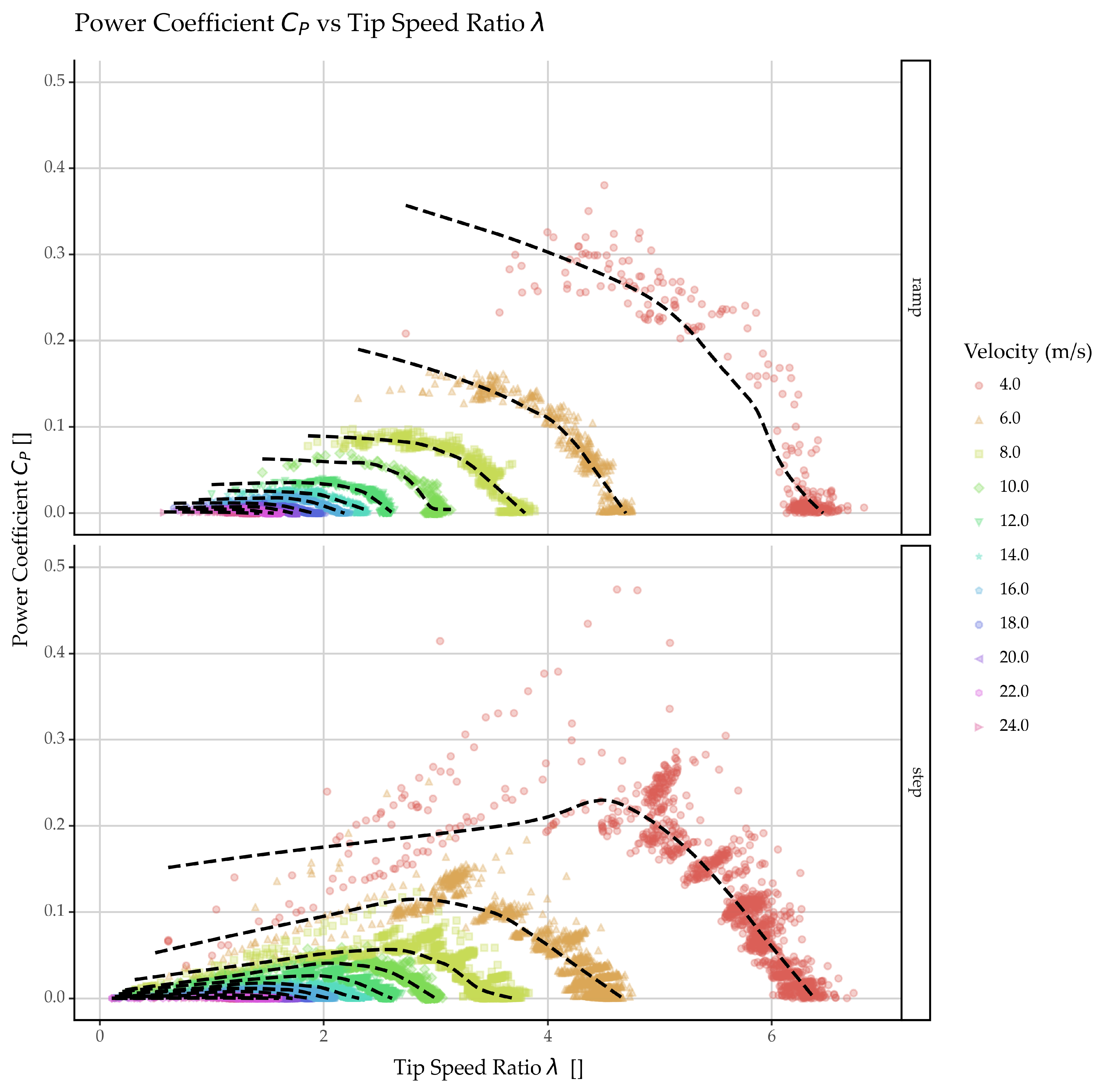
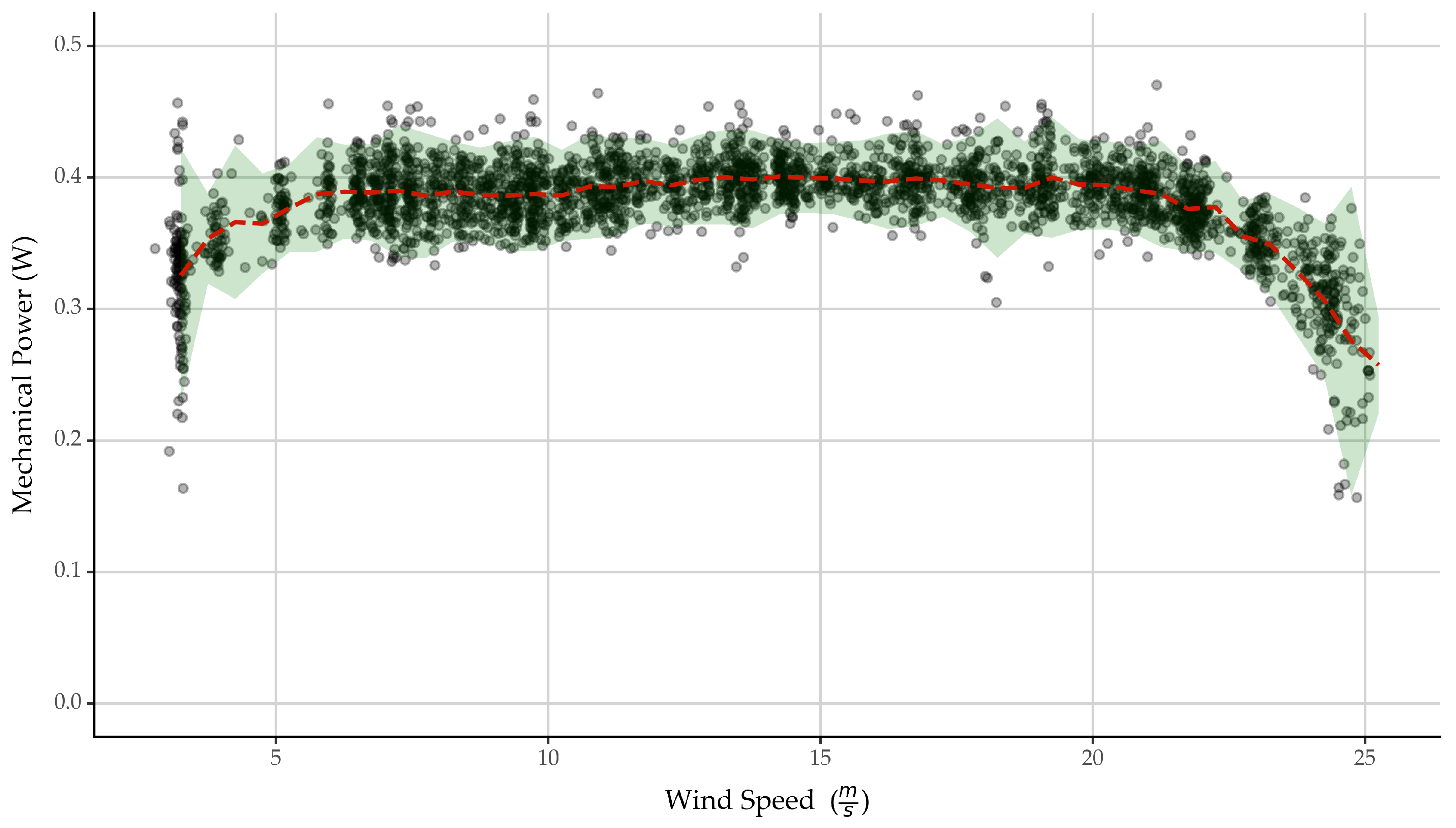
This paper is the second in a two-part series presenting preliminary results on a passively controlled wind turbine rotor system using a flexible curved blade concept. Building on the initial findings, this segment explores the application of glass-fiber-reinforced polymer (GFRP) composites with strategically oriented layers to enhance blade flexibility and aerodynamic performance and ensure operational safety. Previously, we demonstrated that flexible blades fabricated from isotropic materials with an NACA4415 airfoil profile could self-regulate rotor RPM and power output in response to aerodynamic loads, offering a glimpse of controlled operational behavior, in contrast to straight blades of similar material geometry and aerodynamic characteristics. However, they did not fully meet the design objectives, particularly in achieving nominal power at the intended wind speeds and in safely halting operation at high wind speeds. The current study employs a GFRP blade with a simpler, flat geometry due to manufacturing constraints, diverging from traditional airfoil contours to focus on material behavior under aerodynamic loads. Despite these changes, the blade exhibited all desired operational characteristics: quick startup, stable power output across operational wind speeds, and effective shutdown mechanisms at high speeds. This success illustrates the potential of passively controlled blades designed with appropriately oriented composite layers. Challenges with load application methods—that were identified in the first installment—were addressed by adopting a generator connected to a rheostat, offering improved control over load variations compared to the mechanical brakes used previously. This advancement enabled more consistent data collection, particularly at lower Tip–Speed Ratio (TSR) values, although real-time control for maximum power point tracking was still out of reach. These findings not only confirm the effectiveness of the flexible blade concept but also highlight the need for further refinement in blade design and testing methodology to optimize performance and ease of manufacturing. Future work will continue to refine these designs and explore their scalability and economic viability for broader applications in wind energy technology and in particular to those of small Wind Energy Converter Systems (WECSs).
Keywords: passive control; aero elastic tailoring; adaptive blades; curved blades passive control; aero elastic tailoring; adaptive blades; curved blades