Article

A Numerical Model for Pressure Analysis of a Well in Unconventional Fractured Reservoirs

1
Frontiers Science Center for Deep Ocean Multispheres and Earth System, Key Lab of Submarine Geosciences and Prospecting Techniques, MOE and College of Marine Geosciences, Ocean University of China, Qingdao 266100, China
2
Pilot National Laboratory for Marine Science and Technology (Qingdao), Qingdao 266237, China
3
International Center for Submarine Geosciences and Geoengineering Computing (iGeoComp), Ocean University of China, Qingdao 266100, China
4
NZME, Auckland 1010, New Zealand
*
Author to whom correspondence should be addressed.
Energies 2023, 16(5), 2505; https://doi.org/10.3390/en16052505
Submission received: 18 January 2023 / Revised: 21 February 2023 / Accepted: 27 February 2023 / Published: 6 March 2023
(This article belongs to the Special Issue Exploring Hydrocarbons in Carbonate Reservoirs)

Abstract

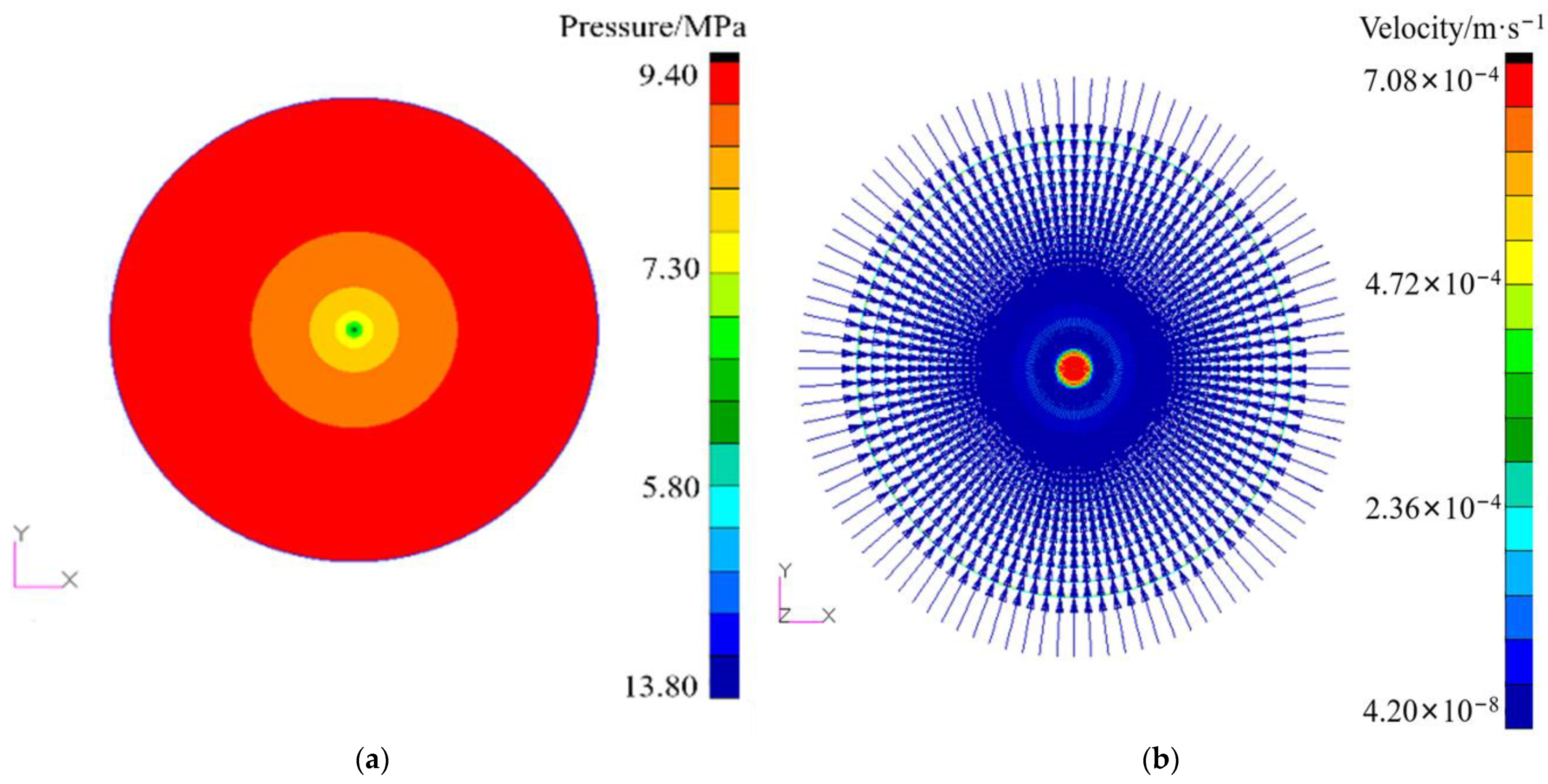
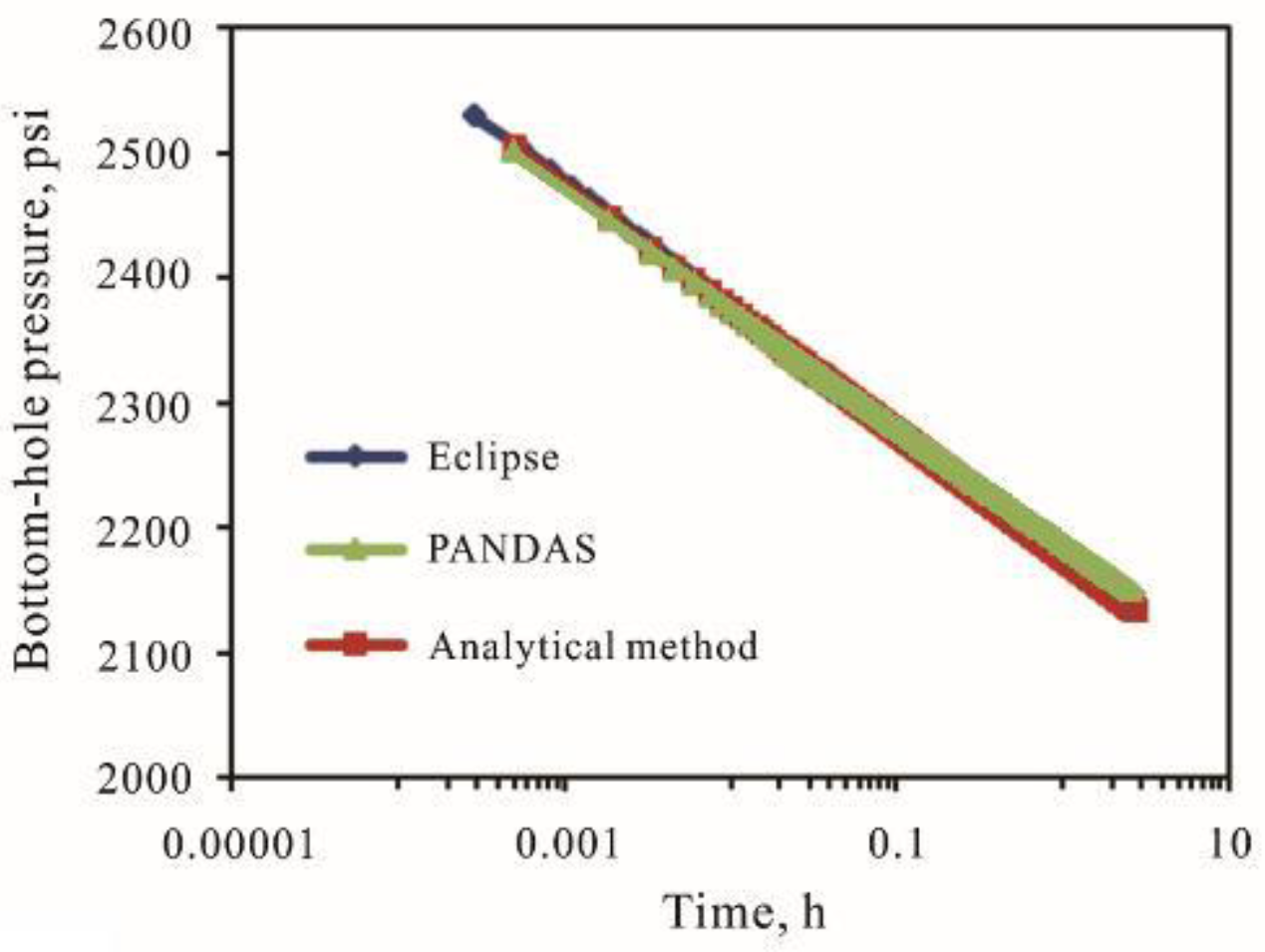
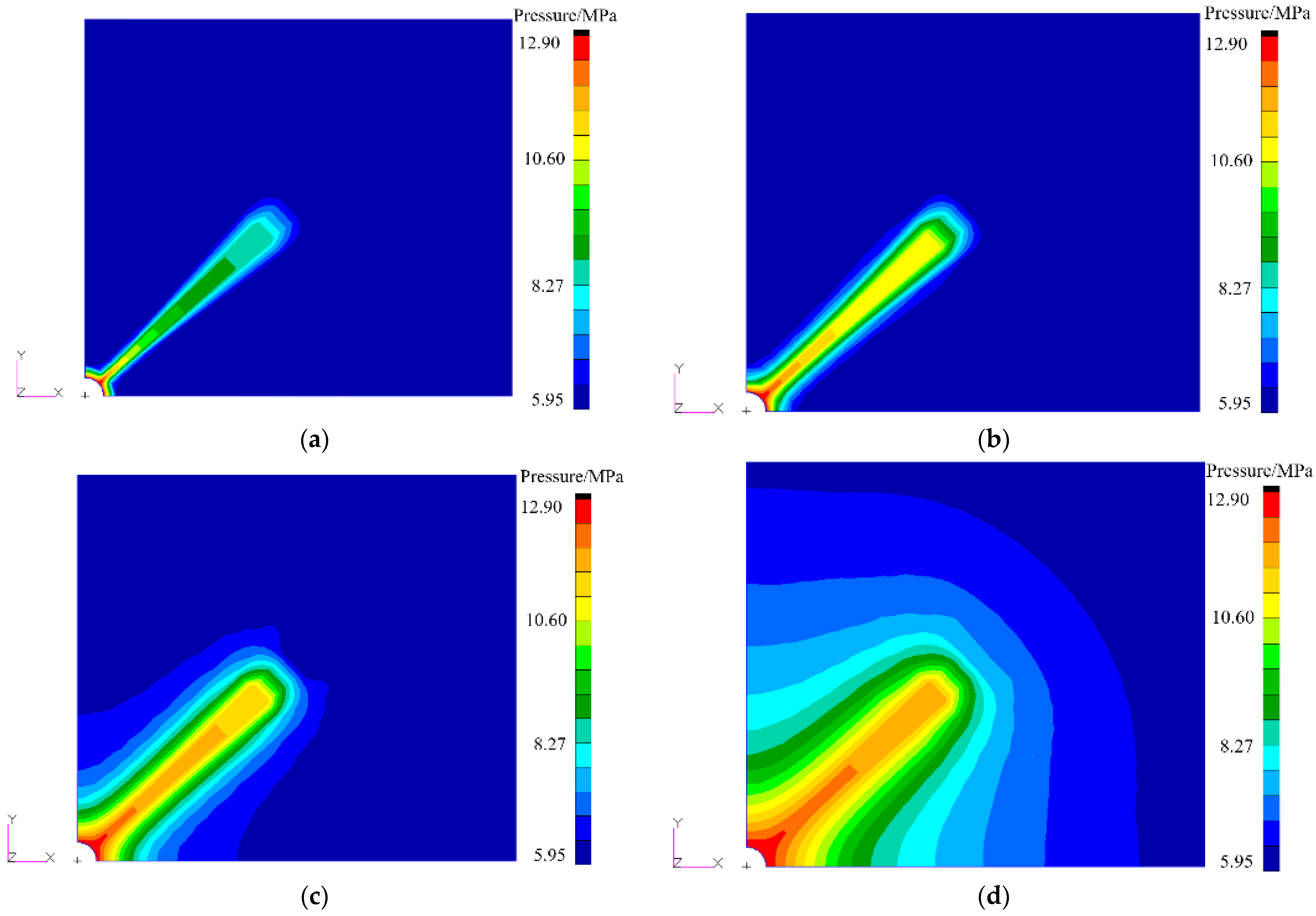
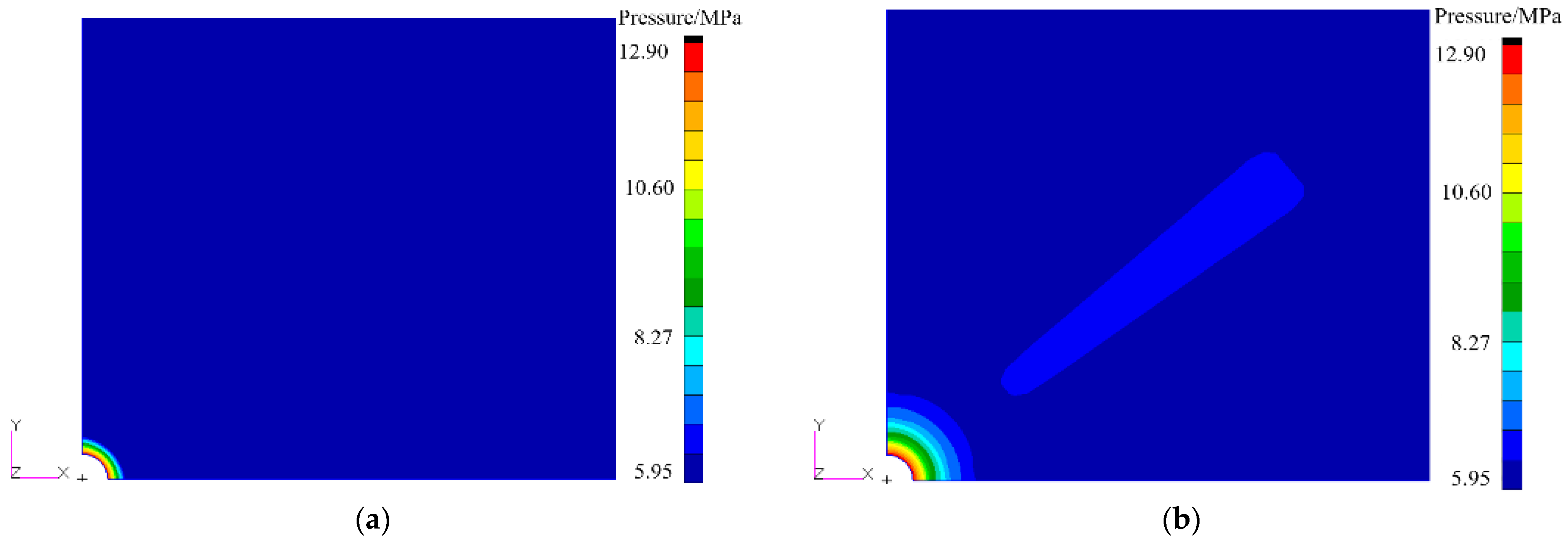
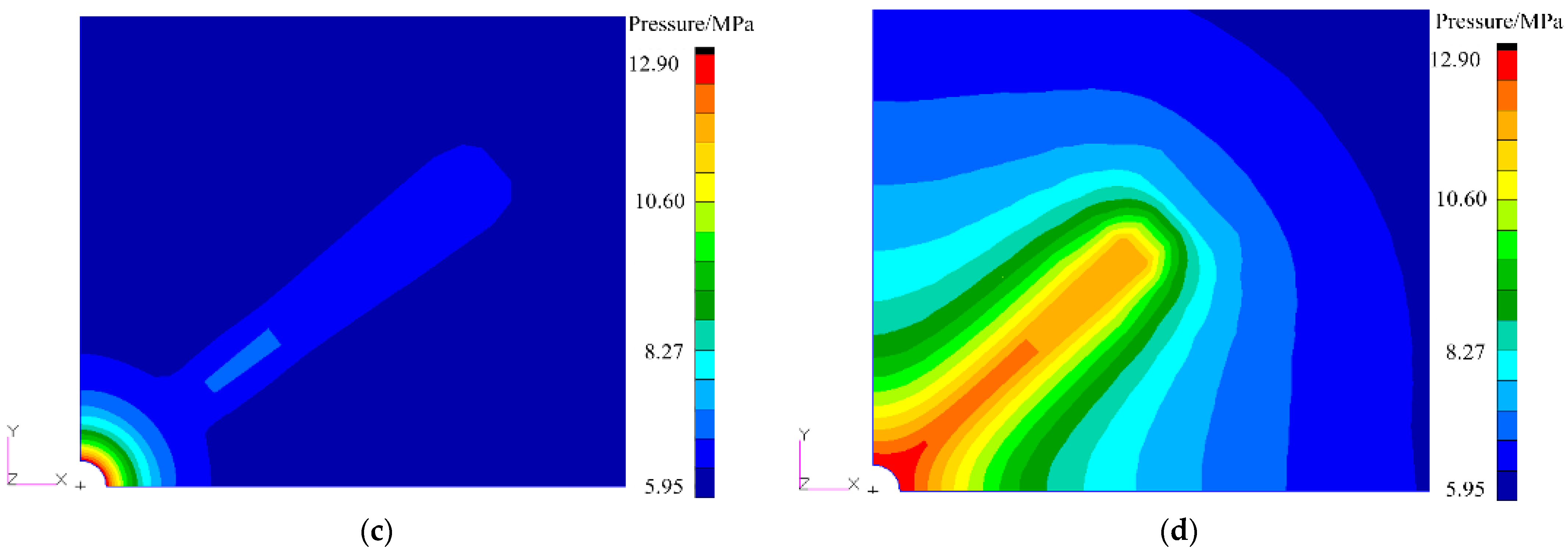
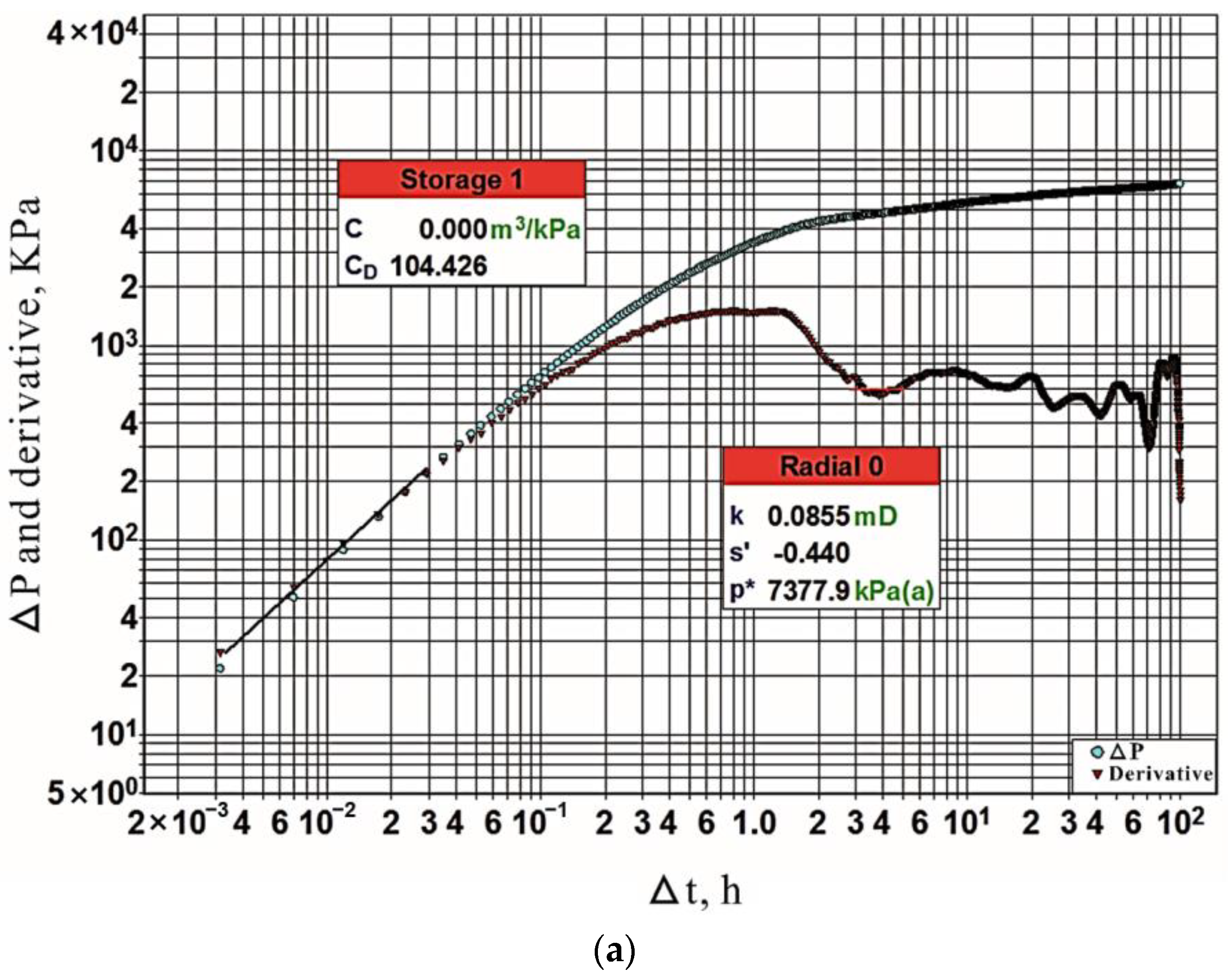
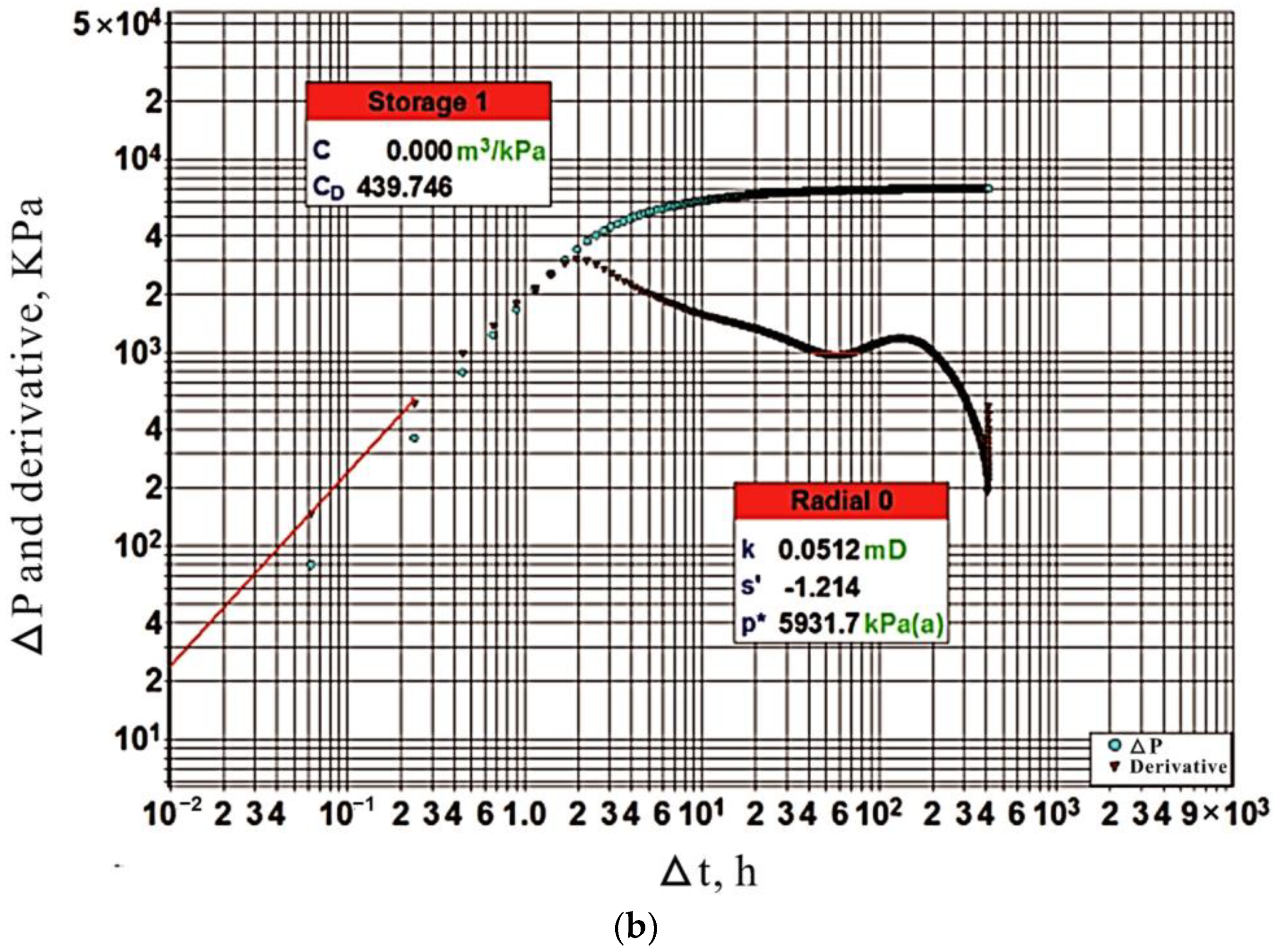
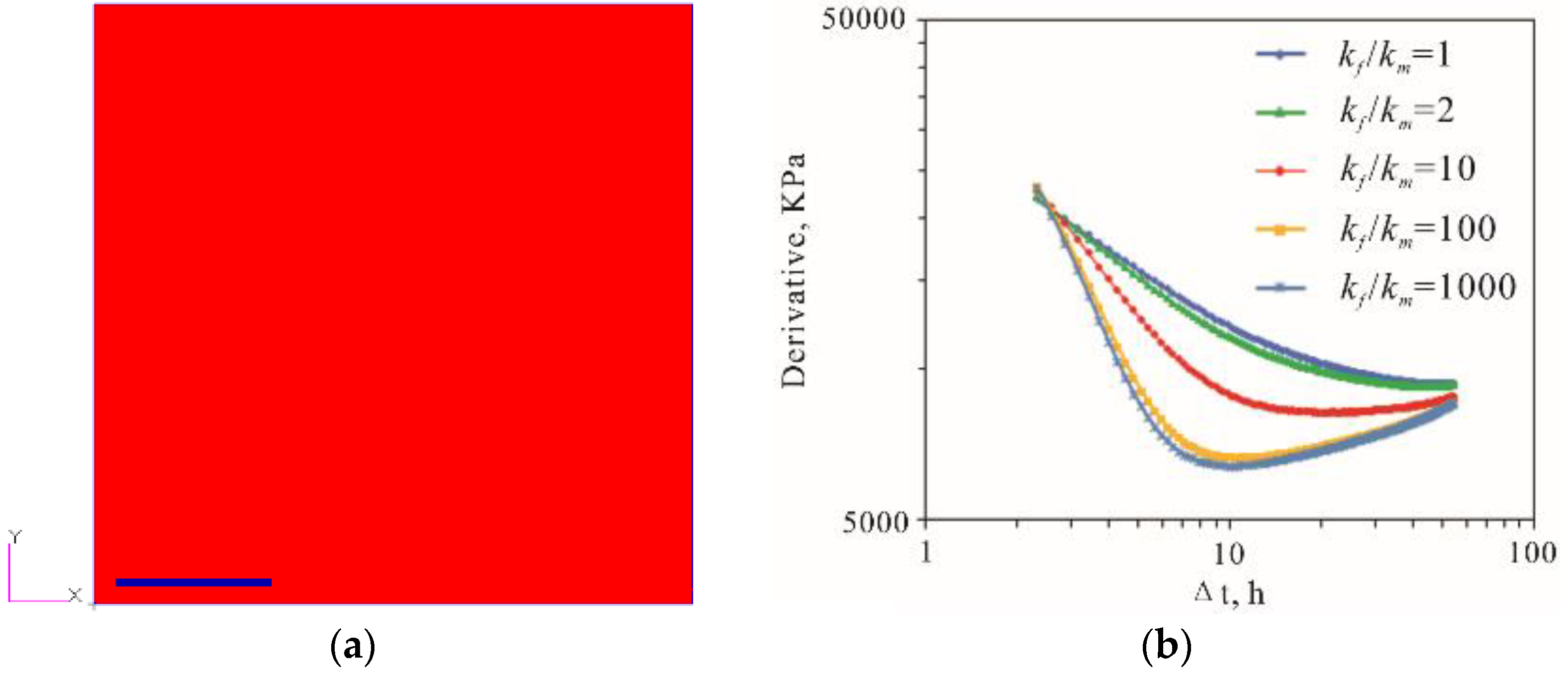
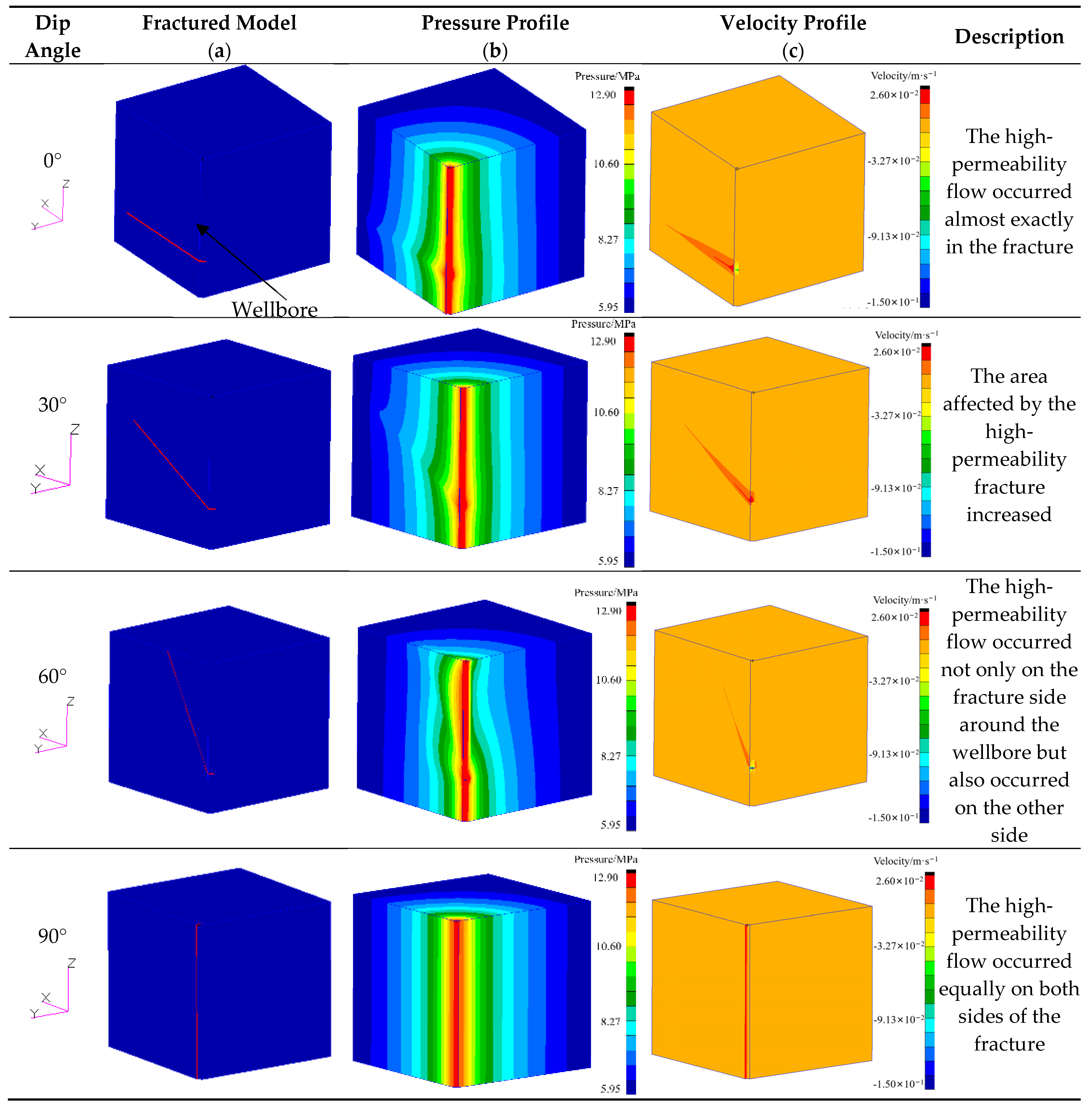
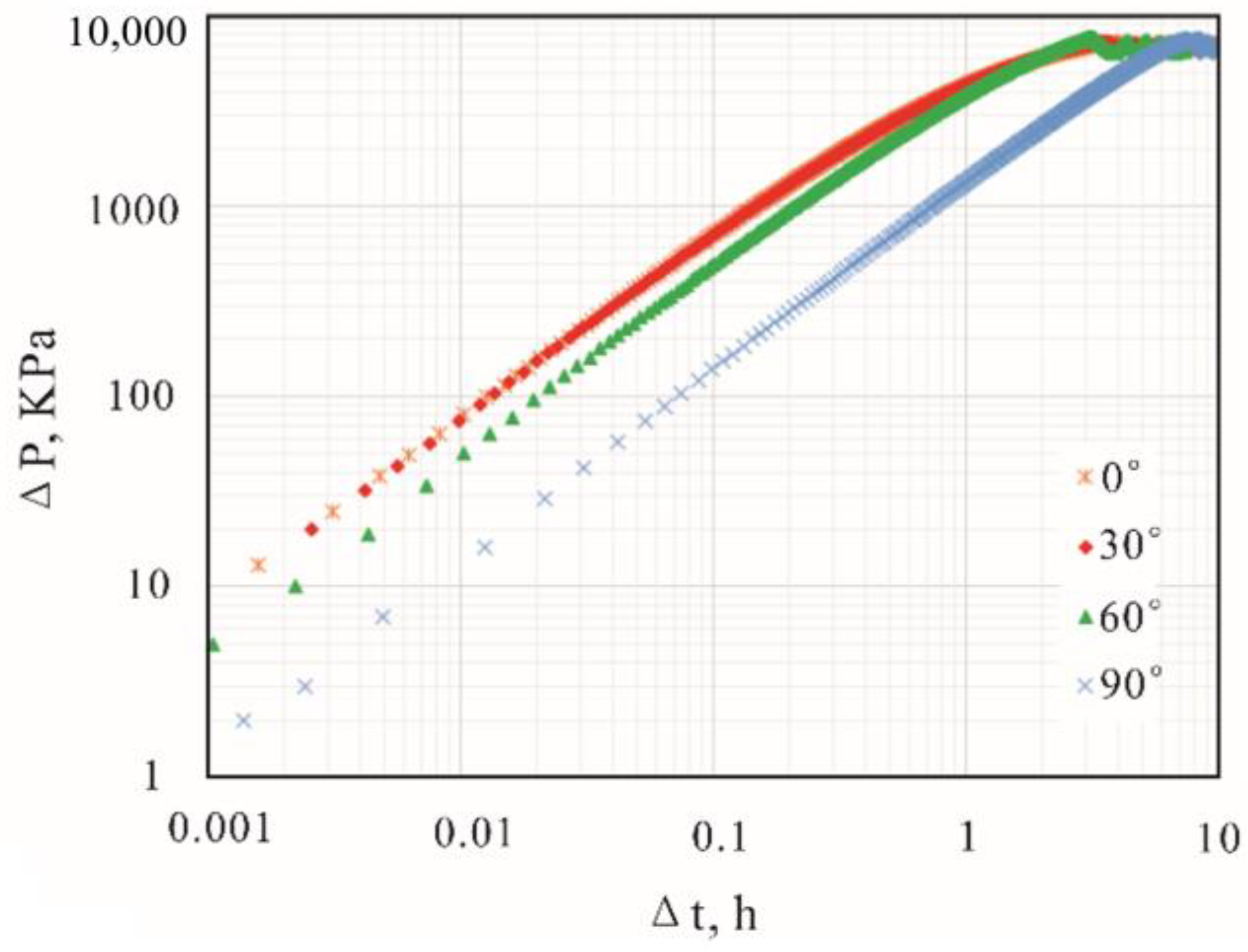
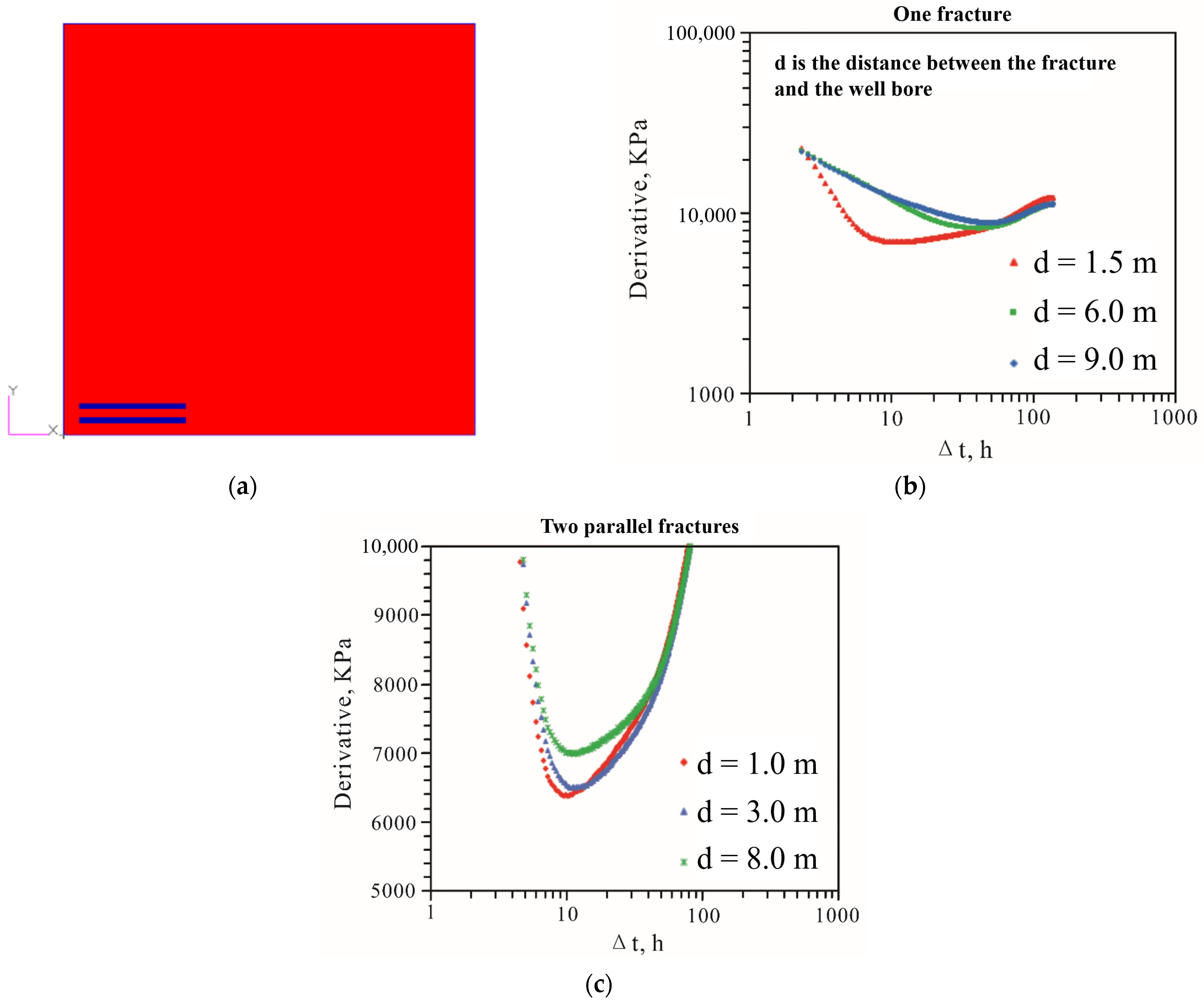
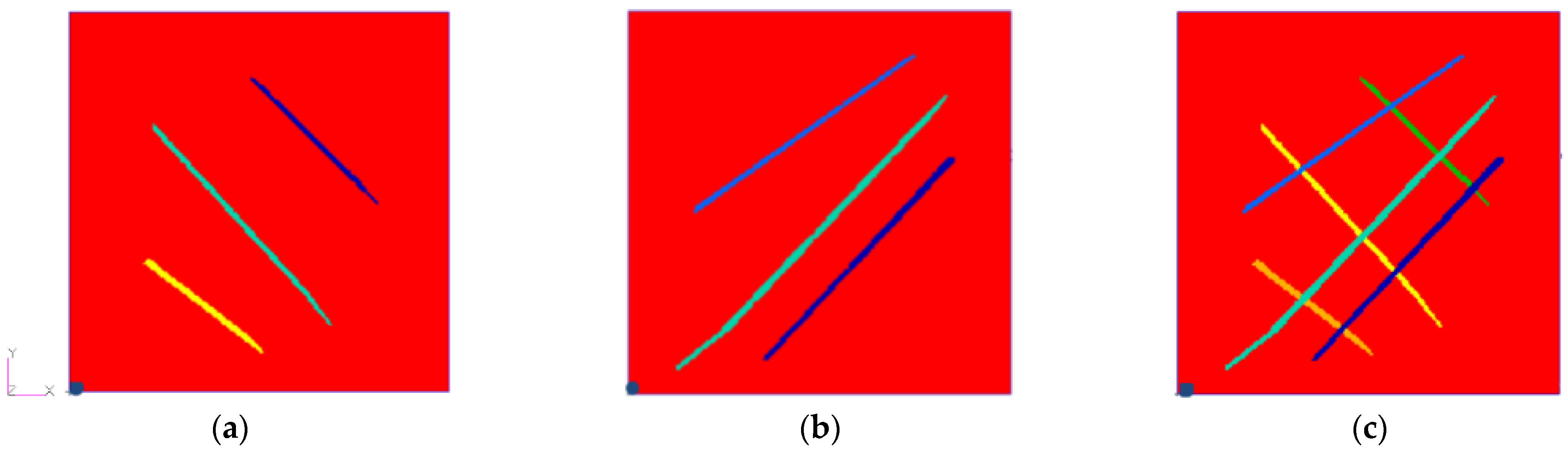
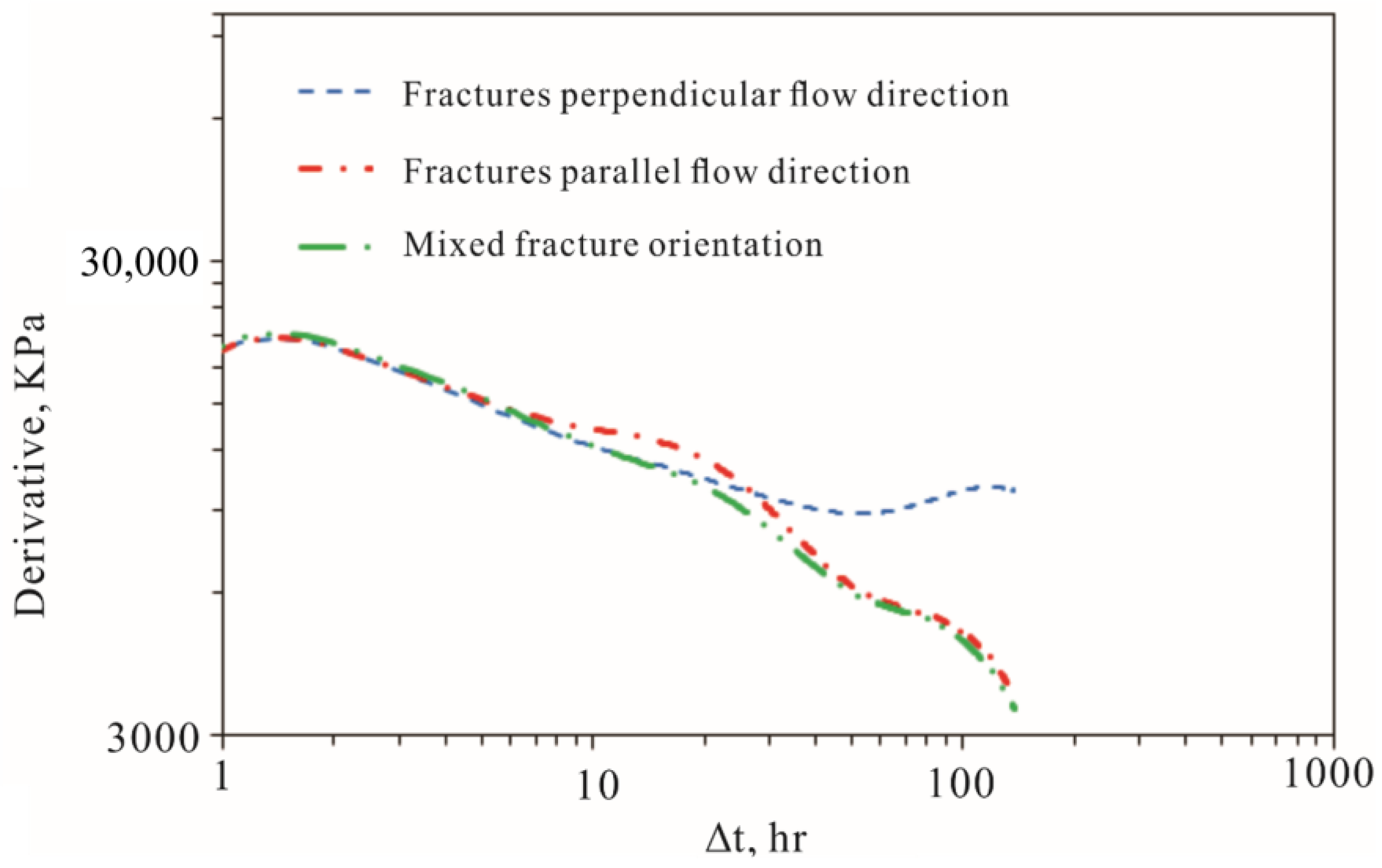
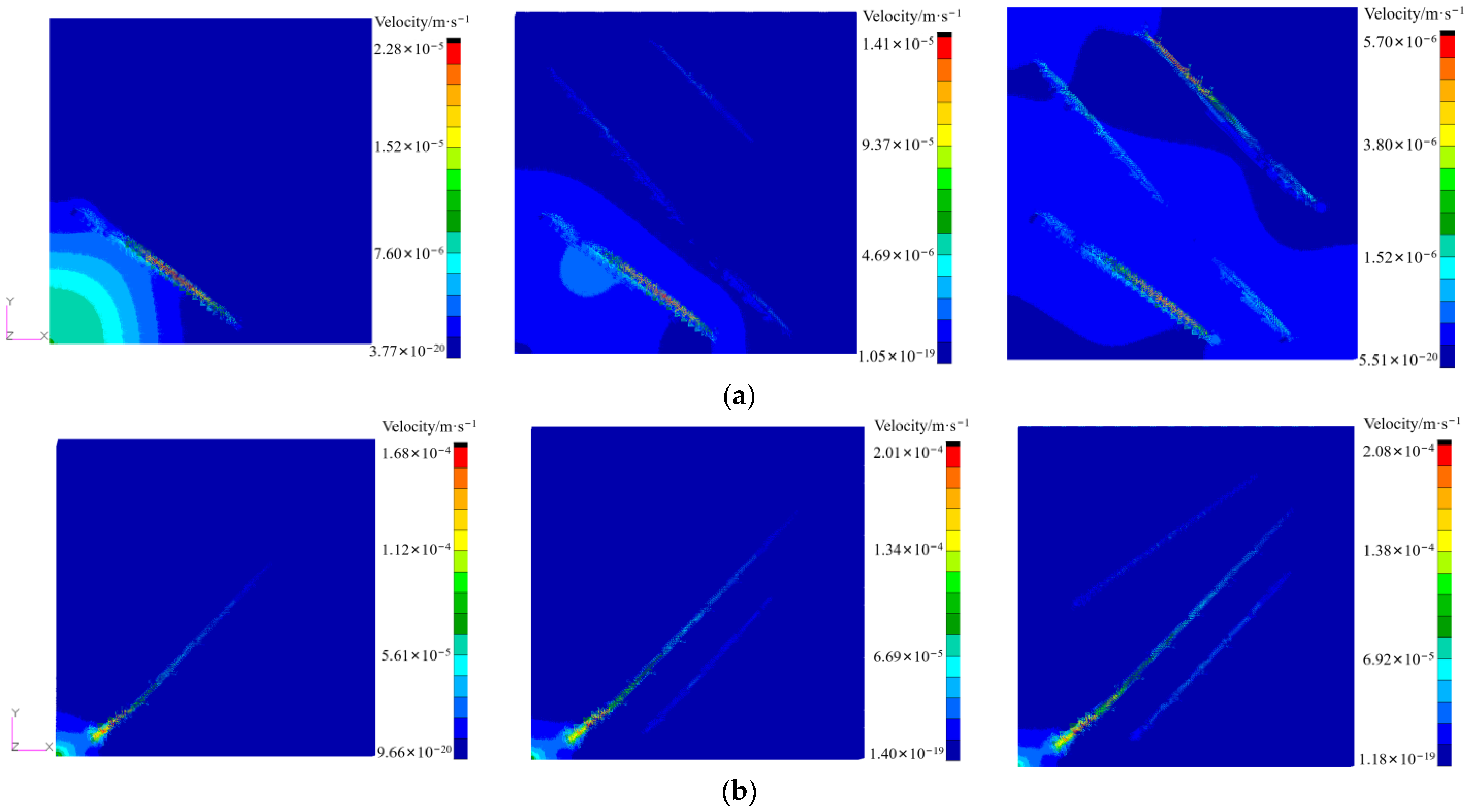
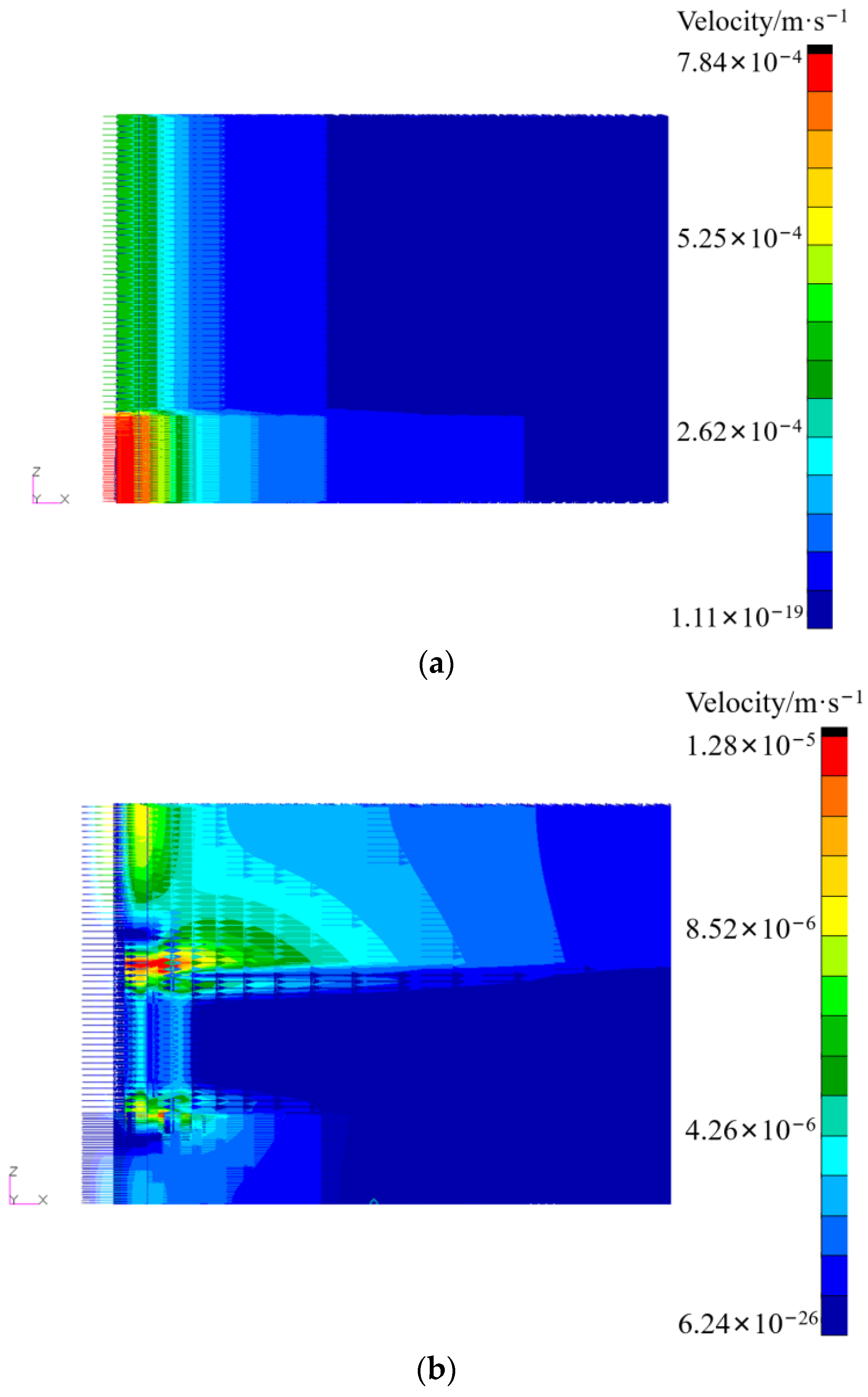
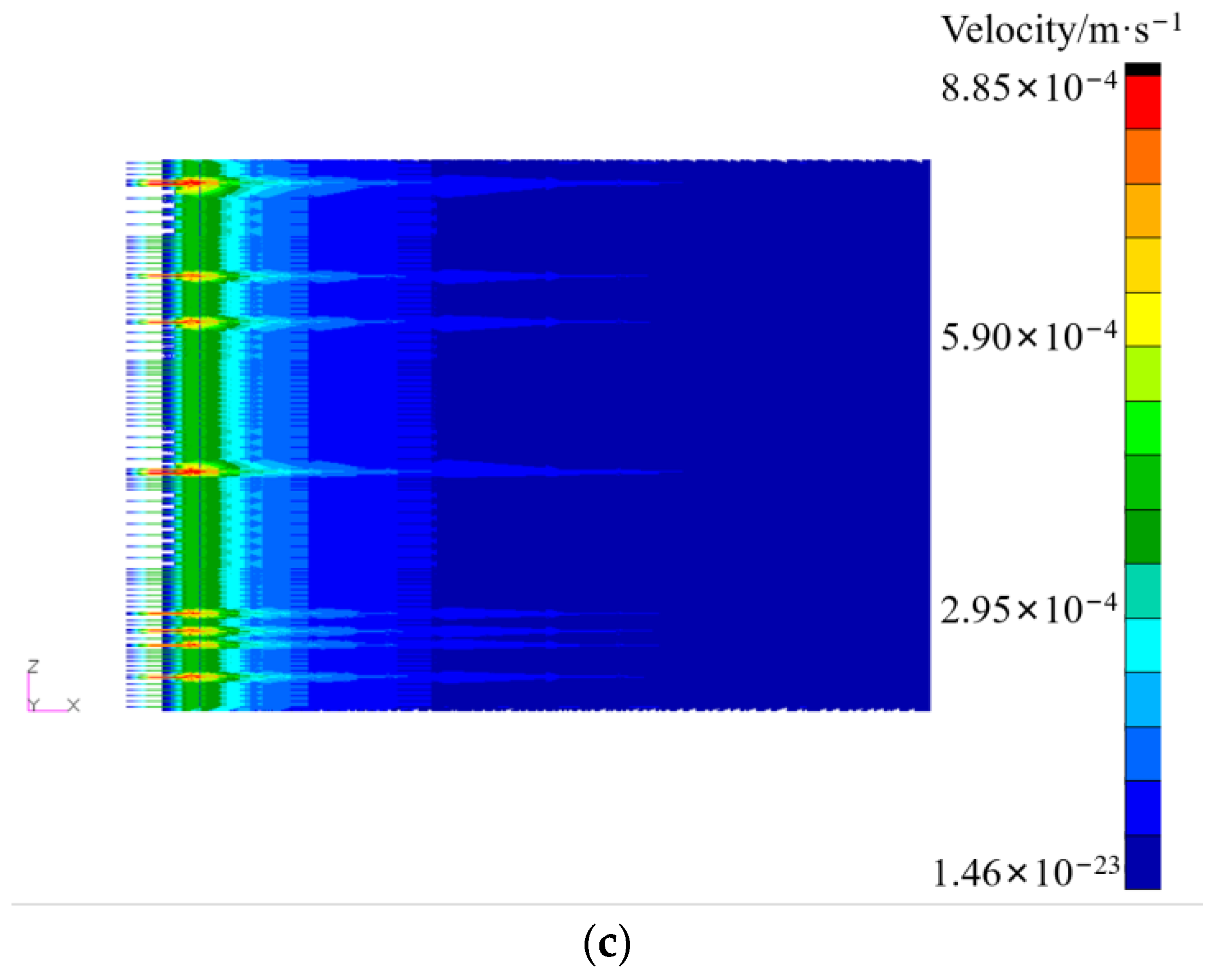
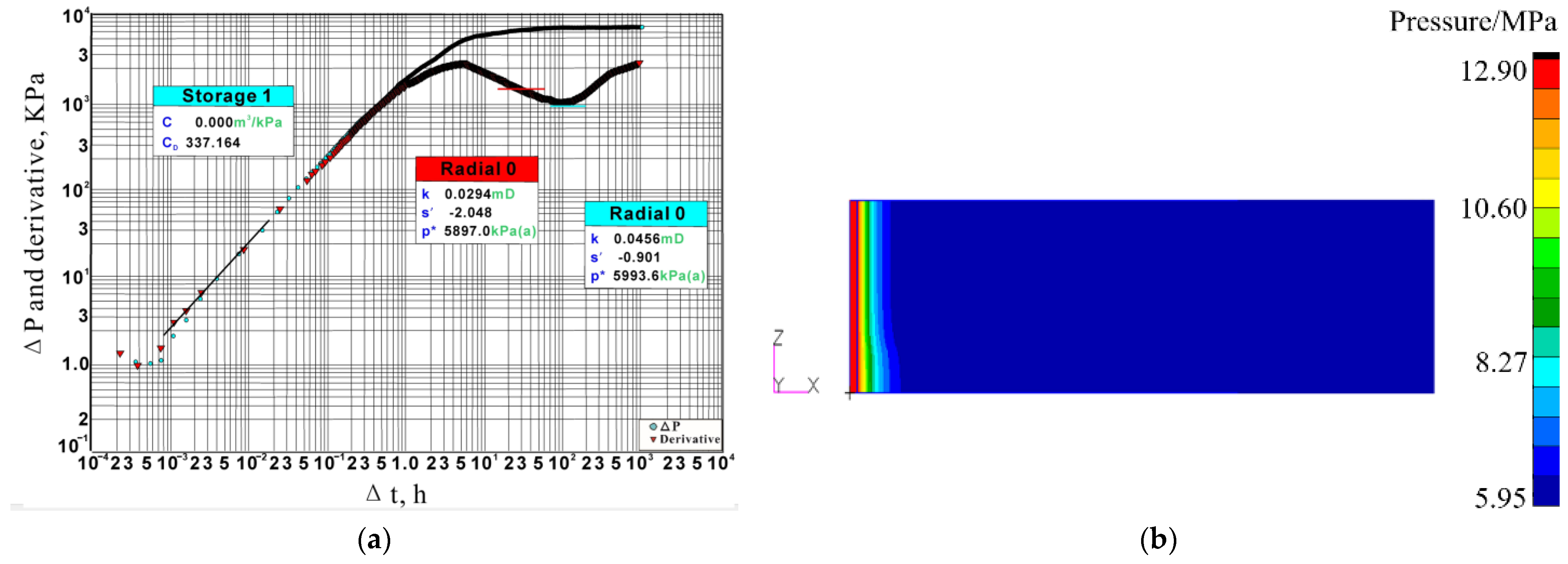
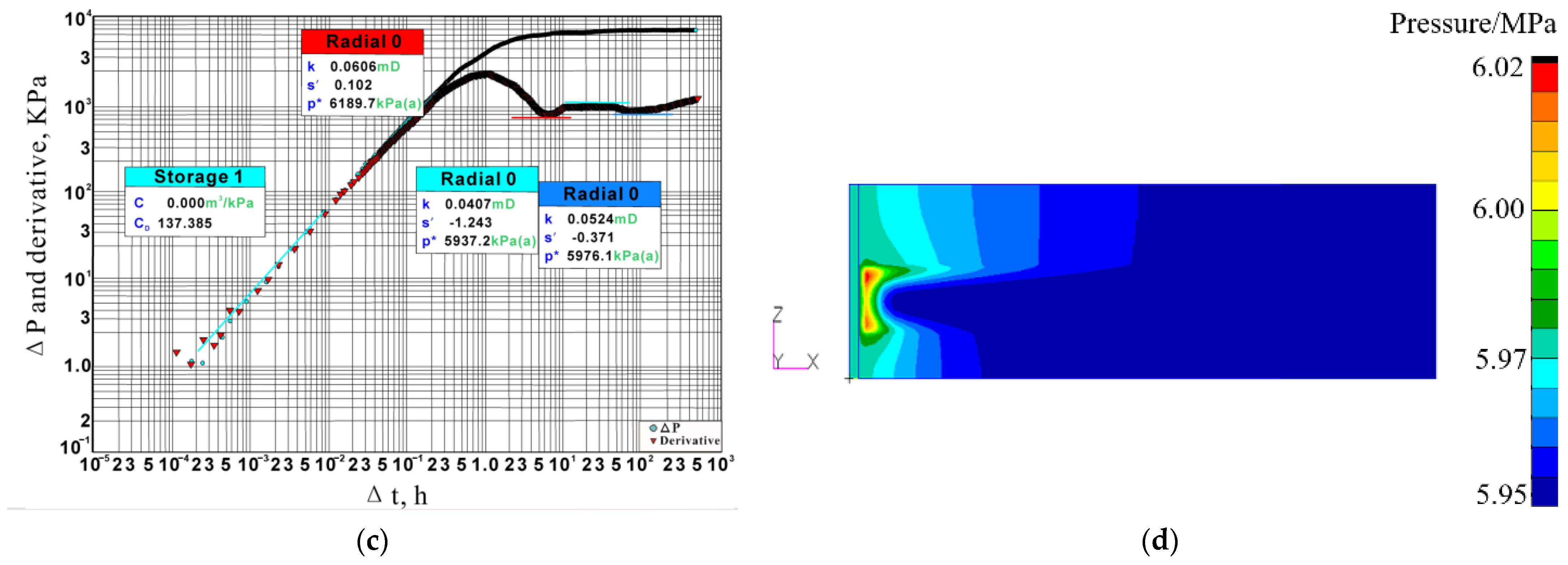
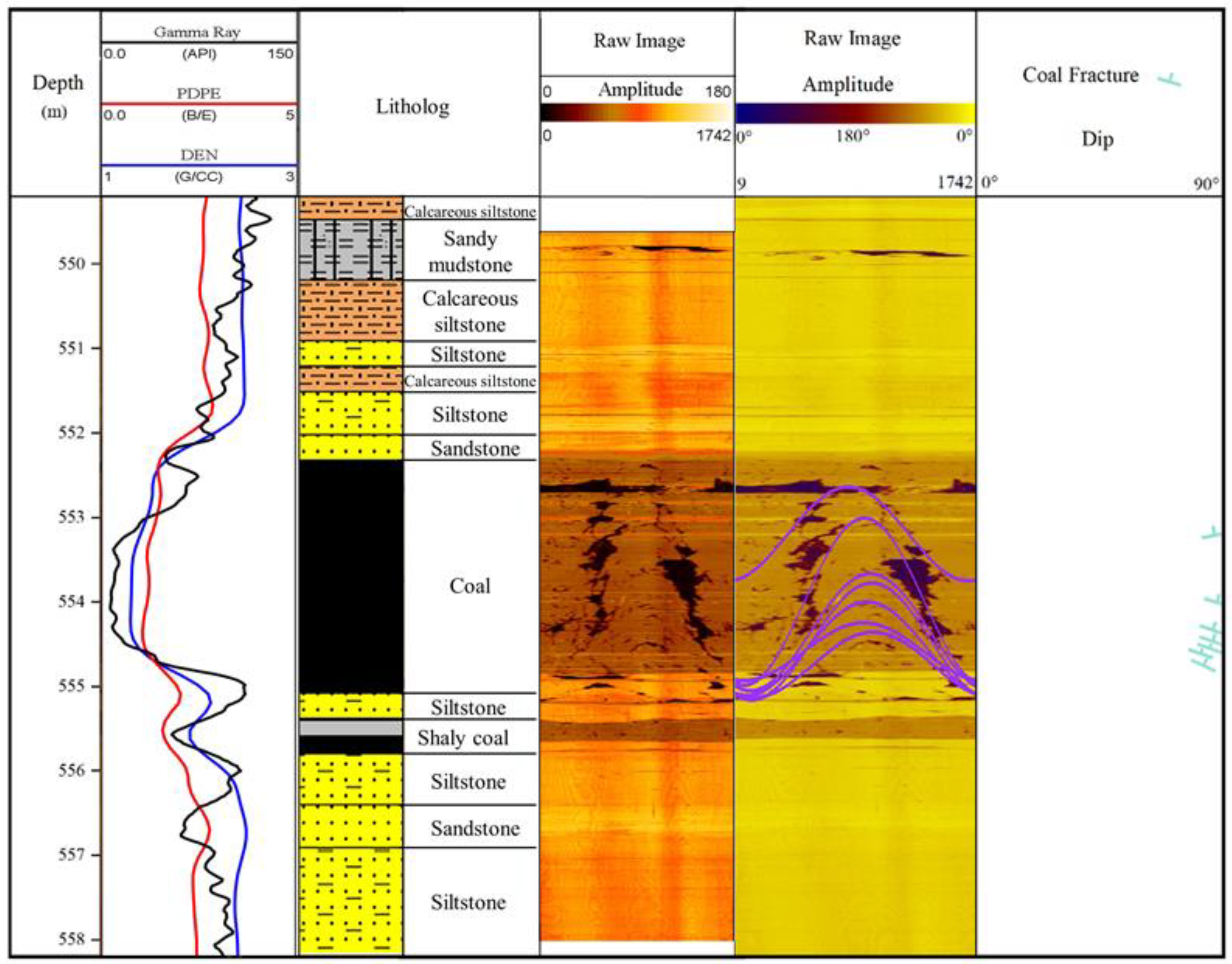
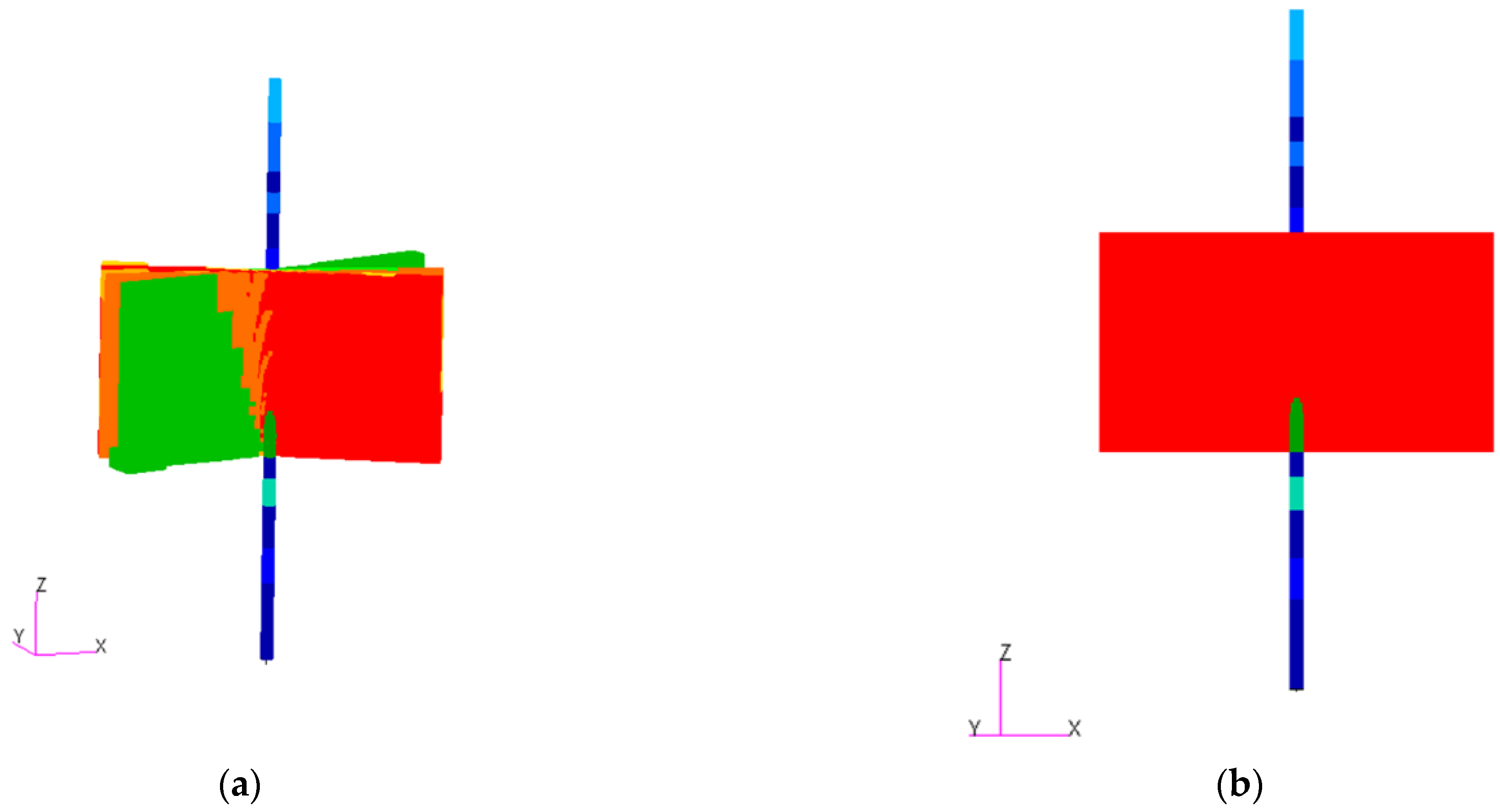
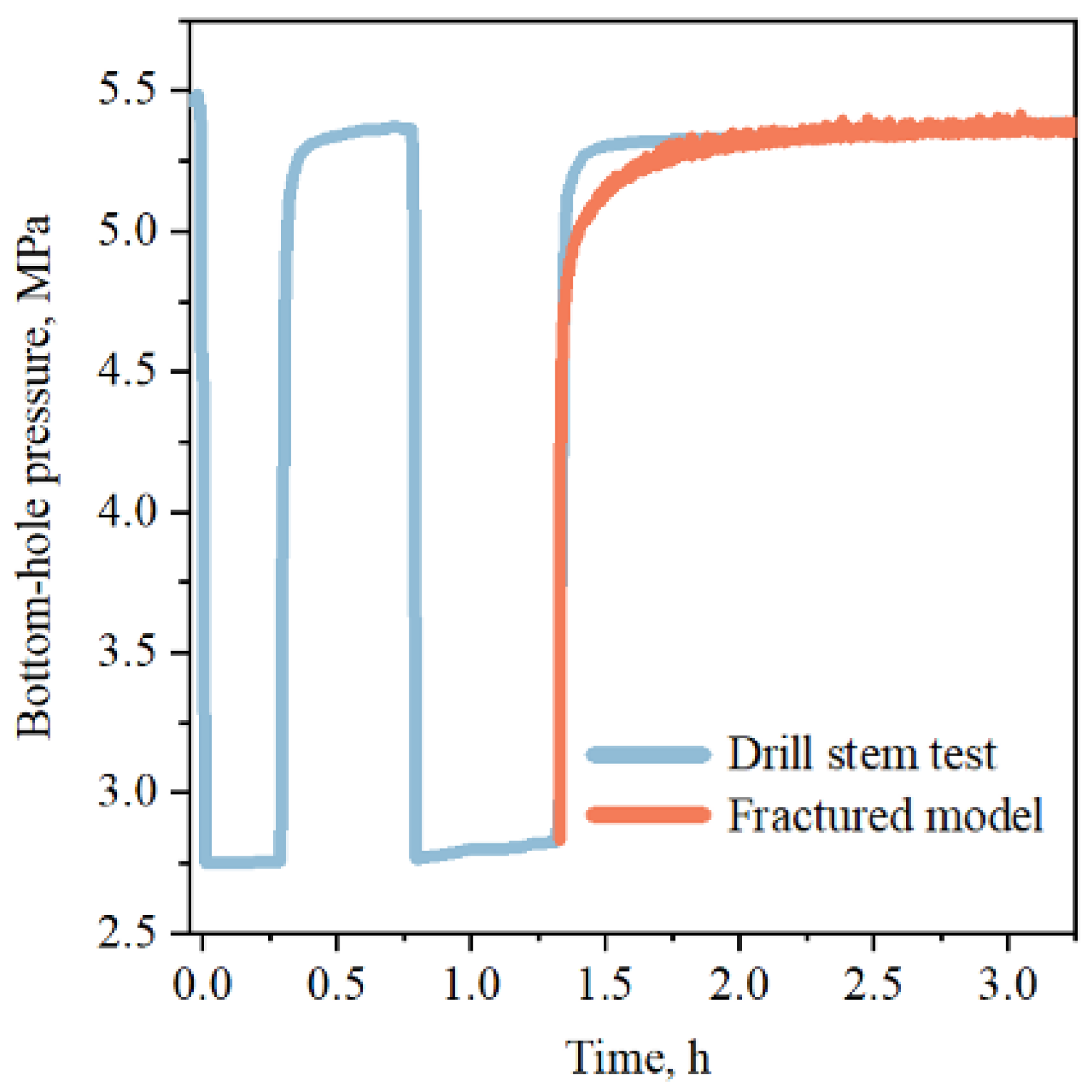
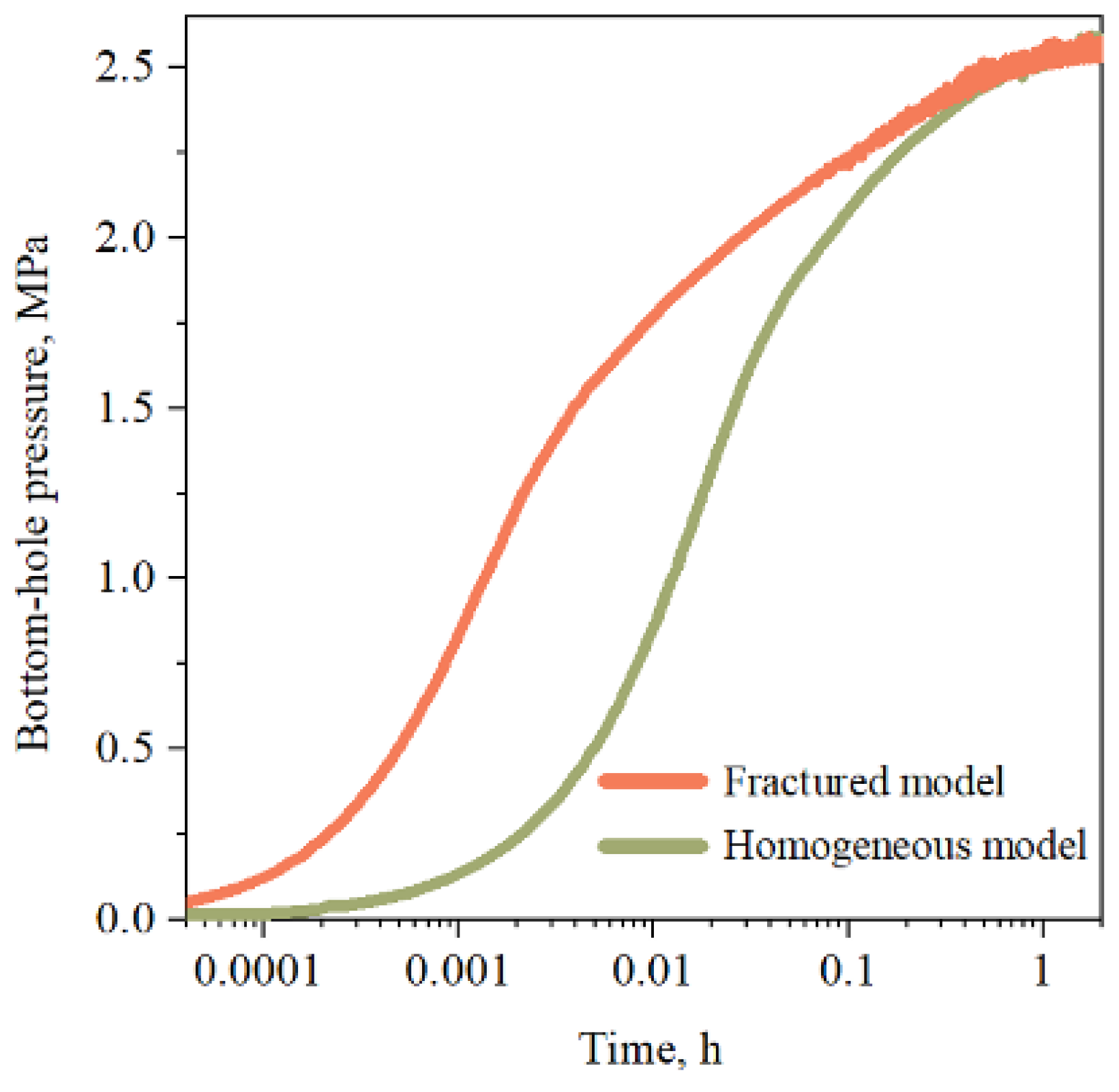
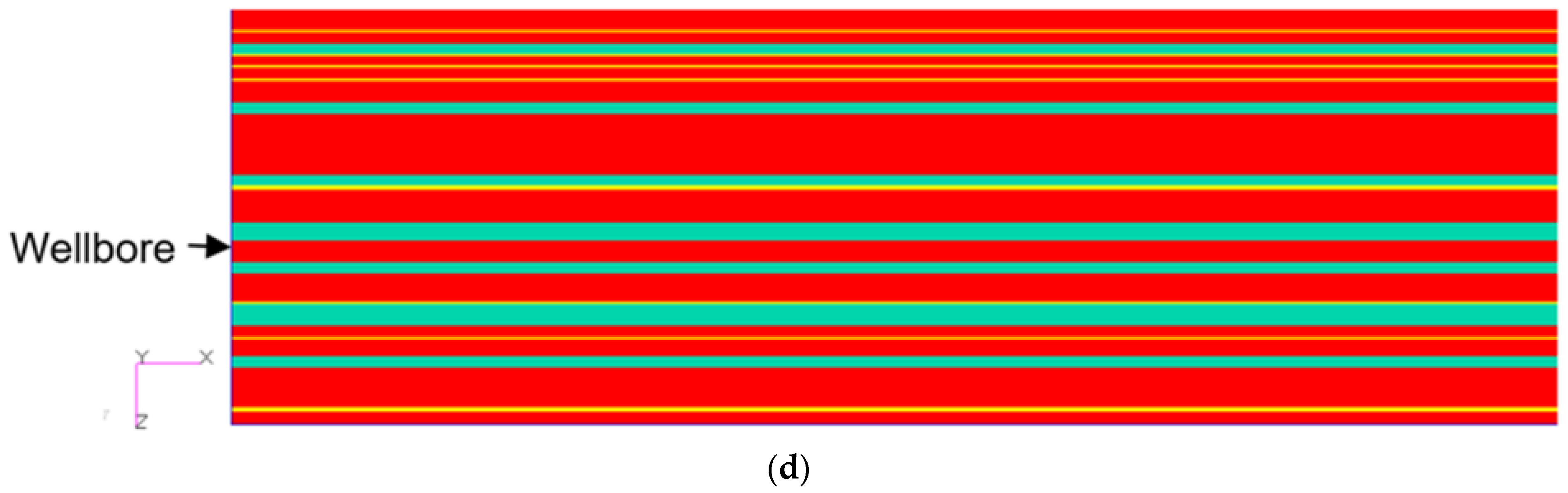
Fractured reservoirs are highly heterogeneous in both matrix and fracture properties, which results in significant variations in well production. Assessing and quantifying the influence of fractures on fluid flow is essential for developing unconventional reservoirs. The complicated effects of fractures in unconventional fractured reservoirs on fluid flow highly depend on fracture geometry, fracture distribution, and fracture properties, which can be reflected in pressure transient testing. The biggest challenge lies in delineating the pre-existing natural fracture distribution pattern, density, azimuth, and connectivity. Using the advanced finite element method, this paper builds a finely characterized near-wellbore model to numerically simulate the pressure transient testing process in naturally fractured reservoirs and further evaluates fracture-related effects to obtain a more accurate solution. First, the numerical program is benchmarked by the analytical solutions and numerical results of Eclipse. Next, different fracture models with single fractures or fracture networks are set up to investigate the effects of fracture parameters numerically (e.g., fracture location, fracture dip angle, fracture spacing, the ratio of fracture permeability to matrix permeability, fracture network orientation, horizontal fracture distribution, etc.) on pressure transient behaviors in naturally fractured reservoirs. Velocity and pressure profiles are presented to visualize and analyze their effects, and new features in the flow regimes of the derivative plots of the bottom-hole pressure are identified and discussed. Finally, based on geological and geophysical data, including image logs, core descriptions, wireline logs, and seismic and well test data, a practical fractured model of the Dalwogan 2 well in the Surat basin is built, analyzed, and compared with homogenous and measured data. The results show significance in characterizing the complex fracture networks in near-wellbore models of unconventional fractured reservoirs.
Keywords: near-wellbore model; pressure transient testing; fractures; numerical simulation; naturally fractured reservoirs near-wellbore model; pressure transient testing; fractures; numerical simulation; naturally fractured reservoirs