Article

Sensorless Control Strategy for Interior Permanent Magnet Synchronous Motors in the Full-Speed Section

School of Automobile, Chang’an University, Xi’an 710064, China
*
Author to whom correspondence should be addressed.
Energies 2023, 16(23), 7701; https://doi.org/10.3390/en16237701
Submission received: 4 October 2023 / Revised: 4 November 2023 / Accepted: 17 November 2023 / Published: 22 November 2023
(This article belongs to the Section F: Electrical Engineering)

Abstract

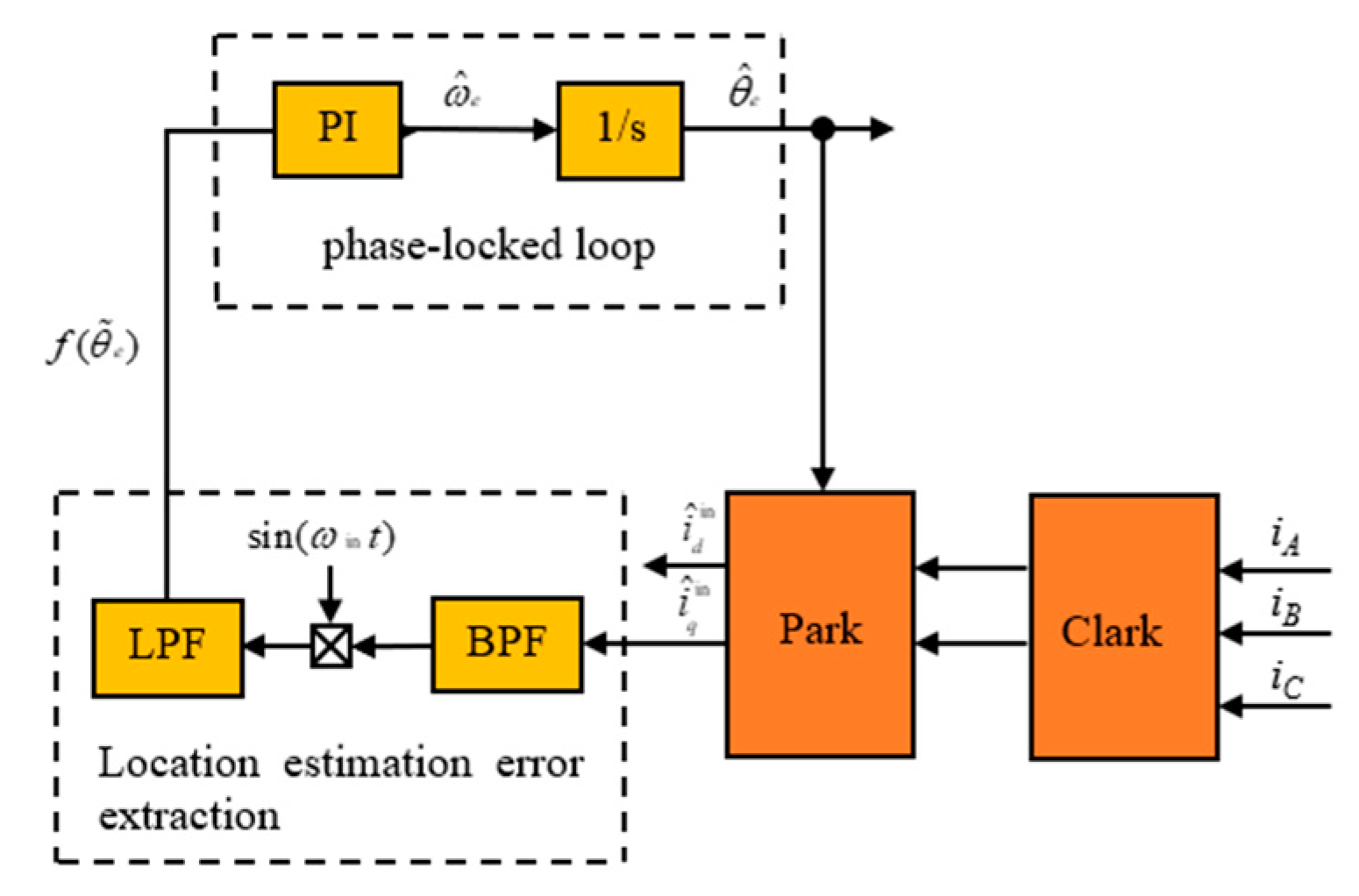
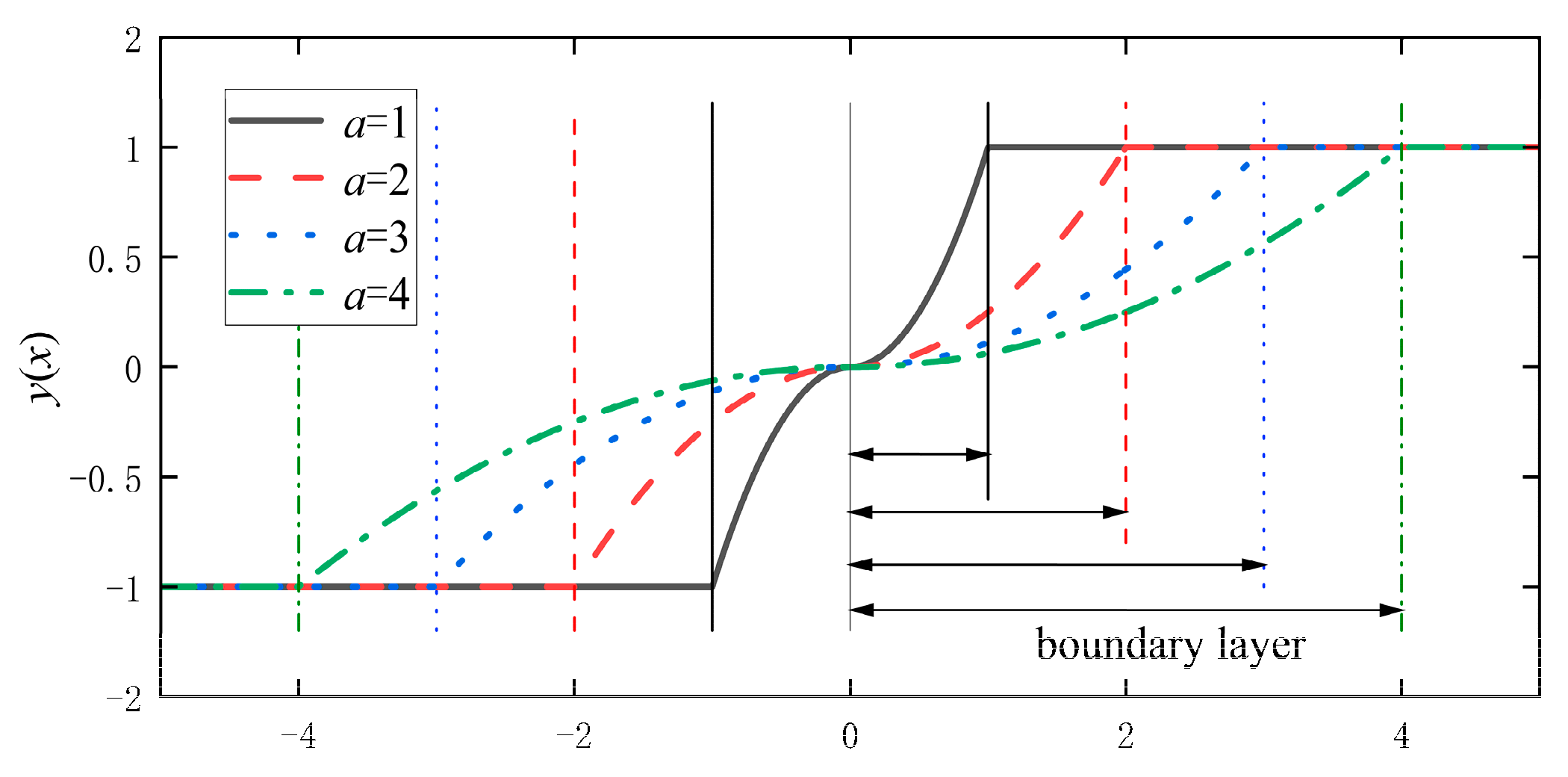
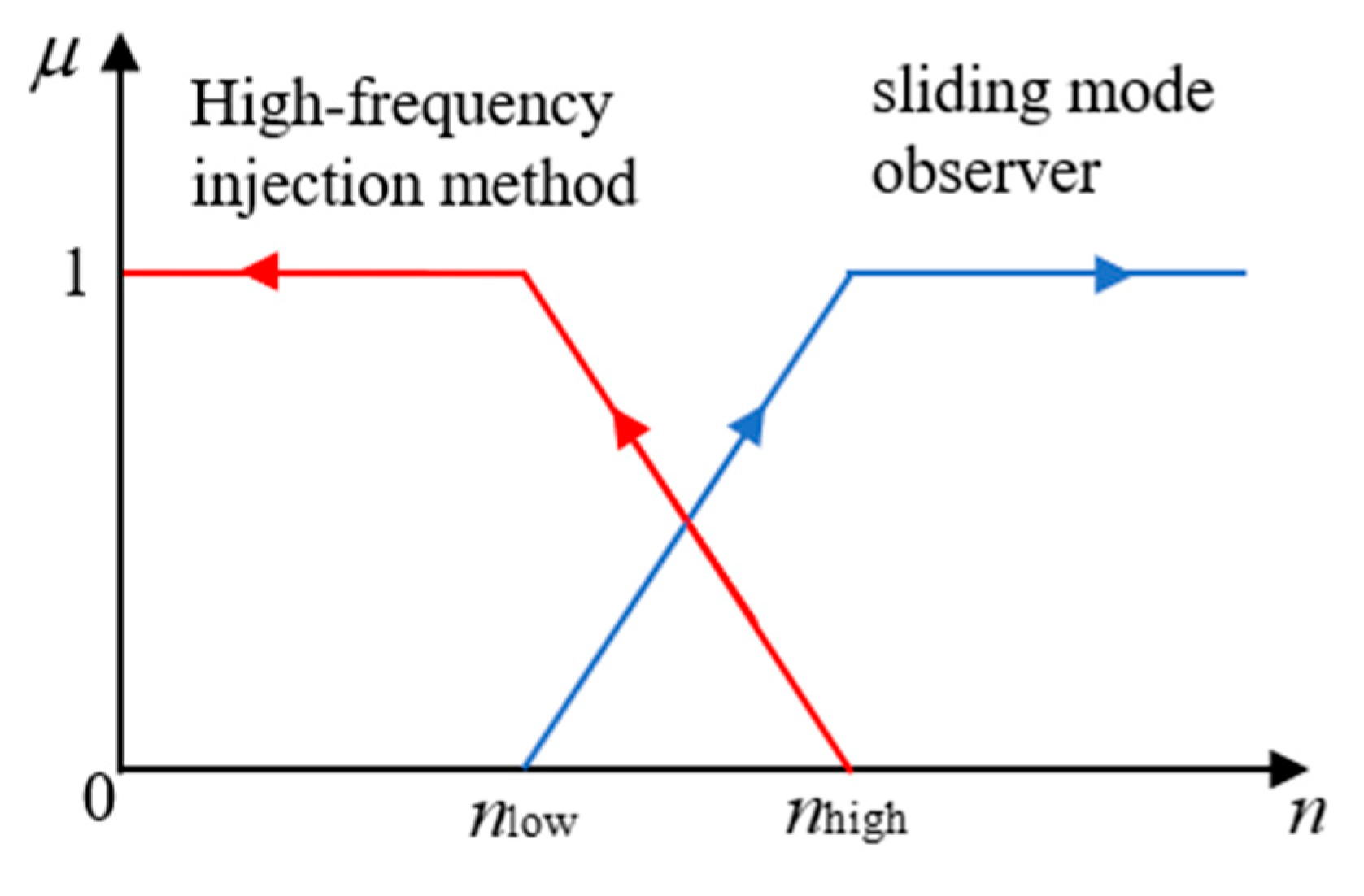
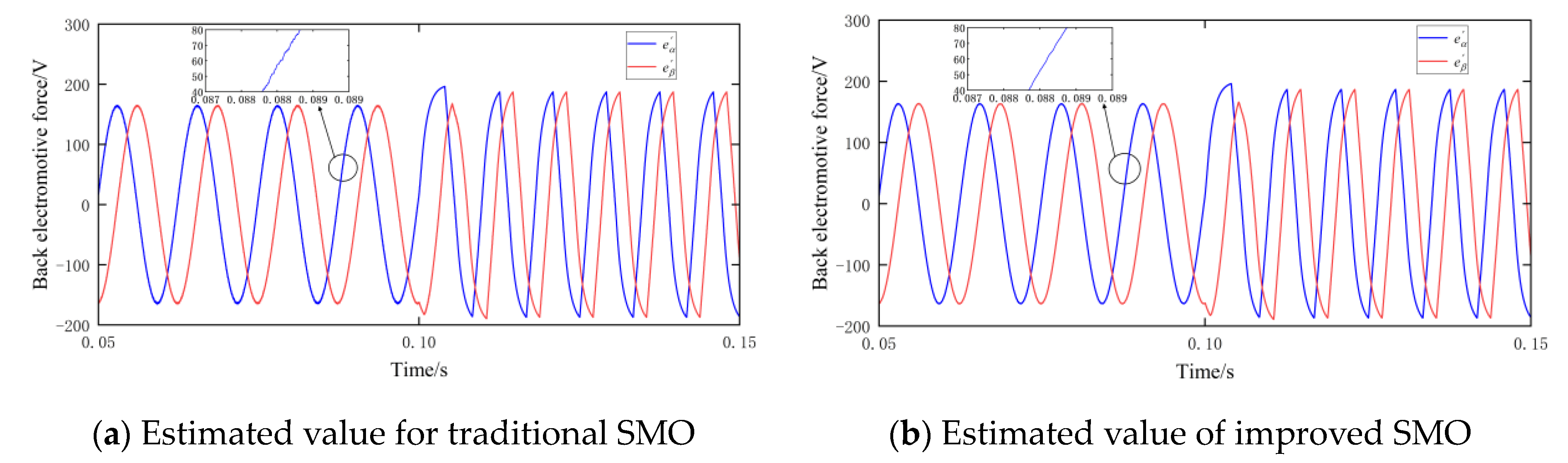
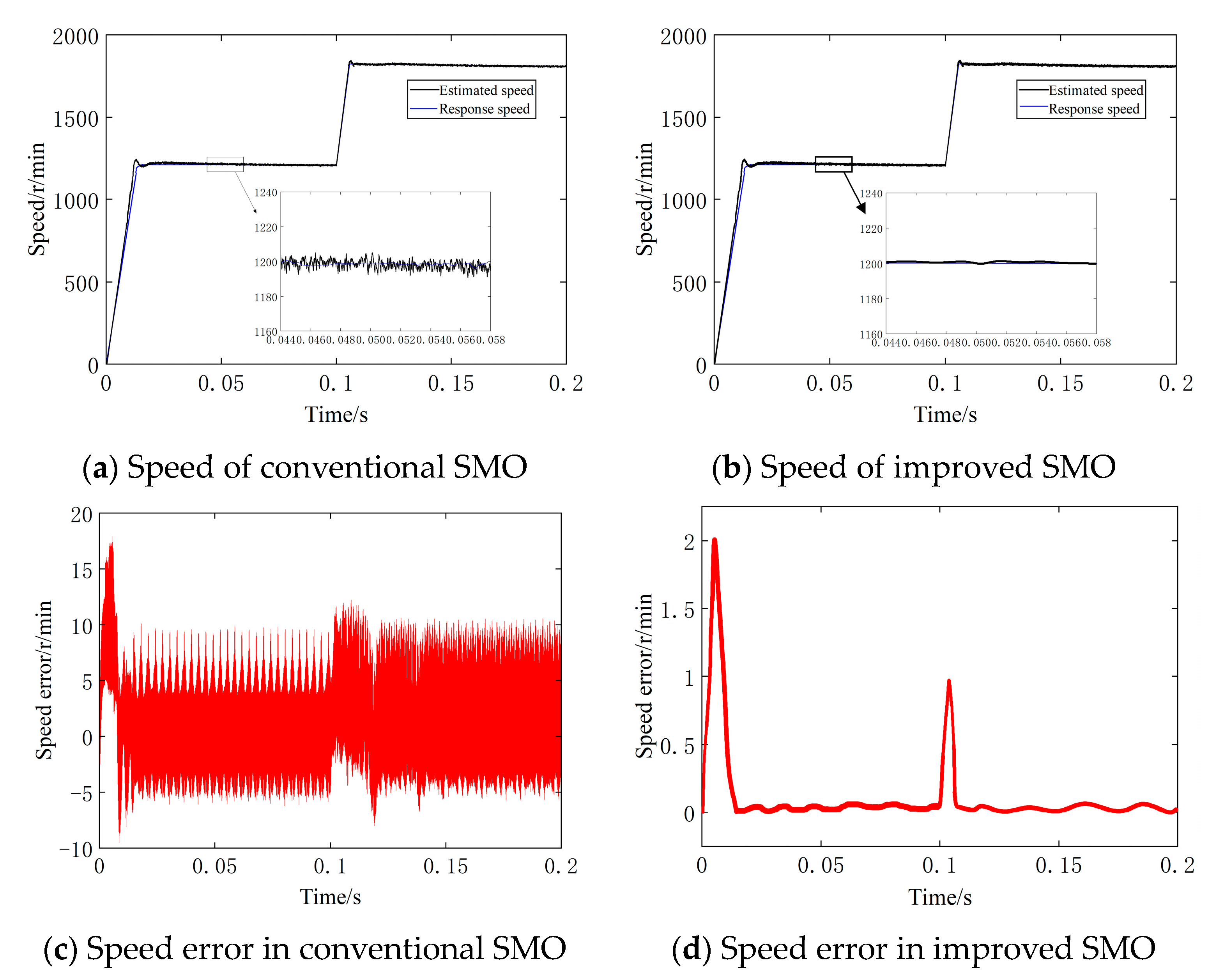
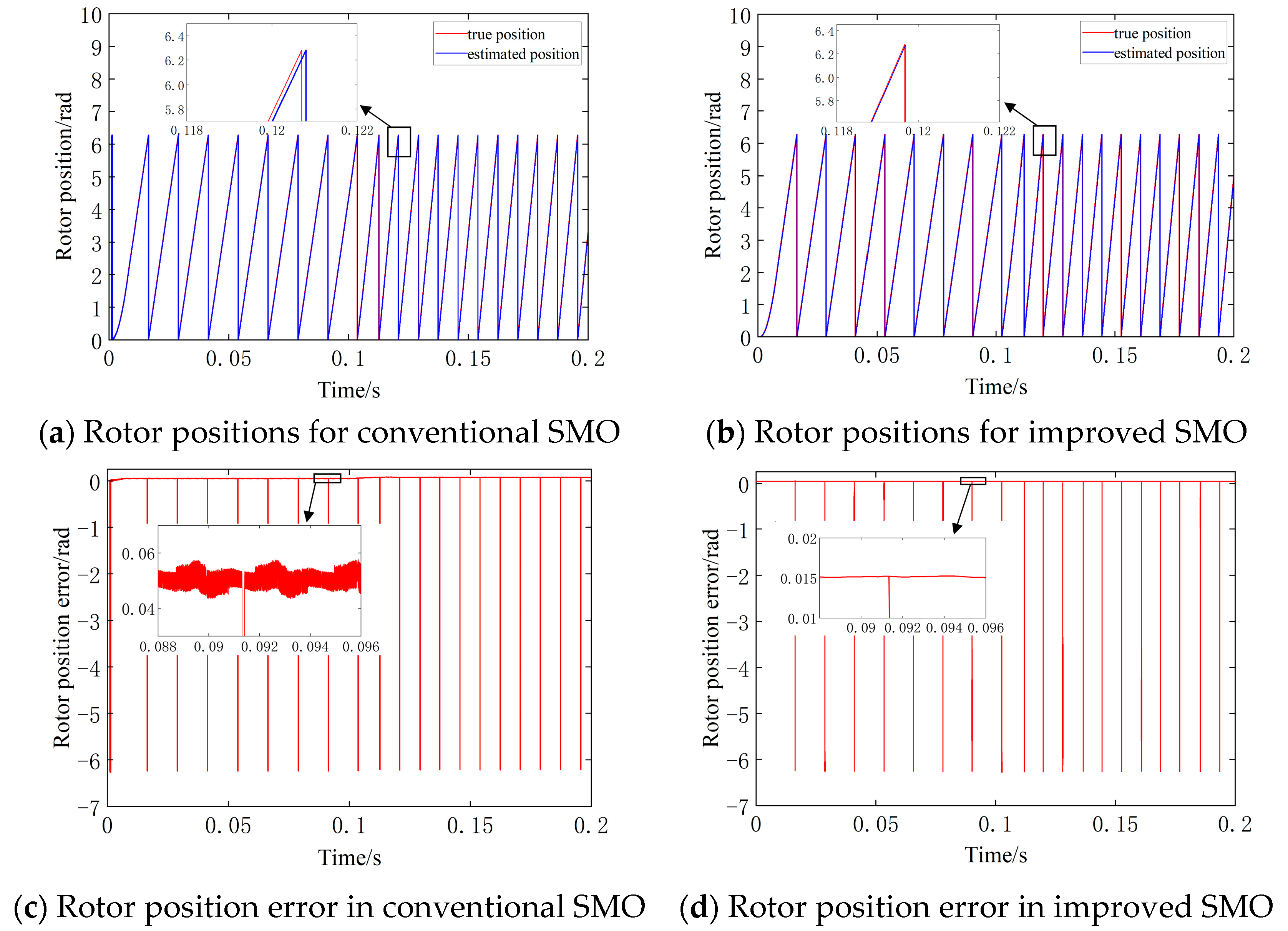
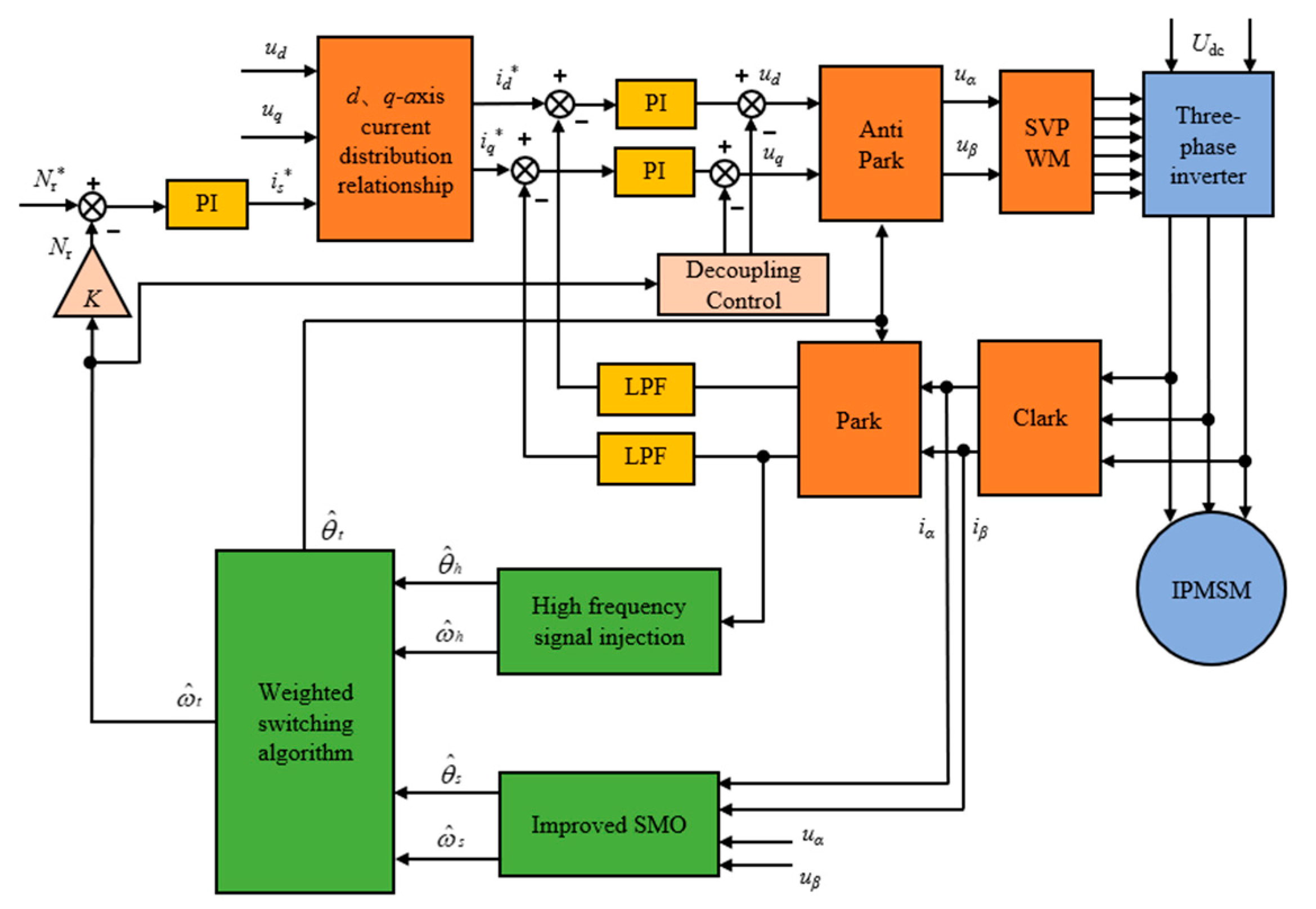
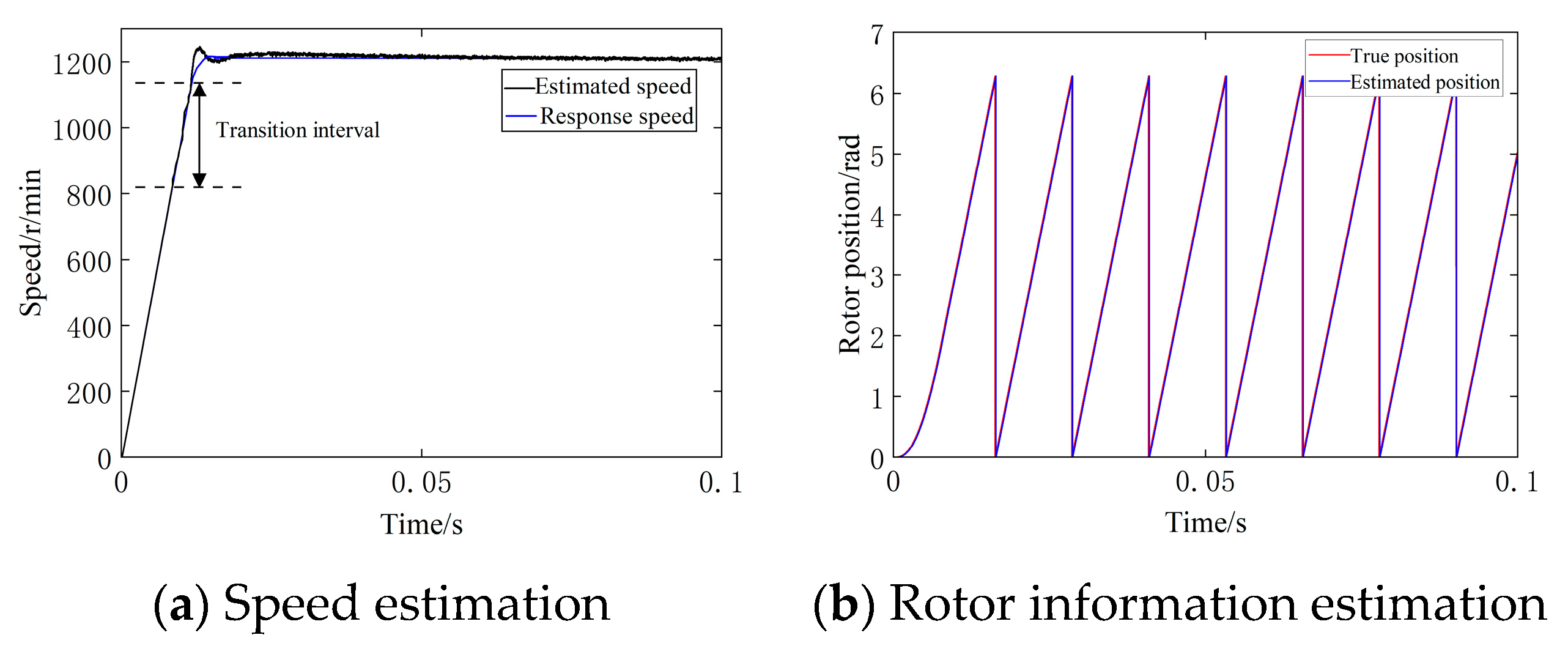
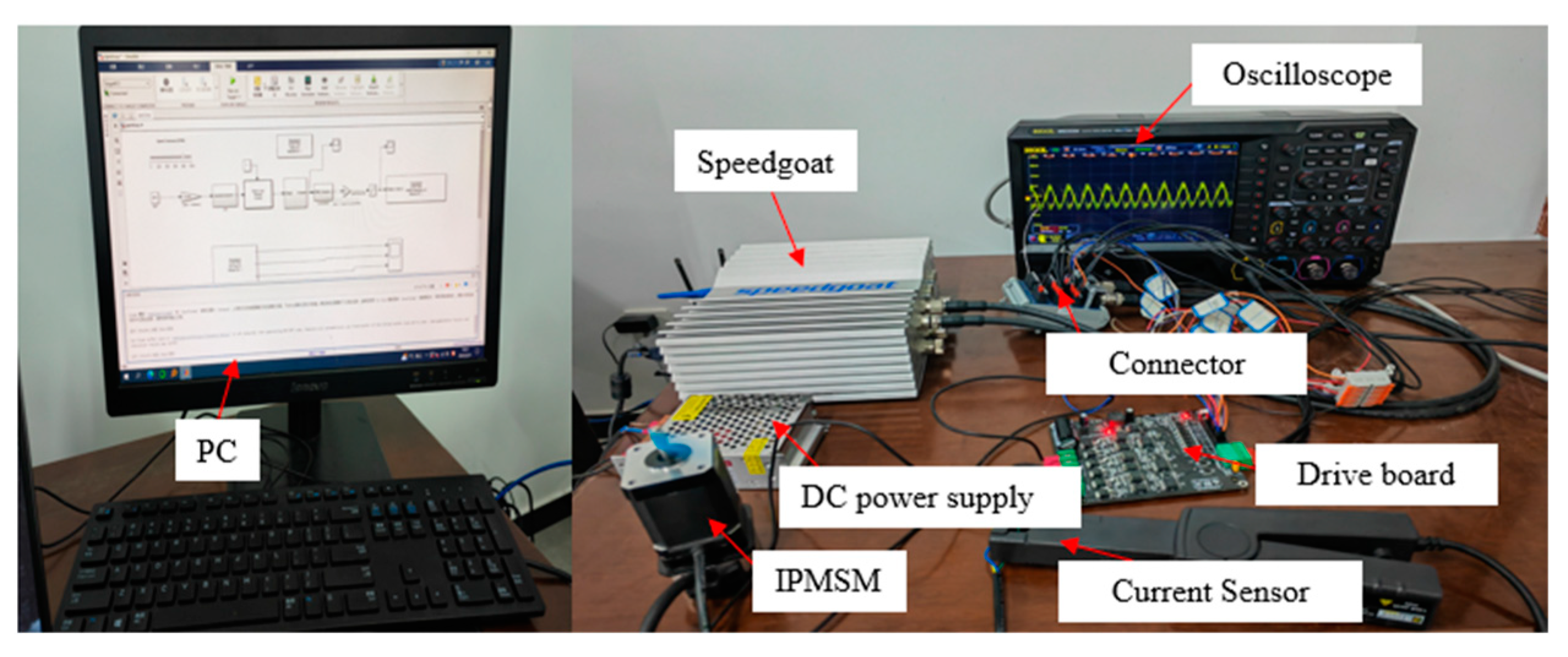
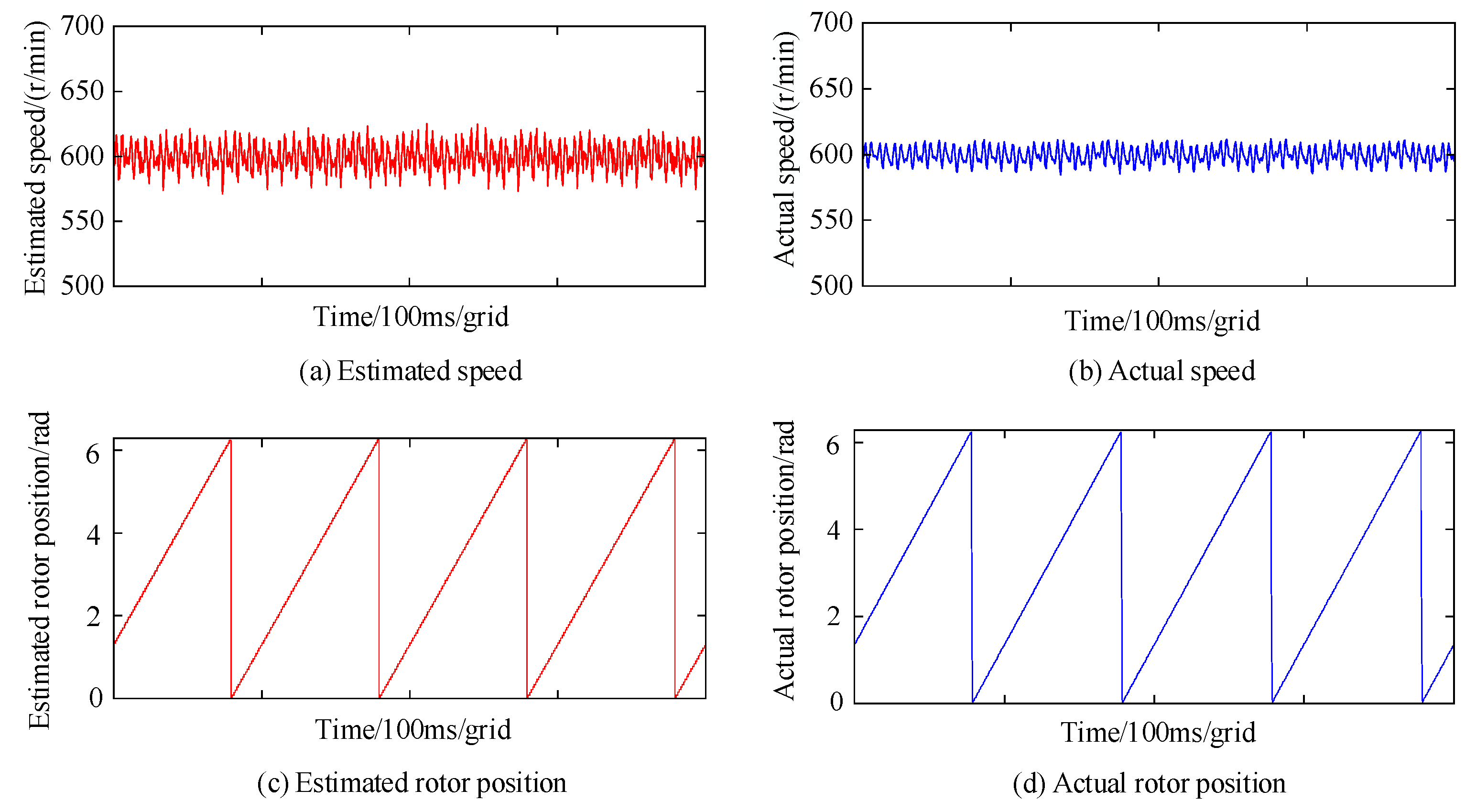
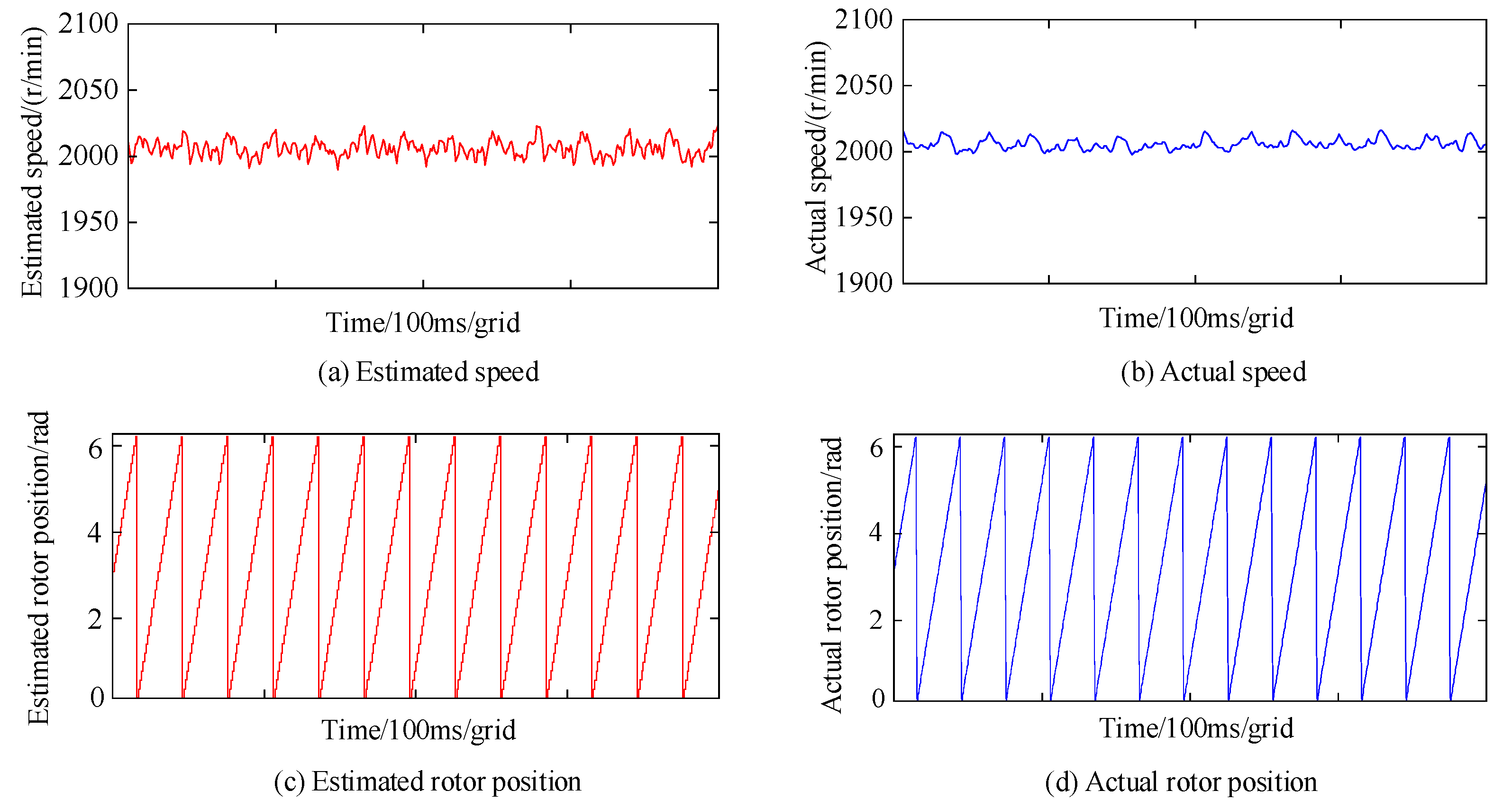
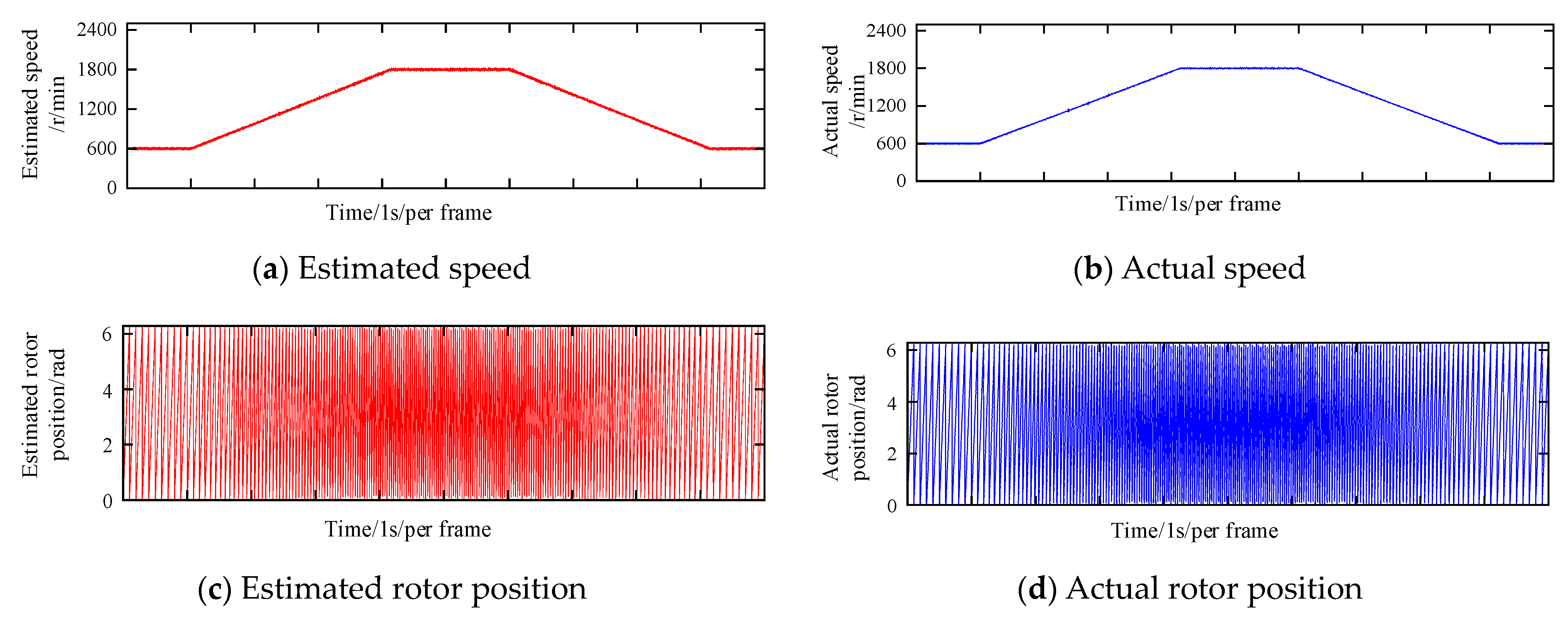
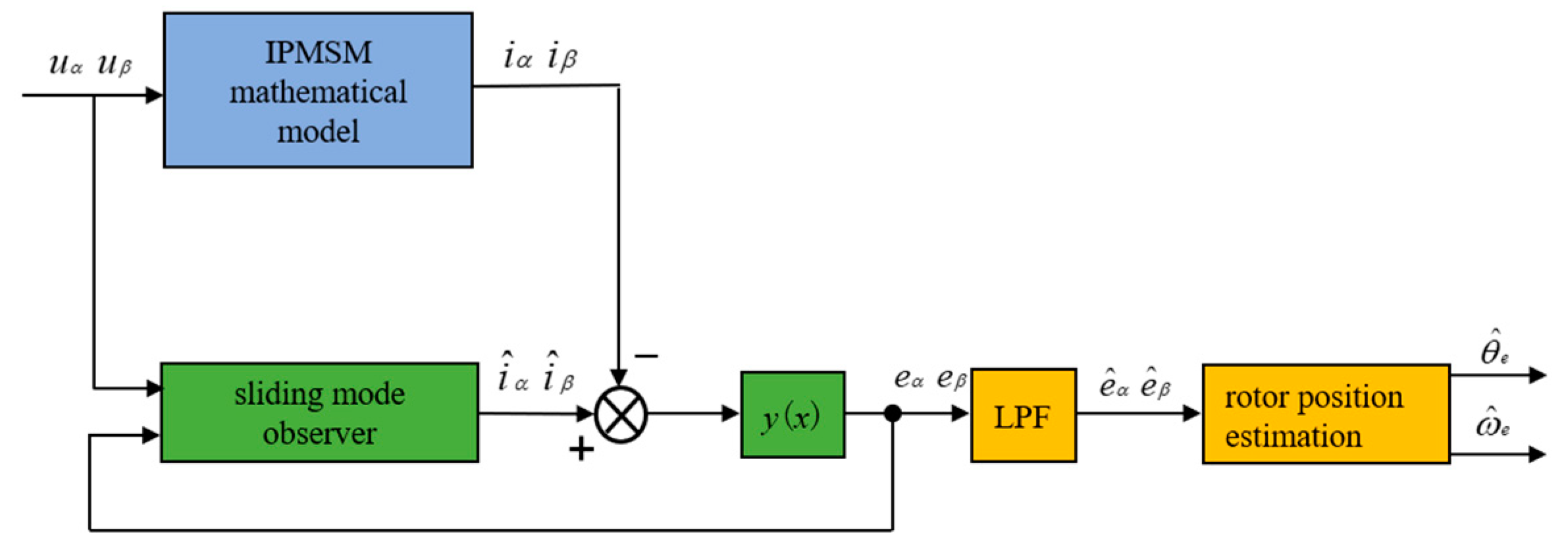
Along with the advancement of modern control technology, electric vehicles have gradually become the leading force in the development of the automobile industry. Interior permanent magnet synchronous motors (IPMSMs) have gradually become a mainstream electric vehicle drive component due to their high power density and excellent controllability. This type of motor can form a high-precision closed-loop control system with position sensors, which improves the overall performance. However, the operating conditions are complicated, and position sensor failure can easily occur, which reduces the stability of the motor system. For the fault-tolerant control problem of position sensor failure, pulse high-frequency voltage injection and an improved sliding mode observer (SMO) are employed to achieve the sensorless control of both the low-speed and medium-high-speed sections of the electric motor. Combining the advantages of high-frequency voltage injection in the low-speed section with a high accuracy of position estimation and the advantages of improved SMO in the high-speed section with low computational volume, the composite sensorless control strategy is proposed for IPMSM in the full-speed section. Secondly, an improved SMO using a segmented composite function as the control function is proposed to improve the robustness of the system. It is proposed to address the issue of the smooth transition between the low-speed section and the medium- and high-speed section by using linear weighting. Finally, in order to validate the accuracy of the sensorless control technology, a rapid control prototype of IPMSMs based on Speedgoat is constructed by using a semi-physical simulation system. The efficacy of the control algorithms in the low-speed section, high-speed section and transition interval is verified.
Keywords: electric vehicle; interior permanent magnet synchronous motors (IPMSM); sensorless control; linear weighting; improved SMO electric vehicle; interior permanent magnet synchronous motors (IPMSM); sensorless control; linear weighting; improved SMO