Article

Life Cycle Assessment of Poplar Biomass for High Value Products and Energy

by
Michał Krzyżaniak
1,*,
Mariusz J. Stolarski
1,
Kazimierz Warmiński
2,
Edward Rój
3,
Katarzyna Tyśkiewicz
3 and
Ewelina Olba-Zięty
1
1
Department of Genetics, Plant Breeding and Bioresource Engineering, Faculty of Agriculture and Forestry, University of Warmia and Mazury in Olsztyn, Plac Łódzki 3, 10-724 Olsztyn, Poland
2
Department of Chemistry, Faculty of Agriculture and Forestry, University of Warmia and Mazury in Olsztyn, Plac Łódzki 4, 10-957 Olsztyn, Poland
3
Supercritical Extraction Research Group, Łukasiewicz Research Network—New Chemical Syntheses Institute, Al. Tysiąclecia Państwa Polskiego 13a, 24-110 Puławy, Poland
*
Author to whom correspondence should be addressed.
Energies 2023, 16(21), 7287; https://doi.org/10.3390/en16217287
Submission received: 28 September 2023 / Revised: 22 October 2023 / Accepted: 25 October 2023 / Published: 27 October 2023
(This article belongs to the Special Issue Plant Biomass for Chemicals and Biofuels Applications)

Abstract

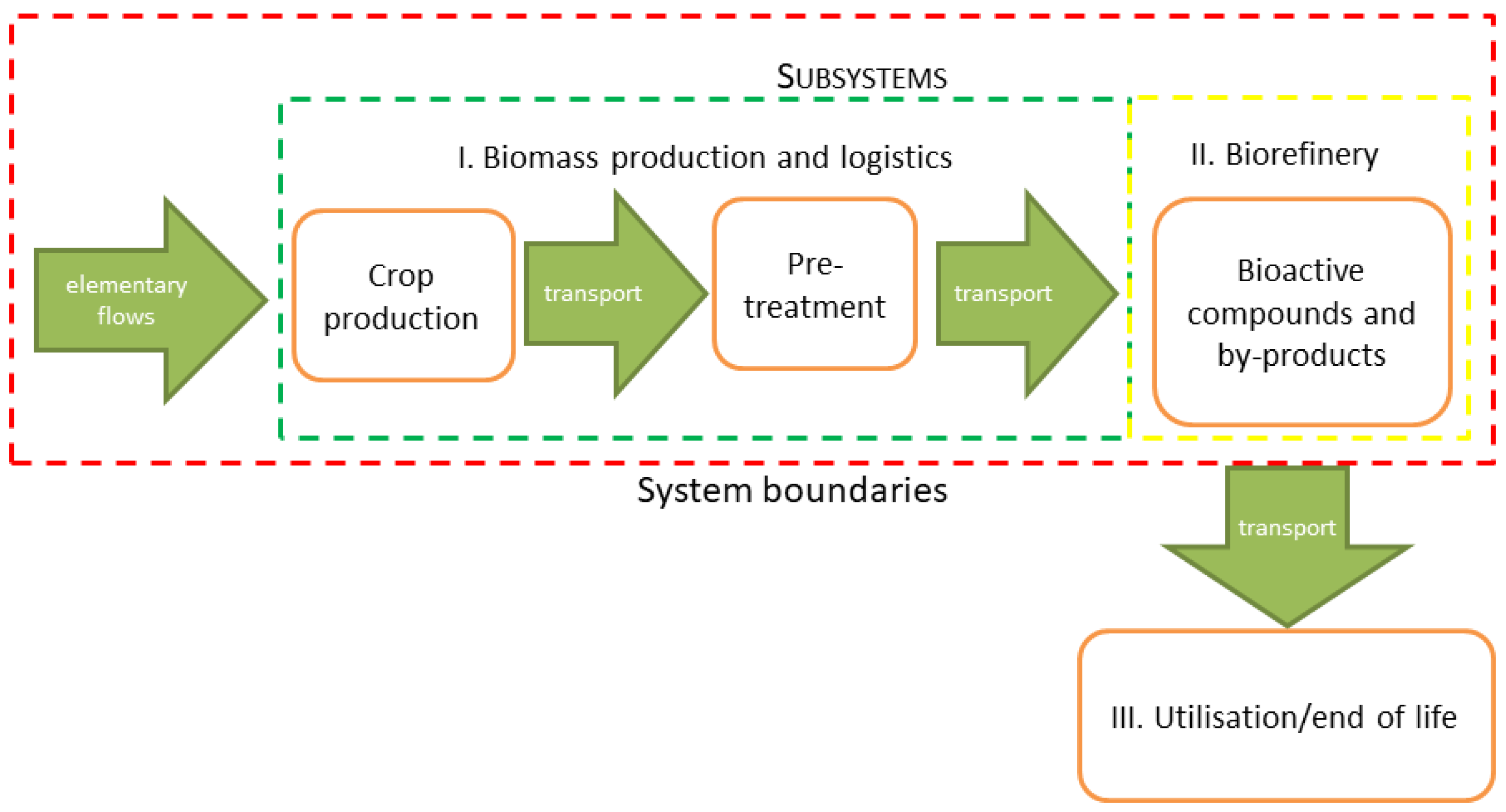
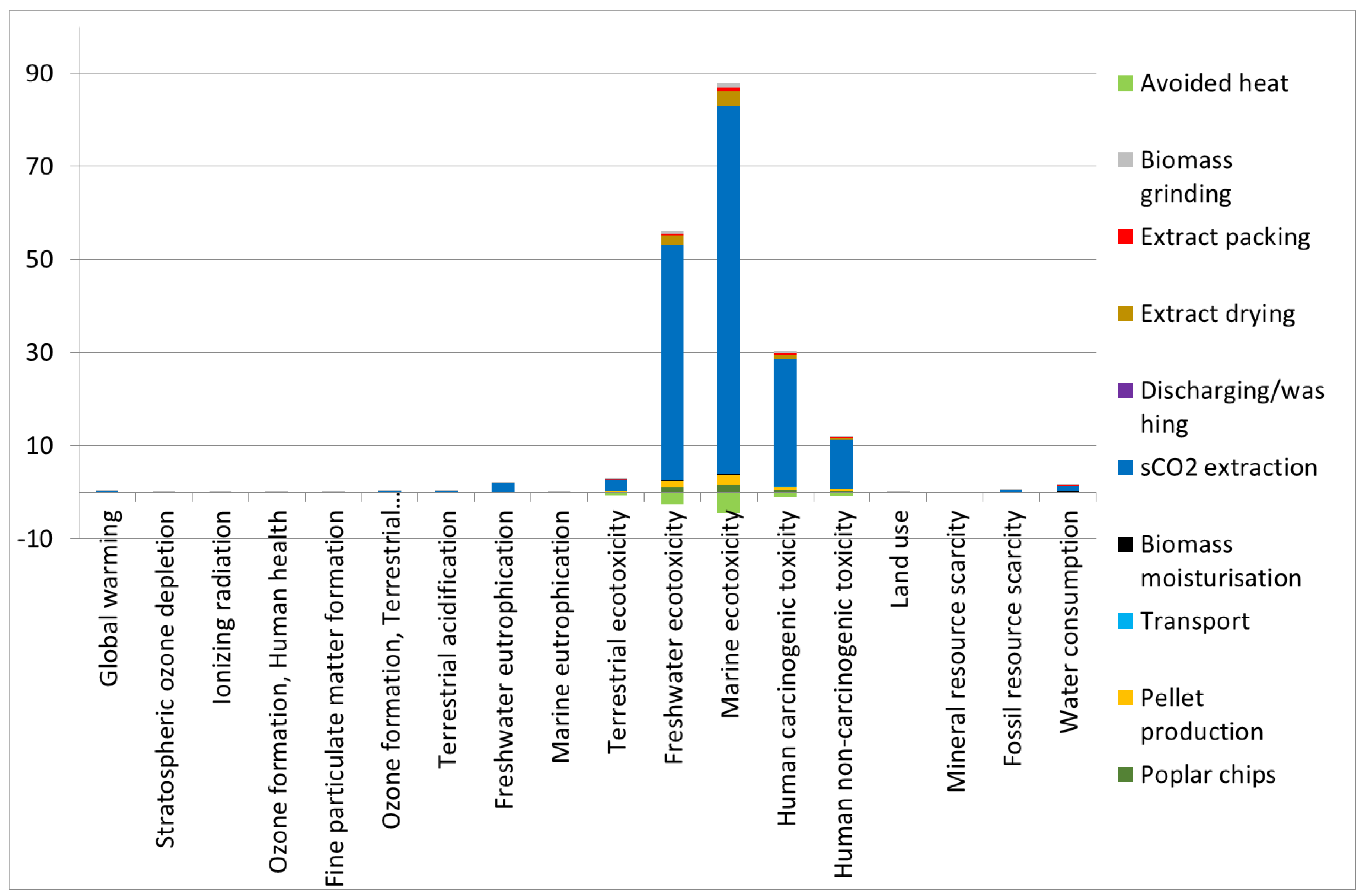
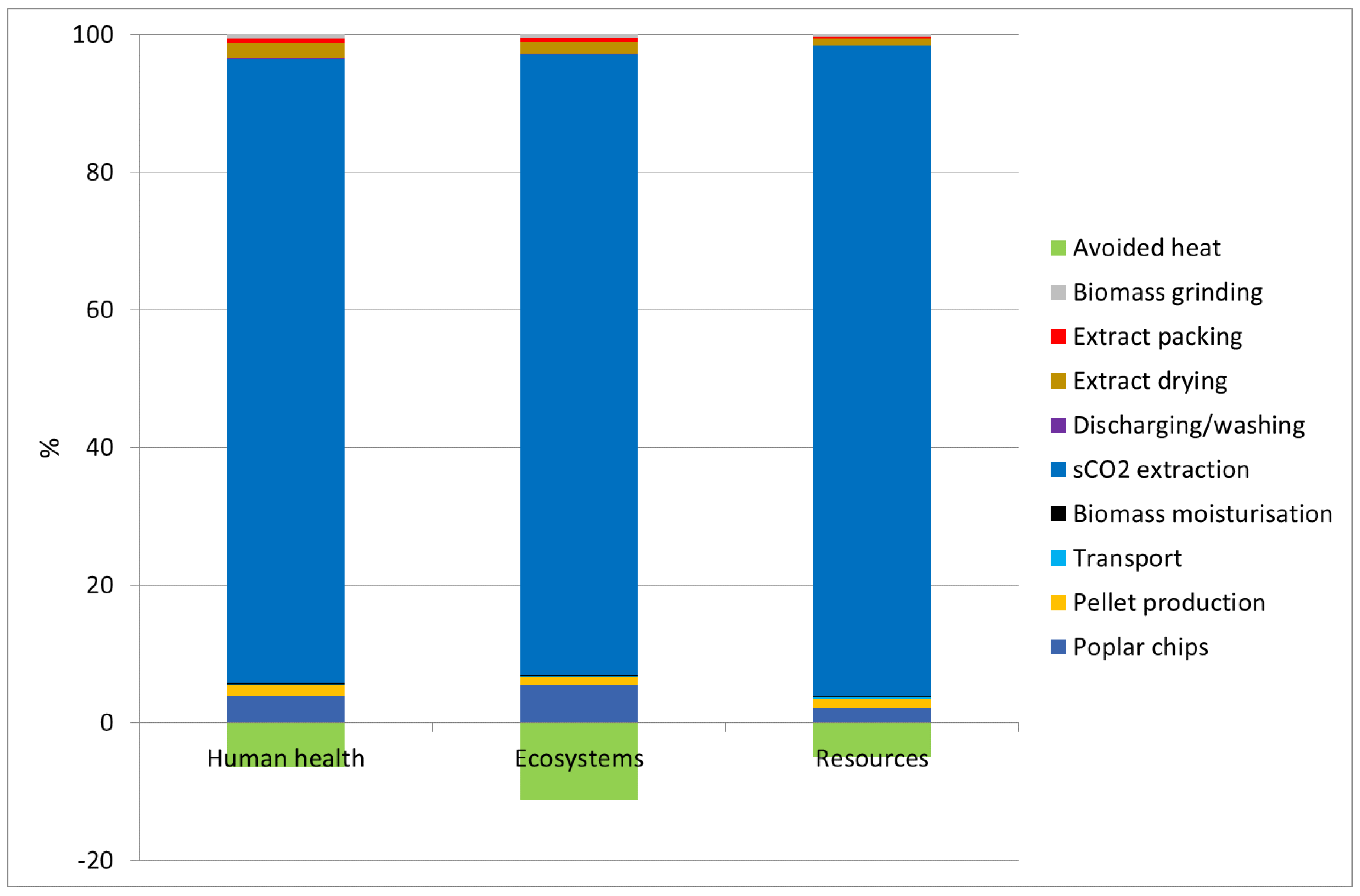
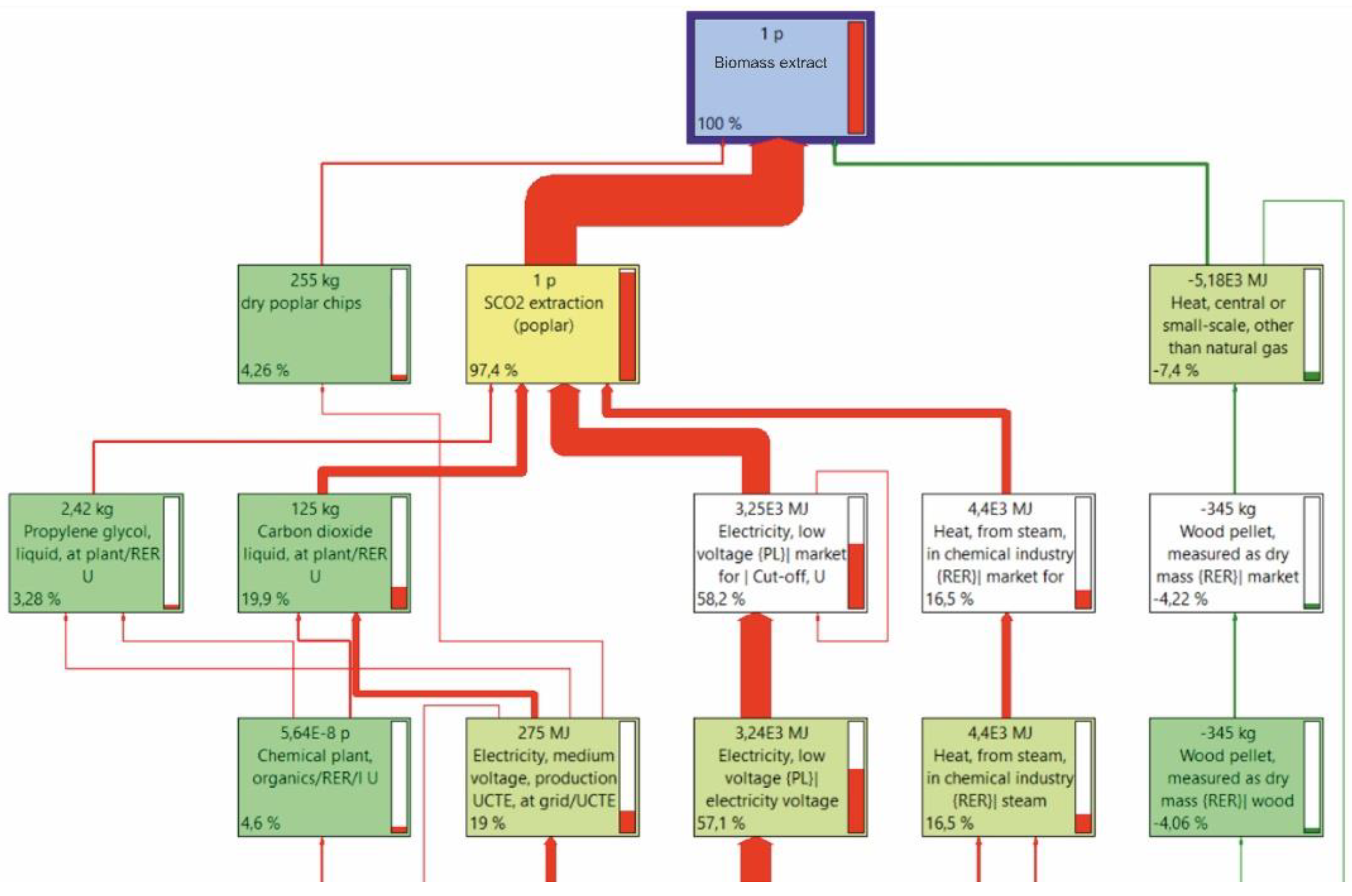
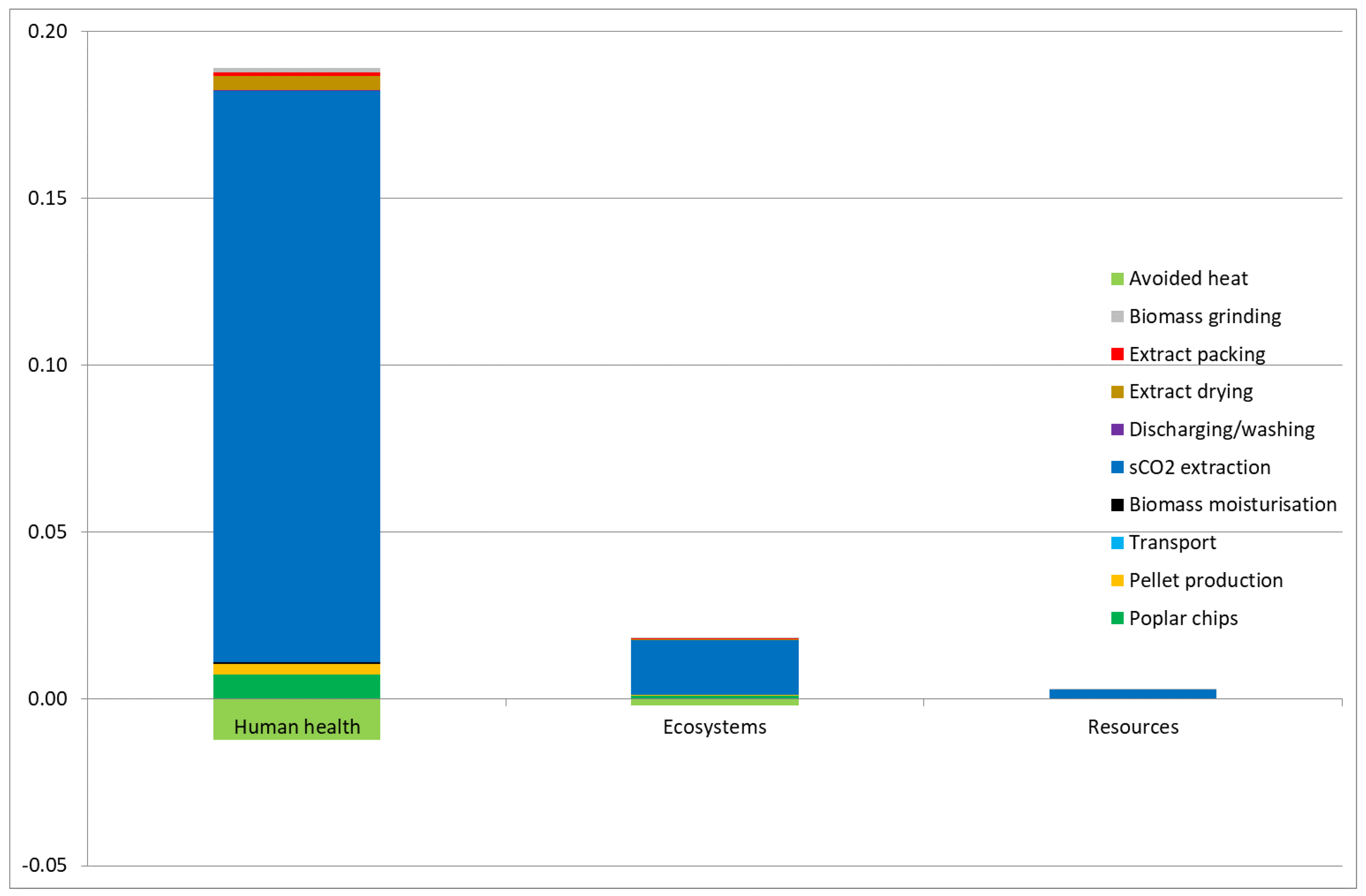
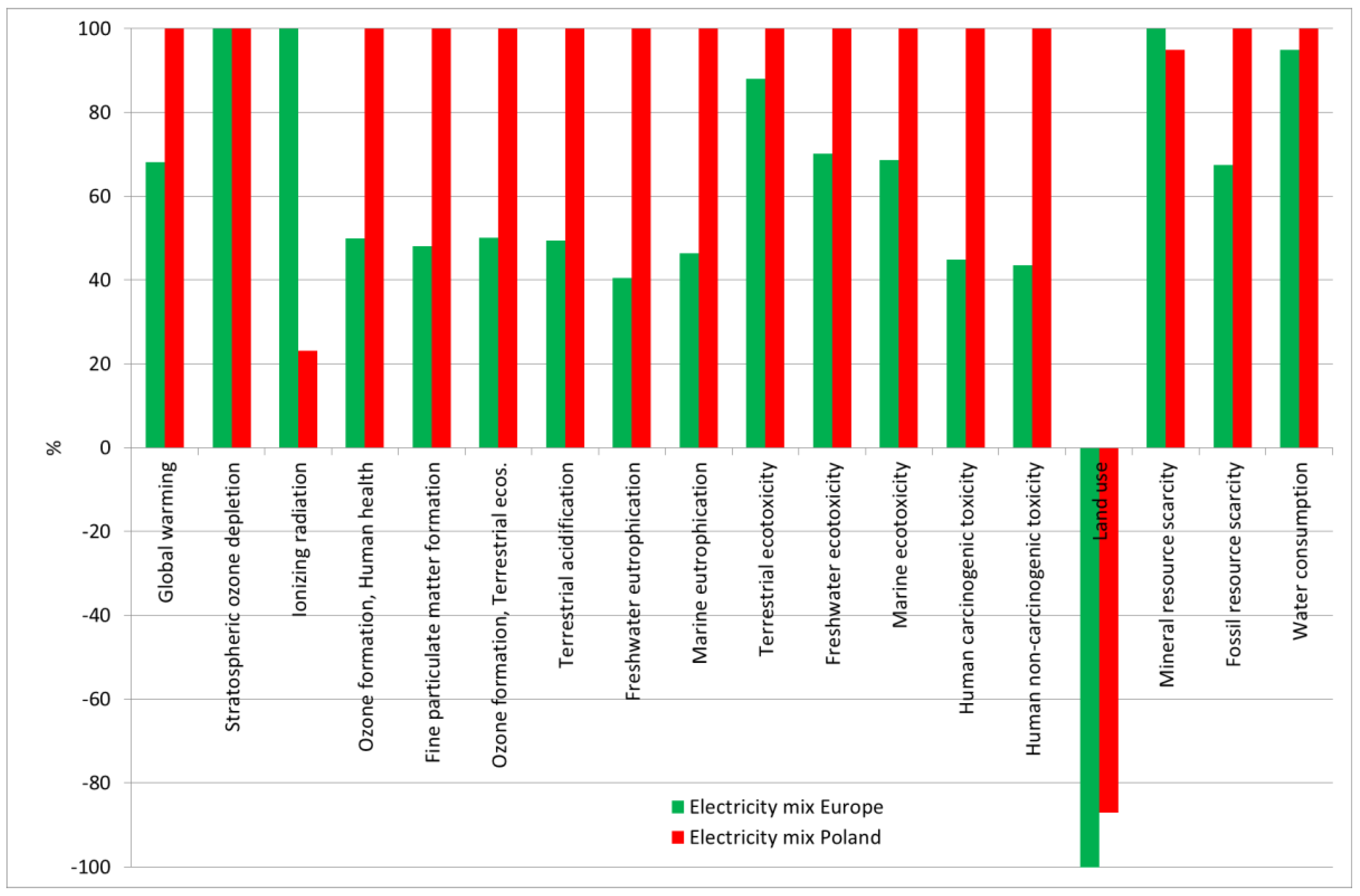
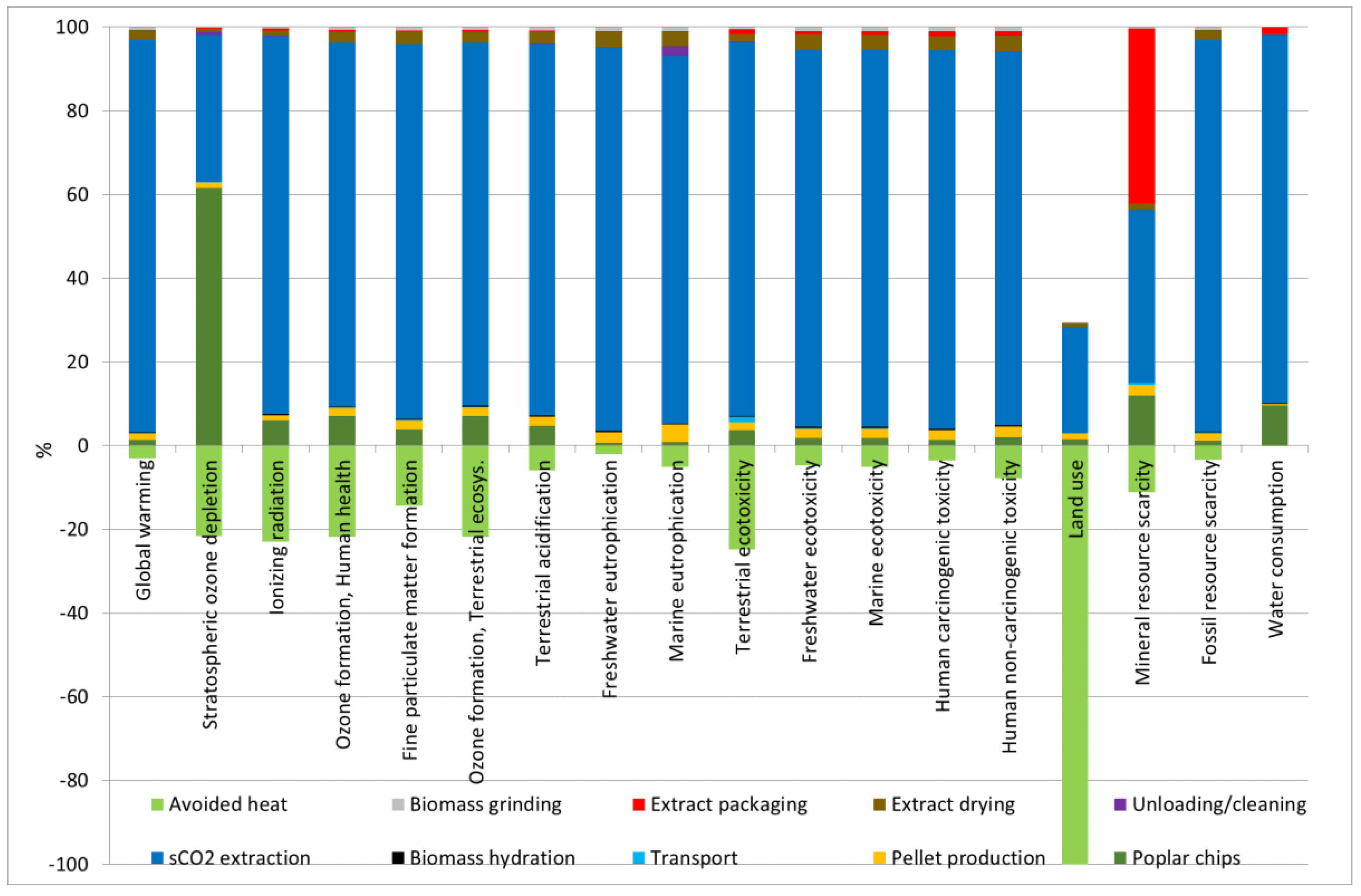
The European Union has embarked on a European Green Deal programme that advocates for a transition from fossil fuels to sustainable production. Attempts are being made to identify biomass sources and bioproducts (pharmaceuticals, cosmetics, or biofuels) that do not compete significantly with food production and have a low environmental impact. Therefore, the aim of this study was to determine the environmental impact of the supercritical CO2 extraction of poplar biomass in a life cycle assessment (LCA). The production system was examined in a cradle-to-gate approach. In the analysed system, poplar biomass was extracted, and residual biomass was converted to pellets which were used to generate process heat. The functional unit was 1 kg of packaged extract. The results showed that the step of biomass extraction using S-CO2 (in subsystem II) made the greatest contribution to all but two impact categories, with contribution from 25.3% to 93.8% for land use and global warming categories, respectively. In contrast, the whole subsystem I (biomass production and logistics) had a low environmental impact. Heat generation from residual biomass led to a minor decrease in the system’s environmental impact. Greenhouse gases emission reached 440 kg of CO2 equivalents per 1 kg of the extract, and they were associated with high electricity consumption and steam production. Despite the application of residual biomass for heat generation, the overall environmental impacts, especially in terms of human health and ecosystem damage, remain significant, indicating the need for further optimisation and mitigation strategies in the production process. Moreover, the share of renewables in the energy mix supplied to biorefineries should mitigate the environmental impact of the extraction process.
Keywords: bioeconomy; sustainable production; supercritical extraction; life cycle assessment; lignocellulosic biomass; bioactive compounds bioeconomy; sustainable production; supercritical extraction; life cycle assessment; lignocellulosic biomass; bioactive compounds