Article

Estimation of the Influence of the Coil Resistance on the Power and Efficiency of the WPT System


by
Jacek Maciej Stankiewicz
Faculty of Electrical Engineering, Bialystok University of Technology, Wiejska 45D, 15-351 Bialystok, Poland
Energies 2023, 16(17), 6210; https://doi.org/10.3390/en16176210
Submission received: 6 August 2023 / Revised: 21 August 2023 / Accepted: 24 August 2023 / Published: 26 August 2023

Abstract

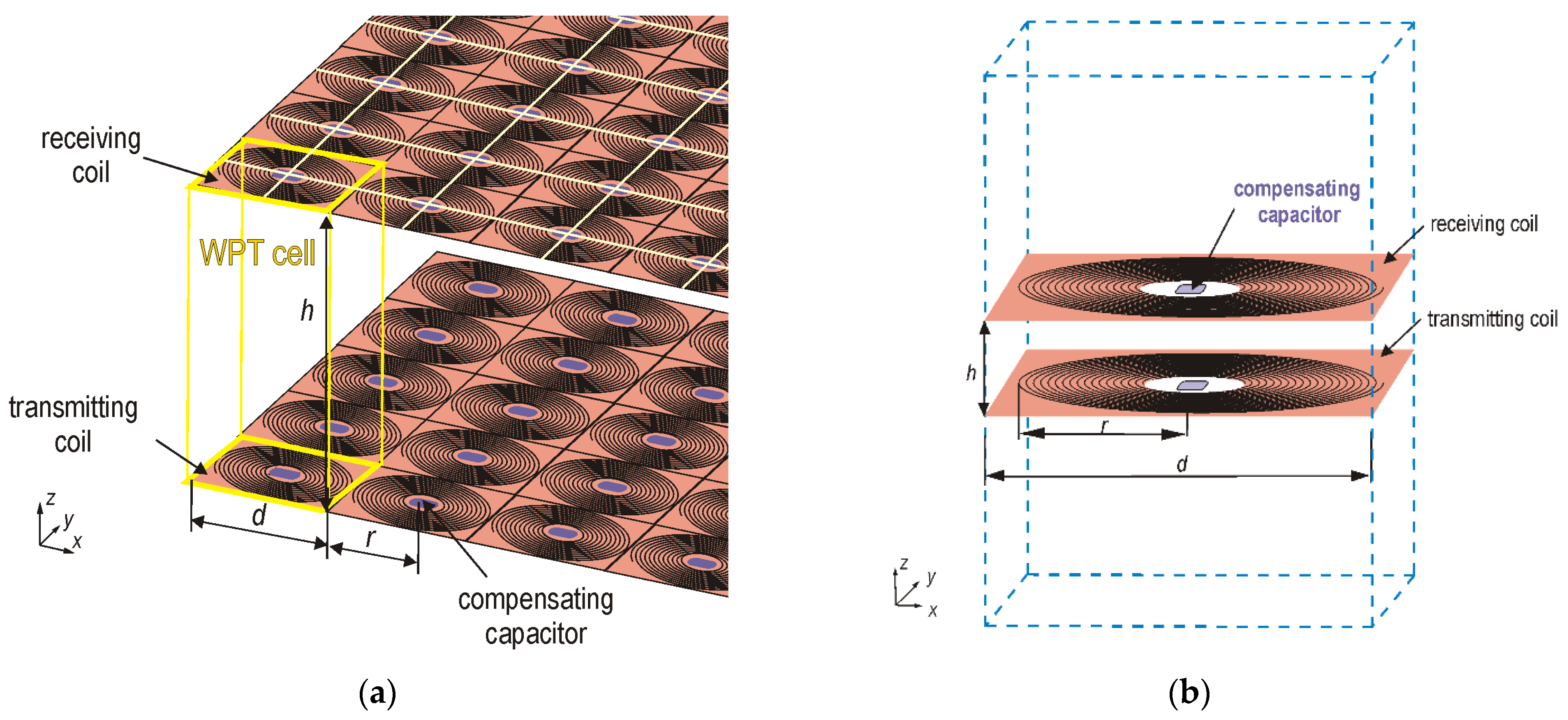
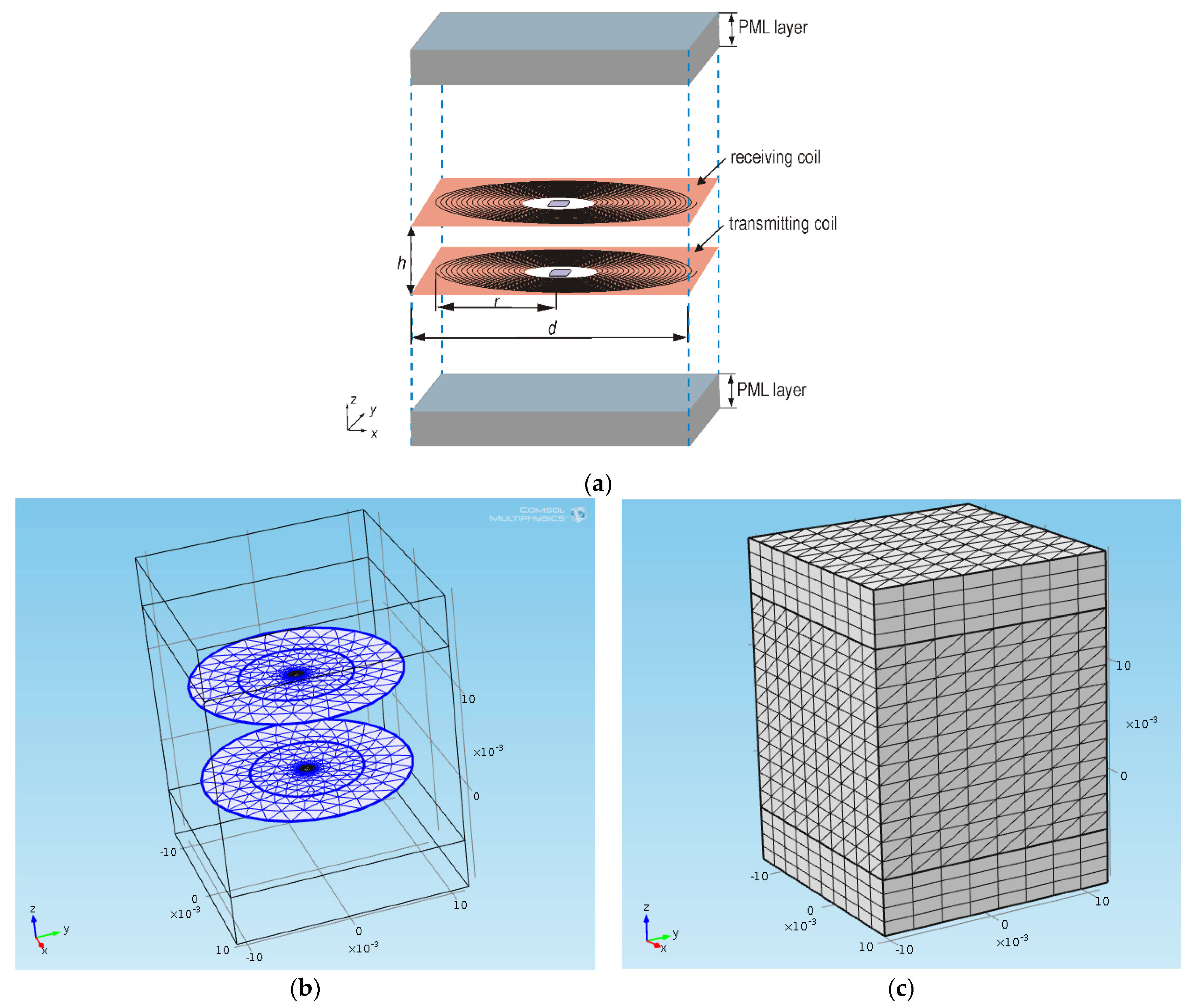
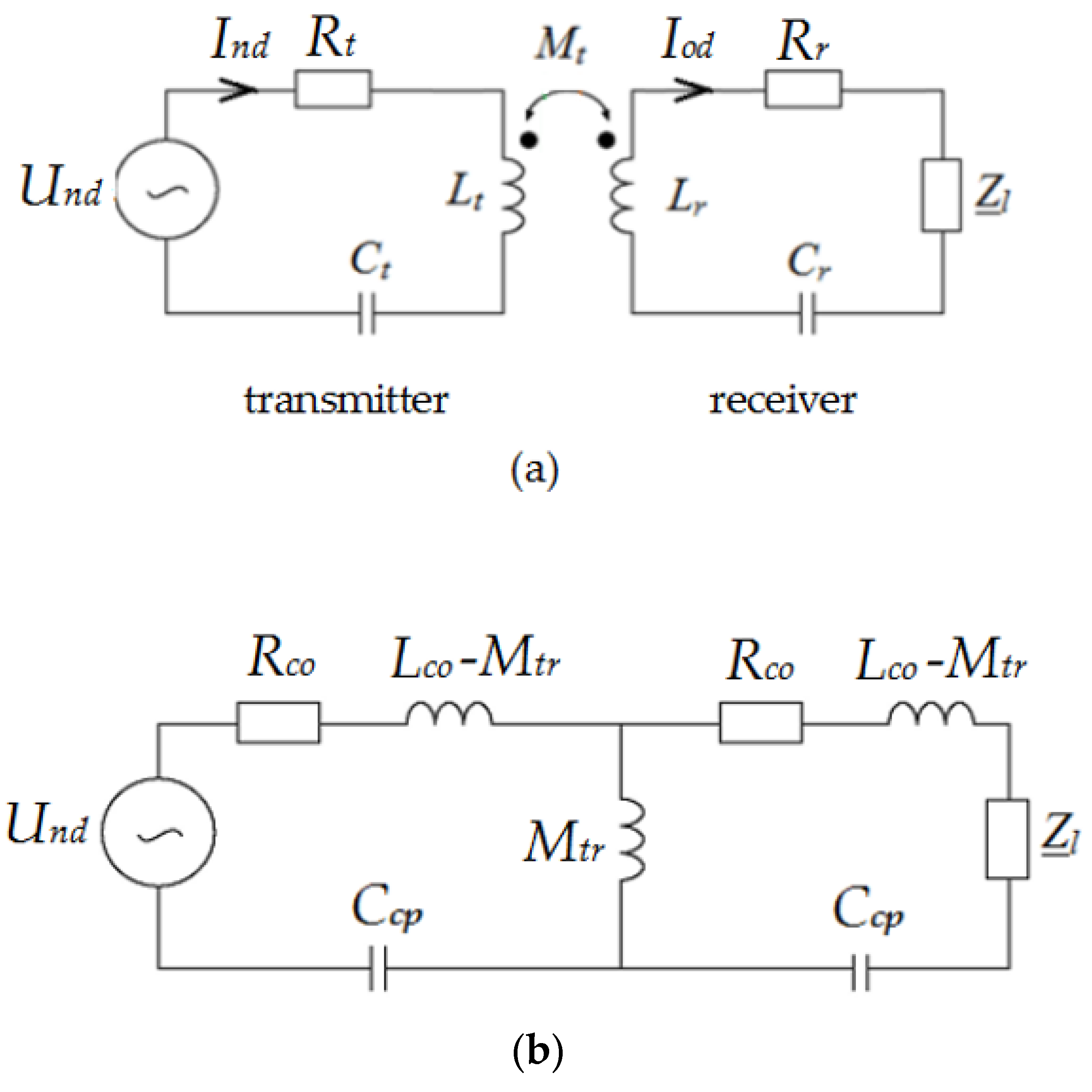
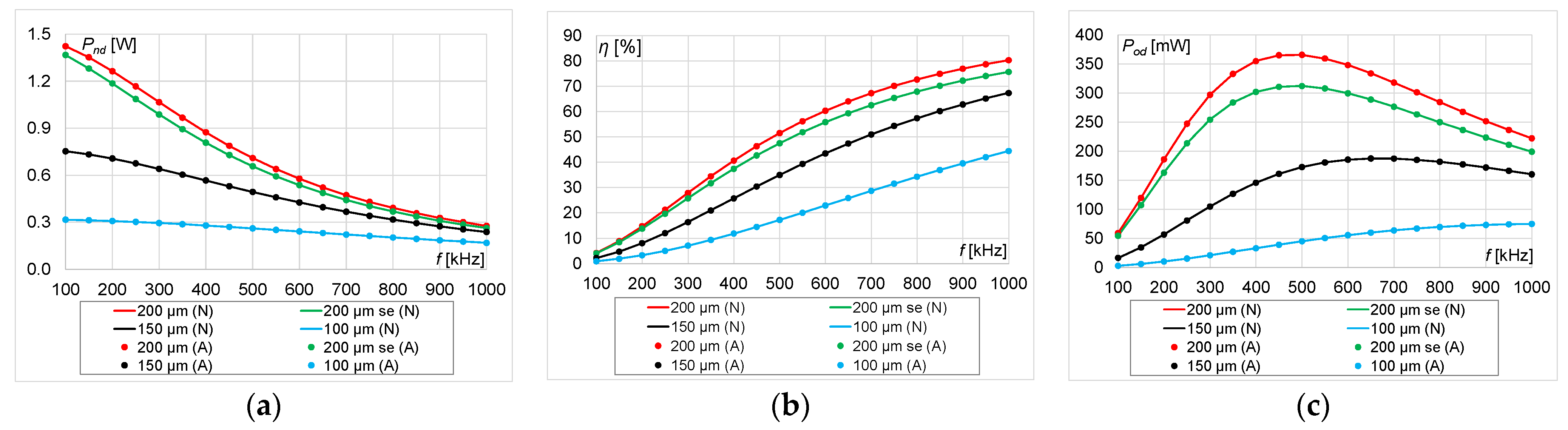
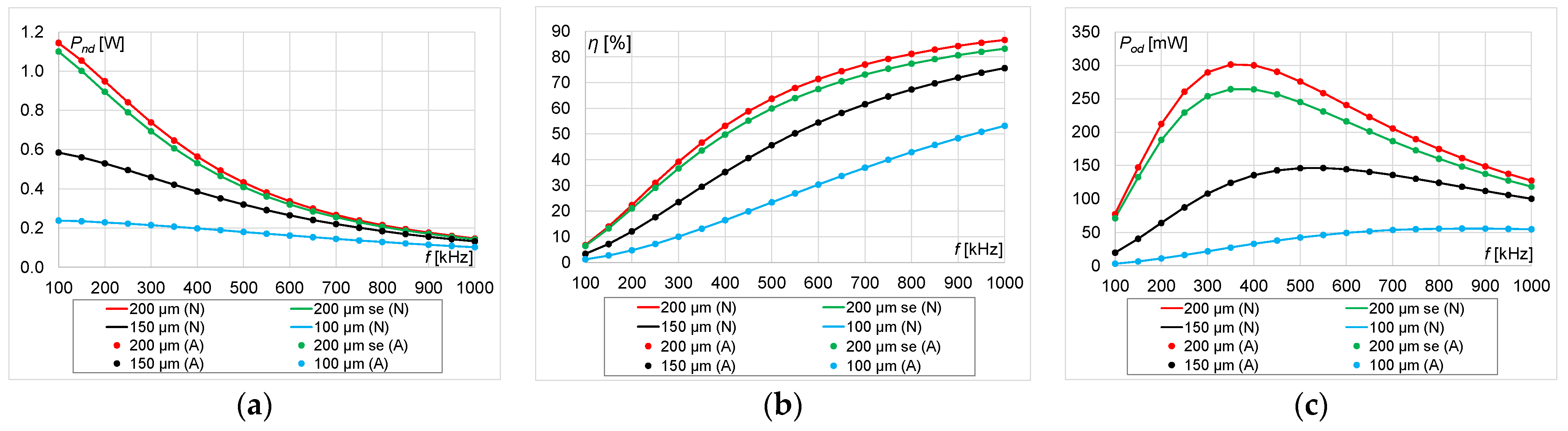
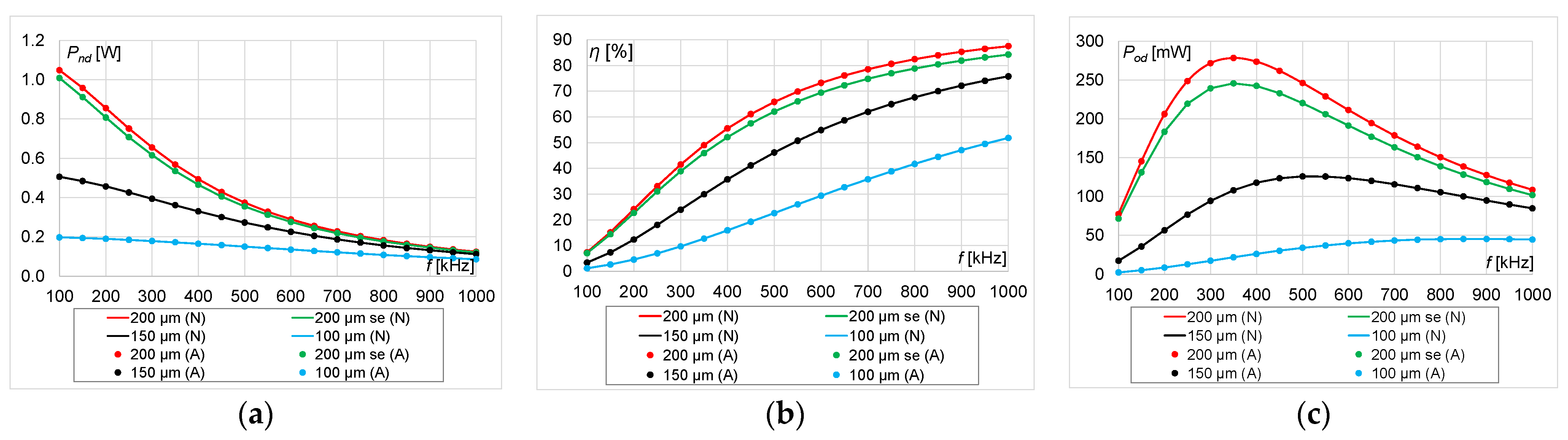
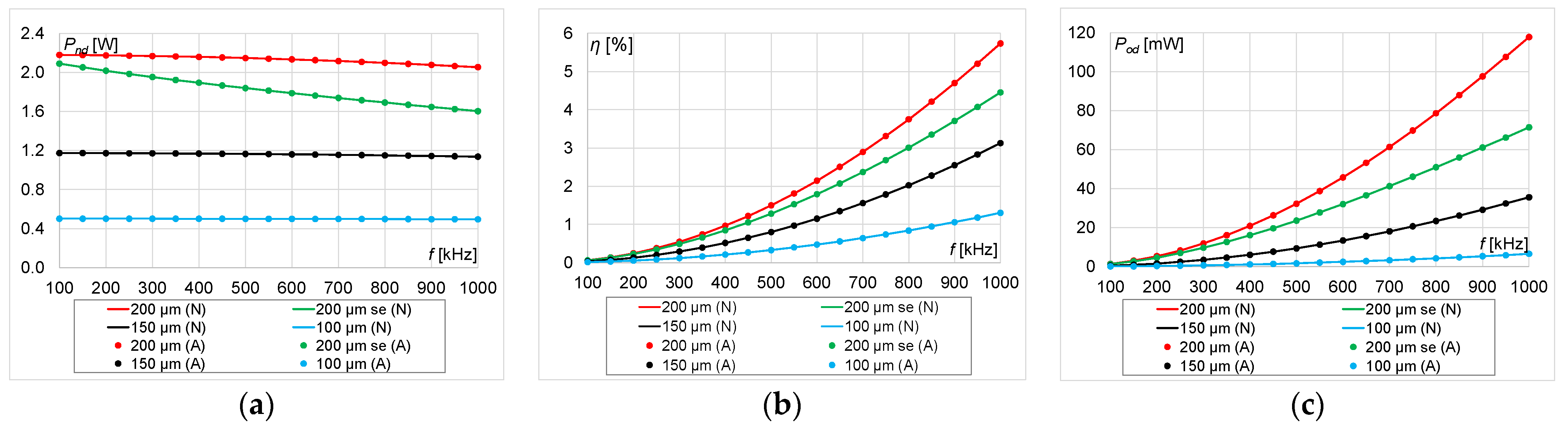
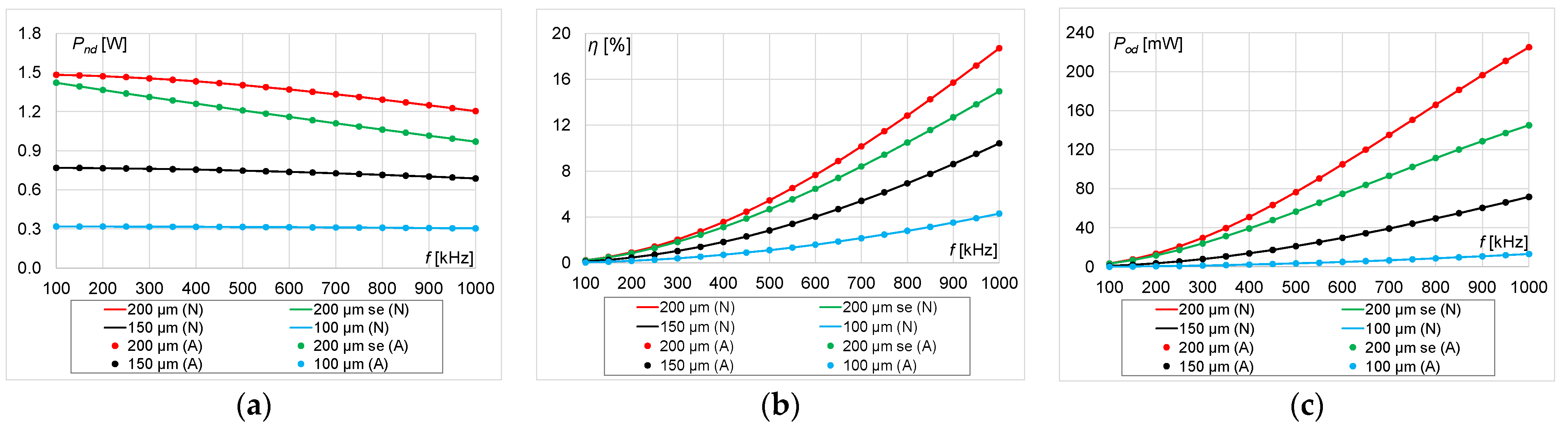
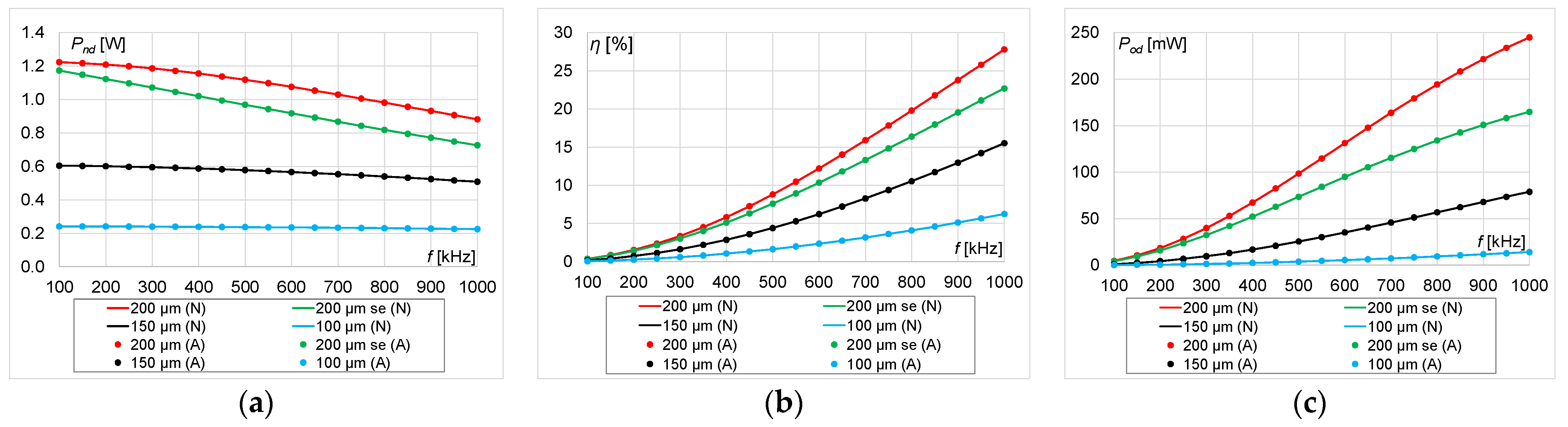
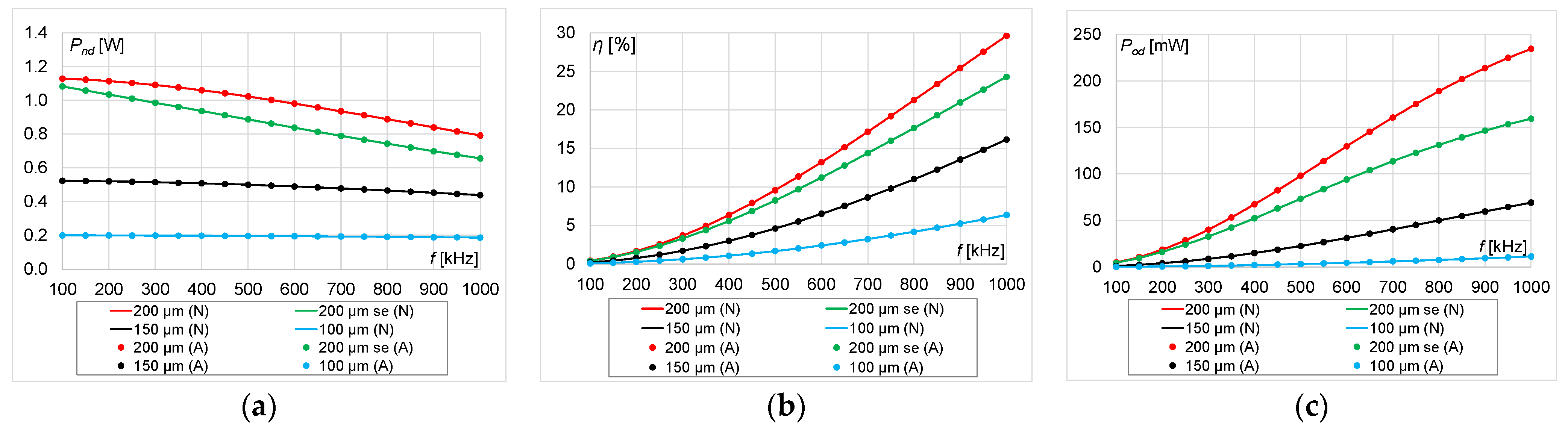
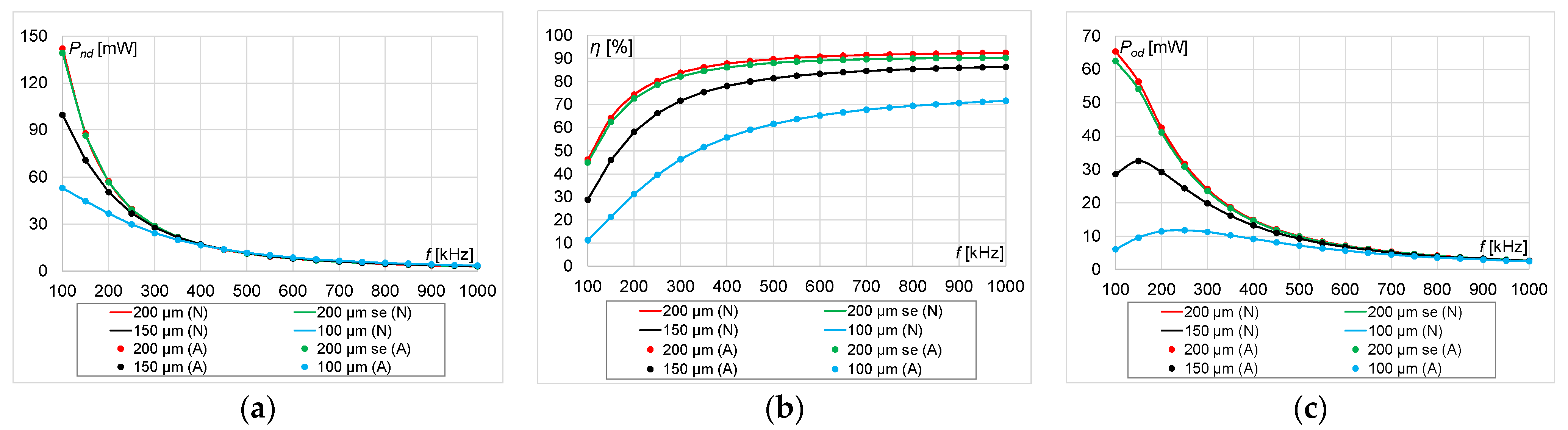
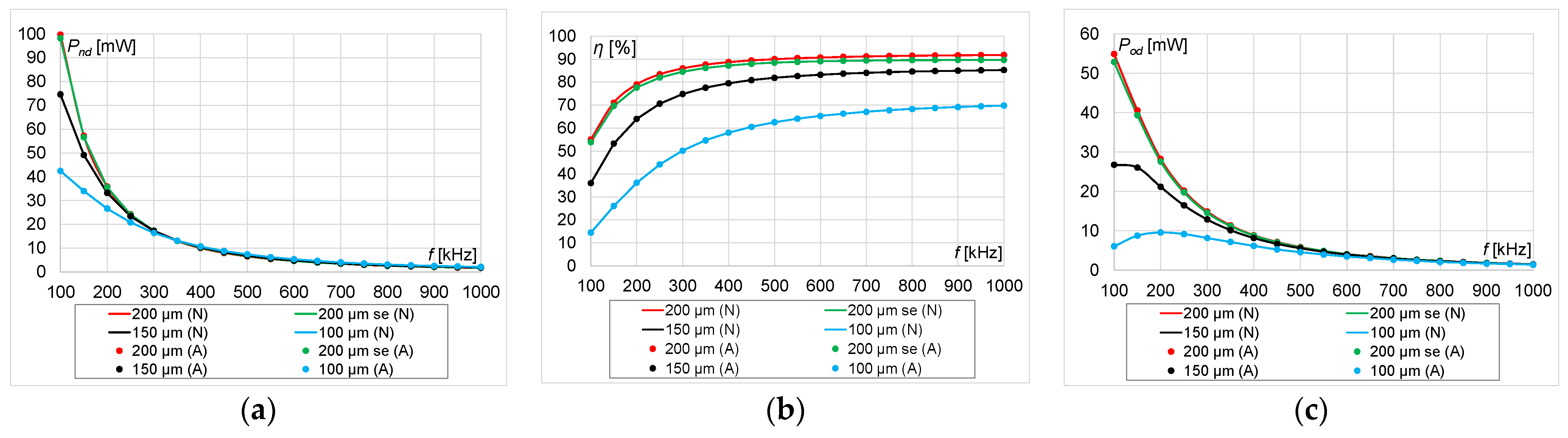
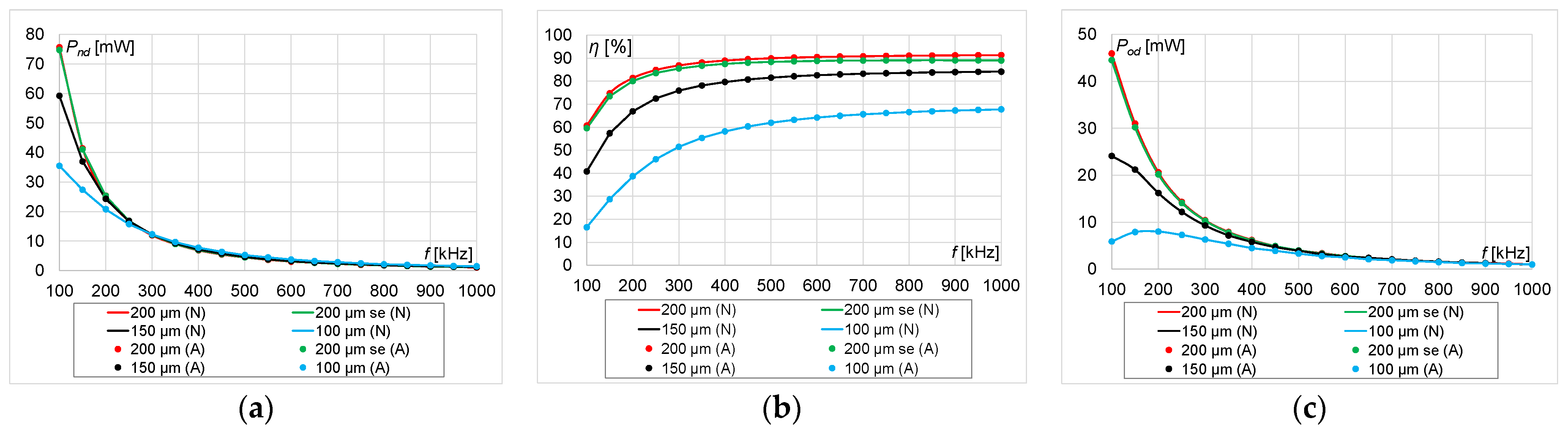
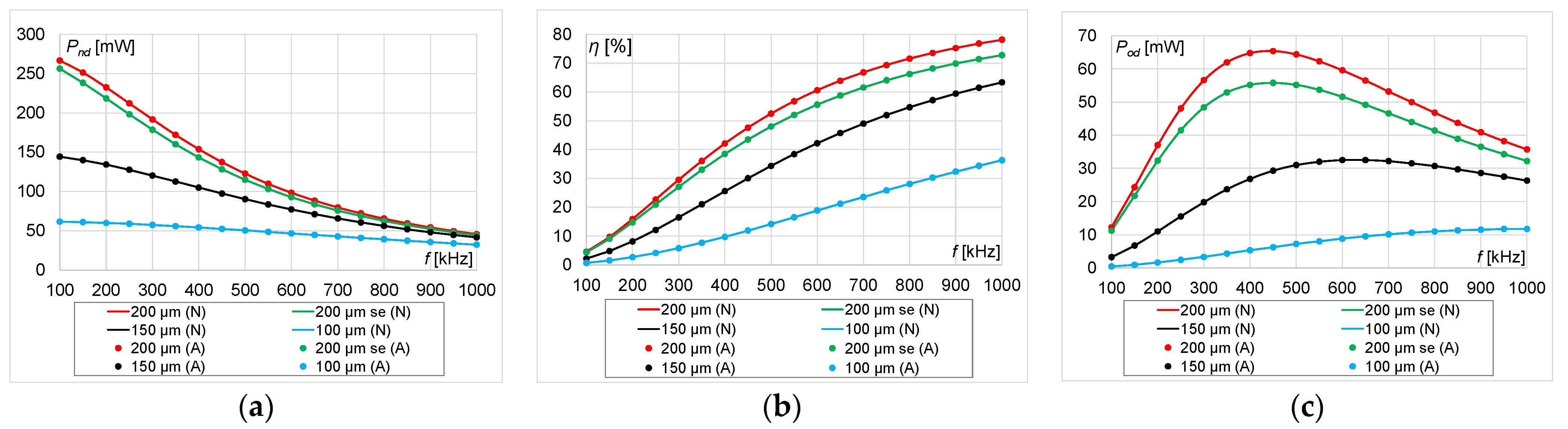
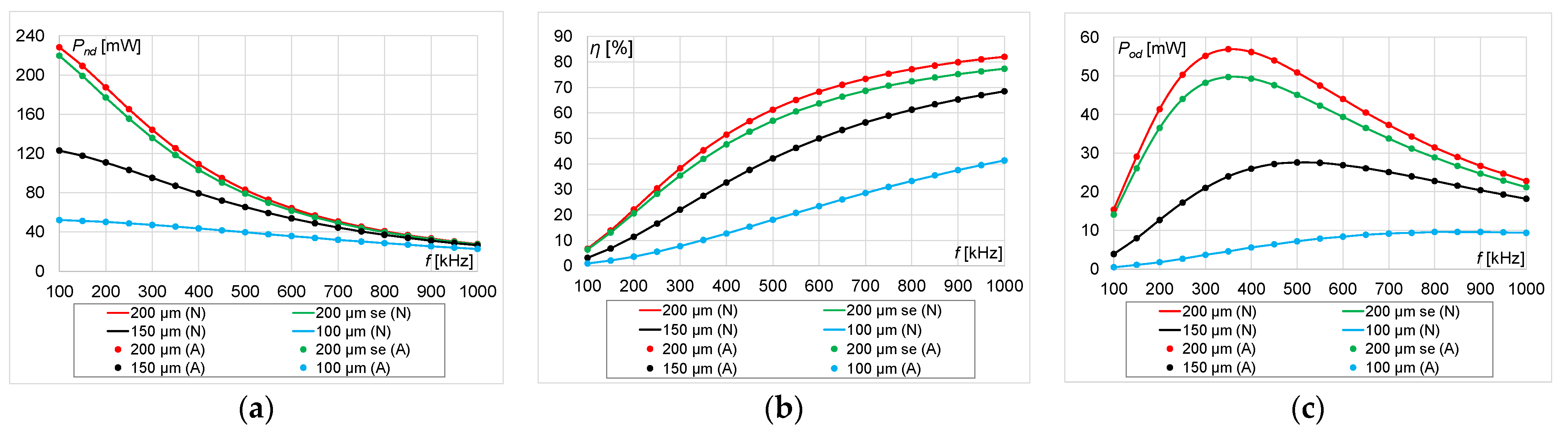
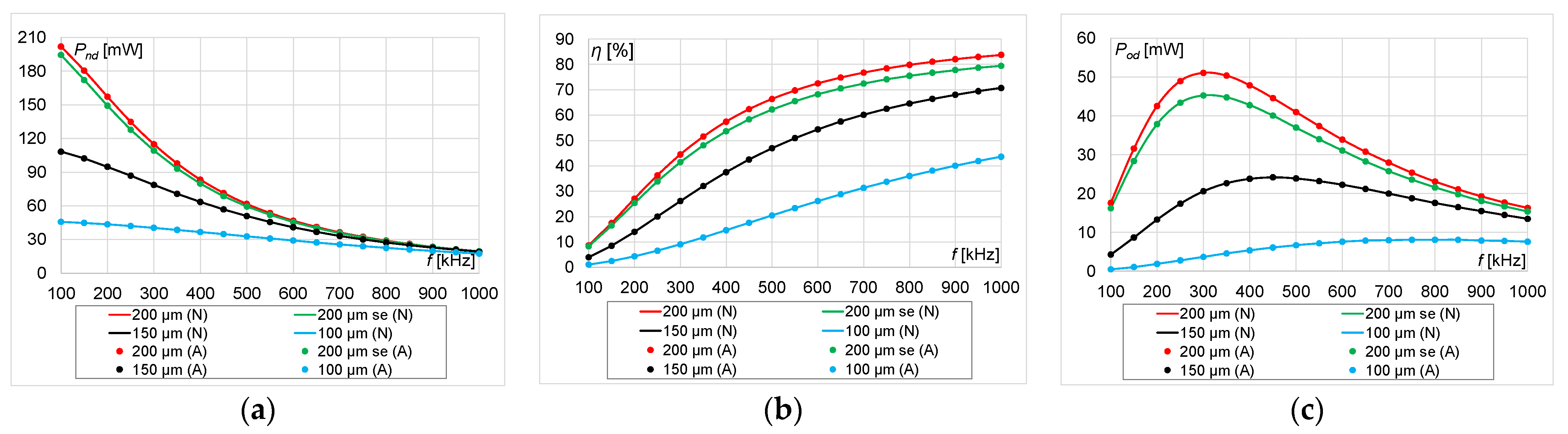
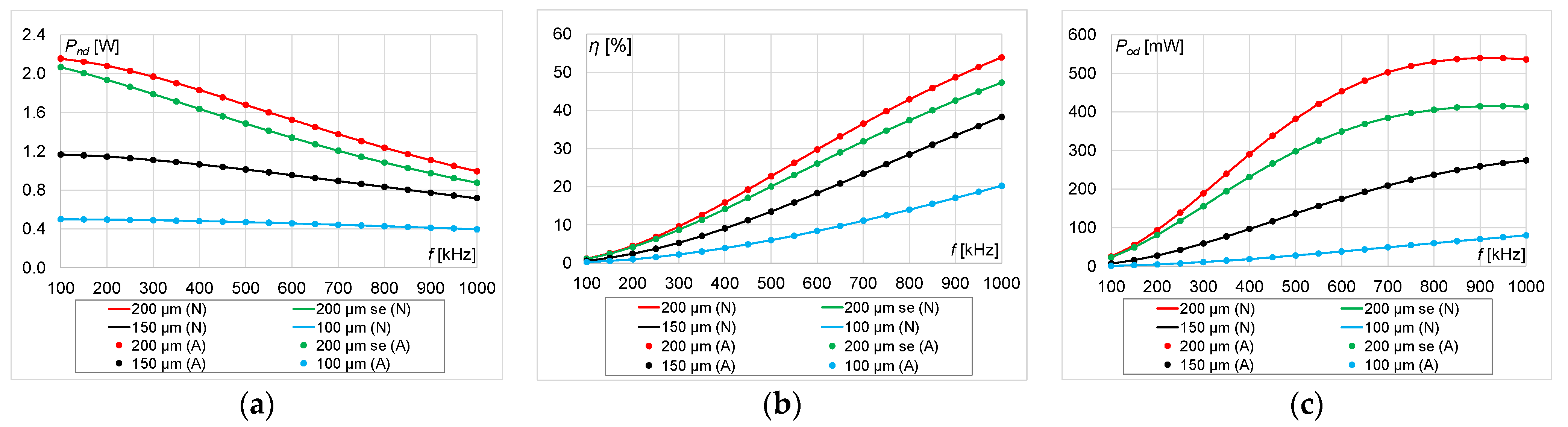
This paper presents the results of an analysis of a low-power Wireless Power Transfer (WPT) system. The system consists of periodically distributed planar spiral coils that form the transmitting and receiving planes. An analytical and numerical analysis of the WPT system, over the frequency range from 100 to 1000 kHz, was carried out. A simpler and faster solution is the proposed use of an equivalent circuit represented by a single WPT cell. The influence of coil resistance changes on the power and efficiency of the WPT system was studied. This was obtained by changing the diameter of the wire from which the coils were wound. In addition, the size of the coil, the number of turns, and the distance between the two planes have changed. After a detailed analysis, the results showed that the highest efficiency values were obtained for a wire diameter of 200 μm, which means the lowest coil resistance. However, the lowest efficiency values were obtained for the smallest wire diameter, i.e., 100 µm, which means the highest coil resistance. In this case, the efficiency decreased by more than 40%. Based on the calculation results, it was also shown that it was better to accept the skin effect (efficiency decreased below 7%) than to reduce the wire diameter to eliminate it.
Keywords: wireless power transfer; inductive power transfer; coil resistance; numerical analysis; circuit analysis; near field wireless power transfer; inductive power transfer; coil resistance; numerical analysis; circuit analysis; near field