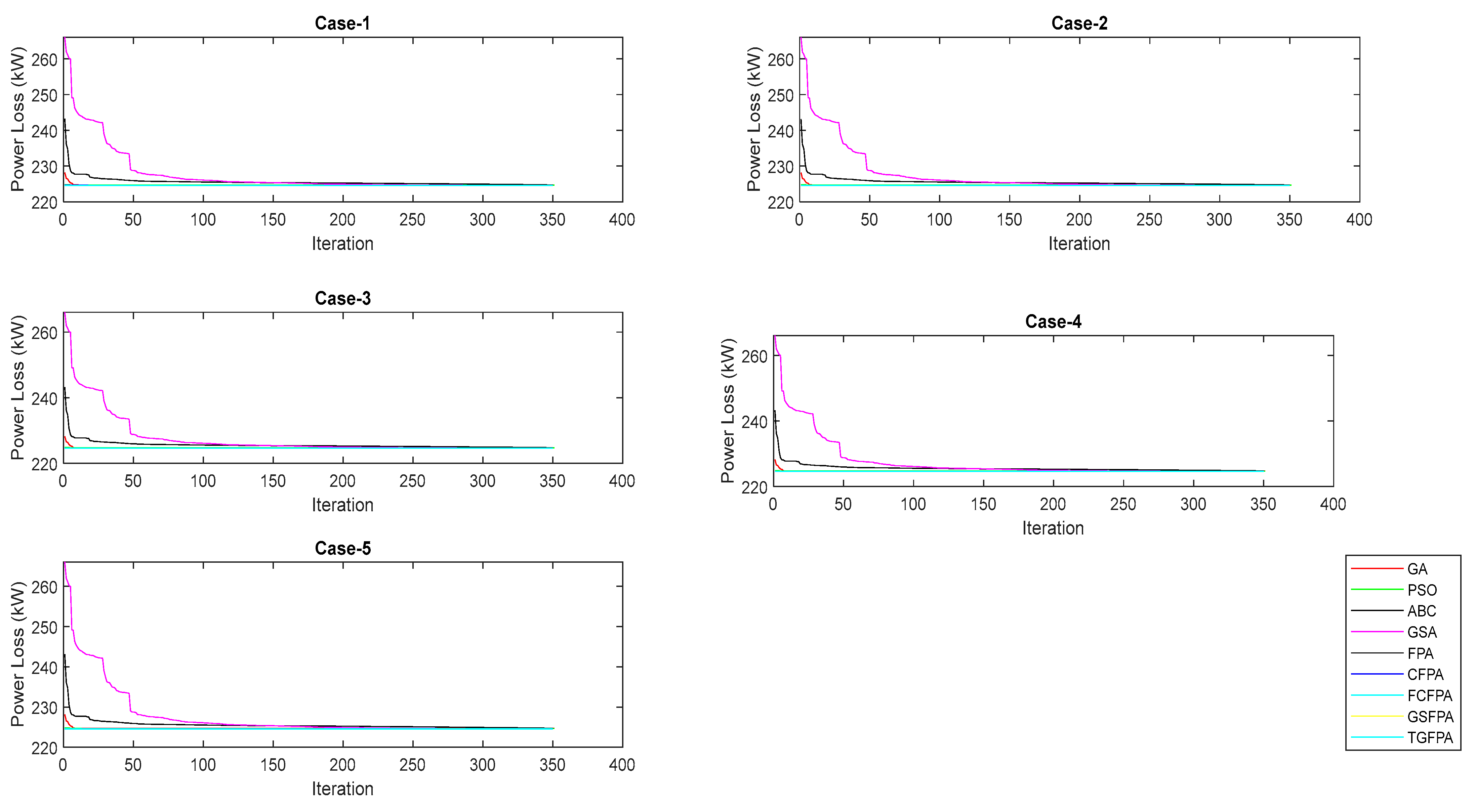
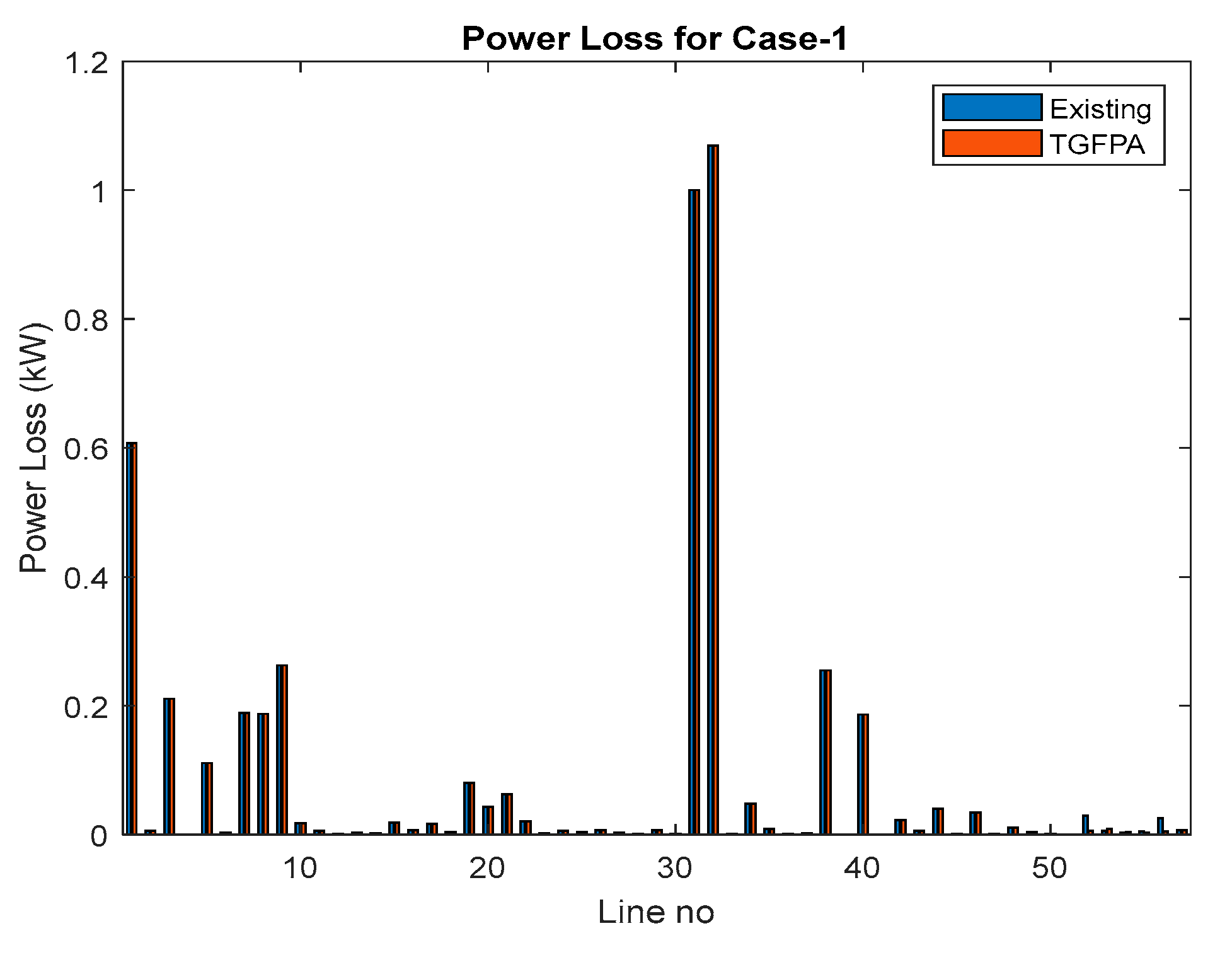
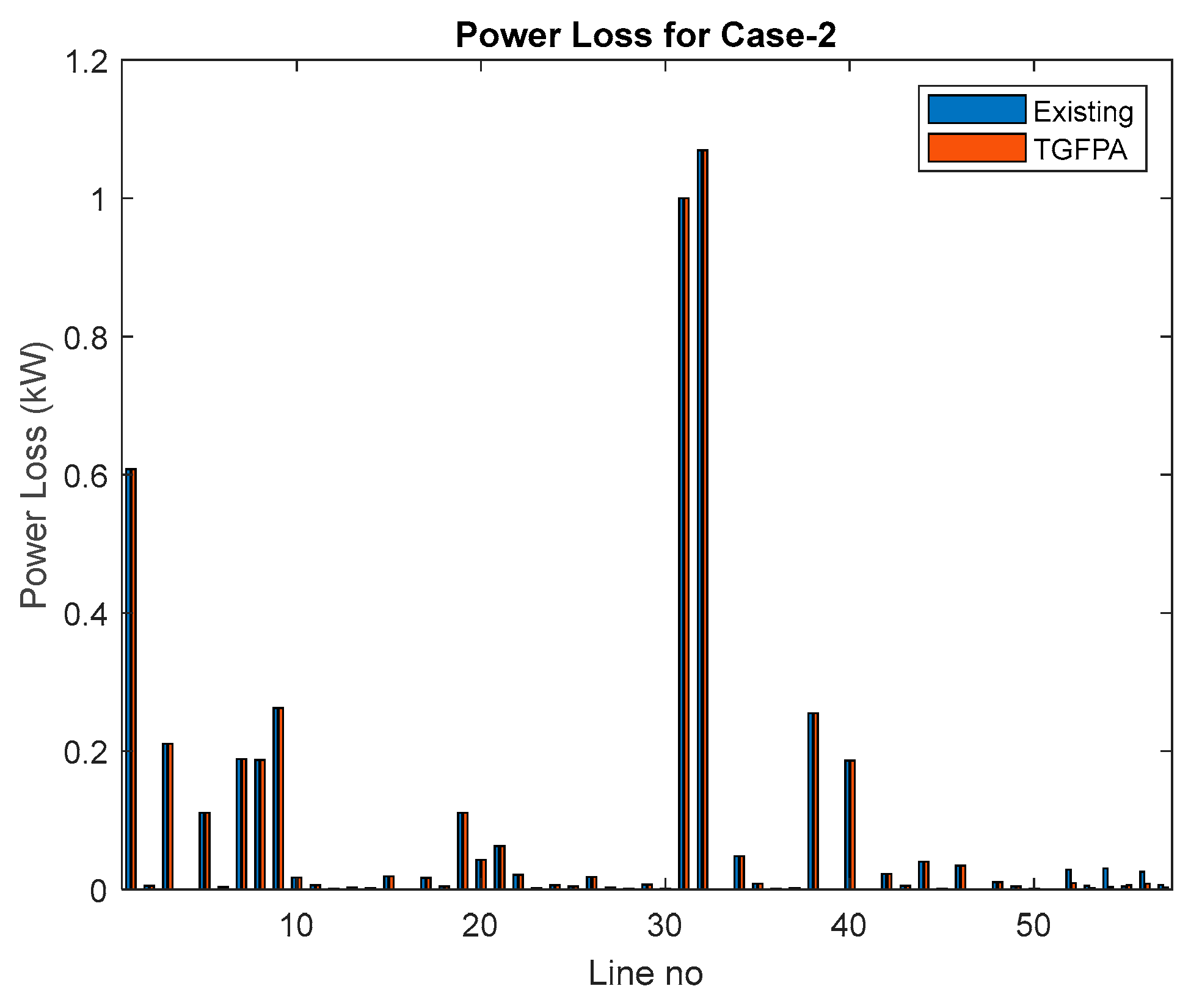
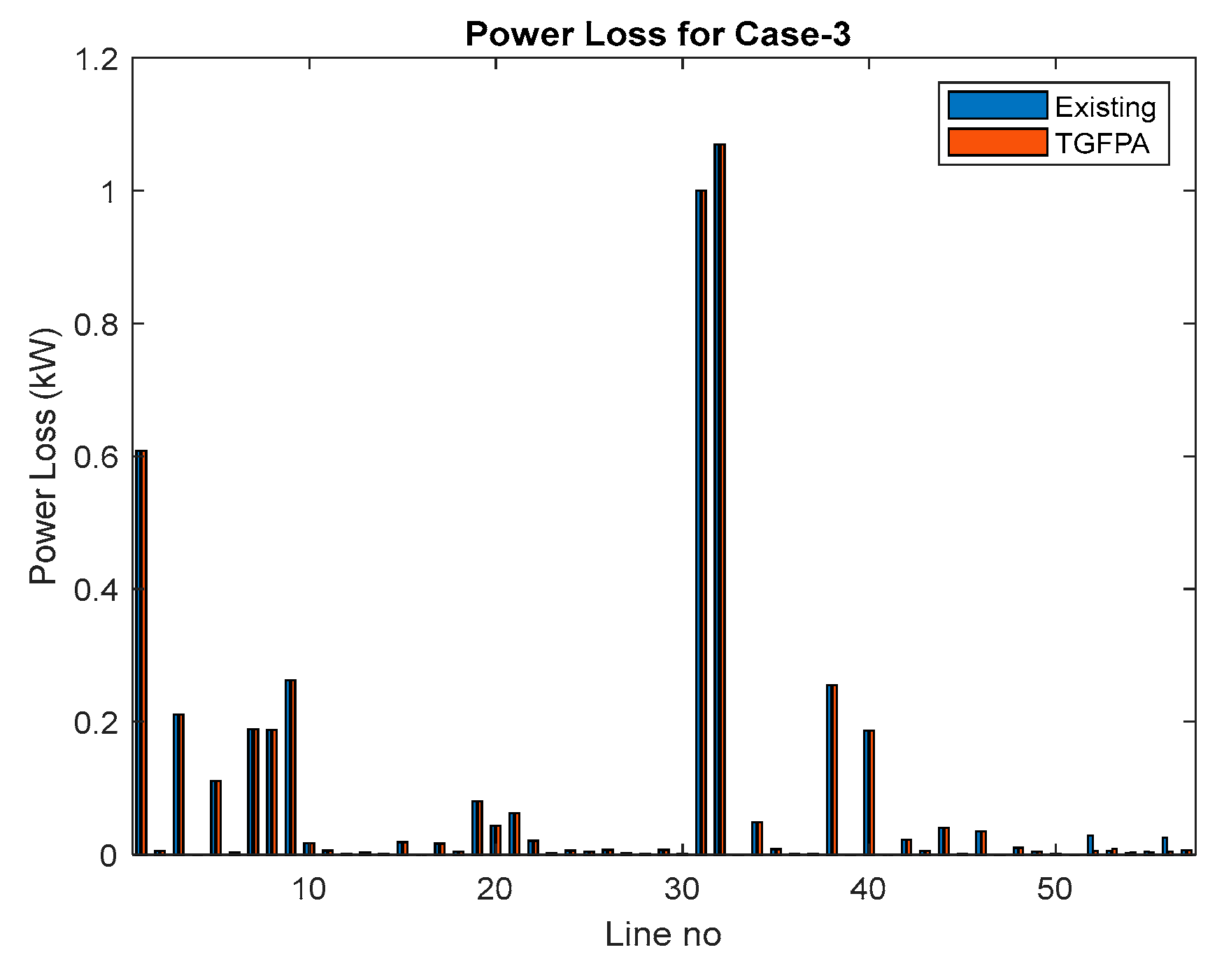
Optimized Network Reconfiguration with Integrated Generation Using Tangent Golden Flower Algorithm


Abstract
Share and Cite
Swaminathan, D.; Rajagopalan, A. Optimized Network Reconfiguration with Integrated Generation Using Tangent Golden Flower Algorithm. Energies 2022, 15, 8158. https://doi.org/10.3390/en15218158
Swaminathan D, Rajagopalan A. Optimized Network Reconfiguration with Integrated Generation Using Tangent Golden Flower Algorithm. Energies. 2022; 15(21):8158. https://doi.org/10.3390/en15218158
Chicago/Turabian StyleSwaminathan, Dhivya, and Arul Rajagopalan. 2022. "Optimized Network Reconfiguration with Integrated Generation Using Tangent Golden Flower Algorithm" Energies 15, no. 21: 8158. https://doi.org/10.3390/en15218158
APA StyleSwaminathan, D., & Rajagopalan, A. (2022). Optimized Network Reconfiguration with Integrated Generation Using Tangent Golden Flower Algorithm. Energies, 15(21), 8158. https://doi.org/10.3390/en15218158