


Microwave-Absorbing Catalysts in Catalytic Reactions of Biofuel Production

 , , ,
, , ,  ,
,
Abstract
1. Introduction
2. Microwave Irradiation
2.1. Fundamentals of Microwave Irradiation
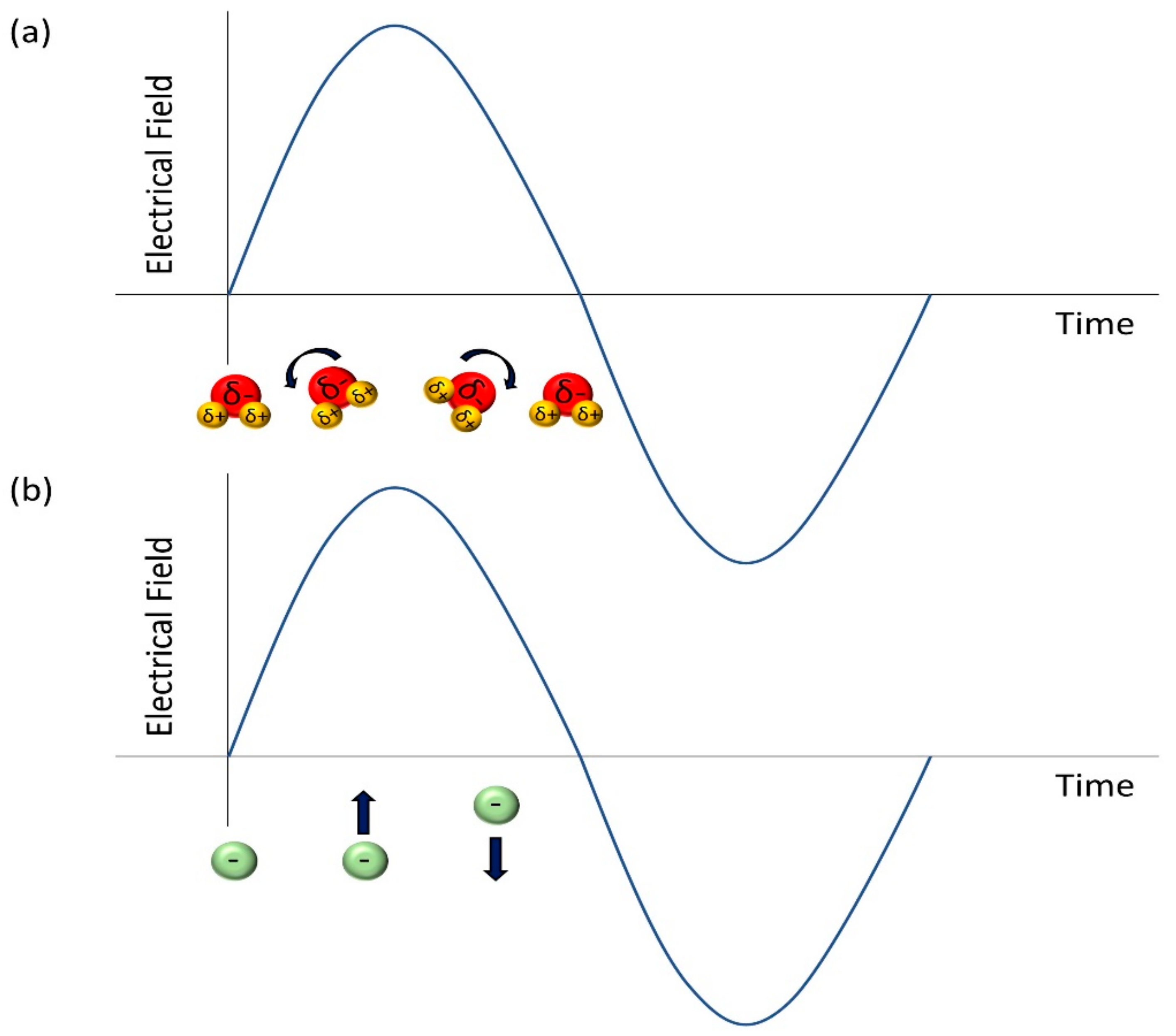
2.2. Mechanism of Microwave Irradiation
3. Catalysts Synthesis
4. Applications
4.1. Bio-Oil Production
4.2. Methanation
4.3. Methane Reforming

| Process | Catalyst/ Absorbent | Textural Properties/ Composition | Yield | Remarks | Reference |
|---|---|---|---|---|---|
| Methane steam reforming | Ni/CeO2-Al2O3 on a SiC monolith | Average pore diameter: 4.6 µm Specific surface area: 10.0 m2/g SiC: 87.5 wt% Ni: 1.7 wt% Al2O3: 0.5 wt% CeO2: 10.8 wt% | Equilibrium in H2 yield and CH4 conversion @800 °C (GHSV: 3300 h−1) and 850 °C (GHSV: 5000 h−1) | Pressure: 1 bar S/C: 3 Energy efficiency: 55% @1300 W (Power of microwave) Energy consumption: 3.8 kW/Nm3H2 | [79] |
| Methane steam reforming | Ni/CeO2-Al2O3 on a SiC monolith | Pore distribution with radius: 3 nm Thickness of catalytic layer: 200 µm | Equilibrium in H2 yield and CH4 conversion @750 °C (GHSV: 5000 h−1) | Pressure: 1 bar S/C: 3 Energy efficiency: 73% Power of microwave: 400 W Energy consumption: 2.5 kWh/Nm3H2 | [80] |
| CO2 dry reforming of methane | Fe/SiC | Specific surface area: 32.118 m2/g (fresh) and 27.443 m2/g (after 50 h) Pore size: 5–8 nm and small amount of 0–2 nm micropores 1 C: 0.46; 22.16 1 O: 1.85; 35.29 1 Mg: 0; 2.88 1 Al: 3.36; 2.93 1 Si: 10.84; 33.87 1 Ca: 0.73; 0 1 Fe: 82.77; 0.22 | CH4 and CO2 conversions: 85% H2/CO ratio: ~1 | Specific microwave power: 72 W/g Durable stability for 50 h Carbon deposition: ~0.78 wt% | [45] |
| Methane dry reforming | Fe-rich char from corn stalk | BET specific surface area: 150.46 m2/g (fresh) and 139.18 m2/g (during test) Total pore volume: 0.326 cm3/g (fresh) and 0.313 cm3/g (during test) Micropore volume: 0.309 cm3/g (fresh) and 0.269 cm3/g (during test) K: 0.956 wt% Fe: 7.126 wt% Ca: 0.443 wt% Mg: 1.523 wt% Al: 0.189 wt% Na: 0.367 wt% | CH4 conversion: 90.8% CO2 conversion: 95.2% | Fe2O3 addition of 10% Temperature: 800 °C Syngas content: 88.79% H2/CO ratio: 0.92 Durable stability for 160 min | [46] |
| Methane dry reforming | Char from corn stalk | BET specific surface area: 30.86 m2/g (fresh) and 25.98 m2/g (during test) Total pore volume: 0.175 cm3/g (fresh) and 0.179 cm3/g (during test) Micropore volume: 0.137 cm3/g (fresh) and 0.116 cm3/g (during test) K: 0.740 wt% Fe: 0.052 wt% Ca: 0.505 wt% Mg: 1.606 wt% Al: 0.262 wt% Na: 0.030 wt% | CH4 conversion: ~57% CO2 conversion: ~80% | Temperature: 800 °C Syngas content: 88.79% H2/CO ratio: 0.87 Durable stability for 160 min | [46] |
| Methane dry reforming | Ruthenium-doped SrTiO3 perovskite | SrTiO3 crystallite size: 29.8 nm Semi-quantitive weight percentage: 77.8 wt% BET specific surface area: 8 m2/g Total pore volume: 0.026 cm3/g | CH4 conversion: ~99.5% CO2 conversion: ~94% | 7 wt% of ruthenium doped H2/CO ratio: ~0.9 Temperature: ~940 °C CH4:CO2 vol.% feed ratio = 45:55 (maximized CH4 conversion) | [85] |
| Dry reforming of methane | Ni/SiC | - | CH4 conversion: 80% CO2 conversion: 90% | Temperature: 800 °C Short-term stability test for 6 h | [76] |
| Dry and bi-reforming of methane | Co-Mo/TiO2 | BET specific surface area: 36.4 cm2/g Uniform size distribution: 50–100 nm | CH4 conversion: 81% CO2 conversion: 86% | H2/CO ratio: 0.9 Durable stability for >50 h | [86] |
| Dry and bi-reforming of methane | Cu-Mo/TiO2 | - | CH4 conversion: 76% CO2 conversion: 62% | H2/CO ratio: 0.8 Durable stability for >60 h | [86] |
| Methane dry reforming | Wood-derived activated carbon | BET specific surface area: 937.99 m2/g Specific micropore surface: 353.65 m2/g Specific pore volume: 0.61 cm3/g Specific micropore volume: 0.20 cm3/g | CH4 conversion: ~80.0% CO2 conversion: ~60.0% | Microwave power: 560 W CH4/CO2/N2 = 1:1:3 Total gas flow of H2/CO ratio: 250 mL/min H2/CO ratio: 1.3 | [47] |
4.4. Sugar Conversion to 5-Hydroxymethylfurfural (5-HMF)
| Process | Feedstock | Catalyst/ Absorbent | Yield | Remarks | Reference |
|---|---|---|---|---|---|
| Biphasic systems with aqueous and organic phase | Fructose | 1 Acidic deep eutectic solvents | HMF yield: 91.0% | Using [Ch]Cl:CA Microwave heating: 2 min Temperature: 120 °C Solid/liquid ratio: 0.05 | [51] |
| Direct conversion using ionic liquids | Corn stalk, rice straw and pine wood | CrCl3·6H2O | HMF yield: 45–52% Furfural yield: 23–31% | Irradiation time: 2–6 min | [52] |
| Direct conversion | Fructose | TiO2 nanoparticles | HMF yield: 3.4% (commercial TiO2), 25–54% | Microwave power: 300 W Temperature: 120–140 °C Time: 5–20 min | [89] |
| Direct conversion | Glucose | TiO2 nanoparticles | HMF yield: 22.1–37.2% | Temperature: 120–140 °C Time: 2 or 5 min | [89] |
| Direct conversion | Sucrose | TiO2 nanoparticles | HMF yield: 12.0–21.0% | Temperature: 120–140 °C Time: 5 or 10 min | [89] |
| Direct conversion | Cellobiose | TiO2 nanoparticles | HMF yield: 14.5–18.7% | Temperature: 120 °C or 140 °C Time: 5 min | [89] |
| Direct conversion | Maltose | TiO2 nanoparticles | HMF yield: 10.7–14.1% | Temperature: 120 °C or 140 °C Time: 5 min | [89] |
| Direct conversion in water | Fructose | Sulfonated carbon microsphere catalysts | HMF yield: 88.3 mol% | Power: 60 W Temperature: 186 °C Time: 10 min Energy efficiency: 0.147 mmol/kJ | [90] |
| Direct conversion in DMSO-water | Chitin | Polyoxometalates: H4[SiW12O40] | HMF yield: 23.1% | Solvent: 67% DMSO-water Temperature: 200 °C Time: 3 min | [91] |
| Direct conversion in ionic liquids | Cellulose | ZrCl4 | HMF yield: 51.4% | Time: 3.5 min Power: 400 W Ionic liquid: [Bmim]Cl | [53] |
| Rapid catalytic conversion | Lignocellulosic Sunn hemp fibres | CuCl2 | HMF yield: 26.8% | Temperature: 160–200 °C Time: 46 min Ionic liquid: [Bmim]Cl | [92] |
| Catalytic dehydration | Corn starch | AlCl3·6H2O | HMF yield: 59.8 wt% | Solvent used: DMSO/[Bmim]Cl Temperature: 150 °C Time: 20 min | [93] |
| Direct conversion | Microcrystalline cellulose | Ionic liquid: [TMG]BF4 | HMF yield: 28.63% | Temperature: 132 °C Time: 48 min Catalyst loading: 0.44 mg/mg | [94] |
4.5. Ammonia Synthesis
5. Challenges and Future Prospect
6. Conclusions
Author Contributions
Funding
Institutional Review Board Statement
Informed Consent Statement
Data Availability Statement
Conflicts of Interest
References
- Jafarinejad, S. 7—Solid-Waste Management in the Petroleum Industry. In Petroleum Waste Treatment and Pollution Control; Jafarinejad, S., Ed.; Butterworth-Heinemann: Oxford, UK, 2017; pp. 269–345. [Google Scholar]
- Suttisawat, Y.; Horikoshi, S.; Sakai, H.; Abe, M. Hydrogen production from tetralin over microwave-accelerated Pt-supported activated carbon. Int. J. Hydrogen Energy 2010, 35, 6179–6183. [Google Scholar] [CrossRef]
- Tashima, S.; Sawada, T.; Saito, K.; Yamada, T. Microwave specific effect on catalytic enantioselective Conia-ene reaction. Chem. Lett. 2016, 45, 649–651. [Google Scholar] [CrossRef]
- Zhang, X.; Rajagopalan, K.; Lei, H.; Ruan, R.; Sharma, B.K. An overview of a novel concept in biomass pyrolysis: Microwave irradiation. Sustain. Energy Fuels 2017, 1, 1664–1699. [Google Scholar] [CrossRef]
- Martín, Á.; Navarrete, A. Microwave-assisted process intensification techniques. Curr. Opin. Green Sustain. Chem. 2018, 11, 70–75. [Google Scholar] [CrossRef]
- Meredith, R.J. Engineers’ Handbook of Industrial Microwave Heating; IET: London, UK, 1998. [Google Scholar]
- Zlotorzynski, A. The application of microwave radiation to analytical and environmental chemistry. Crit. Rev. Anal. Chem. 1995, 25, 43–76. [Google Scholar] [CrossRef]
- Cellencor. Microwave Components. 2022. Available online: https://www.cellencor.com/en/microwaves/microwave_components/ (accessed on 23 June 2022).
- Stefanidis, G.D.; Muñoz, A.N.; Sturm, G.S.J.; Stankiewicz, A. A helicopter view of microwave application to chemical processes: Reactions, separations, and equipment concepts. Rev. Chem. Eng. 2014, 30, 233–259. [Google Scholar] [CrossRef]
- Heddleson, R.A.; Doores, S. Factors affecting microwave heating of foods and microwave induced destruction of foodborne pathogens—A review. J. Food Prot. 1994, 57, 1025–1037. [Google Scholar] [CrossRef]
- Loharkar, P.K.; Ingle, A.; Jhavar, S. Parametric review of microwave-based materials processing and its applications. J. Mater. Res. Technol. 2019, 8, 3306–3326. [Google Scholar] [CrossRef]
- Priecel, P.; Lopez-Sanchez, J.A. Advantages and limitations of microwave reactors: From chemical synthesis to the catalytic valorization of biobased chemicals. ACS Sustain. Chem. Eng. 2018, 7, 3–21. [Google Scholar] [CrossRef]
- Barba, A.A.; D’amore, M. Relevance of dielectric properties in microwave assisted processes. Microw. Mater. Charact. 2012, 6, 91–118. [Google Scholar]
- Sobhy, A.; Chaouki, J. Microwave-assisted biorefinery. Chem. Eng. Trans. 2010, 19, 25–30. [Google Scholar]
- Anwar, J.; Shafique, U.; Zaman, W.; Rehman, R.; Salman, M.; Dar, A.; Anzano, J.M.; Ashraf, U.; Asraf, S. Microwave chemistry: Effect of ions on dielectric heating in microwave ovens. Arab. J. Chem. 2015, 8, 100–104. [Google Scholar] [CrossRef]
- Metaxas, A. Foundations of electroheat. A unified approach. In Fuel and Energy Abstracts; Elsevier: Amsterdam, The Netherlands, 1996. [Google Scholar]
- Muley, P.D.; Wang, Y.; Hu, J.; Shekhawat, D. Microwave-assisted heterogeneous catalysis. In Catalysis; Spivey, J., Han, Y., Shekhawat, D., Eds.; The Royal Society of Chemistry: London, UK, 2021. [Google Scholar]
- Punnoose, M.S.; Bijimol, D.; Mathew, B. Microwave assisted green synthesis of gold nanoparticles for catalytic degradation of environmental pollutants. Environ. Nanotechnol. Monit. Manag. 2021, 16, 100525. [Google Scholar]
- Bharti, A.; Cheruvally, G.; Muliankeezhu, S. Microwave assisted, facile synthesis of Pt/CNT catalyst for proton exchange membrane fuel cell application. Int. J. Hydrogen Energy 2017, 42, 11622–11631. [Google Scholar] [CrossRef]
- Burakova, E.A.; Dyachkova, T.P.; Rukhov, A.V.; Tugolukov, E.N.; Galunin, E.V.; Tkachev, A.G.; Basheer, A.A.; Ali, I. Novel and economic method of carbon nanotubes synthesis on a nickel magnesium oxide catalyst using microwave radiation. J. Mol. Liq. 2018, 253, 340–346. [Google Scholar] [CrossRef]
- Zheng, Q.; Cheng, X.; Li, H. Microwave Synthesis of High Activity FeSe2/C Catalyst toward Oxygen Reduction Reaction. Catalysts 2015, 5, 1079–1091. [Google Scholar] [CrossRef]
- Sreerenjini, C.; Balan, B.; Mani, G.; Mathew, S. Microwave-Assisted Synthesis: A New Tool in Green Technology, in Renewable Materials and Green Technology Products; Apple Academic Press: Palm Bay, FL, USA, 2021; pp. 55–74. [Google Scholar]
- Gaikwad, S.; Han, S. A microwave method for the rapid crystallization of UTSA-16 with improved performance for CO2 capture. Chem. Eng. J. 2019, 371, 813–820. [Google Scholar] [CrossRef]
- Etminan, A.; Sadrnezhaad, S.K. A two step Microwave-assisted coke resistant mesoporous Ni-Co catalyst for methane steam reforming. Fuel 2022, 317, 122411. [Google Scholar] [CrossRef]
- Ulloa, R.Z.; Santiago, M.G.H.; Rueda, V.L.V. The interaction of microwaves with materials of different properties. In Electromagnetic Fields and Waves; Yeap, K.H., Ed.; IntechOpen: London, UK, 2019. [Google Scholar]
- Iowa State University. Diamagnetic, Paramagnetic, and Ferromagnetic Materials. 2022. Available online: https://www.nde-ed.org/Physics/Magnetism/MagneticMatls.xhtml (accessed on 1 July 2022).
- Behrend, R.; Dorn, C.; Uhlig, V.; Krause, H. Investigations on container materials in high temperature microwave applications. Energy Procedia 2017, 120, 417–423. [Google Scholar] [CrossRef]
- Lee, J.; Kim, T. Application of microwave heating to recover metallic elements from industrial waste. In Advances in Induction and Microwave Heating of Mineral and Organic Materials; Grundas, S., Ed.; InTech: Rijeka, Croatia, 2011; pp. 303–312. [Google Scholar]
- Li, H.; Zhang, C.; Pang, C.; Li, X.; Gao, X. The advances in the special microwave effects of the heterogeneous catalytic reactions. Front. Chem. 2020, 8, 355. [Google Scholar] [CrossRef]
- Wu, X.; Wang, Z.; Zhang, D.; Qin, Y.; Wang, M.; Han, Y.; Zhan, T.; Yang, B.; Li, S.; Lai, J.; et al. Solvent-free microwave synthesis of ultra-small Ru-Mo2C@CNT with strong metal-support interaction for industrial hydrogen evolution. Nat. Commun. 2021, 12, 4018. [Google Scholar] [CrossRef] [PubMed]
- Shams, M.M.; Zamiri, B.; Fatoorehchi, H. Microwave-assisted Synthesis of Fuel Cell Catalyst. In Proceedings of the 14th International Electronic Conference on Synthetic Organic Chemistry (ECSOC-14), Basel, Switzerland, 1–30 November 2010. [Google Scholar]
- Ojeda-Niño, O.H.; Gracia, F.; Daza, C. Role of Pr on Ni–Mg–Al Mixed Oxides Synthesized by Microwave-Assisted Self-Combustion for Dry Reforming of Methane. Ind. Eng. Chem. Res. 2019, 58, 7909–7921. [Google Scholar] [CrossRef]
- Kivrak, H.D. The effect of temperature and concentration for methanol electrooxidation on Pt-Ru catalyst synthesized by microwave assisted route. Turk. J. Chem. 2015, 39, 563–575. [Google Scholar] [CrossRef]
- Latif, N.I.S.A.; Ong, M.Y.; Nomanbhay, S. Hydrothermal liquefaction of Malaysia’s algal biomass for high-quality bio-oil production. Eng. Life Sci. 2019, 19, 246–269. [Google Scholar] [CrossRef] [PubMed]
- Gupta, D.; Jamwal, D.; Rana, D.; Katoch, A. Microwave synthesized nanocomposites for enhancing oral bioavailability of drugs. In Applications of Nanocomposite Materials in Drug Delivery; Woodhead Publishing: Sawston, UK, 2018; pp. 619–632. [Google Scholar]
- Mohamed, B.A.; Kim, C.S.; Ellis, N.; Bi, X. Microwave-assisted catalytic pyrolysis of switchgrass for improving bio-oil and biochar properties. Bioresour. Technol. 2016, 201, 121–132. [Google Scholar] [CrossRef]
- Chen, C.; Fan, D.; Zhao, J.; Qi, Q.; Huang, X.; Zeng, T.; Bi, Y. Study on microwave-assisted co-pyrolysis and bio-oil of Chlorella vulgaris with high-density polyethylene under activated carbon. Energy 2022, 247, 123508. [Google Scholar] [CrossRef]
- Suriapparao, D.V.; Kumar, T.H.; Reddy, B.R.; Yerraya, A.; Srinivas, B.A.; Sivakumar, P.; Prakash, S.R.; Rao, C.S.; Sridevi, V.; Desinghu, J. Role of ZSM5 catalyst and char susceptor on the synthesis of chemicals and hydrocarbons from microwave-assisted in-situ catalytic co-pyrolysis of algae and plastic wastes. Renew. Energy 2022, 181, 990–999. [Google Scholar] [CrossRef]
- Chen, T.; Liu, R.; Scott, N.R. Characterization of energy carriers obtained from the pyrolysis of white ash, switchgrass and corn stover—Biochar, syngas and bio-oil. Fuel Process. Technol. 2016, 142, 124–134. [Google Scholar] [CrossRef]
- Aimdate, K.; Srifa, A.; Koo-amornpattana, W.; Sakdaronnarong, C.; Klysubun, W.; Kiatphuengporn, S.; Assabumrungrat, S.; Wongsakulphasatch, S.; Kaveevivitchai, W.; Sudoh, M.; et al. Natural Kaolin-Based Ni Catalysts for CO2 Methanation: On the Effect of Ce Enhancement and Microwave-Assisted Hydrothermal Synthesis. ACS Omega 2021, 6, 13779–13794. [Google Scholar] [CrossRef]
- Song, F.; Zhong, Q.; Yu, Y.; Shi, M.; Wu, Y.; Hu, J.; Song, Y. Obtaining well-dispersed Ni/Al2O3 catalyst for CO2 methanation with a microwave-assisted method. Int. J. Hydrogen Energy 2017, 42, 4174–4183. [Google Scholar] [CrossRef]
- Gao, Y.; Meng, F.; Ji, K.; Song, Y.; Li, Z. Slurry phase methanation of carbon monoxide over nanosized Ni–Al2O3 catalysts prepared by microwave-assisted solution combustion. Appl. Catal. A Gen. 2016, 510, 74–83. [Google Scholar] [CrossRef]
- Kim, A.; Sanchez, C.; Haye, B.; Boissière, C.; Sassoye, C.; Debecker, D.P. Mesoporous TiO2 Support Materials for Ru-Based CO2 Methanation Catalysts. ACS Appl. Nano Mater. 2019, 2, 3220–3230. [Google Scholar] [CrossRef]
- Bacariza, M.C.; Graça, I.; Bebiano, S.S.; Lopes, J.M.; Henriques, C. Micro- and mesoporous supports for CO2 methanation catalysts: A comparison between SBA-15, MCM-41 and USY zeolite. Chem. Eng. Sci. 2018, 175, 72–83. [Google Scholar] [CrossRef]
- Zhang, F.; Song, Z.; Zhu, J.; Liu, L.; Sun, J.; Zhao, X.; Mao, Y.; Wang, W. Process of CH4-CO2 reforming over Fe/SiC catalyst under microwave irradiation. Sci. Total Environ. 2018, 639, 1148–1155. [Google Scholar] [CrossRef]
- Li, L.; Yan, K.; Chen, J.; Feng, T.; Wang, F.; Wang, J.; Song, Z.; Ma, C. Fe-rich biomass derived char for microwave-assisted methane reforming with carbon dioxide. Sci. Total Environ. 2019, 657, 1357–1367. [Google Scholar] [CrossRef]
- Tan, Y.; Wang, S.; Li, L.; Meng, B.; Chen, J.; Yang, Z.; Yan, K.; Qin, X. Application of microwave heating for methane dry reforming catalyzed by activated carbon. Chem. Eng. Process. Process Intensif. 2019, 145, 107662. [Google Scholar] [CrossRef]
- Sharifvaghefi, S.; Shirani, B.; Eic, M.; Zheng, Y. Application of Microwave in Hydrogen Production from Methane Dry Reforming: Comparison Between the Conventional and Microwave-Assisted Catalytic Reforming on Improving the Energy Efficiency. Catalysts 2019, 9, 618. [Google Scholar] [CrossRef]
- Carapellucci, R.; Giordano, L. Steam, dry and autothermal methane reforming for hydrogen production: A thermodynamic equilibrium analysis. J. Power Sources 2020, 469, 228391. [Google Scholar] [CrossRef]
- Varsano, F.; Bellusci, M.; Barbera, A.L.; Petrecca, M.; Albino, M.; Sangregorio, C. Dry reforming of methane powered by magnetic induction. Int. J. Hydrogen Energy 2019, 44, 21037–21044. [Google Scholar] [CrossRef]
- Morais, E.S.; Freire, M.G.; Freire, C.S.R.; Silvestre, A.J.D. Improved Production of 5-Hydroxymethylfurfural in Acidic Deep Eutectic Solvents Using Microwave-Assisted Reactions. Int. J. Mol. Sci. 2022, 23, 1959. [Google Scholar] [CrossRef]
- Zhang, Z.; Zhao, Z.K. Microwave-assisted conversion of lignocellulosic biomass into furans in ionic liquid. Bioresour. Technol. 2010, 101, 1111–1114. [Google Scholar] [CrossRef] [PubMed]
- Liu, B.; Zhang, Z.; Zhao, Z.K. Microwave-assisted catalytic conversion of cellulose into 5-hydroxymethylfurfural in ionic liquids. Chem. Eng. J. 2013, 215–216, 517–521. [Google Scholar] [CrossRef]
- Qi, X.; Watanabe, M.; Aida, T.M.; Smith, R.L. Synergistic conversion of glucose into 5-hydroxymethylfurfural in ionic liquid-water mixtures. Bioresour. Technol. 2012, 109, 224–228. [Google Scholar] [CrossRef] [PubMed]
- Mamo, W.; Chebude, Y.; Márquez-Álvarez, C.; Díaz, I.; Sastre, E. Comparison of glucose conversion to 5-HMF using different modified mordenites in ionic liquid and biphasic media. Catal. Sci. Technol. 2016, 6, 2766–2774. [Google Scholar] [CrossRef]
- Kumar, A.; Chauhan, A.S.; Shaifali; Das, P. Lignocellulosic biomass and carbohydrates as feed-stock for scalable production of 5-hydroxymethylfurfural. Cellulose 2021, 28, 3967–3980. [Google Scholar] [CrossRef]
- Araia, A.; Wang, Y.; Robinson, B.; Jiang, C.; Brown, S.; Wildfire, C.; Shekhawat, D.; Hu, J. Microwave-assisted ammonia synthesis over Cs-Ru/CeO2 catalyst at ambient pressure: Effects of metal loading and support particle size. Catal. Commun. 2022, 170, 106491. [Google Scholar] [CrossRef]
- Wildfire, C.; Abdelsayed, V.; Shekhawat, D.; Dagle, R.A.; Davidson, S.D.; Hu, J. Microwave-assisted ammonia synthesis over Ru/MgO catalysts at ambient pressure. Catal. Today 2021, 365, 103–110. [Google Scholar] [CrossRef]
- Wang, Y.; Wildfire, C.; Khan, T.S.; Shekhawat, D.; Hu, J.; Tavadze, P.; Quiñones-Fernández, R.; Moreno, S. Effects of support and promoter on Ru catalyst activity in microwave-assisted ammonia synthesis. Chem. Eng. J. 2021, 425, 130546. [Google Scholar] [CrossRef]
- Gao, W.; Feng, S.; Yan, H.; Wang, Q.; Xie, H.; Jiang, L.; Zhang, W.; Guan, Y.; Wu, H.; Cao, H.; et al. In situ formed Co from a Co-Mg-O solid solution synergizing with LiH for efficient ammonia synthesis. Chem. Commun. 2021, 57, 8576–8579. [Google Scholar] [CrossRef]
- Petrunin, D.A.; Borisov, V.A.; Iost, K.N.; Temerev, V.L.; Trenikhin, M.V.; Gulyaeva, T.I.; Shlyapin, D.A.; Tsyrulnikov, P.G. Comparison of the activity of Ru-K/Sibunit catalysts in ammonia synthesis and decomposition. AIP Conf. Proc. 2019, 2141, 20024. [Google Scholar]
- Su, G.; Ong, H.C.; Cheah, M.Y.; Chen, W.-H.; Lam, S.S.; Huang, Y. Microwave-assisted pyrolysis technology for bioenergy recovery: Mechanism, performance, and prospect. Fuel 2022, 326, 124983. [Google Scholar] [CrossRef]
- Van de Beld, B.; Holle, E.; Florijn, J. The use of pyrolysis oil and pyrolysis oil derived fuels in diesel engines for CHP applications. Appl. Energy 2013, 102, 190–197. [Google Scholar] [CrossRef]
- Wang, W.; Wang, M.; Huang, J.; Tang, N.; Dang, Z.; Shi, Y.; Zhaohe, M. Microwave-assisted catalytic pyrolysis of cellulose for phenol-rich bio-oil production. J. Energy Inst. 2019, 92, 1997–2003. [Google Scholar] [CrossRef]
- Fodah, A.E.M.; Ghosal, M.K.; Behera, D. Bio-oil and biochar from microwave-assisted catalytic pyrolysis of corn stover using sodium carbonate catalyst. J. Energy Inst. 2021, 94, 242–251. [Google Scholar] [CrossRef]
- Zhang, S.; Xiong, J.; Lu, J.; Zhou, N.; Li, H.; Cui, X.; Zhang, Q.; Liu, Y.; Ruan, R.; Wang, Y. Synthesis of CaO from waste shells for microwave-assisted catalytic pyrolysis of waste cooking oil to produce aromatic-rich bio-oil. Sci. Total Environ. 2022, 827, 154186. [Google Scholar] [CrossRef]
- Dai, L.; Zeng, Z.; Tian, X.; Jiang, L.; Yu, Z.; Wu, Q.; Wang, Y.; Liu, Y.; Ruan, R. Microwave-assisted catalytic pyrolysis of torrefied corn cob for phenol-rich bio-oil production over Fe modified bio-char catalyst. J. Anal. Appl. Pyrolysis 2019, 143, 104691. [Google Scholar] [CrossRef]
- Su, Z.; Jin, K.; Wu, J.; Huang, P.; Liu, L.; Xiao, Z.; Peng, H.; Fan, L.; Zhou, W. Phosphorus doped biochar as a deoxygenation and denitrogenation catalyst for ex-situ upgrading of vapors from microwave-assisted co-pyrolysis of microalgae and waste cooking oil. J. Anal. Appl. Pyrolysis 2022, 164, 105538. [Google Scholar] [CrossRef]
- Chen, C.; Zeng, T.; Qi, Q.; Qiu, H.; Zhao, J.; Fan, D. Microwave catalytic pyrolysis production and characterization of Chlorella vulgaris under different compound additives. J. Energy Inst. 2022, 100, 160–169. [Google Scholar] [CrossRef]
- Bu, Q.; Cao, M.; Wang, M.; Vasudevan, S.V.; Mao, H. Enhancement of bio-oil quality over self-derived bio-char catalyst via microwave catalytic pyrolysis of peanut shell. J. Anal. Appl. Pyrolysis 2022, 164, 105534. [Google Scholar] [CrossRef]
- Bu, Q.; Lei, H.; Ren, S.; Wang, L.; Zhang, Q.; Tang, J.; Ruan, R. Production of phenols and biofuels by catalytic microwave pyrolysis of lignocellulosic biomass. Bioresour. Technol. 2012, 108, 274–279. [Google Scholar] [CrossRef]
- Hui-Peng, L.; Jian, S.; Hua, Z.; Li, Z.; Yu-tai, Q. Effects of Phenols on the Stability of FCC Diesel Fuel. Pet. Sci. Technol. 2009, 27, 486–497. [Google Scholar] [CrossRef]
- Hamid, M.Y.S.; Firmansyah, M.L.; Triwahyono, S.; Jalil, A.A.; Mukti, R.R.; Febriyanti, E.; Suendo, V.; Setiabudi, H.D.; Mohamed, M.; Nabgan, W. Oxygen vacancy-rich mesoporous silica KCC-1 for CO2 methanation. Appl. Catal. A Gen. 2017, 532, 86–94. [Google Scholar] [CrossRef]
- Paviotti, M.A.; Hoyos, L.A.S.; Busilacchio, V.; Faroldi, B.M.; Cornaglia, L.M. Ni mesostructured catalysts obtained from rice husk ashes by microwave-assisted synthesis for CO2 methanation. J. CO2 Util. 2020, 42, 101328. [Google Scholar] [CrossRef]
- Siakavelas, G.I.; Charisiou, N.D.; AlKhoori, A.; AlKhoori, S.; Sebastian, V.; Hinder, S.J.; Baker, M.A.; Yentekakis, I.V.; Polychronopoulou, K.; Goula, M.A. Highly selective and stable Ni/La-M (M = Sm, Pr, and Mg)-CeO2 catalysts for CO2 methanation. J. CO2 Util. 2021, 51, 101618. [Google Scholar] [CrossRef]
- De Dios García, I.; Stankiewicz, A.; Nigar, H. Syngas production via microwave-assisted dry reforming of methane. Catal. Today 2021, 362, 72–80. [Google Scholar] [CrossRef]
- Parsapur, R.K.; Chatterjee, S.; Huang, K.-W. The Insignificant Role of Dry Reforming of Methane in CO2 Emission Relief. ACS Energy Lett. 2020, 5, 2881–2885. [Google Scholar] [CrossRef]
- Wattanathana, W.; Nootsuwan, N.; Veranitisagul, C.; Koonsaeng, N.; Laosiripojana, N.; Laobuthee, A. Simple cerium-triethanolamine complex: Synthesis, characterization, thermal decomposition and its application to prepare ceria support for platinum catalysts used in methane steam reforming. J. Mol. Struct. 2015, 1089, 9–15. [Google Scholar] [CrossRef]
- Meloni, E.; Martino, M.; Ricca, A.; Palma, V. Ultracompact methane steam reforming reactor based on microwaves susceptible structured catalysts for distributed hydrogen production. Int. J. Hydrogen Energy 2021, 46, 13729–13747. [Google Scholar] [CrossRef]
- Meloni, E.; Martino, M.; Palma, V. Microwave assisted steam reforming in a high efficiency catalytic reactor. Renew. Energy 2022, 197, 893–901. [Google Scholar] [CrossRef]
- Dedov, A.G.; Loktev, A.S.; Mukhin, I.E.; Karavaev, A.A.; Tyumenova, S.I.; Baranchikov, A.E.; Ivanov, V.K.; Maslakov, K.I.; Bykov, M.A.; Moiseev, I.I. Synthesis Gas Production by Partial Oxidation of Methane and Dry Reforming of Methane in the Presence of Novel Ni-Co/MFI Catalysts. Pet. Chem. 2018, 58, 203–213. [Google Scholar] [CrossRef]
- Li, L.; Yang, Z.; Chen, J.; Qin, X.; Jiag, X.; Wang, F.; Song, Z.; Ma, C. Performance of bio-char and energy analysis on CH4 combined reforming by CO2 and H2O into syngas production with assistance of microwave. Fuel 2018, 215, 655–664. [Google Scholar] [CrossRef]
- Zamri, A.A.; Ong, M.Y.; Nomanbhay, S.; Show, P.L. Microwave plasma technology for sustainable energy production and the electromagnetic interaction within the plasma system: A review. Environ. Res. 2021, 197, 111204. [Google Scholar] [CrossRef]
- Fidalgo, B.; Arenillas, A.; Menéndez, J.A. Influence of porosity and surface groups on the catalytic activity of carbon materials for the microwave-assisted CO2 reforming of CH4. Fuel 2010, 89, 4002–4007. [Google Scholar] [CrossRef]
- Gangurde, L.S.; Sturm, G.S.J.; Valero-Romero, M.J.; Mallada, R.; Santamaria, J.; Stankiewicz, A.I.; Stefanidis, G.D. Synthesis, characterization, and application of ruthenium-doped SrTiO3 perovskite catalysts for microwave-assisted methane dry reforming. Chem. Eng. Process. Process Intensif. 2018, 127, 178–190. [Google Scholar] [CrossRef]
- Nguyen, H.M.; Pham, G.H.; Tade, M.; Phan, C.; Vagnoni, R.; Liu, S. Microwave-Assisted Dry and Bi-reforming of Methane over M-Mo/TiO2 (M = Co, Cu) Bimetallic Catalysts. Energy Fuels 2020, 34, 7284–7294. [Google Scholar] [CrossRef]
- Sharma, R.; Selim, A.; Devi, B.; Arumugam, S.M.; Sartaliya, S.; Elumalai, S.; Jayamurugan, G. Realizing direct conversion of glucose to furfurals with tunable selectivity utilizing a carbon dot catalyst with dual acids controlled by a biphasic medium. Biomass Convers. Biorefin. 2022. [Google Scholar] [CrossRef]
- Rasid, N.S.A.; Zainol, M.M.; Amin, N.A.S. 14—Pretreatment of agroindustry waste by ozonolysis for synthesis of biorefinery products. In Refining Biomass Residues for Sustainable Energy and Bioproducts; Kumar, R.P., Gnansounou, E., Raman, J.K., Baskar, G., Eds.; Academic Press: Cambridge, MA, USA, 2020; pp. 303–336. [Google Scholar]
- Dutta, S.; De, S.; Patra, A.K.; Sasidharan, M.; Bhaumik, A.; Saha, B. Microwave assisted rapid conversion of carbohydrates into 5-hydroxymethylfurfural catalyzed by mesoporous TiO2 nanoparticles. Appl. Catal. A Gen. 2011, 409–410, 133–139. [Google Scholar] [CrossRef]
- Kong, X.; Vasudevan, S.V.; Cao, M.; Cai, J.; Mao, H.; Bu, Q. Microwave-Assisted Efficient Fructose-HMF Conversion in Water over Sulfonated Carbon Microsphere Catalyst. ACS Sustain. Chem. Eng. 2021, 9, 15344–15356. [Google Scholar] [CrossRef]
- Islam, M.S.; Nakamura, M.; Rabin, N.N.; Rahman, M.A.; Fukuda, M.; Sekine, Y.; Beltramini, J.N.; Kim, Y.; Hayami, S. Microwave-assisted catalytic conversion of chitin to 5-hydroxymethylfurfural using polyoxometalate as catalyst. RSC Adv. 2022, 12, 406–412. [Google Scholar] [CrossRef]
- Paul, S.K.; Chakraborty, S. Microwave-assisted ionic liquid-mediated rapid catalytic conversion of non-edible lignocellulosic Sunn hemp fibres to biofuels. Bioresour. Technol. 2018, 253, 85–93. [Google Scholar] [CrossRef]
- Goswami, R.S.; Dumont, M.-J.; Raghavan, V. Microwave Assisted Synthesis of 5-Hydroxymethylfurfural from Starch in AlCl3·6H2O/DMSO/[BMIM]Cl System. Ind. Eng. Chem. Res. 2016, 55, 4473–4481. [Google Scholar] [CrossRef]
- Qu, Y.; Wei, Q.; Li, H.; Oleskowicz-Popiel, P.; Huang, C.; Xu, J. Microwave-assisted conversion of microcrystalline cellulose to 5-hydroxymethylfurfural catalyzed by ionic liquids. Bioresour. Technol. 2014, 162, 358–364. [Google Scholar] [CrossRef] [PubMed]
- Bassett, M.T. The Facts about Ammonia. 2005. Available online: https://www.health.ny.gov/environmental/emergency/chemical_terrorism/ammonia_tech.htm#:~:text=How%20is%20ammonia%20used%3F,pesticides%2C%20dyes%20and%20other%20chemicals (accessed on 3 September 2022).
- Thomas, G.; Parks, G. Potential Roles of Ammonia in a Hydrogen Economy; U.S. Department of Energy: Washington, DC, USA, 2006; p. 23.
- Wildfire, C.; Abdelsayed, V.; Shekhawat, D.; Spencer, M.J. Ambient pressure synthesis of ammonia using a microwave reactor. Catal. Commun. 2018, 115, 64–67. [Google Scholar] [CrossRef]
- Wang, Y.; Khan, T.S.; Wildfire, C.; Shekhawat, D.; Hu, J. Microwave-enhanced catalytic ammonia synthesis under moderate pressure and temperature. Catal. Commun. 2021, 159, 106344. [Google Scholar] [CrossRef]
- Bai, X.; Tiwari, S.; Robinson, B.; Killmer, C.; Li, L.; Hu, J. Microwave catalytic synthesis of ammonia from methane and nitrogen. Catal. Sci. Technol. 2018, 8, 6302–6305. [Google Scholar] [CrossRef]
- Mohamed, B.A.; Ellis, N.; Kim, C.S.; Bi, X. Microwave-assisted catalytic biomass pyrolysis: Effects of catalyst mixtures. Appl. Catal. B Environ. 2019, 253, 226–234. [Google Scholar] [CrossRef]
| Categories | Interaction with Microwave | Material Characteristics | Type of Materials | Penetration |
|---|---|---|---|---|
| Reflector or Opaque | 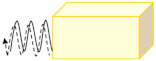 | Conductor | Steel, aluminum, copper, silver | None as microwave are reflected and no energy transfer. |
| Absorber 1 | 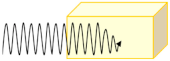 | Lossy insulator | Water, charcoal, silicon carbide | Partial to total as the microwave are absorbed and exchange of electromagnetic energy takes place. |
| Transparent |  | Low loss insulator | Polytetrafluoroethylene (PTFE), alumina-based ceramics, corundum, fused quartz, Teflon, glass 2, alumina 2, silica 2, magnesium oxide 2 | Total where the transmittance of microwave occurs without energy transfer. |
| Microwave-Assisted Heating | Conventional Heating |
|---|---|
| Rapid and uniform heating | Slow heating |
| Shorter preparation time | Longer preparation time |
| Lower thermal inertia | Higher thermal inertia |
| Heat transferred through in-core volumetric heating at molecular level | Heat transferred by conduction, convection or radiation |
| Application | Feed | Experimental Conditions | Method | Findings | Reference |
|---|---|---|---|---|---|
| Bio-oil | Switchgrass | Power: 750 W Temperature: 400 °C Catalyst: 10 wt% K3PO4 + 10 wt% Bentonite | Microwave-assisted catalytic pyrolysis | Reduced water content in bio-oil with increased BET surface area of biochar using microwave-assisted pyrolysis. Average heating rate: 141 °C/min Heating time: 2.83 min BET surface area: 76.29 m2/g Micropore area: 44.56 m2/g Pore volume: 0.0332 cm3/g | [36] |
| Chlorella vulgaris and high-density polyethylene (HDPE) | Feedstock mixing ratio: 1:1 Absorbent addition: 40% activated carbon (AC) Power: 800 W | Microwave-assisted co-pyrolysis | The promotion of CO, H2O or CO2 was observed with the addition of AC. Oxygen/Nitrogen-containing compounds: 28.79%/20.8% Hydrocarbons content: 48.88% Alcohols: 14.6% | [37] | |
| Algae | Feed-to-susceptor ratio: 1:1 Power: 450 W Catalyst: ZSM-5 Temperature: 600 °C | Microwave-assisted co-pyrolysis | Pyrolysis char used a susceptor and pyrolysis of algae was rich in phenolic derivatives. Hydrocarbons obtained were ranging from C6 to C30. Bio-oil yield: 45 wt% Gas yield: 35 wt% Biochar yield: 20 wt% | [38] | |
| Switchgrass | Temperature: 400 °C Catalyst: 10 wt% K3PO4 + 10 wt% Bentonite | Conventional pyrolysis | Longer heating time to reach desired temperature with poor biochar properties. Average heating rate: 14 °C/min Heating time: 28.81 min BET surface area: 0.33 m2/g Micropore area: 2.01 m2/g Pore volume: 0.0068 cm3/g | [36] | |
| Switchgrass | Temperature: 300 °C to 500 °C Heating rate: 10 °C/min Feed amount: 1 kg | Conventional pyrolysis | Bio-oil yield: ~28 wt% to ~32 wt% Gas yield: ~176 L to ~271 L Biochar yield: ~30 wt% to ~40 wt% | [39] | |
| White ash | Temperature: 300 °C to 500 °C Heating rate: 10 °C/min Feed amount: 1 kg | Conventional pyrolysis | Bio-oil yield: ~38 wt% to ~43 wt% Gas yield: ~154 L to ~225 L Biochar yield: ~28 wt% to ~39 wt% | [39] | |
| Methanation | CO2, H2, He | Temperature: 300 °C Molar ratio of CO2/H2/He: 1/4/5 Ni: 30 wt% Ce: 20 wt% | Microwave-assisted hydrothermal synthesis | Addition of Ce enhanced the catalyst activities and microwave promoted Ni dispersion on support. CH4 selectivity: 98.0% CO2 conversion: 52.9% | [40] |
| CO2, H2, N2 | Temperature: 325 °C Ratio of CO2/H2/N2: 1/4/4 Flowrate: 70 mL/min Ni: 20 wt% | Microwave-assisted synthesis | Low temperature of H2 pretreatment allows more Ni active sites. CH4 selectivity was well-maintained from 200 °C to 400 °C. CH4 selectivity: 99.3% CO2 conversion: 91.6% | [41] | |
| CO, H2, N2 | Temperature: 300 °C Pressure: 1 MPa Ratio of CO/H2/N2: 1/1/3 Heating rate: 3 °C/min | Microwave-assisted solution combustion | Catalyst with large specific surface area and small Ni particles was obtained. CH4 selectivity: 96.2% CO2 conversion: 95.7% | [42] | |
| CO2, H2, N2 | Temperature: 350 °C Ratio of CO2/H2/N2: 1/4/4 Flowrate: 70 mL/min Ni: 20 wt% | Impregnation | Low temperature of H2 pretreatment allows more Ni active sites. CH4 selectivity was well-maintained from 200 °C to 400 °C. CH4 selectivity: ~99% CO2 conversion: 84.3% | [41] | |
| CO2, H2, He | Temperature: 50–200 °C Ratio of CO2/H2: 1/4 Catalyst amount: 200 mg Flowrate: 20 mL/min | Sol-gel, aerosol, impregnation | Low methanation production at 350 °C but maximum was achieved after annealing at 450 °C. CH4 selectivity: 100% @200 °C CH4 yield: 2.05 µmolCH4/gcat/s | [43] | |
| CO2, H2, N2 | Temperature: 250–450 °C Molar ratio of H2/CO2/N2: 36/9/10 Catalyst amount: 0.1744 g Flowrate: 250 mL/min | Impregnation | Catalyst synthesized through impregnation has poorer performance due to the Ni0 size. CH4 selectivity: ~94% @450 °C CO2 conversion: 70.0% @450 °C | [44] | |
| Methane reforming | CH4, CO2 | Specific power: 90 W/g Ratio of CH4/CO2/Ar: 1/1/2 Space velocity: 200 h−1 | Microwave dry reforming | Insignificant changes and negligible carbon deposition on catalyst after 50 h stability test. CH4 conversion: > 95% CO2 conversion: > 95% H2/CO ratio: ~1 | [45] |
| CH4, CO2 | Temperature: 800 °C Molar ratio of CO2/CH4: 0.5, 1, 1.5, 2 N2 flowrate: 60 mL/min Volumetric hourly space velocity: 2.4 L/(g.h) | Microwave dry reforming | 10% of Fe2O3 addition led to maximum performance of dry reforming reaction with good catalyst stability. CH4 conversion: 90.8% CO2 conversion: 95.2% H2/CO ratio: 0.92 | [46] | |
| CH4, CO2 | Power: 560 W Ratio of CH4/CO2/N2: 1/1/3 Gas flowrate: 250 mL/min | Microwave dry reforming | Decreasing CH4/CO2 ratio and increasing microwave power improve CH4 and CO2 conversions. CH4 conversion: ~80% CO2 conversion: ~60% H2/CO ratio: 1.3 | [47] | |
| CH4, CO2 | Temperature: 800 °C GHSV: 33,000 mL/gcat.h Catalyst amount: 0.9 g | Conventional dry methane reforming | Energy efficiency using this method was lower by 10% compared to microwave heating reactors. CH4 conversion: ~65% CO2 conversion: ~70% H2/CO ratio: 0.85 | [48] | |
| CH4, CO2 | Temperature: 800 °C Pressure: 1 atm | Dry methane reforming | The reaction can be improved by altering pressure and ratio of oxidant/methane. CH4 conversion: 85% CO2 conversion: 90% | [49] | |
| CH4, CO2 | Temperature: 950 °C Gas hourly space velocity: 8570 h−1 Sample mass: 300 mg | Dry reforming of methane (magnetic induction) | Magnetic catalyst used to improve CH4 dry reforming. CH4 conversion: 70% CO2 conversion: 80% H2 yield: 75% CO yield: 85% | [50] | |
| Sugar conversion | Fructose | Using [Ch]Cl:CA Microwave heating: 2 min Temperature: 120 °C Solid/liquid ratio: 0.05 | Biphasic systems with aqueous and organic phase assisted with microwave | The purity of 5-HMF remained after the repetition of 3 cycles process, reusing acidic deep eutectic solvents. HMF yield: 91.0% | [51] |
| Corn stalk, rice straw and pine wood | Irradiation time: 2–6 min | Direct conversion using ionic liquids assisted with microwave | The yield of products obtained within 3 min of processing time, very efficient process. HMF yield: 45–52% | [52] | |
| Cellulose | Time: 3.5 min Power: 400 W Ionic liquid: [Bmim]Cl | Direct conversion in ionic liquids assisted with microwave | Microwave was proven to have synergetic effects on the cellulose conversion. HMF yield: 51.4% | [53] | |
| Glucose | Time: 10 min Temperature: 200 °C Medium: 50:50 w/w% 1-hexyl-3-methyl imidazolium chloride-water mixture | Direct conversion in ionic liquids-water mixture | Synergistic effect was observed through the addition of protic solvents. HMF yield: 53% | [54] | |
| Glucose | Temperature: 100 °C Catalyst amount: 0.5 g Time: 6 h | Direct conversion in ionic liquids | The catalyst porosity has to be optimized according to the medium used for maximum production. HMF yield: 64% | [55] | |
| Fructose | Medium: 3:1 of methylisobutylketone: 2-butanol Feed amount: 1 g Time: 6 h | Direct conversion in solvents | Good yield obtained using similar experimental condition for waste potato biomass too. HMF yield: 50 wt% | [56] | |
| Ammonia synthesis | H2, N2 | Temperature: 260 °C Ambient pressure Catalyst amount: 1.2 g | Microwave-assisted catalytic synthesis | Low temperature and pressure required for this method are energy-saving compared to Haber-Bosch process. NH3 production rate: 1313 µmolNH3/gcat.h | [57] |
| H2, N2 | Temperature: 320 °C Pressure: 0.65 MPa H2/N2 ratio: 1 Time: 11 min | Microwave-assisted catalytic synthesis | Quick catalyst recovery compared to Haber-Bosch technology. NH3 production rate: 0.04 g/gcat.h | [58] | |
| H2, N2 | Temperature: ~260 °C Pressure: 0.1 MPa | Microwave-assisted catalytic synthesis | Ce-promoted catalyst enhances production and microwave activates stable molecules. NH3 production rate: 1.18 mmol/h.gcat | [59] | |
| H2, N2 | Temperature: 300 °C Pressure: 10 bar | Catalytic synthesis | Efficient synthesis rate obtained through Co-Mg-O solid solution supported LiH catalyst, with Co nanoparticles. NH3 production rate: 19 mmol/g/h | [60] | |
| H2, N2 | Temperature: 350 °C Pressure: 7 atm Molar ratio of H2/N2: 1/1 | Catalytic synthesis | The ammonia synthesis rate altered according to the composition of catalyst. NH3 production rate: 0.397 mmol/gcat.h | [61] |
| Process | Feedstock | Catalyst/ Absorbent | Properties/Composition | Yield | Remarks | Reference |
|---|---|---|---|---|---|---|
| Catalytic pyrolysis | Switchgrass | 30 wt% clinoptilolite | pH: 4.19 Water content: 21.77 wt% Viscosity (40 °C): 6.11 cP | 36.2 wt% | BET surface area (biochar): 76.3 m2/g | [36] |
| Catalytic pyrolysis | Cellulose | Fe/Modified HZSM-5 | Phenols: 6.23% Oxiranes: 5.45% HCs: 0% Esters: 5.21% Ketones: 12.79% CAs: 25.50% Furans: 23.06% SCs: 21.76% | 54.85 wt% | Biochar yield: 14.46 wt% Biogas yield: 23.78 wt% Coke yield: 6.91 wt% | [64] |
| Catalytic pyrolysis | Cellulose | Fe-Ni/Modified HZSM-5 | Phenols: 20.86% Oxiranes: 14.15% HCs: 3.96% Esters: 0.73% Ketones: 11.94% CAs: 26.96% Furans: 21.40% SCs: 0% | 51.86 wt% | Biochar yield: 14.46 wt% Biogas yield: 26.33 wt% Coke yield: 7.35 wt% | [64] |
| Catalytic pyrolysis | Corn stover | 10–30% Na2CO3 | Water content: 53.09–61.49% pH: 3.92–4.62 Dynamic viscosity: 3.31–4.05 mPa.s (for 500 and 700 W) Phenols: 33.26% Furans: 14.11% Acids: 4.77% Guaiacols: 7.05% | 41 wt% | Microwave: 700 W for compositions and yield. | [65] |
| Catalytic pyrolysis | Waste cooking oil | CaO from crab shell | Total aromatics relative content: 54.89% Cycloalkenes relative content > 4.07% | 67 wt% | Biogas yield: 30 wt% CH4 and H2 formation being promoted. | [66] |
| Catalytic pyrolysis | Torrefied corn cob | Fe modified biochar (from rice husk) | Phenol: 0.455–0.704 mg/mL bio-oil (~0.16–0.24 mg/g biomass) Cresol: 0.09–0.239 mg/mL bio-oil (~0.03–0.08 mg/g biomass) | ~33–35 wt% | The yield varies according to Fe amount | [67] |
| Co-pyrolysis | Microalgae and HDPE | Activated carbon | HCs: 48.88% Alcohols: 14.6% Amines: 7.16% Acids/esters: 5.74% Ketones: 0.42% Nitriles: 6.02% Phenols: 0% Others: 17.18% | - | 31.02% of C7-C12, 22.3% of C16, 18.4% of > C18 hydrocarbons were obtained. | [37] |
| Co-pyrolysis | Microalgae and waste cooking oil | Phosphorus-doped biochar | C5-C16 aliphatics: 30.58% C16+ aliphatics: 2.62% Mono-aromatics: 52.35% Poly-aromatics: 6% Nitriles: 3.38% Alcohols: 5.17% | 47.63% | No n-heterocyclics, amides, esters, phenols in bio-oil, but these components presented in the bio-oil produced using biochar. | [68] |
| Catalytic pyrolysis | Microalgae | Fe2O3 with graphite | Phenol: 3% Ketone: 23% Aromatic compounds: 3% Esters: 9% Acids: 14% Nitrogen-cont. compound: 23% Alcohol: 8% | 24.9% | Optimal ratio for Fe2O3 with graphite is 3:7 | [69] |
| Catalytic pyrolysis | Microalgae | ZMS-5 with graphite | Phenol: 4% Ketone: 14.5% Aromatic compounds: 10% Esters: 5% Acids: 14% Nitrogen-cont. compound: 11.5% Alcohol: 3% | 23.8% | Optimal ratio for Fe2O3 with graphite is 5:5 | [69] |
| Catalytic pyrolysis | Peanut shells | Mixture of peanut shells and activated carbon | Other HCs: 18.85% Aromatic HCs: 15.08% Alcohols: 12.14% Phenols: 51.19% Ketones: 10.73% | 25.97% | Ratio of catalysts to peanut shells: 12.5% Biochar: 34.5% Syngas: 39.53% | [70] |
| Catalytic co-pyrolysis | Mixture of waste polyethylene and algae | ZSM-5 catalyst | Aliphatic HC: 27% Cyclic aliphatic HC: 10% Aliphatic oxygenates: 22% Monoaromatic HC: 27% Polyaromatic HC: 8.6% Phenolics: 5% | 40 wt% | Char surface area: 125 m2/g | [38] |
| Catalytic co-pyrolysis | Mixture of waste polypropylene and algae | ZSM-5 catalyst | Aliphatic HC: 30% Cyclic aliphatic HC: 13% Aliphatic oxygenates: 44% Monoaromatic HC: 5.8% Polyaromatic HC: 2.7% Phenolics: 5% | 45 wt% | Char surface area: 121 m2/g | [38] |
| Catalytic co-pyrolysis | Mixture of waste expanded polystyrene | ZSM-5 catalyst | Aliphatic HC: 32% Cyclic aliphatic HC: 12% Aliphatic oxygenates: 43% Monoaromatic HC: 5.1% Polyaromatic HC: 0.8% Phenolics: 7% | 65 wt% | Char surface area: 118 m2/g | [38] |
| Catalyst Synthesized | Process | Textural Properties/ Composition | Yield | Remarks | Reference |
|---|---|---|---|---|---|
| Ni/Al2O3 | Microwave | O: 40.50 wt% Al: 39.93 wt% Ni: 19.57 wt% Ni particle size: 10 nm Ni reduction degree: 90.4% Ni dispersion: 25.3% | CO2 conversion: 91.6% CH4 selectivity: 99.3% | Temperature: 325 °C Durable stability for 72 h Reduced by H2 at 450 °C Surfactant: Polyvinyl pyrrolidone (PVP) | [41] |
| Ni-Ce/metakaolin | Hydrothermal | Ni: 26.57 wt% NiO crystallite size: 24 nm BET surface area: 31.18 m2/g Pore volume: 0.1532 cm3/g Average pore size: 19.65 nm | CO2 conversion: 52.9% CH4 selectivity: 98% CH4 yield: 51.9% | Temperature: 300 °C Ce-promoted in catalyst synthesizing Durable stability for 48 h | [40] |
| Mesoporous silica KCC-1 | Microemulsion coupled with hydrothermal | BET surface area: 773 m2/g Total pore volume: 1.2195 cm3/g Pore distribution: 4–6 nm and 20–25 nm Particle size: 200–400 nm Basic sites concentration: 586 | CO2 conversion: 48.7% CH4 selectivity: 98% CH4 yield: 38.9% | Temperature: 449.85 °C Durable stability for 90 h | [73] |
| Ni/mesocellular silica foam | One-pot for mesocellular silica foam; incipient wetness impregnation for Ni | Surface area of support: 913 m2/g Pore volume of support: 0.98 cm3/g Ni particle size: 4.5 nm Si/O: 0.56 Ni/Si: 0.014 Ni: 5 wt% | CO2 conversion: 62–77% CH4 selectivity: 94–97% | Synthesized from rice husk ashes Cyclohexane as swelling agent Temperature: 350 °C Durable stability for 20 h | [74] |
| Ni/La-Sm-CeO2 | Sol-gel | Ni particle size: 12.3 nm Ni dispersion: 7.9% Pore volume: 0.08 cm3/g CeO2 crystalline size: 7.2 nm BET surface area: 40.3 m2/g Ni: 12.1% Ce: 14.4% O: 61.8% C: 7.0% Na: 0.9% La: 1.0% Sm: 2.8% | CO2 conversion: 53% CO selectivity: 5% @500 °C (0 at 300 °C) CH4 selectivity: 100% CH4 yield: 59.9–61.6% | Temperature: 300 °C Durable stability for 20 h | [75] |
| Ni/La-Pr-CeO2 | Sol-gel | Ni particle size: 10.1 nm Ni dispersion: 9.6% Pore volume: 0.09 cm3/g CeO2 crystalline size: 8.0 nm BET surface area: 45.8 m2/g Ni: 11.3% Ce: 13.6% O: 61.7% C: 7.6% Na: 1.4% La: 1.0% Pr: 3.4% | CO2 conversion: 55% CO selectivity: 2.5% @500 °C (0 at 300 °C) CH4 selectivity: 100% CH4 yield: 62.0–63.4% | Temperature: 300 °C Durable stability For 20 h | [75] |
| Ni/La-Mg-CeO2 | Sol-gel | Ni particle size: 9.1 nm Ni dispersion: 10.7% Pore volume: 0.07 cm3/g CeO2 crystalline size: 7.5 nm BET surface area: 38.8 m2/g Ni: 14.3% Ce: 13.4% O: 62.5% C: 6.4% Na: 0.2% La: 1.1% Mg: 2.1% | CO2 conversion: 49% CO selectivity: 4.5% @500 °C (0 at 300 °C) CH4 selectivity: 100% CH4 yield: 58.2–61.8% | Temperature: 300 °C Durable stability for 20 h | [75] |
| Ni-Al2O3 | Combustion with urea (fuel) | BET surface area: 186.1 m2/g Average pore diameter: 3.6 nm Dispersion: 5.2% Maximum Ni surface area: 34.6 m2/g | CO conversion: 95.7% CH4 selectivity: 96.2% | Temperature: 300 °C Lifetime test: 200 h | [42] |
| Catalyst Synthesized | Process | Textural Properties/ Composition | Yield | Remarks | Reference |
|---|---|---|---|---|---|
| Pt/CeO2 | Wetness impregnation | BET specific surface area: 39.58 m2/g Average particle size: 21 nm Carbon formation: 1.75 mmol/g | CH4 conversion: 71.4% | 10% of Pt was doped Durable stability for 6 h | [78] |
| NiCo-MgAl2O4 | Two-step combustion | BET specific surface area: 35 m2/g (fresh) and 33.5 m2/g (used) Mean pore diameter: 28.45 nm (fresh) and 24.60 nm (used) Total pore volume: 0.26 cm3/g (fresh) and 0.21 cm3/g (used) Metal crystallite size: 19 nm (fresh) and 22 nm (used) Ni dispersion: 5.30% Lattice strain: 0.19 Mg: 20.87 wt% Al: 53.65 wt% Ni: 18.9 wt% Co: 7.08 wt% | CH4 conversion: 99.3% | Temperature: 750 °C Microwave power: 800 W CH4:H2O feed ratio = 1:1.12 Low carbon deposition (0.09% weight loss) after 15 h 0.0035 mg lamentous carbon deposited | [24] |
| Ni-MgAl2O3 | Two-step combustion | BET specific surface area: 41.69 m2/g (fresh) and 36.2 m2/g (used) Mean pore diameter: 23.11 nm (fresh) and 21.08 nm (used) Total pore volume: 0.24 cm3/g (fresh) and 0.191 cm3/g (used) Metal crystallite size: 29 nm (fresh) and 32 nm (used) Ni dispersion: 3.50% Lattice strain: 0.77 Mg: 20.84 wt% Al: 59.96 wt% Ni: 19.19 wt% | CH4 conversion: 97.4% | Temperature: 750 °C Microwave power: 800 W 0.0059 mg lamentous carbon deposited | [24] |
| Ni-Co/MFI zeolite | Hydrothermal | BET specific surface area: 380 m2/g Specific micropore surface: 379 m2/g Total pore volume: 0.194 cm3/g | CH4 conversion: 97.0% CO2 conversion: 99.0% H2 yield: 98.0% CO yield: 94.0% | Temperature: 950 °C | [81] |
| * Biochar | Pyrolysis | BET specific surface area: 39 m2/g Microporous specific surface area: 26.18 m2/g Total pore volume: 0.129 cm3/g Micropore volume: 0.021 cm3/g Average pore size: 1.322 nm K: 1.351 wt% Fe: 0.234 wt% Ca: 1.237 wt% Mg: 3.107 wt% Al: 0.244 wt% Na: 0.431 wt% | CH4 conversion: ~100% CO2 conversion: ~100% | Temperature: 800 °C Energy efficiency: 49.2% | [82] |
| Process | Catalyst | Yield | Remarks | Reference |
|---|---|---|---|---|
| Catalytic synthesis | Cs promoted Ru/CeO2 | NH3 production rate: 1.18 mmol/h.gcat | Temperature: ~260 °C Pressure: 0.1 MPa | [59] |
| Synthesis using non-plasma microwave system | Fe/Al2O3 | NH3 production rate: 128 µmol/g/h | Power: 300 W Temperature: 300 °C Ambient pressure 20 wt% of Fe is used | [97] |
| Synthesis using fixed microwave frequency | Ru/MgO | NH3 production rate: 0.25 gamm/gcat/day | Temperature: 320 °C Time: 11 min Microwave frequency: 2.45 GHz Ambient pressure 10 wt% of Ru is used | [58] |
| Catalytic synthesis | Cs-Ru/CeO2 | NH3 production rate: 1313 µmolNH3/gcat.h | Temperature: 260 °C Ambient pressure 2 wt% of Cs and 4 wt% of Ru are used | [57] |
| Catalytic synthesis | Cs-Ru/CeO2 | NH3 production rate: 0.04 g/gcat.h | Temperature: 320 °C Pressure: 0.65 MPa H2/N2 ratio: 1 Stable for 6 cycles of startup-shutdown operation | [98] |
| Catalytic synthesis | Fe promoted Co/γAl2O3 | NH3 production rate: 53.9 g−1 s−1 Total NH3 production: 441.5 mol | Temperature: 600 °C Pressure: 1 atm 0.5 wt% of Fe is used as promoter | [99] |
Publisher’s Note: MDPI stays neutral with regard to jurisdictional claims in published maps and institutional affiliations. |
© 2022 by the authors. Licensee MDPI, Basel, Switzerland. This article is an open access article distributed under the terms and conditions of the Creative Commons Attribution (CC BY) license (https://creativecommons.org/licenses/by/4.0/).
Share and Cite
Chia, S.R.; Nomanbhay, S.; Milano, J.; Chew, K.W.; Tan, C.-H.; Khoo, K.S. Microwave-Absorbing Catalysts in Catalytic Reactions of Biofuel Production. Energies 2022, 15, 7984. https://doi.org/10.3390/en15217984
Chia SR, Nomanbhay S, Milano J, Chew KW, Tan C-H, Khoo KS. Microwave-Absorbing Catalysts in Catalytic Reactions of Biofuel Production. Energies. 2022; 15(21):7984. https://doi.org/10.3390/en15217984
Chicago/Turabian StyleChia, Shir Reen, Saifuddin Nomanbhay, Jassinnee Milano, Kit Wayne Chew, Chung-Hong Tan, and Kuan Shiong Khoo. 2022. "Microwave-Absorbing Catalysts in Catalytic Reactions of Biofuel Production" Energies 15, no. 21: 7984. https://doi.org/10.3390/en15217984
APA StyleChia, S. R., Nomanbhay, S., Milano, J., Chew, K. W., Tan, C.-H., & Khoo, K. S. (2022). Microwave-Absorbing Catalysts in Catalytic Reactions of Biofuel Production. Energies, 15(21), 7984. https://doi.org/10.3390/en15217984

