Article

Evaluation on Enhanced Heat Transfer Using Sonochemically Synthesized Stable Zno-Eg@Dw Nanofluids in Horizontal Calibrated Circular Flow Passage


by
Waqar Ahmed
1,2,*,
Zaira Zaman Chowdhury
3,*,
Salim Newaz Kazi
2,*,
Mohd. Rafie Bin Johan
3,
Irfan Anjum Badruddin
4,5,
Manzoore Elahi M Soudagar
2,
Sarfaraz Kamangar
5,
Muhammad Abbas Mujtaba
6,
Mustabshirha Gul
7 and
T.M. Yunus Khan
4,5
1
Institute of Advance Studies, University of Malaya, Kuala Lumpur 50603, Malaysia
2
Department of Mechanical Engineering, Faculty of Engineering, University of Malaya, Kuala Lumpur 50603, Malaysia
3
Nanotechnology & Catalysis Research Centre, University of Malaya, Kuala Lumpur 50603, Malaysia
4
Research Center for Advanced Materials Science (RCAMS), King Khalid University, Abha, Asir 61413, Saudi Arabia
5
Mechanical Engineering Department, College of Engineering, King Khalid University, Abha 61421, Saudi Arabia
6
Department of Mechanical, Mechatronics and Manufacturing Engineering, New Campus, University of Engineering and Technology, Lahore 54890, Pakistan
7
Department of Mechanical Engineering, Faculty of Engineering and Technology, Bahauddin Zakariya University, Multan 60000, Pakistan
*
Authors to whom correspondence should be addressed.
Energies 2021, 14(9), 2400; https://doi.org/10.3390/en14092400
Submission received: 5 October 2020 / Revised: 5 November 2020 / Accepted: 23 November 2020 / Published: 23 April 2021
(This article belongs to the Collection Advances in Heat Transfer Enhancement)

Abstract

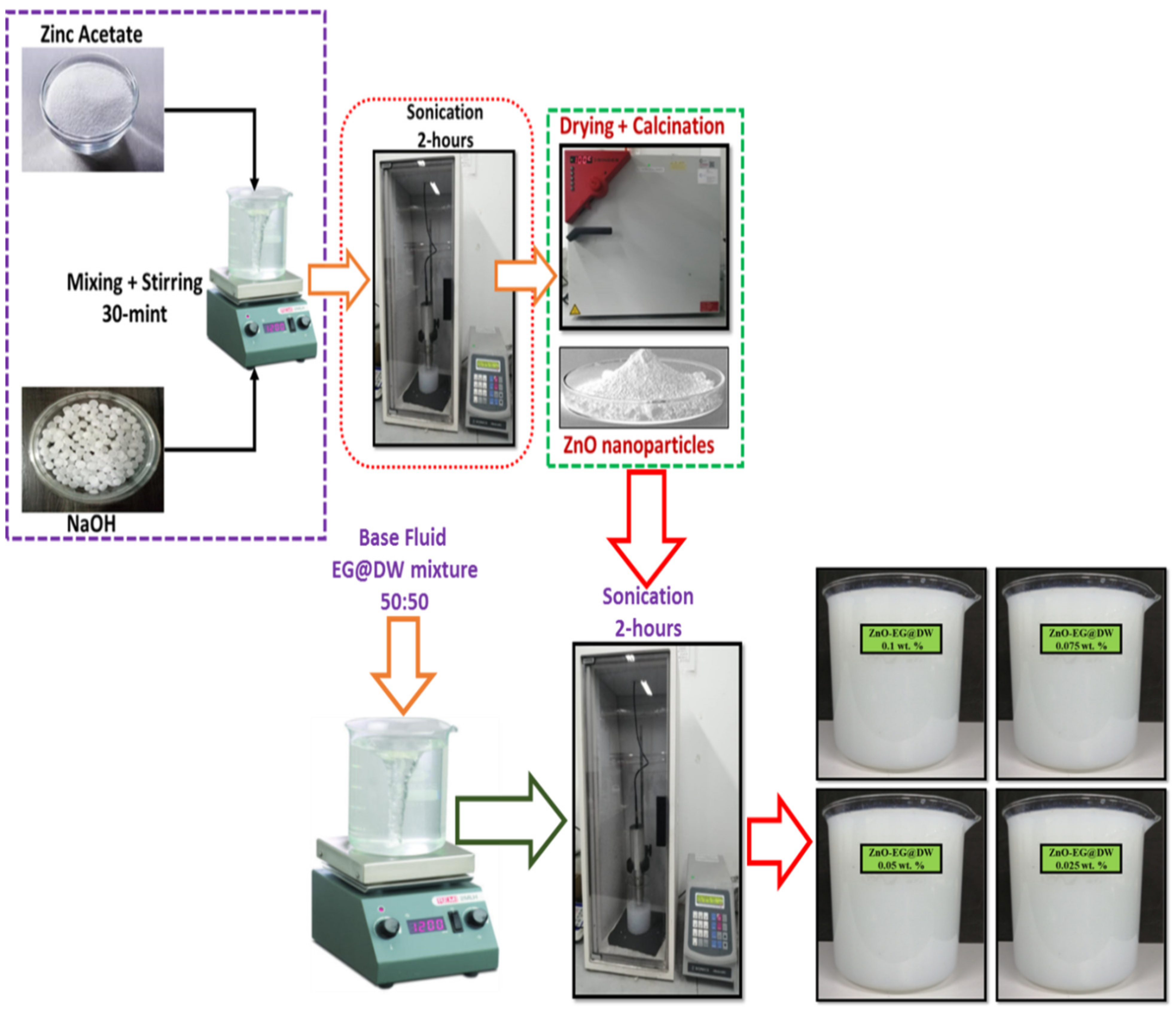
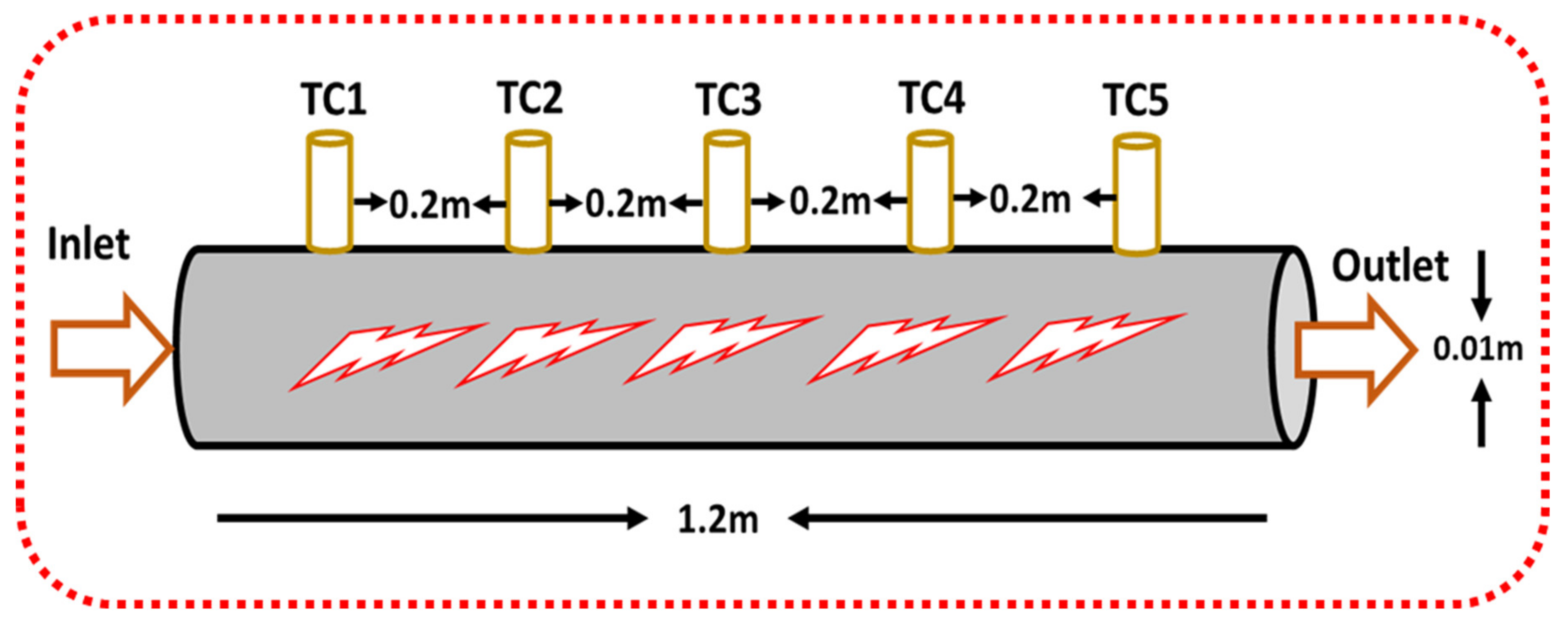
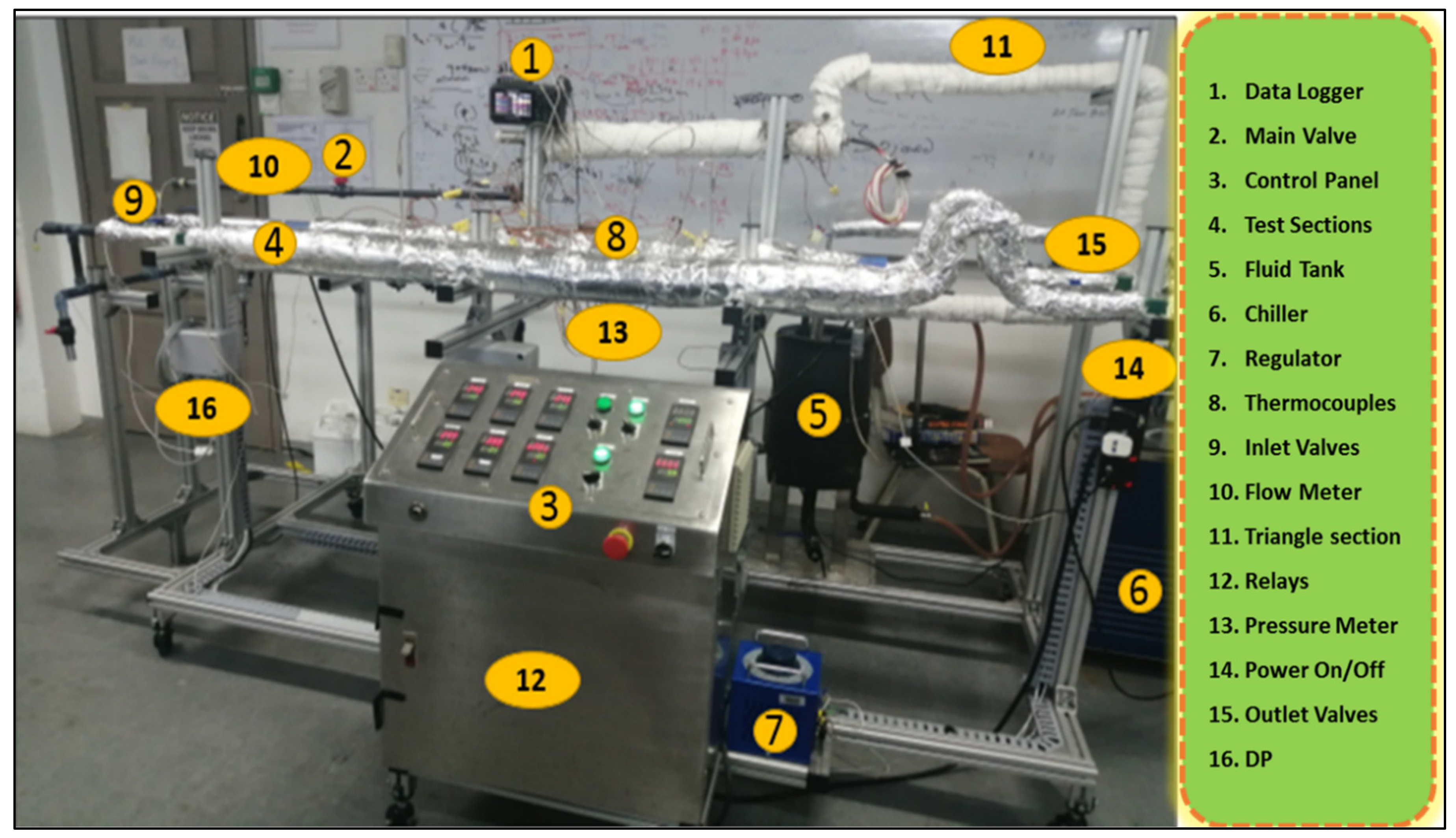
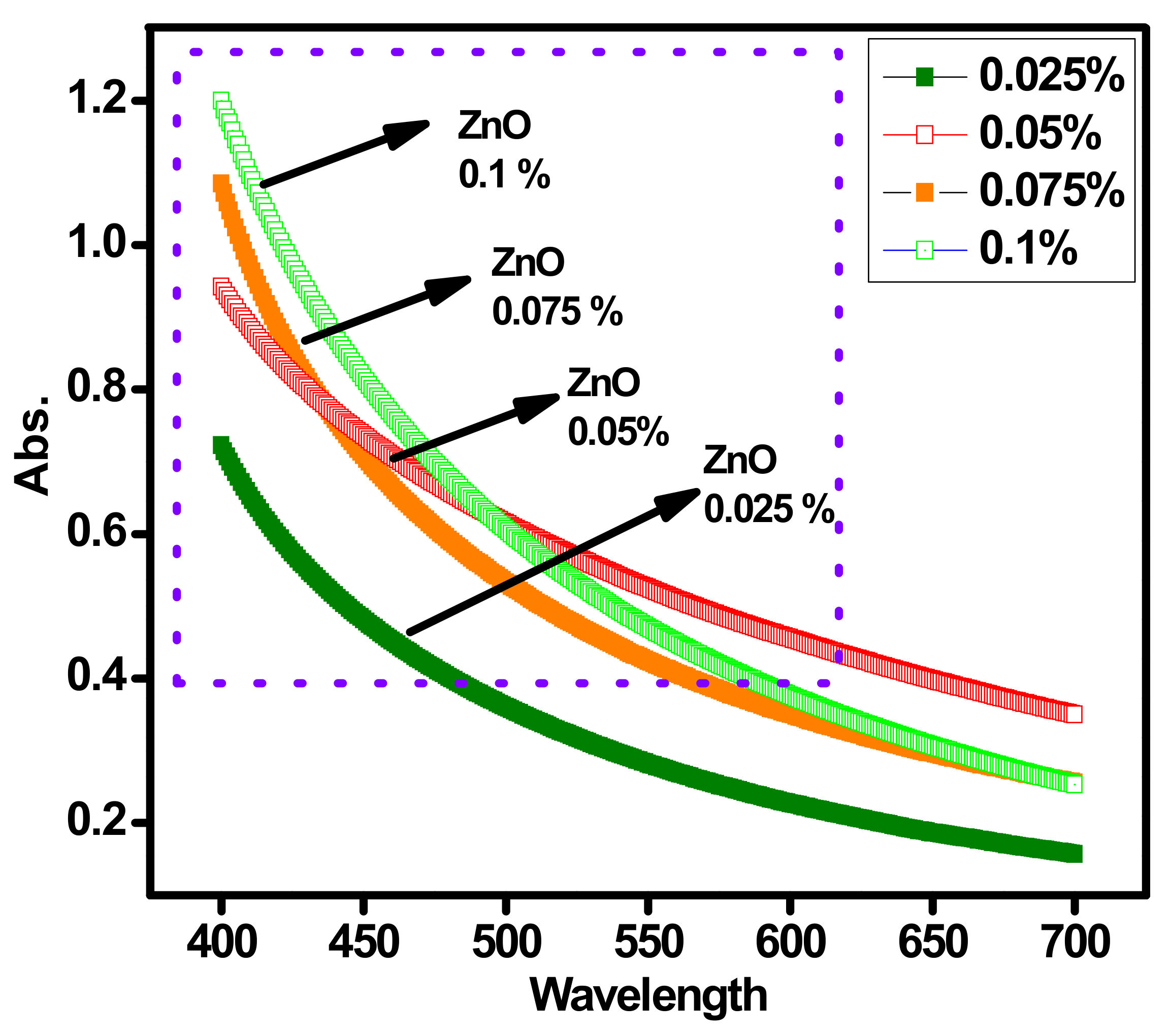
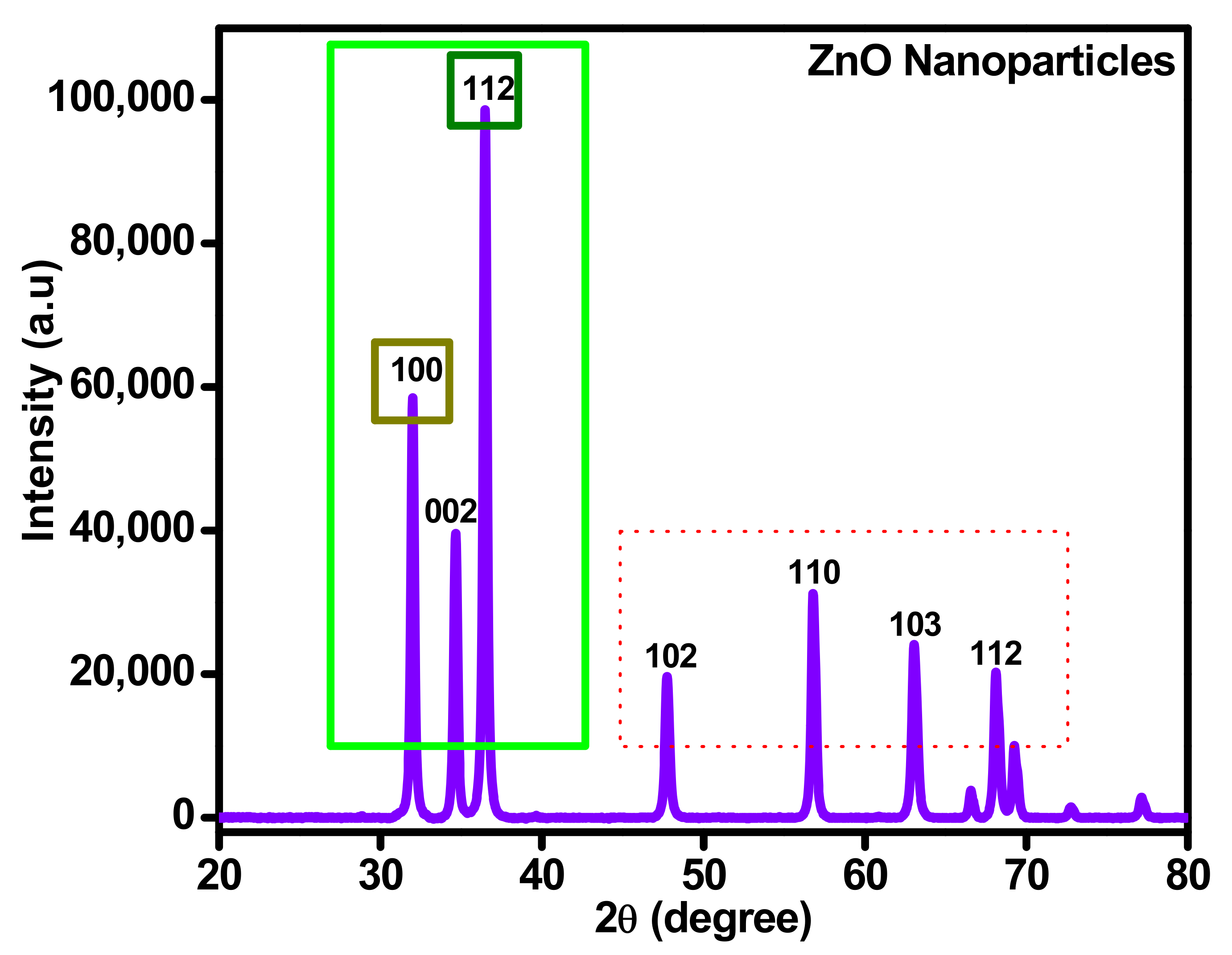
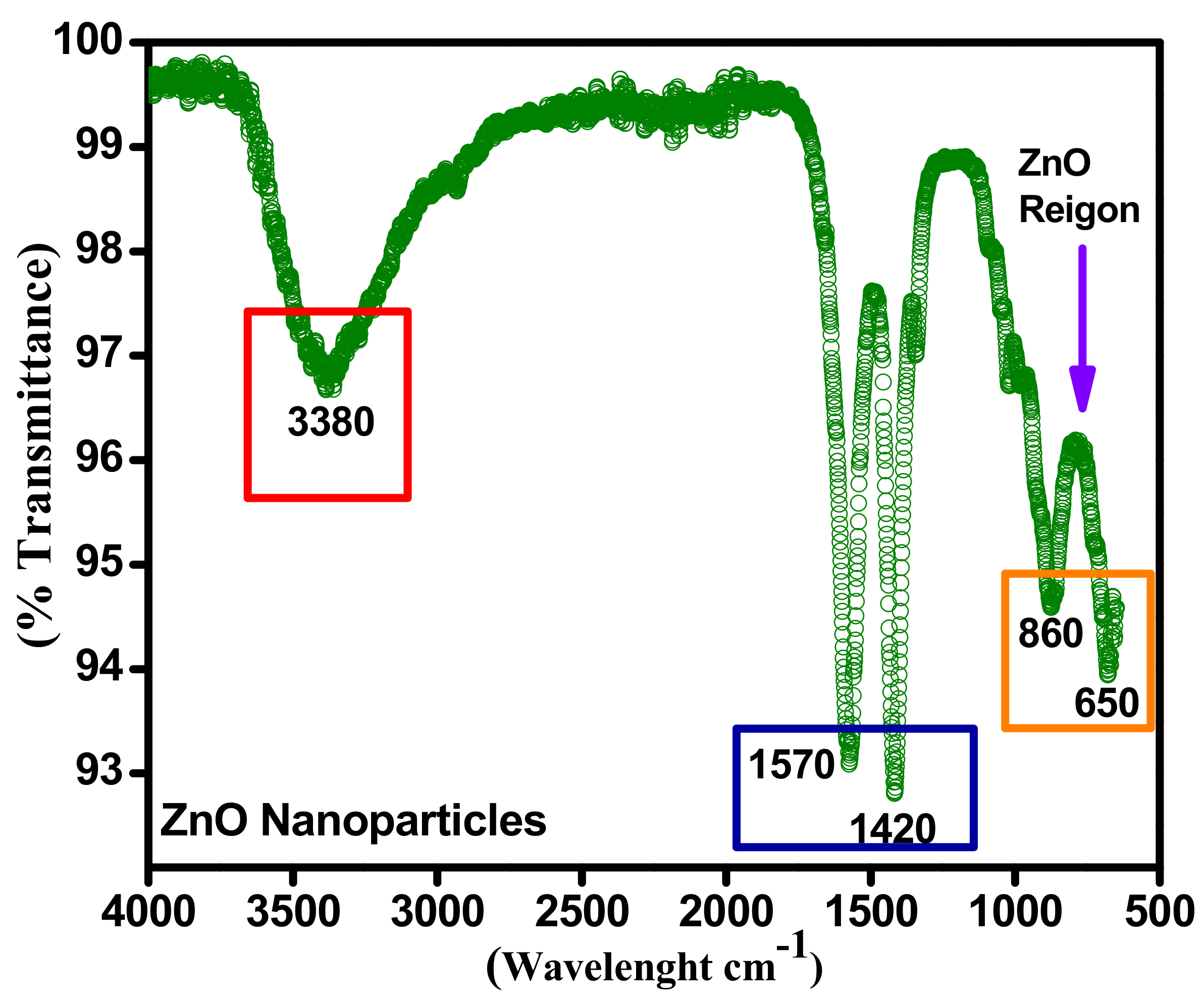
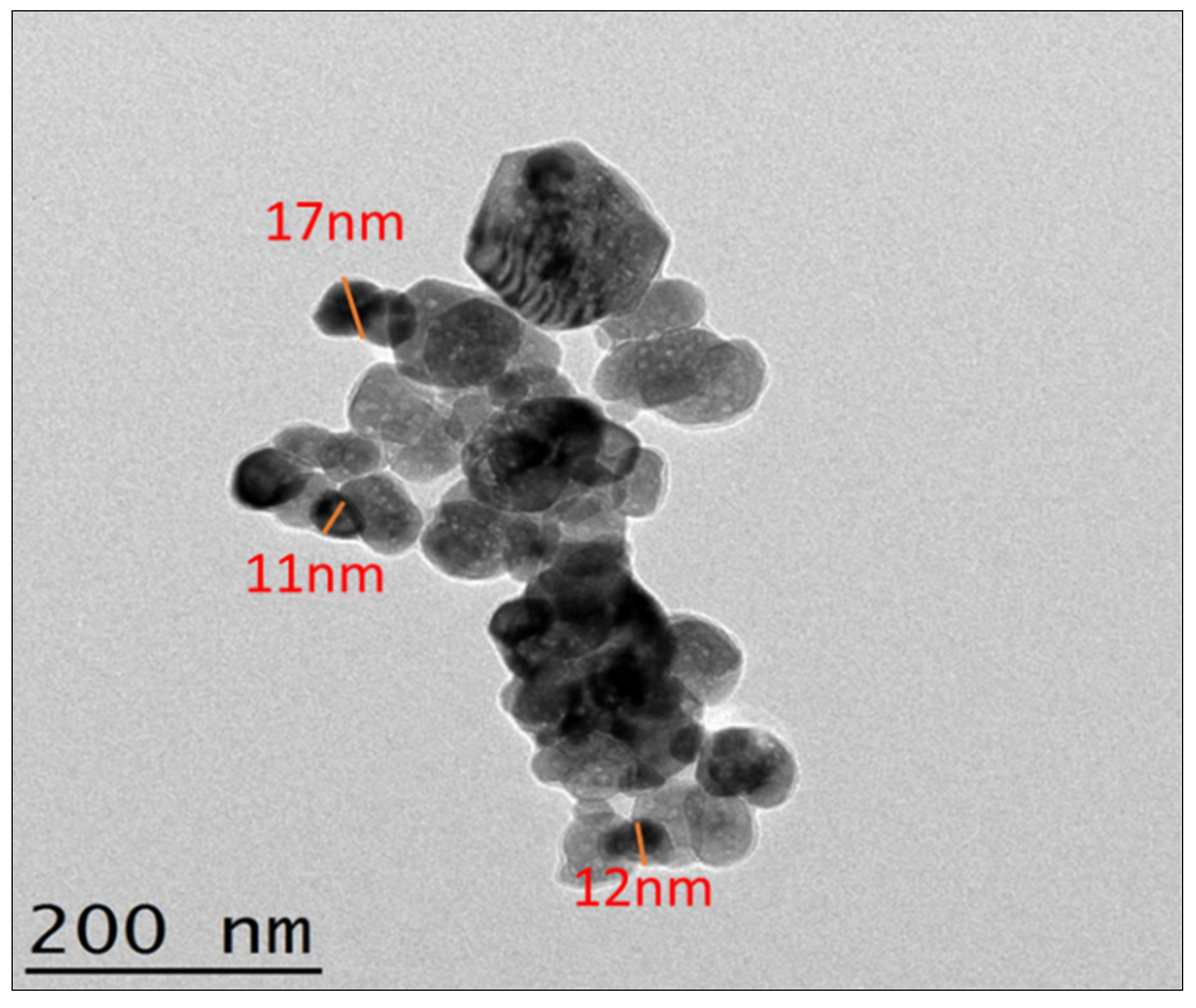
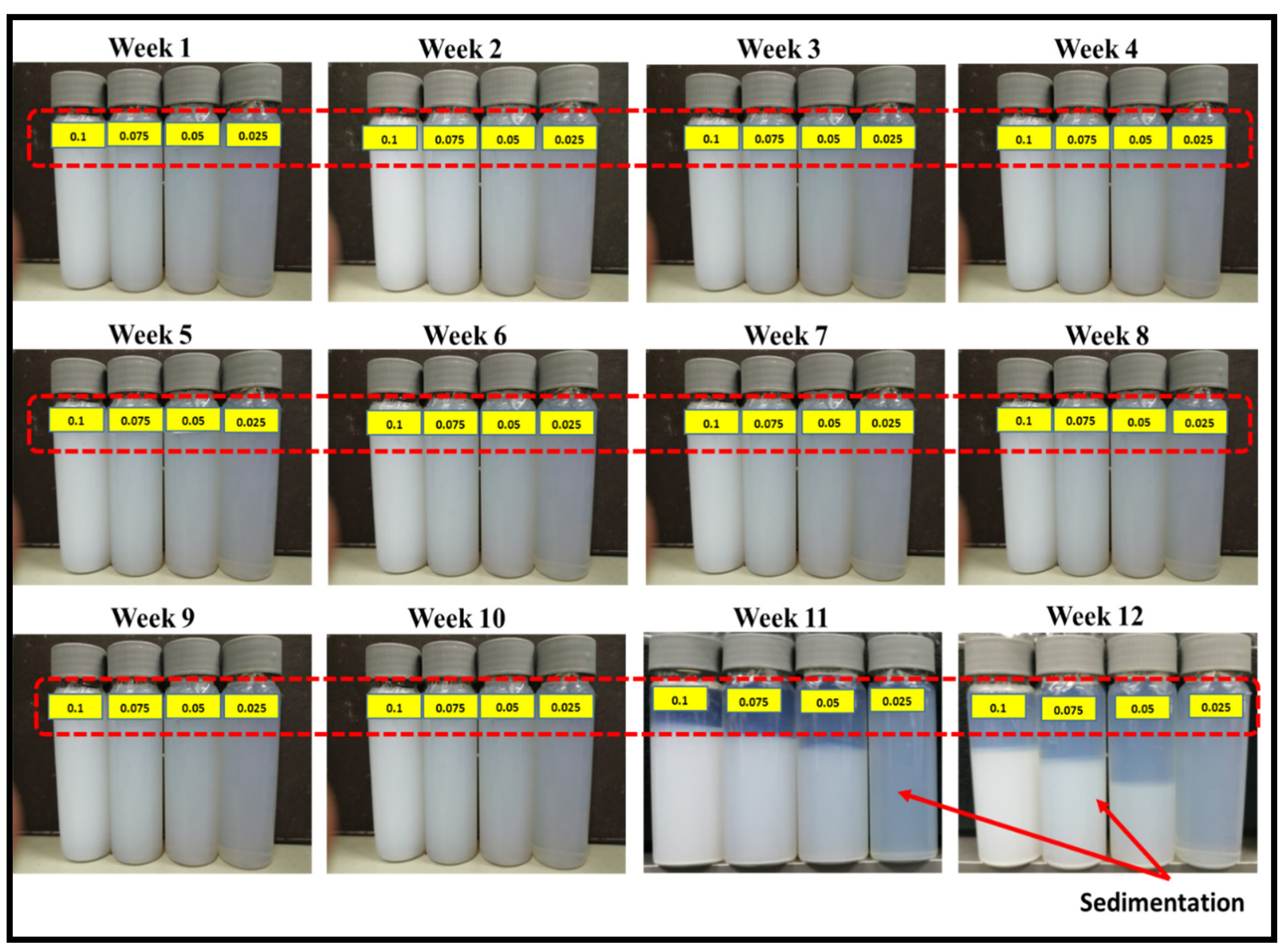
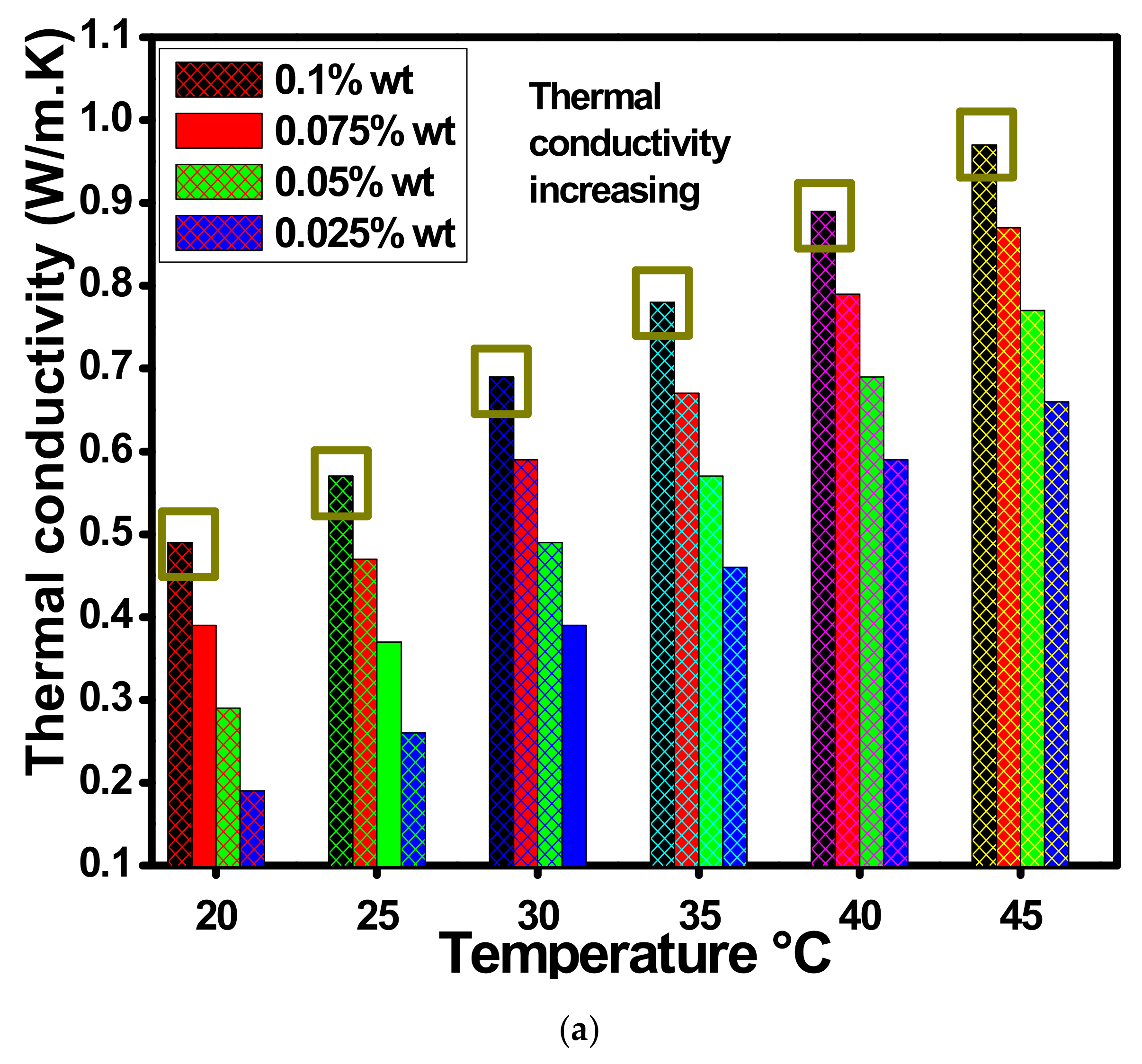
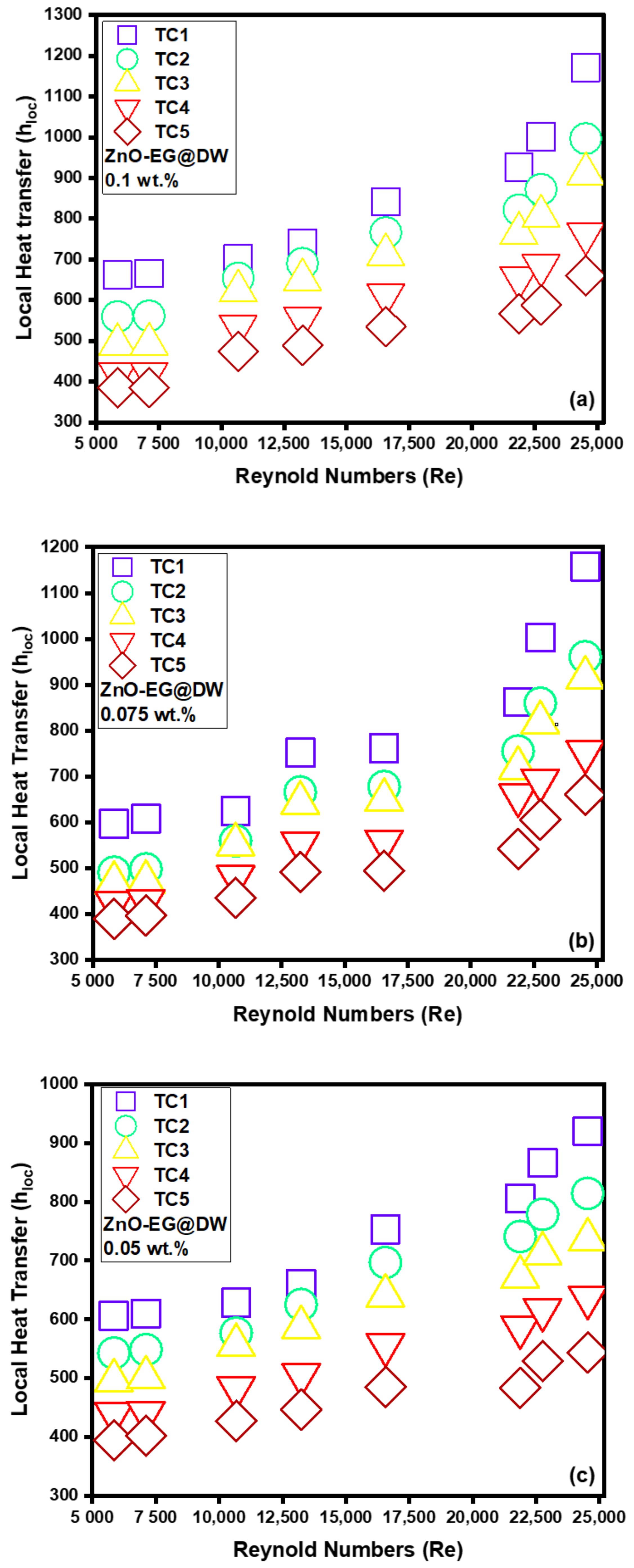
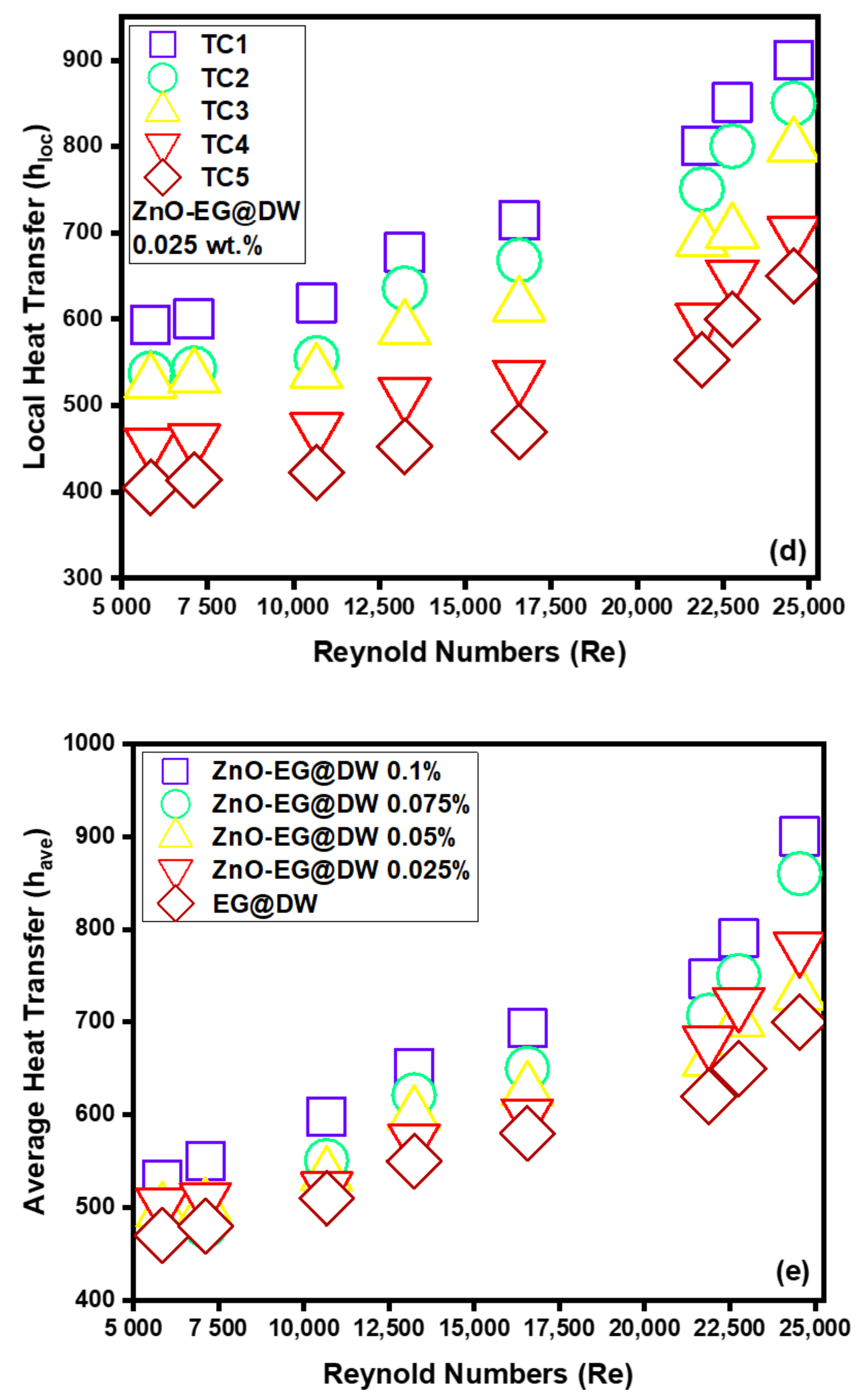
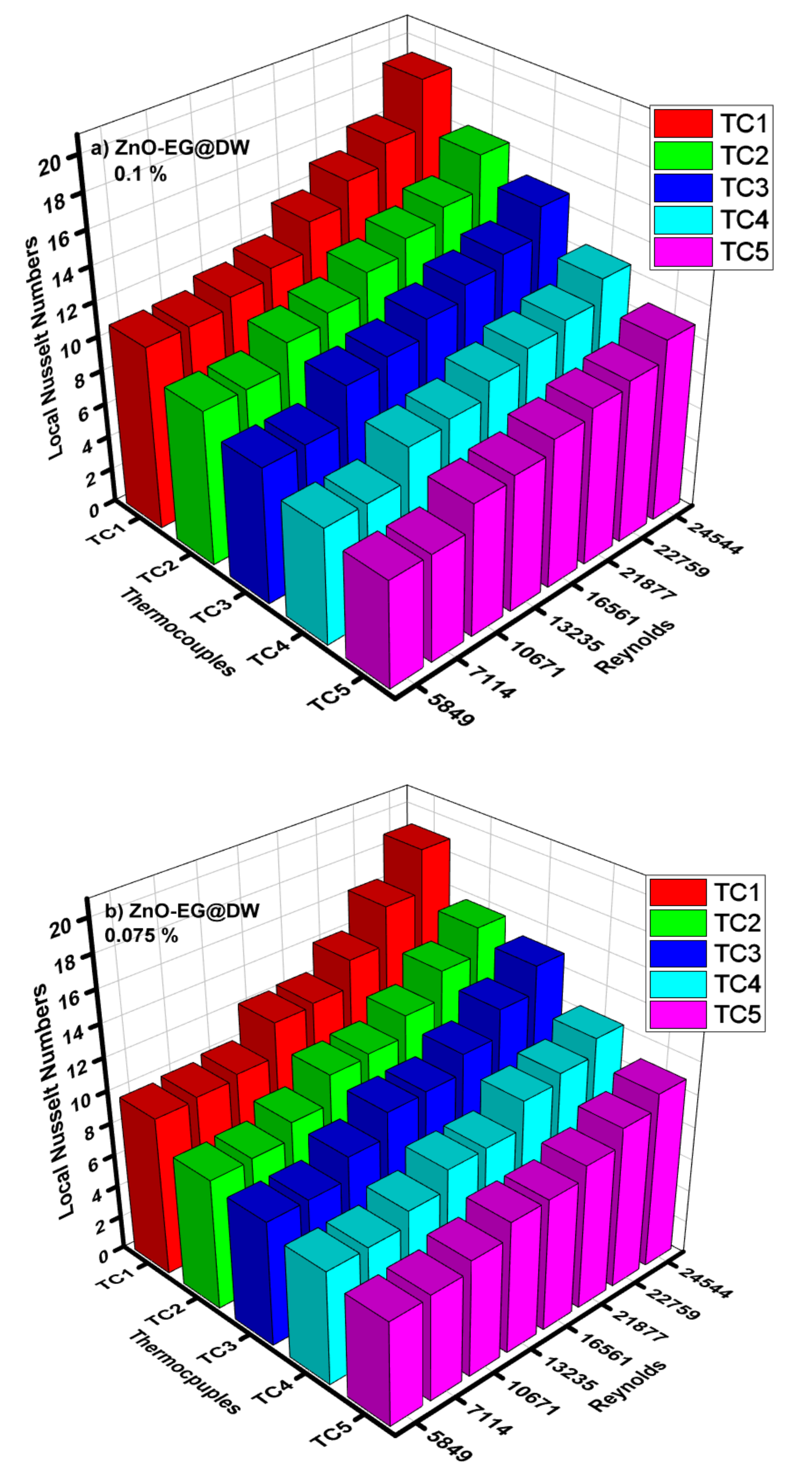
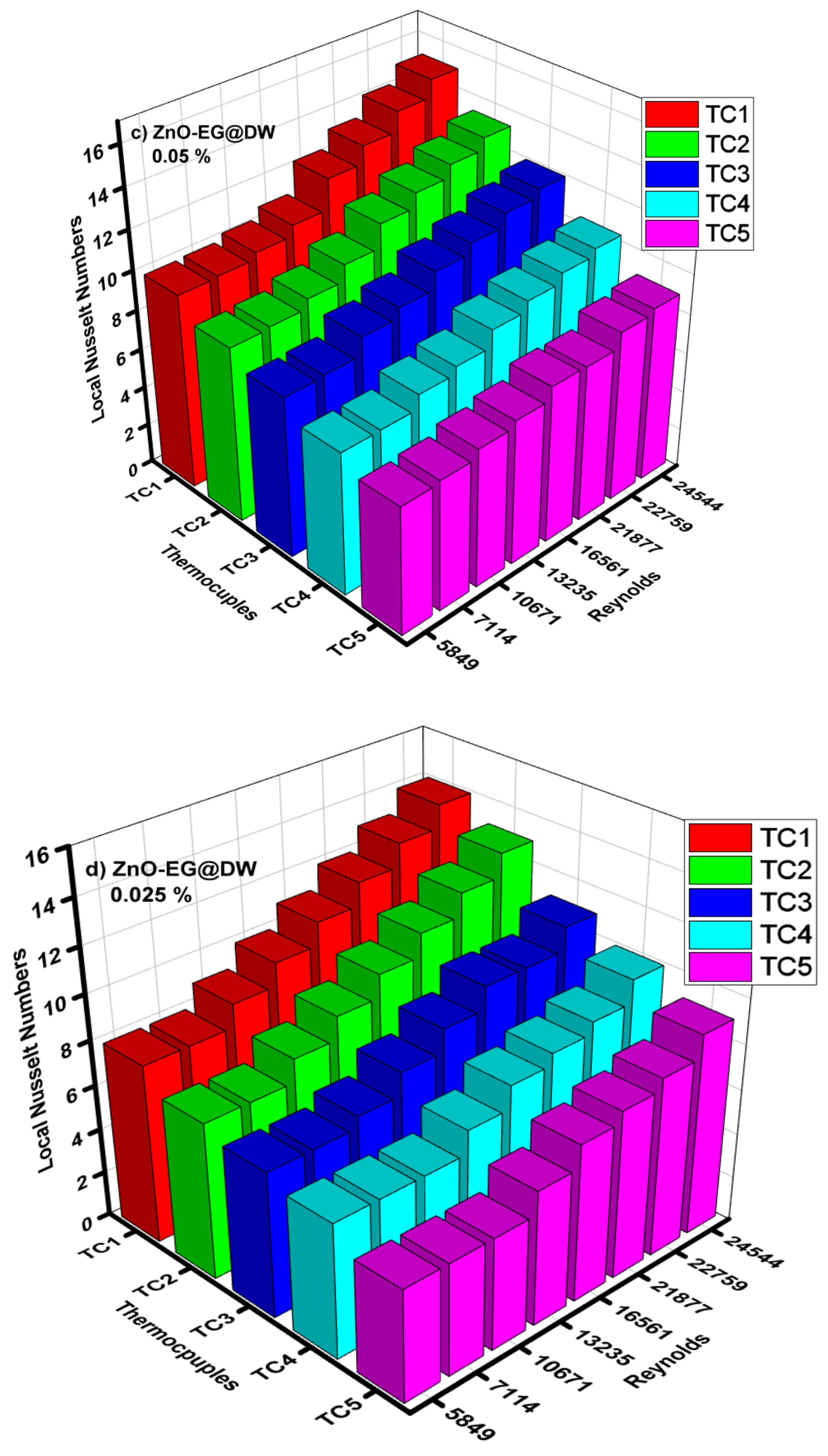
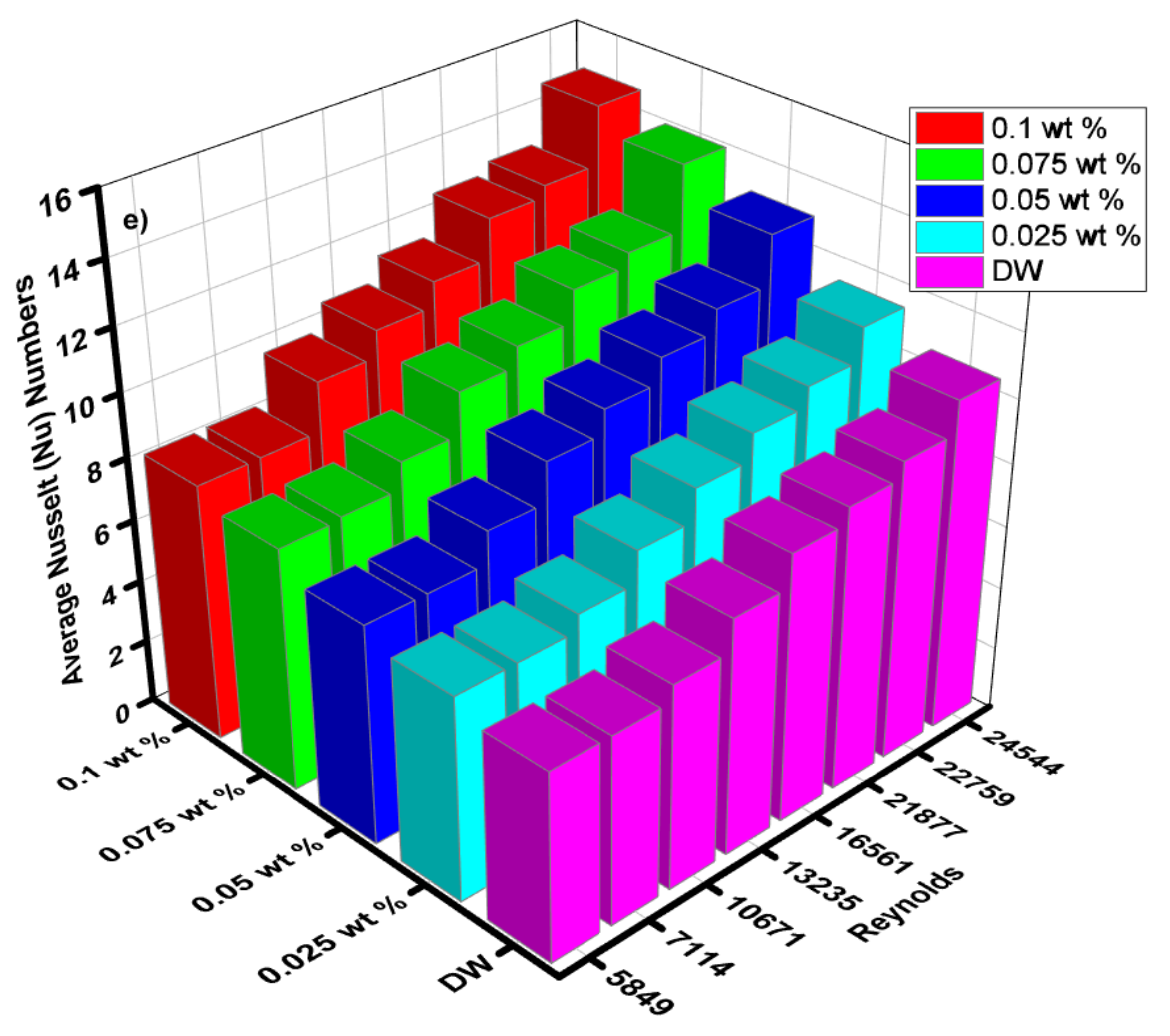
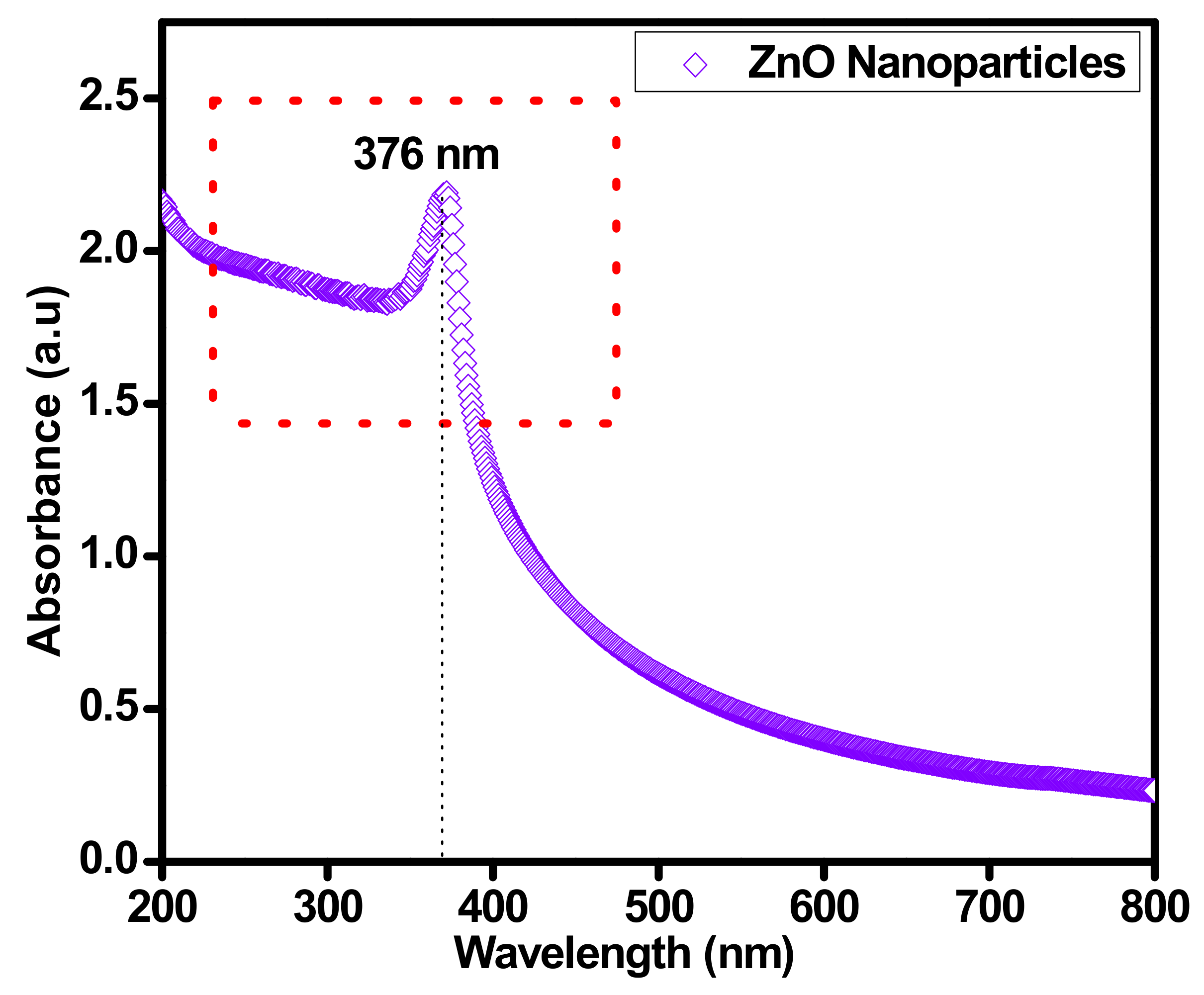
In this research, Zinc Oxide-Ethylene @ glycol distilled water based nanofluid was synthesized using the sonochemical method. The convective heat transfer properties of as synthesized nanofluid were observed for a closed single circular tube pipe in turbulent flow regimes. The prepared nanofluids were characterized by ultra violet spectroscopy (UV–VIS), UV–VIS absorbance, X-Ray diffraction (XRD), Fourier transform infrared spectroscopy (FTIR), Transmission electron microscopy (TEM) and stability analysis. Five calibrated k-type thermocouples were mounted on the surface of the test section. Analytical data related to heat transfer properties of the synthesized nanofluid for the heat exchanger, incorporated with the closed circular tube test section were collected. The addition of ZnO solid nanoparticles in the EG@DW mixture enhanced the value of thermal conductivity and other thermophysical characteristics of the nanofluids. Maximum thermal conductivity was observed at 45 °C for using 0.1 wt.% of ZnO nanoparticles EG@DW nanofluid. Increasing the wt.% of ZnO solid nanoparticles in the EG@DW mixture had increased the thermal conductivity subsequently with change in temperature from 20 to 45 °C. Furthermore, Nusselt numbers of ZnO-EG@DW-based nanofluid was estimated for the various concentration of ZnO present in EG@DW-based fluid. The presence of ZnO solid nanoparticles into the EG@DW base fluid escalate the Nusselt (Nu) number by 49.5%, 40.79%, 37% and 23.06% for 0.1, 0.075, 0.05 and 0.025 wt.% concentrations, respectively, at room temperature. Varying wt.% of ZnO (0.1, 0.075, 0.05 and 0.025) nanoparticles had shown improved heat transfer (h) properties compared to the base fluid alone. The absolute average heat transfer of ZnO-EG@DW nanofluid using the highest concentration of 0.1 wt.% was improved compared to the EG@DW mixture. The magnitude of absolute average heat transfer was increased from 600 W/m2k for the EG@DW mixture to 1200 W/m2k for ZnO-EG@DW nanofluid. Similarly, the heat transfer improvement for the other three wt.% (0.075, 0.05 and 0.025) was noticed as 600–1160, 600–950 and 600–900 W/m2k, respectively, which is greater than base fluid.
Keywords: synthesis of ZnO; friction factor; ZnO-EG@DW nanofluids; Nusselt (Nu) numbers; heat recoveries by nanoparticles synthesis of ZnO; friction factor; ZnO-EG@DW nanofluids; Nusselt (Nu) numbers; heat recoveries by nanoparticles