Article

Power-Generation Optimization Based on Piezoelectric Ceramic Deformation for Energy Harvesting Application with Renewable Energy

Laboratory of Advanced Multi-Scale Manufacturing, Department of Mechanical Engineering, Korea Maritime and Ocean University, Busan 49112, Korea
*
Author to whom correspondence should be addressed.
Energies 2021, 14(8), 2171; https://doi.org/10.3390/en14082171
Submission received: 18 March 2021 / Revised: 6 April 2021 / Accepted: 9 April 2021 / Published: 13 April 2021
(This article belongs to the Special Issue Wireless Power Transfer and RF Technologies)

Abstract

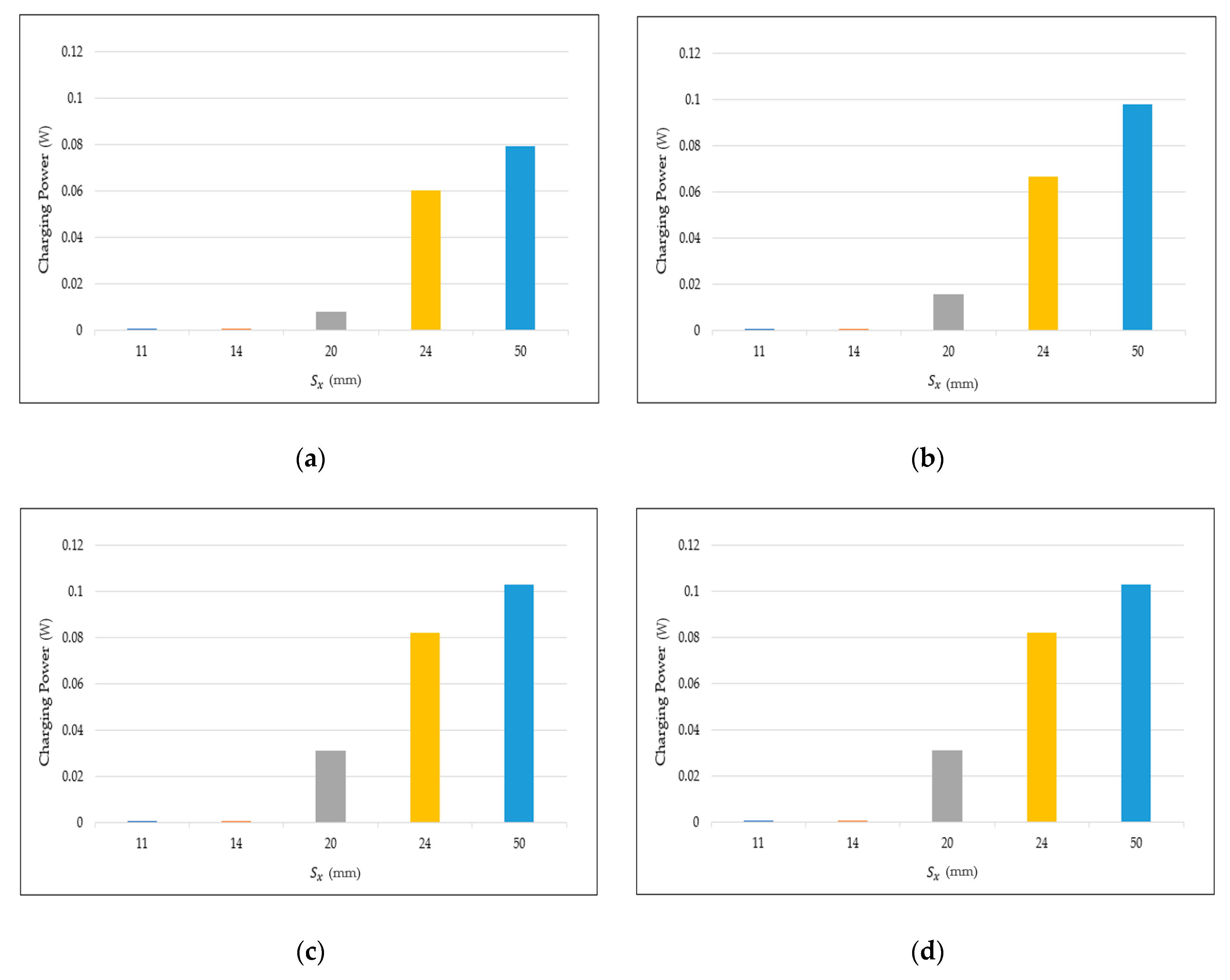
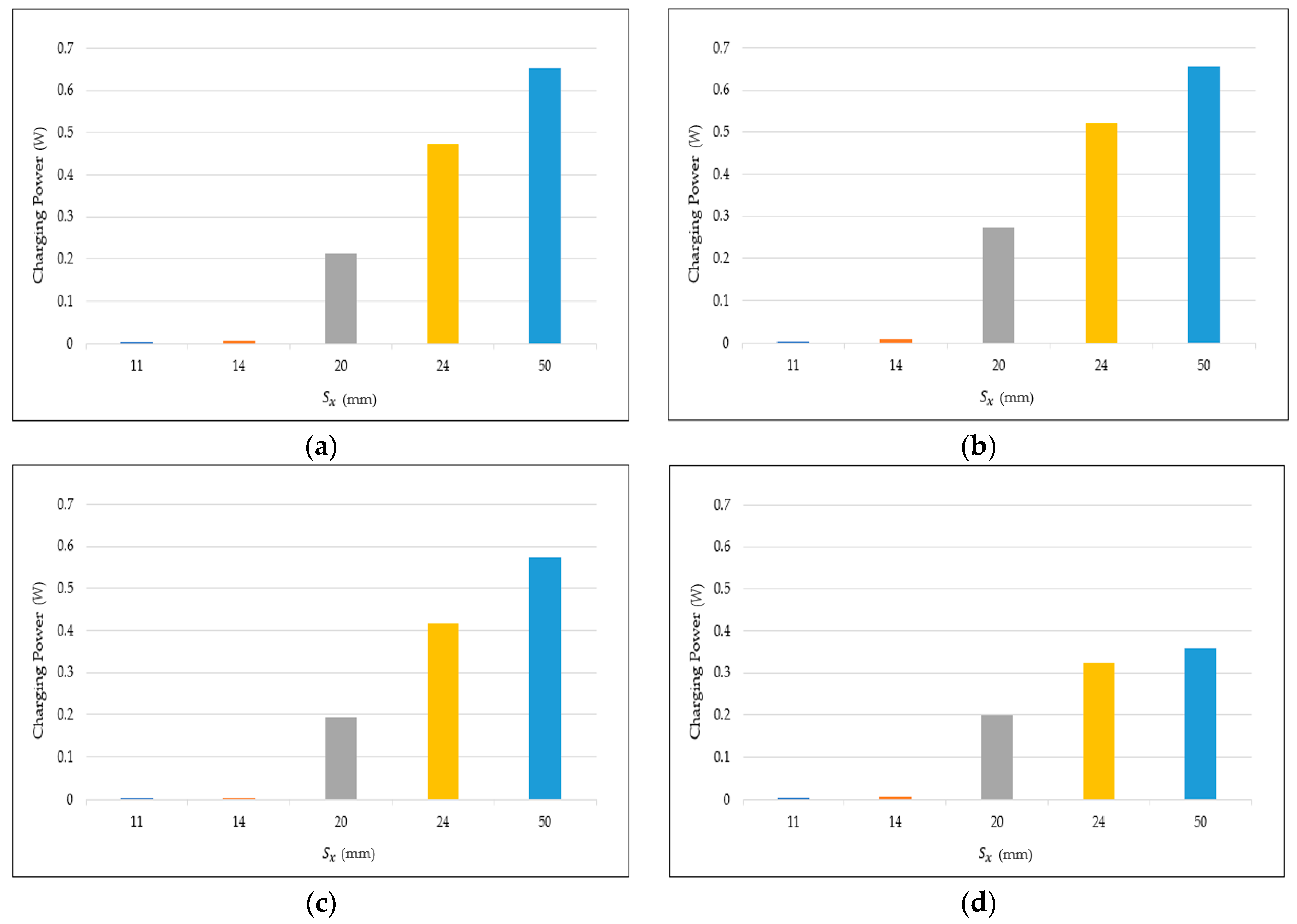
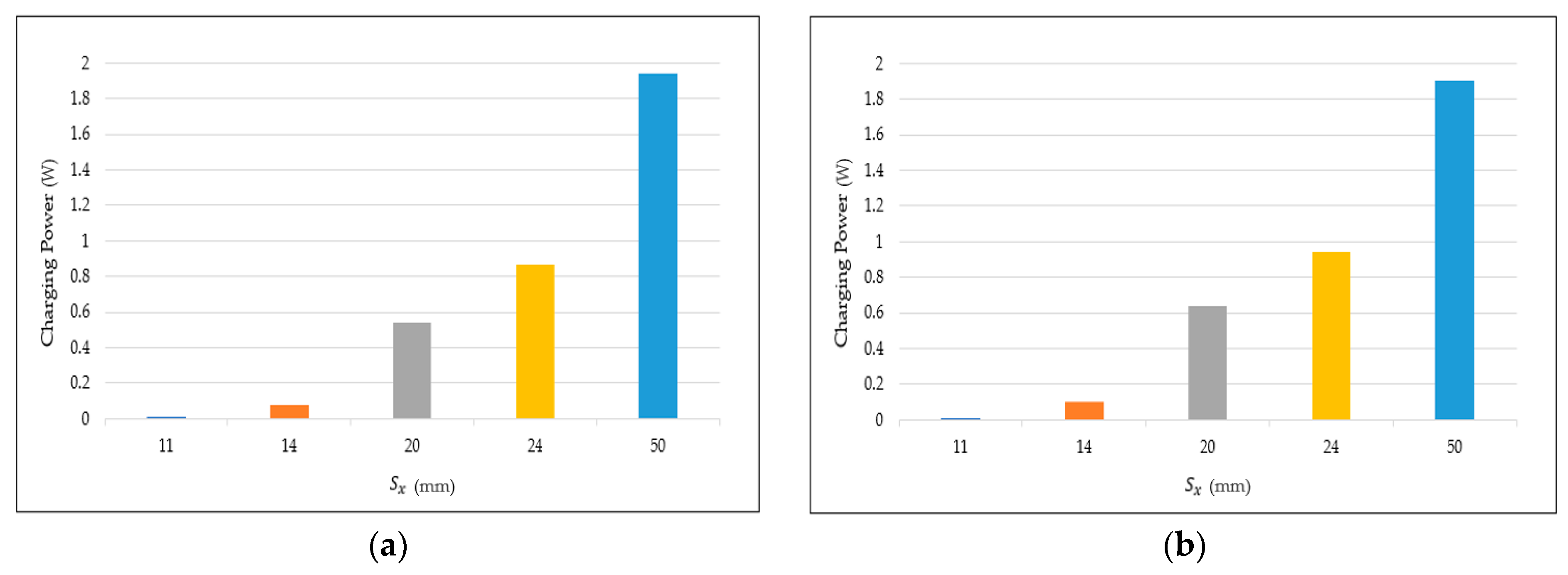
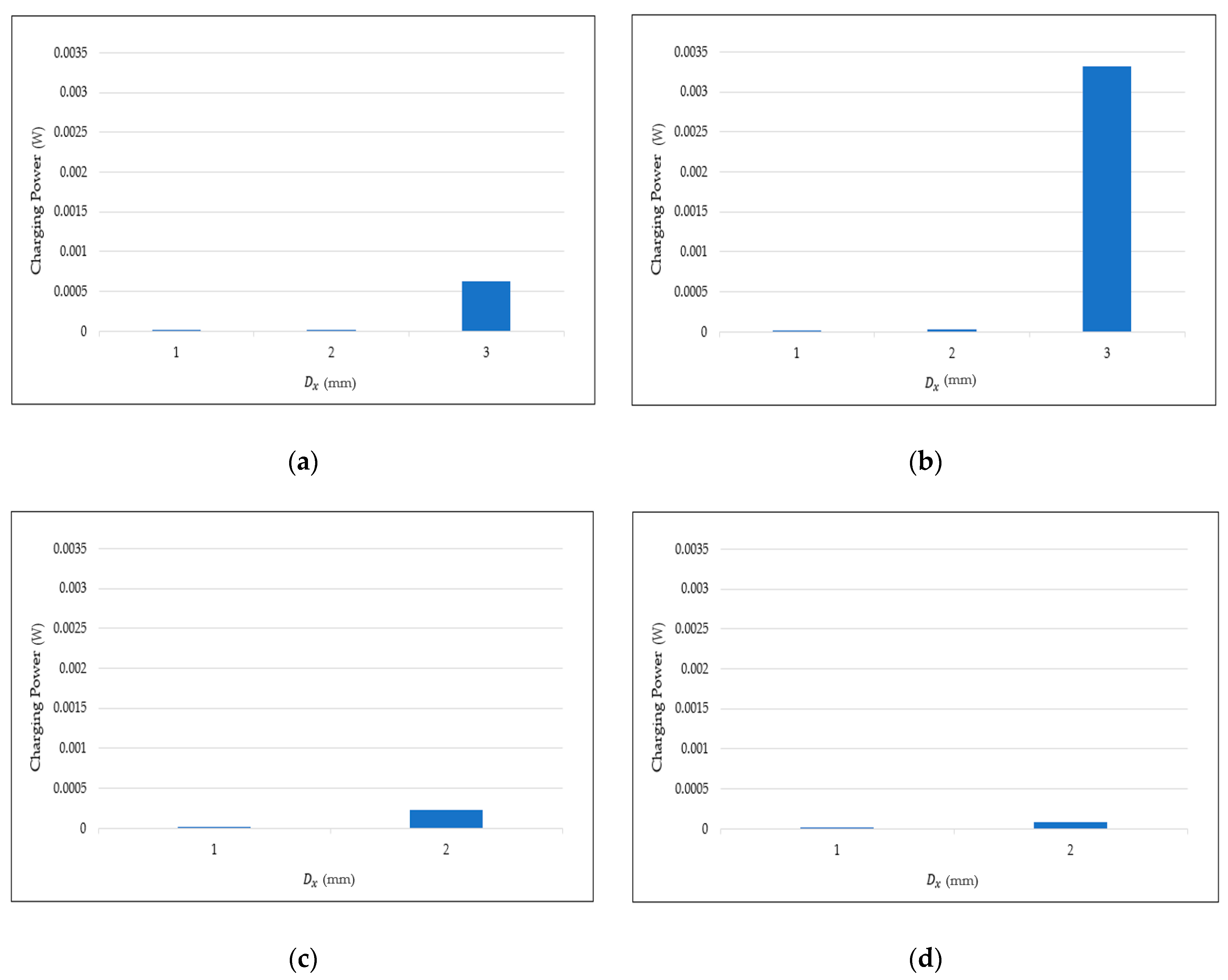
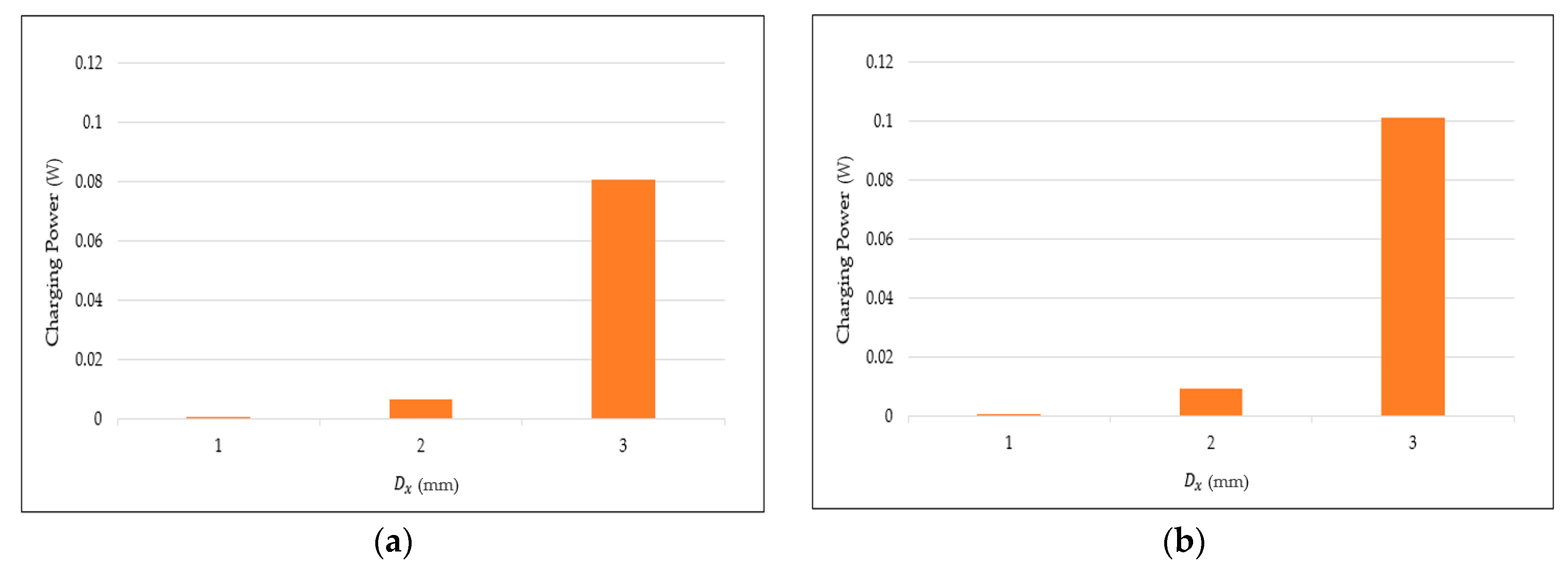
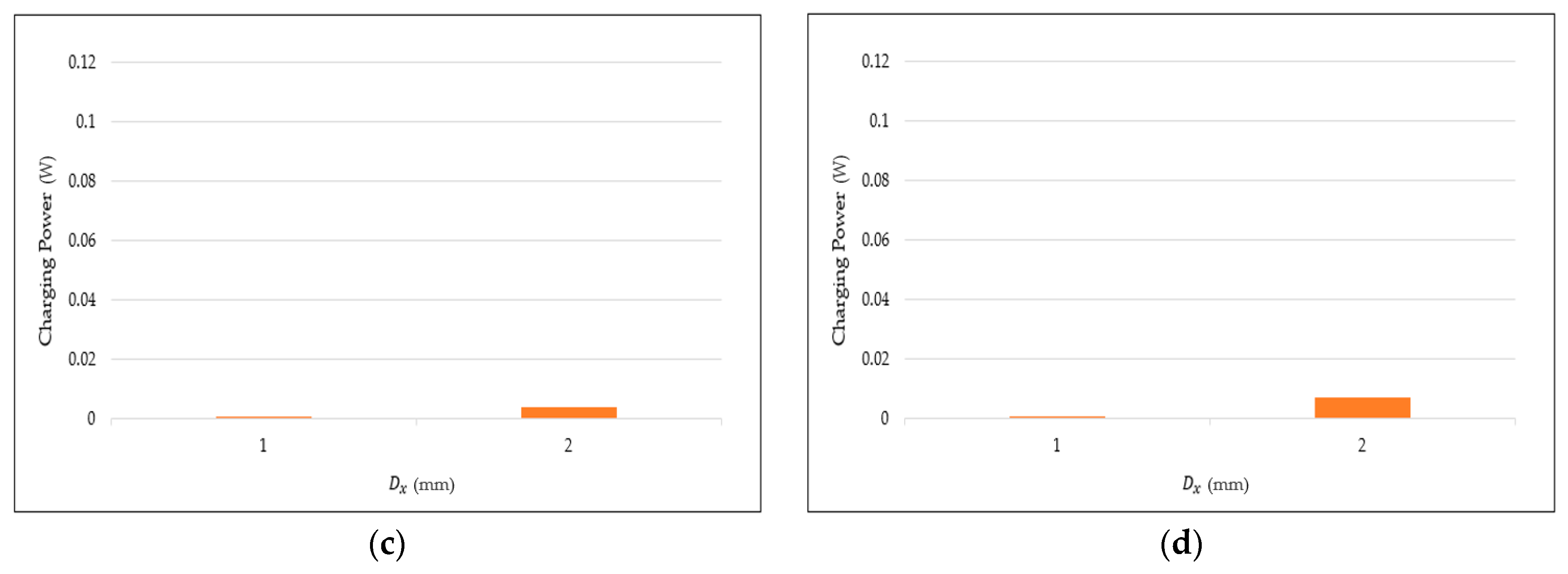
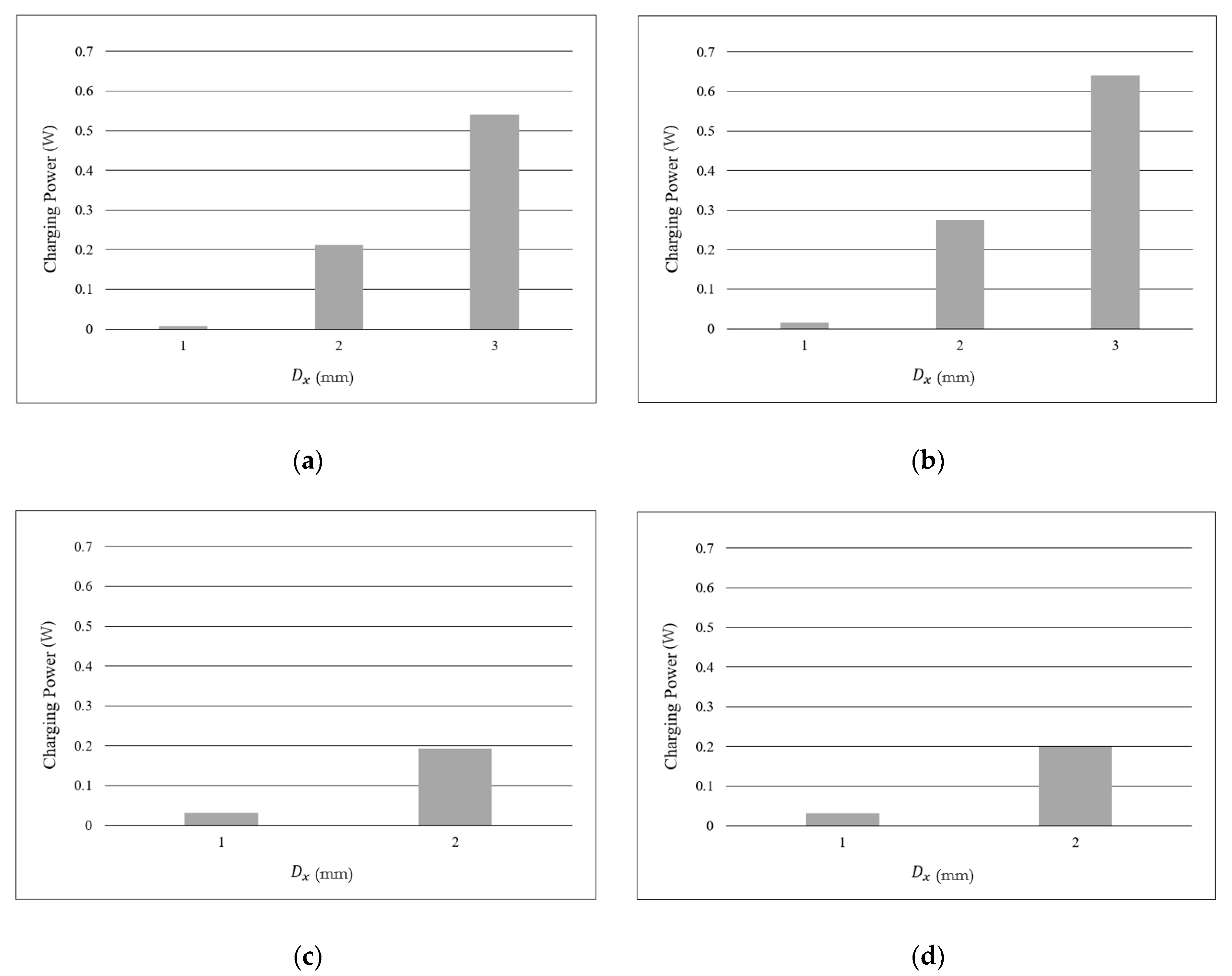
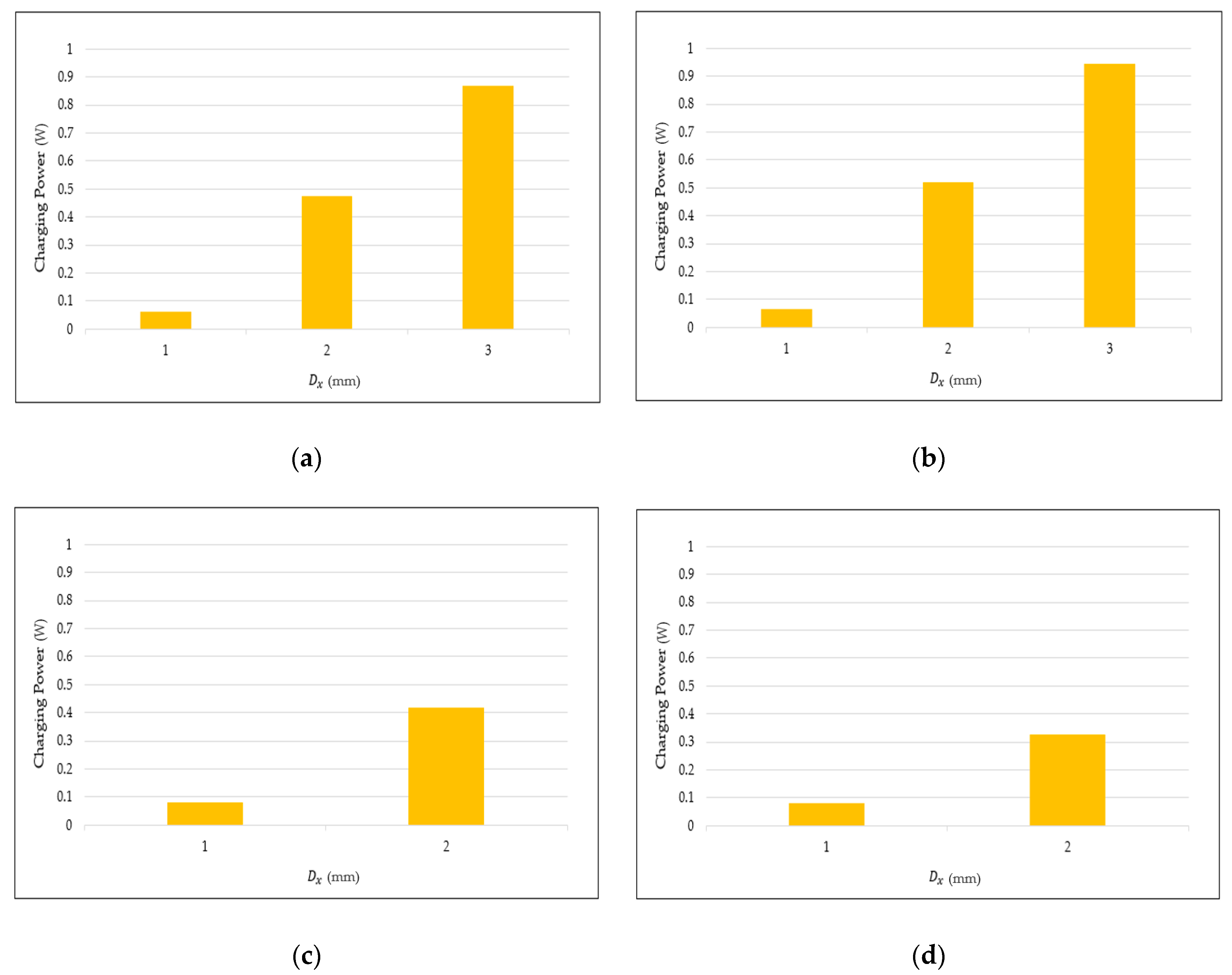
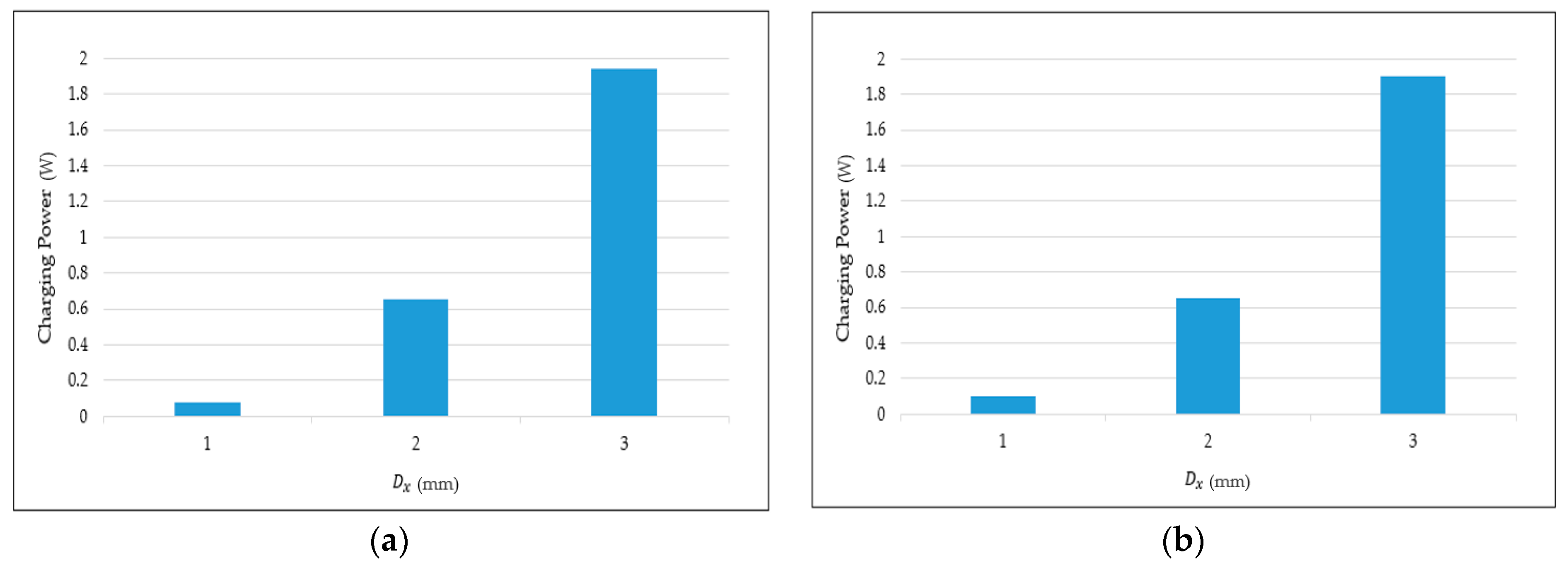
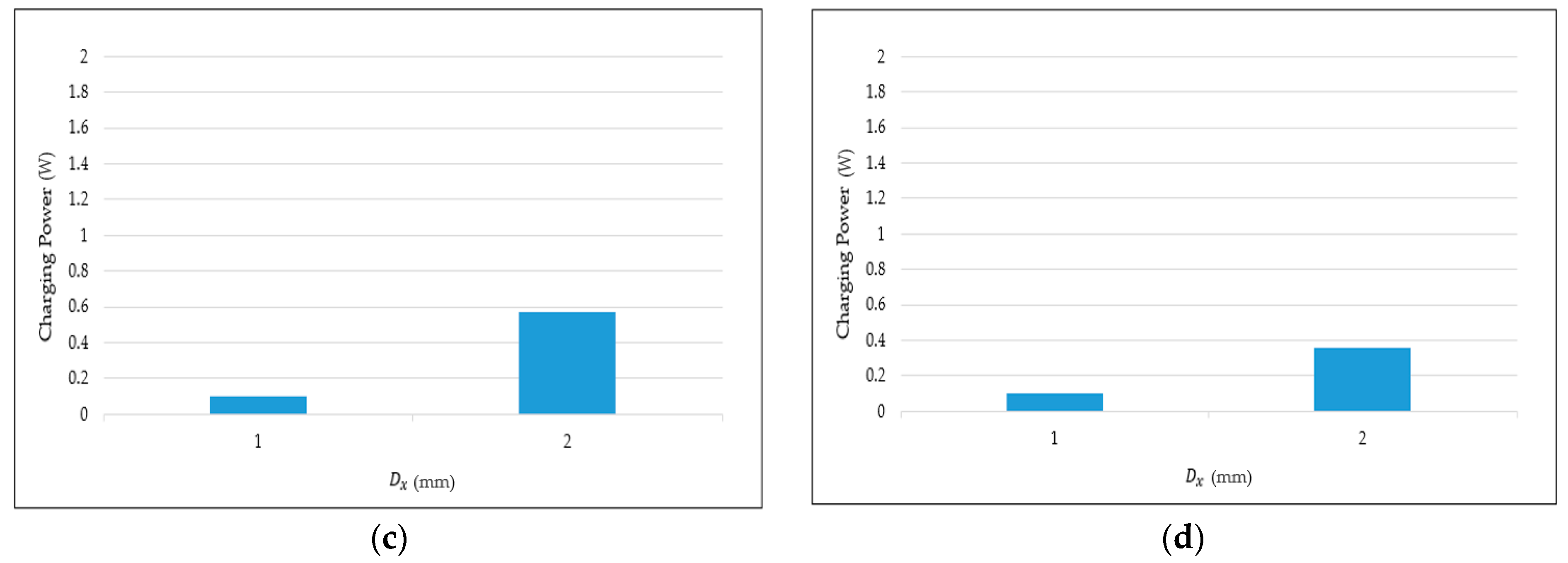
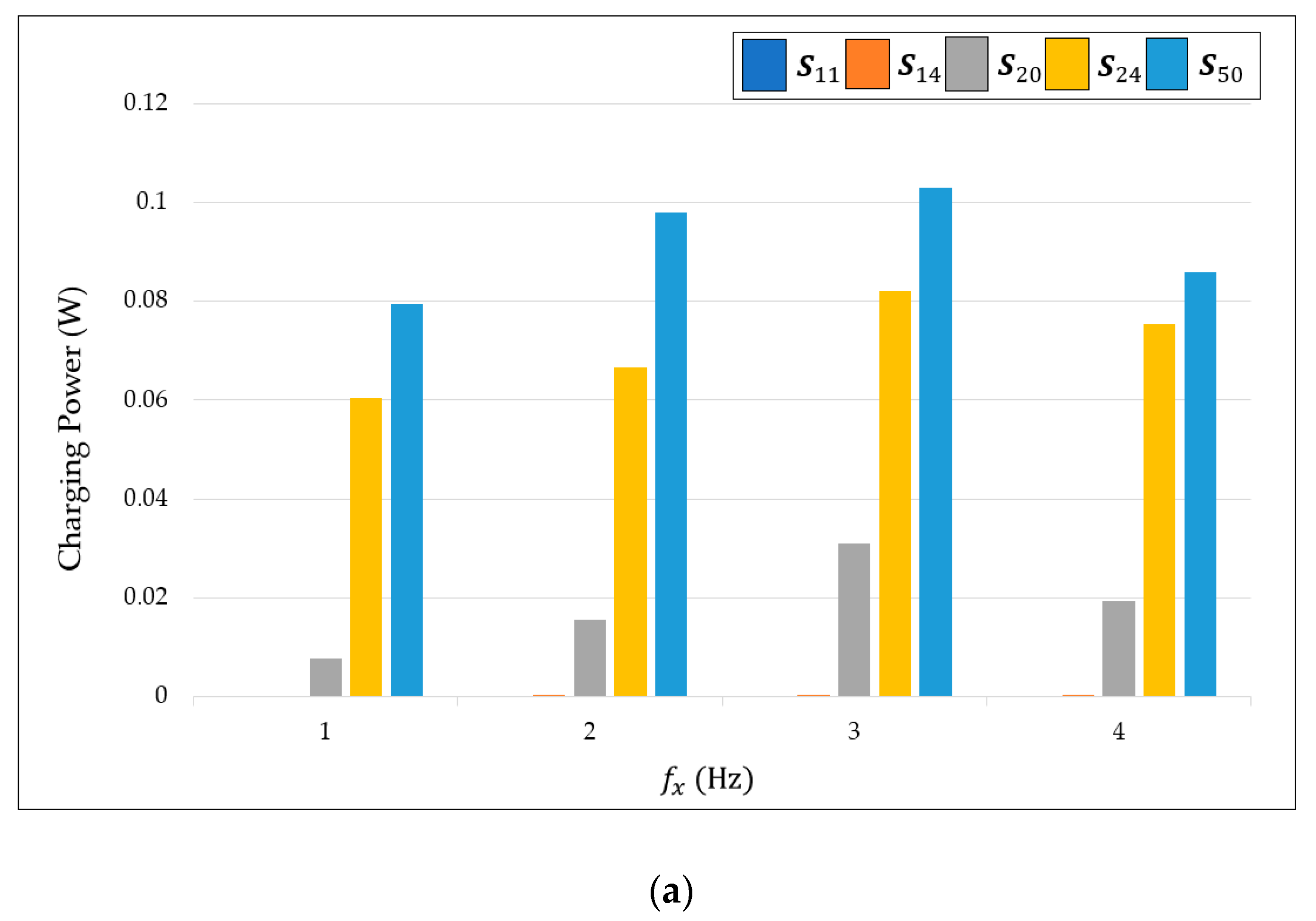
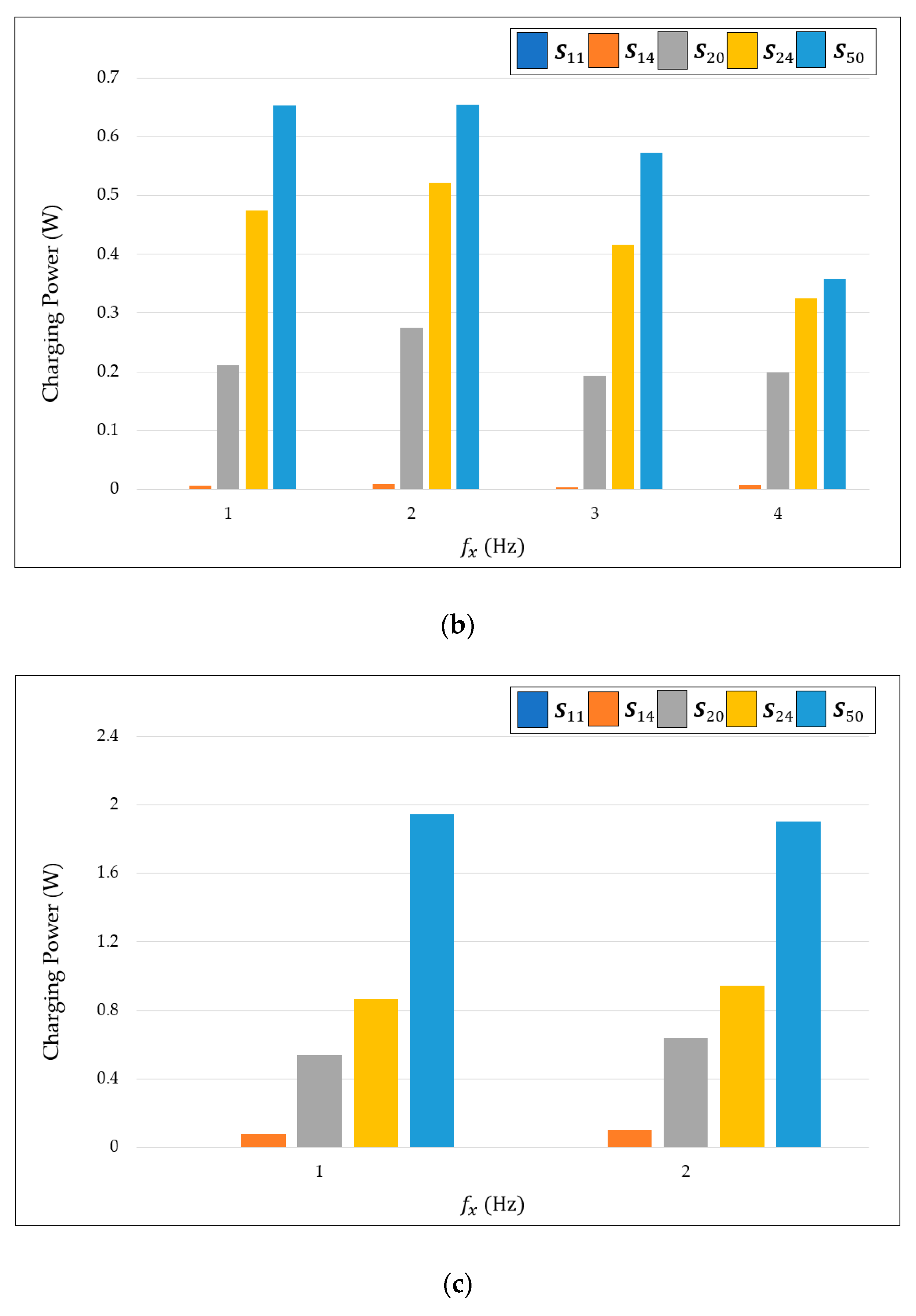
Along with the increase in renewable energy, research on energy harvesting combined with piezoelectric energy is being conducted. However, it is difficult to predict the power generation of combined harvesting because there is no data on the power generation by a single piezoelectric material. Before predicting the corresponding power generation and efficiency, it is necessary to quantify the power generation by a single piezoelectric material alone. In this study, the generated power is measured based on three parameters (size of the piezoelectric ceramic, depth of compression, and speed of compression) that contribute to the deformation of a single PZT (Lead zirconate titanate)-based piezoelectric element. The generated power was analyzed by comparing with the corresponding parameters. The analysis results are as follows: (i) considering the difference between the size of the piezoelectric ceramic and the generated power, 20 mm was the most efficient piezoelectric ceramic size, (ii) considering the case of piezoelectric ceramics sized 14 mm, the generated power continued to increase with the increase in the compression depth of the piezoelectric ceramic, and (iii) For piezoelectric ceramics of all diameters, the longer the depth of deformation, the shorter the frequency, and depending on the depth of deformation, there is a specific frequency at which the charging power is maximum. Based on the findings of this study, PZT-based elements can be applied to cases that receive indirect force, including vibration energy and wave energy. In addition, the power generation of a PZT-based element can be predicted, and efficient conditions can be set for maximum power generation.
Keywords: renewable energy; energy harvesting; piezoelectric ceramic; PZT; power generation renewable energy; energy harvesting; piezoelectric ceramic; PZT; power generation