Review

A Review on Advanced Manufacturing for Hydrogen Storage Applications
1
Department of Mechanical Engineering, Idaho State University, Pocatello, ID 83209, USA
2
Department of Chemistry, Idaho State University, Pocatello, ID 83209, USA
3
Department of Civil & Environmental Engineering, Idaho State University, Pocatello, ID 83209, USA
4
Materials Science and Engineering Department, Idaho National Laboratory, Idaho Falls, ID 83415, USA
*
Authors to whom correspondence should be addressed.
Energies 2021, 14(24), 8513; https://doi.org/10.3390/en14248513
Submission received: 5 November 2021 / Revised: 6 December 2021 / Accepted: 15 December 2021 / Published: 17 December 2021

Abstract

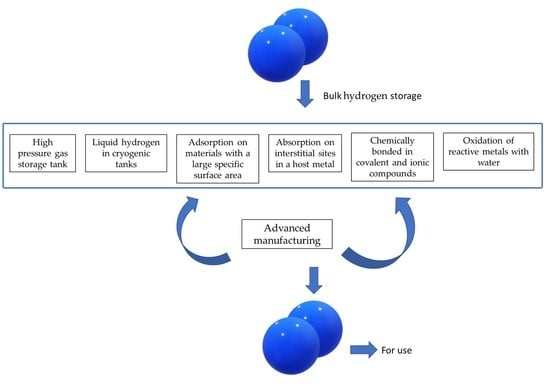
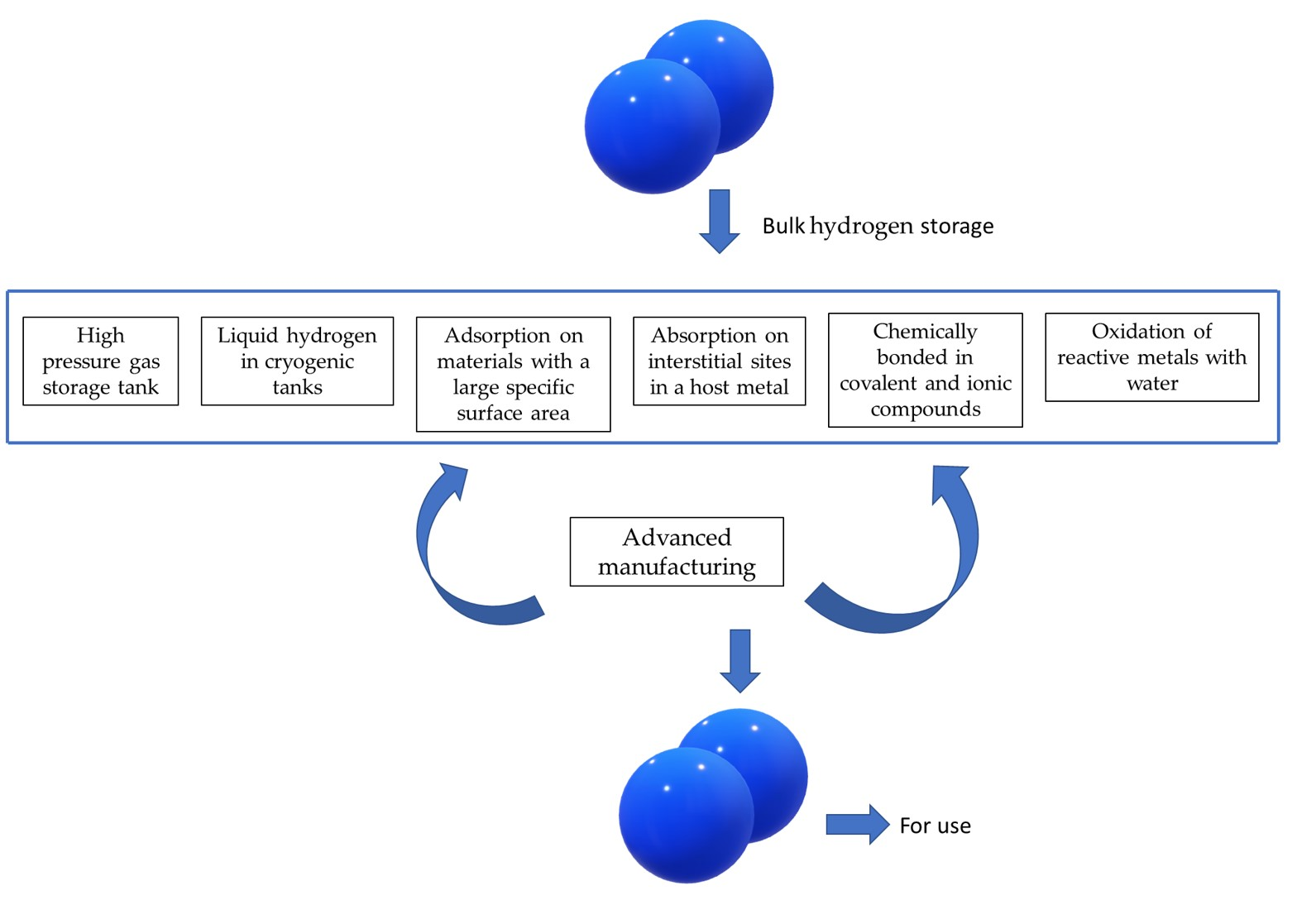
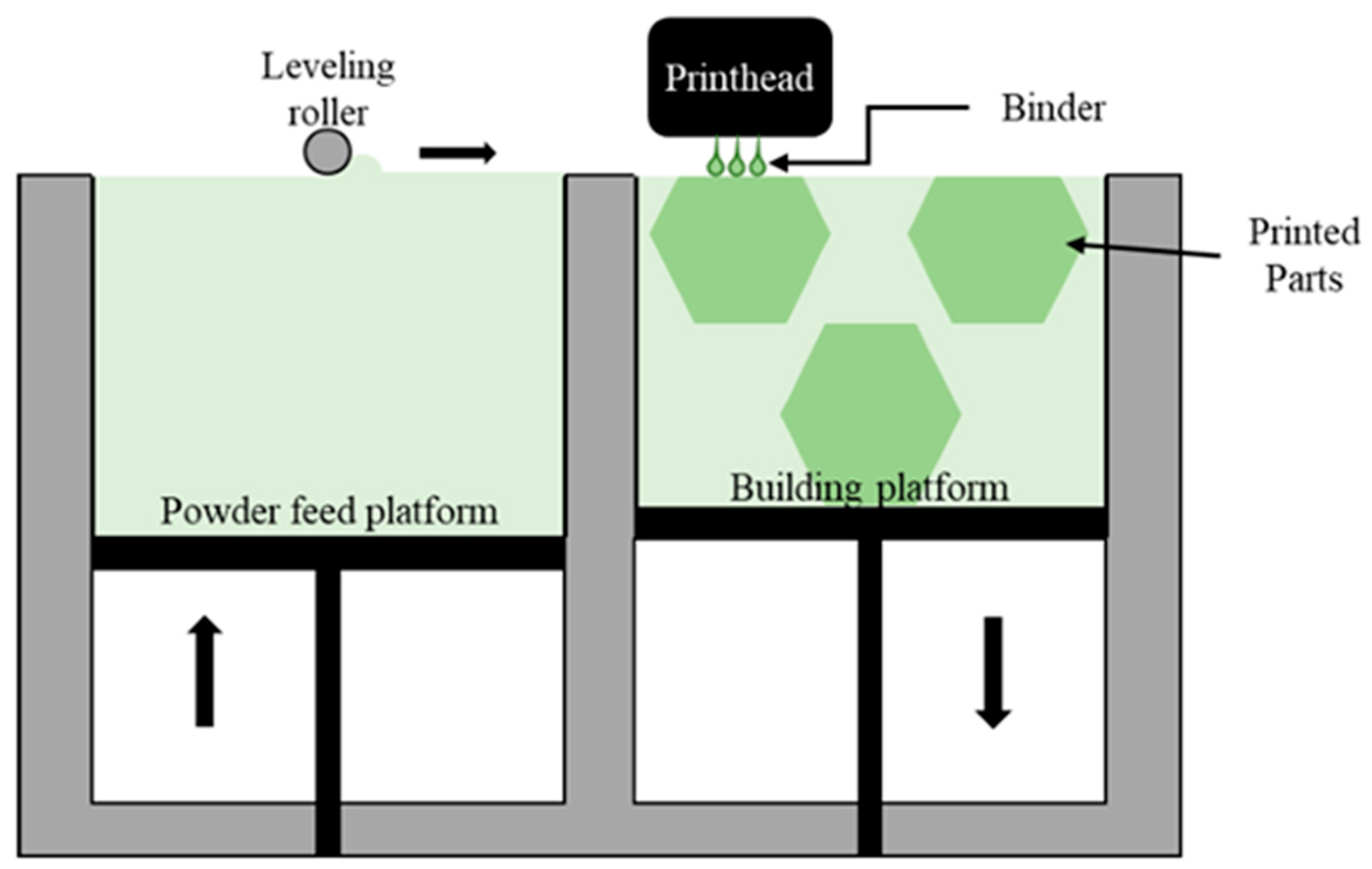
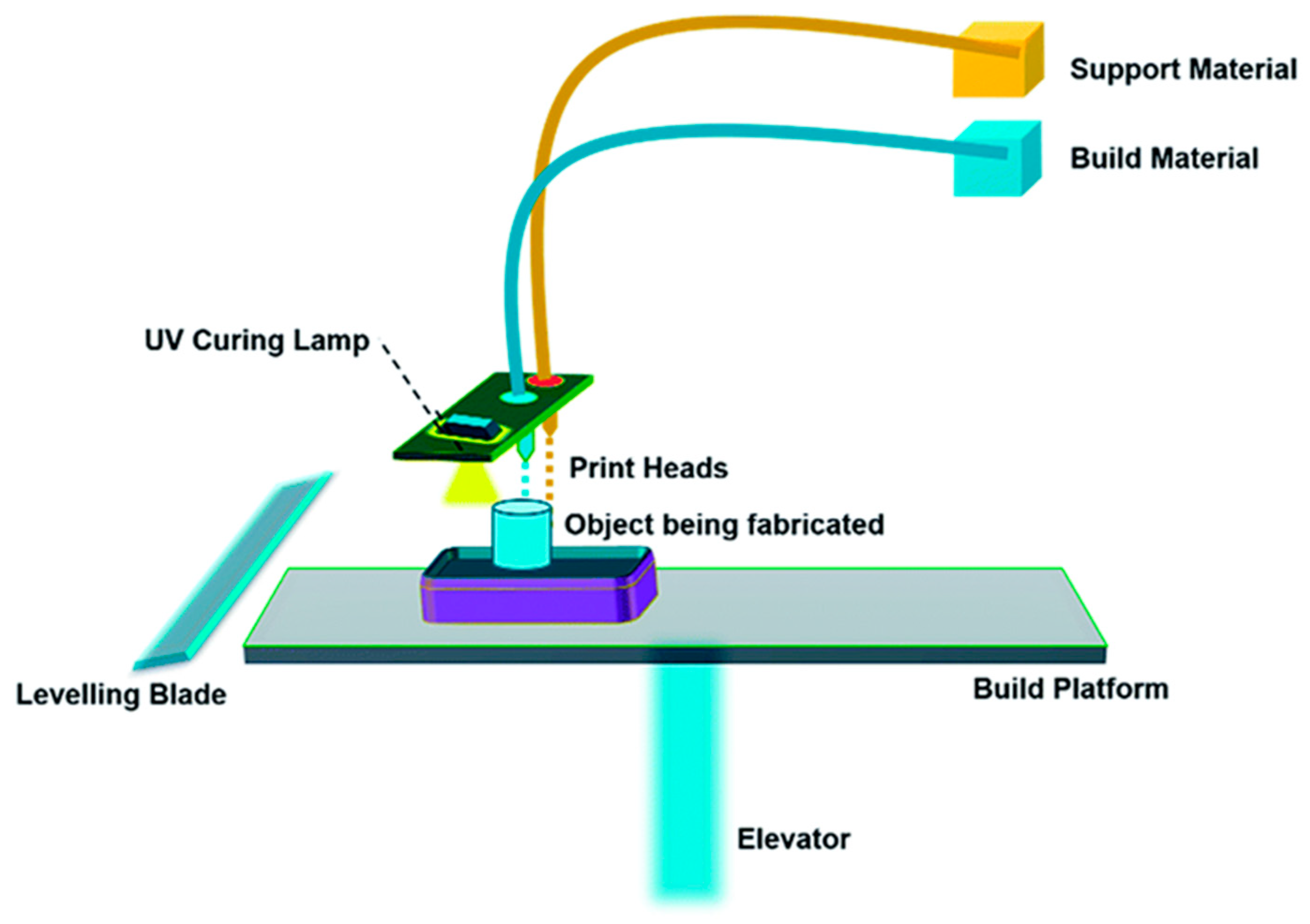
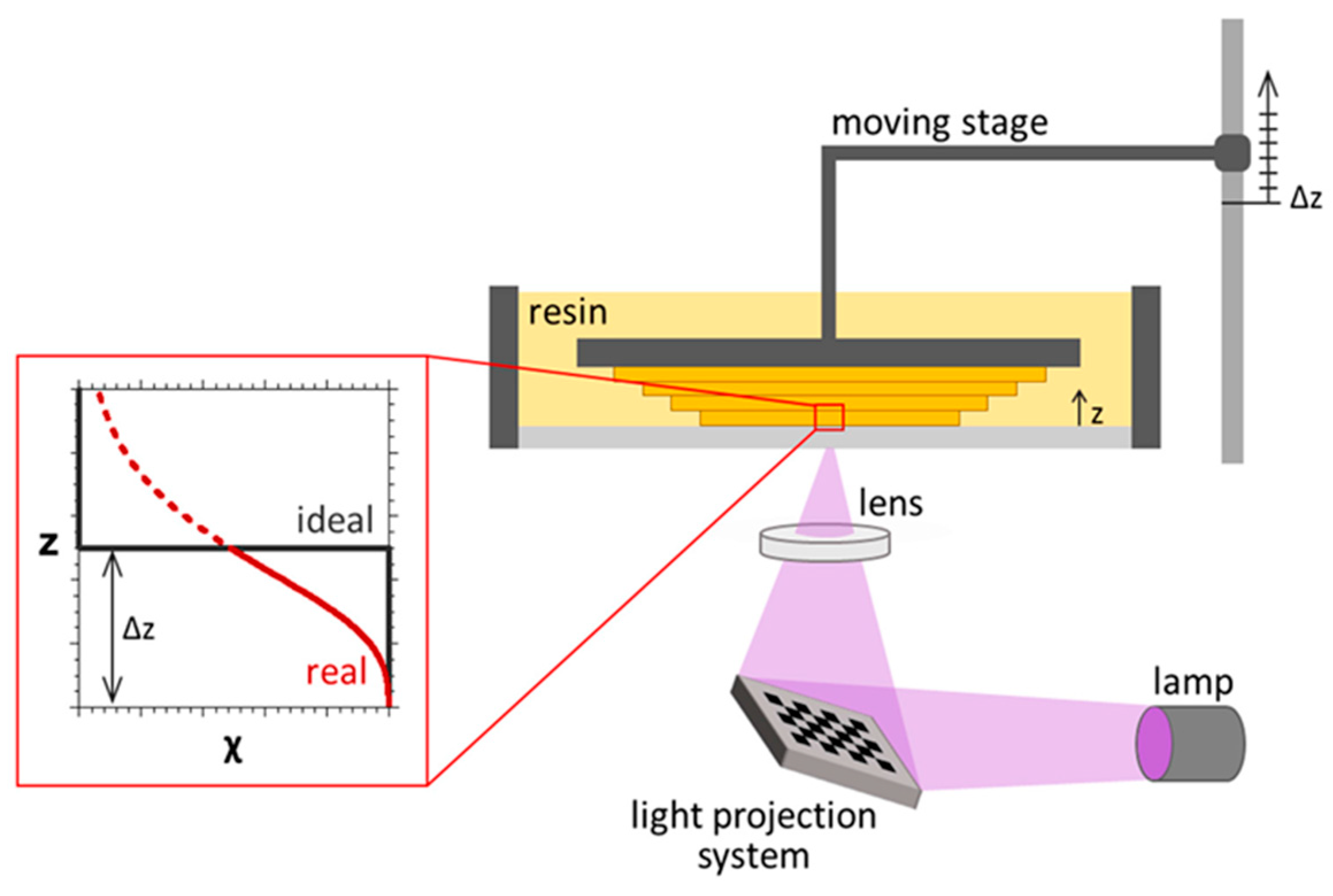
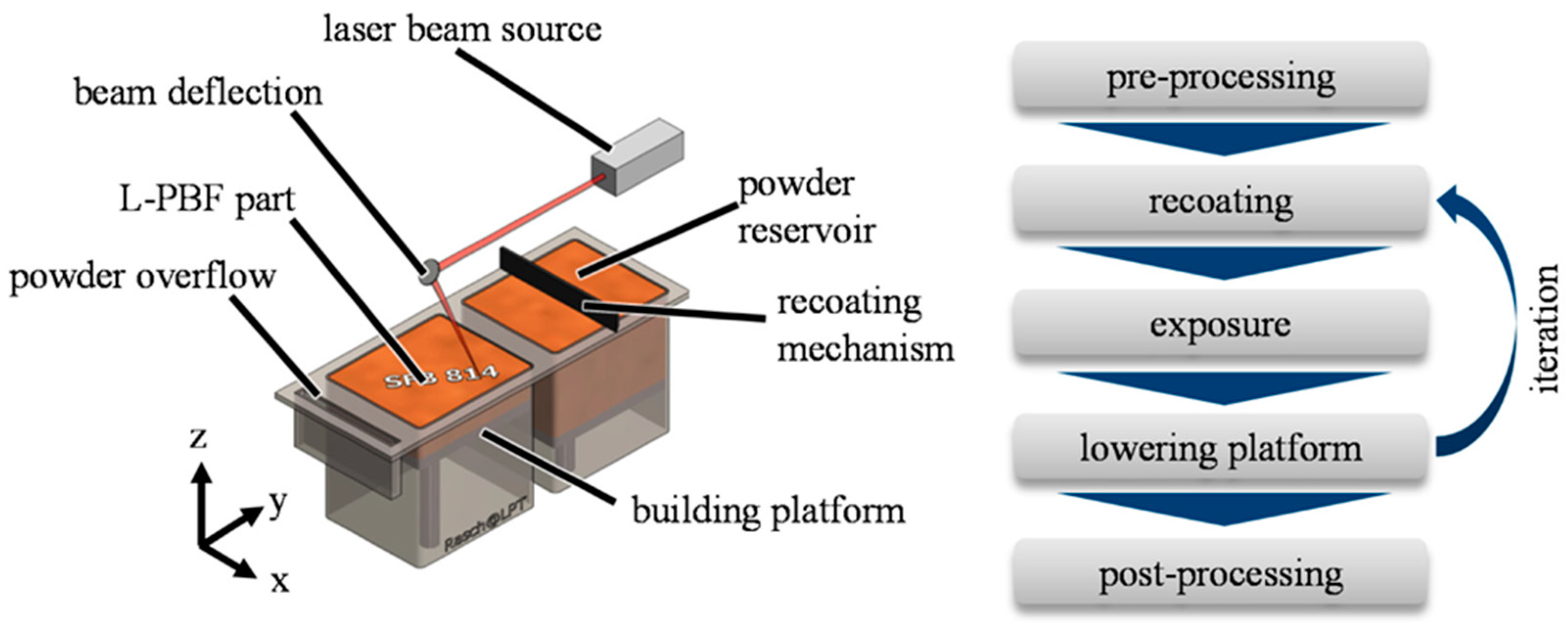
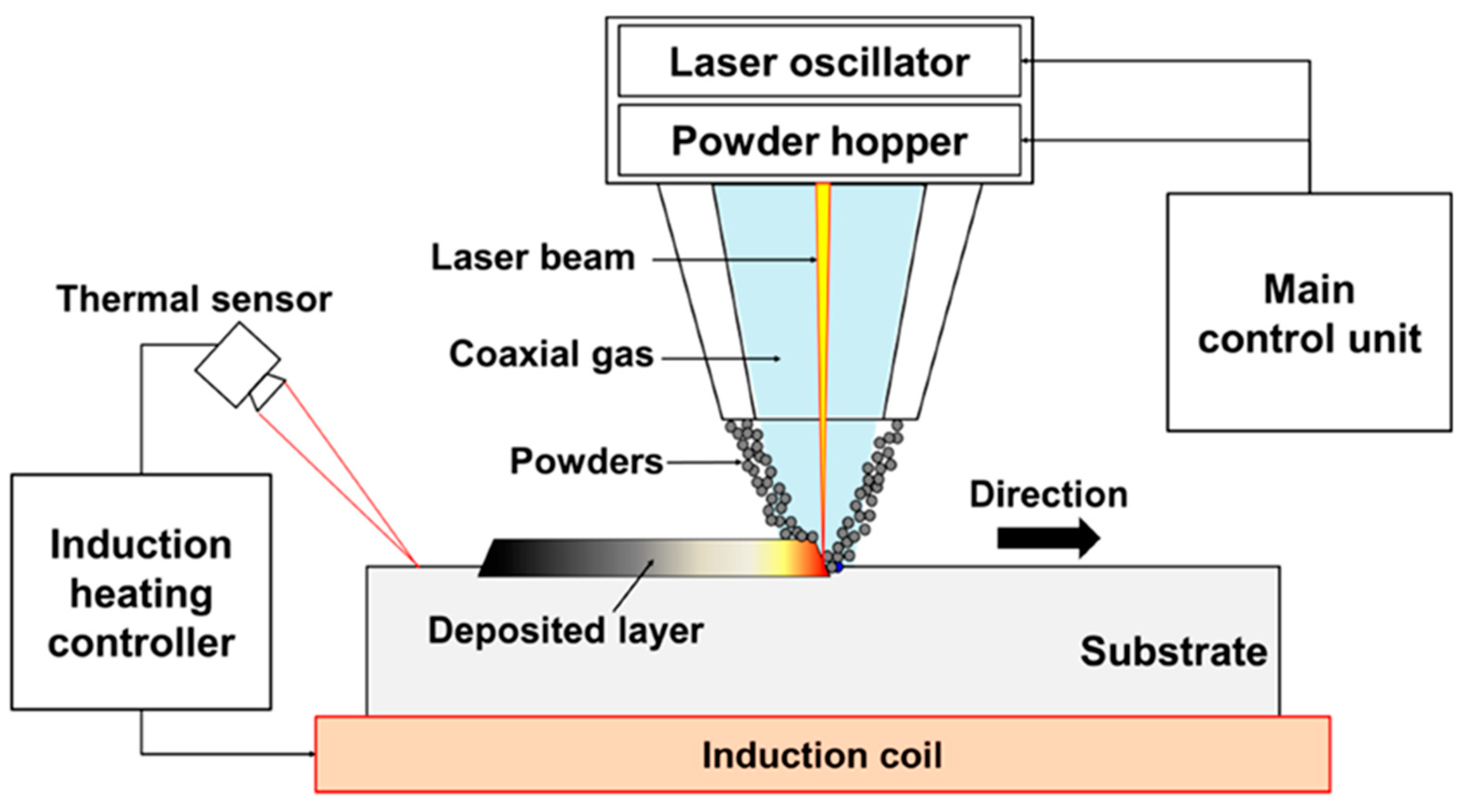
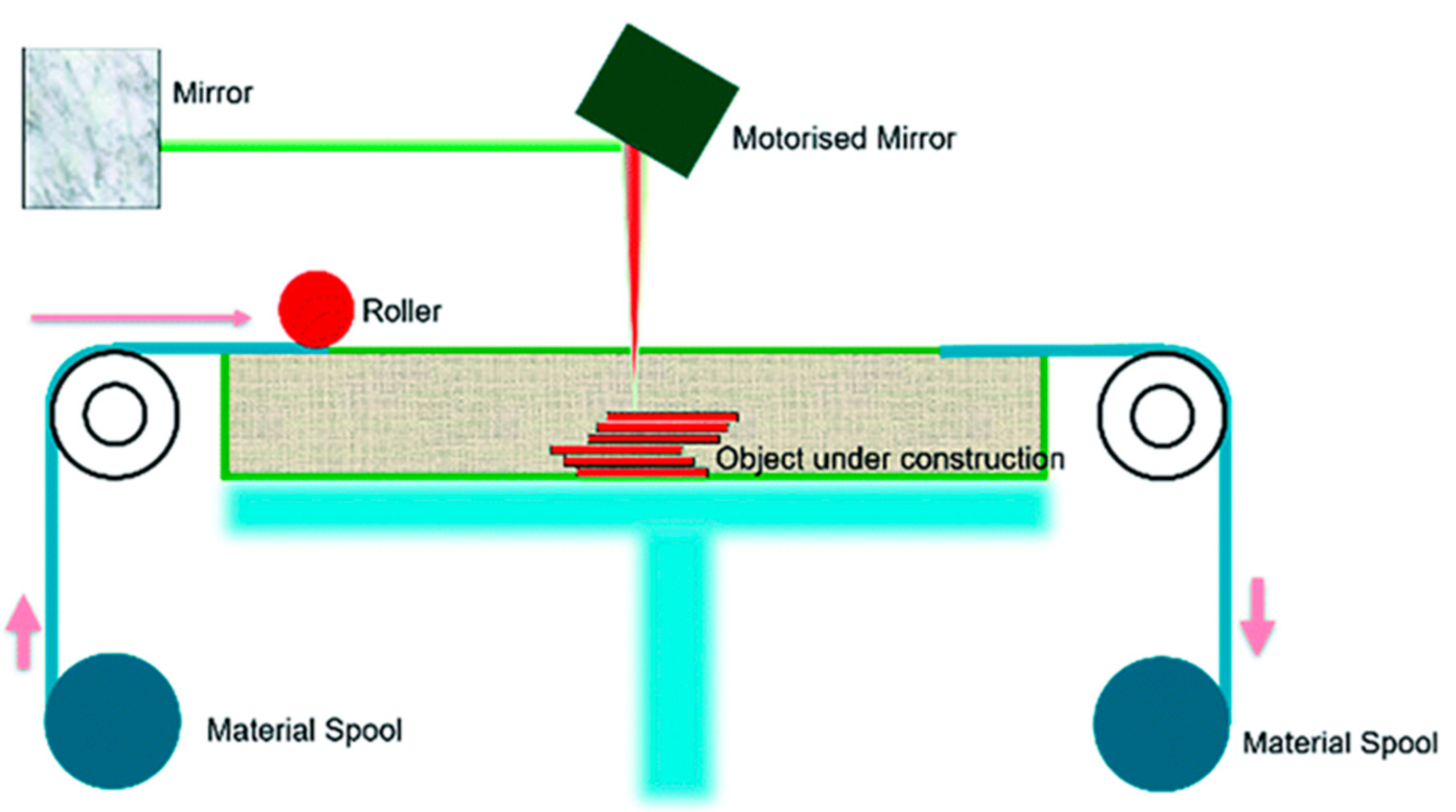
Hydrogen is a notoriously difficult substance to store yet has endless energy applications. Thus, the study of long-term hydrogen storage, and high-pressure bulk hydrogen storage have been the subject of much research in the last several years. To create a research path forward, it is important to know what research has already been done, and what is already known about hydrogen storage. In this review, several approaches to hydrogen storage are addressed, including high-pressure storage, cryogenic liquid hydrogen storage, and metal hydride absorption. Challenges and advantages are offered based on reported research findings. Since the project looks closely at advanced manufacturing, techniques for the same are outlined as well. There are seven main categories into which most rapid prototyping styles fall. Each is briefly explained and illustrated as well as some generally accepted advantages and drawbacks to each style. An overview of hydrogen adsorption on metal hydrides, carbon fibers, and carbon nanotubes are presented. The hydrogen storage capacities of these materials are discussed as well as the differing conditions in which the adsorption was performed under. Concepts regarding storage shape and materials accompanied by smaller-scale advanced manufacturing options for hydrogen storage are also presented.
Keywords: bulk hydrogen storage; advanced manufacturing; 3D printing; carbon; metal hydrides bulk hydrogen storage; advanced manufacturing; 3D printing; carbon; metal hydrides
Graphical Abstract