Review

Understanding the Environmental Study Life Cycle in the United States Hydropower Licensing and Federal Authorization Process

by
Matthew S. P. Aldrovandi
,
Esther S. Parish
and
Brenda M. Pracheil
*
Environmental Sciences Division, Oak Ridge National Laboratory, Oak Ridge, TN 37830, USA
*
Author to whom correspondence should be addressed.
Energies 2021, 14(12), 3435; https://doi.org/10.3390/en14123435
Submission received: 23 April 2021 / Revised: 20 May 2021 / Accepted: 5 June 2021 / Published: 10 June 2021
(This article belongs to the Section B: Energy and Environment)

Abstract

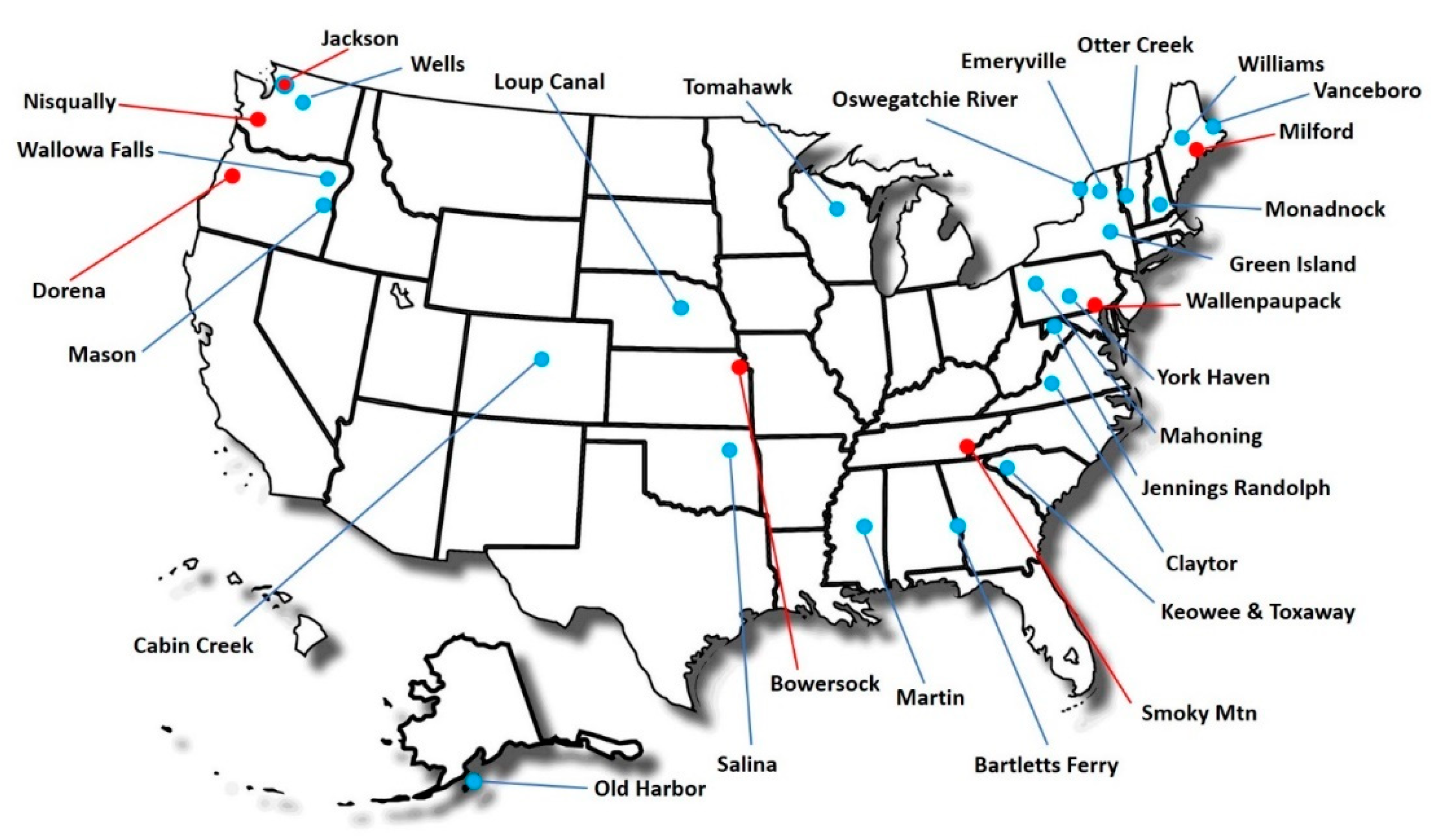
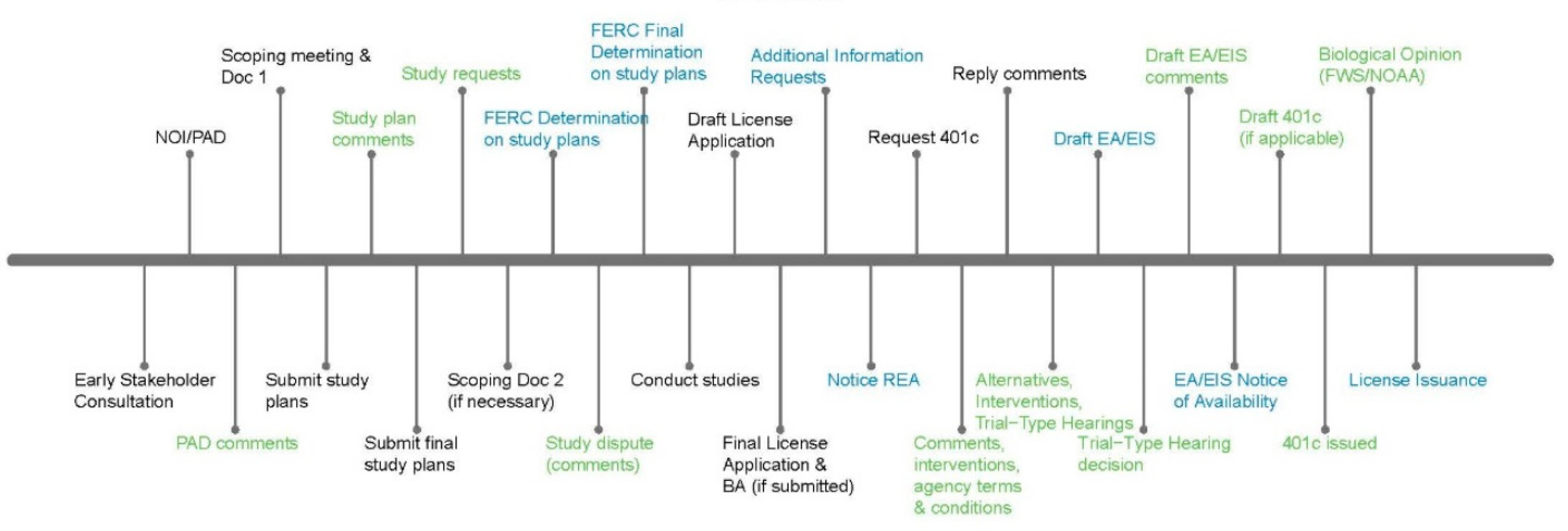
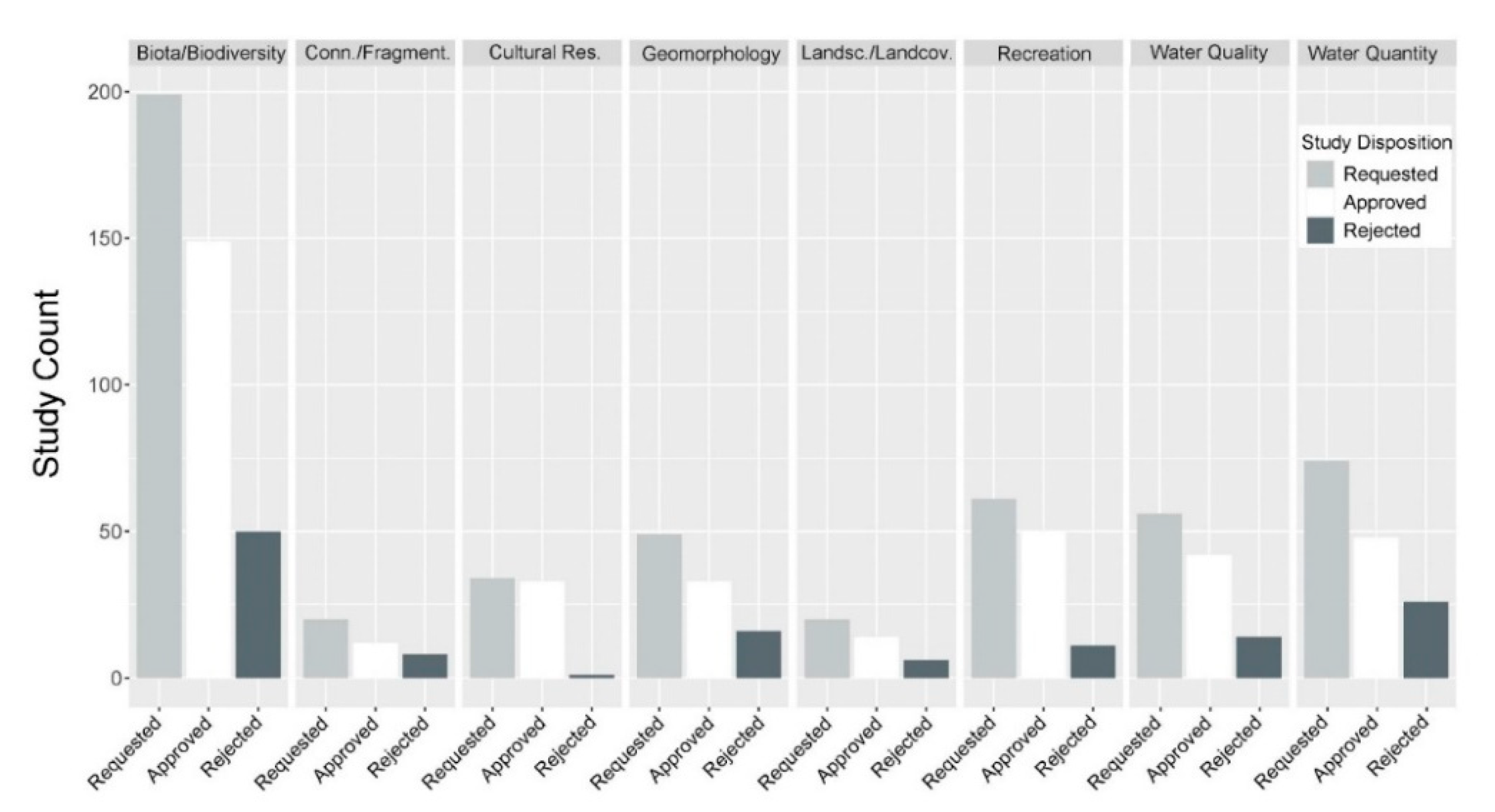
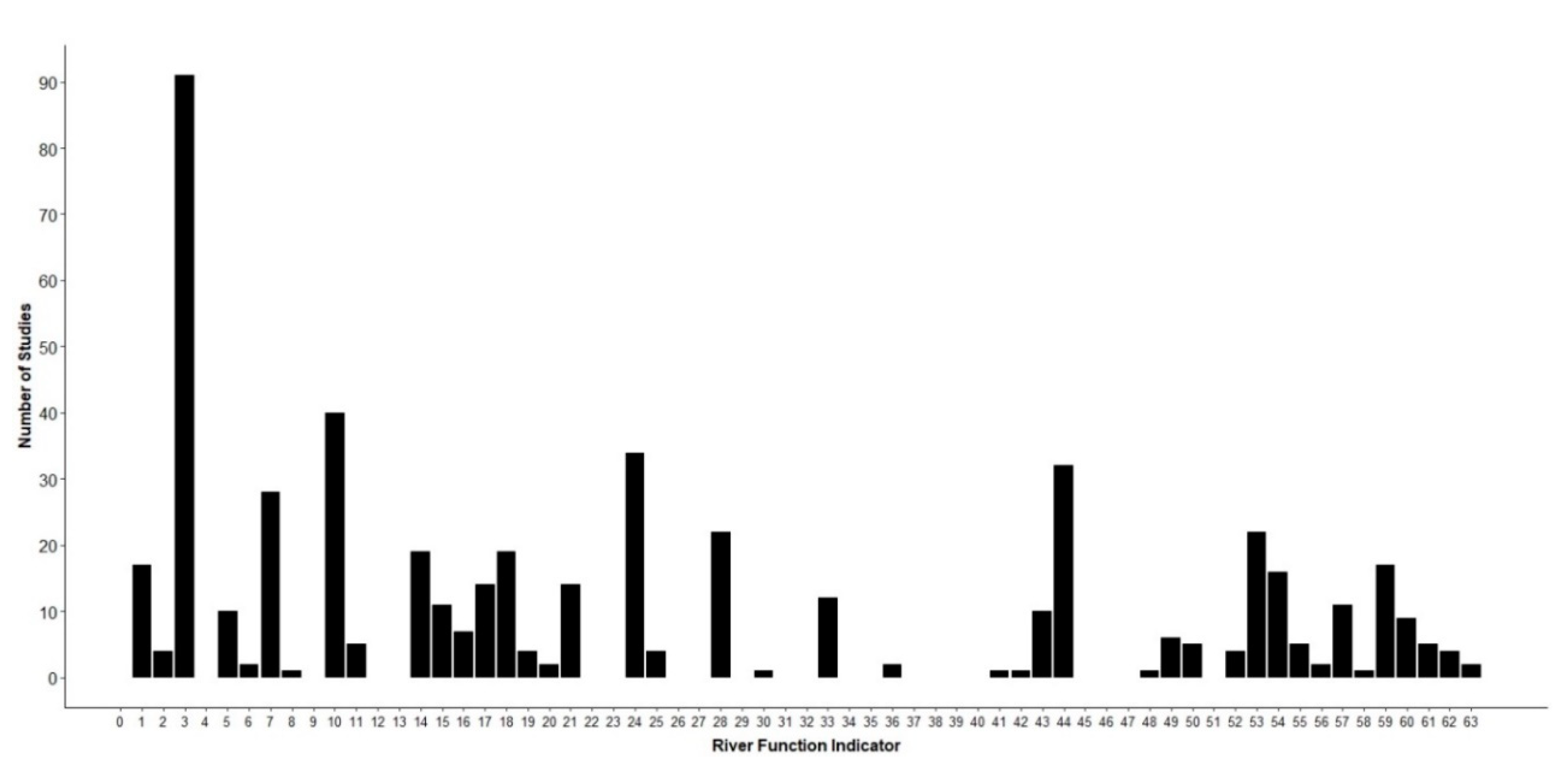
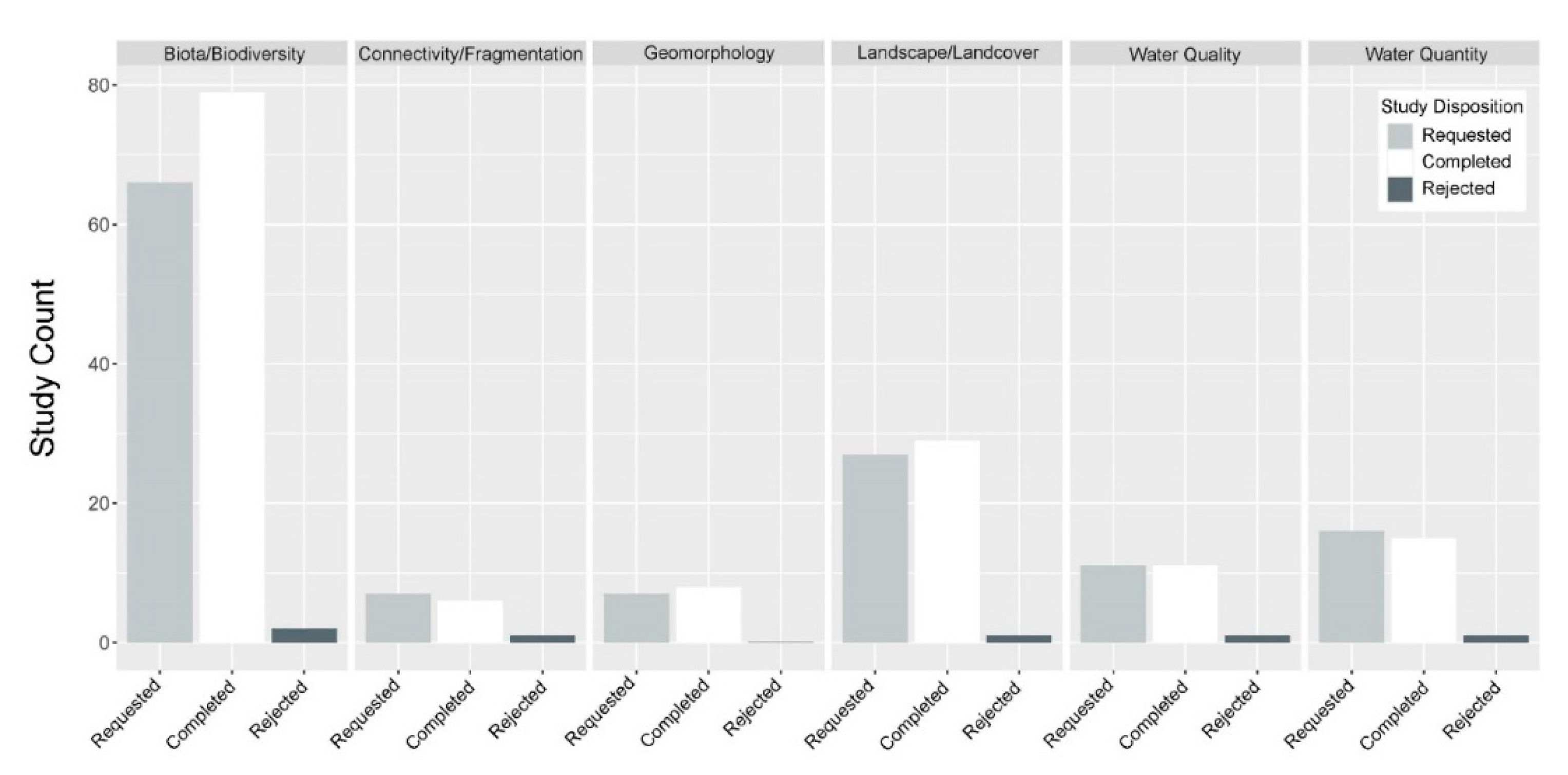
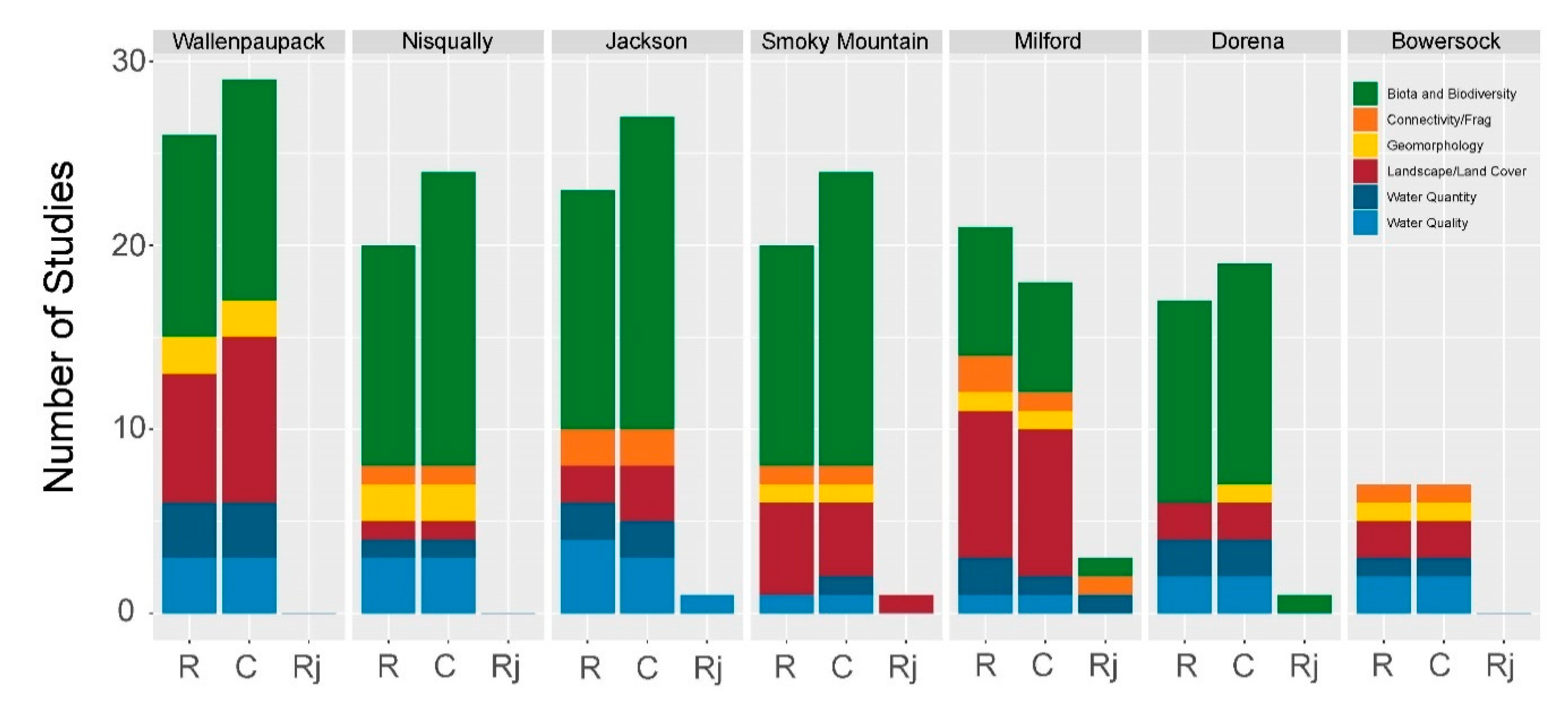
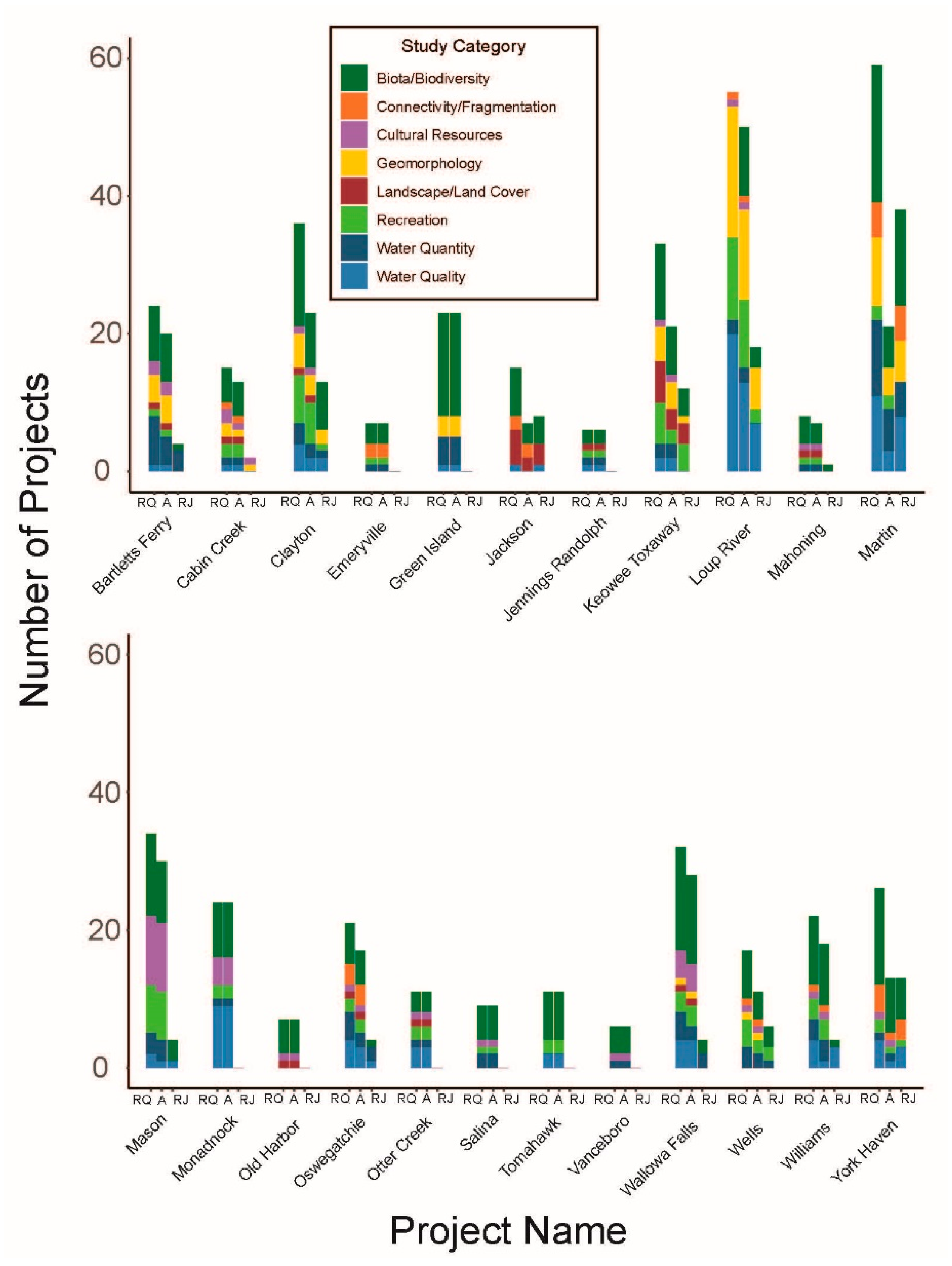
We analyzed United States Federal Energy Regulatory Commission (FERC) documents prepared for 29 recently licensed hydropower projects and created two novel datasets to improve understanding of the environmental study life cycle, defined here as the process that begins with an environmental study being requested by a hydropower stakeholder or regulator, and ends with the study either being rejected or approved/conducted. Our two datasets consisted of summaries of information taken from (1), study determination letters prepared by FERC for 23 projects that were using the integrated licensing process, and (2), environmental study submittals and issuances tracked and attributed to seven projects using the FERC record. Our objective was to use the two resulting environmental life cycle datasets to understand which types of environmental studies are approved, rejected, and implemented during FERC licensing, and how consistently those types of studies are required across multiple hydropower projects. We matched the requested studies to a set of 61 river function indicators in eight categories and found that studies related to the category of biota and biodiversity were requested most often across all 29 projects. Within that category, studies related to river function indicators of presence, absence, detection of species and habitat/critical habitat were the most important to stakeholders, based on the relative number of studies requested. The study approval, rejection, and request rates were similar within each dataset, although the 23 projects with study determination letters had many rejected studies, whereas the dataset created from the seven projects had very few rejected studies.
Keywords: hydropower; hydropower regulation; environmental impact hydropower; hydropower regulation; environmental impact