Article

Dynamics of Electricity Production against the Backdrop of Climate Change: A Case Study of Hydropower Plants in Poland


by
Katarzyna Kubiak-Wójcicka
1,* and
Leszek Szczęch
2
1
Faculty of Earth Sciences and Spatial Management, Nicolaus Copernicus University, Lwowska 1, 87-100 Toruń, Poland
2
Faculty of Mechanical Engineering, Military University of Technology, Gen. Sylwestra Kaliskiego 2, 00-908 Warszawa, Poland
*
Author to whom correspondence should be addressed.
Energies 2021, 14(12), 3427; https://doi.org/10.3390/en14123427
Submission received: 25 April 2021 / Revised: 24 May 2021 / Accepted: 5 June 2021 / Published: 10 June 2021
(This article belongs to the Collection Feature Papers in Energy, Environment and Well-Being)

Abstract

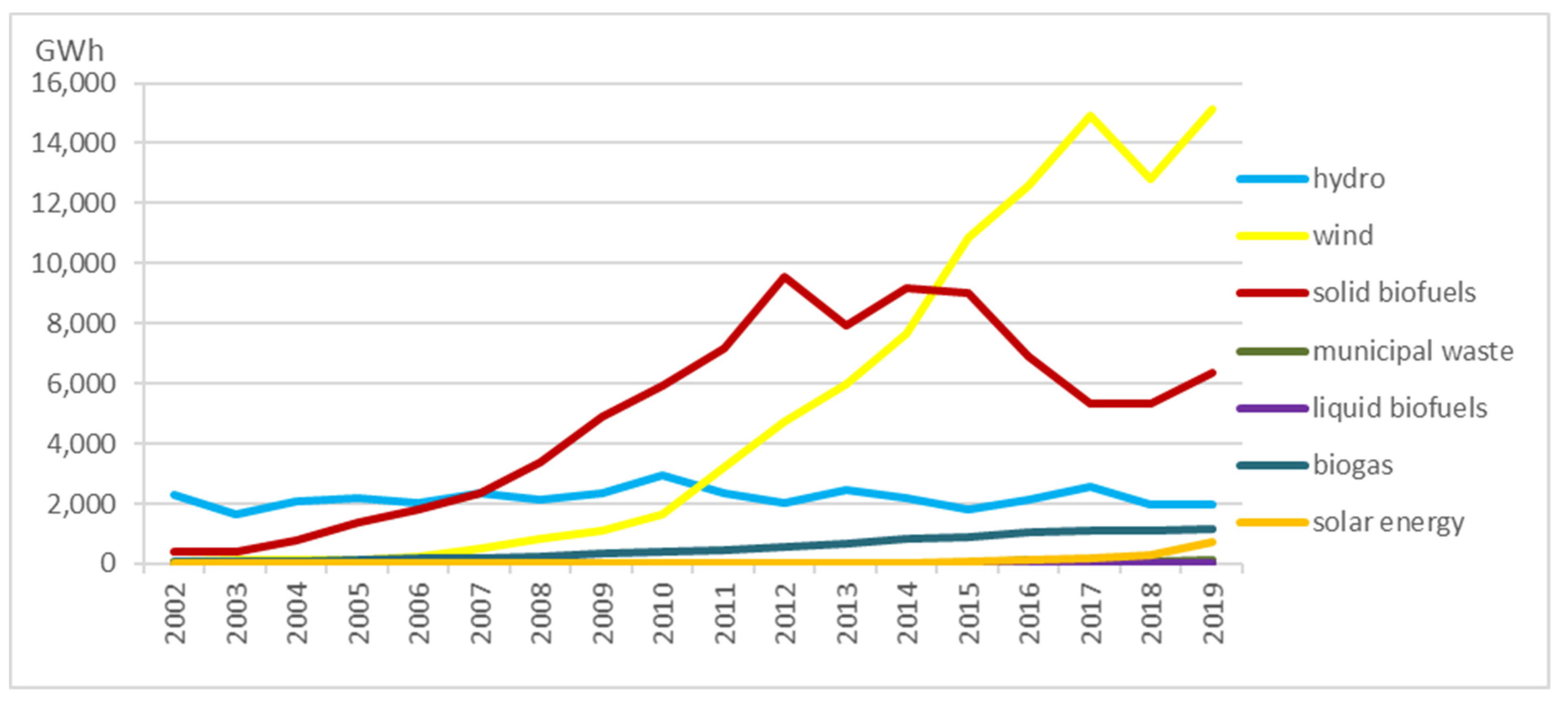
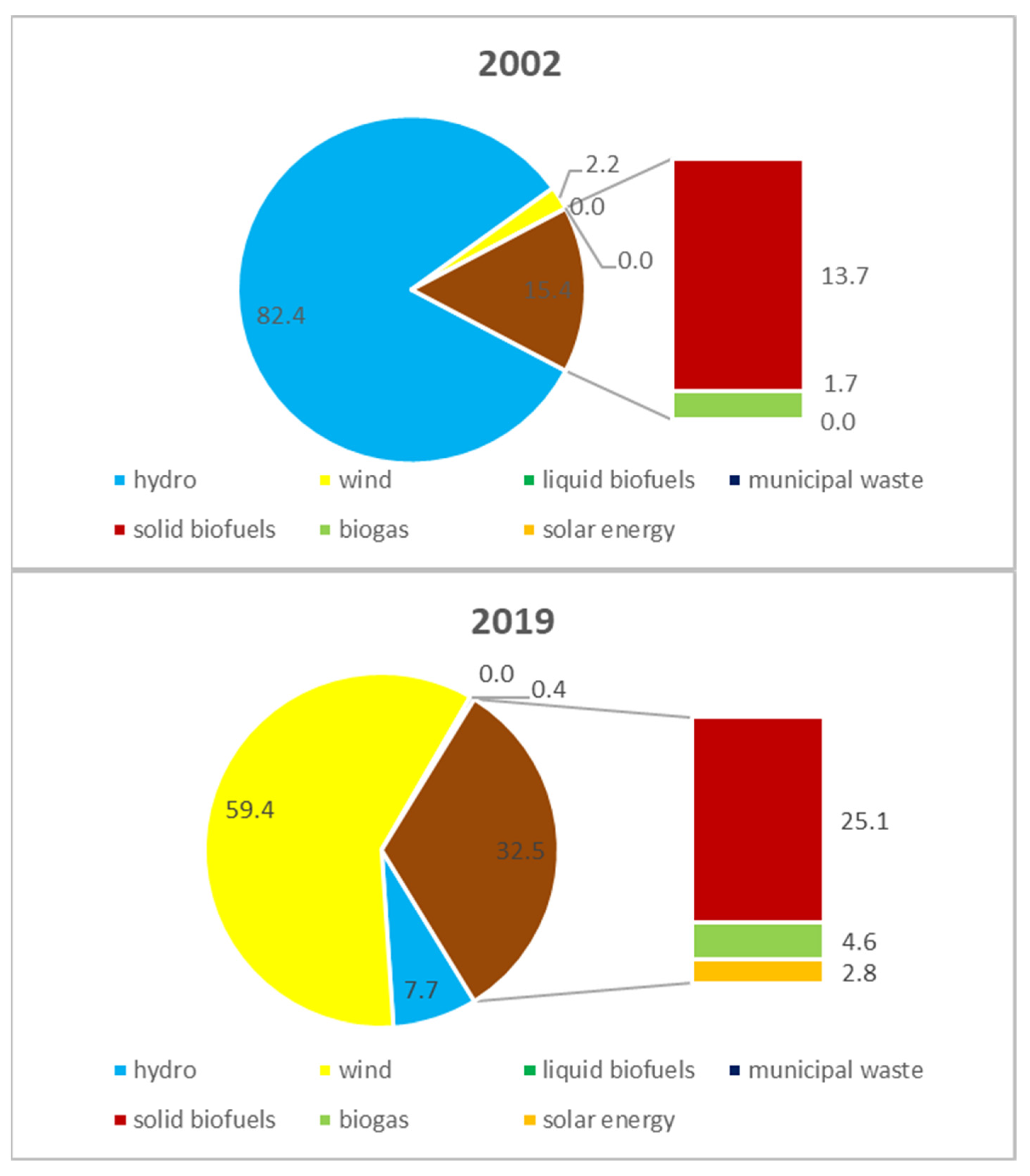
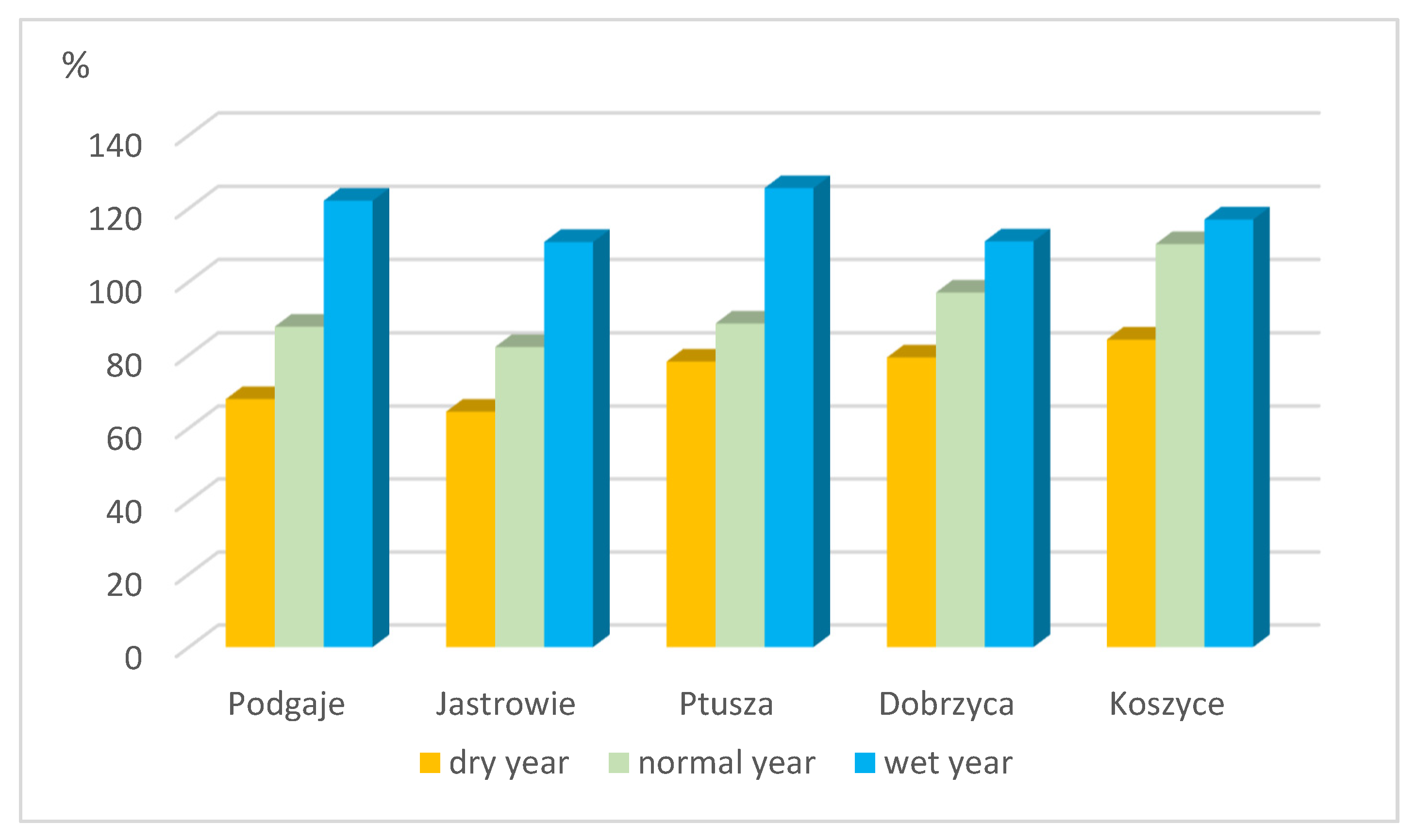
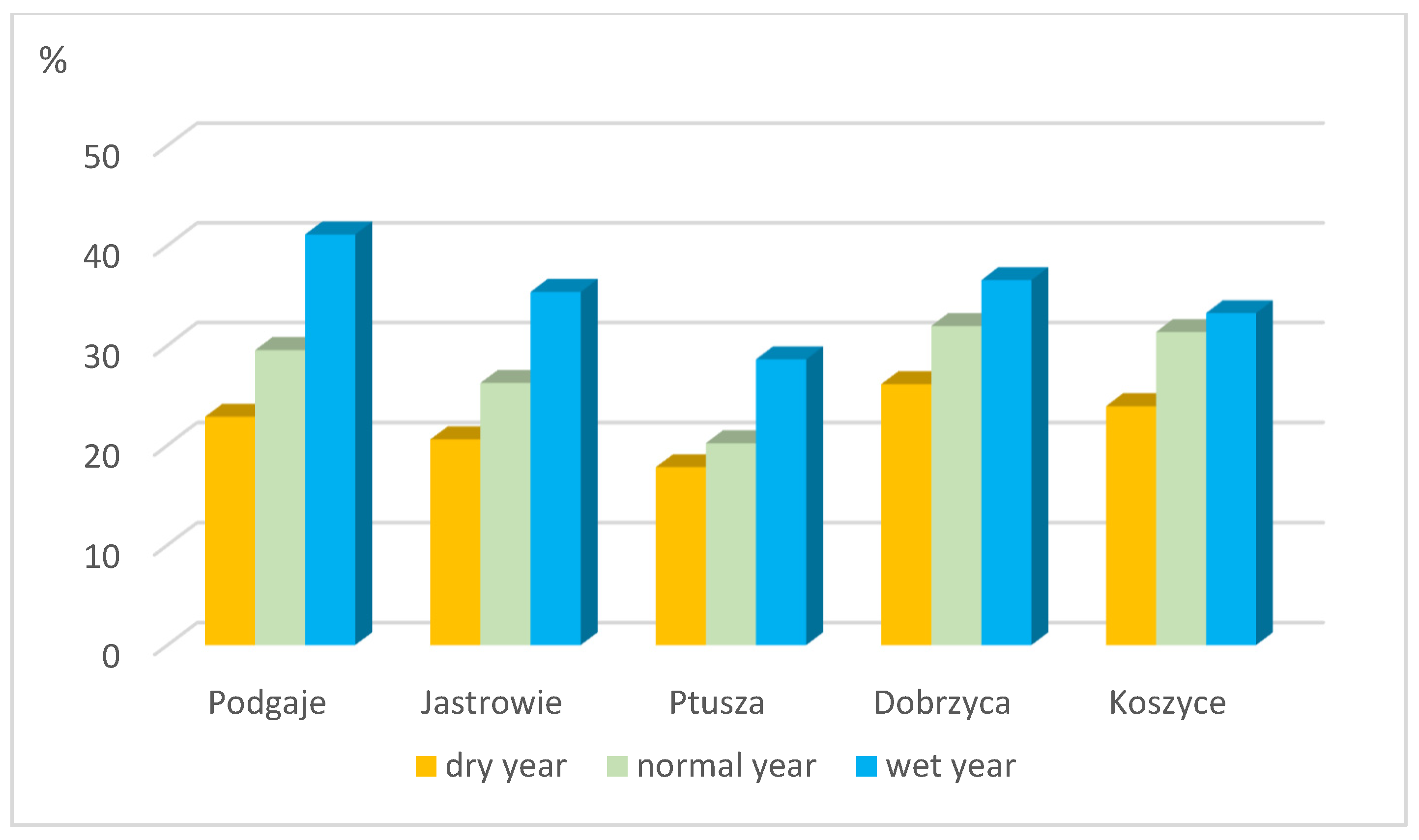
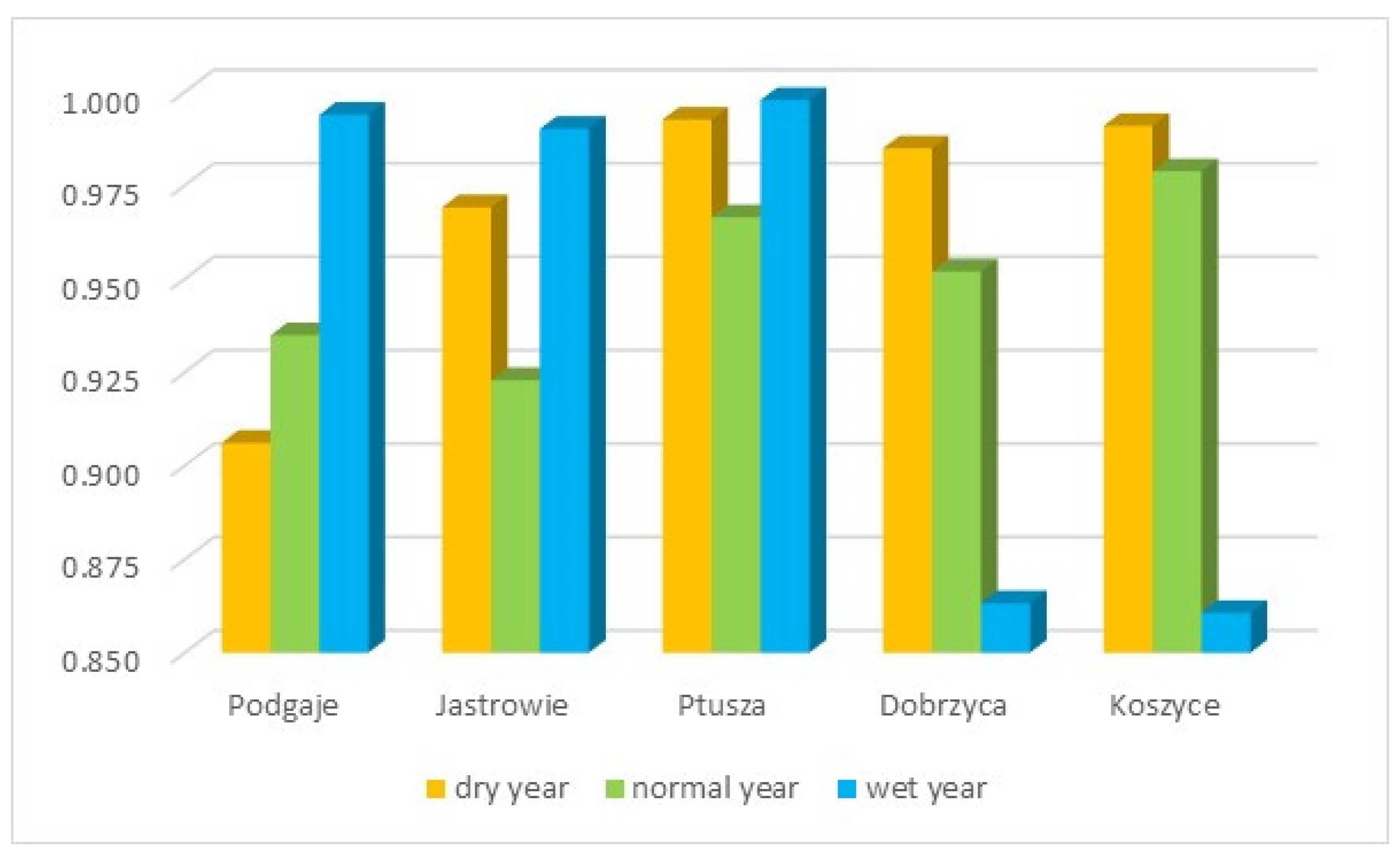
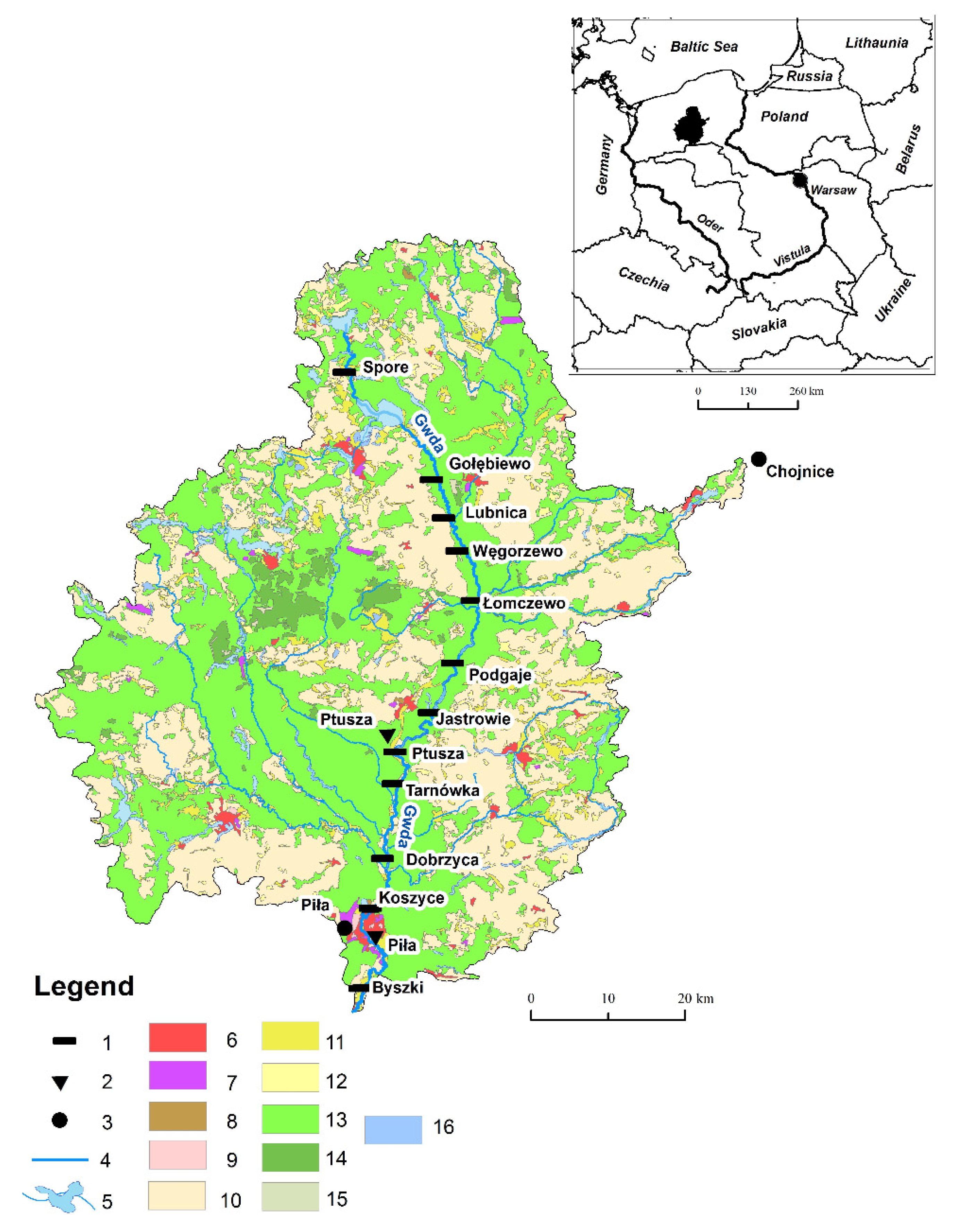
Renewable energy sources (RES) play an important role in the European Union’s energy sector as a result of the energy policy framework adopted. Its share in the final energy consumption varies depending on the country and the adopted energy policy. The article presents the structure of electricity production from renewable energy sources in Poland in the years 2002–2019. It was found that the share of energy production from hydroelectric power plants in Poland in relation to the amount of energy produced from renewable energy sources in the analyzed years has strongly decreased. The reason for this state was an increase in the production of energy coming from wind and biomass energy combined with an increase in subsidies for these energy producers. Additionally, unstable hydrological conditions, mainly low river flows, may be the reason for the low share of energy produced in power plants. As a case study, data for five small hydropower plants (SHP) located on the Gwda river (north-western Poland) were analyzed. Electricity production volumes were analyzed depending on the size of the Gwda river flow. It was found that the lower amount of electricity produced at SHPs on the Gwda river is mainly due to lower flows in the river. In the future, unstable electricity production from renewable energy sources may have a significant impact on achieving Poland’s energy targets in 2030.
Keywords: renewable energy sources (RES); hydroelectricity; small hydropower plant (SHP); Poland renewable energy sources (RES); hydroelectricity; small hydropower plant (SHP); Poland