Article

Co-Incineration of Rice Straw-Wood Pellets: A Sustainable Strategy for the Valorisation of Rice Waste


Dipartimento di Ingegneria Civile, Chimica e Ambientale (DICCA), Università degli Studi di Genova, Via Opera Pia 15A, 16145 Genova, Italy
*
Author to whom correspondence should be addressed.
Energies 2020, 13(21), 5750; https://doi.org/10.3390/en13215750
Submission received: 8 October 2020 / Revised: 29 October 2020 / Accepted: 30 October 2020 / Published: 3 November 2020

Abstract

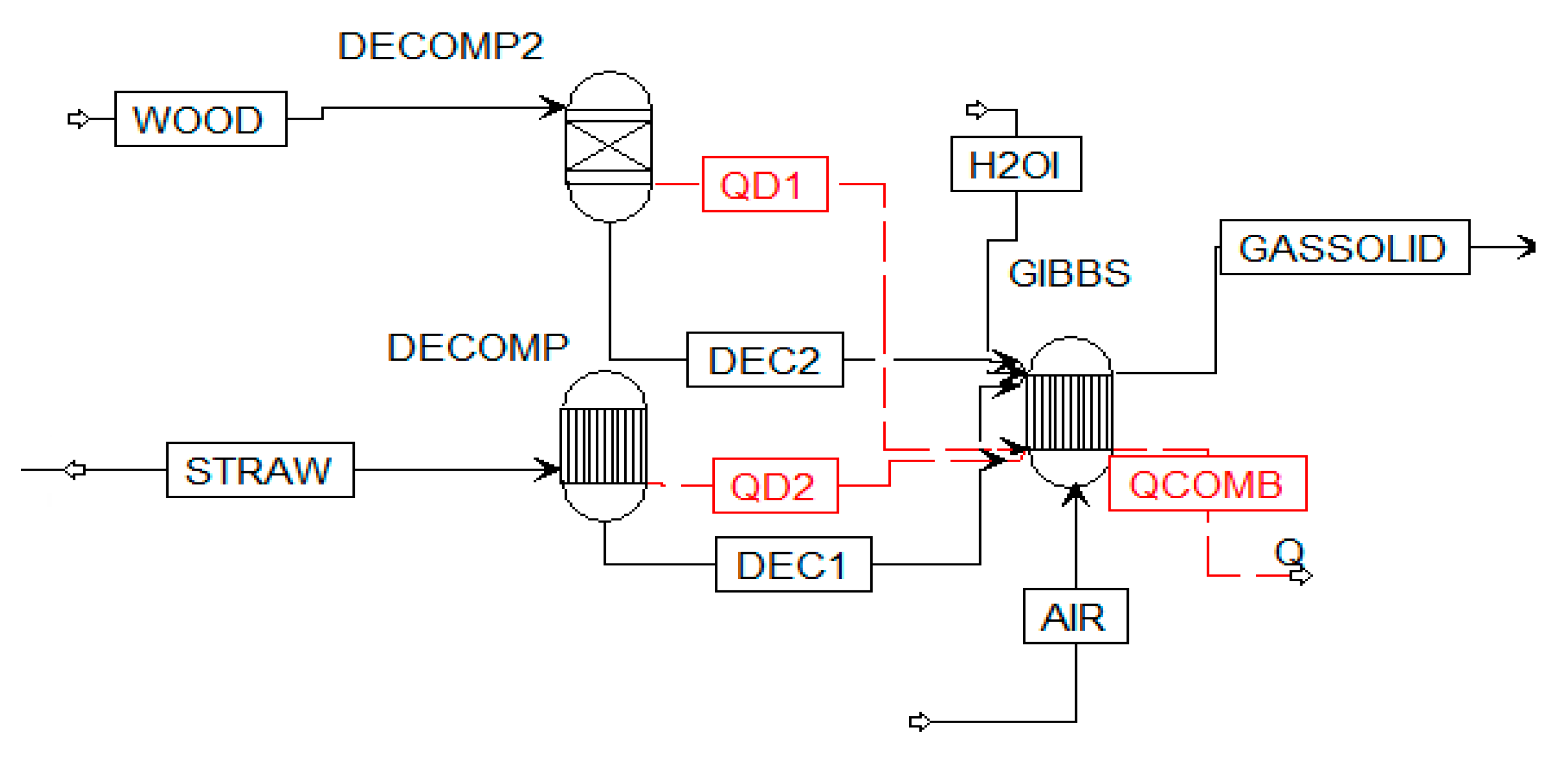
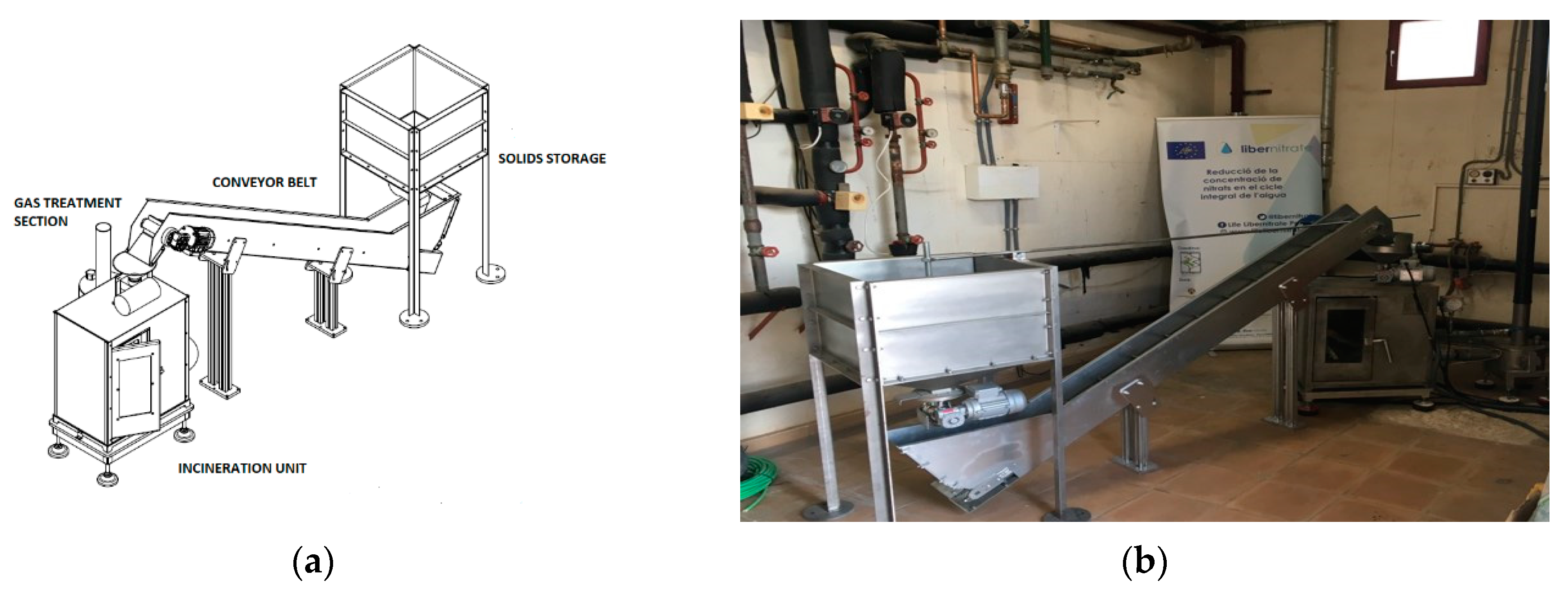
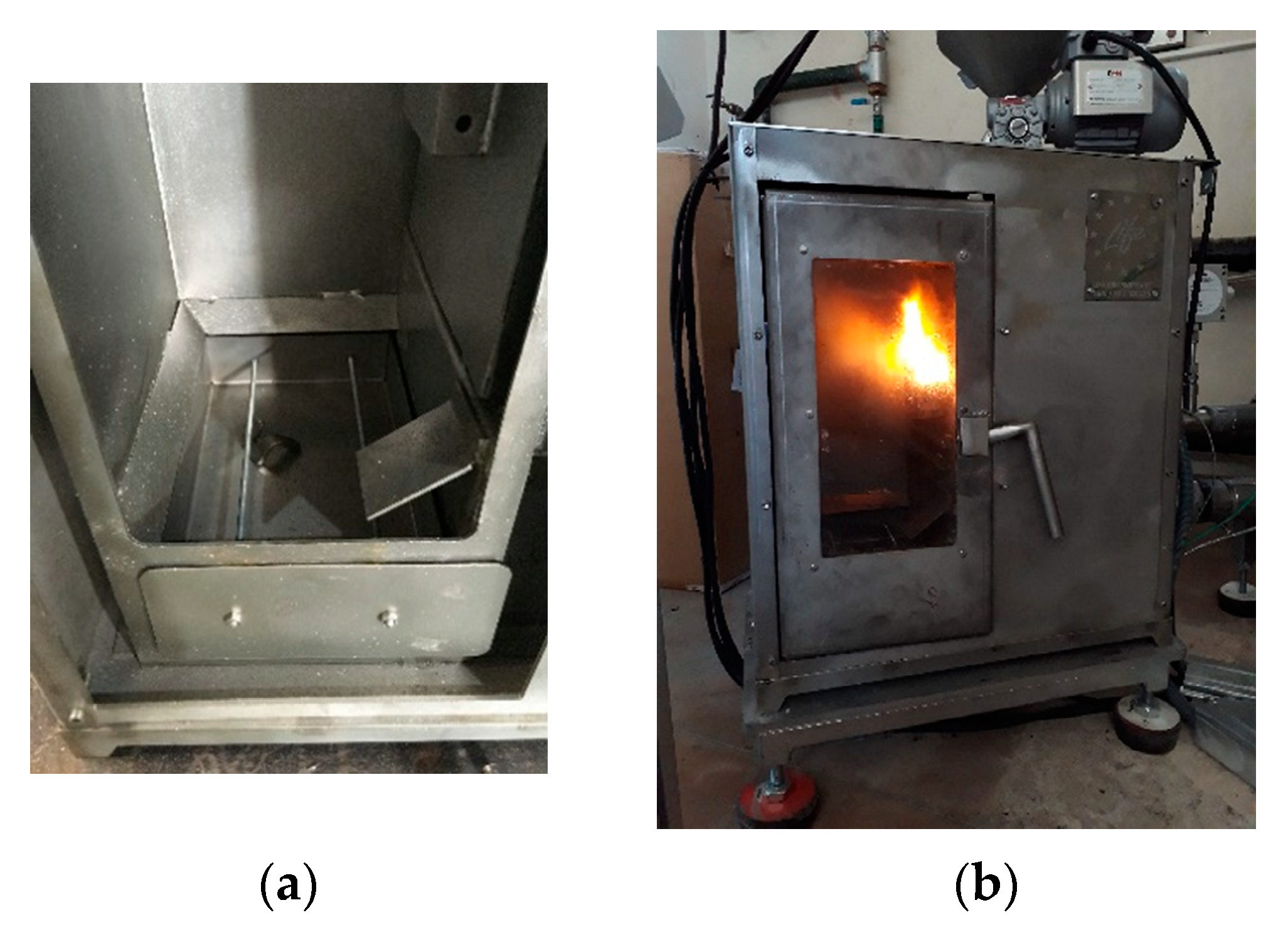
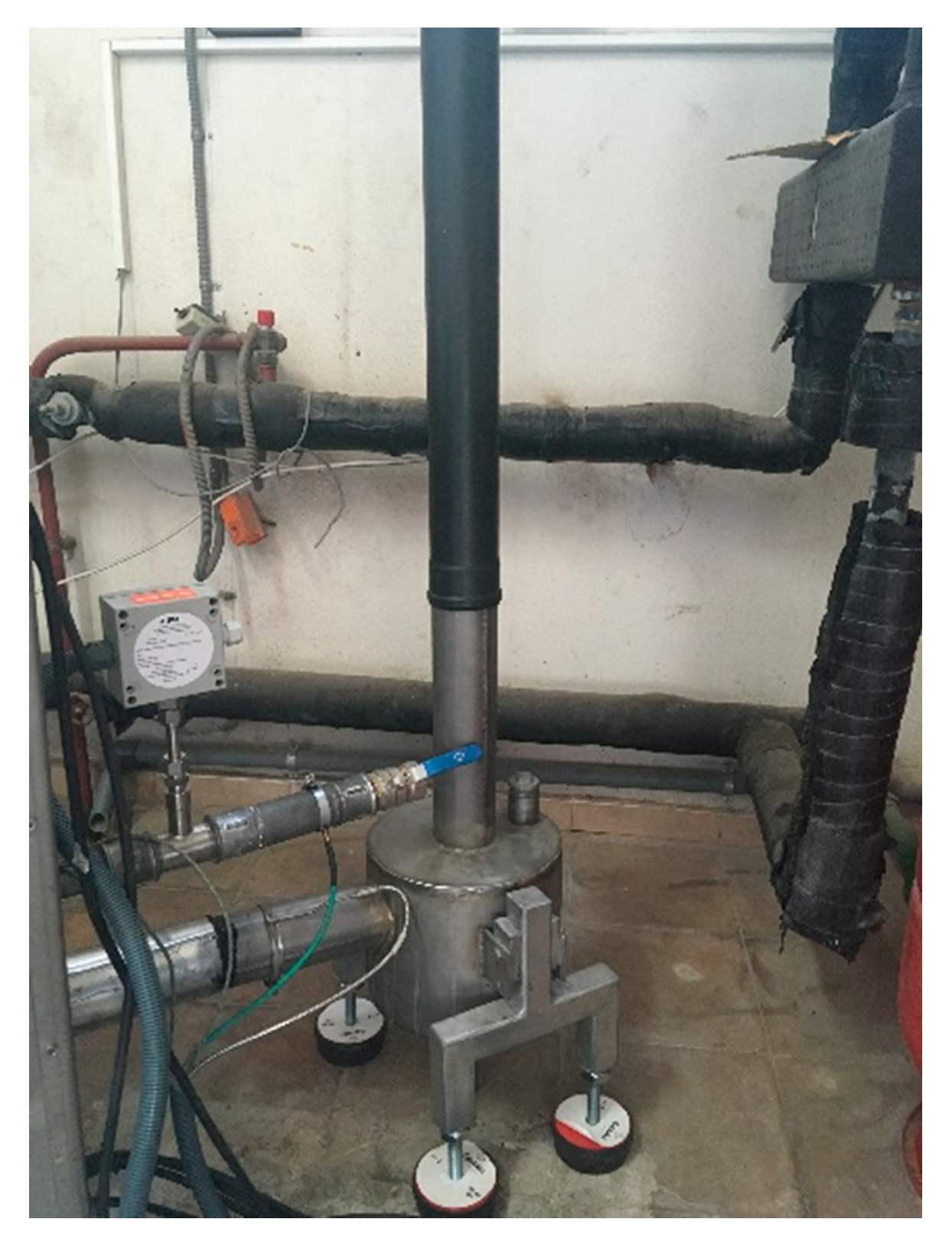
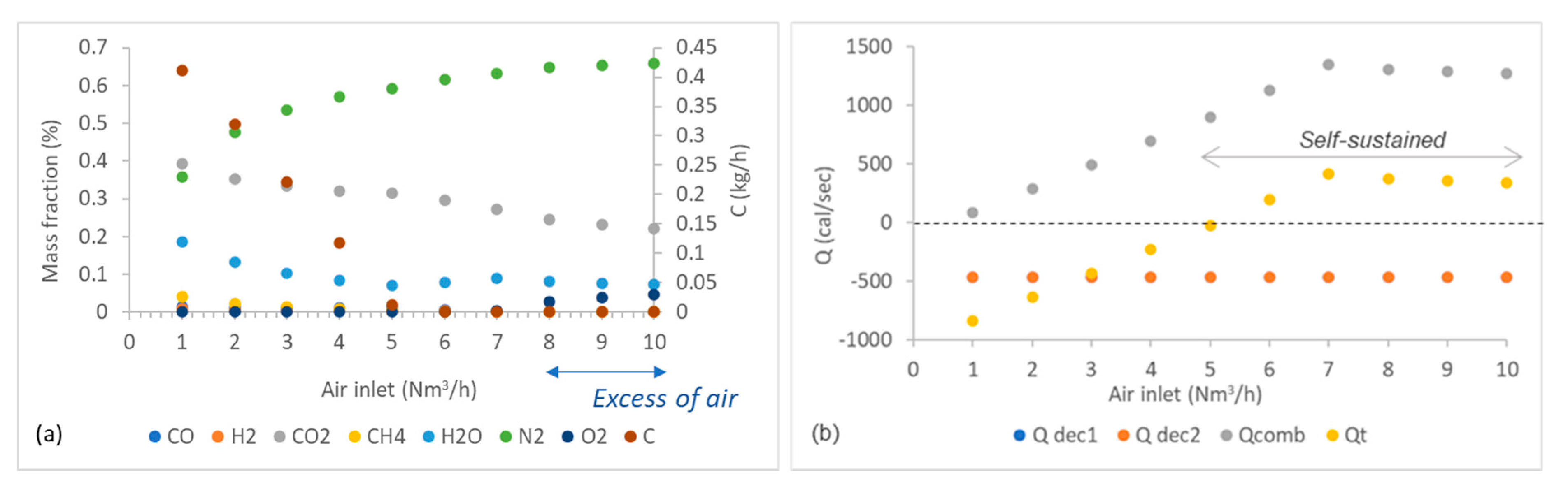
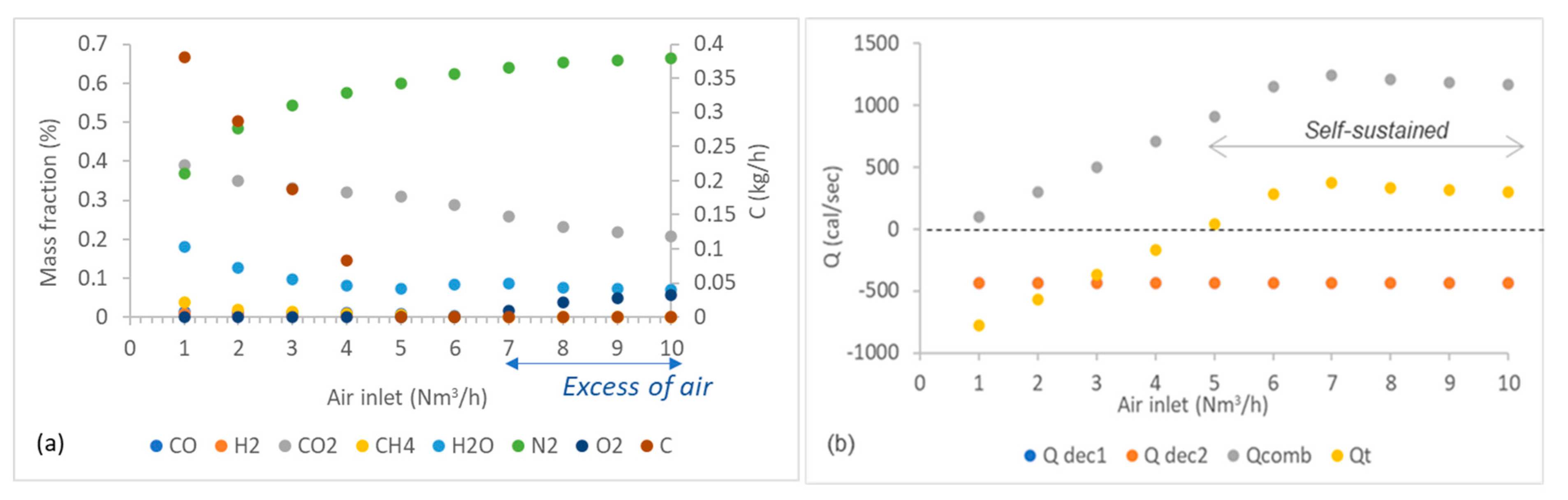
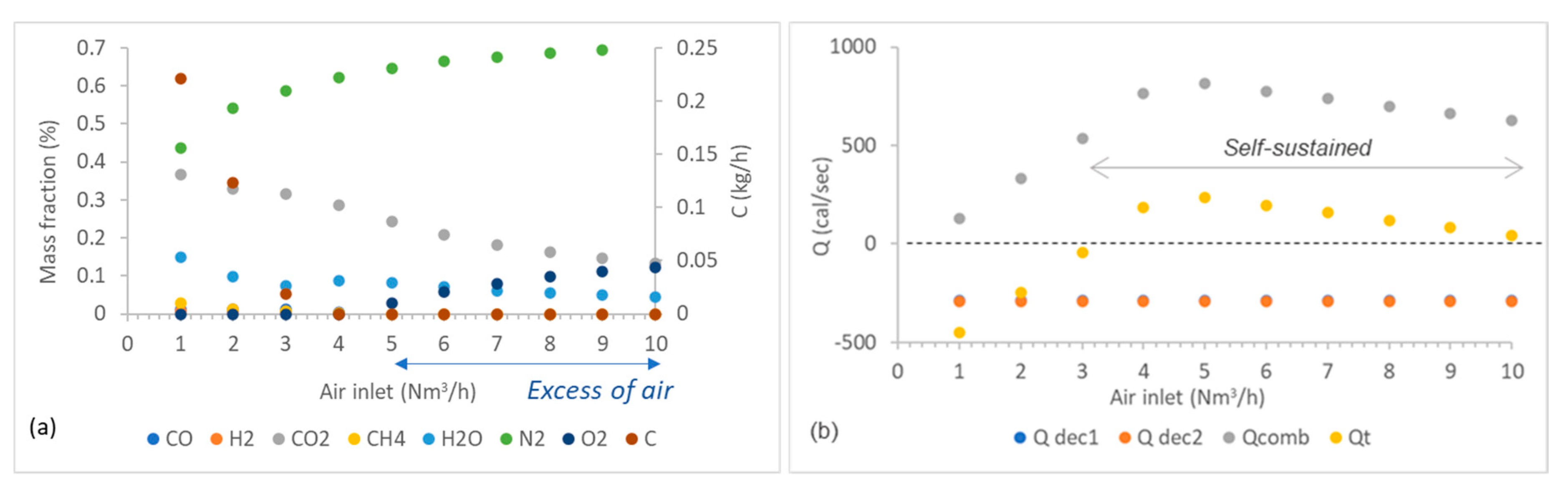
Agricultural activities produce an estimated amount of 32.7 MToe/year of residues in EU countries. They are mostly disposed in landfills, incinerated without any control, or abandoned in fields, causing severe impacts on human health and environment. Rice is one of the most consumed crops worldwide with an annual production of 782 million tons according to the Food and Agriculture Organization of the United Nations database. In this context, the EU-funded project LIFE LIBERNITRATE promotes the use of renewable residual sources (i.e., rice straw) to obtain new materials with an added value. The methodology is based on the incineration of rice straw in an own-designed and constructed valorization system. Rice straw/wood pellets are burned in optimized conditions to produce a maximized quantity of ashes with high silica content. These materials will be then used to treat water polluted with nitrates, representing an optimal example of circular economy strategy. In this work, the own-designed valorization unit is described, with special focus on its main constituting elements. The theoretical study of the co-incineration of rice straw and wood pellets identified the optimised combustion conditions. Experimental tests using the theoretical inputs confirmed the most adequate operational conditions (10 g rice straw pellets/min + 10 g wood pellets/min, 6–7 Nm3/h of air, T = 500 °C) and helped in the definition of improvements on the experimental plant.
Keywords: circular economy; rice straw; co-incineration circular economy; rice straw; co-incineration