Article

Optimal Combination Design of a Light Emitting Diode Matrix Applicable to a Single-Stage Flyback Driver


1
Leadtrend Technology Corporation, No.1, Taiyuan 2nd St., Zhubei City 302, Hsinchu County, Taiwan
2
Department of Electrical Engineering, National Taiwan University of Science and Technology, No.43, Section 4, Keelung Road, Da’an District, Taipei City 106, Taiwan
*
Author to whom correspondence should be addressed.
Energies 2020, 13(19), 5209; https://doi.org/10.3390/en13195209
Submission received: 13 September 2020 / Revised: 30 September 2020 / Accepted: 2 October 2020 / Published: 6 October 2020

Abstract

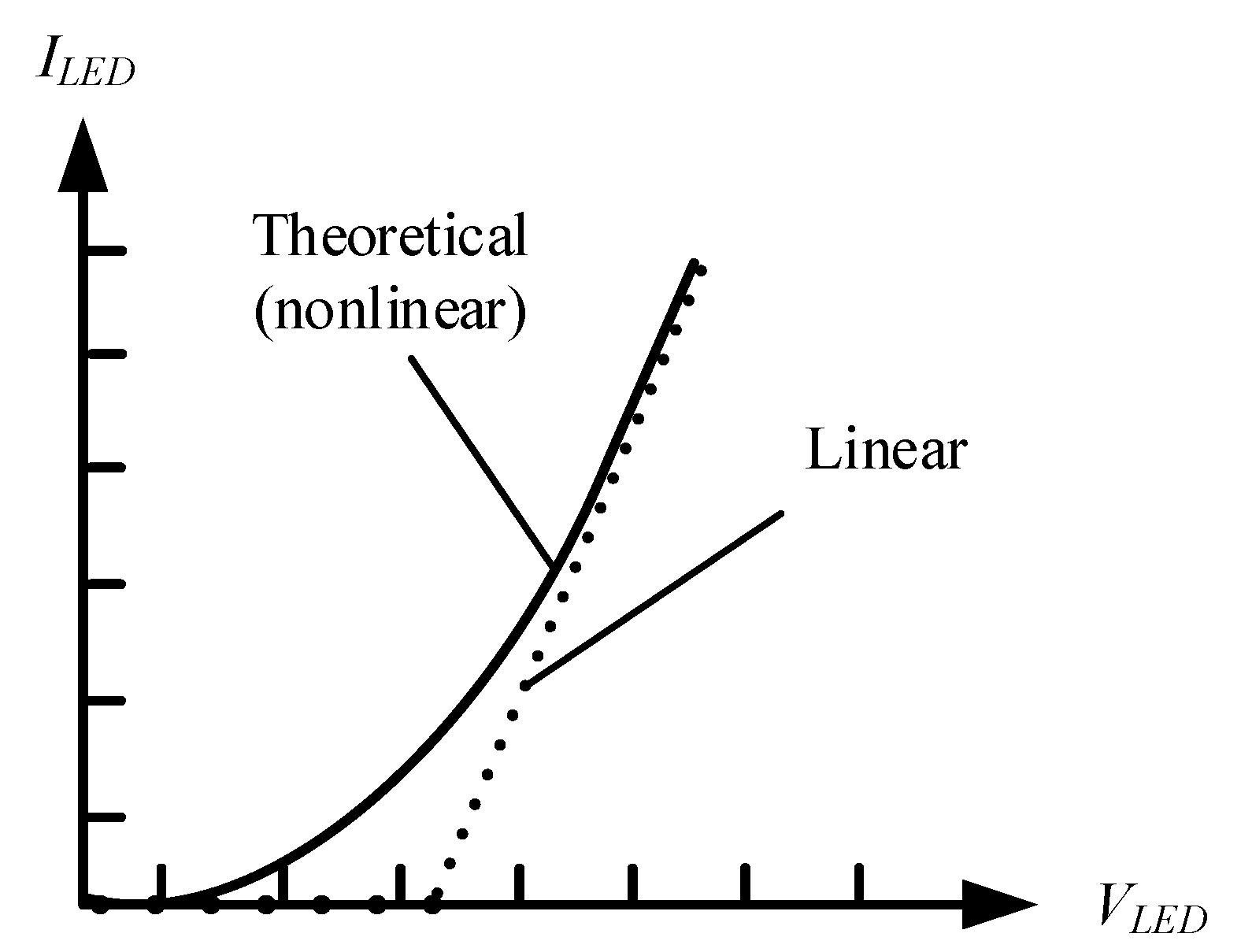
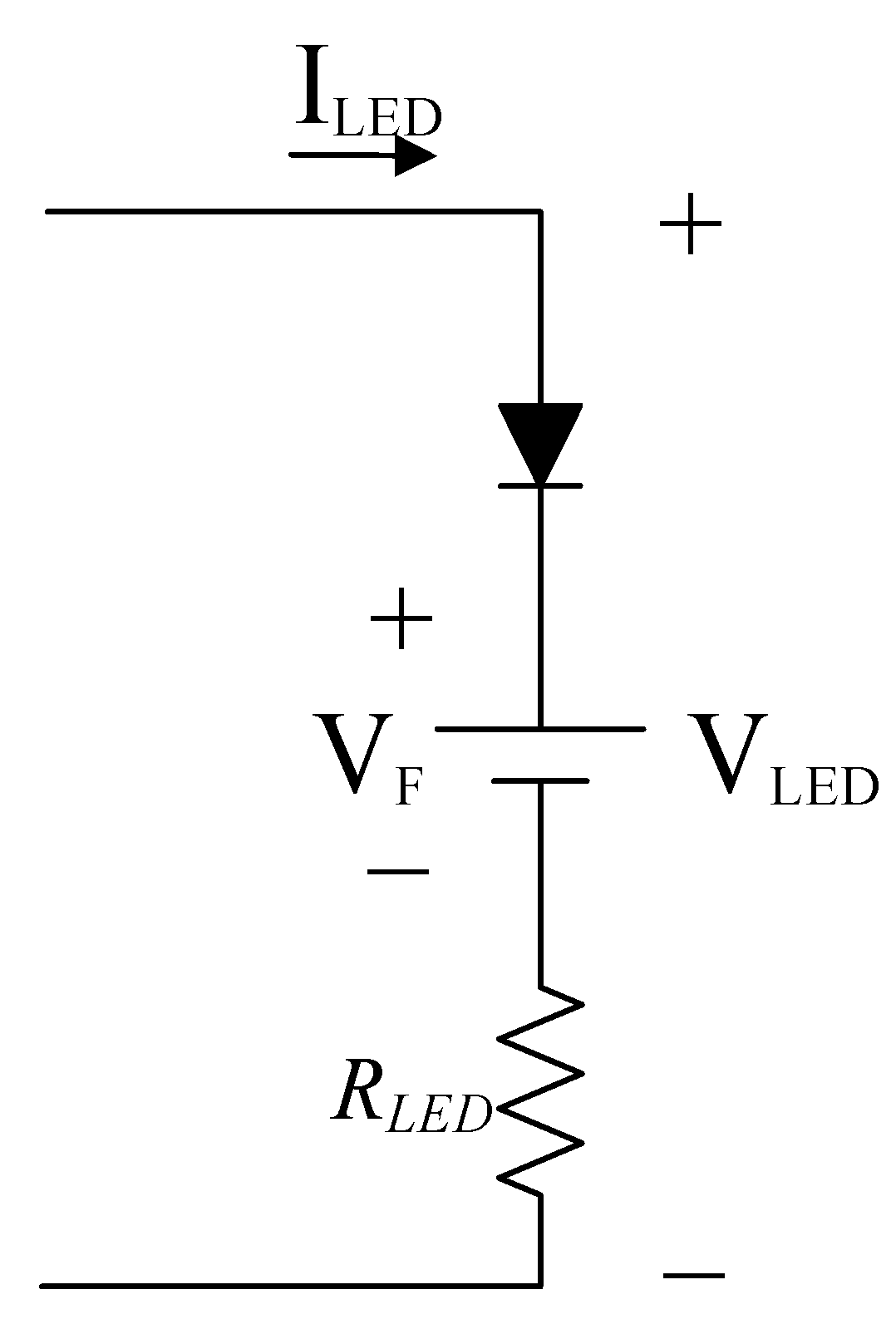
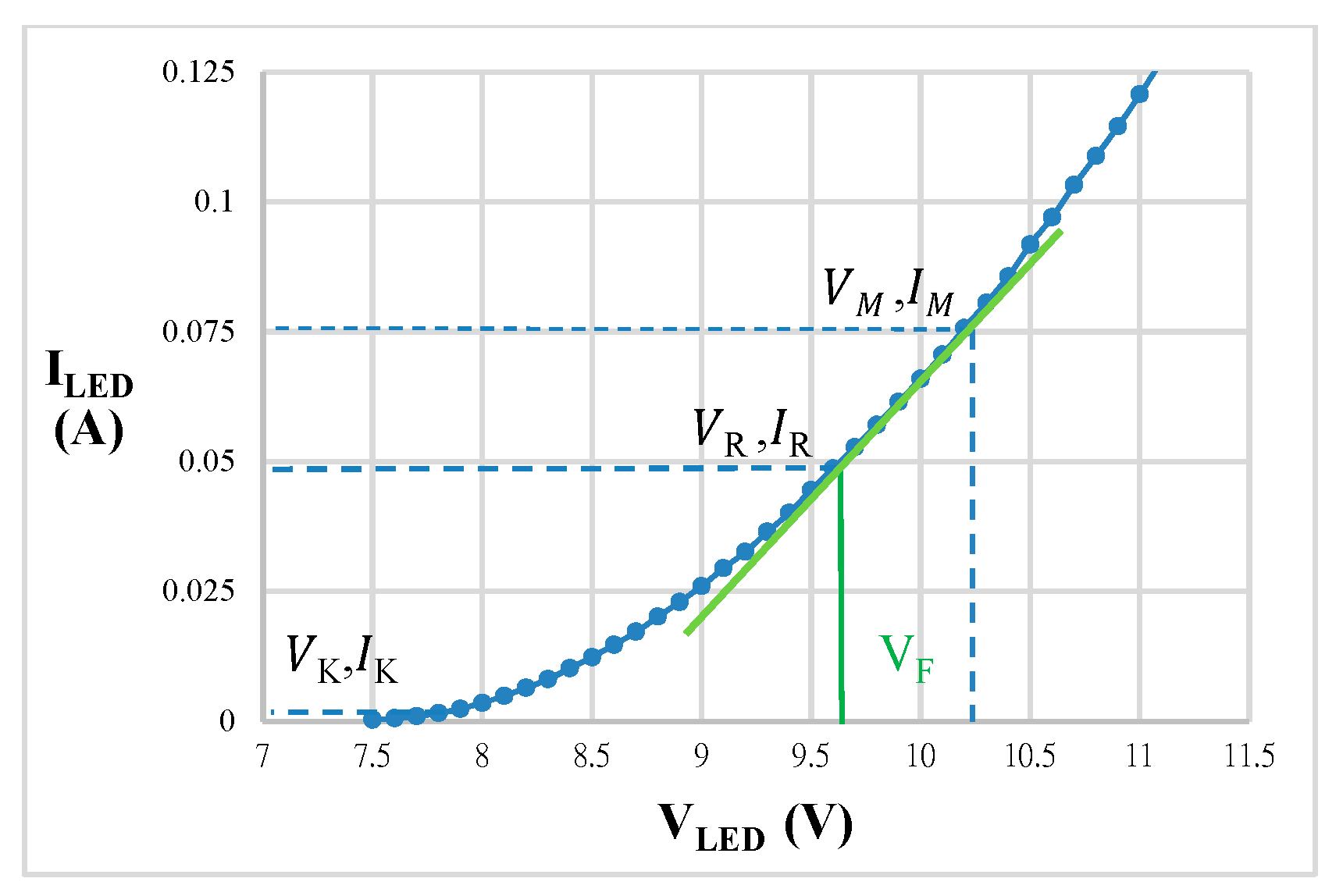
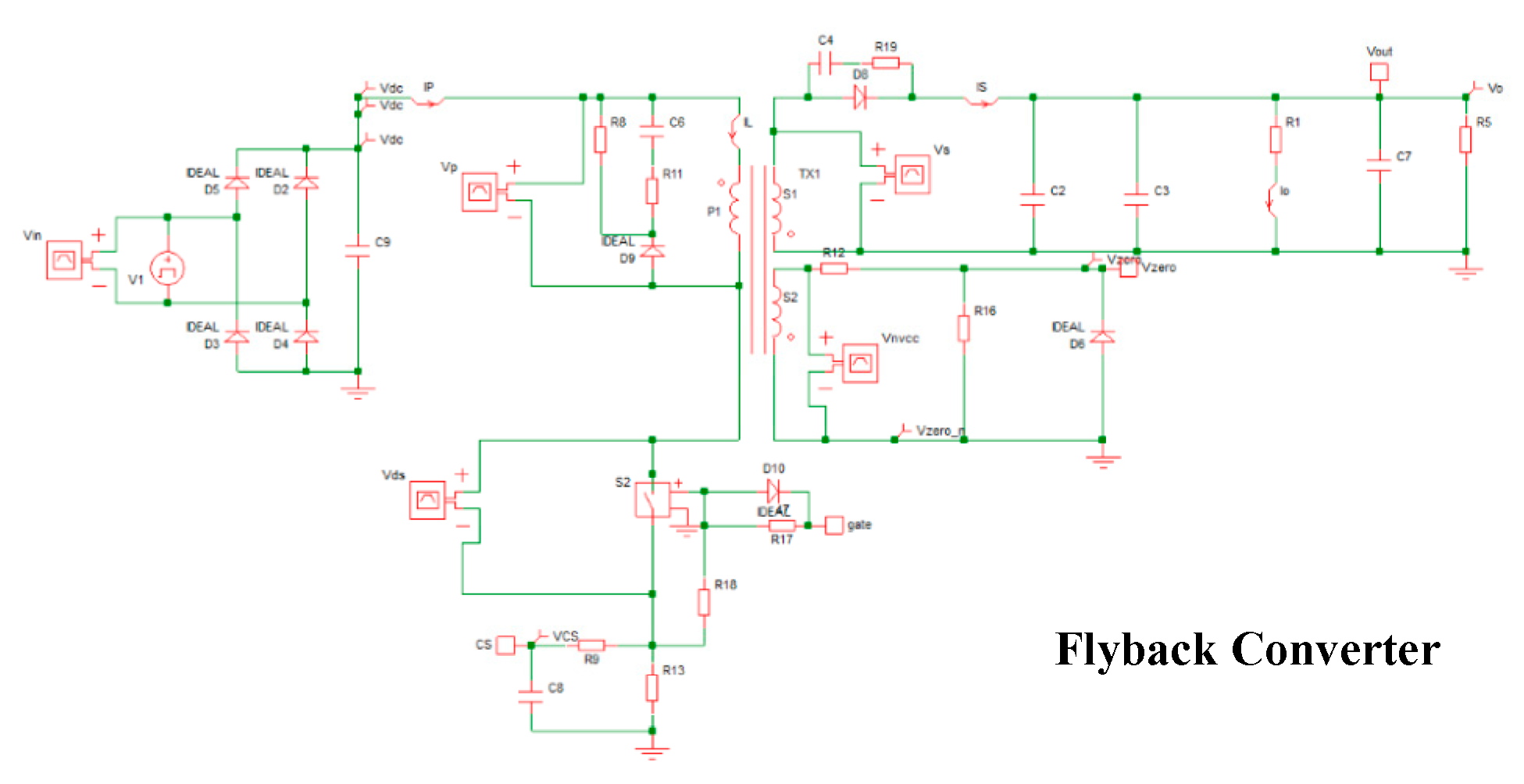
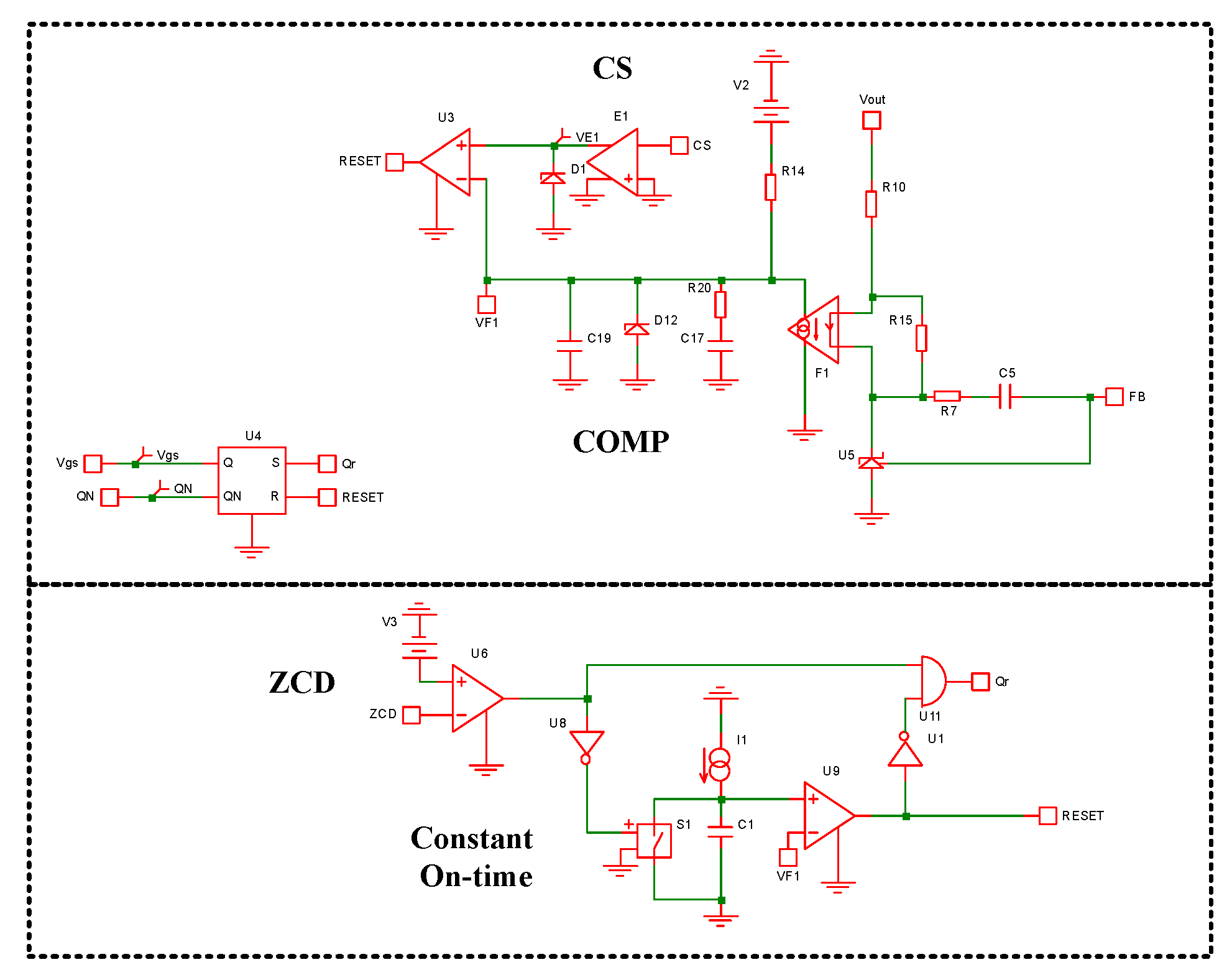
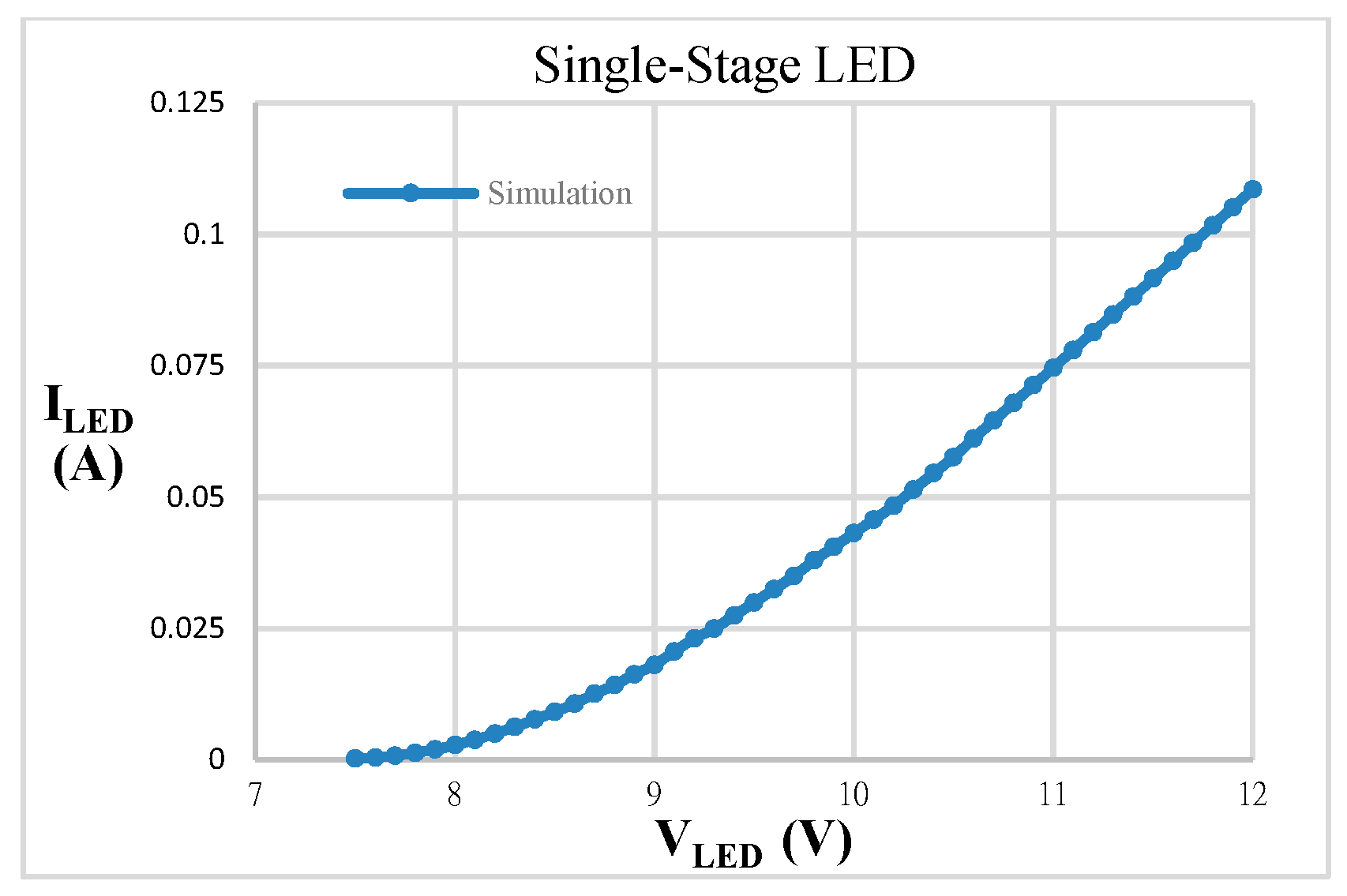
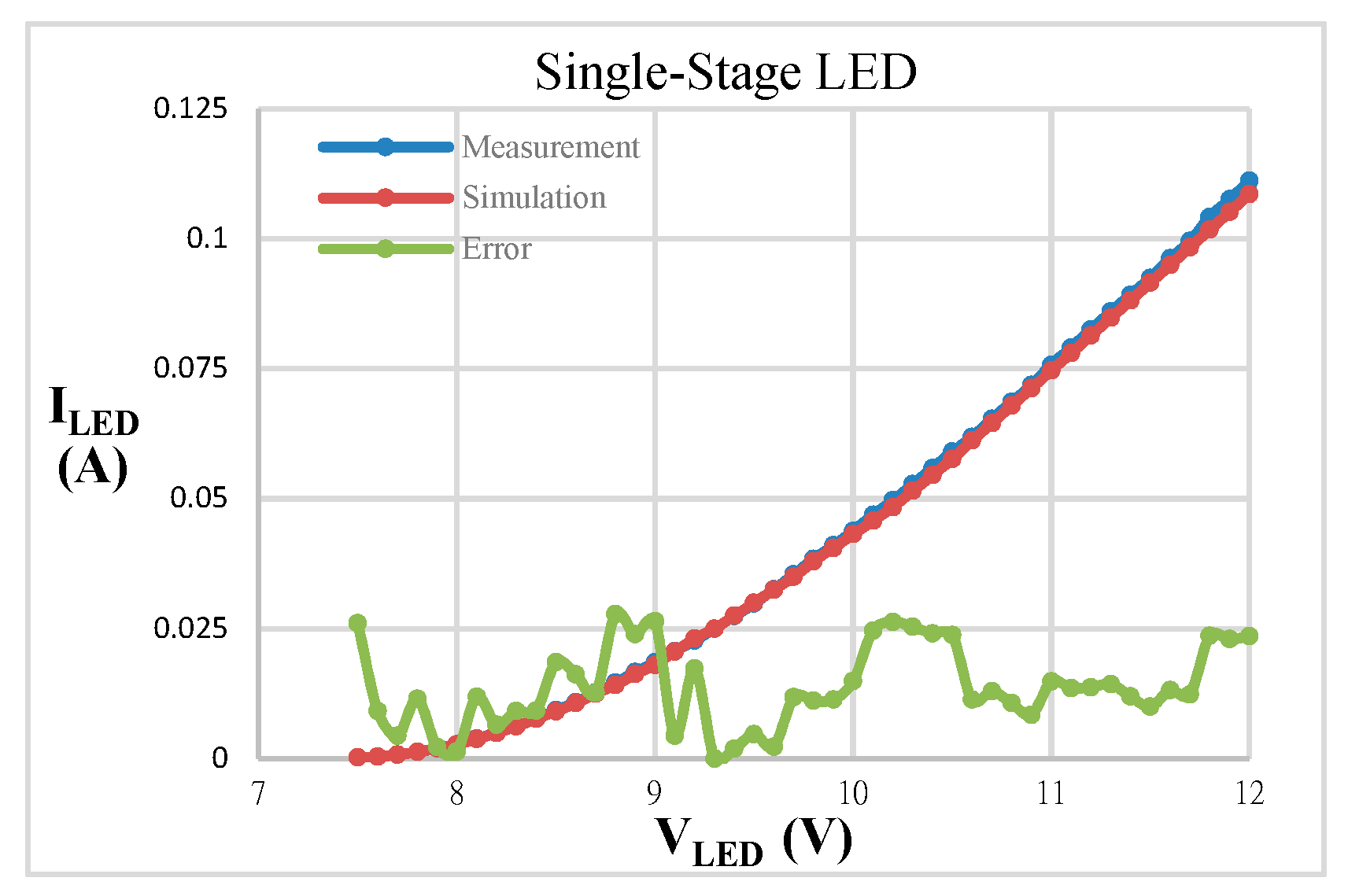
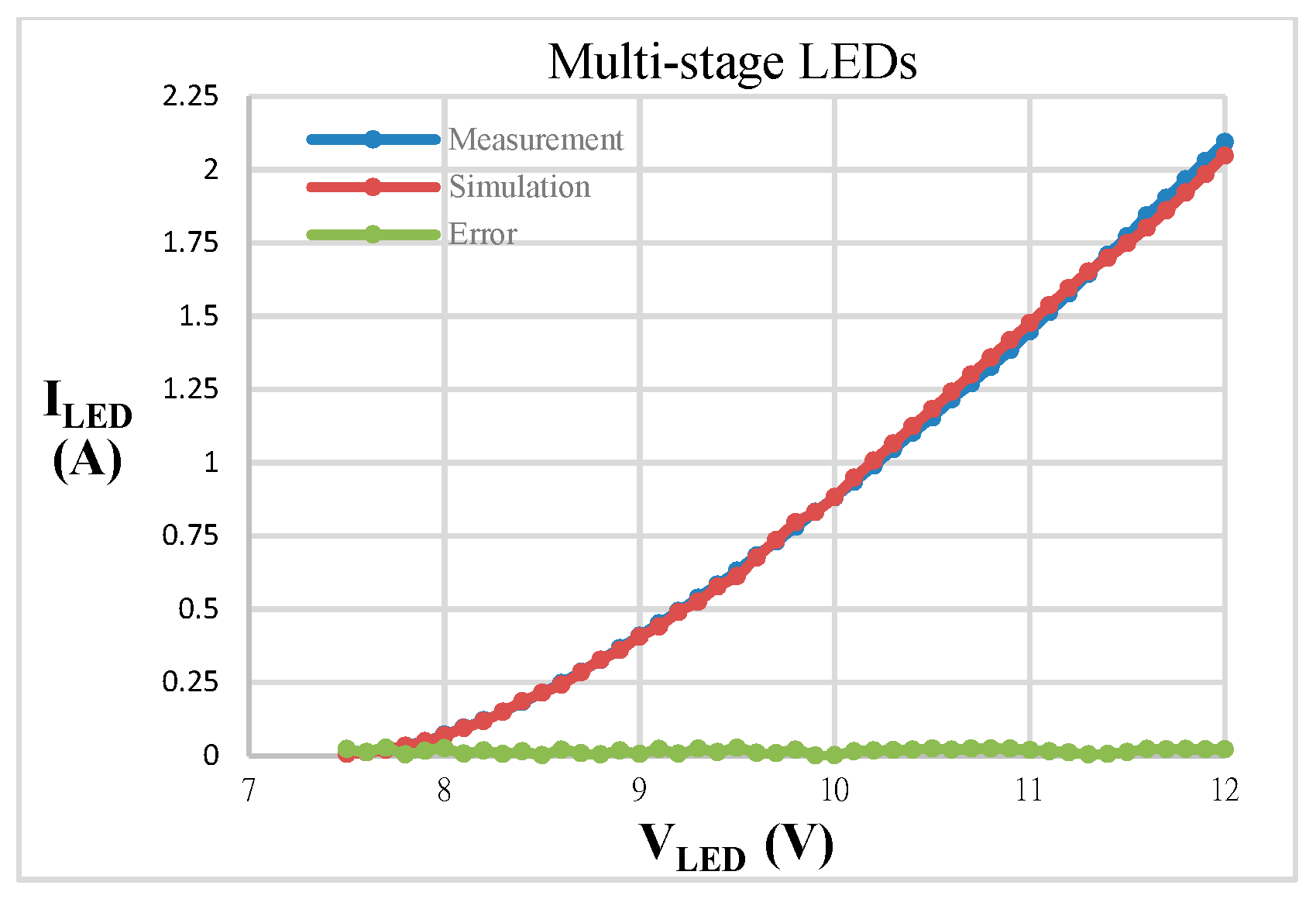
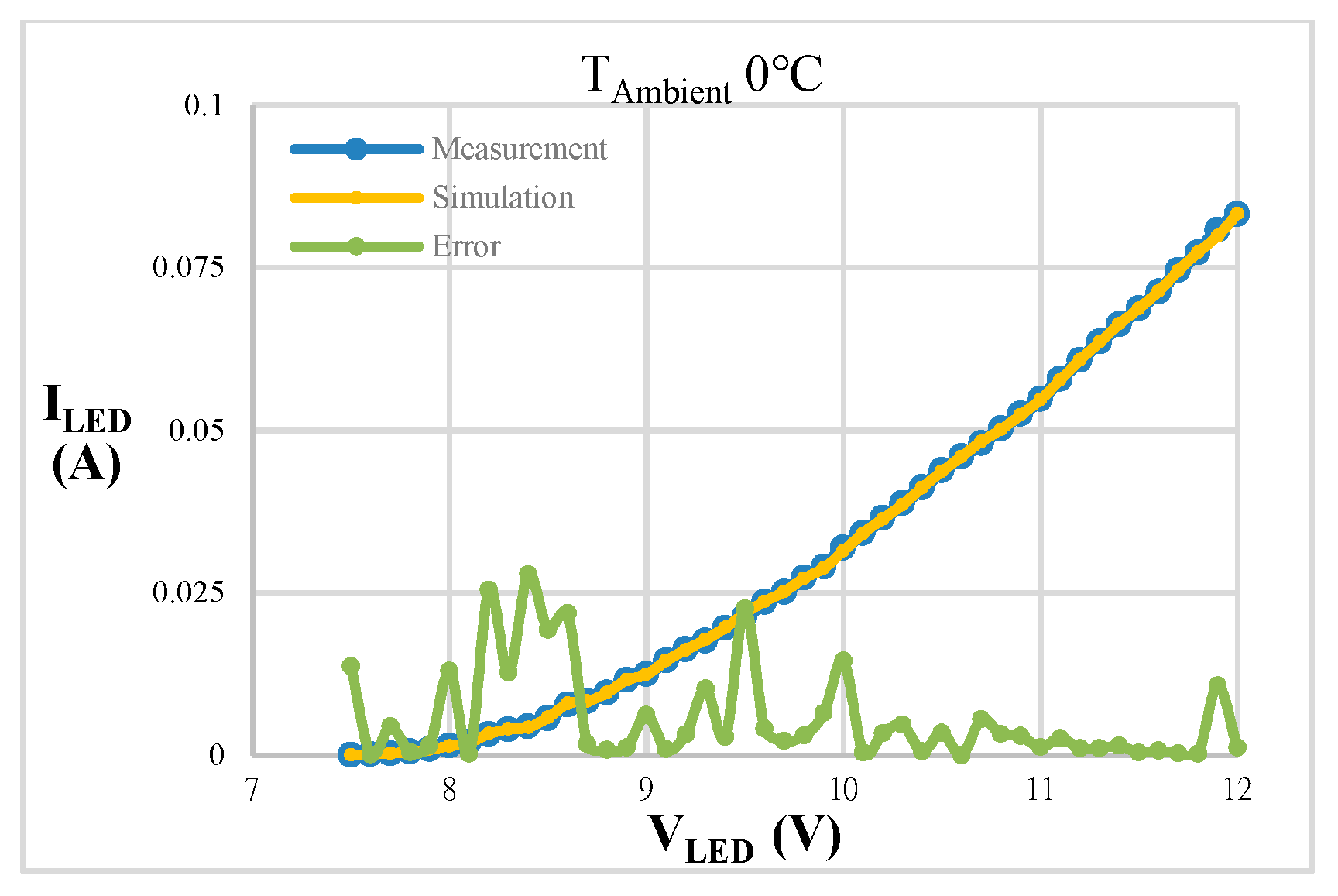
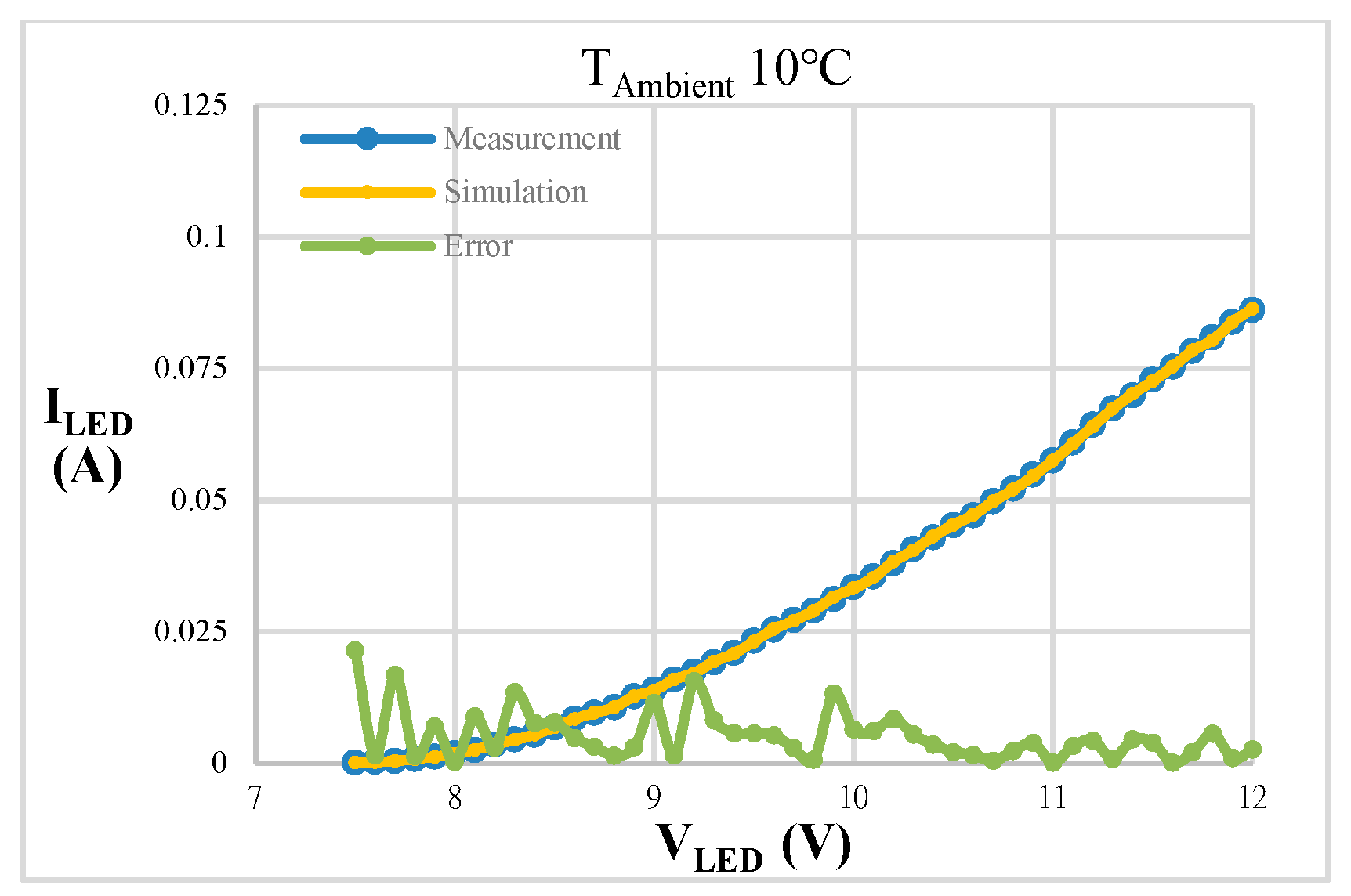
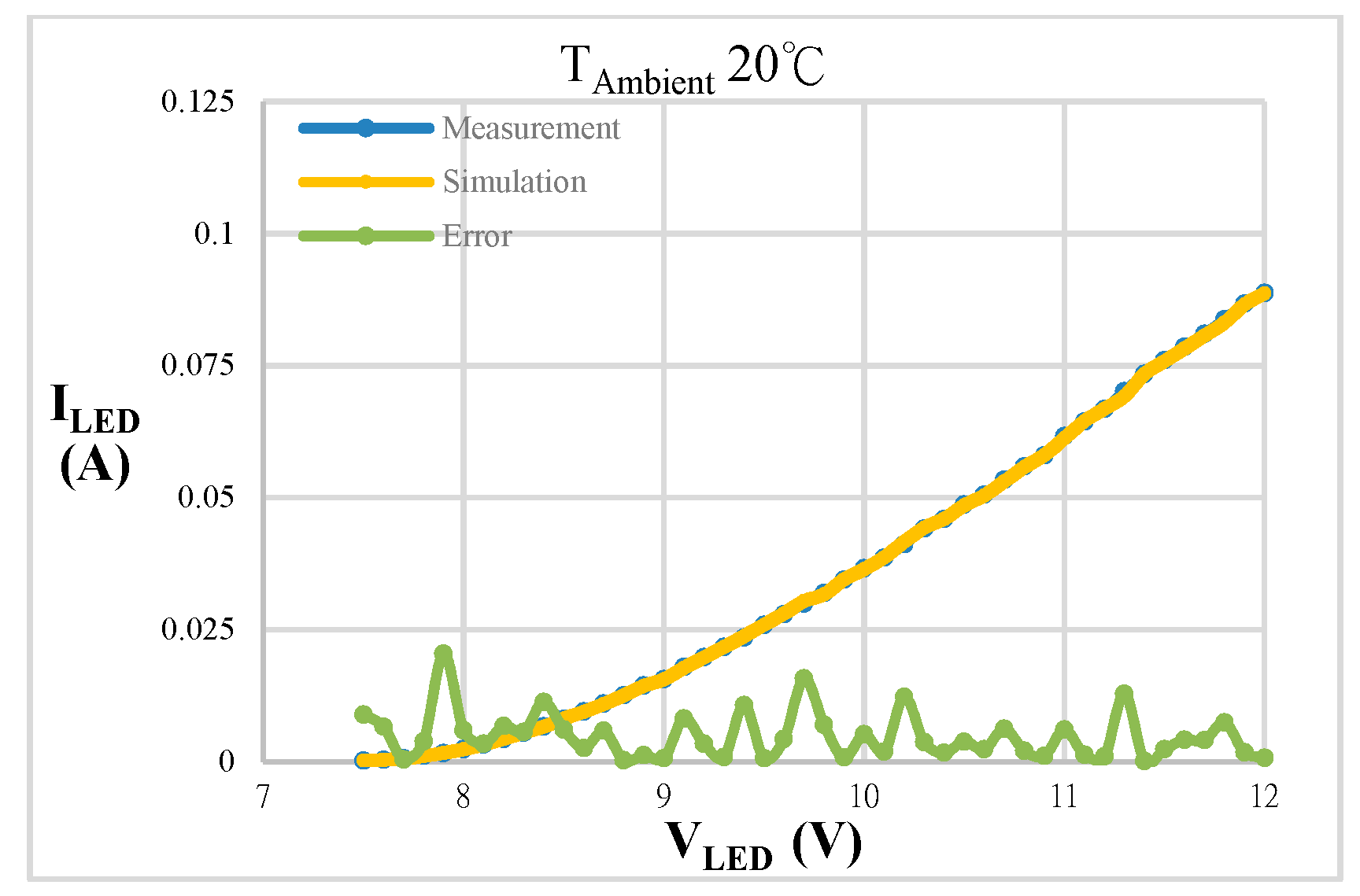
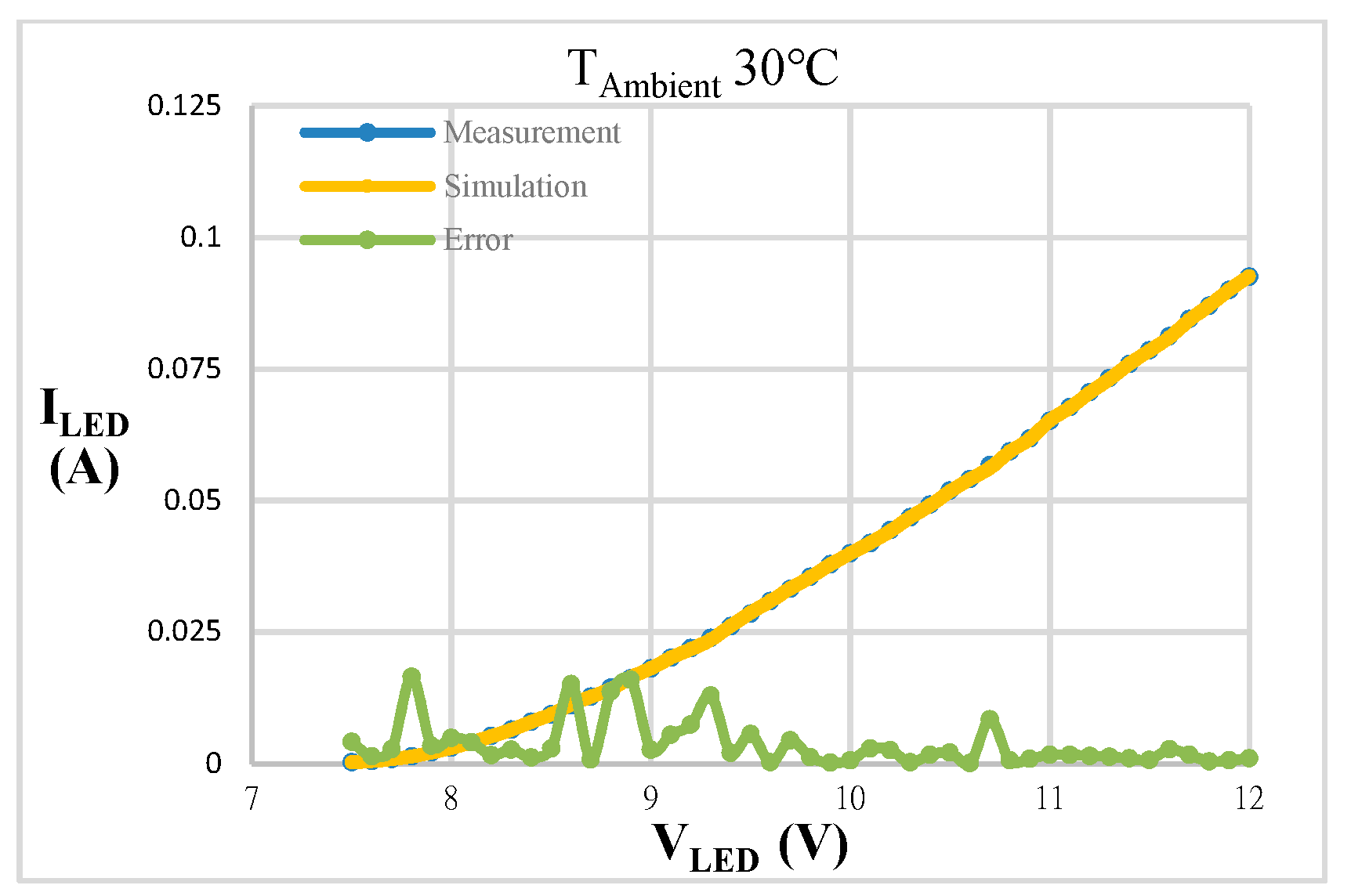
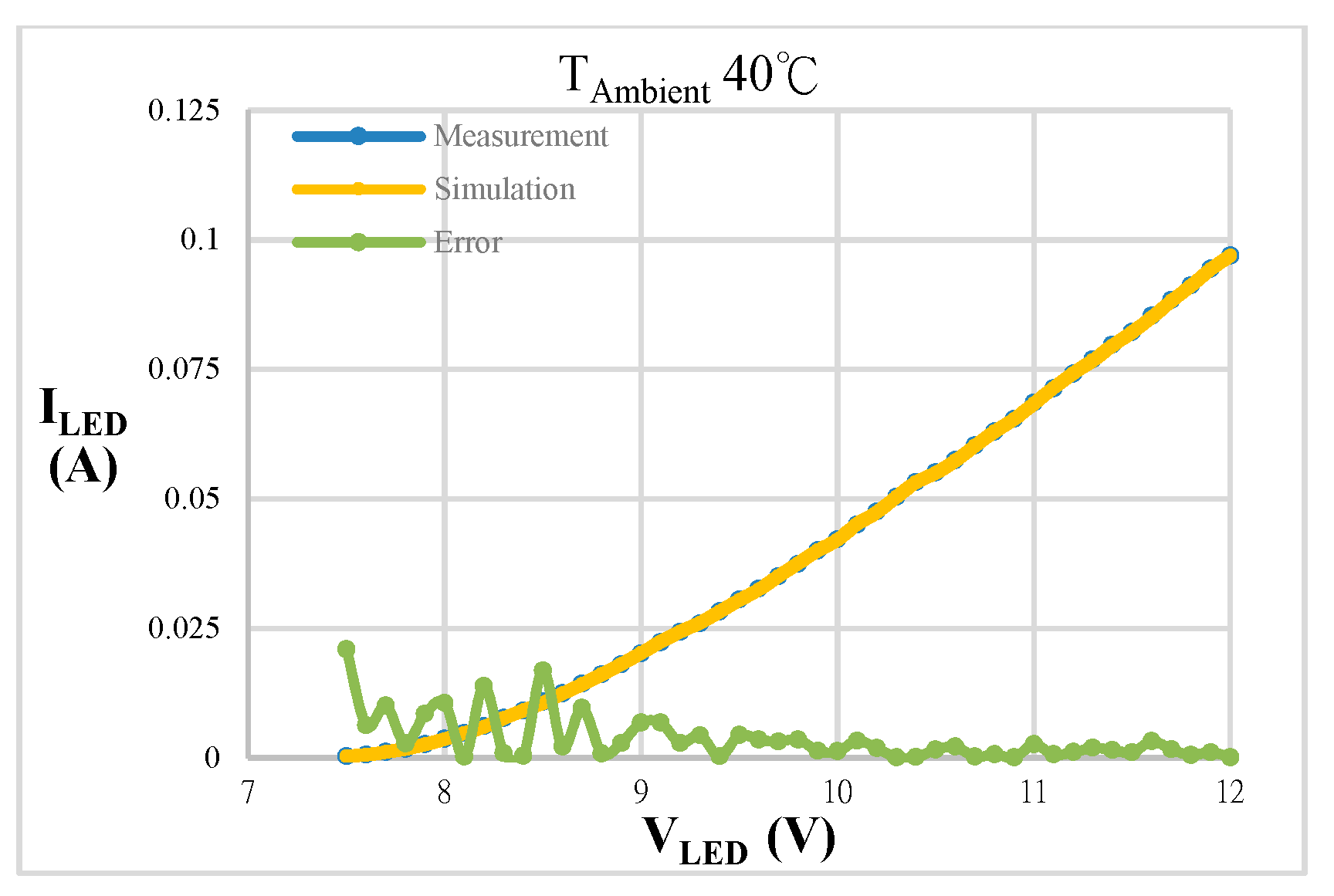
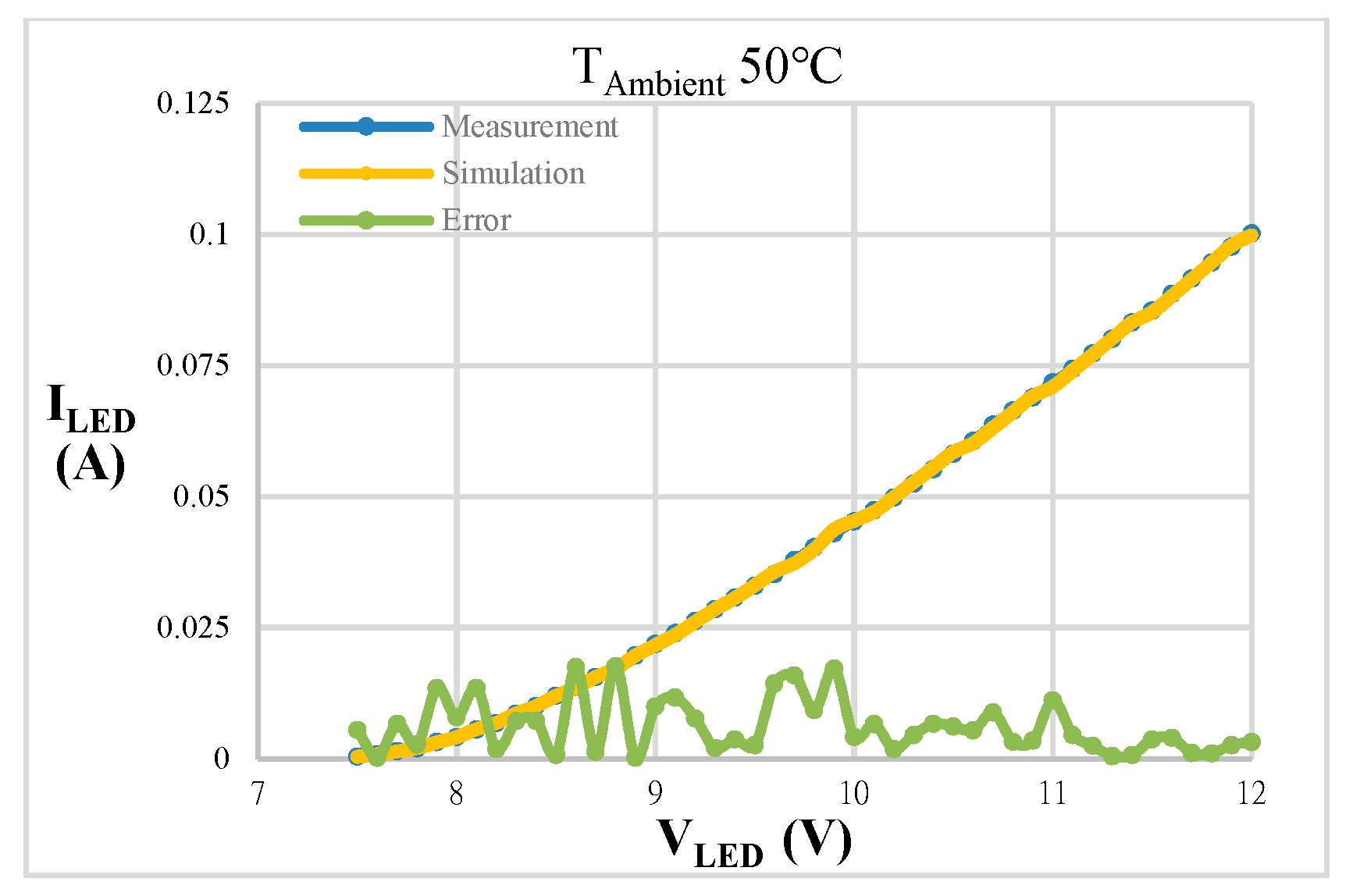
The present study analyzed light emitting diodes (LEDs) as an output load and used a Taylor series to describe the characteristic curve based on the exponential characteristic of voltage and current. A prototype circuit of a flyback LED driver system was established to verify whether the theory is consistent with actual results. This study focused on the exponential relationship of LED voltage and current. Conventional simulations usually used linear models to present LED loads. However, the linear model resulted in considerable error between simulation and actual characteristics. Therefore, this study employed a Taylor series to describe the nonlinear characteristic of an LED load. Through precise calculations with Mathcad computation software, the error was effectively reduced. Moreover, the process clarified the influence of temperature on LEDs, which benefited the characteristic analysis of the entire system. Finally, a realized circuit of 120 W flyback LED drivers was established for conducting theory verification, including theoretic analysis and evaluation of the system design process of the flyback converter. The circuit simulation software SIMPLIS was used to demonstrate the system model, which enabled quick understanding of the system framework established in this study. Regarding LEDs, a commercially available aluminum luminaire was used as the output load. The measured results of the actual circuit and the simulation results were remarkably consistent. For the same system at the same temperature, the error between the simulation and actual results was less than 3%, which proved the reliability of the Taylor series simulation.
Keywords: flyback; LED; flicker; light-emmitting-diode; Taylor series flyback; LED; flicker; light-emmitting-diode; Taylor series