Article

Real Drive Well-to-Wheel Energy Analysis of Conventional and Electrified Car Powertrains †

Center for Automotive Research and Evolution (CARe), Department of Sustainability Engineering (DIS), Guglielmo Marconi University, via Plinio 44, 00193 Rome, Italy
*
Author to whom correspondence should be addressed.
This paper is an extended version of our paper published in AIP Conference Proceedings 2191, 020158 (2019); https://doi.org/10.1063/1.5138891; 74 ATI National Conference.
Energies 2020, 13(18), 4788; https://doi.org/10.3390/en13184788
Submission received: 30 July 2020 / Revised: 7 September 2020 / Accepted: 8 September 2020 / Published: 14 September 2020
(This article belongs to the Special Issue The Future Development of Automobile Energy)

Abstract

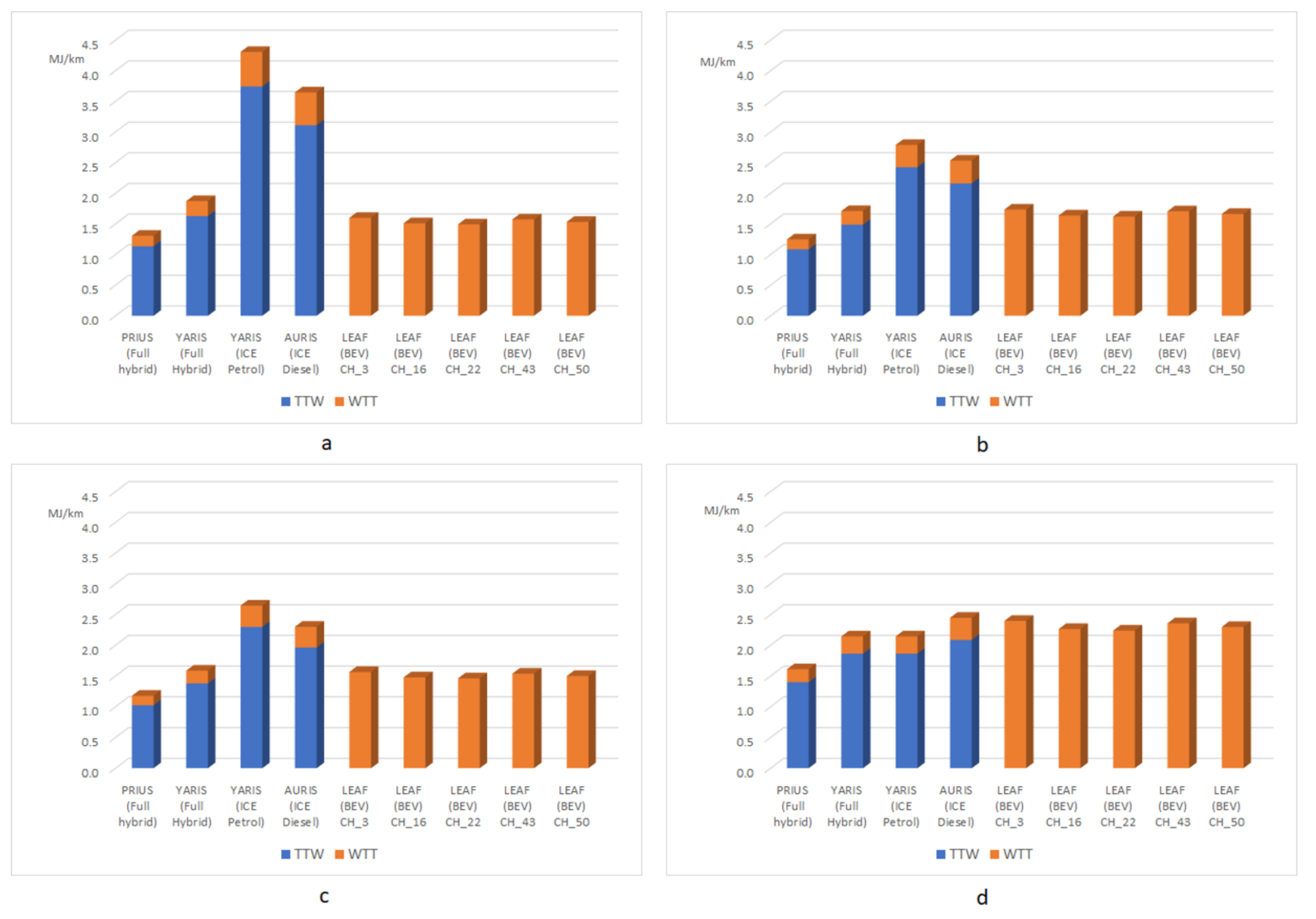
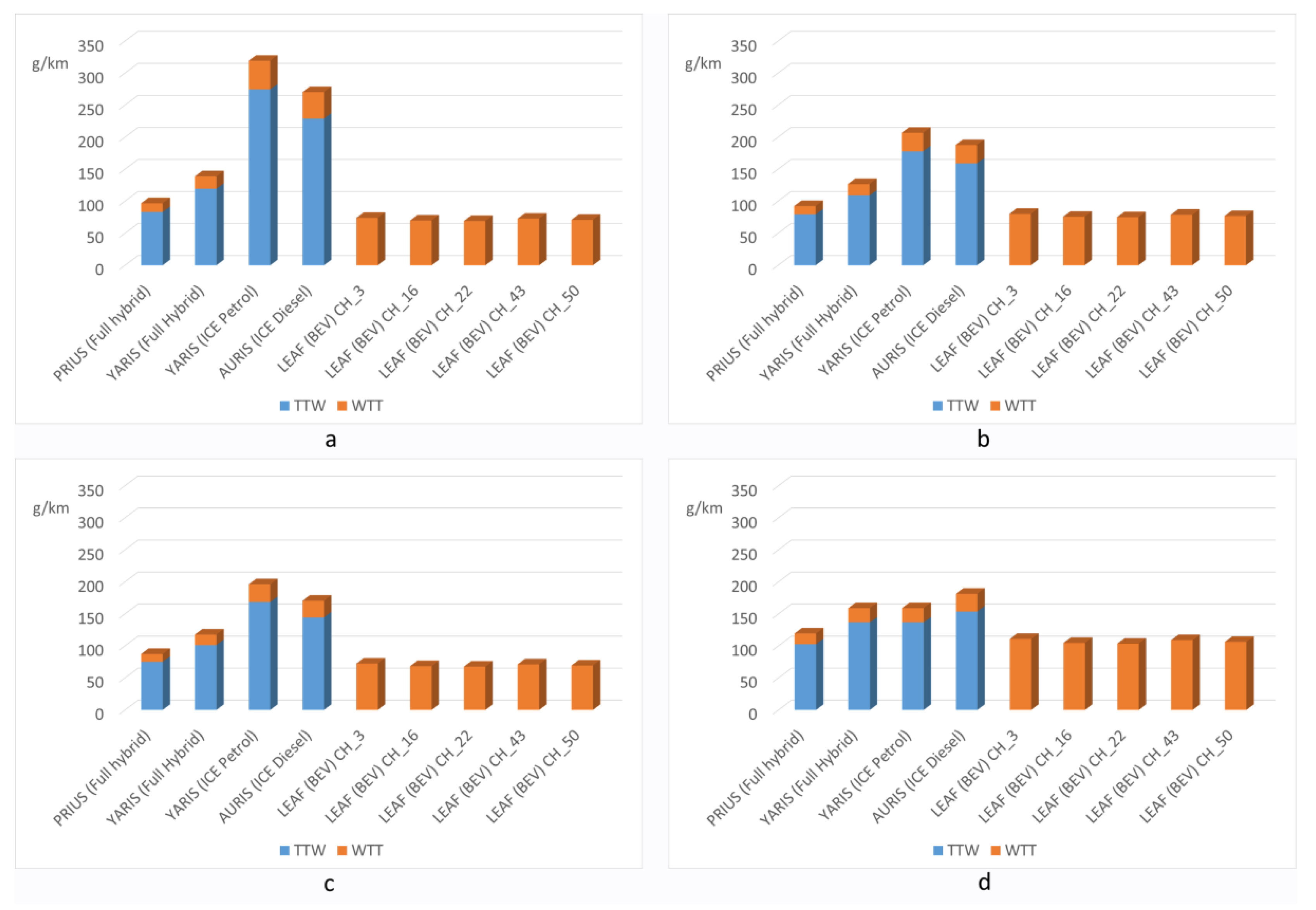
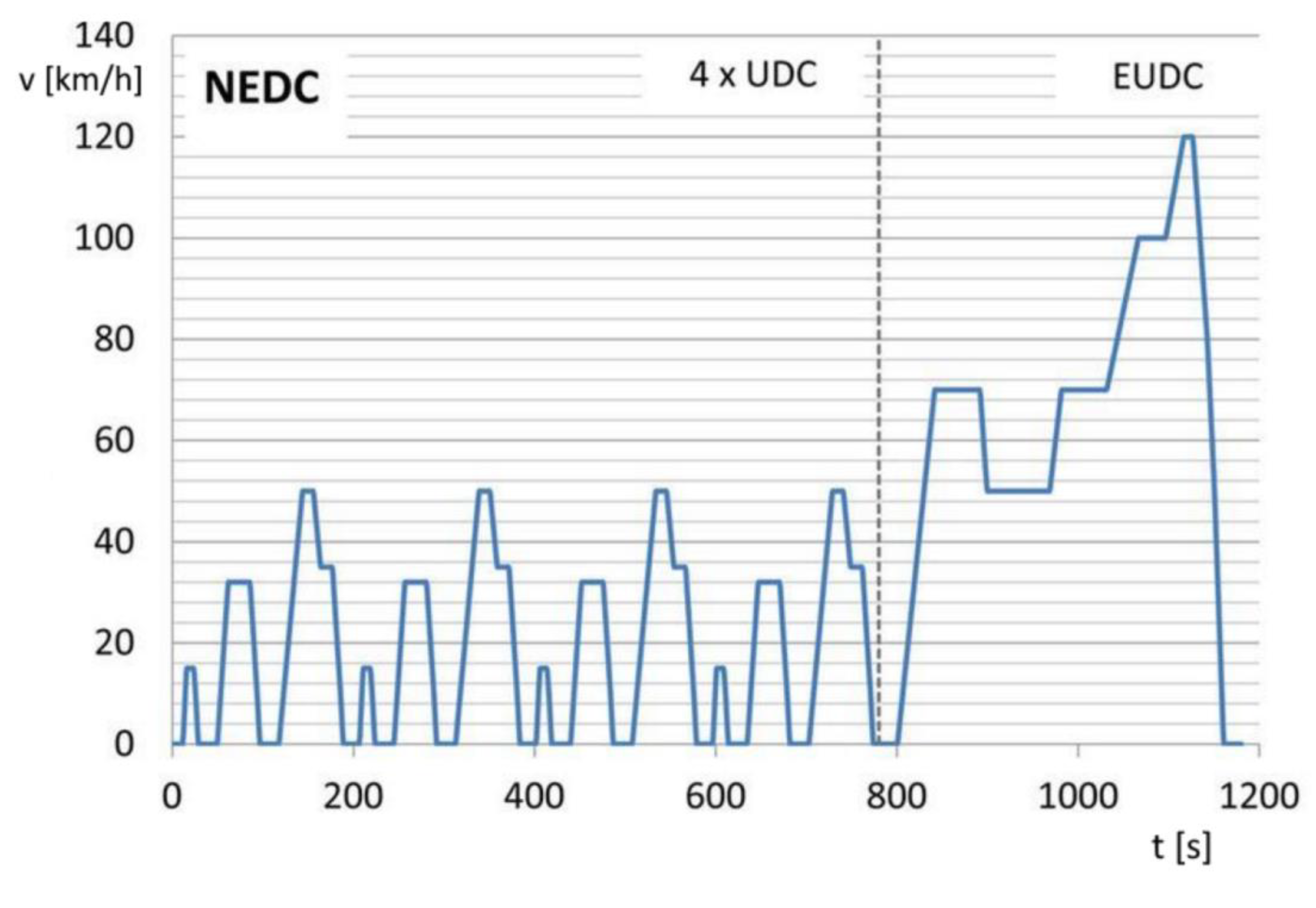
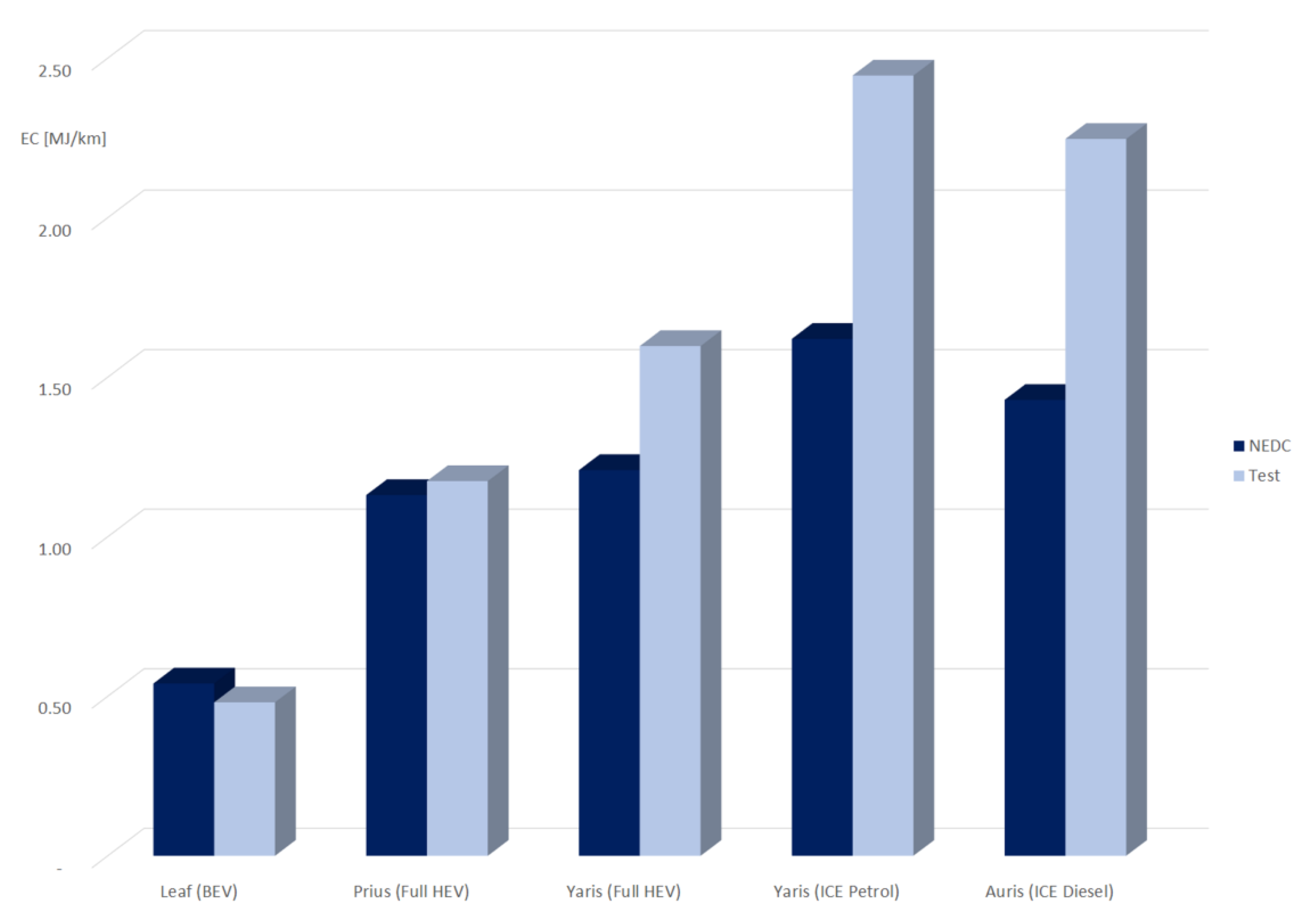
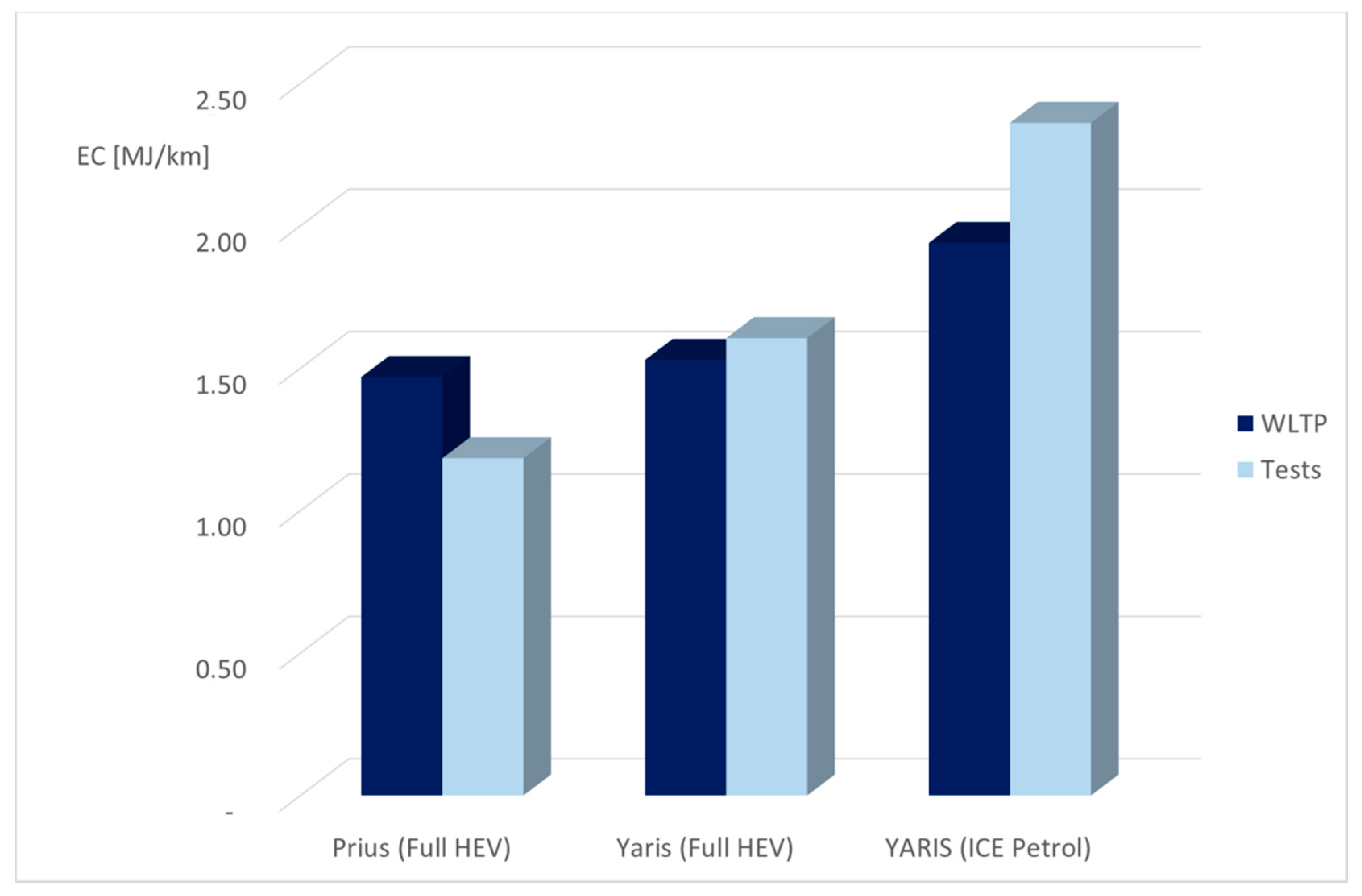
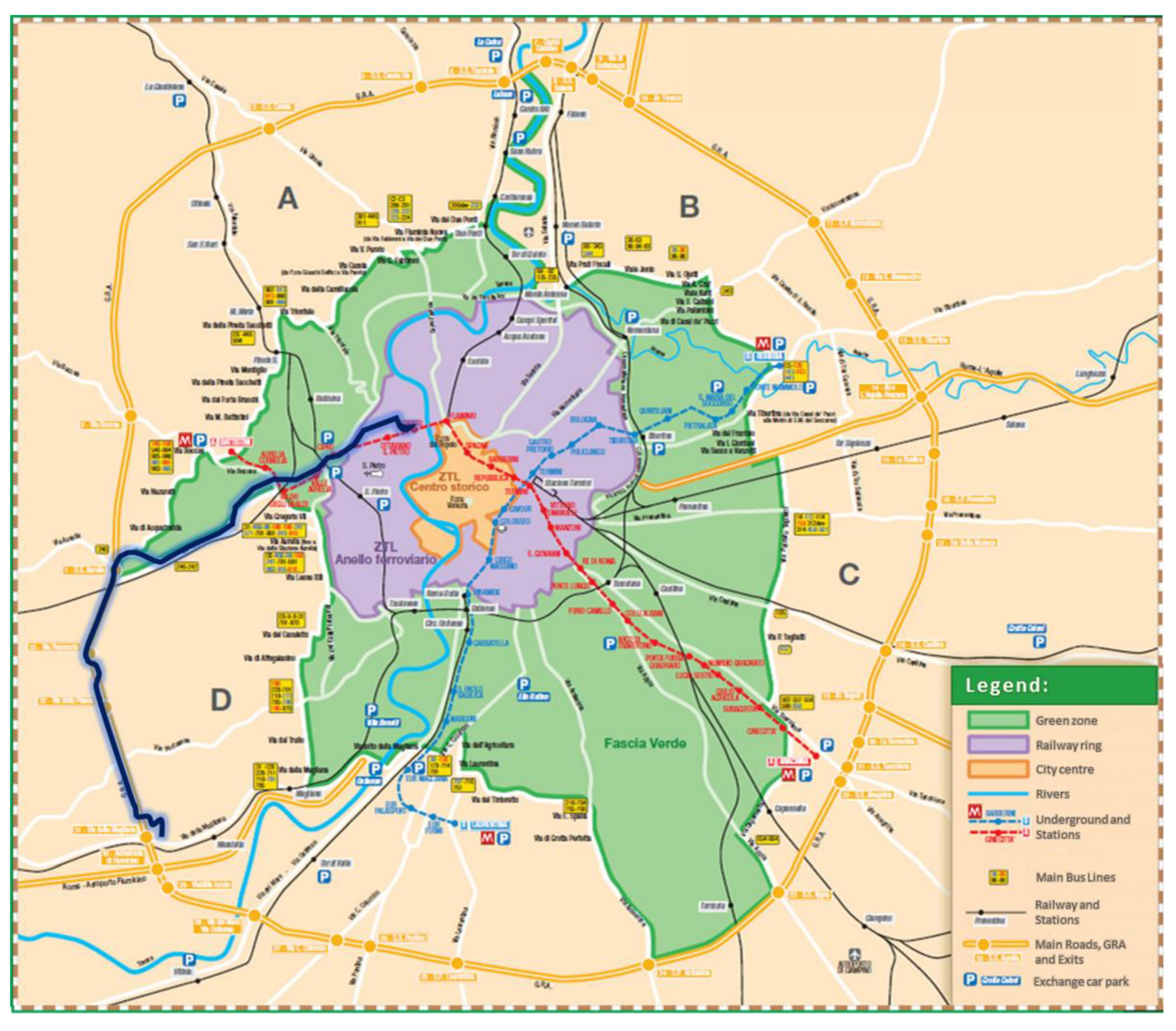
Reducing fuel consumption and global emissions in the automotive sector has been a main focus of vehicle technology development for long time. The most effective goal to achieve the overall sustainability objectives is to reduce the need for non-renewable and fossil resources. Five vehicles, two conventional ICE, two hybrid-electric, and one pure electric powertrain, are considered. Non-renewable primary energy consumption and CO2 emissions are calculated for each powertrain considered. All data—including calculated values—are based on the experimental measure of fuel consumption taken in real driving conditions. The data were recorded in an experimental campaign in Rome, Italy on urban, extra-urban streets, and highway on a total of 5400 km and 197 h of road acquisitions. The analysis shows significant reductions in non-renewable fossil fuel consumption and CO2 emissions of hybrid-electric powertrains compared to conventional ones (petrol and diesel engines). Furthermore, a supplementary and very interesting comparison analysis was made between the values of energy consumptions measured during the tests in real driving conditions and the values deriving from the NEDC and WLTP homologation cycles.
Keywords: battery electric vehicle; full hybrid-electric vehicle; WTW analysis; non-renewable primary energy balance; real drive; NEDC; WLTP battery electric vehicle; full hybrid-electric vehicle; WTW analysis; non-renewable primary energy balance; real drive; NEDC; WLTP