Article

Thermal-Hydraulic Studies on the Shell-and-Tube Heat Exchanger with Minijets


1
Department of Energy and Industrial Apparatus, Gdansk University of Technology, Narutowicza 11/12, 80-233 Gdansk, Poland
2
Energa Invest Sp. z o.o., Grunwaldzka 472, 80-309 Gdansk, Poland
*
Author to whom correspondence should be addressed.
Energies 2019, 12(17), 3276; https://doi.org/10.3390/en12173276
Submission received: 2 July 2019 / Revised: 20 August 2019 / Accepted: 23 August 2019 / Published: 26 August 2019
(This article belongs to the Collection Advances in Heat Transfer Enhancement)

Abstract

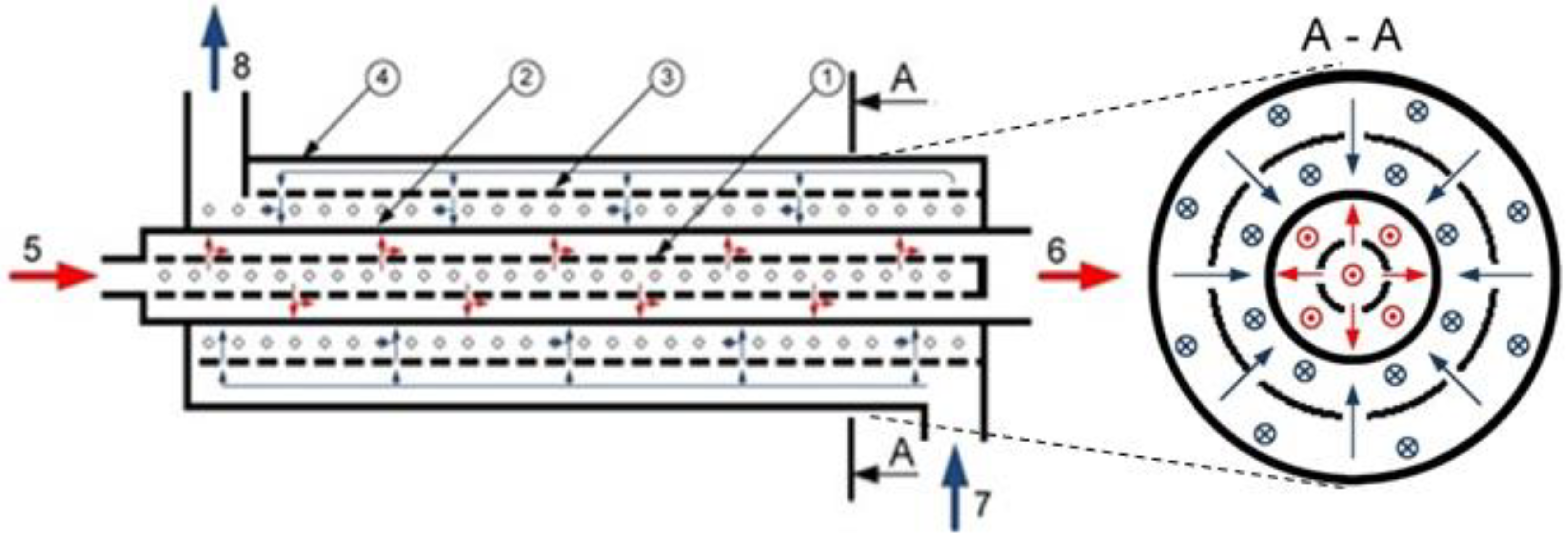
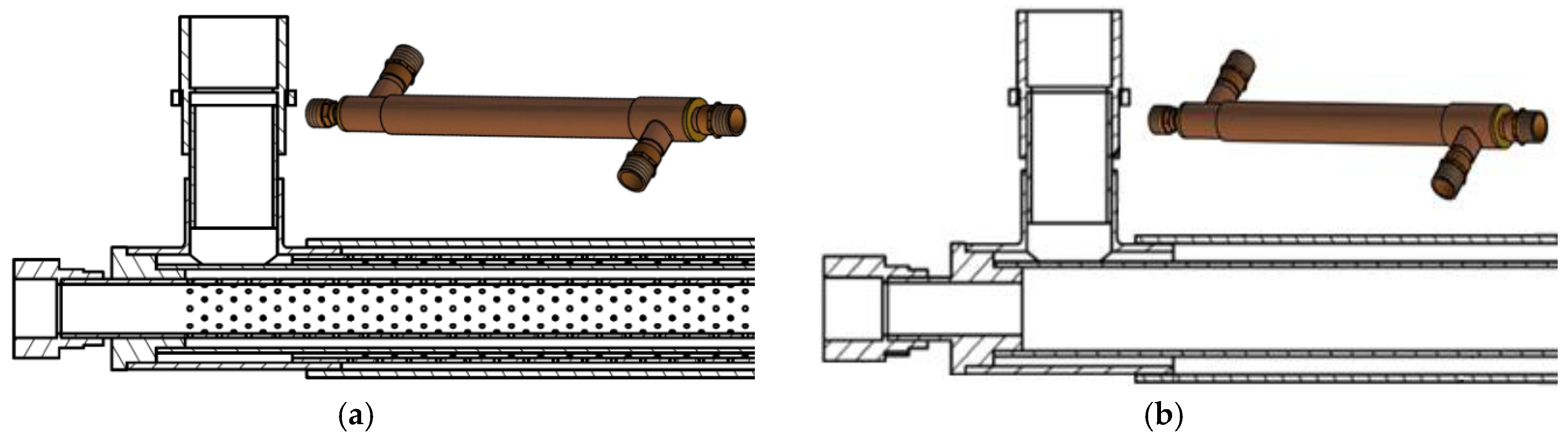
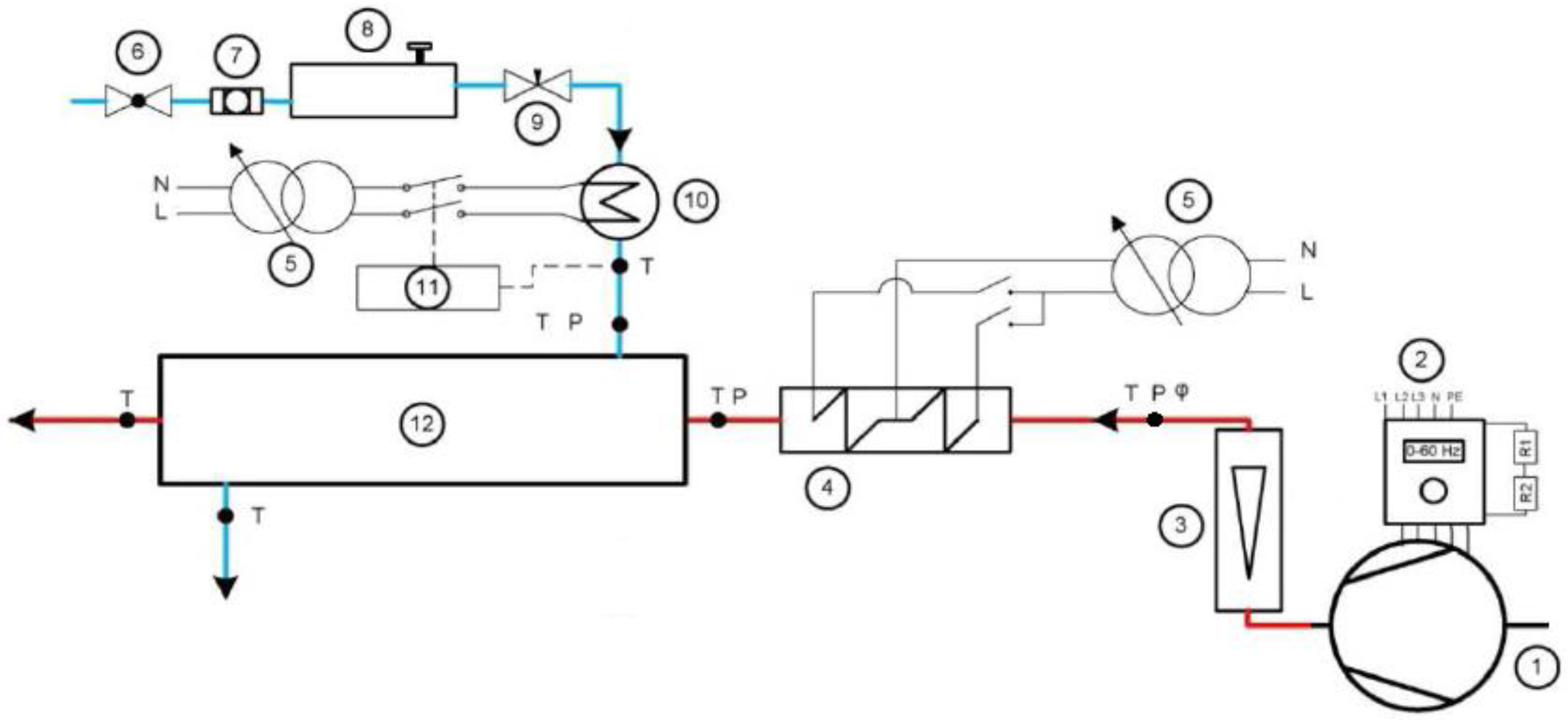
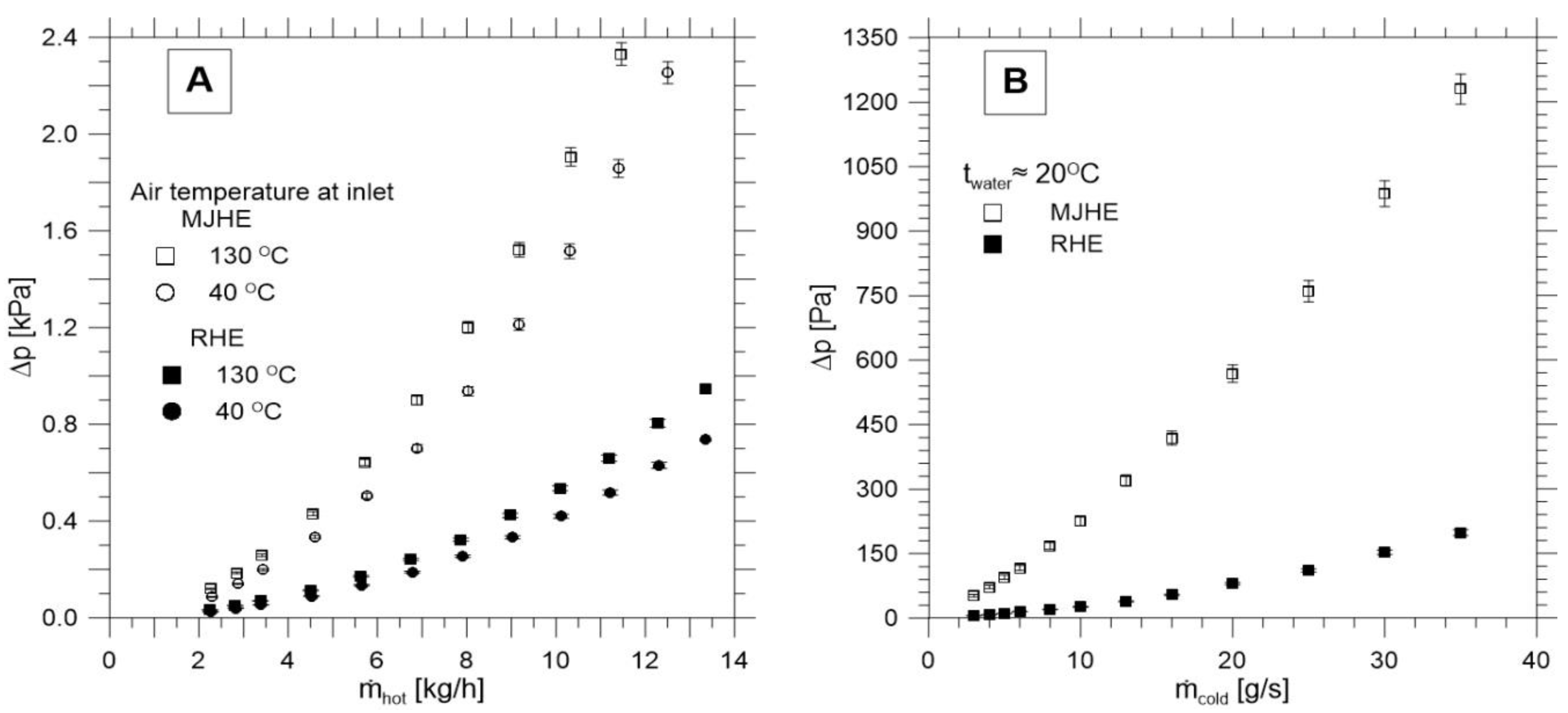
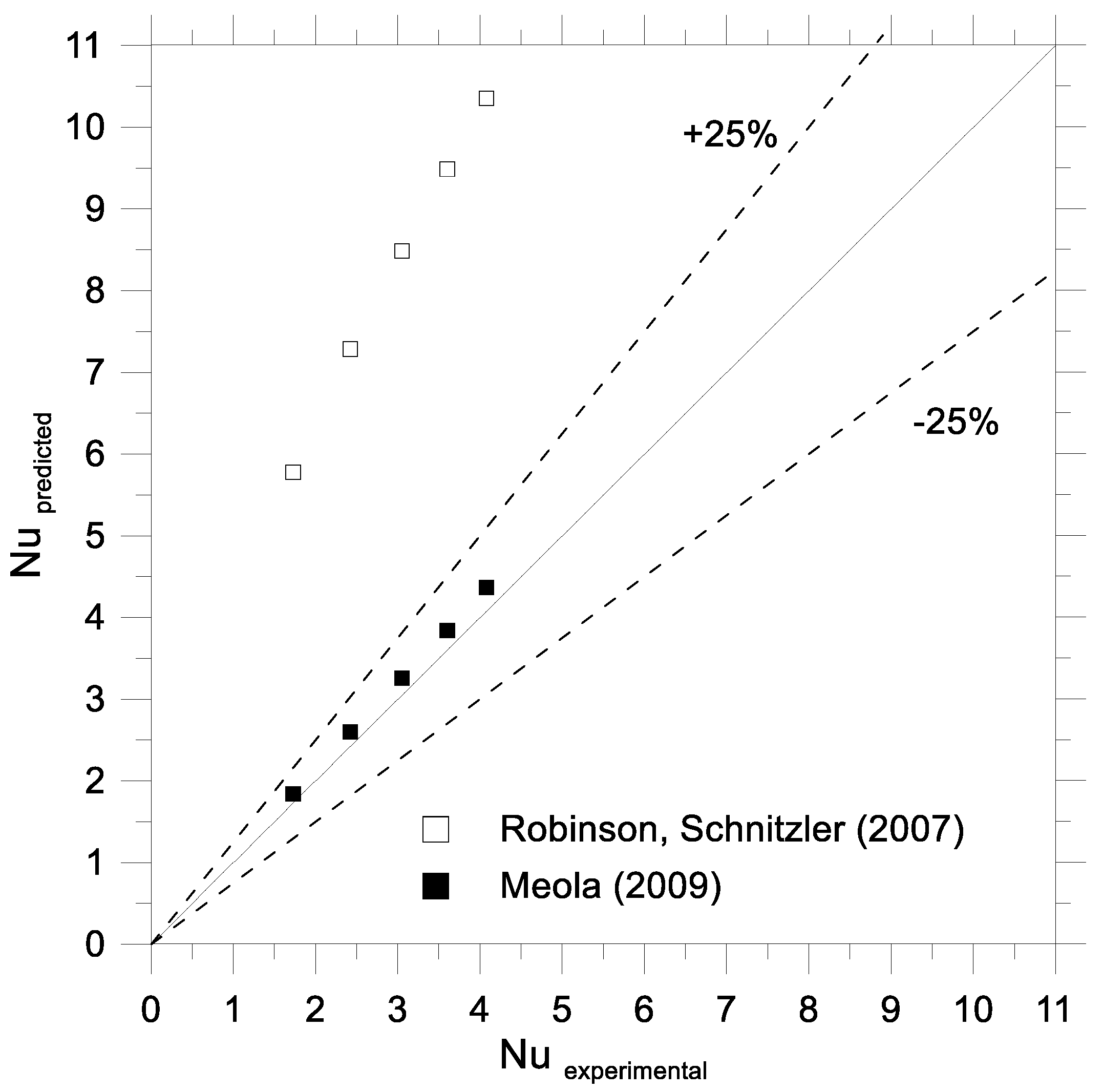
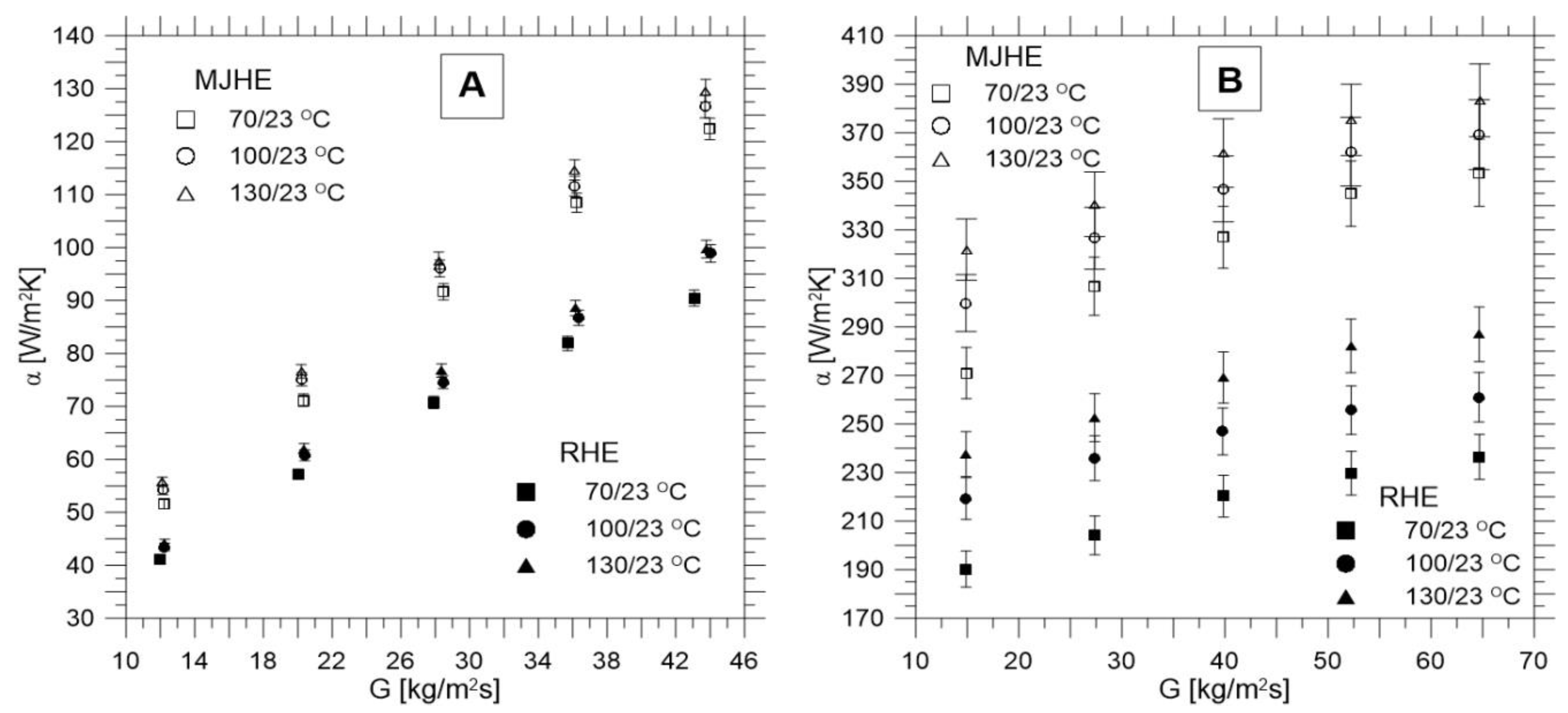
In this paper a patented design of a heat exchanger with minijets, with a cylindrical construction is presented. It is followed by the results of its systematic experimental investigations in the single-phase convection heat transfer mode. Based on these results, validation of selected correlations (coming from the literature) describing the Nusselt number was carried out. An assessment of the heat exchange intensification level in the described heat exchanger was done through the comparison with a shell-and-tube exchanger of a classical design. The thermal-hydraulic characteristics of both units were the subjects of comparison. They were constructed for the identical thermal conditions, i.e., volumetric flow rates of the working media and the media temperatures at the inlets to the heat exchanger. The experimental studies of both heat exchangers were conducted on the same test facility. An increase in the heat transfer coefficients values for the minijets heat exchanger was observed in comparison with the reference one, whereas the generated minijets caused greater hydraulic resistance. Experimentally confirmed intensification of heat transfer on the air side, makes the proposed minijets heat exchanger application more attractive, for the waste heat utilization systems from gas sources.
Keywords: microjet technology; patented design of shell-and-tube heat exchanger; thermal-hydraulic characteristics; heat transfer enhancement microjet technology; patented design of shell-and-tube heat exchanger; thermal-hydraulic characteristics; heat transfer enhancement