Article

Ranking Investment Opportunities Across Risk-Aversion Levels: Application to Islamic and Conventional Indices


by
Guillaume Leduc
1,* and
Shyam Sanjeewa Nishantha Perera
2
1
Department of Mathematics and Statistics, American University of Sharjah, Sharjah P.O. Box 26666, United Arab Emirates
2
Centre for Mathematical Modeling, Department of Mathematics, University of Colombo, Colombo 00700, Sri Lanka
*
Author to whom correspondence should be addressed.
J. Risk Financ. Manag. 2025, 18(11), 623; https://doi.org/10.3390/jrfm18110623
Submission received: 21 September 2025 / Revised: 22 October 2025 / Accepted: 3 November 2025 / Published: 7 November 2025
(This article belongs to the Special Issue Risk Management in Capital Markets)

Abstract

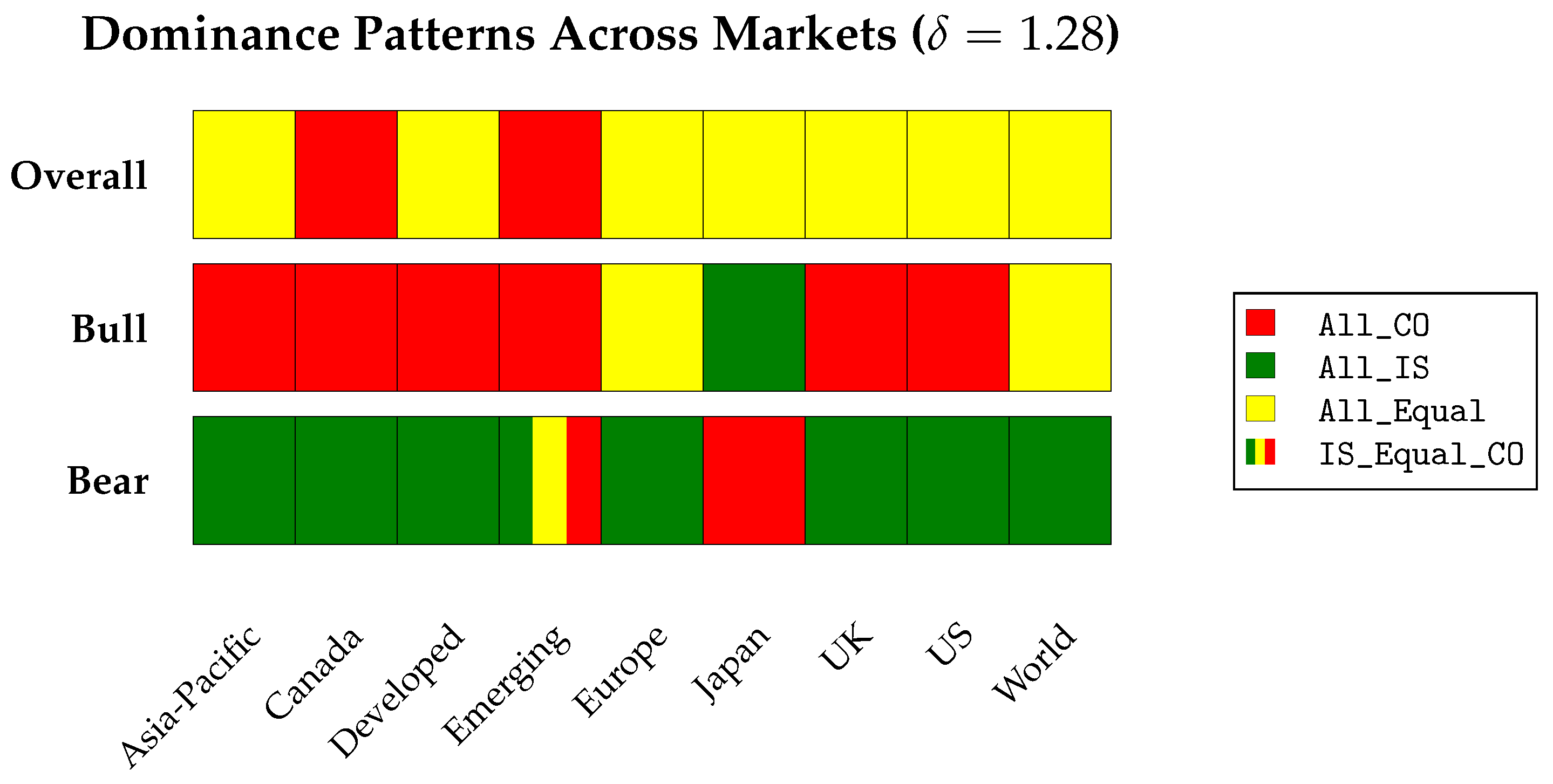
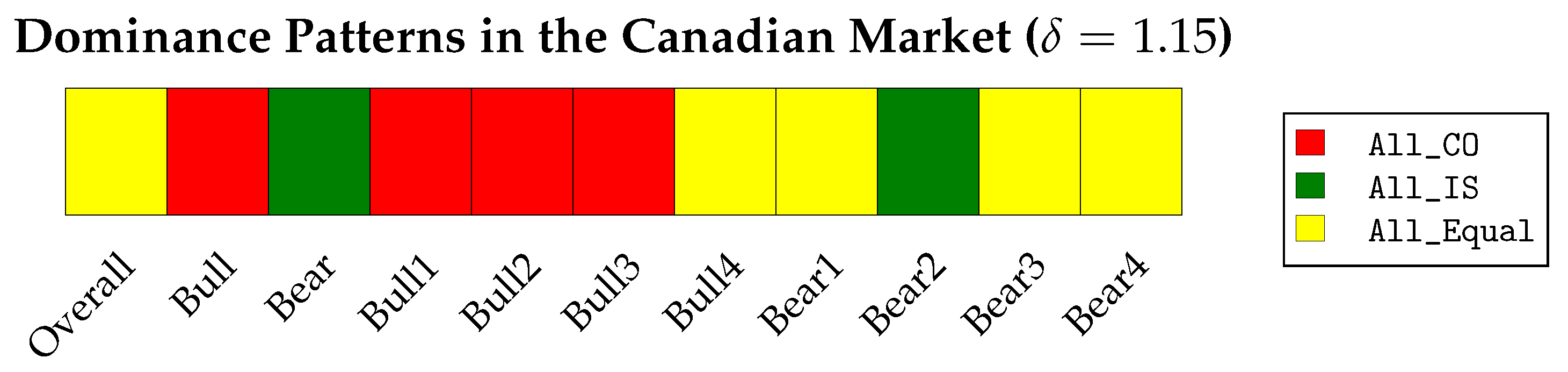
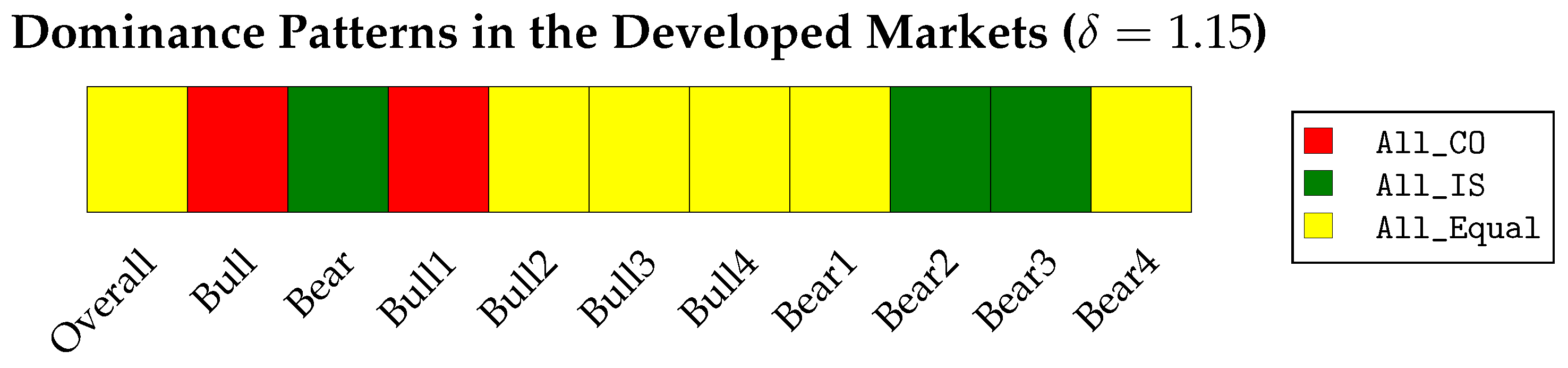
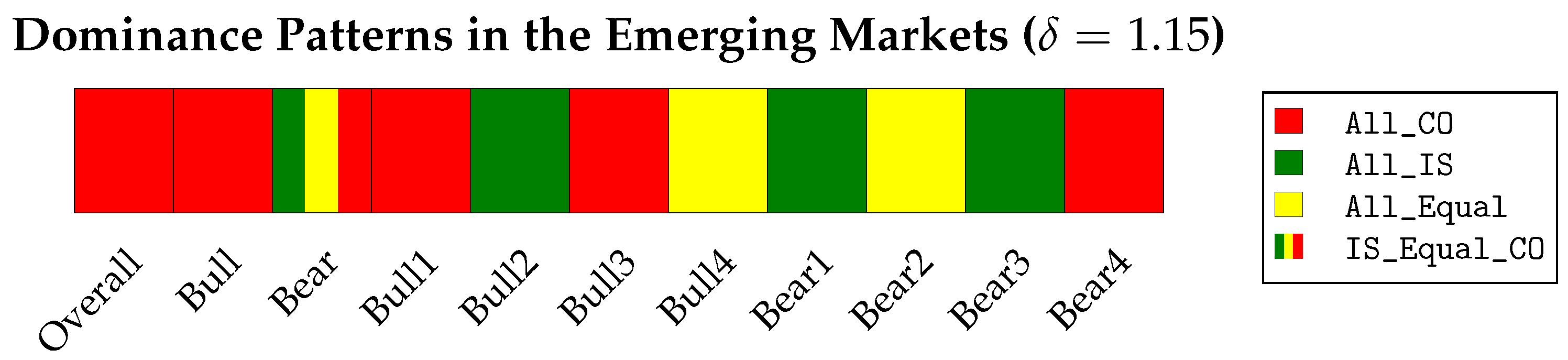
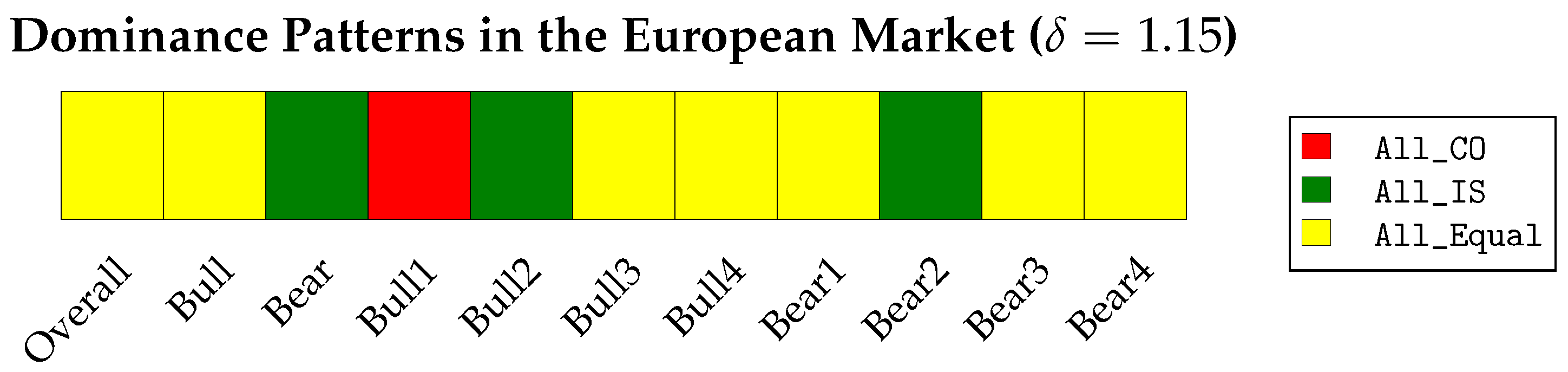
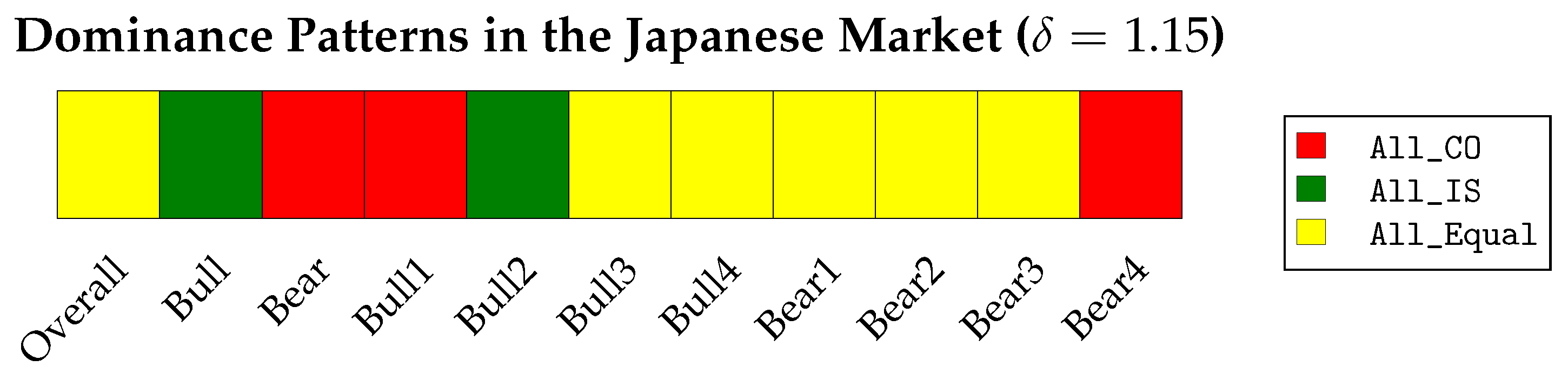
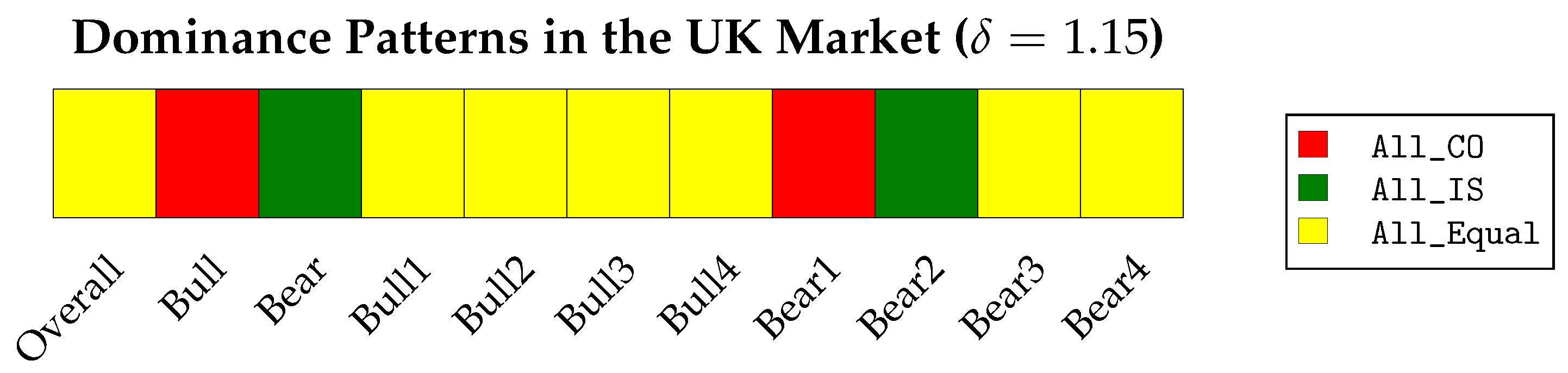
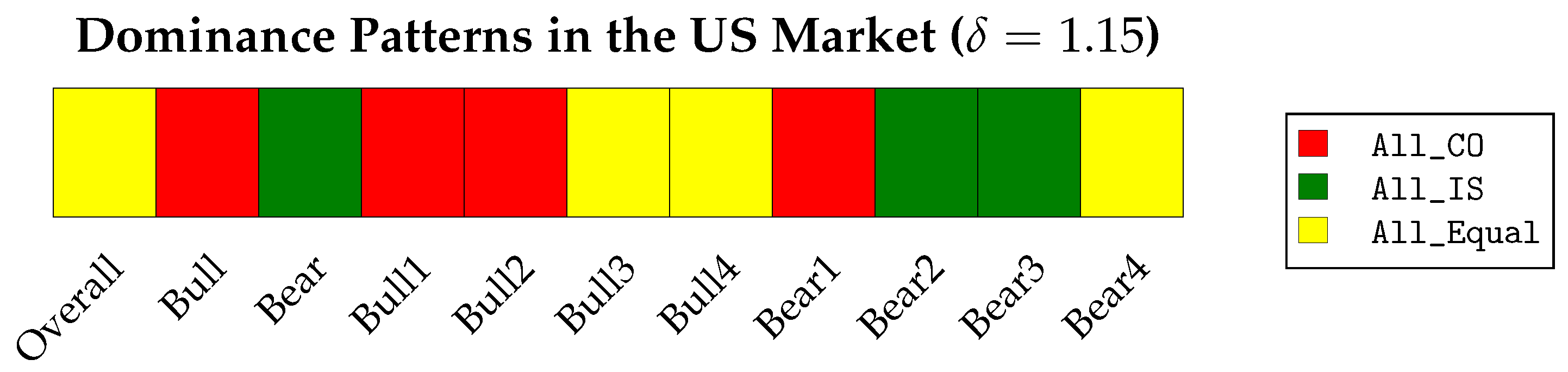
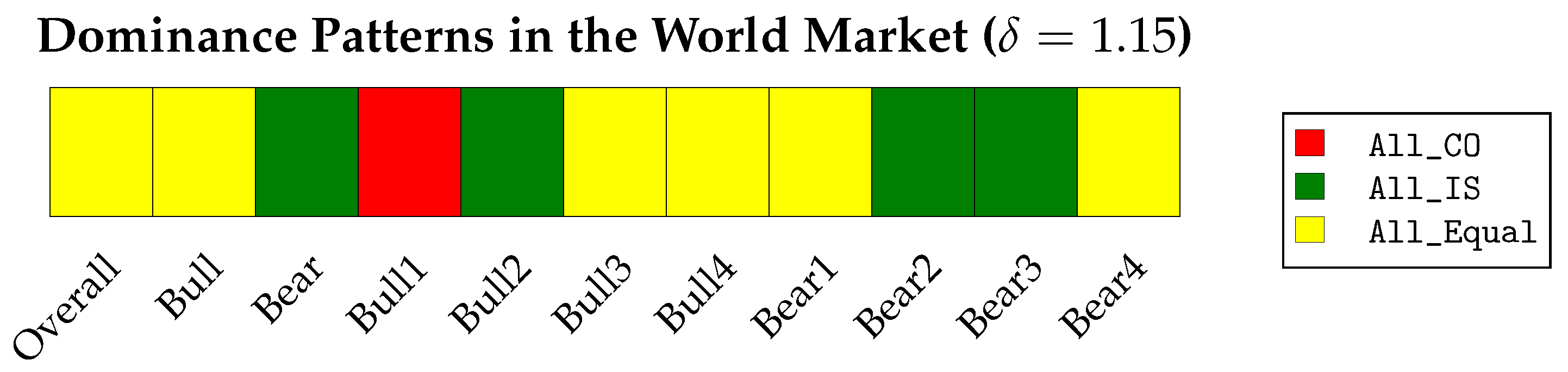
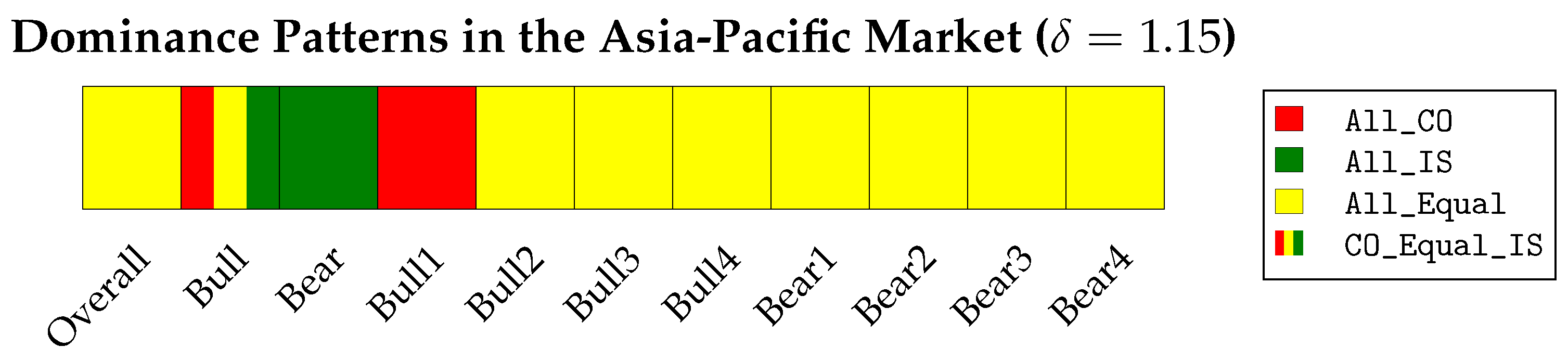
We introduce the Reward–VaR curve, a novel framework for evaluating risk-adjusted investment performance across a range of investor risk preferences. When returns are normally distributed, the Reward–VaR curve yields the same asset ranking as the Sharpe ratio. However, when the third-order modified VaR is used, a new paradigm emerges beyond the simplistic “better/worse” ranking: if no asset dominates at all confidence levels, one becomes preferable for risk-averse investors, while the other is favored by the risk-tolerant. For empirical implementation, we incorporate bootstrapping to separate robust performance patterns from sampling noise. We apply the methodology to compare conventional equity indices and their Islamic counterparts from the S&P Dow Jones Global Index family across nine markets from 2000 to 2024: Asia-Pacific, Canada, Developed, Emerging, Europe, Japan, UK, US, and World. Our empirical results reveal market-condition dependent dominance patterns. During bull markets, conventional indices dominate in most regions, except the European and World markets, where no dominance is observed, and Japan, where the Islamic index outperforms. In bear markets, Islamic indices dominate in most regions, with the exception of Emerging Markets, where dominance is partial, and Japan, where no clear difference is observed. Over the full sample, most markets show no significant long-run dominance, except Canada and Emerging Markets, where conventional indices outperform.
Keywords: asset ranking; risk profile; risk-adjusted performance; Islamic finance; Value-at-Risk; bootstrapping asset ranking; risk profile; risk-adjusted performance; Islamic finance; Value-at-Risk; bootstrapping