


Systematic Review of Emerging Trends and Developments in Sustainability Accounting

Abstract
1. Introduction
2. Materials and Methods
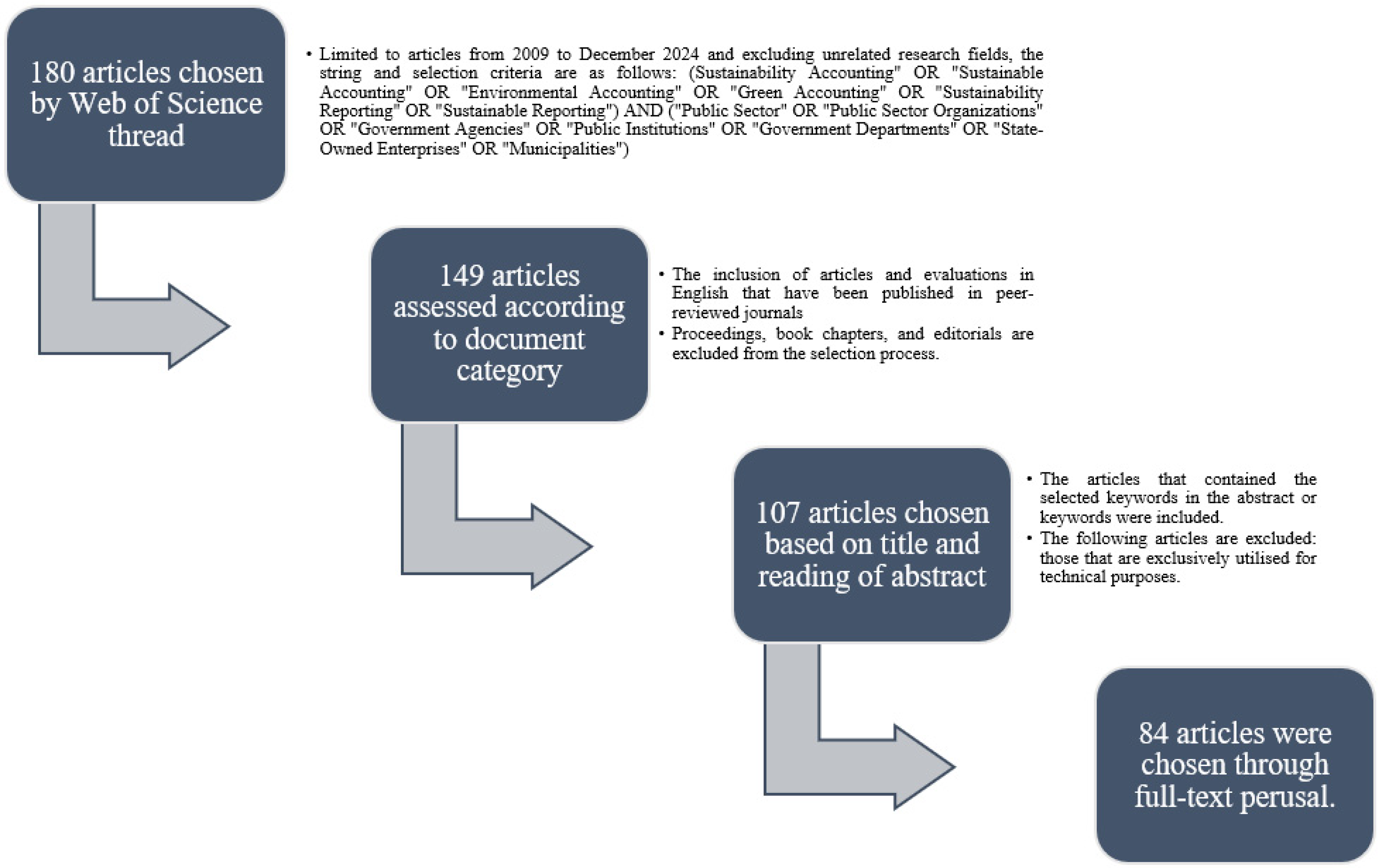
- To increase the quality of resources and ensure relevance, we used a set of criteria for inclusion and exclusion, which are commonly used in systematic literature reviews (SLRs) (Secundo et al., 2020). For example, we only included reviewed articles written in English and directly addressing accounting in public sector organizations. Conversely, conference documents, book chapters, and non-English publications were excluded. This process of filtration ensured that only high-quality and relevant studies were included for further analysis, narrowing the initial sample of 180 publications down to 149 articles.
- After this initial screening, we further improved the selection by checking the titles, abstracts, and keywords, eventually resulting in 107 articles. At this stage, we adhered to the practices recommended by Centobelli et al. (2019), wherein all the authors checked the manuscript and sought more expert advice as needed. This cooperative approach helped to alleviate potential distortion and ensure consistency in the selection of articles.
- Finally, the in-depth review of the remaining articles ensured their relevance to our initial research questions. Through this iteration process, we acquired the final set of 84 articles.
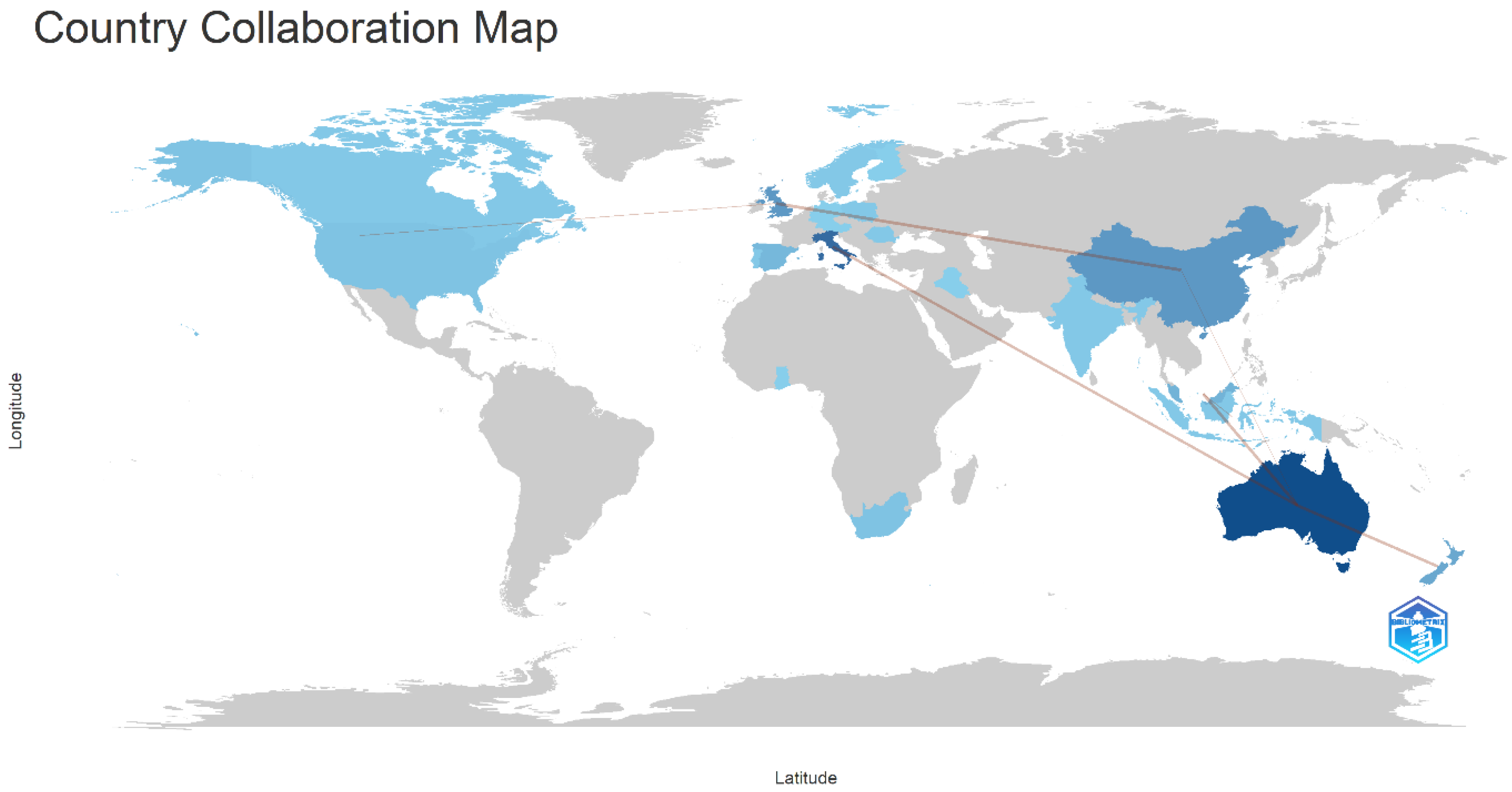
- Mapping of scientific cooperation: One of the primary objectives was to visualize cooperating networks among scientists in different countries. This mapping emphasizes not only the scope of international cooperation but also identifies key contributors and regions that are actively involved in this area. For example, it shows whether certain regions are dominant in the discourse or whether collaboration is evenly distributed worldwide. In addition, regional differences in the procedures for reporting sustainability—as examined herein—include the stricter regulations in Europe versus the more voluntary approaches in Asia, which were used to explore these findings.
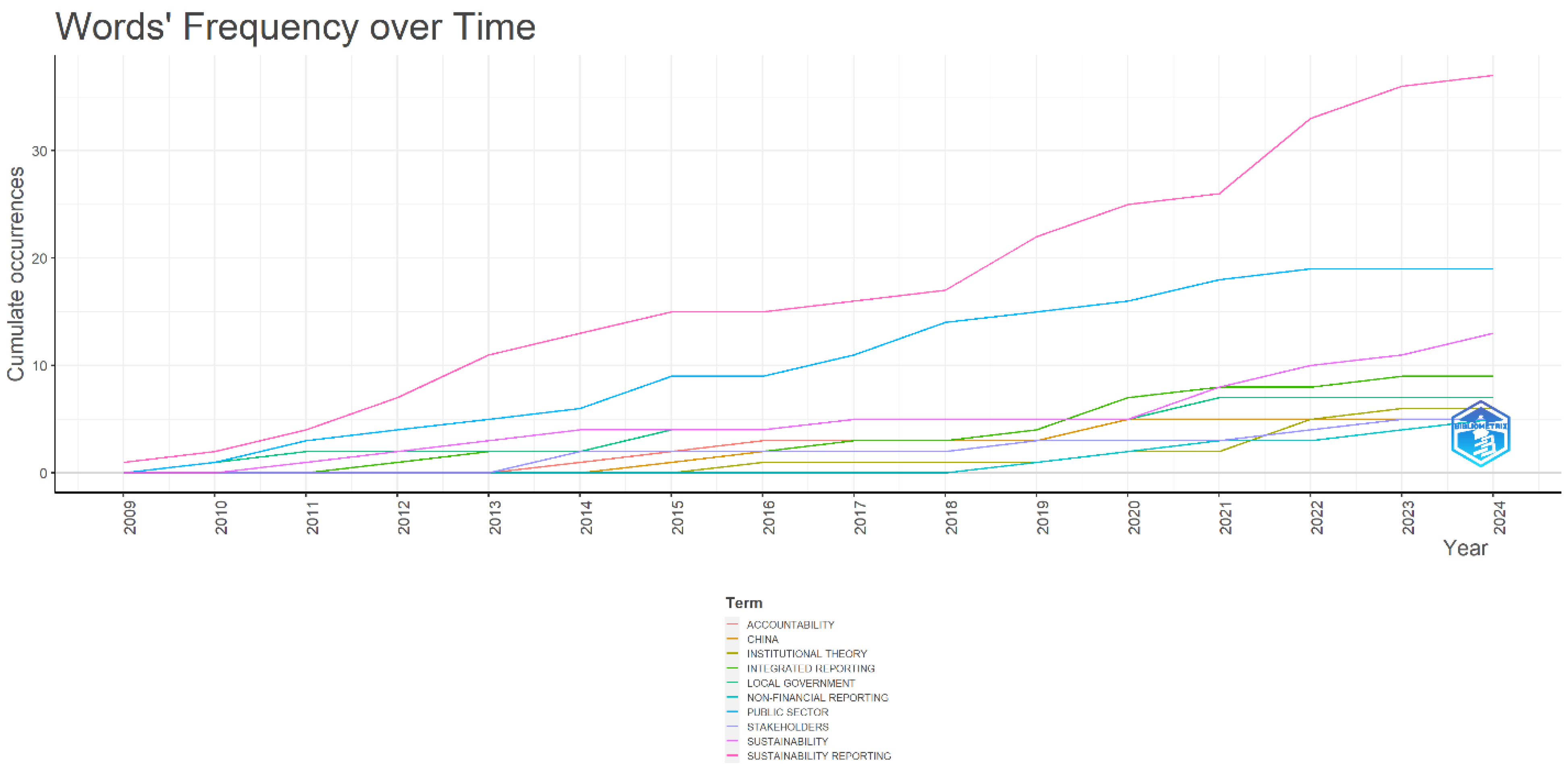
- Analysis of keywords: We monitored the frequency of the occurrence of keywords to identify trends and shifts in the focus of research. This approach helped reveal developing topics and determine the areas of growing interest in literature. To verify these clusters, sensitivity analysis was performed, and thematic clusters were confirmed through manual validation by two independent reviewers with expertise in sustainability accounting. This ensured robustness and minimized subjectivity. In addition, tensions in literature, for example, a debate on standardized frames versus localized approaches—were examined to emphasize unresolved problems and areas requiring further research.
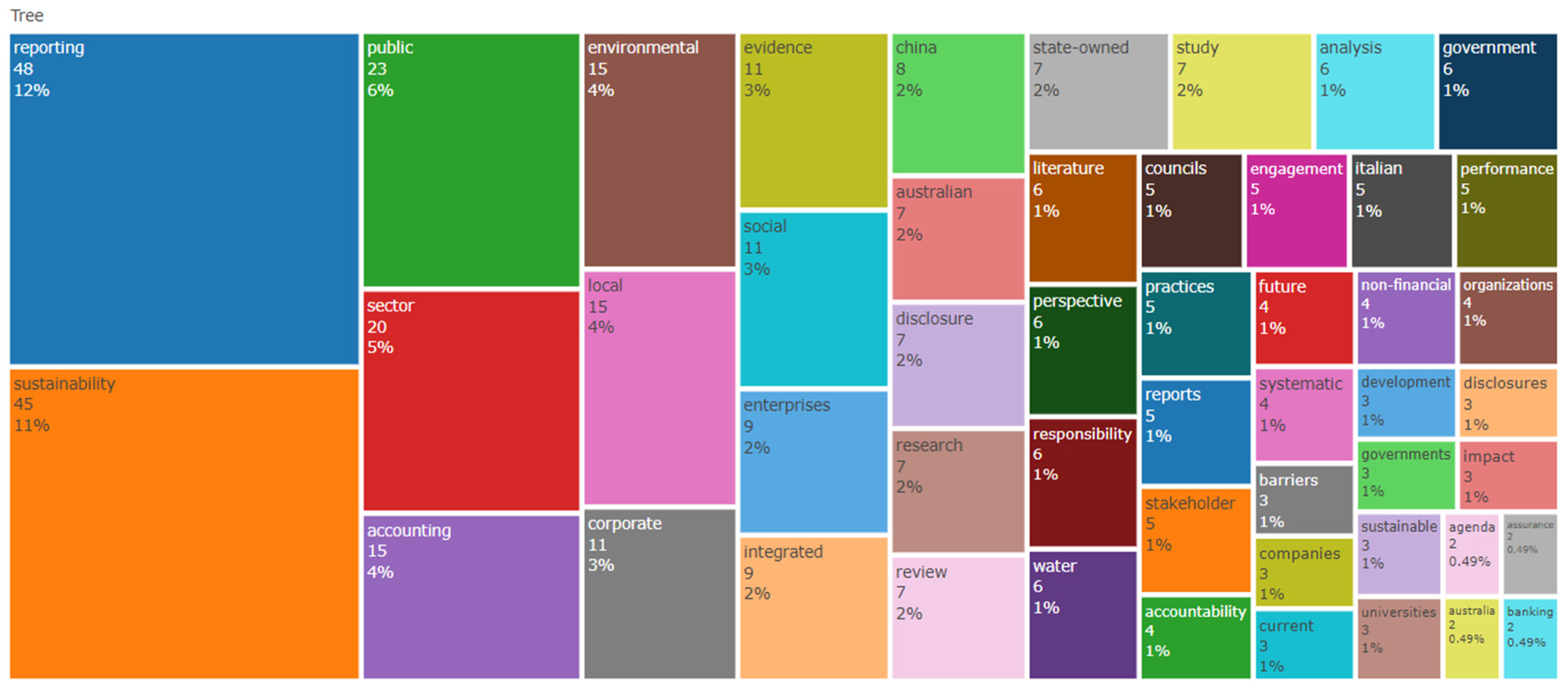
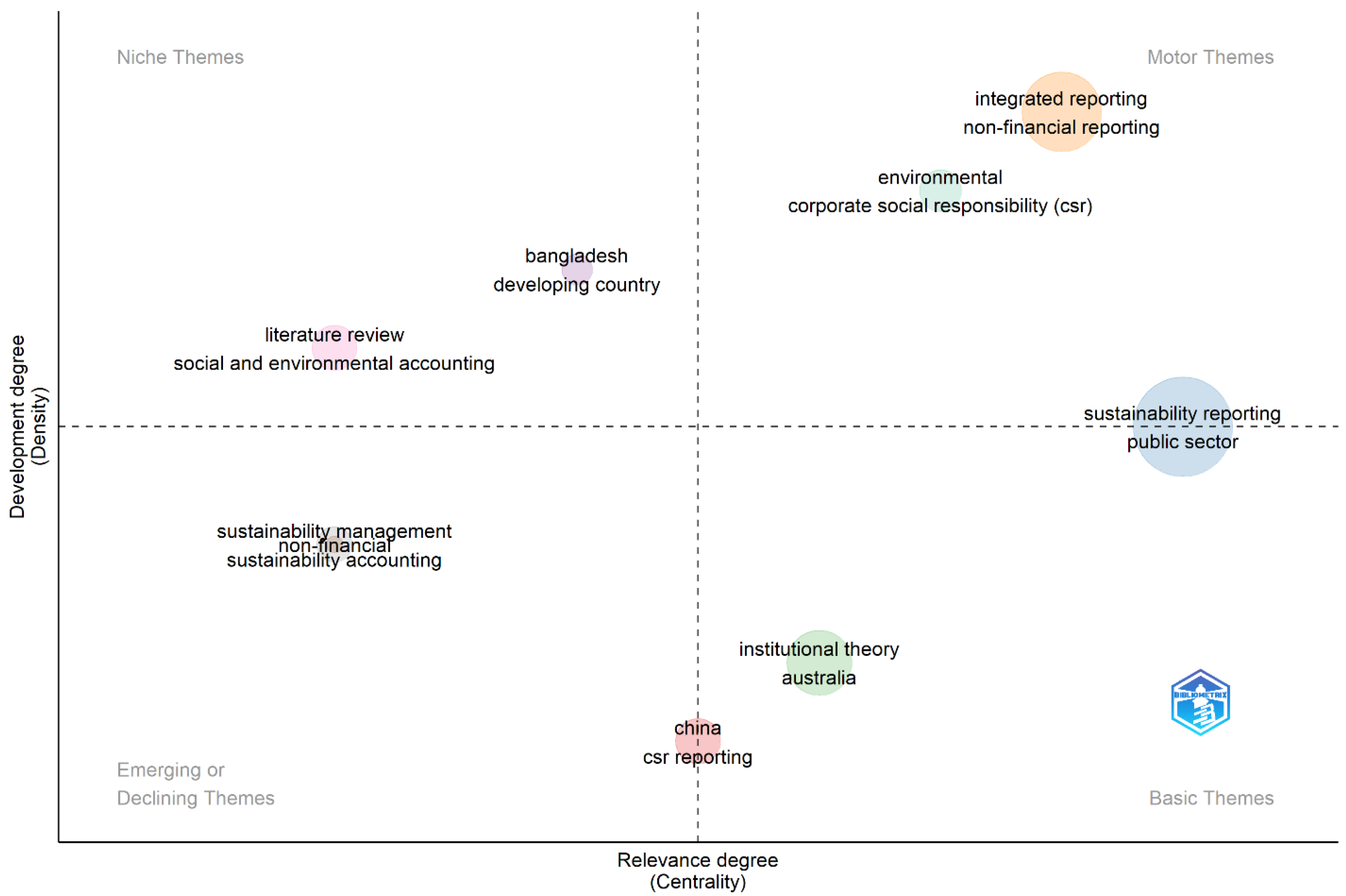
- Thematic mapping: To provide a structured view of the research landscape, we created thematic maps representing clusters of interconnected topics. In addition, a tree map was developed, offering a clear display of dominant topics in the field. These visualizations allow readers to understand the overarching narrative while identifying sub-themes. In addition, the criteria for selecting keywords were carefully defined to ensure relevance and avoid ambiguity, with sensitivity analysis conducted to confirm the stability of identified clusters. Manual validation by domain experts ensured the reliability of thematic mappings.
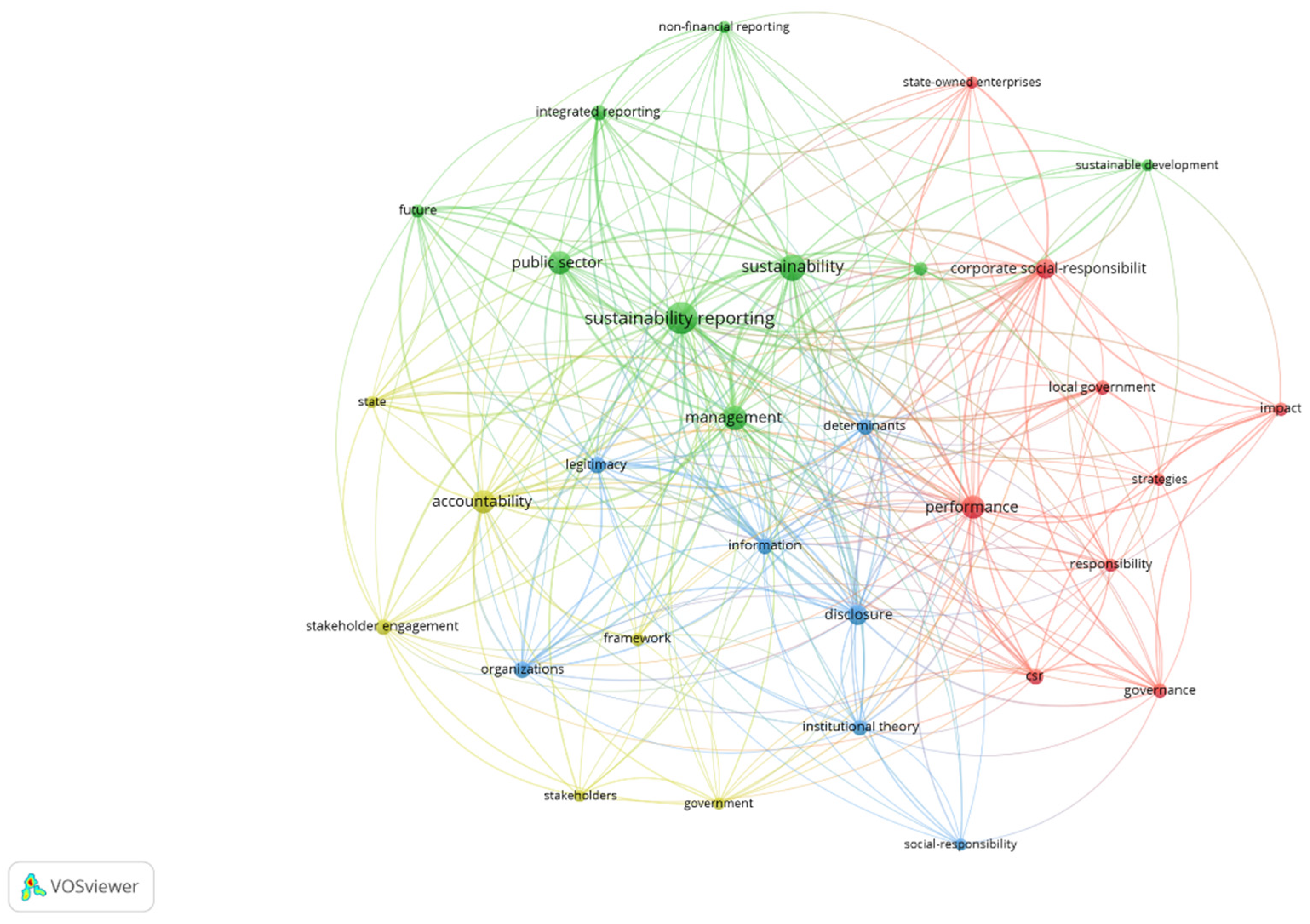
- Keyword co-occurrence network: Using the VOSviewer 1.6.18 software, a network of keywords (Momani et al., 2023) was created. This allowed us to identify data clusters and classify articles into various knowledge domains. The resulting network analysis not only provided insight into relations between different research topics but also facilitated the classification of the key domains forming fields. By ensuring the robustness of our findings and identifying emerging trends that guarantee further investigation, the reliability of classifications was maintained through double-checking by the researchers during article screening and classification.
3. Results
3.1. Analysis of Details
3.1.1. Patterns in Article Content over Time
3.1.2. Journals
3.1.3. The Annual Number of Articles and Citations
3.1.4. Member, Writing, and Reference Countries
3.1.5. Analysis and Clustering of Keywords
3.1.6. Analysis of Clusters
- Red cluster: Corporate social responsibility
- Green cluster: Sustainability reporting
- Blue cluster: Disclosure credibility
- Yellow cluster: Stakeholder engagement
3.1.7. Thematic Map
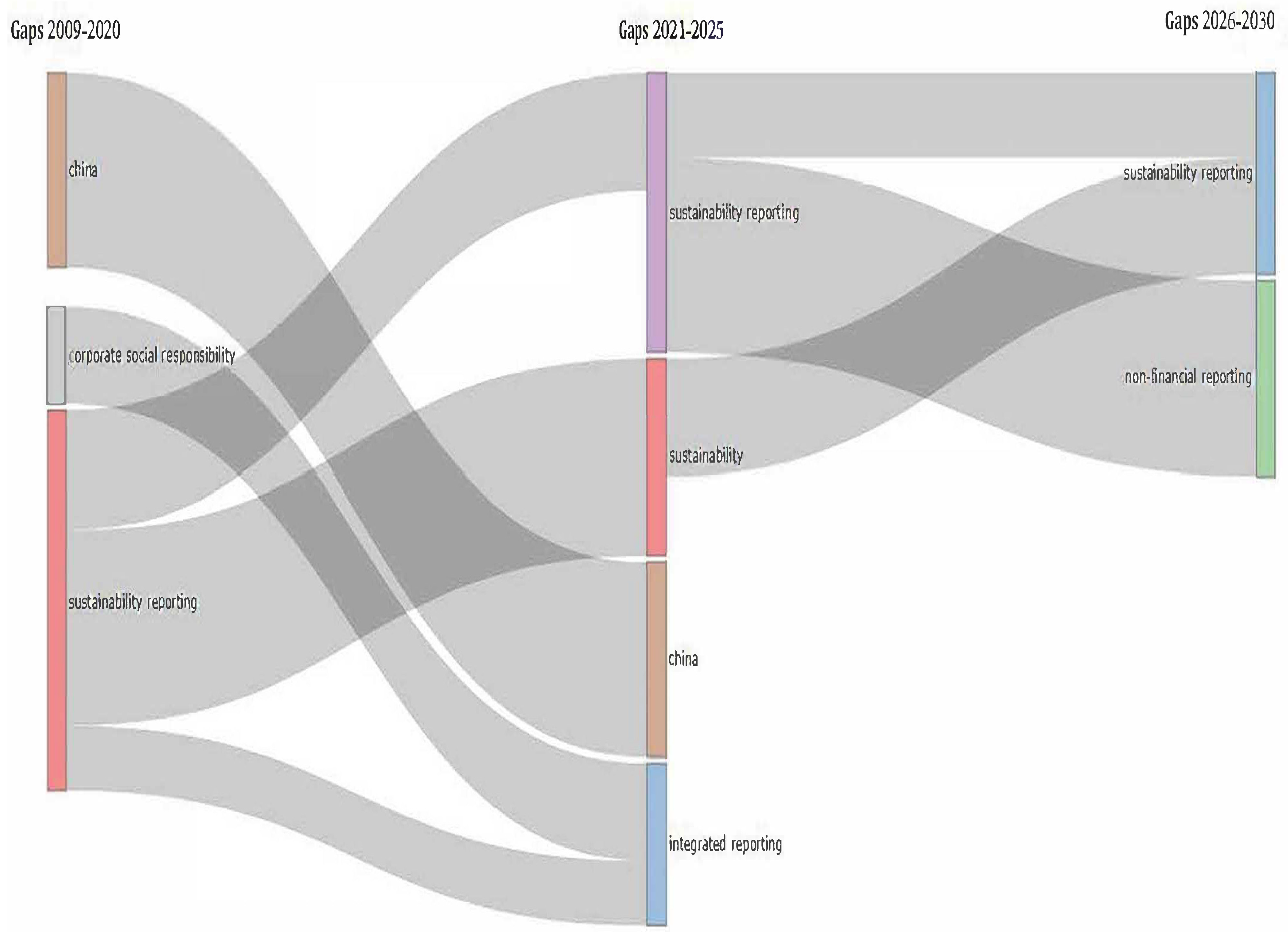
3.1.8. Future Priorities
4. Conclusions
4.1. Responses to Questions
4.2. Possible Consequences
4.3. Limitations
4.4. Last Remarks
Funding
Institutional Review Board Statement
Informed Consent Statement
Data Availability Statement
Acknowledgments
Conflicts of Interest
References
- Abu-Bakar, H., & Charnley, F. (2024). Developing a strategic methodology for circular economy roadmapping: A theoretical framework. Sustainability, 16(15), 6682. [Google Scholar] [CrossRef]
- Adams, C., Muir, S., & Hoque, Z. (2014). Measurement of sustainability performance in the public sector. Sustainability Accounting, Management and Policy Journal, 5(1), 46–67. [Google Scholar] [CrossRef]
- Aladayleh, K. J., Al Qudah, S. M. A., Bargues, J. L. F., & Gisbert, P. F. (2023). Global trends of the research on COVID-19 risks effect in sustainable facility management fields: A bibliometric analysis. Engineering Management in Production and Services, 15(1), 12–28. [Google Scholar] [CrossRef]
- Alshanti, A. M., Al-Azab, H. A. H., Humeedat, M. M., & AlQudah, M. Z. (2024). Exploring the evolution of creative accounting and external auditors: Bibliometric analysis. Cogent Business & Management, 11(1), 2300500. [Google Scholar] [CrossRef]
- Anshari, M., Hamdan, M., Ahmad, N., & Ali, E. (2025). Public service delivery, artificial intelligence and sustainable development goals: Trends, evidence and complexities. Journal of Science and Technology Policy Management, 16(1), 163–181. [Google Scholar]
- Argento, D., Grossi, G., Persson, K., & Vingren, T. (2019). Sustainability disclosures of hybrid organizations: Swedish state-owned enterprises. Meditari Accountancy Research, 27(4), 505–533. [Google Scholar] [CrossRef]
- Aria, M., & Cuccurullo, C. (2017). bibliometrix: An R-tool for comprehensive science mapping analysis. Journal of informetrics, 11(4), 959–975. [Google Scholar]
- Bhatt, Y., Ghuman, K., & Dhir, A. (2020). Sustainable manufacturing. Bibliometrics and content analysis. Journal of Cleaner Production, 260, 120988. [Google Scholar] [CrossRef]
- Biondi, L., & Bracci, E. (2018). Sustainability, popular and integrated reporting in the public sector: A fad and fashion perspective. Sustainability, 10(9), 3112. [Google Scholar] [CrossRef]
- Centobelli, P., Cerchione, R., & Esposito, E. (2019). Exploration and exploitation in the development of more entrepreneurial universities: A twisting learning path model of ambidexterity. Technological Forecasting and Social Change, 141, 172–194. [Google Scholar] [CrossRef]
- Consolandi, C., Phadke, H., Hawley, J., & Eccles, R. G. (2020). Material ESG outcomes and SDG externalities: Evaluating the health care sector’s contribution to the SDGs. Organization & Environment, 33(4), 511–533. [Google Scholar] [CrossRef]
- De Silva, P., Gunarathne, N., & Kumar, S. (2025). Exploring the impact of digital knowledge, integration and performance on sustainable accounting, reporting and assurance. Meditari Accountancy Research, 33(2), 497–552. [Google Scholar] [CrossRef]
- Di Vaio, A., Syriopoulos, T., Alvino, F., & Palladino, R. (2021). “Integrated thinking and reporting” towards sustainable business models: A concise bibliometric analysis. Meditari Accountancy Research, 29(4), 691–719. [Google Scholar] [CrossRef]
- Dumay, J., Guthrie, J., & Farneti, F. (2010). GRI sustainability reporting guidelines for public and third sector organizations: A critical review. Public Management Review, 12(4), 531–548. [Google Scholar] [CrossRef]
- Farneti, F., & Guthrie, J. (2009). Sustainability reporting by Australian public sector organisations: Why they report. Accounting Forum, 33, 89–98. [Google Scholar] [CrossRef]
- Farneti, F., & Siboni, B. (2011). An analysis of the Italian governmental guidelines and of the local governments’ practices for social reports. Sustainability Accounting, Management and Policy Journal, 2(1), 101–125. [Google Scholar] [CrossRef]
- Ferraro, G., Ramponi, A., & Scarlatti, S. (2022). Fintech meets Industry 4.0: A systematic literature review of recent developments and future trends. Technology Analysis & Strategic Management, 36, 1911–1927. [Google Scholar] [CrossRef]
- Fusco, F., & Ricci, P. (2019). What is the stock of the situation? A bibliometric analysis on social and environmental accounting research in public sector. International Journal of Public Sector Management, 32(1), 21–41. [Google Scholar] [CrossRef]
- Greiling, D., Traxler, A. A., & Stötzer, S. (2015). Sustainability reporting in the Austrian, German and Swiss public sector. International Journal of Public Sector Management, 28(4/5), 404–428. [Google Scholar] [CrossRef]
- Guthrie, J., Manes-Rossi, F., & Orelli, R. L. (2017). Integrated reporting and integrated thinking in Italian public sector organisations. Meditari Accountancy Research, 25(4), 553–573. [Google Scholar] [CrossRef]
- Güngör Göksu, G. (2023). A retrospective overview of the journal of public budgeting, accounting and financial management using bibliometric analysis. Journal of Public Budgeting, Accounting & Financial Management, 35(2), 264–295. [Google Scholar] [CrossRef]
- Hahn, R., & Kühnen, M. (2013). Determinants of sustainability reporting: A review of results, trends, theory, and opportunities in an expanding field of research. Journal of Cleaner Production, 59, 5–21. [Google Scholar] [CrossRef]
- Hazelton, J. (2013). Accounting as a human right: The case of water information. Accounting, Auditing & Accountability Journal, 26(2), 267–311. [Google Scholar] [CrossRef]
- Hossain, M. M., Alam, M., Hecimovic, Á., Alamgir Hossain, M., & Choudhury Lema, A. (2016). Contributing barriers to corporate social and environmental responsibility practices in a developing country: A stakeholder perspective. Sustainability Accounting, Management and Policy Journal, 7(2), 319–346. [Google Scholar] [CrossRef]
- Joseph, C., Pilcher, R., & Taplin, R. (2014). Malaysian local government internet sustainability reporting. Pacific Accounting Review, 26(1/2), 75–93. [Google Scholar] [CrossRef]
- Kaur, A., & Lodhia, S. (2018). Stakeholder engagement in sustainability accounting and reporting: A study of Australian local councils. Accounting, Auditing & Accountability Journal, 31(1), 338–368. [Google Scholar]
- Kaur, A., & Lodhia, S. K. (2014). The state of disclosures on stakeholder engagement in sustainability reporting in Australian local councils. Pacific Accounting Review, 26(1/2), 54–74. [Google Scholar] [CrossRef]
- Kaur, A., & Lodhia, S. K. (2019). Sustainability accounting, accountability and reporting in the public sector: An overview and suggestions for future research. Meditari Accountancy Research, 27(4), 498–504. [Google Scholar] [CrossRef]
- Kumar, K., & Prakash, A. (2019). Developing a framework for assessing sustainable banking performance of the Indian banking sector. Social Responsibility Journal, 15(5), 689–709. [Google Scholar] [CrossRef]
- Lodhia, S., & Jacobs, K. (2013). The practice turn in environmental reporting: A study into current practices in two Australian commonwealth departments. Accounting, Auditing & Accountability Journal, 26(4), 595–615. [Google Scholar]
- Manes-Rossi, F., Nicolò, G., & Argento, D. (2020). Non-financial reporting formats in public sector organizations: A structured literature review. Journal of Public Budgeting, Accounting & Financial Management, 32(4), 639–669. [Google Scholar] [CrossRef]
- Manetti, G., Bellucci, M., & Oliva, S. (2021). Unpacking dialogic accounting: A systematic literature review and research agenda. Accounting, Auditing & Accountability Journal, 34(9), 250–283. [Google Scholar] [CrossRef]
- Momani, M. A. K. A., Alharahasheh, K. A., & Alqudah, M. (2023). Digital learning in Sciences education: A literature review. Cogent Education, 10(2), 2277007. [Google Scholar] [CrossRef]
- Nicolò, G., Zanellato, G., & Tiron-Tudor, A. (2020). Integrated reporting and European state-owned enterprises: A disclosure analysis pre and post 2014/95/EU. Sustainability, 12(5), 1908. [Google Scholar] [CrossRef]
- Salato, R., Gomes, P., & Ferreira, C. (2024). Accrual accounting in the public sector of emerging economies: Bibliometric analysis and future research. Public Money & Management, 44(5), 376–388. [Google Scholar]
- Secundo, G., Rippa, P., & Cerchione, R. (2020). Digital Academic Entrepreneurship: A structured literature review and avenue for a research agenda. Technological Forecasting and Social Change, 157, 120118. [Google Scholar] [CrossRef]
- Shoeb, M., Aslam, A., & Aslam, A. (2022). Environmental accounting disclosure practices: A bibliometric and systematic review. International Journal of Energy Economics and Policy, 12(4), 226–239. [Google Scholar] [CrossRef]
- Transfield, D., Denyer, D., & Smart, P. (2003). Towards a methodology for developing evidence-informed management knowledge by means of systematic review. British Journal of Management, 14(3), 207–222. [Google Scholar]
- Vinnari, E., & Laine, M. (2013). Just a passing fad? The diffusion and decline of environmental reporting in the Finnish water sector. Accounting, Auditing & Accountability Journal, 26(7), 1107–1134. [Google Scholar]
- Weir, K. (2018). The purposes, promises and compromises of extinction accounting in the UK public sector. Accounting, Auditing & Accountability Journal, 31(3), 875–899. [Google Scholar] [CrossRef]
- Williams, B., Wilmshurst, T., & Clift, R. (2011). Sustainability reporting by local government in Australia: Current and future prospects. Accounting Forum, 35, 176–186. [Google Scholar] [CrossRef]
- Yu, H. C., Kuo, L., & Kao, M. F. (2017). The relationship between CSR disclosure and competitive advantage. Sustainability Accounting, Management and Policy Journal, 8(5), 547–570. [Google Scholar] [CrossRef]
- Zhao, N., & Patten, D. M. (2016). An exploratory analysis of managerial perceptions of social and environmental reporting in China: Evidence from state-owned enterprises in Beijing. Sustainability Accounting, Management and Policy Journal, 7(1), 80–98. [Google Scholar] [CrossRef]



| Author | Year | Articles | Journal | Citations |
|---|---|---|---|---|
| Hahn, R., & Kühnen, M. | 2013 | Determinants of sustainability reporting: A review of results, trends, theory, and opportunities in an expanding field of research | Journal of cleaner production | 763 |
| Dumay, J., Guthrie, J., & Farneti, F. | 2010 | GRI sustainability reporting guidelines for public and third sector organizations: A critical review | Public Management Review | 210 |
| Farneti, F., & Guthrie, J. | 2009 | Sustainability reporting by Australian public sector organizations: Why they report | In Accounting forum | 181 |
| Guthrie, J., Manes-Rossi, F., & Orelli, R. L. | 2017 | Integrated reporting and integrated thinking in Italian public sector organizations | Meditari Accountancy Research | 144 |
| A. Adams, C., Muir, S., & Hoque, Z. | 2014 | Measurement of sustainability performance in the public sector | Sustainability Accounting, Management and Policy Journal | 111 |
| Williams, B., Wilmshurst, T., & Clift, R. | 2011 | Sustainability reporting by local government in Australia: Current and future prospects | In Accounting forum | 81 |
| Kaur, A., & Lodhia, S. | 2018 | Stakeholder engagement in sustainability accounting and reporting: A study of Australian local councils | Accounting, Auditing & Accountability Journal | 78 |
| Greiling, D., Traxler, A. A., & Stötzer, S. | 2015 | Sustainability reporting in the Austrian, German and Swiss public sector | International Journal of Public Sector Management | 73 |
| Manes-Rossi, F., Nicola, G., & Argento, D. | 2020 | Non-financial reporting formats in public sector organizations: a structured literature review | Journal of Public Budgeting, Accounting & Financial Management | 71 |
| Yu, H. C., Kuo, L., & Kao, M. F. | 2017 | The relationship between CSR disclosure and competitive advantage | Sustainability Accounting, Management and Policy Journal | 71 |
| Keywords | Significance Level | Total Link Strength |
|---|---|---|
| sustainability reporting | 36 | 124 |
| sustainability | 24 | 85 |
| management | 21 | 87 |
| public sector | 19 | 57 |
| performance | 19 | 67 |
| Cluster | Questions | Rationale |
|---|---|---|
| Red cluster | When it comes to public sector organizations (PSOs), what motivates them to implement CSR practices? | Understanding the motivations for CSR in PSOs can help develop targeted policies and interventions to promote responsible practices. |
| How do these CSR practices impact the performance and public trust of PSOs in the long term? | Assessing the long-term impact of CSR on performance and public trust is crucial for evaluating its effectiveness and justifying investments. | |
| What are the specific challenges in applying sustainability reporting frameworks such as the GRI in PSOs? | Identifying challenges faced by PSOs in using frameworks such as the GRI can inform the development of more adaptable and user-friendly guidelines. | |
| How can digital technologies enhance CSR reporting and performance in PSOs? | Exploring the potential of digital tools can identify opportunities to improve efficiency, transparency, and impact of CSR efforts in PSOs. | |
| Green cluster | How can sustainability reporting guidelines be standardized and effectively implemented across different regions and sectors in PSOs? | Standardized reporting frameworks would allow for better comparability of sustainability practices between PSOs in different contexts. |
| What are the practicalities and challenges of implementing integrated reporting in the public sector? | Exploring the practicalities of integrated reporting in the public sector can help identify potential roadblocks and develop strategies for successful implementation. | |
| What is the relationship between CSR disclosures and competitive advantage in PSOs? | Understanding this relationship can inform decisions about the strategic use of CSR disclosures to enhance an organization’s competitive position. | |
| How can sustainability reporting formats and methodologies be improved for better comparability and usefulness? | Developing more consistent and user-friendly reporting formats can improve the usefulness of sustainability disclosures for stakeholders. | |
| Blue cluster | What are the motivations behind sustainability reporting in PSOs, and how do they vary across organizations? | Understanding motivation can help tailor reporting practices to achieve specific goals and enhance effectiveness. |
| How can integrated reporting practices enhance the value and reliability of sustainability disclosures in PSOs? | Integrating financial and non-financial information can provide a more holistic view of an organization’s performance and increase the credibility of disclosures. | |
| What is the link between sustainability reporting and organizational outcomes like public trust and stakeholder engagement? | Understanding this link can help demonstrate the value of sustainability reporting for PSOs by highlighting its positive impact on stakeholder relationships. | |
| How do PSOs balance positive and negative disclosures in sustainability reporting to maintain credibility? | Striking a balance between highlighting achievements and acknowledging challenges is essential for maintaining transparency and trust in sustainability reporting. | |
| Yellow cluster | How effective are stakeholder engagement strategies in improving accountability and PSO performance? | Evaluating the effectiveness of stakeholder engagement can help PSOs develop better strategies to enhance public accountability and improve organizational performance. |
| How can sustainability and accountability reporting be more comprehensively integrated in PSOs? | A more integrated approach can create a more unified view of an organization’s performance, encompassing both financial and non-financial aspects. | |
| What are the challenges in adopting and implementing reporting standards consistently across different regions? | Identifying these challenges can inform efforts to develop a more globally applicable approach to sustainability reporting in the public sector. | |
| How can digital platforms facilitate more effective and inclusive stakeholder engagement practices in PSOs? | Exploring the use of digital tools can help PSOs improve communication and collaboration with stakeholders, leading to more inclusive and effective engagement. |
Disclaimer/Publisher’s Note: The statements, opinions and data contained in all publications are solely those of the individual author(s) and contributor(s) and not of MDPI and/or the editor(s). MDPI and/or the editor(s) disclaim responsibility for any injury to people or property resulting from any ideas, methods, instructions or products referred to in the content. |
© 2025 by the author. Licensee MDPI, Basel, Switzerland. This article is an open access article distributed under the terms and conditions of the Creative Commons Attribution (CC BY) license (https://creativecommons.org/licenses/by/4.0/).
Share and Cite
Airout, R.M. Systematic Review of Emerging Trends and Developments in Sustainability Accounting. J. Risk Financial Manag. 2025, 18, 621. https://doi.org/10.3390/jrfm18110621
Airout RM. Systematic Review of Emerging Trends and Developments in Sustainability Accounting. Journal of Risk and Financial Management. 2025; 18(11):621. https://doi.org/10.3390/jrfm18110621
Chicago/Turabian StyleAirout, Rana Mustafa. 2025. "Systematic Review of Emerging Trends and Developments in Sustainability Accounting" Journal of Risk and Financial Management 18, no. 11: 621. https://doi.org/10.3390/jrfm18110621
APA StyleAirout, R. M. (2025). Systematic Review of Emerging Trends and Developments in Sustainability Accounting. Journal of Risk and Financial Management, 18(11), 621. https://doi.org/10.3390/jrfm18110621