Systematic Review

Spinal Metastases in Non-Seminomatous Germ Cell Testicular Tumors: Prognosis and Integrated Therapeutic Approaches—A Systematic Review with an Institutional Case Illustration


1
Neurosurgery Unit, Department of Head and Neck Surgery, Garibaldi Hospital, 95124 Catania, Italy
2
Department of Medicine and Surgery, Kore University of Enna, 94100 Enna, Italy
3
Department of Radiation Oncology, REM Radioterapia srl, 95029 Viagrande, Italy
4
Brunel Medical School, Brunel University London, Uxbridge, London UB8 3PH, UK
5
Anatomic Pathology Unit, Garibaldi Hospital, 95124 Catania, Italy
6
Oncology Unit, Garibaldi Hospital, 95124 Catania, Italy
7
Department of Diagnostic Imaging, Interventional Radiology and Neuroradiology, Garibaldi Hospital, 95124 Catania, Italy
8
Department of Neurosurgery, Sant’ Elia Hospital, 93100 Caltanissetta, Italy
9
Pain Therapy and Palliative Care Unit, ASP 7 Ragusa, 97100 Ragusa, Italy
10
Department of Neurosurgery, Trauma Center, Gamma Knife Center, Cannizzaro Hospital, 95126 Catania, Italy
*
Author to whom correspondence should be addressed.
Curr. Oncol. 2024, 31(12), 7459-7475; https://doi.org/10.3390/curroncol31120551

Submission received: 19 October 2024 / Revised: 11 November 2024 / Accepted: 22 November 2024 / Published: 24 November 2024

Abstract

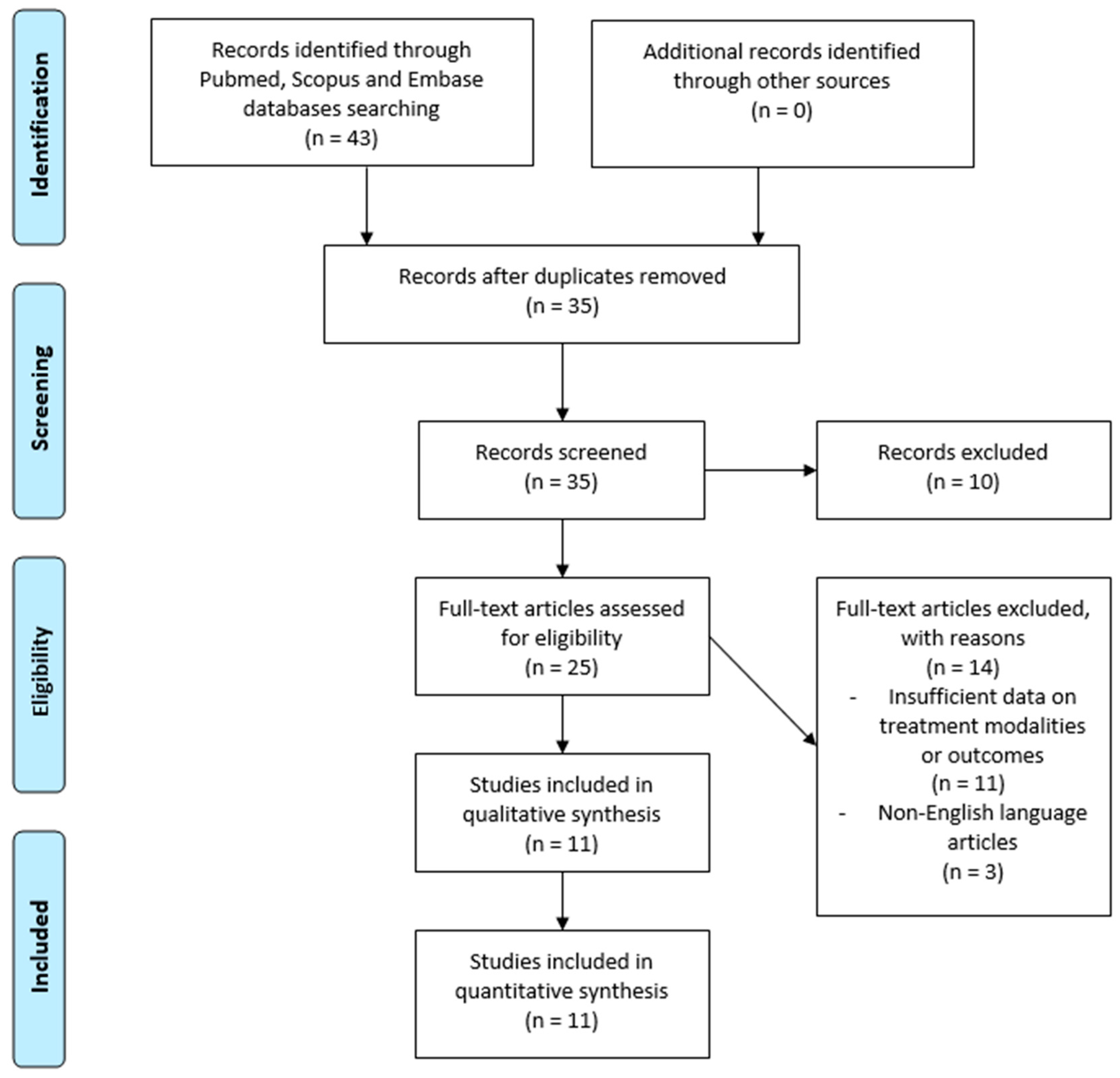
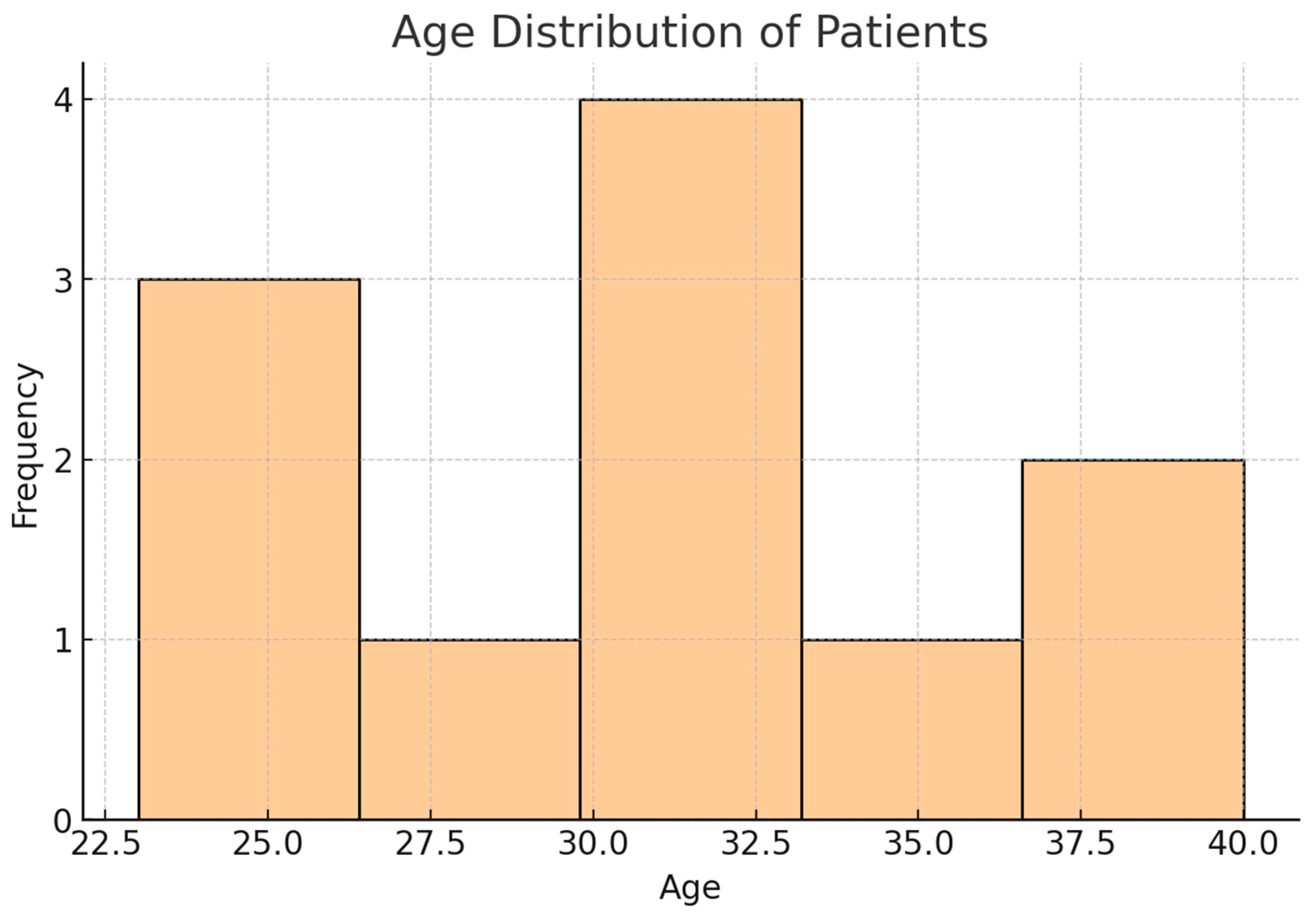
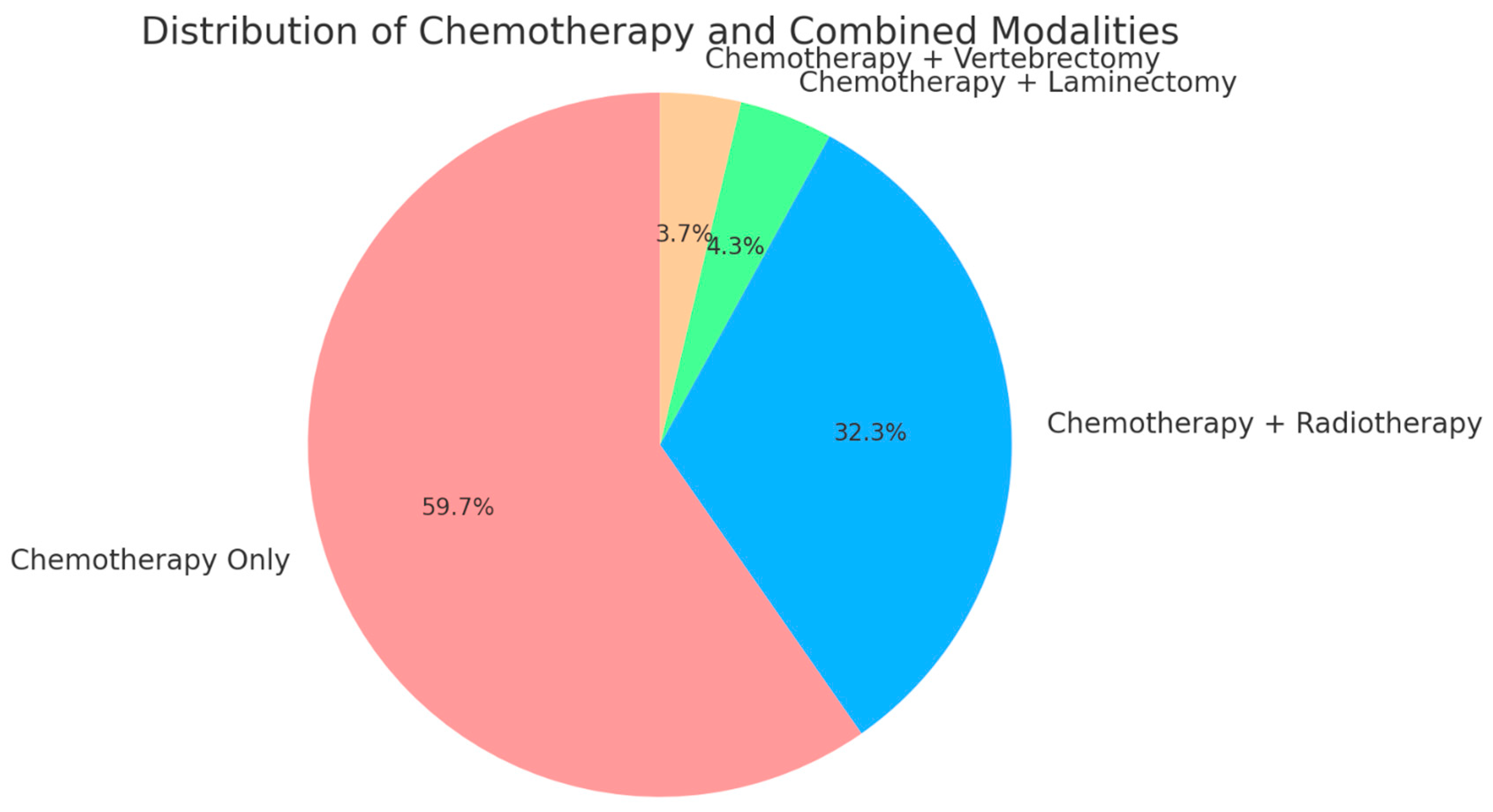
(1) Background: Testicular cancer, although accounting for only 0.5% to 1% of all solid male cancers, is the most common malignancy in males aged 15 to 35 years. Non-seminomatous germ cell tumors (NSGCT) represent nearly half of all testicular germ cell tumors and are associated with a more aggressive clinical course. Spinal metastases, while rare, pose significant challenges due to their potential to cause spinal cord compression, neurological deficits, and severe pain. This systematic review aims to evaluate prognosis and treatment approaches for spinal metastases in NSGCT, with a focus on multidisciplinary care and treatment outcomes. (2) Methods: A systematic review was conducted following PRISMA guidelines. PubMed, Scopus, and Embase were searched on 18 September 2024, using the Boolean search strategy [(Nonseminomatous germ cell tumor (NSGCT) AND (spinal OR vertebral metastases)]. Case reports, case series, and cohort studies providing detailed patient data were included. Data on patient demographics, tumor histology, metastatic site, treatments, and outcomes were extracted for analysis. (3) Results: A total of 164 cases of NSGCT with spinal metastases were analyzed, with patients aged 23 to 40 years (median: 31.5 years). The lumbar spine was involved in all cases, and spinal cord compression occurred in 59.8% of patients, often causing severe neurological symptoms such as cauda equina syndrome. Chemotherapy, primarily cisplatin-based, was administered in all cases, while surgical interventions, including laminectomy and vertebrectomy, were performed in cases of spinal compression and instability. Complete remission occurred in only 2.4% of patients. Progressive improvement was observed in 56.7% of cases, while 20.1% of patients died. Outcomes varied, highlighting the importance of individualized, multidisciplinary care to manage both systemic and localized disease. (4) Conclusions: Spinal metastases in NSGCT represent a complex clinical scenario, requiring a combination of chemotherapy, surgery, and in some cases, radiotherapy. Chemotherapy remains essential, but surgery is critical for addressing spinal compression and instability. A multidisciplinary approach is vital for optimizing outcomes, as prognosis is variable, with some patients achieving improvement while others face progressive disease or death. Further research is needed to refine the role of radiotherapy and improve long-term treatment strategies for this rare complication.
Keywords: non-seminomatous; germ cell tumors; testicular; metastases; spine; chemotherapy; multidisciplinary care; surgery non-seminomatous; germ cell tumors; testicular; metastases; spine; chemotherapy; multidisciplinary care; surgery