Article

Neuroprotective Effects of Blueberries through Inhibition on Cholinesterase, Tyrosinase, Cyclooxygenase-2, and Amyloidogenesis

Department of Chemistry and Biochemistry, University of Massachusetts Dartmouth, North Dartmouth, MA 02747, USA
*
Author to whom correspondence should be addressed.
Nutraceuticals 2023, 3(1), 39-57; https://doi.org/10.3390/nutraceuticals3010004

Submission received: 19 October 2022 / Revised: 13 December 2022 / Accepted: 23 December 2022 / Published: 3 January 2023

Abstract

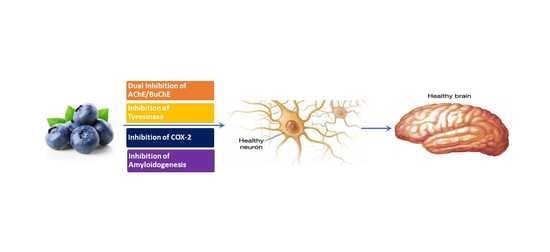
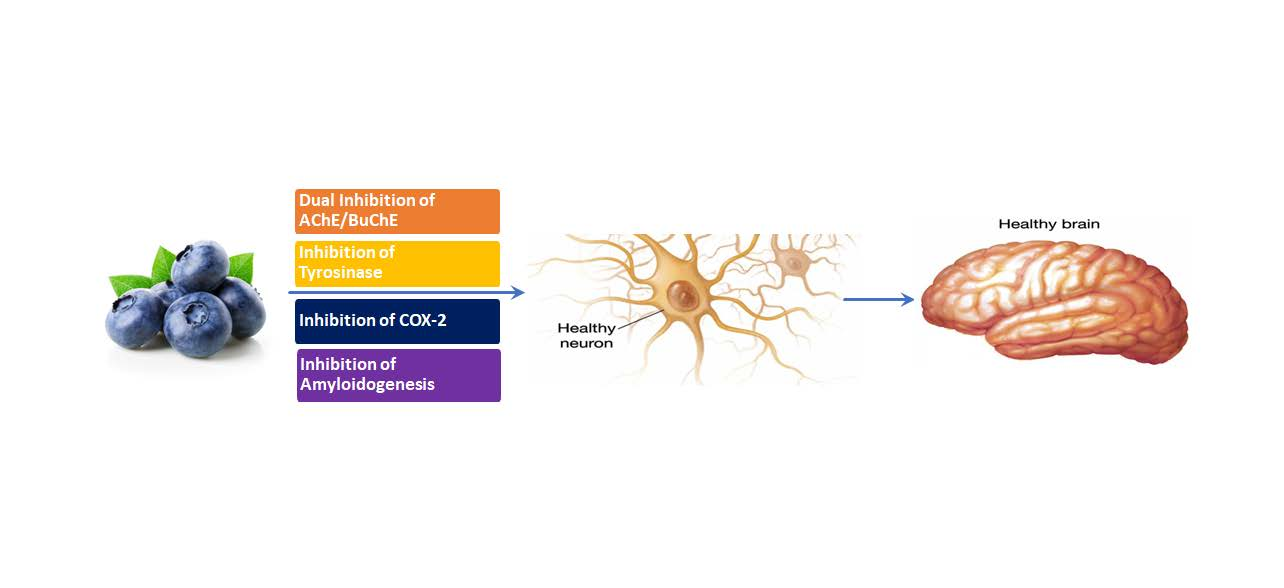
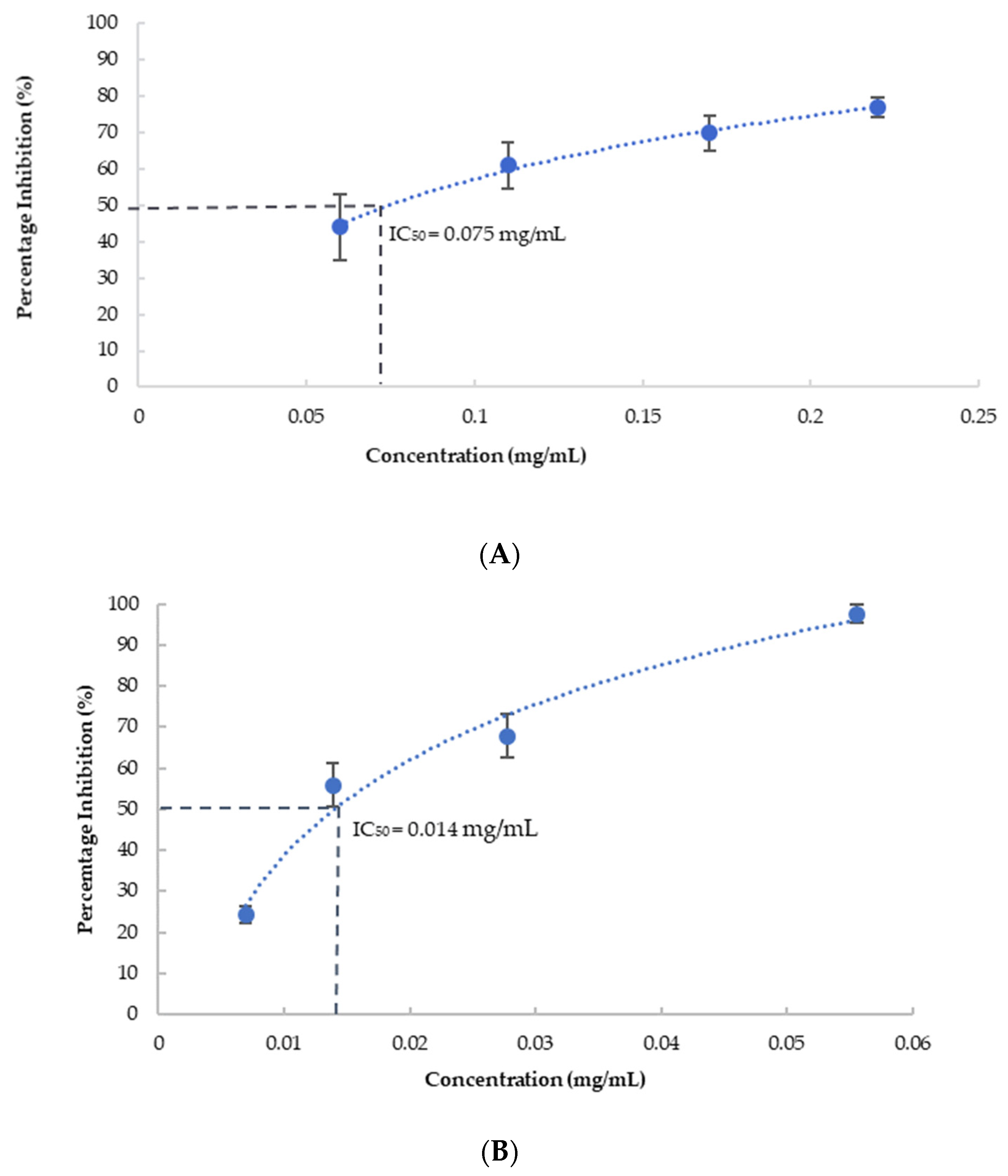
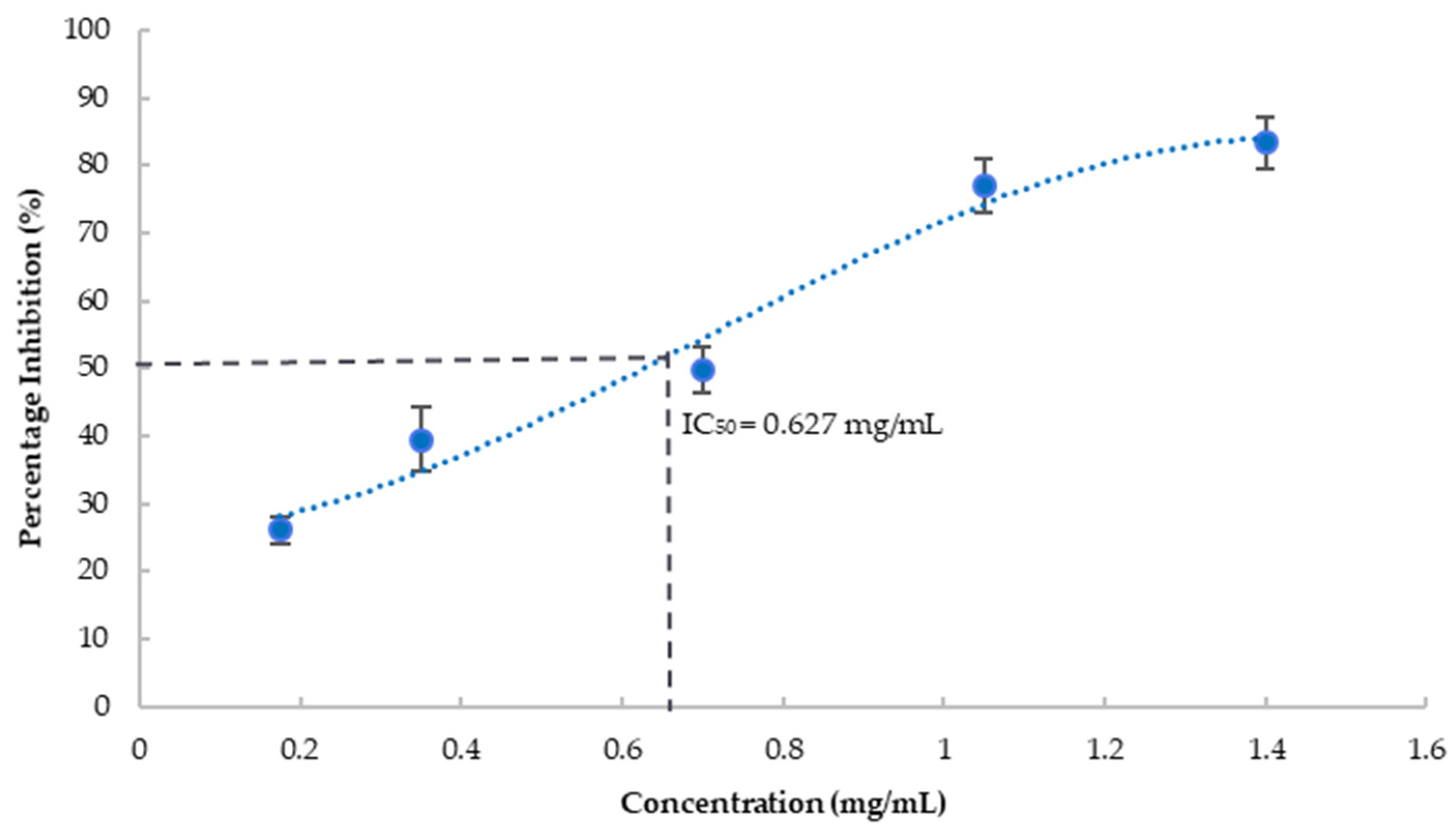
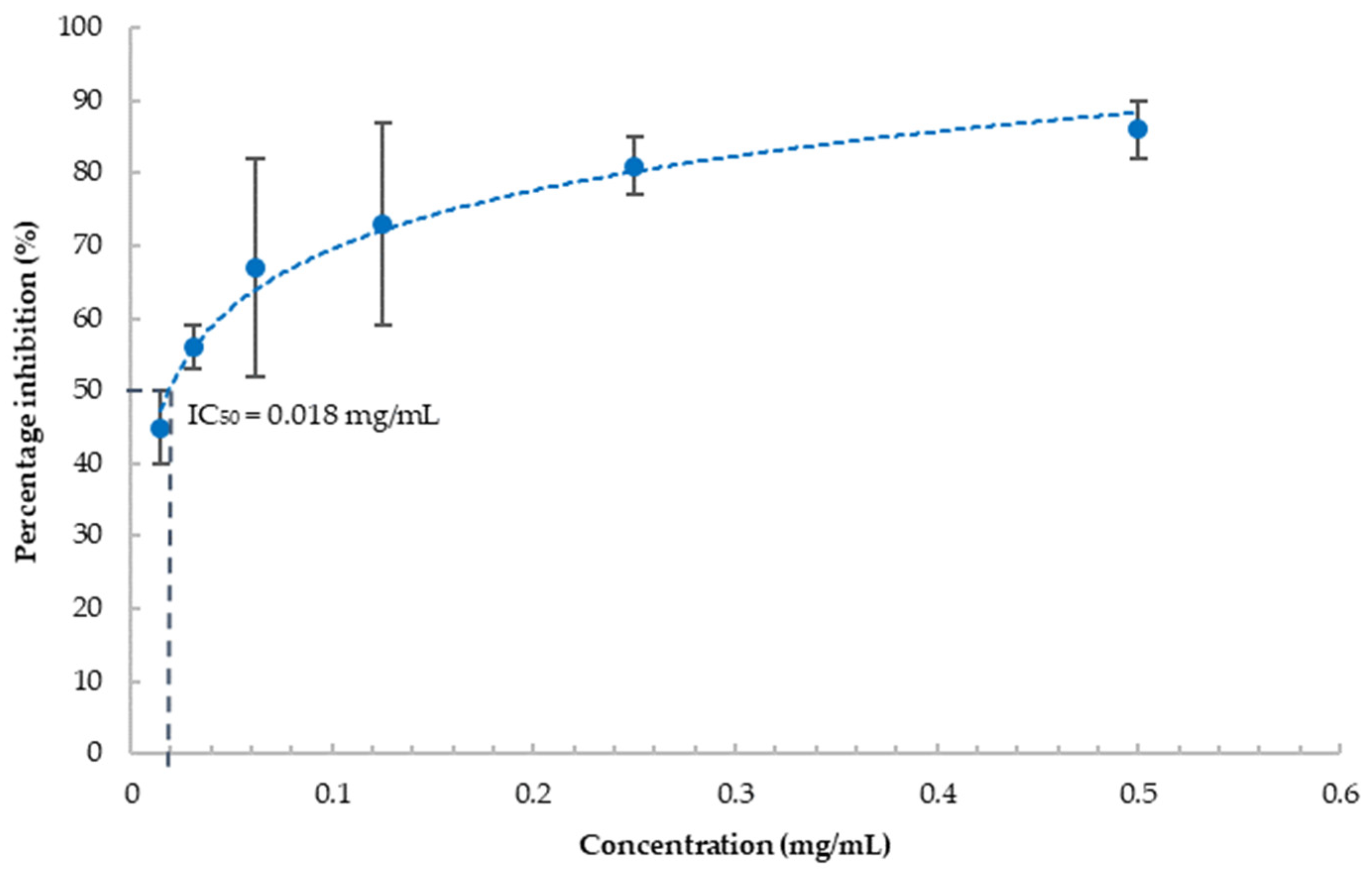
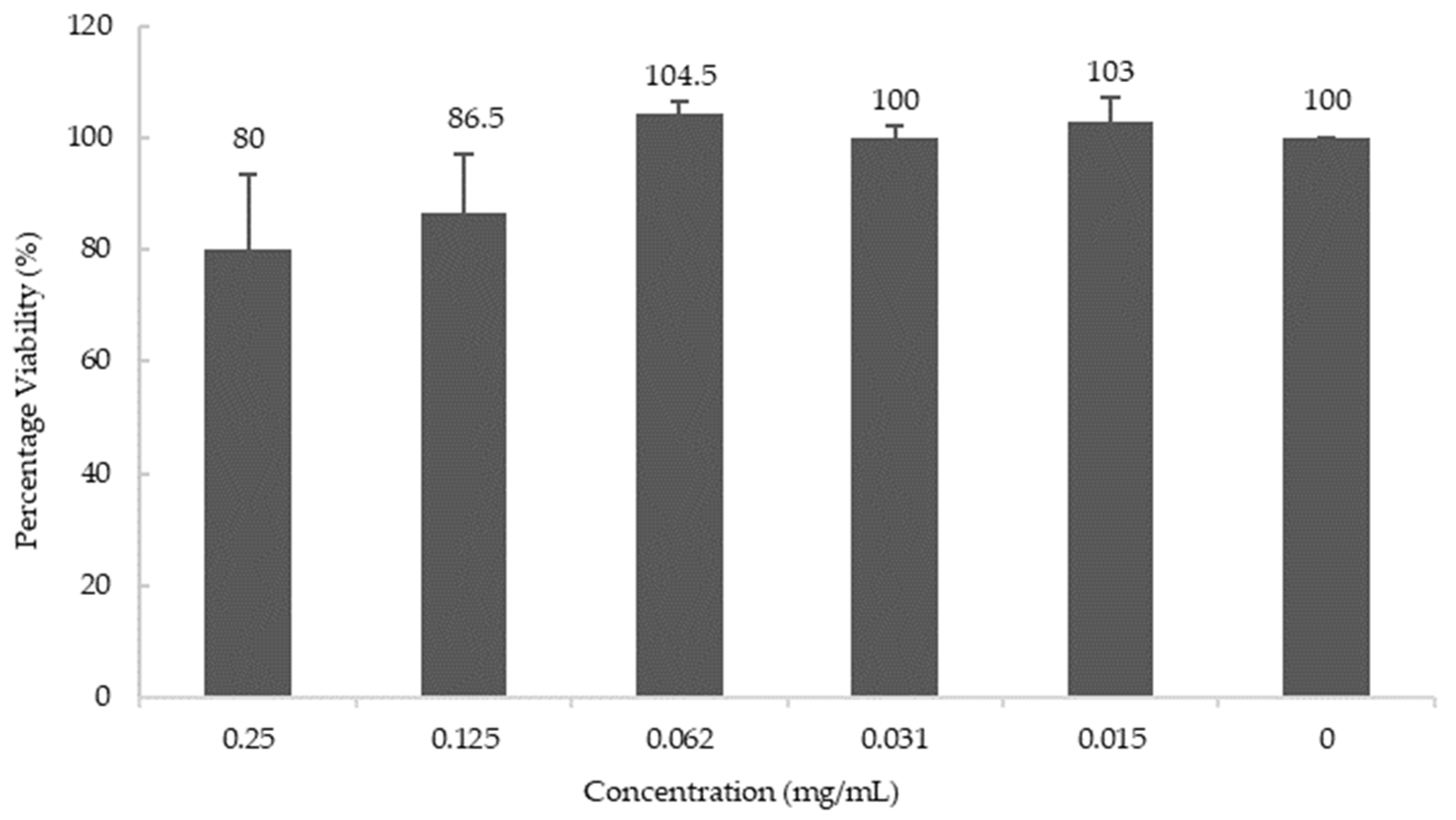
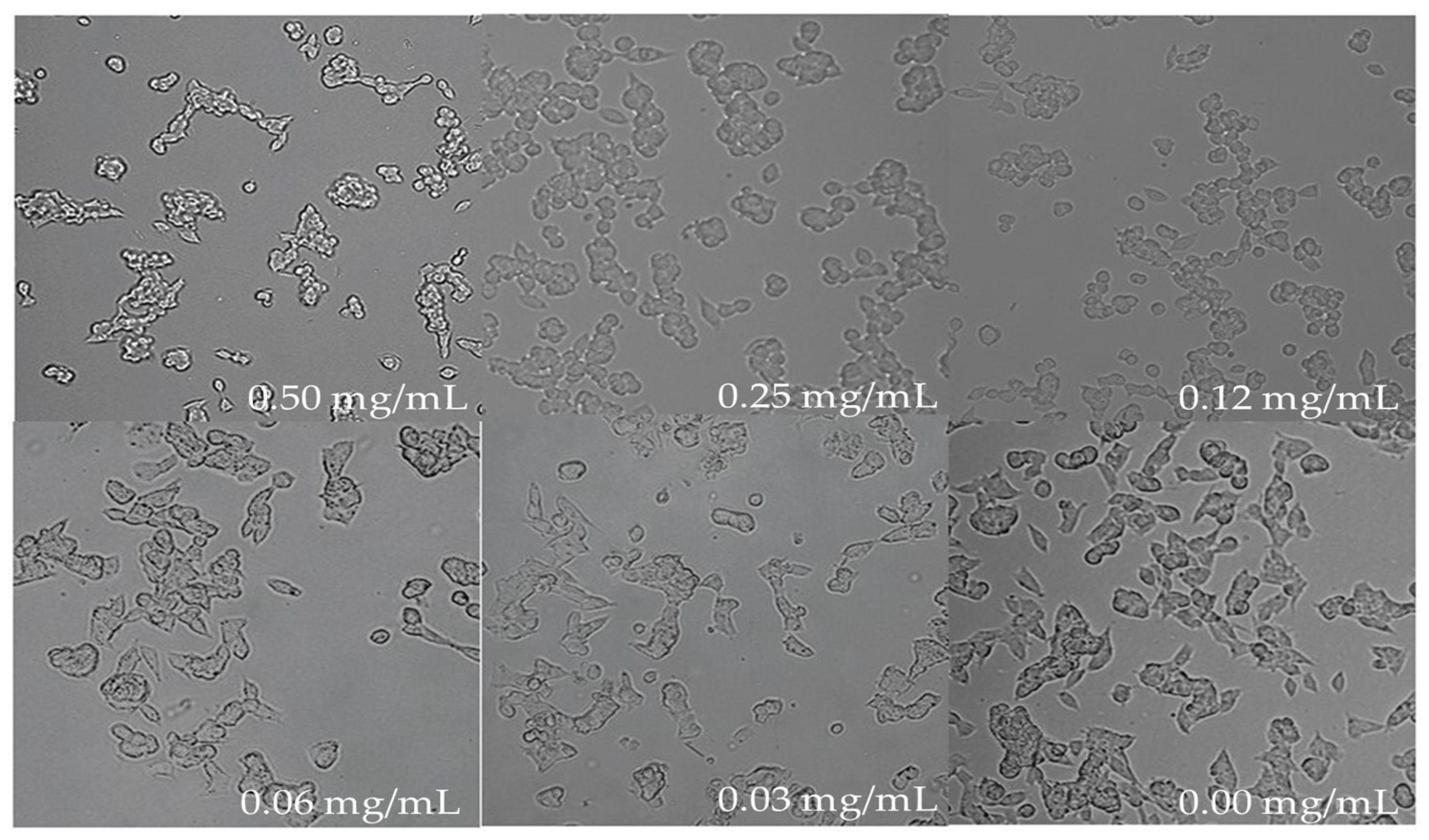
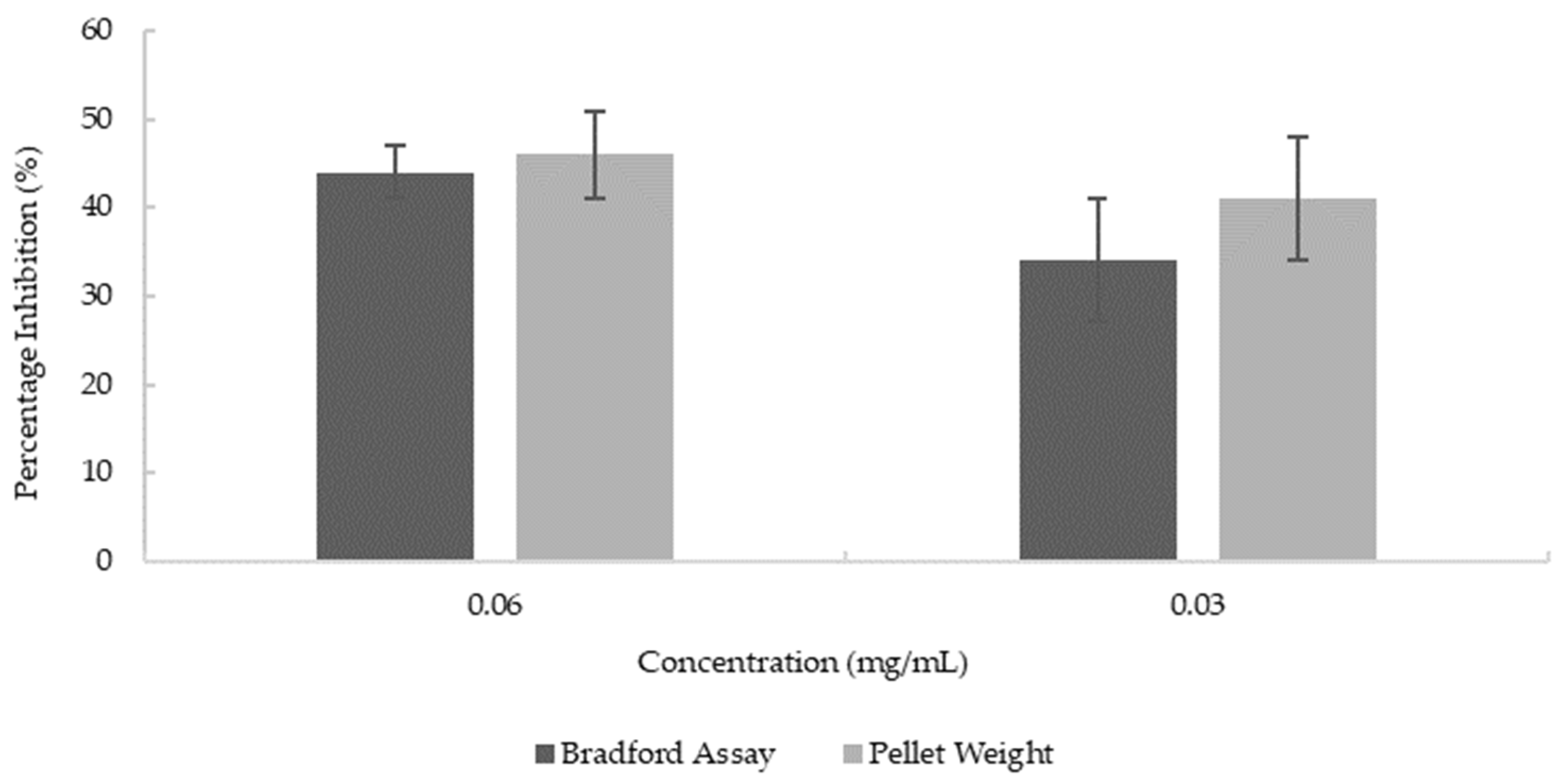
Blueberries are rich in polyphenolic compounds and have shown improvement in cognitive function in several clinical trials. The molecular basis of the neuronal protection of blueberries, however, is not fully understood. The objective of this research is to understand the biochemistry basis of neuronal protection effects of blueberries through their impacts on several enzymes and pathways involved in Alzheimer’s disease (AD) and other neurodegenerative diseases. We examined the inhibition effects of blueberries on the enzymatic activity of cholinesterase (acetylcholinesterase, AChE; and butyrylcholinesterase, BuChE), tyrosinase, and cyclooxygenase-2 (COX-2). The effects of blueberries on the biosynthesis of acetylcholinesterase in a cellular model were also studied. Further, the effect of blueberries on amyloid fibril formation was evaluated. Our results showed that blueberries directly inhibit the enzymatic activity of AChE, BuChE, tyrosinase, and COX-2, with the IC50 at 48 mg/mL, 9 mg/mL, 403 mg/mL, and 12 mg/mL of fresh berry equivalent, respectively. Further, blueberries delay the amyloid fibril formation by 24 h at 39 mg fresh berry/mL. It also reduces the synthesis of acetylcholinesterase synthesis at 19 mg fresh berry/mL in a cellular model. Those results suggested that the neuroprotection effects of blueberries may involve different pathways, including enhancing cholinergic signaling through their effect on cholinesterase, reducing neuroinflammation through inhibition of COX-2, and reducing amyloid formation. Collectively, blueberries may play a vital role in neuronal protection beyond their antioxidant activity and our results provide more molecular mechanisms for their neuroprotective effects, and support blueberries being nutraceutical to improve cognitive function.
Keywords: blueberry; neuroprotection; Alzheimer’s disease; cholinesterase; acetylcholinesterase; butyrylcholinesterase; tyrosinase; cyclooxygenase 2; amyloid; neurodegeneration blueberry; neuroprotection; Alzheimer’s disease; cholinesterase; acetylcholinesterase; butyrylcholinesterase; tyrosinase; cyclooxygenase 2; amyloid; neurodegeneration
Graphical Abstract